
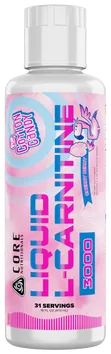
Beauty Trim Liquid L-Carnitine Wild Cherry Flavor Review
We don’t sell supplements. We help you make decisions and get the best price.
Lowest prices
We may earn a commission from some store links. How we choose.
We found no store selling it right now.
Products with nearly the same formula (Matched on the main ingredients)
Study, Trial or Testing Result Summary
Members Only21 human studies · 16 improved
1 of these 21 human studies gave the ingredient by drip, not by mouth.
The main ingredient, L-carnitine, is present at a full dose. In a small controlled trial of 30 children with hard-to-treat epilepsy on a high-fat diet, adding L-carnitine for 3 months sped stomach emptying and increased how often they had bowel movements [1]. In a records review of 27 people with severe disabilities, lower carnitine levels went with worse constipation, which eased after carnitine was given [2]. In 15 adults on kidney dialysis with no comparison group, 900 milligrams a day was linked to better digestive symptoms, but bowel movements barely changed [3]. No study tested healthy adults. Niacin and vitamin B6 are at full doses. People who eat more niacin have less constipation, but these were diet surveys, not supplement trials [4][5]. Vitamin B6 helped regularity only when mixed with fiber and other ingredients [6][7]. Ginger is well below the studied dose of 480 milligrams, where it eased constipation symptoms [8]. Pantothenic acid was tested only as an injection after surgery [9]. Green tea extract has no studies for this goal. Animal and cell studies are never counted.
See all 21 studies →Hide the studies
- In 80 adults with mild to moderate functional dyspepsia, 480 mg a day of steamed ginger extract for 12 weeks improved stomach symptom scores, including constipation, more than placebo.Efficacy and safety of steamed ginger extract for gastric health: a randomized, double-blind, placebo-controlled multi-c…
- In 60 women having chemotherapy for gynecological tumors, ginger moxibustion plus acupuncture led to less constipation than standard anti-nausea drugs, but the ginger effect cannot be separated from acupuncture.Wrist-ankle acupuncture and ginger moxibustion for preventing gastrointestinal reactions to chemotherapy: A randomized c…
- In 60 people with treated underactive thyroid and lingering symptoms, 500 mg of ginger twice a day for 30 days improved overall symptoms, including constipation, more than placebo.Efficacy of Ginger Supplementation in Relieving Persistent Hypothyroid Symptoms in Patients with Controlled Primary Hypo…
- In 52 people with relapsing-remitting multiple sclerosis, 500 mg of ginger three times a day for 12 weeks reduced how often and how severe constipation was compared with placebo.The effects of ginger supplementation on common gastrointestinal symptoms in patients with relapsing-remitting multiple …
- In 50 adults with constipation-predominant irritable bowel syndrome, two jelly drinks a day with 1.8 mg pyridoxine plus inulin and curcumin for 2 weeks increased bowel movement frequency and stool consistency score and reduced pain and bloating, while the diet-only group improved only in pain and bloating.[Dry jelly concentrate with vitamins and dietary fiber in patients with IBS with constipation: a comparative controlled …
- In 49 adults with constipation-predominant irritable bowel syndrome, two drinks a day with 2 mg pyridoxine plus inulin and menthol for 2 weeks improved stool frequency, stool consistency, pain, bloating and quality of life, but 10 of 25 drinkers developed heartburn.[Using a multicomponent functional food in IBS patients with constipation a comparative controlled study].
- In 48 people with long-term constipation, a four-herb powder containing ginger taken on alternate days for 4 weeks raised weekly bowel movements from 1.8 to 4.8 versus 1.7 to 2.2 with placebo, but ginger's own effect is unclear.Efficacy of an Iranian herbal preparation (Lax-Asab) in treating functional constipation: A randomized, placebo-controll…
- In 40 elderly nursing home residents with constipation, 15 minutes of ginger and lavender oil abdominal massage on weekdays for 4 weeks softened stools and reduced constipation severity compared with no treatment."Effects of abdominal massage applied with ginger and lavender oil for elderly with constipation: A randomized controlle…
- In a small trial of 36 pregnant women with nausea, a 25 mg pyridoxine plus doxylamine tablet over 5 days showed no significant difference from ondansetron in constipation, and the study did not show a constipation benefit for vitamin B6.Ondansetron compared with doxylamine and pyridoxine for treatment of nausea in pregnancy: a randomized controlled trial.
- In 30 children with drug-resistant epilepsy on a ketogenic diet, L-carnitine for 3 months improved stomach emptying and increased how often they had bowel movements compared with the diet alone.Impact of L-carnitine supplementation on gastric emptying and bowel function in pediatric ketogenic diet therapy: a clin…
- In 23 lactose intolerant adults with ongoing gut symptoms, 30 days of probiotics plus vitamin B6 reduced bloating and improved constipation compared with placebo in a crossover trial.Effects of Bifidobacterium longum and Lactobacillus rhamnosus on Gut Microbiota in Patients with Lactose Intolerance and…
- In 60 orthopedic surgery patients given intravenous dexpanthenol (a pantothenic acid derivative) on the second and third days after surgery, the time to first bowel movement got shorter as the dose went up compared with saline, though the study was small and preliminary.A pilot study of the effect of pantothenic acid in the treatment of post-operative ileus: results from an orthopedic sur…
- In 15 Japanese adults on hemodialysis, taking 900 mg of L-carnitine tablets daily for 3 months was associated with improved gastrointestinal symptoms and a non-significant rise in bowel movements from about 4.2 to 4.8 per week; the study had no control group.L-Carnitine improves gastrointestinal disorders and altered the intestinal microbiota in hemodialysis patients.
- In a large US survey of adults, those in the highest quartile of dietary niacin intake had lower odds of chronic constipation (odds ratio 0.76) than those with the lowest intake, though this was a food-intake association rather than a supplement trial.Evaluating the link between the dietary intake of vitamin B and constipation: a population-based study.
- In a US survey of adults, daily niacin intake of 0-18 mg was linked to higher constipation risk compared with 18-27 mg per day, suggesting low niacin intake is associated with more constipation; this is an observational association, not a trial.Association of niacin intake with constipation in adult: result from the National Health and Nutrition Examination.
- In a survey of 2013 women after childbirth in Guangzhou, China, ginger vinegar intake was linked to a higher chance of at least one postpartum health problem or weight retention; constipation was one of the problems listed, but this was an association, not a tested treatment."Zuòyuèzi" dietary and behavioural associations with maternal health among puerperal women in South China.
- In a six-month study of 1012 patients with functional bowel disorders, 35% used complementary medicine, with ginger the most common type, but the study did not measure whether ginger improved constipation.Complementary and alternative medicine use and cost in functional bowel disorders: a six month prospective study in a la…
- In a survey of 828 Saudi adults with functional gastrointestinal disorders, 73.4% of those using complementary remedies used ginger, but the survey did not measure whether ginger improved constipation.The use of complementary and alternative medicine for functional gastrointestinal disorders among the saudi population.
- In a survey of 202 mothers, 26.7% gave their children herbal products for constipation, and ginger was among the herbs used, but the survey did not measure whether ginger helped.Herbal supplement products used by mothers to cope with the common health problems in childhood.
- In a retrospective review of 27 people with severe motor and intellectual disabilities, lower free carnitine levels were linked to more severe constipation, and constipation was significantly relieved after carnitine supplementation; the dose and duration were not reported.Supplementation with carnitine reduces the severity of constipation: a retrospective study of patients with severe motor…
- In a retrospective single-group study of adults with functional dyspepsia, a supplement combining highly standardized ginger root extract with perilla leaf extract significantly reduced symptoms, including diarrhea and constipation, within the first week, with further improvement by 2 weeks; no control group was used.Effectiveness of a nutraceutical supplement containing highly standardized perilla and ginger extracts in patients with …
Review Totals and Summary
Members Only389 reviews · 95% positive
Extensive customer reviews and qualitative feedback are currently being aggregated for this product. Check back soon for a detailed sentiment analysis.
Biohacker Summary
Members Only0 of 10 recommend it
Niacin and L-carnitine are the two main ingredients, and the panel leans toward recommending both. For niacin, four of the ten recommend it, mainly as a raw material for NAD, with niacinamide named for morning circadian support and for skin health; two use it, one taking enough to flush before a sauna and one applying niacinamide to skin, and one panelist who used to prescribe it stopped after trials showed disappointing effects on heart events. For L-carnitine, two recommend it for fertility, one at 1 to 3 grams a day for at least 30 days before conception and one at 500 or 750 milligrams a day, while one takes the acetyl form in the morning on a ketogenic diet and another describes its role in energy and body weight. One panelist warns against injecting L-carnitine because home-brewed or compounded versions can be contaminated, so oral forms are the safer choice. Ginger and green tea are smaller ingredients in this product, and the panel mostly uses them for digestion, inflammation and focus, with one caution about very high doses of green tea extract and the liver.
See all 10 biohackers →Hide the biohackers
Dr. Eric Berg · Niacin · recommends
- States that expensive NAD+ supplements only turn into $5 niacin in the body and that research has shown niacin can actually raise NAD levels in the blood 5 to 8 times their baseline levels.
- States that vitamin B6 is needed to absorb magnesium.
- Suggests that ginger is an easy addition to a daily routine that may support digestion, inflammation, and healthy blood sugar levels.
- Suggests pairing green tea with lemon for better absorption.
- Recommends consuming ginger every single day for its benefits on digestion, inflammation, skin, blood sugar stability, and potential fat loss.
- Recommends cheap flush niacin, stating that it outperforms expensive NAD supplements and even IV drips in raising NAD levels in the blood.
- Dr. Berg lists pyridoxine hydrochloride as a synthetic vitamin to avoid.
- Recommends taking the active form of vitamin B6, pyridoxal-5-phosphate (P5P), for its benefits to the nervous system, including building the myelin sheath and protecting sensory nerve integrity.
- Notes that Vitamin B6 is intimately involved in the nervous system and may be behind sciatica and carpal tunnel syndrome.
- States that cheap niacin, which creates a flush, ends up more in the blood than expensive NAD versions, suggesting it is more effective for unhealthy individuals.
- Mentions ginger as a food that black cumin seed oil outperforms in reducing inflammation.
- Niacin is linked to several areas of physical and mental health. Studies have looked at its effects on cholesterol, the heart, liver health, schizophrenia, depression, and bipolar disorder.
- Suggests incorporating anti-cancer foods like green tea to help prevent pancreatic cancer.
- States that high vitamin B6 levels can be linked to peripheral neuropathy.
Dr. Mark Hyman · Niacin · neutral
- Explains that pellagra, which killed 100,000 Americans, was a niacin deficiency, a B vitamin.
- Included ginger in their chicken dish as an anti-inflammatory power couple with turmeric.
- Uses ginger in his chicken soup and a special drink because it is anti-inflammatory and helps with symptoms when feeling sick.
- Mentions that EGCG from green tea activates thermogenesis, contributing to calorie burning.
- Recommends ginger as an anti-inflammatory powerhouse.
- Optimized a child's nutrient status with vitamin B6, as the child had low B6 levels.
- States he was using green tea to stimulate the NRF2 pathway and open up detox.
- Dr. Mark Hyman designed 'The World's Smartest Smoothie' using organic ingredients, including Organic Ginger juice.
- Recommends vitamin B6 with folate and B12 as supplements with strong evidence for PMS.
- Believes that if functional testing is done to replete deficiencies like vitamin D and B12 before someone stops their medication, withdrawal symptoms can be completely eliminated.
- Mentions that Paleovalley's turmeric complex includes organic ginger.
- Mentions that green tea has super beneficial effects on Akkermansia muciniphila, a keystone species that protects the gut lining, prevents leaky gut, reduces inflammation, and helps metabolic health.
- Includes ginger in their smoothie for anti-inflammatory support.
- Recommends the Orange Ginger Salmon en Papilotte recipe, stating it is good and easy to make.
Ben Greenfield · L-Carnitine · recommends
- Recommends L-carnitine for male fertility, explaining that it helps shuttle fatty acids into mitochondria, assisting with beta-oxidation, and its concentration in sperm correlates with sperm motility.
- Advises patients to stop ginger before surgery because it can act as a med or antiplatelet agent.
- He mentions L-carnitine as a supplement with real human data behind it for male fertility.
- Recommends L-carnitine at 1-3 grams per day for at least 30 days pre-conception to improve mitochondrial function tied to sperm quality.
- States that Nrf2 activators, when combined with something like niacin, may have a good effect on plaque progression.
- Drinks green tea in the morning as part of her quiet time.
- Recommends root spices like ginger for use on the AIP diet.
- Mentions nicotinamide as an ingredient found in many NAD products and notes that niacinamide and nicotinamide are structurally the same.
- States that Nuchido Time Plus includes green tea extract for its high level of EGCG, which inhibits the methylating enzyme NNMT, ensuring nicotinamide is recycled rather than excreted.
- Believes the niacinamide approach, along with the NAMPT/salvage pathway angle, is underrated and deserves more attention.
- Suggests that one could do a carnivore diet and still have a cup of green tea in the morning to introduce hormetic stressors.
- Mentions niacin as a natural approach that might be good for plaque regression.
- Recommends MitoQ +Heart, a Mitoquinol-enhanced blend with L-Carnitine, Magnesium, and Vitamin D3 for cardiovascular and energy support.
- States that acetyl L-carnitine is very important as a transport molecule that facilitates the entry of fatty acids into the mitochondrial chain, which can produce 100 ATP per molecule.
Dr. Rhonda Patrick · L-Carnitine · neutral
- Discusses L-carnitine's role as a transporter for fatty acids into mitochondria for energy, its role in detoxifying metabolites, and its involvement in stabilizing cell membranes and ketone production. They mention studies showing it helps increase muscle mass and improve cognitive function in women, and meta-analyses showing reductions in body weight, waist size, and body fat in overweight and obese individuals.
- Likes adding ginger to bone broth for flavor, warmth, and its anti-inflammatory compounds.
- Takes a ginger capsule, which seems to improve his digestion.
- Takes acetyl-L-carnitine in the morning, believing it is beneficial with the ketogenic diet and can help boost ketosis, as people on a ketogenic diet can be deficient in carnitine.
- States that NAD can be synthesized from the three forms of niacin, also known as vitamin B3, found in foods like lean meats, legumes, and veggies.
- Dr. Patrick states that people with a specific gene polymorphism in the NPF3 gene, which affects vitamin B6 levels, may need to increase their dietary intake of B6 and/or supplement with vitamin B6.
- Vitamin B6 can suppress the production of Advanced Glycation End products.
- Dr. Patrick mentions that catechins and polyphenols are found in things like green tea, dark chocolate, turmeric, blueberries, and other purple pigmented fruits and vegetables, as well as red wine.
- L-carnitine is important for transporting fatty acids into the mitochondria for energy and plays a role in detoxifying potentially toxic metabolites. Supplementation in the range of 1 to 4 g a day along with carbohydrates has shown benefits in muscle mass, cognitive function, and reductions in body weight and waist size in overweight and/or obese individuals.
- She thinks it would be useful to add acetyl-L-carnitine to her alpha-lipoic acid for mitochondrial benefits, but it's not high on her list because she eats a lot of meat, which is high in carnitine.
- Dr. Rhonda Patrick reviews how L-carnitine affects mitochondrial energy metabolism.
- Tim Ferriss consumes ginger with turmeric and black pepper in tea to counteract unnecessary inflammation.
- Dr. Rhonda Patrick explores high-dose vitamin B6.
- Notes that very high doses of vitamin B6 can overcome a specific mutation in the ornithine aminotransferase enzyme, preventing progressive blindness.
Thomas DeLauer · Niacin · uses
- Uses niacin as part of their detoxification protocol, taking enough to flush about half an hour before a sauna session.
- Or, I'll just go to something much lower caffeine. Like, I'll sip on green tea. I put a link down below for Peak Matcha. So, Peak Tea is really good quality tea.
- Now rotates green tea with coffee, having green tea for two days, then coffee for two days, to maintain energy and benefit from different antioxidant profiles. He previously focused too much on green tea and neglected coffee.
- Combines MCT oil with matcha green tea in a cognitive cocktail, finding that green tea provides more mental benefits than coffee for focus and calm energy.
- Explains that green tea's catechin benefits often diminish in the intestines, with less than 20% surviving digestion, but adding citrus can reclaim these benefits by about 5x.
- Recommends adding citrus, specifically lemon, to green tea to reclaim the benefits of catechins, as it can leave 80% of them intact.
- Mentions that Dose Daily contains organic ginger root powder.
- Uses ginger oil, an ingredient in Curcumin Gold, stating it helps modulate inflammation within the gut.
- Recommends sipping green tea while walking fasted in the morning to help extend the fat oxidation window.
- Recommends one to three small cups of green tea, ideally in the morning, as consistent consumption over two to three weeks increases BDNF due to EGCG.
- Recommends switching to a good quality green tea first thing in the morning because it is lower in caffeine and contains theanine, which has a cortisol-blunting effect, balancing out the stimulation.
- Recommends green tea, mentioning its EGCG content.
- Would want green tea for its EGCG, which is a good antioxidant, especially for managing stress.
- Recommends ginger, explaining that it contains components that allow GLUT4 receptors to disperse more heavily throughout a cell, which helps absorb glucose and reduces blood sugar.
Andrew Huberman · L-Carnitine · recommends
- Andrew Huberman, based on discussions with fertility doctors, recommends L-carnitine for patients trying to increase fertility, egg quality, or sperm quality, noting it can be taken orally in higher dosages like 500 or 750 milligrams a day, or via injectable form.
- Drinks green tea and believes it has very positive cognitive benefits in terms of focus.
- Discusses a study where people who had taken powdered ginger were less judgmental because their stomachs were calmed, noting that ginger calms the stomach.
- Uses Athletic Greens AG1 in the morning for gut health.
- Asks if ginger can increase metabolism and states that apparently, it can.
- Conducted a study on ginger powder dissolved in warm water, which significantly elevated the thermic effect of food over a 6-hour period, suggesting it could boost energy expenditure.
- He shares science-based tools for modulating aggression, including supplementation with acetyl-L-carnitine.
- Discusses a study showing that acetyl-L-carnitine supplementation significantly improved symptoms of ADHD, including reductions in aggressive behavior, attentional problems, and delinquency.
- Recommends L-carnitine for sperm health.
- Has started experimenting with L-carnitine in an injectable form, taking a much lower milligram count than oral doses, to avoid absorption issues and concerns about increased TMAO from oral intake. They acknowledge its benefits for mitochondrial health.
- Mentions Acetyl-L-carnitine in the context of whole body pain.
- States that there are good, unbiased peer-reviewed studies showing that 1 to 3 grams of ginger can cause a notable reduction in nausea.
- Takes a couple of green tea capsules in the morning.
- Does not supplement B6 due to evidence that overs-supplementing vitamin B, especially B6, is problematic because of peripheral nerve damage.
Dave Asprey · Niacin · recommends
- Recommends niacin, a form of vitamin B3, as one of the two most important raw materials for NAD+ production, found in foods like beef liver, chicken, turkey, and fish, or from supplements.
- Warns that very high doses of EGCG or green tea extract could cause harm to the liver.
- Recommends ginger as a midwife remedy to help with nausea during pregnancy.
- Dave Asprey recommends niacin, a form of vitamin B3, as one of the two most important raw materials for NAD+ production, found in foods like beef liver, chicken, turkey, and fish.
- Notes that niacin has been a standard longevity ingredient since the 1990s.
- Mentions green tea as a source of EGCG but notes it also contains oxalates.
- Dave discusses how niacinamide compares as an NAD precursor.
- Dave explains that niacinamide is an old-school way to mildly elevate NAD levels, and it was the only way to raise NAD in the very early days.
- Warns that green tea depletes folic acid and may not be advisable during pregnancy, or at least should be taken with folic acid.
- Used niacin for a while to address plaque in his arteries and high LP(a), but stopped because it caused high liver values and made him feel unwell, despite dropping his LP(a).
- Mentions Vitamin B6 as playing a role in methylation pathways.
- Mentions that green tea contains oxalate, though it is lower than black tea and matcha.
- States that L-Carnitine shows changes happening in fertility.
- Mentions that Acetyl-L-Carnitine is usually a good mitochondrial enhancer, but not everyone needs it.
Siim Land · Niacin · recommends
- Suggests that in the mornings, NAD supplements like niacinamide can help kickstart the circadian rhythm.
- States that green tea is very effective for visceral fat loss due to its polyphenol content.
- Personally drinks 2 cups of green tea a day and made it one of the small changes while reducing his visceral fat.
- Mentions that green tea's EGCG has stimulated autophagy in cultured liver cells and mouse experiments by increasing AMPK.
- Consumed more polyphenol-rich foods, including green tea, to reduce visceral fat.
- Mentions that he drank green tea, which targets visceral fat, as one of the things he did to reduce visceral fat.
- Drinks 1-3 cups of green tea a day, noting that there are multiple lines of evidence suggesting it improves various health markers and may have longevity benefits.
- States that green tea is one of the healthiest beverages in the world, improving cardiovascular disease risk factors, heart health, metabolic health markers, targeting all hallmarks of aging, reducing visceral fat, and being associated with lower mortality.
- When dropping his visceral fat, Siim Land drank around one to three cups of green tea per day, usually in the morning and before exercise, and believes it contributed to visceral fat loss.
- Mentions ginger as a compound that can increase autophagy, but notes it doesn't come close to exercise in effectiveness.
- Drank 2–3 cups of green tea per day to reduce visceral fat.
- Reduced visceral fat by adding 2 cups of green tea per day.
- States that ginger lowers body weight in people who are overweight or have high inflammation.
- Recommends having ginger tea in the evening as it has autophagy-regulating effects.
Peter Attia · Niacin · uses
- Peter Attia's AVIA Skincare vitamin C serum also contains niacinamide, which is useful to apply to the skin right after washing.
- Discusses L-carnitine, noting that people inject it for fat loss and to get more out of testosterone input, but warns against injecting it due to potential contamination from homebrewing or even compounding pharmacies, which have had issues leading to deaths.
- Warns that injecting L-carnitine, especially if home-brewed, is a bad idea due to sterilization concerns and potential for contamination, which can lead to serious health issues.
- Derek explores L-carnitine as a fat loss supplement.
- Used to prescribe niacin to many patients, primarily to raise HDL, lower APO B, triglycerides, LDL, and LP(a), but stopped after clinical trials showed minimal or disappointing effects on reducing cardiovascular events.
- Notes that niacin lowers LP little a but was not shown to have clinical benefit in outcome studies, and they are not currently using it.
- Recalls that a flush from niacin typically occurred with doses of a few grams.
- Explains that niacin does reduce Lp(a) levels, increase HDL, and lower triglycerides, but two large cardiovascular outcome trials have shown no cardiovascular benefits and many side effects, such as flushing. He concludes that the cost-to-benefit ratio does not support its use.
- He dives into data on the possible treatments for lowering Lp(a) such niacin, meds, and PCSK9 inhibitors.
- Explains that green tea extract was tested due to popular reputation and traditional medicine claims, but it did not extend the lifespan of animals in their studies.
- States that niacin is a dead drug and is not recommended by any guidelines, though some still selectively use it for Lp(a).
- Warns against taking high doses of nicotinamide (a form of niacin/vitamin B3) because it is an effective inhibitor of sirtuins, which are enzymes one wants to keep active for the purpose of raising NAD.
- Peter Atia notes that some people still argue niacin makes sense because it lowers LP little-a, but he advises against it, stating that it has a weak lowering effect of about 20% and that he knows many lipidologists who would not use it.
- Warns against niacin, stating that it causes acanthosis nigricans, worsens insulin resistance, and has numerous other side effects, despite lowering apoB. He recounts a patient who experienced a severe pruritic reaction, thinking he was going to die.
Bryan Johnson · Niacin · recommends
- Recommends Niacinamide as a supplement for skin health, noting it is in the Blueprint stack.
- Takes Athletic Greens AG1 in the morning for gut health.
- Includes three capsules of Ginger in his Blueprint stack.
- Includes 3g of ginger in his Super Veggie for a variety of benefits including liver, pancreas, artery health, and digestion.
- Includes ginger in his Super Veggie meal, which he eats at 7 AM.
- Includes ginger in his daily 'Super Veggie' breakfast for its nutrient density.
- He uses Niacinamide, found in serums or moisturizers, morning and night, and takes 15 mg in Blueprint Essential Capsules.
- Uses ginger in his Super Veggies.
RAL Summary
Members OnlyTier 3 for Regularity: Long-Term Relief
The tier rests on niacin, a trace vitamin in this product, and on two diet surveys rather than supplement trials, while the main ingredient, L-carnitine, has only small studies in people with specific medical conditions. So it is graded Tier 3, lower than the rules alone gave.
Where the evidence disagrees: 5 of the 21 human studies found no effect.
More Details
Members OnlyBody systems · Combine with · Possible side effects
Body systems: Digestive system
Combine with: Combine with a healthy diet and lifestyle.
Possible side effects: Heartburn was reported in 10 of 25 people taking a drink with vitamin B6, fiber and menthol; no other major side effects were reported in the studies, and no written reviews were read.
Supplement Facts
Carbohydrates 3 g · Niacin 20 mg · Pantothenic Acid 10 mg
| Calories | 10 | |
| Carbohydrates | 3 g | † |
| Niacin | 20 mg | |
| Pantothenic Acid | 10 mg | |
| Vitamin B6 | 2 mg | |
| Ginger root extract | 100 mg | † |
| Green Tea extract | 100 mg | † |
| L-Carnitine | 1,000 mg | † |
Other ingredients: Purified Water, glucono-delta-lactone, Glycerin, Citric Acid, Natural flavors, Potassium Sorbate, sodium hexametaphosphate, Stevia leaf extract, Sucralose, Sodium Benzoate, Acesulfame Potassium.
Directions: Suggested Use - Take one tablespoon (15 mL) daily. May be consumed any time of the day. Shake well before using.
Barcode (UPC) 858695002706 · Label source: NIH label database · Report a label change
Show entire label
More regularity: long-term relief products
Members OnlyThe highest ranked for the same goal
Read more
Our articles on this subject
- Magnesium Glycinate vs Citrate: What the Studies ShowArticle · Oct 30, 2026
- Supplement Safe Upper Limits: How Much Is Too Much, Nutrient by Nutrient, and How to Check Your StackArticle · Oct 16, 2026
Graded November 15, 2026 by the Reverse Age Lab evidence engine, from human studies, real reviews and our biohacker panel. How we grade. Is this medical advice? No. Rala organizes the published evidence; go over any change with your doctor, especially if you take meds.
Privacy policyConsumer health dataAffiliate disclosureTermsDo Not Sell or Share My Personal InformationCookie settings