
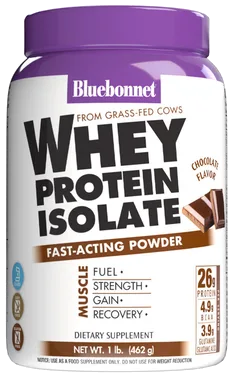
Bluebonnet Whey & Casein Protein Powder Chocolate Flavor Review
We don’t sell supplements. We help you make decisions and get the best price.
Lowest prices
We may earn a commission from some store links. How we choose.
We hold no current store prices for it yet: check the store.
- AmazonPrice at AmazonCheck price at Amazon (opens in a new tab)
Also at: Bluebonnet · Walmart. Some links earn us a commission; price comes first, and a commission only decides the order of prices within 2%. As an Amazon Associate we earn from qualifying purchases.
Products with nearly the same formula (Matched on the main ingredients)
Study, Trial or Testing Result Summary
Members Only15 human studies · 2 improved
The evidence that whey and casein protein relieves heartburn is thin and mostly does not apply to ordinary protein powder. This product gives 26 grams per serving, so two servings a day reach the 50 grams used in the one trial. In that trial of 41 adults with gut disorders, a daily shake with 50 grams of mostly partly broken-down casein for 10 days reduced heartburn compared with the start, but an ordinary milkshake did not reduce heartburn, and inflammation markers did not change [1]. A large records review of 3,015 tube-fed children found fewer digestive intolerance episodes on a whey-based formula over 12 months, including in children with reflux, but there was no comparison group [2]. Several studies point the other way: in some infants and children, cow's milk protein caused or worsened reflux, in about four in ten infants with reflux in one study [3][4]. In those allergic children, removing milk protein reduced reflux [5][6]. Overall, most studies showed no effect, and no study measured how many people got heartburn relief from an ordinary protein powder like this one. Animal and cell studies are never counted.
See all 15 studies →Hide the studies
- In 41 adults with functional gut disorders, a milkshake with 50 g of mostly partly broken-down casein protein daily for 10 days reduced overall gut symptoms and heartburn compared with baseline, while the ordinary milkshake did not reduce heartburn; inflammation markers did not differ.Randomised Controlled Trial: Partial Hydrolysation of Casein Protein in Milk Decreases Gastrointestinal Symptoms in Subj…
- In 16 vomiting infants, a cow's milk formula challenge caused abnormal stomach rhythm and slower stomach emptying in the 7 with milk allergy, compared with the 9 with primary reflux.Vomiting and gastric motility in infants with cow's milk allergy.
- In 10 infants with reflux that did not respond to standard treatment, a one-month hypoallergenic diet did not significantly improve pH test results, and only two showed some symptom improvement.Is cow's milk protein intolerance a cause of gastro-oesophageal reflux in infancy?
- In 3,015 children receiving tube feeding with a whey-based formula, claims data showed fewer digestive intolerance and abdominal swelling episodes over 12 months, including in the reflux subgroup, though this was a retrospective study without a control group.Gastrointestinal tolerance, healthcare resource utilization, and cost analysis of whey peptide-based enteral formula in …
- In 735 children with reflux symptoms, 62 had reflux caused by an allergy to cow's milk protein or other foods, confirmed by a positive food challenge.Gastroesophageal reflux (GER) in children and adolescents with regard to food intolerance.
- In adults who believed they were milk intolerant, 36 of 42 (86%) had symptoms after whole cow's milk versus 9% after placebo, and 74% of the 314 reviewed patients reported dyspepsia; heartburn relief was not tested.Whole Cow's Milk but Not Lactose Can Induce Symptoms in Patients with Self-Reported Milk Intolerance: Evidence of Cow's …
- This study of 264 children used esophageal pH monitoring to diagnose reflux and did not test any whey or casein product as a treatment.24-hour esophageal pH-monitoring in children suspected of gastroesophageal reflux disease: analysis of intraesophageal p…
- In 204 infants with reflux, 85 (41.8%) had reflux linked to cow's milk allergy, confirmed by a milk-free diet and two blind challenges.Gastroesophageal reflux and cow's milk allergy in infants: a prospective study.
- In 140 infants under one year, 30 of 72 with reflux also had cow's milk protein allergy, and a specific reflux pattern on pH testing helped identify those cases.Gastroesophageal reflux associated with cow's milk allergy in infants: which diagnostic examinations are useful?
- In 138 children with reflux, higher acid reflux on 24-hour pH testing went with more severe symptoms, whether the reflux was primary or caused by milk or other food allergy.Acid gastroesophageal reflux and intensity of symptoms in children with gastroesophageal reflux disease. Comparison of p…
- In 96 infants, a milk-protein-free diet improved symptoms only in infants whose reflux was caused by cow's milk protein allergy, not in those with primary reflux.Clinical and pH-metric characteristics of gastro-oesophageal reflux secondary to cows' milk protein allergy.
- In 79 infants with persistent breathing problems, 26% had immune cells in their airways containing milk proteins, which suggests milk was being inhaled into the lungs, and this was more common in infants with airway softening.Milk protein and Oil-Red-O staining of alveolar macrophages in chronic respiratory disease of infancy.
- Among 55 teens and young adults with chronic fatigue syndrome, 31% met criteria for cow's milk protein intolerance, and those with milk sensitivity had worse quality of life at baseline, a difference that was gone after six months on a milk-free diet.Cow's milk protein intolerance in adolescents and young adults with chronic fatigue syndrome.
- In 50 crying infants with reflux symptoms, the 14 found to have non-IgE-mediated cow's milk protein allergy had less reflux, less acid exposure and better esophageal lining integrity after cow's milk protein was removed from their diet; this study tested removal of milk protein, not adding whey or casein.Characterization of Upper Gastrointestinal Motility in Infants With Persistent Distress and Non-IgE-mediated Cow's Milk …
- In 12 children with eosinophilic esophagitis, seven had no symptoms and normal biopsies after treatment, five of them on a diet without cow's milk protein.Paediatric eosinophilic oesophagitis: towards early diagnosis and best treatment.
Review Totals and Summary
Members Only488 reviews · 95% positive
Extensive customer reviews and qualitative feedback are currently being aggregated for this product. Check back soon for a detailed sentiment analysis.
Biohacker Summary
Members Only10 of 10 recommend it
Our biohacker panel has not discussed this product’s ingredients yet.
RAL Summary
Members OnlyTier 4 for Occasional Heartburn: Fast Relief
The tier two grade rests on an uncontrolled study of tube-fed children on a whey-based medical formula and a trial of a special partly broken-down casein shake, not on ordinary whey and casein protein powder, while most studies found no effect and some found milk protein can worsen reflux. So it is graded Tier 4, lower than the rules alone gave.
Take 2 servings a day to match the dose that worked in the studies.
- Emerging: not enough evidence to rank higher yet.
Where the evidence disagrees: 11 of the 15 human studies found no effect.
More Details
Members OnlyBody systems · Combine with · Possible side effects
Body systems: Digestive system, Immune system
Combine with: Combine with a healthy diet and lifestyle.
Possible side effects: In people allergic to cow's milk protein, milk protein can cause or worsen reflux. No other major side effects reported.
Supplement Facts
Total Carbohydrates 1 g · Calcium 160 mg · Iron 0.7 mg
| Calories | 130 | |
| Total Fat | 1.5 g | |
| Cholesterol | 15 mg | |
| Total Carbohydrates | 1 g | |
| Protein | 26 g | |
| Calcium | 160 mg | |
| Iron | 0.7 mg | |
| Phosphorus | 110 mg | |
| Magnesium | 25 mg | |
| Copper | 0.1 mg | |
| Sodium | 130 mg | |
| Potassium | 140 mg | |
| L-Glutamine | 500 mg | † |
Other ingredients: Whey Protein Isolate, Calcium Caseinate, Micellar Casein, Cocoa, Gum Acacia, L-Glutamine, Natural Flavors, Medium Chain Triglyceride Oil, Salt, Stevia extract, Sunflower Lecithin.
Directions: Directions: As a dietary supplement, add one scoop (34 g) of instantized Whey & Casein Protein Powder to 8 fl oz of cold water, milk (dairy, almond, oat, rice or soy) or beverage of choice and mix or shake until smooth. Mixes effortlessly using just a glass and spoon. For best results, take 30 minutes before or after workout. Can also be taken anytime during the day and in between meals. Ready-to-use Water Milk Smoothies
Barcode (UPC) 743715016095 · Label source: NIH label database · Report a label change
Other sizes and barcodes: 1.05 lb(s); 476 Gram(s), UPC 7 43715 01608 8 (not checked yet); 1.1 oz.; 34 Gram(s), UPC 7 43715 01610 1 (not checked yet); 1.05 lb; 476 Gram(s), UPC 7 43715 01608 8 (not checked yet)
Show entire label
More occasional heartburn: fast relief products
Members OnlyThe highest ranked for the same goal
Read more
Our articles on this subject
- Collagen vs Protein Powder: What the Human Studies ShowArticle · Nov 21, 2026
- Whey Isolate vs Concentrate: Which Protein Powder Should You Choose?Article · Nov 15, 2026
Graded November 18, 2026 by the Reverse Age Lab evidence engine, from human studies, real reviews and our biohacker panel. How we grade. Is this medical advice? No. Rala organizes the published evidence; go over any change with your doctor, especially if you take meds.
Privacy policyConsumer health dataAffiliate disclosureTermsBrand and legal noticesDo Not Sell or Share My Personal InformationCookie settings