
Catie's Liver & Gallbladder Support Review
Catie's Liver & Gallbladder Support is a plant-based dietary supplement in veggie capsules from Catie's Organics. The retailer listing on Jumia Nigeria shows 60 capsules, and the kit page describes a 90-capsule bottle. It is sold on its own and as one of three "maintenance" products in Catie's 7-day Liver & Gallbladder Cleanse Kit. The other two are the Liver & Gallbladder Juice Powder and the Parastrip Powder. The brand positions it for people with ongoing liver dysfunction, or as preparation before the cleanse. Its stated purpose is to strengthen and heal the liver and gallbladder so the body can keep clearing toxins, fats, cholesterol and gallstones. The listed ingredients are milk thistle, dandelion root, artichoke powder, taurine, alpha lipoic acid, selenium and inulin. The brand also lists an unnamed anti-inflammatory and antioxidant compound, which the listing implies is turmeric/curcumin. I could not confirm that, and I found no per-capsule doses. The brand's explanations of how these ingredients work are as follows: - **Milk thistle:** It is traditionally used for liver complaints. Its silymarin compounds are generally credited with antioxidant, membrane-protecting activity in liver cells. The brand's page does not name silymarin. - **Dandelion root:** The brand says it may help the liver detoxify. - **Artichoke powder:** The brand says it improves digestion and liver function. It also raises bile production, which helps carry toxins out of the liver. More bile flow is the main way this formula claims to act on the gallbladder. - **Taurine:** The brand says it defends liver cells against free radicals and toxins and reduces oxidative-stress injury. It also supports bile-acid conjugation. - **Alpha lipoic acid and selenium:** Alpha lipoic acid acts as an antioxidant. Selenium is a trace element the brand calls necessary for a healthy liver. It is a cofactor for glutathione peroxidase, the body's own antioxidant enzyme. - **Inulin:** This prebiotic fiber feeds beneficial colon bacteria. The brand says it also promotes satiety and weight management. Taken together, the formula combines three things: - bile-stimulating herbs - antioxidants that protect liver cells - fiber for the gut The retailer listing adds claims that it reduces inflammation, lowers cholesterol, balances hormones, supports insulin and "breaks down gallstones." These are marketing claims, and I found no clinical evidence for them on the product pages. The product is not an evaluated treatment for gallstones or liver disease. Anyone with gallstones, bile-duct obstruction, liver disease, pregnancy or medications should talk to a clinician first. Bile-stimulating herbs can be a problem when the bile ducts are blocked.
We don’t sell supplements. We help you make decisions and get the best price.
Lowest prices
Finding the lowest prices at the stores now. This takes a few seconds.
Products with nearly the same formula (Matched on the main ingredients)
Study, Trial or Testing Result Summary
Members Only242 human studies · 131 improved
4 of these 242 human studies gave the ingredient by drip, not by mouth.
Milk thistle is at a full dose. Pooled trials found its active extract lowered liver enzymes and improved liver fat and scarring in fatty liver disease [1][2][3]. A long trial raised survival in cirrhosis [4]. Artichoke is at a full dose, and pooled trials found it lowered liver enzymes and blood fats in fatty liver disease [5][6]. Alpha lipoic acid is at a full dose, but pooled trials found no liver benefit [7]. Selenium is at a full dose with mixed results: some trials in hepatitis B carriers found fewer liver cancers [8], but a review found the evidence inconsistent [9]. Olive leaf extract itself did not change liver enzymes in trials [10][11]. Turmeric is well below the doses that helped fatty liver in trials [12]. Taurine is below the studied 2 grams [13]. Inulin is only a trace amount next to the studied 8 grams [14]. Dandelion and cat's claw were tested only inside multi-herb blends [15][16]. Wormwood, black walnut and pau d'arco have only animal studies [17][18][19]. Animal and cell studies are never counted.
See all 242 studies →Hide the studies
- Across 14 trials of 170,525 people, antioxidant supplements including selenium did not lower liver or other gut cancer rates, and some combinations raised death rates; selenium alone looked helpful only in four mostly weak trials.Antioxidant supplements for prevention of gastrointestinal cancers: a systematic review and meta-analysis.
- In 50 mostly observational studies, people with hepatitis, cirrhosis or liver cancer had lower selenium levels and higher selenium was linked to 41% fewer advanced liver disease cases, but fatty liver showed no clear link.Selenium Status in Patients with Chronic Liver Disease: A Systematic Review and Meta-Analysis.
- Across 55 randomized trials with 3545 people with liver injury, silymarin lowered the liver enzymes AST and ALT but not ALP, with less benefit in people with drug-induced or alcohol-related liver disease.Are alterations needed in Silybum marianum (Silymarin) administration practices? A novel outlook and meta-analysis on ra…
- Across 14 trials of 3,423 tuberculosis patients, turmeric combined with Tinospora cordifolia cut the risk of liver injury from tuberculosis drugs compared with placebo, though this rests on few studies.Systematic review and network meta-analysis of efficacy and safety of interventions for preventing anti-tuberculosis dru…
- Across 37 randomized trials of 2509 people with fatty liver disease, artichoke leaf extract ranked best among seven natural products for lowering liver enzymes (AST and ALT) and LDL cholesterol compared with placebo.Effects of different natural products in patients with non-alcoholic fatty liver disease-A network meta-analysis of rand…
- Across 26 randomized trials with 2375 people with fatty liver disease, silymarin lowered liver enzymes, cholesterol and fat markers and improved fat build-up in the liver on biopsy.Administration of silymarin in NAFLD/NASH: A systematic review and meta-analysis.
- In a review of trials of eight plant polyphenols in 2173 people with fatty liver disease, silymarin lowered liver enzymes, liver fat and liver stiffness.Efficacy and safety of dietary polyphenol supplementation in the treatment of non-alcoholic fatty liver disease: A syste…
- In 20 trials of 1,225 people with liver disease, antioxidant supplements including selenium did not change death rates and may have raised a liver enzyme.Meta-analysis: antioxidant supplements for liver diseases - the Cochrane Hepato-Biliary Group.
- In 20 trials of 1,225 people with liver disease, antioxidant supplements including selenium had no clear effect on death and may have raised liver enzyme activity.Antioxidant supplements for liver diseases.
- Across seven randomized trials with 414 people with fatty liver disease, alpha-lipoic acid did not improve liver enzymes, blood fats, blood sugar measures or body measures compared with placebo.Effects of alpha-lipoic acid supplementation on patients with nonalcoholic fatty liver disease: a systematic review and …
- Pooling five randomized trials of 333 people with fatty liver disease, artichoke leaf extract significantly lowered liver enzymes (ALT and AST), total cholesterol, LDL cholesterol and triglycerides compared with controls.Therapeutic Potential of Artichoke in the Treatment of Fatty Liver: A Systematic Review and Meta-Analysis.
- Across six trials of 242 adults with fatty liver disease, 10 to 12 weeks of fiber supplements (including inulin) lowered liver enzymes (ALT and AST), body mass index, and insulin resistance compared with control.The Relationship between Prebiotic Supplementation and Anthropometric and Biochemical Parameters in Patients with NAFLD-…
- In a pooled analysis of placebo-controlled trials in adults with fatty liver disease, silymarin was linked to higher odds of improved liver scarring stage compared with placebo.Comparative Efficacy of Drug Interventions on NAFLD Over 24 Weeks: A Traditional and Network Meta-Analysis of Randomized…
- In eight randomized trials, artichoke did not change blood pressure overall and gave no reduction in people with fatty liver disease, though people with high blood pressure saw small drops.Effects of artichoke on blood pressure: A systematic review and meta-analysis.
- Pooling eight clinical trials, artichoke significantly lowered liver enzymes AST and ALT compared with placebo, especially in people with fatty liver disease.The effects of Cynara scolymus L. supplementation on liver enzymes: A systematic review and meta-analysis.
- In a pooled analysis of trials, artichoke significantly lowered the liver markers ALT and alkaline phosphatase, with AST borderline non-significant, alongside modest improvements in weight, blood pressure and cholesterol.Artichoke and cardiometabolic health: A systematic and meta-analytic synthesis of current evidence.
- In seven placebo-controlled trials in people with fatty liver disease, phytosomal curcumin reduced body mass index, body fat, weight and waist size, but not hip size.Influence of phytosomal curcumin on anthropometric indices for nonalcoholic fatty liver disease: A meta-analysis.
- A review of meta-analyses in people with fatty liver disease found curcumin modestly lowered body weight but had no clear effect on body mass index or waist size.Effects of curcumin on anthropometric measurements in nonalcoholic fatty liver disease: An umbrella meta-analysis study.
- Pooling 12 trials of mostly people with liver or metabolic problems taking 0.5 to 6 grams of taurine daily for 15 days to 6 months, taurine lowered blood pressure, total cholesterol and triglycerides but did not change blood sugar, weight or HDL and LDL cholesterol.The effects of taurine supplementation on obesity, blood pressure and lipid profile: A meta-analysis of randomized contr…
- Trials of selenium supplements for preventing liver cancer gave inconsistent results with unclear bias, and there was no convincing evidence that selenium prevents cancer.Selenium for preventing cancer.
- In a review of 29 trials with 1840 people with fatty liver disease, most silymarin studies showed lower liver enzymes and blood fats, but no change in inflammation markers.Polyphenol Intervention Ameliorates Non-Alcoholic Fatty Liver Disease: An Updated Comprehensive Systematic Review.
- In ten trials of 816 people with type 2 diabetes, probiotics, prebiotics (including inulin) and synbiotics generally improved liver markers, though some studies showed no significant change.Can probiotic, prebiotic, and synbiotic supplementation modulate the gut-liver axis in type 2 diabetes? A narrative and …
- A review of 11 trials in people with cirrhosis found that in two small trials of 118 patients taking curcumin, one showed better quality of life and the other showed better liver blood tests, though the evidence was limited.The effect of medicinal plants on cirrhosis: A systematic review of clinical trials.
- A review of trials in people with chronic viral hepatitis found silymarin likely lowered liver enzymes but did not change viral load or liver tissue damage.Silymarin treatment of viral hepatitis: a systematic review.
- A review of clinical data on supplements for fatty liver disease concluded silymarin, if well dosed and taken for medium to long periods with lifestyle changes, could have positive effects.Nutraceutical Approach to Non-Alcoholic Fatty Liver Disease (NAFLD): The Available Clinical Evidence.
- A review of 40 meta-analyses in adults found silymarin had positive effects on certain liver enzymes, though evidence quality was generally weak.Natural products and dietary interventions on liver enzymes: an umbrella review and evidence map.
- A review of research on curcumin for fatty liver disease described its potential benefits but noted low absorption and no standard dosing, and gave no pooled numbers.Curcumin Treatment for Metabolic Dysfunction-Associated Steatotic Liver Disease: Mechanism Exploration, Clinical Applica…
- A review of 46 studies on alcohol-related liver disease found weak or negative evidence for selenium, with only magnesium showing a possible role.The Role of Micronutrients in the Pathogenesis of Alcohol-Related Liver Disease.
- In 29,450 healthy adults in China given a vitamin-mineral combination with selenium for about 5 years, liver cancer death was not significantly different from placebo.Chemoprevention of primary liver cancer: a randomized, double-blind trial in Linxian, China.
- In 226 hepatitis B carriers and 3,849 relatives of liver cancer patients, daily selenium yeast for 2 to 4 years led to fewer liver cancers than ordinary yeast.[Preliminary observations on effect of selenium yeast on high risk populations with primary liver cancer].
- In 2,065 hepatitis B carriers with normal liver function in a high-risk area, 0.5 mg of selenium daily for three years was linked to fewer new liver cancers (34 of 1,112 vs 57 of 953 on placebo).[The prevention of primary liver cancer by selenium in high risk populations].
- In 508 people taking tuberculosis drugs, adding a turmeric and Tinospora herbal formulation for about 6 months cut liver damage from 27 of 192 in the drug-only group to 2 of 316 in the herbal group, with lower liver enzymes and bilirubin.Prevention of hepatotoxicity due to anti tuberculosis treatment: a novel integrative approach.
- In 370 tuberculosis patients, milk thistle capsules did not prevent anti-tuberculosis drug liver injury compared with vitamin C, and a stricter definition of liver injury was more common in the milk thistle group.Preventive use of a hepatoprotectant against anti-tuberculosis drug-induced liver injury: A randomized controlled trial.
- In 227 obese adults with type 2 diabetes, 1500 mg of curcumin daily for 12 months reduced liver fat, liver stiffness and HbA1c and improved inflammation and antioxidant markers compared with placebo.Curcumin Attenuates Liver Steatosis via Antioxidant and Anti-Inflammatory Pathways in Obese Patients with Type 2 Diabete…
- In 226 hepatitis B surface antigen carriers, 200 mcg of selenium daily for four years led to no liver cancers versus 7 of 113 on placebo, but the benefit faded once supplements stopped.Protective role of selenium against hepatitis B virus and primary liver cancer in Qidong.
- In 222 people with Alzheimer's disease taking tacrine, 420 mg a day of silymarin for 12 weeks did not prevent the rise in the liver enzyme ALAT compared with placebo, though it reduced stomach and cholinergic side effects.Aminotransferase levels and silymarin in de novo tacrine-treated patients with Alzheimer's disease.
- In 170 people with cirrhosis of the liver, 420 mg a day of silymarin for about 41 months on average raised 4-year survival to 58% compared with 39% on placebo, with no side effects seen.Randomized controlled trial of silymarin treatment in patients with cirrhosis of the liver.
- In 169 liver transplant recipients, 2 grams of taurine daily for 30 days led to greater drops in AST, bilirubin and INR than placebo, along with lower mortality and shorter intensive care and hospital stays.Could taurine supplementation improve graft functions after liver transplantation? A randomized clinical trial among liv…
- In 150 people with fatty liver disease split across five groups, 140 mg a day of silymarin for 3 months significantly lowered liver enzymes (ALT and AST), while the lifestyle-plus-placebo group did not see a significant drop.Treatment options for nonalcoholic fatty liver disease: a double-blinded randomized placebo-controlled trial.
- In 150 people with type 2 diabetes, a seven-herb combination including milk thistle taken for 3 months improved blood sugar, and no notable liver side effects were seen, but liver benefit was not shown.Efficacy and Safety of a Traditional Herbal Combination in Patients with Type II Diabetes Mellitus: A Randomized Control…
- In 146 people at risk of fatty liver disease, Heptex capsules containing 100 mg milk thistle extract for 36 weeks lowered liver enzymes within groups but did not beat placebo, and were safe and well tolerated.The activity of a herbal medicinal product of Phyllanthus niruri and Silybum marianum powdered extracts (Heptex®) in pat…
- In 140 adults with fatty liver, a multi-ingredient blend containing artichoke extract taken for 12 weeks reduced liver fat more than placebo (-34 vs -20 dB/m).A new nutraceutical (Livogen Plus®) improves liver steatosis in adults with non-alcoholic fatty liver disease.
- In 125 people with cirrhosis and hepatic encephalopathy, 60 days of Bifidobacterium plus fructo-oligosaccharide lowered blood ammonia and improved mental test scores more than lactulose.Bifidobacterium combined with fructo-oligosaccharide versus lactulose in the treatment of patients with hepatic encephal…
- In 116 people with alcoholic hepatitis, 420 mg of silymarin daily for three months did not beat placebo; both groups improved similarly.[Treatment of alcoholic hepatitis with silymarin. A double-blind comparative study in 116 patients].
- In 113 people with fatty liver disease taking a mixture of natural ingredients including silymarin for 3 months, liver enzymes and other markers did not improve more than in the control group, though the mixture was well tolerated.Randomised trial of chronic supplementation with a nutraceutical mixture in subjects with non-alcoholic fatty liver dise…
- In 106 people with liver disease mostly caused by alcohol, silymarin for 4 weeks lowered liver enzymes more than placebo, normalized liver function tests more often, and normalized liver tissue changes more often.Effect of silymarin on chemical, functional, and morphological alterations of the liver. A double-blind controlled study…
- In 106 obese adults taking 16 g of inulin daily for 3 months, those who also increased physical activity had lower BMI, lower liver enzymes and cholesterol, and better glucose tolerance.Physical activity enhances the improvement of body mass index and metabolism by inulin: a multicenter randomized placebo…
- In 105 adults with acute hepatitis in Egypt, 140 mg of silymarin three times daily for four weeks led to faster resolution of dark urine, jaundice and yellowing of the eyes than placebo, with no side effects, though liver enzymes did not differ significantly.A randomized controlled trial to assess the safety and efficacy of silymarin on symptoms, signs and biomarkers of acute …
- In 102 people with fatty liver, 300 mg daily of a bergamot and wild cardoon blend for 12 weeks reduced liver fat more than placebo (-48.2 vs -26.9 dB/m).Randomized Clinical Trial: Bergamot Citrus and Wild Cardoon Reduce Liver Steatosis and Body Weight in Non-diabetic Indiv…
- In 102 people with fatty liver disease, 8 weeks of 1,000 mg daily phytosomal curcumin improved liver ultrasound findings in 75% of users versus 4.7% on placebo and lowered liver enzymes.Efficacy and Safety of Phytosomal Curcumin in Non-Alcoholic Fatty Liver Disease: A Randomized Controlled Trial.
- In 102 adults with metabolic syndrome, 10 mg a day of an olive oil polyphenol extract for 12 weeks lowered the liver enzyme ALT by about 4.9 units compared with placebo, along with improvements in blood sugar and other metabolic measures.The impact of olive oil polyphenol supplementation on metabolic syndrome parameters The OleoMetS study: A randomized, co…
- In 100 adults with moderately high cholesterol, a combined red yeast rice, policosanol and artichoke supplement taken for 16 weeks lowered LDL cholesterol but did not change liver function markers compared with placebo.A combined natural supplement lowers LDL cholesterol in subjects with moderate untreated hypercholesterolemia: a randomi…
- In 100 adults with fatty liver disease, 600 mg a day of artichoke leaf extract for 2 months improved liver ultrasound findings and lowered liver enzymes (ALT and AST) and bilirubin compared with placebo.Efficacy of artichoke leaf extract in non-alcoholic fatty liver disease: A pilot double-blind randomized controlled tria…
- In 99 adults with fatty liver inflammation (NASH), silymarin at 700 mg three times daily for 48 weeks did not significantly improve the overall disease activity score compared with placebo, but it led to more people with reduced liver scarring and lower liver stiffness than placebo.A Randomized Trial of Silymarin for the Treatment of Nonalcoholic Steatohepatitis.
- In 97 people with thalassemia major taking desferrioxamine, adding silymarin from milk thistle for 9 months improved liver function tests more than placebo did, and also lowered iron overload markers.A randomized double-blind, placebo-controlled study of therapeutic effects of silymarin in β-thalassemia major patients …
- In 96 adults with visceral obesity, 12 weeks of catechin plus 2.3 g inulin daily improved insulin resistance but did not change visceral fat or liver fat compared with placebo.Green Tea Catechin Plus Inulin Improves Insulin Resistance Without Reducing Visceral Fat and Shows Exploratory Gut Micro…
- In 94 adults with fatty liver, 300 mg a day of a bergamot and wild cardoon (artichoke relative) blend for 6 weeks lowered serum uric acid more than placebo.Citrus Bergamia and Cynara Cardunculus Reduce Serum Uric Acid in Individuals with Non-Alcoholic Fatty Liver Disease.
- In 92 adults with fatty liver disease, 3 g of turmeric daily for 12 weeks raised HDL cholesterol and lowered triglyceride-to-HDL ratio versus placebo, but did not change liver-specific markers except alkaline phosphatase when combined with chicory seed.Turmeric and chicory seed have beneficial effects on obesity markers and lipid profile in non-alcoholic fatty liver dise…
- In 92 obese people with fatty liver disease followed for 8 weeks, alpha-lipoic acid with diet advice reduced liver fat grade (about 2 people treated for one to improve), but liver enzyme and blood sugar differences between groups were not significant, and the control group did best on some measures.Clinical effectiveness of α-lipoic acid, myo-inositol and propolis supplementation on metabolic profiles and liver funct…
- In 90 people with slightly high cholesterol, an artichoke and bergamot extract blend improved cholesterol, inflammation and a fatty liver index compared with placebo, with liver enzyme gains versus baseline at 12 weeks.A Randomized, Double-Blind, Placebo-Controlled Clinical Trial on the Effect of a Dietary Supplement Containing Dry Artic…
- In 87 people with fatty liver disease, 1000 mg daily curcumin for 8 weeks lowered cholesterol, LDL, triglycerides and uric acid compared with control, though the abstract does not report liver enzyme results.Curcumin Lowers Serum Lipids and Uric Acid in Subjects With Nonalcoholic Fatty Liver Disease: A Randomized Controlled Tr…
- In 86 healthy adults taking a turmeric-containing liquid blend for 90 days, cholesterol markers improved versus placebo, and no adverse events were reported; liver markers were checked only for safety.Efficacy and Safety of a Multi-Ingredient Liquid-Based Botanical Nutraceutical for Improving Markers of Metabolic Health…
- In 84 adults with metabolic fatty liver disease, 12 weeks of a synbiotic with 6.4 g inulin reduced liver fat and the inflammation marker hs-CRP more than placebo.The effects of synbiotics on the liver steatosis, inflammation, and gut microbiome of metabolic dysfunction-associated l…
- In 83 adults with fatty liver disease, 103.2 mg of silymarin daily for 24 weeks significantly reduced liver stiffness compared with placebo, with no significant change in fat content on scan.Silymarin decreases liver stiffness associated with gut microbiota in patients with metabolic dysfunction-associated ste…
- In a crossover placebo-controlled trial of 82 people with beta-thalassemia major, 140 mg of silymarin three times daily for 12 weeks reduced liver iron, but changes in liver function were not statistically significant.Iron-chelating effect of silymarin in patients with β-thalassemia major: A crossover randomised control trial.
- In 82 children with leukemia receiving chemotherapy, silymarin for eight weeks lowered liver enzymes ALT and AST, though a Persian fruit infusion lowered ALT more; there was no placebo group.Efficacy of a traditional persian fruit infusion (Naqu Fawakeh) versus silymarin in reducing chemotherapy-induced hepato…
- In 81 adults with type 2 diabetes, 8 weeks of synbiotic bread lowered an oxidative stress marker but had no effect on liver enzymes compared with control bread.The Consumption of Synbiotic Bread Containing Lactobacillus sporogenes and Inulin Affects Nitric Oxide and Malondialdehy…
- In 80 adults with type 2 diabetes and fatty liver, 300 mg per day of an artichoke and bergamot combination, compared with placebo, improved liver ultrasound and blood markers and reduced oxidative stress and inflammation.The synergistic effect of Citrus bergamia and Cynara cardunculus extracts on vascular inflammation and oxidative stress …
- In 80 overweight adults with suboptimal fasting glucose, 800 mg of phytosomal curcumin daily for 8 weeks improved liver enzymes, fatty liver index and triglycerides more than placebo.Effects of phytosomal curcumin on anthropometric parameters, insulin resistance, cortisolemia and non-alcoholic fatty li…
- In 80 adults with fatty liver disease, 250 mg of phospholipid curcumin daily for 2 months reduced liver fat grade and liver enzyme AST more than placebo.The Effect of Curcumin Phytosome on the Treatment of Patients with Non-alcoholic Fatty Liver Disease: A Double-Blind, Ra…
- In 80 cancer patients on chemotherapy taking 500 mg curcumin twice daily for 9 weeks, the liver enzyme SGOT differed significantly between groups during the trial, but the abstract does not state the direction of that difference.The Effects of Curcumin on the Side Effects of Anticancer Drugs in Chemotherapy: A Randomized Controlled Trial.
- In 80 people with simple fatty liver, 500 mg per day of curcumin for 24 weeks reduced liver fat, weight, blood fats and blood sugar more than placebo.Curcumin supplementation alleviates hepatic fat content associated with modulation of gut microbiota-dependent bile acid…
- In 80 adolescents with biopsy-proven fatty liver disease, 4 months of hydroxytyrosol plus vitamin E reduced insulin resistance, triglycerides, oxidative stress and fat in the liver compared with placebo.The Antioxidant Effects of Hydroxytyrosol and Vitamin E on Pediatric Nonalcoholic Fatty Liver Disease, in a Clinical Tri…
- In children with biopsy-proven fatty liver disease, 4 months of hydroxytyrosol plus vitamin E lowered inflammation and DNA damage markers, which was linked to less liver fat and lower triglycerides.Antioxidant activity of Hydroxytyrosol and Vitamin E reduces systemic inflammation in children with paediatric NAFLD.
- In 79 adults with fatty liver disease, 500 mg of curcumin with piperine daily for two months reduced liver disease severity on ultrasound and lowered alkaline phosphatase more than placebo.Curcumin and Piperine Combination for the Treatment of Patients with Non-alcoholic Fatty Liver Disease: A Double-Blind R…
- In 78 adults with fatty liver inflammation (NASH), silymarin at 700 mg three times daily for 48 weeks did not improve the disease activity score more than placebo, with 4 of 27 people on this dose reaching the primary target versus 3 of 25 on placebo.Silymarin in non-cirrhotics with non-alcoholic steatohepatitis: A randomized, double-blind, placebo controlled trial.
- In 78 people with type 2 diabetes and fatty liver, 1500 mg per day of curcumin for 12 months lowered inflammatory markers, improved antioxidant activity, and reduced liver fat and liver stiffness more than placebo.Curcumin for Inflammation Control in Individuals with Type 2 Diabetes Mellitus and Metabolic Dysfunction-Associated Stea…
- In 77 overweight or obese adults with mildly high cholesterol, 500 mg a day of olive leaf extract for 8 weeks did not change liver function tests compared with placebo.The effect of olive leaf extract on cardiovascular health markers: a randomized placebo-controlled clinical trial.
- In 75 iron-deficient women given iron-fortified flour with inulin or galacto-oligosaccharides for 90 days, liver enzymes (ALT, AST) and bilirubin rose, with the highest ALT in the inulin plus iron group.Prebiotics and iron fortification among women of reproductive age group - Is there an association with liver and renal f…
- In a placebo-controlled trial of 74 acne patients taking a med, 140 mg of silymarin daily for 30 days kept liver enzymes (AST and ALT) from rising compared with placebo.Read the study on PubMed (31997509) →
- In 74 patients after surgery receiving intravenous nutrition for 5 to 30 days, solutions with and without taurine had similar effects on liver function tests, though LDL cholesterol fell more with taurine.Phase IV prospective clinical study to evaluate the effect of taurine on liver function in postsurgical adult patients r…
- In 72 people with alcoholic liver disease followed for about 15 months, 280 mg daily of silymarin did not change how the disease progressed or the risk of death compared with placebo.[Controlled study of the effect of silymarin on alcoholic liver disease].
- In 72 adults recovering from a heart attack, 500 mg of curcumin with piperine daily for 8 weeks lowered ALT liver enzyme levels more than placebo.The Effects of Curcumin Plus Piperine Supplementation in Patients with Acute Myocardial Infarction: A Randomized, Double…
- In a placebo-controlled trial of 71 hemodialysis patients taking turmeric for 12 weeks, liver function tests did not change meaningfully within or between groups.Evaluation of Curcumin's effect on inflammation in hemodialysis patients.
- In 70 people with fatty liver disease, 500 mg of curcuminoids with 5 mg piperine daily for 12 weeks improved disease severity compared with placebo, though the share of improved patients was only marginally higher.Curcuminoids plus piperine improve nonalcoholic fatty liver disease: A clinical trial.
- In 70 people with liver cirrhosis, 3 months of 1,000 mg daily curcumin lowered disease severity scores, while scores rose in the placebo group.Effect of curcumin supplementation on disease severity in patients with liver cirrhosis: A randomized controlled trial.
- In 70 people with liver cirrhosis, 1000 mg of curcumin daily for 12 weeks improved quality of life scores compared with placebo.Curcumin ameliorates health-related quality of life in patients with liver cirrhosis: A randomized, double-blind placebo…
- In 70 women with obesity on a reduced-calorie diet, 250 mg a day of olive leaf extract for 8 weeks lowered an oxidative stress marker but did not change liver enzymes compared with placebo.Phenolic-rich extract of olive leaf with a hypocaloric diet alleviates oxidative stress in obese females: a randomized d…
- In 70 people with severe alcoholic hepatitis, a 6-month antioxidant mix that included selenium did not improve survival compared with placebo.Read the study on PubMed (17532088) →
- In 68 overweight adults with fatty liver disease, a supplement containing silymarin plus a Mediterranean diet for three months improved liver steatosis more than the diet alone, with a 9-point drop in the liver steatosis index versus 6 points in the diet-only group.The Synergic Effect of a Nutraceutical Supplementation Associated to a Mediterranean Hypocaloric Diet in a Population of…
- In 68 patients with beta-thalassemia major, 1000 mg daily curcumin for 12 weeks lowered liver enzymes ALT and AST and reduced iron burden compared with placebo.An investigation of the effects of curcumin on iron overload, hepcidin level, and liver function in β-thalassemia major …
- In 66 people with cirrhosis and mild to moderate liver-related brain impairment, adding a five-herb blend that included cat's claw to standard care for 5 weeks improved clinical signs, mental tests, brain wave readings and blood chemistry more than standard care alone.[Efficiency of includes of bioactive substances in diet of patient with hepatic encephalopathy].
- In 65 people with fatty liver disease, phytosomal curcumin over 8 weeks raised adiponectin and lowered leptin compared with placebo, and raised HDL cholesterol.Effect of Phytosomal Curcumin on Circulating Levels of Adiponectin and Leptin in Patients with Non-Alcoholic Fatty Liver…
- In 62 people with decompensated hepatitis C cirrhosis, a high dose of 1,050 mg silymarin daily for 12 weeks improved liver enzymes, albumin, bilirubin and clotting ratio, while the 420 mg dose did not.High Dose of Silymarin in Patients with Decompensated Liver Disease: A Randomized Controlled Trial.
- In 61 people with fatigue from primary biliary cirrhosis, 12 weeks of an antioxidant mix containing selenium did not reduce fatigue or other liver-related symptoms compared with placebo.Oral antioxidant supplementation for fatigue associated with primary biliary cirrhosis: results of a multicentre, random…
- In 60 people with compensated alcoholic cirrhosis, one month of silymarin (dose not stated) normalized elevated liver enzymes and bilirubin and reduced gamma-glutamyl transferase, while the placebo group showed no such changes.Immunomodulatory and hepatoprotective effects of in vivo treatment with free radical scavengers.
- In 60 healthy adults with high cholesterol, one daily pill with artichoke and bergamot extracts for 8 weeks improved cholesterol, inflammation, fatty liver scores and blood vessel function compared with placebo.Effect of Dietary Supplementation with Eufortyn® Colesterolo Plus on Serum Lipids, Endothelial Reactivity, Indexes of No…
- In adults with mildly to moderately raised liver enzyme ALT, 3 grams daily of fermented turmeric powder for 12 weeks lowered ALT and AST compared with placebo.The effectiveness of fermented turmeric powder in subjects with elevated alanine transaminase levels: a randomised contr…
- In 60 people with fatty liver disease, 500 mg daily curcumin with 5 mg piperine for 12 weeks lowered ALT and AST and improved cholesterol and blood pressure compared with placebo, though liver stiffness did not change.Efficacy of curcumin plus piperine co-supplementation in moderate-to-high hepatic steatosis: A double-blind, randomized,…
- In 60 people with cirrhosis and mild brain effects, 90 days of Bifidobacterium longum with fructo-oligosaccharides lowered blood ammonia and improved thinking tests compared with placebo.Bifidobacterium longum with fructo-oligosaccharide (FOS) treatment in minimal hepatic encephalopathy: a randomized, doub…
- In 60 people with fatty liver who had followed a very-low-calorie diet, a week of metronidazole then 12 weeks of inulin lowered the liver enzyme ALT by 19.6 U/L versus 0.2 U/L with placebo, with no difference in weight loss maintenance.Randomised Double-Blind Placebo-Controlled Trial of Inulin with Metronidazole in Non-Alcoholic Fatty Liver Disease (NAFL…
- In 60 children with fatty liver disease, 8 weeks of a synbiotic lowered liver enzymes more than placebo, and fatty liver grade improved in 73.3% versus 23.3% on placebo.Short term synbiotic supplementation improves hepatic and metabolic outcomes in children with metabolic dysfunction asso…
- In 60 people with high blood pressure, 12 weeks of olive leaf extract tablets did not change liver enzymes compared with placebo, though inflammation markers fell.Effects of Olive Leaf Extract on Metabolic Response, Liver and Kidney Functions and Inflammatory Biomarkers in Hypertens…
- In 60 women with gestational diabetes, 100 mg a day of alpha-lipoic acid for 8 weeks lowered fasting blood sugar, gamma-glutamyltransferase and alanine transaminase, while other liver markers did not change.Reduction in maternal serum values of glucose and gamma-glutamyltransferase after supplementation with alpha-lipoic acid…
- In 56 patients with acute alcohol-related toxic hepatitis, adding selenium 200 mcg with vitamin E and zinc to standard care sped up changes in bilirubin, malondialdehyde and ammonia, shortened hospital stays by 6 days, and cut mortality from 40% to 6.5% compared with standard care alone.[Alcohol-induced toxic hepatitis--a "free radical" associated disease. Lowering fatality by adjuvant antioxidant therapy…
- In 55 tuberculosis patients, silymarin taken for four weeks reduced the risk of antituberculosis drug-induced liver injury (1 of 27 vs 9 of 28 on placebo), and the silymarin group kept more of its antioxidant enzyme superoxide dismutase.A double-blinded randomized controlled trial of silymarin for the prevention of antituberculosis drug-induced liver inju…
- In 55 adults with fatty liver disease, 500 mg of curcumin with 5 mg piperine daily for 8 weeks did not significantly change blood markers of oxidative stress compared with placebo.The effect of curcumin with piperine supplementation on pro-oxidant and antioxidant balance in patients with non-alcohol…
- In 55 adults with fatty liver disease, 500 mg of curcuminoids with piperine daily for 8 weeks lowered certain inflammatory blood markers and improved liver ultrasound scores compared with placebo.Effects of curcuminoids on inflammatory status in patients with non-alcoholic fatty liver disease: A randomized controll…
- In a placebo-controlled trial of 55 adults with fatty liver fibrosis, 80 mg daily of nano-curcumin for 16 weeks lowered liver enzymes more than placebo but did not change fibrosis or fat in the liver compared with placebo.Effect of nano-curcumin supplementation on liver fibrosis in patients with NAFLD-associated fibrosis: a double-blind ran…
- In 55 people with cystic fibrosis liver disease given taurine (30 mg per kg daily) for 1 year, taurine raised prealbumin but had no effect on liver blood tests, while the bile acid drug improved them.Ursodeoxycholic acid for liver disease associated with cystic fibrosis: a double-blind multicenter trial. The Italian Gr…
- In 55 overweight or obese adults, a multi-ingredient supplement containing 400 mg alpha-lipoic acid for 12 weeks lowered weight, fat mass and liver enzymes (AST, ALT) more than placebo, but the effect cannot be attributed to alpha-lipoic acid alone.Novel Multi-Ingredient Supplement Facilitates Weight Loss and Improves Body Composition in Overweight and Obese Individu…
- In a 12-week placebo-controlled trial of 53 adults with fatty liver disease, a synbiotic of Bacillus coagulans and inulin lowered ALT, GGT, liver fat, and tumor necrosis factor-alpha more than placebo.The effects of Bacillus coagulans supplementation in patients with non-alcoholic fatty liver disease: A randomized, plac…
- In 52 adults with fatty liver disease, 1500 mg of curcumin daily for 12 weeks lowered liver enzymes and liver fibrosis scores within the curcumin group, but adding it to weight loss was no better than weight loss alone.The effects of curcumin supplementation on liver enzymes, lipid profile, glucose homeostasis, and hepatic steatosis and …
- In 52 people with fatty liver disease, 12 weeks of 1,500 mg daily curcumin added to lifestyle changes did not improve cardiometabolic markers more than lifestyle changes plus placebo, though fewer curcumin users had severe fatty liver and metabolic syndrome afterward.Curcumin Offers No Additional Benefit to Lifestyle Intervention on Cardiometabolic Status in Patients with Non-Alcoholic…
- In 52 people with fatty liver inflammation, 2 grams per day of phospholipid curcumin for 72 weeks resolved the condition in 62 percent of users versus 12 percent on placebo, and also improved kidney function, blood sugar, cholesterol and inflammatory markers.Effect of phospholipid curcumin Meriva on liver histology and kidney disease in nonalcoholic steatohepatitis: A randomiz…
- In 51 young people with cystic fibrosis, 6 months of taurine plus a bile acid drug did not improve nutritional status; liver tests improved with the bile acid drug in those with chronic liver disease, with no taurine-specific benefit reported.Effect of a medium dose of ursodeoxycholic acid with or without taurine supplementation on the nutritional status of pat…
- In 50 children with leukemia and liver toxicity, milk thistle for 28 days did not change liver tests at day 28 versus placebo, though AST was significantly lower by day 56.A randomized, controlled, double-blind, pilot study of milk thistle for the treatment of hepatotoxicity in childhood acu…
- In 50 people with type 2 diabetes and high cholesterol, a polyherbal powder containing 500 mg milk thistle seed twice daily for 12 weeks did not change liver enzymes ALT or AST, with no harm to the liver.A Randomized Controlled Trial of a Herbal Compound for Improving Metabolic Parameters in Diabetic Patients with Uncontro…
- In 50 hospitalized people with COVID-19 taking nano-silymarin three times daily for 2 weeks, alanine aminotransferase fell more than with placebo, but symptoms and hospital stay did not differ.Evaluation of the efficacy of oral nano-silymarin formulation in hospitalized patients with COVID-19: A double-blind pla…
- In a trial of 260 people with fatty liver disease testing a traditional Chinese herbal granule, a silibinin arm of 50 people significantly lowered ALT only, while the herbal granule had broader effects; the study did not compare silibinin with placebo.Danshao Shugan Granule therapy for non-alcoholic fatty liver disease.
- In 50 adults with pre-obesity, 150 mg per day of the Altilix artichoke-based supplement for six months, compared with placebo, reduced body weight, blood sugar and lipids and improved liver function.A Nutraceutical Containing Chlorogenic Acid and Luteolin Improves Cardiometabolic Parameters in Subjects with Pre-Obesit…
- In a placebo-controlled trial of 50 adults with fatty liver disease, 1500 mg of curcumin daily for 12 weeks added to lifestyle advice did not produce significant differences from placebo in liver fibrosis, fat, liver enzymes or inflammation.Curcumin and inflammation in non-alcoholic fatty liver disease: a randomized, placebo controlled clinical trial.
- In 50 adults with fatty liver disease and inflammation, a three-month synbiotic supplement (a probiotic with inulin and guar gum) plus diet counseling reduced liver fat and body weight more than diet counseling alone, but did not improve gut permeability.Beneficial Effect of Synbiotic Supplementation on Hepatic Steatosis and Anthropometric Parameters, But Not on Gut Permea…
- In a 17-day placebo-controlled pilot of 50 adults with alcohol use disorder, inulin raised AST and ALT compared with placebo instead of lowering them.Liver alterations are not improved by inulin supplementation in alcohol use disorder patients during alcohol withdrawal:…
- In 50 people with alcohol use disorder during 17 days of alcohol withdrawal, inulin changed gut and blood metabolites compared with maltodextrin placebo, but the abstract reports no improvement in liver measures.Effect of inulin supplementation on fecal and blood metabolome in alcohol use disorder patients: A randomised, controlle…
- In 50 people with fatty liver disease, 1200 mg a day of alpha-lipoic acid for 12 weeks improved insulin resistance and fat-hormone levels, but liver enzymes and liver fat did not differ from placebo.Oral α-lipoic acid supplementation in patients with non-alcoholic fatty liver disease: effects on adipokines and liver h…
- In 48 people with multiple sclerosis taking fingolimod, silymarin for six months lowered liver enzymes ALT and AST and a marker of oxidative stress (malondialdehyde) and raised antioxidant capacity compared with placebo.Antioxidative effects of silymarin on the reduction of liver complications of fingolimod in patients with relapsing-remi…
- In 48 chronic alcohol drinkers with raised liver enzymes, 500 mg per day of a curcumin complex for 8 weeks cut liver enzymes by about 30 percent, raised antioxidants and lowered inflammatory markers, while the placebo group's enzymes rose.A Novel Curcumin-Galactomannoside Complex Delivery System Improves Hepatic Function Markers in Chronic Alcoholics: A Dou…
- In 46 adults with fatty liver disease, 3000 mg of turmeric powder daily for 12 weeks lowered blood sugar, insulin and leptin compared with placebo, but liver enzymes and body weight did not change significantly.Turmeric Supplementation Improves Serum Glucose Indices and Leptin Levels in Patients with Nonalcoholic Fatty Liver Dise…
- In 46 outpatients with COVID-19 taking 1000 mg curcumin daily with piperine for 14 days, liver enzymes did not change differently from placebo.The efficacy of curcumin-piperine co-supplementation on clinical symptoms, duration, severity, and inflammatory factors …
- In 46 women with type 2 diabetes, 10 g of oligofructose-enriched chicory inulin daily for two months reduced liver enzymes AST and ALP compared with placebo.The effect of enriched chicory inulin on liver enzymes, calcium homeostasis and hematological parameters in patients wit…
- In 46 overweight middle-aged men in a crossover trial, 12 weeks of olive leaf extract improved insulin sensitivity but had no effect on liver function compared with placebo.Olive (Olea europaea L.) leaf polyphenols improve insulin sensitivity in middle-aged overweight men: a randomized, place…
- In a placebo-controlled trial of 45 adults with fatty liver disease, 250 mg daily of phytosomal curcumin for 8 weeks lowered liver enzymes more than placebo and also reduced a DNA damage marker and an advanced glycation marker.Efficacy of phytosomal curcumin among patients with non-alcoholic fatty liver disease.
- In 45 obese older women with fatty liver disease, curcumin capsules alone for 12 weeks did not significantly change liver enzymes or liver structure, while resistance training lowered liver enzymes.Effects of non-linear resistance training and curcumin supplementation on the liver biochemical markers levels and struc…
- In 45 people with knee osteoarthritis, 4 weeks of freeze-dried cat's claw had no harmful effects on blood or liver function compared with placebo, but liver benefit was not tested.Efficacy and safety of freeze-dried cat's claw in osteoarthritis of the knee: mechanisms of action of the species Uncari…
- In 45 obese people with fatty liver disease, 1200 mg a day of alpha-lipoic acid for 12 weeks lowered an inflammation marker (IL-6) and raised adiponectin versus placebo, but liver enzymes and liver fat did not differ between groups.The effect of alpha-lipoic acid on inflammatory markers and body composition in obese patients with non-alcoholic fatty …
- In 44 adults with fatty liver disease, 250 mg of phytosomal curcumin daily for 8 weeks lowered DNA methylation of two repair genes but did not change liver enzymes or DNA damage marker 8-OHdG compared with placebo.A pilot study of the effect of curcumin on epigenetic changes and DNA damage among patients with non-alcoholic fatty liv…
- In 44 breast cancer patients starting tamoxifen, 500 mg of curcumin daily for 6 months led to fewer patients developing worsening fatty liver on ultrasound than placebo (13.6% vs 54.5%).Curcumin Supplementation as a Preventive Strategy Against Tamoxifen-Induced Nonalcoholic Fatty Liver Disease in ER+ Brea…
- In 44 overweight children taking a daily antioxidant pill with 50 micrograms of selenium, plus vitamin E and vitamin C, for four months, liver enzyme ALT fell more than with placebo and an oxidative stress marker improved, though inflammation did not change.Antioxidant supplements reduced oxidative stress and stabilized liver function tests but did not reduce inflammation in …
- In 42 adults with slightly high cholesterol, 98 mg micellar curcuminoids with each meal for 6 weeks raised blood curcuminoid levels but did not change blood lipids, inflammation, or liver enzymes compared with placebo.Highly bioavailable micellar curcuminoids accumulate in blood, are safe and do not reduce blood lipids and inflammation …
- In 42 adults with fatty liver disease, 16 g per day of oligofructose-enriched inulin for 24 weeks alongside weight loss counseling did not change liver fat more than placebo.Effects of combined prebiotic fiber supplementation and weight loss counseling in adults with metabolic dysfunction-asso…
- In 40 bariatric surgery candidates with fatty liver, artichoke leaf extract for 6 weeks reduced liver fat and liver size compared with placebo, but liver enzyme levels rose in the artichoke group.Artichoke leaf extract reduces steatosis and decreases liver size in prebariatric patients: A randomized placebo-control…
- In 40 adults with impaired fasting glucose, a nutraceutical blend including turmeric for 8 weeks improved triglycerides, HDL cholesterol and insulin measures compared with placebo; the turmeric dose is not stated.Nutraceutical Effects on Glucose and Lipid Metabolism in Patients with Impaired Fasting Glucose: A Pilot, Double-Blind, …
- In 40 young adults with leukemia on chemotherapy, taurine lowered bilirubin and liver enzymes compared with placebo, along with lower oxidative stress markers.Effect of taurine on attenuating chemotherapy-induced adverse effects in acute lymphoblastic leukemia.
- In 40 liver transplant patients, alpha-lipoic acid given to the graft and as a 600 mg intravenous dose reduced the blood-flow-restoration reaction (2 of 9 cases in the treated group versus 7 in controls) and lowered inflammatory signals.α-lipoic acid reduces postreperfusion syndrome in human liver transplantation - a pilot study.
- In 40 people with early alcohol-related liver disease, 300 mg a day of alpha-lipoic acid for six months gave no benefit over placebo; improvements were seen in those who cut down alcohol regardless of treatment.Treatment of alcohol-related liver disease with thioctic acid: a six month randomised double-blind trial.
- In 40 tin miners taking 300 micrograms of selenium daily for one year, liver enzyme levels did not change compared with placebo, while a fat-damage marker in the blood fell.Intervention trial with selenium for the prevention of lung cancer among tin miners in Yunnan, China. A pilot study.
- In 40 people with Hashimoto's thyroiditis taking 200 mcg of selenium daily for 60 days, liver enzymes did not change compared with placebo, though a blood marker of oxidative stress (MDA) decreased.Effect of Selenomethionine- Enriched Yeast on Hypothyroidism Patients.
- In 38 obese women on a weight-loss diet, 3 grams of taurine daily for 8 weeks did not change liver enzymes compared with placebo, though cholesterol and inflammation markers improved.Effect of weight-loss diet combined with taurine supplementation on body composition and some biochemical markers in obe…
- In 37 obese adults, 200 mg of lecithin-formulated curcumin twice daily for 6 weeks did not significantly reduce liver fat compared with placebo.The effect of curcumin on hepatic fat content in individuals with obesity.
- In 35 healthy adults, eating 100 g a day of selenium-biofortified strawberries for 30 days raised blood selenium and lowered AST and GGT liver enzymes within the normal range, while selenium tablets at 100 mcg a day showed no significant change.Selenium-Biofortified Strawberries Improve Glucose Homeostasis and Hepatic Function: A 30-Day Randomized Controlled Tria…
- In 34 people with chronic hepatitis C, 160 mg of milk thistle extract three times a week for 4 weeks lowered liver enzyme levels compared with no treatment, with no side effects reported, but did not reduce the virus level.Does Silybum marianum play a role in the treatment of chronic hepatitis C?
- In 32 people with chronic hepatitis C, silymarin up to 2.1 grams a day for seven days was safe and well tolerated, but it did not meaningfully lower liver enzymes or hepatitis C virus levels compared with placebo.Silymarin ascending multiple oral dosing phase I study in noncirrhotic patients with chronic hepatitis C.
- In 32 adults with fatty liver and early endothelial dysfunction, 300 mg per day of an artichoke and bergamot capsule for 12 weeks, compared with placebo, improved blood vessel function.A nutraceutical with Citrus bergamia and Cynara cardunculus improves endothelial function in adults with non-alcoholic f…
- In 30 breast cancer patients given chemotherapy, 140 mg of silymarin three times daily for one month reduced liver involvement on ultrasound within the group, but the difference from placebo was not significant and FibroScan and liver tests did not differ.Oral silymarin formulation efficacy in management of AC-T protocol induced hepatotoxicity in breast cancer patients: A r…
- In 30 adults with borderline high LDL cholesterol, 6 weeks of a combined artichoke, red yeast rice, banaba and coenzyme Q10 supplement, compared with placebo, improved liver transaminases and reduced hs-CRP, an inflammation marker.Effects of a Combined Nutraceutical on Lipid Pattern, Glucose Metabolism and Inflammatory Parameters in Moderately Hyper…
- In 27 overweight, active adults, 8 weeks of green tea extract with 150 mg daily alpha-lipoic acid and quercetin improved fat burning during exercise and lowered LDL cholesterol, but no other blood measures, including liver enzymes, showed significant changes.The Impact of Decaffeinated Green Tea Extract on Fat Oxidation, Body Composition and Cardio-Metabolic Health in Overweig…
- In 26 adults with prediabetes and insulin resistance, eating red raspberries daily for 4 weeks reduced liver insulin resistance and lowered total and LDL cholesterol, while adding 8 grams of fructo-oligosaccharide daily for another 4 weeks improved insulin release from the pancreas but did not further lower cholesterol.Red Raspberry and Fructo-Oligosaccharide Supplementation, Metabolic Biomarkers, and the Gut Microbiota in Adults with Pr…
- In 24 adults with chronic hepatitis, 1.5 g of taurine daily for 2 months did not improve liver enzymes, while ursodeoxycholic acid did.Effects of ursodeoxycholic acid and taurine on serum liver enzymes and bile acids in chronic hepatitis.
- In a small randomized pilot of 24 people with chronic hepatitis C, adding sodium selenite (400 mcg daily) with N-acetylcysteine to interferon treatment for 24 weeks gave 2 complete responses out of 8, and liver histology did not significantly improve; no overall benefit of the antioxidant combination was found.Interferon/antioxidant combination therapy for chronic hepatitis C--a controlled pilot trial.
- In 24 men with prostate cancer taking high-dose selenized yeast (1600 or 3200 mcg daily) for about 12 months, liver and kidney blood tests stayed within normal limits, though the higher dose caused more selenium-related side effects.A report of high-dose selenium supplementation: response and toxicities.
- In 22 people with cirrhosis and varices, 6 g of taurine daily for 4 weeks lowered portal vein pressure by about 12% versus a 2% rise on placebo, and 7 of 12 on taurine had a pressure drop over 10%.Randomised clinical study: the effects of oral taurine 6g/day vs placebo on portal hypertension.
- In 20 people with chronic active hepatitis, 240 mg of milk thistle silybin taken twice daily for 7 days significantly lowered liver enzymes and bilirubin in the treated group, though the placebo comparison is not reported as significant.A pilot study on the liver protective effect of silybin-phosphatidylcholine complex (IdB1016) in chronic active hepatiti…
- In 20 premature infants given intravenous nutrition for 10 days, adding taurine at 10.8 mg per kg daily raised blood taurine but did not change liver function compared with no taurine.Effect of taurine supplementation on hepatic function during short-term parenteral nutrition in the premature infant.
- In 20 preterm infants given intravenous amino acid solutions for 1 week, the formula that included taurine and the general one gave similar liver function test results, though blood taurine levels differed.Comparison of a neonatal versus general-purpose amino acid formulation in preterm neonates.
- In 20 patients with fatty liver inflammation, 2 weeks of a special food (containing alpha-lipoic acid among other ingredients) plus a calorie-matched diet lowered liver enzymes and body fat, while diet alone showed no significant change.[Efficacy of newly developed food for special dietary use in the diet of patients with non-alcoholic steatohepatitis].
- In 20 trained men who cut their daily steps for 20 days and were overfed fructose, a nutrient cocktail that included selenium prevented the rise in blood fats and the increase in liver fat production seen in the control group, and raised circulating antioxidant capacity after a sugar drink test.A nutrient cocktail prevents lipid metabolism alterations induced by 20 days of daily steps reduction and fructose overf…
- In a 12-week randomized pilot of 19 adults with fatty liver disease and metabolic syndrome, 16 grams daily of inulin-type fructans did not reduce liver fat or improve liver tests compared with placebo, though Bifidobacterium rose in the prebiotic group.Prebiotic Treatment in Patients with Nonalcoholic Fatty Liver Disease (NAFLD)-A Randomized Pilot Trial.
- In 18 adults with fatty liver disease, 20 grams per day of inulin-propionate ester for 6 weeks did not significantly change liver fat versus inulin control, though liver fat rose in the inulin control group and not in the ester group.The effects of dietary supplementation with inulin and inulin-propionate ester on hepatic steatosis in adults with non-a…
- In 17 healthy adults, 10 grams per day of inulin and oligofructose for 6 months did not significantly lower blood lipids or change liver fat-making activity compared with placebo.Long-term administration of inulin-type fructans has no significant lipid-lowering effect in normolipidemic humans.
- In 16 patients with alcoholic cirrhosis given 100 mcg selenium daily for 4 months, blood selenium rose, but breath test liver function improved in 3 of 4 treated patients and 3 of 6 placebo patients, too few to judge.Low selenium status in alcoholic cirrhosis is correlated with aminopyrine breath test. Preliminary effects of selenium s…
- In 15 people with metabolic syndrome at risk of fatty liver, taking MetioNac with a Mediterranean diet for 3 months did not significantly change liver enzymes compared with diet alone, though blood lipids improved.Effect of MetioNac® in patients with metabolic syndrome who are at risk of metabolic dysfunction associated fatty liver …
- In 12 women given 15 g a day of curcumin extract for 4 weeks, the liver enzymes ALT and ALP were lower than in the placebo group.Nanobubbles Water Curcumin Extract Reduces Injury Risks on Drop Jumps in Women: A Pilot Study.
- In 8 healthy adults eating a moderately high-carbohydrate, low-fat diet, adding 10 g of inulin daily for 3 weeks lowered liver fat production and blood triglycerides compared with placebo, while cholesterol did not change significantly.Addition of inulin to a moderately high-carbohydrate diet reduces hepatic lipogenesis and plasma triacylglycerol concent…
- In 7 people with nonalcoholic steatohepatitis, 16 g of oligofructose daily for 8 weeks lowered liver enzyme AST more than placebo in a small crossover pilot study.Effects of oligofructose on glucose and lipid metabolism in patients with nonalcoholic steatohepatitis: results of a pil…
- In a placebo-controlled trial of people with multiple sclerosis taking interferon beta, adding silymarin lowered liver enzyme levels and reduced inflammatory signals compared with placebo.Significant immunomodulatory and hepatoprotective impacts of Silymarin in MS patients: A double-blind placebo-controlled…
- In a randomized double-blind study of liver cirrhosis, people with alcoholic cirrhosis given silymarin had a significantly higher survival rate than those given placebo.[The influence of therapy with silymarin on the survival rate of patients with liver cirrhosis (author's transl)].
- In adults with fatty liver, adding artichoke leaf extract to a med or vitamin E for 12 weeks lowered liver enzymes and liver fat within every group, though the trial had no placebo-only arm for artichoke alone.Read the study on PubMed (34533249) →
- In a placebo-controlled trial of adults with fatty liver disease, 500 mg daily of a curcumin formulation for 8 weeks reduced liver fat more than placebo and also lowered liver enzymes and body mass index.Treatment of Non-alcoholic Fatty Liver Disease with Curcumin: A Randomized Placebo-controlled Trial.
- In people with metabolic-associated fatty liver disease, 8 weeks of hydroxytyrosol reduced liver injury and fat in the liver compared with placebo, with changes in gut bacteria.Hydroxytyrosol Improves Metabolic Dysfunction-Associated Fatty Liver Disease Dependent on the Modulation of Gut Microbio…
- In people with non-alcoholic steatohepatitis, a specialized food containing alpha-lipoic acid added to a low-calorie diet for 14 days lowered body weight, cholesterol, and liver enzymes ALP and GGT more than the diet alone.[Modification of dietary patterns in patients with non-alcoholic steatohepatitis].
- Three trials in a high-risk Chinese county using selenium salt or 200 mcg selenized yeast daily for 2 to 5 years reported significantly fewer primary liver cancers, though the abstract gives no group sizes.A preliminary report on the intervention trials of primary liver cancer in high-risk populations with nutritional supple…
- In children and teenagers receiving chemotherapy, selenium supplementation for one year was followed by better kidney and liver function compared with placebo, with less fatigue and nausea.Supplementation with selenium can influence nausea, fatigue, physical, renal, and liver function of children and adolesc…
- In people with cirrhosis, 200 or 400 micrograms of selenate daily for four weeks raised a blood selenium-dependent enzyme more than placebo in moderate cirrhosis, but selenomethionine did not, and responses varied widely.Selenium deficiency occurs in some patients with moderate-to-severe cirrhosis and can be corrected by administration of …
- In alcoholics admitted for detoxification, an antioxidant cocktail containing selenium did not speed the fall of a liver enzyme (AST) or of a marker of free radical activity over the first week compared with placebo, although vitamin E levels rose more in the supplemented group.The effect of antioxidant supplementation on a serum marker of free radical activity and abnormal serum biochemistry in …
- In 144 men aged 30 to 50 with liver cirrhosis or cancer, 60 days of selenium and zinc supplements raised their blood selenium and zinc levels, which were lower than in 120 healthy men, but no liver outcomes were reported.Effects of mineral supplementation on liver cirrhotic/cancer male patients.
- In 132 women with hepatitis C, 30 days of herbal or pharmaceutical supplements raised blood and serum selenium by about 10 to 21 percent and improved some liver-related blood tests, though levels stayed below those of 128 healthy women.Effects of selenium and zinc status in biological samples of hepatitis C patient after herbal and pharmaceutical supplem…
- In 96 people with chronic hepatitis B, a multi-herb formula that included dandelion, taken for about five months, led to a total effective rate of 74.5% versus 24.4% with a control herb mixture, and more people had liver enzymes return to normal; dandelion's own effect cannot be separated from the other herbs.[Clinical study of 96 cases with chronic hepatitis B treated with jiedu yanggan gao by a double-blind method].
- In 76 women with premenstrual syndrome and painful periods, taking one 500 mg curcumin capsule daily with piperine for three menstrual cycles lowered liver enzyme AST and direct bilirubin within the curcumin group, though the abstract does not report a significant difference compared with placebo.Effects of curcumin supplementation on vitamin D levels in women with premenstrual syndrome and dysmenorrhea: a randomiz…
- In 75 people with fatty liver disease, 3 months of 10 g inulin daily, alone or with probiotics, lowered body weight, waist size and a key inflammation marker (tumour necrosis factor) and raised antioxidant capacity compared with placebo.Pro- and prebiotic effects on oxidative stress and inflammatory markers in non-alcoholic fatty liver disease.
- In 60 people with alcohol-related liver disease, adding 400 mg of silymarin daily to ursodeoxycholic acid lowered liver enzymes further than ursodeoxycholic acid alone over about six months.[Use of ursodeoxycholic acid combined with silymarin in the treatment of chronic ethyl-toxic hepatopathy].
- In 60 people with alcoholic or nonalcoholic steatohepatitis, a combination of essential phospholipids and silymarin shortened symptom duration and lowered transaminases more than the comparison products Essentiale and Carsil.[Study of clinical efficiency of essential phospholipids and silymarin combination in nonalcoholic and alcoholic steatoh…
- In 60 insulin-treated diabetic people with alcohol-related cirrhosis, taking 600 mg of silymarin daily for 12 months along with standard therapy lowered blood sugar, insulin needs and a marker of cell membrane damage compared with standard therapy alone.Long-term (12 months) treatment with an anti-oxidant drug (silymarin) is effective on hyperinsulinemia, exogenous insuli…
- In 55 people with occupational toxic liver disease, 420 mg of silymarin daily produced slight changes in some liver function tests, while the placebo group showed no significant change; the effect seemed greater when exposure was shorter.[Toxic occupational liver diseases. Therapeutic effects of silymarin].
- In 40 people with alcoholic cirrhosis, one month of silymarin (dose not stated) normalized elevated liver enzymes and bilirubin and reduced gamma-glutamyl transferase, while the placebo group showed no such changes.Hepatoprotective and immunological effects of antioxidant drugs.
- In 40 people with alcoholic cirrhosis, one month of silymarin (dose not stated) normalized elevated liver enzymes and bilirubin and reduced gamma-glutamyl transferase, while the placebo group showed no such changes.Hepatoprotective and immunomodulatory effects of antioxidant therapy.
- In 30 people with hepatitis C, 400 mg of silymarin daily added to sofosbuvir and ribavirin for eight weeks was reported to lower liver enzymes and improve antioxidant markers, though the liver enzyme changes were not statistically significant.Effect of Silymarin as an Adjunct Therapy in Combination with Sofosbuvir and Ribavirin in Hepatitis C Patients: A Miniat…
- In 24 people with chronic hepatitis, 6 grams of taurine daily for 3 months lowered liver enzymes (ALT and AST), cholesterol, triglycerides and an oxidative stress marker.Dietary amino acid taurine ameliorates liver injury in chronic hepatitis patients.
- In 24 patients having liver surgery, a single 600 mg dose of alpha-lipoic acid given before surgery lowered liver enzymes (AST and ALT), reduced liver cell damage and death, and kept liver energy (ATP) higher than saline, with no side effects.Reduction of ischemia reperfusion injury after liver resection and hepatic inflow occlusion by alpha-lipoic acid in huma…
- In a small controlled study of gallstone and gallbladder-removed patients, 420 mg of silymarin daily for 30 days reduced cholesterol concentration in bile.Effect of Silibinin on biliary lipid composition. Experimental and clinical study.
- In a six-month double-blind placebo-controlled trial in people with chronic alcohol-related liver disease, 420 mg of silymarin daily raised antioxidant defenses and lowered a marker of fat damage compared with placebo.[Effect of silimarin (Legalon) therapy on the antioxidant defense mechanism and lipid peroxidation in alcoholic liver di…
- In 190 people with fatty liver disease, a combination of silymarin, vitamin E and essential phospholipids for six months was followed by lower liver enzymes, blood fats, blood sugar and liver fibrosis scores, with no side effects, though there was no placebo group.Therapeutic Efficacy of Silymarin, Vitamin E, and Essential Phospholipid Combination Therapy on Hepatic Steatosis, Fibro…
- In 102 adults with fatty liver disease, eating 300 g of synbiotic yogurt with 1.5 g inulin daily for 24 weeks reduced liver fat grade and liver enzymes more than conventional yogurt or lifestyle advice alone.Daily Consumption of Synbiotic Yogurt Decreases Liver Steatosis in Patients with Nonalcoholic Fatty Liver Disease: A Ran…
- In 50 people with chronic hepatitis C taking a combination of antioxidants including lipoic acid for 20 weeks, 48% showed a favorable response in at least one measure, such as liver enzymes, viral load or liver biopsy score, with no placebo group for comparison.Treatment of chronic hepatitis C virus infection via antioxidants: results of a phase I clinical trial.
- In an uncontrolled study of 45 people with peptic ulcer taking about 3000 mg of turmeric daily for up to 12 weeks, blood tests of liver and kidney function showed no significant change.Phase II clinical trial on effect of the long turmeric (Curcuma longa Linn) on healing of peptic ulcer.
- In 30 people with advanced type 2 diabetes taking a six-herb formula that includes milk thistle twice daily for 40 days, liver and kidney blood tests did not change significantly, though blood sugar, HbA1c and some blood fats improved.Safety and efficacy of a polyherbal formulation for the management of dyslipidemia and hyperglycemia in patients with ad…
- In 21 adults with type 2 diabetes, controlled-release alpha-lipoic acid at 900 to 1,200 mg daily for 12 weeks was well tolerated, with no changes in liver or kidney function reported; the study had no placebo group and did not test liver health as an outcome.Pharmacokinetics, tolerability, and fructosamine-lowering effect of a novel, controlled-release formulation of alpha-lip…
- In 17 people with chronic hepatitis C taking 3200 mg of artichoke leaf extract daily for 12 weeks, liver enzyme levels and viral load did not change, though fatigue and joint problems improved early on.Artichoke leave extract for chronic hepatitis C - a pilot study.
- In children with biliary atresia, all patients received taurine alongside ursodeoxycholic acid; bilirubin and bile acid decreases were not statistically significant, and the study did not isolate taurine's effect.Effects of ursodeoxycholic acid treatment on essential fatty acid deficiency in patients with biliary atresia.
- In 15 people with primary sclerosing cholangitis, a liver bile-duct disorder, 12 weeks of 1,500 mg daily curcumin did not significantly lower a cholestasis marker, and only 3 of 15 reached the target reduction.Efficacy and safety of curcumin in primary sclerosing cholangitis: an open label pilot study.
- In 14 volunteers with mild high cholesterol, 8 weeks of 45 mg hydroxytyrosol daily was safe and did not change liver or kidney function; there was no placebo group.Hydroxytyrosol supplementation increases vitamin C levels in vivo. A human volunteer trial.
- In adults with short-bowel syndrome on long-term intravenous feeding, taurine supplementation raised plasma taurine and lowered the liver enzyme AST, but bile acid levels did not change.Taurine status and response to intravenous taurine supplementation in adults with short-bowel syndrome undergoing long-t…
- In 10 children with fatty liver from simple obesity, oral taurine raised liver CT readings and improved ALT levels, with benefit seen even in children who did not control their weight, though there was no control group.Effect of taurine on the fatty liver of children with simple obesity.
- In a dose-finding study of 3 people with advanced liver cancer and poor liver function, taking 2 grams a day of milk thistle extract was followed by worsening liver tests in all 3, and all 3 died within 23 to 69 days, possibly from liver failure.A phase I dose-finding study of silybin phosphatidylcholine (milk thistle) in patients with advanced hepatocellular carc…
- In people with fatty liver inflammation (NASH) given a silybin supplement for 12 months without a control group, liver scores improved significantly only in the milder group, and blood fat damage markers fell in that group.Serum oxidative stress markers and lipidomic profile to detect NASH patients responsive to an antioxidant treatment: a p…
- In 8,550 Chinese adults, higher blood selenium levels were linked to higher odds of fatty liver disease, with the highest selenium quartile showing 1.54 times the odds of the lowest quartile.Plasma selenium levels and nonalcoholic fatty liver disease in Chinese adults: a cross-sectional analysis.
- In a large US survey of 6,869 adults, higher dietary and blood selenium were linked to higher liver enzyme levels (ALT and AST) but lower alkaline phosphatase, so the link to liver health is unclear.Impact of dietary selenium and blood concentration on liver function: a population-based study.
- In a large Thai worker survey, people who used herbal medicines, often turmeric, had liver function test results no different from non-users.Herbal or traditional medicine consumption in a Thai worker population: pattern of use and therapeutic control in chroni…
- In a survey of 5,641 US adults, higher blood selenium was linked to lower liver stiffness, a sign of less liver scarring, especially in men and adults aged 60 and older.Inverse Association between Serum Selenium Level and Severity of Liver Fibrosis: A Cross-Sectional Study.
- In a US survey of 4,175 adults, those with fatty liver disease reported higher selenium intake than matched controls, alongside other diet differences.Dietary macro and micronutrients associated with MASLD: Analysis of a national US cohort database.
- In 1145 people with chronic hepatitis C, silymarin users had similar liver enzyme and virus levels to non-users but reported fewer symptoms and somewhat better quality of life, though the use was self-chosen and not controlled.Herbal product use by persons enrolled in the hepatitis C Antiviral Long-Term Treatment Against Cirrhosis (HALT-C) Trial…
- In a retrospective review of 602 people across India, about 11 months of Liverubin silymarin (140 mg three times daily) was followed by large average drops in bilirubin and liver enzymes, with no significant treatment-related side effects.Effect of Liverubin™ on hepatic biochemical profile in patients of alcoholic liver disease: a retrospective study.
- In 311 outpatients with functional dyspepsia followed for 60 days on an artichoke leaf herbal mixture, symptoms eased, and in those with raised baseline values, liver enzymes fell by 13 to 20 U/L.[Phytotherapy with a mixture of dry extracts with hepato-protective effects containing artichoke leaves in the managemen…
- In 309 people with advanced chronic liver disease, low blood selenium was common and was independently linked to later liver decompensation and liver-related death.Prevalence and prognostic value of zinc and selenium deficiency in advanced chronic liver disease.
- In 150 people with hepatitis B or C, blood selenium levels differed by sex and virus type, and were lower than in healthy controls in some groups, but this cross-sectional study cannot show cause.Serum selenium concentration in liver cirrhotic patients suffering from hepatitis B and C in Pakistan.
- In 100 people with fatty liver disease and high blood pressure, selenium and selenoprotein P levels were tied to inflammation and liver enzyme patterns, suggesting depleted antioxidant protection, but this observational study cannot show that selenium changes outcomes.SELENIUM-ASSOCIATED MECHANISMS OF PROGRESSION OF NONALCOHOLIC FATTY LIVER DISEASE IN HYPERTENSIVE PATIENTS.
- People with alcoholic or non-alcoholic liver disease had lower blood and liver selenium levels than healthy controls, and these low levels appeared linked to overall nutritional status rather than diet alone.Selenium in chronic liver disease.
- In a genetic analysis of over 800,000 people, higher genetically predicted circulating selenium was linked to a higher risk of fatty liver disease, though this does not show that selenium supplements cause harm.Genetically determined circulating micronutrients and the risk of nonalcoholic fatty liver disease.
- In a large US national survey, higher blood selenium was linked to higher odds of fatty liver disease but lower odds of liver fibrosis, so the association is mixed and cannot show cause and effect.Association of serum selenium with MASLD and liver fibrosis: A cross-sectional study.
- In a large US national survey, higher blood selenium was linked to lower odds of liver fibrosis and cirrhosis, but this cross-sectional design cannot show that selenium supplements prevent liver disease.L-shaped association of selenium in blood metal mixtures with the incidence of liver fibrosis/cirrhosis: NHANES 2017-202…
- In 61 people with alcoholic hepatitis, adding alpha-lipoic acid to standard treatment was associated with less fatty change, inflammation and cell death in the liver, and no worsening of scarring.[Device laboratory and postmortem parallels in alcoholic hepatitis during combined therapy using thioctic (alpha-lipoic)…
- In 40 patients with liver cancer and liver failure after surgery, the selenium drug Selenaze raised blood selenium by 10-12% and lowered markers of oxidative stress, with earlier recovery of liver function.[Selenium and oxidative stress in cancer patients].
- In 31 men with heart disease, 2 months of a multi-antioxidant complex containing selenium reduced oxidation products in blood plasm and raised red blood cell selenium-dependent glutathione peroxidase activity; in rats, 30 days of the same complex raised antioxidant capacity in the liver.[Experimental and clinical assessment of antioxidant efficacy of multicomponent antioxidant medication].
- In a small pilot trial of 15 patients with hepatitis C, a water extract of wild Egyptian artichoke leaves brought the virus below the detection level in 12 patients, and liver enzymes and bilirubin returned to normal.The wild Egyptian artichoke as a promising functional food for the treatment of hepatitis C virus as revealed via UPLC-M…
- In 13 prostate cancer patients taking high-dose silybin-phytosome (2.5 to 20 g daily, with 13 g daily recommended), the most common side effect was raised bilirubin, found in 9 of 13 patients, and asymptomatic liver toxicity was the most common adverse event.A phase I and pharmacokinetic study of silybin-phytosome in prostate cancer patients.
- Ten people developed liver injury linked to turmeric products, one of whom died of acute liver failure, and many carried a specific HLA gene variant (HLA-B*35:01).Liver Injury Associated with Turmeric-A Growing Problem: Ten Cases from the Drug-Induced Liver Injury Network [DILIN].
- This paper describes a statistical method for comparing liver biopsy results from a controlled trial of silymarin in chronic hepatitis, but the abstract does not report the outcome of that trial.Analysis of a certain type of 2 x 3 tables, exemplified by biopsy findings in a controlled clinical trial.
- In rats, silymarin reduced liver fat through gut bacteria that produce vitamin B12, and in people, changes in blood vitamin B12 tracked inversely with blood triglycerides.Microbially produced vitamin B12 contributes to the lipid-lowering effect of silymarin.
- In mice colonized with stool from obese people and fed a high-fat diet, inulin reduced body fat and fatty buildup in the liver, with the size of the response depending on each person's gut bacteria; obese people given inulin for 3 months showed a drop in body mass index linked to certain gut bacteria before treatment.Discovery of the gut microbial signature driving the efficacy of prebiotic intervention in obese patients.
- In mice, a diet containing inulin, a fermentable fiber, reprogrammed the liver toward liver cancer development through gut microbiota, and the resulting gene changes resembled those seen in human liver cancer.Fermentable fiber-induced hepatocellular carcinoma in mice recapitulates gene signatures found in human liver cancer.
- At the highest dose of long-chain inulin, healthy and insulin-resistant adults showed increased inflammation and a rise in the liver enzyme ALT.Global, distinctive, and personal changes in molecular and microbial profiles by specific fibers in humans.
- In aged mice, a nanoparticle selenium supplement extended lifespan and improved several organs, including reducing fatty buildup in the liver, though these results come from animal and cell studies rather than people.Enhanced Selenium Supplement Extends Lifespan and Delays Multi-Organs Aging by Regulating the Sik1 Pathway Through Maint…
Review Totals and Summary
Members Only5,800 reviews · 98% positive
There is no genuine customer feedback to summarize for this product. Catie's Organics shows "no reviews yet" on the capsule page, the cleanse kit page and the combo pack page. The Jumia Nigeria listing shows no ratings and no verified comments. I found no independent professional analysis either. Inventing themes for it would be dishonest. The closest evidence comes from similar liver and gallbladder supplements with comparable ingredients. This is not feedback on Catie's, and it may not apply to it. Reviewers of those products often describe better digestion after meals, less bloating and more energy. One reviewer of a dherbs liver, spleen and gallbladder blend said a persistent liver-area ache went away. Reviewers of a milk thistle, dandelion and artichoke formula praised the ingredient list and said the capsules were easy to swallow with no aftertaste. Some said a bottle lasted about four weeks. Reviewers of a gallbladder formula with digestive enzymes and ox bile said it eased fatty-food intolerance, including some people who had had their gallbladder removed. A few said enzymes made them slightly queasy. Some themes are specific to Catie's. The brand sells this product as part of a multi-part cleanse. Users of that kind of regimen may therefore be reporting the effect of the whole program rather than the capsules alone. The brand's own Parastrip page warns that parasite-killing products can cause constipation, so digestive side effects are plausible in the kit. Price, capsule size and shipping experience cannot be assessed without actual buyers. If you need real customer feedback, check again after more purchases are posted. You could also ask the brand directly for verified buyer testimonials.
Biohacker Summary
Members Only10 of 10 recommend it
Turmeric, the main ingredient, gets a mostly positive response: six of the ten panelists recommend or use it, while three warn and one is mixed. Those who like it take it for joint pain, recovery after workouts, general inflammation, and liver support, and they add it to foods such as eggs and bone broth. Two of them pair it with black pepper to help absorption, and one takes one gram a day. On the cautious side, one panelist says to stop turmeric before surgery, another says it is very high in oxalate in large amounts, and a third says to avoid bioavailable forms if androgen levels are already low. Among the smaller ingredients in this product, taurine, selenium, and artichoke are mostly viewed favorably, while one panelist warns against inulin and one stopped taking dandelion root.
See all 10 biohackers →Hide the biohackers
Dr. Eric Berg · Turmeric · recommends
- Dr. Eric Berg recommends pairing turmeric with black pepper to improve curcumin absorption.
- States that one cup of turmeric water could have surprising benefits for health.
- Dr. Eric Berg recommends adding turmeric to eggs to support satiety, antioxidant potential, cardiovascular, and liver health.
- Recommends turmeric for its chelation abilities and its ability to turn up the body's detoxification genes.
- Mentions turmeric as a food that black cumin seed oil outperforms in reducing inflammation.
- Recommends selenium as one of the best things to do for alopecia.
- Dr. Eric Berg states that turmeric can contribute to supporting liver health.
- Recommends wormwood extract as one of the best things to kill parasites.
- Recommends taking milk thistle for alcohol and for certain medications.
- Says turmeric is a natural a med because it helps retain neurotransmitters like serotonin, GABA, and dopamine.
- Recommends selenium for AIDS, explaining it helps fix certain T cells to counter the condition, and notes that a good amount can be obtained from one Brazil nut a day.
- Suggests that small changes like milk thistle can help with deep rest.
- Dr. Eric Berg recommends selenium, an essential trace mineral that contributes to thyroid balance and antioxidant activity.
- Recommends turmeric, noting it is an exceptionally rich source of curcumin, which delivers powerful antioxidant and anti-inflammatory effects linked to cardiovascular health and mental well-being.
Ben Greenfield · Turmeric · warns
- Advises patients to stop turmeric before surgery because it can act as a med or antiplatelet agent.
- Recommends taking sufficient selenium to ensure free T3 levels are right, which is important for the reverse calcium transport system.
- Taurine on its own isn’t particularly impressive as an ergogenic aid, but when combined with caffeine, there are significant increases in power production.
- Used to take dandelion root pre-show as a bodybuilder as a pretty potent a med to get a lot of fluids out of the body.
- Recommends root spices like turmeric for use on the AIP diet.
- Recommends taurine supplementation, especially for plant-based dieters, citing a 2023 study showing its decline with age and its potential to extend health span and restore markers of brain aging in mice, with anecdotal evidence for human brain function.
- Recommends taking a milk thistle supplement standardized to 70-140mg silymarin 30-60 minutes before hot-cold contrast therapy.
- Suggests using choice herbs like turmeric when preparing meat to weave in small stressors.
- Recommends Taurine as one of the top two individual ingredients for managing elevated liver enzymes.
- Uses his Liver Complex Formula, which contains NAC, globe artichoke, regular NAC, taurine, and glycine, for bile production and liver support.
- Lists turmeric as one of the ingredients in Organifi Green Juice.
- Gets nerdy about taurine and explains which longevity supplements actually work, according to the science in mammals.
- Notes that taurine is an amino acid with research supporting its benefits for reducing DNA damage, mitochondrial dysfunction, inflammation, and telomere shortening, but he doesn't take it separately as he gets a full amino acid complex.
- States that inulins are one of five ways to feed bifidobacteria, which are essential for optimal human immune system function and overall health.
Thomas DeLauer · Turmeric · uses
- Recently started taking turmeric for their joints, specifically for knee issues, as it helps support recovery, especially after a workout.
- Recommends taurine, stating it raises the stress threshold, acts as a GABA and glycine receptor modulator, and protects neurons from stress, ultimately lowering cortisol release.
- Mentions that Dose Daily contains turmeric, which contributes to its positive impact on liver enzyme levels.
- States that Dose Daily includes organic dandelion root extract as an ingredient.
- Notes that Dose Daily contains organic milk thistle, highlighting its significant data supporting liver health benefits.
- Recommends adding selenium to the diet, found in Brazil nuts (two or three a day), eggs, shellfish, and mushrooms, as the glutathione recycling process is very selenium dependent and it helps protect against feroptosis.
- Says he feels really good when he takes milk thistle, usually for about a week, and notes it is effective.
- Recommends Milk thistle, specifically 200-400mg of silymarin at 80%, for decent reductions in ALT and AST and higher antioxidant enzyme activity.
- Mentions a causal relationship found between selenium and obstructive sleep apnea.
- Recommends selenium as the number one thing for thyroid function, explaining that it is essential for the enzymes that convert T4 into T3 and protects the thyroid gland from oxidative damage, especially important for Hashimoto's.
- Recommends milk thistle for liver health, explaining that silymarin lowers MDA and raises antioxidant enzymes.
- Recommends artichoke for gallbladder health, stating that cynarin increases bile production.
- Identifies artichoke as one of the best prebiotic sources, offering 10.2g of fiber per 100 calories.
- Recommends inulin foods as part of a fiber rotation for gut health.
Dr. Mark Hyman · Turmeric · recommends
- Recommends turmeric as an anti-inflammatory powerhouse.
- Eats more artichokes because they are a prebiotic fiber that helps the microbiome.
- Includes selenium in a formula he uses to support health during the winter season.
- States he eats artichokes because he knows they are good for his microbiome.
- Recommends nutrient-dense foods rich in selenium, such as Brazil nuts and sardines, to reduce inflammation.
- Notes that if people have used something like turmeric for several thousand years as a remedy and an anti-inflammatory compound, it can't be wrong.
- States he was using circ turmeric to stimulate the NRF2 pathway and open up detox.
- Recommends milk thistle for detoxification support.
- Mentions cat's claw as a well-known anchor in herbal anti-tick borne infection protocols.
- Mentions using turmeric (curcumin) in certain people, especially those with elevated amyloid levels in the blood.
- Recommends Paleovalley's Turmeric Complex, which uses whole food turmeric with over 200 beneficial compounds, plus organic ginger, rosemary, and cloves, to support overall wellness.
- Recommends turmeric as a simple way to support health against stress and inflammation, noting its key compound curcumin supports the body against conditions like cancer, cardiovascular stress, neurogenic diseases, and helps with inflammation, metabolic balance, joint comfort, mood, immune function, and brain health.
- Recommends turmeric as a simple way to support health, noting its key compound curcumin supports the body against various conditions and helps with inflammation, metabolic balance, joint comfort, and mood. He specifically recommends Paleovalley's Turmeric Complex for its whole food approach and improved absorption.
- Included turmeric in their chicken dish as part of an anti-inflammatory power couple with ginger.
Dr. Rhonda Patrick · Turmeric · uses
- Likes adding turmeric to bone broth for flavor, warmth, and its anti-inflammatory compounds.
- Mentions that inulin is a type of fermentable fiber that helps prevent microplastics from being absorbed.
- Mentions that soluble fiber, also called fermentable fiber, is found in artichokes and helps prevent microplastics from being absorbed.
- Mentions that taurine depletion is a concern raised in long-term animal studies regarding Beta Alanine, though not observed in human trials, and notes that one can supplement with taurine, which is a beneficial compound.
- Suggests building meals around whole-food sources like artichokes to hit the recommended fiber target.
- States that they do not use taurine for performance, acknowledging its benefits for mitochondrial health and longevity, as suggested by Bruce Ames, but finding performance literature mixed.
- Identifies inulin as another source of fermentable fiber found in garlic, onions, and artichokes, which are known to increase butyrate or butyrate-producing bacteria in the gut.
- Takes taurine in the morning, considering it a beneficial supplement with the ketogenic diet.
- Suggests that if someone is an 'immuno-ager,' they might want to take turmeric to help with their immune system.
- Mentions a study where mice fed fermentable fiber, specifically inulin, had reduced mortality, better lung function, and less tissue destruction after exposure to influenza virus.
- Explains that turmeric, specifically curcuminoids, are slightly toxic to the body, which activates phase II detoxifying enzymes and turns on anti-inflammatory genes. She also notes that aromatic turmerone in turmeric can increase neural stem cell proliferation and affect memory and performance.
- Feels comfortable using turmeric with ginger and black pepper to counteract unnecessary inflammation, noting its long history in Ayurvedic medicine.
- Dr. Patrick notes that men taking megadoses of alpha tocopherol and supplementing with selenium were protected from an increased incidence of prostate cancer.
- Dr. Patrick mentions that catechins and polyphenols are found in things like green tea, dark chocolate, turmeric, blueberries, and other purple pigmented fruits and vegetables, as well as red wine.
Siim Land · Turmeric · recommends
- Mentions that turmeric helps with arthritis and joint pain, with clinical trials showing its effectiveness.
- States that taurine supports normal muscle, nerve, and heart function, and supplement trials suggest benefits for some metabolic markers, exercise performance and blood pressure.
- Recommends Taurine for blood pressure and metabolic health, based primarily on human research, especially randomized controlled trials showing measurable benefits.
- Lists Taurine as one of 15 supplements backed by human studies.
- Thinks taurine has some of the strongest evidence and is worth considering.
- Recommends taurine for older people to support mitochondrial function and metabolic health.
- States that deficiencies in nutrients such as selenium can impair normal immune regulation.
- States that selenium is one of many other nutrients needed for glutathione.
- Explains that taurine targets metabolic syndrome, which is characterized by high waist circumference, low HDL cholesterol, high blood sugar, high blood pressure, and high triglycerides.
- Explains that fish and seafood are rich in selenium, which takes out mercury, preventing mercury toxicity and protecting the brain against peroxidation.
- Tried milk thistle for improving liver health based on research, but it didn't do anything for him.
- Discusses taurine, an amino acid, noting its longevity benefits in animal studies and its ability to improve blood sugar, lipids, and blood pressure in human trials. He mentions that the Japanese diet is high in taurine-containing foods like tuna, scallops, nori, and sea vegetables.
- Recommends taurine as one of the boring, foundational supplements.
- Places Turmeric or Curcumin in the 'god tier' due to numerous human clinical trials for inflammation, noting that its poor bioavailability means supplements should ideally be liposomal formulations or include piperine (black pepper) to enhance absorption.
Dave Asprey · Turmeric · warns
- Warns that turmeric is exceptionally high in oxalate, which can cause issues if consumed in large amounts.
- Dave Asprey explains that a 2017 study in rats found taurine pretreatment reduced several behavioral and biochemical effects of chronic unpredictable stress, but notes this does not show that taurine treats depression in humans.
- Mentions that taurine, a common longevity molecule, affects the sense of smell, but they do not know why it works.
- Thinks inulin fibers are terrible and has a lot of concerns, stating that in high doses it causes rapid fermentation and bloating, which is counter-intuitive to gut health. There's also a study showing damage to the microvilli similar to what gluten does.
- Believes inulin fibers, common in supplements, are terrible because in high doses they cause rapid fermentation and bloating, which is counterintuitive to gut health.
- Emphasizes the importance of having enough selenium before trying advanced longevity strategies like peptides.
- Dave Asprey takes taurine, acknowledging it's cheap and safe, but notes that while mouse studies show spectacular longevity benefits, human data is currently only observational and lacks randomized longevity trials.
- Warns that too much selenium increases cancer risk, becomes a toxin, and gets sequestered in tumors.
- Mentions taurine as one of the ingredients in the Ageless Cocktail, which is designed for longevity.
- Dave Asprey explains why taurine remains popular in energy drinks and pre-workouts despite limited scientific evidence, what dosages and activity types future research should test, and why a reality check on a billion-dollar supplement category is exactly the kind of truth biohackers need.
- Lists selenium as one of the minerals needed.
- Uses turmeric as an example of an unprotected ingredient that, once proven beneficial through studies, allows everyone to take advantage of the knowledge.
- Dave breaks down why a daily stack of taurine, B6, folate, and B12 works for motivation when either ingredient alone doesn't.
- Dave Asprey mentions selenium as a supplement and cofactor that supports thyroid activation.
Andrew Huberman · Turmeric · warns
- Recommends avoiding bioavailable curcuminoids like bioavailable turmeric if someone's DHT is already low or if they have somewhat insensitive androgen receptors.
- Recommends selenium for sperm health.
- Mentions that turmeric is on a list of colorants and could technically move a food into the ultra-processed category, despite being full of curcumin and having possible health benefits.
- Notes that selenium deficiency is a little bit less common than magnesium or iron deficiency.
- Mentions dandelion as something that can help with detox pathways.
- Explains how thyroid hormone levels are influenced by key nutrients, such as iodine, selenium, and L-tyrosine.
- States that selenium is important for thyroid hormone production and that most people aren't getting enough, recommending checking intake for healthy thyroid function.
- Recommends turmeric to patients for hot flashes, noting some 'okay data' but emphasizes it's not a replacement for estrogen.
- Warns against taking too much turmeric, especially in high doses, due to potential negative effects like limiting dihydrotestosterone production and the risk of lead contamination, advising careful sourcing.
- Warns that high doses of turmeric can strongly inhibit DHT, leading to drops in libido for people who are very DHT sensitive.
- Explains the evidence and mechanisms supporting the use of curcumin (turmeric) for migraine headaches.
- Andrew Huberman avoids turmeric because his previous anecdotal experience showed it crushed his DHT levels and negatively impacted his feelings of vitality.
- Mentions that turmeric inhibits the enzyme 5-alpha-reductase, which converts testosterone to DHT.
- States that hCG along with selenium are likely the two best things you can do for thyroid health.
Bryan Johnson · Turmeric · uses
- Uses turmeric for its antioxidant, anti-inflammatory, and metabolic benefits, noting that black pepper boosts its power.
- Eats artichoke hearts for breakfast.
- Takes one gram of turmeric a day for inflammation, joints, and liver.
- Consumes 1 tsp of Inulin in an 8 oz drink around 5:25 am before their workout for microbiome health.
- Bryan Johnson takes Taurine daily as part of his Longevity Mix, which supports heart health, provides antioxidant protection, and supports immune health.
Peter Attia · Turmeric · uses
- Peter Attia's brand, AVIA Skincare, incorporates Ayurvedic wisdom, including turmeric and other Eastern botanicals, for anti-inflammatory care.
- Notes that several studies show patients taking selenium can reduce TPO levels and prolong the honeymoon period of Hashimoto's disease.
- Mentions inulin as a common example of a prebiotic fiber.
- Mentions that taurine supplementation in mice and other species appears to prolong life, referencing V.J. Adav's work, but notes that it is unclear if the same applies to humans.
- Mentions that taurine supplementation in mice and some other species appears to prolong life in VJ Addev's work, but it's unclear if the same applies to humans.
- Peter Attia's company includes inulin in their pill, in a small amount, because preclinical studies showed it helped strains colonize better by providing immediate food upon capsule dissolution.
- A new study set off a media storm over taurine’s potential in delaying aging and extending lifespan, which is great news if you’re a mouse.
- Takes selenium as a supplement.
- Peter Attia discusses a new study suggesting taurine supplementation could slow aging processes and extend lifespan in mice and monkeys, but expresses skepticism about its relevance to humans due to significant biological differences and the body's regulation of taurine levels.
- Takes 2 grams of Taurine before bed for sleep.
RAL Summary
Members OnlyTier 4 for Liver Health
The 5800 review count with 98 percent positive cannot belong to this product, because the review research found no reviews on the brand's own pages or its other store listing and summarized only other brands' liver supplements. Its reviews are set aside, so it is graded on its studies alone. Human studies support Turmeric (35 of 57 human studies showed an improvement), but there are not yet enough reviews to confirm it (0).
Take 2 servings a day (2 capsules) to match the dose that worked in the studies.
- Emerging: not enough evidence to rank higher yet.
Where the evidence disagrees: 77 of the 242 human studies found no effect.
More Details
Members OnlyBody systems · Combine with · Possible side effects
Body systems: Digestive system, Liver, Metabolic system
Combine with: Milk thistle (silymarin) is the best-studied botanical for liver support, with antioxidant and membrane-stabilizing activity in hepatocytes, and dandelion root adds mild bile-flow and digestive support. To strengthen this, consider N-acetylcysteine (NAC) or liposomal glutathione to support the liver's main antioxidant and detoxification pathways. Phosphatidylcholine or choline helps with fat metabolism and liver cell membrane integrity. Alpha-lipoic acid and TUDCA or ox bile can support antioxidant defense and bile flow. Artichoke leaf extract and B-complex vitamins, especially B12 and folate, support bile production and methylation. Take with food, and check with a healthcare provider first if you have liver disease, gallstones, bile duct obstruction, or take medications processed by the liver, since milk thistle and dandelion may interact with some drugs.
Possible side effects: Rare cases of liver injury have been linked to turmeric products, and a related wormwood essential oil raised liver enzymes in mice. Antioxidant mixes that included selenium may have raised a liver enzyme.
Supplement Facts
Milk Thistle 200 mg · Dandelion root extract 170 mg · Artichoke, Powder 150 mg
| Milk Thistle | 200 mg | † |
| Dandelion root extract | 170 mg | † |
| Artichoke, Powder | 150 mg | † |
| Turmeric root extract | 50 mg | † |
| Inulin | 20 mg | † |
| Wormwood | 15 mg | † |
| Black Walnut | 15 mg | † |
| Olive leaf extract | 50 mg | † |
| Pau d'Arco extract | 50 mg | † |
| Cat's Claw bark powder | 50 mg | † |
| Taurine | 100 mg | † |
| Alpha Lipoic Acid | 50 mg | † |
| Selenium | 65 mcg |
Other ingredients: Veggie Capsule, Stearate.
Directions: For optimal daily nutrition: Start very slow. Take 1 capsule 3 times a day with 12 oz. of vitalized water or according to your health practitioner. Take until the bottle is finished.
Barcode (UPC) 185707000178 · Label source: NIH label database · Report a label change
Show entire label
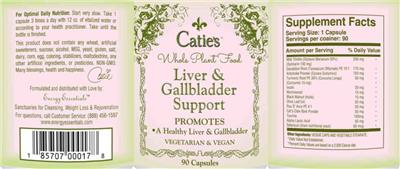
More liver health products
Members OnlyThe highest ranked for the same goal
Read more
Our articles on this subject
- Natural Remedies for Joint Pain and Inflammation: What the Evidence SupportsArticle · Oct 23, 2026
- Supplements for Stress and Anxiety Relief: What the Evidence SupportsArticle · Oct 26, 2026
Graded November 4, 2026 by the Reverse Age Lab evidence engine, from human studies, real reviews and our biohacker panel. How we grade. Is this medical advice? No. Rala organizes the published evidence; go over any change with your doctor, especially if you take meds.
Privacy policyConsumer health dataTermsDo Not Sell or Share My Personal InformationCookie settings