DC CPA-800 Review
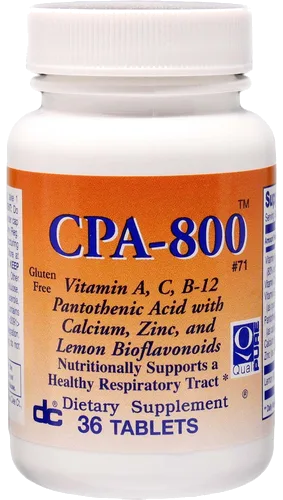
DC CPA-800 is listed on this SuppCo product page as a tablet supplement from the brand DC, shown with a brand rating of 5.94 next to the brand name. The product has not yet received a TrustScore. The page states that it has not been evaluated by SuppCo's TrustScore system because there is insufficient data, and it offers a Request score link for those who want one. The page describes the product as a tablet supplement with a serving size of 1 tablet and 36 servings per container. Key active ingredients named on the page include Calcium, Zinc, Lemon Bioflavonoids, and Pantothenic Acid. The page says the product is backed by third-party testing and has a safe inactive ingredient profile. It also states that product-specific testing is not currently verified by SuppCo. The page explains that the TESTED by SuppCo seal means active ingredient label claims have been verified by SuppCo in independent testing, but this product does not display that seal in the scraped text. The nutrient panel on the page lists Calcium at 8mg, Lemon Bioflavonoids at 100mg, Pantothenic Acid at 8mg, Vitamin A at 10000IU, Vitamin B12 at 3mcg, and Vitamin C at 200mg, with a link to see all 7 nutrients. The suggested use on the page reads: as a dietary supplement, take 1 tablet three times daily. The inactive ingredient section rates each listed excipient. Calcium carbonate is described as a filler and buffer and rated safe. Rose Hips is listed as an antioxidant and flavoring agent and rated safe. Vegetable cellulose is rated safe. Silica is listed as an anti-caking and anti-foaming agent and rated safe. These ratings come from the page itself and reflect SuppCo's inactive ingredient review. The page also includes a section of other top trusted products from different brands, such as Ritual Prenatal Multivitamin, Thorne Magnesium Bisglycinate, Cymbiotika Irish Sea Moss, Tru Niagen Pro 1000 mg, Momentous Ashwagandha, and Gaia Herbs Milk Thistle Gummies. These are separate products and are not part of the DC CPA-800 listing. The page ends with the standard disclaimer that the statements have not been evaluated by the Food and Drug Administration and that the products and informational content are not intended to diagnose, treat, cure, or prevent any disease. Shoppers reviewing this listing should rely on the page's own figures and check the product label for complete and current information. No price, barcode, customer ratings, or written reviews are shown in the scraped text for this product.
We don’t sell supplements. We help you make decisions and get the best price.
Lowest prices
We may earn a commission from some store links. How we choose.
Finding the lowest prices at the stores now. This takes a few seconds.
Products with nearly the same formula (Matched on the main ingredients)
Study, Trial or Testing Result Summary
Members Only136 human studies · 84 improved
6 of these 136 human studies gave the ingredient by drip, not by mouth.
No study here measured whether this product turns back biological age. The vitamin A trials that improved wrinkles and sun-damaged skin used retinol creams on the skin, not tablets like this one [1][2]. A large genetic study found no link between vitamin A intake and biological age. Vitamin C is at a full dose. Collagen with 80 milligrams of vitamin C improved skin density and wrinkles in women aged 40 to 65 [3], but 500 milligrams daily did not control oxidative stress in Marines. Lemon bioflavonoids are at a full daily dose. A lemon flavonoid extract lowered blood sugar, inflammation and fat damage in adults with prediabetes [4]. Vitamin B12 is at a full dose, but the evidence is thin. A two year trial in older adults found no slowing of physical decline [5], and a one year study found no change in DNA methylation [6]. Zinc is below the studied dose of 30 milligrams a day, where it lowered an oxidative damage marker [7]. Calcium is at a tiny amount and was never tested alone [8]. Pantothenic acid has no human studies for this goal. Animal and cell studies are never counted.
See all 136 studies →Hide the studies
- Across 23 randomized trials with 3905 people, creams with vitamin A-type compounds (a med, retinol, tretinoin) improved fine wrinkles and uneven pigmentation from sun damage, with tretinoin having the best safety profile.Comparative efficacy of topical interventions for facial photoaging: a network meta-analysis.
- Pooling 47 trials of 3852 people with rheumatoid arthritis, dietary polyphenols (including hesperidin) improved disease activity, lowered inflammation markers and improved oxidative stress without more side effects.Efficacy and safety of dietary polyphenols in rheumatoid arthritis: A systematic review and meta-analysis of 47 randomiz…
- In pregnant mothers and newborns, blood vitamin B12 levels were linked to DNA methylation at 109 and 7 sites in the baby's blood, but no supplement was given and no aging benefit was shown.A meta-analysis of epigenome-wide association studies on pregnancy vitamin B12 concentrations and offspring DNA methylat…
- Across 33 trials of 1379 adults, dark chocolate or cocoa lowered an oxidative stress marker (MDA) and raised nitric oxide but did not significantly change most other inflammation markers; this is a general flavonoid source, not lemon bioflavonoids specifically.Effect of dark chocolate/ cocoa consumption on oxidative stress and inflammation in adults: A GRADE-assessed systematic …
- Pooling 53 studies, folic acid alone or with vitamin B12 raised overall DNA methylation in three trials measured by liquid chromatography-mass spectrometry, but this is a methylation change, not a measured reversal of biological age.Influence of nutrients involved in one-carbon metabolism on DNA methylation in adults-a systematic review and meta-analy…
- A review of 25 studies comparing tretinoin cream with other skin treatments found the alternatives worked better in 7, equally in 13 and worse in 3, and most were gentler, but study quality was mostly poor.Comparing Tretinoin to Other Topical Therapies in the Treatment of Skin Photoaging: A Systematic Review.
- A review of 20 studies on treating and preventing wrinkles listed topical vitamin C or E among many options, but the summary gives no results for vitamin C alone.Wrinkles.
- A review found some evidence that low vitamin B12 status goes with more oxidative stress, but few trials exist, so the strength of evidence is low.Vitamin B12 in Relation to Oxidative Stress: A Systematic Review.
- This review describes how zinc, copper and selenium interact with genes involved in inflammation, immunity and antioxidant defense in ageing, without pooling trial results or giving a clear verdict on supplementation.Micronutrient-gene interactions related to inflammatory/immune response and antioxidant activity in ageing and inflammat…
- A review of trials in people with metabolic syndrome found citrus products and hesperidin improved blood fat levels, but antioxidant and anti-inflammatory effects were often not significant.Effects of dietary polyphenols on metabolic syndrome features in humans: a systematic review.
- In 2,919 older adults with high homocysteine, two years of vitamin B12 and folic acid did not slow the decline in physical performance or grip strength or prevent falls compared with placebo.A Randomized Controlled Trial to Examine the Effect of 2-Year Vitamin B12 and Folic Acid Supplementation on Physical Per…
- In 1,470 men seeking fertility treatment, 30 mg zinc plus folic acid daily for 6 months did not change sperm DNA methylation patterns compared with placebo.The impact of zinc and folic acid supplementation on sperm DNA methylation: results from the folic acid and zinc supplem…
- In 332 heart surgery patients given intravenous vitamin C for five days after surgery, kidney injury was not significantly lower than in the control group (20.9% vs 28.4%).Effect of Ascorbic Acid on Cardiac Surgery-Associated Acute Kidney Injury Incidence.
- In 159 healthy volunteers, six months of a multi-vitamin and trace element combination raised blood vitamin levels including cobalamin and lowered homocysteine versus placebo, but the B12 dose was not stated and its effect cannot be separated from the other ingredients.Neuroprotective impact of a vitamin trace element composition - a randomized, double blind, placebo controlled clinical …
- In 149 people at high risk of dementia, 12 weeks of B12 plus folic acid lowered homocysteine by 30% but did not change cognitive function; the antioxidant vitamins, not B12, lowered an oxidative stress marker by 26%.Read the study on PubMed (12823643) →
- In 112 healthy older adults, 12 weeks of 100 mcg cobalamin combined with folic acid, vitamin D and omega-3 lowered a low-grade inflammation score compared with placebo, with effects not attributable to B12 alone.Multimicronutrient and omega-3 fatty acid supplementation reduces low-grade inflammation in older participants: An explo…
- In 103 cataract surgery patients (32 with dry eye got hyaluronic acid and vitamin B12 eye drops, 29 with dry eye got no treatment, 42 had no dry eye), the drops lowered a marker of oxidative stress and improved dry eye symptoms and tests.Evaluation of oxidative stress levels in the conjunctival epithelium of patients with or without dry eye, and dry eye pa…
- In 103 adults with prediabetes, 12 weeks of Eriomin at 200, 400 or 800 mg a day lowered blood sugar, inflammation markers and lipid peroxidation, and reversed prediabetes in 24% of patients.Effectiveness of Eriomin® in managing hyperglycemia and reversal of prediabetes condition: A double-blind, randomized, c…
- In 96 healthy adults, 8 weeks of a grapefruit, bitter orange and olive extract blend improved blood vessel function, cholesterol, oxidative stress markers and IL-6 compared with placebo.Effect of a Combination of Citrus Flavones and Flavanones and Olive Polyphenols for the Reduction of Cardiovascular Dise…
- In 87 women using a retinol-containing anti-wrinkle cream versus placebo, the wrinkle score dropped 23.5% after 4 weeks and 27.8% after 8 weeks.The skin aging index: a new approach for documenting anti-aging products or procedures.
- In 87 women aged 40-65 taking collagen with 80 mg vitamin C daily for 16 weeks, skin density, texture and wrinkles improved versus placebo, but elasticity and hydration did not.The Effects of Dietary Supplementation with Collagen and Vitamin C and Their Combination with Hyaluronic Acid on Skin De…
- In 86 adults with underactive thyroid, 10 weeks of 30 mg zinc daily with magnesium and vitamin A raised thyroid hormone (FT4) and lowered the inflammation marker hs-CRP, while the placebo group's inflammation rose; the oxidative stress marker MDA did not change.Randomized Study of the Effects of Zinc, Vitamin A, and Magnesium Co-supplementation on Thyroid Function, Oxidative Stre…
- In a pilot study of 84 men with impaired semen quality, 3 months of methylcobalamin raised sperm concentration, mainly in men whose semen showed high oxidation-reduction potential, while other semen parameters did not change significantly.Effects of antioxidant co-supplementation therapy on spermatogenesis dysfunction in relation to the basal oxidation-redu…
- In 84 older adults aged 65 to 85 with low zinc, 12 weeks of zinc carnosine raised plasma zinc and reduced DNA damage, including telomere base damage, compared with placebo.Zinc supplementation influences genomic stability biomarkers, antioxidant activity, and zinc transporter genes in an eld…
- In 81 elderly hospital patients (57 finished), 20 mg of zinc with selenium daily for 2 years raised blood mineral levels and one antioxidant enzyme, but other oxidative stress markers did not change.Effect of a two-year supplementation with low doses of antioxidant vitamins and/or minerals in elderly subjects on level…
- In 80 critically ill patients with transfusion-related lung injury, 4 days of high-dose intravenous vitamin C lowered oxidative stress and most inflammation markers compared with placebo.Role of ascorbic acid infusion in critically ill patients with transfusion-related acute lung injury.
- In 80 healthy adults aged 60 or older, a daily mix of bacopa, lycopene, astaxanthin and vitamin B12 for 8 weeks improved executive function test times and word fluency compared with placebo.Improvement of Executive Function after Short-Term Administration of an Antioxidants Mix Containing Bacopa, Lycopene, As…
- In U.S. Marines doing strenuous work at moderate altitude, 28 days of 2000 retinol equivalents of beta-carotene did not effectively control rising oxidative stress markers, and only the combined antioxidant mixture lowered breath pentane.Oxidative stress in humans during work at moderate altitude.
- In 72 women aged 35 or older, a daily collagen drink containing vitamin C improved skin hydration, elasticity, roughness and density over 12 weeks compared with placebo.A Collagen Supplement Improves Skin Hydration, Elasticity, Roughness, and Density: Results of a Randomized, Placebo-Cont…
- In 71 children with ADHD given a multinutrient supplement for 8 weeks, antioxidant defenses improved in those with low zinc and selenium at the start, while higher selenium and chromium showed possible pro-oxidant effects.Association Between Trace Mineral Concentrations and Oxidative Stress in Children with ADHD Supplemented with Multinutri…
- In 66 healthy women, a 10% vitamin C serum applied to skin for 12 weeks reduced glycation products by 17.65%, protein damage by 49.22% and an inflammation marker by 58.73%, and improved skin color.Study on the Multiple Efficacies of Vitamin C Serum in Anti-Glycation, Anti-Carbonylation, Antioxidation, and Anti-Infla…
- In 64 people with type 2 diabetes, 500 mg a day of hesperidin for 6 weeks lowered a DNA damage marker (8-OHDG) and lipid peroxidation (MDA) and raised antioxidant capacity compared with placebo.Hesperidin Supplementation Alleviates Oxidative DNA Damage and Lipid Peroxidation in Type 2 Diabetes: A Randomized Doubl…
- In 64 people with type 2 diabetes, 500 mg a day of hesperidin for 6 weeks lowered blood pressure and inflammation markers (TNF-alpha, IL-6, hs-CRP) compared with placebo.Blood pressure lowering and anti-inflammatory effects of hesperidin in type 2 diabetes; a randomized double-blind contro…
- In young adults given folate and vitamin B12 for six months, chromosome damage fell by 25.4% in those with high starting damage and homocysteine dropped, but DNA methylation did not change.Folate, vitamin B12, homocysteine status and DNA damage in young Australian adults.
- In 60 older women with muscle loss doing resistance training, 1000 mg vitamin C plus vitamin E daily for 12 weeks gave greater gains in muscle mass and strength and lower oxidative stress and inflammation than placebo.Effects of vitamins C and E supplementation combined with 12-week resistance training in older women with sarcopenia: A …
- In 50 premenopausal women with inactive lupus, 12 weeks of vitamin B12 (2000 mcg) with folic acid changed fat tissue DNA methylation only in normal-weight women, with no detectable changes in women with excess body weight.Nutritional status-dependent DNA methylation modifications on adipose tissue in systemic lupus erythematosus women follo…
- In 50 pregnant women with gestational diabetes, 30 mg of zinc daily for 6 weeks lowered a blood inflammation marker and raised total antioxidant capacity compared with placebo, but did not change other oxidative stress markers or pregnancy outcomes.Zinc Supplementation and the Effects on Pregnancy Outcomes in Gestational Diabetes: a Randomized, Double-blind, Placebo-…
- In 48 volunteers over 9 months, a 0.1% retinol cream improved under-eye wrinkles, fine lines and skin tone evenness compared with placebo, with no significant side effects.Antiaging action of retinol: from molecular to clinical.
- In 47 men with advanced prostate cancer, intravenous vitamin C added to chemotherapy did not improve PSA response, survival, quality of life or oxidative stress markers compared with placebo, and the trial was stopped early for futility.High-Dose Intravenous Vitamin C Combined with Docetaxel in Men with Metastatic Castration-Resistant Prostate Cancer: A R…
- In 46 postmenopausal women with insulin resistance, vitamin C alone or with resveratrol lowered oxidative damage markers (malondialdehyde down 26-38%) and raised total antioxidant capacity by about 28-30% in the vitamin C groups.The Administration of Resveratrol and Vitamin C Reduces Oxidative Stress in Postmenopausal Women-A Pilot Randomized Clin…
- In 45 women aged 40 to 70 over 16 weeks, a retinyl propionate and climbazole cream improved deep wrinkles and pigmentation as well as or better than 0.1% retinol cream, with less irritation.Retinyl propionate and climbazole combination demonstrates clinical improvement to the appearance of hyperpigmentation a…
- In 30 people with stable chronic lung disease (plus 15 healthy comparison people), 22 mg of zinc picolinate daily for 8 weeks raised zinc and an antioxidant enzyme but did not change a blood marker of oxidative damage or lung function.Antioxidant effect of zinc picolinate in patients with chronic obstructive pulmonary disease.
- In 44 people over 12 weeks, 0.5% retinol cream and bakuchiol cream both reduced wrinkle area and dark spots equally, but retinol caused more scaling and stinging.Prospective, randomized, double-blind assessment of topical bakuchiol and retinol for facial photoageing.
- In a reanalysis of a trial of 44 adults, folic acid plus vitamin B12 lowered epigenetic age only in women with a specific MTHFR gene variant, with no clear effect in others.Dietary Intervention Modifies DNA Methylation Age Assessed by the Epigenetic Clock.
- In 44 obese adults on a low-calorie diet, 200 ml a day of flavonoid-enriched orange juice for 6 weeks improved antioxidant defenses, lowered inflammatory markers, LDL cholesterol and HbA1c more than placebo juice.Effects of a flavonoid-enriched orange juice on antioxidant capacity, lipid profile, and inflammation in obese patients:…
- In 43 older men with bone and muscle loss, both groups received calcium, vitamin D and whey protein, so the effect of calcium alone was not tested; the exercise group kept bone density and gained muscle versus the control group over 12 months.Effects of High-Intensity Resistance Training on Osteopenia and Sarcopenia Parameters in Older Men with Osteosarcopenia-…
- In 41 kidney failure patients starting dialysis, 1000 mg of vitamin C daily for one year did not significantly change lipid profile, but it lessened the rise in LDL oxidation (TBARS) compared with placebo, while HDL oxidation difference was not significant.Lipoperoxidation and hemodialysis.
- In 40 adults with signs of skin aging, a face serum with 0.15% or 0.3% retinol used daily for 8 weeks improved overall skin condition, hydration and wrinkles, with no meaningful difference between the two strengths and minimal side effects.Randomized parallel control trial checking the efficacy and impact of two concentrations of retinol in the original form…
- In 40 people with diabetic nerve pain and numbness, 2 weeks of methylcobalamin reduced symptom scores, though alpha-lipoic acid worked better for burning and pain and methylcobalamin did not change antioxidant markers.Differential efficacy of methylcobalamin and alpha-lipoic acid treatment on symptoms of diabetic peripheral neuropathy.
- In a split-face trial of 37 volunteers, retinol serum at 0.3% and 0.5% applied daily for 12 weeks reduced skin hyperpigmentation, unevenness and wrinkles, with more irritation on the 0.5% side.A Clinical Anti-Ageing Comparative Study of 0.3 and 0.5% Retinol Serums: A Clinically Controlled Trial.
- In 37 dialysis patients, 8 weeks of a high-dose vitamin cocktail including 250 mcg vitamin B12 did not change oxidative stress or inflammation compared with placebo.Antioxidant therapy does not ameliorate oxidative stress and inflammation in patients with end-stage renal disease.
- In 36 elderly people (average age 87), 0.4% retinol lotion applied to an arm up to 3 times a week for 24 weeks reduced fine wrinkling much more than the lotion without retinol and increased skin collagen and water-holding molecules.Improvement of naturally aged skin with vitamin A (retinol).
- In 36 patients having pancreatic surgery, a multi-ingredient antioxidant drink (including zinc) taken around the time of surgery improved total antioxidant capacity but did not reduce oxidative stress or inflammation markers.Oral preoperative antioxidants in pancreatic surgery: a double-blind, randomized, clinical trial.
- In 36 healthy adults aged 60-75, four weeks of a citrus and pomegranate complex improved handgrip strength, self-rated thinking and memory, and lowered a blood marker of oxidative damage compared with placebo, with no change in other fitness tests.The Effect of a Citrus and Pomegranate Complex on Physical Fitness and Mental Well-Being in Healthy Elderly: A Randomize…
- In 34 women with mild-to-moderate sun-damaged facial skin, a 1.1% retinol cream used for 12 weeks improved wrinkles, firmness, tone and roughness about as well as prescription tretinoin cream, with only mild side effects.A randomized, double-blind, controlled comparative trial of the anti-aging properties of non-prescription tri-retinol 1.…
- In 32 healthy adults, six months of high-dose B-group vitamins raised vitamin B12 and B6 and lowered homocysteine, but folate did not change and brain marker changes were mostly not significant.The Effect of a High-Dose Vitamin B Multivitamin Supplement on the Relationship between Brain Metabolism and Blood Bioma…
- In a retrospective analysis of 32 older men, a multi-ingredient supplement that contained calcium along with protein, creatine, vitamin D and fish oil improved muscle and strength more than a collagen-based drink over 12 weeks, but calcium's own effect could not be separated out.Obesity and Metabolic Disease Impair the Anabolic Response to Protein Supplementation and Resistance Exercise: A Retrosp…
- In 31 adults with neck aging, applying a vitamin C, vitamin E and ferulic acid serum after microneedle radiofrequency treatments for 12 weeks reduced wrinkles more than treatment alone, increased elasticity, and lowered skin aging markers in tissue samples.Fractional microneedle radiofrequency with the application of vitamin C, E, and ferulic acid serum for neck skin rejuven…
- In 30 heart surgery patients, a single intravenous dose of vitamin C during rewarming reduced the rise in reactive oxygen species after bypass compared with placebo and improved red blood cell flexibility.Vitamin C supplementation attenuates oxidative stress and improves erythrocyte deformability in cardiac surgery with car…
- In 30 healthy adults taking a B vitamin complex at about 2.5 times the daily recommended amount for 6 weeks, B12 levels rose and homocysteine fell in the natural-form group, but the natural and synthetic groups did not differ significantly.A Randomized Pilot Trial to Evaluate the Bioavailability of Natural versus Synthetic Vitamin B Complexes in Healthy Huma…
- In 25 men over 50 with mildly high cholesterol, drinking 600 ml of orange juice daily for four weeks produced a marked antioxidant effect with reduced reactive oxygen species compared with a control drink, and only a tendency toward better blood vessel function.Marked antioxidant effect of orange juice intake and its phytomicronutrients in a preliminary randomized cross-over tria…
- In 25 people with cardiovascular risk factors, a single dose of modified isoquercitrin improved blood vessel dilation compared with placebo, but blood pressure, thinking tests and oxidative stress markers did not change.Enzymatically modified isoquercitrin improves endothelial function in volunteers at risk of cardiovascular disease.
- In 24 older adults given a single dose of 3 g calcium HMB with whey protein, muscle protein breakdown fell and muscle building rose in women only, but this tested the HMB compound rather than calcium and not aging markers.The Effect of β-Hydroxy-β-Methyl Butyrate (HMB) upon Acute Fed-State Muscle Protein Turnover in Older Men and Women: A R…
- In a split-face trial of 23 Korean volunteers, retinaldehyde cream at 0.05% and 0.1% for 8 weeks improved wrinkle depth, facial contour and skin hydration and elasticity, with greater improvement than retinol on the comparison side.The efficacy and safety of multilamellar vesicle containing retinaldehyde: A double-blinded, randomized, split-face cont…
- In 23 male smokers, a single dose of grapeseed extract reduced platelet reactivity over 6 hours, but blood antioxidant capacity and lipid oxidation did not change.Platelet reactivity in male smokers following the acute consumption of a flavanol-rich grapeseed extract.
- In 22 dialysis patients, 250 mg of vitamin C taken after each session for 8 weeks lowered reduced glutathione, suggesting a pro-oxidant effect.Vitamin C decreases reduced glutathione in chronic haemodialysis patients: a pilot, randomised, double-blind trial.
- In 21 young football players, 500 mg of vitamin C plus vitamin E daily for 15 days reduced markers of oxidative stress after hard exercise but did not reduce muscle soreness or improve athletic performance.Antioxidant vitamin supplementation prevents oxidative stress but does not enhance performance in young football athlete…
- In 20 men with low baseline vitamin C, 30 days of vitamin C supplementation lowered markers of oxidative stress more than in men with high baseline levels, and may modestly raise exercise performance only in those with low levels.Low vitamin C values are linked with decreased physical performance and increased oxidative stress: reversal by vitamin …
- In 20 healthy adults, 45 mg of zinc as gluconate daily for 8 weeks lowered blood markers of fat damage and DNA damage and reduced inflammatory gene activity compared with placebo.Antioxidant effect of zinc in humans.
- In 20 healthy non-smokers, 1-week periods of cocoa with higher flavonoid doses (500 to 800 mg) lowered inflammatory mediators and lipid damage markers in a dose-dependent way compared with flavonoid-free cocoa.Cocoa Consumption Decreases Oxidative Stress, Proinflammatory Mediators and Lipid Peroxidation in Healthy Subjects: A Ra…
- In 19 adults with type 2 diabetes, twelve weeks of a Mediterranean diet raised blood levels of citrus bioflavonoids and lowered the inflammatory marker IL-6 compared with their usual diet.Twelve-Week Mediterranean Diet Intervention Increases Citrus Bioflavonoid Levels and Reduces Inflammation in People with…
- In 18 active men at high altitude, an antioxidant mix with 30 mg zinc for about 5 weeks did not change oxidative stress markers compared with placebo.Antioxidant supplementation does not attenuate oxidative stress at high altitude.
- In 17 healthy volunteers, a 20% vitamin C serum delivered by microneedle mesotherapy improved skin firmness, elasticity, hydration and tone more than no-needle delivery across four treatments.Preliminary randomized controlled trial of antiaging effects of l-ascorbic acid applied in combination with no-needle an…
- In 16 subjects, low-dose retinol combined with climbazole significantly increased retinoid and skin ageing biomarkers after 3 weeks, while either ingredient alone did not.Climbazole boosts activity of retinoids in skin.
- In 15 male soccer players, a pea protein capsule of vitamin C kept blood vitamin C levels up longer and, after a single intermittent running test, showed signs of less oxidative stress and muscle damage than placebo.Pea protein-based ascorbic acid microcapsules reduce oxidative damage in soccer players: a randomised controlled trial.
- In 15 female futsal athletes, 750 mg of diosmin taken for 3 days before intense exercise did not outperform placebo on performance or muscle soreness, though some changes were not statistically significant.Effects of the Flavonoid Diosmin on Post Exercise Muscle Soreness - A Randomized Controlled Trial.
- In 14 overweight men, a single 3 g intravenous dose of ascorbic acid reduced protein damage and other oxidative stress signs during mental stress compared with saline.Ascorbic acid inhibits vascular remodeling induced by mental stress in overweight/obese men.
- In a double-blind randomized trial of 11 Korean women over 30, 12 weeks of 0.06% retinyl retinoate cream reduced periorbital wrinkle depth and area, with wrinkle improvement reported as 22% greater than a 0.075% retinol cream.Retinyl retinoate, a novel hybrid vitamin derivative, improves photoaged skin: a double-blind, randomized-controlled tri…
- In a randomized, double-blind study where each patient served as her own control, topical vitamin A acid at 0.025% for 6 months, then 0.05%, reduced the number and depth of wrinkles and faded pigmented spots in women with sun-related skin aging.[Treatment of actinic aging with topical vitamin A acid in different concentrations].
- In a randomized controlled study, a vitamin A palmitate and antioxidant oil moisturizer applied to sun-damaged skin for 12 weeks improved fine lines, wrinkles, pigmentation, firmness and dryness compared with no treatment, with some improvement seen by 2 weeks.The effect of a vitamin A palmitate and antioxidant-containing oil-based moisturizer on photodamaged skin of several bod…
- In a randomized, double-blind trial of adults with aging skin, twice-daily 0.002% retinol serum for 56 days reduced the area of crow's feet and the number and area of forehead wrinkles compared with a vehicle serum, though a peptide serum worked better.Novel Cyclized Hexapeptide-9 Outperforms Retinol Against Skin Aging: A Randomized, Double-Blinded, Active- and Vehicle-C…
- In a split-face randomized trial, a 0.1% retinol serum produced significant improvements in facial skin aging signs at 2 and 4 weeks, with no significant difference from a 15% vitamin C serum and similar safety.Effectiveness and safety of topical L-ascorbic acid 15% serum compared to retinol 0.1% serum for skin aging: a double-bl…
- Applying a 5% vitamin C cream daily for 6 months to sun-damaged skin reduced deep furrows and improved skin texture compared with the cream without vitamin C, and was well tolerated.Topical ascorbic acid on photoaged skin. Clinical, topographical and ultrastructural evaluation: double-blind study vs. …
- In post-menopausal women, a daily drink with vitamin C, lycopene, soy isoflavones and vitamin E plus fish oil significantly reduced facial wrinkle depth compared with placebo over long-term use, with more new collagen seen in the skin.Wrinkle reduction in post-menopausal women consuming a novel oral supplement: a double-blind placebo-controlled randomiz…
- In a randomized trial of pregnant smokers, vitamin C brought many DNA methylation changes in their offspring back toward levels seen in babies of nonsmokers; the abstract does not give the dose or number of people.Vitamin C Prevents Offspring DNA Methylation Changes Associated with Maternal Smoking in Pregnancy.
- In heat-exposed workers over 40 days, a daily vitamin C tablet with a hawthorn drink lowered blood pressure and a urine marker of oxidative stress compared with a control drink; the vitamin C effect was not tested alone.Effect of vitamin C and hawthorn beverage formula on blood pressure and oxidative stress in heat-exposed workers: a clus…
- In adults with type 2 diabetes, 30 mg zinc daily for 6 months lowered a blood marker of oxidative damage by 13.6% with no change in the placebo group, though blood sugar control (HbA1c) did not change.Potential antioxidant effects of zinc and chromium supplementation in people with type 2 diabetes mellitus.
- In people with age-related macular degeneration, 80 mg of zinc daily had no effect on blood redox markers at 20 months but at 80 months left lower levels of an oxidized amino acid (54.9 vs 64.1 microM) than no zinc.Effects of long-term zinc supplementation on plasma thiol metabolites and redox status in patients with age-related macu…
- In healthy people aged 55-70, 15 or 30 mg zinc daily for 6 months had no meaningful long-term effect on immune status, apart from small isolated changes in lymphocyte measures.Effect of zinc supplementation on the immune status of healthy older individuals aged 55-70 years: the ZENITH Study.
- In people with hepatitis C, 6 months of 40 mg zinc with vitamins E and C lowered fat oxidation damage and raised glutathione, an antioxidant.Antioxidant supplementation attenuates oxidative stress in chronic hepatitis C patients.
- In men after varicocele surgery, zinc sulphate with folic acid daily for 6 months raised blood inhibin B and a seminal plasma activity measure compared with placebo.Effect of folic acid and zinc sulphate on endocrine parameters and seminal antioxidant level after varicocelectomy.
- In 120 stroke patients with high homocysteine, high-dose methylcobalamin with folic acid and vitamin B6 was reported to improve oxidative stress markers and stroke scores compared with low-dose, though the abstract's marker results are inconsistent.Prognostic Impact of Serum Homocysteine-Lowering Therapy on Patients with Hemorrhagic Stroke and Its Influence on Nation…
- In 97 elderly nursing home residents, a daily antioxidant mix including 45 mg zinc for one year raised blood selenium and vitamin E, lowered an ageing pigment marker in red blood cells, and slightly improved psychological scores compared with placebo.Biochemical and clinical effects of an antioxidative supplementation of geriatric patients. A double blind study.
- In 40 older adults with back and knee pain who took 900 mg of algal calcium plus collagen and glucosamine daily for 4 months, compared with 40 similar-age controls, pain eased, skin impedance (which rises with age) fell, and a bone breakdown marker dropped.The effect of active absorbable algal calcium (AAA Ca) with collagen and other matrix components on back and joint pain …
- In 66 younger and older adults taking a low-dose multivitamin and mineral for 60 days, blood B12 rose and homocysteine fell, but markers of oxidative stress did not improve and glutathione enzyme changes suggested increased oxidative stress.Biomarkers of oxidative stress and redox status in a short-term low-dosed multivitamin and mineral supplementation study…
- In 62 people with sun-damaged skin using 0.1% retinol cream for 52 weeks, crow's feet fine lines improved 44% and mottled pigmentation 84% more than with the plain cream, with increased collagen markers.One-year topical stabilized retinol treatment improves photodamaged skin in a double-blind, vehicle-controlled trial.
- In men recovering from long-bone surgery, a daily antioxidant tablet with 300 mcg vitamin A plus vitamins C, E and selenium for 1 to 2 weeks lowered an oxidative stress marker and raised bone healing markers compared with usual care.Oxidative stress and bone markers in plasma of patients with long-bone fixative surgery: role of antioxidants.
- In 50 women aged 30-65, a serum with vitamin C, vitamin E and raspberry leaf extract applied to one side of the face for 8 weeks improved skin color, elasticity, radiance, smoothness and wrinkles compared with the untreated side.Anti-aging and brightening effects of a topical treatment containing vitamin C, vitamin E, and raspberry leaf cell cultu…
- In 50 older adults, one year of daily B vitamins (500 mcg vitamin B12, 500 mcg folic acid, 50 mg vitamin B6) with vitamin D did not change blood DNA methylation, although homocysteine fell.Effect of 1 year B and D vitamin supplementation on LINE-1 repetitive element methylation in older subjects.
- In a small non-randomized study of 48 people with memory problems or healthy older adults, a 3-month mix of vitamins B1, B6, B12 and folic acid lowered a marker of protein damage, but memory test scores did not reach significance.Lowered Levels of Carbonyl Proteins after Vitamin B Supplementation in Patients with Mild Cognitive Impairment and Alzhe…
- In 27 people with moderate sun-damaged facial skin, a mass market regimen and prescription regimens (one with 0.025% retinol cream) all improved photoaged skin over 12 weeks, and the mass market system was preferred or rated equal by most.Comparative Study of Professional vs Mass Market Topical Products for Treatment of Facial Photodamage.
- In 15 people with an inflammatory eye disease compared with 12 healthy people, 3 months of a multi-ingredient antioxidant including 40 mg zinc lowered oxidative stress and improved platelet membrane fluidity.Antioxidant supplementation improves platelet membrane fluidity in idiopathic retinal periphlebitis (Eales' disease).
- In 21 people with heart attack-type acute coronary syndrome and high homocysteine, 3 months of folic acid, vitamin B6 and vitamin B12 normalized total homocysteine but did not normalize the balance of its reduced and oxidized forms.Vitamin supplementation normalizes total plasma homocysteine concentration but not plasma homocysteine redox status in p…
- In 20 people with partial thickness burns, a daily antioxidant formula containing 5 mg zinc for 2 weeks did not change blood oxidant levels or antioxidant capacity compared with no supplement.Evaluation of plasma oxidative stress, with or without antioxidant supplementation, in superficial partial thickness bur…
- In 14 healthy volunteers, a one-week formula containing 30 mg vitamin C with citrus bioflavonoids, coenzyme Q10 and vitamin B6 did not change oxidative stress.Bioavailability and antioxidant activity of some food supplements in men and women using the D-Roms test as a marker of …
- In older people, 500 mg a day of vitamin C by injection for one month improved T-cell response and skin test immunity compared with placebo, but did not change antibody levels or the other immune measures.Effect of vitamin C supplements on cell-mediated immunity in old people.
- In a small group of subjects, 1 g of vitamin C daily for 2 weeks lowered exercise-induced oxidative stress compared with placebo.Exercise-induced oxidative stress before and after vitamin C supplementation.
- In zinc-deficient dialysis patients, two months of daily zinc raised blood zinc and selenium, lowered aluminum and reduced oxidative stress, compared against healthy people who took no zinc.Zinc supplementation alters plasma aluminum and selenium status of patients undergoing dialysis: a pilot study.
- In older adults, 30 days of a multi-ingredient supplement containing zinc improved inflammation markers and lymphocyte levels, though not to the levels of young adults.Use of Nutraceuticals in Elderly to Fight Inflammation and Immuno-Senescence: A Randomized Case-Control Study.
- In 108 healthy older Europeans, zinc supplementation raised plasma zinc and the activity of zinc-dependent antioxidant enzymes compared with before supplementation.Effects of zinc supplementation on antioxidant enzyme activities in healthy old subjects.
- In 44 women with mild to moderate hyperpigmentation and sun damage, a 30% vitamin C moisturizer used with a retinol product for 12 weeks significantly improved skin appearance scores by weeks 8 and 12, with dryness rising early and then easing.An Open Label Clinical Trial to Evaluate the Efficacy and Tolerance of a Retinol and Vitamin C Facial Regimen in Women W…
- In 35 women aged 35 to 65 using a multi-ingredient skincare regimen containing retinol twice daily for 12 weeks, smoothness, dryness, fine lines and crow's feet improved compared with baseline, without a control group.Novel Facial Treatment Regimen Improves Aging Skin Appearance.
- In 35 wheat mill workers, one month of zinc plus vitamin C lowered a fat-damage marker and some liver enzymes, with no control group.Role of antioxidant supplementation in oxidant/antioxidant status and hepatotoxic effects due to aflatoxin B1 in wheat m…
- In 30 Japanese women, a retinol lotion applied to eye-corner wrinkles for 8 weeks produced marked or moderate improvement in 34% of participants, with a significant reduction compared with untreated skin.Evaluation of anti-wrinkle effects of a novel cosmetic containing retinol using the guideline of the Japan Cosmetic Indu…
- In 29 people with early age-related eye disease and low zinc, 50 mg of zinc acetate daily for 12 weeks lowered a fat-damage marker, raised an antioxidant enzyme, and shrank soft drusen area, with no control group.Effects of Zinc Acetate Hydrate Treatment on Serum Oxidative Stress Markers in Patients with Macular Drusen.
- In 21 women with sun-aged facial skin, a cream with copper-zinc malonate applied twice daily for 6 weeks increased new elastin production and elastic fibre buildup in skin biopsies.Extracellular matrix in cutaneous ageing: the effects of 0.1% copper-zinc malonate-containing cream on elastin biosynthe…
- In an open-label study of 20 women aged 35 to 65, a 12-week daily facial cream with encapsulated retinal improved redness, skin tone, texture and fine lines, with all participants showing better facial appearance at weeks 8 and 12 and no product-related side effects reported.A Single-Center, Open-Label Study to Evaluate the Efficacy and Tolerability of Retinal Encapsulated in a Novel Biomimeti…
- In 19 adults with atopic dermatitis, an 8-week low-energy diet that supplied 105% of daily vitamin A needs (along with other nutrients) reduced skin symptom scores and, in 11 severe cases, reduced oxidative DNA damage; the vitamin A dose itself was not tested separately.Low-energy diet in atopic dermatitis patients: clinical findings and DNA damage.
- In 19 adults (12 with macular degeneration), a week of 80 mg zinc oxide plus antioxidant vitamins lowered one oxidative stress marker (cystine) but not four others.The short-term effects of antioxidant and zinc supplements on oxidative stress biomarker levels in plasma: a pilot inves…
- In 9 healthy adults, taking a green tea extract providing 844 mg of flavonoids daily for 14 days did not significantly change urinary markers of fat damage from oxidative stress.Oral administration of a decaffeinated green tea (Camellia sinensis) extract did not alter urinary 8-epi-prostaglandin F…
- Women with mild to moderate facial sun damage who used a 0.5% retinol cream system daily for 3 months showed significant improvement in facial appearance, starting at 2 weeks, with few side effects.Open-Label Study Evaluating the Anti-Aging Effects of a 3-Product, 2-Step Retinol-Rejuvenation System Following 3 Months…
- A genetic analysis using data from 34,710 European participants found no significant effect of genetically predicted dietary vitamin A intake on epigenetic age, although higher predicted vitamin C intake was linked to lower HannumAge.Causal effects of dietary antioxidants on epigenetic age: A two-sample Mendelian randomization study.
- In 18,561 Spanish graduates followed for about 12 years, those with the highest antioxidant score (which included zinc among 12 factors) had about 65% lower risk of death from any cause than those with the lowest score.Association between an oxidative balance score and mortality: a prospective analysis in the SUN cohort.
- In 16703 Singapore adults followed for about 20 years, a higher diet-based antioxidant intake was linked to lower odds of cognitive impairment in later life.Dietary Total Antioxidant Capacity and Late-Life Cognitive Impairment: The Singapore Chinese Health Study.
- In 3193 US adults, higher dietary flavonoid intake was linked to lower biological age of the whole body, heart and liver, though this was a survey association and not a trial.Dietary flavonoids intake contributes to delay biological aging process: analysis from NHANES dataset.
- In 2,936 adults aged 35 to 75, the ability of blood cells to respond to zinc was not affected by age, and children of centenarians showed a weaker zinc response than the general population.Zinc-Induced Metallothionein in Centenarian Offspring From a Large European Population: The MARK-AGE Project.
- In 2796 French adults, a more inflammatory diet at midlife was linked to less healthy aging 13 years later; vitamin C was only given as part of a combined antioxidant supplement and was not tested on its own.The Inflammatory Potential of the Diet at Midlife Is Associated with Later Healthy Aging in French Adults.
- In a cohort of 2533 adults followed for about 2.3 years, adequate dietary vitamin B12 intake was linked to better cognitive reserve, while inadequate intake was linked to faster cognitive decline. This is an observational association, not a trial result.Dietary intakes and biomarker patterns of folate, vitamin B6, and vitamin B12 can be associated with cognitive impairmen…
- In a national US survey of adults aged 50 and older, higher blood folate was linked to slower epigenetic aging, while higher homocysteine was linked to faster aging; the abstract does not report a separate vitamin B12 association.One-carbon metabolism-related compounds are associated with epigenetic aging biomarkers: Results from National Health an…
- In a study of 875 women with breast cancer and 903 controls, the link between flavonoid intake and breast cancer risk depended on genes in DNA repair pathways, but the confidence intervals were wide and the findings need confirmation.Genetic variation in multiple biologic pathways, flavonoid intake, and breast cancer.
- In 1,064 Japanese adults, higher blood zinc was linked to longer telomere end sequences, except in people with type 2 diabetes.Does the Protective Effect of Zinc on Telomere Length Depend on the Presence of Hypertension or Type 2 Diabetes? Results…
- In 925 older adults followed for about 7 years, higher strawberry and anthocyanidin intake was linked to a lower risk of developing Alzheimer's dementia.Association of Strawberries and Anthocyanidin Intake with Alzheimer's Dementia Risk.
- In 78 people at high cardiovascular risk, higher dietary flavonoid intake was linked to some better metabolic and oxidative stress markers, but not to all of them.Association between different dietary polyphenol subclasses and the improvement in cardiometabolic risk factors: evidenc…
- In 58 healthy men, a single vitamin C infusion improved blood vessel widening only in middle-aged and older men with low testosterone, and had no effect in younger men or older men with normal testosterone.Oxidative Stress and Inflammation Are Associated With Age-Related Endothelial Dysfunction in Men With Low Testosterone.
- A cosmetic containing 0.1% of a retinol microcapsule reduced UV-induced reactive oxygen species and DNA damage in lab tests, and 30 volunteers showed relief of skin irritation and reduced wrinkles.A novel microcapsule composite Spherulites Peony Superior Retinol mitigates UVB-induced skin damage in vitro and in vivo…
- Topical retinol applied for 12 weeks significantly reduced facial wrinkles and increased skin collagen gene and protein expression, with effects somewhat smaller than those of retinoic acid.A comparative study of the effects of retinol and retinoic acid on histological, molecular, and clinical properties of h…
Review Totals and Summary
Members Only3 reviews
The store shows 3 ratings in total for DC CPA-800 tablets (all on the Earth Turns page), and the themes below come from the three written reviews that could be read there. No star breakdown or average rating is shown, so everything here rests on three short comments. No reviews of other forms of the product (gummies, capsules, powder) appeared in the summary, so nothing had to be left out on that count. What buyers praise: The strongest theme is use for sinus and respiratory concerns. One customer uses the tablets to decongest their sinuses and to treat a sinus infection, taking them alongside vitamin C. That customer also says their natural health care provider recommends the product highly for these uses. A second customer takes several tablets every day for sinus issues and for general immune strengthening, and calls it a great product. Taken together, the written feedback is positive about the product for sinus and immune support, and both of these reviewers recommend it. What buyers complain about: The only criticism of the product is price. The customer who takes several tablets daily wishes it were a bit cheaper. Since that buyer uses a number of tablets each day, cost may matter more for people on a similar regimen, although the review does not say this directly. No complaints were raised about effectiveness, taste, tablet form, or side effects, and none of these were discussed at all, so nothing can be said about them either way. Who it seems to suit: Based on these comments, the tablets appeal to people dealing with sinus congestion or sinus infections, and to those who want general immune support as a daily routine. One buyer pairs them with vitamin C, and another takes several tablets a day. One buyer follows the advice of a natural health care provider, which suggests the product may suit people already working with natural or integrative practitioners. Delivery: One of the three reviews concerns shipping rather than the product. The buyer ordered at 10am on a Wednesday and received the order two days later, on Friday. This is the only logistics comment, and it is neutral to positive in tone, describing quick delivery without any complaint. Value and overall impression: Value is mentioned only through the price remark. The customer who called the product great still felt it could cost a little less. With just three written comments and no rating breakdown, the overall picture is of satisfied buyers who use the tablets for sinus and immune purposes, recommend them, and see price as the one drawback. Shoppers wanting detail on taste, dosing, or long-term results will not find it in this feedback.
Biohacker Summary
Members Only8 of 10 recommend it
Vitamin C is the main ingredient most of the panel speaks about, and the group leans positive: four of them recommend it and two more say they take it, while a few stay neutral. They mostly take it for collagen and joint support, skin health, and immunity, and two pair it with collagen, one of them about an hour before a workout. One adds zinc to help absorb it, and one prefers whole food sources such as kiwi, citrus and bell peppers; the one dose given is 500 mg to 1 g, linked to pain after knee and wrist surgery. One panelist recounts a doctor once warning him off vitamin C, though he still takes it. Vitamin A and vitamin B12 get a more mixed response: B12 is recommended for mood and energy, with one panelist favoring a liposomal and micellar methylcobalamin form, while vitamin A draws mostly neutral remarks, a warning from one about generic multivitamins full of fillers, and a recommendation from one for real animal-source vitamin A. Zinc is a smaller ingredient in this product, and several panelists take or recommend it for immunity, healing, and hormone health, with doses of 15 mg to 30 mg mentioned.
See all 10 biohackers →Hide the biohackers
Dr. Eric Berg · Vitamin B12 · neutral
- Mentions that one can of sardines provides 348% of the daily Vitamin B12.
- Mentions that the body relies on healthy fats to absorb essential vitamins like A, D, E, and K, which help support skin health, moisture, and normal cell function.
- States that one can of sardines contains 382 mg of calcium.
- Dr. Berg states that when nutrients like vitamin B12 are too low, fatigue and weakness can follow.
- Warns against generic multivitamins, stating they are often full of fillers and synthetics.
- Warns against generic multivitamins, stating they are often full of fillers and synthetics.
- Warns against calcium supplements, citing studies that link them to a higher risk of heart attack, especially in postmenopausal women, and suggests getting calcium from dairy instead.
- Recommends zinc as a trace mineral, noting that modern farming practices deplete it from the soil, leading to low levels in crops.
- Mentions that bleeding or swollen gums point to vitamin C deficiency, and sugar competes with it directly, reducing absorption.
- Recommends focusing on calcium to support stronger bones if a neck hump is associated with osteoporosis.
- Notes that white spots on nails point to zinc deficiency, which is usually depleted by eating sugar and refined carbs.
- States that zinc greatly supports natural killer cells.
- States that zinc is needed to absorb magnesium.
- Warns against calcium carbonate, calling it limestone and the worst source of calcium, stating it takes 12 steps to be converted in the body and is like eating rocks.
Thomas DeLauer · Vitamin C · recommends
- Recommends whole food vitamin C, found in kiwi fruit, citrus, and bell peppers, to help clear uric acid by competing at kidney transporters, preventing reabsorption.
- Recommends taking vitamin C along with collagen about an hour before a workout for connective tissue benefits.
- Uses vitamin C as part of their immunity duo, stating it is important for boosting the immune system, especially during cold and flu season.
- Adds zinc to their immunity duo because it helps them absorb vitamin C, considering the two together a fantastic combination for fall and winter.
- Recommends Vitamin B12 for mental health and mood, explaining its role in myelination and neurotransmitter production. They specifically recommend a liposomal and micellar form of methylcobalamin B12 for better absorption and to avoid toxicity.
- Recommends zinc, noting it is a cofactor for enzymes that build neurotransmitters, and deficiency can affect mood, happiness, and motivation.
- Recommends consuming vitamin C to aid in NADPH recycling, which is necessary for glutathione to be reused after neutralizing oxidative stress.
- Mentions that more zinc could be beneficial for testosterone, but it's not working on the axis that most people need help with.
- Takes Purity's liquid liposomal vitamin C for immune support and overall wellness, finding it easy to add to water, juice, or take straight up due to its good taste.
- Compares the Vitamin C content of oranges (53mg) to guava (228mg), noting guava has 4x more.
- Compares zinc content, noting salmon has under 1mg while oysters have 74mg per 100g, a 70x difference.
- Notes that milk contains 120mg of calcium, while sardines contain 351mg, highlighting a 3x difference.
- Recommends keeping zinc levels topped off because it is a critical cofactor for over 300 enzymes and is important for immune cells, testosterone, and wound healing.
- Recommends 15 mg of supplemental zinc if oysters are not realistic, but emphasizes that food source zinc is better as it comes with natural cofactors like copper and selenium.
Dave Asprey · Vitamin C · neutral
- Recounts a doctor telling him in his 20s that vitamin C would kill him.
- Recommends taking vitamin C for better skin health.
- States that currently, he is only taking vitamin C and vitamin D.
- Developed a nonnano zinc sunscreen over five years, stating her skin is probably better now than it's ever been.
- Recommends real vitamin A for people on the spectrum, noting that many cannot convert plant vitamin A and need the good stuff he includes in his Vitam DAKNE product.
- Emphasizes the importance of having enough zinc before trying advanced longevity strategies like peptides.
- Suggests that zinc has better safety and protective data than meds for reducing cardio respiratory risk.
- Dave Asprey reflects on how new research clarifies the mechanism behind IV vitamin C's anti-cancer effect, vindicating a decades-old idea that was dismissed for the wrong reasons.
- Takes Vitamin DAKE from Suppgrade Labs because D3, A, K2, and E work together.
- Notes that plain Vitamin C isn't enough and that most people never think to check for a specific ingredient that makes it work.
- Includes vitamin K2 as a critical ingredient in Vitamin DAKE, stating that the body needs the right fat soluble vitamins for thousands of reactions.
- Dave Asprey recommends taking maybe a gram of vitamin C a day in divided doses, noting that plasma levels peak around 250 milligrams twice a day.
- Recommends Qualia Vitamin C Plus, highlighting its combination of seven forms of vitamin C with 250 mg of citrus bioflavonoids, which helps with absorption and use for building collagen and a strong immune system.
- Warns that taking too much vitamin C can raise oxalate levels, emphasizing that everything has risk and reward.
Ben Greenfield · Vitamin C · recommends
- States that vitamin C is extremely important for collagen turnover and cites orthopedic data showing that 500 mg to 1 g of vitamin C can reduce the rate of complex regional pain in total knee replacements and wrist fractures.
- Ben Greenfield's formulation includes 30 grams of zinc a day, taken for one week before surgery and two weeks after, as it is an important cofactor for wound healing.
- Notes that Vitamin A is a fat-soluble vitamin that supports healthy skin cell turnover.
- Mentions vitamin C as part of a bare-minimum protocol.
- Emphasizes that zinc sufficiency is crucial for immunity because the thymus-derived peptide thymulin, which trains lymphocytes, requires zinc to be active.
- Notes that while vitamin C has significant value, the optimal dose is a vexed question, and high doses might not always be beneficial, potentially blunting the hormetic effects of exercise.
- Recommends adding zinc into one's stack because it is a co-factor for enzymes involved in testosterone synthesis and sperm maturation, and zinc deficiency is a reproducible cause of low sperm count.
- He mentions zinc as a supplement with real human data behind it for male fertility.
- Zinc may support both testosterone and sperm count.
- Notes that IV vitamin C has been used for decades for cancer patients with almost no standardization and that he receives many questions about its effectiveness and combination with chemo.
- Warns that he was taking so much zinc without realizing it because it was in five different things he was taking, and he couldn't pinpoint the problem.
- Recommends Vitamin C for skin repair post-tattoo.
- Recommends getting vitamin B12 tested and supplementing if deficient, as B12 deficiency can cause damage to the myelin coating around nerves, including cochlear nerves, and improve tinnitus severity scores.
- Recommends supplementing with zinc if deficient, as multiple trials show significant symptom reduction of tinnitus in zinc-deficient individuals.
Siim Land · Vitamin C · recommends
- Recommends taking vitamin C with collagen to support joint collagen synthesis.
- States that vitamin C is needed for initiating collagen synthesis and that higher vitamin C intake appears to increase vitamin C content in the skin.
- Lists sauerkraut and fruit as sources of Vitamin C.
- Lists liver and carrots as sources of Vitamin A.
- Lists dairy and sardines as sources of Calcium.
- Notes that Vitamin C is one of several supplements with human evidence.
- Notes that Boron reduces calcium/magnesium loss.
- States that deficiencies in nutrients such as zinc can impair normal immune regulation.
- Notes that researchers found vitamin C alleviates ferro-aging, a process of iron overload and lipid peroxidation that drives aging, and that it directly inhibited ACSL4, a protein driving ferro-aging.
- States that Vitamin C has a central role in aging and longevity, and that in monkeys, oral vitamin C slowed ovarian aging during a 3.3-year study.
- States that vitamin C is one of the most important vitamins for staying healthy and aging well, and that intakes of 200 to 400 mg a day from food or supplements largely saturates plasma and neutrophils in most healthy adults. He also recommends spreading out the vitamin C across the day to avoid oversaturation.
- Mentions vitamin C in comparison to topical melatonin for oxidative defense, stating that melatonin would compete but is not as broadly validated clinically.
- Was found to be vitamin C deficient by True Health and Mayo Clinic tests, and now addresses this by eating one extra kiwi fruit daily.
- States that the biggest evidence for multivitamin is that it improves cognition and enhances episodic memory in elderly people, who tend to have worse diets and are more likely to be deficient.
Dr. Mark Hyman · Vitamin A · neutral
- Mentions that vitamin A levels can be looked at to get a deep sense of what's happening with nutrient levels.
- Explains that zinc is important for the body's repair crew, helping to heal damaged tissue, and a deficiency can lead to cuts and wounds taking longer to heal.
- Recommends vitamin C as a basic supplement during detoxification to help with inflammation and detoxification.
- Dr. Hyman mentions vitamin C as an advanced therapy for skin repair.
- Mentions topical vitamin C as an antioxidant that can help skin with aging.
- Gave a patient with psoriatic arthritis a little zinc, which contributed to significant improvement in her condition.
- Mentions that what they do when a cold comes on is not just vitamin C.
- Recommends taking 50,000 units of vitamin A for three to five days right at the onset of symptoms if one feels they might be getting sick.
- Recommends ensuring adequate vitamin C intake on a regular basis for immune support, stating it's important for healthy immune function despite mixed data on its effectiveness for colds.
- Recommends ensuring adequate zinc intake on a regular basis for immune support, noting some data on zinc lozenges for early cold.
- Notes that night blindness is caused by vitamin A deficiency.
- Mentions that vitamin C was the very first vitamin discovered, isolated, and synthesized in 1932, and its deficiency caused scurvy.
- Recommends correcting nutrient deficiencies with zinc.
- Recommends nutrient-dense foods rich in vitamin C, such as guavas and parsley, to reduce inflammation.
Dr. Rhonda Patrick · Vitamin C · neutral
- Lutein and zeaxanthin can also be obtained from certain multivitamins.
- Mentions that getting too little zinc may play a role in declining testosterone levels, and that zinc helps the body make testosterone.
- Notes that not getting enough zinc can affect testosterone, as zinc is very important for testosterone synthesis.
- Recommends men take a 30 milligram zinc supplement for sperm health when preparing for IVF.
- Lutein and zeaxanthin can also be obtained from certain multivitamins.
- Discusses findings from a meta-analysis on zinc supplementation, noting it improved insulin resistance, inflammation, and oxidative stress in people with diabetes or prediabetes, and explains its biological role in the pancreas.
- Mentions that kale delivers calcium, a micronutrient many diets fall short on.
- Recommends nutrients like vitamin C for men to prioritize sperm mitochondrial health.
- Recommends nutrients like zinc for men to prioritize sperm mitochondrial health.
- Dr. Rhonda Patrick's daughter chugs an Emergency fizzy drink in the morning to ensure she gets some vitamin C and micronutrients before school.
- Choosing a multivitamin that includes lutein and zeaxanthin ensures you get meaningful amounts every day.
- Choosing a multivitamin that includes lutein and zeaxanthin ensures you get meaningful amounts every day.
- Notes that ~35% of Americans are low in vitamin C.
- Notes additional gaps in calcium.
Andrew Huberman · Vitamin C · uses
- Takes a multivitamin every day for longevity.
- Notes that AG1 Pro contains zinc carnosine to support and improve the lining of the gut.
- Zinc carnosine to support and improve the lining of your gut.
- Notes that AG1 Pro contains zinc carnosine to support and improve the lining of the gut.
- States that AG1 Pro contains zinc carnosine to support and improve the lining of the gut.
- Uses AG1 Pro, which contains zinc carnosine to support and improve the lining of the gut.
- States that AG1 Pro contains zinc carnosine to support and improve the lining of the gut, and he was already taking some of these ingredients separately.
- States that AG1 Pro includes zinc carnosine, which he was already taking separately, to support and improve the lining of the gut.
- Personally takes zinc carnosine, which is included in AG1 Pro to support and improve the lining of the gut.
- AG1 Pro has zinc carnosine to support and improve the lining of your gut. Some of these ingredients I personally was already taking separate from the AG1 formula.
- States that AG1 Pro contains zinc carnosine to support and improve the lining of your gut.
- Takes a multivitamin every day for longevity.
- Recommends AG1, a vitamin, mineral, and probiotic drink, and notes that for a limited time, a subscription comes with additional supplements.
- States that a deficiency in vitamin B12 can be terrible and lead to chronic fatigue-like syndromes, as many parts of mitochondria require B vitamins.
Peter Attia · Vitamin A · neutral
- Notes that in mouse studies, there was a combined effect of alpha ketoglutarate with vitamin A for male mice.
- Suggests that zinc and magnesium could potentially help with vasodilation and sleep, particularly for women experiencing severe symptoms in the luteal phase.
- In mouse studies, Peter Attia's team found a combined effect of AKG with Vitamin A for male mice.
- Recommends calcium as one of the 'big three' micronutrients for bone health, suggesting a daily intake of 1,000 to 1,200 milligrams, which can be supplemented with calcium carbonate or calcium citrate.
- Explains that bone is 50 to 70% mineral, predominantly calcium, and that virtually all of the body's calcium is contained within bone, making bone important for calcium homeostasis.
- Recommends vitamin C as an important molecule for skin, noting its role as a precursor for collagen synthesis, a powerful antioxidant, and a regulator of complexion for even skin tone.
- Tried a vitamin C serum mixed with ferulic acid but stopped using it because she hated the smell. She notes that topical application of vitamin C far exceeds the levels achievable by ingestion for skin benefits.
- Mentions that a lot of the profound transformation of a cell into a sperm, specifically the making of a tail, is vitamin A driven.
- Recommends calcium for bone health, stating that teenagers probably need about 1000 milligrams a day.
- Discusses bone acting as a reservoir for calcium and how resorption and formation release calcium into the blood when needed.
- Notes that deficiencies in certain vitamins and minerals, such as B12, can be a cause of hair loss in women.
- Notes that antioxidants like vitamins A, C, and E have been looked at for cataract formation but have shown no effect.
- States that vitamin C deficiency is associated with an elevated risk of cataract, but supplementation to supranormal levels has not been shown to protect against cataract formation.
- Discusses the AREDS formula, which initially included C and beta-carotene with zinc and copper, and later replaced beta-carotene with lutein and zeaxanthin, showing it could delay or reduce the conversion of mild to severe macular degeneration.
Bryan Johnson · Vitamin B12 · uses
- States that Blueprint essential capsules and soft gels are packed with key vitamins and minerals needed for strong bone health.
- Takes 15 mg of Zinc in the morning for longevity.
- Takes 15 mg of Zinc in the morning.
- Takes 15 mg of Zinc in the morning for longevity.
- Recommends calcium as a mineral that, along with phosphorus, magnesium, and boron, is deposited to fortify the bone structure after the collagen scaffold is in place.
- Agrees that a little extra calcium is probably okay, especially for women, to really hit home for bone mineral density.
- Uses Vitamin C as an example of how it would be great if people knew that when they took it, it had a measurable amount and wasn't polluted, which is what Brian ensures with his products.
- Applies vitamin C after showering.
- Bryan Johnson's baseline measurements showed low zinc, which was easy to fix by adjusting her protocol and supplements.
- Takes 250 milligrams of Vitamin C.
- Recommends Vitamin C for skin health, noting it's good to pair with collagen peptides and is included in the Blueprint stack.
- Bryan Johnson takes Vitamin C daily as part of his Longevity Mix, which is an antioxidant-rich essential vitamin that supports immune function and metabolic energy.
- He uses Vitamin C, typically in a serum, in the morning for skin health.
- Recommends adequate Zinc for hair health, noting it is in the Blueprint stack.
RAL Summary
Members OnlyTier 4 for Healthy Aging
Tier 2 needs over 100 reviews and the product has none counted, and the vitamin A studies behind the grade tested retinol skin creams, not vitamin A taken by mouth as in these tablets. So it is graded Tier 4, lower than the rules alone gave.
- Emerging: not enough evidence to rank higher yet.
Where the evidence disagrees: 20 of the 136 human studies found no effect.
More Details
Members OnlyBody systems · Combine with · Possible side effects
Body systems: Skin, Immune system, Musculoskeletal system, Metabolic system
Combine with: If your goal is younger-looking skin, pair this with ingredients that have clinical support: hydrolyzed collagen peptides (2.5-10 g daily) for elasticity and wrinkle depth, hyaluronic acid (120-240 mg daily) for hydration, and vitamin C (500-1000 mg) to support collagen synthesis and act as an antioxidant. Ceramides or phytoceramides (30-350 mg) strengthen the skin barrier, while astaxanthin (4-12 mg) and vitamin E offer photoprotection and antioxidant support. For cellular-repair support, NAD+ precursors such as NMN or nicotinamide riboside, plus omega-3 fatty acids, may be complementary. Also use daily broad-spectrum sunscreen, and consult a healthcare provider, especially if pregnant, nursing, or taking medications. Request a full ingredient label for CPA-800 to confirm what it contains.
Possible side effects: No major side effects reported. The daily vitamin A amount of 30000 IU is above the recommended daily limit, so members may choose to take fewer tablets.
Supplement Facts
Vitamin A 10000 IU · Vitamin C 200 mg · Vitamin B12 3 mcg
| Vitamin A | 10,000 IU | |
| Vitamin C | 200 mg | |
| Vitamin B12 | 3 mcg | |
| Pantothenic Acid | 8 mg | |
| Calcium | 8 mg | |
| Zinc | 2 mg | |
| Lemon Bioflavonoids | 100 mg | † |
Other ingredients: Calcium Carbonate, Vegetable Cellulose, Vegetable Stearic Acid, Vegetable Magnesium Silicate, Acerola, Spirulina, Citrus Pectin, Rose Hips, Silica.
Directions: Directions: As a dietary supplement, take 1 tablet three times daily.
Barcode (UPC) 052301071906 · Label source: NIH label database · Report a label change
Other sizes and barcodes: 250 Tablet(s), UPC 0 52301 07125 8 (not checked yet); 36 Tablet(s), UPC 0 52301 07136 4 (not checked yet)
Show entire label
More healthy aging products
Members OnlyThe highest ranked for the same goal
Read more
Our articles on this subject
- Healthy Aging Tips: A Science-Backed Guide to Living Better for LongerArticle · Mar 17, 2026
- NAD Anti-Aging Supplements: Benefits, Evidence, and How to ChooseArticle · Jun 15, 2026
Graded November 10, 2026 by the Reverse Age Lab evidence engine, from human studies, real reviews and our biohacker panel. How we grade. Is this medical advice? No. Rala organizes the published evidence; go over any change with your doctor, especially if you take meds.
Privacy policyConsumer health dataAffiliate disclosureTermsDo Not Sell or Share My Personal InformationCookie settings