
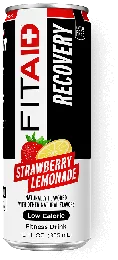
FITAID Athletic Recovery Strawberry Lemonade Review
This page sells FITAID Recovery Blend in Strawberry Lemonade flavour, packed as a pack of twelve 12-oz cans, sold by LIFEAID and shipped by the seller on Walmart. The page lists the following key item features: caffeine free; 100% clean, paleo, vegan and gluten-free; sugar free; and no sucralose, no aspartame and no high fructose corn syrup. It is presented as a recovery blend. The listing shows a current price of USD $29.88, with free shipping and free holiday returns until January 31, and it is available for delivery to Sacramento, 95829 with arrival tomorrow. The product has one customer rating, which averages 5.0 out of 5 stars. The page does not print an ingredients list, a full nutrition panel, a serving count, a barcode, or a star breakdown, so those details cannot be confirmed from this page. The seller rating shown is 4.9 out of 5 stars from 10 seller reviews, which is separate from the product rating. The page also displays a sponsored listing for a different brand, PHX Hydration Energy Drink, which is not the product requested and was not used for any product data.
We don’t sell supplements. We help you make decisions and get the best price.
Lowest prices
Finding the lowest prices at the stores now. This takes a few seconds.
Products with nearly the same formula (Matched on the main ingredients)
Study, Trial or Testing Result Summary
Members Only197 human studies · 68 improved
6 of these 197 human studies gave the ingredient by drip or injection, not by mouth.
None of the listed vitamins and minerals in this recovery drink has good evidence for building muscle, and most are present at small amounts. Vitamin D taken on its own did not increase lean muscle in a three-year trial of 2157 older adults [1]. It also added nothing to weight-training gains in 95 older adults [2]. Vitamin C is a trace amount here. Pooled trials found vitamin C, alone or with vitamin E, neither helped nor hurt lean mass or strength gains [3]. Some trials found high doses of vitamins C and E blunted training gains [4][5]. Vitamin E did not improve strength or muscle damage across 20 trials [6]. Magnesium is below the studied dose. Pooled trials found it did not meaningfully improve strength [7]. Potassium did not improve muscle power or mass in older adults [8]. Calcium on its own showed no muscle benefit [9]. Thiamine and riboflavin are at trace amounts. Their benefits were seen mainly in people with rare muscle diseases [10][11]. Niacin is below the studied dose and showed mixed results [12]. The 848 milligram proprietary blend lists no amounts, so its contents cannot be judged. Animal and cell studies are never counted.
See all 197 studies →Hide the studies
- Across 19 studies of 19,528 people, those with muscle loss (sarcopenia) had lower vitamin D blood levels than those without, but this compared blood levels and did not test vitamin D supplements.Does vitamin D affect sarcopenia with insulin resistance in aging?
- In 59 trials of 5543 older adults with sarcopenia, protein combined with vitamin D probably increased handgrip strength by about 2 kg and improved quality of life compared with usual care.Nutritional and Pharmacological Interventions for Sarcopenia in Older Adults: A Systematic Review and Network Meta-Analy…
- In 7 trials of 792 older adults, vitamin D3 added to resistance exercise improved lower-limb strength, but other measures showed small non-significant gains beyond exercise alone.The effect of combined resistance exercise training and vitamin D3 supplementation on musculoskeletal health and functio…
- In 3 trials of 637 people with sarcopenia, whey protein, leucine and vitamin D increased limb muscle mass, and improved grip strength and physical performance only when combined with exercise.Effects of Whey Protein, Leucine, and Vitamin D Supplementation in Patients with Sarcopenia: A Systematic Review and Met…
- Pooling 14 trials of 542 athletes, healthy adults, elderly people and alcoholics, magnesium did not significantly improve muscle strength, torque or power, though it may help people who are low in magnesium such as the elderly.The effect of magnesium supplementation on muscle fitness: a meta-analysis and systematic review.
- Across seven trials of 349 older people with weak bones and low muscle, strength training raised muscle mass, grip strength and protein intake, but calcium intake did not change significantly.Effects of Strength Training on Body Composition, Physical Performance, and Protein or Calcium Intake in Older People wi…
- Across 18 placebo-controlled trials with 322 people, vitamins C and E together before a single exercise session lowered fat oxidation damage, interleukin-6, cortisol and creatine kinase, but did not change muscle soreness or muscle strength.Effects of the combination of vitamins C and E supplementation on oxidative stress, inflammation, muscle soreness, and m…
- Across 18 placebo-controlled trials with 313 healthy people, vitamin C lowered fat oxidation damage and interleukin-6 after a single exercise session but did not change muscle damage, soreness or strength.Effects of vitamin C on oxidative stress, inflammation, muscle soreness, and strength following acute exercise: meta-ana…
- Across 20 placebo-controlled trials in 298 healthy adults, vitamin E did not improve muscle strength, soreness, muscle damage or inflammation after exercise.Vitamin E Does not Favor Recovery After Exercises: Systematic Review and Meta-analysis.
- In nine resistance training trials lasting at least 4 weeks, vitamin C and/or E neither helped nor hurt gains in lean mass or muscle strength.The effects of vitamin C and E on exercise-induced physiological adaptations: a systematic review and Meta-analysis of r…
- In nine trials of vitamin D in adults aged 45 and over, vitamin D had no significant effect on blood levels of the growth hormone IGF-1.Effects of Dietary or Supplementary Micronutrients on Sex Hormones and IGF-1 in Middle and Older Age: A Systematic Revie…
- In 7 trials, calcifediol improved gait speed, handgrip strength and leg extension compared with baseline values.Effect of Calcifediol on Physical Performance and Muscle Strength Parameters: A Systematic Review and Meta-Analysis.
- In older adults, whey protein plus vitamin D improved lean mass, muscle strength and physical function, though it did not add to the effect of resistance exercise.Whey Protein Supplementation with or without Vitamin D on Sarcopenia-Related Measures: A Systematic Review and Meta-Anal…
- In a review of nine studies of antioxidants in Duchenne muscular dystrophy, vitamin E combined with penicillamine showed no significant benefit over placebo for lung function, muscle strength or movement.Antioxidants for Treatment of Duchenne Muscular Dystrophy: A Systematic Review and Meta-Analysis.
- In a pooled analysis of 4 trials in adults aged 55 and older, vitamin E combined with vitamin D and protein shortened the time to complete five chair stands by about 1.1 seconds, though the effect cannot be attributed to vitamin E alone.Antioxidant-rich foods, antioxidant supplements, and sarcopenia in old-young adults ≥55 years old: A systematic review a…
- In a review of nine reviews covering 128 studies, calcium supplements had only modest effects on bone mineral content and no muscle benefit was reported for calcium itself, though cheese and yogurt were linked to better grip strength.Nutrients and food supplements for the prevention of musculoskeletal diseases: an umbrella review.
- In 12 trials of 1337 older adults with sarcopenia or malnutrition, branched-chain amino acids plus vitamin D improved muscle mass, grip strength and physical performance in six of nine trials.The Role of Nutrition in the Treatment of Sarcopenia in Old Patients: From Restoration of Mitochondrial Activity to Impr…
- In a review of supplements for cancer-related muscle wasting, vitamin C improved some quality of life measures but no muscle benefit was shown, and evidence overall was not solid enough to recommend it.A systematic review on the role of vitamins, minerals, proteins, and other supplements for the treatment of cachexia in …
- In a review of ten studies in people after knee ligament surgery, vitamin supplements showed no benefit for muscle loss, and vitamins C and E may have increased local muscle inflammation.Supplement Use in Patients Undergoing Anterior Cruciate Ligament Reconstruction: A Systematic Review.
- This broad review of nutrients for healthy aging in older adults mentions vitamin C among helpful nutrients but gives no specific muscle-building results and calls for more clinical studies.Nutraceuticals and their role in promoting musculo-skeletal healthy aging.
- In 6 trials of healthy athletes aged 18-45 given 600 to 5,000 IU a day for 4 weeks to 6 months, vitamin D3 improved or tended to improve muscle strength (1.37 to 18.75%), while vitamin D2 did not.Effects of Vitamin D Supplementation on Muscle Strength in Athletes: A Systematic Review.
- In 37 trials of exercise with nutrition supplements including vitamin D in adults over 60, supplements added benefit to exercise in only about a quarter of studies for muscle mass and strength.Nutrition and physical activity in the prevention and treatment of sarcopenia: systematic review.
- A review of nine trials in healthy adults aged 50 and older found beef, protein and amino acids improved wellbeing overall, but vitamin B12 showed no effect, and the abstract gives no B12 dose, duration or muscle-specific result.The potential role of beef and nutrients found in beef on outcomes of wellbeing in healthy adults 50 years of age and ol…
- In a review of 45 mostly cross-sectional studies in older adults, no link was found between calcium and muscle mass, strength, physical performance or sarcopenia.Minerals and Sarcopenia in Older Adults: An Updated Systematic Review.
- In 2157 healthy adults aged 70 and older, 2000 IU of vitamin D a day for 3 years did not improve lean muscle mass or lower the chance of developing sarcopenia compared with placebo.Effect of vitamin D, omega-3 supplementation, or a home exercise program on muscle mass and sarcopenia: DO-HEALTH trial.
- In 1434 children aged 6 to 9, two years of an after-school program with 380 mg daily calcium-rich snacks and exercise raised bone stiffness in one group but did not change muscle strength or vertical jump.Beat osteoporosis - nourish and exercise skeletons (BONES): a group randomized controlled trial in children.
- In 1094 adults with prediabetes, active vitamin D (eldecalcitol 0.75 mcg a day) for about 3 years cut new sarcopenia cases to 4.6% from 8.8% with placebo.Active vitamin D treatment in the prevention of sarcopenia in adults with prediabetes (DPVD ancillary study): a randomis…
- Children whose mothers took 1000 units of cholecalciferol daily during pregnancy had slightly higher bone mineral density and lean mass at ages 6 to 7 than children whose mothers took placebo, in an exploratory follow-up analysis.Pregnancy vitamin D supplementation and offspring bone mineral density in childhood follow-up of a randomized controlled…
- In 409 women aged 70 to 80 who had fallen, taking 800 units of vitamin D daily for two years did not reduce falls or improve muscle strength or balance compared with placebo.Exercise and vitamin D in fall prevention among older women: a randomized clinical trial.
- Sarcopenic older adults who drank a vitamin D and leucine whey protein drink twice daily for 13 weeks gained slightly more leg muscle mass and improved chair-stand time more than those given a control drink, though handgrip strength did not differ.Effects of a vitamin D and leucine-enriched whey protein nutritional supplement on measures of sarcopenia in older adult…
- In 324 children and adolescents given 0 to 4000 IU of vitamin D3 daily for 12 weeks, rising vitamin D levels did not improve muscle mass or strength compared with placebo.Serum 25-Hydroxyvitamin D and Intact Parathyroid Hormone Influence Muscle Outcomes in Children and Adolescents.
- In 244 men and women aged 50 and older, 3 months of potassium bicarbonate lowered bone turnover and calcium loss in urine but had no significant effect on muscle strength or function compared with placebo.Potassium Bicarbonate Supplementation Lowers Bone Turnover and Calcium Excretion in Older Men and Women: A Randomized Do…
- In 241 older adults with sarcopenia, a 12-week nutrition supplement with whey protein, fish oil and vitamin D increased appendicular muscle mass and grip strength and reduced fat mass compared with routine care.Effects of nutrition supplementation and physical exercise on muscle mass, muscle strength and fat mass among sarcopenic…
- In 230 postmenopausal women with low vitamin D over 1 year, neither 800 IU daily nor high-dose vitamin D3 changed muscle mass or muscle function compared with placebo.Treatment of Vitamin D Insufficiency in Postmenopausal Women: A Randomized Clinical Trial.
- In 220 people after bariatric surgery over 24 months, vitamin D loading with calcium, protein, and exercise reduced the loss of lean body mass compared with no intervention.The Impact of Vitamin D, Calcium, Protein Supplementation, and Physical Exercise on Bone Metabolism After Bariatric Surg…
- In people with knee osteoarthritis, 1200 units of vitamin D3 daily for 24 weeks did not improve muscle strength compared with placebo, including in the vitamin D deficient subgroup of 50 people, though that subgroup was small.High-intensity versus low-intensity resistance training in patients with knee osteoarthritis: A randomized controlled tr…
- In 156 older women with low muscle mass, 1500 mg daily of calcium-HMB for 12 weeks did not add to the effects of resistance training on muscle quality compared with placebo.β-Hydroxy-β-Methylbutyrate Supplementation May Not Enhance Additional Effects of Exercise on Muscle Quality in Older Wom…
- In 150 patients with Parkinson disease or parkinsonism during a 30-day rehabilitation program, twice-daily whey protein with leucine and vitamin D increased walking distance more than standard diet alone (about 18 meters extra) and preserved muscle mass.Muscle-targeted nutritional support for rehabilitation in patients with parkinsonian syndrome.
- In 148 men aged 70 and over with mobility problems, 20 weeks of resistance training with vitamin D, calcium and protein supplements improved 30-second chair stand performance and muscle strength compared with no intervention.Beneficial effects of exercise, testosterone, vitamin D, calcium and protein in older men-A randomized clinical trial.
- In overweight postmenopausal women on a 6-month calorie-restricted diet, calcium plus vitamin D pills improved bone density compared with placebo but did not improve lean tissue retention, which was better with low-fat dairy.Role of Calcium and Low-Fat Dairy Foods in Weight-Loss Outcomes Revisited: Results from the Randomized Trial of Effects …
- In 130 sarcopenic older adults doing supervised exercise, 12 weeks of whey protein, essential amino acids and 100 IU of vitamin D daily added 1.7 kg of fat-free mass and increased grip strength more than exercise with placebo, and lowered C-reactive protein.Whey protein, amino acids, and vitamin D supplementation with physical activity increases fat-free mass and strength, fu…
- In 128 healthy adults aged 65 and older, 24 weeks of potassium bicarbonate did not improve muscle power, physical performance or muscle mass compared with placebo, though blood levels of a growth hormone marker (IGF-1) were higher.Independent effects of whey protein and alkali supplementation on muscle health in healthy older adults: factorial rando…
- Hospitalized older adults with sarcopenia who took a whey protein formula with leucine and vitamin D during rehabilitation gained more muscle mass and walking speed than those given a control formula, and stayed in hospital for a shorter time.Improving rehabilitation in sarcopenia: a randomized-controlled trial utilizing a muscle-targeted food for special medic…
- In 117 elderly care home residents, six months of resistance training with or without protein and vitamin supplements did not change blood levels of fat-soluble vitamins including vitamin E.Fat Soluble Vitamins in Institutionalized Elderly and the Effect of Exercise, Nutrition and Cognitive Training on Their …
- In 112 sarcopenic or dynapenic older adults, bodyweight exercise combined with a protein and vitamin D supplement improved knee strength and muscle quality more than either alone or no treatment over 12 weeks.Synergistic effect of bodyweight resistance exercise and protein supplementation on skeletal muscle in sarcopenic or dyn…
- In 110 older adults with sarcopenia, 12 weeks of a muscle-targeted supplement containing 200 IU of vitamin D3 per sachet, taken as two sachets daily with exercise, increased lean tissue, muscle index and grip strength compared with a control group.Effects of combined nutritional supplementation and exercise on proxy measures of muscle mass, strength, and function in…
- In 106 boys with Duchenne muscular dystrophy, penicillamine plus vitamin E for 18 months did not improve muscle strength or other measures compared with placebo.Clinical investigation in Duchenne muscular dystrophy: penicillamine and vitamin E.
- In 105 older outpatients at risk of malnutrition, a nutrient-rich drink for 12 weeks raised calcium intake and increased muscle mass in women, but muscle strength and physical performance did not differ from standard care.The effect of 12-weeks Nutritional supplementation on Nutritional Intake and Status among Indonesian Older Outpatients w…
- In 101 children with overweight or obesity over 1 year, a lifestyle program that reduced body fat did not change their vitamin D levels, and the study did not report muscle outcomes.Associations between Body Composition and Vitamin D Status in Children with Overweight and Obesity Participating in a 1-…
- In 98 adults over 50, drinking 1 liter a day of calcium and magnesium-rich mineral water for 12 months raised muscle mass relative to height and lowered falls at 6 months, but did not change physical performance scores.Efficacy of a Naturally Calcium and Magnesium-Rich Mineral Water on Musculoskeletal Fragility: A Randomized, Double-Blin…
- In 95 older adults over 28 weeks, vitamin D3 (2,000 IU daily after an initial higher dose) did not improve muscle gains from resistance training compared with placebo.Vitamin D3 supplementation does not enhance the effects of resistance training in older adults.
- In 88 postmenopausal women with knee osteoarthritis doing home exercises for 24 weeks, adding vitamin E gave no extra gain in muscle strength or physical performance beyond exercise alone.Additive effects of active vitamin D3 or vitamin E administration on therapeutic lower-limb home exercise for knee osteo…
- In 83 vitamin D-deficient middle-aged women, 250 mg magnesium daily plus weekly vitamin D for 8 weeks improved handgrip strength and walking-test time and lowered a blood inflammation marker, but did not change body composition or knee strength.Randomized Study of the Effects of Vitamin D and Magnesium Co-Supplementation on Muscle Strength and Function, Body Comp…
- In 82 older adults at risk of undernutrition, 12 weeks of a supplement containing vitamin D improved walking distance more than a standard supplement and increased mitochondrial gene activity.A novel oral nutritional supplement improves gait speed and mitochondrial functioning compared to standard care in older…
- In 80 resistance-trained men taking a pre-workout blend including 500 mg vitamin C for 8 weeks, body composition and most strength measures did not differ from placebo, and early strength gains at 4 weeks were similar to placebo by 8 weeks.Effects of ingesting a pre-workout dietary supplement with and without synephrine for 8 weeks on training adaptations in…
- In 74 middle-aged overweight women, 250 mg magnesium oxide daily for 8 weeks did not produce greater gains in muscle strength, function or lean mass than placebo.Does magnesium supplementation improve body composition and muscle strength in middle-aged overweight women? A double-bl…
- In 66 older adults with low muscle mass, yogurt fortified with 500 mg vitamin C plus HMB and vitamin D for 12 weeks improved handgrip strength and walking speed more than plain yogurt, and also lowered inflammation and oxidative stress.A Novel Fortified Dairy Product and Sarcopenia Measures in Sarcopenic Older Adults: A Double-Blind Randomized Controlled…
- In 64 adults with chronic lung disease doing rehabilitation, 4 weeks of 180 mg vitamin C in an antioxidant mix did not improve muscle endurance beyond placebo but raised muscle strength by 11% and cut the rate of muscle weakness from 30% to 10.7%.Additional Effects of Nutritional Antioxidant Supplementation on Peripheral Muscle during Pulmonary Rehabilitation in CO…
- In 64 people with facial nerve inflammation, the control group got vitamin B1 with B12 and a med for about 3 weeks and 84.4% improved, but acupuncture did better and thiamine was not tested on its own, so this does not show thiamine builds muscle.[Influence on orbicularis oculi muscle in the patients with facial neuritis treated with the penetra-ting needling at Cu…
- In 60 older women with age-related muscle loss doing resistance training, 12 weeks of 1000 mg vitamin C plus vitamin E gave larger gains in arm lean mass, muscle mass index, grip strength and knee strength than placebo.Effects of vitamins C and E supplementation combined with 12-week resistance training in older women with sarcopenia: A …
- In 60 older adults with sarcopenia, a double-blind 6-month supplement of whey protein with vitamin D and vitamin E increased muscle mass and grip strength more than a placebo drink.A high whey protein, vitamin D and E supplement preserves muscle mass, strength, and quality of life in sarcopenic older…
- In 60 women over three months, single high-dose vitamin D3 boluses of 50,000 to 500,000 IU did not change grip strength or physical performance.Effects of High Dose Bolus Cholecalciferol on Free Vitamin D Metabolites, Bone Turnover Markers and Physical Function.
- In 59 patients with alcoholic liver disease, 6 weeks of magnesium had no effect on muscle strength or mass compared with placebo, as both groups improved.Magnesium supplementation and muscle function in patients with alcoholic liver disease: a randomized, placebo-controlled…
- In 59 older adults averaging about 80 years, a combination supplement containing magnesium improved muscle mass, all muscle function tests and inflammation markers compared with placebo.A Patented Dietary Supplement (Hydroxy-Methyl-Butyrate, Carnosine, Magnesium, Butyrate, Lactoferrin) Is a Promising Ther…
- In 57 older men and women, six months of vitamin C and E with or without resistance training changed body composition but did not change strength gains or pro-oxidant markers.Combined effect of antioxidant supplementation and resistance training on oxidative stress markers, muscle and body comp…
- In 53 elderly people with low muscle mass, 12 weeks of omega-3 capsules containing 10 mg vitamin E did not change muscle mass, grip strength, or walking test results compared with control capsules containing 11 mg vitamin E.The Effect of a 12-Week Omega-3 Supplementation on Body Composition, Muscle Strength and Physical Performance in Elderly…
- In 51 people with Parkinson's disease, magnesium was used as the comparison to whey protein for 4 weeks, and the two groups did not differ in changes in walking and movement tests.Can we add whey protein supplementation in patients with Parkinson's disease without interfering with levodopa response?
- In 50 burn patients, a tube feed enriched with vitamin C and other nutrients cut infections and hospital stay, but showed only non-significant trends toward preserving muscle mass.Differential effects of three enteral dietary regimens on selected outcome variables in burn patients.
- In 49 healthy older men, twice-daily whey protein blend containing 500 IU vitamin D, creatine and omega-3s for 20 weeks increased strength and lean mass more than a maltodextrin control, though vitamin D's separate effect cannot be isolated.A whey protein-based multi-ingredient nutritional supplement stimulates gains in lean body mass and strength in healthy …
- In 49 chronic heavy-drinking adults, 6 weeks of oral magnesium raised muscle strength significantly while placebo produced no change.Oral magnesium supplementation improves metabolic variables and muscle strength in alcoholics.
- In 48 older adults with low bone and muscle mass, adding whole-body vibration training to daily calcitriol for 3 months improved muscle mass, strength and physical function more than calcitriol alone.Effects of 12 Weeks of Whole-Body Vibration Training and Vitamin D Supplementation on Bone Density and Muscle Quality in…
- In 46 adults with long COVID fatigue, taking 500 mg of liposomal vitamin C with l-arginine twice daily for 28 days improved walking distance and grip strength more than placebo.Effects of l-Arginine Plus Vitamin C Supplementation on Physical Performance, Endothelial Function, and Persistent Fatig…
- In a randomized trial of 45 people with tennis elbow, a 30-day supplement containing 250 mg of vitamin C, collagen and hyaluronic acid, given with exercise and shock wave therapy, increased grip strength more than the other treatment groups, though vitamin C was not tested alone.Efficacy of extracorporeal shock wave therapy and nutraceutical supplementation in the treatment of lateral epicondyliti…
- In 44 people with moderate to severe chronic obstructive pulmonary disease, drinking a whey beverage fortified with vitamin C and magnesium daily for 8 weeks lowered inflammatory markers and increased lean body mass and grip strength compared with the control group.Fortified whey beverage for improving muscle mass in chronic obstructive pulmonary disease: a single-blind, randomized c…
- In 44 children and teens with cystic fibrosis, 300 mg of magnesium daily for 8 weeks improved breathing muscle strength much more than placebo in a crossover trial.Oral magnesium supplementation in children with cystic fibrosis improves clinical and functional variables: a double-bli…
- In 43 malnourished people with liver cirrhosis, 3 g a day of calcium HMB for 12 weeks did not change fat-free mass compared with the supplement without it, though handgrip strength trended upward.Randomized Clinical Trial: Effects of β-Hydroxy-β-Methylbutyrate (HMB)-Enriched vs. HMB-Free Oral Nutritional Supplement…
- In 42 young women doing strength training for 10 weeks, taking 1 g of vitamin C a day with vitamin E blunted gains in peak muscle torque and total work compared with placebo, although muscle thickness rose similarly in both groups.Effect of strength training combined with antioxidant supplementation on muscular performance.
- In 42 elderly Thai women with low vitamin D, 0.5 mg of alfacalcidol daily with calcium for 12 weeks increased quadriceps strength more than calcium with placebo.Combination of alfacalcidol with calcium can improve quadriceps muscle strength in elderly ambulatory Thai women who hav…
- In 42 adults aged 65 to 82, a daily formulation containing 10 mg tocotrienol, along with astaxanthin and zinc, plus 3 months of incline walking improved strength and muscle size, while walking training alone with placebo did not change them.Building strength, endurance, and mobility using an astaxanthin formulation with functional training in elderly.
- In 40 young men doing 8 weeks of resistance training, calcium HMB did not improve muscle thickness, strength or power more than placebo.Leucine Metabolites Do Not Enhance Training-induced Performance or Muscle Thickness.
- In 40 resistance-trained young men over 8 weeks of training, calcium HMB did not reduce training-related inflammation or change muscle thickness or strength compared with placebo.Leucine metabolites do not attenuate training-induced inflammation in young resistance trained men.
- In 38 patients with heart failure, all of whom took vitamin D, a high-calorie, high-protein oral supplement for 24 weeks increased lean mass more than a Mediterranean diet alone, but muscle thickness tended to fall in that group and fat mass rose in the diet group.Mediterranean Diet, Vitamin D, and Hypercaloric, Hyperproteic Oral Supplements for Treating Sarcopenia in Patients with …
- In 34 men aged 60 to 81 doing 12 weeks of strength training, 500 mg vitamin C plus vitamin E daily led to smaller gains in total lean mass and leg muscle thickness than placebo, though strength gains were similar in both groups.Vitamin C and E supplementation blunts increases in total lean body mass in elderly men after strength training.
- In healthy older men doing 12 weeks of strength training, taking 1000 mg vitamin C plus 235 mg vitamin E daily blunted the bone density gains seen with placebo.High doses of vitamin C plus E reduce strength training-induced improvements in areal bone mineral density in elderly me…
- Older men with excess weight who took a multi-ingredient supplement containing vitamin D3 along with exercise for 12 weeks gained more leg strength than those on a collagen-based product, though vitamin D's own effect could not be separated out.Obesity and Metabolic Disease Impair the Anabolic Response to Protein Supplementation and Resistance Exercise: A Retrosp…
- In 32 older adults given nicotinamide riboside (1,000 mg) plus pterostilbene (200 mg) daily, muscle stem cell recruitment and muscle recovery after an induced muscle injury were no better than placebo.A randomized placebo-controlled trial of nicotinamide riboside and pterostilbene supplementation in experimental muscle …
- In 29 people recovering from anterior cruciate ligament surgery, 1000 mg vitamin C plus high-dose vitamin E for about 16 weeks did not change muscle strength compared with placebo.Serum cytokines and muscle strength after anterior cruciate ligament surgery are not modulated by high-doses of vitamins…
- In 27 people with myotonic dystrophy followed for 2 years, taking up to 800 mg vitamin E daily with selenium did not slow the loss of grip strength or walking speed compared with placebo.Functional deterioration and selenium-vitamin E treatment in myotonic dystrophy. A placebo-controlled study.
- In 26 healthy young adults doing resistance training for 10 weeks, a supplement containing whey protein, creatine, calcium and 1000 IU of vitamin D gained more lean body mass than a placebo, though vitamin D was only one ingredient.The Effect of a Multi-ingredient Supplement on Resistance Training-induced Adaptations.
- In 26 adults over 10 weeks of resistance training, a multi-ingredient supplement containing vitamin D increased the size of fast-twitch muscle fibers more than a collagen control.The Effect of Multi-Ingredient Protein versus Collagen Supplementation on Satellite Cell Properties in Males and Females…
- In 25 healthy adults with low vitamin D, those with more trunk fat needed higher vitamin D2 injection doses to reach sufficient levels, while dose was not related to lean mass, so this study does not show a muscle-building effect.Impact of body composition on vitamin D requirements in healthy adults with vitamin D deficiency.
- In 25 resistance-trained people, a pre-workout drink containing 65 mg niacin for 7 days helped maintain leg press strength and increased lifting volume and repetitions compared with placebo, with no difference in cycling time trial or side effects.Short-Term Effects of a Ready-to-Drink Pre-Workout Beverage on Exercise Performance and Recovery.
- In 24 older adults, a single dose of 3 g calcium beta-hydroxy-beta-methylbutyrate added to 40 g whey boosted muscle protein synthesis in older women and reduced muscle protein breakdown, but the effect was not seen in men.The Effect of β-Hydroxy-β-Methyl Butyrate (HMB) upon Acute Fed-State Muscle Protein Turnover in Older Men and Women: A R…
- In 23 trained men doing resistance training for 10 weeks, taking vitamin C with vitamin E produced similar leg and bench press strength gains to placebo but appeared to blunt upper body muscle gains and grip strength improvement.Antioxidant vitamin supplementation on muscle adaptations to resistance training: A double-blind, randomized controlled …
- In 22 runners taking 1000 mg vitamin C and 300 mg vitamin E for 6 weeks before a 50-km ultramarathon, supplements did not reduce muscle damage or speed recovery of muscle strength compared with placebo.Antioxidants did not prevent muscle damage in response to an ultramarathon run.
- In 19 healthy young adults doing 8 weeks of high-intensity functional training, a daily supplement containing 22 mg vitamin E along with omega-3 and omega-6 fats increased muscle mass by 1.7 percent, while the olive oil placebo group lost muscle mass, though the placebo comparison was not statistically significant.Effects of Supplementation with Omega-3 and Omega-6 Polyunsaturated Fatty Acids and Antioxidant Vitamins, Combined with …
- In 18 collegiate basketball players over 12 weeks of strength training, about 517 IU daily of vitamin D3 did not improve lean mass, fat loss or jump power compared with placebo.Vitamin D supplementation and body composition changes in collegiate basketball players: a 12-week randomized control tr…
- In 14 older adults with impaired physical function, 32 days of 207.5 mg niacin equivalents daily did not improve muscle energy production, muscle NAD levels or exercise efficiency compared with the control.NAD+-Precursor Supplementation With L-Tryptophan, Nicotinic Acid, and Nicotinamide Does Not Affect Mitochondrial Functio…
- In 12 overweight women losing weight, riboflavin at 1.16 versus 0.96 mg per 1000 kcal made no difference to aerobic capacity, weight loss or change in lean body mass.Effects of exercise on riboflavin requirements: biological validation in weight reducing women.
- In 12 male weight trainers, a single dose of potassium-magnesium aspartate taken before a resistance workout did not lower blood ammonia or improve bench press performance to failure compared with vitamin C.Effect of acute potassium-magnesium aspartate supplementation on ammonia concentrations during and after resistance trai…
- In a 12-week randomized trial in adults with metabolic syndrome, tocotrienol-enriched oats increased muscle mass by about 0.3 kg compared with control, alongside improvements in blood sugar, blood pressure and cholesterol.Effects of tocotrienol-enriched oat supplementation on metabolic profile, nutritional status and health-related quality …
- In a six-month trial in people with amyotrophic lateral sclerosis, L-threonine given with the active form of vitamin B6 did not improve muscle strength compared with placebo, and the number of people and the dose were not stated.Electrophysiologic endpoint measures in a multicenter ALS drug trial.
- In people having hip replacement surgery, a pain-relief cocktail that included magnesium sulfate and sodium bicarbonate reduced pain and morphine use and improved early walking, while the abstract does not report muscle strength results.Effects of a Modified Long-Acting Cocktail on Analgesia and Enhanced Recovery After Total Hip Arthroplasty: A Double-Bli…
- In a case-control study of 130 adults, people with epilepsy ate less vitamin C than healthy controls and had higher body fat, but the study did not test vitamin C effects on muscle.Dietary and lifestyle behavior in adults with epilepsy needs improvement: a case-control study from northeastern Poland.
- In 103 schoolboys, a 6-month exercise program raised lean mass and lowered fat mass, but thiamine was not given as a supplement; the exercise group only ate more vitamin B1 through their diet, so the study says nothing about thiamine for muscle building.Implementation of a Physical Activity Program Protocol in Schoolchildren: Effects on the Endocrine Adipose Tissue and Co…
- In 66 adolescent girls, about 1300 mg daily calcium from milk for 12 weeks did not change body composition or muscle performance, though resistance training did improve them and milk with training improved bone density.Resistance Training and Milk-Substitution Enhance Body Composition and Bone Health in Adolescent Girls.
- In 39 adults with type 2 diabetes, 15 weeks of exercise training changed body fat and fitness but riboflavin was not given as a supplement, and the study did not show that riboflavin built muscle.The effect of exercise conditioning, diet, and drug therapy on glycosylated hemoglobin levels in type 2 (NIDDM) diabetic…
- In 33 young women doing 10 weeks of strength training, taking 400 IU vitamin E with 1 g vitamin C daily blunted gains in lean mass compared with placebo, which did gain lean mass.Antioxidant Supplementation Impairs Changes in Body Composition Induced by Strength Training in Young Women.
- In a retrospective study of 30 intensive care patients with ICU-acquired weakness, adding vitamin B1 to usual care produced greater improvement in muscle strength scores than usual care alone and shortened time on the ventilator and in intensive care.[Clinical efficacy of vitamin B1 in ICU-acquired weakness patients].
- In 27 older women over six months, alphacalcidol (0.5 mcg daily) raised knee leg strength by about 11 to 15% in vitamin D-deficient women compared with women with normal levels.Muscle strength, functional mobility and vitamin D in older women.
- In 26 untrained young adults doing 7 weeks of leg strength training, those taking magnesium gained more thigh strength than those on placebo (211 vs 174 Nm).Effect of magnesium supplementation on strength training in humans.
- In 12 young and 12 old men, a single dose of nicotinamide riboside raised NAD levels in both groups and improved isometric muscle strength by 8% and fatigue index by 15% only in the older men, with no change in maximal oxygen uptake or in the young.Acute nicotinamide riboside supplementation improves redox homeostasis and exercise performance in old individuals: a do…
- In 20 patients with cystic fibrosis, 6 months of endurance or resistance training did not improve muscle strength, and vitamin E levels showed only a trend that differed by training type.Muscular strength after different types of training in physically active patients with cystic fibrosis.
- In 10 patients with COPD, a single 2 g intravenous vitamin C infusion, compared with saline, reduced quadriceps fatigue during exercise and lowered malondialdehyde, a marker of oxidative stress.Ascorbate infusion increases skeletal muscle fatigue resistance in patients with chronic obstructive pulmonary disease.
- Over 28 days, young male construction workers drinking riboflavin-fortified apple juice (1.3 mg daily) had less self-reported fatigue than those drinking plain juice, and their malondialdehyde (an oxidative stress marker) fell more, while changes in body muscle mass were not statistically significant.Physicochemical properties of and volatile compounds in riboflavin fortified cloudy apple juice; study of its effect on …
- In an open-label study of 242 adults with diabetic nerve damage, vitamin B12 as methylcobalamin at 500 mcg three times daily for 12 weeks was less effective than epalrestat on symptoms and muscle strength, and it was judged less well tolerated.Efficacy, safety, and tolerability of Epalrestat compared to Methylcobalamine in patients with diabetic neuropathy.
- In 107 postmenopausal women with low vitamin D over 6 months, weekly calcifediol or weekly cholecalciferol raised vitamin D levels faster and improved leg muscle function more than monthly or single-dose cholecalciferol.Effects of Different Vitamin D Supplementation Schemes in Post-Menopausal Women: A Monocentric Open-Label Randomized Stu…
- In 60 obese adults on an unsupplemented 1000 kcal diet for about 6 months, thiamin levels stayed normal and muscle mass was maintained while fat was lost.Dietary management of obesity: evaluation of the time-energy displacement diet in terms of its efficacy and nutritional …
- In older adults with muscle loss, a whey protein supplement enriched with leucine and vitamin D for 12 weeks did not change muscle mass or grip strength more than extra protein from diet alone, but it improved walking speed more, especially in those under 75.Effects of adequate dietary protein with whey protein, leucine, and vitamin D supplementation on sarcopenia in older adu…
- In 39 patients with advanced cancer and wasting, a 4-month regimen including 500 mg daily vitamin C, with other antioxidants, nutrition support and drugs, led to weight gain, more lean body mass, lower inflammatory markers and better quality of life; 22 of 39 patients responded, but there was no control group.A phase II study with antioxidants, both in the diet and supplemented, pharmaconutritional support, progestagen, and ant…
- In 35 postmenopausal women with type 2 diabetes, 1000 IU of vitamin D daily for 12 months raised vitamin D levels and improved muscle strength and muscle function, in a study without a control group.Effects of 12 Months of Vitamin D Supplementation on Physical Fitness Levels in Postmenopausal Women with Type 2 Diabete…
- In 28 patients with advanced cancer and weight loss, a 16-week program that included 500 mg of vitamin C daily alongside several other supplements and drugs was linked to increased lean body mass and lower reactive oxygen species and inflammatory signals, but the study had no comparison group and vitamin C was not tested alone.Cancer-related anorexia/cachexia syndrome and oxidative stress: an innovative approach beyond current treatment.
- Two adults with myotonic dystrophy type 1 who received 100 mg thiamine shots twice a week for 11 to 12 months had better muscle strength and daily activity scores.Can long-term thiamine treatment improve the clinical outcomes of myotonic dystrophy type 1?
- Niacin at 750 to 1,000 mg a day for up to 10 months raised blood NAD levels and increased muscle strength and mitochondrial biogenesis in people with adult-onset mitochondrial myopathy.Niacin Cures Systemic NAD+ Deficiency and Improves Muscle Performance in Adult-Onset Mitochondrial Myopathy.
- A genetic analysis of about 378,000 UK Biobank participants found little evidence that genetically higher vitamin B12 levels were linked to risk of sarcopenia (low muscle mass and strength).Causal Relationship of Genetically Predicted Serum Micronutrients Levels With Sarcopenia: A Mendelian Randomization Stud…
- In a genetic analysis of about 295,000 UK adults, blood vitamin D levels below 20 ng/mL were linked to a rapidly rising risk of sarcopenia, though this study did not test supplements directly.Genetic Variants, Serum 25-Hydroxyvitamin D Levels, and Sarcopenia: A Mendelian Randomization Analysis.
- In a large UK study of about 68,000 adults, higher vitamin C intake from food was linked to stronger grip in women, but this was a cross-sectional association and not a trial.Associations between diet and handgrip strength: a cross-sectional study from UK Biobank.
- In a survey of 11,635 Korean adults, lower vitamin B1 intake was linked to higher odds of low handgrip strength, with the association seen in men.Sex and Diet-Related Disparities in Low Handgrip Strength among Young and Middle-Aged Koreans: Findings Based on the Kor…
- In a large survey of US adults, higher dietary antioxidant scores were linked to lower sarcopenia risk, and this association was mainly attributed to vitamin E intake.The inverse associations between composite-dietary-antioxidant-index and sarcopenia risk in US adults.
- In a cross-sectional study of 8,711 US adults aged 20 to 59, higher dietary intake of vitamin B1 (thiamine) was associated with lower odds of early-onset sarcopenia (muscle loss at a young age), but this does not show that taking thiamine causes muscle gain.Association of vitamins B1 and B2 intake with early-onset sarcopenia in the general adult population of the US: a cross-…
- In a survey of 4,500 adults over 50 in western China, lower vitamin D levels were linked to sarcopenia under some diagnostic criteria but not others.The Comparison of Sarcopenia Diagnostic Criteria using AWGS 2019 with the Other Five Criteria in West China.
- In 4020 Korean adults aged 65 and older, vitamin C intake was among the top risk factors ranked by a machine learning model for sarcopenia in women, with no stated direction of effect.Sarcopenia feature selection and risk prediction using machine learning: A cross-sectional study.
- In a cross-sectional study of 3713 adults aged 50 and older, vitamin D deficiency was linked to sarcopenia in men but not women, and low physical activity was linked to sarcopenia only in women.Sex differences in the association of physical activity levels and vitamin D with obesity, sarcopenia, and sarcopenic ob…
- In older South Koreans, not meeting the recommended riboflavin intake was linked to a 36.6% higher risk of sarcopenic obesity, though this is an association from a survey, not proof of cause.Sarcopenic obesity can be negatively associated with active physical activity and adequate intake of some nutrients in K…
- In 2,570 women, higher dietary magnesium was linked with more muscle mass and greater leg explosive power, but not with grip strength.Dietary Magnesium Is Positively Associated With Skeletal Muscle Power and Indices of Muscle Mass and May Attenuate the A…
- In a cross-sectional study of 2532 older adults, higher oral magnesium intake was associated with lower odds of sarcopenia in a dose-dependent pattern, even after full adjustment.Association between oral intake magnesium and sarcopenia: a cross-sectional study.
- In 1,930 adults aged 45 to 76 followed for six years, higher vitamin B12 levels showed only a non-significant trend toward lower risk of low handgrip strength.Prospective Associations of Serum Vitamin B12, Homocysteine, and Ferritin Levels with Probable Sarcopenia.
- In a national survey of 1,766 Japanese adults aged 60 and older, higher vitamin B6 intake was positively associated with higher skeletal muscle index in men.Nutrient and food group intakes and skeletal muscle index in the Japanese elderly: a cross-sectional analysis of the NHN…
- In older men from a large cohort, blood thiamine showed only a weak correlation with walking speed (r = -0.18), and no link to muscle mass was reported for it.Nutrient Metabolites Associated With Low D3Cr Muscle Mass, Strength, and Physical Performance in Older Men.
- In 1420 Korean postmenopausal women, those eating the most fruit, which is rich in vitamin C and potassium, had lower odds of having multiple body composition problems, including low muscle mass, though this cross-sectional study cannot prove cause.Fruit intake and osteosarcopenic obesity in Korean postmenopausal women aged 50-64 years.
- In a cross-sectional study of 1345 community-dwelling Japanese adults aged 60 and older, the highest dietary vitamin E intake was linked to lower odds of sarcopenia (low muscle mass and function) than the lowest intake, but this does not show that vitamin E causes muscle gain.Dietary Intake of Vitamin E and Fats Associated with Sarcopenia in Community-Dwelling Older Japanese People: A Cross-Sec…
- In a large cross-sectional survey of adults aged 50 to 85, blood vitamin E levels were not linked to knee muscle strength, while higher alpha-carotene levels were.Serum α-Carotene, but Not Other Antioxidants, Is Positively Associated with Muscle Strength in Older Adults: NHANES 2001…
- In 766 black and white adolescents, lower dietary magnesium intake was associated with higher CRP and lower fat-free mass, and almost none of the teens met the recommended magnesium intake.Magnesium Intake, C-Reactive Protein, and Muscle Mass in Adolescents.
- In a population study of 765 adults over 65, lower alanine aminotransferase levels were linked to frailty, disability, muscle loss and vitamin B6 (pyridoxine) deficiency, and to higher mortality; no vitamin B6 supplement was tested and the abstract gives no direct effect of vitamin B6 on muscle building.Low Alanine Aminotransferase Levels in the Elderly Population: Frailty, Disability, Sarcopenia, and Reduced Survival.
- In a cohort of 70-year-olds in Sweden, higher riboflavin intake was linked to more lean muscle mass, but after correcting for multiple comparisons no link remained with grip strength or gait speed.Nutrient Intake and Its Association with Appendicular Total Lean Mass and Muscle Function and Strength in Older Adults: …
- In 620 older adults, riboflavin intake was linked to better walking and turning performance in women before adjustment, but no nutrient remained linked to grip strength in either sex after adjustment.Muscle Strength and Physical Performance in Relation to Dietary Intake Among Older Men and Women.
- In 584 community-dwelling older adults, vitamin C intake was higher in those with sarcopenia (low muscle), though this cross-sectional study cannot show cause and effect.Dietary intake and its association with sarcopenia in older adults: a cross-sectional analysis.
- In 534 Chinese adults aged 18 to 55, higher vitamin B1 levels were linked to lower muscle mass in one model, but this did not hold up after statistical correction.Serum vitamin D and B9 are positively associated with muscle mass in young and middle-aged adults: a cross-sectional stu…
- In a prevalence survey of 509 adults admitted with a hip fracture, most had low vitamin D levels and about 17 percent had muscle weakness, but no vitamin D supplement was given, so this study does not show whether vitamin D builds muscle.Prevalence of malnutrition in a cohort of 509 patients with acute hip fracture: the importance of a comprehensive assess…
- In 498 middle-aged black South African women, a diet pattern high in vitamin C, sugar and potassium was not reported to be linked with muscle or body composition, while an animal-based diet pattern was linked with higher lean mass.Nutrient Patterns and Body Composition Parameters of Black South African Women.
- In this machine learning study of 484 older adults, vitamin B7 (biotin) was one of several nutritional predictors of sarcopenia risk, but the abstract does not state its direction of effect or any muscle-building result.Identifying risk factors for sarcopenia using machine learning: insights from multimodal data.
- In 469 older Japanese adults, higher vitamin B6 intake (from food) was linked to better movement, balance and walking ability, but not to muscle strength.Relationships among Physical Activity, Physical Function, and Food Intake in Older Japanese Adults Living in Urban Areas…
- In 392 adults with knee osteoarthritis, higher dietary potassium intake was linked to greater lower limb muscle strength over 24 months.Associations of Dietary Macroelements with Knee Joint Structures, Symptoms, Quality of Life, and Comorbid Conditions in …
- In 188 people with rheumatoid arthritis and 158 controls, sarcopenia and vitamin D deficiency were each linked to a higher rate of spine fractures; the study did not test supplementation.Synergy of sarcopenia and vitamin D deficiency in vertebral osteoporotic fractures in rheumatoid arthritis.
- In 300 Iranian older adults, a diet pattern high in vitamin C and carbohydrates was linked with lower odds of low gait speed, but vitamin C was not separately tested for muscle mass.Patterns of Nutrient Intake in Relation to Sarcopenia and Its Components.
- In 295 Brazilian older adults, inadequate vitamin B6 intake directly affected the diagnosis of sarcopenia.High Prevalence of Energy and Nutrients Inadequacy among Brazilian Older Adults.
- In a cross-sectional study of Chinese women, those with sarcopenia had lower dietary vitamin E intake, but this study did not test whether vitamin E changes muscle strength.Relationships between sarcopenia, nutrient intake, and gut microbiota in Chinese community-dwelling older women.
- In a cross-sectional study of 227 older adults in India, low vitamin D levels were not linked to primary sarcopenia (low muscle mass and strength); the study did not test supplementation.Prevalence and factors contributing to primary sarcopenia in relatively healthy older Indians attending the outpatient d…
- Among 227 community-dwelling older adults in Maastricht, those with sarcopenia (low muscle mass and strength) ate 10% to 18% less vitamin B6, folate, vitamin E, magnesium and omega-3 fats than those without it.Differences in Nutrient Intake and Biochemical Nutrient Status Between Sarcopenic and Nonsarcopenic Older Adults-Results…
- In a prospective cohort of 197 older adults with type 2 diabetes followed for about 14 months, vitamin C intake was not related to loss of muscle mass.Vitamin Intake and Loss of Muscle Mass in Older People with Type 2 Diabetes: A Prospective Study of the KAMOGAWA-DM Coho…
- In a cross-sectional study of 189 older adults, vitamin B6 status was linked to one or more measures of sarcopenia, but the abstract does not state the direction of the link.Systemic and Metabolic Signature of Sarcopenia in Community-Dwelling Older Adults.
- In 170 patients in a study of hip surgery, vitamin D deficiency was more common in people with sarcopenia than in those without; the study did not test supplementation.Vitamin D Deficiency and Sarcopenia in Hip Fracture Patients.
- In this case-control study of 170 women, professional dancers had higher biotin intake than non-dancers and better muscle mass and grip strength, but the study did not show that biotin intake caused these differences.Eating Attitudes and Anthropometric Indices of Adult Women in Performance Dance: A Case-Control Study in Greece.
- In 164 older adults with dizziness and unsteady gait, 23% had low vitamin B1 or B12, which was highly associated with muscle weakness and frailty.Dizziness and unstable gait in the older adults are associated with vestibular hypofunction, muscle dysfunction and slee…
- In a case-control study of 130 older adults, those with depression ate less vitamin B6 than controls, and inadequate intake of several nutrients was linked to weaker handgrip strength and poorer physical function.Inappropriate nutrients intake is associated with lower functional status and inferior quality of life in older adults w…
- In 115 outpatients with chronic pancreatitis, vitamin E deficiency was found only in those with pancreatic enzyme insufficiency, and the study did not show a link between vitamin E and muscle function.Micronutrient deficits in patients with chronic pancreatitis: prevalence, risk factors and pitfalls.
- In a retrospective study of 112 women with anorexia nervosa, higher vitamin B6 levels in the blood predicted more symptoms of negative body image; no supplement was given and muscle building was not measured as an outcome.Muscle Mass and Vitamin B6 Are Linked to Negative Body Image in Women with Anorexia Nervosa: A Retrospective Study.
- In 101 postmenopausal women, lower vitamin D levels were linked with higher body fat, metabolic syndrome and weaker grip strength, but no supplement was tested.Cross-talk between muscle and bone in postmenopausal women with hypovitaminosis D.
- In a retrospective study of 100 people after bariatric surgery, vitamin D levels and different cholecalciferol doses did not change handgrip strength or the shuttle walk test, while higher protein intake was linked to better handgrip strength.Assessment of Physical Fitness after Bariatric Surgery and Its Association with Protein Intake and Type of Cholecalcifer…
- In a cross-sectional study of 97 women seeking fertility treatment, higher dietary riboflavin intake was linked to a higher muscle mass percentage after adjustment, but this cannot show that riboflavin causes more muscle.Dietary nutrient intake and nutritional status in women with infertility: a cross-sectional study.
- In a retrospective real-world study of 94 adults receiving weekly a med with vitamin B12 for 3 months, participants lost fat and about 1.4 kg of lean mass, including 0.9 kg of skeletal muscle, though muscle made up a larger share of body weight.Read the study on PubMed (39776038) →
- In 90 Thai older adults, inadequate vitamin B12 intake was found alongside lower muscle mass indices, though this cross-sectional study cannot show that B12 caused the difference.Loss of Posterior Occluding Teeth and Its Association with Protein-Micronutrients Intake and Muscle Mass among Thai Elde…
- In a cross-sectional study of 86 care facility residents, vitamin B12 was not a significant contributor to physical performance, while low folate was linked to weaker strength in older women.Relationship between Homocysteine, Folate, Vitamin B12 and Physical Performance in the Institutionalized Elderly.
- In 82 adults with acromegaly and matched controls, vitamin B6 intake was correlated with sit-to-stand test performance, but the abstract does not clearly state which direction is beneficial.The relationships among nutrition, body composition, muscle strength and physical performance in patients with acromegal…
- In 80 older women at risk of sarcopenia, lower dietary vitamin E intake was linked to poorer chair-stand performance in the high-speed resistance training group, but this was a correlation and not a supplement test.Nutritional intake as a determinant of high-speed resistance and multicomponent training efficacy on strength in older w…
- In 72 patients eligible for stem cell transplant, sarcopenia was associated with inadequate vitamin B6 intake.Evaluation of nutritional risk factors in hematopoietic stem cell transplantation-eligible patients.
- In a case-control study of 66 COVID-19 survivors, an 8-week amino acid supplement that also contained vitamin B6 and B1 improved muscle mass, handgrip strength and walking performance compared with controls.Effects of a New Multicomponent Nutritional Supplement on Muscle Mass and Physical Performance in Adult and Old Patients…
- In 64 outpatients with chronic lung disease, thiamin intake met recommended levels and was not related to body weight, and no muscle benefit from thiamin was measured.Dietary evaluation of outpatients with chronic obstructive pulmonary disease.
- In a one-time examination of 61 older adults in Yakutia, riboflavin deficiency was found in about a third, but riboflavin status was not linked to body composition, while higher serum retinol was linked to lower muscle mass.[Iodine and vitamin status, body composition in older persons living in Republic of Sakha (Yakutia)].
- In 60 institutionalized older adults followed for one year, vitamin B12 levels fell somewhat over the year, and B12 was linked to thinking ability, but no improvement in muscle strength from B12 was reported.Health Risk, Functional Markers and Cognitive Status in Institutionalized Older Adults: A Longitudinal Study.
- In 53 Chinese men and women aged 18 to 35, calcium intake was similar across age and sex groups, and the study found only correlations between bone, body composition, and muscle strength, with no intervention tested.Muscle-Bone Interactions in Chinese Men and Women Aged 18-35 Years.
- In a retrospective study of 52 middle-aged Chinese women, 12 weeks of a combined supplement with 75 mg magnesium plus vitamin D3, K2, B6 and B12 lowered high-sensitivity CRP, body weight and body fat, with no adverse events reported; muscle gain was not measured and magnesium's own effect could not be separated out.Effects of 12-Week Multiple Micronutrient Supplementation on Immune Function, Body Weight, and Metabolic Parameters in M…
- In a historical cohort of 45 people with late-onset lipid storage myopathy, riboflavin produced a significant improvement in muscle strength after one month and more full recoveries than glucocorticoid treatment, and the authors suggest longer riboflavin treatment may be needed.A Historical Cohort Study on the Efficacy of Glucocorticoids and Riboflavin Among Patients with Late-onset Multiple Acyl…
- In 37 hospitalized patients with alcohol-related cirrhosis, median thiamin intake was judged insufficient, but the study did not measure any effect of thiamin on muscle.Nutritional assessment and adequacy of dietary intake in hospitalized patients with alcoholic liver cirrhosis.
- In 26 obese adults on an unsupplemented 1000-calorie diet for an average of 15 weeks, blood pyridoxine (vitamin B6) stayed in the normal range and arm muscle mass was maintained.Time-calorie displacement diet for weight control: a prospective evaluation of its adequacy for maintaining normal nutri…
- In a cross-sectional study of older adults in nursing homes, vitamin C intake adequacy differed by frailty status, but the study did not show that vitamin C improved muscle.Associations Between Frailty, Sarcopenia, and Nutritional Status in Older Adults Living in Nursing Homes.
- Thiamine deficiency was found in about half of chronic alcoholics, but it was no more common in those with atrophied thigh muscle fibres than in those without.Nutritional status in alcoholics with and without chronic skeletal muscle myopathy.
- In elite male basketball, handball and volleyball players, higher magnesium intake from diet was linked with better trunk, grip, jumping and leg strength test scores.Magnesium intake is associated with strength performance in elite basketball, handball and volleyball players.
- In 58 children and young adults with combined methylmalonic acidemia and homocystinuria, a treatment combining vitamin B6 with vitamin B12, betaine, folic acid and carnitine improved muscle strength and tone, though most survivors still had neurological problems.[Outcomes of patients with combined methylmalonic acidemia and homocystinuria after treatment].
- In 16 boys with muscular dystrophy treated for one year with selenium and vitamin E, no boy gained any usable muscle strength, and the decline in strength was about the same as expected from growing older.A trial of selenium and vitamin E in boys with muscular dystrophy.
- In a retrospective review of 10 people with a riboflavin-responsive muscle disorder, high-dose riboflavin at 400 mg daily produced rapid muscle strength gains in all of them, though nerve symptoms did not improve.Diagnostic Challenges in Late Onset Multiple Acyl-CoA Dehydrogenase Deficiency: Clinical, Morphological, and Genetic Asp…
- In six children and young adults with a riboflavin transporter disorder, 1000 mg of riboflavin daily for 12 months partly normalized nerve excitability and maintained muscle strength, without improving strength.Pathophysiology of motor dysfunction in a childhood motor neuron disease caused by mutations in the riboflavin transport…
- Six volunteers training intensely in a hot climate on a daily potassium intake of 100 mEq ended up with a mean potassium deficit of 517 mEq, mostly from sweating, while lean body mass rose.Pathophysiology of intense physical conditioning in a hot climate. I. Mechanisms of potassium depletion.
- In a case series of 5 bariatric surgery patients with nerve damage and muscle weakness after severe vomiting, high-dose vitamin B1 together with diet repair and physical therapy led all patients to recover without lasting problems.A cluster of polyneuropathy and Wernicke-Korsakoff syndrome in a bariatric unit.
- In mice with muscle atrophy, a vitamin D analogue restored grip strength in males but not females, and the effect depended on testosterone; human data from a national survey showed vitamin D and testosterone interact to affect grip strength.The Effects of Vitamin D on Muscle Strength Are Influenced by Testosterone Levels.
- In mice, oral nicotinamide with pyridoxine sped up muscle repair and increased strength during recovery and in aging, and blood levels of these nutrients were linked to muscle mass and walking speed in a cohort of older people.Nicotinamide and pyridoxine stimulate muscle stem cell expansion and enhance regenerative capacity during aging.
- Nicotinic acid produced by a gut bacterium restored muscle NAD levels, increased muscle mass and function, and promoted mitochondrial activity in aged mice, and related muscle measures in people with sarcopenia.Bifidobacterium adolescentis-derived nicotinic acid improves host skeletal muscle mitochondrial function to ameliorate s…
Review Totals and Summary
Members Only2,398 reviews · 98% positive
The Strawberry Lemonade liquid shows 2187 ratings across the stores (2186 of them on Trustpilot), but the themes below come from only three written reviews that could be read on that page, so the written detail is very small. **Praise.** One reviewer calls the drink refreshing and says it is just what they need after a hard workout or a day in the sun. That fits the page's positioning of the product as a post-exercise recovery drink. Another reviewer, LuAnn, says FitAid has always been their go-to drink, which suggests habitual, repeat use over time rather than a one-off trial. The page shows a 4.9 out of 5 rating, which points to strongly favourable overall sentiment. That figure is a brand-level Trustpilot number shown in the header and reviews block, not a star histogram for this flavor. **Complaints.** None of the three written reviews complains about anything, so no negative themes can be drawn from this page. No percentage breakdown is printed, so the share of positive, neutral and negative ratings cannot be confirmed. **A review that does not apply.** The second reviewer, Carl, writes about FITAID Zero, not the Strawberry Lemonade flavor. His praise belongs to a different product line and should not be credited to this flavor, so it has been left out of the themes here. **Who it seems to suit.** From the comments that apply, the drink appeals to people who exercise hard or spend time in the sun and want something refreshing afterwards. It also suits people who stick with one brand as a regular habit. **Taste, form and value.** None of the readable reviews mentions taste details, sweetness, can size, price or delivery. I can't say anything about flavor intensity, how sweet it is, value for money or shipping from this material. The only hint about the drink itself is the word "refreshing." **Other forms.** No reviews of gummies, capsules or powder appeared in the summary, so nothing had to be removed on that account. The only exclusion was Carl's review, which concerns FITAID Zero. **Overall.** The qualitative picture is short and favourable. Readers get a sense of refreshment after exercise and brand loyalty, but not much about flavor, price or any downsides. The high rating count and 4.9 score suggest broad satisfaction, but the written comments are too few to show what drives it or to rule out complaints.
Biohacker Summary
Members Only9 of 10 recommend it
The panel has no single main ingredient for this product, since every ingredient discussed is a smaller ingredient in this product, and magnesium and vitamin D drew the most comment. Magnesium was used or recommended by most of the panel, mainly for sleep, and also for muscle recovery, workout performance and hydration; the forms named were glycinate and threonate, with 400 mg of threonate before bed given twice, and several take it in electrolyte drinks. Vitamin D was recommended or used by most of them for immune, muscle and general health, with daily doses of 5,000 IU given by two and one panelist urging 10,000 IU in winter, and advice to take it with dietary fat and to test blood levels first. Vitamin C was recommended by four of them, usually with collagen for connective tissue, and one said vitamin D is not worth taking unless you are deficient. One panelist warned that magnesium labels can make the dose look larger than it is, and one said potassium is better from foods like bananas and potatoes than from supplements.
See all 10 biohackers →Hide the biohackers
Dr. Eric Berg · Vitamin D · warns
- Dr. Berg warns that the recommended daily intake for vitamin D is based on a massive error and that the actual necessary amount is closer to 8,895 IU, with millions remaining deficient.
- Recommends getting vitamin D levels tested to ensure they are between 50 and 70, as vitamin D is intimately involved in regulating prostate size.
- Recommends taking at least 10,000 IUs of vitamin D3 every single day in the winter, stating it is the most important vitamin to lower cancer risk.
- Recommends vitamin D to support the immune system, aiming for blood levels between 80 to 100 ng per ml.
- Dr. Eric Berg states that magnesium supports energy, muscle function, and sleep, and that most of it is stored inside cells, making deficiencies harder to detect with a standard blood test.
- States that people need more potassium than any other mineral, yet most people aren’t getting enough.
- Notes that magnesium could also be a factor in preventing muscle cramps.
- Explains that potassium is essential for peristalsis, the pumping action through the colon, and without it, things can sit there, leading to constipation.
- Mentions that lemon is loaded with vitamin C, and when combined with coffee, vitamin C significantly increases the bioavailability of antioxidants in the coffee.
- Recommends taking no less than 10,000 IU's of vitamin D3 for osteoporosis, alongside magnesium and K2.
- Recommends increasing vitamin D to restore balance and support healthy blood pressure.
- Recommends magnesium, specifically magnesium glycinate, stating it is key for D3 and K2 to work and is probably more important than calcium for building bone.
- Recommends increasing magnesium to restore balance and support healthy blood pressure.
- Explains that the normal requirements for potassium are 4,700 mg every single day, and that very few people get half of that amount. They describe potassium's role in the sodium potassium pump, which is essential for cellular electricity, muscle contraction, and heart function. Deficiency can lead to tiredness, muscle cramps, heart palpitations, or rising blood pressure.
Dave Asprey · Vitamin D · uses
- Takes Vitamin DAKE from Suppgrade Labs.
- Mentions magnesium in the context of sleep but states that it doesn't address the core issue of waking up during the night.
- Suggests that vitamin D supports brain health, muscle function, and focus.
- Suggests that magnesium may help slow aging, support cellular repair, and improve sleep.
- Recommends taking vitamin C for better skin health.
- States that magnesium can affect how the body responds to a supplement.
- Host Dave Asprey explains why correcting a vitamin D deficiency still makes sense for male fertility, even though supplementation did not improve overall semen parameters in a randomized trial.
- States that currently, he is only taking vitamin C and vitamin D.
- States that currently, he is only taking vitamin C and vitamin D.
- Dave Asprey's kids get a little bit of vitamin E every day, which helps to stabilize the bad oils they get when eating at restaurants.
- Recommends fixing sleep with 300mg of Magnesium 101 before bed if diet and exercise aren't melting stubborn belly fat.
- Dave Asprey says his daily routine includes magnesium as part of a carefully developed combination for longevity.
- Recommends vitamin D, noting it's actually a hormone and that most people are deficient, even those who take it, because they don't take enough.
- Recommends magnesium glycinate for sleep, stating that trials show it helps people fall asleep about 17 minutes faster and that he finds it incredibly effective.
Dr. Mark Hyman · Magnesium · uses
- Recommends considering magnesium glycinate before bed for nervous system support, deeper sleep quality, and to help the body transition into rest, and states that they take it every night.
- Recommends Vitamin D for health, stating that amazing things happen when patients' vitamin D statuses reach optimal levels.
- Recommends Magnesium Breakthrough Advanced 10 from Bioptimizers for restful sleep, muscle recovery, stress resilience, and metabolic health, especially during stressful times of the year.
- Mentions vitamin D as an existing biomarker that plays a role in mental health, which Function Health includes in their measurements.
- Notes that vitamin D plays a role in immune function.
- Warns that potassium bromate, a dough conditioner banned in the EU, UK, and Canada, is still allowed in U.S. bread.
- Recommends magnesium because it is involved in over 600 reactions in the body and up to 80% of people may have low levels that never get flagged on a standard blood test.
- Recommends magnesium as a basic supplement during detoxification to support pathways, help with constipation, and provide electrolytes.
- Recommends vitamin C as a basic supplement during detoxification to help with inflammation and detoxification.
- Recommends checking vitamin D levels and states that if they had to pick one single intervention for immune health, vitamin D would be it.
- Recommends Magnesium Breakthrough Advanced 10 from Biooptimizers, which contains 10 bioavailable forms and 550 mg of elemental magnesium, to support restful sleep, restorative sleep, muscle recovery, stress resilience, and metabolic health.
- Dr. Hyman discusses vitamin D in relation to sun exposure patterns.
- States that vitamin D supplementation can help with oxidative stress.
- Dr. Hyman mentions vitamin C as an advanced therapy for skin repair.
Siim Land · Vitamin D · recommends
- Advises against taking vitamin D in the morning with other supplements because it is fat soluble and requires dietary fat for better absorption.
- Recommends taking Vitamin D with fat for better absorption.
- Recommends taking vitamin C with collagen to support joint collagen synthesis.
- States that Magnesium can be a useful addition for some people for sleep.
- States that Vitamin D connects biology to light and that UVB reaching the skin enables its production.
- States that vitamin C is needed for initiating collagen synthesis and that higher vitamin C intake appears to increase vitamin C content in the skin.
- Recommends magnesium for sleep, especially deep sleep, and suggests trying better types like Threonate, Biscinate, or Torate, referencing a study where magnesium supplementation improved deep sleep.
- Recommends Magnesium for blood pressure, migraines and deficiency, based primarily on human research, especially randomized controlled trials showing measurable benefits.
- Lists Magnesium as one of 15 supplements backed by human studies.
- Lists sauerkraut and fruit as sources of Vitamin C.
- States that magnesium is a fundamental mineral governing over 600 enzymes and metabolic reactions, and recommends that most people need at least 400-500 mg/d for health, with some needing up to 600 mg/d.
- Lists seafood and pumpkin seeds as sources of Magnesium.
- Lists potatoes and fruit as sources of Potassium.
- Lists dairy and sardines as sources of Calcium.
Ben Greenfield · Magnesium · uses
- Uses magnesium during surgery because it is neuroprotective.
- Mentions a recent study showing no significant increase in bleeding for patients on Vitamin E supplementation during open heart surgery, which was interesting for him to learn.
- States that vitamin C is extremely important for collagen turnover and cites orthopedic data showing that 500 mg to 1 g of vitamin C can reduce the rate of complex regional pain in total knee replacements and wrist fractures.
- Notes that Vitamin D is actually a hormone and recommends patients aim for levels around 40 to 50, or even 60 for fracture healing, for optimal healing, as opposed to just above 20 which is considered normal.
- Says he is drinking LMNT, which contains sodium, potassium, and magnesium, and states that he actually drinks this stuff.
- Says he is drinking LMNT, which contains sodium, potassium, and magnesium, and states that he actually drinks this stuff.
- Mentions magnesium as part of a bare-minimum protocol.
- Advises getting red blood cell magnesium levels to the high end of the range as a minimum step for overall health and to slow down heart disease.
- Mentions vitamin C as part of a bare-minimum protocol.
- Mentions vitamin D as part of a bare-minimum protocol.
- Advises getting vitamin D levels between 60 and 100 nanograms per milliliter as a minimum step for overall health and to slow down heart disease.
- Notes that while vitamin C has significant value, the optimal dose is a vexed question, and high doses might not always be beneficial, potentially blunting the hormetic effects of exercise.
- Recommends supplementing with magnesium threonate if one is low in magnesium, as it crosses the blood-brain barrier and is demonstrated to increase hippocampus plasticity, theoretically making one smarter and improving memories.
- States that Nrf2 activators, when combined with something like niacin, may have a good effect on plaque progression.
Dr. Rhonda Patrick · Magnesium · neutral
- Magnesium supplementation has lowered blood pressure in randomized controlled trials. An analysis of 34 trials involving over 2,000 participants found modest reductions in both systolic and diastolic pressure, with a median dose of 368 mg/day.
- Warns that some magnesium supplements make the dose look much larger than it really is and that labels can fool people.
- Vitamin D supplementation was linked to a 40% lower risk of dementia in an observational study of more than 12,000 older adults.
- Mentions that vitamin D also plays a role in maintaining muscle mass.
- Mentions magnesium as an important nutrient component for testosterone.
- Warns that some supplement companies mislead consumers by listing the total compound weight of magnesium citrate as the elemental magnesium dose, when the actual elemental magnesium content is much lower, potentially around 44-66 milligrams.
- Recommends ensuring adequate vitamin D intake for men's sperm health.
- Vitamin D and strength training alone did not, but adding them strengthened the effect on one clock, with the full combination slowing that measure by ~3.8 months.
- States there is not yet strong, consistent evidence that magnesium supplementation reliably improves sleep, noting that while some meta-analyses suggest it can improve sleep quality scores, sleep efficiency, and sleep duration, individual studies are inconsistent and several have found no meaningful effect.
- Lutein and zeaxanthin can also be obtained from certain multivitamins.
- Lutein and zeaxanthin can also be obtained from certain multivitamins.
- Lutein and zeaxanthin can also be obtained from certain multivitamins.
- States that magnesium may help modestly lower blood pressure by playing an important role in regulating vascular tone and influencing calcium signaling, with studies showing a reduction in systolic and diastolic blood pressure by 2 mmHg at a dose of around 370 mg/day for about 3 months.
- Recommends considering magnesium to improve mood.
Thomas DeLauer · Magnesium · uses
- Uses Element's cans which contain 30 milligram magnesium, finding that electrolytes help his workout performance.
- Uses Element's cans which contain 100 milligram potassium, finding that electrolytes help his workout performance.
- Recommends taking vitamin C along with collagen about an hour before a workout for connective tissue benefits.
- Uses Element's 30 mg magnesium cans first thing in the morning to prime his day and help with workout performance.
- Uses Element's 100 mg potassium cans first thing in the morning to prime his day and help with workout performance.
- Recommends magnesium around the time one would normally break a fast to calm the brain and dull feelings of conditioned hunger.
- Uses vitamin C as part of their immunity duo, stating it is important for boosting the immune system, especially during cold and flu season.
- Uses vitamin D3 in the fall and winter months when getting less sun, as it's important to supplement it then.
- Recommends taking a massive amount of vitamin D simultaneously with an early morning massive breakfast to help reset circadian rhythms and address hyperphagia.
- Recommends Vitamin B12 for mental health and mood, explaining its role in myelination and neurotransmitter production. They specifically recommend a liposomal and micellar form of methylcobalamin B12 for better absorption and to avoid toxicity.
- Recommends magnesium, noting it is a cofactor for enzymes that build neurotransmitters, and deficiency can affect mood, happiness, and motivation.
- Recommends Vitamin D, stating that it has receptors throughout the brain and deficiency can quickly impact brain and mood.
- Notes that modern agricultural practices have led to soils depleted of trace minerals like magnesium, resulting in widespread magnesium deficiency.
- Takes supplemental vitamin D because he is skin sensitive and from northern latitudes, limiting his UV exposure.
Andrew Huberman · Magnesium · neutral
- Discusses Magnesium Threonate as a tool for falling asleep.
- Notes that most people are probably deficient in vitamin D and benefit from supplementing, but there's no point in doing it unless you're deficient for most things.
- Takes 400 mg of Magnesium Threonate before bed for sleep.
- Takes 5,000 IU of Vitamin D3 in the morning for longevity.
- Uses Element, an electrolyte drink with sodium, magnesium, and potassium in correct ratios and no sugar, to ensure adequate hydration and electrolytes, especially when starting days fast or during physical exercise.
- Uses Element, an electrolyte drink with sodium, magnesium, and potassium in correct ratios and no sugar, to ensure adequate hydration and electrolytes, especially when starting days fast or during physical exercise.
- Takes 400 mg of Magnesium L-Threonate before bed for sleep.
- Confirms that magnesium is absolutely important for cognitive function, noting studies show those with lower magnesium intakes tend to perform less well on cognitive function tests, and it's related to brain changes over time and dementia risk.
- Takes 5000 IU of Vitamin D3 in the morning for general health.
- States that Vitamin D is one of the critical nutrients with the best evidence for cognitive function and reducing the risk of dementia.
- Takes 400 mg of Double Wood Magnesium L-Threonate before bed for sleep.
- Takes 5000 IU of Vitamin D3 in the morning.
- He takes 400 mg of Magnesium L-Threonate from Double Wood before bed for sleep.
- He takes 5,000 IU of Vitamin D3 in the morning for overall health.
Bryan Johnson · Vitamin D · uses
- Takes 5000 IU of Vitamin D3 in the morning for general health.
- Takes 400 mg of Magnesium Threonate before bed for sleep.
- Takes 5000 IU of Vitamin D3 in the morning for general health.
- Takes 400 mg of Magnesium L-Threonate before bed for sleep.
- Mentions that the sunlight assessment claims low vitamin D levels cause the immune system to misfire, and notes that their vitamin D has been measured.
- Takes 5000 IU of Vitamin D3 in the morning for longevity.
- Takes 400 mg of Magnesium Threonate before bed for sleep.
- He takes 5000 IU of Vitamin D3 in the morning for general health.
- He takes 400 mg of Double Wood Magnesium L-Threonate before bed for sleep.
- Takes 5000 IU of Vitamin D3 in the morning for general health.
- Takes 400 mg of Magnesium L-Threonate before bed for sleep.
- Takes 5,000 IU of Vitamin D3 in the morning for longevity.
- Takes 400 mg of Magnesium Threonate before bed for sleep.
- Takes 5,000 IU of Vitamin D3 in the morning.
Peter Attia · Potassium · recommends
- States there is some evidence that increasing dietary potassium through potassium-rich foods like bananas and potatoes, rather than supplements, can lower blood pressure.
- Peter reviews the evidence for select off-label medications and supplements commonly used for sleep, including glycine, magnesium, ashwagandha, and phosphatidylserine.
- Suggests that zinc and magnesium could potentially help with vasodilation and sleep, particularly for women experiencing severe symptoms in the luteal phase.
- Lists vitamin D as one of her staple supplements.
- Notes that several studies show patients taking vitamin D can reduce TPO levels and prolong the honeymoon period of Hashimoto's disease.
- Peter discusses electrolytes and fiber and the ketogenic diet, specifically preventing magnesium loss.
- States that in mouse studies, there was a combined effect of alpha ketoglutarate with vitamin D for both sexes.
- Uses vitamin D as an example of how people might dismiss its efficacy due to failed clinical trials that didn't adjust the dose or measure levels.
- In mouse studies, Peter Attia's team found a combined effect of AKG with Vitamin D for both sexes.
- Suggests that supplementing with lots of vitamin D might help overcome the negative effects of phenytoin on bone health by improving calcium absorption, though he is unaware of studies on this.
- Recommends magnesium as one of the 'big three' micronutrients for bone health, suggesting a daily intake of 300 to 500 milligrams as a minimum, and personally aims for about a gram of supplemental magnesium.
- Recommends Vitamin D3 as one of the 'big three' micronutrients for bone health, suggesting a daily intake of 800 to 1,000 IU, which can be obtained through sunlight or supplementation.
- Recommends calcium as one of the 'big three' micronutrients for bone health, suggesting a daily intake of 1,000 to 1,200 milligrams, which can be supplemented with calcium carbonate or calcium citrate.
- Recommends magnesium for optimizing bone mineral density, suggesting a daily intake of 300 to 500 milligrams as a minimum, but personally aims for about a gram.
RAL Summary
Members OnlyTier 4 for Muscle and Strength
The tier rests on vitamin D, but the findings given say plain vitamin D does not build muscle and helps only when combined with protein, and this product has just 4 micrograms; the review count is also mostly a brand-level Trustpilot rating rather than ratings of this flavor. So it is graded Tier 4, lower than the rules alone gave.
- Emerging: not enough evidence to rank higher yet.
Where the evidence disagrees: 95 of the 197 human studies found no effect.
More Details
Members OnlyBody systems · Combine with · Possible side effects
Body systems: Musculoskeletal system, Metabolic system
Combine with: For its intended purpose of recovery, pair it with creatine monohydrate for strength and power, whey or plant protein to meet daily protein needs, magnesium glycinate to support muscle relaxation and sleep, and omega-3 fish oil to help manage exercise-induced inflammation. For mood support specifically, consider adding separate evidence-based ingredients such as omega-3 EPA/DHA, vitamin D3 if levels are low, a methylated B-complex, saffron extract, or ashwagandha. Consult a healthcare provider before combining supplements with meds or other medications, especially SAMe or St. John's wort, which can interact.
Possible side effects: High doses of vitamins C and E blunted strength training gains in some trials, though the amounts here are far lower. No side effects are known from the reviews.
Supplement Facts
Total Carbohydrates 9 g · Vitamin C 23 mg · Vitamin D3 4 mcg
| Calories | 40 | |
| Total Carbohydrates | 9 g | |
| Vitamin C | 23 mg | |
| Vitamin D3 | 4 mcg | |
| Vitamin E | 15 mcg | |
| Thiamine | 1.2 mg | |
| Riboflavin | 1.3 mg | |
| Niacin | 16 mg | |
| Vitamin B6 | 1.7 mg | |
| Vitamin B12 | 9 mcg | |
| Biotin | 120 mcg | |
| Pantothenic Acid | 5 mg | |
| Calcium | 20 mg | |
| Magnesium | 25 mg | |
| Potassium | 50 mg | |
| Proprietary Blend | 848 mg | † |
Other ingredients: Carbonated Water, organic Agave Nectar, Natural flavors, Citric Acid, Malic Acid, organic Stevia leaf extract.
Barcode (UPC) 810047240761 · Label source: NIH label database · Report a label change
Show entire label


More muscle and strength products
Members OnlyThe highest ranked for the same goal
Read more
Our articles on this subject
- Vitamin D2 vs D3: Which Form Raises Your Vitamin D More?Article · Oct 31, 2026
- Peter Attia's Supplement List: What He Takes and What the Trials SayArticle · Sep 20, 2026
Graded November 5, 2026 by the Reverse Age Lab evidence engine, from human studies, real reviews and our biohacker panel. How we grade. Is this medical advice? No. Rala organizes the published evidence; go over any change with your doctor, especially if you take meds.
Privacy policyConsumer health dataTermsDo Not Sell or Share My Personal InformationCookie settings