
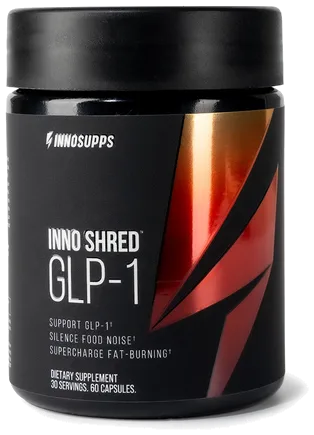
INNOSUPPS Inno Shred™ GLP-1 3-Month Supply Review
Inno Shred™ GLP-1 is a stimulant-containing thermogenic and appetite-support dietary supplement from the US brand InnoSupps. The 3-Month Supply bundles three bottles. Each bottle holds 60 capsules, which is 30 servings at 2 capsules per serving, so the bundle covers about 90 days. The brand recommends roughly 90 days of consistent use. Retailer and aggregator listings give these per-serving amounts: - Berberine HCl: 200 mg - Caffeine: 250 mg - Chromium: 300 mcg - Grains of Paradise seed extract (Paradoxine®): 40 mg - Alpha-yohimbine: 2 mg - Niacin: 15 mg NE - Vitamin B6: 5 mg - Vitamin B12: 50 mcg Some listings also name astragalus and tienchi ginseng root extracts. Those listings give no amounts for them. The excipients are a hypromellose capsule, microcrystalline cellulose, magnesium stearate and silicon dioxide. **How it is meant to work** The product is not a med such as a med. It contains no peptide and does not bind the GLP-1 receptor directly. The "GLP-1" in the name refers to a claim that the ingredients support the body's own GLP-1 activity. - **Berberine:** This is the central ingredient. In lab and small clinical studies it activates AMPK, the cellular energy sensor. That improves insulin sensitivity and lowers glucose. It may also influence gut hormone secretion, including GLP-1, and the gut microbiome. This is the basis for the claims about appetite and cravings. - **Caffeine, Paradoxine and yohimbine:** Caffeine raises sympathetic nervous system activity, energy and perceived alertness. It also modestly raises energy expenditure. Grains of Paradise is marketed to stimulate brown adipose tissue and thermogenesis. Alpha-yohimbine blocks α2-adrenergic receptors, which is meant to promote fat mobilization. - **Chromium and niacin:** Chromium is a cofactor in insulin signaling and is used for glucose handling and carbohydrate cravings. Niacin and the B vitamins support energy metabolism. **Important caveats** The human evidence for berberine's effect on glucose is moderate. Evidence that this specific blend increases GLP-1 or causes meaningful fat loss is limited. I found no independent clinical trial of the finished product. The product is a daytime stimulant formula with about 250 mg of caffeine plus yohimbine. People who are sensitive to stimulants, have heart conditions or high blood pressure, are pregnant or nursing, or take meds, meds or meds should speak to a clinician first. Berberine can interact with many medications, and it commonly causes digestive upset. The product makes the usual unevaluated FDA supplement claims. It works best alongside diet and exercise, not as a replacement for them.
We don’t sell supplements. We help you make decisions and get the best price.
Lowest prices
We may earn a commission from some store links. How we choose.
Finding the lowest prices at the stores now. This takes a few seconds.
Study, Trial or Testing Result Summary
Members Only192 human studies · 78 improved
1 of these 192 human studies gave the ingredient by drip, not by mouth.
Several main ingredients are at or above studied doses. Chromium lowered weight by only about 0.5 to 1.1 kilograms in pooled trials [1][2][3], and a high dose added no extra weight loss in 80 overweight adults [4]. Higher caffeine intake was linked to greater drops in weight and body fat across 13 trials [5], and caffeine before interval training helped 30 obese men lose more fat [6], though not every trial agreed [7]. Berberine at two servings a day lowered weight by about 0.9 to 2 kilograms in pooled trials [8][9], but a six month trial found no drop in belly or liver fat [10]. Grains of paradise at this dose raised energy use and slightly lowered body fat in young men [11][12], but a 2026 trial found no change in weight [13]. Yohimbine is below the studied dose, and a six month trial in men found no effect [14]. Tienchi ginseng is hidden in a blend and has only animal studies [15]. Niacin and vitamin B12 did not change weight in trials [16][17]. Animal and cell studies are never counted.
See all 192 studies →Hide the studies
- In 32 studies of 18,480 children, those with autism ate less niacin and other vitamins than typically developing children, with no difference in weight or body mass index; niacin was not given as a supplement.Nutritional Status of Children Diagnosed With Autism Spectrum Disorder: A Systematic Review and Meta-Analysis.
- In 5,501 women with polycystic ovary syndrome across 79 trials, chromium improved hormone, antioxidant and blood fat measures, but body weight benefit was not clearly shown for chromium and the results are in women, not men.The effectiveness of nutritional supplements in improving polycystic ovary syndrome in women: a systematic review and ne…
- Across 22 treatment arms with 5,144 people, nicotinic acid or nicotinamide lowered body mass index slightly and raised adiponectin compared with controls, but did not change body weight or leptin.The effects of NAD+ precursor (nicotinic acid and nicotinamide) supplementation on weight loss and related hormones: a s…
- In 2,362 women with polycystic ovary syndrome, chromium lowered fasting insulin and blood fats, but carnitine, inositol and probiotics, not chromium, reduced body weight and body mass index.Comparison of nutritional supplements in improving glycolipid metabolism and endocrine function in polycystic ovary synd…
- In 1,316 people with overweight or obesity across 21 trials, chromium lowered body weight by about 0.75 kg and body fat by 0.68%, with the clinical relevance uncertain.A meta-analysis of the effect of chromium supplementation on anthropometric indices of subjects with overweight or obesi…
- Across 15 trials with 1243 people, green tea catechins taken with caffeine lowered body weight by about 1.4 kg and waist size by about 1.9 cm compared with caffeine alone, though the benefit was modest.Effect of green tea catechins with or without caffeine on anthropometric measures: a systematic review and meta-analysis…
- Across 12 trials with 849 adults, berberine or barberry did not significantly change body mass index, body weight or waist size, but did lower waist-to-hip ratio.Effects of berberine and barberry on anthropometric measures: A systematic review and meta-analysis of randomized contro…
- Across 10 trials with 811 people with fatty liver disease, berberine lowered body mass index along with liver enzymes, blood fats and insulin resistance.The clinical efficacy and safety of berberine in the treatment of non-alcoholic fatty liver disease: a meta-analysis and…
- In 622 overweight or obese adults across nine trials, chromium picolinate lowered body weight by about 1.1 kg after 12 to 16 weeks, but the evidence was low quality and the authors found no reliable basis for firm conclusions.Chromium picolinate supplementation for overweight or obese adults.
- Across 13 trials with 606 people, higher caffeine intake was linked to greater reductions in weight, body mass index and fat mass, with each doubling of intake raising the reduction by roughly 17 to 28 percent.The effects of caffeine intake on weight loss: a systematic review and dos-response meta-analysis of randomized controll…
- In 489 people across ten placebo-controlled trials, chromium picolinate lowered body weight by about 1.1 kg, but the effect depended largely on one trial and its clinical relevance is debatable.Chromium picolinate for reducing body weight: meta-analysis of randomized trials.
- In 3 trials with 233 people with schizophrenia and metabolic syndrome, adding berberine reduced body weight, body mass index and waist size compared with controls.Adjunctive berberine for schizophrenia with metabolic syndrome: a systematic review and meta-analysis.
- Across 11 trials in overweight and obese people, chromium lowered body weight by about 0.5 kg more than placebo, a small effect of uncertain clinical relevance.Chromium supplementation in overweight and obesity: a systematic review and meta-analysis of randomized clinical trials.
- Across seven trials in women with polycystic ovary syndrome, chromium lowered body mass index, fasting insulin and free testosterone, but not total testosterone.Chromium supplementation and polycystic ovary syndrome: A systematic review and meta-analysis.
- Across 15 randomized trials in people with type 2 diabetes, chromium at 200-1000 mcg per day did not significantly change body mass index, though it lowered diastolic blood pressure and a marker of oxidative stress.Effects of chromium supplementation on blood pressure, body mass index, liver function enzymes and malondialdehyde in pa…
- Across 14 trials in people with type 2 diabetes, chromium did not significantly change body weight, body mass index, waist size or fat mass.Effects of chromium supplementation on body composition in patients with type 2 diabetes: A dose-response systematic rev…
- Across 10 trials, berberine lowered body mass index and waist size but did not significantly change body weight.The effect of berberine supplementation on obesity indices: A dose- response meta-analysis and systematic review of rand…
- Across 12 trials, berberine lowered body weight by about 2 kg, body mass index, waist size and C-reactive protein, but did not change liver enzymes.The effect of berberine supplementation on obesity parameters, inflammation and liver function enzymes: A systematic rev…
- Across 46 trials in people with type 2 diabetes, berberine lowered body mass index along with blood sugar, blood fats and inflammation.The Effect of Berberine on Metabolic Profiles in Type 2 Diabetic Patients: A Systematic Review and Meta-Analysis of Rand…
- Across trials in adults, berberine lowered body weight and body mass index along with blood fats, blood sugar and blood pressure, with about 1 gram a day the best amount for weight.The effects of berberine supplementation on cardiovascular risk factors in adults: A systematic review and dose-response…
- Across 23 trials in adults, berberine reduced body weight by about 0.9 kg, body mass index and waist size, but not waist-to-hip ratio.The effect of berberine on obesity indices: a systematic review and meta-analysis.
- A review of 51 studies of Nigerian adolescents found low dietary niacin intake among other nutrient shortfalls; niacin was not tested as a supplement for weight.Nutritional status and dietary intake among Nigerian adolescent: a systematic review.
- A review of randomized double-blind trials of weight-loss supplements, including chromium picolinate, found some encouraging data but no convincing evidence that any supplement, chromium included, reduces body weight.Dietary supplements for body-weight reduction: a systematic review.
- In a review of 6 trials in women with polycystic ovary syndrome, two found chromium had no effect on weight or body mass index and one found weight reduction, so overall effects on weight were limited.Chromium supplementation does not improve weight loss or metabolic and hormonal variables in patients with polycystic ov…
- A review of lab, animal and human studies concluded berberine may help prevent and treat obesity, but the abstract gives no pooled numbers for weight loss in people.The effect of Berberine on weight loss in order to prevent obesity: A systematic review.
- In women with polycystic ovary syndrome, berberine did not significantly reduce body weight and findings on waist size and body mass index conflicted, though waist-to-hip ratio and insulin resistance improved.The effect and safety of Berberine on polycystic ovary syndrome: a systematic review.
- A review of six trials of herbal medicines in obese people found changes in gut bacteria but no significant changes in body measurements; berberine itself was not tested, though one herbal mix contained a berberine-containing herb (Coptis chinensis).Changes in the Gut Microbiota after the Use of Herbal Medicines in Overweight and Obese Individuals: A Systematic Review…
- An overview of 54 systematic reviews found berberine improved 4 of 7 obesity outcomes (57%), with most reviews rated low or very low quality.Berberine and health outcomes: an overview of systematic reviews.
- In 2,919 adults aged 65 and older with high homocysteine, two years of daily vitamin B12 (500 mcg) plus folic acid did not change body mass index, fat mass or lean mass compared with placebo.B-vitamins and body composition: integrating observational and experimental evidence from the B-PROOF study.
- In 941 adults (40% men) taking quercetin with vitamin C and niacin for 12 weeks, body mass and body composition did not differ from placebo in men or women.Quercetin with vitamin C and niacin does not affect body mass or composition.
- In 506 gastric bypass patients, a longer bypass limb gave no extra weight loss, but those patients needed more vitamin B12 supplementation; this trial did not test B12 as a weight treatment.Impact of Biliopancreatic Limb Length (70 cm vs 120 cm), with Constant 150 cm Alimentary Limb, on Long-Term Weight Loss,…
- In 447 overweight to obese people with poorly controlled type 2 diabetes, 600 mcg of chromium with biotin for 90 days lowered blood sugar markers more than placebo, but weight was not reported as an outcome.Chromium picolinate and biotin combination improves glucose metabolism in treated, uncontrolled overweight to obese pati…
- In 337 adults with obesity and fatty liver disease, 1 gram of berberine daily for 6 months did not reduce visceral fat or liver fat compared with placebo, though it lowered LDL cholesterol, apolipoprotein B and a blood inflammation marker more than placebo.Berberine and Adiposity in Diabetes-Free Individuals With Obesity and MASLD: A Randomized Clinical Trial.
- In 160 women given a single dose of caffeine or placebo, caffeine caused more side effects such as headache and urination, especially in obese women; weight was not studied as an outcome.Obesity as an influencing factor for the occurrence of caffeine-induced effects in women.
- In 150 women with polycystic ovary syndrome having IVF, 3 months of berberine lowered body mass index more than a med, with fewer side effects, compared with placebo in a randomized trial.The use of berberine for women with polycystic ovary syndrome undergoing IVF treatment.
- In 144 adults with low cardiovascular risk, 500 mg berberine twice daily for 3 months improved cholesterol, but body weight and body mass index did not differ from placebo.Effects of berberine on lipid profile in subjects with low cardiovascular risk.
- In 136 obese adults with type 2 diabetes over 52 weeks, a berberine and silymarin combination lowered BMI, waist size and abdominal fat percentage compared with placebo, along with improvements in blood sugar, cholesterol and uric acid.Bioimpedance analysis, metabolic effects and safety of the association Berberis aristata/Bilybum marianum: a 52-week dou…
- In 132 patients with weight and blood sugar problems caused by olanzapine, berberine tablets for 12 weeks lowered body mass index, waist size, fasting blood sugar and triglycerides more than placebo.Effects of Berberine on Gut Microbiota in Patients with Mild Metabolic Disorders Induced by Olanzapine.
- In 131 adults with pre-hypertension, a once-daily supplement containing berberine plus red yeast rice and other ingredients for 3 months, added to diet, left body mass index unchanged compared with diet alone.The Effects of a New Generation of Nutraceutical Compounds on Lipid Profile and Glycaemia in Subjects with Pre-hypertens…
- In 113 adults with atypical depression, most of whom were overweight, 600 mcg of chromium picolinate daily for 8 weeks did not beat placebo on overall depression scores but reduced carbohydrate craving and increased appetite and eating more than placebo.A double-blind, placebo-controlled, exploratory trial of chromium picolinate in atypical depression: effect on carbohydr…
- In 113 people with schizophrenia and metabolic syndrome, 600 mg of berberine daily for 12 weeks reduced antipsychotic-linked weight gain by 1.08 kg more than placebo and also lowered BMI, total cholesterol and LDL cholesterol.Adjunctive berberine reduces antipsychotic-associated weight gain and metabolic syndrome in patients with schizophrenia:…
- In overweight adults on a one-year weight-loss diet, niacin was only measured as dietary intake (somewhat low on the vegetarian diet) and was not tested as a supplement.Weight reduction on lactovegetarian and mixed diets. Changes in weight, nutrient intake, skinfold thicknesses and blood …
- In 110 adults with obesity on a weight loss diet, three months of synbiotic tablets gave similar weight loss to diet alone; vitamin B12 blood levels rose in the synbiotic group, but B12 itself was not given.The Effect of Prebiotics and Probiotics (Synbiotics) on Weight Loss and Biochemical Parameters in Obese Individuals.
- In 109 sedentary adults with metabolic risk factors who also exercised and cut calories, 400 mcg of chromium with plant extract and shilajit for 12 weeks gave some evidence of better body composition than placebo, with weaker evidence and mostly seen at 6 weeks.Effects of 12 Weeks of Chromium, Phyllanthus emblica Fruit Extract, and Shilajit Supplementation on Markers of Cardiomet…
- In 105 healthy overweight adults over 12 weeks, a botanical formula with chromium yeast reduced body fat more than placebo but did not change body weight or body mass index compared with placebo.Efficacy of 12 weeks supplementation of a botanical extract-based weight loss formula on body weight, body composition a…
- In 102 adults with mildly high cholesterol, a 12-week multi-ingredient supplement containing berberine led to a modest weight loss of about 0.9 kg compared with placebo.Effects of poly-bioactive compounds on lipid profile and body weight in a moderately hypercholesterolemic population wit…
- In 100 adults with fatty liver disease and type 2 diabetes, 1000 mg twice daily of berberine ursodeoxycholate for 18 weeks produced significant weight loss and liver fat reduction compared with placebo.A phase 2, proof of concept, randomised controlled trial of berberine ursodeoxycholate in patients with presumed non-alc…
- In a secondary analysis of 100 adults with fatty liver disease and type 2 diabetes, berberine ursodeoxycholate for 18 weeks improved liver fat on MRI more often than placebo; the abstract does not report body weight results.HTD1801 demonstrates promising potential for histologic improvements in metabolic dysfunction-associated steatohepatitis…
- In 97 adults with mild high blood fats, 300 mg berberine capsules three times a day for 3 months lowered triglycerides, total cholesterol and LDL cholesterol more than placebo, and raised HDL cholesterol.[Therapeutic Effects of Berberine Capsule on Patients with Mild Hyperlipidemia].
- In 95 people with amyotrophic lateral sclerosis, 160 mg a day of pyridoxal phosphate given with L-threonine for six months was linked to more weight loss (3.2 kg) than placebo (1.1 kg), so it did not help keep weight on.A controlled trial of amino acid therapy in amyotrophic lateral sclerosis: I. Clinical, functional, and maximum isometri…
- In 93 adults with obesity over 12 weeks, a combination containing 0.644 mg chromium picolinate, berberine and mulberry leaf extract lowered body mass index, body fat and visceral fat more than placebo, though chromium's separate effect could not be determined.Effects of Berberine, White Mulberry Leaf Extract and Chromium Picolinate on Body Composition and Insulin Resistance in …
- In 89 women with polycystic ovary syndrome and insulin resistance, 3 months of berberine reduced waist circumference and waist-to-hip ratio compared with placebo and a med.Read the study on PubMed (22019891) →
- In 85 women with polycystic ovary syndrome, 1000 mcg per day of chromium picolinate for 6 months significantly reduced body mass index compared with placebo, along with improved insulin resistance and ovulation.Chromium picolinate reduces insulin resistance in polycystic ovary syndrome: Randomized controlled trial.
- In 83 women on controlled diets, 200 mcg of chromium picolinate daily for 12 weeks did not change body weight or body composition compared with placebo.Chromium picolinate supplementation in women: effects on body weight, composition, and iron status.
- In 80 overweight adults, 1000 mcg of chromium picolinate daily for 24 weeks did not produce more weight loss than placebo, with or without nutrition education.A pilot study of chromium picolinate for weight loss.
- In 80 overweight or obese adults aged 40-55 with metabolic syndrome on a low-calorie diet, 450 mg of theobromine daily for 12 weeks reduced waist size by about 0.86 cm and improved cholesterol ratios more than placebo, but body weight and BMI did not differ.Theobromine supplementation in combination with a low-calorie diet improves cardiovascular risk factors in overweight an…
- In 73 adults with type 2 diabetes, 1000 mcg chromium picolinate daily for 6 months improved insulin sensitivity in 63% of people, compared with 30% on placebo; body weight was not the main outcome.Phenotype of subjects with type 2 diabetes mellitus may determine clinical response to chromium supplementation.
- In 70 people with heart risk factors, an 8-week plant-based diet lowered body weight but did not supply enough vitamin B12; B12 was not given as a supplement.Does a Plant-Based Diet Stand Out for Its Favorable Composition for Heart Health? Dietary Intake Data from a Randomized …
- In 70 adults with fatty liver disease, 1500 mg per day of berberine for 12 weeks did not produce a significant difference in weight-related measures compared with placebo, though it improved liver enzymes and total cholesterol.Does berberine impact anthropometric, hepatic, and metabolic parameters in patients with metabolic dysfunction-associate…
- In 70 overweight men and women, 500 mg a day of grains of paradise seed extract for 12 weeks raised energy expenditure and led to more weight loss and lower BMI than placebo; the abstract reports a visceral fat change but states it as an increase, which looks like a wording error.Aframomum melegueta Seed Extract with Standardized Content of 6-Paradol Reduces Visceral Fat and Enhances Energy Expendi…
- In 65 people with schizophrenia taking an antipsychotic, 900 mg of berberine daily for 8 weeks led to an average weight loss of 1.10 kg, while placebo users gained 1.45 kg, with significant differences in body weight and BMI.Berberine treatment for weight gain in patients with schizophrenia by regulating leptin rather than adiponectin.
- In 65 Korean adults with overweight, 500 mg a day of grains of paradise extract for 12 weeks cut body fat percentage by 3.4 points and visceral fat by 16.2 cm2 more than placebo, with relatively better lean mass preservation.Pure 6-paradol activates the TRPV1-PGC-1α-FNDC5-irisin axis in cultured myotubes, and a 6-paradol-standardised Aframomum…
- In 64 adults with type 2 diabetes and heart disease, 200 mcg of chromium daily for 12 weeks lowered body weight, blood sugar, and a blood inflammation marker and a lipid oxidation marker, and raised total antioxidant capacity, compared with placebo.The Influences of Chromium Supplementation on Metabolic Status in Patients with Type 2 Diabetes Mellitus and Coronary He…
- In 63 obese adults with metabolic syndrome, 1000 mcg per day of chromium picolinate for 16 weeks had no significant effect on body weight compared with placebo.Chromium picolinate does not improve key features of metabolic syndrome in obese nondiabetic adults.
- In 62 overweight or obese adults with prediabetes, 4 months of a supplement containing cinnamon, chromium and carnosine lowered fasting blood sugar compared with placebo and increased fat-free mass, but body weight did not change significantly.A Dietary Supplement Containing Cinnamon, Chromium and Carnosine Decreases Fasting Plasma Glucose and Increases Lean Mas…
- In 60 moderately obese adults over 8 weeks, a combination of hydroxycitric acid, 4 mg niacin-bound chromium and Gymnema extract lowered body weight and body mass index by 5 to 6 percent, more than placebo, though chromium's share of this effect was not separated out.Effects of a natural extract of (-)-hydroxycitric acid (HCA-SX) and a combination of HCA-SX plus niacin-bound chromium a…
- In 60 overweight adults, a drink with 250 mcg chromium picolinate plus amino acids, taken with a carbohydrate meal, lowered the blood sugar rise after eating compared with placebo; weight was not measured.A novel nutritional supplement containing amino acids and chromium decreases postprandial glucose response in a randomiz…
- In 59 college students in a 12-week weight training program, 200 mcg per day of chromium picolinate had no significant effect on body weight in men, while women taking it gained more weight than placebo.Effects of chromium picolinate on beginning weight training students.
- In 57 overweight adults over 8 weeks, a lifestyle program with dietary advice and supplements including chromium, fibre and probiotics produced greater weight and body fat loss than placebo, though chromium's share of the effect cannot be separated out.A multifaceted lifestyle program for weight loss in overweight adults: evidence from a randomised clinical trial.
- In 56 adults with type 2 diabetes, 90 days of 50 or 200 mcg chromium nicotinate did not improve blood sugar control, insulin resistance, waist size or body composition compared with placebo.Effect of chromium supplementation on the glucose homeostasis and anthropometry of type 2 diabetic patients: Double blin…
- In 54 overweight women with polycystic ovary syndrome, 200 mcg of chromium picolinate plus 1000 mg of carnitine daily for 12 weeks produced greater weight loss, better blood sugar and insulin resistance, and improved cholesterol than placebo.Effects of Chromium and Carnitine Co-supplementation on Body Weight and Metabolic Profiles in Overweight and Obese Women…
- In 53 healthy adults, 4 weeks of an unsupplemented vegan diet lowered vitamin B12 status markers compared with a meat-rich diet, and body weight stayed stable in both groups.Vitamin B12 Status Upon Short-Term Intervention with a Vegan Diet-A Randomized Controlled Trial in Healthy Participants.
- In 52 men and women, drinking three servings a day of a green and roasted coffee blend (121 mg caffeine) for 8 weeks lowered body fat percentage, leptin, blood pressure, glucose and triglycerides.Regularly consuming a green/roasted coffee blend reduces the risk of metabolic syndrome.
- In 52 exercising adults, four weeks of a thermogenic supplement plus protein helped maintain resting energy burn compared with no supplement, but body composition and measurements did not differ.Chronic Thermogenic Dietary Supplement Consumption: Effects on Body Composition, Anthropometrics, and Metabolism.
- In 52 people with plaque psoriasis and obesity, adding moxibustion to coptis ointment for 4 weeks lowered body mass, waist size and BMI within the moxibustion group, and lowered triglycerides and cholesterol more than ointment alone, though the abstract does not report weight changes against the control group.[Effect of moxibustion on plaque psoriasis complicated with obesity].
- In 50 adults with obesity treated for 3 months, berberine significantly reduced body weight and blood pressure, and it worked better than Gymnema sylvestre for some fat-related gene markers.Comparative Effects of Gymnema sylvestre and Berberine on Adipokines, Body Composition, and Metabolic Parameters in Obes…
- In 49 overweight adults with impaired fasting glucose, 1100 mg of berberine phytosome daily for 60 days significantly reduced visceral fat and total fat mass compared with placebo, along with improvements in blood sugar and cholesterol.Berberine phospholipid exerts a positive effect on the glycemic profile of overweight subjects with impaired fasting blo…
- In 48 overweight and obese women taking a multi-ingredient supplement including 40 mg niacinamide for 10 weeks, inflammation and oxidative stress blood markers did not change versus placebo; weight was not reported as an outcome.A Mixed Flavonoid-Fish Oil Supplement Induces Immune-Enhancing and Anti-Inflammatory Transcriptomic Changes in Adult Obe…
- In 48 adolescents with obesity, drinking 2 cups of coffee daily (160 mg caffeine) for 6 months with diet counseling cut body mass index by 9.2%, versus 2.3% with green tea and a 0.76% rise with placebo tea.Effect of Coffee and Tea Consumption on Adolescent Weight Control: An Interventional Pilot Study.
- In 47 middle-aged men given yohimbine (up to 43 mg a day) or placebo for six months, yohimbine had no effect on body weight, body fat or fat distribution.Yohimbine does not affect fat distribution in men.
- In 46 obese adults with poorly controlled insulin-treated type 2 diabetes, chromium picolinate at 500 or 1,000 mcg daily for 6 months did not lower blood sugar beyond placebo and did not change body mass index.Chromium treatment has no effect in patients with poorly controlled, insulin-treated type 2 diabetes in an obese Western…
- In 46 adults with fatty liver disease, 400 mcg chromium picolinate daily for 12 weeks produced greater reductions in body weight and body fat than placebo, along with improved antioxidant and oxidative stress markers.Chromium picolinate balances the metabolic and clinical markers in nonalcoholic fatty liver disease: a randomized, doubl…
- In 44 moderately obese women doing a 12-week exercise program, 400 mcg per day of chromium picolinate did not significantly change body composition or resting metabolic rate compared with placebo.Effect of chromium supplementation and exercise on body composition, resting metabolic rate and selected biochemical par…
- In 43 diabetic men taking each supplement for four months, chromium trichloride and chromium yeast did not change fasting blood sugar or blood fats compared with placebo.Effects of chromium and yeast supplements on carbohydrate and lipid metabolism in diabetic men.
- In 43 middle-aged adults doing resistance training for 6 weeks, a caffeinated pre-workout supplement reduced waist size but gave no significant fat loss or muscle benefits beyond carbohydrate alone.Pre-workout multi-ingredients or carbohydrate alone promote similar resistance training outcomes in middle-aged adults: …
- In 42 overweight older adults taking a blend containing nicotinamide for 8 weeks, hunger and appetite improved (91% vs 47% on placebo for mealtime appetite) along with cholesterol and fasting glucose; weight itself was not reported.A novel fasting mimetic (Mimio) creates fasting-like benefits to hunger control, oxidative stress, and cardiometabolic h…
- In 42 overweight women with carbohydrate cravings, 1000 mg of chromium picolinate for 8 weeks reduced food intake, hunger and fat cravings compared with placebo, but body weight change was not statistically significant.Effects of chromium picolinate on food intake and satiety.
- In 40 obese men aged 40-70, 2000 mg a day of nicotinamide riboside for 12 weeks was safe but did not change body composition, energy expenditure, fat breakdown or insulin sensitivity compared with placebo.A randomized placebo-controlled clinical trial of nicotinamide riboside in obese men: safety, insulin-sensitivity, and l…
- In 40 overweight adults on a calorie-restricted diet, a blend containing chromium nicotinate (HUM5007) raised resting metabolic rate by about 3.4 percent compared with placebo over three 7-day periods, though chromium's individual contribution was not isolated.HUM5007, a novel combination of thermogenic compounds, and 3-acetyl-7-oxo-dehydroepiandrosterone: each increases the res…
- In 40 young women, four weeks of three cups daily of Turkish coffee raised blood pressure, heart rate and insomnia scores and lowered leptin, but body mass index and body fat did not change.Short-Term Turkish Coffee Consumption Elevates Cardiovascular Risk Markers, Decreases Leptin Levels, and Impairs Sleep Q…
- In 40 overweight adults with mixed high blood fats, an 8-week course of a nutraceutical containing berberine lowered total cholesterol, LDL cholesterol, triglycerides and insulin resistance more than placebo.Short-term effects of a combined nutraceutical of insulin-sensitivity, lipid level and indexes of liver steatosis: a dou…
- In college football players during spring training, 200 mcg chromium picolinate daily for 9 weeks did not change body composition or strength compared with placebo.Effects of chromium picolinate supplementation on body composition, strength, and urinary chromium loss in football play…
- In 37 adults with type 2 diabetes taking a med drug, 1000 mcg of chromium picolinate daily for six months limited weight gain and visceral fat gain and lowered HbA1c compared with placebo.Chromium picolinate supplementation attenuates body weight gain and increases insulin sensitivity in subjects with type …
- In 37 overweight or obese adults on a diet and exercise program, 40 mg a day of grains of paradise plus L-BAIBA for 56 days did not change body mass, fat or resting metabolic rate versus placebo, though it lowered hunger ratings at day 28.Effects of L-BAIBA supplementation with and without grains of paradise on changes in resting metabolic rate, body compos…
- In 36 obese adults over 26 weeks after a very-low-calorie diet, chromium picolinate at 200 mcg daily did not change overall weight loss compared with other groups, though it preserved lean body mass better than the other groups.[Effect of chromium yeast and chromium picolinate on body composition of obese, non-diabetic patients during and after a…
- In 35 overweight women on a calorie-restricted diet with exercise for 12 weeks, chromium picolinate plus conjugated linoleic acid did not improve weight or body fat loss compared with placebo.Chromium picolinate and conjugated linoleic acid do not synergistically influence diet- and exercise-induced changes in …
- In 33 obese women regaining weight after a very low calorie diet, 200 mcg chromium picolinate daily for 16 months did not prevent weight regain compared with control; the study did not include men.The effectiveness of long-term supplementation of carbohydrate, chromium, fibre and caffeine on weight maintenance.
- In 32 adults with metabolic syndrome, 24 weeks of 600 mcg chromium with magnesium and zinc did not change metabolic risk factors compared with placebo, but inflammation marker C-reactive protein decreased.Effects of zinc, magnesium, and chromium supplementation on cardiometabolic risk in adults with metabolic syndrome: A do…
- In 31 adults with type 2 diabetes, 12 weeks of Shenlian herbal formula, which contains Huanglian (a berberine-containing herb), lowered body mass index and C-reactive protein more than placebo.Effects of Shenlian formula on microbiota and inflammatory cytokines in adults with type 2 diabetes: a double-blind rand…
- In 30 adults with type 2 diabetes, eating chromium-enriched whole wheat bread daily for 12 weeks led to a significant reduction in body weight and blood pressure compared with plain whole wheat bread, alongside better blood sugar control.Controlling type-2 diabetes by inclusion of Cr-enriched yeast bread in the daily dietary pattern: a randomized clinical …
- In 30 obese men, caffeine (6 mg per kg body mass) taken before sprint interval training three times a week for 8 weeks led to greater fat mass loss, strength and fitness gains, and better blood sugar and cholesterol than placebo plus the same training.Eight Weeks of Sprint Interval Training With Adding Caffeine Ingestion Leads to Greater Improvements in Health-Related P…
- In 28 adults, a single ready-to-drink thermogenic beverage raised resting energy burn by about 5% for at least 100 minutes compared with placebo, and raised blood pressure slightly.Effects of a ready-to-drink thermogenic beverage on resting energy expenditure, hemodynamic function, and subjective out…
- In 27 obese people with fatty liver, 2000 mg a day of extended-release nicotinic acid for 16 weeks lowered blood triglycerides but did not change liver fat and reduced insulin sensitivity.Effect of fenofibrate and niacin on intrahepatic triglyceride content, very low-density lipoprotein kinetics, and insuli…
- In 26 triathletes, a single 6 mg per kg caffeine dose taken 60 minutes before the race shortened total race time by about 1.3% compared with placebo, but body weight was not studied.Caffeine Improves Triathlon Performance: A Field Study in Males and Females.
- In 25 obese women with polycystic ovary syndrome, 12 weeks of niacin/laropiprant improved cholesterol but worsened blood sugar after meals and increased insulin resistance compared with placebo.Postprandial effects of long-term niacin/laropiprant use on glucose and lipid metabolism and on cardiovascular risk in p…
- In 25 overweight children aged 9 to 12, 6 weeks of 400 mcg chromium chloride alongside lifestyle changes improved insulin sensitivity and body composition compared with placebo, including more lean mass and less body fat, but did not change BMI.Effects of short-term chromium supplementation on insulin sensitivity and body composition in overweight children: rando…
- In 24 overweight adults with binge eating disorder, 6 months of chromium picolinate significantly lowered fasting blood sugar compared with placebo, with a larger effect at the higher dose, while weight loss was not statistically significant.A double-blind, randomized pilot trial of chromium picolinate for binge eating disorder: results of the Binge Eating and…
- In a pilot trial of 24 overweight adults with binge-eating disorder, 600 mcg chromium picolinate daily for 6 months improved blood sugar control compared with placebo, but the 1000 mcg dose did not; weight was not reported as an outcome.A Double-Blind, Randomized Pilot Trial of Chromium Picolinate for Overweight Individuals with Binge-Eating Disorder: Eff…
- In 24 women with obesity doing 8 weeks of interval training, caffeine did not add to fat loss (both groups lost body fat) but prevented the rise in blood sugar, insulin and endotoxin seen with training plus placebo.Caffeine Optimizes HIIT Benefits on Obesity-associated Metabolic Adversity in Women.
- In 24 adults with metabolic syndrome, 500 mg berberine three times daily for 3 months reduced waist circumference in women only, while body weight and body mass index were not reported as changed.Effect of berberine administration on metabolic syndrome, insulin sensitivity, and insulin secretion.
- In 20 overweight African-American women on a modest diet and exercise plan, 600 mcg daily of niacin-bound chromium for 2 months produced greater fat loss and less muscle loss than placebo, though total body weight loss was similar; the study did not include men.Effects of niacin-bound chromium supplementation on body composition in overweight African-American women.
- In 20 college wrestlers over 14 weeks, 200 mcg per day of chromium picolinate added to training did not significantly change body composition compared with placebo or training alone.Chromium picolinate effects on body composition and muscular performance in wrestlers.
- In 20 elite male soccer players, yohimbine 20 mg a day for 21 days lowered body fat percentage compared with placebo, though body mass, muscle mass and performance did not change.Yohimbine: the effects on body composition and exercise performance in soccer players.
- In 20 obese women on a 1,000-calorie diet, yohimbine 20 mg a day for 3 weeks led to more weight loss than placebo (3.55 kg vs 2.21 kg).Does yohimbine act as a slimming drug?
- In 19 healthy, non-obese adults aged 63 to 77, 8 weeks of 1000 mcg chromium picolinate daily did not change serum lipids, insulin sensitivity or body composition compared with placebo.Effects of chromium picolinate supplementation on insulin sensitivity, serum lipids, and body composition in healthy, no…
- In 19 premenopausal women, a single day of a flavonoid and caffeine supplement (214 mg caffeine) raised 22-hour energy burn by about 46 kcal compared with placebo, with fat burning trending higher but not significantly.Acute Ingestion of a Mixed Flavonoid and Caffeine Supplement Increases Energy Expenditure and Fat Oxidation in Adult Wom…
- In 19 non-obese young women, 30 mg a day of grains of paradise extract for 4 weeks reduced visceral fat area and increased energy expenditure compared with placebo, with no change in subcutaneous or total fat.Daily ingestion of grains of paradise (Aframomum melegueta) extract increases whole-body energy expenditure and decrease…
- In 19 obese volunteers on a 1,000-calorie diet, yohimbine 18 mg a day for 8 weeks did not change body weight or blood fats compared with placebo.[Lack of efficacy of yohimbine in the treatment of obesity].
- In 18 men aged 56 to 69, 924 mcg chromium picolinate daily for 12 weeks of resistance training did not add to gains in muscle size, strength, or lean mass compared with placebo.Effects of resistance training and chromium picolinate on body composition and skeletal muscle in older men.
- In 17 sedentary women aged 54 to 71 who did 12 weeks of resistance training, 924 mcg a day of chromium picolinate did not change body fat, lean mass, or muscle fiber size or add strength gains compared with placebo.Effects of resistive training and chromium picolinate on body composition and skeletal muscle size in older women.
- In 16 untrained men doing a 12-week resistance training program, 200 mcg chromium daily did not reduce body fat or change body weight more than placebo.Effects of chromium and resistive training on muscle strength and body composition.
- In 15 women softball athletes doing 6 weeks of resistance training, 500 mcg of chromium picolinate daily did not produce significant changes in strength or body composition compared with placebo, although urinary chromium rose.The effect of chromium picolinate on muscular strength and body composition in women athletes.
- In 15 healthy adults, a single 3 mg per kg caffeine dose before one hour of self-paced cycling increased exercise intensity and total energy burned, but did not change fat burned.Caffeine increases exercise intensity and energy expenditure but does not modify substrate oxidation during 1 h of self-…
- In 13 women, matcha green tea drinks taken over two days and before a 30-minute brisk walk increased fat burning during exercise compared with a control drink, though the effect on weight loss is likely small.Matcha Green Tea Drinks Enhance Fat Oxidation During Brisk Walking in Females.
- In 13 healthy adults, a single 3 mg per kg caffeine dose increased the maximum rate of fat burning during cycling compared with placebo, without changing total energy burned.Effects of p-Synephrine and Caffeine Ingestion on Substrate Oxidation during Exercise.
- In 12 healthy adults, a single 3 mg/kg dose of caffeine taken before 1 hour of cycling increased the amount of fat burned compared with placebo.Caffeine increases whole-body fat oxidation during 1 h of cycling at Fatmax.
- In 12 healthy active adults (seven men, five women), a single dose of a multi-ingredient product containing yohimbine did not significantly raise fat burning compared with placebo, and yohimbine's effect could not be separated from the other ingredients.Acute effectiveness of a "fat-loss" product on substrate utilization, perception of hunger, mood state and rate of perce…
- In 11 healthy men, caffeine in water did not change hunger or the satiety hormone peptide YY compared with placebo, while decaffeinated coffee reduced hunger.Coffee, hunger, and peptide YY.
- In 9 young men with low brown fat activity, 40 mg a day of grains of paradise extract for 5 weeks raised cold-induced heat production and slightly lowered body fat percentage, while body weight did not change.Prolonged Treatment with Grains of Paradise (Aframomum melegueta) Extract Recruits Adaptive Thermogenesis and Reduces Bo…
- In seven sedentary women, a lotion containing yohimbe and other ingredients applied to one thigh for 28 days reduced thigh size and fat more than placebo on the other thigh when combined with walking and a restricted diet.Effects of a topical lotion containing aminophylline, caffeine, yohimbe, l-carnitine, and gotu kola on thigh circumferen…
- In overweight adults taking vinegar daily for 4 weeks, depression scores improved and nicotinamide levels rose, but body weight was not measured.Daily Vinegar Ingestion Improves Depression and Enhances Niacin Metabolism in Overweight Adults: A Randomized Controlled…
- In adults with type 2 diabetes taking oral medicines, 6 months of 400 mcg chromium yeast daily did not change A1C, lipids, BMI, blood pressure, body fat or insulin resistance compared with placebo.Chromium treatment has no effect in patients with type 2 diabetes in a Western population: a randomized, double-blind, p…
- In a crossover study of soft drinks, adding caffeine to sugary drinks produced the strongest blood metabolite changes, suggesting a combined effect on insulin-related metabolism, but body weight was not measured.Synergic effects of sugar and caffeine on insulin-mediated metabolomic alterations after an acute consumption of soft dr…
- In a small crossover trial in women with overweight or obesity, coffee with 6 mg caffeine per kg increased desire for sweet foods, fructose intake and triglycerides compared with water, with no change in the hunger hormones measured.Effect of coffee intake on appetite parameters in woman with overweight or obesity: A pilot crossover randomized trial.
- In 95 Navy personnel who exercised for 16 weeks, 400 mcg of chromium picolinate daily did not reduce body fat or body weight more than placebo.Effects of chromium picolinate on body composition.
- In a three-month pilot registry of 50 otherwise healthy adults with borderline high cholesterol, berberine supplementation led to greater body weight loss, lower body fat and less abdominal fat than standard management alone, along with lower cholesterol and oxidative stress.Borderline hyperlipidemia preventive management with Berberine PL in asymptomatic prevention of early atherosclerosis.
- In 20 pairs of twins with different body weights taking nicotinamide riboside for 5 months, muscle mitochondria and gut bacteria improved but body fat and metabolic health did not.Nicotinamide riboside improves muscle mitochondrial biogenesis, satellite cell differentiation, and gut microbiota in a …
- In 30 people with impaired glucose tolerance, 1000 mg a day of extended-release niacin for 6 months raised HDL cholesterol 24%, lowered triglycerides 12% and shrank fat cell size, but the rise in whole-body insulin sensitivity was not statistically significant.Effects of extended-release niacin on lipid profile and adipocyte biology in patients with impaired glucose tolerance.
- In 28 obese women on a calorie-restricted diet, thighs treated for four weeks with creams (including yohimbine) or injections lost more girth than placebo-treated thighs, but the study did not separate out yohimbine alone and included no men.Regional fat loss from the thigh in obese women after adrenergic modulation.
- In 10 lean and 10 obese women in a respiratory chamber, coffee-induced calorie burning was smaller in obese women, who also excreted more theobromine in urine than lean women, and their fat burning rose less after coffee.Effects of caffeine on energy metabolism, heart rate, and methylxanthine metabolism in lean and obese women.
- In 19 healthy young men, a single 40 mg dose of grains of paradise extract raised energy expenditure within 2 hours more in men with active brown fat than in those without, while placebo had no effect.Grains of paradise (Aframomum melegueta) extract activates brown adipose tissue and increases whole-body energy expendit…
- During a single meal, intravenous niacin lowered fat spillover into the blood in lean and obese people, suggesting more dietary fat was stored rather than circulated.Intravenous niacin acutely improves the efficiency of dietary fat storage in lean and obese humans.
- In a 1975 study of people with diet-related obesity who were on a reduced diet, adding pyridoxine (vitamin B6) led to greater drops in body weight and blood fats than diet alone, with a stronger effect in people with high blood lipids.[Effect of pyridoxine on patterns of lipid metabolism in patients with alimentary obesity].
- In a small study of women, a single oral dose of yohimbine released fat from fat cells in both lean and obese women, mainly through a rise in norepinephrine, but this was a short laboratory test and did not measure weight loss.Plasma catecholamine levels and lipid mobilization induced by yohimbine in obese and non-obese women.
- In obese and lean women, blocking one type of adrenaline receptor with yohimbine increased fat release and energy use, and adding yohimbine to a slimming program was reported to increase weight loss without side effects.Adrenergic control of lipolysis and metabolic responses in obesity.
- Yohimbine ointment applied to the thigh for four weeks did not produce more thigh girth loss than placebo in overweight women, unlike several other tested treatments.Topical fat reduction.
- In 184 adults with fatty liver disease, 0.5 g berberine three times a day for 16 weeks plus lifestyle changes reduced liver fat and body weight more than lifestyle changes alone.Efficacy of Berberine in Patients with Non-Alcoholic Fatty Liver Disease.
- In 44 overweight adults, a 13-week diet program plus a nutraceutical blend containing berberine produced more weight and fat loss than diet alone, though berberine's own effect could not be separated out.A 13-week low glycemic load diet and lifestyle modification program combining low glycemic load protein shakes and targe…
- In 12 children with obesity, niacin 500 mg given every hour for four doses lowered free fatty acids and raised growth hormone, but body weight was not measured and side effects included flushing.A pilot study of the effects of niacin administration on free fatty acid and growth hormone concentrations in children w…
- In 12 adults with type 2 diabetes, 40 days of chromium-formulated honey did not improve blood sugar control compared with control honey, but weight fell by about 2.2 kg and total and LDL cholesterol dropped.The effect of a cinnamon-, chromium- and magnesium-formulated honey on glycaemic control, weight loss and lipid paramete…
- In 12 overweight women with polycystic ovary syndrome, 1100 mg per day of berberine for 60 days significantly reduced body mass index, visceral fat, and fat mass, with no control group.Read the study on PubMed (34684666) →
- In a large US survey of adults (NHANES 2005-2018), theobromine intake was among the strongest dietary predictors of metabolically healthy obesity in machine learning models, but this is an association and does not show that theobromine causes it.Prediction of metabolically healthy obesity based on dietary nutrients: a comparative analysis of six machine learning m…
- In 2797 pregnant women, a higher pre-pregnancy body weight was linked to lower vitamin B12 levels and more inflammation; no supplement was tested.Impact of Pre-Pregnancy BMI on B Vitamin and Inflammatory Status in Early Pregnancy: An Observational Cohort Study.
- In a large cohort of 2375 adults with knee osteoarthritis followed for 48 months, higher dietary niacin intake was linked to less knee pain and better function, but body weight was not measured as an outcome.Association between niacin intake and knee osteoarthritis pain and function: a longitudinal cohort study.
- In a study of 1945 Colombian children aged 5 to 12, boys with marginal or low vitamin B12 had lower standing long jump scores, and children who were overweight or obese ran slower than normal-weight children; this was not a supplement trial.Micronutrient and anthropometric status indicators are associated with physical fitness in Colombian schoolchildren.
- In a 2010 survey of 1530 women of reproductive age in Vietnam, body weight category was not linked to vitamin B12 deficiency, which was found in 15% of overweight or obese women; this study covered women only, not men.Intra-individual double burden of overweight and micronutrient deficiencies among Vietnamese women.
- In 237 children and 524 parents from Central America and Mexico, higher vitamin B12 was linked to a lower metabolic risk score in children but to more metabolic syndrome in adults; no supplement was given.B-vitamins and metabolic syndrome in Mesoamerican children and their adult parents.
- In 630 psychiatric patients taking metabolism-disrupting medications, higher plasma levels of methylxanthines including theobromine were linked to higher BMI and worse cholesterol, and the highest caffeine quartile was about four times more likely to be overweight.Association Between Plasma Caffeine and Other Methylxanthines and Metabolic Parameters in a Psychiatric Population Treat…
- In 537 patients after sleeve gastrectomy, low blood vitamin B12 fell from 30.3 percent before surgery to 16.4 percent at 5 years, while patients were given multivitamins and weight loss was not tied to vitamin B12.Long-term nutritional impact of sleeve gastrectomy.
- Among 477 male bus drivers and field officers with COVID-19 in Istanbul, body mass index and vitamin B12 values differed between those who recovered at home and those treated in hospital, but the abstract does not give the direction of the vitamin B12 difference and this was not a weight management study.Clinical characteristics of bus drivers and field officers infected with COVID-19: A cross-sectional study from Istanbul…
- A survey of 334 Mongolian adults found that vitamin B12 intake from food was rarely inadequate, and overweight was common, but the study did not test vitamin B12 for weight management.Diet and Nutrition Status of Mongolian Adults.
- In a retrospective review of 183 people with type 2 diabetes, a herbal decoction containing coptis (huanglian) was associated over 6 months with lower BMI and improved blood sugar and lipids, but without a control group the results cannot show the herb caused the change.[Retrospective study of Traditional Chinese Medicine treatment of type 2 diabetes mellitus].
- In 153 adults with rare bone diseases, osteoporosis, or no disease, caffeine intake differed between groups, but the study did not measure caffeine's effect on body weight.Nutritional Behavior of Patients with Bone Diseases: A Cross-Sectional Study from Austria.
- Among hypertensive adults, those who were overweight or obese had lower vitamin B12 and folic acid levels and higher homocysteine than those of normal weight; this was a cross-sectional comparison and did not test supplements.Plasma homocysteine in obese, overweight and normal weight hypertensives and normotensives.
- In 106 young children followed for 24 to 36 months, days with caffeine intake showed more calories and less protein, and caffeine was linked to poorer nutrient intake; 42 percent became overweight or obese.Calories, Caffeine and the Onset of Obesity in Young Children.
- In 100 elderly residents of private care homes in Tehran (37 men and 63 women), vitamin B12 intake was low, and almost half were underweight for their age and sex; no supplement was tested.Food intake and Body Mass Index in the privately institutionalized elderly in Tehran.
- In 92 young Saudi women, vitamin B12 status was linked to gut bacteria patterns, which differed between those with obesity and those of normal weight; no supplement was given and the study did not include men.Vitamin B12 Status and Gut Microbiota among Saudi Females with Obesity.
- In 90 adults with and without heart disease, daily caffeine intake averaged about 210 mg in both groups, and the study did not measure caffeine's effect on body weight.Caffeine intake in adults with cardiovascular diseases; A cross-sectional study.
- In 86 centenarians, higher blood vitamin B12 was linked to higher electrocardiogram voltage, but vitamin B12 was not given and body weight was not a study outcome.ECG low QRS voltage and wide QRS complex predictive of centenarian 360-day mortality.
- In a retrospective review of 84 children and teenagers with phenylketonuria, vitamin B12 was often elevated, and it was not clearly tied to overweight; no vitamin B12 supplement was given.Nutritional and metabolic parameters of children and adolescents with phenylketonuria.
- In a cross-sectional study of 80 children and teenagers with phenylketonuria, high blood levels of vitamin B12 were found in some patients, and weight was not linked to vitamin B12 levels; no vitamin B12 supplement was given.Growth and Nutritional Status of Phenylketonuric Children and Adolescents.
- In 79 pregnant women, blood vitamin B12 did not differ between those with and without gestational diabetes, though lower vitamin B12 went with higher fasting glucose and worse fats in the blood.Serum homocysteine and vitamin B12 levels in women with gestational diabetes mellitus.
- In 70 patients after weight-loss surgery, vitamin B12 levels fell in those who lost at least half of their excess weight, and the authors suggest nutritional supplements may be needed; no supplement was tested.Skin manifestations after bariatric surgery.
- In 59 adults, those with depression had lower blood vitamin B12 and higher waist measurements than controls, but no vitamin B12 supplement was tested.Evaluation of Nutritional Status of Patients with Depression.
- In a cross-sectional study of obese women, lower vitamin B12 levels were linked to higher BMI, and obese women were more likely to be B12 deficient (37.6% versus 24.7% in non-obese women); this shows an association, not a supplement effect.Evaluation of serum Vitamin B12 level and related nutritional status among apparently healthy obese female individuals.
- In two large pregnancy cohorts, higher caffeine levels during pregnancy were linked to shorter height and slightly lower weight in children aged 4 to 8 years.Association of Maternal Caffeine Consumption During Pregnancy With Child Growth.
- In a retrospective real-world study of 94 people, mostly women, weekly compounded a med with cyanocobalamin (vitamin B12) produced an average weight loss of 4.11 kg (4.57%) over 3 months, with fat mass falling and lean mass rising as a share of total weight; the study had no control group and did not test vitamin B12 on its own.Read the study on PubMed (39776038) →
- In 84 women with cholesterol raised by birth control pills, a 3-month course of a tablet containing 500 mg berberine plus monacolins led to a small drop in body mass index and large drops in cholesterol and triglycerides, with no control group.Berberine and monacolin effects on the cardiovascular risk profile of women with oestroprogestin-induced hypercholestero…
- In 41 patients after gastric bypass for obesity, most achieved adequate weight loss, but many developed vitamin B12 deficiency; those with milder deficiency responded to 50 micrograms of oral vitamin B12, while severely deficient patients did not.Late effects of gastric bypass for obesity.
- In a retrospective series of 30 mostly female patients after single anastomosis sleeve ileal bypass surgery, mean body mass index fell from 45.6 to 25.8 over 12 months, but 6.6% had vitamin B12 deficiency and malnutrition was common.The Alarming Rate of Malnutrition after Single Anastomosis Sleeve Ileal Bypass. A single Centre Experience.
- Gut-targeted delayed-release niacin shifted gut bacteria and improved insulin sensitivity and inflammation markers without flushing; body weight was not reported as an outcome.Targeted Microbiome Intervention by Microencapsulated Delayed-Release Niacin Beneficially Affects Insulin Sensitivity in…
- In a pilot study of obese adults taking 500 mg berberine three times a day for 12 weeks, body weight fell by about 5 lb on average, and triglycerides and cholesterol dropped, with no harmful side effects seen.Lipid-lowering effect of berberine in human subjects and rats.
- In obese mice, vitamin B6 lowered the expression of an inflammation-linked gene in fat tissue, but the abstract does not report any effect on body weight; this was a mouse and cell study, not a human trial.IκB kinase epsilon expression in adipocytes is upregulated by interaction with macrophages.
- In a 28-day study in young male rats, adding wheat bran or cellulose fiber to the diet did not reduce vitamin B6 absorption or status, and vitamin B6 intake affected growth; this was an animal study and did not measure weight management.Bioavailability of vitamin B-6 from rat diets containing wheat bran or cellulose.
- In a rat model of chronic stress, vitamin B6 supplementation during stress reduced weight loss, abnormal behavior, and peripheral and brain inflammation; this was an animal study, not a human trial.Gut dysbiosis-induced vitamin B6 metabolic disorder contributes to chronic stress-related abnormal behaviors in a cortis…
- In male rats given 250 mg/kg theobromine daily for 31 days, body weight gain and epididymal weight fell and testis structure was altered; this was an animal study, not a human trial.Reproductive toxicity of theobromine and cocoa extract in male rats.
- In a study of healthy rats fed theobromine for 7 or 18 days, theobromine was identified as the main factor behind cocoa's effects on body weight gain and on lipid and glucose metabolism; this was an animal study, not a human trial.Role of Theobromine in Cocoa's Metabolic Properties in Healthy Rats.
- In mice fed a high-fat diet, theobromine reduced diet-induced obesity by browning fat and activating brown fat, acting through inhibition of PDE4D; this was an animal study, not a human trial.Theobromine alleviates diet-induced obesity in mice via phosphodiesterase-4 inhibition.
- In rats, theobromine given by gavage or in feed caused harmful effects including on body weight and thymus weight, while theobromine-removed cocoa pod husk feed did not; this was an animal study, not a human trial.Nutritional value and safety of animal feed supplemented with Talaromyces verruculosus-treated cocoa pod husks.
- In mice, dietary theobromine raised skin temperature and increased fat-burning protein UCP1 and mitochondrial markers in subcutaneous fat, suggesting browning of white fat; this was an animal and cell study, not a human trial.Theobromine enhances the conversion of white adipocytes into beige adipocytes in a PPARγ activation-dependent manner.
- In rats fed a 0.05% theobromine diet for 20 weeks, body weight, muscle mass and muscle function did not change versus controls; this was an animal study, not a human trial.Effects of long-term treatment with dietary theobromine on rat skeletal muscles.
- In mice fed a high-fat diet, theobromine did not reduce body weight, triglycerides or liver fat, unlike theophylline; this was an animal and cell study, not a human trial.Transcriptomic analysis reveals the mechanisms underlying the differential effects of caffeine, theophylline, and theobr…
Review Totals and Summary
Members Only6,352 reviews
Buyers are very positive about Inno Supps, with many crediting it for real weight loss when combined with exercise and healthy eating. Note that most comments talk about the brand in general rather than this specific 3-month GLP-1 product, and none mention the product's taste, size, or price. **What buyers say it did for them:** The main theme is weight loss. Some give large figures: "I lost 65 pounds using Inno Supps products," and another reports losing "70lbs in 5 months." One buyer went from 265 to 200 pounds and from 40% to 20% body fat in a year, with gym visits and daily use. Another says they now lose "three pounds a week" instead of three a month. Others describe a boost to metabolism and digestion, better sleep, and better focus through the workday (the focus comment refers to a different product, Inno Drive: For Her). **What they complain about:** No reviews here express a complaint about the product itself. The closest thing to a caveat is one buyer who says it "was still a challenge" even with the supplements. Others stress that results came alongside healthy eating and exercise. These reviews also appear to be a curated set of testimonials, so the lack of criticism should be read with that in mind. **Taste, smell, pill size or form:** The reviews say nothing about this, so there is nothing to report on flavor, odor, capsule size, or how easy it is to take. One reviewer mentions taking a product "before work," and others say they use it every day, but no details on form are given. **Value for money:** Nobody comments on price or on whether the 3-month supply is worth the cost. The nearest remark is a buyer who saw ads on social media, took a chance, and found it "by far exceeded my expectations." That suggests satisfaction, but it is not a statement about value. **Who it seems to suit and who it did not:** It seems to suit people who are already working out and eating better and want extra support. One reviewer recommends it to anyone "struggling and in a rut" who feels they cannot lose weight. Another says they "would not be where I am" without it, alongside diet and exercise. One buyer picked a women's-targeted product for focus and workouts. No reviews describe anyone it did not suit, so the reviews cannot say who should avoid it. **Bottom line:** The feedback is enthusiastic and centers on weight loss and energy when paired with lifestyle changes. It is thin on specifics about this exact product, its form, and its cost, so check those details on the product page before buying.
Biohacker Summary
Members Only9 of 10 recommend it
Niacin is the main ingredient, and the panel leans positive: four of the ten recommend it, two use it, and four stay neutral. The most common reason is to raise NAD, a cellular energy molecule, with one panelist calling cheap flush niacin better than costly NAD supplements and another naming niacin as a key raw material for making NAD from foods like beef liver, fish or supplements. Several prefer niacinamide, a form of niacin, either to kick start the morning body clock or for skin health, and two mention it for skin, one by applying it to the skin. One panelist takes enough niacin to flush about half an hour before a sauna session, and another notes it may pair well with plant compounds that switch on the body's defenses to help with plaque in the arteries. No one gave a dose, and no one warned against it or said they stopped. Berberine and caffeine are smaller ingredients in this product, and panelists mostly speak of them as helpful for blood sugar or focus, with several advising to keep caffeine earlier in the day.
See all 10 biohackers →Hide the biohackers
Dr. Eric Berg · Niacin · recommends
- States that expensive NAD+ supplements only turn into $5 niacin in the body and that research has shown niacin can actually raise NAD levels in the blood 5 to 8 times their baseline levels.
- Recommends adding berberine as another natural remedy to the combination for cancer.
- Dr. Eric Berg states that Berberine combined with a lower-carb diet may help support healthy blood sugar levels and reduce cravings over time.
- Notes that some people add berberine, which supports healthy blood glucose and makes one insulin resistant.
- Recommends cheap flush niacin, stating that it outperforms expensive NAD supplements and even IV drips in raising NAD levels in the blood.
- Dr. Berg lists pyridoxine hydrochloride as a synthetic vitamin to avoid.
- Recommends taking the active form of vitamin B6, pyridoxal-5-phosphate (P5P), for its benefits to the nervous system, including building the myelin sheath and protecting sensory nerve integrity.
- Notes that Vitamin B6 is intimately involved in the nervous system and may be behind sciatica and carpal tunnel syndrome.
- Recommends taking the natural form of vitamin B12, methylcobalamin, to support nerve regeneration, myelin production, and nerve growth factors.
- Notes that Vitamin B12 is intimately involved in the nervous system and may be behind sciatica and carpal tunnel syndrome.
- States that cheap niacin, which creates a flush, ends up more in the blood than expensive NAD versions, suggesting it is more effective for unhealthy individuals.
- Niacin is linked to several areas of physical and mental health. Studies have looked at its effects on cholesterol, the heart, liver health, schizophrenia, depression, and bipolar disorder.
- Warns that caffeine can keep you awake and advises to watch out for hidden sources of caffeine.
- Recommends taking berberine to block the effects of grains.
Dr. Mark Hyman · Niacin · neutral
- Explains that pellagra, which killed 100,000 Americans, was a niacin deficiency, a B vitamin.
- Discusses with patients their caffeine consumption, suggesting that too much caffeine can artificially increase their stress response.
- Recommends stopping caffeine by noon.
- States that caffeine's effect on ADHD depends on the person, as it can help focus but also activate irritation or stress, and its impact is related to individual caffeine metabolism.
- Optimized a child's nutrient status with vitamin B6, as the child had low B6 levels.
- States that vitamin B12 is a nutritional deficiency that impacts mental health.
- Warns that drinking coffee first thing in the morning before eating layers caffeine on top of already elevated stress hormones, providing unsustainable energy and setting up for an afternoon crash.
- Takes 500 mg of Berberine with meals for blood sugar control.
- Notes that caffeine is one of the things that drives the hormone imbalance causing PMS.
- Recommends vitamin B6 with folate and B12 as supplements with strong evidence for PMS.
- Recommends vitamin B12 with vitamin B6 and folate as supplements with strong evidence for PMS.
- Believes that if functional testing is done to replete deficiencies like vitamin D and B12 before someone stops their medication, withdrawal symptoms can be completely eliminated.
- Mentions that repletion of vitamin B12 can help safely withdraw someone from meds and that simple vitamin B12 deficiencies are important to address in a depression workup.
- States that drinking coffee on an empty stomach, which is how most people do it, is probably not the best thing as it gives a jolt of caffeine and adrenaline before eating.
Thomas DeLauer · Niacin · uses
- Uses niacin as part of their detoxification protocol, taking enough to flush about half an hour before a sauna session.
- Explains that caffeine from green tea mobilizes fatty acids, which can be converted into ketones, providing a ketone boost, especially in a fasted or low-carb state.
- Warns that treating brain fog with caffeine without addressing underlying inflammation is ineffective and likely to make the situation worse.
- Mentions dihydroberberine as a component that can be used to optimize and support the AMPK pathway, helping to tune it up and have a higher baseline.
- Has found berberine to be very helpful for some of his patients who are night snackers, especially those with a sweet tooth.
- Notes that caffeine significantly increased fat metabolism and fat oxidation during exercise, especially at lower intensities, and that adding coffee around an exercise bout led to more calories and fat burned.
- Says that caffeine significantly increased fat metabolism and that at low intensity cardio or exercise caffeine works better at mobilizing and utilizing fat.
- Recommends Vitamin B12 for mental health and mood, explaining its role in myelination and neurotransmitter production. They specifically recommend a liposomal and micellar form of methylcobalamin B12 for better absorption and to avoid toxicity.
- Might have some caffeine before fasted training.
- Recommends berberine if one is going to have fruit later in the day, as it specifically restores the AMPK-driven fat suppression.
- Recommends caffeine as a must on the fasting day to create a low-grade energy demand that forces the body to favor lipolysis.
- Recommends Dihydroberberine to improve mitochondrial performance and turn up the AMPK dial.
- Recommends drinking 150 to 200 mg of caffeine immediately before a 20-minute nap to enhance alertness and performance, as the caffeine peaks when the nap has cleared adenosine.
- States that caffeine is probably the most studied ergogenic aid with a profound effect on fat mobilization, suggesting that simple is better.
Ben Greenfield · Niacin · neutral
- States that Nrf2 activators, when combined with something like niacin, may have a good effect on plaque progression.
- Came off caffeine for a year after his separation.
- Quit caffeine in the same year he quit testosterone replacement therapy and alcohol.
- Uses caffeine, such as coffee or green tea, in his morning fasted fat-burning session to slightly increase the oxidation of fats.
- Advises against relying on caffeine for morning energy, suggesting that natural sugar-based stimulants combined with hydration and meditation can provide sufficient wakefulness.
- Mentions chromium as a secondary ingredient in blood sugar control products, along with vanadium and bittermelon extract.
- Recommends Caffeine, noting that it can improve focus, mood, and training, help control appetite, raise calories burned, and reduce fatigue.
- Notes that 3 mg/kg of caffeine increases fat oxidation by 31%, and 5 mg/kg increases it by 51% compared to a placebo.
- Caffeine on its own isn’t particularly impressive as an ergogenic aid, but when combined with taurine, there are significant increases in power production.
- Mentions that caffeine can help mitigate the negative effects of a caloric deficit on lean muscle mass and metabolism.
- Has talked before about caffeine as a supplement that seems to assist with sleep deprivation.
- Warns that energy drinks can deliver large doses of caffeine quickly, which may overstimulate the heart and cause abnormal heart rhythms and electrocardiogram changes, especially in children.
- Recommends getting vitamin B12 tested and supplementing if deficient, as B12 deficiency can cause damage to the myelin coating around nerves, including cochlear nerves, and improve tinnitus severity scores.
- States that berberine is great for sleep, upregulating serotonin and dopamine, and that their bioavailable berberine product is taken by 75% of users for sleep, even though it was created for blood glucose management.
Dave Asprey · Niacin · recommends
- Recommends niacin, a form of vitamin B3, as one of the two most important raw materials for NAD+ production, found in foods like beef liver, chicken, turkey, and fish, or from supplements.
- Loves coffee, has the caffeine molecule tattooed on his arm, drinks it every morning, and says it does amazing things for your brain and for how long you can live, but it can't clear most brain fog on its own.
- Created Danger Coffee, a mineral-enriched, lab-tested, mold-free coffee that delivers rich flavor and clean caffeine without all the junk, and recommends it to others.
- Dave Asprey's lab proved that caffeine is a flow hack and the only known substance to actually make you flow prone. Coffee will make you more flow prone.
- Dave explains why the 1:2 ratio of caffeine to L-theanine beats coffee alone for working memory, accuracy, and calm, sustained concentration.
- States that his entire career started on caffeine and he uses it every morning, but notes it's like a loan from your future self, leading to an afternoon crash.
- Dave Asprey's company used caffeine, which is a safe ingredient, but they stopped using it because it doesn't provide the type of results and change in the skin that newer ingredients do.
- States that caffeine is one of his superpowers and increases the rate of ketone formation, which fuels neurons.
- Recommends berberine as a good alternative to a med for longevity, citing its similar pathway effects without the downsides and its positive impact on the microbiome.
- Once I’ve hydrated and taken my creatine, I reach for Danger Coffee for caffeine and essential minerals in one cup.
- Dave Asprey discusses berberine as a plant compound that genuinely lowers blood glucose, comparable to a med in some trials, but notes its poor absorption and lack of lifespan data, classifying it as a glucose drug, not a longevity drug.
- Uses caffeine, noting it blocks adenosine to increase norepinephrine and dopamine signaling, fueling the prefrontal cortex for focus. He mentions it got him through business school and is part of his longevity journey.
- Does not believe caffeine is a nootropic, considering it just a stimulant.
- States that Vitamin B12 is extremely important for every kind of brain function and recommends ensuring B12 levels are optimal, around 500, not just barely above normal.
Siim Land · Niacin · recommends
- Suggests that in the mornings, NAD supplements like niacinamide can help kickstart the circadian rhythm.
- Recommends stopping caffeine earlier to improve sleep.
- Notes that polyphenolic compounds in coffee, both decaf and regular caffeinated, can influence cellular stress pathways and have been seen to increase autophagy activity in mice, with regular coffee appearing more potent due to caffeine's additional energetic stress.
- Recommends berberine as a herbal supplement that increases fat metabolism, lowers mTor and blood sugar, making it a good combination for increased autophagy, and notes that meta-analyses show it reduces blood sugar, promotes weight loss, and decreases cholesterol.
- Recommends moving caffeine intake earlier in the day because having it too late can disrupt sleep, especially for slow metabolizers.
- Recommends not having caffeine after lunch, noting that 400 mg 4 hours before bed reduced deep sleep by approximately 30 minutes in a trial, although he personally has a fast caffeine metabolism.
- Recommends Berberine for blood sugar and cholesterol, based primarily on human research, especially randomized controlled trials showing measurable benefits.
- Lists Berberine as one of 15 supplements backed by human studies.
- Warns that combining a large dose of glycine with caffeine can amplify negative experiences, as caffeine independently increases arousal and can cause restlessness, anxiety, and increased heart rate.
- Advises caution when using berberine with glycine, as it is a glucose-lowering medication.
- States that regular coffee promotes visceral fat loss, and going from low or zero intake to moderate intake increases fat loss due to caffeine and polyphenols.
- Is skeptical about most supplements, including berberine, because he doesn't see any evidence to back up their claims, which are often based on personal testimonials.
- Mentions berberine as a compound that can increase autophagy, but notes it doesn't come close to exercise in effectiveness.
- Recommends chromium as a mineral that can lead to better body composition.
Peter Attia · Niacin · uses
- Peter Attia's AVIA Skincare vitamin C serum also contains niacinamide, which is useful to apply to the skin right after washing.
- States that he needs two to three times the normal dose of any medication or drug to feel an effect, including caffeine, and can drink four cups of coffee without feeling anything.
- Mentions data suggesting caffeine might be more helpful in the luteal phase to help with fatigue components.
- Uses caffeine in combination with Alpha GPC, MCT, and Theanine, often adding it to coffee for long periods of cognitive work.
- Finds Alpha GPC works well with caffeine, and he puts a product containing Alpha GPC, MCT, and caffeine into his coffee for long periods of cognitive work.
- Mentions that experimenting with the timing of caffeine is a great idea for sleep.
- Warns that decaffeinated coffee can contain significant amounts of caffeine and advises cutting off all coffee, including decaf, by 11 a.m. for better sleep quality.
- Explains that caffeine is problematic because it blocks adenosine receptors, leading to a 'caffeine crash' when it wears off and adenosine floods the receptors, causing sleepiness.
- States that caffeine does not wake him up, which contributed to his belief that he did not have an addiction gene.
- States that caffeine does not wake him up.
- Warns that constantly consuming caffeine and Red Bull to turn up the sympathetic dial is a sign that the sympathetic system isn't working as it should, possibly due to overstimulation from stress.
- Notes that deficiencies in certain vitamins and minerals, such as B12, can be a cause of hair loss in women.
- Discusses yohimbine as an alpha-2 adrenergic antagonist that raises adrenaline signaling, which some people enjoy for an uptick in energy during training, and notes its use as an aphrodisiac, but reserves its recommendation for specific use cases in a deficit after other options have been tried.
- Discusses yohimbine as an alpha 2 adrenergic antagonist that raises adrenaline signaling, which some people enjoy for an uptick in energy during training, but notes it can feel racy and aggressive.
Andrew Huberman · Niacin · neutral
- Reviews data on ingesting or topically applying niacinamide to improve skin's youthfulness and appearance, including reducing wrinkles, sagging, and pore size.
- Used caffeine, taking 400 milligrams, to improve his mood and physical vigor during mundane tasks like swimming, noting that it made life not so bad and allowed him to rip through the water.
- Mentions caffeine in a discussion about supplement use.
- Discusses caffeine timing as a tool related to sleep.
- He recommends caffeine, in coffee or tea form, or in tablet or capsule form at lower dosages than found in coffee and tea, as a reasonable way to explore stimulant-based approaches for enhancing cognitive function and focus.
- He describes yohimbine, particularly alpha-yohimbine (rauwolscine), as a potent and somewhat precarious stimulant that can promote fat loss and alertness, but warns that some people experience a lot of anxiety on it.
- Huberman states that caffeine can improve focus and concentration, with a general useful range of 100 to 400 milligrams, and most people do well with 100 to 200 milligrams prior to focused work.
- Discusses caffeine as a tool for improving attention, noting its impact on focus and sleep.
- Mentions that coffee and tea produce caffeine, which were likely defense chemicals, and that plants learned it was better to alter consciousness than kill predators outright.
- Discusses caffeine and its health benefits.
- Recommends caffeine as a tool to increase motivation and dopamine.
- Huberman explains that regular ingestion of caffeine at safe levels of about 100 to 250 mg increases the number of D2 and D3 dopamine receptors, making circulating dopamine more potent.
- Takes 500 mg of berberine with meals to help with blood glucose.
- Dr. Huberman states he will skip berberine because it gives him brutal headaches, makes him crave carbohydrates, and drops his blood sugar.
Dr. Rhonda Patrick · Niacin · neutral
- States that NAD can be synthesized from the three forms of niacin, also known as vitamin B3, found in foods like lean meats, legumes, and veggies.
- Explains that caffeine can activate AMPK, a cellular energy sensor involved in fat burning and glucose regulation, which helps muscle cells take up glucose and promotes using fatty acids for energy.
- Notes that berberine is a promising compound for cardiovascular health, with potential benefits spanning lipid metabolism, artery health, and the gut microbiome.
- Notes that berberine lowers LDL cholesterol in randomized trials and is interested in its connection to ApoB, artery plaque, and the gut microbiome.
- Recommends pairing caffeine with L-theanine to enhance alertness and focus while mitigating anxiety and jitteriness, suggesting a dose of 100 to 150 mg of caffeine.
- Recommends pairing coffee with L-theanine to enhance cognitive performance, noting that L-theanine can help balance caffeine’s stimulatory effects.
- Recommends cutting out caffeine in the three months before conception for both men and women, as it affects sperm.
- Notes that berberine has been on their radar for glucose control for years, and a new study on a biooptimized form of berberine showed reductions in fasting glucose, improved glucose tolerance, and an increase in fasting.
- Recommends caffeine for alertness and focus, especially when combined with L-theanine to smooth out the response and maintain cognitive benefits, suggesting a practical dose of 100-150 mg.
- Recommends cutting down or eliminating caffeine when actively trying to conceive.
- Warns that a very high dose of caffeine, around 350 mg pre-workout, may blunt some of creatine's performance benefit due to opposite effects on muscle relaxation.
- Recommends berberine for atherosclerosis, noting it has a more compelling evidence base, showing reduction in plaque formation and improvement in LDL, HbA1c, and glucose regulation.
- Self-administers 350 mg of caffeine in a bolus right after returning from mass and his workout, and before eating, noting that he likes dark roast Starbucks.
- The newest literature on Caffeine dose and its link to multiple cardiometabolic disease risk reduction shows that even the ≥400 mg group was healthier than 0 mg.
Bryan Johnson · Niacin · recommends
- Recommends Niacinamide as a supplement for skin health, noting it is in the Blueprint stack.
- Drinks coffee when starting to fade, ensuring the last cup is between 10 and 12 hours before bed so caffeine doesn't affect sleep.
- Used 300 mg of caffeine in the morning as part of their jet lag recovery.
- Uses 300 mg of slow release caffeine in the morning as part of a jet lag recovery protocol.
- Notes that coffee affects the gut, which then affects the brain, and that it is the coffee bean, not the caffeine, doing most of the work.
- Notes that the culture in DC involves running on caffeine, along with alcohol and sleep deprivation, leading to poor nutrition and an unhealthy environment.
- Warns that caffeine has a 6-hour half-life, so consuming it later in the day will leave a significant amount in the body at bedtime, recommending consumption earlier in the day.
- States that Blueprint essential capsules and soft gels are packed with key vitamins and minerals needed for strong bone health.
- Recommends consuming no caffeine past noon due to its 6-hour half-life, suggesting that if sleep is nailed, caffeine might not be needed.
- Warns against stimulants like caffeine for sleep, advising to have the last cup of coffee before noon if going to bed at 10:00 p.m.
- Advises that if one is going to drink caffeine, they should try to have it earlier in the day and experiment to find the right time that doesn't disrupt their sleep.
- Has stopped all caffeine, as it has helped him improve his sleep.
- He uses Niacinamide, found in serums or moisturizers, morning and night, and takes 15 mg in Blueprint Essential Capsules.
RAL Summary
Members OnlyTier 4 for Weight and Metabolism for Men
The review summary describes curated brand testimonials, including one about a different product (Inno Drive: For Her), not this specific product. The tier note also wrongly credits niacin, which its own studies show does not help weight. Its reviews are set aside, so it is graded on its studies alone. Human studies support Niacin (3 of 18 human studies showed an improvement), but there are not yet enough reviews to confirm it (0).
Take 2 servings a day (4 capsules) to match the dose that worked in the studies.
- Emerging: not enough evidence to rank higher yet.
Where the evidence disagrees: 89 of the 192 human studies found no effect.
More Details
Members OnlyBody systems · Combine with · Possible side effects
Body systems: Metabolic system, Nervous system, Cardiovascular system, Digestive system
Combine with: For its intended weight management purpose, this product may pair well with fiber such as psyllium or glucomannan for satiety, berberine or chromium for blood sugar support, protein powder to preserve lean muscle during fat loss, and electrolytes plus plenty of water. For occasional heartburn, use a separate product such as calcium carbonate antacid chews, a sodium alginate formula (like Gaviscon-type), or magnesium hydroxide for fast relief, and consider DGL licorice or zinc-carnosine for longer-term mucosal support. Check with a healthcare provider if heartburn is frequent, and be cautious combining stimulant-containing fat burners with reflux-prone digestion.
Possible side effects: In studies, coffee raised blood pressure, heart rate and insomnia scores, and a high niacin dose reduced insulin sensitivity. No written reviews could be read.
Supplement Facts
Niacin 15 mg NE · Vitamin B6 5 mg · Vitamin B12 50 mcg
| Niacin | 15 mg NE | |
| Vitamin B6 | 5 mg | |
| Vitamin B12 | 50 mcg | |
| Chromium | 300 mcg | |
| Tienchi Ginseng root extract & Astragalus root extract (Innoslim™) | 250 mg | † |
| Caffeine | 250 mg | † |
| Berberine Hydrochloride | 200 mg | † |
| Theobromine | 100 mg | † |
| Grains of Paradise seed extract (Paradoxine®) | 40 mg | † |
| Alpha yohimbine | 2 mg | † |
Other ingredients: Hypromellose Cellulose capsule, Microcrystalline Cellulose, Magnesium Stearate, Silicon Dioxide.
Directions: As a dietary supplement, take 1 serving (2 capsules) 1 to 2 times daily. For best results, take 30-60 minutes before meals or your workout. DO NOT EXCEED RECOMMENDED DOSAGE.
Label source: Reverseagelab · Report a label change
Show entire label

More weight and metabolism for men products
Members OnlyThe highest ranked for the same goal
Read more
Our articles on this subject
Graded November 7, 2026 by the Reverse Age Lab evidence engine, from human studies, real reviews and our biohacker panel. How we grade. Is this medical advice? No. Rala organizes the published evidence; go over any change with your doctor, especially if you take meds.
Privacy policyConsumer health dataAffiliate disclosureTermsDo Not Sell or Share My Personal InformationCookie settings