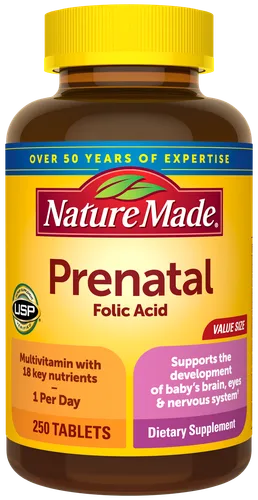
Nature Made Prenatal Folic Acid Review
We don’t sell supplements. We help you make decisions and get the best price.
Lowest prices
We may earn a commission from some store links. How we choose.
Finding the lowest prices at the stores now. This takes a few seconds.
Products with nearly the same formula (Matched on the main ingredients)
Study, Trial or Testing Result Summary
Members Only235 human studies · 59 improved
4 of these 235 human studies gave the ingredient by drip or injection, not by mouth.
Iodine is at the studied dose. It helps the thyroid mainly in people who do not get enough: in iodine-poor areas, supplements in pregnancy cut childhood cretinism by about 73 percent [1], and daily iodine shrank iodine-deficiency goitre by about 37 percent [2]. Too much iodine can slow thyroid recovery after surgery [3]. Iron is also at the studied dose. In iron-deficient children and teenage girls it shrank goiter and improved thyroid hormones [4][5], though one trial found no extra benefit [6]. Vitamin D results are mixed: a pooled analysis found lower thyroid antibodies in Hashimoto's thyroiditis [7], while another found no significant drop [8]. Zinc reaches the studied dose only at three servings a day, and its results are inconsistent [9][10]. Vitamin A, magnesium and vitamin C are below the doses used in studies that showed thyroid benefits [11][12]. Vitamin E, the B vitamins, biotin and calcium showed no thyroid benefit [13][14]. Folate is above the daily recommended limit, and members can take less; studies did not show it helps the thyroid [15]. High biotin can distort thyroid blood tests [16]. Animal and cell studies are never counted.
See all 235 studies →Hide the studies
- Across 47 studies of 53,152 pregnant women, low iron measured by hemoglobin went with higher thyroid-stimulating hormone and lower free thyroxine, but low iron measured by ferritin showed no difference in thyroid hormones.Association of iron status indicators with thyroid hormone concentrations during pregnancy: a systematic review and meta…
- Across 64 studies of 28,597 people, those with an underactive thyroid had lower vitamin B12 levels than healthy people, but no difference was seen for overactive thyroid, autoimmune thyroid disease or mild underactive thyroid; this did not test supplements.Vitamin B12 levels in thyroid disorders: A systematic review and meta-analysis.
- A pooled analysis of 114 observational studies found lower zinc in thyroid cancer tissue, but it did not test zinc supplements and is about cancer rather than thyroid health.Serum and tissue zinc in epithelial malignancies: a meta-analysis.
- Across 28 observational studies of 5,492 adults, blood folate levels did not differ significantly between people with thyroid disorders (underactive, mildly underactive, autoimmune, or overactive thyroid) and healthy people; no folate was given as a treatment.Folate concentrations in thyroid disorders: a systematic review and meta-analysis.
- In a pooled analysis of 35 trials with 3,508 people with underactive thyroid, adding zinc, magnesium and vitamin A to a med raised free thyroxine compared with placebo, though exercise combined with a med did best for thyroid-stimulating hormone and quality of life.Additional treatment strategies for hypothyroidism: a network meta-analysis.
- Across 12 trials with 862 people with Hashimoto's thyroiditis, vitamin D lowered thyroid antibody levels and raised thyroid hormones (FT3, FT4) compared with placebo or no treatment, with larger effects after more than 12 weeks.Effects of vitamin D supplementation on autoantibodies and thyroid function in patients with Hashimoto's thyroiditis: A …
- In a network analysis of 10 studies in people with Hashimoto's thyroiditis, six months of vitamin D alone did not significantly lower thyroid antibodies, while selenium did.Effects of different supplements on Hashimoto's thyroiditis: a systematic review and network meta-analysis.
- Across 32 observational studies, blood iron levels did not differ between people with underactive thyroid and healthy people, while selenium and zinc were lower.Trace Element Status and Hypothyroidism: A Systematic Review and Meta-analysis.
- In people with beta-thalassemia, high ferritin from iron overload was linked to underactive thyroid, which affected about 13% overall.The Prevalence of Hypothyroidism among Patients With β-Thalassemia: A Systematic Review and Meta-Analysis of Cross-Secti…
- In ten cross-sectional studies, people with iron deficiency had lower thyroid-stimulating hormone, free thyroxine and free triiodothyronine than people without it, with more thyroid antibodies; this is an association only, not a supplement trial.Relationship between Iron Deficiency and Thyroid Function: A Systematic Review and Meta-Analysis.
- In 11 studies of children given radioactive treatment for neuroblastoma, about 41% still had raised thyroid-stimulating hormone despite iodine blockade, which worked better when given longer and combined with other drugs than potassium iodide alone.Incidence of subclinical and overt hypothyroidism in children treated with [131I]mIBG: a systematic review and meta-anal…
- In 31 mostly cross-sectional studies, low iodine intake raised the odds of thyroid nodules by about 24%, while higher or excessive intake showed no consistent effect.The myth of iodine: A systematic review and meta-analysis on the relationship between iodine and thyroid nodule.
- A pooled analysis of 10 observational studies found blood zinc was not significantly lower in people with thyroid cancer than in healthy controls.Zinc Status and Occurrence of Thyroid Cancer: Systematic Review and Meta-Analysis.
- Across three trials of 1551 pregnant women in iodine-deficient areas, iodine supplements cut childhood cretinism by about 73% and infant deaths by about 29%, with no apparent harm.Maternal iodine supplements in areas of deficiency.
- This withdrawn review of three trials in 1551 pregnant women found iodine supplements reduced childhood cretinism and infant deaths with no apparent harm.WITHDRAWN: Maternal iodine supplements in areas of deficiency.
- A review of 11 studies found conflicting results for vitamin A supplements and thyroid cancer risk, so the evidence was inconclusive.Vitamin and mineral supplements and thyroid cancer: a systematic review.
- A review of 57 studies on micronutrients and thyroid hormones found trials did not confirm links between selenium, zinc and iron and iodine status, and concluded more research is needed; vitamin A was not singled out with a clear result.Micronutrients, iodine status and concentrations of thyroid hormones: a systematic review.
- A review of 67 studies on environmental factors and autoimmune thyroid disease linked vitamin D deficiency to the relationship and suggested vitamin D might help, but it did not test supplementation directly.Epidemiological and experimental evidence of environmental factor-related autoimmune thyroid disease: A systematic revie…
- A review of 51 studies on obesity before and during early pregnancy linked higher body weight to differences in thyroid hormones and vitamin B12, but it did not test vitamin B12 supplements for thyroid health.Periconceptional biomarkers for maternal obesity: a systematic review.
- This narrative review discusses iron and ferritin deficiency in women with underactive thyroid and Hashimoto's disease and suggests checking iron status, without reporting pooled trial results.Iron and ferritin deficiency in women with hypothyroidism and chronic lymphocytic thyroiditis - systematic review.
- Across 27 randomized trials of iodine used on wounds, thyroid problems were not more frequent with iodine than with other treatments.Benefit and harm of iodine in wound care: a systematic review.
- A review of iodine status in Eastern Mediterranean countries found iodine deficiency is controlled in some countries with salt iodization but remains a serious problem in others.Iodine deficiency status in the WHO Eastern Mediterranean Region: a systematic review.
- A review of eight zinc supplementation studies and ten blood zinc studies found the evidence on whether zinc changes thyroid hormone levels inconclusive because results differed and came only from people with illness.Relation Between Zinc and Thyroid Hormones in Humans: a Systematic Review.
- A review of 13 trials in people with overweight or obesity found zinc raised free triiodothyronine, but this rested on one study in people with underactive thyroid and the overall effect on thyroid function could not be determined.The Effects of Zinc and Selenium Supplementation on Body Composition and Thyroid Function in Individuals with Overweight…
- A review of studies on trace elements and thyroid disease found few supplementation trials, but zinc supplementation lowered a marker of oxidative damage (malondialdehyde) in people with underactive thyroid.The Role of Selected Trace Elements in Oxidoreductive Homeostasis in Patients with Thyroid Diseases.
- In 25,871 older adults taking 2000 IU of vitamin D daily for a median of 5.3 years, autoimmune diseases (including autoimmune thyroid disease, not reported separately) were 22% less frequent than with placebo.Vitamin D and marine omega 3 fatty acid supplementation and incident autoimmune disease: VITAL randomized controlled tri…
- In 1159 pregnant women in Bangladesh, the iron and folic acid group (60 mg iron daily) was the comparison, and urinary iodine did not differ from the group given a supplement with 250 mcg iodine, so no thyroid-related benefit was shown for iron.Daily Consumption of Lipid-Based Nutrient Supplements Containing 250 μg Iodine Does Not Increase Urinary Iodine Concentr…
- In 438 pregnant Gambian women, a multivitamin with iodine improved iodine status and lowered thyroglobulin versus iron and folic acid, but thyroid hormone tests did not differ; folate was not tested alone.Effects of an Iodine-Containing Prenatal Multiple Micronutrient on Maternal and Infant Iodine Status and Thyroid Functio…
- In 404 South African children aged 5 to 14 with low vitamin A and iodine, a 200,000 IU vitamin A dose given at the start and at 3 months over 6 months lowered thyroid-stimulating hormone, thyroglobulin and thyroid size when given without iodine, compared with placebo.Vitamin A supplementation in iodine-deficient African children decreases thyrotropin stimulation of the thyroid and redu…
- In 377 goitrous children given iron and iodine fortified salt for 9 months, thyroid volume fell 38% versus 18% with iodized salt, thyroxine rose, and hypothyroidism and goiter became less common.Addition of microencapsulated iron to iodized salt improves the efficacy of iodine in goitrous, iron-deficient children:…
- In 377 iodine-deficient Moroccan schoolchildren given iron and iodine fortified salt for 9 months, iron status and anemia improved more than with iodized salt, while urinary iodine and thyroid volume improved in both groups.Dual fortification of salt with iodine and microencapsulated iron: a randomized, double-blind, controlled trial in Moroc…
- In 307 thyroid cancer patients given radioactive iodine, those prepared with recombinant thyrotropin had success rates of 43.8% versus 47.1% with hormone withdrawal, meeting the noninferiority standard with fewer side effects.Recombinant Human Thyrotropin Plus Radioactive Iodine Among Patients With Thyroid Cancer: A Noninferiority Randomized Cl…
- In 278 adults with Graves' disease taking 2800 IU of vitamin D daily for up to 3 years, vitamin D did not improve remission; failure was 42% with vitamin D versus 32% with placebo.Effect of Vitamin D Supplementation on Graves' Disease: The DAGMAR Trial.
- In 175 infants with Down syndrome given folinic acid, thyroxine, both or placebo for 12 months, development scores fell similarly in all groups with no benefit over placebo.Thyroid hormone and folinic acid in young children with Down syndrome: the phase 3 ACTHYF trial.
- In 166 iron-deficient children with goiter using iodized salt, 60 mg iron 4 days a week for 16 weeks shrank thyroid volume about twice as much as placebo (22.8% vs 12.7%), with no difference in thyroid hormones.Treatment of iron deficiency in goitrous children improves the efficacy of iodized salt in Côte d'Ivoire.
- In 166 people with iodine-deficiency goitre, 400 mcg iodine daily for 8 months shrank the thyroid by about 37%, similar to a med, and the shrinkage was sustained 4 months after stopping (-32.5%).Read the study on PubMed (2515973) →
- In 164 people with cirrhosis given vitamin D for one year, thyroid-stimulating hormone and free T4 did not change compared with placebo, though vitamin D levels rose.Effect of Vitamin D Supplementation on Vitamin D Level and Bone Mineral Density in Patients With Cirrhosis: A Randomized…
- In 158 Moroccan children, iron-fortified salt for 10 months raised hemoglobin and iron stores, and thyroid size improved in both the iron-fortified and the standard iodized salt groups.Dual fortification of salt with iodine and micronized ferric pyrophosphate: a randomized, double-blind, controlled trial…
- In 148 people having thyroid cancer surgery with neck dissection, calcium plus vitamin D cut symptomatic low calcium to 2.0% from 26.0% with no supplements.Prevention of postoperative hypocalcemia with routine oral calcium and vitamin D supplements in patients with differenti…
- In 147 people with Graves' disease given radioactive iodine, 94% of those dosed by the target thyroid mass method were cured at one year, similar to 97% with a fixed high dose that needed more radioactivity.Personalization of radioiodine treatment for Graves' disease: a prospective, randomized study with a novel method for ca…
- In 140 older adults with sarcopenia, adding vitamin D to heat therapy and resistance exercise lowered inflammatory markers and raised thyroid hormone levels more than exercise and heat therapy alone.The effects of vitamin D combined with thermotherapy and resistance exercise on inflammatory factors, thyroid hormones a…
- In 138 Moroccan children with goiter and low vitamin A using iodized salt, 200,000 IU of vitamin A at start and 5 months over 10 months reduced thyroglobulin, thyroid-stimulating hormone and goiter rate compared with placebo.The effects of vitamin A deficiency and vitamin A supplementation on thyroid function in goitrous children.
- In 113 children with Down syndrome given folinic acid for 12 months, the full analysis showed no benefit, but a per-protocol analysis of 87 children showed better development, especially in those also taking thyroxine.Effect of leucovorin (folinic acid) on the developmental quotient of children with Down's syndrome (trisomy 21) and infl…
- In 102 people with autoimmune thyroiditis, 500 mg of vitamin C daily for 3 months lowered thyroid antibody levels within the group, but there was no significant difference compared with placebo, and thyroid stimulating hormone did not change.Effects of selenium and vitamin C on the serum level of antithyroid peroxidase antibody in patients with autoimmune thyr…
- In 94 iron-deficient Iranian adolescent girls over 12 weeks, iron alone or iron with iodine improved several thyroid hormone measures compared with placebo, while iodine alone did not.Effects of administration of iron, iodine and simultaneous iron-plus-iodine on the thyroid hormone profile in iron-defic…
- In 94 iron-deficient Iranian adolescent girls, 12 weeks of ferrous sulfate three times weekly raised thyroid hormone levels more than placebo did.Effect of iron repletion and correction of iron deficiency on thyroid function in iron-deficient Iranian adolescent girl…
- In 90 people with heart disease living at altitude, 6 months of selenium plus vitamin E (42 people) lowered raised thyroid hormone levels back to normal in about 74% of them, but vitamin E was not tested on its own, so its separate effect is unclear.[Influence of oral sodium selenite and vitamin E on thyroid hormones in patients with cardiovascular disease at altitude…
- In 89 people with thyroid cancer given radioactive iodine treatment, those taking vitamin E showed better left parotid gland excretion function a month later, though other salivary gland measures were unchanged or worse and the dose was not stated.Effect of vitamin E and supragingival scaling on salivary gland function in patients with differentiated thyroid cancer …
- In 88 healthy adults over 65, 4 months of vitamin E at 60, 200 or 800 IU a day did not change thyroid hormones or thyroid antibodies compared with placebo.Assessment of the safety of supplementation with different amounts of vitamin E in healthy older adults.
- In 86 adults with underactive thyroid, 25,000 IU vitamin A twice weekly with zinc and magnesium for 10 weeks raised free thyroxine and lowered an inflammation marker compared with placebo, with no change in thyroid-stimulating hormone.Randomized Study of the Effects of Zinc, Vitamin A, and Magnesium Co-supplementation on Thyroid Function, Oxidative Stre…
- In 84 women, 25,000 IU of vitamin A daily for 4 months lowered thyroid-stimulating hormone in both obese and non-obese women and raised T3, while total T4 fell.The effect of vitamin A supplementation on thyroid function in premenopausal women.
- In 82 people with thyroid cancer given radioactive iodine, vitamin E at 100 to 300 mg a day from 1 week before to 4 weeks after treatment protected the salivary glands better than no vitamin E; thyroid function itself was not measured.Radioprotective effect of vitamin E on salivary glands after radioiodine therapy for differentiated thyroid cancer: a ra…
- In 80 postmenopausal women with or without type 2 diabetes, 6 weeks of hormone therapy with vitamin C and E did not significantly change free thyroxine or triiodothyronine levels.Effects of hormone replacement therapy with vitamin C and E supplementation on plasma thyroid hormone levels in postmeno…
- In 75 adults with type 2 diabetes given 1000 IU of vitamin D daily in a yogurt drink for 12 weeks, thyroid antibodies and thyroid-stimulating hormone fell only when calcium was added, while vitamin D alone raised resting metabolic rate without changing thyroid measures.Daily intake of yogurt drink fortified either with vitamin D alone or in combination with added calcium causes a thyroid…
- In 69 thyroid cancer patients given radioactive iodine, vitamin E with vitamin C improved the function of one parotid salivary gland, with no placebo group and no thyroid outcomes; selenium groups showed more gland improvements.Effects of postoperative antioxidants on the salivary glands in patients with thyroid cancer undergoing radioactive iodi…
- In 68 overweight or obese women with underactive thyroid, 12 weeks of zinc alone or with selenium raised some thyroid hormones (free T3, and free T4 with lower TSH when combined with selenium), but there were no significant differences between groups for most measures.Effects of Zinc and Selenium Supplementation on Thyroid Function in Overweight and Obese Hypothyroid Female Patients: A …
- In 62 very low birth weight infants fed fortified human milk for 6 weeks, higher trace element and magnesium intake did not show a reported thyroid benefit; thyroid results were not described as different.Nutrition of very low birth weight infants fed human milk with or without supplemental trace elements: a randomized cont…
- In 62 people having thyroid surgery, 2 weeks of magnesium 300 mg plus calcium before surgery gave somewhat higher calcium levels and fewer low-calcium symptoms than no supplements, but the differences were not statistically significant.Impact of Preoperative Calcium and Magnesium Supplementation on Quality of Life and Hypocalcemia Post-Thyroidectomy.
- In 60 newborns, clamping the cord at 60 seconds instead of within 10 seconds was linked to fewer low thyroid hormone values and fewer low vitamin B12 values; vitamin B12 was not given as a supplement.Effect of cord clamping time on neonatal vitamin B12, folate and urinary iodine concentration.
- In people with mild underactive thyroid and iron-deficiency anemia, a med plus iron salt for 3 months raised hemoglobin and ferritin more than iron salt alone or a med alone.Treatment of iron-deficiency anemia in patients with subclinical hypothyroidism.
- In 57 people with Graves' disease on methimazole, an antioxidant mix with beta-carotene, vitamins C and E and selenium over 60 days helped them reach normal thyroid function faster than the drug alone.Supplementation with antioxidants in the treatment of Graves' disease; the effect on glutathione peroxidase activity and…
- In 55 people with Graves' disease taking methimazole, adding an antioxidant mix (vitamins C and E, beta-carotene and selenium) for 60 days helped them reach normal thyroid function faster than methimazole alone.The effect of antioxidant supplementation on superoxide dismutase activity, Cu and Zn levels, and total antioxidant stat…
- In 55 people with high thyroid-stimulating hormone after thyroid surgery, 1 mg iodine daily for 20 weeks delayed recovery: all iodine-treated bilateral surgery patients were hypothyroid at 6 months versus 38% of placebo patients.Iodine therapy for thyroidectomy patients exhibiting high thyroid-stimulating hormone values: a randomised study.
- In people with iron-deficiency anemia and mild underactive thyroid, adding a med to 240 mg daily oral iron raised hemoglobin about 1.9 g/dl, compared with 0.4 g/dl with iron alone.Read the study on PubMed (18984662) →
- In 49 women with iron deficiency, 60 days of a multi-nutrient supplement containing vitamin E improved blood iron and ferritin; thyroid hormones were measured but no thyroid effect was reported.[Effect of treatment with a food supplement (containing: selected sea fish cartilage, vitamin C, vitamin E, folic acid, …
- In 44 women with mildly underactive thyroid, 50,000 IU of vitamin D weekly for 12 weeks lowered thyroid-stimulating hormone and total cholesterol compared with placebo, while other thyroid hormones did not differ.Effects of vitamin D supplementation on metabolic parameters, serum irisin and obesity values in women with subclinical …
- In a small pilot study, 150 micrograms per day of iodine during pregnancy did not change the two-year neurodevelopment scores of 44 children compared with controls, and higher PCB 118 exposure may have offset any benefit.Neurotoxicant exposure during pregnancy is a confounder for assessment of iodine supplementation on neurodevelopment out…
- In 42 women with Hashimoto's thyroiditis, 50,000 IU of vitamin D weekly for 3 months reduced thyroglobulin antibody and thyroid-stimulating hormone versus baseline, but the drop in thyroid peroxidase antibody was not significant versus placebo and T3 and T4 did not change.Can Supplementation with Vitamin D Modify Thyroid Autoantibodies (Anti-TPO Ab, Anti-Tg Ab) and Thyroid Profile (T3, T4, …
- In 42 newly diagnosed Graves' disease patients, adding selenium and vitamin D to standard antithyroid medicine for about 270 days lowered thyroid hormone levels faster and improved quality of life compared with medicine alone.Add-On Effect of Selenium and Vitamin D Combined Supplementation in Early Control of Graves' Disease Hyperthyroidism Dur…
- In 40 people, a hydration drink that also contained vitamin C caused no meaningful change in safety or thyroid hormone measures compared with placebo over 4 weeks, though one thyroid hormone showed a statistically significant main effect.Randomized Trial to Assess the Safety and Tolerability of Daily Intake of an Allulose Amino Acid-Based Hydration Beverag…
- In women with Hashimoto's thyroiditis taking a med, weekly vitamin D (50,000 IU cholecalciferol) for 3 months raised vitamin D levels, and inflammatory markers fell in both the vitamin D and placebo groups, so the drop was not shown to be due to vitamin D.Read the study on PubMed (36243929) →
- In 40 children with autoimmune thyroid disease, 12 weeks of 25 mg daily elemental zinc did not change thyroid antibodies, thyroid tests or oxidative stress, but children given zinc needed no increase in a med dose, while the standard-therapy group did.Effect of daily zinc supplementation for 12 weeks on serum thyroid auto-antibody levels in children and adolescents with…
- In 37 infants having heart surgery, a skin antiseptic containing iodine (povidone-iodine) given before surgery did not clearly lower thyroid hormones afterward; the heart bypass itself had the larger effect on thyroid hormones.Thyroid function in infants following cardiac surgery: comparative effects of iodinated and noniodinated topical antisep…
- In people with hyperthyroidism and high blood calcium, adding 800 to 1,200 IU daily of vitamin D3 to standard treatment lowered thyroid hormone and thyroid antibody levels more than the antithyroid drug methimazole alone.Prevalence of hyperthyroidism with hypercalcemia in Xindu district and the efficacy of vitamin D3 treatment in these pat…
- In 36 thyroid cancer patients given radioactive iodine, 800 IU a day of vitamin E from 1 week before to 4 weeks after treatment helped protect salivary gland function compared with placebo; thyroid function itself was not measured.Does vitamin E protect salivary glands from I-131 radiation damage in patients with thyroid cancer?
- In 36 people with Graves' disease, radioactive iodine treatment was followed by rising thyroid antibody levels and myxoedema in 5 of 16 treated people, while propylthiouracil had milder effects.Thyroid stimulating antibodies, thyroglobulin antibodies and serum proteins during treatment of Graves' disease with rad…
- In women with Hashimoto's thyroiditis, weekly vitamin D (50,000 IU cholecalciferol) for 3 months lowered the Th17/Tr1 immune cell ratio, but most other immune cell levels did not change compared with placebo.Effects of vitamin D supplements on frequency of CD4+ T-cell subsets in women with Hashimoto's thyroiditis: a double-bli…
- In 33 people with acanthosis nigricans, a combination tablet containing calcium pantothenate taken twice daily for 12 weeks lowered thyroid-stimulating hormone as did a med, but there was no placebo group and the effect cannot be attributed to pantothenic acid alone.Read the study on PubMed (30983607) →
- In 32 healthy older adults, 800 mg a day of vitamin E for 30 days did not change thyroid hormone levels compared with placebo.Assessment of the safety of high-dose, short-term supplementation with vitamin E in healthy older adults.
- In 31 severely injured patients, adding 150 mg of vitamin E and zinc to 500 mcg of selenium for 5 days gave no extra change in thyroid hormones beyond selenium alone.Influence of selenium supplements on the post-traumatic alterations of the thyroid axis: a placebo-controlled trial.
- In 28 overweight or obese adults on a calorie-restricted diet, 8 weeks of 25 mg daily zinc gluconate plus selenium did not change thyroid function compared with placebo.The Effects of Zinc and Selenium Co-Supplementation on Resting Metabolic Rate, Thyroid Function, Physical Fitness, and F…
- In 25 infants with congenital hypothyroidism, mild high blood calcium during thyroxine treatment was linked to vitamin D supplementation.Hypercalcemia in infants with congenital hypothyroidism and its relation to vitamin D and thyroid hormones.
- In 18 healthy adults, iodine from the seaweed Gracilaria verrucosa was absorbed better than from Laminaria hyperborea, with absorption of 85% to 101% versus 61.5% to 90%.Bioavailability of seaweed iodine in human beings.
- In 12 underactive thyroid patients needing high-dose a med, 1 g vitamin C daily for 16 weeks improved symptom scores and lowered thyroid stimulating hormone more than placebo after adjustment, but the very small size and baseline imbalances limit conclusions.Read the study on PubMed (41210509) →
- In a single-dose study of 12 healthy adults, a zinc-bound form of liothyronine (50 mcg) produced a lower but longer-lasting rise in blood T3 than standard liothyronine, with no tested health outcome.Extended Absorption of Liothyronine from Poly-Zinc-Liothyronine: Results from a Phase 1, Double-Blind, Randomized, and C…
- In seven competitive cyclists, 22 mg of zinc daily for 30 days did not change thyroid hormone levels, although insulin rose later on.Plasma zinc, copper, and serum thyroid hormones and insulin levels after zinc supplementation followed by placebo in com…
- In a placebo-controlled trial of schoolchildren in India, a daily micronutrient-fortified drink for 14 months significantly changed thyroid-stimulating hormone compared with placebo, alongside improvements in vitamin D and other nutrients; this was a multi-nutrient product, so the vitamin D effect cannot be isolated.Effect of micronutrient supplement on health and nutritional status of schoolchildren: biochemical status.
- In hypothyroid newborns, giving vitamin D during the first 3 months of thyroxine treatment raised the rate of high blood calcium to 70%, compared with 21% in those not given vitamin D.[Prophylaxis of vitamin D deficiency in hypothyroidism in the newborn infant].
- In people with newly diagnosed Graves' disease taking anti-meds, nine months of 2,800 IU daily vitamin D reduced muscle strength gains and quality-of-life improvement compared with placebo.Effects of Supplemental Vitamin D on Muscle Performance and Quality of Life in Graves' Disease: A Randomized Clinical Tr…
- In men with type 2 diabetes on a 5-week high-protein, low-carbohydrate diet, thyroid hormones and vitamin B12 levels were unchanged; vitamin B12 was not given as a supplement.The metabolic response to a high-protein, low-carbohydrate diet in men with type 2 diabetes mellitus.
- In severely iodine-deficient Zaire villages, single doses of potassium iodide had small and inconsistent effects on thyroxine levels, while oral iodized oil worked about as well as injected oil eight months later.Iodine supplementation: comparison of oral or intramuscular iodized oil with oral potassium iodide. A controlled trial i…
- In 110 people with Down's syndrome given zinc for about a year, thyroxine was lower and thyroid-stimulating hormone higher than before treatment, so thyroid function did not improve.Thyroid function and plasma immunoglobulins in subjects with Down's syndrome (DS) during ontogenesis and zinc therapy.
- In goitrous, iron-deficient anemic children, 12 weeks of iron after iodized oil further shrank the thyroid, and goiter prevalence fell to 20% by 65 weeks.Iron supplementation in goitrous, iron-deficient children improves their response to oral iodized oil.
- In 53 patients with mild underactive thyroid and 45 healthy people, vitamin C infused into the forearm artery normalized blood vessel dilation in patients but not in healthy people, suggesting oxidative stress from inflammation impairs vessel function; this was a short-term vessel test, not a supplement trial.Low-grade systemic inflammation causes endothelial dysfunction in patients with Hashimoto's thyroiditis.
- In 40 people with underactive thyroid and 26 controls, homocysteine was higher in underactive thyroid and was predicted by thyroid-stimulating hormone independent of vitamin B12; vitamin B12 was not given as a treatment.Homocysteine, hypothyroidism, and effect of thyroid hormone replacement.
- In 55 people with non-toxic goitre, 5 days of furosemide 40 mg daily raised radioactive iodine uptake by about 58%, a larger increase than the 17% seen with a 14-day low-iodine diet.Read the study on PubMed (12845488) →
- In children with Down syndrome, zinc sulfate supplements restored plasma zinc, TSH and reverse T3 levels that had been abnormal, though the study duration was not stated.Modulation of the neuroendocrine system and immune functions by zinc supplementation in children with Down's syndrome.
- In 47 women with Hashimoto's thyroiditis and low vitamin D, 4000 IU daily for 6 months lowered thyroid antibody levels, with a larger drop in women also taking selenomethionine, and thyroid hormone levels did not change.Selenomethionine potentiates the impact of vitamin D on thyroid autoimmunity in euthyroid women with Hashimoto's thyroid…
- In 46 people with Graves disease, Lugol's iodine taken before surgery lowered blood flow within the thyroid, though changes in blood flow did not always match what surgeons heard.[Ultrasonographic evaluation of thyroid tissue perfusion in patients with Graves-Basedow disease as preparation for surg…
- In 12 women with an underactive thyroid, a single 100,000 IU dose of vitamin D3 raised blood vitamin D less than in healthy women, and thyroid hormone replacement raised vitamin D levels; the study did not measure thyroid health improvement.Effect of vitamin D3 loading and thyroid hormone replacement therapy on the decreased serum 25-hydroxyvitamin D level in…
- In 34 women with Hashimoto's thyroiditis on a med and normal vitamin D, 2000 IU daily of vitamin D for 6 months reduced thyroid antibody levels compared with women not taking vitamin D.Read the study on PubMed (28073128) →
- In 21 people with an overactive thyroid, 150 mg of potassium iodide daily for 3 to 7 weeks lowered thyroid hormone levels, but the effect was variable and unpredictable, and it did not meaningfully change how thyroid hormones are broken down in the body.The effect of iodide on serum thyroid hormone levels in normal persons, in hyperthyroid patients, and in hypothyroid pat…
- In a crossover study of 20 people, a med alone suppressed thyroid-stimulating hormone more than a med with 100 micrograms of iodide over 8 weeks, while 12 of 20 people with goitre had a smaller thyroid after 4 weeks.[Thyroxine vs iodine and thyroxine. Comparison of the TSH suppression test].
- In 19 healthy college students, 14 took 600 mg of natural vitamin E daily for 12 weeks and 5 took placebo, and thyroid function tests did not change.Effects of elevated d-alpha(RRR)-tocopherol dosage in man.
- Niacin at 2 mg was used only as a comparison dose against intravenous TRH in schizophrenic patients, so this study does not measure niacin's own effect on thyroid health.Behavioral and endocrine responses of schizophrenic patients to TRH (protirelin).
- Taking a 300 mg ferrous sulfate tablet together with thyroxine daily for 12 weeks raised thyroid-stimulating hormone in 14 people with hypothyroidism and increased their symptoms in nine of them.Ferrous sulfate reduces thyroxine efficacy in patients with hypothyroidism.
- In a small study of 11 iron-depleted women, ascorbic acid supplementation had no significant effect on their responses to cold exposure, which included changes in thyroid hormone levels.Thermogenesis and thermoregulatory function of iron-deficient women without anemia.
- In healthy people given calcium by intravenous infusion, the thyroid-stimulating hormone response to a releasing hormone was reduced by 37%, and pretreatment with metoclopramide reversed this effect.Influence of metoclopramide on calcium inhibition of thyrotropin response to thyrotropin-releasing hormone.
- In healthy young and elderly people, 10 days of vitamin A (retinol, 50,000 IU a day) did not significantly change thyroid-stimulating hormone levels compared with placebo.Effects of vitamin A administration on serum thyrotropin concentrations in healthy human subjects.
- In obese adults on a very-low-energy diet for 12 weeks, taking 27 mg of iron daily kept thyroid hormone levels higher than the standard 18 mg daily amount.Changes in iron status during weight loss with very-low-energy diets.
- In a 4-week study of sedentary people and Tae-Kwon-Do athletes, 10 mg/kg daily of magnesium raised free T3 and prevented the exercise-related drop in thyroid hormone activity.The effects of magnesium supplementation on thyroid hormones of sedentars and Tae-Kwon-Do sportsperson at resting and ex…
- In Down syndrome children with low blood zinc, zinc sulfate supplementation for 6 months lowered TSH from about 4.0 to 2.6 mIU/mL, bringing it to levels similar to children with normal zinc.Zinc sulfate supplementation improves thyroid function in hypozincemic Down children.
- In 186 vitamin D deficient people with Hashimoto's thyroiditis on Crete, taking 1200 to 4000 IU of vitamin D3 daily for four months lowered anti-thyroid peroxidase antibodies by 20.3% in an uncontrolled study; the drops in thyroglobulin antibodies and TSH were not significant.Is vitamin D related to pathogenesis and treatment of Hashimoto's thyroiditis?
- In 64 pregnant women treated with a 7-day iodine vaginal suppository, newborns showed no signs of an underactive thyroid when checked 4 to 5 days after delivery.[Clinical significance of betadine vaginal suppository treatment in pregnancy].
- In 34 older adults over 6 months, a fruit, vegetable and berry powder that raised blood vitamin C was well tolerated and caused no thyroid-related safety problems, though a marker of protein damage fell before adjustment for baseline differences.Effects of a Commercial Fruit, Vegetable and Berry Juice Powder Concentrate on Metabolic Safety and Cardiovascular Healt…
- In 32 people taking antiepileptic drugs who had high homocysteine and low B vitamins, 30 days of riboflavin, pyridoxine and folic acid lowered homocysteine but did not change thyroid hormone levels.Thyroid function during B-vitamin supplementation of patients on antiepileptic drugs.
- In 31 patients with underactive thyroid and gastritis, 500 mg vitamin C taken with a med for 2 months lowered thyroid stimulating hormone in all patients, normalized it in 55%, and raised thyroid hormone levels.Read the study on PubMed (24601693) →
- In 22 people with normal thyroid function, iodine contrast dye given for scans caused a temporary rise in thyroid-stimulating hormone within the first week, and four people went above the normal range.Do iodine-containing contrast media induce clinically relevant changes in thyroid function parameters of euthyroid patie…
- In a crossover study of 15 healthy adults, taking magnesium aspartate with a med tablet reduced a med absorption by 12%, and magnesium citrate reduced it by 7% without statistical significance, so the two should be taken apart.Read the study on PubMed (41221788) →
- In 10 healthy men taking 27 mg of iodine daily for 4 weeks, the thyroid gland enlarged and thyroid-stimulating hormone rose, and both returned to baseline within a month after stopping.Evidence of thyroid volume increase in normal subjects receiving excess iodide.
- In 10 sedentary young men, 4 weeks of oral zinc sulfate supplements prevented the drop in thyroid hormone levels that followed bicycle exercise, though zinc did not raise thyroid hormones at rest beyond the pre-supplement values.Effect of fatiguing bicycle exercise on thyroid hormone and testosterone levels in sedentary males supplemented with ora…
- In 9 people with an underactive thyroid, about 4 months of thyroxine replacement cleared fats from the blood faster after a meal containing vitamin A and lowered LDL cholesterol, though this study did not test vitamin A as a supplement.Thyroxine replacement therapy enhances clearance of chylomicron remnants in patients with hypothyroidism.
- In six adults with an underactive thyroid, riboflavin-related enzyme activity was low, and thyroxine therapy on a controlled diet brought it back to normal.Riboflavin metabolism in the hypothyroid human adult.
- In five people with high cholesterol taking about 2.6 grams of nicotinic acid daily for an average of 1.3 years, blood thyroid hormone levels dropped (total T4 by 21%, T3 by 13%) while they stayed in a normal thyroid state with no symptoms of an underactive thyroid.Nicotinic acid decreases serum thyroid hormone levels while maintaining a euthyroid state.
- In five people with neurological endemic cretinism, giving iodide caused signs of an underactive thyroid, suggesting a hidden weakness in thyroid hormone production.Effects of iodides on the hypothalamic-pituitary-thyroid axis in neurological endemic cretinism: evidence for compensate…
- In 2 volunteers, 10 g of calcium alginate taken with potassium iodide did not interfere with potassium iodide almost completely blocking radioactive iodine uptake by the thyroid.131I uptake in human thyroid after antidote treatment for mixed fission products contamination.
- In a non-randomized study of thyroid and parathyroid surgery patients with low vitamin D, weekly 50,000 IU vitamin D2 for 8 to 12 weeks raised vitamin D levels in most patients, but thyroid health itself was not measured.Vitamin D deficiency: a simple algorithm employing weekly administration of 50,000 IU of vitamin D.
- In a University of Southern California study, people who took colestipol combined with niacin for one year had lower total thyroxine and lower thyroxine-binding globulin levels, but they stayed essentially normal in thyroid function.Alterations in serum thyroid hormonal indices with colestipol-niacin therapy.
- In a large cohort of over 566,000 adults followed for years, dietary beta-carotene intake was not clearly associated with thyroid cancer risk.The association between selenium and other micronutrients and thyroid cancer incidence in the NIH-AARP Diet and Health S…
- In 8,828 pregnant women, adequate vitamin D in early pregnancy was linked to higher free thyroxine and free triiodothyronine, and sufficient first-trimester with deficient second-trimester vitamin D was linked to lower thyroid-stimulating hormone.Associations between Dynamic Vitamin D Level and Thyroid Function during Pregnancy.
- In a large US survey of about 6,950 adults, higher vitamin B6 intake from diet was linked to lower total thyroxine levels, with the link strongest in men, people aged 60 to 80, and those who were overweight.Relationship between vitamin B6 intake and thyroid function in US adults: NHANES 2007-2012 results.
- In 6,222 US adults, a high antioxidant lifestyle score was linked to lower free thyroxine, and riboflavin was among factors suggested to have a causal link to free thyroxine levels.Association between the oxidative balance score and thyroid function: Results from the NHANES 2007-2012 and Mendelian ra…
- In a survey of 5,878 US adults, higher vitamin C intake was linked to lower total thyroxine levels, with curved patterns for other thyroid hormone measures, so the effect on thyroid function is unclear.Association between vitamin C intake and thyroid function among U.S. adults: a population-based study.
- In 5,230 health-check adults, people with Hashimoto's thyroiditis had lower vitamin D levels than those without it, and lower vitamin D went with higher TSH and lower thyroid hormone levels; this association does not show cause.Correlation Between Hashimoto's Thyroiditis-Related Thyroid Hormone Levels and 25-Hydroxyvitamin D.
- In a review of 3169 older adults admitted with altered mental status, thiamine testing was rarely abnormal and thyroid testing had low diagnostic value, so routine thiamine and thyroid labs gave little useful information.Diagnostic yield of laboratory testing in hospitalized older adults with altered mental status.
- In a large US national survey of 2,732 adults, dietary vitamin C intake was not significantly associated with risk of Hashimoto's thyroiditis, though higher omega-3 fat intake was linked to lower risk.Investigating the associations between dietary nutrient intake and risk of Hashimoto's thyroiditis: a cross-sectional st…
- In a cross-sectional survey of 2037 US adults, lower dietary folate intake was linked to higher odds of autoimmune thyroiditis; the abstract did not report a separate finding for vitamin B12 intake.Lower dietary folate intake increases the risk of autoimmune thyroiditis.
- In 1802 healthy children and adolescents in Germany, many had urine iodine below the WHO target, but iodine levels did not correlate with thyroid hormone levels or thyroid antibodies.Spot urine iodine levels below the WHO recommendation are not related to impaired thyroid function in healthy children a…
- In children aged 8 to 12 in western Poland, goiter cases fell from 35.4% in 1992 to 6.3% in 2005 after salt iodization, though antibody levels rose in some children.Changes in thyroid morphology and function in children in western Poland as a result of intensified iodine prophylaxis.
- In 1,207 adults aged 45 and older in Ireland, hypothyroidism and vitamin B12 deficiency were both linked to large red blood cells, and vitamin B12 deficiency affected 2.7 percent.Haematinic deficiency and macrocytosis in middle-aged and older adults.
- Vitamin D deficiency was more common in people with Hashimoto's and non-autoimmune hypothyroidism than in healthy controls in a study of 1,138 people in Iran.Vitamin D deficiency in non-autoimmune hypothyroidism: a case-control study.
- In 1022 pregnant Chilean women in the first trimester, iodine intake was adequate, but about 6% had clinical or subclinical hypothyroidism, a higher rate than in the literature.Thyroid-Stimulating Hormone Reference Ranges in the First Trimester of Pregnancy in an Iodine-Sufficient Country.
- In a case-control study of 399 thyroid cancer cases and 617 controls in northern Italy, dietary thiamine intake showed no clear link to thyroid cancer risk.Selected micronutrient intake and thyroid carcinoma risk.
- In 933 German patients with autoimmune thyroiditis, those whose vitamin D rose to 75 nmol/l or above over about two years saw their thyroid antibody levels fall by 25%, compared with a 9% fall in patients whose vitamin D stayed low; this was not a randomized trial.Vitamin D Status and Thyroid Autoantibodies in Autoimmune Thyroiditis.
- In children in areas with high iodine in drinking water, goitre prevalence fell from 24.6% to 5.9% after iodized salt was removed from their diet for about one and a half years.[Influence of removing iodized salt on children's goiter status in areas with high iodine in drinking water].
- In 741 pregnant women in China, higher blood iodine was linked to higher free and total thyroxine levels, while its link to free triiodothyronine was curved, peaking at intermediate levels.Serum iodine concentration in pregnant women and its association with thyroid function.
- Among 461 people with Hashimoto's thyroiditis and 176 healthy controls, vitamin D levels did not differ overall between the groups, though slightly lower levels were seen in people with overt hypothyroidism.Vitamin D and Hashimoto's Thyroiditis: Observations from CROHT Biobank.
- In a survey of 625 school-age children in northern Cyprus, no child had a thyroid larger than the recommended limit, and most had adequate iodine intake, with a median urinary iodine of 120 micrograms per liter.Iodine status and thyroid volumes of school age children from Northern Cyprus.
- In 608 people newly diagnosed with papillary thyroid cancer, urinary zinc levels were not reported as linked to tumor aggressiveness; men had higher zinc than women.Associations between essential microelements exposure and the aggressive clinicopathologic characteristics of papillary …
- In a cross-sectional study of 401 men, 301 infertile and 100 controls, infertile men had lower vitamin D levels, and men with azoospermia also had higher thyroid stimulating hormone than the other groups, suggesting abnormal thyroid function; no supplement was given.25-Hydroxy cholecalciferol, anti-Müllerian hormone, and thyroid profiles among infertile men.
- In 399 older heart patients in São Paulo, about 1 in 14 had an overactive thyroid and about 1 in 12 had an underactive thyroid, and about 31% had urinary iodine above the excessive-intake level of 300 micrograms per liter; the study did not test iodine supplementation.The prevalence of thyroid dysfunction in elderly cardiology patients with mild excessive iodine intake in the urban area…
- In 387 healthy adults, low vitamin B2 (riboflavin) levels were linked to significant differences in thyroid markers, though this was a correlation study and no supplement was tested.Effect of Micronutrients on Thyroid Parameters.
- In 387 middle-aged and older adults, red blood cell zinc was only weakly and negatively related to total T4 thyroid hormone levels.Basal metabolic rate and thyroid hormones of late-middle-aged and older human subjects: the ZENITH study.
- In 365 pregnant women in New York City, those offered 150 mcg of potassium iodide daily had higher urine iodine (170 vs 128 mcg/L) and less risk of iodine deficiency (23% vs 39%), though over 20% of supplemented women were still at risk.Apparent insufficiency of iodine supplementation in pregnancy.
- In 352 patients after sleeve gastrectomy, a low whole blood thiamine level was one of several factors linked to difficulty swallowing, alongside hypothyroidism; this was an association and no thiamine treatment was tested.Dysphagia after vertical sleeve gastrectomy: Evaluation of risk factors and assessment of endoscopic intervention.
- In 334 pregnant women in southern India, iodine status was adequate, yet 18% had thyroid insufficiency, with overweight and anemia predicting it.High prevalence of maternal hypothyroidism despite adequate iodine status in Indian pregnant women in the first trimeste…
- After mandatory iodized salt was introduced in a severely iodine-deficient area of Turkey, goiter prevalence in 304 schoolchildren fell (19.4% by palpation, 14.6% by ultrasound) and the area became only mildly iodine-deficient within 3 years.Effect of iodine supplementation on goiter prevalence among the pediatric population in a severely iodine deficient area…
- In 300 euthyroid people, low vitamin D was associated with a higher chance of thyroid autoimmunity, though this was a cross-sectional association and not a supplementation test.Latent autoimmune thyroid disease.
- In a case-control study of 295 people with depression, lower blood levels of vitamin K were linked to a history of suicide attempts, and vitamin K levels were positively related to free thyroxine (FT4) levels. This was a blood-level association, not a supplementation trial.Associations Between Vitamin K and Suicide Attempts in Patients with Depression: A Case-Control Study.
- In 290 Filipino schoolchildren, higher dietary thiamine intake along with iodized salt and normal iodine status was linked to better thinking and psychomotor scores, but thiamine was not studied for thyroid health.Effect of iodine status and other nutritional factors on psychomotor and cognitive performance of Filipino schoolchildre…
- In 256 surgical patients, vitamin D levels and deficiency rates were similar whether or not they had lymphocytic (Hashimoto's) thyroiditis, so no link was found.Is Vitamin D Deficiency Associated with Chronic Lymphocytic Thyroiditis?
- Pregnant women with iodine insufficiency had lower alpha-tocopherol (vitamin E) levels than those with adequate iodine, with no change in thyroid stimulating hormone.Assessment of thyroid function, ioduria and oxidative stress in women in the first trimester of pregnancy.
- In 252 pregnant women with an underactive thyroid, having enough vitamin D during pregnancy was linked to better thyroid function up to a year after giving birth.Vitamin D categories and postpartum thyroid function in women with hypothyroidism.
- In 237 people with overactive thyroid treated with low-dose radioactive iodine plus 12 to 18 months of antithyroid drugs, 83% had clinical remission and 0.8% developed lasting underactive thyroid.[Treatment of diffuse toxic goiter with radioactive iodine in combination with prolonged antithyroid therapy].
- In a questionnaire survey of 232 Polish people with hypothyroidism, vitamin C was among the supplements commonly taken, but the survey did not measure whether it improved thyroid health.Dietary supplements in hypothyroidism.
- In 190 people, those with autoimmune thyroid disease had more vitamin D deficiency than healthy controls, and low levels were linked to thyroid antibodies and abnormal thyroid tests; this was a cross-sectional study and cannot show cause.Vitamin D and autoimmune thyroid diseases.
- In 182 people with an overactive thyroid over six months of antithyroid treatment, flavin levels fell and homocysteine rose, with the effect strongest in those with low riboflavin.Phenotypic expression of the methylenetetrahydrofolate reductase 677C-->T polymorphism and flavin cofactor availability …
- Women with chronic hair shedding had vitamin D and thyroid test levels similar to healthy controls.A comprehensive investigation of biochemical status in patients with telogen effluvium: Analysis of Hb, ferritin, vitami…
- In 168 people with thalassemia intermedia, higher liver iron was linked to higher odds of hypothyroidism, along with thrombosis, pulmonary hypertension, osteoporosis, and hypogonadism.Elevated liver iron concentration is a marker of increased morbidity in patients with β thalassemia intermedia.
- In a blood metabolite comparison of 80 people with papillary thyroid cancer and 80 healthy controls, alpha-tocotrienol (a form of vitamin E) was higher in the cancer group. This was an association only and did not involve vitamin E supplementation.Serum Metabolomics Study of Papillary Thyroid Carcinoma Based on HPLC-Q-TOF-MS/MS.
- In 78 people with subclinical hypothyroidism and 75 healthy controls in Iraq, vitamin D levels were not linked to thyroid peroxidase antibody levels or thyroid peroxidase gene variants. No supplement was given.Thyroid Peroxidase and its Gene Variants as Diagnostic Markers in Subclinical Hypothyroidism: Evidence from a Duhok Case…
- A calcium tolerance test, used to measure calcitonin activity, was done in 34 healthy people and 103 people with thyroid disorders; the calcium-lowering response was significantly impaired in people with an overactive thyroid and in those whose thyroid was fully removed.Calcitonin activity assessed by calcium tolerance test in patients with thyroid disorders.
- Egyptian women with autoimmune subclinical hypothyroidism had higher urine iodine than healthy controls, and within the patients higher iodine went with higher thyroid-stimulating hormone.Excess urinary iodine is associated with autoimmune subclinical hypothyroidism among Egyptian women.
- In a retrospective review of 130 people having thyroid surgery, serum zinc levels did not differ significantly between those with papillary thyroid cancer and those with benign disease; copper was higher in the cancer group.Copper as ancillary diagnostic tool in preoperative evaluation of possible papillary thyroid carcinoma in patients with …
- Among 129 people with cystic fibrosis, 83.7% had low iodine levels and 11.6% had subclinical hypothyroidism, though no link to age, weight, nutrition or lung function was found.Iodine deficiency and subclinical hypothyroidism are common in cystic fibrosis patients.
- In 126 people with thyroid cancer taking a med, bone loss over one year was greater in the early post-surgery period and in postmenopausal women, and was smaller in postmenopausal women who took calcium/vitamin D supplements.The effects of thyrotropin-suppressing therapy on bone metabolism in patients with well-differentiated thyroid carcinoma…
- Women with Hashimoto's thyroiditis had vitamin D levels similar to healthy women, though vitamin D correlated with some metabolic measures.Assessment of Vitamin Concentrations in Patients with Hashimoto's Thyroiditis and Their Relationships with Thyroid Funct…
- In 110 pregnant women in the Paris area, lower iodine levels were linked to smaller fetal thyroid glands, and widespread iodine deficiency was found.Iodine deficiency in northern Paris area: impact on fetal thyroid mensuration.
- Serum vitamin E tracked with lipid peroxides, and both were lower in malnourished people and people with thyroid disorders than in healthy adults.Serum vitamin E and lipid peroxides in malnutrition, hyper and hypothyroidism.
- Among 105 patients treated with radioactive iodine for overactive thyroid, 81% were clinically euthyroid at follow-up, and raised TSH levels in about half of the euthyroid patients did not progress to overt hypothyroidism over 12 months.Thyroid function in patients treated with radioactive iodine for thyrotoxicosis.
- A dietary survey of 103 schoolchildren in Adygea found insufficient intake of iodine, zinc, vitamin A and beta-carotene, and the authors concluded that low vitamin A and zinc intake may contribute to iodine deficiency and thyroid problems, but no supplement was tested.[Assessment of the structure and quality of nutrition as a factor that influences thyroid functional activity].
- In 97 adults with low neutrophil counts, thyroid disorders caused some cases, and iron deficiency was a rare cause; neutrophil counts recovered with treatment of thyroid disease and with iron supplementation.Causes of incidental neutropenia in adulthood.
- In a cross-sectional study of 92 women with Hashimoto's thyroiditis, higher dietary vitamin C intake was weakly linked to lower thyroid antibody levels (r = -0.22, p = 0.05), but this was one of several correlations and does not show cause and effect.Parallel investigation of oxidative stress and nutritional profile in women with Hashimoto's thyroiditis.
- In 90 patients with thyroid cancer, alpha-tocopherol (vitamin E) was one of several metabolites that distinguished those with lymph node spread from those without.Gut microbiota and metabolite profiles in thyroid cancer lymph node metastasis: a multi-omics analysis.
- Children with protein-energy malnutrition had low triiodothyronine and low conversion of riboflavin into its active forms, leading to a flavin adenine dinucleotide deficiency compared with controls.Concentrations of riboflavin and related organic acids in children with protein-energy malnutrition.
- In 34 people with phenylketonuria or milder high phenylalanine and 42 healthy controls, blood alpha-tocopherol (vitamin E) levels did not differ between groups, even though selenium was lower in the patients and thyroid hormone status was altered.Antioxidant and thyroid hormone status in selenium-deficient phenylketonuric and hyperphenylalaninemic patients.
- In a cross-sectional study of 36 vegans and 36 omnivores, folate levels were higher in vegans, and folate was not linked to thyroid health in the abstract; thyroid-stimulating hormone was only one of many biomarkers in a bone health pattern.Vegan Diet and Bone Health-Results from the Cross-Sectional RBVD Study.
- In 67 adults with an overactive or underactive thyroid, blood zinc levels showed no clear link to thyroid activity.Free amino acids, copper, iron and zinc composition in sera of patients with thyrometabolic diseases.
- In 50 women with polycystic ovary syndrome and 14 controls, thiamine levels were lower in the women with the syndrome, and no link between thiamine and thyroid hormone was reported; no supplement was given.The implications of vitamin content in the plasma in reference to the parameters of carbohydrate metabolism and hormone …
- In 31 children with congenital hypothyroidism on long-term thyroid hormone treatment, vitamin D levels were higher than in 29 healthy children, and bone breakdown was not increased.Congenital Hypothyroidism and Bone Remodeling Cycle.
- Vitamin D deficiency was common in both people with and without autoimmune thyroid disease, with no statistically significant difference between groups.Vitamin D deficiency in thyroid autoimmune diseases.
- In 20 people with an underactive thyroid, 20 with an overactive thyroid and 20 healthy controls, blood vitamin E was raised in the underactive group and returned to control levels after 2 months of treatment. Oxidative stress markers also fell with treatment in the overactive group. Vitamin E was not supplemented.The effect of hypothyroidism, hyperthyroidism, and their treatment on parameters of oxidative stress and antioxidant sta…
- In 60 adults with goiter, worsening thyroid enlargement tracked with declining protein nutrition and rising homocysteine, a pattern not explained by vitamin B deficiency alone.Subclinical protein malnutrition is a determinant of hyperhomocysteinemia.
- This observational study of 58 overweight or obese adults did not test vitamin E as a treatment; it only found that people with food addiction reported higher intake of gamma-tocopherol, a form of vitamin E, and had lower TSH, a thyroid hormone, than those without food addiction.Hormonal and dietary characteristics in obese human subjects with and without food addiction.
- In a study of 52 psychiatric inpatients, the women who were low in vitamin B2 (riboflavin) had significantly lower thyroxine levels than the other patients, even after accounting for age and sex.Low thyroxine levels in female psychiatric inpatients with riboflavin deficiency: implications for folate-dependent meth…
- In a study of 50 people, serum zinc was lower in thyroid cancer patients than in controls both before and after surgery, while zinc was higher in thyroid tissue; this study did not give zinc and so does not show an effect of zinc on thyroid health.Changes in the Serum Levels of Trace Elements Before and After the Operation in Thyroid Cancer Patients.
- LDL vitamin E was lower in hypothyroid patients than in healthy controls, while LDL oxidation was higher in both hyperthyroid and hypothyroid patients.Effect of thyroid function on LDL oxidation.
- Of 47 people with lung metastases from thyroid cancer, 28 showed radioactive iodine uptake in the tumors, and those with less severe underactive thyroid after surgery were more likely to show this uptake.Increased uptake of iodine-131 in metastases of differentiated thyroid carcinoma associated with less severe hypothyroid…
- In a cross-sectional study of 46 papillary thyroid cancer patients, higher vitamin E intake was linked to a lower rate of lymph node spread, though this does not prove vitamin E causes the benefit.Histopathological prognosis of papillary thyroid carcinoma associated with nutritional status of vitamins A and E.
- In a retrospective review of 45 Chinese adults admitted with thyrotoxic periodic paralysis, about one quarter had normal red blood cell zinc levels; this was not a zinc supplement study.Thyrotoxic periodic paralysis in a Chinese population.
- In 20 people with overt hypothyroidism, serum vitamin E was higher than in controls and correlated with markers of oxidative stress.Association between thyroid hormones, lipids and oxidative stress biomarkers in overt hypothyroidism.
- In 38 retrospectively reviewed thyroid cancer patients with raised thyroglobulin but no visible disease, extra high-dose radioactive iodine treatment was followed by normal thyroglobulin levels in 6 patients over 8 to 46 months, and the long-term effect on survival was unclear.I-131 therapy for thyroglobulin positive patients without anatomical evidence of persistent disease.
- In 17 adolescent girls with anorexia nervosa, low thyroid hormone (T3) was linked to abnormal riboflavin metabolism, and after 30 days of refeeding not all girls showed improvement in these riboflavin markers compared with 17 healthy girls.Riboflavin and riboflavin-derived cofactors in adolescent girls with anorexia nervosa.
- In 33 people who had their thyroid removed, the average level of the riboflavin-derived cofactor was about half that of a healthy control group, suggesting lower riboflavin status in hypothyroidism.Protein-chemical standardization of the erythrocyte glutathione reductase activation test (EGRAC test). Application to h…
- In 28 adults taking 100 to 800 IU of vitamin E daily for about 3 years, blood tests of the thyroid gland showed no disturbance, though no placebo group was used.Megavitamin E supplementation in man.
- In 25 people with overactive or underactive thyroids, vitamin B12 malabsorption was found in only 2 underactive patients, and fat and sugar absorption problems were common.Malabsorption in thyroid dysfunctions.
- In a case series of 22 surgical patients with low vitamin C or thiamin and raised TSH, two patients died from scurvy, and no vitamin C treatment effect on thyroid function was studied.Hypothyroidism Complicated by Vitamin C and Thiamin Deficiency in Surgical Patients.
- In 20 adults with acquired hypothyroidism, vitamin D metabolites and calcium-phosphorus measures were normal, and bone changes were linked to slowed bone activity; no vitamin D was given.[Bone effects of hypothyroidism in adults. Apropos of 20 cases].
- Over about 96 days at sea in 17 crew members, blood alpha-tocopherol (vitamin E) stayed stable during the first phase of hard work and a high-fat diet, while TSH rose. Vitamin E was not supplemented.Metabolic adaptation in the crew of the Hesperides on their Antarctic journey.
- In 9 adults with congenital underactive thyroid, calcitonin levels were low before and after a calcium stimulation test, and bone mineral content in the radius was about 10% lower than in age-matched controls.Calcitonin and bone mass status in congenital hypothyroidism.
- Among five team members exposed to a radioactive plume in Fukushima, those who took two potassium iodide pills about 36 hours before exposure showed an inverse link between age and thyroid radioactivity, suggesting stable iodine may have a protective effect.A Study of Thyroid 131I Activity of Five Human Subjects Exposed to a Radioactive Plume at Tamura City in Fukushima.
- In patients with both diabetes and thyroid disorders, marked vitamin D3 deficiency was reported alongside disturbed blood sugar and mineral metabolism; the study does not give a clear sample size.[Mineral metabolism and metabolic markers in patients with concomitant endocrine disorders and vitamin D3 deficiency].
- Women with Hashimoto's thyroiditis had vitamin D levels similar to or higher than healthy controls, and no women with the condition were vitamin D deficient, so Hashimoto's was not linked to more deficiency.HASHIMOTO THYROIDITIS NOT ASSOCIATED WITH VITAMIN D DEFICIENCY.
- In people with type 2 diabetes, correcting vitamin D deficiency did not change thyrotropin (TSH) levels, which were only slightly higher in those with deficiency.Vitamin D and thyrotropin in type 2 diabetic patients.
- In a case-control study in India, people with hypothyroidism had higher urinary iodine and anti-TPO antibody levels than matched controls, which the authors interpret as an association between excess iodine intake and hypothyroidism.Does iodine excess lead to hypothyroidism? Evidence from a case-control study in India.
- This study tested a zinc measurement kit and found red blood cell zinc was lower in Graves' disease than in silent thyroiditis, helping tell the two apart; it did not test any supplement.Measurement of red blood cell zinc concentration with Zn-test kit: discrimination between hyperthyroid Graves' disease a…
- In a 1977 study, people with overactive thyroid excreted more zinc in urine than healthy people, and the extra loss tracked with how severe the thyroid-driven metabolic response was; no supplement was tested.Zinc metabolism and thyroid status.
- In 65 underweight infants and preschoolers given nutritional advice, thyroid function was normal in the 7 children tested, and the study did not test an iron treatment against thyroid outcomes.Childhood malnutrition: an analysis of the effects of nutritional advice.
- In 50 children with biotinidase deficiency taking 5 to 20 mg of biotin daily, high biotin levels distorted thyroid stimulating hormone and other hormone blood tests run on one Roche assay system, so these lab results can mislead diagnosis, while removing the biotin from the sample corrected the error.Serum biotin interference: A troublemaker in hormone immunoassays.
- In 49 people with an underactive thyroid, 1,25-hydroxyvitamin D3 did not change TSH in those not on meds, but significantly raised basal TSH in those taking a med.[TSH secretion stimulated by thyroliberin in patients with hypothyroidism receiving 1,25-hydroxyvitamin D3].
- In 40 thyroid cancer patients receiving radioiodine, taking 1000 mg of vitamin E with vitamin C and selenium for 21 days beforehand reduced the rise in a blood marker of lipid peroxidation, with an average increase of 56% versus 112% in the group without supplements.Radioiodine-induced oxidative stress in patients with differentiated thyroid carcinoma and effect of supplementation wit…
- In 25 people with acromegaly treated with octreotide for 6 years, vitamin K absorption was unaffected, while octreotide itself caused a brief drop in T3 thyroid hormone that the body compensated for. This study did not test vitamin K supplementation.Long-term efficacy and tolerability of octreotide treatment in acromegaly.
- In 16 pregnant women with underactive thyroid, iron-containing prenatal vitamins taken with thyroxine could reduce absorption, but taking them 4 hours apart avoided most of this effect.Treatment of primary hypothyroidism during pregnancy: is there an increase in thyroxine dose requirement in pregnancy?
- A single 300 mg intravenous dose of pyridoxine in 8 healthy people did not significantly change thyroid-stimulating hormone levels.Effect of pyridoxine on human hypophyseal trophic hormone release: a possible stimulation of hypothalamic dopaminergic p…
- In 7 healthy women, long-term pyridoxine did not change basal thyroid-stimulating hormone levels, though prolactin levels dipped slightly without statistical significance.Effect of pyridoxine on plasma levels of HGH, PRL, and TSH in normal women.
- In six newborns with severe congenital underactive thyroid, riboflavin-related enzyme levels were normal, and thyroxine treatment did not change them.Riboflavin metabolism in the hypothyroid newborn.
- In 6 people with amenorrhea-galactorrhea, 600 mg daily of oral pyridoxine for 3 to 4 months did not change thyroid-stimulating hormone levels or its response to releasing hormone.The effects of pyridoxine on pituitary hormone secretion in amenorrhea-galactorrhea syndromes.
- A single 300 mg intravenous dose of pyridoxine lowered thyroid-stimulating hormone in 6 people with hypothyroidism, but their thyroid hormone levels did not change.Suppression of thyrotropin (TSH) and prolactin (PRL) release by pyridoxine in chronic primary hypothyroidism.
- Five infants aged 8 to 11 months developed yellow skin from eating large amounts of carotene-rich foods, and their thyroid function tests were normal; stopping those foods cleared the yellow color, and the authors described the condition as benign.Benign carotenemia in children.
- This study compared ways of adding lab tests, including vitamin D and thyroid hormone tests, to diagnose deficiency and thyroid disorders. It did not test any vitamin D supplement's effect on thyroid health.Reflex and reflective testing: efficiency and effectiveness of adding on laboratory tests.
- In goitrous patients, a single yearly dose of an iodised oil containing 376 mg iodine per mL was reported to normalise thyroid function within 3 months in early-stage goitre.Brassiodol, a new iodised oil for goitrous patients.
- In patients with thyroid cancer, a diagnostic iodine scan reduced thyroid uptake of the later therapeutic radioactive iodine dose, with the effect larger for iodine-131 than iodine-123 and greatest when the two doses were about 25 days apart.Self-stunning in thyroid ablation: evidence from comparative studies of diagnostic 131I and 123I.
- In children with normal thyroid function, sodium iodide at 1500 to 2000 micrograms per square meter of body surface per day maximally suppressed thyroid uptake of radioactive iodine, and the suppression reversed when the iodide was stopped.Minimal dosage of iodide required to suppress uptake of iodine-131 by normal thyroid.
- In a study of mice (not people) with a bacterial lung infection, a low-riboflavin diet lowered blood thyroxine levels, and infection lowered blood triiodothyronine levels, suggesting thyroid hormones may influence how the body processes riboflavin.Flavin metabolism during respiratory infection in mice.
- In rats, a calcium dose similar to a normal meal raised blood calcium only in animals whose thyroid glands had been removed, while rats with intact thyroids showed little or no rise, suggesting a thyroid hormone called thyrocalcitonin protects against high blood calcium; this is an animal study and does not test thyroid health in people.Thyrocalcitonin: evidence for physiological function.
Review Totals and Summary
Members OnlyWhat buyers say
No written reviews read yet.
Biohacker Summary
Members Only0 of 10 recommend it
Zinc is the main ingredient in this product, and seven of the ten panelists spoke about it: four recommend it or use it, one warns, and the rest use it in other ways. They take it for testosterone and prostate support, gut lining (as zinc carnosine), better vitamin C absorption, sleep and blood vessel relaxation alongside magnesium, and wound healing. The one dose given was 30 grams a day for a week before surgery and two weeks after, and that panelist framed it as a warning. Iron, also a main ingredient, drew only neutral comments from three panelists, and one of them stopped because years of supplements never raised his levels. Vitamin D, magnesium and vitamin C are smaller ingredients in this product, and the panel mostly recommends them, with vitamin D best taken with fat.'
See all 10 biohackers →Hide the biohackers
Dr. Eric Berg · Zinc · recommends
- Recommends ensuring sufficient zinc intake because the prostate needs enough zinc for the conversion from testosterone to DHT to be smooth and optimized.
- Dr. Berg warns that the recommended daily intake for vitamin D is based on a massive error and that the actual necessary amount is closer to 8,895 IU, with millions remaining deficient.
- Recommends getting vitamin D levels tested to ensure they are between 50 and 70, as vitamin D is intimately involved in regulating prostate size.
- Discusses foods that contain Vitamin K2.
- Identifies iron as the Achilles' heel of cancer, as it is needed for its DNA to replicate.
- Recommends taking at least 10,000 IUs of vitamin D3 every single day in the winter, stating it is the most important vitamin to lower cancer risk.
- Recommends vitamin D to support the immune system, aiming for blood levels between 80 to 100 ng per ml.
- Dr. Eric Berg states that magnesium supports energy, muscle function, and sleep, and that most of it is stored inside cells, making deficiencies harder to detect with a standard blood test.
- Notes that magnesium could also be a factor in preventing muscle cramps.
- Mentions that lemon is loaded with vitamin C, and when combined with coffee, vitamin C significantly increases the bioavailability of antioxidants in the coffee.
- Recommends taking no less than 10,000 IU's of vitamin D3 for osteoporosis, alongside magnesium and K2.
- Recommends increasing vitamin D to restore balance and support healthy blood pressure.
- Recommends taking 40 to 45 milligrams of vitamin K2 daily for osteoporosis, citing a study from Japan with great results.
- Recommends magnesium, specifically magnesium glycinate, stating it is key for D3 and K2 to work and is probably more important than calcium for building bone.
Andrew Huberman · Zinc · uses
- Zinc carnosine to support and improve the lining of your gut.
- Notes that AG1 Pro contains zinc carnosine to support and improve the lining of the gut.
- Discusses Magnesium Threonate as a tool for falling asleep.
- States that AG1 Pro contains zinc carnosine to support and improve the lining of the gut.
- Uses AG1 Pro, which contains zinc carnosine to support and improve the lining of the gut.
- States that AG1 Pro contains zinc carnosine to support and improve the lining of the gut, and he was already taking some of these ingredients separately.
- States that AG1 Pro includes zinc carnosine, which he was already taking separately, to support and improve the lining of the gut.
- Notes that most people are probably deficient in vitamin D and benefit from supplementing, but there's no point in doing it unless you're deficient for most things.
- Personally takes zinc carnosine, which is included in AG1 Pro to support and improve the lining of the gut.
- AG1 Pro has zinc carnosine to support and improve the lining of your gut. Some of these ingredients I personally was already taking separate from the AG1 formula.
- States that AG1 Pro contains zinc carnosine to support and improve the lining of your gut.
- Uses AG1 Pro, which contains zinc carnosine to support and improve the lining of the gut.
- Takes 400 mg of Magnesium Threonate before bed for sleep.
- Takes 5,000 IU of Vitamin D3 in the morning for longevity.
Ben Greenfield · Zinc · warns
- Ben Greenfield's formulation includes 30 grams of zinc a day, taken for one week before surgery and two weeks after, as it is an important cofactor for wound healing.
- Uses magnesium during surgery because it is neuroprotective.
- Mentions a recent study showing no significant increase in bleeding for patients on Vitamin E supplementation during open heart surgery, which was interesting for him to learn.
- States that vitamin C is extremely important for collagen turnover and cites orthopedic data showing that 500 mg to 1 g of vitamin C can reduce the rate of complex regional pain in total knee replacements and wrist fractures.
- Notes that Vitamin D is actually a hormone and recommends patients aim for levels around 40 to 50, or even 60 for fracture healing, for optimal healing, as opposed to just above 20 which is considered normal.
- Says he is drinking LMNT, which contains sodium, potassium, and magnesium, and states that he actually drinks this stuff.
- Notes that Vitamin A is a fat-soluble vitamin that supports healthy skin cell turnover.
- Recommends taking sufficient iodine to ensure free T3 levels are right, which is important for the reverse calcium transport system.
- Mentions magnesium as part of a bare-minimum protocol.
- Advises getting red blood cell magnesium levels to the high end of the range as a minimum step for overall health and to slow down heart disease.
- Mentions vitamin C as part of a bare-minimum protocol.
- Mentions vitamin D as part of a bare-minimum protocol.
- Advises getting vitamin D levels between 60 and 100 nanograms per milliliter as a minimum step for overall health and to slow down heart disease.
- Discusses vitamin K2, specifically the menaquinone forms, as crucial for arterial health and notes that it breaks down into MK-4 and MK-7.
Thomas DeLauer · Zinc · uses
- Adds zinc to their immunity duo because it helps them absorb vitamin C, considering the two together a fantastic combination for fall and winter.
- Uses Element's cans which contain 30 milligram magnesium, finding that electrolytes help his workout performance.
- Recommends taking vitamin C along with collagen about an hour before a workout for connective tissue benefits.
- Uses Element's 30 mg magnesium cans first thing in the morning to prime his day and help with workout performance.
- Recommends magnesium around the time one would normally break a fast to calm the brain and dull feelings of conditioned hunger.
- Uses vitamin C as part of their immunity duo, stating it is important for boosting the immune system, especially during cold and flu season.
- Uses vitamin D3 in the fall and winter months when getting less sun, as it's important to supplement it then.
- Recommends taking a massive amount of vitamin D simultaneously with an early morning massive breakfast to help reset circadian rhythms and address hyperphagia.
- Recommends Vitamin B12 for mental health and mood, explaining its role in myelination and neurotransmitter production. They specifically recommend a liposomal and micellar form of methylcobalamin B12 for better absorption and to avoid toxicity.
- Recommends zinc, noting it is a cofactor for enzymes that build neurotransmitters, and deficiency can affect mood, happiness, and motivation.
- Recommends magnesium, noting it is a cofactor for enzymes that build neurotransmitters, and deficiency can affect mood, happiness, and motivation.
- Recommends Vitamin D, stating that it has receptors throughout the brain and deficiency can quickly impact brain and mood.
- Notes that modern agricultural practices have led to soils depleted of trace minerals like magnesium, resulting in widespread magnesium deficiency.
- Takes supplemental vitamin D because he is skin sensitive and from northern latitudes, limiting his UV exposure.
Dr. Mark Hyman · Iron · neutral
- Mentions iron as an existing biomarker that plays a role in mental health, which Function Health includes in their measurements.
- Recommends considering magnesium glycinate before bed for nervous system support, deeper sleep quality, and to help the body transition into rest, and states that they take it every night.
- Recommends Vitamin D for health, stating that amazing things happen when patients' vitamin D statuses reach optimal levels.
- Recommends Magnesium Breakthrough Advanced 10 from Bioptimizers for restful sleep, muscle recovery, stress resilience, and metabolic health, especially during stressful times of the year.
- Mentions vitamin D as an existing biomarker that plays a role in mental health, which Function Health includes in their measurements.
- Notes that taking folate can lower homocysteine levels, which has shown health benefits and physical improvements in brain scans in clinical trials.
- Notes that vitamin D plays a role in immune function.
- Notes that some people may need a little bit extra folate with a supplement.
- Mentions that vitamin A levels can be looked at to get a deep sense of what's happening with nutrient levels.
- Recommends magnesium because it is involved in over 600 reactions in the body and up to 80% of people may have low levels that never get flagged on a standard blood test.
- Recommends magnesium as a basic supplement during detoxification to support pathways, help with constipation, and provide electrolytes.
- Recommends vitamin C as a basic supplement during detoxification to help with inflammation and detoxification.
- Recommends checking vitamin D levels and states that if they had to pick one single intervention for immune health, vitamin D would be it.
- Gave a patient with psoriatic arthritis a little zinc, which contributed to significant improvement in her condition.
Siim Land · Iron · neutral
- Mentions that iron is a mineral necessary for making collagen.
- Advises against taking vitamin D in the morning with other supplements because it is fat soluble and requires dietary fat for better absorption.
- Recommends taking Vitamin D with fat for better absorption.
- Recommends taking vitamin C with collagen to support joint collagen synthesis.
- States that Magnesium can be a useful addition for some people for sleep.
- States that Vitamin D connects biology to light and that UVB reaching the skin enables its production.
- States that vitamin C is needed for initiating collagen synthesis and that higher vitamin C intake appears to increase vitamin C content in the skin.
- Recommends magnesium for sleep, especially deep sleep, and suggests trying better types like Threonate, Biscinate, or Torate, referencing a study where magnesium supplementation improved deep sleep.
- Notes that Vitamin K2 helps activate proteins involved in bone mineralization and calcium regulation.
- Mentions that prunes contain vitamin K, which is a factor in their ability to help with bone density.
- Recommends Magnesium for blood pressure, migraines and deficiency, based primarily on human research, especially randomized controlled trials showing measurable benefits.
- Recommends Vitamin K2 for bone health and calcium metabolism, based primarily on human research, especially randomized controlled trials showing measurable benefits.
- Lists Magnesium as one of 15 supplements backed by human studies.
- Lists Vitamin K2 as one of 15 supplements backed by human studies.
Dave Asprey · Zinc · uses
- Developed a nonnano zinc sunscreen over five years, stating her skin is probably better now than it's ever been.
- Takes Vitamin DAKE from Suppgrade Labs.
- Mentions magnesium in the context of sleep but states that it doesn't address the core issue of waking up during the night.
- Suggests that vitamin D supports brain health, muscle function, and focus.
- Suggests that magnesium may help slow aging, support cellular repair, and improve sleep.
- Recommends taking vitamin C for better skin health.
- States that magnesium can affect how the body responds to a supplement.
- States that folate can affect how the body responds to a supplement.
- Host Dave Asprey explains why correcting a vitamin D deficiency still makes sense for male fertility, even though supplementation did not improve overall semen parameters in a randomized trial.
- States that currently, he is only taking vitamin C and vitamin D.
- States that currently, he is only taking vitamin C and vitamin D.
- Dave Asprey's kids get a little bit of vitamin E every day, which helps to stabilize the bad oils they get when eating at restaurants.
- Recommends taking vitamin K2 with vitamin D to keep calcium in the bones, and suggests kids also take it for stronger bones.
- Recommends Vitamin K2, stating it supports healthy calcium metabolism.
Dr. Rhonda Patrick · Zinc · recommends
- Notes that not getting enough zinc can affect testosterone, as zinc is very important for testosterone synthesis.
- Magnesium supplementation has lowered blood pressure in randomized controlled trials. An analysis of 34 trials involving over 2,000 participants found modest reductions in both systolic and diastolic pressure, with a median dose of 368 mg/day.
- Warns that some magnesium supplements make the dose look much larger than it really is and that labels can fool people.
- Vitamin D supplementation was linked to a 40% lower risk of dementia in an observational study of more than 12,000 older adults.
- Mentions that vitamin D also plays a role in maintaining muscle mass.
- Mentions magnesium as an important nutrient component for testosterone.
- Recommends men take a 30 milligram zinc supplement for sperm health when preparing for IVF.
- Warns that some supplement companies mislead consumers by listing the total compound weight of magnesium citrate as the elemental magnesium dose, when the actual elemental magnesium content is much lower, potentially around 44-66 milligrams.
- Recommends ensuring adequate vitamin D intake for men's sperm health.
- Recommends ensuring adequate methyl folate intake, ideally through a prenatal vitamin, for women preparing for IVF.
- Vitamin D and strength training alone did not, but adding them strengthened the effect on one clock, with the full combination slowing that measure by ~3.8 months.
- States there is not yet strong, consistent evidence that magnesium supplementation reliably improves sleep, noting that while some meta-analyses suggest it can improve sleep quality scores, sleep efficiency, and sleep duration, individual studies are inconsistent and several have found no meaningful effect.
- Lutein and zeaxanthin can also be obtained from certain multivitamins.
- Lutein and zeaxanthin can also be obtained from certain multivitamins.
Bryan Johnson · Iron · stopped
- Has had low iron for 11 years and despite eating meat and trying all forms of iron supplementation at different times and sequences, none of it worked to raise his iron or ferritin levels.
- Takes 90 mcg of Vitamin K2 in the morning for general health.
- Takes 5000 IU of Vitamin D3 in the morning for general health.
- Takes 400 mg of Magnesium Threonate before bed for sleep.
- Takes 5000 IU of Vitamin D3 in the morning for general health.
- Takes 400 mg of Magnesium L-Threonate before bed for sleep.
- Had low iron for 11 years, with ferritin averaging 38 ng/mL, and has finally boosted it back to healthy levels.
- Mentions that the sunlight assessment claims low vitamin D levels cause the immune system to misfire, and notes that their vitamin D has been measured.
- Takes 15 mg of Zinc in the morning for longevity.
- Takes 100 mcg of Vitamin K2 in the morning for longevity.
- Takes 5000 IU of Vitamin D3 in the morning for longevity.
- Takes 400 mg of Magnesium Threonate before bed for sleep.
- He takes 100 mcg of Vitamin K2 in the morning for general health.
- He takes 5000 IU of Vitamin D3 in the morning for general health.
Peter Attia · Zinc · recommends
- Suggests that zinc and magnesium could potentially help with vasodilation and sleep, particularly for women experiencing severe symptoms in the luteal phase.
- Peter reviews the evidence for select off-label medications and supplements commonly used for sleep, including glycine, magnesium, ashwagandha, and phosphatidylserine.
- Suggests that zinc and magnesium could potentially help with vasodilation and sleep, particularly for women experiencing severe symptoms in the luteal phase.
- Lists vitamin D as one of her staple supplements.
- Discusses the dangers of supplementing with high levels of iodine.
- Warns that high-dose iodine supplementation carries a risk of autoimmune thyroid disease, citing increased incidence in Japan due to higher dietary iodine intake.
- Notes that several studies show patients taking vitamin D can reduce TPO levels and prolong the honeymoon period of Hashimoto's disease.
- Peter discusses electrolytes and fiber and the ketogenic diet, specifically preventing magnesium loss.
- States that in mouse studies, there was a combined effect of alpha ketoglutarate with vitamin D for both sexes.
- Notes that in mouse studies, there was a combined effect of alpha ketoglutarate with vitamin A for male mice.
- Uses vitamin D as an example of how people might dismiss its efficacy due to failed clinical trials that didn't adjust the dose or measure levels.
- In mouse studies, Peter Attia's team found a combined effect of AKG with Vitamin D for both sexes.
- In mouse studies, Peter Attia's team found a combined effect of AKG with Vitamin A for male mice.
- Suggests that supplementing with lots of vitamin D might help overcome the negative effects of phenytoin on bone health by improving calcium absorption, though he is unaware of studies on this.
RAL Summary
Members OnlyTier 4 for Thyroid Health
Iodine and iron at full doses have trial support in deficient people, and zinc has mixed support, but with no reviews counted the product cannot rank above emerging.
Take 3 servings a day (3 tablets) to match the dose that worked in the studies.
- Emerging: not enough evidence to rank higher yet.
Where the evidence disagrees: 129 of the 235 human studies found no effect.
More Details
Members OnlyBody systems · Combine with · Possible side effects
Body systems: Endocrine system
Possible side effects: Iron and magnesium taken at the same time as thyroid hormone medicine reduce its absorption, so space them apart, and too much iodine can harm the thyroid. High biotin can distort thyroid blood test results.
Supplement Facts
Vitamin A 770 mcg · Vitamin C 85 mg · Vitamin D3 25 mcg
| Vitamin A | 770 mcg | |
| Vitamin C | 85 mg | |
| Vitamin D3 | 25 mcg | |
| Vitamin E | 15 mg | |
| Vitamin K | 90 mcg | |
| Thiamine | 1.4 mg | |
| Riboflavin | 1.4 mg | |
| Niacin | 18 mg | |
| Vitamin B6 | 1.9 mg | |
| Folate | 1,330 mcg DFE | |
| Vitamin B12 | 5.2 mcg | |
| Biotin | 30 mcg | |
| Pantothenic Acid | 6 mg | |
| Calcium | 250 mg | |
| Iron | 27 mg | |
| Iodine | 150 mcg | |
| Magnesium | 45 mg | |
| Zinc | 11 mg |
Other ingredients: Cellulose Gel, modified Food Starch, Maltodextrin, Dibasic Calcium Phosphate, Croscarmellose Sodium, Hypromellose, Silicon Dioxide, Magnesium Stearate, Gelatin, Polyethylene Glycol.
Directions: 1 Per day 1 per day Suggested Use: Adults, take 1 tablet daily with water and a meal.
Barcode (UPC) 031604014353 · Label source: NIH label database · Report a label change
Show entire label

More thyroid health products
Members OnlyThe highest ranked for the same goal
Read more
Our articles on this subject
- What Supplements and Vitamins Should Not Be Taken TogetherArticle · Sep 7, 2026
- Supplement Redundancy: How to Find the Ingredients You Are Taking Twice, and Why It MattersArticle · Oct 13, 2026
Graded November 6, 2026 by the Reverse Age Lab evidence engine, from human studies, real reviews and our biohacker panel. How we grade. Is this medical advice? No. Rala organizes the published evidence; go over any change with your doctor, especially if you take meds.
Privacy policyConsumer health dataAffiliate disclosureTermsDo Not Sell or Share My Personal InformationCookie settings