
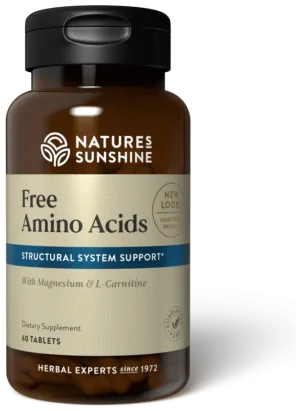
Nature's Sunshine Free Amino Acids Review
Nature's Sunshine Free Amino Acids is listed on this page as a tablet supplement from the brand Nature's Sunshine. The page states that it has not yet been scored with a complete product TrustScore, and that SuppCo has insufficient data to evaluate it at this time. A Request score link is provided for users who want the product evaluated. The product is presented with a listed price of $49.95 and a price per serving of $1.67, with 30 servings per container. The serving size is 2 tablets. The page's suggested use reads: Take 2 tablets with a meal three times daily. The product page lists key active ingredients including Glycine, L-Alanine, L-Arginine, and L-Aspartic Acid. The nutrients section shows Glycine at 16mg, L-Alanine at 44mg, L-Arginine at 22mg, L-Aspartic Acid at 88mg, L-Carnitine at 100mg, and L-Cysteine at 21mg, with a link to see all 20 listed nutrients. The page describes the product as backed by ISO 17025-accredited third-party testing and NSF-certified manufacturing, while noting that product-specific testing is not currently verified by SuppCo. The inactive ingredients section lists vegetable magnesium stearate, hydrolyzed protein, silicon dioxide, cellulose, stearic acid, and silica, each with a function and a Safe rating on the page. Those functions include lubricant, emulsifier, humectant, emollient, anti-caking agent, anti-foaming agent, filler, and binder. The page also carries a standard disclaimer stating that the statements have not been evaluated by the Food and Drug Administration and that the product is not intended to diagnose, treat, cure, or prevent any disease. No customer reviews or star ratings are shown on this page, and the product is listed as Unrated. Shoppers who want more detail on this product should review the full ingredient list and the disclaimer carefully before deciding. The page indicates that related products are loading in a separate section, but no related product details are included in the scraped text.
We don’t sell supplements. We help you make decisions and get the best price.
Lowest prices
We may earn a commission from some store links. How we choose.
Finding the lowest prices at the stores now. This takes a few seconds.
Study, Trial or Testing Result Summary
Members Only230 human studies · 111 improved
12 of these 230 human studies gave the ingredient by drip or injection, not by mouth.
Magnesium is the one ingredient here at or above a studied dose, and its evidence for muscle is weak. A pooled analysis of 14 trials found it did not meaningfully improve strength or power, though people low in magnesium might benefit [1]. In overweight women, 250 mg daily added no strength or lean mass [2]. Some smaller trials in low-magnesium groups or new strength trainers were positive [3][4]. L-carnitine, at 300 mg a day across three servings, is the ingredient with the best support. Even so, that is well below the 1 to 4 grams used in trials where older or ill people gained muscle [5][6]. In healthy older women, 1500 mg daily changed nothing [7]. Leucine, valine, isoleucine, lysine, arginine, cysteine and glycine are all far below the doses studied. Leucine helped mainly when paired with protein, not alone [8]. Glutamine alone did not add lean mass in athletes [9]. A blend of amino acids with carbohydrate added nothing to strength training in older men [10]. Most of the other amino acids have little or no human evidence for building muscle. Animal and cell studies are never counted.
See all 230 studies →Hide the studies
- Across 49 trials of 1863 healthy adults doing resistance training for at least 6 weeks, protein supplements modestly increased strength, lean mass and muscle size compared with control; this was about protein generally, not leucine alone.A systematic review, meta-analysis and meta-regression of the effect of protein supplementation on resistance training-i…
- In 23 trials of 1525 people with cirrhosis, branched-chain amino acids alone did not increase muscle mass, but combined with exercise and protein they gave the largest gain in muscle mass.Exercise and nutrition interventions for sarcopenia in cirrhosis: a systematic review and network meta-analysis of rando…
- In 12 studies of 1225 people with cirrhosis, branched-chain amino acids improved muscle index and mid-arm muscle size from baseline but not handgrip strength, and study quality was limited.Effects of Branched-Chain Amino Acids on Parameters Evaluating Sarcopenia in Liver Cirrhosis: Systematic Review and Meta…
- Across ten randomized trials and one prospective study of 1133 older adults with sarcopenia, leucine improved handgrip, limb muscle mass and walking speed compared with placebo, though the authors rated the evidence as low quality.Effects of Leucine Supplementation in Older Adults with Sarcopenia: A Meta-Analysis.
- Across six randomized trials of 699 older adults with sarcopenia, leucine-rich protein supplements improved muscle strength, mass and performance compared with control groups.Effects of leucine-rich protein supplements in older adults with sarcopenia: A systematic review and meta-analysis of ra…
- In three trials of 637 patients with sarcopenia, a whey protein, leucine and vitamin D combination increased limb muscle mass, but strength and function improved only when combined with an exercise program.Effects of Whey Protein, Leucine, and Vitamin D Supplementation in Patients with Sarcopenia: A Systematic Review and Met…
- Pooling 14 trials of 542 athletes, healthy adults, elderly people and alcoholics, magnesium did not significantly improve muscle strength, torque or power, though it may help people who are low in magnesium such as the elderly.The effect of magnesium supplementation on muscle fitness: a meta-analysis and systematic review.
- In 258 patients with short bowel syndrome across 13 trials, glutamine combined with growth hormone and a modified diet increased lean body mass by about 2 kg and body weight by about 2.4 kg, but fat mass did not change.Clinical evidence of growth hormone, glutamine and a modified diet for short bowel syndrome: meta-analysis of clinical t…
- Across 25 trials in adult athletes, glutamine had no effect on lean body mass, body fat percentage or aerobic performance, though it was linked to a small drop in body weight.The effect of glutamine supplementation on athletic performance, body composition, and immune function: A systematic rev…
- Across seven randomized trials, L-carnitine reduced muscle soreness and short-term muscle damage markers (24 hours) after exercise compared with placebo, with benefits mainly in resistance training and untrained people.The Effect of L-Carnitine Supplementation on Exercise-Induced Muscle Damage: A Systematic Review and Meta-Analysis of Ra…
- In a review of trials in people with end-stage kidney disease, L-carnitine increased muscle quantity in dialysis patients, though most trials were low quality.The Effect of Non-Pharmacological and Pharmacological Interventions on Measures Associated with Sarcopenia in End-Stage …
- In 8 trials, branched-chain amino acids lowered a blood marker of muscle damage after hard exercise compared with placebo, but did not significantly change muscle soreness.Branched-chain amino acid supplementation and exercise-induced muscle damage in exercise recovery: A meta-analysis of ra…
- In 20 randomized trials in people with cirrhosis, branched-chain amino acids modestly increased muscle mass but had no effect on fat mass.Efficacy of branched chain amino acids supplementation in liver cirrhosis: A systematic review and meta-analysis.
- Across 30 trials in 1976 critically ill adults (12 on glutamine), only six trials measured muscle and none showed a clear benefit from glutamine, so the effect on muscle wasting remains uncertain.A systematic review to assess the impact of amino acids or their derivatives on skeletal muscle wasting in critically il…
- In 12 trials of 1337 older adults, branched-chain amino acids with vitamin D improved muscle mass and function in most trials, while the amino acids alone did not improve muscle health.The Role of Nutrition in the Treatment of Sarcopenia in Old Patients: From Restoration of Mitochondrial Activity to Impr…
- A review of mostly cross-sectional and observational studies in older adults found moderate-quality evidence that magnesium (7 studies) was linked to better muscle mass, strength, physical performance and less sarcopenia.Minerals and Sarcopenia in Older Adults: An Updated Systematic Review.
- In five trials of adults with short bowel syndrome, growth hormone with or without glutamine increased lean body mass by about 1.9 kg and weight by about 1.7 kg, but the benefits were short-lived and the evidence was judged inconclusive.Human growth hormone and glutamine for patients with short bowel syndrome.
- In six studies of adults doing strength exercise, glutamine alone did not change muscle strength between groups apart from less perceived weakness, while glutamine combined with other nutrients showed favorable results, but data were insufficient.[GLUTAMINE AS AN AID IN THE RECOVERY OF MUSCLE STRENGTH: SYSTEMATIC REVIEW OF LITERATURE].
- In cancer patients, a mix of HMB, arginine and glutamine raised lean body mass after 4 weeks in one study but not after 8 weeks in a larger study, so the evidence was not solid.A systematic review on the role of vitamins, minerals, proteins, and other supplements for the treatment of cachexia in …
- In a review of nine trials of hip and knee replacement patients, one paper reported that a mix of HMB, arginine and glutamine reduced muscle strength loss after knee replacement, though evidence overall was limited.What Is the Role of Nutritional Supplements in Support of Total Hip Replacement and Total Knee Replacement Surgeries? A …
- In 11 studies of healthy people taking 1 to 4 g daily for 12 to 24 weeks, L-carnitine raised muscle carnitine and increased muscle mass in centenarians but did not change muscle strength in older women, and it raised a blood compound linked to artery disease.The bright and the dark sides of L-carnitine supplementation: a systematic review.
- A systematic review of studies in adults aged 50 and over with sarcopenia found that essential amino acid supplements containing about 2.5 g of leucine showed some improvement in muscle mass and function, though nutrition study results overall were inconsistent and few in number.Prevalence of and interventions for sarcopenia in ageing adults: a systematic review. Report of the International Sarcop…
- A review of 23 studies found leucine or leucine-enriched protein (1.2 to 6 grams of leucine daily) was well tolerated and improved lean muscle mass in older people with sarcopenia, while strength results were mixed.Beneficial Effects of Leucine Supplementation on Criteria for Sarcopenia: A Systematic Review.
- A review of 15 systematic reviews in people aged 65 and older found leucine had a significant effect on muscle mass in elderly people with sarcopenia, though evidence quality was low to moderate.Nutritional interventions to improve muscle mass, muscle strength, and physical performance in older people: an umbrella…
- In a review of nine trials in healthy adults aged 50 and older, beef nutrients had an overall positive effect on wellbeing, but leucine specifically showed no effect.The potential role of beef and nutrients found in beef on outcomes of wellbeing in healthy adults 50 years of age and ol…
- A review of intervention studies in older adults with sarcopenia found leucine alone without exercise did not improve sarcopenia markers, but leucine paired with protein supplements was effective.Effect of supplementation with leucine alone, with other nutrients or with physical exercise in older people with sarcop…
- A review of trials in people with motor neuron disease found no benefit of branched-chain amino acids on survival, muscle strength or disability.Amino acids for amyotrophic lateral sclerosis / motor neuron disease.
- A review of 11 studies found branched-chain amino acids can reduce exercise-induced muscle damage when damage is low-to-moderate, with high daily intake over more than 10 days, and especially when taken before exercise, though results varied widely.Is Branched-Chain Amino Acids Supplementation an Efficient Nutritional Strategy to Alleviate Skeletal Muscle Damage? A S…
- A review of 19 articles found 2-10 g per day of branched-chain amino acids taken around high-intensity resistance exercise improved muscle recovery, perceived damage and maximum strength, mainly in young men.Intake of branched chain amino acids favors post-exercise muscle recovery and may improve muscle function: optimal dosag…
- This withdrawn review of trials in people with motor neuron disease found no benefit of branched-chain amino acids on survival, muscle strength or physical function.WITHDRAWN: Amino acids for amyotrophic lateral sclerosis / motor neuron disease.
- In a review of 27 diet and exercise studies in people with cirrhosis, benefits for body composition were also seen with branched-chain amino acid supplements, though the largest gains came from combined diet and exercise.The Effect of Diet and Exercise Interventions on Body Composition in Liver Cirrhosis: A Systematic Review.
- A review of eight studies, mostly in animals and only one with human data, found N-acetyl cysteine improved muscle force and reduced oxidative stress and inflammation in animals, but human evidence was limited to short-term fatigue recovery.N-acetyl cysteine and skeletal muscle health across aging and disease models: A systematic review of preclinical and pre…
- In 472 advanced cancer patients given a mix of HMB, glutamine and arginine or a control mix for 8 weeks, lean body mass did not differ significantly, though there was a trend toward higher lean mass and only 37% finished the treatment.A randomized, double-blind, placebo-controlled trial of a beta-hydroxyl beta-methyl butyrate, glutamine, and arginine mi…
- In 380 older adults with sarcopenia, a vitamin D and leucine-enriched whey protein supplement taken twice daily for 13 weeks did not improve handgrip strength more than control, but increased muscle mass by 0.17 kg more and improved the chair-stand test.Effects of a vitamin D and leucine-enriched whey protein nutritional supplement on measures of sarcopenia in older adult…
- In 332 cancer cachexia patients over 4 months, L-carnitine alone at 4 g daily did not clearly raise lean body mass (only the combination of all treatments did), though it improved Glasgow Prognostic Score and performance status.Randomized phase III clinical trial of five different arms of treatment in 332 patients with cancer cachexia.
- In 332 cancer cachexia patients over 4 months, L-carnitine alone at 4 g daily did not clearly raise lean body mass (only the combination did), though it improved prognostic score and performance status.Randomised phase III clinical trial of 5 different arms of treatment on 332 patients with cancer cachexia.
- In 200 pre-frail and frail older adults doing resistance training for 16 weeks, leucine supplementation did not improve muscle mass or function compared with placebo.Supplement-based nutritional strategies to tackle frailty: A multifactorial, double-blind, randomized placebo-controlled…
- In 150 people with cirrhosis, 30 grams a day of branched-chain amino acids for 12 months did not improve grip strength or muscle mass compared with whey protein.Branched-chain amino acid supplementation does not improve measures of sarcopenia in cirrhosis: results of a randomised …
- In 140 older hospitalized adults with sarcopenia, a leucine and vitamin D enriched whey protein formula twice daily for 4 to 8 weeks during rehabilitation improved gait speed, muscle mass, and physical performance more than a control formula.Improving rehabilitation in sarcopenia: a randomized-controlled trial utilizing a muscle-targeted food for special medic…
- In 132 overweight or obese adults on a calorie-cut diet, branched-chain amino acids at 0.1 g per kg body weight daily for 16 weeks (plus 8 weeks of maintenance) did not significantly preserve lean mass compared with control.Branched-Chain Amino Acid Supplementation Does Not Preserve Lean Mass or Affect Metabolic Profile in Adults with Overwei…
- In 130 sarcopenic elderly people, 12 weeks of whey protein, essential amino acids including 4 grams of leucine, and vitamin D alongside exercise increased fat-free mass and grip strength and lowered an inflammation marker compared with placebo plus exercise.Whey protein, amino acids, and vitamin D supplementation with physical activity increases fat-free mass and strength, fu…
- In an interim analysis of 125 cancer cachexia patients over 4 months, L-carnitine improved at least one main outcome and did better than the omega-3 supplement arm on lean body mass, energy expenditure and fatigue.Randomized phase III clinical trial of five different arms of treatment for patients with cancer cachexia: interim resul…
- In 104 women with advanced gynecological cancer, 4 months of l-carnitine combined with megestrol acetate, a med and antioxidants improved lean body mass, fatigue and quality of life more than megestrol acetate alone, and lowered inflammation markers.A randomized phase III clinical trial of a combined treatment for cachexia in patients with gynecological cancers: evalu…
- In 99 non-frail older adults doing resistance training for 135 days, 20 g a day of cysteine-rich whey protein raised muscle strength about 10% more than casein, with no change in lean body mass in either group.Effect of cysteine-rich whey protein (immunocal®) supplementation in combination with resistance training on muscle stre…
- In 98 adults over 50, drinking 1 liter a day of calcium and magnesium-rich mineral water for 12 months raised muscle mass relative to height and lowered falls at 6 months, but did not change physical performance scores.Efficacy of a Naturally Calcium and Magnesium-Rich Mineral Water on Musculoskeletal Fragility: A Randomized, Double-Blin…
- In 96 people with Duchenne muscular dystrophy followed for one year, oral leucine at 0.2 grams per kilogram daily produced no lasting therapeutic benefit compared with placebo, and early differences were attributed to a drop in the placebo group.Clinical investigation in Duchenne muscular dystrophy: IV. Double-blind controlled trial of leucine.
- In 95 people with ALS, six months of branched-chain amino acids (including 8 g isoleucine daily) did not improve muscle strength or function compared with placebo, and lung function declined faster.A controlled trial of amino acid therapy in amyotrophic lateral sclerosis: I. Clinical, functional, and maximum isometri…
- In 84 elderly people with rapid muscle fatigue, 4 g a day of levocarnitine for 30 days increased total muscle mass by 2.1 kg versus 0.2 kg with placebo, reduced fat mass, and reduced fatigue.Levocarnitine administration in elderly subjects with rapid muscle fatigue: effect on body composition, lipid profile an…
- In 84 hemodialysis patients with carnitine deficiency, 1,000 mg L-carnitine injections three times a week for 12 months maintained lean body mass, arm muscle area and grip strength, which all fell in the untreated group.Efficacy of L-carnitine supplementation for improving lean body mass and physical function in patients on hemodialysis: …
- In 83 vitamin D-deficient middle-aged women, 250 mg magnesium daily plus weekly vitamin D for 8 weeks improved handgrip strength and walking-test time and lowered a blood inflammation marker, but did not change body composition or knee strength.Randomized Study of the Effects of Vitamin D and Magnesium Co-Supplementation on Muscle Strength and Function, Body Comp…
- In older adults with sarcopenia, whey and leucine supplementation after resistance training did not differ from training alone at the end of 24 weeks, but after a further 24 weeks without training, muscle mass and grip strength stayed higher in the supplement group.De-Training Effects Following Leucine-Enriched Whey Protein Supplementation and Resistance Training in Older Adults with…
- In 80 men and women aged 21 to 65, 5 weeks of L-carnitine tartrate improved perceived recovery and soreness, lowered creatine kinase, and reduced the drop in strength and power after a hard exercise challenge compared with placebo.L-Carnitine Tartrate Supplementation for 5 Weeks Improves Exercise Recovery in Men and Women: A Randomized, Double-Blind…
- In 80 resistance-trained men, a pre-workout blend containing 300 mg of N-acetyl-tyrosine taken daily for 8 weeks did not change muscle mass or most performance measures versus placebo, though some strength and thinking-test gains appeared at 4 weeks and faded by 8 weeks.Effects of ingesting a pre-workout dietary supplement with and without synephrine for 8 weeks on training adaptations in…
- In 77 older men and women, a year of a combined supplement of HMB, arginine and lysine increased lean tissue by about 1.2 to 1.6% more than the control supplement and raised protein turnover.Year-long changes in protein metabolism in elderly men and women supplemented with a nutrition cocktail of beta-hydroxy-…
- In 77 older adults taking HMB, arginine and lysine for a year, fat-free mass rose regardless of vitamin D level, but strength rose only in those with adequate vitamin D.Vitamin D status affects strength gains in older adults supplemented with a combination of β-hydroxy-β-methylbutyrate, a…
- In 74 middle-aged overweight women, 250 mg magnesium oxide daily for 8 weeks did not produce greater gains in muscle strength, function or lean mass than placebo.Does magnesium supplementation improve body composition and muscle strength in middle-aged overweight women? A double-bl…
- In 70 men doing regular resistance training, 5 g of arginine before workouts for 6 months led to a 0.62% greater muscle mass gain and 1% greater body fat loss than the control group.Oral Arginine Supplementation in Healthy Individuals Performing Regular Resistance Training.
- In 68 people with HIV-related weight loss (43 finished), 14 g of glutamine daily combined with HMB and arginine for 8 weeks led to a gain of about 2.55 kg of lean mass, while the placebo group lost about 0.7 kg.Nutritional treatment for acquired immunodeficiency virus-associated wasting using beta-hydroxy beta-methylbutyrate, glu…
- In 66 centenarians with fatigue, 2 grams of levocarnitine daily beat placebo on fatigue, total muscle mass and memory test scores, while reducing body fat.L-Carnitine treatment reduces severity of physical and mental fatigue and increases cognitive functions in centenarians:…
- In 66 older adults training for 6 weeks, L-arginine did not change body measurements, strength, endurance or physical performance compared with placebo.l-Arginine and Beetroot Extract Supplementation in the Prevention of Sarcopenia.
- In 61 patients having abdominal cancer surgery, 7 g of glutamine daily with HMB and arginine for 3 days before and 7 days after surgery did not change muscle mass, handgrip strength or wound complications compared with placebo.Perioperative Nutritional Support With Beta-hydroxy-beta-methylbutyrate, Arginine, and Glutamine in Surgery for Abdomina…
- In 61 older adults at risk of sarcopenia over 6 weeks, L-arginine raised circulating vitamin D levels compared with placebo, but the abstract does not report a clear improvement in physical fitness tests.Nitric-Oxide-Inducing Factors on Vitamin D Changes in Older People Susceptible to Suffer from Sarcopenia.
- In 60 patients with cancer-related wasting, 4 grams of L-carnitine daily with a med over about 4 months increased lean body mass and walking performance within both groups, but adding megestrol made no significant difference.Read the study on PubMed (22047681) →
- In 60 adults aged about 80 with sarcopenia, a 2-month medical food containing 2.5 grams of leucine, omega-3 fats and a probiotic increased lean limb mass, balance, walking and grip strength compared with placebo.Effectiveness of a Novel Food Composed of Leucine, Omega-3 Fatty Acids and Probiotic Lactobacillus paracasei PS23 for th…
- In 60 people with cirrhosis and muscle loss, 12 g daily of branched-chain amino acids for 6 months on top of exercise did not improve muscle mass or strength compared with placebo.Randomised clinical trial: effect of adding branched chain amino acids to exercise and standard-of-care on muscle mass i…
- In 59 patients with alcoholic liver disease, 6 weeks of magnesium had no effect on muscle strength or mass compared with placebo, as both groups improved.Magnesium supplementation and muscle function in patients with alcoholic liver disease: a randomized, placebo-controlled…
- In 59 older adults averaging about 80 years, a combination supplement containing magnesium improved muscle mass, all muscle function tests and inflammation markers compared with placebo.A Patented Dietary Supplement (Hydroxy-Methyl-Butyrate, Carnosine, Magnesium, Butyrate, Lactoferrin) Is a Promising Ther…
- In 56 male soccer players, 2 grams of L-arginine daily for 45 days increased VO2 max compared with placebo, but did not change body weight or lean body mass.The effect of l-arginine supplementation on body composition and performance in male athletes: a double-blinded randomiz…
- In 55 older adults with chronic kidney disease, 12 weeks of a leucine-enriched amino acid mix including 1.5 g valine daily increased lean muscle mass by 0.4 kg versus a 0.2 kg loss with placebo, but did not change strength.Anti-sarcopenic effect of leucine-enriched branched-chain amino acid supplementation among elderly chronic kidney diseas…
- In 54 COPD patients over 4 weeks of pulmonary rehabilitation, branched-chain amino acids did not add benefit to rehabilitation alone for muscle function or exercise capacity.Does branched-chain amino acid supplementation improve pulmonary rehabilitation effect in COPD?
- In 54 frail people with cirrhosis, 16 weeks of branched-chain amino acids (isoleucine dose not stated) compared with control increased skeletal muscle index and improved frailty scores.Branched-chain amino acids supplementation improves liver frailty index in frail compensated cirrhotic patients: a rando…
- In an open-label trial of 53 people with cirrhosis and muscle wasting awaiting liver transplant, L-carnitine given to those with sarcopenia was linked over 6 months after transplant to greater muscle mass gains and lower death rates (16.7% vs 55.6%) than no supplement; the dose was not stated.Impact of L-carnitine supplementation on post-transplant outcomes in liver transplant candidates with sarcopenia: A rand…
- In 51 people with Parkinson's disease, magnesium was used as the comparison to whey protein for 4 weeks, and the two groups did not differ in changes in walking and movement tests.Can we add whey protein supplementation in patients with Parkinson's disease without interfering with levodopa response?
- In 50 boys with Duchenne muscular dystrophy, glutamine (0.6 g per kg daily) or creatine for 6 months did not significantly change muscle strength compared with placebo, though a small benefit could not be ruled out.CINRG randomized controlled trial of creatine and glutamine in Duchenne muscular dystrophy.
- In 50 older women, 12 weeks of daily HMB, arginine and 1.5 g lysine improved a get-up-and-go test by 17% and increased leg and handgrip strength and protein synthesis compared with placebo.Effect of beta-hydroxy-beta-methylbutyrate, arginine, and lysine supplementation on strength, functionality, body compos…
- In 50 burn patients, a tube feeding formula that included arginine reduced wound infections and stay length, but its effect on muscle mass was not statistically significant, and the arginine dose was not reported separately.Differential effects of three enteral dietary regimens on selected outcome variables in burn patients.
- In 49 chronic heavy-drinking adults, 6 weeks of oral magnesium raised muscle strength significantly while placebo produced no change.Oral magnesium supplementation improves metabolic variables and muscle strength in alcoholics.
- In 49 older adults with minor trauma, a supplement of HMB with 14 g glutamine and 14 g arginine daily for 2 weeks did not change thigh muscle size or grip strength compared with a glutamine-containing control.Urinary Titin N-Fragment Evaluation in a Randomized Controlled Trial of Beta-Hydroxy-Beta-Methylbutyrate for Acute Mild …
- In 48 trained young men over 6 weeks, adding L-arginine to high intensity interval training did not change body mass index, body fat or lean body mass, although it was linked to lower interleukin-6 levels.High intensity interval training and L-Arginine supplementation decrease interleukin-6 levels in adult trained males.
- In 47 adults with inflammatory muscle disease over 12 weeks, branched-chain amino acids did not improve muscle strength scores compared with placebo but did produce a greater improvement in shoulder movement function.Branched chain amino acids in the treatment of polymyositis and dermatomyositis: a phase II/III, multi-centre, randomize…
- In 46 adults with moderate-to-severe lung disease (COPD), 8 weeks of a daily 250 ml whey drink fortified with magnesium and vitamin C increased muscle mass index, body protein and handgrip strength compared with the control group, and lowered an inflammation marker.Fortified whey beverage for improving muscle mass in chronic obstructive pulmonary disease: a single-blind, randomized c…
- In 46 stroke patients doing two months of exercise, taking the leucine-enriched amino acid supplement with breakfast improved leg strength and balance and reduced body fat, with timing relative to exercise making no difference.The Effects of Timing of a Leucine-Enriched Amino Acid Supplement on Body Composition and Physical Function in Stroke Pa…
- In 46 adults with long COVID, 1.66 grams of arginine plus vitamin C twice daily for 28 days improved six-minute walk distance and handgrip strength more than placebo.Effects of l-Arginine Plus Vitamin C Supplementation on Physical Performance, Endothelial Function, and Persistent Fatig…
- In 46 healthy trained men, a single dose of 0.15 g per kg of L-arginine with citrulline malate did not improve aerobic, anaerobic or CrossFit performance compared with placebo, except for a faster time to peak power in one sprint test.Acute effects of combined supplementation of L-arginine and citrulline malate on aerobic, anaerobic, and CrossFit exerci…
- In 45 older men, a single 6 gram drink of branched-chain amino acids raised muscle protein building for the first two hours after drinking, but the increase did not last to five hours, unlike milk protein.Branched-chain amino acid and branched-chain ketoacid ingestion increases muscle protein synthesis rates in vivo in olde…
- In 44 children and teens with cystic fibrosis, 300 mg of magnesium daily for 8 weeks improved breathing muscle strength much more than placebo in a crossover trial.Oral magnesium supplementation in children with cystic fibrosis improves clinical and functional variables: a double-bli…
- In 44 patients having surgery for head and neck cancer, enteral glutamine given within 4 weeks after surgery improved fat-free mass, serum albumin and quality of life compared with controls.Enteral glutamine supplementation in surgical patients with head and neck malignancy: A randomized controlled trial.
- Women aged 60 to 80 taking oral glutamine for 30 days had stronger knee muscles and lower markers of oxidative stress than before, with the largest gains in those who also exercised.L-Glutamine Supplementation Enhances Strength and Power of Knee Muscles and Improves Glycemia Control and Plasma Redox B…
- In 44 older adults having cardiac surgery, at least 2 weeks of a supplement with 7 g glutamine, HMB and arginine improved walking distance, strength and physical performance versus no supplement, but did not change muscle mass.Effects of preoperative beta-hydroxy-beta-methylbutyrate, arginine, and glutamine supplementation on cardiac surgery: A …
- In critically ill adults immobilized in intensive care for 4 weeks, the amount of glutamine and other individual amino acids in their feeding was not linked to how much muscle they lost.Is the amino acid pattern in medical nutrition therapy crucial for successfully attenuating muscle mass loss in adult IC…
- In 40 people with rheumatoid arthritis over 12 weeks, a mixture of HMB, glutamine and arginine did not reverse muscle wasting better than a placebo amino acid mix, though it caused fewer stomach complaints.Dietary treatment of rheumatoid cachexia with beta-hydroxy-beta-methylbutyrate, glutamine and arginine: a randomised con…
- In 40 young men fed controlled diets for 8 weeks, a high lysine intake (80 mg per kg daily) raised muscle strength by about 7.5% but had no effect on other measures.The effect of a controlled 8-week metabolic ward based lysine supplementation on muscle function, insulin sensitivity an…
- In 40 critically ill patients, 10 days of 40 g daily branched-chain amino acids prevented thigh muscle thickness loss (0% vs 13% loss in controls) and lowered inflammation (IL-6).High leucine branched-chain amino acids supplementation ameliorates quadriceps femoris muscle thickness reduction and at…
- In 36 resistance-trained men over 10 weeks of training, taking 5 g daily of glutamine with whey and branched-chain amino acids did not increase lean mass; whey plus casein gave the largest gains.The effects of protein and amino acid supplementation on performance and training adaptations during ten weeks of resist…
- In 36 untrained midlife women over 10 weeks of resistance training, 5 grams of daily leucine added no benefit to fat-free mass, strength or hormone levels compared with placebo.Efficacy of L-leucine Supplementation Coupled With Resistance Training in Untrained Midlife Women.
- In 36 older adults with type 2 diabetes, 24 weeks of branched-chain amino acids (8 g daily, isoleucine dose not stated) did not change muscle mass compared with soy protein, while leg strength rose in the soy group and showed a trend upward in the amino acid group.Effects of Branched-Chain Amino Acids on Skeletal Muscle, Glycemic Control, and Neuropsychological Performance in Elderl…
- In 35 patients after surgery, five days of infusion with branched-chain amino acids (isoleucine dose not stated) prevented the muscle breakdown seen with glucose-only infusion, leaving patients in nitrogen balance and limiting weight loss.Infusion of the branched chain amino acids in postoperative patients. Anticatabolic properties.
- In 35 trained men taking 12 grams daily of arginine alpha-ketoglutarate with resistance training for eight weeks, bench press one-rep max and peak anaerobic power improved, but body composition did not change.Pharmacokinetics, safety, and effects on exercise performance of L-arginine alpha-ketoglutarate in trained adult men.
- In 34 trained young adults doing resistance training for 8 weeks, hemp increased arm muscle thickness in women while soy increased it in men, so effects differed by sex.Effects of hemp supplementation during resistance training in trained young adults.
- In 32 people with cirrhosis and muscle loss, 12 weeks of branched-chain amino acids plus standard care increased muscle mass, with 83.3 percent of the amino acid group improving versus 46.7 percent on placebo.Adding Branched-Chain Amino Acids to an Enhanced Standard-of-Care Treatment Improves Muscle Mass of Cirrhotic Patients W…
- In a placebo-controlled trial of 31 young adults over 6 weeks of resistance training, glutamine at 0.9 g per kg lean mass per day did not improve strength, lean mass or muscle protein breakdown compared with placebo.Effect of glutamine supplementation combined with resistance training in young adults.
- People with chronic heart failure taking 8 grams per day of alanyl-glutamine with fish oil for 3 months gained lean body mass and reported better quality of life, but their muscle strength and exercise performance did not improve more than placebo.Supplementation of l-Alanyl-l-Glutamine and Fish Oil Improves Body Composition and Quality of Life in Patients With Chro…
- In 31 healthy adults aged 65-89 taking 14 g glutamine daily as part of an HMB/arginine/glutamine mix for six months, total lean body mass increased more than with placebo (p < 0.05).Oral Supplementation with Beta-Hydroxy-Beta-Methylbutyrate, Arginine, and Glutamine Improves Lean Body Mass in Healthy O…
- In 30 critically ill trauma patients, 17 days of intravenous alanyl-glutamine with growth hormone improved nitrogen balance, saving lean body mass, but worsened insulin sensitivity.Frequent intravenous pulses of growth hormone together with glutamine supplementation in prolonged critical illness afte…
- In 30 boys with Duchenne muscular dystrophy, 4 months of oral glutamine (0.5 g/kg daily) did not improve walking speed or muscle function over placebo, and fat-free mass rose less than with placebo.Lack of functional benefit with glutamine versus placebo in Duchenne muscular dystrophy: a randomized crossover trial.
- In 30 patients after gastric bypass, 8 weeks of an oral HMB, glutamine and arginine supplement did not preserve lean body mass better than no supplement.Nutritional effect of oral supplement enriched in beta-hydroxy-beta-methylbutyrate, glutamine and arginine on resting me…
- In 30 children with autism taking liquid L-carnitine for three months in a placebo-controlled trial, autism symptoms and cognitive scores improved, and hand muscle strength was linked to blood carnitine levels.A prospective double-blind, randomized clinical trial of levocarnitine to treat autism spectrum disorders.
- In 30 resistance-trained men, branched-chain amino acids with carbohydrate (1 g isoleucine daily) over three days of hard training did not reduce strength loss or soreness compared with carbohydrate alone.Post-exercise branched chain amino acid supplementation does not affect recovery markers following three consecutive hig…
- In 30 postmenopausal women doing 8 weeks of resistance training, 9 grams a day of branched-chain amino acids did not add to gains in muscle mass or strength compared with training plus placebo.Effects of branched-chain amino acid supplementation and resistance training in postmenopausal women.
- In 30 healthy adults, 4 weeks of saponin extract taken with whey protein and resistance training raised isoleucine absorption by 6.33% and grip strength by 5.2% versus 2.44% with placebo, but isoleucine itself was not the tested ingredient.Effects of Astragalus membranaceus and Panax notoginseng Saponins Extract on the Pharmacokinetics of Whey Protein Absorp…
- In 30 young male athletes, a single dose of an amino acid blend with 3 grams of L-arginine did not change biceps blood flow, muscle size or muscle pump compared with placebo.New perspectives for investigating muscular perfusion response after dietary supplement intake: an exploratory, randomiz…
- In 29 track and field athletes over 8 weeks, a creatine plus 4 g per day glutamine group gained more body mass and lean mass than placebo, but the glutamine effect cannot be separated from creatine.The effects of 8 weeks of creatine monohydrate and glutamine supplementation on body composition and performance measure…
- In 28 resistance-trained men over 8 weeks, a supplement of creatine, ribose and glutamine did not add to strength, endurance or body composition gains compared with placebo during resistance training.Effects of effervescent creatine, ribose, and glutamine supplementation on muscular strength, muscular endurance, and bo…
- In 27 malnourished dialysis patients over about four months per period, branched-chain amino acids (isoleucine dose not stated) did not raise lean body mass and lowered fat-free mass index compared with glycine.Glycine increases fat-free mass in malnourished haemodialysis patients: a randomized double-blind crossover trial.
- In 26 resistance-trained young men over 12 weeks, adding 1.5 grams of leucine twice daily to whey protein produced muscle and strength gains no different from adding HMB, and HMB was no more effective than leucine.Equivalent Hypertrophy and Strength Gains in β-Hydroxy-β-Methylbutyrate- or Leucine-supplemented Men.
- In 25 resistance-trained people, a pre-workout drink containing 1.3 grams of arginine nitrate improved some strength measures over seven days compared with placebo but did not change cycling time-trial performance.Short-Term Effects of a Ready-to-Drink Pre-Workout Beverage on Exercise Performance and Recovery.
- In 24 young women on 60 days of bed rest, a protein plus branched-chain amino acid supplement (7.2 g per day) prevented loss of heart muscle mass seen in the sedentary group, but heart chamber volume still shrank, and exercise worked better.Cardiac atrophy in women following bed rest.
- In 24 untrained young men, taking branched-chain amino acids after resistance training reduced muscle soreness at 48 hours and lowered blood markers of inflammation at 24 hours compared with placebo, while taking them before training did not match this effect.Effect of Timing of Branched-Chain Amino Acid Supplementation on Muscle Recovery after Resistance Training in Healthy Ma…
- In 24 dialysis patients, 12 weeks of a supplement containing branched-chain amino acids (isoleucine amount not stated) at 10 g daily increased thigh muscle thickness and fat-free mass percentage compared with placebo, and lowered inflammation and oxidative stress markers.The Combined Use of Hydroxymethylbutyrate and Branched-Chain Amino Acids to Counteract Uremic Sarcopenia.
- In 24 older adults given glycine plus N-acetylcysteine or placebo for 16 weeks, the supplement corrected glutathione deficiency, oxidative stress, inflammation and mitochondrial problems and improved physical function and muscle strength compared with placebo.Supplementing Glycine and N-Acetylcysteine (GlyNAC) in Older Adults Improves Glutathione Deficiency, Oxidative Stress, M…
- In 23 patients having knee replacement, taking the glutamine, arginine and beta-hydroxy-beta-methylbutyrate blend from 5 days before surgery to 28 days after kept quadriceps strength from falling as it did in the control group at 14 days after surgery.Effects of supplementation with a combination of β-hydroxy-β-methyl butyrate, L-arginine, and L-glutamine on postoperati…
- In 23 liver transplant patients over 30 days, an HMB formula containing 14 g per day of glutamine plus arginine improved grip strength and muscle mass compared with control, but glutamine was not tested alone.Effect of administration of β-hydroxy-β-methyl butyrate-enriched formula after liver transplantation: A pilot randomized…
- In 23 postmenopausal women taking 14.2 grams of L-arginine a day for six months, jump force per kilogram rose more than in the dextrose control group, while grip strength, jump power and muscle area did not change significantly.The effect of L-arginine administration on muscle force and power in postmenopausal women.
- In 22 resistance-trained men doing 12 weeks of lifting, 6 g daily of D-aspartic acid did not change testosterone or improve muscle growth or strength compared with placebo, and both groups gained similar muscle size.The effects of d-aspartic acid supplementation in resistance-trained men over a three month training period: A randomise…
- In 22 people with motor neuron disease, one year of a branched-chain amino acid mix including 6.4 g valine daily helped maintain limb muscle strength and walking ability compared with placebo.Pilot trial of branched-chain aminoacids in amyotrophic lateral sclerosis.
- In a 20-person pilot of patients with liver cancer taking lenvatinib, a beverage containing HMB, arginine and glutamine plus walking training did not significantly change muscle mass compared with the control group (96.5% vs 89.9% retained, p = 0.407).An open-label, randomized, controlled trial on the benefit of β-hydroxy-β-methyl butyrate, l-arginine, l-glutamine combi…
- In a 3-month randomized trial of 20 hemodialysis patients, L-carnitine increased muscle mass, reduced fat mass and sped up walking and chair-standing times, outperforming cycle exercise; the dose was not stated.l-carnitine supplementation vs cycle ergometer exercise for physical activity and muscle status in hemodialysis patients…
- In 20 resistance-trained adults, adding leucine to carbohydrate drinks before and after leg squats did not reduce muscle damage markers or soreness over 72 hours and did not change squat performance compared with placebo.The effects of adding leucine to pre and postexercise carbohydrate beverages on acute muscle recovery from resistance tr…
- In 20 healthy men, a single dose of tyrosine (150 mg per kg body weight) taken before a loaded treadmill march did not improve endurance, handgrip strength, or stair-stepping power compared with placebo.Ingestion of tyrosine: effects on endurance, muscle strength, and anaerobic performance.
- In 18 people with rheumatic disease taking prednisolone, 12 weeks of branched-chain amino acids slowed the loss of plasma amino acids and reduced a muscle breakdown marker, and higher plasma isoleucine was linked to less thigh muscle atrophy.Amino Acid Profile in 18 Patients with Rheumatic Diseases Treated with Glucocorticoids and BCAAs.
- In 18 preterm infants, mixed amino acids given from birth on the first day of life improved nitrogen retention and prevented protein loss compared with glucose alone, but isoleucine was not tested on its own.Immediate commencement of amino acid supplementation in preterm infants: effect on serum amino acid concentrations and p…
- In 17 older men doing 12 weeks of resistance training, a daily amino acid and carbohydrate mix containing lysine did not improve muscle strength or size beyond training alone.Oral amino-acid provision does not affect muscle strength or size gains in older men.
- In 17 strength-trained athletes during 3 weeks of heavy resistance training, arginine and ornithine supplements raised growth hormone and IGF-1 levels after exercise compared with placebo.Arginine and ornithine supplementation increases growth hormone and insulin-like growth factor-1 serum levels after heav…
- In 17 professional water polo players taking 5 grams of L-arginine per day for 4 weeks, muscle strength and 200 meter speed did not change, but the lactate-to-speed ratio fell, suggesting better oxidative metabolism.Effects of Chronic Supplementation of L-Arginine on Physical Fitness in Water Polo Players.
- In 16 healthy adults over 72 hours after hard leg exercise, L-glutamine at 0.3 g per kg per day speeded recovery of knee muscle strength and reduced soreness compared with placebo.The Influence of Oral L-Glutamine Supplementation on Muscle Strength Recovery and Soreness Following Unilateral Knee Ext…
- In 16 older adults with chronic obstructive pulmonary disease, 2 grams of L-carnitine daily for 6 weeks alongside exercise training gave bigger gains in inspiratory muscle strength and walking distance than placebo.L-carnitine as an ergogenic aid for patients with chronic obstructive pulmonary disease submitted to whole-body and resp…
- In 16 resistance-trained athletes, a single dose of branched-chain amino acids (0.087 grams per kilogram of body weight) before a hard leg workout led to faster recovery of leg strength, jump height and soreness at 24 to 48 hours compared with placebo.The effects of acute branched-chain amino acid supplementation on recovery from a single bout of hypertrophy exercise in…
- In 16 healthy older men, a single dose of protein given during sleep raised overnight muscle protein building rates (0.045 vs 0.029 percent per hour) compared with placebo; phenylalanine was mainly used as a tracer.Intragastric protein administration stimulates overnight muscle protein synthesis in elderly men.
- In 15 men, a single 6 gram dose of L-arginine increased blood volume in the biceps during recovery from resistance exercise compared with placebo, but it did not improve strength.Acute l-arginine supplementation increases muscle blood volume but not strength performance.
- In 14 older adults with impaired physical function, 32 days of a supplement giving 207.5 mg niacin equivalents a day (tryptophan, nicotinic acid and nicotinamide) did not improve muscle mitochondrial function or exercise efficiency compared with a control product.NAD+-Precursor Supplementation With L-Tryptophan, Nicotinic Acid, and Nicotinamide Does Not Affect Mitochondrial Functio…
- In 12 adolescents with type 1 diabetes, 3 months of glutamine (0.5 g/kg daily) plus exercise snacks did not produce a significant change in lean mass beyond the exercise effect, which reduced body fat in both groups.Can Short Bouts of Exercise ("Exercise Snacks") Improve Body Composition in Adolescents with Type 1 Diabetes? A Feasibil…
- In 12 people with mitochondrial myopathy taking 3 grams of L-carnitine daily for about two months in a crossover placebo trial, exercise time to exhaustion and oxygen use during exercise improved.Effect of L-carnitine on exercise performance in patients with mitochondrial myopathy.
- In 12 healthy young adults, a branched chain amino acid drink containing valine after a single resistance workout produced greater whole-body protein retention than a collagen drink, though it did not reduce markers of muscle breakdown.Dileucine-supplemented essential amino acids support whole-body anabolism after resistance exercise and serum-stimulated…
- In 12 trained young men, a single arginine alpha-ketoglutarate dose before resistance exercise reduced total chin-ups and reverse chin-ups compared with placebo, so it did not improve muscle endurance.Acute arginine supplementation fails to improve muscle endurance or affect blood pressure responses to resistance traini…
- In 8 short bowel patients, 4 weeks of high-dose growth hormone plus glutamine (28 g oral glutamine daily) did not change body weight, lean mass or fat mass compared with placebo.Effect of high-dose growth hormone and glutamine on body composition, urine creatinine excretion, fatty acid absorption,…
- In 8 resistance-trained men during a 4-week period of intense training, a high branched-chain amino acid supplement was linked to higher testosterone and lower cortisol and muscle damage markers than placebo.Amino acid supplements and recovery from high-intensity resistance training.
- In 7 men doing one session of leg resistance exercise, drinking branched-chain amino acids increased a muscle growth signal (p70S6k phosphorylation) 3.5-fold during recovery versus placebo.Branched-chain amino acids increase p70S6k phosphorylation in human skeletal muscle after resistance exercise.
- In 7 resistance-trained men, a single 10.2 gram dose of a glycine, arginine and ketoacid supplement before leg-press sets increased total work performed compared with placebo, with no change in one-rep maximum.Effects of supplemental GAKIC ingestion on resistance training performance in trained men.
- In 7 children on peritoneal dialysis, 3 months of amino acid dialysis did not significantly increase lean body mass compared with glucose dialysis, though appetite improved in most children.Effects of 3-month amino acid dialysis compared to dextrose dialysis in children on continuous ambulatory peritoneal dia…
- In people having hip replacement surgery, a pain-relief cocktail that included magnesium sulfate and sodium bicarbonate reduced pain and morphine use and improved early walking, while the abstract does not report muscle strength results.Effects of a Modified Long-Acting Cocktail on Analgesia and Enhanced Recovery After Total Hip Arthroplasty: A Double-Bli…
- In a 24-week placebo-controlled pilot in women aged 65 to 70, 1500 mg daily of carnitine tartrate raised blood carnitine levels but did not change muscle strength, body composition or inflammatory markers compared with placebo.l-Carnitine Supplementation in Older Women. A Pilot Study on Aging Skeletal Muscle Mass and Function.
- In resistance-trained men taking 3 g of D-aspartic acid daily for 28 days alongside training, body composition, strength and sex hormones did not differ from placebo.D-aspartic acid supplementation combined with 28 days of heavy resistance training has no effect on body composition, mu…
- In heart failure patients over 3 months, 10 grams a day of branched-chain amino acids added to a resistance exercise program did not improve body composition or function beyond exercise alone.Changes in body composition in heart failure patients after a resistance exercise program and branched chain amino acid …
- In 155 malnourished older adults, a branched-chain amino acid mixture for 2 months improved muscle mass, strength and performance in both groups, but beat diet advice only for cognition, mitochondrial energy production and oxidative stress.From mitochondria to healthy aging: The role of branched-chain amino acids treatment: MATeR a randomized study.
- In 57 people one month after sleeve gastrectomy, whey protein with branched-chain amino acids and vitamin D lost less lean mass and muscle strength than protein alone (3.8% vs 18.5% strength loss).Adding Branched-Chain Amino Acids and Vitamin D to Whey Protein Is More Effective than Protein Alone in Preserving Fat F…
- In 54 patients with subacute stroke, one month of branched-chain amino acid powder during rehabilitation produced greater gains in muscle mass index than matched controls who did not take it.The Effect of Branched Chain Amino Acid Supplementation on Stroke-Related Sarcopenia.
- In 48 untrained adults doing supervised resistance training three times a week for 12 weeks, 2 grams of leucine from either whey or soy protein increased body weight, lean mass and leg strength, with no difference between the two protein sources.No Significant Differences in Muscle Growth and Strength Development When Consuming Soy and Whey Protein Supplements Mat…
- In frail older adults in care homes, a 40-week program of group exercise plus branched-chain amino acids lowered a blood inflammation marker (TNF-alpha) more than other groups, with only slight changes in strength and other measures.Effect of Training-Detraining Phases of Multicomponent Exercises and BCAA Supplementation on Inflammatory Markers and Al…
- In 28 malnourished elderly dialysis patients, six months of branched-chain amino acids (isoleucine dose not stated) compared with placebo in a crossover design increased anthropometric measures of body size and raised blood albumin.Oral supplementation of branched-chain amino acid improves nutritional status in elderly patients on chronic haemodialys…
- In 26 untrained young adults doing 7 weeks of leg strength training, those taking magnesium gained more thigh strength than those on placebo (211 vs 174 Nm).Effect of magnesium supplementation on strength training in humans.
- In 24 resistance-trained men, 6 g of D-aspartic acid daily for 14 days lowered total and free testosterone, while 3 g had no significant effect.Three and six grams supplementation of d-aspartic acid in resistance trained men.
- In 22 adult men on a 5-week strength program, taking arginine and ornithine increased total strength and lean body mass compared with placebo and lowered a marker of tissue breakdown in urine.Effects of arginine and ornithine on strength, lean body mass and urinary hydroxyproline in adult males.
- In 20 young combat sport athletes, 5 g a day of branched-chain amino acids for 4 weeks raised muscle mass from 23.4 to 25.1 kg and improved a body cell health measure, while the control group did not change.[The efficiency of branched chain aminoacids (BCAA) in the nutrition of combat sport athletes].
- In 20 men in their 20s doing weight training three times a week for 8 weeks, taking arginine before training lowered systolic blood pressure and triglycerides compared with placebo, but the abstract reports no muscle mass or strength results.Effects of arginine intake during weight training on blood variables.
- In 19 critically ill ventilated patients given 3 days of glutamine-supplemented feeding at 0.4 g per kg per day, protein breakdown fell but patients stayed in negative protein balance; only adding growth hormone and IGF-I produced net protein gain.Combined growth hormone/insulin-like growth factor I in addition to glutamine-supplemented TPN results in net protein an…
- In 18 trained cyclists, 10 weeks of a BCAA mix with 4 g valine daily did not change lean mass but improved sprint peak and mean power compared with placebo.Ten weeks of branched-chain amino acid supplementation improves select performance and immunological variables in traine…
- In 16 trekkers at high altitude over 21 days, taking 2.88 grams of isoleucine daily as part of branched-chain amino acids kept lean mass rising and reduced loss of leg power compared with placebo, though body mass still fell in both groups.Branched-chain amino acid supplementation during trekking at high altitude. The effects on loss of body mass, body compo…
- In 16 healthy young women during 60 days of bed rest, a high-protein diet with added branched-chain amino acids prevented the loss of insulin sensitivity seen with a standard diet, although lean body mass fell in both groups.High-protein diet with excess leucine prevents inactivity-induced insulin resistance in women.
- In 14 patients on dialysis, 2 grams of intravenous L-carnitine three times weekly for 6 months improved muscle strength in 4 of 7 treated patients versus none of 7 on placebo.Evaluation of the effect of intravenous L-carnitine therapy on function, structure and fatty acid metabolism of skeletal…
- In 14 junior elite cyclists, 2 grams of L-carnitine daily plus extra protein for 6 weeks improved strength and lean body mass versus placebo, though the protein supplement makes the carnitine effect hard to separate.Studies concerning the ergogenic value of protein supply and 1-carnitine in elite junior cyclists.
- A single oral leucine-enriched branched-chain amino acid dose in 6 people with alcoholic cirrhosis and 8 controls reduced whole-body protein breakdown and reversed impaired muscle growth signaling, but muscle protein synthesis was not changed.Metabolic and molecular responses to leucine-enriched branched chain amino acid supplementation in the skeletal muscle o…
- In 12 adults, a single bout of intense leg resistance exercise raised muscle protein synthesis in both trained and untrained people, but the rise was smaller in the trained group, and breakdown rose only in the untrained group.Resistance training reduces the acute exercise-induced increase in muscle protein turnover.
- In 10 young men taking 20 mg per kg body weight of N-acetylcysteine daily for 8 days after muscle-damaging exercise, oxidative stress and inflammation markers rose less early in recovery, and immune cell mobilization was blunted.Evidence of a Redox-Dependent Regulation of Immune Responses to Exercise-Induced Inflammation.
- In 8 patients with short bowel syndrome, 21 days of growth hormone, oral glutamine and a diet raised lean body mass and lowered body fat, but all patients developed swelling, so the gain likely reflected extra fluid and faded after stopping.Effect of growth hormone, glutamine, and diet on body composition in short bowel syndrome: a randomized, controlled stud…
- In 7 people with leg pain from poor circulation, 2 grams daily of propionyl-L-carnitine for 4 weeks raised calf muscle strength, but the overall gain in walking time was not statistically significant.Effect of propionyl-L-carnitine on exercise performance in peripheral arterial disease.
- In seven young men fed a very low histidine diet for 8 weeks, lean body mass did not change significantly, while nitrogen balance turned negative; two control men given 1.05 g of histidine daily for 8 weeks had stable parameters.Long-term effects of low histidine intake on men.
- In six healthy young adults, an amino acid infusion raised muscle protein building, but adding extra glycine or glutamine to the infusion gave no further increase.Intravenous glutamine does not stimulate mixed muscle protein synthesis in healthy young men and women.
- In a small study of patients on peritoneal dialysis, adding amino acids, mainly valine, to the dialysis fluid increased muscle protein synthesis during a single session compared with dextrose alone.Acute effects of peritoneal dialysis with dialysates containing dextrose or dextrose and amino acids on muscle protein t…
- In intravenously fed newborn infants, cysteine at 77 mg per kg per day did not change nitrogen retention, weight or growth, though a small rise in a muscle breakdown marker was seen.Cysteine supplementation to cysteine-free intravenous feeding regimens in newborn infants.
- In 56 sarcopenic older adults, a whey and leucine supplement for 12 weeks did not change muscle mass or grip strength more than counselled protein intake, but it improved walking speed, especially in those under 75.Effects of adequate dietary protein with whey protein, leucine, and vitamin D supplementation on sarcopenia in older adu…
- In 55 hospital inpatients with walking problems, twice-daily branched-chain amino acid jelly raised muscle mass by 4.3 percent while controls lost 2.2 percent, but daily living function did not differ between groups.The Effect of Branched Chain Amino Acids-Enriched Nutritional Supplements on Activities of Daily Living and Muscle Mass …
- People with newly diagnosed advanced lung cancer who took a beta-hydroxy-beta-methylbutyrate, arginine and glutamine supplement for 12 weeks did not keep more lean body mass than those who did not, and the trial was stopped early due to slow recruitment.Beta-hydroxy beta-methylbutyrate/arginine/glutamine (HMB/Arg/Gln) supplementation to improve the management of cachexia …
- In 33 adults with pre-sarcopenia or sarcopenia, 7.2 grams of branched-chain amino acids per day for five weeks improved muscle mass index, gait speed, and grip strength, but these gains faded after 12 weeks without the supplement.Effects of enriched branched-chain amino acid supplementation on sarcopenia.
- Patients with short bowel syndrome who took 30 grams of glutamine per day with growth hormone and tube feeding for 4 weeks absorbed nutrients better and gained body weight and lean mass, though there was no comparison group.Effect of growth hormone, glutamine, and enteral nutrition on intestinal adaptation in patients with short bowel syndrom…
- In 8 older HIV-infected men, 14 days of cysteine and glycine supplements raised glutathione levels, improved fat burning in mitochondria, and increased forearm muscle strength in an open-label study without a placebo group.Effect of increasing glutathione with cysteine and glycine supplementation on mitochondrial fuel oxidation, insulin sens…
- In eight older adults taking a glycine and N-acetylcysteine supplement for 24 weeks, oxidative stress, mitochondrial function, inflammation, cognition, and muscle strength improved, though these gains faded during 12 weeks without the supplement; this was an open-label study with no control group.Glycine and N-acetylcysteine (GlyNAC) supplementation in older adults improves glutathione deficiency, oxidative stress,…
- In a 12-week open-label trial of six children aged 8 to 12 with neurofibromatosis type 1, 1000 mg daily of levocarnitine tartrate was safe and was followed by gains in muscle strength and walking distance, though the study had no placebo group.L-carnitine supplementation for muscle weakness and fatigue in children with neurofibromatosis type 1: A Phase 2a clinic…
- In a large UK study of adults around age 64, people eating more magnesium had stronger handgrip in both sexes.Associations between diet and handgrip strength: a cross-sectional study from UK Biobank.
- In older Chinese adults, higher dietary branched chain amino acid intake, including valine, was linked to better handgrip strength, faster walking, and lower risk of low muscle strength.Association between Branched-Chain Amino Acid Intake and Physical Function among Chinese Community-Dwelling Elderly Resi…
- In a survey of 3,292 Korean adults aged 50 to 64, dietary methionine was not independently linked to higher skeletal muscle mass index, while higher total branched-chain amino acid intake was.Estimation of Dietary Amino Acid Intake and Independent Correlates of Skeletal Muscle Mass Index among Korean Adults.
- In 2,610 older Chinese adults followed for 4 years, a serum amino acid pattern including tryptophan was linked to lower sarcopenia risk in men, but this link disappeared after adjusting for confounders.Serum Amino Acids Patterns and 4-Year Sarcopenia Risk in Community-Dwelling Chinese Older Adults.
- In 2,570 women, higher dietary magnesium was linked with more muscle mass and greater leg explosive power, but not with grip strength.Dietary Magnesium Is Positively Associated With Skeletal Muscle Power and Indices of Muscle Mass and May Attenuate the A…
- In a cross-sectional study of 2532 older adults, higher oral magnesium intake was associated with lower odds of sarcopenia in a dose-dependent pattern, even after full adjustment.Association between oral intake magnesium and sarcopenia: a cross-sectional study.
- In older adults in Qingdao, China, higher dietary branched chain amino acid intake was linked to lower sarcopenia risk, and higher valine intake was linked to faster gait speed.Branched chain and other amino acid intakes are inversely associated with sarcopenia among community elders in Qingdao, …
- In 1,140 Asian adults with type 2 diabetes followed for up to 7.9 years, higher baseline tryptophan was linked to lower odds of losing skeletal muscle mass.Amino acid profile of skeletal muscle loss in type 2 diabetes: Results from a 7-year longitudinal study in asians.
- In 766 black and white adolescents, lower dietary magnesium intake was associated with higher CRP and lower fat-free mass, and almost none of the teens met the recommended magnesium intake.Magnesium Intake, C-Reactive Protein, and Muscle Mass in Adolescents.
- In 516 gastric cancer patients, those given perioperative glutamine had a greater rise in psoas muscle size over three months after gastrectomy than matched patients who did not receive it.Perioperative Glutamine Supplementation May Restore Atrophy of Psoas Muscles in Gastric Adenocarcinoma Patients Undergoi…
- In 352 Mexican adolescents followed for 1.6 to 3.5 years, a group of blood metabolites that included tryptophan breakdown products was linked to changes in muscle mass, with associations differing between boys and girls.Metabolomics reveals sex-specific pathways associated with changes in adiposity and muscle mass in a cohort of Mexican a…
- In two US cohorts, aspartic acid levels in the blood linked to muscle mass and strength in one group but not the other, while glutamic acid was linked to sarcopenia traits in both.Pathway-based metabolomics study of sarcopenia-related traits in two US cohorts.
- In 300 older Iranian adults, dietary branched chain amino acid intake, including valine, was not significantly linked to sarcopenia or its components of muscle mass, grip strength, or gait speed.Association between dietary intake of branched-chain amino acids and sarcopenia and its components: a cross-sectional st…
- In a cross-sectional study of 257 older adults, the highest intake of dietary arginine was linked to lower odds of sarcopenia, a condition of muscle loss.Association between dietary intake of protein and amino acids and sarcopenia: a cross-sectional study.
- In 246 older Chinese men, higher blood tryptophan was linked to better handgrip strength, while glycine showed the opposite pattern.Specific lysophosphatidylcholine and acylcarnitine related to sarcopenia and its components in older men.
- In a cross-sectional study of 189 older adults, lower blood levels of the amino acid lysine were linked to sarcopenia (low muscle mass and strength), but this does not show that taking lysine helps.Systemic and Metabolic Signature of Sarcopenia in Community-Dwelling Older Adults.
- In Malawian adults who had severe childhood malnutrition, higher tryptophan was linked to greater lean mass 7 years later, but this link was absent in controls.Childhood Malnutrition and Association of Lean Mass with Metabolome and Hormone Profile in Later Life.
- In 142 malnourished patients followed for 3 months, those taking a leucine-enriched supplement improved phase angle and rectus femoris muscle thickness more than those taking a standard supplement, though the study was observational and groups differed.Nutritional impact of leucine-enriched supplements: Evaluating protein type through artificial intelligence (AI)-augment…
- In a study of 128 older women from Brazil and Italy, dietary intake of valine, leucine and isoleucine was linked to chair-stand performance only in the Italian women, so this observational link is not proof that valine builds muscle.Association between Dietary Habits and Physical Function in Brazilian and Italian Older Women.
- In a nested case-control study of 128 older adults, higher blood tryptophan levels were linked to a lower 2-year risk of impaired leg function (odds ratio 0.64), but this was observational and not a supplement trial.Plasma Amino Acids and Risk of Impaired Lower-Extremity Function and Role of Dietary Intake: A Nested Case-Control Study…
- In 104 people on dialysis followed for one year, those given intravenous levocarnitine gained more knee leg strength than those not given it.Association between Levocarnitine Treatment and the Change in Knee Extensor Strength in Patients Undergoing Hemodialysis…
- In 88 people with chronic liver disease, those given levocarnitine kept more skeletal muscle mass and bone density over time than matched patients who did not take it.Effect of levocarnitine administration in patients with chronic liver disease.
- In 70 people with cirrhosis matched by propensity score, those given levocarnitine for over 6 months lost significantly less skeletal muscle mass than controls.L-Carnitine Suppresses Loss of Skeletal Muscle Mass in Patients With Liver Cirrhosis.
- In a retrospective study of 52 middle-aged Chinese women, 12 weeks of a combined supplement with 75 mg magnesium plus vitamin D3, K2, B6 and B12 lowered high-sensitivity CRP, body weight and body fat, with no adverse events reported; muscle gain was not measured and magnesium's own effect could not be separated out.Effects of 12-Week Multiple Micronutrient Supplementation on Immune Function, Body Weight, and Metabolic Parameters in M…
- In 52 people with cirrhosis treated with levocarnitine for over 3 months, higher doses were linked to increased muscle mass, and ammonia levels fell.Levocarnitine Use Is Associated With Improvement in Sarcopenia in Patients With Liver Cirrhosis.
- In 51 people with cirrhosis taking levocarnitine, progressive loss of psoas muscle volume predicted shorter survival, and longer levocarnitine use was linked to less muscle loss.Skeletal muscle volume loss among liver cirrhosis patients receiving levocarnitine predicts poor prognosis.
- In 34 liver cancer patients taking lenvatinib, those given levocarnitine lost less skeletal muscle over 12 weeks than matched patients who did not take it.Levocarnitine Supplementation Suppresses Lenvatinib-Related Sarcopenia in Hepatocellular Carcinoma Patients: Results of …
- In a retrospective review of 29 adults with short bowel syndrome on home IV feeding, muscle mass increased only when the feeding mixture supplied at least 0.06 g per kg body weight of methionine along with enough branched-chain amino acids.Essential Amino Acid Profile in Parenteral Nutrition Mixtures: Does It Meet Needs?
- In 28 young Japanese women tracked through the seasons, histidine intake from food did not change with summer energy intake drops, and leg muscle weight was higher in spring and summer than in winter, though this was an observational food-record study and not a histidine supplement trial.Relationship between Seasonal Changes in Food Intake and Energy Metabolism, Physical Activity, and Body Composition in Y…
- In a small pilot of 20 men aged about 82, plasma tryptophan was lower in those with severe muscle loss than in matched controls, suggesting it may be a biomarker of severe sarcopenia rather than a proven cause.Metabolomic profiles to explore biomarkers of severe sarcopenia in older men: A pilot study.
- In elite male basketball, handball and volleyball players, higher magnesium intake from diet was linked with better trunk, grip, jumping and leg strength test scores.Magnesium intake is associated with strength performance in elite basketball, handball and volleyball players.
- Lower blood tryptophan was seen in men with sarcopenia in a discovery cohort, but tryptophan was not among the markers the authors identified as useful biomarkers for sarcopenia.Amino acid metabolites as potential circulating biomarkers for sarcopenia.
- In 553 advanced cancer patients given a combination treatment including L-carnitine, leptin changes predicted gains in lean body mass, muscle index and grip strength, but the study had no group taking L-carnitine alone.Leptin as a surrogate immune-metabolic marker to predict impact of anti-cachectic therapy: results of a prospective rand…
- In 57 people with sarcopenia given exercise plus branched-chain amino acids, calcium and vitamin D for 12 weeks, noradrenaline rose, but the analysis was about neurotransmitter levels and did not test muscle gain against a control.Plasma levels of adrenaline, noradrenaline, dopamine, serotonin, and cortisol in sarcopenia: comparison with non-sarcope…
- In mice and cell studies, carnitine supplementation improved muscle mitochondrial structure and reduced muscle loss; 66 people were also compared, showing lower carnitine levels in people with sarcopenia.Mechanical Stimulation Induces Yap Mediated OCTN2 Transcription to Enhance Carnitine Metabolism in Sarcopenia.
- In 12 lean and 9 obese people, phenylalanine was used only as a tracer to measure protein turnover, and blocking the inflammation signal interleukin-6 did not change protein turnover during rest, exercise or recovery.Amino Acid Metabolism and Protein Turnover in Lean and Obese Humans During Exercise-Effect of IL-6 Receptor Blockade.
- In 8 obese men with type 2 diabetes and 12 controls, a single 20-gram essential amino acid dose raised muscle protein synthesis similarly in both groups, but the diabetes group showed a blunted cell-signaling response, so the study does not show muscle loss is explained by impaired feeding response.Anabolic resistance does not explain sarcopenia in patients with type 2 diabetes mellitus, compared with healthy control…
- In 12 young adults over 7.5-hour sessions, short walking or squat breaks during sitting increased muscle protein building from meal amino acids compared with sitting; phenylalanine was a tracer, not a tested supplement.Walking or body weight squat "activity snacks" increase dietary amino acid utilization for myofibrillar protein synthesi…
- In nine men given testosterone for 12 weeks, muscle mass rose and muscle protein synthesis increased; this study tested testosterone, not leucine supplementation.Effect of testosterone on muscle mass and muscle protein synthesis.
- Athletes taking an amino acid mixture at 2.2 to 7.2 grams per day for 10 to 90 days recovered faster from muscle fatigue after eccentric exercise, and blood oxygen-carrying capacity improved at the higher doses.Amino acid mixture improves training efficiency in athletes.
- A single 3.6 gram dose of an essential amino acid blend containing arginine increased muscle protein synthesis by 0.058% per hour over 3 hours in older adults.Stimulation of muscle protein synthesis with low-dose amino acid composition in older individuals.
- In male mice, cutting dietary histidine by 67% reduced weight gain and both fat and lean mass in young lean animals, and human data showed body mass index rose with dietary histidine, so lowering histidine works against muscle gain.Regulation of metabolic health by dietary histidine in mice.
- In rats and muscle cells, a four-week ammonia-lowering treatment that included ornithine aspartate improved muscle mass, muscle fiber size and grip strength; this was an animal and cell study, not a human trial of aspartic acid alone.Ammonia lowering reverses sarcopenia of cirrhosis by restoring skeletal muscle proteostasis.
Review Totals and Summary
Members Only10 reviews · 90% positive
Nature's Sunshine Free Amino Acids tablets have 10 ratings in total, all from one store (Caring Sunshine), and the themes below come from the written reviews that could be read on its page. That is a small number of ratings, and many of the written reviews are very short. No reviews of other forms such as gummies, capsules or powder were mentioned, so nothing had to be left out on that count. Buyers' praise is the main theme, and the feedback is overwhelmingly positive. The ratings histogram shows nine five-star ratings and one one-star rating. Several reviewers say they feel better after taking the tablets, and one says they feel much better and calls the quality and value great. Many use the words "great product" or simply say they love it, which accounts for most of the short review titles. One reviewer explains that amino acids are protein building blocks that keep the body structurally sound and support defense against various diseases, and says they love them. Another says they have been extremely satisfied with the herbs and will keep buying them, and several reviewers mention repeat purchase intent. Trust in the brand and recommendations from professionals come up repeatedly. One reviewer has used the product for around ten years and describes it as natural. Another says a doctor recommended Nature's Sunshine. A reviewer buying for a child undergoing chemotherapy reports that the pharmacy department at a children's hospital recommended these vitamins, which suggests professional confidence in the formula. Reviewers also praise the store itself. They cite fast shipping, being very happy with their purchases, and good customer service. One customer says they have bought from Caring Sunshine for close to eight years. On the complaints side, there are none about the product in the written text. The one-star rating in the histogram is not linked to any written comment on the page, so the reason for that low score cannot be determined. Several reviews consist only of a title such as "Free Amino Acids" with no body text, so they carry no detail beyond their star rating. As for who the tablets seem to suit, the feedback points to long-term users who want a natural supplement, people following a doctor's or pharmacist's recommendation, and a caregiver buying for a child in medical treatment. The reviews do not say anything about taste, tablet size or how easy the tablets are to swallow. On value, one reviewer calls it great, but no one gives price comparisons or dosing details. Overall, the picture is one of satisfaction with quality, value, outside recommendations and service, with some customers returning over many years. The caveat is that the written reviews are brief and short on specifics, and the single low rating remains unexplained.
Biohacker Summary
Members Only10 of 10 recommend it
On L-carnitine, the main ingredient, nine of the ten panelists spoke, and they are split: four recommend it, three are neutral, one warns and one stopped taking it. Those who recommend it point to fertility and sperm quality, with one citing oral doses of 500 or 750 milligrams a day, while another suggests it for workouts to help move fat into cells and burn it, especially fasted before training. The neutral voices describe how it helps mitochondria make energy, and one notes it can be depleted. The caution is that one panelist warns against injecting it because of contamination risks, and another stopped because it converts to TMAO, a heart disease risk factor, and he saw no clear benefit for muscle or fat burning. Magnesium, glycine and leucine are smaller ingredients in this product, and the panel mostly takes magnesium and glycine at bedtime for sleep.
See all 10 biohackers →Hide the biohackers
Ben Greenfield · L-Carnitine · recommends
- Recommends L-carnitine for male fertility, explaining that it helps shuttle fatty acids into mitochondria, assisting with beta-oxidation, and its concentration in sperm correlates with sperm motility.
- Uses magnesium during surgery because it is neuroprotective.
- Describes leucine as the 'ignition' that turns on the signal for muscle protein synthesis, and that a sufficient dose is needed to hit the dose response and then have other essential amino acids to maintain the signal.
- Says he is drinking LMNT, which contains sodium, potassium, and magnesium, and states that he actually drinks this stuff.
- Mentions magnesium as part of a bare-minimum protocol.
- Advises getting red blood cell magnesium levels to the high end of the range as a minimum step for overall health and to slow down heart disease.
- He mentions L-carnitine as a supplement with real human data behind it for male fertility.
- Recommends L-carnitine at 1-3 grams per day for at least 30 days pre-conception to improve mitochondrial function tied to sperm quality.
- Recommends supplementing with magnesium threonate if one is low in magnesium, as it crosses the blood-brain barrier and is demonstrated to increase hippocampus plasticity, theoretically making one smarter and improving memories.
- Uses Magnesium Breakthrough from BIOptimizers as part of their daily stack, taking four capsules in the evening to support relaxation, recovery, and a good night of sleep.
- Recommends Celtic Sea Salt's new electrolyte drink "Hydrate" for replacing electrolytes and trace minerals lost through sweat, noting it contains 70 naturally occurring trace minerals, plus magnesium, taurine, and potassium.
- Had heart palpitations when he was really overdoing magnesium, not knowing what he was taking.
- Recommends taking magnesium as a co-factor to increase vitamin D absorption.
- States that leucine is the primary trigger for muscle protein synthesis and recommends an essential amino acid blend with about 40% leucine for maximum stimulation.
Dr. Rhonda Patrick · L-Carnitine · neutral
- Discusses L-carnitine's role as a transporter for fatty acids into mitochondria for energy, its role in detoxifying metabolites, and its involvement in stabilizing cell membranes and ketone production. They mention studies showing it helps increase muscle mass and improve cognitive function in women, and meta-analyses showing reductions in body weight, waist size, and body fat in overweight and obese individuals.
- Magnesium supplementation has lowered blood pressure in randomized controlled trials. An analysis of 34 trials involving over 2,000 participants found modest reductions in both systolic and diastolic pressure, with a median dose of 368 mg/day.
- Warns that some magnesium supplements make the dose look much larger than it really is and that labels can fool people.
- Notes that foods high in leucine are going to really support muscle protein synthesis.
- Mentions magnesium as an important nutrient component for testosterone.
- Warns that some supplement companies mislead consumers by listing the total compound weight of magnesium citrate as the elemental magnesium dose, when the actual elemental magnesium content is much lower, potentially around 44-66 milligrams.
- States there is not yet strong, consistent evidence that magnesium supplementation reliably improves sleep, noting that while some meta-analyses suggest it can improve sleep quality scores, sleep efficiency, and sleep duration, individual studies are inconsistent and several have found no meaningful effect.
- States that magnesium may help modestly lower blood pressure by playing an important role in regulating vascular tone and influencing calcium signaling, with studies showing a reduction in systolic and diastolic blood pressure by 2 mmHg at a dose of around 370 mg/day for about 3 months.
- Recommends considering magnesium to improve mood.
- Supplements with glutamine.
- Recommends Magnesium, stating that roughly half of Americans don’t get enough and it is a cofactor for over 300 biological processes, including DNA repair and energy production.
- Always packs Glutamine when traveling, taking a baseline of 5 g/day and increasing to 15-20 g/day when sleep-deprived or exposed to illness, as it is an important fuel source for immune function.
- Mentions that kale delivers magnesium, a micronutrient many diets fall short on.
- Recommends Magnesium, stating it is a cofactor for over 300 biological processes, including DNA repair, energy production, and sleep regulation.
Andrew Huberman · L-Carnitine · recommends
- Andrew Huberman, based on discussions with fertility doctors, recommends L-carnitine for patients trying to increase fertility, egg quality, or sperm quality, noting it can be taken orally in higher dosages like 500 or 750 milligrams a day, or via injectable form.
- Discusses Magnesium Threonate as a tool for falling asleep.
- Takes 400 mg of Magnesium Threonate before bed for sleep.
- Takes 2 grams of Glycine before bed for sleep.
- Recommends tryptophan-rich foods to improve serotonin and mood.
- Notes that tryptophan is an amino acid precursor to serotonin synthesis and that many foods enriched in tryptophan can lead to net increases in serotonin, impacting feelings of well-being.
- Uses Element, an electrolyte drink with sodium, magnesium, and potassium in correct ratios and no sugar, to ensure adequate hydration and electrolytes, especially when starting days fast or during physical exercise.
- Takes 400 mg of Magnesium L-Threonate before bed for sleep.
- Confirms that magnesium is absolutely important for cognitive function, noting studies show those with lower magnesium intakes tend to perform less well on cognitive function tests, and it's related to brain changes over time and dementia risk.
- Takes 2 grams of Glycine before bed for sleep.
- Takes 400 mg of Double Wood Magnesium L-Threonate before bed for sleep.
- Takes 2 grams of Double Wood Glycine before bed for sleep.
- He takes 400 mg of Magnesium L-Threonate from Double Wood before bed for sleep.
- He takes 2 grams of Glycine before bed for sleep.
Dave Asprey · L-Carnitine · recommends
- States that L-Carnitine shows changes happening in fertility.
- Mentions magnesium in the context of sleep but states that it doesn't address the core issue of waking up during the night.
- Suggests that magnesium may help slow aging, support cellular repair, and improve sleep.
- States that magnesium can affect how the body responds to a supplement.
- Recommends fixing sleep with 300mg of Magnesium 101 before bed if diet and exercise aren't melting stubborn belly fat.
- Dave Asprey says his daily routine includes magnesium as part of a carefully developed combination for longevity.
- Recommends magnesium glycinate for sleep, stating that trials show it helps people fall asleep about 17 minutes faster and that he finds it incredibly effective.
- Recommends GlyNAC (glycine and NAC together) as very affordable amino acids that he would bet his coffee on if he had to choose just one thing for longevity, as they help the body make glutathione, the master antioxidant.
- Mentions magnesium glycinate as one of the five gut-friendly, extensively researched ingredients in Kill Switch that helps with natural sleep.
- Dave Asprey recommends Magnesium Glycinate for sleep, noting human studies show it helps people fall asleep faster, is safe, and works on a fundamental aspect of health, unlike magnesium oxide which acts as a laxative.
- Dave Asprey recommends adding 300 or 400 mg of magnesium glycinate before bed to improve deep sleep quality, support growth hormone release, and burn visceral fat while asleep.
- Mentions magnesium glycinate as one of the extensively researched ingredients in Kill Switch that helps with natural sleep.
- Recommends tryptophan, an amino acid from high-quality complete animal protein sources like turkey, as a raw material for NAD+ production.
- Dave discusses safe upper limits for glycine before it starts working against you, mentioning oxalate crystal and Parkinson's-like risks of overdoing it.
Dr. Mark Hyman · L-Carnitine · neutral
- Mentions that supplementing with L-carnitine can make mitochondria more efficient.
- Recommends considering magnesium glycinate before bed for nervous system support, deeper sleep quality, and to help the body transition into rest, and states that they take it every night.
- Recommends Magnesium Breakthrough Advanced 10 from Bioptimizers for restful sleep, muscle recovery, stress resilience, and metabolic health, especially during stressful times of the year.
- Recommends magnesium because it is involved in over 600 reactions in the body and up to 80% of people may have low levels that never get flagged on a standard blood test.
- Recommends magnesium as a basic supplement during detoxification to support pathways, help with constipation, and provide electrolytes.
- Recommends Magnesium Breakthrough Advanced 10 from Biooptimizers, which contains 10 bioavailable forms and 550 mg of elemental magnesium, to support restful sleep, restorative sleep, muscle recovery, stress resilience, and metabolic health.
- Has recommended magnesium breakthrough from bioptimizers for years and now uses Magnesium Breakthrough Advanced 10 as part of his evening routine, especially during periods of travel, training, and higher stress, to support sleep, muscle recovery, and metabolic health.
- Recommends correcting nutrient deficiencies with magnesium.
- Recommends Magnesium Breakthrough Advance 10 from BiOptimizers, which has 10 bioavailable forms of magnesium and more elemental magnesium, as part of his evening routine for sleep, muscle recovery, and metabolic health.
- Has recommended Magnesium Breakthrough from Bio Optimizers for years and now uses Magnesium Breakthrough Advanced 10 as part of his evening routine, especially during periods of travel, training, and higher stress, to support sleep, muscle recovery, and metabolic health.
- Recommends Magnesium Breakthrough Advance 10 from Bio Optimizers, which contains 10 bioavailable forms of magnesium, as it plays a critical role in sleep recovery, stress regulation, and muscle function, and has become part of his evening routine, especially during periods of travel, training, and higher stress.
- Mentions glutamine as something that might be helpful for gut repair.
- Dr. Mark Hyman, agreeing with the guest, highlights leucine as a primary amino acid important for muscle protein synthesis.
- Takes 2 grams of Glycine before bed for sleep.
Thomas DeLauer · L-Carnitine · recommends
- Recommends L-carnitine, especially if working out, to help shuttle fat into the cell better and improve fat oxidation, particularly in a fasted state before a workout.
- Uses Element's cans which contain 30 milligram magnesium, finding that electrolytes help his workout performance.
- Explains that glycine is critical for collagen synthesis, which supports the intestinal wall, and deficiency can slow down the repair process.
- States that glutamine is the primary fuel source for intestinal cells, and its availability is crucial for the integrity of the gut barrier.
- Explains that the body needs roughly 10g more of glycine per day than a typical modern diet provides, and that this deficit can lead to issues with creatine production, connective tissue repair, and sleep. He recommends increasing glycine intake.
- Uses Element's 30 mg magnesium cans first thing in the morning to prime his day and help with workout performance.
- Recommends magnesium around the time one would normally break a fast to calm the brain and dull feelings of conditioned hunger.
- Identifies leucine as the primary trigger for the mtorc1 pathway, which is the master switch for muscle protein synthesis, and recommends 2 to 3 grams per meal for those under 40, and 3 to 4 grams for those over 40.
- Recommends supplementing with glutamine for a calming effect, especially when experiencing high stress, injury, illness, or increased training volume, as it acts as a precursor to GABA and helps the body produce more of it.
- Shifts towards glycine when cutting to keep their nervous system calm through the deficit.
- Loads up on extra glutamine during muscle building phases.
- Explains that glycine is a critical amino acid for glutathione production, and the body often has a significant shortage of it, with creatine synthesis consuming a large amount of available glycine.
- Recommends magnesium, noting it is a cofactor for enzymes that build neurotransmitters, and deficiency can affect mood, happiness, and motivation.
- Notes that modern agricultural practices have led to soils depleted of trace minerals like magnesium, resulting in widespread magnesium deficiency.
Dr. Eric Berg · L-Carnitine · neutral
- Mentions L-carnitine as another nutrient that can be depleted, similar to co-enzyme Q10.
- Dr. Eric Berg states that magnesium supports energy, muscle function, and sleep, and that most of it is stored inside cells, making deficiencies harder to detect with a standard blood test.
- Notes that magnesium could also be a factor in preventing muscle cramps.
- Recommends magnesium, specifically magnesium glycinate, stating it is key for D3 and K2 to work and is probably more important than calcium for building bone.
- Recommends increasing magnesium to restore balance and support healthy blood pressure.
- Dr. Eric Berg suggests that magnesium could help support deeper, more restful sleep.
- Recommends Magnesium Glycinate, noting that the combination of magnesium and glycine is helpful for connective tissue, sleep, and reducing stress.
- Recommends Glycine as a cofactor, especially for collagen.
- Recommends taking magnesium 90 minutes to 2 hours before bedtime to support better sleep.
- Suggests that magnesium glycinate can help support the missing 'break pads' on the nervous system, which contribute to constant pain.
- Recommends L-lysine because it competes with L-arginine, which the virus needs to reproduce, thus blocking the virus from getting arginine and starving it off.
- Taking 400 mg of magnesium glycinate daily may also help support brain health during menopause.
- The amino acid leucine is important for muscle growth, but getting sufficient protein is just as essential for maintaining muscle mass.
- Warns against magnesium oxide because it is poorly absorbed, with only about 4% absorption, and can cause diarrhea, despite being commonly used in research and supplements due to its low cost.
Peter Attia · L-Carnitine · warns
- Discusses L-carnitine, noting that people inject it for fat loss and to get more out of testosterone input, but warns against injecting it due to potential contamination from homebrewing or even compounding pharmacies, which have had issues leading to deaths.
- Peter reviews the evidence for select off-label medications and supplements commonly used for sleep, including glycine, magnesium, ashwagandha, and phosphatidylserine.
- Peter reviews the evidence for select off-label medications and supplements commonly used for sleep, including glycine, magnesium, ashwagandha, and phosphatidylserine.
- Suggests that zinc and magnesium could potentially help with vasodilation and sleep, particularly for women experiencing severe symptoms in the luteal phase.
- Mentions that threonine is important for mucin production in the gut.
- States that leucine is critical for muscle protein synthesis and recommends around 8 or 9 grams a day for optimal muscle health.
- Recommends two to three grams of leucine a day for muscle health, with optimal health probably around eight or nine grams.
- Peter discusses electrolytes and fiber and the ketogenic diet, specifically preventing magnesium loss.
- Mentions that they also see positive effects of glycine, among other things.
- Recommends magnesium as one of the 'big three' micronutrients for bone health, suggesting a daily intake of 300 to 500 milligrams as a minimum, and personally aims for about a gram of supplemental magnesium.
- Recommends magnesium for optimizing bone mineral density, suggesting a daily intake of 300 to 500 milligrams as a minimum, but personally aims for about a gram.
- Recounts a story where a vegan doctor chastised him for suggesting ingesting five grams of leucine during a workout due to its negative effect on mTOR and potential link to cancer, which Peter Attia found amusing.
- Takes a hardline view that most people do not have adequate or optimal levels of magnesium, and suboptimal levels will impede the metabolism of vitamin D because magnesium is a cofactor in its enzymatic conversion.
- Takes a hardline view that most people do not have adequate or optimal levels of magnesium, and suboptimal levels will impede vitamin D metabolism because magnesium is a co-factor in the enzymatic conversion of vitamin D.
Siim Land · L-Carnitine · stopped
- Stopped taking L-Carnitine because it converts to TMAO, a cardiovascular disease risk factor, and he hasn't noticed significant benefits for muscle growth or fat oxidation, preferring not to gamble with the risk given his family history of cardiovascular disease.
- Suggests that a higher glycine to methionine ratio appears to preferentially target visceral fat and improve insulin sensitivity.
- Recommends pairing NAC with glycine to support antioxidant activity in your sleep.
- Believes glycine is the best longevity supplement and encourages viewers to learn more about its longevity benefits.
- States that Glycine can be a useful addition for some people for sleep.
- States that Magnesium can be a useful addition for some people for sleep.
- Increased his glycine supplementation to 10g a day, noting that it balances methionine and improves blood sugar and glycation.
- Personally uses glycine for its health benefits, including glutathione, blood sugar glycation, and potentially sleep, and notes that it appears to have some autophagy benefits by increasing autophagy through its role in methionine metabolism.
- Recommends keeping methionine intake slightly lower to support autophagy.
- Notes that glycine is one of the most important building blocks for collagen synthesis, making up 30% of collagen, and that 12g of glycine a day is needed for collagen turnover.
- Increased his glycine intake as part of an experimental amino acid strategy.
- Retweeted a study stating that 3 g of glycine before bed helped people fall asleep faster and reach deep sleep sooner.
- Lowered his methionine intake as part of an amino acid strategy.
- Takes around 3 to 5 grams of glycine before bed, often mixed with chamomile tea, as human trials have found it can improve subjective sleep quality and shorten the time to fall asleep and enter deep sleep.
Bryan Johnson · Glycine · uses
- Takes 2 grams of Glycine before bed for sleep.
- Takes 400 mg of Magnesium Threonate before bed for sleep.
- Takes 2 grams of Glycine before bed for sleep.
- Takes 400 mg of Magnesium L-Threonate before bed for sleep.
- Takes 2 grams of Glycine before bed for sleep.
- Takes 400 mg of Magnesium Threonate before bed for sleep.
- He takes 2 g of Glycine before bed for sleep.
- He takes 400 mg of Double Wood Magnesium L-Threonate before bed for sleep.
- Takes 2 grams of Glycine before bed for sleep.
- Takes 400 mg of Magnesium L-Threonate before bed for sleep.
- Takes 2 grams of Glycine before bed for sleep.
- Takes 400 mg of Magnesium Threonate before bed for sleep.
- Takes 2 grams of Glycine before bed for sleep.
- Takes 400 mg of Magnesium L-Threonate before bed for sleep.
RAL Summary
Members OnlyTier 4 for Muscle and Strength
L-carnitine has supportive human trials, but this product gives it below the studied doses and most other ingredients are trace or unproven. With only 10 ratings, the evidence stays emerging.
Take 3 servings a day (6 tablets) to match the dose that worked in the studies.
- Emerging: not enough evidence to rank higher yet.
Where the evidence disagrees: 64 of the 230 human studies found no effect.
More Details
Members OnlyBody systems · Combine with · Possible side effects
Body systems: Muscular system, Metabolic system
Combine with: For its primary purpose of muscle building and recovery, pair it with creatine monohydrate, vitamin D3, magnesium, and omega-3 fatty acids, along with adequate dietary protein. If the goal is blood flow, add L-arginine or L-citrulline (nitric oxide precursors), beetroot extract (dietary nitrates), omega-3 fish oil, and CoQ10 for vascular and cardiac support. Nattokinase, vitamin K2, and magnesium can also support healthy circulation. Consult a healthcare provider before combining these if you take meds or meds.
Possible side effects: No major side effects reported in the studies given. Note that the listing says it contains whey protein from milk.
Supplement Facts
Magnesium 106 mg · L-Glutamine 140 mg · L-Carnitine 100 mg
| Magnesium | 106 mg | |
| L-Glutamine | 140 mg | † |
| L-Carnitine | 100 mg | † |
| L-Leucine | 100 mg | † |
| L-Lysine | 90 mg | † |
| L-Aspartic Acid | 88 mg | † |
| L-Valine | 70 mg | † |
| L-Isoleucine | 56 mg | † |
| L-Phenylalanine | 56 mg | † |
| L-Threonine | 56 mg | † |
| L-Proline | 45 mg | † |
| L-Alanine | 44 mg | † |
| L-Serine | 41 mg | † |
| L-Tyrosine | 30 mg | † |
| L-Methionine | 29 mg | † |
| L-Arginine | 22 mg | † |
| L-Cysteine | 21 mg | † |
| Glycine | 16 mg | † |
| L-Histidine | 16 mg | † |
| L-Tryptophan | 14 mg | † |
Other ingredients: Hydrolyzed Whey Protein, Cellulose, Stearic Acid, Silicon Dioxide, Vegetable Magnesium Stearate.
Directions: Recommended Use: Take 2 tablets witha meal three times daily.
Barcode (UPC) 099904036642 · Label source: NIH label database · Report a label change
Show entire label
More muscle and strength products
Members OnlyThe highest ranked for the same goal
Read more
Our articles on this subject
Graded November 8, 2026 by the Reverse Age Lab evidence engine, from human studies, real reviews and our biohacker panel. How we grade. Is this medical advice? No. Rala organizes the published evidence; go over any change with your doctor, especially if you take meds.
Privacy policyConsumer health dataAffiliate disclosureTermsDo Not Sell or Share My Personal InformationCookie settings