
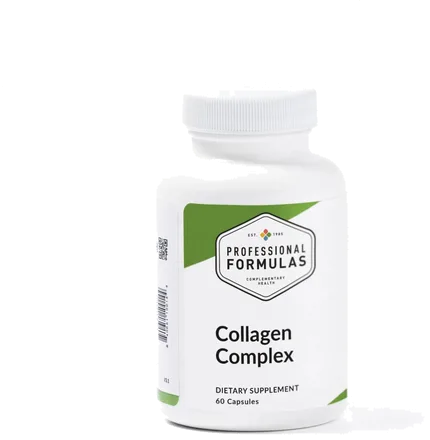
NuMedica Collagen Complex Review
Professional Formulas Collagen Complex is offered on this page as a capsule supplement described as nutritional support for healthy tendons, ligaments and cartilage. The product is sold in a 60 Capsules bottle at a sale price of $26.00, which the page lists as $0.21 per pill, and a 180 Capsules size at $58.00 is also offered. Free shipping on U.S. orders over $39 and a 45 Day Return Policy are noted, along with a subscription option. The store describes itself as family owned and operated since 2010. The Supplement Facts panel lists a serving size of one capsule. Vitamin A is provided as 600 mcg RAE (2000 IU), as beta-carotene, at 67% Daily Value. Vitamin C is 100 mg as L-ascorbic acid at 111%. Vitamin E is 20 mg alpha-tocopherol (30 IU), as succinate, from soy, at 133%. Calcium as aspartate is 30 mg, at 2%. Magnesium as aspartate is 30 mg, at 7%. Zinc as aspartate is 10 mg, at 91%. Manganese as bisglycinate chelate is 50 mg, at 2174%. The panel also lists 200 mg of collagen as bovine cartilage tissue, 50 mg of microcrystalline hydroxyapatite from bovine sources, 40 mg of bovine chondroitin sulfate, 19 mg of citrus bioflavonoid complex, 19 mg of hesperidin, and 10 mg of rutin. The page notes that the Daily Value is not established for the components marked with a dagger. Other ingredients include a vegetarian capsule made of hypromellose and water, organic brown rice, and vegetable medium chain triglycerides. The product contains soy. The recommended dosage states that, as a nutritional supplement, one capsule may be taken up to four times daily following meals, or as directed by a healthcare professional. The page includes the standard statement that the claims have not been evaluated by the U.S. Food and Drug Administration and that the product is not intended to treat, mitigate, diagnose or cure any disease. The page also displays a rating of 4.9 out of 5 based on 22673 reviews, though no written customer reviews or star breakdown are shown in the scraped text.
We don’t sell supplements. We help you make decisions and get the best price.
Lowest prices
We may earn a commission from some store links. How we choose.
We hold no current store prices for it yet: check the store.
- AmazonPrice at AmazonCheck price at Amazon (opens in a new tab)
Also at: Professional Formulas · Professional · PureFormulas. Some links earn us a commission; price comes first, and a commission only decides the order of prices within 2%. As an Amazon Associate we earn from qualifying purchases.
Study, Trial or Testing Result Summary
Members Only139 human studies · 103 improved
14 of these 139 human studies gave the ingredient by injection, not by mouth.
Vitamin E is the only ingredient here at or above a studied amount, and its skin benefits come from products that mix it with collagen, vitamin C and other nutrients, which improved skin hydration, elasticity and roughness over 12 weeks [1][2]. Collagen is well studied for skin hydration, elasticity and wrinkles [3][4], but this product gives 200 milligrams, below the 1000 milligrams or more used in trials [5][6]. The highest quality collagen trials and those not paid for by companies showed no clear effect [7]. The strong vitamin A and vitamin C results come from creams put on the skin [8][9][10], not capsules. Beta-carotene taken by mouth for years did not slow skin aging, and vitamin C by mouth did not improve hydration or elasticity. The calcium and hydroxyapatite results come from fillers injected into the skin, not swallowed [11][12]. Zinc and magnesium were only tested inside larger mixed supplements [13][14]. Evidence for manganese, citrus bioflavonoids, hesperidin and rutin is thin or comes from skin products [15][16][17][18]. Animal and cell studies are never counted.
See all 139 studies →Hide the studies
- Across 23 trials with 3905 people, creams with vitamin A-type compounds (a med, retinol, tretinoin) significantly improved fine wrinkles and tretinoin and retinol improved pigmentation in sun-aged facial skin.Comparative efficacy of topical interventions for facial photoaging: a network meta-analysis.
- Across 26 randomized trials with 1721 people, hydrolyzed collagen improved skin hydration and elasticity compared with placebo.Effects of Oral Collagen for Skin Anti-Aging: A Systematic Review and Meta-Analysis.
- Across 23 randomized trials with 1474 people, collagen improved hydration, elasticity and wrinkles overall, but studies without pharmaceutical funding and high-quality studies showed no significant effect.Effects of Collagen Supplements on Skin Aging: A Systematic Review and Meta-Analysis of Randomized Controlled Trials.
- Across 19 randomized trials with 1125 people (95% women), hydrolyzed collagen for about 90 days improved skin hydration, elasticity and wrinkles compared with placebo.Effects of hydrolyzed collagen supplementation on skin aging: a systematic review and meta-analysis.
- Pooling seven studies, beta-carotene (a plant form of vitamin A) taken for at least 10 weeks protected against sunburn, with more protection the longer it was taken.Protection from sunburn with beta-Carotene--a meta-analysis.
- In a review of 30 trials for sun-damaged skin, one small study showed benefit from vitamin C applied to skin compared with placebo, while tretinoin had the strongest evidence.Interventions for photodamaged skin.
- A review of 32 studies with 1236 people on anti-aging skin products gave retinol (vitamin A) its top recommendation grade for anti-aging, with few significant side effects.Cosmeceuticals for antiaging: a systematic review of safety and efficacy.
- Across 11 placebo-controlled trials with 805 people, oral collagen at 2.5 to 10 grams daily for 4 to 24 weeks increased skin elasticity, hydration and dermal collagen density.Oral Collagen Supplementation: A Systematic Review of Dermatological Applications.
- A review of seven trials with 139 volunteers found skin treated with vitamin C looked smoother, less wrinkled and lighter, but hydration improved as much with placebo.Efficacy of topical vitamin C in melasma and photoaging: A systematic review.
- In 25 studies comparing other creams with tretinoin (a vitamin A drug), the others worked better in 7, equally in 13 and worse in 3, and most were gentler on skin, though study quality was mostly poor.Comparing Tretinoin to Other Topical Therapies in the Treatment of Skin Photoaging: A Systematic Review.
- A review of seven studies found that all used vitamin C with other ingredients or treatments, so its own effect on wrinkles could not be clearly determined.Clinical Efficacy of Topical Vitamin C on the Appearance of Wrinkles: A Systematic Literature Review.
- A review found injected calcium hydroxylapatite filler to be safe and effective for cheeks, jawline and nasolabial folds, though no randomized trials existed for diluted forms.A systematic review of Radiesse/calcium hydroxylapatite and carboxymethylcellulose: evidence and recommendations for tre…
- A review found diluted injected calcium hydroxylapatite gave a skin-tightening effect on body areas with a good safety profile, but randomized trials were lacking.A systematic review of Radiesse® (calcium hydroxylapatite): evidence and recommendations for the body.
- A review of 45 articles on injectable skin biostimulators, including calcium hydroxylapatite, found they may mitigate facial aging, but quantifiable data are limited and more controlled studies are needed.The emerging role of biostimulators as an adjunct in facial rejuvenation: A systematic review.
- A review of 29 small, varied studies found injected calcium hydroxylapatite combined with ultrasound, laser or microneedling improved skin texture and elasticity, though side effects occurred in 15-30% of cases.A Systematic Review on the Effectiveness and Safety of Combining Biostimulators with Botulinum Toxin, Dermal Fillers, an…
- A review found combined hyaluronic acid and calcium hydroxylapatite treatments gave high aesthetic effectiveness and satisfaction for facial rejuvenation, with a slight decline after six months.Combined and Hybrid Treatments of Hyaluronic Acid (HA) and Calcium Hydroxylapatite (CaHA): A Systematic Review of Mechan…
- A review of 14 studies found injected calcium hydroxyapatite (and poly-L-lactic acid) improved facial skin elasticity and reduced wrinkles, with results lasting 12 to 18 months for calcium hydroxyapatite.Efficacy, Durability, and Safety of Collagen Biostimulators Based on Poly-L-Lactic Acid (PLLA) and Calcium Hydroxyapatit…
- A review of 10 publications found that almost all reported oral collagen improved skin health.Collagen supplementation for skin health: A mechanistic systematic review.
- In 903 adults under 55 given 30 mg of beta-carotene or placebo daily for about 4.5 years, beta-carotene had no overall effect on skin aging.Sunscreen and prevention of skin aging: a randomized trial.
- In 439 people with nasolabial folds, injected bovine collagen filler gave shorter-lasting correction than hyaluronic acid fillers over up to 24 weeks; this tested an injected filler, not a collagen supplement.Comparison of smooth-gel hyaluronic acid dermal fillers with cross-linked bovine collagen: a multicenter, double-masked,…
- In 149 people with nasolabial folds, an injected porcine collagen filler improved wrinkle scores for 6 months, about the same as a hyaluronic acid filler; this was an injection, not a collagen supplement.A randomized, multicenter study of the safety and efficacy of Dermicol-P35 and non-animal-stabilized hyaluronic acid gel…
- In 149 people given an injected porcine collagen filler for nasolabial wrinkles, 95.3% kept the improvement at 9 months and 76.5% at 12 months; this was an injection, not a collagen supplement.Twelve-month persistency of a novel ribose-cross-linked collagen dermal filler.
- In 120 women with sun-aged skin, a nightly retinol 0.2% cream used for 3 months improved wrinkles, pigmentation and pores about as much as tretinoin 0.025% cream and was better tolerated.A double-blind randomized study comparing the association of Retinol and LR2412 with tretinoin 0.025% in photoaged skin.
- In 120 people, a daily collagen drink combined with vitamins and other ingredients for 90 days raised skin elasticity by 40% versus placebo and improved skin structure and joint pain.Daily oral supplementation with collagen peptides combined with vitamins and other bioactive compounds improves skin ela…
- In 117 people with moderate to deep nasolabial folds, 79% had better improvement on the side injected with calcium hydroxylapatite than the side with human collagen over 6 months.A randomized, bilateral, prospective comparison of calcium hydroxylapatite microspheres versus human-based collagen for …
- In 114 women aged 45-65, 2.5 grams of collagen peptides daily for 8 weeks reduced eye wrinkle volume by 20% versus placebo and raised skin procollagen and elastin.Oral intake of specific bioactive collagen peptides reduces skin wrinkles and increases dermal matrix synthesis.
- In 114 women aged 20-50, 1000 mg of low-molecular-weight collagen peptide daily for 24 weeks improved cellulite, skin roughness and skin elasticity versus placebo.Low-Molecular-Weight Collagen Peptide Supplementation Improves Cellulite Severity, Skin Elasticity, and Hair Shaft Diame…
- In 100 people with mild to moderate atopic dermatitis, a cream with ceramides and magnesium used for 6 weeks improved skin hydration and lesion severity more than a standard emollient and hydrocortisone.Efficacy of a Cream Containing Ceramides and Magnesium in the Treatment of Mild to Moderate Atopic Dermatitis: A Randomi…
- In 100 women having radiotherapy for breast cancer, five moisturizing creams (one containing manganese chloride) were each applied twice a day from 15 days before to one month after treatment; the creams reduced skin side effects and were all judged equally effective, with no separate manganese result and no placebo group.Preventing the acute skin side effects in patients treated with radiotherapy for breast cancer: the use of corneometry i…
- In 100 healthy adults taking low-molecular-weight collagen peptides for 12 weeks, wrinkles, elasticity and hydration improved significantly more than with placebo, with no related side effects.Low-molecular-weight collagen peptides supplement promotes a healthy skin: A randomized, double-blinded, placebo-control…
- In 87 women, a cream containing retinol reduced the appearance of wrinkles more than placebo, by 23.5% after 4 weeks and 27.8% after 8 weeks.The skin aging index: a new approach for documenting anti-aging products or procedures.
- In 87 women aged 40-65 taking collagen with 80 mg vitamin C daily for 16 weeks, skin density, texture and wrinkles improved, but elasticity and hydration did not change significantly.The Effects of Dietary Supplementation with Collagen and Vitamin C and Their Combination with Hyaluronic Acid on Skin De…
- In 84 patients with mitral valve prolapse, 3000 mg a day of magnesium orotate for 6 months reduced symptoms in over half of patients and eased skin tissue changes linked to disease severity, but this study did not test skin aging.[New approaches to the treatment of patients with idiopathic mitral valve prolapse].
- In 77 healthy women, 5000 mg per day of bioactive collagen peptides for 12 weeks improved skin hydration, water loss, and dermal density compared with placebo, and the gains held through a 4-week washout.The Sustained Effects of Bioactive Collagen Peptides on Skin Health: A Randomized, Double-Blind, Placebo-Controlled Clin…
- In 72 women aged 35 or older, a daily collagen and vitamin C drink for 12 weeks improved skin hydration, elasticity, roughness and density more than placebo.A Collagen Supplement Improves Skin Hydration, Elasticity, Roughness, and Density: Results of a Randomized, Placebo-Cont…
- In 70 people with dermabrasion wounds, a topical a med ointment containing bacitracin zinc used twice daily for up to 14 days reduced scarring and pigment changes compared with a plain gauze dressing.Read the study on PubMed (10879311) →
- In 69 women using a vitamin C derivative cream twice daily for 8 weeks on one side of the face, wrinkles around the eyes improved compared with placebo cream on the other side.Evaluation of the anti-wrinkle effect of a lipophilic pro-vitamin C derivative, tetra-isopalmitoyl ascorbic acid.
- In 69 women aged 35 to 55, 2.5 g or 5 g of collagen peptides daily for 8 weeks significantly improved skin elasticity compared with placebo, with no side effects noted.Oral supplementation of specific collagen peptides has beneficial effects on human skin physiology: a double-blind, plac…
- In 64 patients after laser treatment for acne scars, an antioxidant serum with vitamin C used for 14 days improved healing and skin hydration compared with saline on the other side of the face.Reparative Effects of a Topical Antioxidant Serum Containing Vitamin C, Vitamin E, and Ferulic Acid After Ablative Fract…
- In 64 people, 1000 mg of low-molecular-weight collagen peptide daily for 12 weeks improved skin hydration, wrinkling and elasticity compared with placebo, with no related side effects.Oral Intake of Low-Molecular-Weight Collagen Peptide Improves Hydration, Elasticity, and Wrinkling in Human Skin: A Rand…
- In 62 women aged 45-73, a daily multi-ingredient supplement including zinc raised skin elasticity by 9% after 6 weeks and lowered skin roughness by 6% after 12 weeks compared with placebo.Supplementation with Evelle improves skin smoothness and elasticity in a double-blind, placebo-controlled study with 62 …
- In 61 Asian adults with nasolabial folds, a porcine collagen filler improved wrinkle scores over 12 months, with results not significantly different from a bovine collagen filler and no serious side effects.Efficacy and safety of porcine collagen filler for nasolabial fold correction in Asians: a prospective multicenter, 12 m…
- In 60 women aged 20-50 with facial melasma, a multi-ingredient serum containing a small amount of vitamin C used for 5 months reduced pigmentation about as much as 4% hydroquinone, with better hydration, skin barrier function and tolerance in the serum group.Evaluation of the Efficacy of a Serum Containing Niacinamide, Tranexamic Acid, Vitamin C, and Hydroxy Acid Compared to 4…
- In 60 adults with atopic dermatitis, 12 weeks of selenium yeast with or without 600 IU vitamin E did not change eczema severity compared with placebo.The effect on atopic dermatitis of supplementation with selenium and vitamin E.
- In 60 healthy women, a daily collagen drink containing vitamin E and other nutrients for 12 weeks improved facial skin collagen structure, while placebo did not.A Dermonutrient Containing Special Collagen Peptides Improves Skin Structure and Function: A Randomized, Placebo-Control…
- In 54 Chinese adults with photoaging, injected collagen combined with a collagen serum produced better skin satisfaction, fine lines, and firmness than injection alone by 12 weeks, with no related side effects; this was an injection study, not an oral supplement.Effectiveness and Safety of Recombinant Type III Humanized Collagen Solution Injection Combined With Collagen-III Multi-…
- In 50 women aged 30-65, a serum with vitamin C, vitamin E and raspberry leaf extract applied to one side of the face for 8 weeks improved skin color, elasticity, radiance, smoothness, scaliness and wrinkles compared with the untreated side.Anti-aging and brightening effects of a topical treatment containing vitamin C, vitamin E, and raspberry leaf cell cultu…
- In 50 healthy adults, 12 weeks of green tea catechins plus vitamin C twice daily protected only one skin elastic fiber protein (fibulin-5) from sun-simulating light damage, with no difference from placebo for other collagen and elastic components.Ultraviolet radiation-induced degradation of dermal extracellular matrix and protection by green tea catechins: a random…
- Taking beta-carotene by mouth for about 9 months lowered vitamin E levels in the blood and skin, with a 40% drop from baseline by the last month, so it may reduce vitamin E available to the skin.Reduction in plasma or skin alpha-tocopherol concentration with long-term oral administration of beta-carotene in humans…
- In 45 people with atopic dermatitis, 600 IU vitamin E for 60 days reduced eczema severity score by 35.7%, and by 64.3% when combined with vitamin D, compared with placebo.Randomized controlled trial using vitamins E and D supplementation in atopic dermatitis.
- In 44 people using 0.5% retinol cream daily on the face for 12 weeks, wrinkle surface area and dark spots decreased, similar to bakuchiol, but retinol caused more scaling and stinging.Prospective, randomized, double-blind assessment of topical bakuchiol and retinol for facial photoageing.
- In 40 women with sun-aged skin, a retinol, lactose and glycolic acid cream applied twice daily for 12 weeks improved skin appearance, surface texture and moisture compared with a placebo cream on the other side of the face.Combined retinol-lactose-glycolic acid effects on photoaged skin: a double-blind placebo-controlled study.
- In a small pilot trial of 40 women receiving breast radiotherapy, a vitamin E nanoparticle cream did not change overall radiation skin reaction grade versus controls, but it delayed the onset of skin reaction in women who did not get a boost dose and reduced mild redness under the breast.Topical application of a cream containing nanoparticles with vitamin E for radiodermatitis prevention in women with brea…
- In 40 people given a combination supplement including magnesium or placebo for 4 months, the supplement group had a lower facial skin aging score, less facial redness, and a borderline reduction in wrinkles.Non-Invasive Imaging for the Evaluation of a New Oral Supplement in Skin Aging: A Case-Controlled Study.
- In 40 adults aged 30 to 50, a rutin cream applied to the skin for 4 weeks increased skin elasticity and reduced the length, area and number of wrinkles compared with a control cream.Biological effects of rutin on skin aging.
- In 36 elderly people (average age 87), 0.4% retinol lotion applied up to 3 times a week for 24 weeks reduced fine wrinkling much more than the vehicle lotion on the other arm and increased skin collagen and water-holding molecules.Improvement of naturally aged skin with vitamin A (retinol).
- In 32 healthy volunteers, 500 mg daily vitamin C for 12 weeks did not improve skin hydration or elasticity beyond baseline, and adding it to collagen peptides did not enhance the collagen effect.Effects of collagen tripeptide supplement on skin properties: a prospective, randomized, controlled study.
- In 31 adults aged 30 to 65, applying a vitamin C, E and ferulic acid serum daily for 12 weeks after microneedle treatment reduced neck wrinkles more (29.9% vs 18.0%) and improved elasticity (12.9% vs 2.3%) compared with placebo on the other side of the neck.Fractional microneedle radiofrequency with the application of vitamin C, E, and ferulic acid serum for neck skin rejuven…
- In 24 Korean women, a vitamin C microneedle patch applied twice daily for 12 weeks produced significant reductions in crow's feet wrinkle roughness, with no side effects reported.Novel cosmetic patches for wrinkle improvement: retinyl retinoate- and ascorbic acid-loaded dissolving microneedles.
- In 24 women with radiation-induced skin fibrosis after breast cancer, 6 months of vitamin E 1,000 IU daily plus pentoxifylline shrank fibrosis more than placebo, but vitamin E alone was ineffective.Randomized, placebo-controlled trial of combined pentoxifylline and tocopherol for regression of superficial radiation-i…
- Taking 400 mg of vitamin E daily for 3 weeks raised vitamin E levels in facial sebum by about 87-92% by day 21, but this study did not measure wrinkles, elasticity, or hydration.Oral supplementation with all-Rac- and RRR-alpha-tocopherol increases vitamin E levels in human sebum after a latency pe…
- In 24 women aged 35-45, calcium hydroxylapatite filler injected on one side produced more collagen and elastin than a hyaluronic acid filler on the other side over 9 months, with less inflammation.A randomized, split-face, histomorphologic study comparing a volumetric calcium hydroxylapatite and a hyaluronic acid-ba…
- In 23 Korean volunteers, a retinaldehyde cream applied for 8 weeks improved wrinkle depth, skin firmness and hydration, and did somewhat better than a retinol cream on the other side of the face.The efficacy and safety of multilamellar vesicle containing retinaldehyde: A double-blinded, randomized, split-face cont…
- In 22 people, calcium hydroxyapatite injected into the hands improved skin hydration, thickness and appearance over 90 days, with no difference between dilution types.Calcium Hydroxyapatite and Polymicronutrient Solution on Hand Rejuvenation: A Split-Hand, Randomized, Double-Blind Clini…
- In 21 people given facial injections near the nasolabial fold for 13 weeks, calcium hydroxylapatite showed no evidence of tissue regeneration and turned on more inflammation-related genes than poly-L-lactic acid.Gene Analysis of Biostimulators: Poly-L-Lactic Acid Triggers Regeneration While Calcium Hydroxylapatite Induces Inflamma…
- In women, 0.25% retinol applied after a salicylic acid peel for 4 weeks improved sun damage signs compared with baseline, though tretinoin was slightly better.Combination Superficial Peels With Salicylic Acid and Post-Peel Retinoids.
- In women with facial sun damage, a 1.1% retinol ester cream for 24 weeks did not differ significantly from 0.02% tretinoin in photoaging scores, though it caused redness less often.Biomarkers of Tretinoin Precursors and Tretinoin Efficacy in Patients With Moderate to Severe Facial Photodamage: A Rand…
- In 20 healthy young adults under sleep restriction, a protein and multinutrient drink including 24 mg zinc daily restored the skin barrier faster (about 4 days versus 5 days) than placebo, but this was not a test of wrinkles or aging skin.Supplemental Protein and a Multinutrient Beverage Speed Wound Healing after Acute Sleep Restriction in Healthy Adults.
- In 20 adults with acne scars, a porcine collagen filler and a subcision procedure both improved scars over 6 months, and blinded evaluators found no significant difference between them.Subcuticular incision versus naturally sourced porcine collagen filler for acne scars: a randomized split-face compariso…
- In a randomized, double-blind study of 19 adults with sun-damaged facial skin, applying a vitamin C serum daily for 3 months improved skin texture and wrinkling more than the vehicle serum on the other side of the face, as shown by skin surface measurements and clinical grading.Use of topical ascorbic acid and its effects on photodamaged skin topography.
- In 18 men and women with sun- and pollution-related pigmentation, a vitamin C, E and ferulic acid serum applied twice daily for 2 weeks after laser treatment reduced skin pigmentation more than laser alone on the untreated side of the face.Effect of a topical antioxidant serum containing vitamin C, vitamin E, and ferulic acid after Q-switched 1064-nm Nd:YAG …
- In 16 adults, a 0.1% retinol forearm cream for 3 weeks significantly increased most skin aging biomarkers measured.Climbazole boosts activity of retinoids in skin.
- In women with cellulite, topical retinol for 6 months increased skin elasticity by 10.7% compared with placebo on the other side, though the lumpy appearance changed little.A randomized, placebo-controlled trial of topical retinol in the treatment of cellulite.
- In 15 women aged 19-40 exposed to air pollution particles for 4 days, a vitamin C, ferulic acid and vitamin E serum applied to the back protected collagen and elastin and reduced markers of inflammation and oxidative stress in skin biopsies.Application of Antioxidant Mixture Prevents Cutaneous "Oxinflammaging" in Subjects Exposed to Particulate Matter.
- In 15 patients with surgical scars, vitamin E ointment twice daily for 4 weeks did not improve scar appearance, in 90% it had no effect or made it worse, and 33% developed contact dermatitis.The effects of topical vitamin E on the cosmetic appearance of scars.
- Topical vitamin E acetate applied to the arms for 3 months was absorbed into skin but was not converted to the active free form; skin appearance was not measured as an outcome.Disposition and metabolism of topically administered alpha-tocopherol acetate: a common ingredient of commercially avail…
- In 10 people, taking 1000 IU vitamin E with 2 g vitamin C daily for 8 days raised the UV dose needed to cause sunburn, while the placebo group became more sensitive.Protective effect against sunburn of combined systemic ascorbic acid (vitamin C) and d-alpha-tocopherol (vitamin E).
- In three children with yellow nail syndrome, topical vitamin E solution applied to the nails did not improve nail growth or appearance better than placebo oil.Yellow nail syndrome in three siblings: a randomized double-blind trial of topical vitamin E.
- After a botulinum toxin injection, a retinol, adenosine and hyaluronic acid skincare routine used for 2 months gave extra benefit over placebo for fine lines, wrinkles and smoothness of the face.A skincare containing retinol adenosine and hyaluronic acid optimises the benefits from a type A botulinum toxin injecti…
- In a double-blind trial of women with sun-aged skin, a 5% vitamin C cream applied daily for 6 months improved overall skin appearance and surface texture compared with the vehicle cream and was well tolerated.Topical ascorbic acid on photoaged skin. Clinical, topographical and ultrastructural evaluation: double-blind study vs. …
- Vitamin E applied to the skin after ultraviolet exposure, alone or with other antioxidants, did not reduce redness from sun damage.Effect of topical antioxidants on UV-induced erythema formation when administered after exposure.
- In a randomized trial of healthy volunteers, 500 IU of vitamin E daily plus carotenoids for 12 weeks reduced ultraviolet light-induced skin redness more than carotenoids alone.Carotenoids and carotenoids plus vitamin E protect against ultraviolet light-induced erythema in humans.
- Topical vitamin E cream for 6 months raised skin vitamin E levels but did not significantly reduce the number of sun-damage lesions compared with placebo cream.Chemoprevention of human actinic keratoses by topical DL-alpha-tocopherol.
- In a double-blind placebo-controlled trial, postmenopausal women who drank a supplement containing vitamin E with soy isoflavones, lycopene, vitamin C and fish oil for the long term had significantly shallower facial wrinkles, along with more new collagen in the skin.Wrinkle reduction in post-menopausal women consuming a novel oral supplement: a double-blind placebo-controlled randomiz…
- Taking 400 IU of vitamin E by mouth daily for 6 months did not protect healthy adults' skin from sunburn damage compared with placebo.Evaluation of the photoprotective effect of oral vitamin E supplementation.
- In a double-blind study, topical vitamin E applied alone gave a modest protective effect against ultraviolet-induced skin redness, and combining it with vitamin C and topical melatonin protected better than vitamin E alone.Topical melatonin in combination with vitamins E and C protects skin from ultraviolet-induced erythema: a human study in…
- In women with decollete wrinkles treated with diluted calcium hydroxylapatite injections over up to 52 weeks, 73.5% improved by at least one grade on a wrinkle scale 16 weeks after the last treatment, with a favorable safety profile.A Prospective, Multicenter, Evaluator-Blinded, Randomized Study of Diluted Calcium Hydroxylapatite to Treat Decollete Wr…
- In women aged 45 to 60, a hydrolyzed marine collagen supplement for 12 weeks reduced wrinkle scores by 35% from baseline and gave greater improvements in wrinkles, elasticity, hydration, and firmness than placebo.A randomized, triple-blind, placebo-controlled, parallel study to evaluate the efficacy of a freshwater marine collagen …
- In a controlled trial of hand rejuvenation, calcium hydroxyapatite alone or mixed with hyaluronic acid significantly improved skin hydration, elasticity and thickness, with no clear difference between the two treatments and no side effects reported.Hand Rejuvenation with Customizable Hybrid Fillers: Premixed Calcium Hydroxyapatite and Hyaluronic Acid.
- In 69 people with psoriasis, 12 weeks of selenium yeast with or without 600 IU vitamin E did not reduce psoriasis severity compared with placebo.The effect of supplementation with selenium and vitamin E in psoriasis.
- In 57 volunteers using creams twice daily for 56 days, milk thistle extract reduced wrinkles similarly to retinol and better than bakuchiol, while 43% reported discomfort with retinol versus 0% with the extract.Silybum marianum Extract: A Highly Effective Natural Alternative to Retinoids to Prevent Skin Aging Without Side Effects…
- In 39 healthy volunteers, 12 weeks of a supplement with 10 mg vitamin E, carotenoids and selenium increased skin density and thickness and reduced roughness and scaling, while placebo showed no changes.Antioxidant supplements improve parameters related to skin structure in humans.
- In 37 volunteers using retinol serum once daily for 12 weeks (0.3% on one side of the face, 0.5% on the other), dark spots, uneven skin and wrinkles decreased gradually, with more skin irritation on the 0.5% side.A Clinical Anti-Ageing Comparative Study of 0.3 and 0.5% Retinol Serums: A Clinically Controlled Trial.
- In 33 women, a cream with 3% vitamin C applied daily to the forearm for four months increased the density of dermal papillae, the small skin structures that carry capillaries, from 4 weeks onward compared with the cream base alone.Topically applied vitamin C increases the density of dermal papillae in aged human skin.
- In a split-face trial of 31 Chinese women, 0.03% hydroxypinacolone 9-cis retinoate applied daily for 4 weeks improved wrinkles, elasticity, and hydration as well as or better than 0.3% retinol, without irritation.Hydroxypinacolone 9-cis retinoate mitigates UV-induced photoaging by modulating extracellular matrix, fibroblasts, infla…
- In 30 Japanese women with crow's feet wrinkles, a retinol lotion applied to one side of the face for 8 weeks produced marked or moderate improvement in 34% of subjects, with wrinkle length and area reduced more than on the untreated control side, and no significant side effects.Evaluation of anti-wrinkle effects of a novel cosmetic containing retinol using the guideline of the Japan Cosmetic Indu…
- In a half-face study of 27 Japanese women with dark sun spots, a vitamin C derivative lotion applied twice daily for 24 weeks gave a weak lightening effect on the spots, but pigmentation scores did not differ from the placebo lotion.Whitening effect of L-ascorbate-2-phosphate trisodium salt on solar lentigos.
- In placebo-controlled tests including 25 volunteers for one month and a 12-week usage study, a face cream with 3% vitamin C lowered skin oxidative stress, increased the number of dermal papillae, and significantly reduced facial wrinkles.Topical activity of ascorbic acid: from in vitro optimization to in vivo efficacy.
- In a split-face trial of 24 adults with sun-damaged skin, using a handheld device to push vitamin C into the skin twice a week for 8 weeks improved pore tightening and skin hydration on the treated side compared with baseline, with no adverse reactions recorded.Efficacy of handheld iontophoresis device in enhancing transdermal vitamin C delivery: A split-face clinical trial.
- In studies of 20 and 10 healthy volunteers, zinc shake lotion raised skin surface hydration while zinc oil had little effect on hydration.Do shake lotions, zinc oil and polyethylene glycol gels produce dehydration or moisturization?
- In 8 healthy people taking vitamin E 400 IU daily for 8 weeks, skin malondialdehyde (a marker of oxidative damage) fell, but other oxidative stress measures and sensitivity to ultraviolet light did not change.Effects of oral vitamin E and beta-carotene supplementation on ultraviolet radiation-induced oxidative stress in human s…
- In 11 Korean women over 30 with eye-area wrinkles, a 0.06% retinyl retinoate cream applied for 12 weeks reduced wrinkle depth and area, performing about 22% better than a 0.075% retinol cream.Retinyl retinoate, a novel hybrid vitamin derivative, improves photoaged skin: a double-blind, randomized-controlled tri…
- A hydrogel carrying ascorbyl palmitate, a vitamin C form, moisturized skin better than a placebo gel in both short-term and long-term tests.Skin moisturizing effect and skin penetration of ascorbyl palmitate entrapped in solid lipid nanoparticles (SLN) and nan…
- Creams containing 1% of a fat-soluble vitamin C derivative increased skin moisture and improved skin smoothness in volunteers over 15 days of use.Application of tetra-isopalmitoyl ascorbic acid in cosmetic formulations: stability studies and in vivo efficacy.
- In people with atopic dry skin, soaking one forearm for 15 minutes in a 5% magnesium-rich Dead Sea salt bath improved skin hydration, barrier function, roughness and redness over 6 weeks compared with the arm soaked in tap water.Bathing in a magnesium-rich Dead Sea salt solution improves skin barrier function, enhances skin hydration, and reduces …
- In 44 women with mild to moderate hyperpigmentation and photodamage, a 0.5% retinol treatment plus a vitamin C moisturizer used for 12 weeks significantly improved all clinically graded signs at weeks 8 and 12, with dryness rising early and resolving by week 12.An Open Label Clinical Trial to Evaluate the Efficacy and Tolerance of a Retinol and Vitamin C Facial Regimen in Women W…
- In 35 women aged 35 to 65 with mild to moderate facial aging, twice-daily use of a multi-ingredient skincare regimen containing retinol for 12 weeks improved skin smoothness, dryness, fine lines and firmness compared with their starting point, though there was no control group.Novel Facial Treatment Regimen Improves Aging Skin Appearance.
- In 35 women, a face serum with 0.1% hesperetin and 0.1% sodium cyclic lysophosphatidic acid applied twice daily for 12 weeks improved skin hydration and elasticity compared with baseline, with no placebo group.The efficacy and safety of an antiaging topical serum containing hesperetin and sodium cyclic lysophosphatidic acid: A s…
- In 31 women aged 43 to 65 without a control group, a vitamin C, vitamin E and green tea serum applied twice daily for 12 weeks improved wrinkles, smoothness, radiance and skin density.Novel Vitamin C and E and Green Tea Polyphenols Combination Serum Improves Photoaged Facial Skin.
- In 29 people with acne scars, four microneedling sessions over about 4 months with a serum containing zinc sulfate and other ingredients improved scar texture, skin hydration and appearance, with no comparison group.Pbserum Specific Acne Scars®: a cutting-edge approach utilizing triple enzymatic synergy combined with microneedling for…
- In 23 adults aged 45 to 68 using a topical cosmetic retinol product for 12 weeks without a control group, photodamage, uneven skin ttone, roughness and fine and coarse wrinkles improved significantly.Assessing changes in facial skin quality using noninvasive in vivo clinical skin imaging techniques after use of a topic…
- In 20 adults with photoaged face and neck skin, a 0.2% retinol cream with tripeptides and glaucine used for 3 months produced clinical and tissue improvements in all 20 participants.Clinical and histologic findings after use of a novel combined retinol, tripeptide, and glaucine containing cream in the…
- In 16 healthy Japanese adults, a multi-ingredient antioxidant supplement that also contained vitamin E (dose not stated) raised skin carotenoid levels over 16 weeks, but the study did not measure wrinkles, elasticity, or hydration, and vitamin E was not tested on its own.Effect of an antioxidant supplement containing high dose lutein and zeaxanthin on macular pigment and skin carotenoid le…
- In 15 people given 1.25 mL per side of a hyaluronic acid and calcium hydroxyapatite hybrid filler in the cheek area, skin elasticity and volume increased by day 180, with mild redness and swelling resolving within 48 hours.Facial rejuvenation with the new hybrid filler HArmonyCa™: Clinical and aesthetic outcomes assessed by 2D and 3D photogr…
- In 8 people, an injected collagen filler improved nasolabial folds over 12 weeks with no reported side effects, in an open-label pilot without a control group.A Two-Phase Pilot Study to Evaluate the Safety and Tolerability of an In Situ Polymerizing Collagen.
- A topical retinol cream gave better skin barrier and wrinkling scores than a vitamin E cream and limited shallow wrinkles caused by UV exposure.Topical retinol and the stratum corneum response to an environmental threat.
- In people using a manganese peptide facial serum twice daily for up to 12 weeks, signs of sun damage to the face improved overall, mainly dark spots, with no significant skin irritation, though the study had no control group.Topical manganese peptide in the treatment of photodamaged skin.
- In a retrospective study of 129 patients, a hybrid filler containing calcium hydroxylapatite improved facial appearance, firmness, and elasticity at 9 months, with only minor side effects.HArmonyCa™ hybrid filler to restore connective tissue: An Italian real-life retrospective study.
- In 40 patients, injected calcium hydroxylapatite, alone or after a topical exosome treatment, improved skin tone, quality, and texture over 30 days, and the combination worked faster.Combining topical dermal infused exosomes with injected calcium hydroxylapatite for enhanced tissue biostimulation.
- In 32 adults aged 35 to 59, diluted calcium hydroxylapatite injections gave visible improvement in 85% of patients at 120 days, with 75% still reporting benefit at 360 days, and dermal thickness rose 51% on ultrasound in a subset.Clinical Evaluation of an Innovative CaHA Bio-Stimulator in Facial Rejuvenation: 1 Year Follow-Up.
- In a pilot study of 3 people, calcium hydroxylapatite particles persisted for 6 months with new collagen formation, and patients still showed clinical improvement at that time.Clinical, histologic and electron microscopic findings after injection of a calcium hydroxylapatite filler.
- In a case series, priming the skin with a micronutrient diluent before calcium hydroxylapatite improved wrinkles, laxity, and skin thickness in all patients after a single treatment.Optimizing Skin Regenerative Response to Calcium Hydroxylapatite Microspheres Via Poly-Micronutrient Priming.
- In a 1984 questionnaire of people who had collagen injections for wrinkles, many reported benefit, but it lasted under a year, about 6 months; most nonresponders gave no follow-up, and this was an injection study, not a supplement.Collagen injections for aging skin lines (wrinkles).
- In 33 Chinese women aged 20 to 45, a supramolecular retinol eye cream used for 6 weeks reduced dark circles, fine wrinkles and sagging, and firmness (skin elasticity) rose by 13%, with good tolerance.Improvement of urban eye skin in Chinese female by supramolecular retinol plus acmella oleracea extract-containing produ…
- In 31 people with melasma and facial photodamage, a 4% hydroquinone plus 1% retinol regimen over 24 weeks improved melasma and photodamage, with fine wrinkles, crepiness, and laxity improving by week 8 and most attributes improving in over three quarters of participants.Clinical Evaluation of a 4% Hydroquinone + 1% Retinol Treatment Regimen for Improving Melasma and Photodamage in Fitzpat…
- This abstract tests vitamin C derivatives for skin hydration on volunteers' forearms and uses a commercial product containing vitamin E only as a comparison; the abstract does not report the number of people, the duration, or the results for vitamin E.Moisturizing potentials of ascorbyl palmitate and calcium ascorbate in various topical formulations.
- Hydrogels containing vitamin E in lipid nanocarriers improved skin hydration in human volunteers in short tests, and the study authors say longer and larger trials are still needed.Evaluation of the biocompatibility and skin hydration potential of vitamin E-loaded lipid nanosystems formulations: In v…
- This review describes an injectable calcium-based filler, Radiesse, approved in 2006 to correct moderate to severe facial wrinkles, with the correction lasting about one year; it reports no numbers of people, trial results, or comparison with a control group.Injectable calcium hydroxylapatite microspheres (Radiesse).
- Magnesium chloride helped drive hyaluronan into the outer skin layer, and one month of daily use did not disrupt the skin barrier; this study did not measure wrinkles or skin aging.Biocompatible topical delivery system of high-molecular-weight hyaluronan into human stratum corneum using magnesium chl…
- In lab and skin models, a type V collagen peptide increased collagen production and fiber density, and a preliminary clinical trial found improved skin barrier, density, and elastic recovery; the human evidence is preliminary.The Human-Like Collagen Alpha-1 Type V Peptides Strengthen the Dermal Fiber Network and Improve the Regeneration Ability…
- In a small human study, 250 mg daily of a rosemary and citrus bioflavonoid blend raised the sunburn threshold by 34% after 8 weeks and 56% after 12 weeks, but the abstract does not measure wrinkles, elasticity, or hydration and does not describe a placebo group.Protective effects of citrus and rosemary extracts on UV-induced damage in skin cell model and human volunteers.
- A topical hesperetin nanocapsule formulation gave sun protection in a small volunteer pilot study comparable to an SPF 30 sunscreen, reducing UV-induced redness, water loss and melanin increase, but it did not test anti-aging outcomes.Enhanced skin photoprotection integrating a spray-dried hesperetin nanocapsules semisolid formulation: Development of th…
- In lab tests, adding rutin to sunscreens widened their ultraviolet protection range and raised their antioxidant activity, and volunteers tolerated the products without changes in skin hydration or redness, but wrinkles and elasticity were not measured.Rutin increases critical wavelength of systems containing a single UV filter and with good skin compatibility.
- In a preliminary test in human volunteers, rutin-loaded hyaluronic acid microneedle patches were found safe and skin-compatible, with no significant change in skin hydration, barrier function, or redness, and the study did not report any improvement in wrinkles or elasticity.Bacterial nanocellulose-hyaluronic acid microneedle patches for skin applications: In vitro and in vivo evaluation.
- In 125 hairless mice exposed to repeated sunlight-type radiation, hesperidin methyl chalcone did not significantly delay skin tumor onset, while two other plant compounds given orally did delay it.Oral phytochemicals as photoprotectants in UVR exposed hairless mice: A study of hesperidin methyl chalcone, phlorogluci…
- In a study in mice with sun-damaged skin, a tilapia collagen gel containing cerium oxide nanoparticles, injected into the skin, reduced skin oxidative stress, decreased wrinkles and skin thickening, and increased collagen, with effects lasting seven months. This was an animal study, not a human trial, and it tested an injected filler, not a collagen supplement.Autocatalytic Ceria Nanoparticle-Embedded Tilapia Collagen Hydrogels as Enhanced Antioxidative and Long-Lasting Dermal F…
- In hairless mice, hesperidin applied to the skin before ultraviolet B exposure reduced sun-induced DNA damage in the outer skin layer at 24 and 48 hours compared with untreated mice.Hesperidin promotes cyclobutane pyrimidine dimer repair in UVB-exposed mice epidermis.
- In an animal model, a hesperidin nanoparticle gel closed full-thickness wounds more fully than control after 14 days (about 99% versus 89% closure) and improved collagen formation.Hesperidin-loaded cubogel as a novel therapeutic armamentarium for full-thickness wound healing.
- In an animal study of full-thickness skin wounds, a hesperidin-loaded hydrogel bandage closed wounds better than the control group over 14 days, with better collagen formation. This was not tested in people and says nothing about wrinkles, elasticity, or hydration.Amelioration of Full-Thickness Wound Using Hesperidin Loaded Dendrimer-Based Hydrogel Bandages.
Review Totals and Summary
Members Only22,689 reviews · 100% positive
Across the stores, Professional Formulas Collagen Complex has received 22674 ratings. The themes below are drawn from the written reviews visible on their pages, focusing specifically on the capsules and excluding any feedback for other product forms like gummies or powder. For the capsules, only one written review was available to read across all stores. This single review, provided by a verified buyer who awarded the product five out of five stars and explicitly recommended it, offers specific insights into the Professional Formulas Collagen Complex capsules. The reviewer's praise centered on the product's overall quality and effectiveness, describing the capsules as working well to achieve their intended purpose. A key aspect highlighted was their natural and gentle formulation, suggesting a positive experience without harsh reactions. Notably, the reviewer mentioned an unusual application: the capsules were prescribed by a veterinarian for their senior dogs. This represents a distinct departure from the product's typical marketing as a human supplement, and while the reviewer affirmed the product's efficacy in this context, they did not elaborate on any specific benefits observed for the animals' joints, tendons, or cartilage, which are common targets for collagen supplementation. Beyond the product itself, the reviewer expressed considerable satisfaction with the purchasing experience and the company as a whole. They lauded the business as "great to do business with," emphasizing the consistently top-quality nature of the products offered by the store. Furthermore, the efficiency of the service was highlighted, with commendations for fast delivery and the convenience of easy payment methods. This positive interaction fostered strong customer loyalty, as the reviewer explicitly stated their happiness to continue ordering from the store. The sole written review contained no complaints regarding common consumer concerns such as the taste of the capsules, their physical size, the perceived value or price point, the occurrence of any adverse side effects, or dissatisfaction with the overall results. Given that these observations stem from a single customer's detailed account, they provide a specific perspective on the product's quality, gentle efficacy, and the accompanying positive customer service experience, rather than reflecting a broad pattern across a wider customer base.
Biohacker Summary
Members Only10 of 10 recommend it
The main ingredient is mixed: vitamin C gets the most attention, with four of the ten panelists speaking about it, and vitamin A and vitamin E are also listed as main ingredients. Three recommend vitamin C, one for fighting inflammation and supporting detox and skin, another for helping the body reuse its own antioxidant, and a third as part of a bare-minimum routine. One panelist takes only vitamin C and vitamin D right now, one stays neutral and notes it is needed for collagen to form, and another stays neutral and says shoppers should be able to trust that the amount on the label is real and clean. On vitamin E, one panelist gives his kids a little each day to offset restaurant oils and another takes a daily multivitamin, while on vitamin A one notes low levels can dry the eyes and mouth and affect night vision, and another only mentions mouse research, so these have little support. Magnesium is a smaller ingredient in this product, and most of the panel recommends it, though a few warn that magnesium oxide absorbs poorly and that labels can overstate the real dose.
See all 10 biohackers →Hide the biohackers
Dave Asprey · Vitamin E · uses
- Takes D3 with K2 through Vitamin DAKE from Suppgrade Labs.
- Takes D3 with K2 through Vitamin DAKE from Suppgrade Labs.
- Mentions that algae provides manganese.
- States that no one used collagen for health; it was previously used as a packing aid for pills.
- Recounts a doctor telling him in his 20s that vitamin C would kill him.
- Looks at magnesium alongside protein to keep muscle for the long run.
- Suggests adding magnesium to help keep potassium in the system longer, as they work hand in hand.
- Mentions magnesium in the context of sleep but states that it doesn't address the core issue of waking up during the night.
- States he made collagen into a billion-dollar industry because he needed it for his joints due to Ehlers-Danlos syndrome.
- Suggests that magnesium may help slow aging, support cellular repair, and improve sleep.
- Recommends taking vitamin C for better skin health.
- Recommends taking collagen for better skin health.
- States that magnesium can affect how the body responds to a supplement.
- Dave Asprey agrees with taking collagen, but warns that using bone broth and collagen to repair a compromised gut wall is like trying to rebuild a collapsed house using nothing but craft glue, as it doesn't provide the rapid high demand energy gut cells need.
Dr. Eric Berg · Vitamin E · neutral
- Dr. Berg states that Vitamin E helps maintain healthy skin, support cell repair, and protect against oxidative damage.
- Lists zinc as something that can help with balding, which is a sign of high DHT.
- Dr. Berg states that Vitamin A helps maintain healthy skin, support cell repair, and protect against oxidative damage.
- Dr. Eric Berg states that adding collagen to one's daily routine may help support joint health, skin elasticity, and connective tissue strength.
- States that Vitamin A is essential for healthy vision, especially when eyes need to adjust to darkness, and a deficiency can cause night blindness.
- States that zinc carnosine can greatly help with ulcerative colitis.
- States that taking collagen in the morning does not significantly raise blood sugars or insulin, so it does not break a fast.
- Recommends supplementing magnesium during prolonged fasting to prevent feeling unwell, especially since many individuals are already deficient.
- Recommends taking magnesium glycinate to fix intense leg cramps, stating that this form absorbs better and helps relax muscles.
- Recommends zinc, noting it is part of building bone, and suggests it would be included in a trace mineral supplement.
- Recommends magnesium, specifically magnesium glycinate, for blood pressure control, sleep, stress reduction, prevention of muscle cramps, and energy support.
- Discusses zinc and its connection to prostate health.
- Notes that collagen powder is a peptide that supports joints.
- Mentions that the body relies on healthy fats to absorb essential vitamins like A, D, E, and K, which help support skin health, moisture, and normal cell function.
Thomas DeLauer · Vitamin C · recommends
- Recommends considering vitamin C as a mast cell stabilizer.
- Recommends pre-bed magnesium glycinate to lower evening cortisol through GABA-A support and to drop core temperature for sleep onset.
- Recommends whole food vitamin C, found in kiwi fruit, citrus, and bell peppers, to help clear uric acid by competing at kidney transporters, preventing reabsorption.
- Recommends taking magnesium glycinate and threonate at night to act as a brake on the nervous system, block excitatory signaling, help wind down, and support serotonin and melatonin production for better sleep.
- Recommends taking collagen peptides in the morning for tendon tensile effects and 5 or 10 grams at night before bed to couple with the body's natural growth hormone pulse for skin and connective tissue repair.
- Mentions that magnesium glycinate also helps a lot with sleep.
- Would add more collagen to his protein shakes, believing it helps connective tissue protein synthesis and works synergistically with whey protein for muscle protein synthesis.
- Mentions that restless leg syndrome is often treated with magnesium, but states that the sensation is actually coming from three other issues.
- Says he takes collagen to take care of his gut.
- Uses Element's cans which contain 30 milligram magnesium, finding that electrolytes help his workout performance.
- Recommends taking vitamin C along with collagen about an hour before a workout for connective tissue benefits.
- Recommends collagen as a direct dietary source of glycine, suggesting a 15g serving of pure collagen. He advises taking it an hour before a workout for connective tissue benefits or before bed on rest days to help with sleep.
- Uses Element's 30 mg magnesium cans first thing in the morning to prime his day and help with workout performance.
- Uses vitamin C as part of their immunity duo, stating it is important for boosting the immune system, especially during cold and flu season.
Dr. Rhonda Patrick · Vitamin C · neutral
- Notes that scientists discovered vitamin C as the nutrient for scurvy.
- Explains that magnesium helps the body activate and metabolize vitamin D, and that magnesium intake has been associated with lower odds of vitamin D deficiency and insufficiency.
- Mentions that getting too little magnesium may play a role in declining testosterone levels.
- Mentions that getting too little zinc may play a role in declining testosterone levels, and that zinc helps the body make testosterone.
- Recommends getting enough magnesium, around 300–400 mg daily from diet and supplements, as it is an essential cofactor for vitamin D metabolism. Magnesium glycinate is a good form.
- Notes that magnesium is very important for preventing damage to DNA and cancer, and that half the US population doesn't get enough of it.
- Mentions magnesium as one of the micronutrients found in multivitamins that people often don't get enough of from their diets.
- Explains that magnesium helps control blood pressure by boosting the production of substances that relax blood vessels and improve cardiovascular health, citing a meta-analysis that found magnesium supplementation at an average dose of 368 mg per day notably lowers both systolic and diastolic blood pressure.
- Magnesium supplementation has lowered blood pressure in randomized controlled trials. An analysis of 34 trials involving over 2,000 participants found modest reductions in both systolic and diastolic pressure, with a median dose of 368 mg/day.
- Warns that some magnesium supplements make the dose look much larger than it really is and that labels can fool people.
- Mentions magnesium as an important nutrient component for testosterone.
- Notes that not getting enough zinc can affect testosterone, as zinc is very important for testosterone synthesis.
- Warns that some supplement companies mislead consumers by listing the total compound weight of magnesium citrate as the elemental magnesium dose, when the actual elemental magnesium content is much lower, potentially around 44-66 milligrams.
- Recommends men take a 30 milligram zinc supplement for sperm health when preparing for IVF.
Siim Land · Vitamin C · neutral
- Discusses Vitamin C as one of the most important vitamins for staying healthy and aging well, supporting collagen synthesis, skin health, immunity, antioxidant defense, and tissue repair. They also mention that a deficiency could contribute to atherosclerosis and scarring of blood vessels.
- Recommends taking vitamin C with collagen to support joint collagen synthesis.
- Recommends taking Collagen 1 hour before exercise with vitamin C to support joint collagen synthesis.
- States that Magnesium can be a useful addition for some people for sleep.
- States that vitamin C is needed for initiating collagen synthesis and that higher vitamin C intake appears to increase vitamin C content in the skin.
- Recommends magnesium for sleep, especially deep sleep, and suggests trying better types like Threonate, Biscinate, or Torate, referencing a study where magnesium supplementation improved deep sleep.
- Recommends Collagen for joints, skin and connective tissue, based primarily on human research, especially randomized controlled trials showing measurable benefits.
- Recommends Magnesium for blood pressure, migraines and deficiency, based primarily on human research, especially randomized controlled trials showing measurable benefits.
- Lists Collagen as one of 15 supplements backed by human studies.
- Lists Magnesium as one of 15 supplements backed by human studies.
- Lists sauerkraut and fruit as sources of Vitamin C.
- Lists liver and carrots as sources of Vitamin A.
- States that magnesium is a fundamental mineral governing over 600 enzymes and metabolic reactions, and recommends that most people need at least 400-500 mg/d for health, with some needing up to 600 mg/d.
- Lists seafood and pumpkin seeds as sources of Magnesium.
Ben Greenfield · Vitamin E · neutral
- Mentions a recent study showing no significant increase in bleeding for patients on Vitamin E supplementation during open heart surgery, which was interesting for him to learn.
- States that vitamin C is extremely important for collagen turnover and cites orthopedic data showing that 500 mg to 1 g of vitamin C can reduce the rate of complex regional pain in total knee replacements and wrist fractures.
- Uses magnesium during surgery because it is neuroprotective.
- Ben Greenfield's formulation includes 30 grams of zinc a day, taken for one week before surgery and two weeks after, as it is an important cofactor for wound healing.
- Says he is drinking LMNT, which contains sodium, potassium, and magnesium, and states that he actually drinks this stuff.
- Mentions that two separate meta-analyses found real improvement in skin elasticity when people consumed 2.5 to 5 g of collagen peptides a day for eight weeks.
- Recommends 2.5 to 5 grams a day of hydrolyzed collagen peptides for at least 8 weeks to improve skin elasticity and address sagging skin.
- Notes that Vitamin A is a fat-soluble vitamin that supports healthy skin cell turnover.
- Mentions vitamin C as part of a bare-minimum protocol.
- Mentions magnesium as part of a bare-minimum protocol.
- Advises getting red blood cell magnesium levels to the high end of the range as a minimum step for overall health and to slow down heart disease.
- Emphasizes that zinc sufficiency is crucial for immunity because the thymus-derived peptide thymulin, which trains lymphocytes, requires zinc to be active.
- Recommends 2.5-5 g/day of hydrolyzed collagen for at least 8 weeks, citing a meta-analysis that found real improvement in skin elasticity.
- Recommends starting with collagen for body remodeling.
Dr. Mark Hyman · Vitamin A · neutral
- Mentions that vitamin A levels can be looked at to get a deep sense of what's happening with nutrient levels.
- Suggests that if kids' brains are malnourished and they don't have omega-3s, B vitamins, magnesium, or zinc, they won't be able to engage or function properly.
- Recommends Magnesium Breakthrough Advanced 10 from Biooptimizers, stating it has 10 bioavailable forms and 550 milligrams of elemental magnesium, designed to support restful sleep, restorative sleep, muscle recovery, stress resilience, and metabolic health.
- Recommends magnesium breakthrough advanced ten from Biooptimizers, which is their most complete magnesium formula with 10 bioavailable forms and 550 milligrams of elemental magnesium, designed to support restful restorative sleep, muscle recovery, stress resilience, and metabolic health.
- Recommends considering magnesium glycinate before bed for nervous system support, deeper sleep quality, and to help the body transition into rest, and states that they take it every night.
- Explains that zinc is important for the body's repair crew, helping to heal damaged tissue, and a deficiency can lead to cuts and wounds taking longer to heal.
- Explains that a lack of magnesium can cause muscles and nerves to malfunction, resulting in muscle weakness, twitching, and cramps.
- Recommends Magnesium Breakthrough Advanced 10 from Bioptimizers for restful sleep, muscle recovery, stress resilience, and metabolic health, especially during stressful times of the year.
- Recommends magnesium because it is involved in over 600 reactions in the body and up to 80% of people may have low levels that never get flagged on a standard blood test.
- Recommends vitamin C as a basic supplement during detoxification to help with inflammation and detoxification.
- Recommends magnesium as a basic supplement during detoxification to support pathways, help with constipation, and provide electrolytes.
- Dr. Hyman mentions vitamin C as an advanced therapy for skin repair.
- Mentions topical vitamin C as an antioxidant that can help skin with aging.
- Gave a patient with psoriatic arthritis a little zinc, which contributed to significant improvement in her condition.
Andrew Huberman · Vitamin E · uses
- Takes a multivitamin every day for longevity.
- Zinc carnosine to support and improve the lining of your gut.
- States that AG1 Pro contains zinc carnosine to support and improve the lining of the gut.
- Notes that AG1 Pro contains zinc carnosine to support and improve the lining of the gut.
- Notes that Les Spellman's team includes 'Magnesium timed right' as part of their game plan to optimize recovery in unfavorable conditions.
- Zinc carnosine to support and improve the lining of your gut.
- Notes that AG1 Pro contains zinc carnosine to support and improve the lining of the gut.
- Discusses Magnesium Threonate as a tool for falling asleep.
- States that AG1 Pro contains zinc carnosine to support and improve the lining of the gut.
- Uses AG1 Pro, which contains zinc carnosine to support and improve the lining of the gut.
- States that AG1 Pro contains zinc carnosine to support and improve the lining of the gut, and he was already taking some of these ingredients separately.
- States that AG1 Pro includes zinc carnosine, which he was already taking separately, to support and improve the lining of the gut.
- Personally takes zinc carnosine, which is included in AG1 Pro to support and improve the lining of the gut.
- Takes 400 mg of Magnesium Threonate before bed for sleep.
Peter Attia · Vitamin A · neutral
- Notes that in mouse studies, there was a combined effect of alpha ketoglutarate with vitamin A for male mice.
- Peter reviews the evidence for select off-label medications and supplements commonly used for sleep, including glycine, magnesium, ashwagandha, and phosphatidylserine.
- Suggests that zinc and magnesium could potentially help with vasodilation and sleep, particularly for women experiencing severe symptoms in the luteal phase.
- Suggests that zinc and magnesium could potentially help with vasodilation and sleep, particularly for women experiencing severe symptoms in the luteal phase.
- Peter discusses electrolytes and fiber and the ketogenic diet, specifically preventing magnesium loss.
- In mouse studies, Peter Attia's team found a combined effect of AKG with Vitamin A for male mice.
- Recommends magnesium as one of the 'big three' micronutrients for bone health, suggesting a daily intake of 300 to 500 milligrams as a minimum, and personally aims for about a gram of supplemental magnesium.
- Recommends calcium as one of the 'big three' micronutrients for bone health, suggesting a daily intake of 1,000 to 1,200 milligrams, which can be supplemented with calcium carbonate or calcium citrate.
- Recommends magnesium for optimizing bone mineral density, suggesting a daily intake of 300 to 500 milligrams as a minimum, but personally aims for about a gram.
- Explains that bone is 50 to 70% mineral, predominantly calcium, and that virtually all of the body's calcium is contained within bone, making bone important for calcium homeostasis.
- Recommends vitamin C as an important molecule for skin, noting its role as a precursor for collagen synthesis, a powerful antioxidant, and a regulator of complexion for even skin tone.
- Tried a vitamin C serum mixed with ferulic acid but stopped using it because she hated the smell. She notes that topical application of vitamin C far exceeds the levels achievable by ingestion for skin benefits.
- Mentions that a lot of the profound transformation of a cell into a sperm, specifically the making of a tail, is vitamin A driven.
- Recommends calcium for bone health, stating that teenagers probably need about 1000 milligrams a day.
Bryan Johnson · Vitamin C · neutral
- Uses Vitamin C as an example of how it would be great if people knew that when they took it, it had a measurable amount and wasn't polluted, which is what Brian ensures with his products.
- Takes 15 mg of Zinc in the morning for longevity.
- Takes 10 grams of Collagen in the morning for muscle.
- Takes 400 mg of Magnesium Threonate before bed for sleep.
- Bryan Johnson states that he eats collagen peptides.
- Takes 10 grams of Collagen in the morning for muscle.
- Takes 400 mg of Magnesium Threonate before bed for sleep.
- Takes 400 mg of Magnesium L-Threonate before bed for sleep.
- Consumes collagen peptides at 4:55 am.
- Uses collagen peptides as an ingredient in Nutty Pudding.
- Takes 15 mg of Zinc in the morning for longevity.
- Takes 10 grams of Collagen in the morning for muscle.
- Takes 400 mg of Magnesium Threonate before bed for sleep.
- He takes 10 g of Collagen in the morning for muscle.
RAL Summary
Members OnlyTier 4 for Younger-Looking Skin for Women
The 22694 ratings at 100% positive look like store seller feedback, and the only readable review praises the store's delivery and payment and describes giving the capsules to senior dogs, so these reviews cannot be counted as human product reviews for this goal. Its reviews are set aside, so it is graded on its studies alone. Human studies support Vitamin A (25 of 28 human studies showed an improvement), but there are not yet enough reviews to confirm it (0).
- Emerging: not enough evidence to rank higher yet.
Where the evidence disagrees: 20 of the 139 human studies found no effect.
More Details
Members OnlyBody systems · Combine with · Possible side effects
Body systems: Skin
Combine with: To enhance the benefits of collagen for skin health, consider combining it with Vitamin C, which is crucial for collagen synthesis. Hyaluronic acid can further boost skin hydration and elasticity, working synergistically with collagen. Antioxidants like astaxanthin or CoQ10 can help protect existing collagen from degradation and support overall skin vitality. Additionally, silica and biotin are often beneficial for supporting healthy skin, hair, and nails.
Possible side effects: No major side effects reported for the capsules. Stronger vitamin A creams applied to the skin in studies caused dryness, scaling and stinging.
Supplement Facts
Vitamin A 600 mcg RAE · Vitamin C 100 mg · Vitamin E 20 mg a-tocopherol
| Vitamin A (as beta-carotene) | 600 mcg RAE | |
| Vitamin C (as L-ascorbic acid) | 100 mg | |
| Vitamin E (as succinate) | 20 mg a-tocopherol | |
| Calcium (as aspartate) | 30 mg | |
| Magnesium (as aspartate) | 30 mg | |
| Zinc (as aspartate) | 10 mg | |
| Manganese (as bisglycinate chelate) | 2.5 mg | |
| Collagen (as bovine cartilage tissue) | 200 mg | † |
| Microcrystalline hydroxyapatite (bovine) | 50 mg | † |
| Citrus bioflavonoid complex | 19 mg | † |
| Hesperidin | 19 mg | † |
| Rutin | 10 mg | † |
Other ingredients: Vegetarian capsule (hypromellose and water), organic brown rice, vegetable medium chain triglycerides.
Directions: As a nutritional supplement, take one capsule up to 4 times daily following meals, or as directed by your healthcare professional.
Label source: Reverseagelab · Report a label change
Show entire label
More younger-looking skin for women products
Members OnlyThe highest ranked for the same goal
Read more
Our articles on this subject
Graded October 24, 2026 by the Reverse Age Lab evidence engine, from human studies, real reviews and our biohacker panel. How we grade. Is this medical advice? No. Rala organizes the published evidence; go over any change with your doctor, especially if you take meds.
Privacy policyConsumer health dataAffiliate disclosureTermsBrand and legal noticesDo Not Sell or Share My Personal InformationCookie settings