
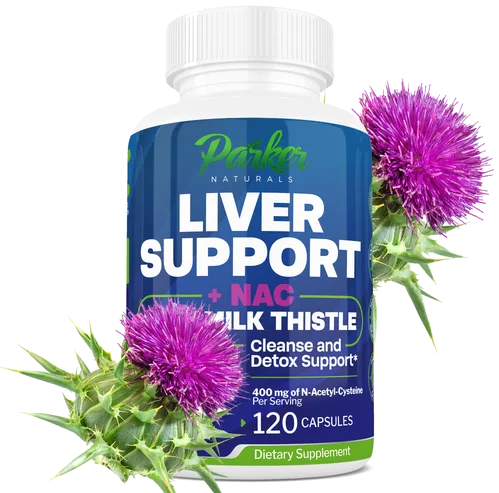
Parker Naturals Liver Support & Detox with NAC & Milk Thistle. Capsules. Made in USA! Review
Parker Naturals Liver Support & Detox with NAC & Milk Thistle is listed as 120 capsules, made in USA, sold on parkernaturals.com at $39.97 with a compare-at price of $46.97. The page describes it as a comprehensive liver support formula combining a synergistic mix of B-vitamins, minerals, botanicals and other nutraceuticals. It says the formula contains selenium-related antioxidant ingredients and NAC, which the page describes as a precursor for the synthesis of glutathione in the liver. Glutathione is described as a powerful antioxidant that, along with vitamin C and other nutrients, helps provide antioxidant support to the liver and helps support liver detoxification processes. The page states that milk thistle extract has been documented in many scientific studies to support the liver, helping protect liver cells from toxins and supporting liver detoxification processes. It also says that the active curcuminoids in turmeric have been shown to be powerful antioxidants and to help support normal, healthy liver detoxification, with an asterisk marking this as a claim that has not been evaluated by the FDA. No ingredient list, serving size, supplement facts, servings per container, or directions appear in the scraped text, so these details cannot be confirmed from this page. The page shows no customer reviews yet, with a prompt to be the first to write one, and no star ratings or review counts are displayed. Related products shown on the page include Parker Naturals mushroom complex capsules, turkey tail mushroom capsules, organic fermented beet root powder and L-carnitine liquid, each with its own listing. The page also includes share links for Facebook, Twitter and Pinterest, a shopping cart that is empty, and a Buy with Prime option. The product is presented as a Made in USA item from the Parker Naturals vendor page.
We don’t sell supplements. We help you make decisions and get the best price.
Lowest prices
We may earn a commission from some store links. How we choose.
Finding the lowest prices at the stores now. This takes a few seconds.
Products with nearly the same formula (Matched on the main ingredients)
Study, Trial or Testing Result Summary
Members Only293 human studies · 151 improved
36 of these 293 human studies gave the ingredient by drip, not by mouth.
Milk thistle is here at a full dose. Pooled trials found its extract lowered liver enzymes in people with liver injury [1] and fatty liver [2]. In cirrhosis it raised four-year survival [3]. N-acetylcysteine reaches a full dose at two servings a day. Its strongest support comes from hospital treatment of liver failure and overdose [4][5]. A fatty liver trial found no gain [6]. Artichoke leaf extract reaches a full dose at two servings and lowered liver enzymes in fatty liver trials [7][8]. Vitamin C is at a full dose, but results are mixed. Pooled reviews found no clear benefit [9][10]. Selenium reaches a full dose at two servings. Liver cancer prevention trials disagree [11][12]. Turmeric (50 milligrams) and alpha lipoic acid (20 milligrams) are below the studied doses. Pooled trials found alpha lipoic acid did not help fatty liver [13]. Dandelion was only tested inside a multi-herb formula [14]. Burdock and yellow dock have been studied only in animals [15][16]. Animal and cell studies are never counted.
See all 293 studies →Hide the studies
- Across 14 trials of 170,525 people, antioxidant supplements including selenium did not lower liver or other gut cancer rates, and some combinations raised death rates; selenium alone looked helpful only in four mostly weak trials.Antioxidant supplements for prevention of gastrointestinal cancers: a systematic review and meta-analysis.
- In 50 mostly observational studies, people with hepatitis, cirrhosis or liver cancer had lower selenium levels and higher selenium was linked to 41% fewer advanced liver disease cases, but fatty liver showed no clear link.Selenium Status in Patients with Chronic Liver Disease: A Systematic Review and Meta-Analysis.
- Across 52 trials of 5121 people with severe alcohol-related hepatitis, adding N-acetylcysteine to meds improved 28-day survival compared with meds alone, though the certainty of the evidence was low to moderate.Pharmacological Strategies for the Management of Severe Alcohol-associated Hepatitis: A Systematic Review and Meta-Analy…
- Across 55 randomized trials with 3545 people with liver injury, silymarin lowered the liver enzymes AST and ALT but not ALP, with less benefit in people with drug-induced or alcohol-related liver disease.Are alterations needed in Silybum marianum (Silymarin) administration practices? A novel outlook and meta-analysis on ra…
- This pooled analysis of 25 observational studies found blood vitamin C was lower in people with primary biliary cholangitis but not autoimmune hepatitis; no supplement was tested.Serum vitamins and homocysteine levels in autoimmune liver disease: A systematic review and meta-analysis.
- Across 14 trials of 3,423 tuberculosis patients, turmeric combined with Tinospora cordifolia cut the risk of liver injury from tuberculosis drugs compared with placebo, though this rests on few studies.Systematic review and network meta-analysis of efficacy and safety of interventions for preventing anti-tuberculosis dru…
- Across 37 randomized trials of 2509 people with fatty liver disease, artichoke leaf extract ranked best among seven natural products for lowering liver enzymes (AST and ALT) and LDL cholesterol compared with placebo.Effects of different natural products in patients with non-alcoholic fatty liver disease-A network meta-analysis of rand…
- Across 26 randomized trials with 2375 people with fatty liver disease, silymarin lowered liver enzymes, cholesterol and fat markers and improved fat build-up in the liver on biopsy.Administration of silymarin in NAFLD/NASH: A systematic review and meta-analysis.
- In a review of trials of eight plant polyphenols in 2173 people with fatty liver disease, silymarin lowered liver enzymes, liver fat and liver stiffness.Efficacy and safety of dietary polyphenol supplementation in the treatment of non-alcoholic fatty liver disease: A syste…
- Across 20 trials with 1225 people with liver disease, antioxidant supplements including vitamin C showed no effect on death rates and may have raised liver enzymes.Meta-analysis: antioxidant supplements for liver diseases - the Cochrane Hepato-Biliary Group.
- Across 20 trials with 1225 people with liver disease, antioxidant supplements including vitamin C did not change death rates and may have raised a liver enzyme (gamma glutamyl transpeptidase).Antioxidant supplements for liver diseases.
- In 2 trials (133 people with fatty liver) vitamin E combined with vitamin C had very uncertain, essentially no clear effect on liver enzymes (ALT, AST, GGT) compared with placebo.Vitamin E for people with non-alcoholic fatty liver disease.
- In seven studies of 883 people with acute liver failure not caused by a med, those given N-acetylcysteine had better overall survival, transplant-free survival and post-transplant survival, and shorter hospital stays than controls.Read the study on PubMed (33654365) →
- Across seven randomized trials with 414 people with fatty liver disease, alpha-lipoic acid did not improve liver enzymes, blood fats, blood sugar measures or body measures compared with placebo.Effects of alpha-lipoic acid supplementation on patients with nonalcoholic fatty liver disease: a systematic review and …
- In five trials of 388 people having liver surgery, N-acetylcysteine lowered next-day lactate but did not change liver enzymes, clotting, hospital stay, transfusions or complications.Systematic review and meta-analysis of the effect of N-acetylcysteine on outcomes after liver resection.
- In two trials of 183 adults and 174 children with acute liver failure not caused by paracetamol, N-acetylcysteine had inconclusive effects on death and liver transplant compared with placebo, with low-certainty evidence.Read the study on PubMed (33294991) →
- Pooling five randomized trials of 333 people with fatty liver disease, artichoke leaf extract significantly lowered liver enzymes (ALT and AST), total cholesterol, LDL cholesterol and triglycerides compared with controls.Therapeutic Potential of Artichoke in the Treatment of Fatty Liver: A Systematic Review and Meta-Analysis.
- Trials of selenium supplements for preventing liver cancer gave inconsistent results with unclear bias, and there was no convincing evidence that selenium prevents cancer.Selenium for preventing cancer.
- In six studies of paracetamol poisoning, a two-bag acetylcysteine regimen protected the liver as well as the three-bag regimen while causing far fewer allergic-type and other side effects.Comparison of two-bag and three-bag acetylcysteine regimens in the treatment of paracetamol poisoning: a systematic revi…
- In a pooled analysis of placebo-controlled trials in adults with fatty liver disease, silymarin was linked to higher odds of improved liver scarring stage compared with placebo.Comparative Efficacy of Drug Interventions on NAFLD Over 24 Weeks: A Traditional and Network Meta-Analysis of Randomized…
- In eight randomized trials, artichoke did not change blood pressure overall and gave no reduction in people with fatty liver disease, though people with high blood pressure saw small drops.Effects of artichoke on blood pressure: A systematic review and meta-analysis.
- Pooling eight clinical trials, artichoke significantly lowered liver enzymes AST and ALT compared with placebo, especially in people with fatty liver disease.The effects of Cynara scolymus L. supplementation on liver enzymes: A systematic review and meta-analysis.
- In a pooled analysis of trials, artichoke significantly lowered the liver markers ALT and alkaline phosphatase, with AST borderline non-significant, alongside modest improvements in weight, blood pressure and cholesterol.Artichoke and cardiometabolic health: A systematic and meta-analytic synthesis of current evidence.
- In seven placebo-controlled trials in people with fatty liver disease, phytosomal curcumin reduced body mass index, body fat, weight and waist size, but not hip size.Influence of phytosomal curcumin on anthropometric indices for nonalcoholic fatty liver disease: A meta-analysis.
- A review of meta-analyses in people with fatty liver disease found curcumin modestly lowered body weight but had no clear effect on body mass index or waist size.Effects of curcumin on anthropometric measurements in nonalcoholic fatty liver disease: An umbrella meta-analysis study.
- Across 34 studies of 19,580 people with a med overdose, N-acetylcysteine reduced liver damage and deaths, especially when started within 8 to 24 hours of the overdose.Read the study on PubMed (36034775) →
- In a review of 29 trials with 1840 people with fatty liver disease, most silymarin studies showed lower liver enzymes and blood fats, but no change in inflammation markers.Polyphenol Intervention Ameliorates Non-Alcoholic Fatty Liver Disease: An Updated Comprehensive Systematic Review.
- In 11 small, high-risk-of-bias trials of 700 people with paracetamol overdose, acetylcysteine appeared better than placebo and one small trial found lower death rates in fulminant liver failure, but the evidence was low quality.Read the study on PubMed (29473717) →
- A review of 11 trials in people with cirrhosis found that in two small trials of 118 patients taking curcumin, one showed better quality of life and the other showed better liver blood tests, though the evidence was limited.The effect of medicinal plants on cirrhosis: A systematic review of clinical trials.
- In 13 studies of 506 people with mushroom amatoxin poisoning treated with N-acetylcysteine plus other therapies, 11% died and treatment appeared safe, though there was no comparison group.N-acetylcysteine as a treatment for amatoxin poisoning: a systematic review.
- Review found only one trial, in 173 people with liver failure not caused by paracetamol: survival at 3 weeks was similar with N-acetylcysteine or placebo, but survival without needing a transplant was higher with N-acetylcysteine, and evidence was too limited for firm conclusions.N-acetylcysteine for non-paracetamol drug-induced liver injury: a systematic review.
- In a review of 15 fatty liver trials, ursodeoxycholic acid did not differ from a vitamin E and vitamin C combination in normalizing liver enzyme ALT.Pharmacological interventions for nonalcoholic fatty liver disease in adults and in children: a systematic review.
- A review of 59 observational studies found that higher choline intake was linked to less fatty liver but, in men and postmenopausal women, to more liver scarring, and the certainty of the evidence was very low.B vitamins and metabolic dysfunction-associated steatotic liver disease (MASLD): a systematic review of observational st…
- A review of 46 studies on alcohol-related liver disease found weak or negative evidence for selenium, with only magnesium showing a possible role.The Role of Micronutrients in the Pathogenesis of Alcohol-Related Liver Disease.
- This review of treatments for paracetamol poisoning included N-acetylcysteine among several treatments, but the abstract does not report its results on liver damage.Read the study on PubMed (19450343) →
- This overview of treatments for paracetamol poisoning covered acetylcysteine among six treatments, but the abstract gives no results for acetylcysteine and liver outcomes.Read the study on PubMed (26479248) →
- Review of three studies (two randomized trials) in people having part of the liver removed found no significant difference in overall complications with N-acetylcysteine, with more mild liver failure in one study and more delirium in another, so routine use is not supported.Current evidence for the use of N-acetylcysteine following liver resection.
- A review of trials in people with chronic viral hepatitis found silymarin likely lowered liver enzymes but did not change viral load or liver tissue damage.Silymarin treatment of viral hepatitis: a systematic review.
- A review of clinical data on supplements for fatty liver disease concluded silymarin, if well dosed and taken for medium to long periods with lifestyle changes, could have positive effects.Nutraceutical Approach to Non-Alcoholic Fatty Liver Disease (NAFLD): The Available Clinical Evidence.
- A review of 40 meta-analyses in adults found silymarin had positive effects on certain liver enzymes, though evidence quality was generally weak.Natural products and dietary interventions on liver enzymes: an umbrella review and evidence map.
- A review of research on curcumin for fatty liver disease described its potential benefits but noted low absorption and no standard dosing, and gave no pooled numbers.Curcumin Treatment for Metabolic Dysfunction-Associated Steatotic Liver Disease: Mechanism Exploration, Clinical Applica…
- In 29450 healthy adults in China taking vitamin C with molybdenum for about 5 years, liver cancer deaths were not significantly reduced overall, with borderline lower risk in men only.Chemoprevention of primary liver cancer: a randomized, double-blind trial in Linxian, China.
- In 226 hepatitis B carriers and 3,849 relatives of liver cancer patients, daily selenium yeast for 2 to 4 years led to fewer liver cancers than ordinary yeast.[Preliminary observations on effect of selenium yeast on high risk populations with primary liver cancer].
- In 2,065 hepatitis B carriers with normal liver function in a high-risk area, 0.5 mg of selenium daily for three years was linked to fewer new liver cancers (34 of 1,112 vs 57 of 953 on placebo).[The prevention of primary liver cancer by selenium in high risk populations].
- In 1005 adults aged 50-70 given vitamin C 1 g with vitamin E and a med for about 3.6 years, the odds of fatty liver were 71% lower than with placebo.Read the study on PubMed (20842109) →
- In 508 people taking tuberculosis drugs, adding a turmeric and Tinospora herbal formulation for about 6 months cut liver damage from 27 of 192 in the drug-only group to 2 of 316 in the herbal group, with lower liver enzymes and bilirubin.Prevention of hepatotoxicity due to anti tuberculosis treatment: a novel integrative approach.
- In 370 tuberculosis patients, milk thistle capsules did not prevent anti-tuberculosis drug liver injury compared with vitamin C, and a stricter definition of liver injury was more common in the milk thistle group.Preventive use of a hepatoprotectant against anti-tuberculosis drug-induced liver injury: A randomized controlled trial.
- In 227 obese adults with type 2 diabetes, 1500 mg of curcumin daily for 12 months reduced liver fat, liver stiffness and HbA1c and improved inflammation and antioxidant markers compared with placebo.Curcumin Attenuates Liver Steatosis via Antioxidant and Anti-Inflammatory Pathways in Obese Patients with Type 2 Diabete…
- In 226 hepatitis B surface antigen carriers, 200 mcg of selenium daily for four years led to no liver cancers versus 7 of 113 on placebo, but the benefit faded once supplements stopped.Protective role of selenium against hepatitis B virus and primary liver cancer in Qidong.
- In 222 people with Alzheimer's disease taking tacrine, 420 mg a day of silymarin for 12 weeks did not prevent the rise in the liver enzyme ALAT compared with placebo, though it reduced stomach and cholinergic side effects.Aminotransferase levels and silymarin in de novo tacrine-treated patients with Alzheimer's disease.
- In 214 cirrhosis patients with variceal bleeding, 72 hours of intravenous N-acetylcysteine plus standard care reduced ischemic hepatitis, kidney injury, and deaths from liver failure compared with standard care alone.Utility of N-acetylcysteine in ischemic hepatitis in cirrhotics with acute variceal bleed: a randomized controlled trial…
- In 206 people undergoing liver resection, adding N-acetylcysteine after surgery gave no liver benefit and was linked to significantly more delirium than standard care.Effect of N-acetylcysteine on liver recovery after resection: A randomized clinical trial.
- In paracetamol overdoses of up to 30 g, a shorter 12-hour acetylcysteine course protected the liver as well as the standard 20-hour course, with similar side effects.A non-inferiority randomised controlled trial of a shorter acetylcysteine regimen for paracetamol overdose - the SARPO t…
- In 191 people with fatty liver inflammation, 8 weeks of a combination containing nicotinamide ascorbate reduced liver fat by 25% and lowered liver enzymes, while placebo did not.Efficacy and safety of oral betaine glucuronate in non-alcoholic steatohepatitis. A double-blind, randomized, parallel-g…
- In 184 children with acute liver failure not caused by a med, intravenous N-acetylcysteine for up to 7 days did not improve 1-year survival and was linked to lower survival without liver transplant (35% vs 53% with placebo).Intravenous N-acetylcysteine in pediatric patients with nonacetaminophen acute liver failure: a placebo-controlled clini…
- In 180 young people with thalassemia and low vitamin C, 100 mg of vitamin C daily for one year alongside iron-removing drugs lowered liver iron concentration and ferritin compared with no vitamin C, with no adverse events.Role of vitamin C as an adjuvant therapy to different iron chelators in young β-thalassemia major patients: efficacy and…
- In 173 people with early-stage acute liver failure not caused by paracetamol, intravenous acetylcysteine given for 72 hours improved survival without transplant (40% vs 27% with placebo), but this benefit was not seen in patients with advanced coma.Read the study on PubMed (19524577) →
- In 170 people with cirrhosis of the liver, 420 mg a day of silymarin for about 41 months on average raised 4-year survival to 58% compared with 39% on placebo, with no side effects seen.Randomized controlled trial of silymarin treatment in patients with cirrhosis of the liver.
- In 160 transplant patients at risk of liver toxicity, intravenous N-acetylcysteine at 100 mg/kg daily did not reduce liver toxicity compared with no treatment.A prospective randomized study using N-acetyl-L-cysteine for early liver toxicity after allogeneic hematopoietic stem ce…
- In 150 people receiving a liver transplant from a living donor, IV N-acetylcysteine lowered peak liver enzymes (AST and ALT) but did not reduce the combined rate of kidney injury or early graft dysfunction.Double-blind placebo-controlled randomized trial of N-acetylcysteine infusion following live donor liver transplantation…
- In 150 people with fatty liver disease split across five groups, 140 mg a day of silymarin for 3 months significantly lowered liver enzymes (ALT and AST), while the lifestyle-plus-placebo group did not see a significant drop.Treatment options for nonalcoholic fatty liver disease: a double-blinded randomized placebo-controlled trial.
- In 150 people with type 2 diabetes, a seven-herb combination including milk thistle taken for 3 months improved blood sugar, and no notable liver side effects were seen, but liver benefit was not shown.Efficacy and Safety of a Traditional Herbal Combination in Patients with Type II Diabetes Mellitus: A Randomized Control…
- In 146 people at risk of fatty liver disease, Heptex capsules containing 100 mg milk thistle extract for 36 weeks lowered liver enzymes within groups but did not beat placebo, and were safe and well tolerated.The activity of a herbal medicinal product of Phyllanthus niruri and Silybum marianum powdered extracts (Heptex®) in pat…
- In 144 people with chronic hepatitis B, a daily N-acetylcysteine injection for 45 days gave a 90% total effective rate versus 69% with placebo, with lower bilirubin and better clotting time; the abstract's stated dose appears to be a typo.[A multi-center clinical study of N-acetylcysteine on chronic hepatitis B].
- In 140 liver transplant candidates, giving N-acetylcysteine to the donor during liver procurement improved graft survival at 12 months (90% vs 70% without it) and lowered postoperative complications (23% vs 51%).Use of N-acetylcysteine during liver procurement: a prospective randomized controlled study.
- In 140 adults with fatty liver, a multi-ingredient blend containing artichoke extract taken for 12 weeks reduced liver fat more than placebo (-34 vs -20 dB/m).A new nutraceutical (Livogen Plus®) improves liver steatosis in adults with non-alcoholic fatty liver disease.
- In 116 people with alcoholic hepatitis, 420 mg of silymarin daily for three months did not beat placebo; both groups improved similarly.[Treatment of alcoholic hepatitis with silymarin. A double-blind comparative study in 116 patients].
- In 113 people with fatty liver disease, a 3-month supplement mixture that included choline did not lower liver enzymes more than the control treatment.Randomised trial of chronic supplementation with a nutraceutical mixture in subjects with non-alcoholic fatty liver dise…
- In 111 liver cancer patients getting a artery-blocking treatment (TACE), IV N-acetylcysteine given around the procedure lowered the rate of post-embolization syndrome (fever and liver enzyme rise) to 24.6% versus 48.2% with placebo, but did not prevent later liver decompensation.N-Acetylcysteine Prevents Post-embolization Syndrome in Patients with Hepatocellular Carcinoma Following Transarterial C…
- In 110 children with cystic fibrosis given a choline-rich lipid supplement for 12 months, choline intake and blood and muscle choline levels rose compared with placebo, but the abstract reports no liver fat change from the supplement.Choline Supplementation With a Structured Lipid in Children With Cystic Fibrosis: A Randomized Placebo-Controlled Trial.
- In 106 people with liver disease mostly caused by alcohol, silymarin for 4 weeks lowered liver enzymes more than placebo, normalized liver function tests more often, and normalized liver tissue changes more often.Effect of silymarin on chemical, functional, and morphological alterations of the liver. A double-blind controlled study…
- In 105 adults with acute hepatitis in Egypt, 140 mg of silymarin three times daily for four weeks led to faster resolution of dark urine, jaundice and yellowing of the eyes than placebo, with no side effects, though liver enzymes did not differ significantly.A randomized controlled trial to assess the safety and efficacy of silymarin on symptoms, signs and biomarkers of acute …
- In 102 people with partial bile duct blockage, 1800 mg per day of intravenous N-acetylcysteine with ciprofloxacin for 7 days lowered liver enzymes, alkaline phosphatase, and inflammation markers, while the placebo group did not improve.Potential benefits of combined N-acetylcysteine and ciprofloxacin therapy in partial biliary obstruction.
- In 102 adults with drug-induced liver injury from tuberculosis treatment, intravenous N-acetylcysteine did not speed liver enzyme recovery compared with placebo but shortened hospital stays, and 5 patients stopped the infusion due to side effects.A Randomized Controlled Trial of Intravenous N-Acetylcysteine in the Management of Anti-tuberculosis Drug-Induced Liver …
- In 102 people with fatty liver, 300 mg daily of a bergamot and wild cardoon blend for 12 weeks reduced liver fat more than placebo (-48.2 vs -26.9 dB/m).Randomized Clinical Trial: Bergamot Citrus and Wild Cardoon Reduce Liver Steatosis and Body Weight in Non-diabetic Indiv…
- In 102 people with fatty liver disease, 8 weeks of 1,000 mg daily phytosomal curcumin improved liver ultrasound findings in 75% of users versus 4.7% on placebo and lowered liver enzymes.Efficacy and Safety of Phytosomal Curcumin in Non-Alcoholic Fatty Liver Disease: A Randomized Controlled Trial.
- In 100 liver transplant patients given intravenous N-acetylcysteine or placebo, the treatment did not improve liver or kidney outcomes or survival over one year.N-acetylcysteine does not prevent hepatorenal ischaemia-reperfusion injury in patients undergoing orthotopic liver trans…
- In 100 people with intermediate-stage liver cancer receiving embolization, intravenous acetylcysteine plus dexamethasone reduced post-procedure syndrome to 6% compared with 80% with placebo, and 94% avoided it.Efficacy of dexamethasone and N-acetylcysteine combination in preventing post-embolization syndrome after transarterial …
- In 100 adults with moderately high cholesterol, a combined red yeast rice, policosanol and artichoke supplement taken for 16 weeks lowered LDL cholesterol but did not change liver function markers compared with placebo.A combined natural supplement lowers LDL cholesterol in subjects with moderate untreated hypercholesterolemia: a randomi…
- In 100 adults with fatty liver disease, 600 mg a day of artichoke leaf extract for 2 months improved liver ultrasound findings and lowered liver enzymes (ALT and AST) and bilirubin compared with placebo.Efficacy of artichoke leaf extract in non-alcoholic fatty liver disease: A pilot double-blind randomized controlled tria…
- In 99 adults with fatty liver inflammation (NASH), silymarin at 700 mg three times daily for 48 weeks did not significantly improve the overall disease activity score compared with placebo, but it led to more people with reduced liver scarring and lower liver stiffness than placebo.A Randomized Trial of Silymarin for the Treatment of Nonalcoholic Steatohepatitis.
- In 97 people with thalassemia major taking desferrioxamine, adding silymarin from milk thistle for 9 months improved liver function tests more than placebo did, and also lowered iron overload markers.A randomized double-blind, placebo-controlled study of therapeutic effects of silymarin in β-thalassemia major patients …
- In 94 adults with fatty liver, 300 mg a day of a bergamot and wild cardoon (artichoke relative) blend for 6 weeks lowered serum uric acid more than placebo.Citrus Bergamia and Cynara Cardunculus Reduce Serum Uric Acid in Individuals with Non-Alcoholic Fatty Liver Disease.
- In 92 adults with fatty liver disease, 3 g of turmeric daily for 12 weeks raised HDL cholesterol and lowered triglyceride-to-HDL ratio versus placebo, but did not change liver-specific markers except alkaline phosphatase when combined with chicory seed.Turmeric and chicory seed have beneficial effects on obesity markers and lipid profile in non-alcoholic fatty liver dise…
- In 92 obese people with fatty liver disease followed for 8 weeks, alpha-lipoic acid with diet advice reduced liver fat grade (about 2 people treated for one to improve), but liver enzyme and blood sugar differences between groups were not significant, and the control group did best on some measures.Clinical effectiveness of α-lipoic acid, myo-inositol and propolis supplementation on metabolic profiles and liver funct…
- In 90 children with fatty liver disease on diet and exercise, 500 mg vitamin C plus vitamin E daily for 12 months did not change liver enzyme or insulin resistance levels compared with placebo.Effect of vitamin E on aminotransferase levels and insulin resistance in children with non-alcoholic fatty liver disease…
- In 90 people with fatty liver disease (NASH), 1200 mg N-acetylcysteine twice daily plus a med for 6 months reduced liver fat, fibrosis, and inflammatory markers more than vitamin E alone.New Approach Combination-Dosed Therapy for Nonalcoholic Steatohepatitis Versus Vitamin E: A Randomized Controlled Trial.
- In 90 people with slightly high cholesterol, an artichoke and bergamot extract blend improved cholesterol, inflammation and a fatty liver index compared with placebo, with liver enzyme gains versus baseline at 12 weeks.A Randomized, Double-Blind, Placebo-Controlled Clinical Trial on the Effect of a Dietary Supplement Containing Dry Artic…
- In 87 people with fatty liver disease, 1000 mg daily curcumin for 8 weeks lowered cholesterol, LDL, triglycerides and uric acid compared with control, though the abstract does not report liver enzyme results.Curcumin Lowers Serum Lipids and Uric Acid in Subjects With Nonalcoholic Fatty Liver Disease: A Randomized Controlled Tr…
- In 86 healthy adults taking a turmeric-containing liquid blend for 90 days, cholesterol markers improved versus placebo, and no adverse events were reported; liver markers were checked only for safety.Efficacy and Safety of a Multi-Ingredient Liquid-Based Botanical Nutraceutical for Improving Markers of Metabolic Health…
- In 83 adults with fatty liver disease, 103.2 mg of silymarin daily for 24 weeks significantly reduced liver stiffness compared with placebo, with no significant change in fat content on scan.Silymarin decreases liver stiffness associated with gut microbiota in patients with metabolic dysfunction-associated ste…
- In a crossover placebo-controlled trial of 82 people with beta-thalassemia major, 140 mg of silymarin three times daily for 12 weeks reduced liver iron, but changes in liver function were not statistically significant.Iron-chelating effect of silymarin in patients with β-thalassemia major: A crossover randomised control trial.
- In 82 children with leukemia receiving chemotherapy, silymarin for eight weeks lowered liver enzymes ALT and AST, though a Persian fruit infusion lowered ALT more; there was no placebo group.Efficacy of a traditional persian fruit infusion (Naqu Fawakeh) versus silymarin in reducing chemotherapy-induced hepato…
- In 80 overweight adults taking a curcumin supplement containing phosphatidylcholine for 8 weeks, liver enzymes and a fatty liver index improved compared with placebo, though choline was not tested on its own.Effects of phytosomal curcumin on anthropometric parameters, insulin resistance, cortisolemia and non-alcoholic fatty li…
- In 80 people with acute liver failure not caused by a med, a 72-hour IV N-acetylcysteine infusion was followed by mortality of 28% versus 53% with placebo.Read the study on PubMed (28611340) →
- In 80 adults with type 2 diabetes and fatty liver, 300 mg per day of an artichoke and bergamot combination, compared with placebo, improved liver ultrasound and blood markers and reduced oxidative stress and inflammation.The synergistic effect of Citrus bergamia and Cynara cardunculus extracts on vascular inflammation and oxidative stress …
- In 80 adults with fatty liver disease, 250 mg of phospholipid curcumin daily for 2 months reduced liver fat grade and liver enzyme AST more than placebo.The Effect of Curcumin Phytosome on the Treatment of Patients with Non-alcoholic Fatty Liver Disease: A Double-Blind, Ra…
- In 80 cancer patients on chemotherapy taking 500 mg curcumin twice daily for 9 weeks, the liver enzyme SGOT differed significantly between groups during the trial, but the abstract does not state the direction of that difference.The Effects of Curcumin on the Side Effects of Anticancer Drugs in Chemotherapy: A Randomized Controlled Trial.
- In 80 people with simple fatty liver, 500 mg per day of curcumin for 24 weeks reduced liver fat, weight, blood fats and blood sugar more than placebo.Curcumin supplementation alleviates hepatic fat content associated with modulation of gut microbiota-dependent bile acid…
- In 79 adults with fatty liver disease, 500 mg of curcumin with piperine daily for two months reduced liver disease severity on ultrasound and lowered alkaline phosphatase more than placebo.Curcumin and Piperine Combination for the Treatment of Patients with Non-alcoholic Fatty Liver Disease: A Double-Blind R…
- In 78 people with sudden liver failure not caused by a med, N-acetylcysteine compared with placebo was linked to better survival without transplant, and lowered the inflammatory cytokine IL-17.Read the study on PubMed (23782487) →
- In 78 adults with fatty liver inflammation (NASH), silymarin at 700 mg three times daily for 48 weeks did not improve the disease activity score more than placebo, with 4 of 27 people on this dose reaching the primary target versus 3 of 25 on placebo.Silymarin in non-cirrhotics with non-alcoholic steatohepatitis: A randomized, double-blind, placebo controlled trial.
- In 78 people with type 2 diabetes and fatty liver, 1500 mg per day of curcumin for 12 months lowered inflammatory markers, improved antioxidant activity, and reduced liver fat and liver stiffness more than placebo.Curcumin for Inflammation Control in Individuals with Type 2 Diabetes Mellitus and Metabolic Dysfunction-Associated Stea…
- In 77 people with chronic hepatitis C, adding N-acetylcysteine to interferon alpha delayed relapse compared with interferon alone.Association of alpha-interferon and acetyl cysteine in patients with chronic C hepatitis.
- In 75 people with chronic hepatitis B, 8 grams per day of N-acetylcysteine added to standard injections for 28 days gave an 84% total effective rate, versus 72% with glutathione, and it lowered bilirubin more than glutathione did.[A clinical study of N-acetylcysteine treatment in chronic hepatitis B patients].
- In a placebo-controlled trial of 74 acne patients taking a med, 140 mg of silymarin daily for 30 days kept liver enzymes (AST and ALT) from rising compared with placebo.Read the study on PubMed (31997509) →
- In 72 people with alcoholic liver disease followed for about 15 months, 280 mg daily of silymarin did not change how the disease progressed or the risk of death compared with placebo.[Controlled study of the effect of silymarin on alcoholic liver disease].
- In 72 adults recovering from a heart attack, 500 mg of curcumin with piperine daily for 8 weeks lowered ALT liver enzyme levels more than placebo.The Effects of Curcumin Plus Piperine Supplementation in Patients with Acute Myocardial Infarction: A Randomized, Double…
- In a placebo-controlled trial of 71 hemodialysis patients taking turmeric for 12 weeks, liver function tests did not change meaningfully within or between groups.Evaluation of Curcumin's effect on inflammation in hemodialysis patients.
- In 70 adults with type 2 diabetes (57 finished), 500 mg of vitamin C daily for eight weeks did not change liver enzymes (AST, ALT) compared with placebo.Eight Weeks of Vitamin C Supplementation Restores the Lost Correlation between Serum Leptin and C-reactive Protein (CRP)…
- In 70 people with severe alcoholic hepatitis, a 6-month antioxidant mix that included selenium did not improve survival compared with placebo.Read the study on PubMed (17532088) →
- In 70 people with lung disease having heart bypass surgery, taking 900 mg per day of N-acetylcysteine for 7 days before surgery was linked to lower blood ammonia and lactate and better kidney and liver function afterward compared with no treatment.Assessment of Renal and Hepatic Tissue-Protective Effects of N-Acetylcysteine via Ammonia Metabolism: A Prospective Rand…
- In 70 people with fatty liver disease, 500 mg of curcuminoids with 5 mg piperine daily for 12 weeks improved disease severity compared with placebo, though the share of improved patients was only marginally higher.Curcuminoids plus piperine improve nonalcoholic fatty liver disease: A clinical trial.
- In 70 people with liver cirrhosis, 3 months of 1,000 mg daily curcumin lowered disease severity scores, while scores rose in the placebo group.Effect of curcumin supplementation on disease severity in patients with liver cirrhosis: A randomized controlled trial.
- In 70 people with liver cirrhosis, 1000 mg of curcumin daily for 12 weeks improved quality of life scores compared with placebo.Curcumin ameliorates health-related quality of life in patients with liver cirrhosis: A randomized, double-blind placebo…
- In 68 overweight adults with fatty liver disease, a supplement containing silymarin plus a Mediterranean diet for three months improved liver steatosis more than the diet alone, with a 9-point drop in the liver steatosis index versus 6 points in the diet-only group.The Synergic Effect of a Nutraceutical Supplementation Associated to a Mediterranean Hypocaloric Diet in a Population of…
- In 68 patients with beta-thalassemia major, 1000 mg daily curcumin for 12 weeks lowered liver enzymes ALT and AST and reduced iron burden compared with placebo.An investigation of the effects of curcumin on iron overload, hepcidin level, and liver function in β-thalassemia major …
- In 65 people with fatty liver disease, phytosomal curcumin over 8 weeks raised adiponectin and lowered leptin compared with placebo, and raised HDL cholesterol.Effect of Phytosomal Curcumin on Circulating Levels of Adiponectin and Leptin in Patients with Non-Alcoholic Fatty Liver…
- In 62 people with decompensated hepatitis C cirrhosis, a high dose of 1,050 mg silymarin daily for 12 weeks improved liver enzymes, albumin, bilirubin and clotting ratio, while the 420 mg dose did not.High Dose of Silymarin in Patients with Decompensated Liver Disease: A Randomized Controlled Trial.
- In 61 people with fatigue from primary biliary cirrhosis, 12 weeks of an antioxidant mix containing selenium did not reduce fatigue or other liver-related symptoms compared with placebo.Oral antioxidant supplementation for fatigue associated with primary biliary cirrhosis: results of a multicentre, random…
- In a randomized trial of 60 adults aged 60 or older starting tuberculosis drugs, adding N-acetylcysteine for 2 weeks reduced liver injury: 37.5% of those on drugs alone had liver toxicity versus none of those who also took N-acetylcysteine.Protective effect of N-acetylcysteine on antituberculosis drug-induced hepatotoxicity.
- In 60 adults with fatty liver disease, 2400 mg per day of oral N-acetylcysteine for 12 weeks plus lifestyle changes did not significantly improve oxidative stress, insulin resistance, liver fat, or fibrosis compared with lifestyle changes alone.Effect of high dose N-acetyl cysteine supplementation on markers of oxidative stress and insulin resistance in non-diabe…
- In 60 people with end-stage chronic liver disease undergoing liver transplant, intraoperative acetylcysteine did not improve blood flow or postoperative liver graft function compared with glucose placebo.Does N-acetylcysteine improve hemodynamics and graft function in liver transplantation?
- In a pilot study of 60 liver transplant patients, those given N-acetylcysteine had less liver injury, better liver function, and fewer early graft failures than those given glucose only.The efficacy of N-acetylcysteine as a hepatoprotective agent in liver transplantation.
- In 60 people with compensated alcoholic cirrhosis, one month of silymarin (dose not stated) normalized elevated liver enzymes and bilirubin and reduced gamma-glutamyl transferase, while the placebo group showed no such changes.Immunomodulatory and hepatoprotective effects of in vivo treatment with free radical scavengers.
- In 60 healthy adults with high cholesterol, one daily pill with artichoke and bergamot extracts for 8 weeks improved cholesterol, inflammation, fatty liver scores and blood vessel function compared with placebo.Effect of Dietary Supplementation with Eufortyn® Colesterolo Plus on Serum Lipids, Endothelial Reactivity, Indexes of No…
- In adults with mildly to moderately raised liver enzyme ALT, 3 grams daily of fermented turmeric powder for 12 weeks lowered ALT and AST compared with placebo.The effectiveness of fermented turmeric powder in subjects with elevated alanine transaminase levels: a randomised contr…
- In 60 people with fatty liver disease, 500 mg daily curcumin with 5 mg piperine for 12 weeks lowered ALT and AST and improved cholesterol and blood pressure compared with placebo, though liver stiffness did not change.Efficacy of curcumin plus piperine co-supplementation in moderate-to-high hepatic steatosis: A double-blind, randomized,…
- In 60 women with gestational diabetes, 100 mg a day of alpha-lipoic acid for 8 weeks lowered fasting blood sugar, gamma-glutamyltransferase and alanine transaminase, while other liver markers did not change.Reduction in maternal serum values of glucose and gamma-glutamyltransferase after supplementation with alpha-lipoic acid…
- In 58 people having major liver surgery, a multivitamin infusion including 1 g of vitamin C gave better clotting and liver enzyme results after surgery than no treatment.Antioxidant treatment during liver resection for alleviation of ischemia-reperfusion injury.
- In 57 people with severe alcoholic hepatitis, adding intravenous acetylcysteine to granulocyte colony-stimulating factor and standard therapy gave no added survival benefit over the same treatment without it at 90 days.Efficacy of Granulocyte Colony-Stimulating Factor and N-Acetylcysteine Therapies in Patients With Severe Alcoholic Hepat…
- In 56 patients with acute alcohol-related toxic hepatitis, adding selenium 200 mcg with vitamin E and zinc to standard care sped up changes in bilirubin, malondialdehyde and ammonia, shortened hospital stays by 6 days, and cut mortality from 40% to 6.5% compared with standard care alone.[Alcohol-induced toxic hepatitis--a "free radical" associated disease. Lowering fatality by adjuvant antioxidant therapy…
- In 56 people with intermediate-stage liver cancer receiving embolization, intravenous acetylcysteine for 48 hours lowered post-procedure syndrome to 32.1% compared with 64.3% for dexamethasone, with 67.9% of the acetylcysteine group avoiding it.Efficacy of N-acetylcysteine vs dexamethasone in preventing postembolization syndrome post-transarterial chemoembolizati…
- In 55 tuberculosis patients, silymarin taken for four weeks reduced the risk of antituberculosis drug-induced liver injury (1 of 27 vs 9 of 28 on placebo), and the silymarin group kept more of its antioxidant enzyme superoxide dismutase.A double-blinded randomized controlled trial of silymarin for the prevention of antituberculosis drug-induced liver inju…
- In 55 adults with fatty liver disease, 500 mg of curcumin with 5 mg piperine daily for 8 weeks did not significantly change blood markers of oxidative stress compared with placebo.The effect of curcumin with piperine supplementation on pro-oxidant and antioxidant balance in patients with non-alcohol…
- In 55 adults with fatty liver disease, 500 mg of curcuminoids with piperine daily for 8 weeks lowered certain inflammatory blood markers and improved liver ultrasound scores compared with placebo.Effects of curcuminoids on inflammatory status in patients with non-alcoholic fatty liver disease: A randomized controll…
- In a placebo-controlled trial of 55 adults with fatty liver fibrosis, 80 mg daily of nano-curcumin for 16 weeks lowered liver enzymes more than placebo but did not change fibrosis or fat in the liver compared with placebo.Effect of nano-curcumin supplementation on liver fibrosis in patients with NAFLD-associated fibrosis: a double-blind ran…
- In 55 overweight or obese adults, a multi-ingredient supplement containing 400 mg alpha-lipoic acid for 12 weeks lowered weight, fat mass and liver enzymes (AST, ALT) more than placebo, but the effect cannot be attributed to alpha-lipoic acid alone.Novel Multi-Ingredient Supplement Facilitates Weight Loss and Improves Body Composition in Overweight and Obese Individu…
- Over 24 months in children with fatty liver disease, liver health improved in both groups with lifestyle changes, but adding vitamin C and vitamin E to lifestyle changes gave no extra benefit over placebo.Lifestyle intervention and antioxidant therapy in children with nonalcoholic fatty liver disease: a randomized, controll…
- In 53 people with alcohol use disorder, acetylcysteine added to usual care did not change treatment adherence, time to relapse or clinical improvement compared with placebo over nine weeks.A randomized, double-blind, placebo-controlled trial of N-acetylcysteine as an adjuvant treatment for alcohol use disord…
- In 52 adults with fatty liver disease, 1500 mg of curcumin daily for 12 weeks lowered liver enzymes and liver fibrosis scores within the curcumin group, but adding it to weight loss was no better than weight loss alone.The effects of curcumin supplementation on liver enzymes, lipid profile, glucose homeostasis, and hepatic steatosis and …
- In 52 people with fatty liver disease, 12 weeks of 1,500 mg daily curcumin added to lifestyle changes did not improve cardiometabolic markers more than lifestyle changes plus placebo, though fewer curcumin users had severe fatty liver and metabolic syndrome afterward.Curcumin Offers No Additional Benefit to Lifestyle Intervention on Cardiometabolic Status in Patients with Non-Alcoholic…
- In 52 people with fatty liver inflammation, 2 grams per day of phospholipid curcumin for 72 weeks resolved the condition in 62 percent of users versus 12 percent on placebo, and also improved kidney function, blood sugar, cholesterol and inflammatory markers.Effect of phospholipid curcumin Meriva on liver histology and kidney disease in nonalcoholic steatohepatitis: A randomiz…
- In 50 patients having major liver surgery, an antioxidant infusion of vitamin E (tocopherol) and vitamin C (ascorbate) given just before blood flow was restored reduced a marker of fat damage in the liver, and prothrombin time was better and complications were less frequent than in controls.Normothermic liver ischemia and antioxidant treatment during hepatic resections.
- In 50 people with fulminant liver failure from paracetamol overdose, intravenous acetylcysteine raised survival to 48% compared with 20% with dextrose, though liver function recovery was similar between groups.Intravenous acetylcysteine in paracetamol induced fulminant hepatic failure: a prospective controlled trial.
- In 50 children with leukemia and liver toxicity, milk thistle for 28 days did not change liver tests at day 28 versus placebo, though AST was significantly lower by day 56.A randomized, controlled, double-blind, pilot study of milk thistle for the treatment of hepatotoxicity in childhood acu…
- In 50 people with type 2 diabetes and high cholesterol, a polyherbal powder containing 500 mg milk thistle seed twice daily for 12 weeks did not change liver enzymes ALT or AST, with no harm to the liver.A Randomized Controlled Trial of a Herbal Compound for Improving Metabolic Parameters in Diabetic Patients with Uncontro…
- In 50 hospitalized people with COVID-19 taking nano-silymarin three times daily for 2 weeks, alanine aminotransferase fell more than with placebo, but symptoms and hospital stay did not differ.Evaluation of the efficacy of oral nano-silymarin formulation in hospitalized patients with COVID-19: A double-blind pla…
- In a trial of 260 people with fatty liver disease testing a traditional Chinese herbal granule, a silibinin arm of 50 people significantly lowered ALT only, while the herbal granule had broader effects; the study did not compare silibinin with placebo.Danshao Shugan Granule therapy for non-alcoholic fatty liver disease.
- In 50 adults with pre-obesity, 150 mg per day of the Altilix artichoke-based supplement for six months, compared with placebo, reduced body weight, blood sugar and lipids and improved liver function.A Nutraceutical Containing Chlorogenic Acid and Luteolin Improves Cardiometabolic Parameters in Subjects with Pre-Obesit…
- In a placebo-controlled trial of 50 adults with fatty liver disease, 1500 mg of curcumin daily for 12 weeks added to lifestyle advice did not produce significant differences from placebo in liver fibrosis, fat, liver enzymes or inflammation.Curcumin and inflammation in non-alcoholic fatty liver disease: a randomized, placebo controlled clinical trial.
- In 50 people with fatty liver disease, 1200 mg a day of alpha-lipoic acid for 12 weeks improved insulin resistance and fat-hormone levels, but liver enzymes and liver fat did not differ from placebo.Oral α-lipoic acid supplementation in patients with non-alcoholic fatty liver disease: effects on adipokines and liver h…
- In 49 adults with fatty liver inflammation and scarring, taking 1000 mg of vitamin C with 1000 IU of vitamin E daily for 6 months improved liver scarring compared with placebo, but did not reduce inflammation.Vitamin E and vitamin C treatment improves fibrosis in patients with nonalcoholic steatohepatitis.
- In 48 people with multiple sclerosis taking fingolimod, silymarin for six months lowered liver enzymes ALT and AST and a marker of oxidative stress (malondialdehyde) and raised antioxidant capacity compared with placebo.Antioxidative effects of silymarin on the reduction of liver complications of fingolimod in patients with relapsing-remi…
- In 48 chronic alcohol drinkers with raised liver enzymes, 500 mg per day of a curcumin complex for 8 weeks cut liver enzymes by about 30 percent, raised antioxidants and lowered inflammatory markers, while the placebo group's enzymes rose.A Novel Curcumin-Galactomannoside Complex Delivery System Improves Hepatic Function Markers in Chronic Alcoholics: A Dou…
- In 47 patients with acute viral hepatitis, 900 mg a day of phosphatidyl choline did not change bilirubin or liver enzyme recovery compared with no treatment over 12 weeks.The effect of polyunsaturated phosphatidyl choline in the treatment of acute viral hepatitis.
- In 46 adults with fatty liver disease, 3000 mg of turmeric powder daily for 12 weeks lowered blood sugar, insulin and leptin compared with placebo, but liver enzymes and body weight did not change significantly.Turmeric Supplementation Improves Serum Glucose Indices and Leptin Levels in Patients with Nonalcoholic Fatty Liver Dise…
- In 46 outpatients with COVID-19 taking 1000 mg curcumin daily with piperine for 14 days, liver enzymes did not change differently from placebo.The efficacy of curcumin-piperine co-supplementation on clinical symptoms, duration, severity, and inflammatory factors …
- In 45 people with a med overdose, a 12-hour modified N-acetylcysteine regimen and the standard 20-hour regimen did not differ in metabolism or most thiol markers, though the modified regimen raised plasma N-acetylcysteine and cysteine at 12 hours.Read the study on PubMed (33742775) →
- In a placebo-controlled trial of 45 adults with fatty liver disease, 250 mg daily of phytosomal curcumin for 8 weeks lowered liver enzymes more than placebo and also reduced a DNA damage marker and an advanced glycation marker.Efficacy of phytosomal curcumin among patients with non-alcoholic fatty liver disease.
- In 45 obese older women with fatty liver disease, curcumin capsules alone for 12 weeks did not significantly change liver enzymes or liver structure, while resistance training lowered liver enzymes.Effects of non-linear resistance training and curcumin supplementation on the liver biochemical markers levels and struc…
- In 45 obese people with fatty liver disease, 1200 mg a day of alpha-lipoic acid for 12 weeks lowered an inflammation marker (IL-6) and raised adiponectin versus placebo, but liver enzymes and liver fat did not differ between groups.The effect of alpha-lipoic acid on inflammatory markers and body composition in obese patients with non-alcoholic fatty …
- In a placebo-controlled trial of 44 overweight children taking 500 mg of vitamin C daily with vitamin E and selenium for about 4 months, markers of oxidative stress fell and liver enzyme levels improved modestly, though markers of inflammation did not change.Antioxidant supplements reduced oxidative stress and stabilized liver function tests but did not reduce inflammation in …
- In 44 adults with fatty liver disease, 250 mg of phytosomal curcumin daily for 8 weeks lowered DNA methylation of two repair genes but did not change liver enzymes or DNA damage marker 8-OHdG compared with placebo.A pilot study of the effect of curcumin on epigenetic changes and DNA damage among patients with non-alcoholic fatty liv…
- In 44 breast cancer patients starting tamoxifen, 500 mg of curcumin daily for 6 months led to fewer patients developing worsening fatty liver on ultrasound than placebo (13.6% vs 54.5%).Curcumin Supplementation as a Preventive Strategy Against Tamoxifen-Induced Nonalcoholic Fatty Liver Disease in ER+ Brea…
- In 42 adults with alcohol use disorder over 28 days, 2400 mg per day of N-acetylcysteine was safe and feasible and reduced drinks per drinking day compared with placebo at some time points, but other drinking and secondary outcomes showed no clear benefit.N acetylcysteine in the treatment of alcohol use disorder: a randomized, double-blind, placebo-controlled trial.
- In 42 adults with slightly high cholesterol, 98 mg micellar curcuminoids with each meal for 6 weeks raised blood curcuminoid levels but did not change blood lipids, inflammation, or liver enzymes compared with placebo.Highly bioavailable micellar curcuminoids accumulate in blood, are safe and do not reduce blood lipids and inflammation …
- In a placebo-controlled crossover trial of 41 children with attention deficit disorders, a megavitamin regimen that included vitamin C raised liver enzyme levels above normal in 42% of children, and the vitamins did not improve behavior compared with placebo.Effects of megavitamin therapy on children with attention deficit disorders.
- In 40 brain-dead organ donors, an infusion of 100 mg of vitamin C per kg of body weight lowered inflammatory IL-6 levels, and recipients of their livers had lower liver enzymes by day 3 after transplant.Evaluation of the Effect of Ascorbic Acid Administration on Gene Expression Level of IL-6 and TNF-α Cytokines in Decease…
- In a placebo-controlled trial of 40 adults, a hydration drink containing vitamin C for 4 weeks caused no meaningful change in liver or kidney blood tests compared with placebo.Randomized Trial to Assess the Safety and Tolerability of Daily Intake of an Allulose Amino Acid-Based Hydration Beverag…
- In 40 children with fatty liver inflammation, a DHA, choline and vitamin E mix plus lifestyle changes cut severe fatty liver from 50% to 5% and lowered ALT and glucose compared with placebo.Efficacy of docosahexaenoic acid-choline-vitamin E in paediatric NASH: a randomized controlled clinical trial.
- In 40 tin miners taking 300 micrograms of selenium daily for one year, liver enzyme levels did not change compared with placebo, while a fat-damage marker in the blood fell.Intervention trial with selenium for the prevention of lung cancer among tin miners in Yunnan, China. A pilot study.
- In 40 people with Hashimoto's thyroiditis taking 200 mcg of selenium daily for 60 days, liver enzymes did not change compared with placebo, though a blood marker of oxidative stress (MDA) decreased.Effect of Selenomethionine- Enriched Yeast on Hypothyroidism Patients.
- In 40 bariatric surgery candidates with fatty liver, artichoke leaf extract for 6 weeks reduced liver fat and liver size compared with placebo, but liver enzyme levels rose in the artichoke group.Artichoke leaf extract reduces steatosis and decreases liver size in prebariatric patients: A randomized placebo-control…
- In 40 adults with impaired fasting glucose, a nutraceutical blend including turmeric for 8 weeks improved triglycerides, HDL cholesterol and insulin measures compared with placebo; the turmeric dose is not stated.Nutraceutical Effects on Glucose and Lipid Metabolism in Patients with Impaired Fasting Glucose: A Pilot, Double-Blind, …
- In 40 liver transplant patients, alpha-lipoic acid given to the graft and as a 600 mg intravenous dose reduced the blood-flow-restoration reaction (2 of 9 cases in the treated group versus 7 in controls) and lowered inflammatory signals.α-lipoic acid reduces postreperfusion syndrome in human liver transplantation - a pilot study.
- In 40 people with early alcohol-related liver disease, 300 mg a day of alpha-lipoic acid for six months gave no benefit over placebo; improvements were seen in those who cut down alcohol regardless of treatment.Treatment of alcohol-related liver disease with thioctic acid: a six month randomised double-blind trial.
- In 39 liver transplant patients given 1500 mg of intravenous vitamin C or saline, post-reperfusion syndrome was less frequent with vitamin C but not significantly, and postoperative kidney failure was more frequent with vitamin C.A randomized trial of ascorbic acid for the prevention of post-reperfusion syndrome during liver transplantation.
- In 37 people with cirrhosis, a single 3 g intravenous dose of vitamin C reduced oxidative stress and largely prevented the meal-related rise in liver blood pressure, compared with placebo.Ascorbic acid improves the intrahepatic endothelial dysfunction of patients with cirrhosis and portal hypertension.
- In 37 obese adults, 200 mg of lecithin-formulated curcumin twice daily for 6 weeks did not significantly reduce liver fat compared with placebo.The effect of curcumin on hepatic fat content in individuals with obesity.
- In a placebo-controlled trial of 36 overweight men, a 5-week mix of supplements including vitamin C changed many blood markers, and liver fat burning increased, but inflammation markers did not clearly improve.An antiinflammatory dietary mix modulates inflammation and oxidative and metabolic stress in overweight men: a nutrigeno…
- In 35 healthy adults, eating 100 g a day of selenium-biofortified strawberries for 30 days raised blood selenium and lowered AST and GGT liver enzymes within the normal range, while selenium tablets at 100 mcg a day showed no significant change.Selenium-Biofortified Strawberries Improve Glucose Homeostasis and Hepatic Function: A 30-Day Randomized Controlled Tria…
- In 34 people with chronic hepatitis C, 160 mg of milk thistle extract three times a week for 4 weeks lowered liver enzyme levels compared with no treatment, with no side effects reported, but did not reduce the virus level.Does Silybum marianum play a role in the treatment of chronic hepatitis C?
- In 32 people with chronic hepatitis C, silymarin up to 2.1 grams a day for seven days was safe and well tolerated, but it did not meaningfully lower liver enzymes or hepatitis C virus levels compared with placebo.Silymarin ascending multiple oral dosing phase I study in noncirrhotic patients with chronic hepatitis C.
- In 32 adults with fatty liver and early endothelial dysfunction, 300 mg per day of an artichoke and bergamot capsule for 12 weeks, compared with placebo, improved blood vessel function.A nutraceutical with Citrus bergamia and Cynara cardunculus improves endothelial function in adults with non-alcoholic f…
- In 30 people with hepatitis C, 1000 mg of ascorbate daily plus black cumin for 8 weeks alongside antiviral drugs lowered liver enzymes and oxidative stress markers more than antiviral drugs alone, though the differences were not statistically significant.Enhanced Efficacy of Direct-Acting Antivirals in Hepatitis C Patients by Coadministration of Black Cumin and Ascorbate a…
- In 30 breast cancer patients given chemotherapy, 140 mg of silymarin three times daily for one month reduced liver involvement on ultrasound within the group, but the difference from placebo was not significant and FibroScan and liver tests did not differ.Oral silymarin formulation efficacy in management of AC-T protocol induced hepatotoxicity in breast cancer patients: A r…
- In 30 adults with borderline high LDL cholesterol, 6 weeks of a combined artichoke, red yeast rice, banaba and coenzyme Q10 supplement, compared with placebo, improved liver transaminases and reduced hs-CRP, an inflammation marker.Effects of a Combined Nutraceutical on Lipid Pattern, Glucose Metabolism and Inflammatory Parameters in Moderately Hyper…
- In 27 overweight, active adults, 8 weeks of green tea extract with 150 mg daily alpha-lipoic acid and quercetin improved fat burning during exercise and lowered LDL cholesterol, but no other blood measures, including liver enzymes, showed significant changes.The Impact of Decaffeinated Green Tea Extract on Fat Oxidation, Body Composition and Cardio-Metabolic Health in Overweig…
- In 25 malnourished patients on 4 weeks of intravenous feeding, early intravenous fat (which supplied about 280 mg of choline per day from its lecithin emulsifier) was linked to significant rises in the liver enzyme AST, so liver function did not improve; choline was not tested on its own.Abnormal liver function in malnourished patients receiving total parenteral nutrition: a prospective randomized study.
- In 24 adults with metabolic syndrome, eating two whole eggs a day with spinach for 4 weeks did not change liver enzymes or most inflammation and oxidation markers compared with egg substitute, though one oxidation marker (malondialdehyde) was lower.The Effects of Eggs in a Plant-Based Diet on Oxidative Stress and Inflammation in Metabolic Syndrome.
- In a small randomized pilot of 24 people with chronic hepatitis C, adding sodium selenite (400 mcg daily) with N-acetylcysteine to interferon treatment for 24 weeks gave 2 complete responses out of 8, and liver histology did not significantly improve; no overall benefit of the antioxidant combination was found.Interferon/antioxidant combination therapy for chronic hepatitis C--a controlled pilot trial.
- In 24 men with prostate cancer taking high-dose selenized yeast (1600 or 3200 mcg daily) for about 12 months, liver and kidney blood tests stayed within normal limits, though the higher dose caused more selenium-related side effects.A report of high-dose selenium supplementation: response and toxicities.
- In 20 trained men who cut their daily steps for 20 days and were overfed fructose, a nutrient cocktail that included selenium prevented the rise in blood fats and the increase in liver fat production seen in the control group, and raised circulating antioxidant capacity after a sugar drink test.A nutrient cocktail prevents lipid metabolism alterations induced by 20 days of daily steps reduction and fructose overf…
- In 20 people with chronic active hepatitis, 240 mg of milk thistle silybin taken twice daily for 7 days significantly lowered liver enzymes and bilirubin in the treated group, though the placebo comparison is not reported as significant.A pilot study on the liver protective effect of silybin-phosphatidylcholine complex (IdB1016) in chronic active hepatiti…
- In 20 patients with fatty liver inflammation, 2 weeks of a special food (containing alpha-lipoic acid among other ingredients) plus a calorie-matched diet lowered liver enzymes and body fat, while diet alone showed no significant change.[Efficacy of newly developed food for special dietary use in the diet of patients with non-alcoholic steatohepatitis].
- In 11 people with severe fulminant liver failure receiving N-acetylcysteine and 7 receiving placebo, the infusion did not produce clinically meaningful improvements in oxygen use or tissue hypoxia markers over the first 5 hours.The effect of N-acetylcysteine on oxygen transport and uptake in patients with fulminant hepatic failure.
- In 16 patients with alcoholic cirrhosis given 100 mcg selenium daily for 4 months, blood selenium rose, but breath test liver function improved in 3 of 4 treated patients and 3 of 6 placebo patients, too few to judge.Low selenium status in alcoholic cirrhosis is correlated with aminopyrine breath test. Preliminary effects of selenium s…
- In 15 long-term intravenous-nutrition patients with low blood choline, oral lecithin for 6 weeks raised blood choline and reduced liver fat on CT scans, while the placebo group showed no significant change.Lecithin increases plasma free choline and decreases hepatic steatosis in long-term total parenteral nutrition patients.
- In 15 people with metabolic syndrome at risk of fatty liver, taking MetioNac with a Mediterranean diet for 3 months did not significantly change liver enzymes compared with diet alone, though blood lipids improved.Effect of MetioNac® in patients with metabolic syndrome who are at risk of metabolic dysfunction associated fatty liver …
- In 12 women given 15 g a day of curcumin extract for 4 weeks, the liver enzymes ALT and ALP were lower than in the placebo group.Nanobubbles Water Curcumin Extract Reduces Injury Risks on Drop Jumps in Women: A Pilot Study.
- In a 12-month randomized trial in adults with non-diabetic fatty liver inflammation, a daily combination of 500 mg vitamin C and 800 mg vitamin E lowered liver enzyme levels and reduced liver steatosis and fibrosis scores more than ursodeoxycholic acid did.COMPARATIVE ANALYSIS OF EFFICIENCY OF URSODEOXYCHOLIC ACID AND COMBINATION OF VITAMIN E AND VITAMIN C IN TREATMENT OF NO…
- Healthy adult men fed a choline-free diet for 3 weeks had lower choline stores in the blood and a small rise in a liver enzyme, while men who continued receiving choline showed no such change.Choline, an essential nutrient for humans.
- In a double-blind crossover trial of people eating three diets with different amounts of choline for 2 weeks each, blood betaine fell by 32% on the lowest-choline diet, but the study did not measure any liver health outcome.Two methods for assessment of choline status in a randomized crossover study with varying dietary choline intake in peop…
- In a crossover feeding study of healthy adults eating 100%, 50% or 25% of the recommended choline for 15 days each, blood choline and betaine tracked intake, and liver scans showed more liver fat in some people on the lowest choline diet, though responses varied.Choline and betaine concentrations in plasma discriminate levels of dietary choline intake in healthy adults: analysis o…
- Three trials in a high-risk Chinese county using selenium salt or 200 mcg selenized yeast daily for 2 to 5 years reported significantly fewer primary liver cancers, though the abstract gives no group sizes.A preliminary report on the intervention trials of primary liver cancer in high-risk populations with nutritional supple…
- In children and teenagers receiving chemotherapy, selenium supplementation for one year was followed by better kidney and liver function compared with placebo, with less fatigue and nausea.Supplementation with selenium can influence nausea, fatigue, physical, renal, and liver function of children and adolesc…
- In people with cirrhosis, 200 or 400 micrograms of selenate daily for four weeks raised a blood selenium-dependent enzyme more than placebo in moderate cirrhosis, but selenomethionine did not, and responses varied widely.Selenium deficiency occurs in some patients with moderate-to-severe cirrhosis and can be corrected by administration of …
- In alcoholics admitted for detoxification, an antioxidant cocktail containing selenium did not speed the fall of a liver enzyme (AST) or of a marker of free radical activity over the first week compared with placebo, although vitamin E levels rose more in the supplemented group.The effect of antioxidant supplementation on a serum marker of free radical activity and abnormal serum biochemistry in …
- In a placebo-controlled trial of people with multiple sclerosis taking interferon beta, adding silymarin lowered liver enzyme levels and reduced inflammatory signals compared with placebo.Significant immunomodulatory and hepatoprotective impacts of Silymarin in MS patients: A double-blind placebo-controlled…
- In a randomized double-blind study of liver cirrhosis, people with alcoholic cirrhosis given silymarin had a significantly higher survival rate than those given placebo.[The influence of therapy with silymarin on the survival rate of patients with liver cirrhosis (author's transl)].
- In adults with fatty liver, adding artichoke leaf extract to a med or vitamin E for 12 weeks lowered liver enzymes and liver fat within every group, though the trial had no placebo-only arm for artichoke alone.Read the study on PubMed (34533249) →
- In a placebo-controlled trial of adults with fatty liver disease, 500 mg daily of a curcumin formulation for 8 weeks reduced liver fat more than placebo and also lowered liver enzymes and body mass index.Treatment of Non-alcoholic Fatty Liver Disease with Curcumin: A Randomized Placebo-controlled Trial.
- In people with non-alcoholic steatohepatitis, a specialized food containing alpha-lipoic acid added to a low-calorie diet for 14 days lowered body weight, cholesterol, and liver enzymes ALP and GGT more than the diet alone.[Modification of dietary patterns in patients with non-alcoholic steatohepatitis].
- In 144 men aged 30 to 50 with liver cirrhosis or cancer, 60 days of selenium and zinc supplements raised their blood selenium and zinc levels, which were lower than in 120 healthy men, but no liver outcomes were reported.Effects of mineral supplementation on liver cirrhotic/cancer male patients.
- In 132 women with hepatitis C, 30 days of herbal or pharmaceutical supplements raised blood and serum selenium by about 10 to 21 percent and improved some liver-related blood tests, though levels stayed below those of 128 healthy women.Effects of selenium and zinc status in biological samples of hepatitis C patient after herbal and pharmaceutical supplem…
- In 100 people with a med overdose and normal liver tests, a shortened 12-hour intravenous acetylcysteine course (250 mg per kg) caused no liver injury, the same as the standard 20-hour course, and all 96 followed-up patients were well at 14 days.Read the study on PubMed (30125376) →
- In 96 people with chronic hepatitis B, a multi-herb formula that included dandelion, taken for about five months, led to a total effective rate of 74.5% versus 24.4% with a control herb mixture, and more people had liver enzymes return to normal; dandelion's own effect cannot be separated from the other herbs.[Clinical study of 96 cases with chronic hepatitis B treated with jiedu yanggan gao by a double-blind method].
- In 76 women with premenstrual syndrome and painful periods, taking one 500 mg curcumin capsule daily with piperine for three menstrual cycles lowered liver enzyme AST and direct bilirubin within the curcumin group, though the abstract does not report a significant difference compared with placebo.Effects of curcumin supplementation on vitamin D levels in women with premenstrual syndrome and dysmenorrhea: a randomiz…
- In 60 people with alcohol-related liver disease, adding 400 mg of silymarin daily to ursodeoxycholic acid lowered liver enzymes further than ursodeoxycholic acid alone over about six months.[Use of ursodeoxycholic acid combined with silymarin in the treatment of chronic ethyl-toxic hepatopathy].
- In 60 people with alcoholic or nonalcoholic steatohepatitis, a combination of essential phospholipids and silymarin shortened symptom duration and lowered transaminases more than the comparison products Essentiale and Carsil.[Study of clinical efficiency of essential phospholipids and silymarin combination in nonalcoholic and alcoholic steatoh…
- In 60 insulin-treated diabetic people with alcohol-related cirrhosis, taking 600 mg of silymarin daily for 12 months along with standard therapy lowered blood sugar, insulin needs and a marker of cell membrane damage compared with standard therapy alone.Long-term (12 months) treatment with an anti-oxidant drug (silymarin) is effective on hyperinsulinemia, exogenous insuli…
- In 55 people with occupational toxic liver disease, 420 mg of silymarin daily produced slight changes in some liver function tests, while the placebo group showed no significant change; the effect seemed greater when exposure was shorter.[Toxic occupational liver diseases. Therapeutic effects of silymarin].
- In 41 hospitalized people with acute viral hepatitis, 600 mg per day of oral N-acetylcysteine did not shorten the time for liver enzymes or bilirubin to normalize or reduce hospital stay compared with placebo.N-acetyl cysteine therapy in acute viral hepatitis.
- In 40 people with alcoholic cirrhosis, one month of silymarin (dose not stated) normalized elevated liver enzymes and bilirubin and reduced gamma-glutamyl transferase, while the placebo group showed no such changes.Hepatoprotective and immunological effects of antioxidant drugs.
- In 40 people with alcoholic cirrhosis, one month of silymarin (dose not stated) normalized elevated liver enzymes and bilirubin and reduced gamma-glutamyl transferase, while the placebo group showed no such changes.Hepatoprotective and immunomodulatory effects of antioxidant therapy.
- In 38 people with paracetamol overdose, a shorter 12-hour intravenous N-acetylcysteine regimen showed no difference in liver enzymes or liver injury marker levels compared with the standard 20-hour regimen.MicroRNA from a 12-h versus 20-h acetylcysteine infusion for paracetamol overdose.
- In 30 people with hepatitis C, 400 mg of silymarin daily added to sofosbuvir and ribavirin for eight weeks was reported to lower liver enzymes and improve antioxidant markers, though the liver enzyme changes were not statistically significant.Effect of Silymarin as an Adjunct Therapy in Combination with Sofosbuvir and Ribavirin in Hepatitis C Patients: A Miniat…
- In 24 patients having liver surgery, a single 600 mg dose of alpha-lipoic acid given before surgery lowered liver enzymes (AST and ALT), reduced liver cell damage and death, and kept liver energy (ATP) higher than saline, with no side effects.Reduction of ischemia reperfusion injury after liver resection and hepatic inflow occlusion by alpha-lipoic acid in huma…
- In 21 adults fed low-choline diets with controlled folate changes, plasma choline fell by about 25% during folate depletion, but serum transaminase and lipid levels showed no functional choline deficiency, so no liver effect was seen.Folate nutriture alters choline status of women and men fed low choline diets.
- In 19 people undergoing liver transplant, high-dose N-acetylcysteine caused the new liver to release more amino acids and urea than controls, suggesting metabolic disturbance in the graft.Influence of N-acetylcysteine on hepatic amino acid metabolism in patients undergoing orthotopic liver transplantation.
- In a small controlled study of gallstone and gallbladder-removed patients, 420 mg of silymarin daily for 30 days reduced cholesterol concentration in bile.Effect of Silibinin on biliary lipid composition. Experimental and clinical study.
- In patients with gallstones and liver disease, adding vitamin C and vitamin E to treatment improved liver function, based on liver enzyme activity.[Antioxidants in the treatment of cholelithiasis patients].
- In a six-month double-blind placebo-controlled trial in people with chronic alcohol-related liver disease, 420 mg of silymarin daily raised antioxidant defenses and lowered a marker of fat damage compared with placebo.[Effect of silimarin (Legalon) therapy on the antioxidant defense mechanism and lipid peroxidation in alcoholic liver di…
- In a single-group study of 409 people with a med poisoning, a 48-hour intravenous N-acetylcysteine protocol was given, and 18.1% developed severe liver injury (liver enzymes above 1000 IU/L); there was no comparison group.Read the study on PubMed (24708414) →
- In 190 people with fatty liver disease, a combination of silymarin, vitamin E and essential phospholipids for six months was followed by lower liver enzymes, blood fats, blood sugar and liver fibrosis scores, with no side effects, though there was no placebo group.Therapeutic Efficacy of Silymarin, Vitamin E, and Essential Phospholipid Combination Therapy on Hepatic Steatosis, Fibro…
- In 57 people with fatty liver disease, 500 mg vitamin C daily with 600 IU vitamin E for 6 months lowered liver enzymes and normalized ALT in 63% of patients, a result not significantly different from ursodeoxycholic acid.Management of fatty liver disease with vitamin E and C compared to ursodeoxycholic acid treatment.
- In 53 adults with fatty liver inflammation (NASH), taking N-acetylcysteine 1200 mg daily with a med for 48 weeks improved liver inflammation scores within that group, but no difference was found between treatment groups.Read the study on PubMed (31460584) →
- In a single-group trial, 50 people with chronic hepatitis C took oral and intravenous antioxidant combinations containing vitamin C for 20 weeks; 48% improved in at least one liver measure, but there was no placebo group and the amount of vitamin C was not stated.Treatment of chronic hepatitis C virus infection via antioxidants: results of a phase I clinical trial.
- In an uncontrolled study of 45 people with peptic ulcer taking about 3000 mg of turmeric daily for up to 12 weeks, blood tests of liver and kidney function showed no significant change.Phase II clinical trial on effect of the long turmeric (Curcuma longa Linn) on healing of peptic ulcer.
- In 40 people with systemic sclerosis, a single 5-hour IV N-acetylcysteine infusion did not significantly raise liver blood flow overall, though it did increase it in a subgroup with low disease severity.N-acetylcysteine infusion improves hepatic perfusion in the early stages of systemic sclerosis.
- In 35 wheat mill workers exposed to a liver-toxic mold toxin, one month of zinc and vitamin C supplements lowered liver enzymes and a marker of cell damage, but there was no control group.Role of antioxidant supplementation in oxidant/antioxidant status and hepatotoxic effects due to aflatoxin B1 in wheat m…
- In 30 people with advanced type 2 diabetes taking a six-herb formula that includes milk thistle twice daily for 40 days, liver and kidney blood tests did not change significantly, though blood sugar, HbA1c and some blood fats improved.Safety and efficacy of a polyherbal formulation for the management of dyslipidemia and hyperglycemia in patients with ad…
- In an open-label study of 28 adults with Wilson's disease, a once-daily copper-binding drug containing choline (15 to 60 mg a day) met treatment success in 71% of patients after 24 weeks, but this was a single-group study with no placebo comparison and the drug is not a choline supplement.Bis-choline tetrathiomolybdate in patients with Wilson's disease: an open-label, multicentre, phase 2 study.
- In 21 adults with type 2 diabetes, controlled-release alpha-lipoic acid at 900 to 1,200 mg daily for 12 weeks was well tolerated, with no changes in liver or kidney function reported; the study had no placebo group and did not test liver health as an outcome.Pharmacokinetics, tolerability, and fructosamine-lowering effect of a novel, controlled-release formulation of alpha-lip…
- In 19 people with advanced cancer given high-dose a med with acetylcysteine rescue, one treatment caused transient grade 3 liver toxicity, and the regimen was otherwise tolerated.Read the study on PubMed (8630680) →
- In 17 people with chronic hepatitis C taking 3200 mg of artichoke leaf extract daily for 12 weeks, liver enzyme levels and viral load did not change, though fatigue and joint problems improved early on.Artichoke leave extract for chronic hepatitis C - a pilot study.
- In 15 people with primary sclerosing cholangitis, a liver bile-duct disorder, 12 weeks of 1,500 mg daily curcumin did not significantly lower a cholestasis marker, and only 3 of 15 reached the target reduction.Efficacy and safety of curcumin in primary sclerosing cholangitis: an open label pilot study.
- In 12 infants with biliary atresia, 7 days of IV N-acetylcysteine after Kasai surgery did not bring bile acid levels down to target within 24 weeks, and clinical markers matched historical controls.A phase 2 trial of short-term intravenous N-acetylcysteine in biliary atresia after Kasai portoenterostomy.
- In a pilot of 7 people with acute liver failure not caused by paracetamol, N-acetylcysteine given at presentation was followed by improved liver enzymes and clotting factors, and 4 of 7 recovered fully.N-acetylcysteine in acute hepatic failure (non-paracetamol-induced).
- In a dose-finding study of 3 people with advanced liver cancer and poor liver function, taking 2 grams a day of milk thistle extract was followed by worsening liver tests in all 3, and all 3 died within 23 to 69 days, possibly from liver failure.A phase I dose-finding study of silybin phosphatidylcholine (milk thistle) in patients with advanced hepatocellular carc…
- In people with fatty liver inflammation (NASH) given a silybin supplement for 12 months without a control group, liver scores improved significantly only in the milder group, and blood fat damage markers fell in that group.Serum oxidative stress markers and lipidomic profile to detect NASH patients responsive to an antioxidant treatment: a p…
- In 8,550 Chinese adults, higher blood selenium levels were linked to higher odds of fatty liver disease, with the highest selenium quartile showing 1.54 times the odds of the lowest quartile.Plasma selenium levels and nonalcoholic fatty liver disease in Chinese adults: a cross-sectional analysis.
- In a large US survey of 6,869 adults, higher dietary and blood selenium were linked to higher liver enzyme levels (ALT and AST) but lower alkaline phosphatase, so the link to liver health is unclear.Impact of dietary selenium and blood concentration on liver function: a population-based study.
- In a large Thai worker survey, people who used herbal medicines, often turmeric, had liver function test results no different from non-users.Herbal or traditional medicine consumption in a Thai worker population: pattern of use and therapeutic control in chroni…
- In a survey of 5,641 US adults, higher blood selenium was linked to lower liver stiffness, a sign of less liver scarring, especially in men and adults aged 60 and older.Inverse Association between Serum Selenium Level and Severity of Liver Fibrosis: A Cross-Sectional Study.
- In a US survey of 4,175 adults, those with fatty liver disease reported higher selenium intake than matched controls, alongside other diet differences.Dietary macro and micronutrients associated with MASLD: Analysis of a national US cohort database.
- In 1145 people with chronic hepatitis C, silymarin users had similar liver enzyme and virus levels to non-users but reported fewer symptoms and somewhat better quality of life, though the use was self-chosen and not controlled.Herbal product use by persons enrolled in the hepatitis C Antiviral Long-Term Treatment Against Cirrhosis (HALT-C) Trial…
- In a large cohort with fatty liver disease, low dietary choline intake was linked to more liver scarring only in postmenopausal women, and not in children, men or premenopausal women.Choline intake in a large cohort of patients with nonalcoholic fatty liver disease.
- In a retrospective review of 602 people across India, about 11 months of Liverubin silymarin (140 mg three times daily) was followed by large average drops in bilirubin and liver enzymes, with no significant treatment-related side effects.Effect of Liverubin™ on hepatic biochemical profile in patients of alcoholic liver disease: a retrospective study.
- In 452 adults with fatty liver disease, higher dietary choline intake was linked to lower odds of significant liver scarring, and this link was stronger in carriers of a specific gene variant.Impact of the Association Between PNPLA3 Genetic Variation and Dietary Intake on the Risk of Significant Fibrosis in Pat…
- In 373 people with a very large a med overdose, high-dose intravenous, standard intravenous, and oral N-acetylcysteine regimens showed no significant difference in the rate of liver injury.Read the study on PubMed (34581655) →
- In 311 outpatients with functional dyspepsia followed for 60 days on an artichoke leaf herbal mixture, symptoms eased, and in those with raised baseline values, liver enzymes fell by 13 to 20 U/L.[Phytotherapy with a mixture of dry extracts with hepato-protective effects containing artichoke leaves in the managemen…
- In 309 people with advanced chronic liver disease, low blood selenium was common and was independently linked to later liver decompensation and liver-related death.Prevalence and prognostic value of zinc and selenium deficiency in advanced chronic liver disease.
- In 150 people with hepatitis B or C, blood selenium levels differed by sex and virus type, and were lower than in healthy controls in some groups, but this cross-sectional study cannot show cause.Serum selenium concentration in liver cirrhotic patients suffering from hepatitis B and C in Pakistan.
- In a retrospective review of 102 children and adults with cancer receiving chemotherapy, those given N-acetylcysteine had liver enzyme levels fall earlier than those who did not receive it.Therapeutic effect of N-acetylcysteine on chemotherapy-induced liver injury.
- In 100 people with fatty liver disease and high blood pressure, selenium and selenoprotein P levels were tied to inflammation and liver enzyme patterns, suggesting depleted antioxidant protection, but this observational study cannot show that selenium changes outcomes.SELENIUM-ASSOCIATED MECHANISMS OF PROGRESSION OF NONALCOHOLIC FATTY LIVER DISEASE IN HYPERTENSIVE PATIENTS.
- In a retrospective review of 100 people with rodenticide poisoning, those given N-acetylcysteine had lower mortality, lower peak liver enzymes, and shorter hospital stays than those who were not.N-acetyl cysteine in the management of rodenticide consumption - life saving?
- Liver transplant recipients with hepatitis C who had no recurrence still showed higher liver oxidative stress and lower plasma antioxidant capacity than controls, and vitamin C levels were not reported as a treatment effect.Oxidative stress and nutritional factors in hepatitis C virus-positive liver recipients, controls, and hepatitis C virus…
- Adult Bushmen in northeast Namibia had low plasma vitamin C, along with low vitamin A, vitamin E and folic acid compared with controls, and plasma protein patterns suggested a high frequency of chronic liver or gut disease.The plight of modern Bushmen.
- In 48 people with a med overdose, delayed N-acetylcysteine treatment was linked to higher liver enzyme levels, suggesting early treatment is important.Read the study on PubMed (11007105) →
- Heroin addicts had significantly lower serum vitamin C than matched controls, and half of them had raised liver enzymes.Immunity and nutrition in heroin addicts.
- Four people with a genetic variant reducing an antioxidant enzyme and a med-induced liver failure were all successfully treated with N-acetylcysteine.Read the study on PubMed (31769880) →
- In 9 children with liver veno-occlusive disease treated with intravenous N-acetylcysteine, all recovered and were discharged within 4 to 16 days, with no side effects reported.Treatment of hepatic veno-occlusive disease in children with N-acetylcysteine.
- People with alcoholic or non-alcoholic liver disease had lower blood and liver selenium levels than healthy controls, and these low levels appeared linked to overall nutritional status rather than diet alone.Selenium in chronic liver disease.
- In a genetic analysis of over 800,000 people, higher genetically predicted circulating selenium was linked to a higher risk of fatty liver disease, though this does not show that selenium supplements cause harm.Genetically determined circulating micronutrients and the risk of nonalcoholic fatty liver disease.
- In a large US national survey, higher blood selenium was linked to higher odds of fatty liver disease but lower odds of liver fibrosis, so the association is mixed and cannot show cause and effect.Association of serum selenium with MASLD and liver fibrosis: A cross-sectional study.
- In a large US national survey, higher blood selenium was linked to lower odds of liver fibrosis and cirrhosis, but this cross-sectional design cannot show that selenium supplements prevent liver disease.L-shaped association of selenium in blood metal mixtures with the incidence of liver fibrosis/cirrhosis: NHANES 2017-202…
- In 61 people with alcoholic hepatitis, adding alpha-lipoic acid to standard treatment was associated with less fatty change, inflammation and cell death in the liver, and no worsening of scarring.[Device laboratory and postmortem parallels in alcoholic hepatitis during combined therapy using thioctic (alpha-lipoic)…
- In 57 adults fed a low-choline diet for up to 6 weeks, 77% of men and 80% of postmenopausal women developed fatty liver or muscle damage, versus 44% of premenopausal women.Sex and menopausal status influence human dietary requirements for the nutrient choline.
- In 51 adults, a choline-deficient diet for up to 6 weeks doubled white blood cell DNA damage, and those who developed liver or muscle problems also had more cell death.Choline deficiency increases lymphocyte apoptosis and DNA damage in humans.
- In 40 patients with liver cancer and liver failure after surgery, the selenium drug Selenaze raised blood selenium by 10-12% and lowered markers of oxidative stress, with earlier recovery of liver function.[Selenium and oxidative stress in cancer patients].
- In 31 men with heart disease, 2 months of a multi-antioxidant complex containing selenium reduced oxidation products in blood plasm and raised red blood cell selenium-dependent glutathione peroxidase activity; in rats, 30 days of the same complex raised antioxidant capacity in the liver.[Experimental and clinical assessment of antioxidant efficacy of multicomponent antioxidant medication].
- In 20 children with beta-thalassemia, three months of vitamin C and vitamin E raised blood antioxidant levels, but total bilirubin dropped only slightly and not significantly, and there was no uncontrolled comparison group.The benefits of vitamin C and vitamin E in children with beta-thalassemia with high oxidative stress.
- In a small pilot trial of 15 patients with hepatitis C, a water extract of wild Egyptian artichoke leaves brought the virus below the detection level in 12 patients, and liver enzymes and bilirubin returned to normal.The wild Egyptian artichoke as a promising functional food for the treatment of hepatitis C virus as revealed via UPLC-M…
- In 13 prostate cancer patients taking high-dose silybin-phytosome (2.5 to 20 g daily, with 13 g daily recommended), the most common side effect was raised bilirubin, found in 9 of 13 patients, and asymptomatic liver toxicity was the most common adverse event.A phase I and pharmacokinetic study of silybin-phytosome in prostate cancer patients.
- Ten people developed liver injury linked to turmeric products, one of whom died of acute liver failure, and many carried a specific HLA gene variant (HLA-B*35:01).Liver Injury Associated with Turmeric-A Growing Problem: Ten Cases from the Drug-Induced Liver Injury Network [DILIN].
- All six people with acute liver failure not caused by a med returned to normal or near-normal liver function after 72 hours of oral N-acetylcysteine, with no side effects.Read the study on PubMed (37033589) →
- In Gambian men, vitamin C supplementation that raised blood levels did not change liver drug-metabolism activity measured by a breath test.An investigation into the effect of different intakes of vitamin C on drug metabolism in Gambian men.
- In aged mice, a nanoparticle selenium supplement extended lifespan and improved several organs, including reducing fatty buildup in the liver, though these results come from animal and cell studies rather than people.Enhanced Selenium Supplement Extends Lifespan and Delays Multi-Organs Aging by Regulating the Sik1 Pathway Through Maint…
- In mouse models of Niemann-Pick disease type C1, N-acetylcysteine partly reduced disease signs, but a short trial in patients showed no significant change in oxidative stress apart from a moderate improvement in one form of coenzyme Q10.Efficacy of N-acetylcysteine in phenotypic suppression of mouse models of Niemann-Pick disease, type C1.
- This paper describes a statistical method for comparing liver biopsy results from a controlled trial of silymarin in chronic hepatitis, but the abstract does not report the outcome of that trial.Analysis of a certain type of 2 x 3 tables, exemplified by biopsy findings in a controlled clinical trial.
- In rats, silymarin reduced liver fat through gut bacteria that produce vitamin B12, and in people, changes in blood vitamin B12 tracked inversely with blood triglycerides.Microbially produced vitamin B12 contributes to the lipid-lowering effect of silymarin.
Review Totals and Summary
Members Only6 reviews · 95% positive
Based on the limited reviews I could read, customers mostly like how easy these capsules are to take. One reviewer of Parker Naturals' earlier milk thistle formula said it was easy to take at the right dose, unlike other milk thistle products that are tough to swallow. Others mention digestive benefits. One said they take two a day and it keeps them from feeling bloated and regular. Several reviewers describe the product as gentle, with no noticeable side effects. One said it "does exactly what it says." A few use it as a lower-cost alternative to pricier store-bought liver formulas. One reviewer said it was cleaner and activated faster, with next to no "die-off" effects. Reviews of comparable NAC and milk thistle blends show similar themes. Buyers report more energy, less heaviness after meals, and better digestion. Some report improved liver blood-test results after a couple of months. They also say the capsules are easy to swallow, with no aftertaste. The criticisms are fairly consistent. The most common practical warning is to take the product with food. One reviewer advised not taking it on an empty stomach. Sulfur-containing NAC is commonly linked with stomach upset or an odor, and that applies to this category generally. Some buyers see no benefit. One reviewer of a similar formula said they didn't notice any changes. They guessed it might help people with more advanced liver issues more. That fits the fact that liver support supplements work quietly, and healthy users often can't feel anything. Quality control is another concern. One reviewer of the older Parker Naturals product received two bottles that were dusty and had expired the month before. That points to a risk of old stock from third-party sellers, so buyers should check expiry dates. Some reviewers also say they haven't used it long enough to judge results. Overall, customers praise easy swallowing, gentleness, and perceived digestive comfort. They are more divided on whether they notice a real liver benefit. The recurring complaints are stomach sensitivity on an empty stomach, no noticeable effect, and occasional freshness problems. I couldn't verify specific rating counts or product-specific pill-size comments for the 120-count bottle.
Biohacker Summary
Members Only9 of 10 recommend it
The panel is mostly positive on the two main ingredients, with milk thistle and cysteine (taken as N-acetylcysteine) each getting attention from several of the ten. For milk thistle, two recommend it, one for use with alcohol and meds and one in a form standardized to 70 to 140 mg of silymarin taken 30 to 60 minutes before hot-cold contrast therapy, while a third is neutral and only notes its liver health data. For cysteine, three recommend or use N-acetylcysteine, citing its antioxidant role, help with chronic inflammation, and protection against air pollution, and two stay neutral, noting it is a building block for glutathione. One panelist warns that too much N-acetylcysteine can cause inflammation in people with sulfur metabolism problems. Vitamin C, turmeric, choline, selenium and artichoke are smaller ingredients in this product and were mostly praised, though one panelist stopped a vitamin C serum because of its smell.
See all 10 biohackers →Hide the biohackers
Thomas DeLauer · Milk Thistle · neutral
- Notes that Dose Daily contains organic milk thistle, highlighting its significant data supporting liver health benefits.
- Recommends taking vitamin C along with collagen about an hour before a workout for connective tissue benefits.
- Uses vitamin C as part of their immunity duo, stating it is important for boosting the immune system, especially during cold and flu season.
- Recently started taking turmeric for their joints, specifically for knee issues, as it helps support recovery, especially after a workout.
- Mentions that Dose Daily contains turmeric, which contributes to its positive impact on liver enzyme levels.
- Recommends taking N-acetylcysteine to cover both glycine and cysteine for glutathione production, hitting detoxification from two directions.
- Recommends N-acetylcysteine (NAC) as a precursor to glutathione, noting that a study showed it increased glutathione and reduced fasting glucose, insulin resistance, and inflammation.
- Recommends consuming vitamin C to aid in NADPH recycling, which is necessary for glutathione to be reused after neutralizing oxidative stress.
- Recommends adding selenium to the diet, found in Brazil nuts (two or three a day), eggs, shellfish, and mushrooms, as the glutathione recycling process is very selenium dependent and it helps protect against feroptosis.
- Takes Purity's liquid liposomal vitamin C for immune support and overall wellness, finding it easy to add to water, juice, or take straight up due to its good taste.
- Mentions that choline from avocado (and eggs) contributes to the liver's ability to tag and process toxins, focusing on phase II detox.
- Compares the Vitamin C content of oranges (53mg) to guava (228mg), noting guava has 4x more.
- Says he feels really good when he takes milk thistle, usually for about a week, and notes it is effective.
- Recommends Milk thistle, specifically 200-400mg of silymarin at 80%, for decent reductions in ALT and AST and higher antioxidant enzyme activity.
Dr. Eric Berg · Milk Thistle · recommends
- Recommends taking milk thistle for alcohol and for certain medications.
- Dr. Eric Berg recommends pairing turmeric with black pepper to improve curcumin absorption.
- Mentions that lemon is loaded with vitamin C, and when combined with coffee, vitamin C significantly increases the bioavailability of antioxidants in the coffee.
- States that one cup of turmeric water could have surprising benefits for health.
- Dr. Berg states that Vitamin C helps fight biofilms and is essential for making collagen in gums, teeth, and capillaries.
- Recommends Vitamin C as a cofactor, especially for collagen.
- States that high doses of vitamin C, like 2 to 4 grams, can greatly reduce inflammation and support the immune system.
- Highly recommends taking natural food vitamin C, about 500 mg, at the first sign of a cold.
- Dr. Eric Berg recommends adding turmeric to eggs to support satiety, antioxidant potential, cardiovascular, and liver health.
- Mentions that egg yolks contain choline, which helps the brain and prevents a fatty liver.
- Notes that choline is a key nutrient many people are deficient in, helping repair membranes, reduce breakouts, improve skin texture, and lift brain fog by being a building block for acetylcholine, which aids memory, focus, and concentration.
- Recommends turmeric for its chelation abilities and its ability to turn up the body's detoxification genes.
- Recommends increasing choline in the diet for better sleep, found in egg yolks, liver, grass-fed meat, salmon, and cruciferous vegetables.
- Mentions turmeric as a food that black cumin seed oil outperforms in reducing inflammation.
Dr. Mark Hyman · Cysteine · uses
- States he was giving all his patients N-acetylcysteine for COVID-19, which he later learned blocked von Willebrand factor, preventing micro clots.
- Recommends vitamin C as a basic supplement during detoxification to help with inflammation and detoxification.
- Dr. Hyman mentions vitamin C as an advanced therapy for skin repair.
- Mentions topical vitamin C as an antioxidant that can help skin with aging.
- Mentions that what they do when a cold comes on is not just vitamin C.
- Recommends ensuring adequate vitamin C intake on a regular basis for immune support, stating it's important for healthy immune function despite mixed data on its effectiveness for colds.
- Eats more artichokes because they are a prebiotic fiber that helps the microbiome.
- Includes selenium in a formula he uses to support health during the winter season.
- Mentions that vitamin C was the very first vitamin discovered, isolated, and synthesized in 1932, and its deficiency caused scurvy.
- States he eats artichokes because he knows they are good for his microbiome.
- Recommends nutrient-dense foods rich in vitamin C, such as guavas and parsley, to reduce inflammation.
- Recommends nutrient-dense foods rich in selenium, such as Brazil nuts and sardines, to reduce inflammation.
- Recommends turmeric as an anti-inflammatory powerhouse.
- Used intravenous vitamin C cocktails to help him detoxify and recover from chronic fatigue.
Siim Land · Cysteine · neutral
- Mentions that cysteine is one of the main precursors needed for glutathione.
- Recommends taking vitamin C with collagen to support joint collagen synthesis.
- States that vitamin C is needed for initiating collagen synthesis and that higher vitamin C intake appears to increase vitamin C content in the skin.
- Lists sauerkraut and fruit as sources of Vitamin C.
- Notes that Vitamin C is one of several supplements with human evidence.
- States that deficiencies in nutrients such as selenium can impair normal immune regulation.
- Notes that researchers found vitamin C alleviates ferro-aging, a process of iron overload and lipid peroxidation that drives aging, and that it directly inhibited ACSL4, a protein driving ferro-aging.
- States that Vitamin C has a central role in aging and longevity, and that in monkeys, oral vitamin C slowed ovarian aging during a 3.3-year study.
- States that vitamin C is one of the most important vitamins for staying healthy and aging well, and that intakes of 200 to 400 mg a day from food or supplements largely saturates plasma and neutrophils in most healthy adults. He also recommends spreading out the vitamin C across the day to avoid oversaturation.
- States that selenium is one of many other nutrients needed for glutathione.
- Mentions vitamin C in comparison to topical melatonin for oxidative defense, stating that melatonin would compete but is not as broadly validated clinically.
- Was found to be vitamin C deficient by True Health and Mayo Clinic tests, and now addresses this by eating one extra kiwi fruit daily.
- States that the biggest evidence for multivitamin is that it improves cognition and enhances episodic memory in elderly people, who tend to have worse diets and are more likely to be deficient.
- Mentions that turmeric helps with arthritis and joint pain, with clinical trials showing its effectiveness.
Dave Asprey · Cysteine · warns
- Dave Asprey warns that taking too much N-acetylcysteine (NAC) can cause problems for individuals with sulfur metabolism issues, leading to inflammation and negative tissue remodeling.
- Recommends taking vitamin C for better skin health.
- States that currently, he is only taking vitamin C and vitamin D.
- Recommends increasing choline intake, noting that it is missing in most people's diets and is important for cell membranes and liver function. He switched to a new American-made, plant-based choline called Vitacoline, which has prenatal clinical studies.
- Dave Asprey recommends eating eggs or taking a supplement that raises acetylcholine when taking racetams, as racetams can burn through choline, which the brain needs for focus.
- Emphasizes the importance of having enough selenium before trying advanced longevity strategies like peptides.
- Warns that too much selenium increases cancer risk, becomes a toxin, and gets sequestered in tumors.
- Dave Asprey reflects on how new research clarifies the mechanism behind IV vitamin C's anti-cancer effect, vindicating a decades-old idea that was dismissed for the wrong reasons.
- Dave explains how to stack racetams with choline for smarter cognitive enhancement.
- Recommends taking choline donors, especially if over 35, to prevent headaches and muscle tension that can occur when taking racetams due to increased demand on the acetylcholine system.
- Notes that plain Vitamin C isn't enough and that most people never think to check for a specific ingredient that makes it work.
- Dave Asprey recommends taking maybe a gram of vitamin C a day in divided doses, noting that plasma levels peak around 250 milligrams twice a day.
- Recommends Qualia Vitamin C Plus, highlighting its combination of seven forms of vitamin C with 250 mg of citrus bioflavonoids, which helps with absorption and use for building collagen and a strong immune system.
- Warns that taking too much vitamin C can raise oxalate levels, emphasizing that everything has risk and reward.
Andrew Huberman · Cysteine · recommends
- Mentions N-acetylcysteine for endometriosis or chronic inflammatory disease.
- Recommends choline-rich foods to enhance focus and acetylcholine.
- Mentions choline as a structural lipid component, obtainable from nuts, seeds, or eggs, that seems related to cognitive function, though with slightly less evidence for brain changes over time and dementia risk.
- Takes a multivitamin every day for longevity.
- Recommends selenium for sperm health.
- Notes that choline can be converted into TMAO, similar to L-carnitine, and suggests measuring TMAO levels if supplementing with it.
- Supplements with N-Acetyl Cysteine to support glutathione production and detoxification.
- Recommends AG1, a vitamin, mineral, and probiotic drink, and notes that for a limited time, a subscription comes with additional supplements.
- Supplemented with N-acetylcysteine to support glutathione production and detoxification, which helped reduce his mercury levels.
- Reduced his mercury levels by supplementing with N-Acetyl Cysteine (NAC), which can support glutathione production and detoxification.
- Recommends avoiding bioavailable curcuminoids like bioavailable turmeric if someone's DHT is already low or if they have somewhat insensitive androgen receptors.
- Supplements with NAC (N-acetylcysteine) to support glutathione production and detoxification, which helped reduce his mercury levels.
- He highlights specific nutrients, including choline, and discusses their recommended doses and dietary sources for focus.
- Takes an extra gram of vitamin C a day for its effects on immunity and potential synergy with collagen.
Ben Greenfield · Milk Thistle · recommends
- Recommends taking a milk thistle supplement standardized to 70-140mg silymarin 30-60 minutes before hot-cold contrast therapy.
- Advises patients to stop turmeric before surgery because it can act as a med or antiplatelet agent.
- States that vitamin C is extremely important for collagen turnover and cites orthopedic data showing that 500 mg to 1 g of vitamin C can reduce the rate of complex regional pain in total knee replacements and wrist fractures.
- Mentions vitamin C as part of a bare-minimum protocol.
- Recommends taking sufficient selenium to ensure free T3 levels are right, which is important for the reverse calcium transport system.
- Notes that while vitamin C has significant value, the optimal dose is a vexed question, and high doses might not always be beneficial, potentially blunting the hormetic effects of exercise.
- Notes that IV vitamin C has been used for decades for cancer patients with almost no standardization and that he receives many questions about its effectiveness and combination with chemo.
- Addresses her MTHFR gene by taking choline rather than high doses of methylolate.
- Recommends Vitamin C for skin repair post-tattoo.
- Recommends root spices like turmeric for use on the AIP diet.
- Suggests using choice herbs like turmeric when preparing meat to weave in small stressors.
- A new study found that lowering cysteine in the diet of mice significantly increased calorie burning and weight loss, matching the metabolic effects of cold exposure.
- Does not agree that ascorbic acid is vitamin C, comparing it to calling chaff wheat, and notes that it is made from genetically modified cornstarch or corn syrup byproducts using solvents.
- Uses his Liver Complex Formula, which contains NAC, globe artichoke, regular NAC, taurine, and glycine, for bile production and liver support.
Bryan Johnson · Cysteine · recommends
- Suggests that N-acetylcysteine could be helpful for managing reactive oxygen species if exposed to high air pollution.
- Eats artichoke hearts for breakfast.
- Uses turmeric for its antioxidant, anti-inflammatory, and metabolic benefits, noting that black pepper boosts its power.
- Uses Vitamin C as an example of how it would be great if people knew that when they took it, it had a measurable amount and wasn't polluted, which is what Brian ensures with his products.
- Applies vitamin C after showering.
- Takes 250 milligrams of Vitamin C.
- Takes one gram of turmeric a day for inflammation, joints, and liver.
- Advises avoiding N-Acetyl-Cysteine during pregnancy.
- Recommends Vitamin C for skin health, noting it's good to pair with collagen peptides and is included in the Blueprint stack.
- Bryan Johnson takes Vitamin C daily as part of his Longevity Mix, which is an antioxidant-rich essential vitamin that supports immune function and metabolic energy.
- He uses Vitamin C, typically in a serum, in the morning for skin health.
Peter Attia · Cysteine · neutral
- States that cysteine goes to part of creatinine or glutathione.
- Notes that several studies show patients taking selenium can reduce TPO levels and prolong the honeymoon period of Hashimoto's disease.
- Recommends vitamin C as an important molecule for skin, noting its role as a precursor for collagen synthesis, a powerful antioxidant, and a regulator of complexion for even skin tone.
- Tried a vitamin C serum mixed with ferulic acid but stopped using it because she hated the smell. She notes that topical application of vitamin C far exceeds the levels achievable by ingestion for skin benefits.
- Peter Attia's brand, AVIA Skincare, incorporates Ayurvedic wisdom, including turmeric and other Eastern botanicals, for anti-inflammatory care.
- States that vitamin C deficiency is associated with an elevated risk of cataract, but supplementation to supranormal levels has not been shown to protect against cataract formation.
- Mentions the elimination of scurvy through the work of James Lind and the eventual understanding that it was due to vitamin C, initially thought to be just citrus.
- States that for choline deficiencies, which are sometimes measurable and seen in people post-bariatric surgery, they are not terribly aware of any downsides to taking choline supplements, but cautions about quantifying what's in supplements.
- Notes that while vitamin C deficiency is associated with an elevated risk of cataract, supplementation to supranormal levels has been conclusively shown not to protect against cataract formation.
- Mentions that a survey of doctors showed they recommend Vitamin C for COVID-19, but notes there is no real evidence behind it.
- Expresses skepticism about 'panacea treatments' for cancer, specifically mentioning a 'twenty thousand dollars of vitamin C' treatment, implying it's an example of something he's 'squirrely' about due to cost and unproven claims.
- Asks if vitamin C matters for immune function, suggesting a need for a definitive study.
- Warns against the "total nonsense" of taking excessive amounts of vitamin C, especially in specific forms like liposomal vitamin C, for immunity, stating that it is idiotic and potentially dangerous to think it will offer immunity.
- Would love to see more research done on mega dose intravenous vitamin C for viral infections, noting some interesting but not followed-through research from the 1960s.
Dr. Rhonda Patrick · Cysteine · uses
- Is taking N-Acetylcysteine (NAC) because it is a great antioxidant, packed with antioxidants, and recycles the glutathione peroxidase system, which is helpful in dealing with oxidative stress.
- Mentions that soluble fiber, also called fermentable fiber, is found in artichokes and helps prevent microplastics from being absorbed.
- Lutein and zeaxanthin can also be obtained from certain multivitamins.
- Likes adding turmeric to bone broth for flavor, warmth, and its anti-inflammatory compounds.
- States that choline helps make acetylcholine for cognition and phosphatidylcholine for cell membranes, and can be converted into betaine to help clear homocysteine.
- Recommends nutrients like vitamin C for men to prioritize sperm mitochondrial health.
- Suggests building meals around whole-food sources like artichokes to hit the recommended fiber target.
- Dr. Rhonda Patrick's daughter chugs an Emergency fizzy drink in the morning to ensure she gets some vitamin C and micronutrients before school.
- Choosing a multivitamin that includes lutein and zeaxanthin ensures you get meaningful amounts every day.
- Notes that ~35% of Americans are low in vitamin C.
- Choline plays a critical role in fetal brain development, and the form and dose matter. Pregnant women who supplemented with twice the RDA for choline (900 mg/day) had children with higher intelligence scores than women taking 450 mg/day.
- Recommends increasing vitamin C intake if concerned about skin aging, noting it is an essential cofactor for collagen synthesis.
- Recommends that pregnant women supplement with choline, specifically phosphatidylcholine, to potentially have smarter babies, citing a randomized controlled trial where mothers who nearly doubled their choline intake had children who scored higher on IQ and cognitive tests.
- Suggests avoiding a multivitamin if it contains biotin before a testosterone blood test to prevent confounding results.
RAL Summary
Members OnlyTier 4 for Liver Health
No written reviews of this product could be read, yet the review summary draws on reviews of an earlier Parker Naturals milk thistle formula and of other NAC and milk thistle blends, so those themes are set aside and only the count of 6 positive ratings is used. Its reviews are set aside, so it is graded on its studies alone. Human studies support N-Acetyl-Cysteine (30 of 63 human studies showed an improvement), but there are not yet enough reviews to confirm it (0).
Take 2 servings a day (4 capsules) to match the dose that worked in the studies.
- Emerging: not enough evidence to rank higher yet.
Where the evidence disagrees: 95 of the 293 human studies found no effect.
More Details
Members OnlyBody systems · Combine with · Possible side effects
Body systems: Digestive system, Liver
Combine with: For vision, pair this with a dedicated eye formula rather than relying on it. Good options include lutein (10 mg) and zeaxanthin (2 mg) for macular pigment, astaxanthin for antioxidant and eye-strain support, and an AREDS2-style blend of vitamin C, vitamin E, zinc, and copper. Omega-3 DHA/EPA supports retinal and tear-film health, and bilberry or anthocyanins may help with visual comfort. To strengthen its liver function, combine it with alpha-lipoic acid, vitamin C, selenium, and B-complex vitamins, which support glutathione recycling and detoxification pathways. Check with a healthcare provider first, especially if you take medications, since NAC and milk thistle can interact with some drugs.
Possible side effects: The milk thistle and vitamin C studies reported no side effects, and rare cases of liver injury have been linked to turmeric products. Intravenous N-acetylcysteine in children with liver failure was linked to lower survival without a transplant.
Supplement Facts
Vitamin C 120 mg · Choline 50 mg · Selenium 100 mcg
| Vitamin C | 120 mg | |
| Choline | 50 mg | |
| Selenium | 100 mcg | |
| N-Acetyl-Cysteine | 400 mg | † |
| Milk Thistle (Silybum marianum) seed Extract | 350 mg | † |
| Artichoke (Cynara scolymus) leaf extract | 100 mg | † |
| Turmeric (Cucuma longa) root extract | 50 mg | † |
| Dandelion root extract | 50 mg | † |
| Burdock (Arctium lappa) root extract | 40 mg | † |
| Yellow Dock (Rumex crispus) root | 25 mg | † |
| Alpha Lipoic Acid | 20 mg | † |
Other ingredients: Vegan capsule (modified cellulose, water), magnesium vegetable stearate, silica, vegetable stearin.
Directions: Take 2 capsules once daily with water or as directed by a medical practitioner. Do not exceed 8 capsules per day.
Label source: Reverseagelab · Report a label change
Show entire label

More liver health products
Members OnlyThe highest ranked for the same goal
Read more
Our articles on this subject
- Supplements for Stress and Anxiety Relief: What the Evidence SupportsArticle · Oct 26, 2026
- Supplement Safe Upper Limits: How Much Is Too Much, Nutrient by Nutrient, and How to Check Your StackArticle · Oct 16, 2026
Graded November 6, 2026 by the Reverse Age Lab evidence engine, from human studies, real reviews and our biohacker panel. How we grade. Is this medical advice? No. Rala organizes the published evidence; go over any change with your doctor, especially if you take meds.
Privacy policyConsumer health dataAffiliate disclosureTermsDo Not Sell or Share My Personal InformationCookie settings