
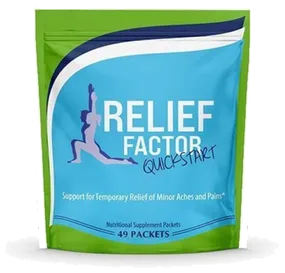
Relief Factor Quick Start Review
Relief Factor is presented as a 100% drug-free daily supplement developed by a doctor who had his own pain story. The page positions it as a way to fight everyday pain naturally rather than simply masking it. Unlike pills that only mask pain temporarily, Relief Factor is described as helping support the body's natural response to inflammation, with the aim of reducing or even eliminating pain all day, every day. The page says the product is a supplement that helps your body help itself, and that it takes a different approach to pain relief. The offer is headlined as a 3-Week QuickStart. Each dose is one cellophane packet containing two gel caps and two capsules. The directions say to start with 1 packet taken three times daily, then reduce to 2 or even 1 packet daily as pain reduction is achieved, and then continue taking it daily to stay out of pain. The page says many customers reduce or even eliminate daily pain within a few weeks, while in extreme circumstances some people take a few months. The core ingredients listed are Resveratrol, Omega-3, Turmeric, Icariin and Black Pepper, which the page groups under the heading Powered by Nature. The FAQ describes curcumin helping the body decrease swelling and relieve stiff joints, resveratrol acting as a free-radical neutralizer that supports blood vessel health, icariin helping blood flow and tissue health, and black pepper boosting bioavailability. The omega-3s are described as wild-caught mackerel, anchovy and sardine oil, distilled to remove impurities including heavy metals. The capsules are described as unflavored, with gel caps designed to delay breakdown until further along the digestive tract, and the page says the capsules can be opened and sprinkled into food or drink such as applesauce if swallowing is difficult. The page lists the product as 100% drug-free, natural ingredients, cGMP compliant, free of heavy metals, made in an FDA-registered facility, third-party tested for purity and potency, gluten-free, and using distilled omega-3. The page lists a subscription option with a first-order discount and a monthly price after that, plus a one-time purchase option, with no fees or commitments on autoship and the ability to skip, change or cancel at any time. The page also notes a free gift option with ongoing orders. Customers are referred to a support line and contact page for further questions.
We don’t sell supplements. We help you make decisions and get the best price.
Lowest prices
Finding the lowest prices at the stores now. This takes a few seconds.
Study, Trial or Testing Result Summary
Members Only97 human studies · 76 improved
2 of these 97 human studies gave the ingredient by drip, not by mouth.
Fish oil, taken here at about 4.2 grams a day, has fairly consistent support for joint symptoms. Reviews of trials in rheumatoid arthritis found fewer tender joints, less morning stiffness and better disease activity, though trial quality was often low [1][2][3]. One review found pain relief in rheumatoid arthritis but not in osteoarthritis [4], while trials in older adults and heart patients found less arthritis pain and better joint function [5][6]. Newer reviews in rheumatoid arthritis found only small or uncertain benefits [7][8]. Turmeric, at about 2 grams of extract a day, eased knee arthritis pain, stiffness and function compared with placebo across many trials [9][10][11], and lowered disease activity in rheumatoid arthritis [12], though many trials were of low quality [13]. Resveratrol from Japanese knotweed, at about 200 milligrams a day, is above the 150 milligram dose that reduced pain in postmenopausal women [14], but below the 500 milligram dose that helped knee arthritis [15][16]. Epimedium was only studied inside herbal blends, and a placebo-controlled blend did not reduce knee pain [17]. Animal and cell studies are never counted.
See all 97 studies →Hide the studies
- In a pooled analysis of 39 trials with 4599 people with knee osteoarthritis, curcumin improved some pain, stiffness or function outcomes compared with placebo, though Boswellia ranked best, and no added side effects were seen.Comparative Effectiveness of Nutritional Supplements in the Treatment of Knee Osteoarthritis: A Network Meta-Analysis.
- In a pooled analysis of 47 trials with 3852 people with rheumatoid arthritis, dietary polyphenols including curcumin improved disease activity, inflammation and oxidative stress without more side effects.Efficacy and safety of dietary polyphenols in rheumatoid arthritis: A systematic review and meta-analysis of 47 randomiz…
- In a pooled analysis of 29 trials with 2396 people with arthritis, curcumin or turmeric extract at 120 to 1500 mg for 4 to 36 weeks eased pain and inflammation and was safe, though trial quality was low.Efficacy and Safety of Curcumin and Curcuma longa Extract in the Treatment of Arthritis: A Systematic Review and Meta-An…
- In a pooled analysis of 23 studies with 2175 people with knee osteoarthritis, curcumin lowered pain and total WOMAC scores and the need for rescue medication compared with placebo, with fewer adverse reactions than meds.Efficacy and safety of curcumin therapy for knee osteoarthritis: A Bayesian network meta-analysis.
- In a pooled analysis of 21 trials with 1705 people with knee osteoarthritis, curcumin lowered blood CRP and TNF-alpha compared with placebo but did not change ESR, IL-1beta, IL-6 or PGE-2.Effects of curcumin on serum inflammatory biomarkers in patients with knee osteoarthritis: a systematic review and meta-…
- In 18 studies with 1674 people with rheumatoid arthritis, plant compounds such as curcumin, quercetin and resveratrol outperformed placebo on joint counts, pain and disease activity, with resveratrol ranked best for disease activity.Effects of plant active substances in rheumatoid arthritis-a systematic review and network meta-analysis.
- In a pooled analysis of 15 trials with 1621 people with osteoarthritis, turmeric extract and curcumin reduced pain, stiffness and function scores compared with placebo with similar side effects, and use beyond 12 weeks was recommended.The efficacy and safety of Curcuma longa extract and curcumin supplements on osteoarthritis: a systematic review and met…
- Across 20 trials of 1,252 people with rheumatoid arthritis taking omega-3 fats for at least 3 months, disease activity markers improved and one inflammation marker (leukotriene B4) fell, though trial quality was low.Intake of ω-3 polyunsaturated fatty acids in patients with rheumatoid arthritis: A systematic review and meta-analysis.
- Across 18 trials in 1018 people with rheumatoid arthritis, omega-3 supplements reduced tender joint count, but changes in blood inflammation markers and overall disease activity score were small and not statistically significant.Effects of omega-3 supplementation on lipid metabolism, inflammation, and disease activity in rheumatoid arthritis: a me…
- In a pooled analysis of 5 studies with 599 people with osteoarthritis, curcumin improved WOMAC and pain scores, with side effects not higher than with a med.Efficacy and side effect of curcumin for the treatment of osteoarthritis: A meta-analysis of randomized controlled trial…
- In a pooled analysis of six publications with 539 people with rheumatoid arthritis, curcumin lowered ESR, disease activity score, and swollen and tender joint counts compared with controls.Effect of curcumin on rheumatoid arthritis: a systematic review and meta-analysis.
- In 10 placebo-controlled trials covering 395 people with rheumatoid arthritis, 3 months of fish oil reduced the number of tender joints and, in most analyses, morning stiffness compared with control oils.Validation of a meta-analysis: the effects of fish oil in rheumatoid arthritis.
- Across 42 trials in people with arthritis, marine oil modestly reduced pain, with benefit in rheumatoid arthritis but not in osteoarthritis, and the evidence was mostly low quality.Marine Oil Supplements for Arthritis Pain: A Systematic Review and Meta-Analysis of Randomized Trials.
- Pooling 23 placebo-controlled trials in rheumatoid arthritis, omega-3 supplements gave only small, statistically uncertain reductions in pain, tender and swollen joints, with low certainty of evidence.Efficacy of n-3 fatty acid supplementation on rheumatoid arthritis' disease activity indicators: a systematic review and…
- Across 8 trials, turmeric extract providing about 1000 mg of curcumin per day reduced arthritis pain and stiffness compared with placebo, though the authors judged the evidence not yet definitive.Efficacy of Turmeric Extracts and Curcumin for Alleviating the Symptoms of Joint Arthritis: A Systematic Review and Meta…
- In a review of 69 placebo-controlled trials of supplements for hand, hip or knee osteoarthritis, curcumin and turmeric extract had large short-term pain-relief effects, but no supplement had clinically important effects at long term and evidence quality was often very low.Dietary supplements for treating osteoarthritis: a systematic review and meta-analysis.
- Across 21 trials, turmeric and curcumin supplements were effective adjuvants for musculoskeletal and joint health with few side effects, and a 250 mg daily dose of a water-dispersible turmeric extract appeared more effective than other curcumin products.Safety and Efficacy of Turmeric (Curcuma longa) Extract and Curcumin Supplements in Musculoskeletal Health: A Systematic…
- A pooled analysis of 11 meta-analyses of randomized trials found curcumin supplements significantly reduced knee osteoarthritis pain, stiffness and function scores.The efficacy of curcumin in relieving osteoarthritis: A meta-analysis of meta-analyses.
- Across 17 studies, all turmeric preparations used alone reduced knee osteoarthritis pain compared with placebo, though the certainty of the evidence was low.Effect of turmeric products on knee osteoarthritis: a systematic review and network meta-analysis.
- Across seven randomized trials in adults with rheumatoid arthritis, curcumin lowered joint disease activity score, rheumatoid factor, blood sedimentation rate and C-reactive protein compared with placebo or standard care.Effect of curcumin on inflammatory markers and disease activity in patients with rheumatoid arthritis: A meta-analysis.
- Five studies with 481 people with osteoarthritis, rheumatoid arthritis or Takayasu arteritis found resveratrol at 250 to 1000 mg a day improved pain, function, joint swelling and inflammation markers with no side effects, though evidence was limited.Resveratrol in Rheumatological Diseases: A Systematic Review.
- A review of 23 trials in rheumatoid arthritis found a fairly consistent but modest benefit of fish oil omega-3s on joint swelling, pain, morning stiffness and use of meds.Influence of marine n-3 polyunsaturated fatty acids on immune function and a systematic review of their effects on clini…
- A review of 161 meta-analyses of randomized trials found curcumin and related ginger-family plants clearly relieved osteoarthritis pain and related conditions, though the authors say higher-quality research is still needed.Zingiberaceae plants/curcumin consumption and multiple health outcomes: An umbrella review of systematic reviews and met…
- A review of 32 cell, animal and human studies found resveratrol may reduce inflammation and oxidative stress in rheumatoid arthritis, but human trials were few.A comprehensive insight into effects of resveratrol on molecular mechanism in rheumatoid arthritis: A literature systema…
- In 360 people with ankylosing spondylitis, a multi-herb formula including epimedium taken daily for six months improved spinal and joint function, lowered inflammation markers and raised bone density compared with before treatment; it was not tested against an inactive placebo and epimedium was not tested on its own.[Effect of bushen qiangdu recipe on osteoporosis and bone loss of patients with ankylosing spondylitis].
- In 291 people with coronary artery disease, one year of high-dose EPA and DHA improved physical function and joint symptom scores, increased exercise, and led to fewer joint replacements (1 vs 11) than no treatment.The effect of eicosapentaenoic and docosahexaenoic acids on physical function, exercise, and joint replacement in patien…
- In 235 adults with mild to moderate knee osteoarthritis, 4 g of krill oil daily (0.6 g EPA) for 6 months gave modestly greater improvements in knee pain, stiffness and physical function than placebo.Krill oil improved osteoarthritic knee pain in adults with mild to moderate knee osteoarthritis: a 6-month multicenter, …
- In 202 people with knee osteoarthritis, high-dose fish oil (4.5 g omega-3) gave no extra benefit over a low-dose blend over 2 years, and the low-dose group had greater pain and function improvement.Fish oil in knee osteoarthritis: a randomised clinical trial of low dose versus high dose.
- In 177 people with hip or knee osteoarthritis over 26 weeks, glucosamine plus omega-3 was no different from glucosamine alone for 20% pain reduction (92.2% vs 94.3%) but more people reached 80% pain reduction (44% vs 32%).Effect of glucosamine sulfate with or without omega-3 fatty acids in patients with osteoarthritis.
- In a 3-month placebo-controlled trial of 162 people with hand osteoarthritis, a combined turmeric and Boswellia extract reduced pain more than placebo, with no significant difference in side effects.Effect of a combination of C. longa and B. serrata extracts on hand osteoarthritis. Results of a double-blind, randomize…
- In 152 sedentary overweight or obese older adults taking fish oil for 16 weeks, osteoarthritis-specific pain and burden dropped significantly more than without fish oil.Fish oil supplementation reduces osteoarthritis-specific pain in older adults with overweight/obesity.
- In 142 adults with painful knee osteoarthritis, resveratrol for 6 months did not reduce knee pain more than placebo at 3 months (both groups improved by about 15 points out of 100).Oral resveratrol in adults with knee osteoarthritis: A randomized placebo-controlled trial (ARTHROL).
- In 137 people with knee osteoarthritis, 500 mg a day of resveratrol for 12 weeks reduced pain and improved knee function, walking speed and grip strength compared with placebo.Resveratrol supplementation improves functional performance in knee osteoarthritis by upregulating sirtuin 1: a randomiz…
- In 129 people with knee osteoarthritis, 500 mg of resveratrol daily for 18 weeks improved balance, walking speed, knee movement, grip strength, walking pain and WOMAC scores compared with placebo, and lowered an inflammation marker, though resting pain was unchanged.Improvement in postural imbalance with intake of resveratrol (polyphenolic phytoalexin) in patients of knee osteoarthrit…
- In 126 postmenopausal women, 6 months of fish oil (1.2 g EPA and DHA daily) improved walking speed compared with placebo; joint outcomes were not directly assessed.The impact of supplemental n-3 long chain polyunsaturated fatty acids and dietary antioxidants on physical performance i…
- In 125 healthy postmenopausal women, 150 mg of resveratrol daily in a 24-month crossover trial reduced composite pain scores and improved menopausal symptoms and general well-being compared with placebo.Long-term resveratrol supplementation improves pain perception, menopausal symptoms, and overall well-being in postmenop…
- In 123 older people with knee osteoarthritis, 500 mg a day of resveratrol for 16 weeks reduced frailty, walking pain and knee symptom scores and improved grip strength versus placebo, but not knee motion or gait speed.Resveratrol treatment increases sirtuin 1 levels and alleviates frailty phenotype in knee osteoarthritis patients: a ran…
- In 120 adults with chronic low-back and knee pain, 149 mg EPA plus 594 mg l-serine daily for 8 weeks lowered back and knee pain scores more than placebo.l-Serine and EPA Relieve Chronic Low-Back and Knee Pain in Adults: A Randomized, Double-Blind, Placebo-Controlled Trial.
- In 120 adults over 40 with persistent knee pain, an EPA-rich omega-3 product for 8 weeks reduced pain more than placebo and shortened the Up and Go test time.Efficacy of Boswellia serrata Extract and/or an Omega-3-Based Product for Improving Pain and Function in People Older Th…
- In 110 people with knee osteoarthritis, adding 500 mg of resveratrol daily to meloxicam for 90 days improved pain and physical function more than placebo and was well tolerated.Efficacy and safety of co-administration of resveratrol with meloxicam in patients with knee osteoarthritis: a pilot int…
- In 110 people with knee osteoarthritis taking meloxicam, 500 mg of resveratrol daily for 90 days showed only weak, non-significant links between changes in blood inflammation markers and pain or function scores.Correlation between serum pro inflammatory cytokines and clinical scores of knee osteoarthritic patients using resveratr…
- In 106 adults with chronic knee pain, 250 mg of a water-dispersible turmeric extract daily for 90 days reduced pain scores more than placebo and improved walking and stair-climbing times.A Multicenter, Randomized, Double-Blind, Placebo-Controlled Trial Assessing Efficacy and Safety of a Novel Low-Dose Turm…
- In 100 people with rheumatoid arthritis, 1 g of resveratrol daily for 3 months added to usual treatment lowered swollen and tender joint counts, disease activity and inflammation markers compared with usual treatment alone.Resveratrol as an effective adjuvant therapy in the management of rheumatoid arthritis: a clinical study.
- In 90 women with rheumatoid arthritis, 1 g of fish oil daily for 3 months raised HDL cholesterol and paraoxonase activity, but joint outcomes were not reported as results.Effect of fish oil supplements on serum paraoxonase activity in female patients with rheumatoid arthritis: a double-blin…
- In 84 adults with symptomatic knee osteoarthritis, a daily combination containing 500 mg curcumin for 12 weeks reduced knee pain no more than placebo did.Effect of an oral complementary medicine combination for symptomatic knee osteoarthritis: A double-blind, randomized, pl…
- In 81 people with knee or hip osteoarthritis, 3 months of a supplement containing fish oil, vitamin E and nettle cut pain, stiffness and painkiller use more than placebo.Phytalgic, a food supplement, vs placebo in patients with osteoarthritis of the knee or hip: a randomised double-blind p…
- In 80 adults with knee osteoarthritis, 400 mg of curcumagalactomannosides plus 500 mg glucosamine twice daily for 12 weeks improved pain, stiffness and walking compared with chondroitin plus glucosamine, and lowered inflammatory blood markers more than the comparison group.Curcumagalactomannoside/Glucosamine Combination Improved Joint Health Among Osteoarthritic Subjects as Compared to Chond…
- In 80 healthy postmenopausal women, 150 mg a day of resveratrol for 14 weeks reduced pain and improved overall well-being compared with placebo.Resveratrol supplementation reduces pain experience by postmenopausal women.
- In 72 adults with mild to moderate knee osteoarthritis, a blend of Epimedium, Dioscorea and Salvia extracts taken for 12 weeks did not reduce pain or stiffness more than placebo, though current pain and bodily pain improved sooner with the blend.A Randomized, Double-Blind, Placebo-Controlled Study Investigating the Safety and Efficacy of a Herbal Formulation on Kn…
- In 70 people with rheumatoid arthritis who all took fish oil, the added selenium (not fish oil) was what was tested and it reduced tender and swollen joints; the effect of fish oil itself was not compared with a control.[Selenium concentration in erythrocytes of patients with rheumatoid arthritis. Clinical and laboratory chemistry infecti…
- In 66 people with rheumatoid arthritis, high-dose fish oil taken for about 26 to 30 weeks reduced tender joints, morning stiffness and pain compared with starting levels, while corn oil did not, and some people could stop their meds without a flare.Read the study on PubMed (7639807) →
- In 66 people with active rheumatoid arthritis, a daily supplement with 1.4 g EPA plus other nutrients for 4 months did not improve joint counts or other symptoms compared with placebo, although blood EPA levels rose.Nutrient supplementation with polyunsaturated fatty acids and micronutrients in rheumatoid arthritis: clinical and bioch…
- In 60 people with active rheumatoid arthritis, 12 weeks of fish oil supplementation lowered disease activity score, tender joint count, and pain scores, while the no-supplement group did not improve in the same way.Clinical Benefits of n-3 PUFA and ɤ-Linolenic Acid in Patients with Rheumatoid Arthritis.
- In 50 adults with mild knee pain, 2 g of krill oil a day for 30 days eased knee pain during sleeping and standing and improved knee range of motion more than placebo.Krill Oil Improves Mild Knee Joint Pain: A Randomized Control Trial.
- In 49 people with active rheumatoid arthritis over 24 weeks, higher-dose fish oil produced more joint improvements than olive oil, and both fish oil doses reduced inflammatory leukotriene B4 production.Dietary fish oil and olive oil supplementation in patients with rheumatoid arthritis. Clinical and immunologic effects.
- In 48 women with rheumatoid arthritis, 500 mg of curcumin daily for 8 weeks raised antioxidant capacity, lowered an oxidative stress marker within the curcumin group, and reduced joint tenderness, swelling, pain and disease activity more than placebo.The efficacy of curcumin supplementation on serum total antioxidant capacity, malondialdehyde, and disease activity in w…
- In a placebo-controlled pilot trial of 45 adults with joint pain, a supplement combining lemon verbena extract and fish oil reduced pain and stiffness and improved joint function over 9 weeks, with differences from placebo appearing by weeks 3 and 4.A randomized, double-blinded, placebo-controlled study of the effect of a combination of lemon verbena extract and fish …
- In 43 people with rheumatoid arthritis taking fish oil at 3 g per day for 24 weeks, joint pain, grip strength, and morning stiffness improved compared with a soy oil placebo, and adding olive oil brought earlier and larger gains.Supplementation of fish oil and olive oil in patients with rheumatoid arthritis.
- In 40 people with psoriatic arthritis, taking seal oil for 2 weeks produced a significant improvement in overall disease assessment at 4 weeks after treatment compared with soy oil, while differences in tender joint count were not significant.Subjective improvement in patients with psoriatic arthritis after short-term oral treatment with seal oil. A pilot study…
- In 40 adults with mild to moderate knee osteoarthritis, 1,500 mg of curcuminoids a day for 6 weeks was followed by clinical symptom improvement and lower blood inflammation markers, though these changes did not differ significantly from placebo.Impact of Supplementation with Curcuminoids on Systemic Inflammation in Patients with Knee Osteoarthritis: Findings from…
- In 38 people with psoriatic arthritis, 9 months of Efamol Marine capsules did not improve joint symptoms or morning stiffness compared with placebo, though it changed some inflammatory markers.A double-blind placebo controlled trial of Efamol Marine on skin and joint symptoms of psoriatic arthritis.
- In 38 people with bowel disease and joint pain, taking seal oil or cod liver oil (30 ml a day) for 14 days produced no significant difference between the two oils, though joint pain showed a trend toward improvement in both groups.Effects of short-term oral administration of dietary marine oils in patients with inflammatory bowel disease and joint p…
- In 38 people with rheumatoid arthritis, 2.1 g of algae-derived DHA daily for 10 weeks reduced the number of tender and swollen joints from 13.9 to 9.9 compared with sunflower oil placebo.Docosahexaenoic acid in the treatment of rheumatoid arthritis: A double-blind, placebo-controlled, randomized cross-over…
- In 37 people with rheumatoid arthritis, 1.8 g daily of eicosapentaenoic acid plus a diet high in polyunsaturated fat improved morning stiffness and tender joints at 12 weeks, but these gains reversed and symptoms worsened 1 to 2 months after stopping.Effects of manipulation of dietary fatty acids on clinical manifestations of rheumatoid arthritis.
- In 32 untrained men taking 1200 mg daily of a green-lipped mussel oil blend or placebo for 26 days before and 4 days after a muscle-damaging downhill run, the oil blend reduced muscle damage and inflammation markers, and it protected knee range of motion at 96 hours.The effects PCSO-524®, a patented marine oil lipid and omega-3 PUFA blend derived from the New Zealand green lipped muss…
- In a placebo-controlled trial of 24 healthy men, eight weeks of fish oil containing 600 mg EPA and 260 mg DHA daily reduced strength loss and improved range of motion in the elbow after eccentric exercise compared with placebo.Eicosapentaenoic and docosahexaenoic acids-rich fish oil supplementation attenuates strength loss and limited joint rang…
- In 23 adults with active rheumatoid arthritis, fish oil given by IV for 14 days, then as capsules for 20 weeks, lowered swollen joint counts more than placebo, and the effect continued during the capsule phase.omega-3 Fatty acids infusions as adjuvant therapy in rheumatoid arthritis.
- In 22 untrained men, 4 weeks of EPA-rich fish oil (600 mg EPA and 260 mg DHA daily) improved joint range of motion right after intense arm exercise compared with placebo, but did not change strength, soreness, or muscle thickness, and only one blood marker of muscle damage differed.4-week eicosapentaenoic acid-rich fish oil supplementation partially protects muscular damage following eccentric contra…
- In 19 people with inflammatory bowel disease and joint pain, 10 days of duodenal seal oil reduced morning stiffness, tender joints, and pain compared with soy oil, and the benefit lasted about 6 months.Reduced joint pain after short-term duodenal administration of seal oil in patients with inflammatory bowel disease: com…
- In 18 people with bowel disease and joint pain, seal oil or whale oil given through a feeding tube (30 ml a day) for 10 days both reduced joint pain, with no significant difference between the two oils.A randomized double blind comparison of short-term duodenally administrated whale and seal blubber oils in patients with…
- In 16 adults with rheumatoid arthritis, 12 weeks of fish oil capsules reduced joint swelling and morning stiffness more than placebo coconut oil.Effects of fish oil supplementation in rheumatoid arthritis.
- In a trial with no placebo group in osteoarthritis patients, fish oil improved pain less than the mussel lipid extract PCSO-524 and caused more physical discomfort.Perna canaliculus lipid complex PCSO-524™ demonstrated pain relief for osteoarthritis patients benchmarked against fish …
- In a trial of people with chronic polyarthritis, fish oil supplementation raised fish oil fatty acids in blood cells and lowered arachidonic acid, with vegetarians showing a larger drop and a more favorable clinical course, though the abstract does not give sample size or duration.[Nutrition as adjuvant therapy in chronic polyarthritis].
- In 75 people with knee osteoarthritis, taking 1,000 or 2,000 mg of fish oil daily for 8 weeks improved knee pain, function and walking compared with the control group, and the higher dose was no better than the lower dose.Efficacy and Safety of Fish Oil in Treatment of Knee Osteoarthritis.
- In 68 people with rheumatoid arthritis, fish oil taken for 3 months reduced tender and swollen joints, with a bigger reduction in those eating a diet low in arachidonic acid (28% vs 11% fewer tender joints, 34% vs 22% fewer swollen joints).Anti-inflammatory effects of a low arachidonic acid diet and fish oil in patients with rheumatoid arthritis.
- In 40 people with active rheumatoid arthritis, 14 weeks of fish oil (2.7 g EPA and 1.8 g DHA per day) delayed fatigue onset by about 156 minutes and reduced tender joints by 3.5 compared with placebo.Fish-oil fatty acid supplementation in active rheumatoid arthritis. A double-blinded, controlled, crossover study.
- In people with rheumatoid arthritis, 18 g of fish oil per day for 12 weeks improved tender joint score and grip strength compared with olive oil, and fish oil reduced inflammatory leukotriene B4 production by 30%.Clinical and biochemical effects of dietary fish oil supplements in rheumatoid arthritis.
- In an open pilot study of 34 adults with active rheumatoid arthritis, 56% had a disease activity score reduction above 0.6 two days after 7 days of intravenous fish oil, with good tolerability; the study had no placebo group.Intravenous application of omega-3 fatty acids in patients with active rheumatoid arthritis. The ORA-1 trial. An open pi…
- In 10 people with inflammatory bowel disease, 10 days of seal oil (30 mL per day) given directly into the small intestine significantly reduced joint pain, though the study had no control group.Effects of duodenal seal oil administration in patients with inflammatory bowel disease.
- In an open-label trial of people with knee osteoarthritis taking 500 mg of resveratrol daily for 90 days, pain scores and knee function scores improved, with no comparison group.Effect of Resveratrol on Serum Levels of Type II Collagen and Aggrecan in Patients with Knee Osteoarthritis: A Pilot Cli…
- In a large UK cohort of about 256,000 adults followed for around 11 years, people who took fish oil supplements had higher rates of osteoarthritis in several joints and of hip and knee joint replacement than non-users.Associations of Fish Oil Supplementation With Risks of Osteoarthritis and Arthroplasty: A Large Population-Based Prospec…
- In a questionnaire survey of 125 neck or back pain patients taking 1200 mg per day of fish oil EPA and DHA for about 75 days, 60% reported improved joint pain and 59% stopped their prescription meds; there was no control group.Read the study on PubMed (16531187) →
- In 121 people with early rheumatoid arthritis enrolled in a fish oil trial, a patient-reported disease score separated responders from non-responders over one year, and persistently high scores suggested non-inflammatory pain, but the abstract does not report a fish oil effect versus placebo.Using the derived 28-joint disease activity score patient-reported components (DAS28-P) index as a discriminatory measur…
- In 86 people with rheumatoid arthritis, eating more omega-3 fats from the diet was linked to lower arterial stiffness over 8 months, though this study did not measure joint outcomes.Diets high in n-3 fatty acids are associated with lower arterial stiffness in patients with rheumatoid arthritis: a late…
- In 84 joint replacement patients, those who took fish oils had about 20 percent less lipid in bone marrow, with a shift toward more unsaturated fatty acids in marrow and joint fluid; this measures lipid composition, not joint pain or function.Read the study on PubMed (17496750) →
- In 47 people positive for anti-CCP antibodies, higher red blood cell DHA and DPA levels were linked to lower odds and lower risk of developing inflammatory arthritis over an average of 2.5 years.The association between omega-3 fatty acid biomarkers and inflammatory arthritis in an anti-citrullinated protein antibo…
- In 32 healthy young men, higher blood levels of eicosapentaenoic acid were linked to greater muscle strength and to better joint flexibility and strength retention after strenuous exercise.Plasma Eicosapentaenoic Acid Is Associated with Muscle Strength and Muscle Damage after Strenuous Exercise.
- In a large study of adults at risk of knee osteoarthritis followed for up to 5 years, blood levels of EPA and other omega-3 or omega-6 fats were not linked to developing knee osteoarthritis or worsening symptoms.Essential Fatty Acids and Osteoarthritis.
- In 80 people with psoriasis, 8 weeks of 1122 mg EPA ethyl ester and 756 mg DHA ethyl ester per day lowered psoriasis scores, and most of the 34 people with psoriatic arthritis reported less joint pain.Effects of dietary supplementation with polyunsaturated ethyl ester lipids (Angiosan) in patients with psoriasis and pso…
- In a comparison of 60 adults with rheumatoid arthritis, 3 grams of fish oil daily for 90 days improved blood markers from baseline, but flaxseed oil at the same dose worked significantly better.Efficacy of Flaxseed and Fish Oils on Adults with Rheumatoid Arthritis.
- In rats with arthritis induced by collagen, a daily dose of 20 mg per kg of icariin from epimedium for 4 weeks reduced joint swelling scores and cartilage damage compared with untreated rats. This was an animal study, not a human trial.[Effect of icariin on bone destruction and serum RANKL/OPG levels in type II collagen-induced arthritis rats].
- In a study of 40 female rats with ovary removal and broken thigh bones, a daily dose of 150 mg per kg of total epimedium flavones increased bone density and callus volume and raised the strength of the healing bone compared with saline, through a bone-forming pathway. This was an animal study, not a human trial.[Effect and mechanism of total flavone of epimedium on primary callus formation in ovariectomized rats with fractures].
- In rabbits with joint surface defects, a gel scaffold carrying icariin from epimedium helped rebuild the cartilage and bone layers at the joint surface better than the gel without icariin. This was an animal study, not a human trial.Icariin conjugated hyaluronic acid/collagen hydrogel for osteochondral interface restoration.
- In 84 rabbits with a tendon detached from bone, icariin from epimedium released slowly from a platelet-based carrier sped healing of the tendon-bone joint and made it stronger by week 16 than saline. This was an animal study, not a human trial.Autologous Freeze-Dried, Platelet-Rich Plasma Carrying Icariin Enhances Bone-Tendon Healing in a Rabbit Model.
- In mice and cultured cartilage cells, icariin from epimedium reduced inflammation signals and breakdown enzymes linked to cartilage damage, helping cells stay healthier. This was an animal and laboratory study, not a human trial.Icariin inhibits the inflammation through down-regulating NF-κB/HIF-2α signal pathways in chondrocytes.
- In a study of a titanium rod loaded with icariin from epimedium, the implant helped new bone and blood vessels grow in animals with dying femoral heads. This was an animal and laboratory study, not a human trial.Icariin-loaded 3D-printed porous Ti6Al4V reconstruction rods for the treatment of necrotic femoral heads.
- In rats with collagen-induced arthritis, icariin from epimedium delivered inside stem cell particles lowered inflammatory signals, eased arthritis symptoms, and preserved cartilage. This was an animal study, not a human trial.Adipose-derived stem cell exosomes loaded with icariin alleviates rheumatoid arthritis by modulating macrophage polariza…
Review Totals and Summary
Members Only3,167 reviews
Customer feedback regarding Relief Factor Quick Start presents a mixed but qualitatively rich picture of user experiences. Many customers report significant positive outcomes, frequently praising the supplement for providing substantial relief from chronic aches and pains, including those in the back, neck, shoulders, hips, and knees. Users often highlight an improvement in their overall quality of life, with some experiencing better mobility and reduced inflammation-related limitations after consistent use. Some individuals have noted that it took a few weeks of consistent use (typically three times a day) before they began to experience noticeable benefits, suggesting that patience may be a factor in achieving desired results. Beyond pain relief, some users have also reported ancillary benefits such as improved sleep quality, cognition support, and an energy boost. However, the effectiveness of Relief Factor is not universally experienced, with some customers reporting little to no change in their pain levels, or in rare cases, even an increase in discomfort. A recurring theme in negative feedback revolves around the product's subscription model and pricing structure, particularly concerning the "3-Week QuickStart" trial. Customers have expressed frustration over being automatically enrolled in a monthly subscription at a higher price after the initial discounted trial, with some feeling that the cancellation process or the trial period's duration (15 days from order placement, not receipt) was misleading or too short to adequately assess the product's efficacy before incurring further charges. Another qualitative concern mentioned by some users is stomach discomfort when first starting the supplement, though this is often reported to subside as the body adjusts. Some professional analyses also suggest that the dosages of certain ingredients might be too low to achieve significant benefit, and that some claims lack strong scientific backing.
Biohacker Summary
Members Only10 of 10 recommend it
Turmeric, the main ingredient, gets mostly favorable comments from the panel: four recommend it, four say they use it or something with it in it, and two warn. Panelists take it for inflammation, joint pain, liver support, detox, and general antioxidant benefit, and they add it to eggs, bone broth, and root spice meals, with one taking one gram a day and another noting that black pepper boosts it. One panelist cautions that turmeric is very high in oxalate in large amounts, and another advises avoiding bioavailable forms if testosterone related hormone levels are already low or androgen receptors are somewhat insensitive. Another panelist mentions it for hot flashes, but only as 'okay data' and not a replacement for hormone therapy. Resveratrol is a smaller ingredient in this product, and most of the panel doubts it, with several calling it overhyped or useless and two of them saying they stopped.'
See all 10 biohackers →Hide the biohackers
Dr. Eric Berg · Turmeric · recommends
- Dr. Eric Berg recommends pairing turmeric with black pepper to improve curcumin absorption.
- States that one cup of turmeric water could have surprising benefits for health.
- Dr. Eric Berg recommends adding turmeric to eggs to support satiety, antioxidant potential, cardiovascular, and liver health.
- Warns about resveratrol, explaining that David Sinclair pushed papers claiming it increased a longevity protein, but later research by Pfizer and GlaxoSmithKline could not replicate these findings, leading to the shutdown of research.
- Recommends turmeric for its chelation abilities and its ability to turn up the body's detoxification genes.
- Mentions turmeric as a food that black cumin seed oil outperforms in reducing inflammation.
- Dr. Eric Berg states that turmeric can contribute to supporting liver health.
- Says turmeric is a natural a med because it helps retain neurotransmitters like serotonin, GABA, and dopamine.
- Recommends turmeric, noting it is an exceptionally rich source of curcumin, which delivers powerful antioxidant and anti-inflammatory effects linked to cardiovascular health and mental well-being.
- States that Turmeric may be the most underrated medicinal plant on earth, supporting the brain, liver, and heart, and helping protect healthy cells during chemo or radiation therapy.
- Dr. Berg recommends pairing turmeric with pepper and healthy fats to amplify its impact and increase its absorption. He also notes that the phytonutrients in turmeric are heat-sensitive, so high heat could make them less potent.
- Lists resveratrol as an epigenetic factor that may help with cancer prevention.
- States that resveratrol as an anti-aging pill is pretty much dead and considers it a waste of money.
- Suggests resveratrol as another natural option to help with menopausal symptoms.
Ben Greenfield · Turmeric · warns
- Advises patients to stop turmeric before surgery because it can act as a med or antiplatelet agent.
- Mentions resveratrol as a known agent for mitochondrial biogenesis.
- Mentions resveratrol as another Nrf2 activator, but notes that sulforaphane outperforms it.
- Lists resveratrol as a compound known to be a mitochondrial biogenesis agent.
- Recommends root spices like turmeric for use on the AIP diet.
- Mentions resveratrol as one of the polyphenols included in the IM8Health formula.
- Mentions resveratrol as one of the compounds included in IM8 Health, which supports cellular repair, gut function, and high-level energy output.
- Suggests using choice herbs like turmeric when preparing meat to weave in small stressors.
- Notes that the Qualia Life NAD+ formula, which increased NAD+ levels by 67% in a clinical study, uses compounds such as resveratrol.
- Suggests that more resveratrol might help people get along, in the context of a 'Longevity Bros' fight.
- Lists turmeric as one of the ingredients in Organifi Green Juice.
- Mentions turmeric as an herb that has more data than fruit tree leaves.
- Mentions resveratrol as a known mitochondrial biogenesis agent.
- Stuffs the trout with herbs like turmeric.
Thomas DeLauer · Turmeric · uses
- Recently started taking turmeric for their joints, specifically for knee issues, as it helps support recovery, especially after a workout.
- Mentions that Dose Daily contains turmeric, which contributes to its positive impact on liver enzyme levels.
- Mentions Turmeric as an ingredient in DOSE that has proven literature behind it for liver health.
- Mentions that Dose Daily, which he recommends for liver support, contains turmeric.
- Believes resveratrol is overhyped, stating he hasn't seen strong human trial data to suggest it does much, despite its reputation as an anti-aging compound found in red wine. He doesn't think it's bad but considers it overhyped.
- Recommends resveratrol to boost SIRT1, which regulates mitochondrial repair, comparing it to charging the battery for the cleanup crew.
- Warns that the claim that resveratrol adds years to one's life is overstated, citing a JAMA study that found no impact of resveratrol intake on mortality or inflammatory scores in humans, despite some benefits seen in rodent models.
- Recommends adding turmeric to food, citing rodent model research that shows it lowers plasma lipids and glucose, and increases insulin sensitivity in a dose-dependent fashion.
- Recommends turmeric with black pepper to shut down inflammatory response, as piperine in black pepper helps curcumin absorb by blocking liver clearance.
- Suggests that resveratrol, especially in the presence of fasting or after breaking a fast, could be interesting for amplifying and continuing the benefits of a 36-hour fast.
- Recommends consuming resveratrol during a fast to stimulate autophagy.
- Discusses turmeric as one of the popular natural options for insulin resistance and blood sugar, but notes that apple cider vinegar outperformed it in a meta-analysis for lowering fasting blood glucose and HBA1C.
- Notes that resveratrol has benefits when it comes to sirtuins and suggests taking it as a supplement.
- Warns that people often chase shiny, expensive longevity supplements like NMN, resveratrol, and spermidine, overlooking more affordable and well-studied options.
Dr. Mark Hyman · Turmeric · recommends
- Recommends turmeric as an anti-inflammatory powerhouse.
- Notes that if people have used something like turmeric for several thousand years as a remedy and an anti-inflammatory compound, it can't be wrong.
- States he was using circ turmeric to stimulate the NRF2 pathway and open up detox.
- States he was using resveratrol to stimulate the NRF2 pathway and open up detox.
- Recommends resveratrol as an anti-inflammatory supplement that can be helpful.
- Mentions using turmeric (curcumin) in certain people, especially those with elevated amyloid levels in the blood.
- Recommends Paleovalley's Turmeric Complex, which uses whole food turmeric with over 200 beneficial compounds, plus organic ginger, rosemary, and cloves, to support overall wellness.
- Recommends turmeric as a simple way to support health against stress and inflammation, noting its key compound curcumin supports the body against conditions like cancer, cardiovascular stress, neurogenic diseases, and helps with inflammation, metabolic balance, joint comfort, mood, immune function, and brain health.
- Recommends turmeric as a simple way to support health, noting its key compound curcumin supports the body against various conditions and helps with inflammation, metabolic balance, joint comfort, and mood. He specifically recommends Paleovalley's Turmeric Complex for its whole food approach and improved absorption.
- Included turmeric in their chicken dish as part of an anti-inflammatory power couple with ginger.
- Recommends turmeric as a great herb and spice for upregulating the body's own detoxification pathways.
- Uses turmeric in her cooking, takes turmeric supplements with high levels of curcumin, and makes turmeric shots, believing it has been key to her remission.
- Lists resveratrol as a phytochemical that helps mitochondrial function.
- Mentions resveratrol as a compound that hits the AMPK mitochondrial biogenesis pathway.
Dr. Rhonda Patrick · Turmeric · uses
- Likes adding turmeric to bone broth for flavor, warmth, and its anti-inflammatory compounds.
- Rhonda takes 500 mg of Resveratrol daily for longevity.
- States that resveratrol was not only unhelpful but actually blocked some of the benefit of Nicotinamide Riboside in a peripheral artery disease trial, calling it 'science fiction'.
- Notes that while red wine contains beneficial compounds like resveratrol, the quantities are minimal, typically between 0.03 and 1 milligram per glass, which is starkly lower than the 50 to 500 milligrams used in lab studies showing health benefits.
- Discusses Resveratrol, a polyphenol found in red wine, known for its antioxidant and anti-inflammatory properties and its potential to protect neurons.
- Discusses whether resveratrol found in red wine is beneficial.
- Is asked for his rapid-fire thoughts on resveratrol as a caloric restriction or fasting mimetic.
- Suggests that if someone is an 'immuno-ager,' they might want to take turmeric to help with their immune system.
- Mentions that resveratrol, a naturally occurring compound found in red grapes, is a potent sirtuin activating compound and its beneficial effects on healthspan are thought to result from sirtuin activation.
- Still takes about a gram of trans-resveratrol every morning in his yogurt, believing it will not hurt and may help his cardiovascular system, citing animal studies showing pristine organs and clean arteries in mice on resveratrol.
- States that resveratrol enhances the anti-cancer immune response, making chemotherapy more durable.
- Mentions that resveratrol has been explored as a 'fasting mimetic' to clear away damaged cells, but they don't see any effects on pro-inflammatory cytokine secretion or other important senescence-related factors.
- Explains that turmeric, specifically curcuminoids, are slightly toxic to the body, which activates phase II detoxifying enzymes and turns on anti-inflammatory genes. She also notes that aromatic turmerone in turmeric can increase neural stem cell proliferation and affect memory and performance.
- Feels comfortable using turmeric with ginger and black pepper to counteract unnecessary inflammation, noting its long history in Ayurvedic medicine.
Siim Land · Turmeric · recommends
- Mentions that turmeric helps with arthritis and joint pain, with clinical trials showing its effectiveness.
- Is skeptical about most supplements and states that resveratrol has already been shown to not be effective.
- Warns that Resveratrol hinders exercise adaptations and advises against taking it after or around exercise. He also states there is no evidence it extends lifespan or helps with skin anti-aging.
- Notes that David Sinclair promised 25 years ago that resveratrol would be a longevity and anti-aging drug, but it's clearly not, and GlaxoSmithKline stopped pursuing it.
- States that resveratrol has worked a little bit in their hands, but nothing to write home about in terms of full lifespan extension, calling it a "dirty molecule" with intermittent and hard-to-predict effects depending on the supplier.
- Thinks resveratrol can be overrated, noting it has some effects but won't make you immortal.
- Places Turmeric or Curcumin in the 'god tier' due to numerous human clinical trials for inflammation, noting that its poor bioavailability means supplements should ideally be liposomal formulations or include piperine (black pepper) to enhance absorption.
- Places Resveratrol in the 'junk tier' for healthy individuals, explaining that while it's known as a longevity supplement, human evidence suggests benefits only for those with metabolic syndrome, diabetes, or obesity, and it can have negative effects like lowering exercise adaptations and testosterone in otherwise healthy people.
- States that turmeric is known for its anti-inflammatory effects, lowering inflammation markers like CRP in clinical trials.
- Warns that resveratrol, as a senolytic, can block MAOA, potentially raising adrenaline and causing anxiety or poor sleep in some individuals.
- Reviewed Do Not Age, noting that they sell individual, high-quality, and third-party tested ingredients like creatine, omega-3s, berberine, glycine, and NAC, some of which are very research-backed, while others like sirtuin 6, calcium alpha-ketoglutarate, or resveratrol might have more limited evidence.
- Places Resveratrol in the 'bad tier' for longevity, stating that high-quality animal studies do not suggest it is a life extension molecule except under conditions of metabolic syndrome and obesity, and it might have negative effects on exercise benefits in otherwise healthy individuals.
- Discusses Resveratrol's potential benefits for longevity, mentioning its role in activating sirtuins and its presence in red wine, but notes that studies on humans have been mixed.
- Places Turmeric (Curcumin) in the 'god tier' due to numerous human clinical trials supporting its anti-inflammatory effects. He advises using liposomal formulations or adding piperine to improve its poor bioavailability.
Dave Asprey · Turmeric · warns
- Warns that turmeric is exceptionally high in oxalate, which can cause issues if consumed in large amounts.
- Recommends Vinia, stating that one capsule has the same piceid resveratrol as 1,000 red grapes, and it supports the activity of sirtuins and works as an antioxidant.
- Dave Asprey warns that resveratrol, despite launching the longevity supplement industry, has never delivered on its mouse data promises, with 20 years of inconsistent human trial results.
- Mentions trans-resveratrol as one of the ingredients in the Ageless Cocktail, which is designed for longevity.
- Recommends Resveralite, a resveratrol product, for increasing the size of the plumbing in the body to get more toxins out more quickly.
- Mentions resveratrol as an ingredient in Wonderfeel's product, noting that it's better to take the isolated constituent than to consume large amounts of red wine for its benefits.
- Uses turmeric as an example of an unprotected ingredient that, once proven beneficial through studies, allows everyone to take advantage of the knowledge.
- Mentions resveratrol as an example of a compound that requires an impractical amount of its food source (wine) to get enough, similar to hydroxytyrosol from olive oil.
- Dave Asprey mentions that turmeric can stimulate orexin, which keeps you awake, alert, and motivated.
- Explains that resveratrol, while effective in mice on a high-fat diet, did not work well in humans due to poor bioavailability and difficulty in achieving a high enough dose.
- Mentions resveratrol as a longevity supplement that glutathione can make work better.
- Warns that unfermented resveratrol is pro-aging for the skin because the skin cannot break it down, stressing the skin and body.
- No longer takes resveratrol, despite having included it in his original supplements.
- Takes an extract of turmeric, a high oxalate food, that provides the good stuff without the bad.
Andrew Huberman · Turmeric · warns
- Recommends avoiding bioavailable curcuminoids like bioavailable turmeric if someone's DHT is already low or if they have somewhat insensitive androgen receptors.
- Mentions that turmeric is on a list of colorants and could technically move a food into the ultra-processed category, despite being full of curcumin and having possible health benefits.
- Discusses whether supplementation with resveratrol can indeed extend lifespan.
- Warns that Resveratrol, despite its fame, has not been shown to extend lifespan in most experiments, and the one experiment that showed an effect used bizarre mouse models and extremely high doses, not applicable to humans.
- Recommends turmeric to patients for hot flashes, noting some 'okay data' but emphasizes it's not a replacement for estrogen.
- Warns against taking too much turmeric, especially in high doses, due to potential negative effects like limiting dihydrotestosterone production and the risk of lead contamination, advising careful sourcing.
- Huberman discusses resveratrol, noting that while it was once believed to extend lifespan, most of that thinking has been debunked, and there is little direct evidence that it increases lifespan.
- Tested Trans-Resveratrol for potentially increasing endurance but stopped using it due to experiencing joint pain, specifically elbow pain, which he later found to be a common reported side effect.
- Warns that high doses of turmeric can strongly inhibit DHT, leading to drops in libido for people who are very DHT sensitive.
- Explains the evidence and mechanisms supporting the use of curcumin (turmeric) for migraine headaches.
- States that there is not enough resveratrol in red wine to have any positive health benefit, and the data around resveratrol and health benefits itself is under question.
- Andrew Huberman avoids turmeric because his previous anecdotal experience showed it crushed his DHT levels and negatively impacted his feelings of vitality.
- Mentions resveratrol when discussing whether there are any positive effects of alcohol.
- Discusses the debate around whether resveratrol is good for health, noting that the amount of red wine needed to get enough resveratrol for health promotion would be so high it would induce other negative effects.
Bryan Johnson · Turmeric · uses
- Uses turmeric for its antioxidant, anti-inflammatory, and metabolic benefits, noting that black pepper boosts its power.
- Used to take Resveratrol for longevity but stopped due to lack of clear benefits.
- Mentions extra virgin olive oil is better than resveratrol.
- Mentions resveratrol as less powerful than Premium Extra Virgin Olive Oil.
- Takes one gram of turmeric a day for inflammation, joints, and liver.
Peter Attia · Turmeric · uses
- Peter Attia's brand, AVIA Skincare, incorporates Ayurvedic wisdom, including turmeric and other Eastern botanicals, for anti-inflammatory care.
- Uses resveratrol extending mammalian life as an example of something complicated that can be effectively disproved through repeated randomized controlled experiments.
- Is completely convinced that resveratrol has zero benefit whatsoever and is an absolutely useless molecule, calling it a "fiasco" and a "debacle."
- States that it was clear to him by about 2010 that resveratrol was not going to work for aging, and it probably slowed down investor interest in the field.
- States that Resveratrol is 'garbage' and that there's no reason to believe it affects the biology of aging or acts as a longevity drug, citing a famous experiment where it only extended lifespan in mice on a poisonous diet by preventing liver expansion.
- States there is no reason to believe resveratrol affects the biology of aging or is a longevity drug, despite its continued popularity and sales, and recounts a famous experiment where its supposed lifespan extension in mice was due to preventing a bizarre phenomenon caused by a toxic diet.
- States that Resveratrol is "absolute nonsense" and that there is "evidence of absence" for its benefits, particularly for longevity. He explains that early studies were misinterpreted and later rigorous studies showed no difference in lifespan for mice given Resveratrol.
- Expresses frustration when people prioritize supplements like resveratrol over fundamental exercise, calling it 'picking up pennies in front of a steam train' when compared to the magnitude of exercise's effects.
- States that Resveratrol is "absolute nonsense" and that there is evidence of absence for its benefits, especially for longevity in humans, and he does not take it.
- Peter discusses resveratrol as a geroprotective molecule, classifying it based on its level of evidence and relevance for longevity.
- States that Resveratrol was overhyped for many years, with commercial interests promoting it as a longevity agent. He notes that to get enough from red wine, one would need to drink 30 bottles a day, and its status as a sirtuin activator has been questioned. He concludes that it almost certainly doesn't do anything to extend lifespan, at least in mice.
RAL Summary
Members OnlyTier 4 for Joints and Mobility
Fish oil and turmeric at full doses have clear human study support for joint symptoms, but no customer reviews were counted, so the product stays at emerging.
- Emerging: not enough evidence to rank higher yet.
Where the evidence disagrees: 13 of the 97 human studies found no effect.
More Details
Members OnlyBody systems · Combine with · Possible side effects
Body systems: Musculoskeletal system, Immune system
Combine with: To further enhance joint health and support, consider combining this product with supplements like Glucosamine and Chondroitin, which are crucial for cartilage repair and maintenance. MSM (Methylsulfonylmethane) can also be beneficial for its sulfur content, supporting connective tissue and reducing inflammation. Additionally, a high-quality Collagen supplement can provide the necessary building blocks for healthy joints, tendons, and ligaments. For comprehensive support, Vitamin D is essential for bone health, which is intrinsically linked to joint function, and Boswellia Serrata offers additional anti-inflammatory benefits.
Possible side effects: Turmeric trials found no added side effects compared with placebo. Customer feedback mentions stomach discomfort when starting, often fading over time.
Supplement Facts
Polyunsaturated Fat 1.5 g · Fish Oil 1.4 g · EPA 647 mg
| Calories | 10 | |
| Total Fat | 1.5 g | 2% |
| Polyunsaturated Fat | 1.5 g | † |
| Cholesterol | 5 mg | 2% |
| Fish Oil | 1.4 g | † |
| EPA (Eicosapentaenoic Acid) | 647 mg | † |
| DHA (Docosahexaenoic Acid) | 253 mg | † |
| Turmeric (Curcuma longa L.) (Rhizome) Extract (Standardized to 18% Curcuminoids) | 667 mg | † |
| Epimedium (Aerial) Extract (Standardized to 20% Icariins) | 200 mg | † |
| Japanese Knotweed (Polygonum cuspidatum) (Root) Extract (96% trans-Resveratrol) | 70 mg | † |
Other ingredients: Other Ingredients: Cellulose (capsule), Cellulose powder, Silica, Stearic Acid (vegetable source). Softgel capsule (gelatin, glycerin, water), d-alpha Tocopherol. Contains Fish (Sardines, anchovies, mackerel).
Directions: Dosage Instructions: Take 1 packet three times daily. Once you notice improvement, try reducing to 2 or even 1 packet a day, or as directed by your physician.*
Label source: Ebay · Report a label change
Show entire label
More joint health products
Members OnlyThe highest ranked for the same goal
Read more
Our articles on this subject
- Natural Remedies for Joint Pain and Inflammation: What the Evidence SupportsArticle · Oct 23, 2026
- Joe Rogan's Supplement Stack, Reviewed: What He Takes, What It Costs, and What the Evidence SupportsArticle · Sep 27, 2026
Graded October 26, 2026 by the Reverse Age Lab evidence engine, from human studies, real reviews and our biohacker panel. How we grade. Is this medical advice? No. Rala organizes the published evidence; go over any change with your doctor, especially if you take meds.
Privacy policyConsumer health dataTermsDo Not Sell or Share My Personal InformationCookie settings