
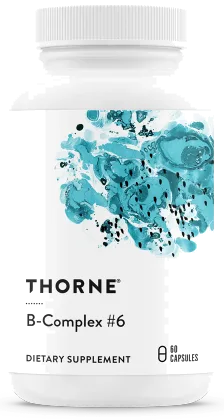
Thorne B-Complex #6 Review
Thorne B-Complex #6 is a complete B complex formula designed for the unique needs of athletes and women, according to the page. The product page explains that B vitamins are essential to energy production, red blood cell formation, detoxification, and hundreds of biochemical pathways in the body. It notes that because the majority of B vitamins are not stored by the body, it is necessary to supplement them daily. B-Complex #6 provides a balanced formula of B vitamins plus choline, with added vitamin B6 for functional support for women and athletes. The listed benefits include supporting rapid release of cellular energy by promoting creatine conversion, aiding in building muscles by supporting the metabolism of amino acids and protein synthesis, and reducing muscle spasms and cramps by increasing the bioavailability of magnesium. It also says it optimizes a pre-competition mindset by supporting a balanced mood and helping to reduce pre-game jitters, benefits neurotransmitter synthesis and neurological function, supports positive mood and helps balance fluid retention common in PMS, and is intended for replenishing essential nutrients that can become deficient with use of birth control and other medications. The page names athletes and fitness enthusiasts looking to support training goals, individuals seeking extra neurological support, anyone wanting to optimize energy levels, and women who use hormonal birth control or experience PMS symptoms as its audience. Features listed include B vitamins in active, tissue-ready forms, the methylated forms of B12 and folate (5-MTHF) for individuals with a specific gene mutation, ingredients not derived from yeast, and NSF Certified for Sport. The Why Thorne section says each ingredient is carefully selected, clinically studied, and tested through multiple rounds of quality control for purity, potency, and consistency. For athletes, the NSF Certified for Sport program tests every batch for compliance with label claims and for the absence of nearly 300 substances banned by many major athletic organizations. The label lists 1 capsule daily with 60 servings per container, and the warnings say the product is contraindicated for anyone with a history of hypersensitivity to its ingredients, that pregnant people should consult a health-care practitioner, and that 5-MTHF is not recommended alongside a med cancer therapy.
We don’t sell supplements. We help you make decisions and get the best price.
Lowest prices
We may earn a commission from some store links. How we choose.
Finding the lowest prices at the stores now. This takes a few seconds.
Products with nearly the same formula (Matched on the main ingredients)
Study, Trial or Testing Result Summary
Members Only96 human studies · 34 improved
5 of these 96 human studies gave the ingredient by injection, not by mouth.
For energy, the evidence for this B complex is mixed. Thiamine, at a full dose here, lowered fatigue and improved well-being in older women who were mildly low in it [1]. High doses cut fatigue in people with bowel disease [2] but not in people with a liver disease [3]. Riboflavin, also at a full dose, eased fatigue in construction workers drinking fortified juice [4]. A nutrient mix that included it did not help dialysis patients [5]. Vitamin B6, at a full dose, eased tiredness in women with premenstrual symptoms [6]. Larger trials of blends containing B6 found no benefit [7][8]. Vitamin B12 did not boost energy in people who were not deficient [9][10]. Niacin forms did not improve tiredness in a large review [11], and the doses studied were far above the amount here. Pantothenic acid was tested only at gram doses, far above this product, and showed no benefit [12]. The choline here is far below the studied amounts. Its main support came from an uncontrolled study of a different form, citicoline [13], and choline alone did not delay fatigue [14]. Animal and cell studies are never counted.
See all 96 studies →Hide the studies
- Across 16 trials with 6276 people, B12 with or without folic acid and B6 did not improve thinking or depression, and only one trial looked at fatigue so it could not be analyzed.Effects of Vitamin B12 Supplementation on Cognitive Function, Depressive Symptoms, and Fatigue: A Systematic Review, Met…
- Across 27 studies of 1,599 adults, NAD+ precursors did not improve perceived fatigue or sleep, but nicotinamide mononucleotide improved endurance and NADH improved cognitive performance.Domain-specific effects of NAD+ precursors on fatigue and functional performance: a systematic review and network meta-a…
- In 16 studies of 616 people with multiple sclerosis and 655 healthy people, folate and B12 blood levels did not differ, suggesting they are not drivers of worse physical function; this was not a supplement trial.The Relationship of Cobalamin and/or Folate to the Patient-Centred Outcomes in Multiple Sclerosis: A Systematic Review a…
- In 10 trials of 489 people, NADH was well tolerated and linked to better quality of life, less anxiety and lower heart rate after stress, but fatigue results were not clearly shown.Evaluation of safety and effectiveness of NAD in different clinical conditions: a systematic review.
- In a review of 13 small trials with 85 people with McArdle disease, vitamin B6 gave no benefit for exercise performance.Pharmacological and nutritional treatment for McArdle disease (Glycogen Storage Disease type V).
- A review of 14 reviews found oral niacin and nicotinamide can cause side effects including fatigue, stomach upset, flushing and liver problems, more often at higher doses and with niacin than nicotinamide.The adverse effects of oral niacin/nicotinamide - an overview of reviews.
- In a review of four diet trials in people with multiple sclerosis lasting 3 to 12 months, two diets supplying enough folate and magnesium reported improved fatigue, but firm conclusions were not possible.Is there an effect of dietary intake on MS-related fatigue? - A systematic literature review.
- In 2501 heart disease or stroke survivors given low-dose B vitamins including 3 mg B6 for about 3 years, quality of life was not improved, and activity limits due to emotional problems were slightly worse.B vitamin and/or n-3 fatty acid supplementation and health-related quality of life: ancillary findings from the SU.FOL.O…
- In 326 people with long-lasting fatigue after an infection, 4 weeks of sulbutiamine (400 or 600 mg a day, a thiamine-related compound) did not reduce fatigue more than placebo overall; women on 600 mg had less fatigue at day 7 only, and it did not last.[Treatment of chronic postinfectious fatigue: randomized double-blind study of two doses of sulbutiamine (400-600 mg/day…
- In 311 people receiving a med agonist therapy, a daily fruit smoothie for 16 weeks did not change fatigue, fitness, or folate levels compared with standard treatment alone.Read the study on PubMed (40877839) →
- In 204 adults with fatty liver disease, a Chinese herbal recipe eased fatigue more than a phosphatidylcholine capsule over 3 months, but this study tested phosphatidylcholine only as the comparison drug, so it says nothing about choline improving energy.[Treatment of nonalcoholic steatohepatitis by Jianpi Shugan Recipe: a multi-center, randomized, controlled clinical tria…
- In 202 hemodialysis patients, 12 weeks of a multinutrient drink that included vitamin B1 did not change fatigue or quality of life compared with placebo, though heart rate variability improved and one herpes virus measure fell.Effects of nutritional supplementation on fatigue, and autonomic and immune dysfunction in patients with end-stage renal…
- In 171 adults with mild insomnia, a blend including vitamin B6 for 2 weeks did not differ from placebo on sleep or physical fatigue, as both groups improved similarly.Exploring the Effect of Lactium™ and Zizyphus Complex on Sleep Quality: A Double-Blind, Randomized Placebo-Controlled Tr…
- In 162 adults on a weight loss meal replacement program, folate levels improved in both groups, and energy and fatigue improved slightly more with daily calorie restriction alone than with added alternate day fasting; folate was not tested alone.Randomized Trial of a High Protein, Partial Meal Replacement Program with or without Alternate Day Fasting: Similar Effe…
- In 160 heart disease patients over about 38 months, niacin plus a med caused fatigue, nausea or muscle aches in 9% versus 5% on placebo, not a significant difference.Read the study on PubMed (14759379) →
- In 112 women with anemia after childbirth, adding 1 mg a day of folic acid to iron for 4 weeks did not change fatigue scores, hemoglobin or health status compared with iron alone.A randomized controlled trial examining the addition of folic acid to iron supplementation in the treatment of postpartu…
- In 80 healthy elderly Irish women with marginal thiamin deficiency, 10 mg of thiamin daily for 6 weeks increased appetite, energy intake and general well-being and decreased fatigue compared with placebo.Influence of thiamin supplementation on the health and general well-being of an elderly Irish population with marginal t…
- In 80 people with advanced chronic kidney disease followed for 6 months, adding folic acid (alone or with pentoxifylline) to usual care reduced fatigue scores and improved kidney blood tests compared with usual care alone.The potential adding therapeutic effect of pentoxifylline and/or folic acid for chronic kidney disease patients: randomi…
- In 68 people with chronic fatigue syndrome, vitamin B1 with oryzanol for 4 weeks reduced fatigue scores, but adding acupuncture worked better; the study did not test thiamine against placebo.[Acupuncture in the treatment of chronic fatigue syndrome based on "interaction of brain and kidney" in TCM: a randomize…
- In 65 people with chronic fatigue syndrome, a daily combination with 1.05 mg B6, beta-glucan, vitamin D3 and zinc for 36 weeks improved cognitive fatigue compared with their own baseline.Yeast Beta-Glucan Supplementation with Multivitamins Attenuates Cognitive Impairments in Individuals with Myalgic Enceph…
- In 63 women with premenstrual symptoms (32 completed), 50 mg of vitamin B6 daily for 3 months in a crossover design improved emotional symptoms including depression, irritability and tiredness compared with placebo.Pyridoxine (vitamin B6) and the premenstrual syndrome: a randomized crossover trial.
- In 58 people with long-COVID, 2000 mg of nicotinamide riboside daily raised blood NAD+ about 3-fold but did not significantly improve fatigue, cognition, or sleep versus placebo.Effects of nicotinamide riboside on NAD+ levels, cognition, and symptom recovery in long-COVID: a randomized controlled …
- In 54 cancer patients with hand-foot skin reactions from chemotherapy, topical pyridoxine for 6 weeks did not improve the skin reaction grade, but patients reported lower fatigue, better physical function and better quality of life than the placebo group.A pilot randomized double-blind, placebo-controlled study on the effects of the topical application of pyridoxine on pal…
- In 50 people recovering from COVID-19, one month of 1-methylnicotinamide improved 6-minute walk distance in 92% versus 60% without it, and severe fatigue was 20% versus 56%.Use of 1-MNA to Improve Exercise Tolerance and Fatigue in Patients after COVID-19.
- In 43 adults with sleep complaints, a blend containing a small amount of vitamin B3 taken with the evening meal for 14 days shortened sleep onset time and improved next-morning mood and vigor, but had no effect on cognitive performance.Mulberry leaf extract combined with tryptophan improves sleep and post wake mood in adults with sleep complaints - A ran…
- In 42 healthy adults aged 40-76, a glycine, glutamine and niacin mixture taken for 3 weeks raised growth hormone by about 70% compared with placebo, but did not change IGF-I, mood or memory.Effects of an oral mixture containing glycine, glutamine and niacin on memory, GH and IGF-I secretion in middle-aged and…
- In 41 trained male cyclists, 4 weeks of a combination supplement including 1.1 mg vitamin B1 did not improve aerobic or anaerobic performance or fatigue measures versus placebo, though it lowered blood lactate after hard exercise.l-Carnitine and Alpha-Lipoic Acid Fail to Improve Anaerobic and Aerobic Performance in Trained Cyclists Despite a Reduct…
- In 40 people with quiescent inflammatory bowel disease and severe fatigue, 4 weeks of high-dose thiamine (600-1800 mg a day) reduced fatigue by 4.5 points versus a 0.75-point increase on placebo, with 55% and 75% of the two groups improving on thiamine.Randomised clinical trial: high-dose oral thiamine versus placebo for chronic fatigue in patients with quiescent inflamm…
- In 36 people with primary biliary cholangitis and severe fatigue, 4 weeks of high-dose thiamine (600-1800 mg a day) was safe but not better than placebo at reducing fatigue.High-dose oral thiamine versus placebo for chronic fatigue in patients with primary biliary cholangitis: A crossover ran…
- In 33 soldiers during a 12-day tropical training exercise, folate status declined in all groups and those eating combat rations reported more fatigue than those eating fresh food; folate was not given as a separate supplement.The physiological and psychological effects of combat ration feeding during a 12-day training exercise in the tropics.
- In 32 healthy young adults, 28 days of a daily B vitamin complex including B1 increased running time to exhaustion 1.26-fold and lowered blood lactate and ammonia during exercise compared with placebo.A functional evaluation of anti-fatigue and exercise performance improvement following vitamin B complex supplementation…
- In 32 Gulf War veterans with illness, a 4-6 week program of exercise, sauna and nicotinic acid plus other supplements improved physical quality of life by 6.9 points versus waitlist, and 11 of 16 quality of life, pain and fatigue measures improved.A Detoxification Intervention for Gulf War Illness: A Pilot Randomized Controlled Trial.
- In 30 young women with premenstrual syndrome, both groups took vitamin B6 and calcium for 3 months; the group that also did treadmill exercise improved fatigue and other symptoms, so the effect is from exercise rather than vitamin B6.Effect of aerobic exercise on premenstrual symptoms, haematological and hormonal parameters in young women.
- In 26 overweight middle-aged women doing aerobic training for 3 months, drinking 500 ml of orange juice daily (raising folate intake 61%) lowered blood lactate more (27% vs 17%), suggesting less muscle fatigue, but folate's effect cannot be separated from the juice.Orange juice improved lipid profile and blood lactate of overweight middle-aged women subjected to aerobic training.
- In 25 healthy active adults, a single dose of a pre-workout blend containing 60 mg niacin raised reported vigor and energy and improved cognitive scores compared with placebo, with no gain in lifting or sprint performance.Effects of acute ingestion of a pre-workout dietary supplement with and without p-synephrine on resting energy expenditu…
- In a double-blind crossover trial of 25 resistance-trained adults, 7 days of a pre-workout drink containing 65 mg niacin (plus caffeine and other ingredients) improved some lower-body strength and endurance measures compared with placebo, but not cycling time-trial performance, with no differences in side effects.Short-Term Effects of a Ready-to-Drink Pre-Workout Beverage on Exercise Performance and Recovery.
- In 25 untrained men, a single 1000 mg dose of niacin before cycling raised the respiratory exchange ratio and shortened time to exhaustion compared with caffeine, suggesting impaired exercise performance.Niacin supplementation impairs exercise performance.
- In 21 untrained men, a caffeine supplement containing 40 mg of niacin taken once did not improve bench press strength, leg extension strength, or time to exhaustion on a bike compared with placebo.Acute effects of a caffeine-containing supplement on bench press and leg extension strength and time to exhaustion durin…
- In 20 singers with mild vocal symptoms, a single 1000 mcg B12 injection did not improve voice fatigue or singing measures more than a placebo injection.Effect of Vitamin B12 Injection on the Vocal Performance of Professional Singers: A Randomized, Double-blind, Placebo-Co…
- In 20 trained male cyclists, a single 2.43 g dose of choline bitartrate raised blood choline but did not delay fatigue or change work performed in brief or prolonged cycling compared with placebo.Effect of choline supplementation on fatigue in trained cyclists.
- In 17 people, a 3-week broad antioxidant capsule containing riboflavin did not preserve aerobic exercise performance in low-oxygen conditions better than the other supplement or placebo.Effects of antioxidant supplementation on exercise performance in acute normobaric hypoxia.
- In 16 male athletes, 100 mg of thiamine daily for 3 days before cycling exercise reduced the rise in blood glucose in those with normal thiamine levels and lowered the number of fatigue complaints after exercise compared with placebo.Effects of thiamine supplementation on exercise-induced fatigue.
- In 15 people with chronic fatigue syndrome, injected liver extract with folic acid and vitamin B12 did not improve fatigue-related function more than placebo, and the placebo response was strong.Liver extract-folic acid-cyanocobalamin vs placebo for chronic fatigue syndrome.
- In 14 people given 1 gram a day of a thiamine derivative or placebo for 4 days in a crossover design, there was no difference in oxygen uptake, lactate or 2000-metre cycling time.The effect of a thiamin derivative on exercise performance.
- In 14 male college football players, a single dose of a choline-based multi-ingredient supplement taken 60 minutes before testing led to higher rate of torque development and impulse during fatiguing leg contractions than placebo, though baseline strength and jump height did not differ.Choline-Based Multi-Ingredient Supplementation Can Improve Explosive Strength during a Fatiguing Task.
- In 8 healthy young men, one week of 1.5 grams each of pantothenic acid and cysteine daily did not change muscle coenzyme A, fuel use during exercise, or work output compared with placebo.Acute pantothenic acid and cysteine supplementation does not affect muscle coenzyme A content, fuel selection, or exerci…
- In 7 well-trained male cyclists, a multinutrient supplement containing pyridoxine-alpha-ketoglutarate for 3 weeks did not extend time to exhaustion during cycling or speed recovery compared with placebo.Tricarboxylic-acid-cycle intermediates and cycle endurance capacity.
- In people with quiescent inflammatory bowel disease and chronic fatigue given high dose oral thiamine for 4 weeks, blood levels of other B vitamins were not linked to the fatigue response, and only lower riboflavin was seen in those reporting benefit.B-vitamins, related vitamers, and metabolites in patients with quiescent inflammatory bowel disease and chronic fatigue …
- In a placebo-controlled crossover pilot in healthy middle-aged adults, 7 days of RiaGev (1520 mg twice daily) raised blood NAD+ metabolites and reduced fatigue and improved concentration and motivation compared with baseline, with no clinically relevant side effects.A Combination of Nicotinamide and D-Ribose (RiaGev) Is Safe and Effective to Increase NAD+ Metabolome in Healthy Middle-…
- In 134 patients after cerebral aneurysm embolization, adding glycerol fructose to routine vitamin B6 gave better neurological fatigue scores than B6 alone, so the benefit is from glycerol fructose rather than B6.Glycerol fructose combined with vitamin B6 is beneficial to postoperative recovery of patients with cerebral aneurysm.
- In 73 children and young people with mild thalassemia, 3 months of carnitine with or without 1 mg a day of folic acid reduced bone pain and muscle weakness, but the benefit was attributed to carnitine and fatigue was not reported separately.Determining and surveying the role of carnitine and folic acid to decrease fatigue in β-thalassemia minor subjects.
- In 70 diabetic fatty liver patients, 1000 mg of nicotinamide daily for 12 weeks improved quality of life including the activity and fatigue scores versus no supplement, in an open-label trial.Nicotinamide supplementation in diabetic nonalcoholic fatty liver disease patients: randomized controlled trial.
- In 14 trained male cyclists, 6 grams of pantothenic acid daily for 16 weeks did not change muscle coenzyme A levels or cycling performance compared with the control group.Chronic pantothenic acid supplementation does not affect muscle coenzyme A content or cycling performance.
- In 14 conditioned volunteers doing 4 hours of heavy-load treadmill walking, 8.425 g of choline citrate raised blood choline but did not improve run time to exhaustion, squat performance or perceived exertion compared with placebo.The effects of choline supplementation on physical performance.
- In 9 students in a crossover trial, 4 weeks of thiamine tetrahydrofurfuryl disulfide at 10 mg per kg body weight daily lowered blood lactate and ammonia during exercise and reduced perceived exertion compared with placebo.The effects of endurance training and thiamine supplementation on anti-fatigue during exercise.
- Construction workers who drank riboflavin-fortified apple juice daily for 28 days reported less fatigue on fatigue questionnaires, along with improved antioxidant markers.Physicochemical properties of and volatile compounds in riboflavin fortified cloudy apple juice; study of its effect on …
- In an open-label pilot of 50 people with Parkinson disease, thiamine injections of 100 mg twice a week were followed by better motor and non-motor symptom scores over a mean follow-up of about 42 weeks, but without a placebo group.Long-Term Treatment with High-Dose Thiamine in Parkinson Disease: An Open-Label Pilot Study.
- In 26 people with multiple sclerosis, taking 400 mg of sulbutiamine (a fat-soluble form of thiamine) once daily for two months significantly reduced fatigue scores, with the benefit seen mainly in those also taking disease-modifying treatment; the study had no placebo group.Sulbutiamine shows promising results in reducing fatigue in patients with multiple sclerosis.
- A once-daily food-derived iron supplement that also contains folate for 8 weeks resolved iron deficiency in 23 nonanemic women, and self-reported fatigue and energy improved, though the study had no control group.A Food-Derived Dietary Supplement Containing a Low Dose of Iron Improved Markers of Iron Status Among Nonanemic Iron-Def…
- In an open-label pilot of 12 people with ulcerative colitis or Crohn's disease, high-dose oral thiamine (600 to 1500 mg daily, based on body weight) led to complete fatigue relief in 10 patients and nearly complete relief in the other 2 after about 20 days.Thiamine and fatigue in inflammatory bowel diseases: an open-label pilot study.
- In patients with inflammatory bowel disease, 300 mg of thiamine daily for 12 weeks did not significantly change fatigue compared with no thiamine, and fatigue rose over the study period for both groups.Long-term maintenance treatment with 300 mg thiamine for fatigue in patients with inflammatory bowel disease: results fr…
- In a drug surveillance study of 2817 mostly older adults with brain circulation problems, taking about 6 ml a day of oral citicoline for 15 days to 2 months was followed by reduced dizziness, headache, insomnia, and memory complaints, with fatigue also among the improved symptoms; 5% reported side effects, mostly digestive.Efficacy and safety of oral CDP-choline. Drug surveillance study in 2817 cases.
- In a chart review of 2142 people with fibromyalgia, 42.4% had vitamin B12 deficiency, and deficiency was linked to higher odds of fatigue (odds ratio 1.39) after adjusting for vitamin D.Association of Vitamin B12, Vitamin D, and Thyroid-Stimulating Hormone With Fatigue and Neurologic Symptoms in Patients …
- In 1676 people with colorectal cancer, higher blood levels of active vitamin B6 were linked with less fatigue and better quality of life six months after diagnosis, though this was not a supplement trial.Circulating B-vitamin biomarkers and B-vitamin supplement use in relation to quality of life in patients with colorectal…
- In a 3.5-year study of 1,643 adults aged 65 and older, those with the lowest dietary vitamin B6 intake had about 2.8 times the odds of developing frailty, which includes exhaustion, compared with those with the highest intake. This is an association from diet, not proof that supplements prevent frailty.Low vitamin intake is associated with risk of frailty in older adults.
- In a retrospective study of 689 children without complaints, 23.2% had vitamin B12 deficiency and it was linked to vitamin D deficiency, but no supplement was tested for energy.Is There An Association Between Vitamin B12 Level and Vitamin D Status in Children?
- In a survey of 499 postpartum women in Saudi Arabia, fatigue was linked to lower physical activity, but thiamine intake was only a statistical adjustment factor and was not tested as a treatment for energy.Physical activity patterns among women during the postpartum period: an insight into the potential impact of perceived f…
- Older adults with fatigue had higher blood folic acid than those without fatigue, and lower vitamin D tracked with more fatigue; this study did not test folate supplements.Decrease in Serum Vitamin D Level of Older Patients with Fatigue.
- In 335 older adults, vitamin B12 levels were not associated with frailty, and no supplement was tested.Association between serum vitamin B12 level and frailty in older adults.
- In a prospective study of 146 people with fatigue after COVID-19 who took Astenor Energy, a product containing arginine aspartate, vitamin B6, biotin and magnesium, fatigue scores fell over three months of treatment, but there was no placebo group and biotin's effect could not be separated from the other ingredients.The Effects of Arginine-Based Supplements on Fatigue Levels following COVID-19 Infection: A Prospective Study in Romania…
- Women with fibromyalgia had lower vitamin B12 levels than 58 healthy women, and lower levels were linked to more tender points, though this study did not test supplements.Could ferritin, vitamin B12, and vitamin D play a role in the etiopathogenesis of fibromyalgia syndrome?
- In people with irritable bowel syndrome, lower vitamin B6 intake was linked with more fatigue, but this was an observational association within a diet study and not a test of vitamin B6 supplements.Poor intake of vitamins and minerals is associated with symptoms among patients with irritable bowel syndrome.
- In 101 people with relapsing multiple sclerosis, lower dietary folate intake was linked to higher fatigue scores, but this cross-sectional study cannot show cause.Dietary intake of nutrients and its correlation with fatigue in multiple sclerosis patients.
- In COVID-19 survivors with lingering fatigue, a multi-ingredient supplement containing vitamin B6 improved strength and walking performance over 8 weeks compared with a control group, but vitamin B6 was not tested alone.Effects of a New Multicomponent Nutritional Supplement on Muscle Mass and Physical Performance in Adult and Old Patients…
- Half of 60 people with chronic fatigue syndrome had low serum folate levels, but this survey did not test whether folate supplements improve energy.Serum folate and chronic fatigue syndrome.
- In a clinical observation of 60 spandex factory workers exposed to a industrial solvent, a combination of Chinese medicines that included polyene phosphatidylcholine was linked to lower liver enzymes and bilirubin and to recovery of most abnormal blood ammonia levels. The abstract does not report an energy or fatigue outcome after treatment.Dimethylacetamide-induced toxic hepatitis in spandex workers: clinical presentation and treatment outcomes.
- Vitamin B12 levels were normal in 55 people with primary fibromyalgia, who reported muscle fatigue as one of their most disabling symptoms.Primary fibromyalgia. A clinical and laboratory study of 55 patients.
- In a Swedish registry of 40 adults with a med-associated multiple acyl-CoA dehydrogenase deficiency, 38 of 39 treated with riboflavin clinically improved, including reduced fatigue and muscle symptoms.Read the study on PubMed (41808636) →
- In a 7-day diary study of 20 adults with hypophosphatasia and 20 matched controls, vitamin B6 intake did not differ significantly between groups, and the study did not measure energy levels directly.Mineral Intake and Clinical Symptoms in Adult Patients with Hypophosphatasia.
- In a survey of 38 people with chronic fatigue syndrome or fibromyalgia, those who rated themselves much improved had taken more vitamin B12 injections and higher daily folic acid for longer, though this was not a controlled test.Response to vitamin B12 and folic acid in myalgic encephalomyelitis and fibromyalgia.
- In a retrospective review of 38 children with neurological symptoms of vitamin B12 deficiency, all recovered within one month of B12 supplementation; fatigue was among the symptoms but was not reported separately.Neurological symptoms of vitamin B12 deficiency: analysis of pediatric patients.
- In a study of 37 adults with pulmonary arterial hypertension, 29% had a functional vitamin B12 deficiency, but no supplement was tested, so the study does not show whether B12 improves energy.Nutritional status in pulmonary arterial hypertension.
- In 25 patients with multiple acyl-CoA dehydrogenase deficiency, those whose condition responded to riboflavin had favorable outcomes, while non-responders had more severe early illness.Determinants of Riboflavin Responsiveness in Multiple Acyl-CoA Dehydrogenase Deficiency.
- In a small case series of 20 infants with vitamin B12 deficiency, who were treated with cyanocobalamin, clinical and lab findings improved overall, though energy was not separately reported and the dose and duration were not stated.Vitamin B12 Deficiency in Infants.
- In 19 people with multiple sclerosis, those on a less inflammatory diet, which had higher vitamin B6 intake, reported more energy and fewer symptoms than those on a more inflammatory diet.Assessment of Functional Status in Patients with Multiple Sclerosis Based on the Inflammatory Potential of Their Diet.
- In 10 patients with late-onset multiple acyl-CoA dehydrogenase deficiency, high-dose riboflavin at 400 mg daily produced rapid muscle strength improvement, though neuropathic symptoms did not improve.Diagnostic Challenges in Late Onset Multiple Acyl-CoA Dehydrogenase Deficiency: Clinical, Morphological, and Genetic Asp…
- All 5 people with ALS who received methylcobalamin injections reported more energy and less fatigue, based on interviews; the dose was not stated.Patients' experiences with methylcobalamin injections in amyotrophic lateral sclerosis.
- In a case series of 19 adults with a rare bone disorder, four patients given empirical pyridoxine (vitamin B6) did not get symptom relief, including fatigue.Hypophosphatasia in Adults: Clinical Spectrum and Its Association With Genetics and Metabolic Substrates.
- In lymphoma survivors, a higher vitamin B6 breakdown marker was associated with a greater risk of chronic cancer-related fatigue, pointing to low-grade inflammation as a possible cause.Metabolic analysis of amino acids and vitamin B6 pathways in lymphoma survivors with cancer related chronic fatigue.
- This survey of hypothetical scenarios found people kept taking B12 for fatigue after a small symptom improvement, showing post hoc bias rather than any real effect of B12 on energy.Post Hoc Bias in Treatment Decisions.
- In a large family with an inherited mitochondrial muscle mutation, riboflavin given to two affected members did not improve their exercise intolerance or fatigue.Benign mitochondrial myopathy with exercise intolerance in a large multigeneration family due to a homoplasmic m.3250T>C…
- In hypertensive patients, a nicotinamide mononucleotide supplement lowered blood pressure and improved vascular function, but energy was not measured.NAD+ exhaustion by CD38 upregulation contributes to blood pressure elevation and vascular damage in hypertension.
- In this mostly lab and animal study, nicotinamide with pyridoxine helped muscle stem cells regenerate muscle and improved strength in animals, but energy was not measured.Nicotinamide and pyridoxine stimulate muscle stem cell expansion and enhance regenerative capacity during aging.
- In mice, biotin deficiency shortened swimming time in a forced-swim test, suggesting fatigue or low mood, and a single biotin injection quickly restored swimming time; this was an animal study with no human data.Experimental study of fatigue provoked by biotin deficiency in mice.
- In exhausted rats, a daily mix of ten nutrients including a small biotin dose (0.1 mg per kg) let them run longer, reduced oxidative damage, and increased mitochondrial proteins in muscle compared with rats given no supplement; this was an animal study and biotin's effect alone was not isolated.Mitochondrial nutrients stimulate performance and mitochondrial biogenesis in exhaustively exercised rats.
- In mice, pantothenate deficiency lowered tissue levels of coenzyme A and glycogen stores and shortened running time to exhaustion compared with supplemented mice.The effect of pantothenate deficiency in mice on their metabolic response to fast and exercise.
Review Totals and Summary
Members Only5,301 reviews · 94% positive
Thorne B-Complex #6 is rated very highly, about 4.7 stars across roughly 5,301 ratings on the stores that sell it. Buyers mostly praise energy and trust in the Thorne brand, and no negative written comments appear in the feedback I have. Reviews of other forms of this product were left out; this summary covers the capsules only. **What buyers say it did for them:** Energy is the most common benefit. One person says, "I can tell I have better energy levels throughout the day without the mid-day slump," and added that they had cut back on caffeine. Another writes, "Since taking a b complex my energy levels have increased!" A morning-vitality comment says it "gives the right amount of vitality in the morning." One store's page summary also mentions reduced brain fog. Another store's reviewers mention recovery, neurological support, and hormone balance from the B6, though without detail on how long they took it or how strongly they noticed it. One buyer took it because their B12 tested low but had not yet retested, so there is no result to report. Another says only that "So far all is good" ahead of blood work. **What buyers complain about:** Nothing substantial. Every review with stars gives 4 or 5, and the store pages report only a small share of 1-3 star ratings with no written reasons. The pages do not mention side effects, price complaints, or shipping problems. One reviewer who called the product "iron tabs" probably mixed it up with another item. **Pill size, form, and how it sits:** Comments are few but favorable. One buyer says "The capsule is easy for me to swallow." Another calls it "Easily digestible." The same buyer who found it easy to swallow had disliked other B vitamins for making them feel "weird and wired," and reports no "weird jittery feelings" with this one. Taste and smell are not discussed. **Value for money:** Price is not discussed in the reviews. Value comes through as repeat buying: "I would definitely buy it again," and another says they will rebuy because they struggle to get enough B vitamins from food. One store's reviewers say they have reordered B complex many times. **Brand trust and quality:** This is the most consistent theme. One reviewer says, "I truly like all of Thorne products I think they are top notch!!" Another reviewer points to NSF or USP standards and says Thorne is "1 of the top 3" for purity. Reviewers on another store credit the brand's quality and third-party testing and describe themselves as repeat customers. **Who it seems to suit:** It suits people already loyal to Thorne, people who want a B complex that doesn't make them feel jittery, people with low B12 or a thin dietary intake of B vitamins, and those wanting steadier daytime energy. No reviewer describes a group it did not suit, though the written feedback is short and mostly general praise rather than detailed results.
Biohacker Summary
Members Only9 of 10 recommend it
Choline is the main ingredient, and nine of the ten panelists spoke about it, with a lean toward recommending or using it. Three recommend it outright and two say they use it, while the rest are neutral. Reasons given include focus and memory through acetylcholine, cell membranes, liver function, and a baby's brain development during pregnancy, where one panelist cited a daily amount of 900 mg and another suggested four eggs a day. Most favor food sources such as eggs, though one prefers a plant-based form and another points to phosphatidylcholine, and one pairs it with racetams, especially for people over 35, to head off headaches and muscle tension. Cautions are mild: one panelist says to measure a blood marker called TMAO if supplementing, and another says to be careful about what the supplement actually contains. Among the smaller ingredients in this product, vitamin B12, folate, and niacin drew the most praise, mainly from panelists who want active, absorbable forms.
See all 10 biohackers →Hide the biohackers
Dr. Eric Berg · Choline · neutral
- Mentions that egg yolks contain choline, which helps the brain and prevents a fatty liver.
- States that taking Vitamin B1 might help with swollen legs and ankles.
- Notes that birth control pills deplete the body of folate, which is needed for the brain to make serotonin.
- States that expensive NAD+ supplements only turn into $5 niacin in the body and that research has shown niacin can actually raise NAD levels in the blood 5 to 8 times their baseline levels.
- Dr. Eric Berg states that vitamin B1 supports the nerve function and energy production involved in the brain's response to changes in hearing, which plays a major role in tinnitus.
- Notes that choline is a key nutrient many people are deficient in, helping repair membranes, reduce breakouts, improve skin texture, and lift brain fog by being a building block for acetylcholine, which aids memory, focus, and concentration.
- Dr. Berg suggests that supporting vitamin B1 intake may help address the stress behind bloating.
- Recommends cheap flush niacin, stating that it outperforms expensive NAD supplements and even IV drips in raising NAD levels in the blood.
- Dr. Berg lists pyridoxine hydrochloride as a synthetic vitamin to avoid.
- Recommends taking the fat-soluble version of vitamin B1, benfotiamine, to support blood flow to the nerves and counter complications of diabetes.
- Notes that Vitamin B1 is intimately involved in the nervous system and may be behind sciatica and carpal tunnel syndrome.
- Recommends taking the active form of vitamin B6, pyridoxal-5-phosphate (P5P), for its benefits to the nervous system, including building the myelin sheath and protecting sensory nerve integrity.
- Notes that Vitamin B6 is intimately involved in the nervous system and may be behind sciatica and carpal tunnel syndrome.
- Recommends taking the natural form of vitamin B12, methylcobalamin, to support nerve regeneration, myelin production, and nerve growth factors.
Dave Asprey · Choline · recommends
- Recommends increasing choline intake, noting that it is missing in most people's diets and is important for cell membranes and liver function. He switched to a new American-made, plant-based choline called Vitacoline, which has prenatal clinical studies.
- States that folate can affect how the body responds to a supplement.
- Dave Asprey recommends eating eggs or taking a supplement that raises acetylcholine when taking racetams, as racetams can burn through choline, which the brain needs for focus.
- Dave explains how to stack racetams with choline for smarter cognitive enhancement.
- Recommends taking choline donors, especially if over 35, to prevent headaches and muscle tension that can occur when taking racetams due to increased demand on the acetylcholine system.
- Recommends methylfolate as a better option than folic acid.
- Recommends niacin, a form of vitamin B3, as one of the two most important raw materials for NAD+ production, found in foods like beef liver, chicken, turkey, and fish, or from supplements.
- States that Vitamin B12 is extremely important for every kind of brain function and recommends ensuring B12 levels are optimal, around 500, not just barely above normal.
- Dave Asprey notes that 80% of their clients have a problem absorbing certain forms of folate, and when the exact form of folate or folinic acid is dialed in, clients experience shifts, with the brain waking up as one of the first improvements.
- Dave Asprey recommends niacin, a form of vitamin B3, as one of the two most important raw materials for NAD+ production, found in foods like beef liver, chicken, turkey, and fish.
- Notes that niacin has been a standard longevity ingredient since the 1990s.
- States that biotin clears out oxalates.
- Dave breaks down why a daily stack of taurine, B6, folate, and B12 works for motivation when either ingredient alone doesn't.
- Dave discusses how niacinamide compares as an NAD precursor.
Thomas DeLauer · Choline · neutral
- Mentions that choline from avocado (and eggs) contributes to the liver's ability to tag and process toxins, focusing on phase II detox.
- Recommends Vitamin B12 for mental health and mood, explaining its role in myelination and neurotransmitter production. They specifically recommend a liposomal and micellar form of methylcobalamin B12 for better absorption and to avoid toxicity.
- Uses niacin as part of their detoxification protocol, taking enough to flush about half an hour before a sauna session.
- Warns against conventional cereal, describing it as extruded, sugared, and then sprayed with vitamins that were destroyed during its making.
- Warns against conventional cereal, describing it as extruded, sugared, and then sprayed with vitamins that were destroyed during its making.
- Mentions that a single serving of sardines provides vitamin B12 at something like three to four times the daily needs.
- Recommends taking methylcobalamin as a methylated form of B vitamin for mitochondrial function.
- Recommends taking methylfolate as a methylated form of B vitamin for mitochondrial function.
- Discusses niacin as an essential vitamin involved in NAD production and known for its flushing effect as a vasodilator. He also mentions its role as an agonist for GPR109A receptors, which could potentially block fat mobilization.
- Thinks biotin is a little overhyped, suggesting that consuming adequate protein is probably more effective for hair, skin, and nails. He notes that some people might be deficient, especially if consuming a lot of eggs with avidin, but doesn't consider it the 'Mecca of perfect hair'.
- Recommends methylfolate as a runner-up for insulin resistance, especially for individuals with the MTHFR variant, as it directly enters the methylation cycle without conversion.
- Recommends ensuring adequate vitamin B6 intake, as it is a required cofactor for cells to use absorbed magnesium and improves central nervous system relaxation when combined with magnesium.
- Explains that choline is the direct precursor to acetylcholine, a neurotransmitter tied to memory, attention, and learning speed, and that most adults don't get enough of it.
- Recommends vitamin B6 to support GABA production and find balance for mental clarity.
Ben Greenfield · Choline · uses
- Addresses her MTHFR gene by taking choline rather than high doses of methylolate.
- Recommends methylfolate as an active form of folate that the body can use directly without conversion.
- States that Nrf2 activators, when combined with something like niacin, may have a good effect on plaque progression.
- Recommends bioavailable folate, not synthetic folic acid, as folate deficiencies seem to impact hearing health in older individuals.
- Recommends getting vitamin B12 tested and supplementing if deficient, as B12 deficiency can cause damage to the myelin coating around nerves, including cochlear nerves, and improve tinnitus severity scores.
- Mentions nicotinamide as an ingredient found in many NAD products and notes that niacinamide and nicotinamide are structurally the same.
- Recommends introducing methylfolate into the diet to address high homocysteine levels.
- Believes the niacinamide approach, along with the NAMPT/salvage pathway angle, is underrated and deserves more attention.
- Recommends consuming choline from natural sources like runny egg yolks, organ meats, soy, and walnuts to support vagus nerve function.
- Would refine the guidelines to include clearer distinctions between synthetic folic acid and natural folate.
- Mentions niacin as a natural approach that might be good for plaque regression.
- Notes that some people do better on certain forms of B12, B complexes, SAM E, and methylated folates, specifically five methyl folates, for methylation.
- Mentions high doses of choline as something used in 'old school biohacking days' for focus.
- Notes that 10X Health System's methylene blue tablets plus light stack supports energy and recovery at the cellular level by promoting healthy metabolism through niacinamide.
Andrew Huberman · Choline · recommends
- Recommends choline-rich foods to enhance focus and acetylcholine.
- Mentions choline as a structural lipid component, obtainable from nuts, seeds, or eggs, that seems related to cognitive function, though with slightly less evidence for brain changes over time and dementia risk.
- Mentions biotin.
- Notes that choline can be converted into TMAO, similar to L-carnitine, and suggests measuring TMAO levels if supplementing with it.
- States that a deficiency in vitamin B12 can be terrible and lead to chronic fatigue-like syndromes, as many parts of mitochondria require B vitamins.
- He highlights specific nutrients, including choline, and discusses their recommended doses and dietary sources for focus.
- States that B12, folate, and iron are essential to mitochondrial function and if deficient, mitochondria will not function properly, which is consistent with the mitochondrial theory of neuropsychiatric disorders.
- Recommends Alpha GPC, also known as alpha glyceryl phospho-choline, for enhancing power output and potentially improving cognitive function, especially in older populations. He notes that dosages of 300 to 600 mg taken before training have been shown to increase power output by about 14%.
- Recommends taking methyl B12 as part of methylated B vitamins to lower homocysteine levels and reduce cardiovascular risk.
- Recommends taking methyl folate as part of methylated B vitamins to lower homocysteine levels and reduce cardiovascular risk.
- Mentions that Riboflavin (Vitamin B2) hits cytochrome 2 in the mitochondrial electron transport chain, contributing to energy production.
- Has been taking AG1 for over 10 years, once and often twice every day, to ensure he gets all necessary vitamins, minerals, probiotics, and adaptogens, considering it a nutritional insurance policy.
- Takes methyl folate because elevated levels of homocysteine are associated with negative outcomes, and taking methyl folate is known to lower homocysteine. This might lower ADMA and SDMA and raise nitric oxide synthesis, potentially impacting vascular disease.
- Does not supplement B6 due to evidence that overs-supplementing vitamin B, especially B6, is problematic because of peripheral nerve damage.
Dr. Rhonda Patrick · Choline · neutral
- States that choline helps make acetylcholine for cognition and phosphatidylcholine for cell membranes, and can be converted into betaine to help clear homocysteine.
- Recommends ensuring adequate methyl folate intake, ideally through a prenatal vitamin, for women preparing for IVF.
- Choline plays a critical role in fetal brain development, and the form and dose matter. Pregnant women who supplemented with twice the RDA for choline (900 mg/day) had children with higher intelligence scores than women taking 450 mg/day.
- Recommends that pregnant women supplement with choline, specifically phosphatidylcholine, to potentially have smarter babies, citing a randomized controlled trial where mothers who nearly doubled their choline intake had children who scored higher on IQ and cognitive tests.
- Warns that Vitamin B12 enhances light's melatonin-suppressing effects and should be avoided too close to bedtime.
- Advises avoiding biotin-containing supplements before a testosterone blood test as they can cross-detect with estrogens and confound results.
- Notes that dark leafy greens are a great source of folate.
- Discusses which choline supplement won't raise TMAO.
- Choline is vital for brain function and development, and even slight deficiencies can elevate homocysteine levels, which is linked to cardiovascular disease and cognitive decline.
- Recommends that pregnant women consume 900 mg of choline per day for greater outcomes in a child’s cognitive, attention, and possibly social development.
- Explains that alcohol consumption can lead to a deficiency in thiamine (Vitamin B1), which is essential for nerve function and brain health, by impairing its absorption and inhibiting its utilization.
- Discusses how choline during pregnancy could make a child more intelligent.
- States that for his mother, who is homozygous for MTHFR, methyl folate along with a high dose B supplement is necessary to prevent her homocysteine and blood pressure from going high.
- Notes that thiamine, a type of B vitamin, was used in combination with intravenous vitamin C and hydrocortisone in a study for sepsis patients, which decreased the risk of organ failure and death.
Dr. Mark Hyman · Choline · recommends
- Recommends that pregnant women consume enough choline, ideally from four eggs a day, to support their baby's brain development and prevent irreparable brain damage, as 90% of pregnant mothers are below the minimum recommended amount.
- Notes that taking folate can lower homocysteine levels, which has shown health benefits and physical improvements in brain scans in clinical trials.
- Notes that some people may need a little bit extra folate with a supplement.
- Explains that pellagra, which killed 100,000 Americans, was a niacin deficiency, a B vitamin.
- Optimized a child's nutrient status with folate, as the child had low folate levels and was not eating greens.
- Optimized a child's nutrient status with vitamin B6, as the child had low B6 levels.
- Notes that a med depletes folate.
- States that folate is a nutritional deficiency that impacts mental health.
- States that vitamin B12 is a nutritional deficiency that impacts mental health.
- Recounts giving a patient with MCI high-dose methylfolate, along with B12 shots and B6, which completely cured her MCI.
- Recommends folate with vitamin B6 and B12 as supplements with strong evidence for PMS.
- Recommends vitamin B6 with folate and B12 as supplements with strong evidence for PMS.
- Recommends vitamin B12 with vitamin B6 and folate as supplements with strong evidence for PMS.
- Explains that folate metabolism is very involved in neurotransmitter function and mood, and that folate can be a treatment for some cases of depression, especially for those with MTHFR genetic variants.
Siim Land · Choline · uses
- Is a big fan of consuming lots of choline through eggs, eating two to four eggs a day minimum, and also supplements with nootropics that contain choline.
- Created Microvitamin, a supplement that bundled all the supplements he was taking, to help fund his a med trial.
- States that vitamin B12 deficiency is the most common reason for premature graying of hair and recommends fixing B12 status if it is deficient, as it gives a greater likelihood of reversing gray hair.
- Suggests that in the mornings, NAD supplements like niacinamide can help kickstart the circadian rhythm.
- Recommends Niacinamide for skin protection, explaining it works partly through NAD metabolism that the body uses against DNA damage and is found in protein sources.
- Mentions that only specific therapies like niacin can meaningfully reduce Lp(a).
- States that Homocysteine levels can often be improved through adequate folate intake.
- Notes that Niacin notoriously raises HDL cholesterol, but this increase does not lower the risk of heart disease events, and while it can be good in many cases, very high doses can affect liver function.
- Places Thiamine, Vitamin B1, in the 'good' tier for its benefits in blood sugar regulation and energy metabolism, noting that he personally takes bentothiamine occasionally, especially when consuming many carbohydrates.
- Recommends niacin as a much cheaper and equally effective NAD booster compared to NMN and NR.
- Siim Land's company has published papers and filed patents for improvement in mitochondria in the skin using their core mitochondrial approach and other things like biotin.
- Warns that niacin, an NAD precursor, can shorten sleep.
- Recommends taking 100-300 milligrams of niacin before a sauna session, as part of the Hubert protocol, to enhance sweating, vasodilation, and potentially detoxification and cardiovascular benefits.
- Warns that Niacin, especially at high doses like 2000 mg per day, can disrupt sleep by increasing energy levels too high, causing flushing, and reducing deep sleep while increasing shallow non-REM sleep.
Peter Attia · Choline · neutral
- States that for choline deficiencies, which are sometimes measurable and seen in people post-bariatric surgery, they are not terribly aware of any downsides to taking choline supplements, but cautions about quantifying what's in supplements.
- Peter Attia's AVIA Skincare vitamin C serum also contains niacinamide, which is useful to apply to the skin right after washing.
- Warns that biotin, found in many supplements, can completely obscure findings and render a non-LCMS test for estradiol and testosterone irrelevant due to interference with ELISA-based assays.
- Notes that deficiencies in certain vitamins and minerals, such as B12, can be a cause of hair loss in women.
- Highlights folate supplementation as a significant practical progress in nutrition science, which has radically reduced spinabifida.
- Advises that if taking a biotin supplement, one should discontinue it for at least a few days, if not a week, before a blood test, as it can dramatically skew thyroid values.
- Takes Jarrow methylfolate to keep homocysteine levels below nine, taking the lower of two available strengths once a day.
- Takes Jarrow methylfolate, a methylated version, once a day at the lower of two strengths, to keep homocysteine levels below nine.
- Warns that certain things, like biotin, should not be taken before a blood test because they can mess up readings.
- Mentions that in a mouse model for obesity, the amount of folate given to the mother mouse during pregnancy affects the epigenetics of her offspring, leading to changes in coat color and obesity.
- Personally takes methylfolate to help get homocysteine into the desired zone and prefers the Jarrow brand.
- Used to prescribe niacin to many patients, primarily to raise HDL, lower APO B, triglycerides, LDL, and LP(a), but stopped after clinical trials showed minimal or disappointing effects on reducing cardiovascular events.
- Notes that niacin lowers LP little a but was not shown to have clinical benefit in outcome studies, and they are not currently using it.
- Recalls that a flush from niacin typically occurred with doses of a few grams.
Bryan Johnson · Vitamin B12 · uses
- States that Blueprint essential capsules and soft gels are packed with key vitamins and minerals needed for strong bone health.
- Mentions biotin as an example of an ingredient that AG1 lists with a specific dose, but then contrasts it with other ingredients in proprietary blends where doses are not disclosed.
- Recommends adequate Biotin (Vitamin B7) for hair health, noting it is in the Blueprint stack.
- Recommends Niacinamide as a supplement for skin health, noting it is in the Blueprint stack.
- He uses Niacinamide, found in serums or moisturizers, morning and night, and takes 15 mg in Blueprint Essential Capsules.
- Recommends supplementing with folate for brain health for both the mother and the baby during pregnancy.
RAL Summary
Members OnlyTier 4 for Energy
The tier rests on an uncontrolled study of citicoline, a different choline compound, given at about 6 ml a day, so it does not support the 14 mg of choline citrate in this product, and the main B vitamins show mixed or no benefit for energy. So it is graded Tier 4, lower than the rules alone gave.
- Emerging: not enough evidence to rank higher yet.
Where the evidence disagrees: 48 of the 96 human studies found no effect.
More Details
Members OnlyBody systems · Combine with · Possible side effects
Body systems: Nervous system, Metabolic system, Muscular system
Combine with: For regularity, pair this with products that target bowel function directly. Soluble and insoluble fiber such as psyllium husk, partially hydrolyzed guar gum, or acacia fiber adds stool bulk and softness. Magnesium citrate or magnesium glycinate draws water into the bowel and relaxes intestinal muscle. Probiotics with Bifidobacterium lactis BB-12 or Lactobacillus rhamnosus GG can support transit time. Other options include prebiotics such as inulin or FOS, and herbal support such as triphala, aloe, or senna for short-term use only. Adequate water, daily movement, and a diet rich in vegetables and whole foods also matter. Keep the B-complex if you want energy or methylation support, but do not rely on it for constipation. Consult a clinician if constipation is persistent.
Possible side effects: No major side effects were reported for this product. Studies note that high doses of niacin can cause flushing, stomach upset, fatigue and liver problems, at doses far above this product's.
Supplement Facts
Thiamine 40 mg · Riboflavin 30 mg · Niacin 80 mg
| Thiamine | 40 mg | |
| Riboflavin | 30 mg | |
| Niacin | 80 mg | |
| Vitamin B6 | 100 mg | |
| Folate | 334 mcg DFE | |
| Vitamin B12 | 100 mcg | |
| Biotin | 80 mcg | |
| Pantothenic Acid | 45 mg | |
| Choline | 14 mg |
Other ingredients: Hypromellose capsule, Cellulose, Calcium Laurate, Silicon Dioxide.
Directions: Suggested use: Take 1 capsule daily or as recommended by your health-care practitioner.
Barcode (UPC) 693749106036 · Label source: NIH label database · Report a label change
Show entire label


More energy products
Members OnlyThe highest ranked for the same goal
Read more
Our articles on this subject
Graded November 5, 2026 by the Reverse Age Lab evidence engine, from human studies, real reviews and our biohacker panel. How we grade. Is this medical advice? No. Rala organizes the published evidence; go over any change with your doctor, especially if you take meds.
Privacy policyConsumer health dataAffiliate disclosureTermsDo Not Sell or Share My Personal InformationCookie settings