
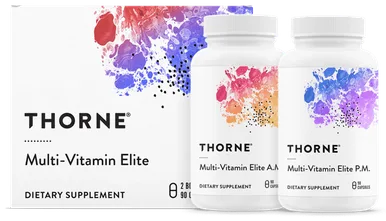
Thorne P.M. Review
Thorne P.M. is the evening formula of Thorne's Multi-Vitamin Elite system. The system pairs a daytime A.M. bottle with a night-time P.M. bottle. It is aimed at athletes and people with demanding lifestyles, and it carries NSF Certified for Sport status, which means it is tested for banned substances. The P.M. dose is three capsules taken in the evening. Each bottle holds 90 capsules, which is 30 servings. Splitting the nutrients across the day is meant to match the body's natural rhythms. The morning dose supports energy production. The evening dose supports rest, recovery and antioxidant defence. The P.M. capsules combine a foundational multivitamin and mineral base with a targeted botanical blend. The base includes vitamins A, C, D3, E and K1, B-vitamins, and minerals. Magnesium is supplied as dimagnesium malate, at about 107 mg per P.M. dose. Malate is an organic acid involved in cellular energy metabolism. Magnesium acts as a cofactor in nerve and muscle function. It also supports the relaxation of neuromuscular tissue, which is why it is placed in the evening formula. The A.M. bottle uses magnesium bisglycinate instead. The distinctive ingredient is Relora, at 200 mg per P.M. dose. Relora is a proprietary combination of Magnolia officinalis bark extract and Phellodendron amurense bark extract. The magnolia compounds (magnolol and honokiol) are studied for their effect on GABAergic signalling. GABA is the brain's main inhibitory neurotransmitter, so this pathway promotes calm and relaxation. Both extracts are also studied for helping the body adapt to stress. They are reported to lower evening cortisol, the stress hormone that should naturally decline at night. Elevated evening cortisol is associated with feeling wired, disrupted sleep, and late-night cravings. By nudging cortisol toward a normal evening level, Relora supports restful sleep and may reduce stress-related snacking. The remaining nutrients play supporting roles during overnight repair. Antioxidant vitamins and minerals help neutralise the oxidative stress created by training. Vitamin D, magnesium and other bone-supporting nutrients assist tissue maintenance. B-vitamins are provided in active, bioavailable forms. These forms avoid the extra conversion steps that standard synthetic vitamins need before the body can use them. Thorne states that its formulas contain no unnecessary fillers. Capsules are vegetarian (hypromellose). A.M. and P.M. products are meant to be used together, but people can also take just the P.M. dose. It is a supplement and not a treatment for any condition. Anyone who is pregnant, nursing, on sedatives or other medication, or who has a health condition should consult a clinician first.
We don’t sell supplements. We help you make decisions and get the best price.
Lowest prices
We may earn a commission from some store links. How we choose.
Finding the lowest prices at the stores now. This takes a few seconds.
Products with nearly the same formula (Matched on the main ingredients)
Study, Trial or Testing Result Summary
Members Only230 human studies · 87 improved
12 of these 230 human studies gave the ingredient by drip or injection, not by mouth.
Three ingredients reach the studied dose at two servings a day. For magnesium, results are mixed. Pooled trials in older adults with insomnia found people fell asleep about 17 minutes faster [1], and 226 milligrams at bedtime improved sleep in people with night leg cramps [2]. Other trials found no benefit over placebo [3][4], and a review called the results inconsistent and low certainty [5]. For vitamin C, 200 milligrams eased restless legs in dialysis patients [6], but 250 milligrams gave no sleep benefit in young adults [7]. For selenium, one trial in pregnant women improved sleep [8], while another found no clear gain [9]. Vitamin D [10] and zinc [11] are below the doses that helped in studies. Vitamin E, gamma tocopherol [12] and lutein [13] are only trace amounts. For vitamin K, the evidence comes from surveys that show only a link [14], and from a trial of a mix that included melatonin [15]. The contents of the 200 milligram proprietary blend are not given. Animal and cell studies are never counted.
See all 230 studies →Hide the studies
- Across nine observational studies of 9397 people, those with low vitamin D blood levels had about 50% higher odds of sleep problems, including poor sleep quality, short sleep and sleepiness.The Association between Vitamin D Deficiency and Sleep Disorders: A Systematic Review and Meta-Analysis.
- In 18 observational studies of 5592 people, those with obstructive sleep apnea had lower vitamin D levels and more deficiency than those without, and CPAP treatment did not change vitamin D levels.Obstructive sleep apnea and vitamin D: an updated systematic review and meta-analysis.
- In 14 studies of 4937 people, vitamin D blood levels were lower in people with sleep apnea, and the gap grew with severity.Vitamin D and obstructive sleep apnea: a systematic review and meta-analysis.
- Across six studies of 160 people with obstructive sleep apnea, antioxidant treatments (including vitamin C) improved daytime sleepiness, nighttime oxygen levels and blood vessel function, and lowered oxidative stress.Antioxidant therapies for obstructive sleep apnea: A systematic review and meta-analysis.
- Pooling three placebo-controlled trials in 151 older adults with insomnia, people taking oral magnesium fell asleep about 17 minutes faster than those on placebo, while the 16-minute gain in total sleep time was not statistically significant, and the evidence was low quality.Oral magnesium supplementation for insomnia in older adults: a Systematic Review & Meta-Analysis.
- In a review of 31 trials, vitamin D supplements significantly improved self-reported sleep quality, though results varied widely between studies.Efficacy of dietary supplements on improving sleep quality: a systematic review and meta-analysis.
- Across 19 studies, vitamin D supplements lowered sleep quality scores (better sleep) by 2.33 points compared with placebo, but effects on sleep quantity and disorders were unclear.Vitamin D Supplementation and Sleep: A Systematic Review and Meta-Analysis of Intervention Studies.
- Pooling 5 studies, vitamin D supplements improved sleep quality scores compared with control groups and caused no side effects.The effect of vitamin D on sleep quality: A systematic review and meta-analysis.
- Across 28 trials of dietary supplements including vitamin D, sleep outcomes improved overall, though vitamin D was not separately quantified in the abstract.Dietary Supplement Interventions and Sleep Quality Improvement: A Systematic Review and Meta-Analysis.
- In five randomized trials of young women with premenstrual syndrome, zinc supplements reduced insomnia and other symptoms compared with placebo.A systematic review and meta-analysis examining the role of zinc supplementation in ameliorating physical and psychologi…
- A review of 9 studies with 7,582 adults found observational links between magnesium status and better sleep, but the randomized trials of magnesium supplements gave contradictory, uncertain results.The Role of Magnesium in Sleep Health: a Systematic Review of Available Literature.
- In a review of Crohn's disease studies, low magnesium levels were linked to longer time to fall asleep and shorter sleep, but the review did not directly test magnesium supplements for sleep.Does Magnesium Provide a Protective Effect in Crohn's Disease Remission? A Systematic Review of the Literature.
- In nine studies of 720 people with fatigue, high-dose vitamin C by vein often reduced fatigue, and sleep problems were also frequently eased.Feasibility of Vitamin C in the Treatment of Post Viral Fatigue with Focus on Long COVID, Based on a Systematic Review o…
- In a review of 10 trials with 482 people with restless legs syndrome, vitamin D supplements did not show significant benefits for symptoms or sleep.Effects of Dietary Supplementation in Patients with Restless Legs Syndrome: A Systematic Review.
- In a review of 37 mostly uncontrolled studies in cancer patients, vitamin C by vein may have eased symptoms including insomnia, but the evidence is preliminary.Intravenous Vitamin C and Cancer: A Systematic Review.
- In a review of treatments for sleep problems in people recovering from alcohol dependence, magnesium showed benefit only in single small, mostly open-label studies.Pharmacological treatment of insomnia in alcohol recovery: a systematic review.
- A review of 12 randomized trials in adults found inconsistent results for oral magnesium on sleep, with possible modest benefits for some self-reported outcomes and low to very low certainty, so it is not supported as a routine insomnia treatment.Magnesium Supplementation for Sleep in Adults: A Systematic Review of Randomized Controlled Trials.
- In about 34,000 postmenopausal women given 400 IU vitamin D plus 1000 mg calcium daily for an average of 5.7 years, sleep disturbance was no different from placebo.Calcium and vitamin D supplementation do not influence menopause-related symptoms: Results of the Women's Health Initiat…
- In 1,444 infants in Nepal and Zanzibar, daily iron plus folic acid (with or without zinc) for 12 months was linked to longer night and total sleep and less night waking, but the effect cannot be separated from iron.The effects of iron and/or zinc supplementation on maternal reports of sleep in infants from Nepal and Zanzibar.
- In 845 infants given 1200 IU or 400 IU vitamin D3 daily until 24 months, the higher dose did not improve sleep compared with the standard dose.High-dose vs standard-dose vitamin D and sleep in early childhood: A randomized clinical trial.
- In 634 menopausal women taking a combination tablet containing calcium, vitamin D3, isoflavones, and lactobacilli with or without magnolia bark extract for 12 weeks, sleep symptoms improved from baseline, with the magnolia bark group showing greater reductions in insomnia.Randomized controlled study on clinical efficacy of isoflavones plus Lactobacillus sporogenes, associated or not with a …
- In 350 women with breast cancer, 25 grams of vitamin C by vein weekly for four weeks lowered insomnia severity scores along with nausea, pain and fatigue compared with placebo drips.Impact of Intravenous Vitamin C Administration in Reducing Severity of Symptoms in Breast Cancer Patients During Treatme…
- In 290 people with diabetes and insomnia who finished the trial, 2 months of magnesium, potassium or both reduced insomnia severity and shifted sleep hormones (melatonin and cortisol) compared with placebo.Effects of magnesium and potassium supplementation on insomnia and sleep hormones in patients with diabetes mellitus.
- In 250 women aged 43 to 72, taking 400 IU of vitamin D daily for a year did not change mood scores, although worse mood was linked to fewer hours of sleep.Seasonal mood changes in 250 normal women.
- In 216 people with nighttime leg cramps (175 finished), 226 mg of magnesium oxide monohydrate at bedtime for 60 days improved sleep quality more than placebo and cut cramps more.A randomized, double-blind, placebo-controlled, multicenter study assessing the efficacy of magnesium oxide monohydrate …
- In 212 adults with prediabetes given 1600 IU vitamin D daily (alone or with calcium) for 24 weeks, sleep quality score improved only in the vitamin D plus calcium group compared with its own starting level, and the calcium-alone group improved in some subgroups.Effects of vitamin D and/or calcium intervention on sleep quality in individuals with prediabetes: a post hoc analysis o…
- In 188 patients having bowel preparation for colonoscopy, the vitamin C-enriched 2-liter solution and the 4-liter solution had a similar impact on sleep.Safety, patient's tolerance, and efficacy of a 2-liter vitamin C-enriched macrogol bowel preparation: a randomized, endo…
- In 171 healthy adults with mild insomnia, a magnesium-containing multi-ingredient blend for 2 weeks did not improve sleep quality more than placebo, as both groups improved.Exploring the Effect of Lactium™ and Zizyphus Complex on Sleep Quality: A Double-Blind, Randomized Placebo-Controlled Tr…
- In 168 women with prediabetes and low vitamin D, 50,000 IU vitamin D every 2 weeks combined with omega-3 for 8 weeks improved sleep quality more than the other three groups.Effect of omega-3 and vitamin D co-supplementation on psychological distress in reproductive-aged women with pre-diabete…
- In 160 postmenopausal women with chronic insomnia, 400 units of mixed tocopherol daily for one month gave better sleep quality scores than placebo and a drop in sedative drug use.Effect of Vitamin E Supplementation on Chronic Insomnia Disorder in Postmenopausal Women: A Prospective, Double-Blinded …
- In 158 adults with major depression, an 8-week combination of nutraceuticals including zinc picolinate did not improve sleep outcomes compared with placebo.Nutraceuticals for major depressive disorder- more is not merrier: An 8-week double-blind, randomised, controlled trial.
- In 136 habitual snackers given almonds or biscuits daily for one year, there were no significant differences in non-dietary outcomes including sleep; this study tested almonds, not vitamin E itself.Comparing the Effects of Consuming Almonds or Biscuits on Body Weight in Habitual Snackers: A 1-Year Randomized Controll…
- In 128 perimenopausal and postmenopausal women with sleep disturbance, a multi-ingredient supplement containing magnesium for 3 weeks improved sleep scores (90.9% responders vs 45.2% on placebo) and added about 41 minutes of sleep.Nonsedating neurotransmitter-modulating supplement for nonvasomotor sleep disturbance in menopause.
- In 121 older adults with frequent leg cramps, magnesium for 4 weeks did not reduce cramp frequency compared with placebo, and sleep-related benefit was only reported for compression stockings.Secondary prevention of leg cramps using compression stockings or magnesium supplements: a three-arm randomized clinical…
- In 120 patients having laparoscopic gallbladder surgery, intravenous magnesium sulfate was associated with better sleep quality than saline placebo during recovery, alongside lower pain and a med use.Lidocaine vs. magnesium: effect on analgesia after a laparoscopic cholecystectomy.
- In 120 healthy adults over 12 weeks, zinc-rich food shortened time to fall asleep and improved sleep efficiency versus placebo, and zinc yeast with astaxanthin oil also shortened time to fall asleep.Zinc-rich oysters as well as zinc-yeast- and astaxanthin-enriched food improved sleep efficiency and sleep onset in a ra…
- In 115 women with breast cancer, vitamin E had only a small, non-significant effect on hot flushes, while a med improved sleep quality; no sleep benefit was reported for vitamin E.Read the study on PubMed (19415540) →
- In a placebo-controlled trial of 103 healthy active adults, an evening blend containing 2 grams of magnesium L-threonate (145 mg elemental magnesium), L-theanine and apigenin for 2 weeks did not show a sleep improvement reported in the abstract; the sleep gains were seen with the morning adaptogen product instead.Modulating stress and sleep through a multi-compound dietary supplement: a randomized, double-blind, placebo-controlled …
- In 100 adults with poor sleep, 320 mg of magnesium citrate daily for 7 weeks did not improve sleep more than placebo, since sleep quality improved in both groups; magnesium lowered inflammation marker CRP only in those with high baseline levels.Magnesium supplementation improves indicators of low magnesium status and inflammatory stress in adults older than 51 ye…
- In 100 chronically stressed adults, a multi-ingredient product containing magnesium improved daytime sleepiness scores over 4 weeks compared with placebo; the magnesium effect alone is unknown.Effect of a Combination of Magnesium, B Vitamins, Rhodiola, and Green Tea (L-Theanine) on Chronically Stressed Healthy I…
- In 100 adults with poor sleep, 2 g daily of magnesium L-threonate for 6 weeks improved self-reported sleep-related impairment more than placebo, but there were no group differences in objectively measured sleep.The effects of magnesium L-threonate (Magtein®) on cognitive performance and sleep quality in adults: a randomised, doub…
- In a placebo-controlled trial of 94 older adults taking magnesium oxide at bedtime for 4 weeks, sleep quality did not differ from placebo.Effect of Magnesium Oxide Supplementation on Nocturnal Leg Cramps: A Randomized Clinical Trial.
- In 90 healthy young women given 3 or 6 mg of β-cryptoxanthin (a plant pigment the body can turn into vitamin A) daily for 8 weeks, it was safe but had no effect on sleep, mood, or physical activity compared with placebo.Safety, Tolerability, and Pharmacokinetics of β-Cryptoxanthin Supplementation in Healthy Women: A Double-Blind, Randomiz…
- In 90 women with polycystic ovary syndrome, eight weeks of yogurt with 50 IU vitamin E plus probiotics and vitamin D did not improve sleep quality compared with plain yogurt, though depression improved.Effects of a Novel Fortified Dairy Product on the Psychological Status and Sleep Quality of Patients with Polycystic Ova…
- In a placebo-controlled trial of 89 adults aged 20 to 50 with sleep disorders, a 50,000 IU vitamin D supplement taken every two weeks for 8 doses (16 weeks) significantly lowered sleep scores compared with placebo.The effect of vitamin D supplement on the score and quality of sleep in 20-50 year-old people with sleep disorders compa…
- In 89 symptomatic menopausal women treated for 24 weeks, those taking calcium and vitamin D3 alone had less improvement in insomnia and nocturnal sweating than those taking a combination that also included soy isoflavones, lactobacilli, magnolia bark extract, and magnesium.Soy isoflavones, lactobacilli, Magnolia bark extract, vitamin D3 and calcium. Controlled clinical study in menopause.
- In a randomized placebo-controlled crossover trial of 89 women and men with fibromyalgia, a supplement combining coenzyme Q10, tryptophan and magnesium over three months improved sleep quality, though the dose of magnesium was not stated and the combination cannot be attributed to magnesium alone.Effects of Coenzyme Q10, Tryptophan, and Magnesium Supplementation on Fatigue in Patients with Fibromyalgia - A Randomiz…
- In 88 pregnant women with depressive symptoms, a 12-week broad-spectrum mineral and vitamin formula improved sleep more than a placebo containing iodine and riboflavin, but iodine was in the placebo, so this does not show an effect of iodine on sleep.Efficacy and safety of a mineral and vitamin treatment on symptoms of antenatal depression: 12-week fully blinded random…
- In 84 adults with irritable bowel syndrome given 20 mg zinc daily for 90 days, with or without a probiotic, oxidative stress measures improved but sleep quality did not differ from placebo.Co-supplementation of zinc and probiotic on oxidative stress markers and sleep quality index in irritable bowel syndrome…
- In 83 nursing students with premenstrual syndrome, a nutrition education session reduced symptoms including sleep disturbances over 4 months and raised dietary zinc slightly, but zinc itself was not tested.The effect of nutrition education on premenstrual syndrome: Randomized controlled study.
- In 82 teenagers given 10 mg lutein plus 2 mg zeaxanthin daily for 6 months, eye pigment and some attention and speed tests improved versus placebo, but self-reported sleep did not differ between groups.Supplementation with lutein and zeaxanthin increases macular pigment optical density and cognitive performance in health…
- In 81 infants given a nutrient blend including folic acid for 6 months, myelination improved but the abstract reports no significant differences in behavior or cognition scores, and no sleep result is stated.A Nutrient Formulation Affects Developmental Myelination in Term Infants: A Randomized Clinical Trial.
- In 80 people with post-COVID symptoms, weekly high-dose vitamin D for 8 weeks did not change sleep quality scores compared with placebo, although fatigue and anxiety scores and a cognitive test improved.Effects of an 8-week high-dose vitamin D supplementation on fatigue and neuropsychiatric manifestations in post-COVID sy…
- In 80 patients having lumbar spine surgery, intraoperative magnesium sulphate was linked to post-operative insomnia and pain, but the abstract does not state whether it made sleep better or worse.Effect of intra-operative Magnesium sulphate on the occurrence of post-operative delirium and insomnia in patients under…
- Adults aged 35 to 55 with self-reported sleep problems who took 1 gram a day of magnesium L-threonate for 21 days kept better sleep quality and daytime functioning than those on placebo, whose scores declined.Magnesium-L-threonate improves sleep quality and daytime functioning in adults with self-reported sleep problems: A rand…
- In 75 adults with restless legs syndrome, 250 mg of magnesium oxide daily improved sleep quality and symptom severity after two months compared with placebo, though no difference appeared in the first month.Therapeutic effects of magnesium and vitamin B6 in alleviating the symptoms of restless legs syndrome: a randomized cont…
- In 70 heavy screen users given 10 mg lutein plus 2 mg zeaxanthin daily for 6 months, eye tests improved versus placebo, but self-reported sleep quality did not differ between groups.The effects of lutein/ zeaxanthin (Lute-gen®) on eye health, eye strain, sleep quality, and attention in high electronic…
- In a placebo-controlled trial of 68 people on methadone maintenance, 50,000 IU vitamin D every two weeks for 12 weeks improved Pittsburgh Sleep Quality Index scores compared with placebo.Clinical trial of the effects of vitamin D supplementation on psychological symptoms and metabolic profiles in maintenan…
- In 65 people with chronic fatigue syndrome, a daily capsule with 7.5 mg zinc plus beta-glucan and vitamins for 36 weeks improved cognitive fatigue versus baseline, but the abstract gives no clear sleep result for the combination.Yeast Beta-Glucan Supplementation with Multivitamins Attenuates Cognitive Impairments in Individuals with Myalgic Enceph…
- In 60 hemodialysis patients with restless legs syndrome, 200 mg of vitamin C daily for eight weeks reduced symptom severity much more than placebo, and was no different from vitamin E or the two combined.Efficacy of vitamins C, E, and their combination for treatment of restless legs syndrome in hemodialysis patients: a ran…
- In 60 pregnant women, 2000 mg myo-inositol plus 200 mcg folic acid for 10 weeks improved sleep quality scores versus placebo containing 400 mcg folic acid, so the benefit is attributed to myo-inositol, not folate.The impact of myo-inositol supplementation on sleep quality in pregnant women: a randomized, double-blind, placebo-contr…
- In 60 children and teenagers with autism given donepezil plus choline for 12 weeks, language improved compared with placebo, but the abstract does not report a sleep result, so the effect on sleep is unclear.Improvement of Language in Children with Autism with Combined Donepezil and Choline Treatment.
- In 60 young women with premenstrual syndrome, 30 mg of zinc daily for 12 weeks only marginally improved sleep quality within the zinc group (not statistically significant), though physical quality of life improved.Effect of zinc supplementation on quality of life and sleep quality in young women with premenstrual syndrome: a randomi…
- In 60 high-risk pregnant women, 200 mcg per day of selenium for 12 weeks improved sleep quality scores compared with placebo, along with lower depression and anxiety and better antioxidant and inflammation markers.The Effect of Selenium Supplementation on Clinical Outcomes, Metabolic Profiles, and Pulsatility Index of the Uterine Ar…
- In 60 children aged 5 to 12 given 10 mg lutein plus 2 mg zeaxanthin daily for 180 days, eye pigment, eye strain and thinking skills improved versus placebo; a sleep habits questionnaire was measured but the abstract reports no sleep result.Lutein and Zeaxanthin Supplementation Improves Dynamic Visual and Cognitive Performance in Children: A Randomized, Doubl…
- In 60 adults with at least 8 hours of daily screen time, lutein and zeaxanthin taken for 4 months improved sleep quality compared with placebo, along with eye pigment and contrast sensitivity.Beneficial Effects of a Lutein-Zeaxanthin Complex on Macular Pigment Optical Density Levels of Healthy Individuals With …
- In 54 intensive care nurses, 220 mg zinc sulfate every 3 days for 1 month improved overall sleep quality, subjective sleep quality and time to fall asleep compared with placebo.The Effect of Zinc Supplementation on Sleep Quality of ICU Nurses: A Double Blinded Randomized Controlled Trial.
- In 53 people with major depression given a multispecies probiotic with biotin or placebo for 4 weeks, one body-clock gene (CLOCK) changed only in the probiotic group, but sleep itself was not reported as improved and biotin's own effect could not be separated out.PROVIT-CLOCK: A Potential Influence of Probiotics and Vitamin B7 Add-On Treatment and Metabolites on Clock Gene Expressi…
- In 50 early postmenopausal women observed for 12 weeks, those taking a control calcium supplement showed no significant change in sleep problems, whereas those taking hormone replacement therapy improved.Effects of low-dose, continuous combined estradiol and noretisterone acetate on menopausal quality of life in early post…
- In 50 patients having open gallbladder surgery, intravenous magnesium sulfate gave better sleep quality on the first night after surgery than saline, without reducing morphine needs.Effect of intraoperative magnesium infusion on perioperative analgesia in open cholecystectomy.
- In 50 patients having scoliosis surgery, intravenous magnesium given with ketamine improved sleep quality on the first night after surgery compared with ketamine and saline, alongside lower morphine use.Ketamine and magnesium association reduces morphine consumption after scoliosis surgery: prospective randomised double-b…
- In 50 children with eczema, 185.4 mg of zinc sulphate daily for 8 weeks did not improve sleep disturbance or other symptoms compared with placebo.Failure of oral zinc supplementation in atopic eczema.
- In 50 people with type 2 diabetes and nerve damage, 200 mcg per day of selenium for 8 weeks did not significantly improve overall sleep quality versus placebo, though daytime dysfunction from poor sleep improved.Impact of organic selenium supplementation on glycaemic control and quality of life in patients with diabetic neuropathy…
- In 48 men with migraine and low vitamin D, combining aerobic exercise with vitamin D for 8 weeks gave a lower sleep quality score than the other groups, but exercise was part of this combination, so vitamin D alone cannot be credited.Effects of eight weeks of aerobic exercise and vitamin D supplementation on psychiatric comorbidities in men with migrai…
- In 46 older adults with insomnia, 500 mg of magnesium daily for 8 weeks improved sleep time, sleep efficiency, and time to fall asleep compared with placebo.The effect of magnesium supplementation on primary insomnia in elderly: A double-blind placebo-controlled clinical trial…
- In 43 healthy men aged 50-72, an 8-week diet and lifestyle program that included sleep guidance lowered biological age by 3.23 years versus controls, but sleep itself was not measured and folate was not given alone.Potential reversal of epigenetic age using a diet and lifestyle intervention: a pilot randomized clinical trial.
- In 43 adults with trouble falling asleep, an evening blend containing 12.6 mg of magnesium plus mulberry leaf and tryptophan shortened time to fall asleep by about 3 to 4 minutes and improved next-morning sleep quality over 14 days compared with a control, though magnesium was a minor part of the blend.Mulberry leaf extract combined with tryptophan improves sleep and post wake mood in adults with sleep complaints - A ran…
- In 43 stressed adults (35 analysed) taking a combined herbal, magnesium and chromium supplement or placebo for 15 days in a crossover design, mood, anxiety and thinking under stress improved, but the summary reports no sleep benefit.Effects of a Scutellaria baicalensis/Crataegus laevigata, magnesium and chromium supplement on stressed individuals: A r…
- In 42 adults with chronic hives, 4,000 IU of vitamin D3 daily for 12 weeks gave only a non-significant trend toward better sleep quality compared with 600 IU daily.Beneficial role for supplemental vitamin D3 treatment in chronic urticaria: a randomized study.
- In 42 adults with nocturnal leg cramps, 900 mg of magnesium citrate twice daily for one month did not outperform placebo for cramps or the sleep disruption they caused.Magnesium for the treatment of nocturnal leg cramps: a crossover randomized trial.
- In 42 people having abdominal hysterectomy, intravenous magnesium sulfate before and after surgery led to better sleep quality in the postoperative period than saline, with insomnia rising in the saline group but not the magnesium group.Role of magnesium sulfate in postoperative analgesia.
- In 41 adults aged 70 or older, 400 IU of vitamin E daily for six months did not change quality of life measures including sleep behaviour.Health-related quality of life and long-term therapy with pravastatin and tocopherol (vitamin E) in older adults.
- In a placebo-controlled trial of 40 exercise-trained adults, a recovery drink containing 420 mg magnesium citrate along with cannabinoids and amino acids, taken twice daily for 3.5 days, did not change sleep quality compared with placebo.A randomized, double-blind, placebo-controlled, repeated-dose pilot study of the safety, tolerability, and preliminary e…
- In 40 adults with depression, 250 milligrams of daily magnesium added to a med for 6 weeks produced greater improvement than a med alone, with the insomnia domain among the areas that improved most.Read the study on PubMed (41916937) →
- In a small randomized, placebo-controlled trial of 40 people on dialysis with itchy skin, 220 milligrams of zinc sulfate daily for 4 weeks reduced itching scores in both groups, with no statistically significant difference from placebo; sleep disturbance was only part of the itch score and was not reported separately.Comparison of the efficacy and safety of zinc sulfate vs. placebo in the treatment of pruritus of hemodialytic patients:…
- In 35 adults with restless legs syndrome, weekly high-dose vitamin D for 12 weeks did not reduce symptom severity more than placebo.Efficacy of vitamin D replacement therapy in restless legs syndrome: a randomized control trial.
- In 35 people with sleep problems, a bedtime coffee pod with 200 mg magnesium and 1.9 mg melatonin for 4 weeks improved sleep quality more than placebo, though scores still indicated poor sleep on average.The effects of melatonin and magnesium in a novel supplement delivery system on sleep scores, body composition and metab…
- In 35 post-menopausal women with osteoporosis taking zoledronate, 200 mg of magnesium daily for 3 months did not change sleep quality or other measured outcomes compared with baseline.Quantitative sensory testing of pain in osteoporosis: a pilot randomized clinical trial with magnesium supplementation.
- In 34 heart attack patients in intensive care, blue or white light therapy did not produce a significant difference in measured sleep between the two light groups, although these patients slept worse than healthy controls at baseline.The prognosis of patients with myocardial infarction after light therapy: A preliminary study.
- In 30 breast cancer survivors, a 3-month diet rich in fruit, vegetables, whole grains and omega-3 foods improved fatigue and sleep quality versus a general health class; gamma-tocopherol rose only in the comparison group.Fatigue reduction diet in breast cancer survivors: a pilot randomized clinical trial.
- In a crossover trial of 27 men with nighttime leg cramps, 800 IU of vitamin E at bedtime for 4 weeks did not reduce cramps or cramp-related sleep disturbance compared with placebo.Treatment of nocturnal leg cramps. A crossover trial of quinine vs vitamin E.
- In 25 young adults with anxiety, a single dose of an antioxidant mix including vitamin C lowered oxidative stress and improved blood pressure control in those with irregular sleep, but sleep itself was not treated.Examining oxidative stress as a mechanistic link between sleep irregularity and cardiovascular risk in young adults with…
- In 24 people after major lumbar spine surgery, a single intravenous magnesium sulphate infusion at the start of anaesthesia was followed by better sleep on the first night than saline.Effect of intra-operative magnesium sulphate on pain relief and patient comfort after major lumbar orthopaedic surgery.
- In 22 women with fibromyalgia, a Mediterranean diet enriched with 60 milligrams of magnesium and 60 milligrams of tryptophan for 16 weeks did not improve sleep quality compared with the standard diet.Psychological and Sleep Effects of Tryptophan and Magnesium-Enriched Mediterranean Diet in Women with Fibromyalgia.
- In 20 children aged 3 to 8 with autism, a multivitamin and mineral supplement containing vitamin C taken for 3 months led parents to report better sleep than with placebo, though vitamin C was not tested on its own.Pilot study of a moderate dose multivitamin/mineral supplement for children with autistic spectrum disorder.
- In 20 people with nerve pain, a single 3 g intravenous magnesium infusion with ketamine gave no significant improvement in sleep compared with placebo over 5 weeks.Ketamine and Magnesium for Refractory Neuropathic Pain: A Randomized, Double-blind, Crossover Trial.
- In a 15-week placebo-controlled pilot of 19 adults with sleep apnea taking 4,000 IU of vitamin D3 daily, sleepiness and sleep-related quality of life did not change compared with placebo, although vitamin D levels and some inflammation markers improved.Vitamin D Improves Selected Metabolic Parameters but Not Neuropsychological or Quality of Life Indices in OSA: A Pilot S…
- In 16 young adults, a blend that included magnesium with other ingredients taken for 3 days shortened time to fall asleep, lengthened total sleep and improved sleep efficiency compared with placebo, so the effect cannot be attributed to magnesium alone.Nutritional Modulation of Sleep Latency, Duration, and Efficiency: A Randomized, Repeated-Measures, Double-Blind Decepti…
- In 16 trained men given two nights of partial sleep loss, a zinc magnesium aspartate supplement did not improve sleep quality compared with placebo or no pill.Effects of Supplementing Zinc Magnesium Aspartate on Sleep Quality and Submaximal Weightlifting Performance, following T…
- In a single-dose placebo-controlled study of 12 healthy adults, a zinc-bound form of liothyronine was studied mainly for thyroid hormone levels; sleep was explored but the abstract reports no sleep result.Extended Absorption of Liothyronine from Poly-Zinc-Liothyronine: Results from a Phase 1, Double-Blind, Randomized, and C…
- In a 12-month randomized trial of overweight postmenopausal women, 2000 IU of vitamin D3 daily did not change overall sleep quality compared with placebo, but women whose vitamin D levels rose to replete (32 ng/mL or higher) had worse sleep quality scores.Repletion of vitamin D associated with deterioration of sleep quality among postmenopausal women.
- In people with daily fatigue, eight weeks of 55 mg vitamin E with sesame lignans improved sleep over baseline but not significantly versus placebo overall; in those aged 40 and over, sleep improved significantly more than placebo.Sesame Lignans and Vitamin E Supplementation Improve Subjective Statuses and Anti-Oxidative Capacity in Healthy Humans W…
- In healthy women with sensitive skin, an oral blend of ashwagandha, saffron, l-theanine and tocopherol improved sleep quality at 1 week and 8 weeks compared with their own starting point, but vitamin E was not tested on its own and there was no placebo comparison.Combining Topical and Oral Botanicals for Skin Redness, Pigmentation, Sleep, and Mood: A Randomized Controlled Study.
- In postmenopausal women with low bone density who took a nightly combination of melatonin, strontium, vitamin D3 and vitamin K2 for one year, sleep quality and mood improved compared with placebo, though vitamin K2 was not tested on its own.Melatonin-micronutrients Osteopenia Treatment Study (MOTS): a translational study assessing melatonin, strontium (citrat…
- In adults dependent on cocaine, eight weeks of citicoline had no effect on sleep measures such as sleep time, sleep efficiency or time to fall asleep compared with placebo.Eight weeks of citicoline treatment does not perturb sleep/wake cycles in cocaine-dependent adults.
- In postmenopausal women, taking calcium as a control treatment for 12 weeks produced no significant changes in sleep problems, whereas hormone therapy reduced sleep problems.Clinical and metabolic effects of drospirenone-estradiol in menopausal women: a prospective study.
- In a randomized bowel-prep comparison for colonoscopy, a sodium picosulfate and magnesium oxide mix was tolerated better than a mannitol mix, and sleep problems were reported more often with the mannitol mix; the abstract does not report any sleep benefit from magnesium.Comparative study between manitol and sodium picosulfate with magnesium oxide solutions in the preparation for colonosco…
- In people with fibromyalgia, 100 mg of magnesium chloride daily for 1 month did not produce significant differences from placebo in sleep, though it did reduce stress in a subgroup and pain.Short-Term Magnesium Therapy Alleviates Moderate Stress in Patients with Fibromyalgia: A Randomized Double-Blind Clinica…
- In adults with temporomandibular disorders, a nightly multi-ingredient tablet containing magnesium for 40 days produced greater improvement in pain, headache and sleep or mood problems than controls, though the magnesium amount and participant numbers were not stated in the abstract.The role of nutraceuticals in the management of temporomandibular disorders.
- In a randomized bowel preparation trial, magnesium citrate caused more sleep interruption than Picolax, so it was worse for sleep in that setting.A comparative trial of magnesium citrate (Citramag) and Picolax for barium enema bowel preparation.
- In 155 young adults with low vitamin C, 250 mg daily for four weeks marginally improved mood early on; sleep quality was surveyed but no sleep benefit was reported in the abstract.Smartphone survey data reveal the timecourse of changes in mood outcomes following vitamin C or kiwifruit intervention i…
- In a 3-month study of 152 active-duty soldiers, vitamin D3 supplementation was associated with improved self-reported sleep scores compared with a no-treatment control group.A Prospective Cohort Study of Vitamin D Supplementation in AD Soldiers: Preliminary Findings.
- In 100 people preparing for a colon scan, a prep using diet, magnesium citrate and barium caused less sleep disturbance than a standard prep with polyethylene glycol, though magnesium was only one part of this bowel prep.Dietary fecal tagging as a cleansing method before CT colonography: initial results polyp detection and patient acceptan…
- In 60 patients before heart surgery, 500 mg of magnesium oxide daily for five days improved sleep quality scores compared with routine care alone.Effect of short-term magnesium supplementation on anxiety, depression and sleep quality in patients after open-heart sur…
- In children with atopic dermatitis and low hair zinc, 8 weeks of oral zinc improved eczema severity, skin water loss and itch more than no supplement, but the abstract does not report a sleep disturbance result.Hair zinc levels and the efficacy of oral zinc supplementation in patients with atopic dermatitis.
- In 48 young adults with high screen time, 24 mg daily of combined macular carotenoids for 6 months improved overall sleep quality, eye strain, headaches and visual performance versus placebo.Macular Carotenoid Supplementation Improves Visual Performance, Sleep Quality, and Adverse Physical Symptoms in Those wi…
- In 43 long-term care residents with chronic trouble sleeping, a nightly supplement containing 225 mg magnesium plus melatonin and zinc for 8 weeks improved sleep quality more than placebo, though the magnesium effect cannot be separated from the other ingredients.The effect of melatonin, magnesium, and zinc on primary insomnia in long-term care facility residents in Italy: a double…
- In 33 soldiers during a 12-day tropical exercise, all groups had poor sleep quality and falling folate status, and folate was not given as a supplement.The physiological and psychological effects of combat ration feeding during a 12-day training exercise in the tropics.
- In 19 recreationally trained men taking zinc magnesium aspartate for two nights, sleep did not change compared with placebo or no pill. The dose was not stated in the abstract.Effects of an Acute Dose of Zinc Monomethionine Asparate and Magnesium Asparate (ZMA) on Subsequent Sleep and Next-Day M…
- In an open-label study of 320 children with atopic dermatitis, an 8-week multistrain synbiotic product that also contained biotin lowered their sleep problem score from 3.1 to 1.1 on a 0-10 scale, though biotin was one ingredient among several and its dose was not reported.Effect of synbiotic supplementation on children with atopic dermatitis: an observational prospective study.
- In 40 people with burning mouth syndrome, a 1 to 2 month program of oryzanol, vitamin B2 and vitamin E plus counseling and cognitive behavioral therapy improved sleep scores, though vitamin E was not tested alone and the study had no control group.[A 2-year follow-up clinical study on the multidisciplinary comprehensive treatment of burning mouth syndrome].
- In 19 young adults with atopic dermatitis on an 8-week low-energy diet that supplied vitamin A at 105% of daily needs, sleep loss scores improved along with skin symptoms, and oxidative DNA damage fell in 11 patients with severe disease.Low-energy diet in atopic dermatitis patients: clinical findings and DNA damage.
- In an open-label pilot of 12 adults with restless legs syndrome, 200 milligrams of magnesium citrate daily for 8 weeks significantly reduced symptom scores and improved quality of life, though without a placebo group the results are preliminary.Magnesium citrate monotherapy improves restless legs syndrome symptoms and multiple suggested immobilization test scores…
- In an open-label 8-week study of 10 children with bipolar spectrum disorder taking a 36-ingredient multinutrient supplement, some children developed initial insomnia as a side effect, and 3 of 10 stopped early.Nutritional and safety outcomes from an open-label micronutrient intervention for pediatric bipolar spectrum disorders.
- In 10 adults with restless legs or leg-movement insomnia, an evening magnesium dose of 12.4 mmol for 4 to 6 weeks reduced leg-movement arousals and improved sleep efficiency, with 7 of 10 reporting better sleep, in an open study without a placebo group.Magnesium therapy for periodic leg movements-related insomnia and restless legs syndrome: an open pilot study.
- In 9 cancer patients with skin metastases, successful treatment with injected calcium electroporation had a positive effect on sleep after two months.Qualitative Investigation of Experience and Quality of Life in Patients Treated with Calcium Electroporation for Cutaneo…
- In six children with Smith-Lemli-Opitz syndrome given vitamin E over three years, parents reported less sleep disturbance in 3 of 6 patients, alongside other behavior changes, with notable individual variability.Biochemical and Clinical Effects of Vitamin E Supplementation in Hungarian Smith-Lemli-Opitz Syndrome Patients.
- In a single-group study of working adults, eating test meals with 17 nutrients, including vitamin A, once a day on workdays for 8 weeks was linked to less daytime sleepiness after lunch, but only in adults under 60.The Effect of Nutrients on Subjective Accomplishment at Work: Results from a Health Survey and a Single-Arm Dietary Inte…
- In a one-year uncontrolled trial in children with Angelman syndrome, a supplement mix that included metafolin (a form of folate) caused new or worse sleep problems in some children, which was one of the side effects that led to participants withdrawing.A therapeutic trial of pro-methylation dietary supplements in Angelman syndrome.
- In a nationwide survey of 43,505 Vietnamese children aged 6 to 17, daily vitamin K2 use was linked to lower odds of stunting, and vitamin K2 use was not a significant predictor of overweight or obesity; sleep was not tested as a vitamin K outcome.The Updated Dual Burden of Malnutrition Among Vietnamese School-Aged Children: A Nationwide Cross-Sectional Study.
- In a survey of 26,211 U.S. adults, those sleeping under 7 hours had lower usual vitamin K intake than others among adults aged 19 to 50, a cross-sectional association that cannot show cause.Micronutrient Inadequacy in Short Sleep: Analysis of the NHANES 2005-2016.
- In a large survey of 25,178 US adults, higher dietary antioxidant intake was linked to lower odds of sleep disorders, and a genetic analysis suggested vitamin C is protective against sleep-wake disorders, though this does not show that taking vitamin C itself improves sleep.Antioxidants and the risk of sleep disorders: results from NHANES and two-sample Mendelian randomization study.
- In a large national survey of adults, higher intake of a dietary antioxidant score that included vitamin C was linked to better sleep, especially among people who were physically active.Interaction between composite dietary antioxidant index and physical activity on sleep condition: NHANES 2007-2018.
- In a large Chinese survey of adults followed from 2004 to 2011, people in the highest third of selenium intake from food were more likely to get an optimal 7 to 9 hours of sleep per day than those in the lowest third, with the link seen mainly in overweight people.Association between Selenium Intake and Optimal Sleep Duration: A National Longitudinal Study.
- In 14,072 American adults, higher blood folate was linked to longer sleep up to a threshold of about 32 nmol/L, above which the link disappeared.Association between serum folate and sleep duration in American adults: A cross-sectional analysis of the National Healt…
- In 8,806 adults aged 65 and older, higher folate intake was linked to lower odds of cognitive impairment, and poor sleep was linked to higher odds, with the two combining to increase risk.Dietary B-complex vitamins and sleep quality in relation to cognitive impairment among older adults: non-linear associat…
- In a large US survey of adults, the middle blood manganese levels were tied to fewer short-sleep nights in men and fewer sleep apnea symptoms in women, while the lowest manganese group had the poorest sleep overall.Manganese and Sleep Outcomes in United States Adults: Results from the 2017-2020 National Health and Nutrition Examinati…
- In a secondary analysis of 7,547 older men in a vitamin E and selenium trial, self-reported sleep apnea at the start was linked to a 66% higher dementia risk only in men without the APOE e4 gene; the study did not test selenium as a treatment for sleep.Self-Reported Sleep Apnea and Dementia Risk: Findings from the Prevention of Alzheimer's Disease with Vitamin E and Sele…
- In 6,730 U.S. adults, food insecurity was linked to less regular sleep, and lower vitamin K intake was one of several nutrients that partly explained this link; low food security groups under-consumed vitamin K.Specific Nutrients Mediate the Association of Food Insecurity and Sleep Regularity Index (SRI) in U.S. Adults: NHANES 20…
- In 6,444 middle-aged and older adults in China, a diet pattern rich in vitamin C and other nutrients was linked to lower risk of mild memory decline, and the abstract reports no sleep outcome for vitamin C itself.[Relationship between nutrient-related dietary pattern and mild cognitive impairment in middle-aged and elderly people i…
- In a survey of 5067 US adults, higher blood copper was linked to longer sleep in men but not to short sleep in anyone, while higher zinc was linked to shorter long-sleep risk.Associations of Serum Zinc, Copper, and Zinc/Copper Ratio with Sleep Duration in Adults.
- In a national US survey of 4552 adults, higher selenium intake from food was independently linked to lower odds of difficulty falling asleep.Sleep symptoms associated with intake of specific dietary nutrients.
- In 4263 American adults from a national survey, higher blood selenium was associated with a higher risk of self-reported sleep disorders when analyzed as part of a metal mixture.The association of mixed multi-metal exposure with sleep duration and self-reported sleep disorder: A subgroup analysis …
- In a survey of 4,169 U.S. adults, those with the highest dietary vitamin K intake had about 18% lower odds of sleeping under 7 hours than those with the lowest intake, though this cross-sectional design cannot show cause.Association Between Dietary Vitamin Intake and Short Sleep Duration Among Adults in the United States: A Cross-Sectional…
- In a large long-term study of young adults, those with the highest magnesium intake were less likely to report short sleep under 7 hours; the link to sleep quality was borderline.Association of magnesium intake with sleep duration and sleep quality: findings from the CARDIA study.
- In a large cohort of young adults followed for about 20 years, selenium and mercury levels did not change the lack of link between omega-3 intake and sleep quality or duration.Long-chain omega-3 fatty acids, selenium, and mercury in relation to sleep duration and sleep quality: findings from the…
- In 3957 Chinese adults aged 60 and over, urinary selenium was not linked to sleep quality, while molybdenum, strontium and magnesium were.The Association Between Essential Metal Element Mixture and Sleep Quality in Chinese Community-Dwelling Older Adults.
- In a cross-sectional study of 3660 US adults, blood selenium level was not associated with self-reported sleep disorders.Associations of serum zinc, copper, and selenium with sleep disorders in the American adults: Data from NHANES 2011-2016…
- In a large US national survey of adults aged 25 to 75, higher blood levels of carotenoids (including beta-carotene, lutein and zeaxanthin) and vitamin C were linked to a lower chance of sleep trouble; this was an association, not a test of supplements.Association between circulating antioxidants and sleep disorders: comprehensive results from NHANES 2017-2018.
- In a survey of 2,459 adults in the United States, blood vitamin C levels were not clearly linked to sleep, while some other blood nutrients were.Serum nutritional biomarkers and their associations with sleep among US adults in recent national surveys.
- In a survey of 2084 pre- and postmenopausal women, higher dietary retinol was linked to a higher chance of short sleep in premenopausal women, while many other nutrients were linked to longer sleep.Higher intakes of nutrients and regular drinking are associated with habitual sleep duration in pre- and postmenopausal …
- In Japanese adults aged 18 to 69, men with moderate to severe insomnia were more likely to have inadequate vitamin C intake, while no such link was seen in women.Associations between nutritional adequacy and insomnia symptoms in Japanese men and women aged 18-69 years: a cross-sect…
- In 1,946 adults in the United States, vitamin C was one of several antioxidant factors that partly explained how sleep related to blood sugar levels, but this does not show that vitamin C itself improves sleep.Inflammation, Oxidative Stress, and Antioxidant Micronutrients as Mediators of the Relationship Between Sleep, Insulin S…
- In 1,642 Colombian school children followed for about 2 years, higher red blood cell folate was linked to longer nighttime sleep, about 0.26 hours more at the 95th percentile, and the link was strongest in children with low vitamin B12.Folate and vitamin B-12 status and sleep duration in middle childhood.
- In a 2022 cross-sectional survey of 1,562 children and adolescents in Zhejiang, China, adequate sleep was linked to lower goiter risk, and high urinary iodine was linked to lower goiter risk, but the study did not test iodine intake as a treatment for sleep.Role of Iodine Status and Lifestyle Behaviors on Goiter among Children and Adolescents: A Cross-Sectional Study in Zheji…
- In 396 women with gestational diabetes and 904 controls, short sleep raised diabetes risk much less in women who took adequate folic acid supplements (at least 0.4 mg daily in early pregnancy).Effect of folic acid supplementation in the association between short sleep duration and gestational diabetes mellitus.
- In a cross-sectional study of 1,172 children, those with autism had lower blood vitamin A levels and more sleep problems than typically developing children, and children with both low vitamin A and sleep problems had more severe autism symptoms. This study does not test giving vitamin A, and the paper was retracted.Vitamin a deficiency and sleep disturbances related to autism symptoms in children with autism spectrum disorder: a cros…
- In 1,167 older adults in rural China, eating 700 or more retinol equivalents of vitamin A per day from food was linked to falling asleep more quickly and better sleep efficiency; this was an association from a food questionnaire, not a supplement trial.Relationship between sleep quality and dietary nutrients in rural elderly individuals: a latent class analysis.
- In a national survey of 1,116 pre- or peri-menopausal women, lower food folate intake was associated with a higher risk of very short sleep (under 5 hours), so higher folate intake was linked to a lower risk; this association does not prove cause.Associations between Diet and Sleep Duration in Different Menopausal Stages.
- In a cross-sectional study of 1041 Saudi adults, neither blood nor dietary copper levels were linked to poor sleep quality, while magnesium and zinc were.Magnesium and Zinc Are Associated with Sleep Quality in Saudi Adults: Evidence from a Cross-Sectional Study.
- In a cross-sectional study of 998 young women, vitamin D status was not associated with premenstrual insomnia after adjusting for calcium intake and other factors.Association between Vitamin D Status and Premenstrual Symptoms.
- In 810 children aged 5 to 12 referred for attention problems, 12 weeks of a fatty acid, magnesium and zinc supplement was followed by fewer problems falling asleep, though this uncontrolled cohort cannot separate magnesium's effect from the other ingredients.Supplementation of polyunsaturated fatty acids, magnesium and zinc in children seeking medical advice for attention-defi…
- In a cross-sectional study of 786 older Japanese adults, frail people had lower folic acid intake and more disturbed sleep quality, but the abstract does not link folic acid to sleep.A cross-sectional study on the relationship between nutrient/food intake and gut microbiota in frailty among older commu…
- In 765 patients over an average of about 57 weeks, a personalised plan to correct nutrient deficiencies found by metabolomics, including low 5-methyltetrahydrofolate, was followed by significantly better sleep quality, though the study had no control group.Metabolomics-based treatment for chronic diseases: results from a multidisciplinary clinical study.
- In a cross-sectional study of 747 older adults, blood vitamin E (alpha-tocopherol) levels were not reported as linked to sleep; poorer sleep quality was only noted as a factor associated with lower DHEAS, so this study gives no evidence that vitamin E improves sleep.Antioxidant status and dehydroepiandrosterone sulfate in aging: Evidence from MIDUS 3 biomarkers cohort.
- In 537 adults, low dietary calcium intake and short sleep duration were evaluated together as combined risk factors for overweight and obesity rather than testing calcium for sleep.Risk factors for adult overweight and obesity: the importance of looking beyond the 'big two'.
- In 530 adults, poor sleep was associated with a 4% higher level of blood vitamin E, so sleep was linked to vitamin E levels rather than shown to be improved by it.Associations between Lifestyle Factors and Vitamin E Metabolites in the General Population.
- In 494 adults in the Brazilian Amazon, blood selenium showed little independent link to neurobehavioral symptoms, including sleep disorders; a gene variant in selenium transport (SELENOP) was linked to sleep disorders instead.Neurobehavioral effects of mercury, lead, and selenium co-exposure in the Brazilian amazon: Insights from bayesian mixtu…
- In 493 pregnant women, urinary selenium was one of eight metals measured; the abstract reports iron, not selenium, as linked to better sleep quality, with arsenic linked to worse sleep.Exposure to a mixture of metal(loid)s and sleep quality in pregnant women during early pregnancy: A cross-sectional stud…
- In 459 post-menopausal women, dietary retinol (a form of vitamin A) was among many nutrients correlated with napping, but it was not linked to nighttime sleep duration measured by wrist activity monitor over one week, and this cross-sectional study cannot show that vitamin A affects sleep.Relationships among dietary nutrients and subjective sleep, objective sleep, and napping in women.
- In a survey of 430 mothers in the Molise region of Italy, the abstract reports only that 34% of infants were placed back to sleep and 40% of mothers used iodine-supplemented salt; it does not test any effect of iodine on sleep.[Breastfeeding and health promotion of child: survey results in Molise region].
- In 181 children with autism and 205 typically developing children, higher copper was found in autism, but the abstract does not show a clear link between copper and sleep problems.The association of vitamin A, zinc and copper levels with clinical symptoms in children with autism spectrum disorders i…
- In pregnant New Zealand women, higher dietary vitamin E intake was linked to longer time in bed, while sleep difficulties were not clearly tied to vitamin E.Time in Bed, Sleeping Difficulties, and Nutrition in Pregnant New Zealand Women.
- In a cross-sectional study of 318 people in China, poor overall sleep quality and high iodine intake were each linked to a higher chance of subclinical hypothyroidism, though this study did not test iodine as a treatment for sleep.Lifestyle is associated with thyroid function in subclinical hypothyroidism: a cross-sectional study.
- In 300 adults with and without type 2 diabetes, serum copper was higher in diabetic patients, but copper was not directly associated with sleep duration.Association Between Trace Elements and Sleep Duration in Patients with Type 2 Diabetes Mellitus: Evidence from a Kurdish…
- In a matched study of 124 older Chinese adults with sleep disorders and 124 controls, lower blood vitamin E was linked to sleep disorders, and vitamin E with folate and selenium gave strong diagnostic accuracy.A Risk Correlative Model for Sleep Disorders in Chinese Older Adults Based on Blood Micronutrient Levels: A Matched Case…
- In a cross-sectional survey of 120 children with autism and 110 typically developing children, serum copper was lower in the children with autism, but copper levels were not linked to sleep disturbances; sleep problems were more common in the autism group and tracked with autism symptom severity.Correlation of Co-Morbidities with Symptom Severity of Children with Autism Spectrum Disorder: A Cross-Sectional Survey.
- In young children, higher manganese levels measured in mothers' urine during pregnancy were linked to shorter sleep, with the effect stronger in boys.Prenatal exposure to manganese and objectively measured sleep disturbances in early childhood.
- In 214 healthy pregnant women, higher dietary copper intake was linked to more sleep disturbances, though this was a cross-sectional association and not a supplement trial.Is there a relationship between sleep quality, dietary intake and weight gain in Turkish pregnant women?
- In a case-control study of 105 children with allergic conjunctivitis and 105 without, sleep duration did not differ between the groups, and vitamin A supplement use was not linked to the condition.High body mass index with the risk of allergic conjunctivitis in children: a case-control study in Southwest China.
- In a 200-person cross-sectional study, nutrition club members reported fewer sleep problems than matched controls, but vitamin E intake was not measured for sleep, so this study gives no evidence that vitamin E improves sleep.Association of nutrition club membership with markers of health: a cross sectional study.
- In a survey of 182 young women, those with higher cognitive scores ate more vitamin A from food, and daytime sleepiness differed between score groups, but the abstract does not link vitamin A intake to sleep.A study of the association between cognitive abilities and dietary intake in young women.
- In 181 young women, closer adherence to a Nordic diet, which was higher in folate, was linked to lower stress and anxiety, but the abstract reports no sleep link specific to folate.Impact of a Nordic diet on psychological function in young students.
- In 169 adults undergoing sleep testing, those with obstructive sleep apnoea had lower vitamin D blood levels than people without it, and lower vitamin D was linked to more severe breathing interruptions during sleep. This was an observational study, so it does not show that vitamin D supplements improve sleep.Vitamin D Levels in Middle-Aged Patients with Obstructive Sleep Apnoea Syndrome.
- In a cross-sectional study of 160 people with advanced liver cirrhosis, manganese was measured in blood, but the abstract reports no link between manganese and sleep quality; higher copper and a higher copper-to-zinc ratio were tied to poorer sleep.Association between serum trace elements and sleep disturbance in patients with decompensated cirrhosis.
- In 150 patients with cardiovascular disease, serum copper did not differ among short, normal, and long sleep duration groups.Role of toxic and essential elements in sleep duration of patients with cardiovascular diseases.
- In 146 adults, blood selenium was higher in people with sleep apnea than in controls and rose with severity, but this case-control comparison did not test a selenium supplement.The role of antioxidant vitamins and selenium in patients with obstructive sleep apnea.
- In a study of 133 people suspected of sleep apnea, vitamin D levels did not differ between people with and without high blood pressure, though the authors suggested calcium and vitamin D may influence sleep arousals.Sleep architecture and vitamin D in hypertensives with obstructive sleep apnea: A polysomnographic study.
- In 127 children with obstructive sleep apnoea, vitamin D blood levels were lower than in age-matched children without it, though levels did not differ significantly between mild, moderate, and severe cases. This was an observational study, so it does not show that vitamin D supplements improve sleep.Relationships between 25-Hydroxyvitamin D Levels and Obstructive Sleep Apnea Severity in Children: An Observational Stud…
- In a retrospective German cohort of 125 breast cancer patients, those given intravenous vitamin C (7.5 g, at least 4 weeks) alongside standard treatment reported fewer sleep disorders and other complaints than patients who did not receive it, though this was not a randomized trial.Intravenous vitamin C administration improves quality of life in breast cancer patients during chemo-/radiotherapy and a…
- In 124 young Japanese men, poor sleep quality was linked to lower dietary intake of beta-carotene and retinol (forms of vitamin A), even after accounting for anxiety and mental health; this was a survey association, not a test of supplements.Associations between dietary consumption and sleep quality in young Japanese males.
- In 121 adults on hemodialysis, lower blood selenium levels were associated with severe sleep disturbance, though this cross-sectional study cannot show cause.Levels of trace blood elements associated with severe sleep disturbance in maintenance hemodialysis patients.
- In 119 esports athletes, selenium intake was linked to better cognitive test scores, and higher sleepiness was linked to worse cognitive resilience; no selenium effect on sleep itself was reported.Nutrition, lifestyle, and cognitive performance in esport athletes.
- In a cross-sectional study of 114 women with polycystic ovary syndrome, vitamin D levels were not linked to disturbed sleep; disturbed sleep was linked to a personal history of depression, and low vitamin D was linked to depressive symptom scores.Predictors of depression in women with polycystic ovary syndrome.
- In an observational study of 112 young Japanese women, lower dietary calcium intake was associated with an evening chronotype and a later midpoint of sleep.Dietary intake is associated with human chronotype as assessed by both morningness-eveningness score and preferred midpo…
- In a case-control study of 111 pre-adolescents, shorter and thinner boys had lower vitamin A intake than taller peers and reported less sleep on weekdays; the study did not directly link vitamin A to sleep.Dietary intake and sleep in late childhood - do shorter children have distinct patterns?
- In 104 menopausal women taking a pollen extract with 5 mg vitamin E twice daily for 12 weeks, sleep disturbance fell by about 50 percent in an open study without a control group.Prospective observational study to evaluate the efficacy and safety of the pollen extract Sérélys® in the management of …
- In 99 people with thyroid cancer given radioactive iodine after thyroid hormone withdrawal, insomnia improved at one month, while fatigue and several other quality-of-life areas worsened.Effect of radioiodine therapy under thyroid hormone withdrawal on health-related quality of life in patients with differ…
- In 99 Iranian adults with sleep disorders, serum selenium was one of several trace elements measured; the abstract links iron and cobalt to sleep quality, and does not report a selenium effect.Associations between essential trace elements and sleep quality in Iranian adults based on the Pittsburgh Sleep Quality …
- In 95 people with restless legs syndrome, lower blood vitamin D levels were associated with poorer sleep quality, but this study did not test vitamin D supplements.Correlation between vitamin D and poor sleep status in restless legs syndrome.
- In 60 kidney failure patients on hemodialysis and 30 controls, higher serum copper was linked to higher fatigue and physical symptom scores, which included insomnia.A Causal-Pathway Phenotype of Chronic Fatigue Syndrome due to Hemodialysis in Patients with End-Stage Renal Disease.
- In a cross-sectional study of 83 college students, sleep quality was not linked to inflammation levels, and vitamin E intake was linked to higher inflammation, so this study does not show a sleep benefit.The relationship between diet, exercise, and inflammation in college students: A cross-sectional study.
- In a cross-sectional study of 80 young Japanese women, those with the lowest sleep efficiency had lower average energy-adjusted vitamin K intake than those with the highest sleep efficiency, but this was a diet association only and no vitamin K supplement was tested.Low energy intake and dietary quality are associated with low objective sleep quality in young Japanese women.
- In 80 teenagers, vitamin K intake was not significantly linked to better sleep health, including sleep timing and daytime sleepiness, in the models tested.In search of vitamin sleep: cross-sectional analysis of vitamin and mineral intake and sleep health outcomes in adolesce…
- In 38 pregnant women with restless legs syndrome and 38 healthy pregnant controls, serum selenium was lower in the restless legs group, and their sleep quality was significantly poorer.Evaluation of Serum Selenium Level, Quality of Sleep, and Life in Pregnant Women With Restless Legs Syndrome.
- In 72 university students, most in both groups had low reported vitamin D intake, but the study did not test vitamin D for sleep; students who ate at night had worse sleep quality and more daytime sleepiness than those who did not.[Effects of nighttime snacking in students on their physiological parameters].
- In an observational study of 71 allergy patients given high-dose intravenous vitamin C, sleep disorders and other nonspecific symptoms decreased significantly from start to end of treatment, though there was no control group.Intravenous vitamin C in the treatment of allergies: an interim subgroup analysis of a long-term observational study.
- In a small pilot of 70 hospital workers, night shift and day workers did not differ significantly in quality of life, workability, or cardiovascular risk markers; selenium levels were measured but no selenium effect on sleep was reported.Workability, quality of life and cardiovascular risk markers in aging nightshift workers: a pilot study.
- People with obstructive sleep apnea had lower red blood cell selenium, and lower levels tracked with more severe sleep apnea and higher markers of oxidative stress and inflammation.Blood trace minerals concentrations and oxidative stress in patients with obstructive sleep apnea.
- In 52 people with thyroid cancer receiving radioactive iodine, people aged 45 and older reported more insomnia than younger people, and the dose used did not change symptom scores.Impact of age and sex on the quality of life following radioactive iodine ablation in patients with thyroid cancer.
- In 50 people with Parkinson's disease, low vitamin D and high parathyroid hormone were linked to leg restlessness, which was tied to poorer sleep quality; this observational study did not test a vitamin D supplement.Leg restlessness and hyperparathyroidism in Parkinson's disease, a further clue to RLS pathogenesis?
- In 46 adults with chronic kidney disease, serum selenium levels did not differ between those with and without restless legs syndrome.The Relationship between Serum Selenium Levels and Restless Leg Syndrome in Chronic Kidney Disease Patients.
- In 40 obese adults with sleep apnea, low dietary vitamin E intake was observed, but the abstract does not link vitamin E itself to sleep outcomes.Dietary Inflammatory Index of Obese Individuals with Obstructive Sleep Apnea: A Descriptive Study.
- In 40 Korean postpartum women, selenium levels in breast milk were not linked to sleep satisfaction.Relationship between Selected Trace Elements in Human Milk and Psychosocial Characteristics in Korean Early Postpartum W…
- In 34 younger adults tracking their daily food intake and sleep with a wrist monitor, higher magnesium intake was only linked to a non-significant trend toward less disrupted sleep (P=.09), so no clear sleep benefit was shown.Higher daytime intake of fruits and vegetables predicts less disrupted nighttime sleep in younger adults.
- In 32 elite female footballers tracked for 10 days, each extra milligram of zinc eaten from food was linked to 0.23% better sleep efficiency; this was an association, not a supplement trial.Sleep duration and quality are associated with nutrient intake in elite female athletes.
- In a large US national survey, adults with higher dietary carotenoid intake were less likely to sleep too little or too much, with optimal sleep of 7 to 8 hours most common among them.Relationship between dietary carotenoid intake and sleep duration in American adults: a population-based study.
- A genetic analysis of large population data found no causal link between blood vitamin A levels and insomnia risk, while higher magnesium levels were linked to lower insomnia risk.Causal relations of trace elements and nutrients with insomnia: A Mendelian randomization study.
- In a physician's uncontrolled report, taking vitamin D together with a B vitamin complex for three months was followed by improved sleep, but the vitamin D effect could not be separated out.Vitamin D deficiency changes the intestinal microbiome reducing B vitamin production in the gut. The resulting lack of p…
- In a cross-sectional study of Japanese adults aged 20 to 59 using a food-logging app, higher total daily vitamin K intake was linked to a morning body clock and smaller weekday-weekend sleep shifts, but the study did not measure sleep outcomes or test vitamin K for sleep.Association of Eating Pattern, Chronotype, and Social Jetlag: A Cross-Sectional Study Using Data Accumulated in a Japane…
- In hospitalized patients with cirrhosis, a higher copper to zinc ratio was an independent risk factor for abnormal sleep duration, compared with optimal sleep duration.Associations of Multiple Serum Trace Elements with Abnormal Sleep Duration Patterns in Hospitalized Patient with Cirrhos…
- In a Mexico City cohort, copper metabolites were among the predictors of metabolic syndrome in women, alongside snoring and drowsiness, but the study did not test copper supplementation and did not report a sleep benefit from copper.Sleep Quality, Nutrient Intake, and Social Development Index Predict Metabolic Syndrome in the Tlalpan 2020 Cohort: A Ma…
- In a nationally representative US survey, higher lutein plus zeaxanthin intake was associated with short sleep duration (relative risk 1.123), a link that the authors suggest may reflect differences in food variety rather than a direct effect on sleep.Dietary nutrients associated with short and long sleep duration. Data from a nationally representative sample.
- In 28 patients with advanced lung cancer and poor energy levels, a multi-drug regimen that included vitamin D was given, and most patients reported less insomnia, but the vitamin D dose and the effect of vitamin D alone were not reported.Somatostatin, retinoids, melatonin, vitamin D, bromocriptine, and cyclophosphamide in advanced non-small-cell lung cance…
- In eight people with nerve pain, weekly intravenous magnesium lowered pain in four; some reported good sleep afterward, but sleep was not formally measured.[Relief of neuropathic pain with intravenous magnesium].
- In 4 infants with severe diaper dermatitis after bowel surgery, a topical zinc ointment with potato-derived protease inhibitors was applied at each diaper change; sleep disorders improved in these infants, though the abstract gives no count for sleep.Effects of potato-derived protease inhibitors on perianal dermatitis after colon resection for long-segment Hirschsprung…
- In mice deprived of sleep, folic acid supplementation reduced telomere damage and harmful inflammatory signaling from aging cells, and people with higher blood folate showed less telomere shortening linked to insomnia.Folic Acid Supplementation Suppresses Sleep Deprivation-Induced Telomere Dysfunction and Senescence-Associated Secretory…
- A genetic analysis of micronutrient levels found no causal link between micronutrients, including selenium, and sleep duration or insomnia.Genetically Supported Causality Between Micronutrients and Sleep Behaviors: A Two-Sample Mendelian Randomization Study.
- A Mendelian randomization analysis found that genetically higher selenium was linked to lower odds of sleep apnea (odds ratio 0.92), though this genetic method does not test selenium supplements directly.Exploring the link between dietary inflammatory index and sleep disorders: Insights from NHANES and Mendelian randomizat…
- In a study of sleep-deprived young mice (not people), choline bitartrate added to their diet improved spatial learning, reduced brain inflammation and oxidative stress, and altered brain phospholipids; the daily amount was not stated in the abstract.Choline alleviates cognitive impairment in sleep-deprived young mice via reducing neuroinflammation and altering phospho…
Review Totals and Summary
Members Only7,011 reviews · 94% positive
Buyers are very positive about Thorne P.M., and the praise centers on quality, the day-and-night split and a noticeable lift in how they feel. The product carries about 4218 ratings across the stores. **What buyers say it did for them:** Many describe steadier energy and a general sense of better health. One wrote, "I feel energized during the day and recover better at night." Another noticed "steady energy and overall better well-being." Several single out the evening formula for sleep: "I feel they really help my sleep quality" (taken together with magnesium). One buyer said their vitamin D level is now within normal limits, and another said it "contains all the micronutrients I needed." **What they complain about:** Complaints are few and mostly concern the dose. One reviewer said "The only downside is that it's 3 pills." Another found three twice a day "a bit much" and takes two morning and evening instead. A third doesn't always follow the recommended three-capsule dose either. One buyer who started with a single capsule built up to the full recommended amount without trouble. One reviewer could not judge quality because they had nothing to compare it with. **Taste, smell, pill size and form:** Reviewers say there is no unpleasant aftertaste: "leaves absolutely no bad after-taste" and "No after taste." One called the taste "nice," and another "good." A buyer who found a previous brand's tablets too big and foul-tasting preferred this one. Another said the pills are "a manageable size to swallow." The split AM and PM packs are a favorite point, described as "Convenient day and night formula" and "easy to take." The packaging is called practical, stylish and secure, and the bottle size is said to give a generous supply. **Value for money:** Few reviews address price. One buyer found it "very nicely priced," while another called it "worth the investment." Others said the ingredients are better than those of cheaper competitors, which implies a higher price but a worthwhile one for them. One reviewer said they would reorder, and another had already bought it a second time. **Who it seems to suit and who it did not:** It suits people who want a complete, clean-label multivitamin with a morning and evening routine, including those who care about ingredient quality and transparency. One reviewer called it "effective at any age." A husband and wife both use Thorne products, and one reviewer is a 32-year-old man or woman who moved to a prenatal formula from the same brand. It is less comfortable for people who dislike taking several capsules a day, since the full dose is three pills, though some cut back on their own. No reviewer reported a side effect or said it did not work for them.
Biohacker Summary
Members Only9 of 10 recommend it
The product's main ingredient is not named in these statements, and every ingredient listed is a smaller ingredient in this product, so the panel speaks to them as a group of extras. Magnesium came up most: several panelists use or recommend it for sleep, with forms such as glycinate and threonate, a bedtime dose of 400 mg from one person, and one panelist cautioning that labels can make doses look larger than they are. Vitamin D was also widely backed, with doses of 5,000 IU a day from one panelist and at least 10,000 IU in winter from another, plus advice to take it with dietary fat and get levels tested. Zinc was recommended by a few, though one panelist warned that too much can cause a copper shortfall, and vitamin C and vitamin K2 each got support for collagen, immunity, and general health. No one said they stopped taking any of these.
See all 10 biohackers →Hide the biohackers
Dr. Eric Berg · Vitamin D · warns
- Dr. Berg warns that the recommended daily intake for vitamin D is based on a massive error and that the actual necessary amount is closer to 8,895 IU, with millions remaining deficient.
- Recommends getting vitamin D levels tested to ensure they are between 50 and 70, as vitamin D is intimately involved in regulating prostate size.
- Discusses foods that contain Vitamin K2.
- Recommends ensuring sufficient zinc intake because the prostate needs enough zinc for the conversion from testosterone to DHT to be smooth and optimized.
- Recommends taking at least 10,000 IUs of vitamin D3 every single day in the winter, stating it is the most important vitamin to lower cancer risk.
- Recommends vitamin D to support the immune system, aiming for blood levels between 80 to 100 ng per ml.
- Dr. Eric Berg states that magnesium supports energy, muscle function, and sleep, and that most of it is stored inside cells, making deficiencies harder to detect with a standard blood test.
- Notes that magnesium could also be a factor in preventing muscle cramps.
- Mentions that lemon is loaded with vitamin C, and when combined with coffee, vitamin C significantly increases the bioavailability of antioxidants in the coffee.
- Recommends taking no less than 10,000 IU's of vitamin D3 for osteoporosis, alongside magnesium and K2.
- Recommends increasing vitamin D to restore balance and support healthy blood pressure.
- Recommends taking 40 to 45 milligrams of vitamin K2 daily for osteoporosis, citing a study from Japan with great results.
- Recommends magnesium, specifically magnesium glycinate, stating it is key for D3 and K2 to work and is probably more important than calcium for building bone.
- Recommends increasing magnesium to restore balance and support healthy blood pressure.
Dave Asprey · Vitamin D · uses
- Takes Vitamin DAKE from Suppgrade Labs.
- Mentions magnesium in the context of sleep but states that it doesn't address the core issue of waking up during the night.
- Suggests that vitamin D supports brain health, muscle function, and focus.
- Suggests that magnesium may help slow aging, support cellular repair, and improve sleep.
- Recommends taking vitamin C for better skin health.
- States that magnesium can affect how the body responds to a supplement.
- States that folate can affect how the body responds to a supplement.
- Host Dave Asprey explains why correcting a vitamin D deficiency still makes sense for male fertility, even though supplementation did not improve overall semen parameters in a randomized trial.
- States that currently, he is only taking vitamin C and vitamin D.
- States that currently, he is only taking vitamin C and vitamin D.
- Dave Asprey's kids get a little bit of vitamin E every day, which helps to stabilize the bad oils they get when eating at restaurants.
- Recommends taking vitamin K2 with vitamin D to keep calcium in the bones, and suggests kids also take it for stronger bones.
- Recommends Vitamin K2, stating it supports healthy calcium metabolism.
- Developed a nonnano zinc sunscreen over five years, stating her skin is probably better now than it's ever been.
Dr. Mark Hyman · Magnesium · uses
- Recommends considering magnesium glycinate before bed for nervous system support, deeper sleep quality, and to help the body transition into rest, and states that they take it every night.
- Recommends Vitamin D for health, stating that amazing things happen when patients' vitamin D statuses reach optimal levels.
- Recommends Magnesium Breakthrough Advanced 10 from Bioptimizers for restful sleep, muscle recovery, stress resilience, and metabolic health, especially during stressful times of the year.
- Mentions vitamin D as an existing biomarker that plays a role in mental health, which Function Health includes in their measurements.
- Notes that taking folate can lower homocysteine levels, which has shown health benefits and physical improvements in brain scans in clinical trials.
- Notes that vitamin D plays a role in immune function.
- Notes that some people may need a little bit extra folate with a supplement.
- Mentions that vitamin A levels can be looked at to get a deep sense of what's happening with nutrient levels.
- Recommends magnesium because it is involved in over 600 reactions in the body and up to 80% of people may have low levels that never get flagged on a standard blood test.
- Recommends magnesium as a basic supplement during detoxification to support pathways, help with constipation, and provide electrolytes.
- Recommends vitamin C as a basic supplement during detoxification to help with inflammation and detoxification.
- Recommends checking vitamin D levels and states that if they had to pick one single intervention for immune health, vitamin D would be it.
- Recommends Magnesium Breakthrough Advanced 10 from Biooptimizers, which contains 10 bioavailable forms and 550 mg of elemental magnesium, to support restful sleep, restorative sleep, muscle recovery, stress resilience, and metabolic health.
- Dr. Hyman discusses vitamin D in relation to sun exposure patterns.
Siim Land · Vitamin D · recommends
- Advises against taking vitamin D in the morning with other supplements because it is fat soluble and requires dietary fat for better absorption.
- Recommends taking Vitamin D with fat for better absorption.
- Recommends taking vitamin C with collagen to support joint collagen synthesis.
- States that Magnesium can be a useful addition for some people for sleep.
- States that Vitamin D connects biology to light and that UVB reaching the skin enables its production.
- States that vitamin C is needed for initiating collagen synthesis and that higher vitamin C intake appears to increase vitamin C content in the skin.
- Mentions that copper is a mineral necessary for making collagen.
- Recommends magnesium for sleep, especially deep sleep, and suggests trying better types like Threonate, Biscinate, or Torate, referencing a study where magnesium supplementation improved deep sleep.
- Notes that Vitamin K2 helps activate proteins involved in bone mineralization and calcium regulation.
- Mentions that prunes contain vitamin K, which is a factor in their ability to help with bone density.
- Boron is a mineral that helps with bone density and vitamin D utilization, and also helps to increase free testosterone by reducing SHBG.
- Recommends Magnesium for blood pressure, migraines and deficiency, based primarily on human research, especially randomized controlled trials showing measurable benefits.
- Recommends Vitamin K2 for bone health and calcium metabolism, based primarily on human research, especially randomized controlled trials showing measurable benefits.
- Lists Magnesium as one of 15 supplements backed by human studies.
Andrew Huberman · Zinc · uses
- Zinc carnosine to support and improve the lining of your gut.
- Notes that AG1 Pro contains zinc carnosine to support and improve the lining of the gut.
- Discusses Magnesium Threonate as a tool for falling asleep.
- States that AG1 Pro contains zinc carnosine to support and improve the lining of the gut.
- Uses AG1 Pro, which contains zinc carnosine to support and improve the lining of the gut.
- States that AG1 Pro contains zinc carnosine to support and improve the lining of the gut, and he was already taking some of these ingredients separately.
- States that AG1 Pro includes zinc carnosine, which he was already taking separately, to support and improve the lining of the gut.
- Notes that most people are probably deficient in vitamin D and benefit from supplementing, but there's no point in doing it unless you're deficient for most things.
- Personally takes zinc carnosine, which is included in AG1 Pro to support and improve the lining of the gut.
- AG1 Pro has zinc carnosine to support and improve the lining of your gut. Some of these ingredients I personally was already taking separate from the AG1 formula.
- States that AG1 Pro contains zinc carnosine to support and improve the lining of your gut.
- Uses AG1 Pro, which contains zinc carnosine to support and improve the lining of the gut.
- Takes 400 mg of Magnesium Threonate before bed for sleep.
- Takes 5,000 IU of Vitamin D3 in the morning for longevity.
Ben Greenfield · Copper · neutral
- Mentions that overshooting zinc can lead to a copper deficiency, highlighting the interplay between these elements.
- Uses magnesium during surgery because it is neuroprotective.
- Ben Greenfield's formulation includes 30 grams of zinc a day, taken for one week before surgery and two weeks after, as it is an important cofactor for wound healing.
- Mentions a recent study showing no significant increase in bleeding for patients on Vitamin E supplementation during open heart surgery, which was interesting for him to learn.
- States that vitamin C is extremely important for collagen turnover and cites orthopedic data showing that 500 mg to 1 g of vitamin C can reduce the rate of complex regional pain in total knee replacements and wrist fractures.
- Notes that Vitamin D is actually a hormone and recommends patients aim for levels around 40 to 50, or even 60 for fracture healing, for optimal healing, as opposed to just above 20 which is considered normal.
- Says he is drinking LMNT, which contains sodium, potassium, and magnesium, and states that he actually drinks this stuff.
- Notes that Vitamin A is a fat-soluble vitamin that supports healthy skin cell turnover.
- Mentions magnesium as part of a bare-minimum protocol.
- Advises getting red blood cell magnesium levels to the high end of the range as a minimum step for overall health and to slow down heart disease.
- Mentions vitamin C as part of a bare-minimum protocol.
- Mentions vitamin D as part of a bare-minimum protocol.
- Advises getting vitamin D levels between 60 and 100 nanograms per milliliter as a minimum step for overall health and to slow down heart disease.
- Discusses vitamin K2, specifically the menaquinone forms, as crucial for arterial health and notes that it breaks down into MK-4 and MK-7.
Dr. Rhonda Patrick · Magnesium · neutral
- Magnesium supplementation has lowered blood pressure in randomized controlled trials. An analysis of 34 trials involving over 2,000 participants found modest reductions in both systolic and diastolic pressure, with a median dose of 368 mg/day.
- Warns that some magnesium supplements make the dose look much larger than it really is and that labels can fool people.
- Vitamin D supplementation was linked to a 40% lower risk of dementia in an observational study of more than 12,000 older adults.
- Mentions that vitamin D also plays a role in maintaining muscle mass.
- Mentions magnesium as an important nutrient component for testosterone.
- Notes that not getting enough zinc can affect testosterone, as zinc is very important for testosterone synthesis.
- Warns that some supplement companies mislead consumers by listing the total compound weight of magnesium citrate as the elemental magnesium dose, when the actual elemental magnesium content is much lower, potentially around 44-66 milligrams.
- Recommends ensuring adequate vitamin D intake for men's sperm health.
- Recommends men take a 30 milligram zinc supplement for sperm health when preparing for IVF.
- Recommends ensuring adequate methyl folate intake, ideally through a prenatal vitamin, for women preparing for IVF.
- Vitamin D and strength training alone did not, but adding them strengthened the effect on one clock, with the full combination slowing that measure by ~3.8 months.
- States there is not yet strong, consistent evidence that magnesium supplementation reliably improves sleep, noting that while some meta-analyses suggest it can improve sleep quality scores, sleep efficiency, and sleep duration, individual studies are inconsistent and several have found no meaningful effect.
- Lutein and zeaxanthin can also be obtained from certain multivitamins.
- Lutein and zeaxanthin can also be obtained from certain multivitamins.
Thomas DeLauer · Magnesium · uses
- Uses Element's cans which contain 30 milligram magnesium, finding that electrolytes help his workout performance.
- Recommends taking vitamin C along with collagen about an hour before a workout for connective tissue benefits.
- Uses Element's 30 mg magnesium cans first thing in the morning to prime his day and help with workout performance.
- Recommends magnesium around the time one would normally break a fast to calm the brain and dull feelings of conditioned hunger.
- Uses vitamin C as part of their immunity duo, stating it is important for boosting the immune system, especially during cold and flu season.
- Adds zinc to their immunity duo because it helps them absorb vitamin C, considering the two together a fantastic combination for fall and winter.
- Uses vitamin D3 in the fall and winter months when getting less sun, as it's important to supplement it then.
- Recommends taking a massive amount of vitamin D simultaneously with an early morning massive breakfast to help reset circadian rhythms and address hyperphagia.
- Recommends magnesium, noting it is a cofactor for enzymes that build neurotransmitters, and deficiency can affect mood, happiness, and motivation.
- Recommends zinc, noting it is a cofactor for enzymes that build neurotransmitters, and deficiency can affect mood, happiness, and motivation.
- Recommends Vitamin D, stating that it has receptors throughout the brain and deficiency can quickly impact brain and mood.
- Notes that modern agricultural practices have led to soils depleted of trace minerals like magnesium, resulting in widespread magnesium deficiency.
- Takes supplemental vitamin D because he is skin sensitive and from northern latitudes, limiting his UV exposure.
- Recommends taking vitamin D on non-liver days to ensure both nutrients get proper receptor access.
Bryan Johnson · Vitamin K · uses
- Takes 90 mcg of Vitamin K2 in the morning for general health.
- Takes 5000 IU of Vitamin D3 in the morning for general health.
- Takes 400 mg of Magnesium Threonate before bed for sleep.
- Takes 5000 IU of Vitamin D3 in the morning for general health.
- Takes 400 mg of Magnesium L-Threonate before bed for sleep.
- Mentions that the sunlight assessment claims low vitamin D levels cause the immune system to misfire, and notes that their vitamin D has been measured.
- Takes 100 mcg of Vitamin K2 in the morning for longevity.
- Takes 5000 IU of Vitamin D3 in the morning for longevity.
- Takes 400 mg of Magnesium Threonate before bed for sleep.
- Takes 2 mg of Boron in the morning for longevity.
- Takes 15 mg of Zinc in the morning for longevity.
- He takes 100 mcg of Vitamin K2 in the morning for general health.
- He takes 5000 IU of Vitamin D3 in the morning for general health.
- He takes 400 mg of Double Wood Magnesium L-Threonate before bed for sleep.
Peter Attia · Magnesium · neutral
- Peter reviews the evidence for select off-label medications and supplements commonly used for sleep, including glycine, magnesium, ashwagandha, and phosphatidylserine.
- Suggests that zinc and magnesium could potentially help with vasodilation and sleep, particularly for women experiencing severe symptoms in the luteal phase.
- Lists vitamin D as one of her staple supplements.
- Suggests that zinc and magnesium could potentially help with vasodilation and sleep, particularly for women experiencing severe symptoms in the luteal phase.
- Discusses the dangers of supplementing with high levels of iodine.
- Notes that several studies show patients taking vitamin D can reduce TPO levels and prolong the honeymoon period of Hashimoto's disease.
- Warns that high-dose iodine supplementation carries a risk of autoimmune thyroid disease, citing increased incidence in Japan due to higher dietary iodine intake.
- Notes that several studies show patients taking selenium can reduce TPO levels and prolong the honeymoon period of Hashimoto's disease.
- Peter discusses electrolytes and fiber and the ketogenic diet, specifically preventing magnesium loss.
- States that in mouse studies, there was a combined effect of alpha ketoglutarate with vitamin D for both sexes.
- Notes that in mouse studies, there was a combined effect of alpha ketoglutarate with vitamin A for male mice.
- Uses vitamin D as an example of how people might dismiss its efficacy due to failed clinical trials that didn't adjust the dose or measure levels.
- In mouse studies, Peter Attia's team found a combined effect of AKG with Vitamin D for both sexes.
- In mouse studies, Peter Attia's team found a combined effect of AKG with Vitamin A for male mice.
RAL Summary
Members OnlyTier 4 for Sleep
The tier rests on a vitamin K survey of 4,169 people that shows a link and not cause, and the only vitamin K trial mixed it with melatonin, so it is not a clear human improvement in sleep. So it is graded Tier 4, lower than the rules alone gave.
Take 2 servings a day (6 capsules) to match the dose that worked in the studies.
- Emerging: not enough evidence to rank higher yet.
Where the evidence disagrees: 113 of the 230 human studies found no effect.
More Details
Members OnlyBody systems · Combine with · Possible side effects
Body systems: Nervous system, Musculoskeletal system
Combine with: For sleep, P.M. pairs well with glycine (3 g before bed), a low-dose melatonin if needed, and apigenin or chamomile for relaxation, along with good sleep hygiene. If the user's real interest is thyroid health, add thyroid-specific nutrients separately: selenium (100-200 mcg selenomethionine) for T4 to T3 conversion and antioxidant protection, zinc (15-30 mg), and iodine only if intake is low and under clinician guidance, especially with Hashimoto's. Vitamin D, iron (if ferritin is low) and L-tyrosine may also be considered. Separate meds such as a med from magnesium, iron and calcium by at least 4 hours, and consult a healthcare provider and review TSH, free T4 and antibody labs before supplementing.
Possible side effects: No major side effects reported. Some buyers find the number of capsules a lot to take.
Supplement Facts
Vitamin A 210 mcg · Vitamin C 150 mg · Vitamin D 12.5 mcg
| Vitamin A | 210 mcg | |
| Vitamin C | 150 mg | |
| Vitamin D | 12.5 mcg | |
| Vitamin E | 13.5 mg | |
| Vitamin K | 200 mcg | |
| Folate | 667 mcg DFE | |
| Biotin | 500 mcg | |
| Choline | 36 mg | |
| Calcium | 85 mg | |
| Iodine | 75 mcg | |
| Magnesium | 107 mg | |
| Zinc | 20 mg | |
| Selenium | 100 mcg | |
| Copper | 750 mcg | |
| Manganese | 1.5 mg | |
| Chromium | 200 mcg | |
| Proprietary Blend | 200 mg | † |
| D-Gamma-Tocopherol | 24 mg | † |
| Boron | 2 mg | † |
| Lutein | 300 mcg | † |
Other ingredients: Calcium Laurate, Hypromellose, Microcrystalline Cellulose, Dicalcium Phosphate, Silicon Dioxide.
Directions: Suggested use: Take 3 capsules of the A.M. formula in the morning and 3 capsules of the P.M. formula in the evening daily with a meal or as recommended by your health-care practitioner.
Barcode (UPC) 693749007081 · Label source: NIH label database · Report a label change
Show entire label
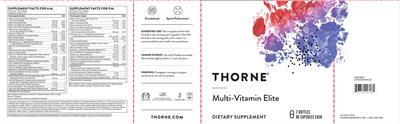
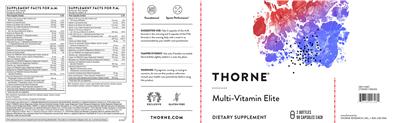
More sleep products
Members OnlyThe highest ranked for the same goal
Read more
Our articles on this subject
- Melatonin vs Magnesium for Sleep: What the Studies ShowArticle · Nov 3, 2026
- Best Supplements for Sleep and the Habits That Matter MoreArticle · Jun 15, 2026
Graded November 6, 2026 by the Reverse Age Lab evidence engine, from human studies, real reviews and our biohacker panel. How we grade. Is this medical advice? No. Rala organizes the published evidence; go over any change with your doctor, especially if you take meds.
Privacy policyConsumer health dataAffiliate disclosureTermsDo Not Sell or Share My Personal InformationCookie settings