
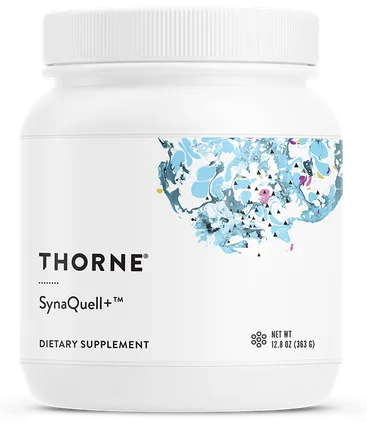
Thorne SynaQuell Review
SynaQuell+ is a multi-ingredient nutritional supplement from Thorne, formulated to support healthy brain structure and cognitive function, and it is NSF Certified for Sport. The product description explains that good nutrition is essential for healthy brain function, because the brain needs nutrients to provide energy to fuel the nerves, support neurotransmitter production and protect against oxidative stress. The page states that diet and supplementation are both important for brain health, and that SynaQuell+ is formulated with what Thorne describes as the best-researched nutrients for brain support. The page highlights several key ingredients and their benefits. Ketones such as beta-hydroxybutyrate (BHB) are described as providing an alternate fuel source for the brain. Branched-chain amino acids are described as precursors to the neurotransmitters dopamine, serotonin and norepinephrine. Coenzyme Q10 phytosome, sold as Ubiqsome, is said to support mitochondrial function and reduce oxidative stress, and the page states Ubiqsome provides three times better absorption than ordinary CoQ10. DHA, an essential fatty acid found in high concentrations in the membranes of the brain's nerve cells, is described as supporting a healthy balance of inflammatory cytokines in the brain as well as cognitive function and learning ability. Nicotinamide riboside is described as converted to NAD+ in the body, which helps convert food into energy and protects brain cells. Additional nutrients include reduced glutathione, riboflavin 5'-phosphate (active vitamin B2), magnesium, curcumin phytosome (Meriva) and resveratrol, which the page says support a healthy balance of inflammatory cytokines and up-regulate the release of sirtuin proteins associated with healthy aging. The details section also explains the NSF Certified for Sport program, stating that every batch is tested for compliance with label claims and for the absence of nearly 300 substances banned by many major athletic organizations. The warnings section notes that the product is contraindicated in anyone with a history of hypersensitivity to its ingredients, should not be used during pregnancy or nursing, and that curcumin may reduce the efficacy of certain chemotherapy drugs, so concurrent use should be avoided. It also warns that magnesium may cause gas, bloating or diarrhea in some individuals, and includes a California Proposition 65 lead warning.
We don’t sell supplements. We help you make decisions and get the best price.
Lowest prices
We may earn a commission from some store links. How we choose.
Finding the lowest prices at the stores now. This takes a few seconds.
Study, Trial or Testing Result Summary
Members Only118 human studies · 56 improved
7 of these 118 human studies gave the ingredient by drip, not by mouth.
The strongest support for calmness comes from the curcumin in this product. Pooled analyses found curcumin lowered anxiety and low mood over 4 to 8 weeks [1][2]. A very large pooled analysis confirmed better mood in depression [3]. A trial found 250 milligrams of a phytosome curcumin lowered stress in people with migraine. However, two trials found no benefit for anxiety or stress. Valine is at a studied dose, and in one small trial an amino acid mix kept the stress hormone cortisol from rising during exercise [4]. Resveratrol trials are mixed. A pooled analysis found no drop in tension or anxiety [5], while some smaller trials found lower stress or anxiety [6][7]. Magnesium reaches a full dose only at two servings, and its evidence is weak and mixed [8][9]. The omega-3 fat in this product is below the doses tested, and larger trials found no calming effect [10][11]. Riboflavin, leucine, isoleucine, beta-hydroxybutyrate, glutathione, nicotinamide riboside, coenzyme Q10 and betaine have little or no human evidence for calmness. For several of them, the only studies used mixtures, animals or no trials at all [12][13][14]. Animal and cell studies are never counted.
See all 118 studies →Hide the studies
- In a network meta-analysis of 192 trials involving 17,437 adults with depressive disorder, curcumin improved depressive symptoms both on its own and when added to a med medications.Comparative efficacy and tolerability of nutraceuticals for depressive disorder: A systematic review and network meta-an…
- Pooling 52 trials with 4049 people, antioxidant supplements including magnesium improved depression scores (small effect for magnesium) and antioxidants overall improved anxiety.Protective role of antioxidant supplementation for depression and anxiety: A meta-analysis of randomized clinical trials…
- In ten trials with 1,426 adults, EPA-rich omega-3 lowered depression at 1 to under 2 grams a day of EPA but not at 2 grams or more, and anxiety could not be pooled because only one trial reported a benefit.Effects of long-chain omega-3 polyunsaturated fatty acids on reducing anxiety and/or depression in adults; A systematic …
- Across 10 studies of 531 people with depression, adding curcumin to standard care significantly reduced both depressive and anxiety symptoms.Curcumin for depression: a meta-analysis.
- A meta-analysis of 6 clinical trials involving 377 patients with depression taking curcumin for 4 to 8 weeks showed significant improvements in depressive symptoms and anxiety compared to placebo.Clinical Use of Curcumin in Depression: A Meta-Analysis.
- Pooling four randomized trials of 225 people, resveratrol did not change memory or thinking tests and did not significantly reduce tension/anxiety, depression, anger or confusion, though vigor and fatigue scores dropped significantly.Effect of resveratrol on cognitive and memory performance and mood: A meta-analysis of 225 patients.
- In a review of randomized trials of diet changes for depression and anxiety around pregnancy, iron, zinc and magnesium together were not better than placebo for depression symptoms.Dietary interventions for perinatal depression and anxiety: a systematic review and meta-analysis of randomized controll…
- In a review of 19 trials of early drug treatment after trauma, fish oil containing DHA did not significantly reduce post-traumatic or acute stress symptoms compared with placebo.Pharmacological prevention and early treatment of post-traumatic stress disorder and acute stress disorder: a systematic…
- A review of 14 trials in women found magnesium combined with vitamin B6 reduced premenstrual anxiety but magnesium alone had no effect, and it did not lower stress in women with painful periods.The impact of essential fatty acid, B vitamins, vitamin C, magnesium and zinc supplementation on stress levels in women:…
- A review of 18 studies in people prone to anxiety found some trials reporting less anxiety with magnesium (about half in anxious and premenstrual groups) but no effect after childbirth, and the evidence was poor in quality.The Effects of Magnesium Supplementation on Subjective Anxiety and Stress-A Systematic Review.
- A review of 32 articles on magnesium and mental health found mostly positive results for depression but mixed results overall, with a possible benefit in stressed patients and a need for better trials.The Role and the Effect of Magnesium in Mental Disorders: A Systematic Review.
- A systematic review of 10 randomized clinical trials found that curcumin improved depression and anxiety in humans while reducing cortisol levels and inflammatory markers.Read the study on PubMed (33673739) →
- A review of reviews on postpartum depression listed higher DHA in breast milk, fish intake and PUFA intake as protective factors, but it did not test stress or calmness directly.Risk factors for postpartum depression: An evidence-based systematic review of systematic reviews and meta-analyses.
- In 15 trials of pregnant women taking 200 to 2200 mg of DHA daily for about 20 weeks, some showed children had 6% to 11% better cognitive development, but evidence on anxiety and depression was inconsistent or insufficient.Omega-3 Fatty Acid Dietary Supplements Consumed During Pregnancy and Lactation and Child Neurodevelopment: A Systematic …
- A review of twelve studies of omega-3 fats, including DHA, found clear benefits for alcohol-related behavior and inflammation in animal studies, but the human trials gave inconclusive results and did not test stress or calmness directly.Impact of Omega-3 Polyunsaturated Fatty Acids on Alcohol Use and Negative Consequences: A Systematic Review.
- In 432 adults with major depression given 150 mg DHA plus 1,050 mg EPA daily for 8 weeks, depression scores only trended better than placebo overall, but people without anxiety disorders improved significantly.The efficacy of omega-3 supplementation for major depression: a randomized controlled trial.
- In 360 Chinese middle school students given fortified milk or plain milk for six months, the fortified milk group reported less test anxiety and better academic scores, and were much less likely to have low vitamin B2, though the effect cannot be attributed to riboflavin alone.Micronutrient-Fortified Milk and Academic Performance among Chinese Middle School Students: A Cluster-Randomized Control…
- In 355 perimenopausal and postmenopausal women taking 1.8 grams of omega-3 daily for 12 weeks, omega-3 did not improve anxiety, mood or sleep compared with placebo.Efficacy of omega-3 for vasomotor symptoms treatment: a randomized controlled trial.
- In 302 older adults given 400 or 1800 mg of combined EPA and DHA daily for 26 weeks, mood and anxiety scores did not differ from placebo.Effect of fish-oil supplementation on mental well-being in older subjects: a randomized, double-blind, placebo-controlle…
- In 290 people with diabetes and insomnia, 2 months of magnesium, potassium or both significantly changed cortisol and melatonin levels and lowered insomnia severity compared with placebo.Effects of magnesium and potassium supplementation on insomnia and sleep hormones in patients with diabetes mellitus.
- In 264 stressed adults with low blood magnesium, 300 mg magnesium daily for 8 weeks cut stress scores by about 42%, and adding vitamin B6 was no better overall but helped more in those with severe stress; there was no placebo group.Superiority of magnesium and vitamin B6 over magnesium alone on severe stress in healthy adults with low magnesemia: A r…
- In 218 mildly to moderately depressed adults, 1.5 g a day of omega-3 fish oil (EPA and DHA) for 12 weeks did not change depression, stress, mood or thinking scores compared with placebo.No effect of n-3 long-chain polyunsaturated fatty acid (EPA and DHA) supplementation on depressed mood and cognitive fun…
- In 173 young men given DHA, vitamins and minerals, both, or placebo for 3 months, DHA reduced aggression and impulsivity, but only the vitamin and mineral supplement lowered perceived stress.A double-blind trial of the effect of docosahexaenoic acid and vitamin and mineral supplementation on aggression, impuls…
- In 162 children aged 6 to 15 with ADHD, 3 months of DHA and EPA did not improve symptoms or anxiety compared with placebo, and symptom scores fell more in the placebo group.A double-blind placebo-controlled randomised trial of omega-3 supplementation in children with moderate ADHD symptoms.
- In 157 adults with migraine in the emergency department, intravenous magnesium reduced pain about as much as two standard drugs, with no significant difference; this study did not test stress or calmness.MAGraine: Magnesium compared to conventional therapy for treatment of migraines.
- In 150 adults with tension headaches and fatigue, adding a combination tablet containing riboflavin to standard treatment for 25 days reduced headaches, anxiety, depression and sleep problems more than standard treatment alone, but riboflavin's own effect cannot be separated out.[Results of the observational program CITOTREK (use of the drug CITOflavin in Tablets) in patients with tension headache…
- In 150 critically ill trauma patients (51 followed up at 6 months), omega-3 enriched tube feeding during intensive care did not prevent post-traumatic stress disorder.Effect of Supplemental Enteral Fish Oil on the Development of Psychological Complications in Critically Ill Multiple-Tra…
- In 144 long-term a med users, magnesium aspartate compared with placebo did not significantly change the rate of stopping the drug; there were non-significant trends toward milder withdrawal and less rise in anxiety.Read the study on PubMed (9850822) →
- In 126 adults with mild-to-moderate depression, 6 weeks of 248 mg magnesium daily improved depression scores by 6.0 points and anxiety scores by 4.5 points more than no treatment, with effects seen within two weeks.Role of magnesium supplementation in the treatment of depression: A randomized clinical trial.
- In 123 adults with major depressive disorder, taking 500 mg or 1,000 mg daily of curcumin extract (alone or with saffron) for 12 weeks significantly reduced depression and anxiety scores compared to placebo.Efficacy of curcumin, and a saffron/curcumin combination for the treatment of major depression: A randomised, double-bli…
- In 120 adults with major depression, a combination of magnesium orotate, probiotics and coenzyme Q10 for 8 weeks reduced self-rated anxiety and stress more than placebo.Probiotics and magnesium orotate for the treatment of major depressive disorder: a randomised double blind controlled tr…
- In 114 patients having gallbladder surgery, a magnesium sulphate injection before anaesthesia improved recovery quality scores by 8 points versus saline on the first day after surgery, mainly through better physical comfort and independence.Intravenously injected lidocaine or magnesium improves the quality of early recovery after laparoscopic cholecystectomy:…
- In 110 severely injured patients, 1,470 mg a day of DHA for 12 weeks did not prevent post-traumatic stress symptoms at 3 months compared with placebo.Docosahexaenoic acid for selective prevention of posttraumatic stress disorder among severely injured patients: a random…
- In 110 obese women with polycystic ovary syndrome, 12 weeks of resveratrol plus myoinositol (compared with a med plus pioglitazone) significantly improved perceived stress scores along with hormone and weight measures.Treatment with combined resveratrol and myoinositol ameliorates endocrine, metabolic alterations and perceived stress re…
- In 103 healthy active adults, the evening supplement containing magnesium L-threonate for two weeks did not clearly improve stress or sleep, while the morning ashwagandha and rhodiola group did.Modulating stress and sleep through a multi-compound dietary supplement: a randomized, double-blind, placebo-controlled …
- In 100 adults over 51 with poor sleep, 320 mg magnesium daily for seven weeks improved sleep no more than placebo, though it lowered a blood marker of inflammation in those with high levels at the start.Magnesium supplementation improves indicators of low magnesium status and inflammatory stress in adults older than 51 ye…
- In 100 people doing strength-endurance training, 400 mg magnesium daily for 90 days improved heart rate variability measures of stress balance, while the control group showed no positive changes.[Long-term HRV analysis shows stress reduction by magnesium intake].
- In 100 moderately stressed adults, a single dose of magnesium with B vitamins, green tea and rhodiola raised relaxed-alert brain activity and reduced subjective stress, anxiety and mood disturbance during a social stress test versus placebo.A combination of green tea, rhodiola, magnesium and B vitamins modulates brain activity and protects against the effects…
- In 100 chronically stressed healthy adults, a combination of magnesium, B vitamins, rhodiola and L-theanine for 28 days reduced stress scores more than placebo.Effect of a Combination of Magnesium, B Vitamins, Rhodiola, and Green Tea (L-Theanine) on Chronically Stressed Healthy I…
- In 100 adults aged 18 to 45 with unsatisfying sleep, 2 g daily of magnesium L-threonate for 6 weeks improved overall cognition, reaction time, resting heart rate and heart rate variability versus placebo, but not general wellbeing or objective sleep measures.The effects of magnesium L-threonate (Magtein®) on cognitive performance and sleep quality in adults: a randomised, doub…
- In 96 first-time mothers, taking 500 mg of curcumin daily for 8 weeks significantly lowered postpartum depression and anxiety scores compared to placebo.The effect of curcumin on postpartum depression and anxiety in primiparous women: a double-blind randomized placebo-cont…
- In 95 male forensic inpatients, eating Atlantic salmon three times a week for 23 weeks improved heart rate variability and heart rate and lowered state anxiety compared with the control meals.Reduced anxiety in forensic inpatients after a long-term intervention with Atlantic salmon.
- In 93 postmenopausal women taking 500 mg of curcumin twice daily for 8 weeks, hot flashes decreased significantly, but there was no significant improvement in anxiety compared to placebo.The effect of oral capsule of curcumin and vitamin E on the hot flashes and anxiety in postmenopausal women: A triple bl…
- In 83 nursing students with premenstrual syndrome, a one-hour nutrition education session reduced symptom scores including anxiety and irritability over four months, but this was a diet intervention and not riboflavin supplementation.The effect of nutrition education on premenstrual syndrome: Randomized controlled study.
- In 83 accident survivors, 12 weeks of omega-3 (1470 mg DHA plus 147 mg EPA daily) started within 10 days of injury led to lower heart rate at rest and during trauma imagery than placebo.Effects of omega-3 polyunsaturated fatty acids on psychophysiological symptoms of post-traumatic stress disorder in acci…
- In 81 adults with lung disease and low muscle mass, a year of a supplement combining leucine, vitamin D and omega-3 fats lowered anxiety and depression scores compared with placebo, though leucine was not tested on its own.Clinical outcome and cost-effectiveness of a 1-year nutritional intervention programme in COPD patients with low muscle …
- In 80 overweight adults with impaired fasting glucose, taking two 800 mg tablets daily of phytosomal curcumin (providing 400 mg of curcumin alongside phosphatidylserine and piperine) for 8 weeks significantly lowered serum cortisol levels and improved insulin sensitivity and liver markers compared to placebo.Effects of phytosomal curcumin on anthropometric parameters, insulin resistance, cortisolemia and non-alcoholic fatty li…
- In 80 patients with diabetic nerve pain, taking 80 mg of nano-curcumin daily for 8 weeks significantly lowered depression and anxiety scores compared to placebo, though stress scores did not significantly change.Beneficial effects of nano-curcumin supplement on depression and anxiety in diabetic patients with peripheral neuropathy…
- In 79 adults with self-reported digestive complaints, taking 500 mg daily of Curcugen curcumin extract for 8 weeks significantly reduced anxiety scores and digestive symptoms compared to placebo, though stress and depression scores did not significantly differ between groups.Efficacy of a curcumin extract (Curcugen™) on gastrointestinal symptoms and intestinal microbiota in adults with self-re…
- In 76 adolescent boys with attention problems, 12 weeks of omega-3 and omega-6 supplements raised blood DHA levels but did not beat placebo on teacher ratings, aggression, impulsivity, depression or anxiety.Biochemical and Psychological Effects of Omega-3/6 Supplements in Male Adolescents with Attention-Deficit/Hyperactivity …
- In 70 patients with migraine without aura, taking 250 mg daily of phytosomal curcumin for 8 weeks significantly reduced stress scores, migraine attacks, and sleep problems compared to placebo, but had no significant effect on anxiety or depression scores.Effect and Safety of Phytosomal Curcumin Supplementation on Migraine Patients: A Randomized, Double-Blind and Placebo-Co…
- In 70 patients with minimal hepatic encephalopathy, resveratrol lowered depression and anxiety scores compared with placebo and improved quality of life.Resveratrol in Patients with Minimal Hepatic Encephalopathy.
- In 66 children aged 2 to 5 having eye surgery, magnesium given through a drip during anaesthesia did not reduce confusion and agitation when waking up or pain compared with saline; 84% of the magnesium group and 79% of the control group had emergence delirium.Effect of magnesium supplementation on emergence delirium and postoperative pain in children undergoing strabismus surge…
- In 64 adults, taking 1330 mg of curcumin combined with 350 mg of green tea extract daily for 8 weeks showed no additional benefits beyond placebo for stress, anxiety, mood disturbance, or brain-derived neurotrophic factor.A Randomized Controlled Trial to Determine the Effects of Curcumin and Epigallocatechin-3-Gallate Supplementation on Ser…
- In 64 pregnant African American women, 450 mg of DHA daily from mid-pregnancy led to lower perceived stress at 30 weeks and lower cortisol response to a stress test than placebo.Association between fatty acid supplementation and prenatal stress in African Americans: a randomized controlled trial.
- In 64 pregnant African American women, 450 mg a day of DHA until delivery led to infants with higher birth weight and a lower cortisol stress response at 3 months than placebo, with no difference in development scores.The effect of prenatal docosahexaenoic acid supplementation on infant outcomes in African American women living in low-i…
- In 64 people with high psychological distress, 3 months of daily omega-3 (500 mg EPA plus 250 mg DHA) lowered stress, anxiety, depression and sleep problems and improved memory more than placebo, though this paper has been retracted.The effects of Omega-3 supplementation on stress, anxiety, depression, sleep quality, and everyday memory in individuals…
- In 62 children with autism given resveratrol 500 mg a day alongside risperidone for 10 weeks, irritability did not improve more than with placebo, though hyperactivity and non-compliance improved more.Resveratrol as adjunctive therapy in treatment of irritability in children with autism: A double-blind and placebo-contr…
- In 61 adults with type 1 diabetes, a supplement containing magnesium plus saffron taken for 6 months did not differ from the same supplement without saffron except for lower triglycerides; the magnesium effect itself was not tested and diabetes distress did not differ between groups.Effect of Crocus sativus Extract Supplementation in the Metabolic Control of People with Diabetes Mellitus Type 1: A Dou…
- In 60 healthy older adults aged 60 to 85, taking 400 mg of solid lipid curcumin daily for 4 weeks improved working memory, general fatigue, and stress-induced changes in calmness and contentedness compared with placebo.Investigation of the effects of solid lipid curcumin on cognition and mood in a healthy older population.
- In 60 older adults with mild cognitive impairment, 12 months of 1491 mg DHA daily did not improve cognition, but carriers of the APOE e4 gene had better depression and anxiety scores than those on placebo.The effects of docosahexaenoic acid supplementation on cognition and well-being in mild cognitive impairment: A 12-month…
- In 60 recently menopausal women, 12 weeks of daily equol plus resveratrol improved menopause symptoms, work and activity scores on a depression scale, and sleep compared with placebo.Influence of equol and resveratrol supplementation on health-related quality of life in menopausal women: A randomized, …
- In 57 adults with major depression, 8 weeks of fish oil providing 600 mg EPA plus DHA daily lowered depression scores more than placebo, with results similar to krill oil.The effect of fish oil versus krill oil intervention on clinical symptoms and cardiometabolic risk factors in patients w…
- In 56 adults with major depression, taking 500 mg of curcumin twice daily for 8 weeks improved depressive mood symptoms from weeks 4 to 8 more than a placebo, with only a slight non-significant trend toward lower anxiety.Curcumin for the treatment of major depression: a randomised, double-blind, placebo controlled study.
- In 52 men having robotic prostate surgery, magnesium given through a drip during surgery lowered blood pressure rises, cortisol (a stress hormone) over 24 hours, painkiller needs and later pain compared with saline.Beneficial Effects of Intravenous Magnesium Administration During Robotic Radical Prostatectomy: A Randomized Controlled…
- In 50 young people with recent-onset psychosis taking risperidone, 400 mg daily of docosahexaenoic acid with eicosapentaenoic acid for 16 weeks showed a trend toward better overall symptoms, with a clearer reduction in depression and anxiety only in those not taking lorazepam.A potential role for adjunctive omega-3 polyunsaturated fatty acids for depression and anxiety symptoms in recent onset …
- In 50 patients with wet age-related macular degeneration, adding resveratrol for one year significantly lowered anxiety and depression scores compared with injections alone.One-year outcomes of resveratrol supplement with aflibercept versus aflibercept monotherapy in wet age-related macular d…
- In 50 women with polycystic ovary syndrome analyzed after 6 months, perceived stress improved in both the resveratrol-alone and resveratrol-plus-a med groups, with a shift toward lower stress categories.Read the study on PubMed (40888876) →
- In 49 overweight middle-aged adults, 350 mg of magnesium daily for 24 weeks lowered the amount of the stress hormone cortisol in 24-hour urine compared with placebo.Long-term magnesium supplementation improves glucocorticoid metabolism: A post-hoc analysis of an intervention trial.
- In 46 students, 1.5 g a day of DHA for 3 months did not lower aggression under non-stressful conditions; aggression stayed stable with DHA while it fell in the placebo group.Docosahexaenoic acid does not affect aggression of normal volunteers under nonstressful conditions. A randomized, placeb…
- In 44 postmenopausal women with osteoporosis given zoledronate with or without 200 mg of oral magnesium daily for 3 months, magnesium did not significantly change pain, anxiety, depression or sleep quality 1 year later.Quantitative sensory testing of pain in osteoporosis: a pilot randomized clinical trial with magnesium supplementation.
- In 43 adults given 100 mg each of vitamin B1 and B2 or placebo for four weeks, perceived stress, sleep quality and daytime sleepiness improved in the supplement group, but anxiety did not change significantly.Impact of Vitamin B1 and Vitamin B2 Supplementation on Anxiety, Stress, and Sleep Quality: A Randomized, Double-Blind, P…
- In 43 stressed adults (35 analysed), a combination herbal supplement with magnesium and chromium for 15 days improved mood, trait anxiety and working memory under stress versus placebo.Effects of a Scutellaria baicalensis/Crataegus laevigata, magnesium and chromium supplement on stressed individuals: A r…
- In 42 students under exam stress, 1.5 to 1.8 g a day of DHA for 3 months prevented the rise in aggression seen with placebo, and in a smaller group it raised the ratio of epinephrine to norepinephrine.Administration of docosahexaenoic acid influences behavior and plasma catecholamine levels at times of psychological str…
- In 41 students taking 1.5-1.8 g DHA daily for 3 months, aggression toward others did not rise during exam stress, while it rose by 8.9% in the placebo group.The effect of docosahexaenoic acid on aggression in young adults. A placebo-controlled double-blind study.
- In 41 people living with HIV, one month of resveratrol did not change stress, depression, anxiety, sleep quality, quality of life, or blood fats compared with placebo.The Effects of Resveratrol in a Randomized Clinical Trial on Drug-Induced Hyperlipidemia and Psychiatric Factors in Peop…
- In 39 omnivores, eating fish 3-4 times weekly for 2 weeks (raising EPA and DHA intake) did not change mood scores, while the vegetarian group improved.Restriction of meat, fish, and poultry in omnivores improves mood: a pilot randomized controlled trial.
- In 39 older adults with late-life depression who were currently well, taking omega-3 fatty acids with docosahexaenoic acid (1 g daily) for 52 weeks lowered the chance of depression returning compared with placebo, though the trial was small and did not show effects on mood symptoms or inflammation.The N-3 polyunsaturated fatty acids supplementation to prevent depression recurrence in patients with late-life depressi…
- In 38 women taking 200 mg magnesium oxide daily for two menstrual cycles, there was no effect in the first month, but in the second month fluid retention symptoms fell more than with placebo; anxiety was not reported as improved.Magnesium supplementation alleviates premenstrual symptoms of fluid retention.
- In 35 people with sleep problems, a magnesium (200 mg) plus melatonin coffee pod for 4 weeks improved sleep measures and anger-hostility scores more than placebo, though average sleep quality stayed poor.The effects of melatonin and magnesium in a novel supplement delivery system on sleep scores, body composition and metab…
- In 33 children and teens with Tourette's disorder, 20 weeks of omega-3 fatty acids did not reduce tics compared with olive oil placebo, but more treated patients had fewer tic-related impairments; anxiety and depressive symptoms were not affected.A double-blind, placebo-controlled trial of ω-3 fatty acids in Tourette's disorder.
- In 31 toddlers born very preterm, a 90-day omega-3, omega-6 and omega-9 blend was linked to fewer anxious and depressed behaviors than placebo, though most other behavior and sleep measures showed no change; the daily amount was not stated and the result needs replication.Effects of Omega-3-6-9 fatty acid supplementation on behavior and sleep in preterm toddlers with autism symptomatology: …
- In 30 adults with obesity, taking 1 g of curcumin daily for 30 days significantly reduced anxiety scores compared with a placebo, though depression scores did not change.An investigation of the effects of curcumin on anxiety and depression in obese individuals: A randomized controlled tria…
- In 26 adults, 3.4 g a day of omega-3 (EPA and DHA) for 8 weeks lowered heart rate and blood pressure at rest and during stress tasks, with a smaller heart rate effect at 0.85 g a day.Effects of marine-derived omega-3 fatty acids on systemic hemodynamics at rest and during stress: a dose-response study.
- In adults with elevated triglycerides, 3.4 grams per day of fish oil omega-3s for 8 weeks raised heart rate variability but did not change mood compared with placebo.Effects of omega-3 fatty acid supplementation on heart rate variability at rest and during acute stress in adults with m…
- In 24 women having hysterectomy, intravenous magnesium around surgery reduced meds needs but postoperative anxiety scores were similar to placebo.Magnesium infusion reduces perioperative pain.
- In 24 autistic children aged 5 to 16 with severe behavior problems, weekly glutathione injections (alone or with vitamin C and N-acetylcysteine) for 8 weeks did not improve behavior or biologic measures compared with placebo, and no significant side effects were seen.Glutathione, Vitamin C, and Cysteine Use in Autistic Children With Disruptive Behavior: A Double-Blind, Placebo-Controll…
- In 22 women with fibromyalgia, a Mediterranean diet enriched with 60 mg magnesium and 60 mg tryptophan for 16 weeks reduced trait anxiety, mood disturbance, eating disorder scores and body image dissatisfaction versus standard diet, but did not improve sleep.Psychological and Sleep Effects of Tryptophan and Magnesium-Enriched Mediterranean Diet in Women with Fibromyalgia.
- In a small 3-month double-blind trial of 22 substance abusers, taking 3 g daily of omega-3 fats (mainly EPA and DHA) lowered anger and anxiety scores more than soybean oil placebo, and rises in blood DHA were linked to lower anger scores.Associations between increases in plasma n-3 polyunsaturated fatty acids following supplementation and decreases in ange…
- In a pilot study of 22 men with recurrent prostate cancer, a 12-week mix of resveratrol and other plant extracts was well tolerated, and no clear difference from placebo was shown for anxiety or depression in this small trial.A Placebo-Controlled Double-Blinded Randomized Pilot Study of Combination Phytotherapy in Biochemically Recurrent Prosta…
- In 21 adults with posttraumatic stress disorder, 14 g a day of beta-hydroxybutyrate ketone salt lowered symptom scores within the ketone group, but the difference from placebo was not statistically significant.A randomized, double-blind, clinical pilot trial of adjunct ketone supplement compared to placebo for treating posttraum…
- In healthy young adults, 762 mg per day of EPA plus DHA for 2 months lowered blood norepinephrine, a stress hormone, compared with placebo.Effect of omega-3 fatty acid-containing phospholipids on blood catecholamine concentrations in healthy volunteers: a ran…
- In 20 healthy active men, a single dose of an amino acid mix containing 1.1 g valine (plus arginine and serine) kept cortisol, a stress hormone, from rising during 80 minutes of cycling, while cortisol rose significantly with placebo.Acute supplementation with an amino acid mixture suppressed the exercise-induced cortisol response in recreationally act…
- In 20 professional rugby players during 5 weeks of pre-season training, taking omega-3 fish oil twice daily in a protein supplement led to less muscle soreness, better jump performance and less fatigue than placebo.Adding omega-3 fatty acids to a protein-based supplement during pre-season training results in reduced muscle soreness a…
- In 18 fit men doing heavy endurance training for 3 weeks, ketone ester after each session reduced stress hormone (adrenaline and noradrenaline) excretion and blunted overreaching symptoms compared with a control drink, though other stress hormones like cortisol did not differ.Ketone ester supplementation blunts overreaching symptoms during endurance training overload.
- In 18 trained mountain bikers during an 8-day race, R-1,3-butanediol taken twice daily did not improve fatigue, recovery, sleep or thinking performance compared with placebo.Post-Exercise R-1,3-Butanediol did not Improve Markers of Fatigue or Recovery During a Multi-Stage Mountain Bike Race.
- In 16 men given a single dose of ketone monoester (650 mg per kg body mass) before simulated severe high altitude, the drop in reaction time was partly reduced (about 25 milliseconds faster than placebo), but other attention and vigilance measures did not differ from placebo.Effect of Acute Ingestion of a Ketone Monoester on Psychomotor Vigilance During Acute Severe Hypoxia Exposure.
- In 14 firefighters, a single dose of ketone monoester did not lower salivary stress markers during a live-burn search and rescue, but it lowered self-reported nervousness and anxiety beforehand compared with placebo.No Effect of a Ketone Monoester on Markers of Stress and Performance in a Live-Burn Search and Rescue in Firefighters.
- In 12 sailors during a 32-hour race, a branched-chain amino acid and protein diet reduced the rise in fatigue and prevented the drop in short-term memory seen in the control group, while stress hormone patterns were similar in both groups.Effects of branched-chain amino acids supplementation on physiological and psychological performance during an offshore …
- In 12 male cyclists over 6 days of hard training, a post-exercise protein and leucine drink lowered resting cortisol by about 21% by day 6 compared with a carbohydrate drink, but other hormones and inflammation markers did not change and white blood cell activity shifted.Effect of post-exercise protein-leucine feeding on neutrophil function, immunomodulatory plasma metabolites and cortisol…
- In six healthy adults during insulin-induced low blood sugar, a beta-hydroxybutyrate infusion lowered the adrenaline, noradrenaline, cortisol, and growth hormone responses compared with saline, while glucagon was unchanged.Ketone infusion lowers hormonal responses to hypoglycaemia: evidence for acute cerebral utilization of a non-glucose fue…
- In stressed adults with low magnesium, 8 weeks of 300 mg magnesium daily, with or without vitamin B6, significantly improved anxiety, depression and quality of life scores from baseline, mostly in the first 4 weeks; there was no placebo group.Effect of magnesium and vitamin B6 supplementation on mental health and quality of life in stressed healthy adults: Post…
- In fibromyalgia patients given 100 mg magnesium daily for 1 month, overall stress scores did not differ from placebo, but those with mild or moderate stress improved significantly and pain also decreased.Short-Term Magnesium Therapy Alleviates Moderate Stress in Patients with Fibromyalgia: A Randomized Double-Blind Clinica…
- In a pilot trial of stressed university staff, 1.5 grams per day of docosahexaenoic acid for 6 weeks reduced perceived stress, but olive oil placebo worked about as well, so the difference from placebo was not significant.An adaptogenic role for omega-3 fatty acids in stress; a randomised placebo controlled double blind intervention study (…
- In men in alcohol rehabilitation, 3 weeks of fish oil providing 252 mg per day of docosahexaenoic acid reduced perceived stress and anxiety and lowered daytime cortisol compared with placebo.Fish oil supplementation reduces cortisol basal levels and perceived stress: a randomized, placebo-controlled trial in a…
- In 80 patients with alcoholic delirium, adding magnesium sulfate to standard sedation shortened delirium to 3.4 days versus 5.4 days with standard care alone, and combining it with dexmedetomidine (a sedative) shortened it further to 1.1 days; this was not a study of stress or calmness in healthy people.Use of a combination of dexmedetomidine and magnesium sulfate as a multimodal approach to the treatment of alcoholic del…
- In 60 people after open-heart surgery, 500 mg magnesium daily for five days led to lower anxiety and depression and better sleep quality than routine care alone.Effect of short-term magnesium supplementation on anxiety, depression and sleep quality in patients after open-heart sur…
- In 47 patients with lingering depression and anxiety on their usual medicines, an 8-week omega-3 supplement (Neurospark) did not change symptoms compared with placebo.Adjunctive Docosahexaenoic Acid in Residual Symptoms of Depression and Anxiety.
- In 19 healthy young adults, a single dose of ketone monoester did not change heart rate, blood pressure or nerve activity at rest or during mental stress compared with placebo.Effects of acute ketone monoester ingestion on heart rate, blood pressure and muscle sympathetic nerve activity at rest …
- In 11 adults with depression, 10 days of magnetic stimulation to the left front of the brain raised blood levels of riboflavin-5'-monophosphate (an active form of vitamin B2) and changed other blood compounds; the study did not give riboflavin itself and did not test calmness or stress.The changes in metabolomics profile induced by intermittent theta burst stimulation in major depressive disorder: an exp…
- In nine healthy men, 14 days of magnesium aspartate led to lower cortisol levels during an hour of exercise and the usual exercise rise in cortisol and aldosterone was not seen.Plasma aldosterone, cortisol and electrolyte concentrations in physical exercise after magnesium supplementation.
- In a large Dutch study of 2724 adults, people with lower omega-3 and DHA blood levels more often had signs of inflammation and an overactive stress hormone system, but this cross-sectional association does not show that taking supplements reduces stress.Omega-3 polyunsaturated fatty acid levels and dysregulations in biological stress systems.
- In a survey of 1,388 older adults, higher dietary magnesium intake was linked to less cognitive decline, including among those with impaired sense of smell; stress or calmness was not measured.The effect of dietary magnesium intake on cognitive decline related to olfactory impairment in older adults: a cross-sec…
- In 141 middle-aged adults, those with better diets had higher magnesium intake and better attention scores, and higher diet scores went with fewer mood problems and lower perceived stress, but the two diet groups did not differ significantly on mood or stress.Self-Reported Diet Quality Differentiates Nutrient Intake, Blood Nutrient Status, Mood, and Cognition: Implications for …
- In a small cross-sectional study of 50 university students in the UK, higher estimated dietary omega-3 intake was not significantly linked to lower anxiety or depressive symptoms.Dietary Omega-3 Fatty Acid Intake, Anxiety, and Depression Among University Students in the UK: An Exploratory Cross-Sec…
- In 49 patients with long-term low parathyroid hormone after surgery, calcium and magnesium supplement use affected symptom scores in a dose-dependent way, but the abstract ties the rise in depression and anxiety scores to calcitriol, not magnesium.The Influence of Conventional Treatment on Symptoms and Complaints in Patients With Chronic Postsurgical Hypoparathyroid…
- In 25 men recovering from cocaine abuse and 12 controls, higher blood levels of DHA and EPA were linked to stronger hormone responses to a serotonin challenge in the cocaine group only; no dose was given and no calmness or stress improvement was measured.Higher n-3 fatty acids are associated with more intense fenfluramine-induced ACTH and cortisol responses among cocaine-a…
- In a mouse study (not people), betaine supplementation improved cognitive performance in some genetic backgrounds, reduced drug-induced behavioral sensitization, and corrected altered antioxidant and inflammatory responses, while betaine levels were lower in brains from people with schizophrenia; human effects were not tested.Investigation of betaine as a novel psychotherapeutic for schizophrenia.
Review Totals and Summary
Members Only273 reviews · 94% positive
Thorne SynaQuell powder gets mostly warm feedback for focus and mental clarity, with taste the one consistent complaint. It carries about 172 ratings across the stores, and every starred review gave 4 or 5 stars. Reviews of other forms of the product were left out, and this summary covers the powder only. **What buyers say it did for them:** Many describe a clearer head and steadier focus. One says, "there is a noticeable difference in my ability to stay focused." Another uses it to move from academics to sport and says it helps them "remain sharp." A reviewer who took it after a concussion calls it "life-giving" and says it works very well for brain fog. Others point to recovery and everyday function, with one saying it helps "every day function." One reviewer is more guarded: "I believe it helped." **What buyers complain about:** Taste is the main complaint. The store summaries say criticism centres almost entirely on flavour, sweetness and how hard the drink is to finish, not on effectiveness. One buyer also found the full scoop made their brain fog worse (see dose below). The store summaries say no written feedback raised a safety concern. **Taste, smell, and form:** Opinions split. Some like it: "Tastes great and does exactly what it promises," and "taste is pretty good." Others dislike it. One says it "tasted like TANG" and is "hard to choke down" without lemonade, which made it taste much better. Another calls it "terrible taste" and would like an unsweetened version. A reviewer who likes it overall admits the taste "isn't for everyone." It is a powder you mix into a drink, and it comes with a scoop. Nobody comments on pill size, since this is not a capsule. **Dose:** One buyer found the full scoop made their symptoms worse. They switched to the smaller creatine scoop and saw "a huge difference." They say they need a "significantly smaller dose" than the full scoop, so sensitivity may vary from person to person. **Value for money:** Reviewers don't discuss price, and the store summaries say no reviewer mentioned it either. I can't say whether buyers consider it good value. **Who it seems to suit and who it did not:** It seems to suit people who want help with focus, brain fog, daily function or recovery. That includes people who already take other Thorne products, such as amino, turmeric and NR, and see this as fitting in with them. One reviewer who recommends it to patients says they use it after head injury. It suits people who don't mind a sweet, flavoured drink, or who will mix it into something like lemonade. It suits less well anyone who dislikes sweetened or flavoured supplements, and anyone sensitive to dose who may need to start with less than a full scoop. One reviewer who disliked the taste still said they would keep buying it, and another who called the taste terrible still liked the product so much they wished for an unsweetened version.
Biohacker Summary
Members Only10 of 10 recommend it
Curcumin, the main ingredient, gets a mostly favorable but mixed reaction: nine of the ten panelists spoke about it, with three recommending it, two using it, and four staying neutral. Those who recommend it cite joint pain, inflammation and immune support, and one pointed to brain health research. One uses it before a late meal to avoid overeating, and another takes a nanoparticle form at a reasonable dose. One panelist prefers the phytosomal form because it absorbs far better than standard curcumin, and another says sulforaphane outperforms it. Magnesium is a smaller ingredient in this product, and the panel mostly takes it for sleep, often as 400 mg of the threonate form before bed, with one warning that labels can make doses look larger than they are.
See all 10 biohackers →Hide the biohackers
Dave Asprey · Curcumin · uses
- Says CallaCurcumin is like "mommy's little helper" and he takes it when he knows he's going to eat late at night, around 5:00 or 6:00, to avoid overeating.
- Mentions magnesium in the context of sleep but states that it doesn't address the core issue of waking up during the night.
- Suggests that magnesium may help slow aging, support cellular repair, and improve sleep.
- Recommends detoxing with glutathione.
- States that magnesium can affect how the body responds to a supplement.
- Recommends Tetrahydro Curcuminoids, stating they lower inflammation.
- Has always recommended glutathione during pregnancy and would feel good taking it, even though he does not make a glutathione product.
- Recommends fixing sleep with 300mg of Magnesium 101 before bed if diet and exercise aren't melting stubborn belly fat.
- Discusses glutathione as part of a detox protocol for mold-related brain damage.
- Suggests taking glutathione during occasional drinking to lessen the negative effects of alcohol.
- Dave Asprey says his daily routine includes magnesium as part of a carefully developed combination for longevity.
- Recommends magnesium glycinate for sleep, stating that trials show it helps people fall asleep about 17 minutes faster and that he finds it incredibly effective.
- Mentions magnesium glycinate as one of the five gut-friendly, extensively researched ingredients in Kill Switch that helps with natural sleep.
- Recommends Vinia, stating that one capsule has the same piceid resveratrol as 1,000 red grapes, and it supports the activity of sirtuins and works as an antioxidant.
Dr. Eric Berg · Curcumin · neutral
- Mentions that turmeric contains curcumin, which has been studied for its effects on inflammation, joint discomfort, mood, and blood sugar.
- Dr. Eric Berg states that magnesium supports energy, muscle function, and sleep, and that most of it is stored inside cells, making deficiencies harder to detect with a standard blood test.
- Notes that magnesium could also be a factor in preventing muscle cramps.
- Recommends magnesium, specifically magnesium glycinate, stating it is key for D3 and K2 to work and is probably more important than calcium for building bone.
- Recommends increasing magnesium to restore balance and support healthy blood pressure.
- Dr. Eric Berg suggests that magnesium could help support deeper, more restful sleep.
- Recommends Magnesium Glycinate, noting that the combination of magnesium and glycine is helpful for connective tissue, sleep, and reducing stress.
- Recommends taking magnesium 90 minutes to 2 hours before bedtime to support better sleep.
- Suggests that magnesium glycinate can help support the missing 'break pads' on the nervous system, which contribute to constant pain.
- Taking 400 mg of magnesium glycinate daily may also help support brain health during menopause.
- The amino acid leucine is important for muscle growth, but getting sufficient protein is just as essential for maintaining muscle mass.
- Warns against magnesium oxide because it is poorly absorbed, with only about 4% absorption, and can cause diarrhea, despite being commonly used in research and supplements due to its low cost.
- Mentions that animal protein provides leucine, an amino acid beneficial for muscle building.
- States he added 500 mg of betaine to his creatine product because it helps the body make more creatine.
Thomas DeLauer · Curcumin · recommends
- Notes that PET scans showed a significant reduction in amyloid plaque build-up in the group taking curcumin, suggesting fewer instances of Alzheimer's and dementia.
- Uses Element's cans which contain 30 milligram magnesium, finding that electrolytes help his workout performance.
- Uses Element's 30 mg magnesium cans first thing in the morning to prime his day and help with workout performance.
- Recommends magnesium around the time one would normally break a fast to calm the brain and dull feelings of conditioned hunger.
- Identifies leucine as the primary trigger for the mtorc1 pathway, which is the master switch for muscle protein synthesis, and recommends 2 to 3 grams per meal for those under 40, and 3 to 4 grams for those over 40.
- Discusses a UCLA study where curcumin led to a 28% increase in cognitive function and a significant reduction in amyloid plaque buildup, suggesting less instance of Alzheimer's and dementia. He also mentions a study where curcumin helped mood as much as a med.
- Recommends magnesium, noting it is a cofactor for enzymes that build neurotransmitters, and deficiency can affect mood, happiness, and motivation.
- Notes that modern agricultural practices have led to soils depleted of trace minerals like magnesium, resulting in widespread magnesium deficiency.
- Uses Curcumin Gold in their recipe, stating it is amazing because it contains ginger oil, DHA, and curcumin, which work in harmony for the body to operate at its best, helping with inflammation and brain energy.
- Recommends taking some magnesium glycinate tonight to help calm down and sleep.
- Mentions that magnesium in pumpkin seeds relaxes bronchial smooth muscle.
- Explains that leucine is important for muscle, with beef, whey, milk, and sardines clearing the 2-3g leucine threshold per meal, and that the threshold increases with age.
- Recommends Row Nutrition's liposomal glutathione for detoxification due to its significantly better absorption compared to standard forms.
- States that leucine is what flips the switch for muscle protein synthesis, and that adding leucine and essential amino acids to a small dose of whey can match the effect of a full 25-gram dose of protein.
Siim Land · Curcumin · recommends
- Recommends Curcumin for joint pain and inflammation, based primarily on human research, especially randomized controlled trials showing measurable benefits.
- Nicotinamide riboside failed to improve clinical outcomes in people with early Parkinson’s disease. In a randomized trial of 410 participants, 1,000 mg/day of NR for 52 weeks showed no benefit over placebo.
- States that Magnesium can be a useful addition for some people for sleep.
- Recommends magnesium for sleep, especially deep sleep, and suggests trying better types like Threonate, Biscinate, or Torate, referencing a study where magnesium supplementation improved deep sleep.
- Recommends Magnesium for blood pressure, migraines and deficiency, based primarily on human research, especially randomized controlled trials showing measurable benefits.
- Lists Curcumin as one of 15 supplements backed by human studies.
- Lists Magnesium as one of 15 supplements backed by human studies.
- States that magnesium is a fundamental mineral governing over 600 enzymes and metabolic reactions, and recommends that most people need at least 400-500 mg/d for health, with some needing up to 600 mg/d.
- Lists seafood and pumpkin seeds as sources of Magnesium.
- Thinks curcumin has some of the strongest evidence and is worth considering.
- Thinks magnesium has some of the strongest evidence and is worth considering.
- Is skeptical about most supplements and states that resveratrol has already been shown to not be effective.
- Notes that glycine helps to make glutathione, the master antioxidant.
- Recommends taking magnesium, specifically glycinate and threonate forms, 1 to 2 hours before bed for sleep benefits, noting that glycinate promotes relaxation and threonate crosses the blood-brain barrier for sleep quality and cognitive function.
Dr. Mark Hyman · Curcumin · recommends
- States that curcumin is great for immune support and is anti-inflammatory, suggesting making curries.
- Recommends considering magnesium glycinate before bed for nervous system support, deeper sleep quality, and to help the body transition into rest, and states that they take it every night.
- Recommends Rosen Nutrition Liposomal Glutathione to support immunity through colder months, noting it helps maintain healthy immune cell function, supports natural detoxification, and neutralizes free radicals.
- Recommends Magnesium Breakthrough Advanced 10 from Bioptimizers for restful sleep, muscle recovery, stress resilience, and metabolic health, especially during stressful times of the year.
- Mentions that sulforaphane helps the body make glutathione, an amazing nutrient that helps the body get rid of toxins.
- Recommends magnesium because it is involved in over 600 reactions in the body and up to 80% of people may have low levels that never get flagged on a standard blood test.
- Recommends magnesium as a basic supplement during detoxification to support pathways, help with constipation, and provide electrolytes.
- Recommends Magnesium Breakthrough Advanced 10 from Biooptimizers, which contains 10 bioavailable forms and 550 mg of elemental magnesium, to support restful sleep, restorative sleep, muscle recovery, stress resilience, and metabolic health.
- Has recommended magnesium breakthrough from bioptimizers for years and now uses Magnesium Breakthrough Advanced 10 as part of his evening routine, especially during periods of travel, training, and higher stress, to support sleep, muscle recovery, and metabolic health.
- Recommends correcting nutrient deficiencies with magnesium.
- Recommends Magnesium Breakthrough Advance 10 from BiOptimizers, which has 10 bioavailable forms of magnesium and more elemental magnesium, as part of his evening routine for sleep, muscle recovery, and metabolic health.
- Has recommended Magnesium Breakthrough from Bio Optimizers for years and now uses Magnesium Breakthrough Advanced 10 as part of his evening routine, especially during periods of travel, training, and higher stress, to support sleep, muscle recovery, and metabolic health.
- Used a lot of intravenous glutathione to help him detoxify and recover from chronic fatigue.
- Recommends Magnesium Breakthrough Advance 10 from Bio Optimizers, which contains 10 bioavailable forms of magnesium, as it plays a critical role in sleep recovery, stress regulation, and muscle function, and has become part of his evening routine, especially during periods of travel, training, and higher stress.
Dr. Rhonda Patrick · Curcumin · neutral
- Curcumin may be one of the most powerful naturally occurring dietary compounds for lowering age-related inflammation. The phytosomal form is preferred because standard curcumin is rapidly broken down by the liver, while phytosomal delivery makes it far more bioavailable.
- Magnesium supplementation has lowered blood pressure in randomized controlled trials. An analysis of 34 trials involving over 2,000 participants found modest reductions in both systolic and diastolic pressure, with a median dose of 368 mg/day.
- Warns that some magnesium supplements make the dose look much larger than it really is and that labels can fool people.
- Notes that foods high in leucine are going to really support muscle protein synthesis.
- Mentions magnesium as an important nutrient component for testosterone.
- Warns that some supplement companies mislead consumers by listing the total compound weight of magnesium citrate as the elemental magnesium dose, when the actual elemental magnesium content is much lower, potentially around 44-66 milligrams.
- States there is not yet strong, consistent evidence that magnesium supplementation reliably improves sleep, noting that while some meta-analyses suggest it can improve sleep quality scores, sleep efficiency, and sleep duration, individual studies are inconsistent and several have found no meaningful effect.
- Discusses the truth about glutathione supplements.
- States that magnesium may help modestly lower blood pressure by playing an important role in regulating vascular tone and influencing calcium signaling, with studies showing a reduction in systolic and diastolic blood pressure by 2 mmHg at a dose of around 370 mg/day for about 3 months.
- Recommends considering magnesium to improve mood.
- Asks if curcumin can slow aging.
- Recommends Magnesium, stating that roughly half of Americans don’t get enough and it is a cofactor for over 300 biological processes, including DNA repair and energy production.
- Mentions that kale delivers magnesium, a micronutrient many diets fall short on.
- Recommends Magnesium, stating it is a cofactor for over 300 biological processes, including DNA repair, energy production, and sleep regulation.
Ben Greenfield · Curcumin · neutral
- Mentions curcumin as another Nrf2 activator, but notes that sulforaphane outperforms it.
- Will do glutathione for some patients after surgery.
- Uses magnesium during surgery because it is neuroprotective.
- Describes leucine as the 'ignition' that turns on the signal for muscle protein synthesis, and that a sufficient dose is needed to hit the dose response and then have other essential amino acids to maintain the signal.
- Says he is drinking LMNT, which contains sodium, potassium, and magnesium, and states that he actually drinks this stuff.
- Mentions magnesium as part of a bare-minimum protocol.
- Advises getting red blood cell magnesium levels to the high end of the range as a minimum step for overall health and to slow down heart disease.
- Mentions resveratrol as a known agent for mitochondrial biogenesis.
- Recommends supplementing with magnesium threonate if one is low in magnesium, as it crosses the blood-brain barrier and is demonstrated to increase hippocampus plasticity, theoretically making one smarter and improving memories.
- Uses Magnesium Breakthrough from BIOptimizers as part of their daily stack, taking four capsules in the evening to support relaxation, recovery, and a good night of sleep.
- Is currently experimenting with NR again and feels better on it than NMN, noting it raises her energy floor.
- Recommends Celtic Sea Salt's new electrolyte drink "Hydrate" for replacing electrolytes and trace minerals lost through sweat, noting it contains 70 naturally occurring trace minerals, plus magnesium, taurine, and potassium.
- Had heart palpitations when he was really overdoing magnesium, not knowing what he was taking.
- Recommends taking magnesium as a co-factor to increase vitamin D absorption.
Andrew Huberman · Curcumin · neutral
- Discusses curcumin as a supplement for prenatal care and sperm health.
- Discusses Magnesium Threonate as a tool for falling asleep.
- Dr. Gottfried looks at glutathione in nutritional testing, considering it an important lever.
- Takes 400 mg of Magnesium Threonate before bed for sleep.
- Uses Element, an electrolyte drink with sodium, magnesium, and potassium in correct ratios and no sugar, to ensure adequate hydration and electrolytes, especially when starting days fast or during physical exercise.
- Takes 400 mg of Magnesium L-Threonate before bed for sleep.
- Confirms that magnesium is absolutely important for cognitive function, noting studies show those with lower magnesium intakes tend to perform less well on cognitive function tests, and it's related to brain changes over time and dementia risk.
- Takes 400 mg of Double Wood Magnesium L-Threonate before bed for sleep.
- He takes 400 mg of Magnesium L-Threonate from Double Wood before bed for sleep.
- Takes 400 mg of Double Wood Magnesium L-Threonate before bed for sleep.
- Suggests that adding free leucine, perhaps one gram in a capsule with a normal meal, can significantly boost protein synthetic response, especially for plant-based individuals.
- Takes 400 mg of magnesium L-threonate before bed for sleep.
- Takes 400 mg of Magnesium Threonate before bed for sleep.
- Does not recommend high-dose curcumin supplements for general use, suggesting it's only for specific purposes under a doctor's guidance to target excess inflammation.
Peter Attia · Curcumin · uses
- Uses a specific nanoparticle version of curcumin at a reasonable dose, which may have anti-TNF alpha effects and help with inflammation.
- Peter reviews the evidence for select off-label medications and supplements commonly used for sleep, including glycine, magnesium, ashwagandha, and phosphatidylserine.
- Suggests that zinc and magnesium could potentially help with vasodilation and sleep, particularly for women experiencing severe symptoms in the luteal phase.
- Uses resveratrol extending mammalian life as an example of something complicated that can be effectively disproved through repeated randomized controlled experiments.
- States that leucine is critical for muscle protein synthesis and recommends around 8 or 9 grams a day for optimal muscle health.
- Recommends two to three grams of leucine a day for muscle health, with optimal health probably around eight or nine grams.
- Peter discusses electrolytes and fiber and the ketogenic diet, specifically preventing magnesium loss.
- Is completely convinced that resveratrol has zero benefit whatsoever and is an absolutely useless molecule, calling it a "fiasco" and a "debacle."
- States that it was clear to him by about 2010 that resveratrol was not going to work for aging, and it probably slowed down investor interest in the field.
- Is skeptical that NR and NMN really change NAD levels that much, and their mice don't respond in studies with NR. He has never noticed anything personally when taking NR.
- Recommends magnesium as one of the 'big three' micronutrients for bone health, suggesting a daily intake of 300 to 500 milligrams as a minimum, and personally aims for about a gram of supplemental magnesium.
- Recommends magnesium for optimizing bone mineral density, suggesting a daily intake of 300 to 500 milligrams as a minimum, but personally aims for about a gram.
- States that Resveratrol is 'garbage' and that there's no reason to believe it affects the biology of aging or acts as a longevity drug, citing a famous experiment where it only extended lifespan in mice on a poisonous diet by preventing liver expansion.
- States there is no reason to believe resveratrol affects the biology of aging or is a longevity drug, despite its continued popularity and sales, and recounts a famous experiment where its supposed lifespan extension in mice was due to preventing a bizarre phenomenon caused by a toxic diet.
Bryan Johnson · Magnesium · uses
- Takes 400 mg of Magnesium Threonate before bed for sleep.
- Takes 400 mg of Magnesium L-Threonate before bed for sleep.
- Takes 400 mg of Magnesium Threonate before bed for sleep.
- He takes 400 mg of Double Wood Magnesium L-Threonate before bed for sleep.
- Takes 400 mg of Magnesium L-Threonate before bed for sleep.
- Takes 400 mg of Magnesium Threonate before bed for sleep.
- Takes 400 mg of Magnesium L-Threonate before bed for sleep.
- Takes 400 mg of magnesium L-threonate before bed for sleep.
- He takes 400 mg of Magnesium L-Threonate before bed for sleep.
- Takes 400 mg of magnesium threonate before bed for sleep.
- Used to take Resveratrol for longevity but stopped due to lack of clear benefits.
- Mentions glutathione as a possible injection or vitamin drip, but does not take a personal stance on it.
- Suggests that glutathione could be really helpful for picking up reactive oxygen species and managing them when exposed to high air quality.
- Mentions extra virgin olive oil is better than resveratrol.
RAL Summary
Members OnlyTier 2 for Stress and Calm
More Details
Members OnlyBody systems · Combine with · Possible side effects
Body systems: Nervous system, Endocrine system
Combine with: For calm and stress resilience, SynaQuell pairs well with magnesium glycinate or threonate for relaxation and nervous system support, L-theanine for calm focus without sedation, and omega-3 fish oil (EPA/DHA) for brain and cardiovascular support. Vitamin B complex with methylfolate and B12 supports neurotransmitter synthesis. If blood pressure support is the real goal, add a dedicated cardiovascular regimen instead, such as magnesium, potassium-rich foods, CoQ10, and aged garlic or hibiscus, and consult a clinician before combining with any meds.
Possible side effects: The studies reported no significant side effects. Reviewers mainly complain about the sweet taste, and one found that the full scoop worsened their brain fog until they took a smaller dose.
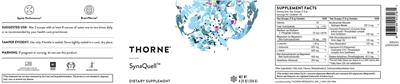
Supplement Facts
Total Carbohydrates 1 g · Riboflavin 25 mg · Magnesium 59 mg
| Calories | 23 | |
| Total Carbohydrates | 1 g | |
| Riboflavin | 25 mg | |
| Magnesium | 59 mg | |
| L-Leucine | 1.25 g | † |
| L-Isoleucine | 625 mg | † |
| L-Valine | 625 mg | † |
| Beta-Hydroxybutyrate | 500 mg | † |
| Glutathione, Reduced | 250 mg | † |
| Nicotinamide Riboside Hydrogen Malate | 207.5 mg | † |
| Meriva | 125 mg | † |
| Docosahexaenoic Acid | 125 mg | † |
| Trans-Resveratrol | 125 mg | † |
| Ubiqsome | 50 mg | † |
| Betaine Anhydrous | 42.5 mg | † |
Other ingredients: Citric Acid, Flavors, Rebaudioside A, Carboxymethylcellulose Gum.
Directions: Suggested use: Mix 2 scoops with at least 8 ounces of water one to two times daily or as recommended by your health-care practitioner.
Barcode (UPC) 693749013181 · Label source: NIH label database · Report a label change
Show entire label

More stress products
Members OnlyThe highest ranked for the same goal
Read more
Our articles on this subject
- Supplements for Stress and Anxiety Relief: What the Evidence SupportsArticle · Oct 26, 2026
- The Four Pillars of Good Health: Diet, Exercise, Sleep and StressArticle · Mar 17, 2026
Graded November 6, 2026 by the Reverse Age Lab evidence engine, from human studies, real reviews and our biohacker panel. How we grade. Is this medical advice? No. Rala organizes the published evidence; go over any change with your doctor, especially if you take meds.
Privacy policyConsumer health dataAffiliate disclosureTermsDo Not Sell or Share My Personal InformationCookie settings