

Trigen Laboratories Vol-Nate Review
Vol-Nate is an orally administered prescription vitamin from Trigen Laboratories, listed in the NIH Dietary Supplement Label Database (DSLD ID 264496, entered 18 December 2021). The product is a multi-vitamin and mineral (MVM) tablet with a net content of 100 tablets and a market status of On Market. Its listed dietary claims are Nutrient, All Other and Structure/Function, and the intended target groups are pregnant women, adult females aged 18 to 50 years, and lactating women. The label describes Vol-Nate as an oval, white tablet with TL514 debossed on one side. The serving size is one tablet, with 100 servings per container. The supplement facts list folic acid (1 mg), vitamin A as beta-carotene, vitamin D3, vitamin E, vitamin C, thiamine, riboflavin, niacin as niacinamide, vitamin B6, vitamin B12, calcium, copper, iron as ferrous fumarate, zinc, and magnesium. The recommended use is one tablet daily before, during and after pregnancy, or as prescribed by a physician. The indications state it is for the supplemental requirements of patients with nutritional deficiencies or who are in need of nutritional supplementation. The label carries a prescription warning that it may be administered only under a physician's supervision, and states Rx Only. Storage is at 20 to 25 degrees C with excursions permitted, and the product should be protected from moisture and excessive heat. The label includes an iron overdose warning for children under 6 and advises keeping the product out of reach of children. The manufacturer is listed as Trigen Laboratories, LLC, Bridgewater, NJ, and the label gives 888-9-TRIGEN for side effect reports. The page notes a similar formula, Virt-Nate by Virtus Pharmaceuticals.
We don’t sell supplements. We help you make decisions and get the best price.
Lowest prices
Finding the lowest prices at the stores now. This takes a few seconds.
Products with nearly the same formula (Matched on the main ingredients)
This is a prescription product: ask your doctor before switching.
Study, Trial or Testing Result Summary
Members Only307 human studies · 168 improved
64 of these 307 human studies gave the ingredient by drip, injection or inhaler, not by mouth.
This is a prenatal style multivitamin and mineral tablet, and no study tested the product itself. Iron is the main full-dose ingredient, but its blood flow benefits came from iron given by vein. Iron infusions improved blood vessel reactivity in 64 people with a stiff-heart type of heart failure [1] and improved small-vessel blood flow in 45 similar patients [2]. In healthy adults, infusions lowered lung artery pressure during exercise [3] and in low oxygen [4]. Other trials found no change in artery widening [5], and one infusion briefly worsened it [6]. Vitamin B6 reaches a full dose at two tablets a day, but results are mixed: long trials found no gain in vessel widening [7][8], while smaller ones in children with diabetes and heart transplant patients did [9][10]. Folic acid is here at 1 mg, below the 5 mg that helped vessels widen; lower doses did not help [11][12]. Vitamin C is below the studied 500 mg [13], and magnesium is only a trace amount compared with the over 400 mg that helped [14]. Vitamin D did not improve artery stiffness [15]. Animal and cell studies are never counted.
See all 307 studies →Hide the studies
- Across 21 randomized trials with 2025 adults, folic acid raised flow-mediated dilation of the artery by about 2.6 percentage points compared with controls, though it did not change baseline artery diameter or an adhesion marker.The effects of folic acid supplementation on endothelial function in adults: a systematic review and dose-response meta-…
- Across 17 randomized trials of 889 adults, oral magnesium supplementation significantly increased nitric oxide levels and lowered inflammatory markers like C-reactive protein compared with placebo.Effect of Magnesium Supplementation on Inflammatory Parameters: A Meta-Analysis of Randomized Controlled Trials.
- In seven controlled trials with 872 patients having heart artery procedures or bypass surgery, vitamin C given by vein lowered peak troponin by about 43% and peak CK-MB by about 14% and reduced oxidative stress markers.Vitamin C may reduce troponin and CKMB levels after PCI and CABG: a meta-analysis.
- Across 14 placebo-controlled trials with 732 people, folic acid improved flow-mediated dilation by about 1.1 percentage points, with gains at 5,000 and 10,000 mcg per day but not at 400 to 800 mcg per day.Folic acid improves vascular reactivity in humans: a meta-analysis of randomized controlled trials.
- Across 12 trials of 665 adults, oral magnesium supplementation reduced carotid artery wall thickness and improved blood vessel dilation at doses above 400 mg per day, though it had no overall effect on arterial stiffness or blood pressure.The effects of oral magnesium supplements on vascular and endothelial function: an updated systematic review and meta-an…
- Across seven placebo-controlled trials of 547 adults taking cholecalciferol (1000 IU daily to 120,000 IU monthly) for 2 to 12 months, artery stiffness measures did not improve compared with placebo.Effect of cholecalciferol supplementation on arterial stiffness: a systematic review and meta-analysis.
- Across 10 trials of 504 women with polycystic ovary syndrome, vitamin E supplementation alone or combined with omega-3 or magnesium significantly increased nitric oxide levels and reduced C-reactive protein and cholesterol compared with placebo.A meta-analysis of effects of vitamin E supplementation alone and in combination with omega-3 or magnesium on polycystic…
- Across seven randomized trials with 441 people, niacin raised artery widening after increased blood flow by about 2 percentage points compared with controls, with larger effects at 2000 mg per day or more.Effect of niacin on endothelial function: a systematic review and meta-analysis of randomized controlled trials.
- Across four trials of 305 people with moderate chronic kidney disease treated for 12 to 16 weeks, vitamin D (mostly paricalcitol) improved blood vessel widening function, though results varied a lot between studies.Treating endothelial dysfunction with vitamin D in chronic kidney disease: a meta-analysis.
- In 162 stroke patients given B6 25 mg with folic acid and B12 for about 3.9 years, artery wall thickness and blood vessel dilation did not differ from placebo, though pooled short-term trials showed better dilation.The effect of long-term homocysteine-lowering on carotid intima-media thickness and flow-mediated vasodilation in stroke…
- In 160 people with sleep apnea across six studies, antioxidant treatments (including vitamin E among several) improved blood vessel widening by about 2.2 percentage points and lowered oxidative stress, but vitamin E was not tested on its own.Antioxidant therapies for obstructive sleep apnea: A systematic review and meta-analysis.
- In a network meta-analysis of people with heart disease and high blood pressure, folic acid improved flow-mediated dilation by about 3.4 points, though the confidence in this evidence was rated low.Comparative Efficacy of Nutraceuticals on Endothelial Function: A Systematic Review and Network Meta-Analysis.
- Across 75 randomized trials, zinc supplements lowered blood fats, blood sugar, inflammation and oxidative stress markers, but had no clear effect on systolic or diastolic blood pressure.Zinc supplementation and cardiovascular disease risk factors: A GRADE-assessed systematic review and dose-response meta-…
- A review of 10 systematic reviews covering 6409 people found contrasting results for vitamin C on blood vessel function, with no overall effect on arterial stiffness and only limited benefit in some subgroups.Limited evidence for a beneficial effect of vitamin C supplementation on biomarkers of cardiovascular diseases: an umbre…
- In eight trials with 1185 patients, vitamin C given by vein before a heart artery procedure reduced heart injury markers, oxidative stress and inflammation, while improvements in heart pumping function were inconclusive.Vitamin C for Cardiac Protection during Percutaneous Coronary Intervention: A Systematic Review of Randomized Controlled…
- Of 29 trials in adults, only 8 reported improvements in blood vessel function or inflammation markers (two of them only temporarily) and 21 showed none, so vitamin D was not shown to help.Impact of vitamin D supplementation on endothelial and inflammatory markers in adults: A systematic review.
- In a review of four trials in people with lupus, three found vitamin D improved disease activity, inflammation, fatigue and blood vessel function, while one found no improvement in disease activity.Effect of vitamin D supplementation on patients with systemic lupus erythematosus: a systematic review.
- In a review of 19 studies of diet and artery stiffness in children and teens, only two intervention studies, including one of vitamin D and omega-3, found protective effects, and overall findings were inconsistent.Dietary Intake and Arterial Stiffness in Children and Adolescents: A Systematic Review.
- A review of 32 meta-analyses found suggestive evidence that vitamin E supplements improve blood vessel lining function and lower C-reactive protein, though the evidence was not strong enough to be called consistent.Vitamin E and Multiple Health Outcomes: An Umbrella Review of Meta-Analyses.
- A review of randomized trials in people with diabetes or metabolic syndrome found vitamin C, mostly 1,000 mg daily for 4 weeks to 12 months, lowered cholesterol and inflammation and was consistent with better endothelial function and blood flow.Vitamin C intake potentially lowers total cholesterol to improve endothelial function in diabetic patients at increased …
- A review of 19 randomized trials in people with heart failure reported that thiamine, among other supplements, raised the heart's pumping fraction, though the review did not give thiamine-specific numbers.Dietary strategies and nutritional supplements in the management of heart failure: a systematic review.
- In 1537 pregnant women with low vitamin D, 1600 IU daily of vitamin D3 for two months raised HDL cholesterol and lowered an inflammation marker more than 400 IU daily, with the benefits mainly in women with gestational diabetes or obesity.Vitamin D supplementation for cardiometabolic risk markers in pregnant women based on the gestational diabetes mellitus …
- In 1162 adults over 50 taking a daily antioxidant mix including 20 mg zinc for about 7 years, artery wall thickness and artery stiffness did not improve, and carotid plaques were more common than with placebo.Effects of long-term daily low-dose supplementation with antioxidant vitamins and minerals on structure and function of …
- In 1078 HIV-positive pregnant women, a multivitamin containing 0.8 mg folic acid cut the risk of high blood pressure in pregnancy by 38% compared with placebo.Multivitamin supplementation of HIV-positive women during pregnancy reduces hypertension.
- In 391 adults having a cardiac arrest outside hospital, up to two doses of calcium chloride (5 mmol each) given into a vein or bone did not significantly improve return of a sustained heartbeat compared with saline (19% vs 27%), and the trial was stopped early over concerns about harm.Effect of Intravenous or Intraosseous Calcium vs Saline on Return of Spontaneous Circulation in Adults With Out-of-Hospi…
- In 340 adults at risk of type 2 diabetes, 100,000 IU of vitamin D2 or D3 monthly for 4 months lowered artery stiffness (pulse wave velocity) by about 0.7 m/s versus placebo, with no effect on blood sugar control.Effects of vitamin D2 or D3 supplementation on glycaemic control and cardiometabolic risk among people at risk of type 2…
- In 225 vitamin D-deficient overweight or obese children, 1000 or 2000 IU daily of vitamin D3 for 6 months did not change blood vessel function or stiffness compared with 600 IU, but the 1000 IU dose lowered blood pressure and the 2000 IU dose lowered fasting glucose and improved insulin sensitivity.Effect of vitamin D3 supplementation on vascular and metabolic health of vitamin D-deficient overweight and obese childr…
- In 200 people with high blood pressure and low vitamin D, 2800 IU of vitamin D3 daily for 8 weeks did not change blood vessel damage markers compared with placebo, except in a subgroup with very low vitamin D.Effects of Vitamin D3 on asymmetric- and symmetric dimethylarginine in arterial hypertension.
- In 194 pregnant women with high blood pressure, combining a daily multivitamin with intravenous magnesium sulfate for two weeks improved placental blood flow and blood clotting function more than magnesium sulfate alone.Effects of multivitamin combined with magnesium sulfate versus magnesium sulfate alone on hemodynamics, coagulation, and…
- In 164 overweight or slightly obese older adults, taking 450 mg daily of magnesium citrate, oxide, or sulfate for 24 weeks did not change arterial stiffness or blood pressure compared with placebo.Effects of Magnesium Citrate, Magnesium Oxide, and Magnesium Sulfate Supplementation on Arterial Stiffness: A Randomized…
- In 158 healthy siblings of patients with early artery disease, 2 years of B6 250 mg with folic acid lowered blood pressure but did not improve blood vessel dilation or artery stiffness.Long-term homocysteine-lowering treatment with folic acid plus pyridoxine is associated with decreased blood pressure bu…
- In 158 healthy siblings of patients with early artery disease, 2 years of B6 250 mg with folic acid lowered urinary albumin by about 20% but did not change blood markers of vessel function or inflammation.Homocysteine-lowering treatment with folic acid plus vitamin B6 lowers urinary albumin excretion but not plasma markers …
- In 156 hospitalized patients experiencing cardiac arrest, receiving 10 g of intravenous magnesium over 24 hours did not improve the return of spontaneous blood circulation or survival compared with placebo.Randomised trial of magnesium in in-hospital cardiac arrest. Duke Internal Medicine Housestaff.
- In 163 hypertensive obese adults with sleep apnea, vitamin D3 combined with a med improved metabolic markers, heart rate and heart rate variability over 16 weeks, while vitamin D3 alone was not reported to have a clear benefit on blood vessel function.Unveiling the benefits of Vitamin D3 with SGLT-2 inhibitors for hypertensive obese obstructive sleep apnea patients.
- In 84 adults with coronary artery disease given folic acid for 6 weeks, 5 mg a day improved blood vessel dilation but 400 mcg a day did not, and the improvement did not track with homocysteine lowering.High- but not low-dose folic acid improves endothelial function in coronary artery disease.
- In 128 adults with chronic kidney disease and low vitamin D, six months of daily cholecalciferol (2000 IU) or calcitriol did not improve blood vessel widening compared with the start of the study or with each other.Cholecalciferol, Calcitriol, and Vascular Function in CKD: A Randomized, Double-Blind Trial.
- In 127 people with type 2 diabetes and moderate kidney disease, 0.25 mcg of calcitriol daily for 48 weeks did not improve artery stiffness compared with placebo.Effect of calcitriol treatment on arterial stiffness in people with type 2 diabetes and stage 3 chronic kidney disease.
- In 126 patients with high blood pressure and high homocysteine, folic acid for 24 weeks lowered homocysteine and an artery-constricting marker and raised nitric oxide, with blood pressure falling after the genotype-adjusted dose phase.Effects of individualized administration of folic acid on prothrombotic state and vascular endothelial function with H-t…
- In 124 children with type 1 diabetes, 5 mg of folate daily raised flow-mediated dilation from 2.6% to 9.7% over 8 weeks, while the placebo group did not change.Folate and vitamin B6 rapidly normalize endothelial dysfunction in children with type 1 diabetes mellitus.
- In 123 healthy volunteers, 8 weeks of B6 50 mg with folic acid and B12 lowered homocysteine but did not change blood markers of vessel lining damage.The effect of homocysteine reduction by B-vitamin supplementation on markers of endothelial dysfunction.
- In 120 adults with moderate-to-severe kidney disease and low vitamin D, two 300,000 IU doses of cholecalciferol 8 weeks apart improved blood vessel dilation by 5.49 percentage points more than placebo at 16 weeks, and also improved arterial stiffness and an inflammation marker.A Randomized Trial of Vitamin D Supplementation on Vascular Function in CKD.
- In 120 stroke patients with high homocysteine, high-dose B vitamins including B6 versus low-dose gave lower stroke scores, but the reported oxidative stress and vessel markers (MDA and ET-1 higher, antioxidant enzymes lower) were worse in the high-dose group despite the authors' conclusion of benefit.Prognostic Impact of Serum Homocysteine-Lowering Therapy on Patients with Hemorrhagic Stroke and Its Influence on Nation…
- In 105 cardiac arrest patients with persistent irregular heart rhythms, a single intravenous dose of 2 to 4 g of magnesium sulphate did not significantly improve the return of spontaneous blood circulation or survival to hospital discharge compared with placebo.A randomised trial to investigate the efficacy of magnesium sulphate for refractory ventricular fibrillation.
- In 103 pregnant women with severe high blood pressure, adding low molecular weight heparin sodium to magnesium sulfate for 7 days significantly increased nitric oxide levels and improved blood vessel function compared with magnesium sulfate alone.Clinical Effect of Low Molecular Weight Heparin Sodium Combined with Magnesium Sulfate in the Treatment of Patients with…
- In 100 people with kidney failure not yet on dialysis, 5 mg of folic acid daily for 12 weeks lowered homocysteine but did not improve blood vessel dilation compared with placebo.Does folic acid decrease plasma homocysteine and improve endothelial function in patients with predialysis renal failure…
- In 100 people with type 2 diabetes, 5000 IU of vitamin D daily for 12 weeks raised blood vitamin D levels but did not improve blood vessel dilation, arterial stiffness, or inflammation and oxidative stress markers compared with placebo.Randomized controlled trial of vitamin D supplement on endothelial function in patients with type 2 diabetes.
- In 100 patients with pregnancy-induced hypertension, adding labetalol to nifedipine and magnesium sulfate improved blood pressure control, blood coagulation, and vascular endothelial function more than nifedipine and magnesium sulfate alone.Effects of Nifedipine and Labetalol Combined with Magnesium Sulfate on Blood Pressure Control, Blood Coagulation Functio…
- In 99 adults with well-controlled HIV and low HDL cholesterol, 1500 mg per day of extended-release niacin for 24 weeks did not significantly change blood vessel dilation or inflammation markers, despite lipid improvements.Extended-Release Niacin Versus Fenofibrate in HIV-Infected Participants With Low High-Density Lipoprotein Cholesterol: E…
- In 96 patients with pregnancy-induced hypertension, combining nimodipine with magnesium sulfate reduced blood pressure and vascular endothelial damage more than magnesium sulfate alone.Clinical Effect of Nimodipine Combined with Magnesium Sulfate on Pregnancy-Induced Hypertension Syndrome.
- In 93 overweight or obese adults with low vitamin D, 50,000 units of ergocalciferol weekly for 8 weeks did not improve endothelial-dependent blood vessel dilation compared with placebo.Effect of Vitamin D on Endothelial Function: A Randomized, Double-Blind, Placebo-Controlled Trial.
- In 93 people with mild to moderate kidney disease, a combined strategy including B6 100 mg, folic acid, B12, a med and vitamin E had no overall effect on a blood marker of vessel function over 2 years.Randomized placebo-controlled trial assessing a treatment strategy consisting of pravastatin, vitamin E, and homocystein…
- In 90 patients with aneurysmal subarachnoid hemorrhage, an infusion of 500 mg daily of magnesium sulphate for 21 days lowered the incidence of cerebral vasospasm and cerebral blood flow velocity more effectively than milrinone.[Effect of magnesium sulphate and milrinone on cerebral vasospasm after aneurysmal subarachnoid hemorrhage: a randomized…
- In 87 preterm infants born to mothers given antenatal magnesium sulfate or saline placebo, magnesium sulfate did not consistently improve neonatal systemic blood flow in the first 24 hours.Randomized controlled trial of magnesium sulfate in women at risk of preterm delivery-neonatal cardiovascular effects.
- In 86 patients with mild to moderate ulcerative colitis, a single 300,000 IU vitamin D3 injection did not change serum ADMA, a marker that inhibits nitric oxide, compared with placebo over 90 days.The Effect of Vitamin D on Serum Asymmetric Dimethylarginine in Patients with Mild to Moderate Ulcerative Colitis.
- In 84 iron-replete adults, four blood draws over about six months, with or without intravenous iron replacement, did not change artery widening function compared with sham blood draws.Effects of serial phlebotomy on vascular endothelial function: Results of a prospective double-blind randomized study.
- In obese children, folic acid raised folate levels and lowered homocysteine but did not improve adiponectin, a protein linked to blood vessel function.Adiponectin relates to smooth muscle function and folate in obese children.
- In 81 adults aged 40-65 with mildly to moderately raised blood pressure, 3 months of an arginine plus B vitamin (including folic acid) product improved blood vessel function and lowered blood pressure and homocysteine more than placebo.L-Arginine and B vitamins improve endothelial function in subjects with mild to moderate blood pressure elevation.
- In 75 patients with coronary artery disease, 4 months of folic acid alone significantly improved blood vessel dilation versus placebo, while folic acid with vitamins C and E gave a smaller, non-significant improvement.Effect of folic acid and antioxidant vitamins on endothelial dysfunction in patients with coronary artery disease.
- In 75 obese adults, 4 weeks of 5 mg folic acid daily reduced the over-dependence of eye and kidney blood vessel tone on nitric oxide in those with metabolic syndrome and reduced oxidative stress, with no effect on inflammation markers.Folic acid treatment normalizes NOS-dependence of vascular tone in the metabolic syndrome.
- In 75 adults with type 2 diabetes over about 4 months, a blend containing 1 mg folic acid plus other vitamins and minerals improved nerve symptom scores, but blood flow in the small vessels did not change compared with placebo.Improving neuropathy scores in type 2 diabetic patients using micronutrients supplementation.
- In 74 older adults with type 2 diabetes and arterial calcification, taking 350 mg daily of magnesium citrate for 6 months did not reduce arterial stiffness compared with placebo.Magnesium supplementation did not reduce serum calciprotein crystallization and arterial stiffness in individuals with t…
- In 73 people with chronic heart failure and low vitamin D, taking 4000 units daily for 6 months did not improve blood vessel function compared with placebo, though walking distance and symptoms improved.Effect of vitamin D on endothelial and ventricular function in chronic heart failure patients: A prospective, randomized…
- In 46 people with high cholesterol, a single 2 g dose of ascorbic acid lengthened the duration of forearm reactive blood flow after two hours versus placebo but did not raise peak flow.Effect of ascorbic acid on forearm reactive hyperaemia in patients with hypercholesterolaemia.
- In 71 a med-treated patients with low HDL cholesterol, 2 g per day of modified-release nicotinic acid for 12 months reduced carotid artery wall area compared with placebo.Effects of high-dose modified-release nicotinic acid on atherosclerosis and vascular function: a randomized, placebo-con…
- In 70 healthy young adults exposed to simulated night train noise, vitamin C improved blood vessel dilation in women but not in men.Acute Exposure to Simulated Nocturnal Train Noise Leads to Impaired Sleep Quality and Endothelial Dysfunction in Young H…
- In 67 adults with high blood pressure, 12 weeks of a nitrate tablet containing thiamine nitrate lowered systolic blood pressure by about 6 mmHg more than placebo and improved blood vessel function.Effect of a plant-based bioequivalent inorganic nitrate (NO3-) complex with vitamins, antioxidants and phytophenol rich …
- In 67 patients experiencing out-of-hospital cardiac arrest, a single 5 g dose of magnesium sulfate did not improve the return of spontaneous circulation or survival compared to placebo.Magnesium in cardiac arrest (the magic trial).
- In 66 coronary artery disease patients on high-dose meds, 1500 mg per day of extended-release niacin for 3 months improved cholesterol but did not improve blood vessel function versus placebo.Read the study on PubMed (23174368) →
- In 64 dialysis patients, 3000 IU of cholecalciferol daily for 6 months did not improve 24-hour blood pressure, arterial stiffness, or heart function compared with placebo.Cardiovascular effects of cholecalciferol treatment in dialysis patients--a randomized controlled trial.
- In 64 people with heart failure with preserved ejection fraction, two 500 mg iron infusions four weeks apart improved blood vessel reactivity, heart relaxation, walking test and lowered an oxidative stress marker over 8 weeks compared with placebo.Effect of Ferric Carboxymaltose Supplementation in Patients with Heart Failure with Preserved Ejection Fraction: Role of…
- In 63 men after a heart attack, niacin/laropiprant (up to 2000 mg niacin daily) for 12 weeks improved arm artery dilation more than placebo, independent of cholesterol changes.Extended-release niacin/laropiprant improves endothelial function in patients after myocardial infarction.
- In 60 adults with metabolic syndrome and type 2 diabetes, 5 mg of folate daily for 12 weeks reduced carotid artery wall thickness and improved blood sugar and insulin resistance compared with placebo.The Effects of Folate Supplementation on Carotid Intima-Media Thickness and Metabolic Status in Patients with Metabolic …
- In 60 adults with cirrhosis and high portal pressure, 5-methyltetrahydrofolate plus propranolol for 90 days lowered portal pressure more than propranolol plus placebo.5-MTHF enhances the portal pressure reduction achieved with propranolol in patients with cirrhosis: A randomized placebo…
- In 60 patients with heart disease and high homocysteine, 3 months of folic acid, vitamin B6 and B12 lowered homocysteine but did not change levels of asymmetric dimethylarginine, a blocker of nitric oxide that affects blood flow.Hyperhomocysteinaemia is not associated with increased levels of asymmetric dimethylarginine in patients with ischaemic …
- In 60 women with polycystic ovary syndrome, taking 250 mg of magnesium plus 400 mg of vitamin E daily for 12 weeks increased plasma nitric oxide and antioxidant capacity while reducing inflammation.The Effects of Magnesium and Vitamin E Co-Supplementation on Hormonal Status and Biomarkers of Inflammation and Oxidativ…
- In 60 pregnant women with severe preeclampsia, intravenous magnesium sulfate significantly reduced the middle cerebral artery pulsatility index and cerebral perfusion pressure while maintaining cerebral blood flow over 6 hours, similar to labetalol.Evaluation of intravenous infusion of labetalol versus magnesium sulfate on cerebral hemodynamics of preeclampsia patien…
- In 57 overweight African American adults, vitamin D3 at about 2000 units daily for 16 weeks improved blood vessel dilation, while placebo produced no change.Vitamin D3 supplementation for 16 weeks improves flow-mediated dilation in overweight African-American adults.
- In 54 iron-deficient people with chronic kidney disease, a single iron infusion did not cause lasting oxidative stress or inflammation, though one blood vessel marker (E-selectin) rose modestly at 1 and 3 months versus placebo.Analysis of oxidative stress, inflammation and endothelial function following intravenous iron in chronic kidney disease…
- In 53 obese children and adolescents, 5 mg of folic acid daily for eight weeks did not change artery widening with blood flow compared with placebo, even though folate levels rose and homocysteine fell.Folic acid does not improve endothelial function in obese children and adolescents.
- In 53 men with stable coronary artery disease, taking 15 millimoles of oral magnesium twice daily for 6 months improved left ventricular ejection fraction and maximal oxygen uptake compared to placebo.Oral magnesium therapy, exercise heart rate, exercise tolerance, and myocardial function in coronary artery disease pati…
- In 52 patients with coronary artery disease, 5 mg of folic acid daily for 6 weeks improved blood vessel function compared with placebo, though oxidative stress markers did not change.Folate improves endothelial function in coronary artery disease: an effect mediated by reduction of intracellular supero…
- In 52 overweight and obese older adults taking 350 mg of magnesium daily for 24 weeks, there was no improvement in brachial artery flow-mediated vasodilation or microvascular endothelial function compared with placebo.Effects of long-term magnesium supplementation on endothelial function and cardiometabolic risk markers: A randomized co…
- In 50 adults with dyslipidemia, a combination containing 200 mcg folic acid improved cholesterol profiles over 6 weeks, but only a different combination without folic acid improved endothelial function.Effects of a New Combination of Medical Food on Endothelial Function and Lipid Profile in Dyslipidemic Subjects: A Pilot…
- In 50 adults with stable coronary artery disease, taking oral magnesium daily for 6 months improved blood vessel function and exercise tolerance compared with placebo.Oral magnesium therapy improves endothelial function in patients with coronary artery disease.
- In 49 hospitalized patients with raised lung artery pressure, a single 100 mg or 500 mg niacin dose did not significantly change lung artery pressure after 1 hour, though a small non-significant drop appeared at 500 mg.A randomized pilot study on the effect of niacin on pulmonary arterial pressure.
- In 48 overweight or obese children aged 6 to 17, a six-month combination supplement containing vitamin D with curcumin, resveratrol, zinc, magnesium and selenium improved blood flow measures of vessel function, with some group differences versus placebo, though vitamin D could not be isolated as the cause.Supportive treatment of vascular dysfunction in pediatric subjects with obesity: the OBELIX study.
- In 47 people ascending to high altitude, taking oral magnesium citrate significantly increased blood flow velocity in the middle cerebral artery compared to placebo.Effect of magnesium, high altitude and acute mountain sickness on blood flow velocity in the middle cerebral artery.
- In 46 people with coronary artery disease, 500 mg of vitamin C daily for 30 days improved blood vessel widening in the arm artery (about 8.6% to 9.0% vs unchanged with placebo), and a single 2 g dose also helped.Long-term ascorbic acid administration reverses endothelial vasomotor dysfunction in patients with coronary artery disea…
- In 45 children with heart disease on meds, 4 weeks of thiamin at 25 or 50 mg per day did not significantly change thiamin status or the heart's pumping fraction compared with placebo.Read the study on PubMed (41872295) →
- In 45 people with heart failure with preserved ejection fraction and iron deficiency, intravenous iron over four months did not improve exercise blood pressure in the lungs or heart stiffness, but it improved right heart pumping and small-vessel blood flow and modestly improved 6-minute walk distance compared with placebo.Intravenous IRON supplementation in Heart Failure with Preserved Ejection Fraction and iron deficiency (IRON-HFpEF): a c…
- In 44 elderly people with vitamin B12 deficiency, 5 mg of folate plus vitamin B12 daily for 8 weeks improved blood flow reserve in the heart compared with placebo.Folic Acid and vitamin B12 supplementation improves coronary flow reserve in elderly subjects with vitamin B12 deficienc…
- In obese adolescents followed for 12 weeks, a lifestyle program with vitamin D supplementation reduced carotid artery wall thickening more than lifestyle alone, while carotid stiffness changes were similar between groups.Vitamin D Supplementation on Carotid Remodeling and Stiffness in Obese Adolescents.
- In 44 adults with type 1 diabetes and nerve damage affecting the heart, a 24-month antioxidant combination including nicotinamide did not improve heart blood flow and slightly worsened heart nerve function versus placebo.Effects of triple antioxidant therapy on measures of cardiovascular autonomic neuropathy and on myocardial blood flow in…
- In 33 people with type 2 diabetes (compared with 10 healthy people), 1500 mg a day of extended-release niacin for 3 months improved the ability of HDL cholesterol to boost nitric oxide, lower oxidative stress and support blood vessel repair versus placebo.Endothelial-vasoprotective effects of high-density lipoprotein are impaired in patients with type 2 diabetes mellitus bu…
- In 43 healthy adults, 14 days of a multi-ingredient supplement including zinc largely restored the retinal blood flow response to oxygen that had been impaired by an inflammatory challenge, compared with placebo.Antioxidative capacity of a dietary supplement on retinal hemodynamic function in a human lipopolysaccharide (LPS) model…
- In 42 people with kidney disease, a one-time vitamin C infusion produced only a non-significant trend toward better artery dilation in the placebo group; the trial's main test was a different drug (rilonacept), not vitamin C.IL-1 Inhibition and Vascular Function in CKD.
- In 42 older adults with mild memory impairment, nicotinamide riboside (a niacin-related form) for 12 weeks doubled blood NAD but did not improve total brain blood flow or blood pressure compared with placebo, though regional blood flow in the hippocampus may have risen.A phase-II randomized controlled pilot study of nicotinamide riboside supplementation in older adults with amnestic mild…
- In 40 young men, a vitamin capsule containing 0.6 mg of folic acid for 8 weeks lowered homocysteine but did not improve blood vessel widening compared with placebo.Hyperhomocysteinemia and endothelial function in young subjects: effects of vitamin supplementation.
- In 40 people after a heart attack, 6 weeks of 10 mg daily folic acid improved the widening of the brachial artery in response to blood flow, compared with placebo, regardless of homocysteine level.Effect of folic acid on endothelial function following acute myocardial infarction.
- In 40 adults with type 2 diabetes, 600 mg of vitamin E daily for 8 weeks improved brachial artery widening and lowered oxidative stress compared with placebo.Chronic vitamin E administration improves brachial reactivity and increases intracellular magnesium concentration in typ…
- In 40 men with diabetes and erectile dysfunction, a daily blend containing nicotinic acid, alone or with vardenafil, improved erection scores over 12 weeks, with the blend plus vardenafil giving the largest gain; the study was small and the nicotinic acid dose was not stated.Effect of propionyl-L-carnitine, L-arginine and nicotinic acid on the efficacy of vardenafil in the treatment of erectil…
- In 40 patients with stable coronary artery disease, 24 months of 40 mg vitamin B6 daily did not change coronary blood flow or blood vessel response, while folic acid plus B12 increased basal and adenosine-induced coronary blood flow.Coronary blood flow in patients with stable coronary artery disease treated long term with folic acid and vitamin B12.
- In 40 healthy adults given methionine, one 100 mg iron sucrose infusion reduced artery flow-mediated widening at 1 hour compared with placebo (1.93% vs 5.61%), but not at 4 hours.Iron sucrose augments homocysteine-induced endothelial dysfunction in normal subjects.
- In 40 healthy adults, 2 weeks of an antioxidant supplement containing zinc normalized the eye blood vessel response to oxygen that had been impaired by an inflammatory challenge, compared with placebo.Retinal hemodynamic effects of antioxidant supplementation in an endotoxin-induced model of oxidative stress in humans.
- In 40 adults undergoing eye tumor surgery, intraoperative magnesium sulphate successfully induced controlled hypotension and reduced choroidal blood flow by 24% to provide good surgical conditions, comparable to sodium nitroprusside.Controlled hypotension in adults undergoing choroidal melanoma resection: comparison between the efficacy of nitroprussi…
- In 40 adults with migraine without aura taking 600 mg of oral magnesium citrate daily for 3 months, cortical blood flow in several brain regions increased significantly and migraine attacks decreased compared with placebo.The effects of magnesium prophylaxis in migraine without aura.
- In 40 patients undergoing heart surgery, an injection of 50 mg per kilogram of magnesium sulfate relaxed smooth vascular muscles and reduced vascular resistance and arterial pressure.[Comparison of vascular effects of magnesium sulfate and nicardipine during extracorporeal circulation].
- In 39 people with high blood pressure, 500 mg of vitamin C daily for one month did not improve blood vessel widening compared with placebo.Effect of ascorbic acid treatment on conduit vessel endothelial dysfunction in patients with hypertension.
- In 39 people with heart failure, 4 grams of vitamin C daily for 4 weeks improved a blood vessel measure but worsened muscle energy handling during exercise.Chronic oral ascorbic acid therapy worsens skeletal muscle metabolism in patients with chronic heart failure.
- In 39 hemodialysis patients, increasing dialysate magnesium levels for 4 weeks significantly improved arterial stiffness and reduced systolic blood pressure and pulse pressure.Consequences of Supraphysiological Dialysate Magnesium on Arterial Stiffness, Hemodynamic Profile, and Endothelial Funct…
- In 38 patients with bypass graft narrowing, extended-release niacin for 12 months did not significantly change blood vessel function (reactive hyperemia) or carotid artery thickness versus placebo, but did increase endothelial progenitor cell mobilization.Effect of Extended-Release Niacin on Carotid Intima Media Thickness, Reactive Hyperemia, and Endothelial Progenitor Cell…
- In 38 peritoneal dialysis patients, a single 300 mg iron sucrose infusion raised resting forearm blood flow but did not change blood vessel responses to drugs compared with placebo.Intravenous iron increases labile serum iron but does not impair forearm blood flow reactivity in dialysis patients.
- In 38 adults with or without high blood pressure, 8 weeks of an antioxidant mix with 200 mg zinc sulphate lowered systolic blood pressure compared with placebo, significantly in those treated for hypertension.Combination oral antioxidant supplementation reduces blood pressure.
- In 36 children and teens with type 1 diabetes, 5 mg of folic acid daily for 8 weeks improved blood vessel widening with blood flow compared with placebo, independent of homocysteine.Folic acid improves endothelial function in children and adolescents with type 1 diabetes.
- In 36 kidney transplant recipients with high homocysteine, 5 mg folic acid daily with B6 and B12 for 6 months improved blood vessel widening and lowered homocysteine compared with controls.Treatment of hyperhomocysteinemia and endothelial dysfunction in renal transplant recipients with B vitamins in the Chin…
- In 36 patients with pre-hypertension or mild hypertension taking a supplement containing a nitric oxide donor, magnesium, and vitamins for 16 weeks, morning blood pressure and evening systolic blood pressure decreased significantly compared with placebo.Is it Possible to Significantly Modify Blood Pressure with a Combined Nutraceutical on Top of a Healthy Diet? The Result…
- In 34 people with high cholesterol taking meds, 4 weeks of 5 mg daily folic acid improved brachial artery widening in response to blood flow, while placebo did not.Read the study on PubMed (15616416) →
- In 34 people with type 2 diabetes and low vitamin D, a single large dose of vitamin D2 improved blood vessel dilation by 2.3 percentage points over 8 weeks compared with placebo.Vitamin D improves endothelial function in patients with Type 2 diabetes mellitus and low vitamin D levels.
- A single intravenous vitamin C infusion lowered elevated blood flow in the brain in people with Fabry disease and in healthy controls, though the placebo group responded more slowly.Ascorbate decreases Fabry cerebral hyperperfusion suggesting a reactive oxygen species abnormality: an arterial spin tag…
- In 26 healthy men and 8 men with peripheral artery disease, vitamin C infused into the arm during reperfusion after ischemia prevented the loss of blood vessel widening seen with placebo.Intra-arterial vitamin C prevents endothelial dysfunction caused by ischemia-reperfusion.
- In 34 people with diabetic kidney disease, 12 weeks of 80 mg pyridoxine plus 800 mg lipoic acid daily lowered systolic blood pressure, oxidative stress and urinary albumin and raised nitric oxide compared with placebo, but did not change diastolic blood pressure or endothelin-1.Effects of combined lipoic acid and pyridoxine on albuminuria, advanced glycation end-products, and blood pressure in di…
- In 33 people with coronary artery disease, 5 mg of folic acid daily for 6 weeks improved how well arteries widened with blood flow compared with placebo, and this happened largely without lowering homocysteine.Folic acid improves endothelial function in coronary artery disease via mechanisms largely independent of homocysteine l…
- In 32 healthy adults aged 50-80, intravenous iron lowered lung artery pressure during exercise by about 3 mmHg versus placebo for 8 weeks, with no change at rest or in maximal exercise capacity.Intravenous iron delivers a sustained (8-week) lowering of pulmonary artery pressure during exercise in healthy older hu…
- In 31 heart transplant recipients, 5 mg of folate daily for 10 weeks did not significantly improve blood vessel function compared with placebo, while pyridoxine did.Pyridoxine improves endothelial function in cardiac transplant recipients.
- In 31 people with leg artery disease, vitamin C given before maximal walking prevented the drop in artery widening and the rise in oxidative stress seen after exercise in those given saline.Vitamin C prevents endothelial dysfunction induced by acute exercise in patients with intermittent claudication.
- In 30 HIV-infected adults on antiretroviral therapy, 5 mg of folinic acid daily for 4 weeks improved blood vessel reactivity compared with placebo.Short-term folinic acid supplementation improves vascular reactivity in HIV-infected individuals: a randomized trial.
- In 30 adults with type 2 diabetes, 500 mg of vitamin C daily for 4 weeks lowered blood pressure and reduced arterial stiffness, while placebo had no effect.Ascorbic acid reduces blood pressure and arterial stiffness in type 2 diabetes.
- In 30 overweight adults with high cholesterol, 500 mg of vitamin C taken daily with vitamin E for 6 weeks did not significantly improve blood vessel widening compared with placebo.Oats, antioxidants and endothelial function in overweight, dyslipidemic adults.
- In 30 heart surgery patients on heart-lung bypass, one intravenous vitamin C dose given during rewarming reduced a rise in reactive oxygen molecules and improved red blood cell flexibility compared with placebo.Vitamin C supplementation attenuates oxidative stress and improves erythrocyte deformability in cardiac surgery with car…
- In 30 men with metabolic syndrome, 1500 mg daily of extended-release niacin for 6 weeks raised adiponectin but did not improve endothelial function compared with placebo.Extended-release niacin raises adiponectin and leptin.
- In 30 elderly volunteers, 200 mg daily nicotinic acid with 800 mg pentifylline for two months improved overall brain blood flow on scans compared with placebo.SPECT monitoring of improved cerebral blood flow during long-term treatment of elderly patients with nootropic drugs.
- In 30 obese hypertensive and lean normotensive adults, 3 weeks of a usual diet supplemented with magnesium, potassium, and fiber did not significantly lower blood pressure or improve small artery elasticity compared to the usual diet alone.DASH lowers blood pressure in obese hypertensives beyond potassium, magnesium and fibre.
- In 30 patients with normotensive glaucoma, taking 300 mg of oral magnesium citrate daily for 1 month improved visual field indices but did not change ocular blood flow.The effect of oral magnesium therapy on visual field and ocular blood flow in normotensive glaucoma.
- In 29 salt-resistant adults on a high-salt diet for 7 days, local infusion of ascorbic acid restored skin blood vessel dilation that the high-salt diet had reduced.Apocynin and Tempol ameliorate dietary sodium-induced declines in cutaneous microvascular function in salt-resistant hum…
- In 28 newborns with severe persistent pulmonary hypertension treated for 24 hours, nebulized magnesium sulfate at 1024 mg per hour improved oxygenation and mean arterial blood pressure more than intravenous magnesium sulfate.Nebulized Magnesium Sulfate for Treatment of Persistent Pulmonary Hypertension of Newborn: A Pilot Randomized Controlled…
- In healthy people with high homocysteine, 5 mg of folic acid daily for 8 weeks lowered homocysteine but did not improve blood vessel widening compared with placebo.Folic acid does not improve endothelial function in healthy hyperhomocysteinaemic subjects.
- In 26 people with type 2 diabetes, 5 mg of folic acid daily for 4 weeks improved blood vessel widening compared with placebo, independent of homocysteine lowering.Short-term oral folic acid supplementation enhances endothelial function in patients with type 2 diabetes.
- In 26 obese adolescents taking 4000 IU of vitamin D daily for 3 months alongside a lifestyle program, small blood vessel responsiveness improved, while large artery function did not change.Effect of vitamin D supplementation on microvascular reactivity in obese adolescents: A randomized controlled trial.
- In 26 adults with kidney disease and iron deficiency, intravenous iron given as 1000 mg then 500-1000 mg a month later left heart markers and arterial stiffness stable, while quality of life and walking ability improved in both groups.Patient reported outcome measures and cardiovascular outcomes following high dose modern intravenous iron in non-dialysi…
- In women with polycystic ovary syndrome, 12 weeks of niacin with laropiprant did not improve blood vessel function or inflammation markers compared with placebo, and it worsened blood sugar response after meals.Postprandial effects of long-term niacin/laropiprant use on glucose and lipid metabolism and on cardiovascular risk in p…
- In 25 newborns with persistent pulmonary hypertension, intravenous magnesium sulfate produced a similar initial response rate to inhaled nitric oxide, though fewer infants recovered when switched to magnesium sulfate after nitric oxide failed.Inhaled nitric oxide and intravenous magnesium sulphate for the treatment of persistent pulmonary hypertension of the ne…
- In 24 young smokers, 5 mg of folic acid daily for 4 weeks improved blood vessel widening with blood flow and lowered blood pressure compared with placebo.Folic acid enhances endothelial function and reduces blood pressure in smokers: a randomized controlled trial.
- A single intravenous 1,000 mg dose of vitamin C improved arm blood vessel widening in people with type 1 diabetes and in regular smokers, compared with saline, in a study of 24 people where uric acid was the main test.Uric acid restores endothelial function in patients with type 1 diabetes and regular smokers.
- In older adults, 5 mg of folic acid daily for 6 weeks improved nitric oxide-dependent widening of small blood vessels in the skin compared with placebo, while young adults showed no change.Folic acid supplementation improves microvascular function in older adults through nitric oxide-dependent mechanisms.
- In 22 patients with preeclampsia, a 6 g intravenous dose of magnesium sulfate significantly dilated blood vessels in the retina and improved retinal blood flow waveforms compared to placebo.The effect of magnesium sulfate on maternal retinal blood flow in preeclampsia: a randomized placebo-controlled study.
- In a double-blind trial of 21 obese children aged 8 to 12, 500 mg of vitamin C daily for 45 days lowered mean blood pressure and restored forearm blood vessel dilation during mental stress, while placebo did not.Vitamin C restores blood pressure and vasodilator response during mental stress in obese children.
- In 20 healthy young adults, 10 mg of folic acid daily for 2 weeks prevented the drop in blood vessel widening and the rise in a marker of radical damage seen after a fatty meal, compared with placebo.Influence of folic acid on postprandial endothelial dysfunction.
- In 20 healthy young men, 10 mg of folic acid daily for 7 days did not protect the artery lining from damage caused by temporary blood flow interruption compared with placebo.Folic Acid does not limit endothelial dysfunction induced by ischemia and reperfusion: a human study.
- In 20 children with type 1 diabetes, folic acid doses of 0.5, 2, and 5 mg given monthly did not improve blood vessel widening compared with placebo, although folate levels rose.Folate fortification and supplementation do not provide vascular health benefits in type 1 diabetes.
- In 10 people with familial hypercholesterolemia, an infusion of the active folate form 5-methyltetrahydrofolate restored blood vessel widening that was impaired, compared with 10 matched control subjects.5-methyltetrahydrofolate, the active form of folic acid, restores endothelial function in familial hypercholesterolemia.
- In 20 young adults with normal kidney function, a single 600,000 IU vitamin D3 injection had no effect on blood pressure, pulse rate, or blood vessel function, while a high-phosphate diet raised blood pressure.A Controlled Increase in Dietary Phosphate Elevates BP in Healthy Human Subjects.
- In 19 adults with type 2 diabetes, 10 mg of folic acid daily for 2 weeks improved blood vessel widening compared with placebo, independent of homocysteine lowering.Folic acid improves endothelial dysfunction in type 2 diabetes--an effect independent of homocysteine-lowering.
- In 19 healthy adults, a single 2 g oral dose of vitamin C shortened the blood vessel dysfunction caused by smoking one cigarette, recovering to baseline levels faster than placebo.Oral administration of ascorbic acid attenuates endothelial dysfunction after short-term cigarette smoking.
- In 19 HIV-infected adults with low HDL cholesterol, extended-release niacin titrated up to 1500 mg nightly for 12 weeks improved blood vessel dilation compared with the control group, which received no placebo.Short-term effects of extended-release niacin on endothelial function in HIV-infected patients on stable antiretroviral …
- In 19 healthy adults, a single dose of 450 mg for men or 300 mg for women of an over-the-counter magnesium supplement did not produce a significant overall difference in blood vessel dilation over 2 hours compared with water.The Acute Effect of Magnesium Supplementation on Endothelial Function: A Randomized Cross-Over Pilot Study.
- In 19 healthy adults, taking an over-the-counter magnesium supplement for 1 week did not improve blood vessel dilation or blood pressure compared with their usual diet.The Effect of Magnesium Supplementation on Endothelial Function: A Randomised Cross-Over Pilot Study.
- In 18 healthy adults with mildly high homocysteine, 5 mg of folic acid daily for six weeks improved how well the brachial artery widened with blood flow, compared with placebo.Oral folate enhances endothelial function in hyperhomocysteinaemic subjects.
- In 18 healthy men taking nitroglycerin patches, 10 mg of folic acid daily for 1 week prevented the loss of blood vessel function and reduced nitrate tolerance compared with placebo.Folic acid prevents nitroglycerin-induced nitric oxide synthase dysfunction and nitrate tolerance: a human in vivo study…
- In 18 young adults, 2000 IU of vitamin D daily for 4 weeks improved nitric oxide-driven blood vessel widening in African American participants.Four weeks of vitamin D supplementation improves nitric oxide-mediated microvascular function in college-aged African Am…
- In 18 people with metabolic syndrome, a single 1 g intravenous vitamin C infusion improved artery widening compared with placebo and counteracted the rise in an oxidative stress marker.Oxidative stress-mediated arterial dysfunction in patients with metabolic syndrome: Effect of ascorbic acid.
- In 18 adults with low HDL cholesterol, 1 g daily extended-release niacin for one week increased blood vessel widening by about 4.5% compared with the start, though there was no difference from the add-on drug laropiprant and the study had no placebo arm.Short-term effects of extended-release niacin with and without the addition of laropiprant on endothelial function in in…
- In 18 heart attack patients with high homocysteine, four weeks of a folate, vitamin B12 and vitamin B6 combination did not change forearm blood flow compared with placebo.Endothelial dysfunction in patients with recent myocardial infarction and hyperhomocysteinaemia: effects of vitamin supp…
- In 17 adults with high homocysteine, 10 mg of folic acid daily for 8 weeks improved blood vessel widening during blood flow compared with placebo.Folic acid improves arterial endothelial function in adults with hyperhomocystinemia.
- In 17 people with resistant high blood pressure and high cholesterol, 500 mg of vitamin C daily for 8 weeks did not change blood pressure, cholesterol or artery widening compared with placebo, while a med did.Read the study on PubMed (15609886) →
- In 16 adults with HIV, 5 mg of folinic acid daily for four weeks improved blood vessel reactivity compared with placebo, though the group was very small and the study was short.Short-term folinic acid supplementation and aerobic exercise improve vascular reactivity in HIV-infected individuals.
- In 16 healthy women, taking a lutein complex containing 500 mg of vitamin C daily for three weeks increased blood flow in the retina of the eye and lowered diastolic blood pressure compared with placebo, though the effects cannot be attributed to vitamin C alone because it was combined with other ingredients.Lutein Complex Supplementation Increases Ocular Blood Flow Biomarkers in Healthy Subjects.
- In 16 healthy adults, an iron infusion greatly reduced or prevented the rise in lung artery pressure and the stronger lung blood vessel response caused by 8 hours of low oxygen, while an iron-binding drug raised lung artery pressure.The increase in pulmonary arterial pressure caused by hypoxia depends on iron status.
- In 15 a med-treated adults with type 2 diabetes, 1500 mg daily of prolonged-release niacin for 20 weeks improved forearm blood flow response and small artery stiffness compared with no added treatment.Read the study on PubMed (20667937) →
- In 14 people with heart disease, a single 30 mg dose of folic acid increased blood flow to the heart muscle during stress compared with placebo, and it also lowered blood pressure slightly.High-dose folic acid acutely improves coronary vasodilator function in patients with coronary artery disease.
- In 14 older adults, 6 weeks of 5 mg daily folic acid strengthened skin blood vessel dilation during heat stress and in response to a dilating agent, compared with placebo.Folic acid supplementation increases cutaneous vasodilator sensitivity to sympathetic nerve activity in older adults.
- In 14 overweight men, a single 3 g intravenous ascorbic acid infusion reduced oxidative damage and vascular remodeling markers during mental stress compared with placebo.Ascorbic acid inhibits vascular remodeling induced by mental stress in overweight/obese men.
- In 14 hemodialysis patients, a high-calcium dialysis bath raised blood calcium and increased arterial stiffness during treatment, while a low-calcium bath did not.Arterial stiffness alterations during hemodialysis: the role of dialysate calcium.
- In 14 patients recovering from brain hemorrhage, a 5 g intravenous bolus of magnesium sulfate slightly lowered blood pressure and systemic vascular resistance compared to saline placebo, but did not change brain blood flow velocity.Cerebral blood flow velocity response to magnesium sulfate in patients after subarachnoid hemorrhage.
- In 14 adults with mild to moderate high blood pressure taking 15 millimoles of magnesium pidolate daily for 6 months, there was no significant effect on resting blood pressure or forearm peripheral vascular resistance compared with placebo.Long-term magnesium supplementation in essential hypertension.
- In 14 healthy young men with a family history of metabolic syndrome or diabetes, taking 8.1 millimoles of magnesium-pidolate twice daily for 8 weeks had no effect on blood pressure, endothelial function, or arterial stiffness.Effects of magnesium supplements on blood pressure, endothelial function and metabolic parameters in healthy young men w…
- In 14 healthy male volunteers, an intravenous infusion of magnesium sulphate reduced platelet clumping, increased bleeding time by 48%, and caused a temporary drop in blood pressure compared to placebo.Magnesium inhibits platelet activity--an infusion study in healthy volunteers.
- In 13 kidney transplant recipients, a single 2,000 mg oral dose of vitamin C improved the widening of blood vessels in the arm after blood flow was increased, compared with placebo, measured 2 hours after dosing.Vitamin C improves endothelial dysfunction in renal allograft recipients.
- In 12 healthy young adults, intra-arterial vitamin C during a single session of forearm exercise in high oxygen blocked the drop in forearm blood flow only in the subgroup most affected by high oxygen, and had no effect in the other subgroups.Effect of vitamin C on hyperoxia-induced vasoconstriction in exercising skeletal muscle.
- In 12 adults with age-related macular degeneration, a single oral dose of 250 or 500 mg niacin increased choroidal blood volume by 24% at 30 minutes versus placebo, but blood velocity fell, so overall choroidal blood flow did not change.Effect of niacin on the choroidal circulation of patients with age related macular degeneration.
- In 12 adults with age-related macular degeneration, a single dose of niacin widened an inferior temporal retinal artery by about 5 to 6% at 30 and 90 minutes compared with placebo.Effect of niacin on retinal vascular diameter in patients with age-related macular degeneration.
- In 12 pregnant patients with preeclampsia, a 6 g intravenous dose of magnesium sulfate significantly dilated smaller blood vessels in the brain and improved cerebral blood flow waveforms compared to placebo.Effect of magnesium sulfate on maternal brain blood flow in preeclampsia: a randomized, placebo-controlled study.
- In 11 men sitting for 3 hours, taking 1 g plus 500 mg of vitamin C prevented the usual decline in artery flow-mediated dilation seen when sitting without it.Antioxidant vitamin C prevents decline in endothelial function during sitting.
- In 11 patients with well-regulated type 2 diabetes, taking 360 mg of magnesium daily for 8 weeks raised intracellular magnesium levels but had no effect on endothelial function, platelet reactivity, or diabetic control compared with placebo.[Magnesium supplementation to patients with type II diabetes].
- In 10 kidney transplant recipients, 5 mg of folic acid daily for 3 months lowered homocysteine but did not change blood vessel function or artery wall thickness compared with placebo.Folate supplementation fails to affect vascular function and carotid artery intima media thickness in cyclosporin A-trea…
- In a crossover study of 10 healthy adults, 2 g of oral vitamin C did not prevent the drop in endothelial-dependent blood vessel dilation caused by methionine-induced raised homocysteine.The effect on endothelial function of vitamin C during methionine induced hyperhomocysteinaemia.
- In 9 healthy adults, a single 500 mg oral dose of nicotinic acid increased skin blood flow more strongly than acipimox, and raised urinary prostacyclin metabolite levels more than doubled.Acipimox stimulates skin blood flow by a cyclo-oxygenase-dependent mechanism.
- In 8 people with high blood pressure, vitamin C infused directly into an artery improved blood vessel widening, and 2 months of a med also improved it.Read the study on PubMed (12164090) →
- In 8 male smokers, 1 g of vitamin C daily for about 5 weeks did not improve blood vessel widening or clot-dissolving activity compared with placebo.Vitamin C has no effect on endothelium-dependent vasomotion and acute endogenous fibrinolysis in healthy smokers.
- In 7 healthy adults, nicotinic acid taken for two weeks (500 mg then 1 g daily) lowered insulin sensitivity but did not change 24-hour blood pressure compared with placebo.Effects of nicotinic acid on insulin sensitivity and blood pressure in healthy subjects.
- In 6 patients with advanced leg artery disease, 150 mg daily nicotinic acid for 2 weeks did not change muscle blood flow during exercise compared with placebo, while dipyridamole did.Effect of nicotinic acid and dipyridamole on tissue blood flow in peripheral vascular disease.
- In a small randomized pilot in people with lupus and low vitamin D, half of those whose vitamin D levels were raised to the target range after 16 weeks had better blood vessel dilation, while none of those whose levels stayed low improved.A Pilot Study to Determine if Vitamin D Repletion Improves Endothelial Function in Lupus Patients.
- Vitamin C applied to the skin after UV exposure, alone or combined with vitamin E and melatonin, did not significantly reduce sunburn redness or change skin blood flow.Effect of topical antioxidants on UV-induced erythema formation when administered after exposure.
- In healthy men, a single 2 g oral dose of vitamin C reduced arterial stiffness and clotting-cell aggregation compared with placebo, which showed no change.Oral vitamin C reduces arterial stiffness and platelet aggregation in humans.
- In a double-blind trial in people with heart failure, vitamin C lowered circulating apoptotic microparticles (signs of blood vessel cell death) compared with placebo, which had no effect.Vitamin C inhibits endothelial cell apoptosis in congestive heart failure.
- In people with heart failure from blocked heart arteries, infused vitamin C was tested alone and with L-arginine on nervous system control of blood vessels, but the abstract does not clearly report the effect of vitamin C alone.Influence of L-arginine and vitamin C on the autonomic nervous system in chronic heart failure secondary to ischemic car…
- In a randomized, double-blind crossover study of healthy men, a single 2 g intravenous dose of vitamin C given before a two-hour high-blood-sugar challenge prevented the rise in arterial stiffness and pulse wave reflection seen with placebo.Protective effects of ascorbic acid on arterial hemodynamics during acute hyperglycemia.
- A single 2 gram oral dose of vitamin C made skin blood vessels constrict more strongly to cold, which reduced skin blood flow.Oral vitamin C enhances the adrenergic vasoconstrictor response to local cooling in human skin.
- Extended-release niacin increased blood flow in the skin causing flushing, and adding laropiprant reduced that flushing and skin blood flow; this is a skin effect rather than heart blood flow.Suppression of niacin-induced vasodilation with an antagonist to prostaglandin D2 receptor subtype 1.
- In cold-exposed men given oral nicotinic acid, blood flow to brown fat did not change compared with control, although brown fat fuel burning and glucose uptake were reduced.Inhibition of Intracellular Triglyceride Lipolysis Suppresses Cold-Induced Brown Adipose Tissue Metabolism and Increases…
- In pregnant women with premature contractions, 2 grams per hour of intravenous magnesium over 24 hours significantly increased red blood cell flexibility for microcirculation compared with placebo.Effect of magnesium on red blood cell deformability in pregnancy.
- In women with high blood pressure taking a thiazide a med, 600 mg daily of magnesium chelate for 6 months improved blood vessel dilation and lowered blood pressure compared with placebo.Oral magnesium supplementation improves endothelial function and attenuates subclinical atherosclerosis in thiazide-trea…
- In 127 Japanese adults with a metabolic syndrome component, a low-dose B vitamin drink for 2 months lowered homocysteine but did not change blood vessel dilation.Association between vitamin B group supplementation with changes in % flow-mediated dilatation and plasma homocysteine l…
- In 119 vitamin D deficient older adults, a single 100,000 IU injection lowered the augmentation index (a measure of arterial stiffness) over 8 weeks, but pulse wave velocity did not significantly change.The effect of vitamin D supplementation on arterial stiffness in an elderly community-based population.
- In 85 pregnant women with hypertension or pre-eclampsia, magnesium sulfate therapy favorably modulated circulating blood markers of vascular endothelial function.Maternal plasma levels of endothelial dysfunction mediators including AM, CGRP, sICAM-1 and tHcy in pre-eclampsia.
- In 75 men with coronary artery disease, vitamin C infused into the forearm artery raised baseline forearm blood flow and acetylcholine-stimulated flow in those with high inflammation (CRP) but not those with low CRP.C-reactive protein levels determine systemic nitric oxide bioavailability in patients with coronary artery disease.
- In 60 people with stable exertional angina, 2 weeks of injected thiamine plus half-dose anaprilin reduced heart rate and contraction force like full-dose anaprilin, while half-dose alone did nothing.[Combined use of anaprilin and thiamine in the treatment of ischemic heart disease].
- In 50 healthy adults, a single dose of vitamin E with a high-fat meal kept blood flow response from dropping, as oatmeal did, while wheat cereal let it fall by 13.4%.Effects of oat and wheat cereals on endothelial responses.
- In 17 women with preeclampsia, magnesium sulfate therapy significantly increased maternal circulating levels of the vasodilator calcitonin gene-related peptide.Calcitonin gene- and parathyroid hormone-related peptides in preeclampsia: effects of magnesium sulfate.
- In 30 patients with schizophrenia and 17 healthy controls, a single 200 mg niacin dose caused a slower skin temperature rise in patients, showing slower blood vessel dilation, and this study did not test a treatment benefit.Niacin skin-flush response and electrodermal activity in patients with schizophrenia and healthy controls.
- In 46 people with coronary artery disease, a single 2 g dose of vitamin C improved blood vessel dilation within 2 hours in those with poor baseline function (2.0% to 9.7%), while placebo had no effect.Ascorbic acid reverses endothelial vasomotor dysfunction in patients with coronary artery disease.
- In 34 pregnant women with moderate to severe hypertension, magnesium sulfate alone was less effective than nitroglycerin at reducing blood pressure, umbilical artery resistance, and platelet aggregation.[Therapeutic effects of nitroglycerin on pregnancy induced hypertension].
- In 41 chronic migraine patients, an intravenous infusion of magnesium sulfate produced a short-lived widening of blood vessels and increased cortical blood volume.Cerebral reactivity in migraine patients measured with functional near-infrared spectroscopy.
- In 20 adults with schizophrenia and 20 healthy controls, skin blood flow response to niacin applied to the forearm was reduced in schizophrenia, and this was linked to fatty acid levels in only some ways; no supplement was taken by mouth.Niacin sensitivity and the arachidonic acid pathway in schizophrenia.
- In 20 young children with iron-deficiency anemia (compared with 20 healthy children), 2 months of oral iron at 5 mg per kg daily brought blood cell flexibility, clumping and blood thickness back to normal values, which may help blood flow.Hemorheological parameters in children with iron-deficiency anemia and the alterations in these parameters in response t…
- In 39 lean, obese, and metabolic syndrome adults, an acute infusion of ascorbic acid did not change how quickly or how much blood vessels widened during arm exercise.Exercise-mediated vasodilation in human obesity and metabolic syndrome: effect of acute ascorbic acid infusion.
- In 30 people (healthy, impaired glucose tolerance, or diabetes), a single 100 mg thiamine injection greatly improved artery widening and blood flow when blood sugar was high, but not when it was normal.Thiamine (vitamin B1) improves endothelium-dependent vasodilatation in the presence of hyperglycemia.
- In 29 healthy adults, taking a med beforehand reduced the skin flushing caused by higher doses of nicotinic acid, suggesting prostaglandins drive the flush; this did not show any heart blood flow benefit.Read the study on PubMed (7060328) →
- In 23 vitamin D-deficient adults given 300,000 IU by injection monthly for three months, blood vessel widening improved and lipid peroxidation markers fell, compared with a control group with normal vitamin D levels.Effect of vitamin D deficiency and replacement on endothelial function in asymptomatic subjects.
- In 23 healthy young men, intra-arterial vitamin C reversed the angiotensin II-related weakening of endothelium-dependent forearm blood vessel dilation, while vitamin C alone did not change it.Vitamin C improves attenuated angiotensin II-induced endothelium-dependent vasodilation in human forearm vessels.
- In 11 people with high cholesterol and 12 healthy controls, vitamin C infused directly into the arm improved blood vessel widening in response to methacholine in the people with high cholesterol, with no change in controls.Vitamin C improves endothelium-dependent vasodilation in forearm resistance vessels of humans with hypercholesterolemia.
- In 23 people with early diabetic eye damage, 6 months of a medical food containing methylcobalamin and other vitamins increased blood flow in the retina and improved vision compared with baseline.Effects of Methylenetetrahydrofolate Reductase (MTHFR) Polymorphisms on Retinal Tissue Perfusion in Mild Diabetic Retino…
- In 22 healthy adults, a single 1 g iron infusion cut the rise in lung artery pressure in low oxygen by about half versus saline, and this lasted at least 43 days.Elevation of iron storage in humans attenuates the pulmonary vascular response to hypoxia.
- A one-hour niacin infusion lowered blood pressure in 10 adults with hypertension but reduced large artery compliance in 11 normotensive adults, so the blood vessel response differed between the two groups.Hemodynamic effects of nicotinic acid infusion in normotensive and hypertensive subjects.
- In 10 people with type 2 diabetes, vitamin C infused into the arm artery improved the widening of forearm blood vessels in response to methacholine, while it had no effect in 10 non-diabetic controls.Vitamin C improves endothelium-dependent vasodilation in patients with non-insulin-dependent diabetes mellitus.
- In 10 chronic smokers, vitamin C infused into the arm artery markedly improved the widening of forearm blood vessels in response to acetylcholine, while it had no effect in 10 non-smoking controls.Antioxidant vitamin C improves endothelial dysfunction in chronic smokers.
- In 20 adults aged 70 and older with high homocysteine, a multivitamin with 6 mg vitamin B6 for 10 weeks did not improve blood vessel dilation compared with placebo.Effects of multivitamins and low-dose folic acid supplements on flow-mediated vasodilation and plasma homocysteine level…
- In 19 adults on peritoneal dialysis, 15 mg of 5-methyltetrahydrofolate daily for 12 weeks improved blood vessel widening, while a control group on dialysis worsened over the same period.Improvement of endothelial function in uraemic patients on peritoneal dialysis: a possible role for 5-MTHF administratio…
- In 11 smokers, vitamin C restored heart muscle blood flow reserve that was reduced compared with 8 non-smokers, while it had no effect in the non-smokers.Coronary heart disease in smokers: vitamin C restores coronary microcirculatory function.
- In 11 people with postural tachycardia syndrome and 8 healthy controls, ascorbate given through the skin and through a vein increased blood flow in the skin and limbs and raised cardiac output by about 40% after infusion.Ascorbate improves circulation in postural tachycardia syndrome.
- In 10 patients with advanced cancer, a single oral dose of nicotinamide followed by breathing carbogen raised tumor blood flow by 17% at 5 minutes and 22% at 10 minutes, compared with almost no change in 8 control patients.Human tumor blood flow is enhanced by nicotinamide and carbogen breathing.
- In 8 adults with Down's syndrome, who had weaker blood vessel function than 9 controls of similar age, vitamin C gave only a slight improvement in endothelium-dependent blood vessel widening that was not statistically significant; the dose and duration are not stated in the abstract.Endothelial cell function in patients with Down's syndrome.
- In 15 overweight or obese men, a 3 gram intravenous vitamin C infusion increased blood vessel dilation 60 minutes after a mental stress task, although it did not change the response at 30 minutes.Mental stress induces endothelial dysfunction by AT1R-mediated redox imbalance in overweight/obese men.
- In 14 patients with essential hypertension, an infusion of vitamin C into the arm improved blood vessel widening in response to acetylcholine, while healthy controls showed no change.Vitamin C improves endothelium-dependent vasodilation by restoring nitric oxide activity in essential hypertension.
- In 10 healthy young men, a high-fat meal with 800 IU of vitamin E prevented the drop in arm artery widening seen after the same high-fat meal without vitamin E.Postprandial hypertriglyceridemia-induced endothelial dysfunction in healthy subjects is independent of lipid oxidation.
- In 9 healthy older adults, 5 mg of folic acid daily for 6 weeks increased blood flow to the arm and leg muscles during exercise compared with the control condition.Folic acid ingestion improves skeletal muscle blood flow during graded handgrip and plantar flexion exercise in aged hum…
- In 9 healthy young students, an intra-arterial magnesium infusion significantly increased resting forearm blood flow and improved blood vessel dilation without changing systemic blood pressure.Magnesium infusion improves endothelium-dependent vasodilation in the human forearm.
- In 8 healthy adults, a small rise in local blood calcium reduced resting forearm blood flow and blunted the blood-vessel dilation caused by verapamil, which recovered after the infusion stopped.Effect of small increments in plasma calcium concentration on the responsiveness of forearm resistance vessels to verapa…
- In healthy people, an infused antioxidant (vitamin C) fully restored the artery widening that high insulin had impaired over a 4-hour clamp, while vitamin C alone did not change artery widening in saline controls.Insulin causes endothelial dysfunction in humans: sites and mechanisms.
- In 7 healthy volunteers, a single 1 g oral dose of nicotinic acid increased forearm blood flow about four times, and pretreatment with indomethacin reduced this increase to about one third.Dissociation of the effects of nicotinic acid on vasodilatation and lipolysis by a prostaglandin synthesis inhibitor, in…
- In healthy people made temporarily hyperglycemic, vitamin C infused into the arm artery restored the blood vessel widening response to methacholine that hyperglycemia had reduced.Ascorbate restores endothelium-dependent vasodilation impaired by acute hyperglycemia in humans.
- In healthy men, infusing vitamin C into the forearm prevented angiotensin II from weakening the blood vessel dilation caused by a nitrate drug.Angiotensin II attenuates the vasodilating effect of a nitric oxide donor, glyceryl trinitrate: roles of superoxide and …
- In people with metabolic syndrome during high insulin levels, vitamin C improved the blood vessel dilation response to acetylcholine, though adding the drug infliximab did not further improve it.Tumor necrosis factor-alpha antagonism improves vasodilation during hyperinsulinemia in metabolic syndrome.
- In healthy volunteers, niacin given to widen blood vessels raised the eye response to ear temperature testing above baseline, which is consistent with more inner ear blood flow, though the cool-water test did not fit this pattern.Changes in caloric nystagmus induced by vasodilating drugs.
- In a small study of healthy young volunteers, a local forearm infusion of pyridoxine (vitamin B6) reduced nerve and blood pressure responses to squeezing exercise, while saline did not.Effect of P2 receptor blockade with pyridoxine on sympathetic response to exercise pressor reflex in humans.
- Pregnant women taking 360 mg daily of oral magnesium pyrrolidone carboxylic acid alongside ritodrine had decreased vessel resistance in the umbilical and fetal middle cerebral arteries compared to ritodrine plus placebo.Oral magnesium supplementation improves fetal circulation.
- In 71 adults with chronic kidney disease and low vitamin D, a weekly 50,000 IU cholecalciferol dose for 12 weeks improved blood vessel flow-mediated dilation from 4.4% to 5.1% and lowered two endothelial stress markers.Vitamin D supplementation improves endothelial dysfunction in patients with non-dialysis chronic kidney disease.
- In 49 adults, lower vitamin D was linked to higher nervous system stress hormone levels and stiffer arteries, but restoring vitamin D with a 200,000 IU dose did not significantly change the stress hormone level.Relationship between Vitamin D Status and Autonomic Nervous System Activity.
- In 37 patients with metabolic syndrome, 6 weeks of extended-release niacin improved the ability of HDL cholesterol to protect endothelial cells, with no placebo group in this open-label crossover study.Fenofibrate and extended-release niacin improve the endothelial protective effects of HDL in patients with metabolic syn…
- In 35 healthy adults with low vitamin D, taking 2000 IU daily for 12 weeks lowered systolic and diastolic blood pressure and sharply reduced thrombospondin-1, a protein that suppresses nitric oxide.Vitamin D supplementation lowers thrombospondin-1 levels and blood pressure in healthy adults.
- In 31 adolescents with type 1 diabetes and low vitamin D, 12 to 24 weeks of 1000 or 2000 IU daily vitamin D3 improved vessel reactivity and lowered several urinary inflammatory markers, without a placebo group.Improvements in peripheral vascular function with vitamin D treatment in deficient adolescents with type 1 diabetes.
- In 19 obese adolescents, 100,000 IU vitamin D3 given monthly for three months raised blood vitamin D levels but did not change blood vessel widening.Effect of vitamin D3 treatment on endothelial function in obese adolescents.
- In 19 patients with Wernicke-Korsakoff syndrome treated over 3 months with 300 mg of thiamine daily plus alcohol withdrawal and diet, brain blood flow rose along with memory test scores, and brain shrinkage on scans decreased in patients who stayed compliant.Cerebral atrophy and hypoperfusion improve during treatment of Wernicke-Korsakoff syndrome.
- In 16 pregnant women with preeclampsia, magnesium sulfate treatment significantly decreased systolic and diastolic blood pressure and malondialdehyde levels while increasing calcitonin gene-related peptide levels.Effects of magnesium sulfate on lipid peroxidation and blood pressure regulators in preeclampsia.
- In 15 healthy postmenopausal women, 7.5 mg of folic acid daily for one month improved blood vessel widening, though the study had no placebo group.Endothelial function in post-menopausal women: effect of folic acid supplementation.
- In 15 dialysis patients, adding vitamin B12 injections to folate treatment for the last 2 weeks did not further improve blood vessel widening beyond what folate alone achieved.5-methyltetrahydrofolate restores endothelial function in uraemic patients on convective haemodialysis.
- In 15 healthy volunteers, a 45-minute intravenous infusion of magnesium sulphate doubled blood magnesium levels but had no effect on brain blood flow velocity or blood vessel reactivity.Effects of magnesium sulphate on cerebral haemodynamics in healthy volunteers: a transcranial Doppler study.
- In a 4-week pilot in 10 healthy volunteers, a combination of five supplements including vitamin D3 improved endothelial function in people who started with impaired function and reduced arterial stiffness, though vitamin D was not tested alone.Oral nutraceutical intervention to improve endothelial function: Evidence from in vitro and pilot clinical studies.
- In an open-label study of 9 adolescents with type 1 diabetes, six weeks of combined vitamin C and vitamin E did not change endothelial function or related blood markers.Effect of Vitamins C and E on Endothelial Function in Type 1 Diabetes Mellitus.
- In 6 patients with liver tumors from colon cancer, one dose of nicotinamide plus breathing carbogen gas increased blood flow inside the tumors but reduced blood flow in the liver and kidneys, and this study did not measure heart blood flow.Carbogen and nicotinamide increase blood flow and 5-fluorouracil delivery but not 5-fluorouracil retention in colorectal…
- In obese adults, 2000 IU of vitamin D daily for 3 months raised nitric oxide and advanced oxidation protein products, while levels of IL-6, MCP-1, CX3CL1 and PACAP did not change.Impact of Vitamin D Supplementation on Inflammatory Markers' Levels in Obese Patients.
- In healthy seniors and adults with high cholesterol, four weeks of a multi-ingredient supplement that included riboflavin lowered a blood marker of inflammation (C-reactive protein) and nitric oxide levels, though the riboflavin dose was not separately reported.Suppression of Nitric Oxide Production and Cardiovascular Risk Factors in Healthy Seniors and Hypercholesterolemic Subje…
- In over 156,000 US women followed for about 8 years, those eating at least 1000 mcg of total folate daily had a lower risk of developing high blood pressure than those eating under 200 mcg, with the effect strongest in younger women.Folate intake and the risk of incident hypertension among US women.
- In a national survey of 22,374 US adults, higher overall intake quality of one-carbon nutrients, including riboflavin, was linked to a lower prevalence of prior stroke and lower stroke-specific death over about 7.8 years, though riboflavin was not studied on its own.Methyl-related nutrient quality and stroke: prevalence and stroke-specific mortality in U.S. adults.
- In 1015 Moroccan adults with hypertension, 70.8% had vitamin D deficiency; the study reported an association between low vitamin D and hypertension but did not test vitamin D treatment.Impact evidence of the vitamin D status in hypertensive patients in Morocco.
- In 567 older adults, blood levels of B vitamins including folate were not associated with arterial stiffness, and a genetic measure of long-term high homocysteine was not linked to it either.B-vitamin levels and genetics of hyperhomocysteinemia are not associated with arterial stiffness.
- In 244 men with erectile dysfunction and 72 healthy controls, lower blood folic acid levels were linked to lower blood flow in the penile artery, but this study did not give folic acid as a supplement.Serum folic acid: an effective indicator for arteriogenic erectile dysfunction.
- In 304 people with long COVID, dietary riboflavin intake was not significantly associated with arterial stiffness after correction for multiple comparisons.Dietary Vitamin Intake and Central and Peripheral Arterial Stiffness in Patients with Long COVID: The BioICOPER Study.
- In a cross-sectional study of 292 pregnant women with gestational diabetes in Brazil, dietary riboflavin intake was adjusted for as one of several nutrients, and the abstract reports no riboflavin effect on the risk of high blood pressure in pregnancy.Hypertensive disorders of pregnancy in women with gestational diabetes mellitus from Rio de Janeiro, Brazil.
- In 281 people with coronary artery disease followed for about 4.5 years, poor blood vessel widening predicted later heart events, and vitamin C raised widening more in those who had events.Endothelial dysfunction, oxidative stress, and risk of cardiovascular events in patients with coronary artery disease.
- In a prospective study of 154 high-risk pregnant women in Zimbabwe, those with riboflavin deficiency were more likely to develop preeclampsia (28.8%) than those with adequate riboflavin (7.8%).Riboflavin deficiency and preeclampsia.
- In 105 people with metabolic syndrome and 48 controls, lower vitamin D was linked to impaired endothelial function and was more pronounced in those with endothelial dysfunction.Hypovitaminosis D is Associated with Endothelial Dysfunction in Patients with Metabolic Syndrome.
- In 124 people with Alzheimer's or small-vessel dementia, brain scans showed blood flow linked to vitamin B12 and folate levels, with the link differing between the two dementia types; this was a correlation study, not a supplement trial.Neurovascular Correlates of Cobalamin, Folate, and Homocysteine in Dementia.
- In 120 regularly menstruating women, using a copper intrauterine device for more than one year was linked to higher uterine artery resistance and pulsatility readings on ultrasound, which suggests reduced blood flow, compared with women without the device.The effect of copper intrauterine device use duration on uterine and ovarian blood flow parameters: A prospective cross-…
- In a retrospective review of 110 pregnant women with hypertensive disorders managed with meds and magnesium sulfate for seizure prevention, pregnancy was prolonged under monitoring, without reporting specific blood flow changes from magnesium.Hypertensive disorders in pregnancy: analysis of 110 cases.
- In 101 people with advanced kidney disease, 69% had low vitamin D, and lower vitamin D was linked to stiffer arteries measured by augmentation index.Arterial stiffness and 25-hydroxyvitamin D levels in chronic kidney disease patients.
- In 100 adults with HIV, higher vitamin D levels were modestly linked to better brachial artery flow-mediated dilation, but not to carotid thickness, and lower levels were only slightly linked to coronary calcium.Vitamin D levels and markers of arterial dysfunction in HIV.
- In 100 postmenopausal women with metabolic syndrome, vitamin D levels were not related to endothelial function, arterial stiffness, or carotid thickness, though higher levels were weakly tied to lower mean blood pressure.Vitamin D and functional arterial parameters in postmenopausal women with metabolic syndrome.
- In 100 newly diagnosed hypertensive adults, those with low vitamin D (under 20 ng/ml) had stiffer arteries than those with normal levels, measured by pulse wave velocity and augmentation index.Association of vitamin D deficiency with arterial stiffness in newly diagnosed hypertension.
- In 96 dialysis patients followed for three years, low vitamin D levels were linked to adverse cardiovascular outcomes, and vitamin D levels were lower than in healthy controls.Pro- and anti-inflammatory factors, vascular stiffness and outcomes in chronic hemodialysis patients.
- In a study of 88 adolescents, those with low vitamin B12 had higher levels of an inhibitor of nitric oxide, higher carotid artery wall thickness, and signs of early blood vessel dysfunction compared with controls.Increased asymmetric dimethylarginine in vitamin B12 deficient adolescents.
- In a cross-sectional study of 70 people with systemic sclerosis, higher blood vitamin D levels were linked to less thickening of the carotid artery wall, a sign of vascular damage.Endothelial dysfunction and subclinical atheromatosis in patients with systemic sclerosis.
- In 58 healthy men, a single vitamin C infusion improved artery widening only in middle-aged and older men with low testosterone, and had no effect in young men or older men with higher testosterone.Oxidative Stress and Inflammation Are Associated With Age-Related Endothelial Dysfunction in Men With Low Testosterone.
- In 13 preterm and 45 full-term infants and their mothers, thiamine levels in umbilical blood were higher than in mothers, and umbilical blood flow was higher in full-term babies, but thiamine delivery to the fetus was not different between groups and no blood flow improvement from thiamine was measured.The intrauterine turnover of thiamin in preterm and full-term infants.
- In 57 kidney failure patients, low vitamin D (15 µg/L or less) was linked to poorer widening of the brachial artery in response to blood flow, a measure of endothelial function.Flow-mediated vasodilation in end-stage renal disease.
- In 53 preterm infants, prenatal exposure to magnesium sulfate was associated with significantly increased cerebral blood flow velocities during the first five days of life compared to unexposed infants.Effects of antenatal magnesium sulfate treatment on cerebral blood flow velocities in preterm neonates.
- In 46 stroke patients matched by propensity score, serum riboflavin was one of 30 blood metabolites that differed between those who did and did not develop malignant brain swelling after endovascular treatment, but the abstract does not state the direction of the difference and no riboflavin was given.Serum Metabolome Profiling Reveals Biomarkers to Predict Malignant Brain Edema Following Endovascular Stroke Therapy.
- In a retrospective study of 29 comatose cardiac arrest patients, 6 of 18 patients given verapamil and/or magnesium sulfate made a complete neurological recovery without significant blood pressure drops from magnesium, compared to 0 of 11 in the control group.Neurological recovery after cardiac arrest: clinical feasibility trial of calcium blockers.
- In 135 people with brain circulation disorders, alpha-tocopherol ranked below essenciale and above unithiol in effectiveness at relieving free-radical damage; the dose was not stated.[Criteria of pharmacologic effectiveness of antioxidant and membrane-stabilizing drugs in various disorders of cerebral …
- In mice, zinc deficiency reduced blood flow recovery after leg artery blockage, and in 51 patients with severe leg ischemia, higher blood zinc levels were linked to better skin blood perfusion; no zinc supplementation was tested.Zinc deficiency impairs ischemia-induced angiogenesis.
- In 45 young adults (lean, obese, or with metabolic syndrome), vitamin C infused into the forearm artery increased blood flow responses to vessel-dilating drugs across all groups, with no control group on placebo.Microvascular function in younger adults with obesity and metabolic syndrome: role of oxidative stress.
- In 31 placebo-group patients with chronic kidney disease who later received two 300,000 IU cholecalciferol doses eight weeks apart, blood vessel widening improved by about 5.8 percent, with favorable changes in interleukin-6 and pulse wave velocity.Vascular function and cholecalciferol supplementation in CKD: A self-controlled case series.
- In 30 men with high blood pressure, a single injection of a nitric oxide-releasing iron complex lowered blood pressure by at least 20% in all patients, lasting up to 8 hours.[Hemodynamic effects of the synthetic analogue of endogenous nitric oxide (II) donors a dinitrosyl iron complex in hyper…
- In 14 young and 14 older adults, a short vitamin C infusion raised forearm blood flow about 34% during continuous exercise in older adults only, and did not change the quick blood flow response to single muscle contractions in either group.Endothelium-dependent vasodilatation and exercise hyperaemia in ageing humans: impact of acute ascorbic acid administrat…
- In 11 young habitual hookah smokers, a single vitamin C infusion raised blood vessel dilation at baseline and prevented the drop in dilation caused by 30 minutes of e-hookah vaping.Ascorbic Acid Prevents Vascular Endothelial Dysfunction Induced by Electronic Hookah (Waterpipe) Vaping.
- In 23 women, blood flow measured by ultrasound in the ovarian, uterine and endometrial arteries did not change in the two months after a copper intrauterine device was inserted.Effects of a copper-medicated intrauterine device on ovarian artery, uterine artery, and intrauterine blood flow.
- In 23 heart failure patients, a single intravenous iron dose (ferric carboxymaltose) caused a temporary rise in circulating markers of endothelial injury and inflammation, returning to baseline within two to four weeks, suggesting short-term harm to blood vessel lining.Intravenous iron supplementation in heart failure patients induces temporary endothelial dysfunction with release of end…
- In amenorrheic women runners, 10 mg of folic acid daily for 4 weeks improved brachial artery flow-mediated dilation, a measure of blood vessel function.Folic acid supplementation improves vascular function in amenorrheic runners.
- In 18 young adults with blocked leg arteries and high homocysteine, one year of folic acid (5 mg) plus pyridoxine lowered markers of blood vessel lining injury (von Willebrand factor and thrombomodulin).Hyperhomocysteinaemia and endothelial dysfunction in young patients with peripheral arterial occlusive disease.
- In 10 healthy young adults, adding vitamin C to acetylcholine during 4-6 days at 4300 meters altitude raised the blood flow response in the forearm by about 20%, partly restoring the response that altitude had reduced by about 30%.GLOBAL REACH 2018: intra-arterial vitamin C improves endothelial-dependent vasodilatory function in humans at high altit…
- This narrative review says B-vitamins and omega-3 fats may help blood vessel function, but no firm conclusion can be drawn without larger well-designed trials.Evidence for a protective (synergistic?) effect of B-vitamins and omega-3 fatty acids on cardiovascular diseases.
- Patients with brain bleeding who had lower vitamin D levels had more severe artery narrowing (vasospasm), and animal studies showed active vitamin D reduced this narrowing; human vitamin D supplementation has not been tested.Vitamin D-A New Perspective in Treatment of Cerebral Vasospasm.
- In people with nose and eye socket injuries, alpha-tocopherol acetate was given alongside other antioxidants and standard care, and the combination improved small blood vessel flow; vitamin E's effect could not be separated from the others.[Disorders of physiological parameters of the body (lipid peroxidation and microcirculation) after naso-orbital injuries…
- A review of epidemiologic and trial research found that vitamin C may slightly improve blood vessel function and blood fats in some groups, especially those with low vitamin C levels, but there is little support for supplementing to reduce heart disease risk.Vitamin C and Heart Health: A Review Based on Findings from Epidemiologic Studies.
- In anesthetized cats and in patients with high blood pressure, thiamine bromide given by injection lowered the tone of blood vessels in the brain and head, and lowered blood pressure only mildly; the study did not report how many patients were treated.[Effect of thiamine bromide on cerebral circulation and arterial pressure (an experimental and clinical study)].
- Nicotinic acid and its esters applied to the skin of healthy volunteers widened skin blood vessels, with the effect depending on the amount reaching the blood vessels; this is a skin effect rather than heart blood flow.Permeation, metabolism and site of action concentration of nicotinic acid derivatives in human skin. Correlation with to…
- In healthy volunteers, infusing calcium into the arm blunted the blood-vessel dilation caused by magnesium, while dilation caused by potassium was not affected.Attenuated vasodilator responses to Mg2+ in young patients with borderline hypertension.
- Zinc applied to the forearm skin increased blood flow and appeared to improve blood fluidity, but did not change the acetylcholine-triggered widening of blood vessels.Exogenous zinc improves blood fluidity but has no effect on the mechanisms of vascular response to acetylcholine iontoph…
Review Totals and Summary
Members Only7,200 reviews · 90% positive
- Send me the Vol-Nate label text or a retailer link, and I'll write the description from it.
Biohacker Summary
Members Only9 of 10 recommend it
The panel is split on iron, the main ingredient, and only some of them back it. Three of the ten recommend it: one for brain function and lower dementia risk, one for testing and replenishing it when low to protect muscle, and one for women of reproductive age who are iron deficient. One panelist takes an iron supplement and notices less soreness in training. One warns that anemia does not always mean you need more iron, and one stopped after eleven years of low iron because no form of supplement raised his levels. The other four were neutral, mentioning iron only as a mineral for collagen, as a blood marker, or in comparing how well meat and spinach iron absorb. No doses or preferred forms were given, and the panel did not name anything to pair it with. Vitamin D and magnesium were smaller ingredients in this product that several panelists also spoke about.
See all 10 biohackers →Hide the biohackers
Dr. Eric Berg · Iron · neutral
- Identifies iron as the Achilles' heel of cancer, as it is needed for its DNA to replicate.
- Dr. Berg warns that the recommended daily intake for vitamin D is based on a massive error and that the actual necessary amount is closer to 8,895 IU, with millions remaining deficient.
- Recommends getting vitamin D levels tested to ensure they are between 50 and 70, as vitamin D is intimately involved in regulating prostate size.
- Recommends ensuring sufficient zinc intake because the prostate needs enough zinc for the conversion from testosterone to DHT to be smooth and optimized.
- Recommends taking at least 10,000 IUs of vitamin D3 every single day in the winter, stating it is the most important vitamin to lower cancer risk.
- Recommends vitamin D to support the immune system, aiming for blood levels between 80 to 100 ng per ml.
- Dr. Eric Berg states that magnesium supports energy, muscle function, and sleep, and that most of it is stored inside cells, making deficiencies harder to detect with a standard blood test.
- Notes that magnesium could also be a factor in preventing muscle cramps.
- Mentions that lemon is loaded with vitamin C, and when combined with coffee, vitamin C significantly increases the bioavailability of antioxidants in the coffee.
- Recommends taking no less than 10,000 IU's of vitamin D3 for osteoporosis, alongside magnesium and K2.
- Recommends increasing vitamin D to restore balance and support healthy blood pressure.
- Recommends magnesium, specifically magnesium glycinate, stating it is key for D3 and K2 to work and is probably more important than calcium for building bone.
- Recommends increasing magnesium to restore balance and support healthy blood pressure.
- Dr. Berg states that Vitamin C helps fight biofilms and is essential for making collagen in gums, teeth, and capillaries.
Dr. Mark Hyman · Iron · neutral
- Mentions iron as an existing biomarker that plays a role in mental health, which Function Health includes in their measurements.
- Recommends considering magnesium glycinate before bed for nervous system support, deeper sleep quality, and to help the body transition into rest, and states that they take it every night.
- Recommends Vitamin D for health, stating that amazing things happen when patients' vitamin D statuses reach optimal levels.
- Recommends Magnesium Breakthrough Advanced 10 from Bioptimizers for restful sleep, muscle recovery, stress resilience, and metabolic health, especially during stressful times of the year.
- Mentions vitamin D as an existing biomarker that plays a role in mental health, which Function Health includes in their measurements.
- Notes that vitamin D plays a role in immune function.
- Mentions that vitamin A levels can be looked at to get a deep sense of what's happening with nutrient levels.
- Recommends magnesium because it is involved in over 600 reactions in the body and up to 80% of people may have low levels that never get flagged on a standard blood test.
- Recommends magnesium as a basic supplement during detoxification to support pathways, help with constipation, and provide electrolytes.
- Recommends vitamin C as a basic supplement during detoxification to help with inflammation and detoxification.
- Recommends checking vitamin D levels and states that if they had to pick one single intervention for immune health, vitamin D would be it.
- Recommends Magnesium Breakthrough Advanced 10 from Biooptimizers, which contains 10 bioavailable forms and 550 mg of elemental magnesium, to support restful sleep, restorative sleep, muscle recovery, stress resilience, and metabolic health.
- Dr. Hyman discusses vitamin D in relation to sun exposure patterns.
- States that vitamin D supplementation can help with oxidative stress.
Siim Land · Iron · neutral
- Mentions that iron is a mineral necessary for making collagen.
- Advises against taking vitamin D in the morning with other supplements because it is fat soluble and requires dietary fat for better absorption.
- Recommends taking Vitamin D with fat for better absorption.
- Recommends taking vitamin C with collagen to support joint collagen synthesis.
- States that Magnesium can be a useful addition for some people for sleep.
- States that Vitamin D connects biology to light and that UVB reaching the skin enables its production.
- States that vitamin C is needed for initiating collagen synthesis and that higher vitamin C intake appears to increase vitamin C content in the skin.
- Mentions that copper is a mineral necessary for making collagen.
- Recommends magnesium for sleep, especially deep sleep, and suggests trying better types like Threonate, Biscinate, or Torate, referencing a study where magnesium supplementation improved deep sleep.
- Recommends Magnesium for blood pressure, migraines and deficiency, based primarily on human research, especially randomized controlled trials showing measurable benefits.
- Lists Magnesium as one of 15 supplements backed by human studies.
- Lists sauerkraut and fruit as sources of Vitamin C.
- States that magnesium is a fundamental mineral governing over 600 enzymes and metabolic reactions, and recommends that most people need at least 400-500 mg/d for health, with some needing up to 600 mg/d.
- Lists seafood and pumpkin seeds as sources of Magnesium.
Thomas DeLauer · Iron · neutral
- Compares iron content in spinach (2.7mg) and beef (2.6mg), but emphasizes that beef's heme iron absorbs at about 25%, while spinach's non-heme iron absorbs at 2-8%.
- Uses Element's cans which contain 30 milligram magnesium, finding that electrolytes help his workout performance.
- Recommends taking vitamin C along with collagen about an hour before a workout for connective tissue benefits.
- Uses Element's 30 mg magnesium cans first thing in the morning to prime his day and help with workout performance.
- Recommends magnesium around the time one would normally break a fast to calm the brain and dull feelings of conditioned hunger.
- Uses vitamin C as part of their immunity duo, stating it is important for boosting the immune system, especially during cold and flu season.
- Adds zinc to their immunity duo because it helps them absorb vitamin C, considering the two together a fantastic combination for fall and winter.
- Uses vitamin D3 in the fall and winter months when getting less sun, as it's important to supplement it then.
- Recommends taking a massive amount of vitamin D simultaneously with an early morning massive breakfast to help reset circadian rhythms and address hyperphagia.
- Recommends Vitamin B12 for mental health and mood, explaining its role in myelination and neurotransmitter production. They specifically recommend a liposomal and micellar form of methylcobalamin B12 for better absorption and to avoid toxicity.
- Recommends magnesium, noting it is a cofactor for enzymes that build neurotransmitters, and deficiency can affect mood, happiness, and motivation.
- Recommends zinc, noting it is a cofactor for enzymes that build neurotransmitters, and deficiency can affect mood, happiness, and motivation.
- Recommends Vitamin D, stating that it has receptors throughout the brain and deficiency can quickly impact brain and mood.
- Notes that modern agricultural practices have led to soils depleted of trace minerals like magnesium, resulting in widespread magnesium deficiency.
Andrew Huberman · Iron · recommends
- States that Iron is one of the critical nutrients with the best evidence for cognitive function and reducing the risk of dementia.
- Zinc carnosine to support and improve the lining of your gut.
- Notes that AG1 Pro contains zinc carnosine to support and improve the lining of the gut.
- Discusses Magnesium Threonate as a tool for falling asleep.
- States that AG1 Pro contains zinc carnosine to support and improve the lining of the gut.
- Uses AG1 Pro, which contains zinc carnosine to support and improve the lining of the gut.
- States that AG1 Pro contains zinc carnosine to support and improve the lining of the gut, and he was already taking some of these ingredients separately.
- States that AG1 Pro includes zinc carnosine, which he was already taking separately, to support and improve the lining of the gut.
- Notes that most people are probably deficient in vitamin D and benefit from supplementing, but there's no point in doing it unless you're deficient for most things.
- Personally takes zinc carnosine, which is included in AG1 Pro to support and improve the lining of the gut.
- AG1 Pro has zinc carnosine to support and improve the lining of your gut. Some of these ingredients I personally was already taking separate from the AG1 formula.
- States that AG1 Pro contains zinc carnosine to support and improve the lining of your gut.
- Uses AG1 Pro, which contains zinc carnosine to support and improve the lining of the gut.
- Takes 400 mg of Magnesium Threonate before bed for sleep.
Ben Greenfield · Iron · recommends
- Recommends testing for and replenishing iron if levels are low, as it can affect the ability to maintain or preserve muscle, especially for those on GLP-1s.
- Mentions that overshooting zinc can lead to a copper deficiency, highlighting the interplay between these elements.
- Uses magnesium during surgery because it is neuroprotective.
- Ben Greenfield's formulation includes 30 grams of zinc a day, taken for one week before surgery and two weeks after, as it is an important cofactor for wound healing.
- Mentions a recent study showing no significant increase in bleeding for patients on Vitamin E supplementation during open heart surgery, which was interesting for him to learn.
- States that vitamin C is extremely important for collagen turnover and cites orthopedic data showing that 500 mg to 1 g of vitamin C can reduce the rate of complex regional pain in total knee replacements and wrist fractures.
- Notes that Vitamin D is actually a hormone and recommends patients aim for levels around 40 to 50, or even 60 for fracture healing, for optimal healing, as opposed to just above 20 which is considered normal.
- Says he is drinking LMNT, which contains sodium, potassium, and magnesium, and states that he actually drinks this stuff.
- Notes that Vitamin A is a fat-soluble vitamin that supports healthy skin cell turnover.
- Mentions magnesium as part of a bare-minimum protocol.
- Advises getting red blood cell magnesium levels to the high end of the range as a minimum step for overall health and to slow down heart disease.
- Mentions vitamin C as part of a bare-minimum protocol.
- Mentions vitamin D as part of a bare-minimum protocol.
- Advises getting vitamin D levels between 60 and 100 nanograms per milliliter as a minimum step for overall health and to slow down heart disease.
Bryan Johnson · Iron · stopped
- Has had low iron for 11 years and despite eating meat and trying all forms of iron supplementation at different times and sequences, none of it worked to raise his iron or ferritin levels.
- Takes 5000 IU of Vitamin D3 in the morning for general health.
- Takes 400 mg of Magnesium Threonate before bed for sleep.
- Takes 5000 IU of Vitamin D3 in the morning for general health.
- Takes 400 mg of Magnesium L-Threonate before bed for sleep.
- Had low iron for 11 years, with ferritin averaging 38 ng/mL, and has finally boosted it back to healthy levels.
- Mentions that the sunlight assessment claims low vitamin D levels cause the immune system to misfire, and notes that their vitamin D has been measured.
- Takes 5000 IU of Vitamin D3 in the morning for longevity.
- Takes 400 mg of Magnesium Threonate before bed for sleep.
- Takes 15 mg of Zinc in the morning for longevity.
- He takes 5000 IU of Vitamin D3 in the morning for general health.
- He takes 400 mg of Double Wood Magnesium L-Threonate before bed for sleep.
- Takes 5000 IU of Vitamin D3 in the morning for general health.
- Takes 400 mg of Magnesium L-Threonate before bed for sleep.
Dave Asprey · Iron · warns
- Warns that if a doctor diagnoses anemia, one should not assume they just need more iron, as low hemoglobin doesn't always mean low iron and the issue can sometimes be how well the body is using iron.
- Takes Vitamin DAKE from Suppgrade Labs.
- Mentions magnesium in the context of sleep but states that it doesn't address the core issue of waking up during the night.
- Suggests that vitamin D supports brain health, muscle function, and focus.
- Suggests that magnesium may help slow aging, support cellular repair, and improve sleep.
- Recommends taking vitamin C for better skin health.
- States that magnesium can affect how the body responds to a supplement.
- Host Dave Asprey explains why correcting a vitamin D deficiency still makes sense for male fertility, even though supplementation did not improve overall semen parameters in a randomized trial.
- States that currently, he is only taking vitamin C and vitamin D.
- States that currently, he is only taking vitamin C and vitamin D.
- Dave Asprey's kids get a little bit of vitamin E every day, which helps to stabilize the bad oils they get when eating at restaurants.
- Developed a nonnano zinc sunscreen over five years, stating her skin is probably better now than it's ever been.
- Recommends fixing sleep with 300mg of Magnesium 101 before bed if diet and exercise aren't melting stubborn belly fat.
- Dave Asprey says his daily routine includes magnesium as part of a carefully developed combination for longevity.
Dr. Rhonda Patrick · Iron · uses
- Recently found out he needed to get on an iron supplement and noticed he gets less sore in his training after taking it.
- Magnesium supplementation has lowered blood pressure in randomized controlled trials. An analysis of 34 trials involving over 2,000 participants found modest reductions in both systolic and diastolic pressure, with a median dose of 368 mg/day.
- Warns that some magnesium supplements make the dose look much larger than it really is and that labels can fool people.
- Vitamin D supplementation was linked to a 40% lower risk of dementia in an observational study of more than 12,000 older adults.
- Mentions that vitamin D also plays a role in maintaining muscle mass.
- Mentions magnesium as an important nutrient component for testosterone.
- Notes that not getting enough zinc can affect testosterone, as zinc is very important for testosterone synthesis.
- Warns that some supplement companies mislead consumers by listing the total compound weight of magnesium citrate as the elemental magnesium dose, when the actual elemental magnesium content is much lower, potentially around 44-66 milligrams.
- Recommends ensuring adequate vitamin D intake for men's sperm health.
- Recommends men take a 30 milligram zinc supplement for sperm health when preparing for IVF.
- Recommends a combination of methyl folate and folic acid, as folic acid has been shown to reduce neural tube defects.
- Vitamin D and strength training alone did not, but adding them strengthened the effect on one clock, with the full combination slowing that measure by ~3.8 months.
- States there is not yet strong, consistent evidence that magnesium supplementation reliably improves sleep, noting that while some meta-analyses suggest it can improve sleep quality scores, sleep efficiency, and sleep duration, individual studies are inconsistent and several have found no meaningful effect.
- Lutein and zeaxanthin can also be obtained from certain multivitamins.
Peter Attia · Iron · recommends
- Recommends iron supplements for women of reproductive age who are iron deficient.
- Peter reviews the evidence for select off-label medications and supplements commonly used for sleep, including glycine, magnesium, ashwagandha, and phosphatidylserine.
- Suggests that zinc and magnesium could potentially help with vasodilation and sleep, particularly for women experiencing severe symptoms in the luteal phase.
- Lists vitamin D as one of her staple supplements.
- Suggests that zinc and magnesium could potentially help with vasodilation and sleep, particularly for women experiencing severe symptoms in the luteal phase.
- Notes that several studies show patients taking vitamin D can reduce TPO levels and prolong the honeymoon period of Hashimoto's disease.
- Peter discusses electrolytes and fiber and the ketogenic diet, specifically preventing magnesium loss.
- States that in mouse studies, there was a combined effect of alpha ketoglutarate with vitamin D for both sexes.
- Notes that in mouse studies, there was a combined effect of alpha ketoglutarate with vitamin A for male mice.
- Uses vitamin D as an example of how people might dismiss its efficacy due to failed clinical trials that didn't adjust the dose or measure levels.
- In mouse studies, Peter Attia's team found a combined effect of AKG with Vitamin D for both sexes.
- In mouse studies, Peter Attia's team found a combined effect of AKG with Vitamin A for male mice.
- Suggests that supplementing with lots of vitamin D might help overcome the negative effects of phenytoin on bone health by improving calcium absorption, though he is unaware of studies on this.
- Recommends magnesium as one of the 'big three' micronutrients for bone health, suggesting a daily intake of 300 to 500 milligrams as a minimum, and personally aims for about a gram of supplemental magnesium.
RAL Summary
Members OnlyTier 4 for Circulation
The tier rests on iron studies that gave iron by vein, mostly in heart failure, not 28 mg of oral iron in a tablet, and the iron studies split evenly between benefit and no effect. So it is graded Tier 4, lower than the rules alone gave.
- Emerging: not enough evidence to rank higher yet.
Where the evidence disagrees: 101 of the 307 human studies found no effect.
More Details
Members OnlyBody systems · Combine with · Possible side effects
Body systems: Cardiovascular system, Blood
Combine with: For blood flow and nitric oxide support, pair with beetroot extract or nitrate sources, which boost nitric oxide through a complementary pathway. Add magnesium, vitamin C (which protects nitric oxide and supports arginine utilization), and CoQ10 for cardiovascular and mitochondrial support. Omega-3 fatty acids (EPA/DHA) and pycnogenol or grape seed extract can further support endothelial function. If the user's actual goal is mood support, look at a different stack instead: omega-3s, vitamin D, B-complex with methylfolate and B12, saffron extract, or SAMe, and consult a healthcare provider, especially if taking meds. Those on meds, nitrates, or PDE5 inhibitors should talk to a doctor before using arginine or citrulline.
Possible side effects: In one study a single iron infusion briefly reduced artery widening; no written reviews were read, so nothing is known about side effects users report.
Supplement Facts
Folic Acid 1 mg · Vitamin A 3000 IU · Vitamin D3 400 IU
| Folic Acid | 1 mg | |
| Vitamin A | 3,000 IU | |
| Vitamin D3 | 400 IU | |
| Vitamin E | 22 IU | |
| Vitamin C | 120 mg | |
| Vitamin B1 | 1.8 mg | |
| Vitamin B2 | 4 mg | |
| Niacin | 20 mg | |
| Vitamin B6 | 25 mg | |
| Vitamin B12 | 12 mcg | |
| Calcium | 200 mg | |
| Copper | 2 mg | |
| Iron | 28 mg | |
| Zinc | 25 mg | |
| Magnesium | 25 mg |
Other ingredients: Microcrystalline Cellulose, Tripotassium Citrate, Citric Acid, Croscarmellose Sodium, Acacia, Stearic Acid, Magnesium Stearate, Povidone K30, fumed Silica, Polyvinyl Alcohol, Titanium Dioxide, Polyethylene Glycol, Talc.
Directions: Recommended Use Before, during and after pregnancy, one tablet daily, or as prescribed by a physician.
Barcode (UPC) 313811514100 · Label source: NIH label database · Report a label change
Show entire label
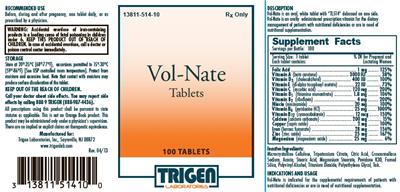
More circulation products
Members OnlyThe highest ranked for the same goal
Read more
Our articles on this subject
- What Supplements and Vitamins Should Not Be Taken TogetherArticle · Sep 7, 2026
- When Is the Best Time to Take Vitamins and Supplements?Article · Jun 15, 2026
Graded November 4, 2026 by the Reverse Age Lab evidence engine, from human studies, real reviews and our biohacker panel. How we grade. Is this medical advice? No. Rala organizes the published evidence; go over any change with your doctor, especially if you take meds.
Privacy policyConsumer health dataTermsDo Not Sell or Share My Personal InformationCookie settings