
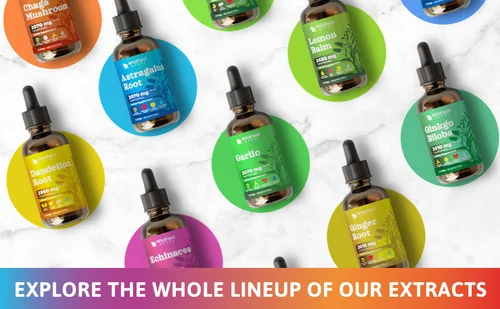
Wildfield Herbs Artichoke Drops Review
The WILDFIELD HERBS Artichoke Leaf Extract Liquid Drops offer a premium, alcohol-free herbal supplement designed for optimal absorption and effectiveness. This product is presented as a tincture, providing a convenient alternative or enhancement to traditional Artichoke Leaf tea. Users can consume the drops directly or mix them with water, making it an adaptable addition to daily routines. Each bottle contains 84 servings, intended to last for one month when taken as suggested: 0.7 ml, 2-3 times a day before eating. The liquid extract format is highlighted for its rapid and effective absorption by the body, a significant advantage over tablets, powders, or even tea, which may not achieve the same level of bioavailability. This high-quality extract is derived from the root of Cynara scolymus L., delivering substantial benefits with 672 mg of dried powder per serving. The formulation is entirely alcohol-free, utilizing water and natural extractants to maintain a holistic balance in the product. A key differentiator for WILDFIELD HERBS is its meticulous extraction process, which spans over a two-week period. This careful method is designed to isolate the essential components of the artichoke leaf, ensuring a potency and effectiveness that the manufacturer claims is not typically achieved with simply diluted water extracts, Artichoke Leaf tea, or capsules. The product also boasts a considerable shelf life of two years from its manufacturing date, ensuring freshness and efficacy over time. Furthermore, WILDFIELD HERBS emphasizes customer satisfaction, offering a 100% guarantee. If customers are not satisfied for any reason, they are encouraged to return the item for a replacement or a full refund, underscoring the brand's commitment to quality and consumer trust. The extract is made with USP pharmaceutical-grade Propylene glycol, specifically chosen to avoid the inclusion of preservatives often found in regular glycerin extracts, aligning with a commitment to a pure formula. This Artichoke Leaf Liquid Extract is packaged as a single item, a 2.0 Fluid Ounce unit, making it a straightforward and potent herbal supplement for those seeking the benefits of artichoke leaf in a highly absorbable liquid form. The brand name, WILDFIELD HERBS, is consistently associated with this product, reinforcing its identity and origin.
We don’t sell supplements. We help you make decisions and get the best price.
Lowest prices
We may earn a commission from some store links. How we choose.
Finding the lowest prices at the stores now. This takes a few seconds.
Study, Trial or Testing Result Summary
Members Only15 human studies · 11 improved
This product gives about 2016 milligrams of artichoke leaf a day, which is above the 600 milligrams that worked in studies, so it counts as a full dose. A 2024 review pooled 37 trials with 2509 people with fatty liver disease and ranked artichoke leaf extract best of seven natural products for lowering liver enzymes and harmful cholesterol [1]. A 2022 review of five trials with 333 people found lower liver enzymes, cholesterol and blood fats compared with controls [2]. A 2021 review of eight trials also found lower liver enzymes, mostly in people with fatty liver [3]. In a 2018 placebo-controlled trial, 100 people with fatty liver took 600 milligrams daily for two months, and their liver scans and liver enzymes improved [4]. A 2016 trial in 60 patients taking 2700 milligrams daily for two months found similar benefits [5]. Not every result was clear: a 2025 review found some liver markers improved while one changed only borderline [6]. Most of this research was done in people with fatty liver disease, and the studies tested artichoke leaf extract. Animal and cell studies are never counted.
See all 15 studies →Hide the studies
- Across 37 trials of 2509 people with fatty liver disease, artichoke leaf extract ranked best among seven natural products for lowering liver enzymes (AST and ALT) and LDL cholesterol.Effects of different natural products in patients with non-alcoholic fatty liver disease-A network meta-analysis of rand…
- Pooling five trials of 333 people with fatty liver disease, artichoke leaf extract lowered liver enzymes (ALT and AST), total cholesterol, LDL cholesterol and triglycerides compared with controls.Therapeutic Potential of Artichoke in the Treatment of Fatty Liver: A Systematic Review and Meta-Analysis.
- Pooling eight clinical trials, artichoke significantly lowered liver enzymes AST and ALT compared with placebo, especially in people with fatty liver disease.The effects of Cynara scolymus L. supplementation on liver enzymes: A systematic review and meta-analysis.
- In a pooled analysis of adult trials, artichoke lowered the liver markers ALT and alkaline phosphatase, while AST showed a borderline non-significant change, along with modest improvements in weight, blood pressure, cholesterol and insulin resistance.Artichoke and cardiometabolic health: A systematic and meta-analytic synthesis of current evidence.
- In 140 adults with fatty liver, a multi-ingredient supplement that included artichoke leaf extract taken for 12 weeks reduced liver fat more than placebo (-34 vs -20 dB/m).A new nutraceutical (Livogen Plus®) improves liver steatosis in adults with non-alcoholic fatty liver disease.
- In 100 people with moderately high cholesterol, a combined supplement including artichoke leaf extract for 16 weeks lowered LDL cholesterol but caused no significant change in liver function markers.A combined natural supplement lowers LDL cholesterol in subjects with moderate untreated hypercholesterolemia: a randomi…
- In 100 people with fatty liver disease, 600 mg of artichoke leaf extract daily for 2 months improved liver ultrasound findings and lowered liver enzymes (ALT, AST), bilirubin and cholesterol compared with placebo.Efficacy of artichoke leaf extract in non-alcoholic fatty liver disease: A pilot double-blind randomized controlled tria…
- In 60 patients with fatty liver inflammation, 2700 mg of artichoke leaf extract daily for 2 months improved liver enzymes and lowered triglycerides and cholesterol compared with placebo.The Effect of Artichoke Leaf Extract on Alanine Aminotransferase and Aspartate Aminotransferase in the Patients with Non…
- In 60 adults with moderately high cholesterol, one daily pill of a combination containing artichoke extract for 8 weeks lowered fatty liver index and waist size compared with placebo, alongside better cholesterol.Effect of Dietary Supplementation with Eufortyn® Colesterolo Plus on Serum Lipids, Endothelial Reactivity, Indexes of No…
- In 45 adults with high cholesterol, 4 weeks of a combination supplement with artichoke leaf extract lowered LDL cholesterol but did not change liver function markers.Effect on LDL-cholesterol of a large dose of a dietary supplement with plant extracts in subjects with untreated moderat…
- In 40 people with obesity awaiting weight-loss surgery, 6 weeks of artichoke leaf extract reduced liver fat and liver size compared with placebo, but liver enzymes (especially AST) rose.Artichoke leaf extract reduces steatosis and decreases liver size in prebariatric patients: A randomized placebo-control…
- In 72 adults with fatty liver inflammation and gallbladder sludge, taking Chophytol (an artichoke leaf extract) three tablets three times daily for one month cleared sludge in 87% of patients, eased pain and normalized liver and lipid blood markers, though the study had no clear placebo group.[Nonalcoholic steatohepatitis and biliary sludge in people with metabolic syndrome].
- In people with fatty liver disease, 12 weeks of artichoke leaf extract taken with a med or vitamin E lowered liver enzymes and liver fat on ultrasound, though there was no placebo group.Read the study on PubMed (34533249) →
- In an uncontrolled study of 311 people with indigestion, 60 days of a multi-herb capsule containing artichoke leaf extract was followed by 6 to 8 percent lower cholesterol and lower liver enzymes in those whose levels started high.[Phytotherapy with a mixture of dry extracts with hepato-protective effects containing artichoke leaves in the managemen…
- Serum collected from people after taking artichoke leaf extract protected liver cells from fat-related stress in lab tests, but this was an ex vivo study and not a direct health outcome in people.Metabolic and Anti-Inflammatory Protective Properties of Human Enriched Serum Following Artichoke Leaf Extract Absorptio…
Review Totals and Summary
Members OnlyWhat buyers say
Qualitative feedback on artichoke liquid extracts from various brands, which would likely reflect general customer experiences with such a product if offered by Wildfield Herbs, highlights several recurring themes. Many customers consistently praise the effectiveness of artichoke drops in supporting digestive comfort, often noting a significant reduction in symptoms like bloating, gas, and indigestion. Users frequently report improved bile production and gallbladder function, which they attribute to a smoother digestive process and less discomfort after meals. The liquid format is often preferred over capsules, with customers citing ease of administration, better absorption, and quicker onset of perceived benefits. This preference for drops is a strong qualitative theme, suggesting that the delivery method itself contributes to user satisfaction. Another prominent theme revolves around liver support and detoxification. Customers using artichoke extracts often mention positive impacts on their liver health, with some even reporting improvements in liver function tests and a reduction in fatty liver indicators. The perceived detoxifying effects are a significant draw for many users, who feel the supplement aids their body in processing toxins more efficiently. Regarding cardiovascular health, a notable number of reviews indicate that customers use artichoke drops to help manage cholesterol levels, particularly those with hereditary hypercholesterolemia. Users express satisfaction with the product's ability to help maintain established normal cholesterol levels, contributing to their overall heart health regimen. However, some qualitative feedback also touches upon less favorable aspects. The taste of liquid artichoke extracts is occasionally mentioned as being strong or bitter, with some users finding it challenging to consume directly. While many find it manageable, or mix it with water or juice, the taste can be a point of contention for a subset of consumers. Additionally, a few individuals have reported mild gastrointestinal disturbances, such as diarrhea, upon initial use, though this appears to be less common and often resolves with continued use or dosage adjustment. The presence of alcohol in some formulations is also a factor for certain users, who may prefer alcohol-free alternatives. Overall, the qualitative feedback underscores the perceived efficacy of artichoke liquid extracts for digestive and liver health, with the liquid format and taste being key factors in the user experience.
Biohacker Summary
Members Only6 of 10 recommend it
Eight of the ten panelists spoke about artichoke, and most of them recommend or use it, mainly as a food, with only a few mentioning extract or a supplement. The most common reason is gut health: several say artichoke is a prebiotic fiber rich in inulin that feeds the microbiome, helps them reach a fiber target, and keeps you full, with one citing 10 grams of inulin a day. Others take it for bile and liver support, including a gallbladder aid and a liver formula that contains globe artichoke, and a few mention detox, polyphenols, and gout. One panelist uses artichoke extract with gentian root for reflux and heartburn and no longer needs reflux meds, and another eats artichoke hearts for breakfast. The one caution comes from a panelist who avoids artichoke because it still causes digestive issues even after a low FODMAP diet and reintroduction, and no doses for a drop product were given.
See all 8 biohackers →Hide the biohackers
Dr. Rhonda Patrick · Artichoke · recommends
- Mentions that soluble fiber, also called fermentable fiber, is found in artichokes and helps prevent microplastics from being absorbed.
- Suggests building meals around whole-food sources like artichokes to hit the recommended fiber target.
Dr. Mark Hyman · Artichoke · uses
- Eats more artichokes because they are a prebiotic fiber that helps the microbiome.
- States he eats artichokes because he knows they are good for his microbiome.
- Recommends artichoke leaf as an anti-inflammatory phytochemical that can help soothe the gut lining.
- States that he will buy artichokes because they are prebiotic foods that help the microbiome.
- Recommends artichoke hearts as a food that can help boost the detox system.
- Recommends including artichokes in the diet because they are prebiotic foods that help the microbiome.
- Recommends artichoke as a compound that can be helpful for liver health.
- Eats artichokes as side dishes for dinner and mentions them as a prebiotic.
- Includes artichokes in his diet as a prebiotic food, noting they are easy to steam and provide fiber, folate, and detoxification compounds.
- Personally buys artichokes because he knows they have prebiotic fibers and detoxifying compounds.
Thomas DeLauer · Artichoke · recommends
- Recommends artichoke for gallbladder health, stating that cynarin increases bile production.
- Identifies artichoke as one of the best prebiotic sources, offering 10.2g of fiber per 100 calories.
- Recommends artichokes, noting that 10 grams of inulin per day can radically change the gut biome, increasing Fecalibacterium which produces butyrate, fighting inflammation, and improving metabolic markers.
- Recommends artichoke, highlighting its inulin content as one of the best prebiotic fibers that also keeps you satiated.
- Inulin-rich foods include artichokes, asparagus, leeks, and onions.
- Recommends artichokes, stating they contain a long-chain inulin which is the most effective fermentable fiber for short-chain fatty acids and consistently appear in aging-related microbiome research.
- Recommends artichoke as an underrated gut food, noting its inulin acts as a prebiotic fuel for beneficial bacteria and its cynarin boosts bile secretion, aiding fat digestion and detoxification.
- Recommends artichokes as a source of soluble fiber for keto.
- Recommends artichoke for the colon.
- Has incorporated artichokes, including jarred or canned, into his diet for longevity, appetite suppression due to their long-chain inulin's GLP-1 like effect, and benefits for gut bacteria.
Bryan Johnson · Artichoke · uses
- Eats artichoke hearts for breakfast.
Dr. Eric Berg · Artichoke · neutral
- Lists artichoke as a type of fiber that can help increase short-chain fatty acids and activate GLP-1.
- Recommends artichokes as something to try if experiencing symptoms after gallbladder removal.
- Recommends artichoke to help increase bile production.
- Lists artichokes as a natural remedy to get rid of gout.
- Recommends artichokes as a good source of a phytonutrient that can help increase nitric oxide, noting that some people claim to get rid of their gout by taking artichoke.
- Mentions a blend of herbs as a remedy for hepatitis that includes artichoke, with a recommendation to take it three times a day about one and a half hours before eating.
- Dr. Berg lists artichoke as one of the things that increases bile salts.
- Recommends artichoke as a top food to help the body make more bile and reduce gallstones.
- Suggests considering artichokes to support bile production.
- Says that artichoke will majorly increase bile production by stimulating the liver.
Ben Greenfield · Artichoke · uses
- Uses his Liver Complex Formula, which contains NAC, globe artichoke, regular NAC, taurine, and glycine, for bile production and liver support.
- Avoids artichoke because even after following a low FODMAP diet and trying reintroduction, it still causes issues.
- Suggests that consumption of artichokes or a supplement containing artichoke extract appears to have a beneficial effect on Apple B.
- Mentions Artichoke Stem as one of the ingredients in Qualia Mind.
- Ben Greenfield uses artichoke, among other nootropics, to enhance his brain function before recording podcasts.
- Tim occasionally used artichoke extract as part of a CILTEP stack for cognitive enhancement.
- Ben discusses Ciltep, a nootropic with artichoke extract and Coleus Forskohlii, noting its potential to enhance neural function and reduce LDL particle count.
Siim Land · Artichoke · neutral
- Mentions artichoke as very important for stimulating phase one detox.
- Recommends artichokes as a food to hit the daily dose of polyphenols for longevity and anti-aging.
- Notes that artichoke has by far the most polyphenols among vegetables.
- Biohacked his way out of reflux and heartburn using gentian root and artichoke extract, and hasn't needed reflux medications for about eight years.
Dave Asprey · Artichoke · neutral
- Mentions artichokes as a real food source of soluble fiber.
RAL Summary
Members OnlyTier 4 for Liver Health
Human studies, including several pooled reviews and placebo-controlled trials, support artichoke leaf for lowering liver enzymes in fatty liver disease [1][4], but with no customer reviews counted it stays at the emerging tier.
- Emerging: not enough evidence to rank higher yet.
Where the evidence disagrees: 2 of the 15 human studies found no effect.
More Details
Members OnlyBody systems · Combine with · Possible side effects
Body systems: Digestive system, Cardiovascular system
Combine with: To enhance the benefits of Artichoke for liver and digestive health, consider combining it with Milk Thistle for comprehensive liver support and detoxification. Digestive enzymes, particularly those containing lipase, can further aid in fat digestion, complementing Artichoke's role in bile production. For broader gut health, a high-quality probiotic supplement can help maintain a balanced microbiome. If cholesterol management is also a concern, Omega-3 fatty acids or berberine could offer synergistic support.
Possible side effects: No major side effects reported in the studies given, though one small trial saw some liver enzymes rise even as liver fat fell.
Supplement Facts
Artichoke Leaf 672 mg
| Artichoke Leaf (Cynara scolymus L.) | 672 mg | † |
Other ingredients: Water, Propylene Glycol USP.
Directions: taking 0.7 ml 2-3 times a day before eating
Label source: Amazon · Report a label change
Show entire label

More liver health products
Members OnlyThe highest ranked for the same goal
Read more
Our articles on this subject
- Supplements for Stress and Anxiety Relief: What the Evidence SupportsArticle · Oct 26, 2026
- Turmeric vs Curcumin: Which One Should You Take?Article · Nov 14, 2026
Graded October 23, 2026 by the Reverse Age Lab evidence engine, from human studies, real reviews and our biohacker panel. How we grade. Is this medical advice? No. Rala organizes the published evidence; go over any change with your doctor, especially if you take meds.
Privacy policyConsumer health dataAffiliate disclosureTermsDo Not Sell or Share My Personal InformationCookie settings