
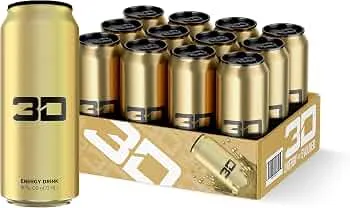
3D Energy Drinks 3D Energy Drink Pina Colada Review
3D Pina Colada is a 3D Energy drink listed on Energy Drink Ratings as a sugar-free energy drink with a pina colada flavour. The page lists 200mg of caffeine per can, which it describes as the most common dose in the category, matched exactly by 33% of drinks tracked. It also states the drink has 0g sugar and 15 calories. Against the catalog of 1,085 drinks the page tracks, it notes the drink is sugar-free, like 79% of the catalog, and has more calories than 69% of the drinks tracked. The page says the caffeine equals about 2 cups of coffee and is about half the FDA's 400 mg daily guideline for healthy adults, at roughly 12.5 mg per fluid ounce for a 16 fl oz can. The drink is sweetened with sucralose, acesulfame potassium and erythritol, according to the frequently asked questions. The key performance ingredients listed are caffeine at 200 mg, taurine, panax ginseng root extract, L-carnitine tartrate, niacinamide (vitamin B3), D-glucuronolactone, inositol, guarana seed extract, calcium D-pantothenate (vitamin B5), pyridoxine hydrochloride (vitamin B6), and cyanocobalamin (vitamin B12). The base and flavoring ingredients are carbonated water, citric acid, sodium citrate, erythritol, natural and artificial flavor, sucralose, sodium benzoate as a preservative, potassium sorbate as a preservative, acesulfame potassium, gum acacia, and sodium chloride. The page notes that the label has not yet been re-checked, and availability was last checked on Sep 7, 2026. A check prices link points to Amazon, and the site notes it earns from qualifying purchases as an Amazon Associate. The page offers options to favorite, mark as want to try or tried, compare, and log caffeine. No one has rated this drink yet, so the page shows no star average, no rating histogram and no written reviews. The page invites visitors to rate it first and claim the First Sip bonus of 15 points. Related drinks listed on the page include Reign Storm Guava Strawberry, FLRT Guava Lava, PRIME Peso Pluma and Storm Energy Tropical, along with other 3D Energy flavours such as 3D Sugar Free Cucumber Melon and 3D Watermelon Grape.
We don’t sell supplements. We help you make decisions and get the best price.
Lowest prices
Finding the lowest prices at the stores now. This takes a few seconds.
Study, Trial or Testing Result Summary
Members Only155 human studies · 71 improved
25 of these 155 human studies gave the ingredient by drip or injection, not by mouth.
The research we have covers only the vitamins and minerals on this drink's label, not its main energy ingredients such as caffeine, which were not reviewed. Vitamin D eased tiredness mainly in people low in it [1], and a very large trial found no change in energy [2]. The amount in this drink is not stated. Iron reduced tiredness in people low in iron [3], but the benefit disappeared when people with normal iron were included [4]. The amount here is also not stated. Calcium is present at only 2 mg, a trace compared with studied doses, and the evidence for energy is weak [5]. Vitamin B6 is at 2.4 mg, well below the 50 mg that helped tiredness in one trial [6]. Larger trials of blends with B6 found no benefit [7]. Niacin-type compounds did not improve tiredness in a large review [8]. Vitamin B12 did not boost energy in people who were not deficient [9]. Pantothenic acid did not improve exercise output in small trials [10]. Potassium findings were mixed, and one diet trial linked high potassium with more fatigue [11]. Animal and cell studies are never counted.
See all 155 studies →Hide the studies
- A review of 32 studies of phone apps for osteoporosis self-management found no clear effect on fatigue or on calcium intake; this was not a test of calcium supplements.Digital Health Technologies for Long-term Self-management of Osteoporosis: Systematic Review and Meta-analysis.
- Across 16 trials with 6276 people, B12 with or without folic acid and B6 did not improve thinking or depression, and only one trial looked at fatigue so it could not be analyzed.Effects of Vitamin B12 Supplementation on Cognitive Function, Depressive Symptoms, and Fatigue: A Systematic Review, Met…
- Across 33 trials of 4558 women with anaemia after childbirth, intravenous iron probably reduced fatigue slightly within 8 to 28 days compared with oral iron, though most evidence was low or very low certainty.Treatment for women with postpartum iron deficiency anaemia.
- In 20 trials of 4196 women with anaemia after childbirth, intravenous iron reduced fatigue more than oral iron, and also raised haemoglobin and ferritin, with low to moderate quality evidence.Intravenous iron versus blood transfusion for postpartum anemia: a systematic review and meta-analysis.
- In 21 trials of 3177 adults with lupus, vitamin D lowered disease activity scores compared with placebo; twelve studies reported benefits including less fatigue, while nine found no significant effect.A Systematic Review and Meta-Analysis of the Effects of Vitamin D on Systemic Lupus Erythematosus.
- Across 27 studies of 1,599 adults, NAD+ precursors did not improve perceived fatigue or sleep, but nicotinamide mononucleotide improved endurance and NADH improved cognitive performance.Domain-specific effects of NAD+ precursors on fatigue and functional performance: a systematic review and network meta-a…
- In 18 studies of 1408 children, teens and menstruating adults without anaemia, iron supplementation reduced fatigue and improved anxiety, well-being and memory in placebo-controlled trials, but the effects were absent when people without iron deficiency were included.Psychiatric and cognitive outcomes of iron supplementation in non-anemic children, adolescents, and menstruating adults:…
- In 18 trials of 1170 iron-deficient adults without anaemia, iron reduced self-reported fatigue but did not improve measured physical capacity such as oxygen uptake.Efficacy of iron supplementation on fatigue and physical capacity in non-anaemic iron-deficient adults: a systematic rev…
- In 11 trials of 1074 adults with iron deficiency but no anaemia, intravenous iron slightly raised haemoglobin, but the evidence for fatigue and oxygen uptake was very low quality and too uncertain to show benefit.Intravenous iron therapy for non-anaemic, iron-deficient adults.
- In five trials of 345 people with multiple sclerosis, vitamin D reduced fatigue slightly more than control.Effect of Vitamin D Supplementation on Fatigue in Multiple Sclerosis: A Systematic Review and Meta-Analysis.
- In four placebo-controlled trials of people with iron deficiency anaemia, intravenous ferumoxytol improved fatigue scores and haemoglobin without raising adverse events.The Efficacy of Ferumoxytol for Iron Deficiency Anemia: A Meta-Analysis of Randomized Controlled Trials.
- In 10 trials of 489 people, NADH was well tolerated and linked to better quality of life, less anxiety and lower heart rate after stress, but fatigue results were not clearly shown.Evaluation of safety and effectiveness of NAD in different clinical conditions: a systematic review.
- In a review of ten studies of 240 children and young people with rheumatic conditions, a placebo-controlled vitamin D study showed less fatigue, but overall evidence for reducing fatigue was insufficient and most studies had high risk of bias.Reducing fatigue in pediatric rheumatic conditions: a systematic review.
- In a review of 13 small trials with 85 people with McArdle disease, vitamin B6 gave no benefit for exercise performance.Pharmacological and nutritional treatment for McArdle disease (Glycogen Storage Disease type V).
- In a review of four lupus trials, three found vitamin D reduced disease activity and improved inflammatory markers, fatigue and blood vessel function, while one found no improvement in disease activity.Effect of vitamin D supplementation on patients with systemic lupus erythematosus: a systematic review.
- In a review of six studies in people with multiple sclerosis, most found vitamin D improved mental health and quality of life, with fatigue assessed only as an additional outcome.Vitamin D Supplementation and Mental Health in Multiple Sclerosis Patients: A Systematic Review.
- In a review of 14 diet trials in lupus, vitamin D improved inflammatory markers but not disease activity in most studies, and fatigue improvement was reported only for a low glycaemic index diet.Diet and Systemic Lupus Erythematosus (SLE): From Supplementation to Intervention.
- In a review of five studies of cancer patients receiving chemotherapy or radiotherapy, vitamin D was described as safe and as easing side effects including fatigue, though the studies were too varied to compare.A Systematic Review of Vitamin D Supplementation in Oncology: Chance of Science or Effectiveness?
- In a review of 24 studies of supplements in wrestlers, iron supplementation improved recovery and may improve exercise performance, though effects were often small and results mixed across supplements.Evidence-Based Supplementation Strategies for Wrestlers: A Systematic Review.
- A review of 14 reviews found oral niacin and nicotinamide can cause side effects including fatigue, stomach upset, flushing and liver problems, more often at higher doses and with niacin than nicotinamide.The adverse effects of oral niacin/nicotinamide - an overview of reviews.
- In 34,157 postmenopausal women given 400 IU vitamin D plus 1000 mg calcium daily or placebo for about 5.7 years, energy and fatigue did not differ between groups.Calcium and vitamin D supplementation do not influence menopause-related symptoms: Results of the Women's Health Initiat…
- In 2501 heart disease or stroke survivors given low-dose B vitamins including 3 mg B6 for about 3 years, quality of life was not improved, and activity limits due to emotional problems were slightly worse.B vitamin and/or n-3 fatty acid supplementation and health-related quality of life: ancillary findings from the SU.FOL.O…
- In 812 adults with iron deficiency anaemia who could not use oral iron, intravenous ferumoxytol over 5 weeks improved fatigue scores more than placebo, and 81.1% reached the haemoglobin target versus 5.5% on placebo.Efficacy and safety of IV ferumoxytol for adults with iron deficiency anemia previously unresponsive to or unable to tol…
- In 697 adults with mild high blood pressure, a low-sodium, high-potassium diet with placebo for 6 months was linked to more fatigue (34%) than the usual diet (18%) or a weight loss diet (15%).Effect of antihypertensives on sexual function and quality of life: the TAIM Study.
- In adults aged 70 and older with low vitamin D and high fall risk, taking 1,000 IU or more of vitamin D3 daily for up to 24 months did not reduce frailty, including exhaustion, compared with 200 IU daily.The effects of vitamin D supplementation on frailty in older adults at risk for falls.
- In 405 non-anemic blood donors with low iron stores, a single 800 mg iron infusion raised ferritin and hemoglobin but did not change fatigue scores compared with placebo at 6 to 8 weeks.The effects of intravenous iron supplementation on fatigue and general health in non-anemic blood donors with iron defic…
- In 399 anemic patients after a long intensive care stay, hepcidin-guided intravenous iron (1 g) did not shorten later hospital stay and the abstract reports no fatigue result, though 90-day deaths were lower (8% vs 16.6%).Impact of treating iron deficiency, diagnosed according to hepcidin quantification, on outcomes after a prolonged ICU st…
- In an open-label randomized trial of 338 adults with iron deficiency anemia, high-dose intravenous iron raised hemoglobin faster than oral iron and improved fatigue scores more by 4 weeks, with similar side effect rates.[Comparison of the efficacy and safety between high-dose intravenous iron and oral iron in treating iron deficiency anem…
- In 322 healthy adults given high-dose monthly vitamin D3 or placebo for 18 months, reported earthquake-related problems, including fatigue, did not differ between groups.Effect of monthly vitamin D3 supplementation in healthy adults on adverse effects of earthquakes: randomised controlled …
- In 304 iron-deficient heart failure patients, intravenous iron for 52 weeks improved walking distance by 33 m at 24 weeks and improved fatigue score and quality of life compared with placebo.Beneficial effects of long-term intravenous iron therapy with ferric carboxymaltose in patients with symptomatic heart f…
- In 290 fatigued, iron-deficient women, a single 1000 mg iron infusion reduced fatigue in 65.3% versus 52.7% with placebo at 8 weeks, and improved mental quality of life and cognitive function.Evaluation of a single dose of ferric carboxymaltose in fatigued, iron-deficient women--PREFER a randomized, placebo-con…
- In people with mild COVID-19 taking a 10-day multi-drug regimen that included vitamin D3, adding famotidine led to less fatigue at day 14, while the regimen without famotidine did not show this benefit.Read the study on PubMed (41693032) →
- In 227 breast cancer survivors over 12 months of a program combining a Mediterranean diet, exercise and vitamin D, fatigue fell significantly, but the program was not tested with vitamin D alone and the dose was not reported.Quality of Life in Women Diagnosed with Breast Cancer after a 12-Month Treatment of Lifestyle Modifications.
- In 202 dialysis patients given a multinutrient mix including niacin for 12 weeks, fatigue and quality of life did not differ from placebo, though heart rate variability and a herpes virus marker improved.Effects of nutritional supplementation on fatigue, and autonomic and immune dysfunction in patients with end-stage renal…
- In 198 nonanemic menstruating women with low ferritin and fatigue, 80 milligrams of elemental iron daily for 12 weeks reduced fatigue more than placebo, though quality of life did not change.Effect of iron supplementation on fatigue in nonanemic menstruating women with low ferritin: a randomized controlled tri…
- In 192 vitamin D-deficient premenopausal women given vitamin D or placebo for 12 months, vitality scores and mental component scores were slightly but significantly better with vitamin D, while heart and metabolic risk factors did not change.Effect of vitamin D supplementation on cardiometabolic risks and health-related quality of life among urban premenopausa…
- In 176 iron-deficient blood donors, intravenous or oral iron over 8 to 12 weeks significantly reduced fatigue and improved sleep, with no difference between the two forms.The Effect of Parenteral or Oral Iron Supplementation on Fatigue, Sleep, Quality of Life and Restless Legs Syndrome in I…
- In 171 adults with mild insomnia, a blend including vitamin B6 for 2 weeks did not differ from placebo on sleep or physical fatigue, as both groups improved similarly.Exploring the Effect of Lactium™ and Zizyphus Complex on Sleep Quality: A Double-Blind, Randomized Placebo-Controlled Tr…
- In 160 women with breast cancer taking letterozole, 30,000 IU of vitamin D3 weekly for 24 weeks did not significantly reduce joint symptom worsening on the main measure (37% vs 51%), and the abstract does not report a fatigue result.Randomized trial of vitamin D3 to prevent worsening of musculoskeletal symptoms in women with breast cancer receiving ad…
- In 160 heart disease patients over about 38 months, niacin plus a med caused fatigue, nausea or muscle aches in 9% versus 5% on placebo, not a significant difference.Read the study on PubMed (14759379) →
- In 158 people with multiple sclerosis and significant fatigue, 1 mcg of alfacalcidol daily for six months reduced fatigue scores more than placebo (41.6% vs 27.4% decrease).Effect of Alfacalcidol on multiple sclerosis-related fatigue: A randomized, double-blind placebo-controlled study.
- In men aged 70 and older with low testosterone and mobility problems, a combined program of strength training, testosterone, and vitamin D, calcium and protein supplements for 20 weeks reduced tiredness compared with no intervention, though the vitamin D effect could not be separated from the other parts of the program.Beneficial effects of exercise, testosterone, vitamin D, calcium and protein in older men-A randomized clinical trial.
- In 148 frail men aged 70 and older with low testosterone, over one year, only the group receiving testosterone plus strength training (which also took vitamin D, calcium and protein supplements) reported less fatigue than controls; vitamin D was not tested on its own.Testosterone and resistance training improved physical performance and reduced fatigue in frail older men: 1 year follow…
- In a double-blind placebo-controlled trial of 144 non-anemic women with unexplained fatigue, 80 mg daily of oral iron for 4 weeks reduced fatigue more than placebo, with the benefit seen mainly in women with low or borderline ferritin.Iron supplementation for unexplained fatigue in non-anaemic women: double blind randomised placebo controlled trial.
- In a placebo-controlled trial of 130 vitamin D-deficient young women with premenstrual syndrome, 2,000 IU vitamin D every other day for 12 weeks did not reduce fatigue more than placebo, although fatigue fell within the vitamin D group.The Effect of Vitamin D Supplement Consumption on Premenstrual Syndrome in Vitamin D-Deficient Young Girls: A Randomized…
- In 120 people with fatigue and low vitamin D, a single 100,000-unit oral dose of vitamin D3 reduced fatigue more than placebo over 4 weeks, with 72% of the vitamin D group reporting improved fatigue versus 50% on placebo.Effect of vitamin D3 on self-perceived fatigue: A double-blind randomized placebo-controlled trial.
- In 112 women with postpartum anemia taking 600 mg daily of ferrous fumarate for 4 weeks, adding folic acid did not change fatigue scores or health status compared with iron alone.A randomized controlled trial examining the addition of folic acid to iron supplementation in the treatment of postpartu…
- In 110 premenopausal women with iron-deficiency anemia from fibroids, both groups took 325 mg iron three times daily for 12 weeks, and adding a goserelin injection raised blood hemoglobin more than a sham injection did; the abstract does not test iron alone against no iron and reports no energy or fatigue result.Goserelin acetate 10.8 mg plus iron versus iron monotherapy prior to surgery in premenopausal women with iron-deficiency…
- In 100 pregnant women with iron deficiency anemia over 12 weeks, intravenous ferric carboxymaltose gave greater fatigue improvement than iron sucrose and needed fewer visits.Comparison of ferric Carboxymaltose and iron sucrose complex for treatment of iron deficiency anemia in pregnancy- rando…
- In 97 people with inflammatory bowel disease and iron deficiency anemia, fatigue scores improved over 5 weeks after intravenous iron with both products, but improvement was slower and smaller with ferric carboxymaltose.Hypophosphataemia following ferric derisomaltose and ferric carboxymaltose in patients with iron deficiency anaemia due …
- In 97 people with inflammatory bowel disease and iron deficiency anemia, intravenous iron over about 10 weeks improved vitality scores, a measure of energy, with larger gains after ferric derisomaltose than ferric carboxymaltose.Hypophosphatemia attenuates improvements in vitality after intravenous iron treatment in patients with inflammatory bowe…
- In adults with moderate kidney disease, 8,000 IU of vitamin D a day for 12 weeks did not change fatigue compared with placebo.High doses of cholecalciferol alleviate the progression of hyperparathyroidism in patients with CKD Stages 3-4: results …
- In 94 adults, a 4-week high-calcium diet was compared with a DASH-type diet and the abstract reports mood benefits only for the low-sodium, high-potassium diet, not for the high-calcium diet.Dietary electrolytes are related to mood.
- In 91 people with chronic fatigue syndrome after COVID-19 or vaccination and low vitamin D, a 12-week program of 25 mcg daily vitamin D with diet, sun, and exercise guidance reduced symptom counts more than vitamin D alone, with 16 participants no longer meeting diagnostic criteria versus 1 in the control group.Vitamin D in Myalgic Encephalomyelitis/Chronic Fatigue Syndrome After COVID-19 or Vaccination: A Randomized Controlled T…
- In 90 premenopausal women with fatigue and low ferritin, one 800 mg intravenous iron dose cut fatigue more than placebo only in women with ferritin of 15 or lower, where 82% of iron-treated women reported improvement; the overall difference was not significant.Intravenous iron for the treatment of fatigue in nonanemic, premenopausal women with low serum ferritin concentration.
- In 88 adults with drug-resistant epilepsy and low vitamin D, a placebo-controlled 3-month period showed no fatigue or seizure benefit from vitamin D3, but over a longer open-label period fatigue and quality of life scores improved significantly.Vitamin D deficiency and effect of treatment on seizure frequency and quality of life parameters in patients with drug-r…
- In 86 people with mental fatigue, a single dose of homeopathic potassium phosphate taken before an attention test did not work better than placebo, though the test's ceiling effect limits the result.Homeopathy for mental fatigue: lessons from a randomized, triple blind, placebo-controlled cross-over clinical trial.
- In 85 female blood donors, one 1000 mg intravenous iron isomaltoside dose raised hemoglobin more than placebo, but fatigue differences were only numerical and the trial was not powered for symptoms.Intravenous iron isomaltoside improves hemoglobin concentration and iron stores in female iron-deficient blood donors: a…
- In 80 adults with fatigue or neuropsychiatric symptoms after COVID-19, 60,000 IU of vitamin D given weekly for 8 weeks reduced fatigue more than placebo, along with some anxiety and cognitive test gains.Effects of an 8-week high-dose vitamin D supplementation on fatigue and neuropsychiatric manifestations in post-COVID sy…
- In 75 African American adults with type 2 diabetes, taking 4000 IU of vitamin D3 daily for one year did not improve fatigue, mood, or walking ability compared with 600 IU daily.The effect of vitamin D supplementation on mental and functional health outcomes in African Americans with type 2 diabet…
- In 68 people with multiple sclerosis, 20,000 IU of vitamin D3 weekly for 96 weeks produced no significant difference in fatigue compared with placebo.Effect of vitamin D3 supplementation on relapses, disease progression, and measures of function in persons with multiple…
- In 65 people with chronic fatigue syndrome, a daily combination with 1.05 mg B6, beta-glucan, vitamin D3 and zinc for 36 weeks improved cognitive fatigue compared with their own baseline.Yeast Beta-Glucan Supplementation with Multivitamins Attenuates Cognitive Impairments in Individuals with Myalgic Enceph…
- In 63 women with premenstrual symptoms (32 completed), 50 mg of vitamin B6 daily for 3 months in a crossover design improved emotional symptoms including depression, irritability and tiredness compared with placebo.Pyridoxine (vitamin B6) and the premenstrual syndrome: a randomized crossover trial.
- In 58 people with long-COVID, 2000 mg of nicotinamide riboside daily raised blood NAD+ about 3-fold but did not significantly improve fatigue, cognition, or sleep versus placebo.Effects of nicotinamide riboside on NAD+ levels, cognition, and symptom recovery in long-COVID: a randomized controlled …
- In 54 cancer patients with hand-foot skin reactions from chemotherapy, topical pyridoxine for 6 weeks did not improve the skin reaction grade, but patients reported lower fatigue, better physical function and better quality of life than the placebo group.A pilot randomized double-blind, placebo-controlled study on the effects of the topical application of pyridoxine on pal…
- In 53 female athletes with low iron stores, 20 mg iron plus a probiotic raised ferritin more than iron alone but not significantly, and increased vigor at 12 weeks, with no clear effect on physical performance.The Effect of Lactobacillus plantarum 299v on Iron Status and Physical Performance in Female Iron-Deficient Athletes: A …
- In 50 people with chronic fatigue syndrome, high-dose vitamin D3 given every 2 months for 6 months did not improve fatigue scores compared with placebo.Effect of intermittent vitamin D3 on vascular function and symptoms in chronic fatigue syndrome--a randomised controlled…
- In 50 people recovering from COVID-19, one month of 1-methylnicotinamide improved 6-minute walk distance in 92% versus 60% without it, and severe fatigue was 20% versus 56%.Use of 1-MNA to Improve Exercise Tolerance and Fatigue in Patients after COVID-19.
- In 46 active men, 2000 IU of vitamin D3 daily for 12 weeks lowered fatigue index scores and improved aerobic capacity and power compared with placebo.Effects of vitamin D3 supplementation for 12 weeks on serum levels of anabolic hormones, anaerobic power, and aerobic pe…
- In 45 people with COPD and weight loss, 12 weeks of a nutrition drink containing 10 mcg vitamin D3 and omega-3 fatty acids reduced exercise-induced fatigue more than an isocaloric comparator drink.Targeted medical nutrition for cachexia in chronic obstructive pulmonary disease: a randomized, controlled trial.
- In 44 children with sickle cell disease or who were healthy, daily vitamin D3 at 4,000 or 7,000 IU for 12 weeks significantly reduced fatigue and improved physical performance.Vitamin D Supplementation Improves Health-Related Quality of Life and Physical Performance in Children with Sickle Cell …
- In 43 adults with sleep complaints, a blend containing a small amount of vitamin B3 taken with the evening meal for 14 days shortened sleep onset time and improved next-morning mood and vigor, but had no effect on cognitive performance.Mulberry leaf extract combined with tryptophan improves sleep and post wake mood in adults with sleep complaints - A ran…
- In 42 healthy adults aged 40-76, a glycine, glutamine and niacin mixture taken for 3 weeks raised growth hormone by about 70% compared with placebo, but did not change IGF-I, mood or memory.Effects of an oral mixture containing glycine, glutamine and niacin on memory, GH and IGF-I secretion in middle-aged and…
- In 41 trained cyclists, 4 weeks of a combination supplement including 2.5 mcg B12 did not improve aerobic or anaerobic performance or fatigue measures compared with placebo, though blood lactate was lower after hard exercise.l-Carnitine and Alpha-Lipoic Acid Fail to Improve Anaerobic and Aerobic Performance in Trained Cyclists Despite a Reduct…
- In teenagers and young adults with lupus, 50,000 IU of vitamin D once a week for 24 weeks reduced fatigue related to social life compared with placebo.Vitamin D Supplementation in Adolescents and Young Adults With Juvenile Systemic Lupus Erythematosus for Improvement in …
- In a cluster randomized trial of 40 nursing home residents over 65, being encouraged to spend 20-30 minutes outdoors daily for two months in summer improved self-perceived mental health and vitality compared with before the summer, while the control group showed no change.Sunlight Exposure and Vitamin D Levels in Older People- An Intervention Study in Swedish Nursing Homes.
- In healthy older adults, a 12-week multi-ingredient supplement that included vitamin D did not change muscle fatigue measures compared with placebo, though it improved muscle strength and power.Effects of 12 Weeks of Essential Amino Acids (EAA)-Based Multi-Ingredient Nutritional Supplementation on Muscle Mass, Mu…
- In 32 Gulf War veterans with illness, a 4-6 week program of exercise, sauna and nicotinic acid plus other supplements improved physical quality of life by 6.9 points versus waitlist, and 11 of 16 quality of life, pain and fatigue measures improved.A Detoxification Intervention for Gulf War Illness: A Pilot Randomized Controlled Trial.
- In 30 women with gynecological disease and anemia before surgery, 100 mg daily iron for at least 10 days raised hemoglobin but did not significantly reduce fatigue; adding Ninjin'yoeito reduced fatigue.Safety and efficacy of Ninjin'yoeito along with iron supplementation therapy for preoperative anemia, fatigue, and anxie…
- In 30 young women with premenstrual syndrome, both groups took vitamin B6 and calcium for 3 months; the group that also did treadmill exercise improved fatigue and other symptoms, so the effect is from exercise rather than vitamin B6.Effect of aerobic exercise on premenstrual symptoms, haematological and hormonal parameters in young women.
- In 26 recreationally active women with iron deficiency but no anemia, one intravenous iron treatment compared with placebo improved fatigue scores at 4 weeks.Effect of intravenous iron therapy on exercise performance, fatigue scores and mood states in iron-deficient recreationa…
- In 25 healthy active adults, a single dose of a pre-workout blend containing 60 mg niacin raised reported vigor and energy and improved cognitive scores compared with placebo, with no gain in lifting or sprint performance.Effects of acute ingestion of a pre-workout dietary supplement with and without p-synephrine on resting energy expenditu…
- In a double-blind crossover trial of 25 resistance-trained adults, 7 days of a pre-workout drink containing 65 mg niacin (plus caffeine and other ingredients) improved some lower-body strength and endurance measures compared with placebo, but not cycling time-trial performance, with no differences in side effects.Short-Term Effects of a Ready-to-Drink Pre-Workout Beverage on Exercise Performance and Recovery.
- In 25 untrained men, a single 1000 mg dose of niacin before cycling raised the respiratory exchange ratio and shortened time to exhaustion compared with caffeine, suggesting impaired exercise performance.Niacin supplementation impairs exercise performance.
- In 24 adults with low parathyroid function, one month each of calcium citrate and calcium carbonate showed no difference in quality of life scores; the abstract does not report a fatigue difference.Calcium Citrate Versus Calcium Carbonate in the Management of Chronic Hypoparathyroidism: A Randomized, Double-Blind, Cr…
- In 21 untrained men, a caffeine supplement containing 40 mg of niacin taken once did not improve bench press strength, leg extension strength, or time to exhaustion on a bike compared with placebo.Acute effects of a caffeine-containing supplement on bench press and leg extension strength and time to exhaustion durin…
- In 20 iron-depleted women without anemia, 6 weeks of iron supplements, compared with placebo, reduced muscle fatigue during repeated knee-extension exercise and raised muscle strength later in the test.Iron supplementation improves progressive fatigue resistance during dynamic knee extensor exercise in iron-depleted, non…
- In 20 active women with low iron stores, 100 mg of daily iron for 8 weeks raised maximal oxygen uptake above the placebo group and lowered blood lactate after exercise, though the rise in endurance time was not statistically significant.Effects of iron repletion on VO2max, endurance, and blood lactate in women.
- In 20 singers with mild vocal symptoms, a single 1000 mcg B12 injection did not improve voice fatigue or singing measures more than a placebo injection.Effect of Vitamin B12 Injection on the Vocal Performance of Professional Singers: A Randomized, Double-blind, Placebo-Co…
- In 19 adults with sleep apnea, 4,000 IU of vitamin D3 daily for 15 weeks did not change sleepiness, fatigue, or thinking tests compared with placebo, though it lowered some blood inflammation markers.Vitamin D Improves Selected Metabolic Parameters but Not Neuropsychological or Quality of Life Indices in OSA: A Pilot S…
- In 18 trained adults, three days of hydrogen-rich calcium powder lowered breathing rate and blood pH during exercise but did not change oxygen uptake compared with placebo.Application of Molecular Hydrogen as an Antioxidant in Responses to Ventilatory and Ergogenic Adjustments during Increme…
- In 18 iron-depleted female runners, 8 weeks of oral iron raised iron stores but did not improve endurance time to exhaustion compared with placebo.Effect of iron supplementation on endurance capacity in iron-depleted female runners.
- In a placebo-controlled trial of 16 iron-depleted female athletes, intramuscular iron injections raised serum ferritin but did not improve submaximal or maximal aerobic exercise performance compared with placebo over about 4 weeks.Effect of iron injections on aerobic-exercise performance of iron-depleted female athletes.
- In 15 iron-deficient elite runners, a single 500 milligram intravenous iron injection improved iron levels for 4 weeks but did not improve time to exhaustion compared with placebo.Effect of Intravenous Iron on Aerobic Capacity and Iron Metabolism in Elite Athletes.
- In 15 people with chronic fatigue syndrome, injections of liver extract with folic acid and B12 worked no better than placebo, which had a strong response.Liver extract-folic acid-cyanocobalamin vs placebo for chronic fatigue syndrome.
- In a placebo-controlled trial of 14 distance runners without clinical iron deficiency, three 100 mg intravenous iron injections over 4 weeks reduced perceived fatigue and mood disturbance by week 6, without improving running performance.Four weeks of IV iron supplementation reduces perceived fatigue and mood disturbance in distance runners.
- In eight men doing calf contractions to exhaustion, calcium carbonate used as the control had no effect on time to fatigue, which was similar to the acid and alkaline trials, showing that changing muscle pH did not alter fatigue.The effect of pH on fatigue during submaximal isometric contractions of the human calf muscle.
- In eight men, a glucose drink lowered blood potassium during and after intense cycling, but it did not delay fatigue compared with placebo.A single oral glucose load decreases arterial plasma [K+ ] during exercise and recovery.
- In 8 healthy young men, one week of 1.5 grams each of pantothenic acid and cysteine daily did not change muscle coenzyme A, fuel use during exercise, or work output compared with placebo.Acute pantothenic acid and cysteine supplementation does not affect muscle coenzyme A content, fuel selection, or exerci…
- In 7 well-trained runners, drinking a prescribed volume of a potassium-containing carbohydrate-electrolyte drink during 4 hours of recovery from a long run let them keep running about 16% longer later than drinking as much as they wanted.Influence of fluid intake pattern on short-term recovery from prolonged, submaximal running and subsequent exercise capa…
- In 7 well-trained male cyclists, a multinutrient supplement containing pyridoxine-alpha-ketoglutarate for 3 weeks did not extend time to exhaustion during cycling or speed recovery compared with placebo.Tricarboxylic-acid-cycle intermediates and cycle endurance capacity.
- In young women with premenstrual syndrome, 500 mg of calcium carbonate twice daily for 3 months reduced early tiredness compared with placebo.Effects of calcium supplement therapy in women with premenstrual syndrome.
- In a randomized trial of pregnant people in their second trimester with iron deficiency anemia, a 27 mg iron tablet over 4 weeks raised hemoglobin as much as 100 mg ferrous ascorbate, improved dizziness, fatigue and palpitations more, and caused no side effects.Efficacy and safety of emulsified microsomal ferric pyrophosphate vs. Ferrous Ascorbate in pregnancy with iron-deficienc…
- In a placebo-controlled crossover pilot in healthy middle-aged adults, 7 days of RiaGev (1520 mg twice daily) raised blood NAD+ metabolites and reduced fatigue and improved concentration and motivation compared with baseline, with no clinically relevant side effects.A Combination of Nicotinamide and D-Ribose (RiaGev) Is Safe and Effective to Increase NAD+ Metabolome in Healthy Middle-…
- In an open-label quasi-randomized trial of 1066 women with postpartum anemia, the herbal formula Ninjin'yoeito reduced fatigue over 4 weeks, while oral iron did not, although both raised hemoglobin by similar amounts.A quasi-randomized controlled trial of Ninjin'yoeito for the treatment of postpartum anemia and the prevention of postpa…
- In active duty soldiers, a 90-day vitamin D3 supplement improved self-reported fatigue and sleep scores compared with a no-treatment control group.A Prospective Cohort Study of Vitamin D Supplementation in AD Soldiers: Preliminary Findings.
- In 134 patients after cerebral aneurysm embolization, adding glycerol fructose to routine vitamin B6 gave better neurological fatigue scores than B6 alone, so the benefit is from glycerol fructose rather than B6.Glycerol fructose combined with vitamin B6 is beneficial to postoperative recovery of patients with cerebral aneurysm.
- In 70 diabetic fatty liver patients, 1000 mg of nicotinamide daily for 12 weeks improved quality of life including the activity and fatigue scores versus no supplement, in an open-label trial.Nicotinamide supplementation in diabetic nonalcoholic fatty liver disease patients: randomized controlled trial.
- In 14 trained male cyclists, 6 grams of pantothenic acid daily for 16 weeks did not change muscle coenzyme A levels or cycling performance compared with the control group.Chronic pantothenic acid supplementation does not affect muscle coenzyme A content or cycling performance.
- In 12 healthy volunteers breathing low-oxygen air, one intravenous iron sucrose dose or saline placebo before 8 hours of low oxygen did not change maximal exercise capacity overall.Hypoxic pulmonary vasoconstriction does not limit maximal exercise capacity in healthy volunteers breathing 12% oxygen a…
- In 11 male runners, 4 days of calcium phosphate loading did not improve maximal aerobic capacity or time to exhaustion compared with placebo.Phosphate supplementation, cardiovascular function, and exercise performance in humans.
- In patients with muscle symptoms from meds and low vitamin D, six months of vitamin D replacement raised blood vitamin D levels and reduced pain by 63% compared with untreated controls, with better quality of life, but energy and fatigue were not directly measured.Read the study on PubMed (36346279) →
- In a Sri Lankan tea plantation, anemic workers given iron picked significantly more tea over one month than those given placebo, and their daily activity levels also rose.Iron-deficiency anaemia and its effect on worker productivity and activity patterns.
- In 201 pregnant women with persistent iron deficiency, a single 1000 mg intravenous iron dose improved fatigue more than daily oral iron at weeks 3 and 6, and the women stayed non-anemic for longer.Intravenous ferric derisomaltose versus oral iron for persistent iron deficient pregnant women: a randomised controlled …
- In 88 women newly diagnosed with breast cancer, 9 weeks of weekly vitamin D3 plus omega-3 lowered fatigue scores and reduced inflammation markers, but vitamin D alone did not produce significant changes.The effects of Omega-3 fatty acids and vitamin D supplementation on the quality of life and blood inflammation markers i…
- In 85 women with severe fatigue after postpartum hemorrhage, a single 1200 milligram intravenous iron isomaltoside dose reduced physical fatigue more than oral iron over 12 weeks.Intravenous iron isomaltoside treatment of women suffering from severe fatigue after postpartum hemorrhage.
- In a single-arm study of 78 pregnant people with iron deficiency anemia, one 1000 mg intravenous dose of ferric derisomaltose raised mean hemoglobin by 1.3 g/dL by delivery and improved self-reported fatigue, with no major infusion reactions.Efficacy of Single-Dose Intravenous Ferric Derisomaltose for Iron Deficiency Anemia in Pregnancy.
- In 28 patients with advanced lung cancer and low performance status, a multidrug regimen that included vitamin D was followed by improved fatigue and other general symptoms in most patients; there was no control group.Somatostatin, retinoids, melatonin, vitamin D, bromocriptine, and cyclophosphamide in advanced non-small-cell lung cance…
- In an uncontrolled pilot study of 23 young women with iron deficiency anemia, 160 mg daily of ferrous sulfate for 8 weeks lowered fatigue scores and improved muscle endurance, but did not improve aerobic fitness or muscle strength.Efficacy of 8-week oral iron supplementation on fatigue and physical capacity in young women with iron deficiency anemia…
- In 20 adolescent girls with iron deficiency and fatigue, intravenous iron sucrose led to clinically meaningful fatigue improvement in 19 of 20 at 6 weeks, with no control group.Intravenous iron therapy in non-anemic iron-deficient menstruating adolescent females with fatigue.
- In an open-label pilot of 15 retired football players, a daily multi-nutrient supplement that included vitamin D for 6 months was followed by improved vigor at 3 months and better general health ratings, but without a placebo group.The effect of dietary supplements on the quality of life of retired professional football players.
- In 12 symptomatic, severely vitamin D-deficient adults given cholecalciferol, muscle mitochondrial function improved and all participants reported less fatigue; there was no control group and the dose and duration were not stated.Improving the vitamin D status of vitamin D deficient adults is associated with improved mitochondrial oxidative functio…
- In a small uncontrolled pilot of 10 homeless women taking alternate iron supplements for three months with nurse home visits, fatigue decreased and blood hematocrit rose, with few side effects.Side effects of alternative iron supplementation: a pilot study.
- In a chart review of 2142 people with fibromyalgia, 42.4% had vitamin B12 deficiency, and deficiency was linked to higher odds of fatigue (odds ratio 1.39) after adjusting for vitamin D.Association of Vitamin B12, Vitamin D, and Thyroid-Stimulating Hormone With Fatigue and Neurologic Symptoms in Patients …
- In 1676 people with colorectal cancer, higher blood levels of active vitamin B6 were linked with less fatigue and better quality of life six months after diagnosis, though this was not a supplement trial.Circulating B-vitamin biomarkers and B-vitamin supplement use in relation to quality of life in patients with colorectal…
- In a 3.5-year study of 1,643 adults aged 65 and older, those with the lowest dietary vitamin B6 intake had about 2.8 times the odds of developing frailty, which includes exhaustion, compared with those with the highest intake. This is an association from diet, not proof that supplements prevent frailty.Low vitamin intake is associated with risk of frailty in older adults.
- In a retrospective study of 689 children without complaints, 23.2% had vitamin B12 deficiency and it was linked to vitamin D deficiency, but no supplement was tested for energy.Is There An Association Between Vitamin B12 Level and Vitamin D Status in Children?
- In 530 older postmenopausal women, blood vitamin D levels were not clearly linked to energy or fatigue symptoms after adjustment; this was a measurement of existing levels, not a supplement trial.Vitamin D levels and menopause-related symptoms.
- In 335 older adults, vitamin B12 levels were not associated with frailty, and no supplement was tested.Association between serum vitamin B12 level and frailty in older adults.
- In 186 cancer patients with iron deficiency, intravenous iron was followed by better quality of life, fatigue scores, and physical function, though there was no control group.Impact of Iron-Deficiency Management on Quality of Life in Patients with Cancer: A Prospective Cohort Study (CAMARA Stud…
- Women with fibromyalgia had lower vitamin B12 levels than 58 healthy women, and lower levels were linked to more tender points, though this study did not test supplements.Could ferritin, vitamin B12, and vitamin D play a role in the etiopathogenesis of fibromyalgia syndrome?
- In people with irritable bowel syndrome, lower vitamin B6 intake was linked with more fatigue, but this was an observational association within a diet study and not a test of vitamin B6 supplements.Poor intake of vitamins and minerals is associated with symptoms among patients with irritable bowel syndrome.
- In 82 people (41 with rheumatoid arthritis), vitamin D supplementation over about 9 months was linked with better fatigue scores, though the dose was not stated and there was no placebo group.Associations of Vitamin D Levels and Vitamin D Receptor Genotypes with Patient-Reported Outcome/Disease Activity in Pati…
- In COVID-19 survivors with lingering fatigue, a multi-ingredient supplement containing vitamin B6 improved strength and walking performance over 8 weeks compared with a control group, but vitamin B6 was not tested alone.Effects of a New Multicomponent Nutritional Supplement on Muscle Mass and Physical Performance in Adult and Old Patients…
- In a retrospective review of 58 stroke survivors with fatigue, all who were treated for low vitamin D had significant improvement in fatigue; there was no control group.Does Vitamin D Deficiency Predispose to Post Stroke Fatigue?
- Vitamin B12 levels were normal in 55 people with primary fibromyalgia, who reported muscle fatigue as one of their most disabling symptoms.Primary fibromyalgia. A clinical and laboratory study of 55 patients.
- In adults with hypophosphatasia, a higher calcium to phosphorus intake ratio was associated with more tiredness and fatigue, and very high or very low calcium intake was linked to more symptoms, based on a 7-day diary.Mineral Intake and Clinical Symptoms in Adult Patients with Hypophosphatasia.
- In a survey of 38 people with chronic fatigue syndrome or fibromyalgia who had weekly or more frequent B12 injections for six months or more, 15 were good responders who rated themselves much or very much improved, and higher doses and longer use were linked to better response.Response to vitamin B12 and folic acid in myalgic encephalomyelitis and fibromyalgia.
- In a retrospective review of 38 children with neurological symptoms of vitamin B12 deficiency, all recovered within one month of B12 supplementation; fatigue was among the symptoms but was not reported separately.Neurological symptoms of vitamin B12 deficiency: analysis of pediatric patients.
- In a study of 37 adults with pulmonary arterial hypertension, 29% had a functional vitamin B12 deficiency, but no supplement was tested, so the study does not show whether B12 improves energy.Nutritional status in pulmonary arterial hypertension.
- In a small case series of 20 infants with vitamin B12 deficiency, who were treated with cyanocobalamin, clinical and lab findings improved overall, though energy was not separately reported and the dose and duration were not stated.Vitamin B12 Deficiency in Infants.
- In 19 people with multiple sclerosis, those on a less inflammatory diet, which had higher vitamin B6 intake, reported more energy and fewer symptoms than those on a more inflammatory diet.Assessment of Functional Status in Patients with Multiple Sclerosis Based on the Inflammatory Potential of Their Diet.
- All 5 people with ALS who received methylcobalamin injections reported more energy and less fatigue, based on interviews; the dose was not stated.Patients' experiences with methylcobalamin injections in amyotrophic lateral sclerosis.
- In a case series of 19 adults with a rare bone disorder, four patients given empirical pyridoxine (vitamin B6) did not get symptom relief, including fatigue.Hypophosphatasia in Adults: Clinical Spectrum and Its Association With Genetics and Metabolic Substrates.
- A survey of U.S. adults found that drinkers had higher energy intake than non-drinkers, but their diets were less nutrient dense, including for calcium; the survey did not test calcium for energy.Alcohol consumption and nutrient density of diets in the Nationwide Food Consumption Survey.
- In lymphoma survivors, a higher vitamin B6 breakdown marker was associated with a greater risk of chronic cancer-related fatigue, pointing to low-grade inflammation as a possible cause.Metabolic analysis of amino acids and vitamin B6 pathways in lymphoma survivors with cancer related chronic fatigue.
- This survey of hypothetical scenarios found people kept taking B12 for fatigue after a small symptom improvement, showing post hoc bias rather than any real effect of B12 on energy.Post Hoc Bias in Treatment Decisions.
- In this comparison of 184 young Turkish women with painful periods and 184 without, women with painful periods had lower vitamin D levels, and those with low vitamin D reported more fatigue, depression and irritability. This was an observational association, not a supplement trial.Serum vitamin D concentrations in young Turkish women with primary dysmenorrhea: A randomized controlled study.
- This baseline analysis of 65 adults with self-reported gluten sensitivity on a gluten-free diet found low vitamin D intake and reported tiredness and fatigue among their symptoms, but it did not test vitamin D supplementation or its effect on energy.Dietary and symptom assessment in adults with self-reported non-coeliac gluten sensitivity.
- In 40 octogenarians with anemia and resistant heart failure, a combined treatment of erythropoietin and intravenous iron sucrose improved heart function, shortness of breath, and fatigue, though iron was not tested alone.Effect of correction of anemia with erythropoietin and intravenous iron in resistant heart failure in octogenarians.
- In a small cross-sectional pilot of 23 people with multiple sclerosis, vitamin D intake from food was only weakly and not clearly linked to physical capacity or fatigue.Is diet associated with physical capacity and fatigue in persons with multiple sclerosis? -Results from a pilot study.
- In 21 patients with inflammatory bowel disease who finished 8 weeks of oral liposomal iron, fatigue scores fell by an average of 9.2 points in an uncontrolled pilot study.Treatment of iron deficiency anemia with liposomal iron in inflammatory bowel disease: efficacy and impact on quality of…
- In hypertensive patients, a nicotinamide mononucleotide supplement lowered blood pressure and improved vascular function, but energy was not measured.NAD+ exhaustion by CD38 upregulation contributes to blood pressure elevation and vascular damage in hypertension.
- In this mostly lab and animal study, nicotinamide with pyridoxine helped muscle stem cells regenerate muscle and improved strength in animals, but energy was not measured.Nicotinamide and pyridoxine stimulate muscle stem cell expansion and enhance regenerative capacity during aging.
- In mice, pantothenate deficiency lowered tissue levels of coenzyme A and glycogen stores and shortened running time to exhaustion compared with supplemented mice.The effect of pantothenate deficiency in mice on their metabolic response to fast and exercise.
Review Totals and Summary
Members Only5,100 reviews · 88% positive
Customer feedback on 3D Pina Colada is positive overall but thin. I found few detailed written reviews, so these themes are tentative. The most consistent praise is for flavor. Reviewers say the pineapple note comes first, with a softer coconut finish. They say neither flavor overpowers the other, and that the drink tastes more like a real pina colada than a generic tropical energy drink. One reviewer who dislikes coconut said they liked that it stays in the background. Shoppers also like that it is sugar-free yet still tastes sweet and fruity, without a heavy chemical or medicinal edge. Several describe it as smooth and easy to drink, helped by its light carbonation, which makes it less filling than fizzier brands. The second theme is energy. Buyers who use it before workouts or during long days describe a clean, steady lift with focus and few jitters. They credit the 200 mg of caffeine and the taurine, carnitine and B-vitamin blend. Some value that there is no sugar crash afterward. Fitness-oriented reviewers like it as a low-calorie pre-workout alternative to powders. Criticisms are less frequent and more scattered. Some people find the sucralose and erythritol sweetness noticeable, with a lingering artificial aftertaste. A few find the drink flatter or weaker in carbonation than they want. Others note the proprietary blend hides the individual doses, and that the formula is not as strong as some competing high-stimulant drinks. People sensitive to caffeine report that a whole can is a lot, and some mention that sugar alcohols may bother their stomachs. Price and availability come up too. The drink is often bought online in 12-packs and is harder to find in local stores. In short, customers like the authentic tropical taste, the smooth energy and the zero-sugar formulation. Their reservations are the artificial sweetener aftertaste, the undisclosed blend amounts and limited retail availability.
Biohacker Summary
Members Only10 of 10 recommend it
Vitamin D is the main ingredient, and the panel is largely in favor: most of the ten recommend it or take it themselves, mainly for general health, immune function, brain health and muscle, and some use it in fall and winter when sun is scarce. Three panelists take 5000 IU of vitamin D3 in the morning, one suggests at least 10,000 IU daily in winter, and others urge testing blood levels, with targets ranging from 40 to 100 ng per ml. Two advise taking it with dietary fat for better absorption, one says it is not worth taking for most things unless you are deficient, and one warns the standard daily intake guidance is too low. Potassium is a smaller ingredient in this product, and a few panelists use it through electrolyte drinks for hydration and workouts.
See all 10 biohackers →Hide the biohackers
Dr. Eric Berg · Vitamin D · warns
- Dr. Berg warns that the recommended daily intake for vitamin D is based on a massive error and that the actual necessary amount is closer to 8,895 IU, with millions remaining deficient.
- Recommends getting vitamin D levels tested to ensure they are between 50 and 70, as vitamin D is intimately involved in regulating prostate size.
- Recommends taking at least 10,000 IUs of vitamin D3 every single day in the winter, stating it is the most important vitamin to lower cancer risk.
- Recommends vitamin D to support the immune system, aiming for blood levels between 80 to 100 ng per ml.
- Identifies iron as the Achilles' heel of cancer, as it is needed for its DNA to replicate.
- States that people need more potassium than any other mineral, yet most people aren’t getting enough.
- Explains that potassium is essential for peristalsis, the pumping action through the colon, and without it, things can sit there, leading to constipation.
- Recommends taking no less than 10,000 IU's of vitamin D3 for osteoporosis, alongside magnesium and K2.
- Recommends increasing vitamin D to restore balance and support healthy blood pressure.
- Explains that the normal requirements for potassium are 4,700 mg every single day, and that very few people get half of that amount. They describe potassium's role in the sodium potassium pump, which is essential for cellular electricity, muscle contraction, and heart function. Deficiency can lead to tiredness, muscle cramps, heart palpitations, or rising blood pressure.
- Recommends increasing potassium to restore balance and support healthy blood pressure.
- Warns that bone loss cannot be fixed with just calcium, as bone is primarily collagen with other essential minerals.
- States that a lack of vitamin D can potentially cause achy bones or crashing mood.
- States that vitamin D is intimately involved in the immune system and recommends taking at least 10,000 IUs each day.
Dave Asprey · Vitamin D · uses
- Takes Vitamin DAKE from Suppgrade Labs.
- Suggests that vitamin D supports brain health, muscle function, and focus.
- Host Dave Asprey explains why correcting a vitamin D deficiency still makes sense for male fertility, even though supplementation did not improve overall semen parameters in a randomized trial.
- States that currently, he is only taking vitamin C and vitamin D.
- Recommends vitamin D, noting it's actually a hormone and that most people are deficient, even those who take it, because they don't take enough.
- States that most people on the spectrum are low in vitamin D and need more of it, mentioning his own product, Vitam DAKNE, which contains real vitamin A.
- Dave Asprey recommends Vitamin D3 with K2, explaining D3 is a hormone made from sunlight and K2 directs calcium into bones, not arteries, highlighting its low cost, widespread deficiency, and the ability to test its effectiveness.
- Recommends Vitamin D as one of the most important supplements for overall health.
- Takes Vitamin DAKE from Suppgrade Labs because D3, A, K2, and E work together.
- Mentions taking vitamin D in the morning, comparing it to the daily dosing of testosterone.
- Recommends niacin, a form of vitamin B3, as one of the two most important raw materials for NAD+ production, found in foods like beef liver, chicken, turkey, and fish, or from supplements.
- States that Vitamin B12 is extremely important for every kind of brain function and recommends ensuring B12 levels are optimal, around 500, not just barely above normal.
- Warns that if a doctor diagnoses anemia, one should not assume they just need more iron, as low hemoglobin doesn't always mean low iron and the issue can sometimes be how well the body is using iron.
- Notes that when energy intake is too low for training demand, nutrient intake often falls short, especially for iron, which is associated with impaired recovery.
Siim Land · Vitamin D · recommends
- Advises against taking vitamin D in the morning with other supplements because it is fat soluble and requires dietary fat for better absorption.
- Recommends taking Vitamin D with fat for better absorption.
- States that Vitamin D connects biology to light and that UVB reaching the skin enables its production.
- Mentions that iron is a mineral necessary for making collagen.
- Lists potatoes and fruit as sources of Potassium.
- Lists dairy and sardines as sources of Calcium.
- Thinks vitamin D has some of the strongest evidence and is worth considering.
- Notes that Vitamin K2 pairs well with vitamin D by regulating calcium and bone mineralization.
- States that excess iron promotes oxidative stress and inflammation, which increases heart disease risk.
- Recommends taking vitamin D supplements with some fat to maximize its absorption, suggesting with food or a teaspoon of olive oil.
- Notes that taking vitamin D3 with a fat-containing meal resulted in 32% higher peak blood vitamin D levels.
- Recommends taking Vitamin D in the morning or at lunch with fat.
- Notes that Boron improves vitamin D.
- Notes that Boron reduces calcium/magnesium loss.
Ben Greenfield · Vitamin D · recommends
- Notes that Vitamin D is actually a hormone and recommends patients aim for levels around 40 to 50, or even 60 for fracture healing, for optimal healing, as opposed to just above 20 which is considered normal.
- Says he is drinking LMNT, which contains sodium, potassium, and magnesium, and states that he actually drinks this stuff.
- Mentions vitamin D as part of a bare-minimum protocol.
- Advises getting vitamin D levels between 60 and 100 nanograms per milliliter as a minimum step for overall health and to slow down heart disease.
- States that Nrf2 activators, when combined with something like niacin, may have a good effect on plaque progression.
- Has been taking Vitamin D3 K2 for over a decade.
- Recommends Celtic Sea Salt's new electrolyte drink 'Hydrate' for replenishing electrolytes and trace minerals lost through sweat, noting it contains 70 naturally occurring trace minerals, magnesium, taurine, and potassium, with no added sugar, artificial colors, or synthetic ingredients.
- Notes that sunlight influences more than just vitamin D production.
- Recommends keeping vitamin D levels high, suggesting that a supplement is probably not a bad idea, especially given that many people are deficient due to spending most of their time indoors.
- Recommends getting enough vitamin D for blood pressure management.
- Recommends optimizing vitamin D levels to a serum score of around 50 to 80 nanograms per milliliter, as deficiency is linked to tinnitus volume and can assist with it.
- Recommends testing for and replenishing iron if levels are low, as it can affect the ability to maintain or preserve muscle, especially for those on GLP-1s.
- Recommends getting vitamin B12 tested and supplementing if deficient, as B12 deficiency can cause damage to the myelin coating around nerves, including cochlear nerves, and improve tinnitus severity scores.
- Recommends using hormone building blocks like vitamin D for hormone optimization.
Dr. Mark Hyman · Vitamin D · recommends
- Recommends Vitamin D for health, stating that amazing things happen when patients' vitamin D statuses reach optimal levels.
- Mentions vitamin D as an existing biomarker that plays a role in mental health, which Function Health includes in their measurements.
- Mentions iron as an existing biomarker that plays a role in mental health, which Function Health includes in their measurements.
- Notes that vitamin D plays a role in immune function.
- Warns that potassium bromate, a dough conditioner banned in the EU, UK, and Canada, is still allowed in U.S. bread.
- Recommends checking vitamin D levels and states that if they had to pick one single intervention for immune health, vitamin D would be it.
- Dr. Hyman discusses vitamin D in relation to sun exposure patterns.
- States that vitamin D supplementation can help with oxidative stress.
- Mentions vitamin D as a key nutrient for supporting immune function.
- States that vitamin D is probably the single most important intervention for immune health, recommending levels of 45 to 70 and emphasizing testing to determine the right dose.
- Notes that rickets, which causes terrible bone deformities, is caused by vitamin D deficiency.
- Explains that pellagra, which killed 100,000 Americans, was a niacin deficiency, a B vitamin.
- Notes that vitamin D is an important nutrient for brain performance and aging, and that many people have gaps in these nutrients.
- Notes that a woman patient had very low iron.
Thomas DeLauer · Vitamin D · uses
- Uses vitamin D3 in the fall and winter months when getting less sun, as it's important to supplement it then.
- Uses Element's cans which contain 100 milligram potassium, finding that electrolytes help his workout performance.
- Uses Element's 100 mg potassium cans first thing in the morning to prime his day and help with workout performance.
- Recommends taking a massive amount of vitamin D simultaneously with an early morning massive breakfast to help reset circadian rhythms and address hyperphagia.
- Recommends Vitamin B12 for mental health and mood, explaining its role in myelination and neurotransmitter production. They specifically recommend a liposomal and micellar form of methylcobalamin B12 for better absorption and to avoid toxicity.
- Recommends Vitamin D, stating that it has receptors throughout the brain and deficiency can quickly impact brain and mood.
- Takes supplemental vitamin D because he is skin sensitive and from northern latitudes, limiting his UV exposure.
- Recommends taking vitamin D on non-liver days to ensure both nutrients get proper receptor access.
- Takes Purity's liquid vitamin D3 with K2 because she is constantly inside during the day; D3 is for overall wellness and K2 helps the body absorb calcium properly.
- Compares iron content in spinach (2.7mg) and beef (2.6mg), but emphasizes that beef's heme iron absorbs at about 25%, while spinach's non-heme iron absorbs at 2-8%.
- Notes that milk contains 120mg of calcium, while sardines contain 351mg, highlighting a 3x difference.
- Recommends getting vitamin D, suggesting it can be obtained while walking.
- States that vitamin D is best obtained from the sun, but getting it from food definitely helps, and notes its role as a hormone influencing many cells.
- Uses niacin as part of their detoxification protocol, taking enough to flush about half an hour before a sauna session.
Bryan Johnson · Vitamin D · uses
- Takes 5000 IU of Vitamin D3 in the morning for general health.
- Takes 5000 IU of Vitamin D3 in the morning for general health.
- Has had low iron for 11 years and despite eating meat and trying all forms of iron supplementation at different times and sequences, none of it worked to raise his iron or ferritin levels.
- Had low iron for 11 years, with ferritin averaging 38 ng/mL, and has finally boosted it back to healthy levels.
- Mentions that the sunlight assessment claims low vitamin D levels cause the immune system to misfire, and notes that their vitamin D has been measured.
- Takes 5000 IU of Vitamin D3 in the morning for longevity.
- He takes 5000 IU of Vitamin D3 in the morning for general health.
- Takes 5000 IU of Vitamin D3 in the morning for general health.
- Takes 5,000 IU of Vitamin D3 in the morning for longevity.
- Takes 5,000 IU of Vitamin D3 in the morning.
- Takes 5,000 IU of Vitamin D3 in the morning.
- He takes 5000 IU of Vitamin D3 in the morning for general health.
- States that Blueprint essential capsules and soft gels are packed with key vitamins and minerals needed for strong bone health.
- Recommends calcium as a mineral that, along with phosphorus, magnesium, and boron, is deposited to fortify the bone structure after the collagen scaffold is in place.
Dr. Rhonda Patrick · Vitamin D · neutral
- Vitamin D supplementation was linked to a 40% lower risk of dementia in an observational study of more than 12,000 older adults.
- Mentions that vitamin D also plays a role in maintaining muscle mass.
- Recommends ensuring adequate vitamin D intake for men's sperm health.
- Vitamin D and strength training alone did not, but adding them strengthened the effect on one clock, with the full combination slowing that measure by ~3.8 months.
- Lutein and zeaxanthin can also be obtained from certain multivitamins.
- Recommends Vitamin D, noting it regulates over 5% of the genome, including genes involved in immune defense, neurotransmitter synthesis, and longevity, and correcting deficiency may slow epigenetic aging.
- Uses Vitamin D3 as an example of a supplement that an AI model could track to see its impact on other metrics like glucose levels.
- Mentions that kale delivers calcium, a micronutrient many diets fall short on.
- Recommends Vitamin D, explaining that it regulates over 5% of the genome, including genes involved in immune defense, neurotransmitter synthesis, and longevity.
- Recommends getting enough potassium, noting that most people get too much sodium and not enough potassium.
- Combining omega-3s with vitamin D and exercise has an additive effect, translating to ~3 months of slowed biological aging.
- The effect got stronger when omega-3 was combined with vitamin D and resistance training, with the full stack delaying phenotypic aging by about 3.8 months.
- Recently found out he needed to get on an iron supplement and noticed he gets less sore in his training after taking it.
- Advises that menstruating women should ensure they are getting enough iron.
Andrew Huberman · Vitamin D · neutral
- Notes that most people are probably deficient in vitamin D and benefit from supplementing, but there's no point in doing it unless you're deficient for most things.
- Takes 5,000 IU of Vitamin D3 in the morning for longevity.
- Uses Element, an electrolyte drink with sodium, magnesium, and potassium in correct ratios and no sugar, to ensure adequate hydration and electrolytes, especially when starting days fast or during physical exercise.
- Takes 5000 IU of Vitamin D3 in the morning for general health.
- States that Vitamin D is one of the critical nutrients with the best evidence for cognitive function and reducing the risk of dementia.
- States that Iron is one of the critical nutrients with the best evidence for cognitive function and reducing the risk of dementia.
- Takes 5000 IU of Vitamin D3 in the morning.
- He takes 5,000 IU of Vitamin D3 in the morning for overall health.
- Takes 5000 IU of Vitamin D3 in the morning.
- Takes 5,000 IU of Vitamin D3 in the morning for general health.
- Takes 5000 IU of Vitamin D3 every day for longevity.
- Takes 5,000 IU of Vitamin D3 in the morning.
- Uses Element, which contains potassium in the correct ratios, to ensure proper hydration and electrolyte intake for brain and body function.
- Mentions potassium as an electrolyte.
Peter Attia · Vitamin D · uses
- Lists vitamin D as one of her staple supplements.
- States there is some evidence that increasing dietary potassium through potassium-rich foods like bananas and potatoes, rather than supplements, can lower blood pressure.
- Notes that several studies show patients taking vitamin D can reduce TPO levels and prolong the honeymoon period of Hashimoto's disease.
- States that in mouse studies, there was a combined effect of alpha ketoglutarate with vitamin D for both sexes.
- Uses vitamin D as an example of how people might dismiss its efficacy due to failed clinical trials that didn't adjust the dose or measure levels.
- In mouse studies, Peter Attia's team found a combined effect of AKG with Vitamin D for both sexes.
- Suggests that supplementing with lots of vitamin D might help overcome the negative effects of phenytoin on bone health by improving calcium absorption, though he is unaware of studies on this.
- Recommends Vitamin D3 as one of the 'big three' micronutrients for bone health, suggesting a daily intake of 800 to 1,000 IU, which can be obtained through sunlight or supplementation.
- Recommends calcium as one of the 'big three' micronutrients for bone health, suggesting a daily intake of 1,000 to 1,200 milligrams, which can be supplemented with calcium carbonate or calcium citrate.
- Suggests that supplementing with lots of vitamin D might overcome the negative effects of phenytoin on bone health by counteracting increased catabolism of vitamin D and subsequent decreased calcium absorption.
- Explains that bone is 50 to 70% mineral, predominantly calcium, and that virtually all of the body's calcium is contained within bone, making bone important for calcium homeostasis.
- Peter Attia's AVIA Skincare vitamin C serum also contains niacinamide, which is useful to apply to the skin right after washing.
- Recommends vitamin D for people who tend to be vitamin D deficient, such as those living in Portland, Oregon.
- Recommends iron supplements for women of reproductive age who are iron deficient.
RAL Summary
Members OnlyTier 4 for Energy
The tier claims study support, but the studies cover only trace vitamins and minerals at doses far below or unrelated to those tested, not the drink's main stimulant ingredients, so the evidence is thin rather than supportive. So it is graded Tier 4, lower than the rules alone gave.
- Emerging: not enough evidence to rank higher yet.
- Vitamin D: amount hidden in a blend
- Calcium: trace amount
- Iron: amount hidden in a blend
Where the evidence disagrees: 63 of the 155 human studies found no effect.
More Details
Members OnlyBody systems · Combine with · Possible side effects
Body systems: Nervous system, Muscular system, Metabolic system
Combine with: If using this for energy, keep intake moderate and pair it with supplements that support energy metabolism and stimulant tolerance: B-complex vitamins (B6, B12, folate) for cellular energy production, magnesium glycinate or citrate to offset stimulant-related tension and support sleep, and L-theanine (100-200 mg) to smooth caffeine jitters while preserving focus. Electrolytes and good hydration help counter caffeine's mild a med effect. For the actual goal of cellular and DNA repair, look at separate evidence-informed options such as NAD+ precursors (NMN or nicotinamide riboside), CoQ10 or ubiquinol, resveratrol or pterostilbene, alpha-lipoic acid, omega-3 fish oil, and vitamin D3 with K2, ideally after consulting a healthcare provider, especially if you take medication or have heart or blood pressure concerns.
Possible side effects: High-dose niacin can cause flushing, stomach upset and fatigue, but the dose here is far lower; no side effects are known from reviews because none could be read.
Supplement Facts
Total Carbohydrates 6 g · Vitamin D 0 mcg · Calcium 2 mg
| Calories | 15 | |
| Total Fat | 0 g | |
| Cholesterol | 0 g | |
| Sodium | 250 mg | |
| Total Carbohydrates | 6 g | |
| Protein | 0 g | |
| Vitamin D | 0 mcg | |
| Calcium | 2 mg | |
| Iron | 0 mg | |
| Potassium | 31 mg | |
| Niacin | 22 mg | |
| Vitamin B6 | 2.4 mg | |
| Vitamin B12 | 3.4 mcg | |
| Pantothenic Acid | 7 mg |
Other ingredients: Carbonated Water, Citric Acid, Erythritol, Taurine, Sodium Citrate, Natural flavor, Caffeine, Sucralose, Ginseng root extract, Potassium Sorbate, Sodium Benzoate, L-Carnitine Tartrate, Acesulfame Potassium, Niacinamide, Gum Acacia, Glucuronolactone, Inositol, Sodium Chloride, Guarana Seed Extract, Calcium D-Pantothenate, Pyridoxine Hydrochloride, Yellow #5, FD&C Yellow #6, Cyanocobalamin.
Barcode (UPC) 868784000384 · Label source: NIH label database · Report a label change
Show entire label

More energy products
Members OnlyThe highest ranked for the same goal
Read more
Our articles on this subject
Graded November 4, 2026 by the Reverse Age Lab evidence engine, from human studies, real reviews and our biohacker panel. How we grade. Is this medical advice? No. Rala organizes the published evidence; go over any change with your doctor, especially if you take meds.
Privacy policyConsumer health dataTermsDo Not Sell or Share My Personal InformationCookie settings