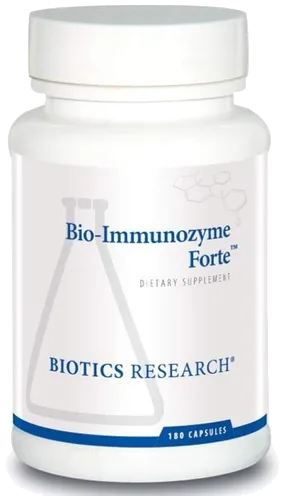
Biotics Research Corporation Bio-Immunozyme Forte Review
We don’t sell supplements. We help you make decisions and get the best price.
Lowest prices
We found no store selling it right now.
Study, Trial or Testing Result Summary
Members Only263 human studies · 73 improved
7 of these 263 human studies gave the ingredient by drip or injection, not by mouth.
Selenium is the best-supported ingredient here, at a full dose when taking two servings a day as members are told. Across 21 trials in people with Hashimoto thyroiditis, selenium lowered thyroid antibodies and the thyroid-stimulating signal, with selenomethionine, one of the forms used here, working best [1]. Another pooled analysis found the same benefits with no more side effects than control [2]. In one trial, 83 micrograms daily restored normal thyroid function in 31 percent of people, compared with 3 percent of controls [3]. A trial in Graves disease found no gain in remission. Zinc is also at a full dose. Added to meds, it raised active thyroid hormone, though certainty was low [4], and some smaller trials found no change [5]. Vitamin C reaches its studied dose at two servings, but results are mixed, and a larger trial found no benefit over placebo [6]. Vitamin A is below the studied dose, and coenzyme Q10 is only a trace amount. The organ extracts, enzymes and lysine have no human thyroid studies. One rat study of injected thymus extract suggested an anti-thyroid effect [7]. Echinacea and other items are hidden in a blend. Animal and cell studies are never counted.
See all 263 studies →Hide the studies
- A pooled analysis of 114 observational studies found lower zinc in thyroid cancer tissue, but it did not test zinc supplements and is about cancer rather than thyroid health.Serum and tissue zinc in epithelial malignancies: a meta-analysis.
- In a pooled analysis of 35 trials with 3,508 people with underactive thyroid, adding zinc, magnesium and vitamin A to a med raised free thyroxine compared with placebo, though exercise combined with a med did best for thyroid-stimulating hormone and quality of life.Additional treatment strategies for hypothyroidism: a network meta-analysis.
- Pooling randomized trials in people with Hashimoto thyroiditis, selenium lowered thyroid-stimulating hormone (in those not on thyroid hormone replacement), thyroid antibodies and an oxidative stress marker, with no more side effects than control.Selenium Supplementation in Patients with Hashimoto Thyroiditis: A Systematic Review and Meta-Analysis of Randomized Cli…
- In 10 case-control studies with 2205 people, those with thyroid cancer had lower blood selenium than healthy people, but this does not test whether taking selenium helps.Relationship between Serum Levels of Selenium and Thyroid Cancer: A Systematic Review and Meta-Analysis.
- Pooling 17 trials with 1,911 people with autoimmune thyroid disease, selenium lowered thyroid peroxidase antibodies and free T3 compared with placebo, but did not change TSH or thyroglobulin antibodies.The correlation between selenium levels and autoimmune thyroid disease: a systematic review and meta-analysis.
- Across 21 randomized trials in 1610 people with Hashimoto thyroiditis, selenium lowered thyroid antibodies at 3 and 6 months and thyroid-stimulating hormone at 6 months, with selenomethionine working better than sodium selenite or selenium yeast.Clinical efficacy of selenium supplementation in patients with Hashimoto thyroiditis: A systematic review and meta-analy…
- Across eight studies of 1291 people, those with thyroid cancer had higher blood copper levels than healthy people, but no copper was given, so this shows an association only.The Association Between Serum Levels of Selenium, Copper, and Magnesium with Thyroid Cancer: a Meta-analysis.
- Across 7 trials with 342 Hashimoto's patients, selenium did not change thyroid antibodies at 3 months but lowered both thyroid peroxidase and thyroglobulin antibodies after 6 months.Clinical efficacy of selenium supplementation in patients with Hashimoto thyroiditis: A systematic review and meta-analy…
- Pooling studies of patients with radioactive iodine-resistant thyroid cancer treated with retinoic acid, about 28% responded on iodine scans, 61% on thyroglobulin blood levels, 17% on tumor size criteria and 31% on World Health Organization criteria, so only a minority responded.Response of Retinoic Acid in Patients with Radioactive Iodine-Refractory Thyroid Cancer: A Meta-Analysis.
- A pooled analysis of 32 observational studies found people with underactive thyroid had lower blood zinc than healthy people, but it did not test zinc supplements.Trace Element Status and Hypothyroidism: A Systematic Review and Meta-analysis.
- A pooled analysis of 10 observational studies found blood zinc was not significantly lower in people with thyroid cancer than in healthy controls.Zinc Status and Occurrence of Thyroid Cancer: Systematic Review and Meta-Analysis.
- Pooling nine controlled trials in chronic autoimmune thyroiditis, selenium did not change TSH, quality of life or thyroid ultrasound compared with placebo in people not taking a med.Insufficient documentation for clinical efficacy of selenium supplementation in chronic autoimmune thyroiditis, based on…
- Pooling 16 controlled trials in chronic autoimmune thyroiditis, selenium lowered thyroid peroxidase antibodies at 3, 6 and 12 months in people on a med and at 3 months in untreated people, with more side effects reported.Selenium Supplementation Significantly Reduces Thyroid Autoantibody Levels in Patients with Chronic Autoimmune Thyroidit…
- In 23 trials in adults with autoimmune thyroiditis, selenium lowered thyroid antibodies and thyroid echogenicity but did not change thyroid-stimulating hormone and carried a higher risk of side effects, so the authors judged the evidence insufficient to justify its use.Insufficient evidence to support the clinical efficacy of selenium supplementation for patients with chronic autoimmune …
- In four randomized trials of people with Graves' orbitopathy (thyroid eye disease), selenium beat placebo at 6 and 12 months for eye disease activity and quality of life, with no difference in adverse effects.The efficacy and safety of selenium supplementation versus placebo in the treatment of Graves' orbitopathy: A systematic…
- In a pooled analysis of 10 trials in people with Hashimoto's thyroiditis and normal thyroid function, selenium lowered thyroid antibody levels more than placebo, over treatment of about 6 months.Effects of different supplements on Hashimoto's thyroiditis: a systematic review and network meta-analysis.
- Pooling 19 studies, thyroid cancer patients had higher manganese levels in thyroid tissue than people with benign thyroid disease, while manganese blood levels did not differ; this compared body levels and did not test manganese supplements.The role of heavy metals in thyroid cancer: A meta-analysis.
- A pooled analysis of observational studies found that people who ate more flavones and flavanones (the group that includes citrus flavonoids) had a higher risk of thyroid cancer, though the authors called the evidence limited.Consumption of flavonoids and risk of hormone-related cancers: a systematic review and meta-analysis of observational st…
- This review of 7 trials with 612 Hashimoto's patients tested a herbal formula (Xiaoyao-san), not selenium; selenium yeast was only one comparison treatment, so it says little about selenium itself.Efficacy of Xiaoyao-san preparations in treating Hashimoto's thyroiditis: a meta-analysis and systematic review.
- In four trials with 463 people with Hashimoto thyroiditis (average 7.5 months), 200 mcg selenomethionine lowered thyroid antibodies versus placebo in several trials, but the trials were at unclear to high risk of bias so evidence was judged incomplete.Selenium supplementation for Hashimoto's thyroiditis.
- A review of 11 studies found conflicting results for vitamin A supplements and thyroid cancer risk, so the evidence was inconclusive.Vitamin and mineral supplements and thyroid cancer: a systematic review.
- A review of 57 studies on micronutrients and thyroid hormones found trials did not confirm links between selenium, zinc and iron and iodine status, and concluded more research is needed; vitamin A was not singled out with a clear result.Micronutrients, iodine status and concentrations of thyroid hormones: a systematic review.
- A review of eight zinc supplementation studies and ten blood zinc studies found the evidence on whether zinc changes thyroid hormone levels inconclusive because results differed and came only from people with illness.Relation Between Zinc and Thyroid Hormones in Humans: a Systematic Review.
- A review of 13 trials in people with overweight or obesity found zinc raised free triiodothyronine, but this rested on one study in people with underactive thyroid and the overall effect on thyroid function could not be determined.The Effects of Zinc and Selenium Supplementation on Body Composition and Thyroid Function in Individuals with Overweight…
- A review of studies on trace elements and thyroid disease found few supplementation trials, but zinc supplementation lowered a marker of oxidative damage (malondialdehyde) in people with underactive thyroid.The Role of Selected Trace Elements in Oxidoreductive Homeostasis in Patients with Thyroid Diseases.
- A review of studies from 2015 to 2025 found that imbalances in trace elements including zinc were linked to changes in thyroid hormone levels and thyroid disease risk, but selenium and iron were the most consistently linked, and zinc was not tested as a supplement on its own.Trace elements in the internal environment and the hormone-producing capacity of the thyroid gland: a systematic review.
- In five cross-sectional studies, some found lower selenium in people with thyroid cancer and others found no difference, so the evidence is inconclusive and no selenium was given.Selenium and thyroid cancer: a systematic review.
- An overview of 6 systematic reviews covering 75 trials found selenium may lower thyroid antibodies at 3 and 6 months in autoimmune thyroiditis, but the certainty of evidence was low to very low.The Effects of Selenium Supplementation in the Treatment of Autoimmune Thyroiditis: An Overview of Systematic Reviews.
- In severely burned patients, intravenous trace element supplements including up to 4 mg of copper a day for 3 weeks were reported to be safe, improve recovery and normalize thyroid function, but copper was given with selenium and zinc and the abstract gives no patient numbers.Trace element requirements in critically ill burned patients.
- A review of earlier reviews linked flavonoids, along with many other factors, to thyroid cancer risk, but most of the evidence was of very low quality and citrus bioflavonoids were not studied on their own.Nongenetic risk factors for thyroid cancer: an umbrella review of evidence.
- In pregnant women with thyroid antibodies, 200 mcg of selenomethionine daily during pregnancy and after birth reduced the rate of postpartum thyroid dysfunction (28.6% vs 48.6% with placebo) and permanent hypothyroidism.The influence of selenium supplementation on postpartum thyroid status in pregnant women with thyroid peroxidase autoant…
- In 491 older Danes followed for five years, selenium yeast at 100 to 300 mcg daily slightly lowered TSH and free T4 versus placebo, with no effect on free T3, and the authors do not recommend it for marginal deficiency.Does selenium supplementation affect thyroid function? Results from a randomized, controlled, double-blinded trial in a …
- In 430 people with newly diagnosed Graves' hyperthyroidism, 200 mcg of selenium daily for 24 to 30 months alongside standard drugs did not increase remission or improve quality of life compared with placebo.Selenium supplementation in individuals with newly diagnosed Graves' hyperthyroidism: a double-blind, multi-centre RCT.
- In 414 older Swedish adults low in selenium, 4 years of selenium yeast 200 mcg plus coenzyme Q10 raised free T3, lowered free T4 and limited the rise in TSH compared with placebo.Supplementation with selenium and coenzyme Q10 in an elderly Swedish population low in selenium - positive effects on th…
- In 404 South African children aged 5 to 14 with low vitamin A and iodine, a 200,000 IU vitamin A dose given at the start and at 3 months over 6 months lowered thyroid-stimulating hormone, thyroglobulin and thyroid size when given without iodine, compared with placebo.Vitamin A supplementation in iodine-deficient African children decreases thyrotropin stimulation of the thyroid and redu…
- In 368 healthy older UK adults, taking high-selenium yeast for 6 months raised blood selenium but did not change thyroid hormone levels compared with placebo.Randomized controlled trial of the effect of selenium supplementation on thyroid function in the elderly in the United K…
- In 324 Tibetan children with Kashin-Beck disease, selenium supplementation for 12 months did not change joint symptoms, growth or thyroid function compared with placebo once iodine deficiency was corrected.Selenium and iodine supplementation of rural Tibetan children affected by Kashin-Beck osteoarthropathy.
- In 230 pregnant women in the UK with mild iodine deficiency, 60 mcg of selenium daily until delivery did not lower thyroid antibodies more than placebo, though it tended to change thyroid function in women who had thyroid antibodies.Effect of low-dose selenium on thyroid autoimmunity and thyroid function in UK pregnant women with mild-to-moderate iodi…
- In 196 people with autoimmune thyroiditis and mild underactive thyroid, 83 mcg of selenomethionine daily for four months restored normal thyroid function in 31% of those taking it, compared with 3% of controls.Selenium supplementation could restore euthyroidism in subclinical hypothyroid patients with autoimmune thyroiditis.
- In 170 women with Hashimoto's thyroiditis, a 6-month course of selenomethionine reduced immune cell release of inflammatory cytokines and lowered C-reactive protein compared with placebo, with the strongest effect when combined with a med.Read the study on PubMed (21508145) →
- In 168 people with Hashimoto's thyroiditis and mildly raised thyroid-stimulating hormone, adding myo-inositol to selenium for six months lowered thyroid-stimulating hormone and thyroid antibodies and raised free thyroxine more than selenium alone.Myo-inositol plus selenium supplementation restores euthyroid state in Hashimoto's patients with subclinical hypothyroid…
- In 138 Moroccan children with goiter and low vitamin A using iodized salt, 200,000 IU of vitamin A at start and 5 months over 10 months reduced thyroglobulin, thyroid-stimulating hormone and goiter rate compared with placebo.The effects of vitamin A deficiency and vitamin A supplementation on thyroid function in goitrous children.
- In 134 adults with autoimmune thyroiditis, 200 mcg of selenium yeast daily for 6 months lowered thyroid antibody levels, and antibodies fell in 52 of the 77 people who took it.[Effects of selenium supplementation on antibodies of autoimmune thyroiditis].
- In 104 people with an underactive thyroid taking a med and vitamin D, a daily multi-nutrient supplement including 2500 IU of vitamin A for 8 weeks did not change thyroid hormone (TSH, free T4) or thyroid antibody levels compared with placebo, though blood sugar and insulin resistance were lower.Read the study on PubMed (39968472) →
- In 103 people newly diagnosed with Graves' disease, adding selenium to methimazole for 6 months improved thyroid hormone and antibody measures more than methimazole alone.A pilot study on the beneficial effects of additional selenium supplementation to methimazole for treating patients with…
- In 102 people with autoimmune thyroiditis, 500 mg of vitamin C daily for 3 months lowered thyroid antibody levels within the group, but there was no significant difference compared with placebo, and thyroid stimulating hormone did not change.Effects of selenium and vitamin C on the serum level of antithyroid peroxidase antibody in patients with autoimmune thyr…
- In 100 older New Zealanders aged 60 to 80, 100 mcg of selenium daily for 3 months raised selenium and antioxidant enzyme levels but did not change thyroid hormone levels compared with placebo.Selenium and iodine supplementation: effect on thyroid function of older New Zealanders.
- In 90 people with heart disease living at altitude, 6 months of selenium plus vitamin E (42 people) lowered raised thyroid hormone levels back to normal in about 74% of them, but vitamin E was not tested on its own, so its separate effect is unclear.[Influence of oral sodium selenite and vitamin E on thyroid hormones in patients with cardiovascular disease at altitude…
- In 90 people with Hashimoto's thyroiditis, 6 months of selenious yeast tablets lowered thyroid antibodies and TSH compared with no treatment; the dose was not stated in the abstract.Effect of selenium on thyroid autoimmunity and regulatory T cells in patients with Hashimoto's thyroiditis: A prospectiv…
- In 89 people with thyroid cancer given radioactive iodine treatment, those taking vitamin E showed better left parotid gland excretion function a month later, though other salivary gland measures were unchanged or worse and the dose was not stated.Effect of vitamin E and supragingival scaling on salivary gland function in patients with differentiated thyroid cancer …
- In 88 healthy adults over 65, 4 months of vitamin E at 60, 200 or 800 IU a day did not change thyroid hormones or thyroid antibodies compared with placebo.Assessment of the safety of supplementation with different amounts of vitamin E in healthy older adults.
- In 88 women with autoimmune thyroiditis, 200 micrograms of selenium daily for 3 months cut thyroid antibody levels by about 26 percent, while placebo caused no change; lower doses of 100 micrograms gave weaker results.Selenium treatment in autoimmune thyroiditis: 9-month follow-up with variable doses.
- In 86 adults with underactive thyroid, 25,000 IU vitamin A twice weekly with zinc and magnesium for 10 weeks raised free thyroxine and lowered an inflammation marker compared with placebo, with no change in thyroid-stimulating hormone.Randomized Study of the Effects of Zinc, Vitamin A, and Magnesium Co-supplementation on Thyroid Function, Oxidative Stre…
- In 84 women, 25,000 IU of vitamin A daily for 4 months lowered thyroid-stimulating hormone in both obese and non-obese women and raised T3, while total T4 fell.The effect of vitamin A supplementation on thyroid function in premenopausal women.
- In 82 people with thyroid cancer given radioactive iodine, vitamin E at 100 to 300 mg a day from 1 week before to 4 weeks after treatment protected the salivary glands better than no vitamin E; thyroid function itself was not measured.Radioprotective effect of vitamin E on salivary glands after radioiodine therapy for differentiated thyroid cancer: a ra…
- In 80 postmenopausal women with or without type 2 diabetes, 6 weeks of hormone therapy with vitamin C and E did not significantly change free thyroxine or triiodothyronine levels.Effects of hormone replacement therapy with vitamin C and E supplementation on plasma thyroid hormone levels in postmeno…
- In 77 adults with high cholesterol taking Brazil nut flour providing about 227 mcg of selenium daily for 90 days, total cholesterol fell, but this was not different from the placebo group, and thyroid health was not measured as an improvement.Intake of partially defatted Brazil nut flour reduces serum cholesterol in hypercholesterolemic patients--a randomized c…
- In 76 people with Hashimoto's thyroiditis and normal thyroid function, 6 months of L-selenomethionine 166 mcg daily did not differ from placebo on thyroid hormones, antibodies or ultrasound.Influence of short-term selenium supplementation on the natural course of Hashimoto's thyroiditis: clinical results of a…
- In 71 children and adolescents with autoimmune thyroiditis, 200 mcg of selenium daily for 6 months lowered one thyroid antibody more than placebo, but the other antibody did not differ significantly.l-selenomethionine supplementation in children and adolescents with autoimmune thyroiditis: A randomized double-blind pl…
- In 70 adults with autoimmune thyroiditis, 200 mcg of selenium daily for 3 months lowered thyroid antibody levels compared with placebo, while thyroid hormone levels did not change.Selenium supplementation in patients with autoimmune thyroiditis decreases thyroid peroxidase antibodies concentrations.
- In 70 people with untreated Graves' hyperthyroidism, 300 mcg of selenite daily for 24 weeks added to methimazole did not change response or relapse rates compared with placebo.Double-Blind, Placebo-Controlled, Randomized Trial of Selenium in Graves Hyperthyroidism.
- In 69 thyroid cancer patients given radioactive iodine, vitamin E with vitamin C improved the function of one parotid salivary gland, with no placebo group and no thyroid outcomes; selenium groups showed more gland improvements.Effects of postoperative antioxidants on the salivary glands in patients with thyroid cancer undergoing radioactive iodi…
- In 68 overweight or obese women with underactive thyroid, 12 weeks of zinc alone or with selenium raised some thyroid hormones (free T3, and free T4 with lower TSH when combined with selenium), but there were no significant differences between groups for most measures.Effects of Zinc and Selenium Supplementation on Thyroid Function in Overweight and Obese Hypothyroid Female Patients: A …
- In 68 people on hemodialysis, 200 mcg of selenium daily for 12 weeks lowered reverse T3 compared with placebo, but did not change free T3, free T4 or TSH.Effects of Selenium and/or N-Acetyl-Cysteine Supplementation on Nonthyroidal Illness Syndrome in Hemodialysis Patients: …
- In 62 very low birth weight infants, adding trace elements to fortified human milk raised zinc intake, but zinc deficiency was rare and the abstract reports no thyroid result.Nutrition of very low birth weight infants fed human milk with or without supplemental trace elements: a randomized cont…
- In 61 euthyroid women with thyroid antibodies, 200 mcg of selenite daily for 6 months raised selenium levels but did not change antibody levels, thyroid-stimulating hormone or quality of life compared with placebo.Selenite supplementation in euthyroid subjects with thyroid peroxidase antibodies.
- In 60 people with overt Graves disease, adding a combined L-carnitine and selenium supplement to methimazole brought antibody levels to normal sooner and lowered methimazole needs, but thyroid hormone levels did not differ from methimazole alone.Adding L-Carnitine and Selenium to Methimazole in Graves' Disease: A Prospective Randomized Trial on Thyroid Markers and…
- In 57 people with Graves' disease on methimazole, an antioxidant mix with beta-carotene, vitamins C and E and selenium over 60 days helped them reach normal thyroid function faster than the drug alone.Supplementation with antioxidants in the treatment of Graves' disease; the effect on glutathione peroxidase activity and…
- In 55 people with Graves' disease taking methimazole, adding an antioxidant mix (vitamins C and E, beta-carotene and selenium) for 60 days helped them reach normal thyroid function faster than methimazole alone.The effect of antioxidant supplementation on superoxide dismutase activity, Cu and Zn levels, and total antioxidant stat…
- In 55 adults with thyroid autoimmunity, 200 mcg of selenomethionine daily for 6 months lowered thyroid antibody levels, while placebo did not.A randomized-controlled, double-blind study of the impact of selenium supplementation on thyroid autoimmunity and inflam…
- In 49 women with iron deficiency, 60 days of a multi-nutrient supplement containing vitamin E improved blood iron and ferritin; thyroid hormones were measured but no thyroid effect was reported.[Effect of treatment with a food supplement (containing: selected sea fish cartilage, vitamin C, vitamin E, folic acid, …
- In 49 children with autoimmune thyroiditis, 12 months of sodium selenite at 100 or 200 mcg daily, added to a med, did not lower thyroid peroxidase antibodies.Selenium supplementation does not decrease thyroid peroxidase antibody concentration in children and adolescents with au…
- In 47 adults with autoimmune thyroiditis, 200 mcg of selenium daily lowered thyroid antibodies over 3 months, and antibodies rose again when selenium was stopped in the follow-up phase.Selenium in the treatment of autoimmune thyroiditis.
- In 45 women with thyroiditis in pregnancy, 83 mcg of selenium daily lowered thyroid autoantibodies compared with placebo, with antibodies rebounding in the placebo group after delivery.Selenium supplementation in the management of thyroid autoimmunity during pregnancy: results of the "SERENA study", a ra…
- In 42 people with newly diagnosed Graves' hyperthyroidism, adding selenium and vitamin D to methimazole for 180 days lowered thyroid hormone levels faster and improved quality of life more than methimazole alone.Add-On Effect of Selenium and Vitamin D Combined Supplementation in Early Control of Graves' Disease Hyperthyroidism Dur…
- In 41 critically ill sepsis patients, selenium given for 2 weeks improved outcomes and restored selenium levels, but did not directly change free or total thyroid hormone levels compared with placebo.Selenium substitution has no direct effect on thyroid hormone metabolism in critically ill patients.
- In 40 people, a hydration drink that also contained vitamin C caused no meaningful change in safety or thyroid hormone measures compared with placebo over 4 weeks, though one thyroid hormone showed a statistically significant main effect.Randomized Trial to Assess the Safety and Tolerability of Daily Intake of an Allulose Amino Acid-Based Hydration Beverag…
- In 40 children with autoimmune thyroid disease, 12 weeks of 25 mg daily elemental zinc did not change thyroid antibodies, thyroid tests or oxidative stress, but children given zinc needed no increase in a med dose, while the standard-therapy group did.Effect of daily zinc supplementation for 12 weeks on serum thyroid auto-antibody levels in children and adolescents with…
- In 40 critically ill septic patients, high-dose selenium for 3 days raised blood selenium and antioxidant enzyme levels but did not reduce oxidative damage, and thyroid test results were not reported as improved.Effect of selenium supplementation on biochemical markers and outcome in critically ill patients.
- In 40 people with Graves' disease and mild active eye involvement, a Mediterranean diet providing about 178 mcg of selenium daily for 24 weeks improved eye symptom scores compared with a free diet, but thyroid function did not differ between groups.Mediterranean diet, selenium and Graves' ophthalmopathy: a prospective, randomized, single-center study.
- In 40 adults with Hashimoto's thyroiditis, 200 mcg of selenium from enriched yeast for 60 days significantly lowered a blood marker of oxidative stress, but thyroid antibody and hormone levels did not change significantly compared with placebo.Effect of Selenomethionine- Enriched Yeast on Hypothyroidism Patients.
- In 36 thyroid cancer patients given radioactive iodine, 800 IU a day of vitamin E from 1 week before to 4 weeks after treatment helped protect salivary gland function compared with placebo; thyroid function itself was not measured.Does vitamin E protect salivary glands from I-131 radiation damage in patients with thyroid cancer?
- In 36 people with autoimmune thyroiditis, 200 mcg of sodium selenite daily for 3 months did not lower thyroid antibodies or change immune cytokine patterns compared with placebo.No immunological benefit of selenium in consecutive patients with autoimmune thyroiditis.
- In a placebo-controlled trial of 36 elderly nursing home residents, selenium raised selenium levels and lowered thyroxine, while placebo changed nothing.Low selenium status in the elderly influences thyroid hormones.
- In 33 people with acanthosis nigricans, a combination tablet containing calcium pantothenate taken twice daily for 12 weeks lowered thyroid-stimulating hormone as did a med, but there was no placebo group and the effect cannot be attributed to pantothenic acid alone.Read the study on PubMed (30983607) →
- In 32 healthy older adults, 800 mg a day of vitamin E for 30 days did not change thyroid hormone levels compared with placebo.Assessment of the safety of high-dose, short-term supplementation with vitamin E in healthy older adults.
- In 31 severely injured patients, adding 150 mg of vitamin E and zinc to 500 mcg of selenium for 5 days gave no extra change in thyroid hormones beyond selenium alone.Influence of selenium supplements on the post-traumatic alterations of the thyroid axis: a placebo-controlled trial.
- In 30 people with newly diagnosed Graves' disease who had enough selenium already, adding selenium to methimazole for 90 days did not improve control of hyperthyroidism compared with methimazole alone.Effects of selenium on short-term control of hyperthyroidism due to Graves' disease treated with methimazole: results of…
- In 30 people with mild Graves' orbitopathy, 100 mcg selenium taken twice daily for 6 months reduced eye disease activity compared with placebo.Oral selenium improved the disease activity in patients with mild Graves' orbitopathy.
- In 28 overweight or obese adults on a calorie-restricted diet, 8 weeks of 25 mg daily zinc gluconate plus selenium did not change thyroid function compared with placebo.The Effects of Zinc and Selenium Co-Supplementation on Resting Metabolic Rate, Thyroid Function, Physical Fitness, and F…
- In 25 people with inactive moderate to severe Graves' eye disease, 200 micrograms of selenium daily for six months widened the eyelid opening more than placebo, with no significant change in eye movement or quality of life.Selenium supplementation in inactive moderate to severe Graves' orbitopathy patients: a randomized controlled trial.
- In 12 underactive thyroid patients needing high-dose a med, 1 g vitamin C daily for 16 weeks improved symptom scores and lowered thyroid stimulating hormone more than placebo after adjustment, but the very small size and baseline imbalances limit conclusions.Read the study on PubMed (41210509) →
- In a single-dose study of 12 healthy adults, a zinc-bound form of liothyronine (50 mcg) produced a lower but longer-lasting rise in blood T3 than standard liothyronine, with no tested health outcome.Extended Absorption of Liothyronine from Poly-Zinc-Liothyronine: Results from a Phase 1, Double-Blind, Randomized, and C…
- In 11 healthy men on a high-selenium diet of 297 mcg daily for about 17 weeks, blood thyroid hormone T3 fell and TSH rose compared with the low-selenium diet, along with lower sperm motility.Effects of dietary selenium on sperm motility in healthy men.
- In seven competitive cyclists, 22 mg of zinc daily for 30 days did not change thyroid hormone levels, although insulin rose later on.Plasma zinc, copper, and serum thyroid hormones and insulin levels after zinc supplementation followed by placebo in com…
- In 110 people with Down's syndrome given zinc for about a year, thyroxine was lower and thyroid-stimulating hormone higher than before treatment, so thyroid function did not improve.Thyroid function and plasma immunoglobulins in subjects with Down's syndrome (DS) during ontogenesis and zinc therapy.
- In 105 patients with severe overactive thyroid and irregular heartbeat, cocarboxylase (a form of vitamin B1) was part of the background therapy given to all groups, so its own effect was not isolated; the abstract's main finding concerns the drug cordarone, which restored normal heart rhythm in 15 of 20 patients in one group.[Comparative evaluation of the effectiveness of different treatment methods of atrial fibrillation in thyrotoxicosis pat…
- In 53 patients with mild underactive thyroid and 45 healthy people, vitamin C infused into the forearm artery normalized blood vessel dilation in patients but not in healthy people, suggesting oxidative stress from inflammation impairs vessel function; this was a short-term vessel test, not a supplement trial.Low-grade systemic inflammation causes endothelial dysfunction in patients with Hashimoto's thyroiditis.
- In 86 people with Hashimoto's thyroiditis, 200 mcg selenomethionine daily for 3 or 6 months did not change anti-TPO antibodies but did lower anti-thyroglobulin antibodies.Selenomethionine treatment in patients with autoimmune thyroiditis: a prospective, quasi-randomised trial.
- In 52 adults with low blood selenium given 10 to 40 micrograms of selenium daily for 20 weeks, thyroxine levels fell in the supplemented groups, but the drop differed from placebo only in the 10-microgram group.An estimation of selenium requirements for New Zealanders.
- In 52 schoolchildren in an iodine and selenium deficient area of Zaire, 50 mcg of selenium daily for 2 months lowered blood T4, free T4 and reverse T3 without changing T3 or TSH, so the effect on thyroid function was mixed.Effect of selenium supplementation on thyroid hormone metabolism in an iodine and selenium deficient population.
- In children with Down syndrome, zinc sulfate supplements restored plasma zinc, TSH and reverse T3 levels that had been abnormal, though the study duration was not stated.Modulation of the neuroendocrine system and immune functions by zinc supplementation in children with Down's syndrome.
- In 47 women with Hashimoto's thyroiditis and low vitamin D, those already taking 200 mcg daily of selenomethionine saw larger drops in thyroid antibodies when given vitamin D for 6 months than women not taking selenium, though thyroid hormone levels did not change.Selenomethionine potentiates the impact of vitamin D on thyroid autoimmunity in euthyroid women with Hashimoto's thyroid…
- In 46 head and neck cancer patients, nutritional counseling during radiotherapy was not shown to prevent underactive thyroid, and baseline thyroid-stimulating hormone and ferritin were the main predictors of it.The impact of nutritional counseling on thyroid disorders in head and neck cancer patients after (chemo)radiotherapy: re…
- In 44 newborns, selenium-enriched formula raised blood selenium over three months, but the abstract reports no thyroid result.Selenium status of New Zealand infants fed either a selenium supplemented or a standard formula.
- In 32 women taking 400 micrograms of selenium daily for 15 weeks while eating fish, blood arsenic rose with fish intake, and the link between arsenic and thyroid hormone balance changed with selenium, so the thyroid effect is unclear.Fish arsenic may influence human blood arsenic, selenium, and T4:T3 ratio.
- In 19 people with Graves' disease and 10 healthy controls, a manganese-related blood signal correlated with thyroid size, but no manganese was given.[The status of redox system in patients with Graves' disease].
- In 19 healthy college students, 14 took 600 mg of natural vitamin E daily for 12 weeks and 5 took placebo, and thyroid function tests did not change.Effects of elevated d-alpha(RRR)-tocopherol dosage in man.
- Niacin at 2 mg was used only as a comparison dose against intravenous TRH in schizophrenic patients, so this study does not measure niacin's own effect on thyroid health.Behavioral and endocrine responses of schizophrenic patients to TRH (protirelin).
- In a small study of 11 iron-depleted women, ascorbic acid supplementation had no significant effect on their responses to cold exposure, which included changes in thyroid hormone levels.Thermogenesis and thermoregulatory function of iron-deficient women without anemia.
- In healthy young and elderly people, 10 days of vitamin A (retinol, 50,000 IU a day) did not significantly change thyroid-stimulating hormone levels compared with placebo.Effects of vitamin A administration on serum thyrotropin concentrations in healthy human subjects.
- In Down syndrome children with low blood zinc, zinc sulfate supplementation for 6 months lowered TSH from about 4.0 to 2.6 mIU/mL, bringing it to levels similar to children with normal zinc.Zinc sulfate supplementation improves thyroid function in hypozincemic Down children.
- In people with an overactive thyroid, taking 120 mg of coenzyme Q10 daily for 7 days shortened the pre-ejection period and increased heart stroke volume, suggesting better heart function; the study had no placebo group.[Abnormal cardiac index measured by means of systolic time intervals and the effect of co-enzyme Q10 in thyroid disorder…
- In 80 women with Hashimoto's thyroiditis, 200 mcg selenium daily for 6 months lowered anti-TPO antibodies by about 21% over the year, with no placebo group.Effects of 12 months treatment with L-selenomethionine on serum anti-TPO Levels in Patients with Hashimoto's thyroiditis…
- In 51 people with severe acne given a med for 6 months (total dose 120 mg/kg), thyroid-stimulating hormone rose while free thyroid hormone levels fell, showing thyroid function was significantly altered; there was no control group.Read the study on PubMed (27425198) →
- In a pilot study, 50 people with advanced thyroid cancer taking 13-cis-retinoic acid at 1.5 mg per kg daily for 5 weeks showed a response (smaller tumors or lower thyroglobulin) in 38%; there was no control group.Clinical impact of retinoids in redifferentiation therapy of advanced thyroid cancer: final results of a pilot study.
- In 40 hemodialysis patients, eating one Brazil nut daily for three months raised selenium, free thyroxine and triiodothyronine levels, though triiodothyronine did not return to normal.EFFECT OF SELENIUM SUPPLEMENTATION VIA BRAZIL NUT (BERTHOLLETIA EXCELSA, HBK) ON THYROID HORMONES LEVELS IN HEMODIALYSIS…
- After a 6-week diet and lifestyle program in 35 women, TSH and other thyroid hormone levels changed significantly, but the abstract does not state the direction, and vitamin E was not separately dosed.Impact of a 6-week dietary and lifestyle modification intervention on food cravings and eating behaviors in women.
- In 34 older adults over 6 months, a fruit, vegetable and berry powder that raised blood vitamin C was well tolerated and caused no thyroid-related safety problems, though a marker of protein damage fell before adjustment for baseline differences.Effects of a Commercial Fruit, Vegetable and Berry Juice Powder Concentrate on Metabolic Safety and Cardiovascular Healt…
- In 32 people taking antiepileptic drugs who had high homocysteine and low B vitamins, 30 days of riboflavin, pyridoxine and folic acid lowered homocysteine but did not change thyroid hormone levels.Thyroid function during B-vitamin supplementation of patients on antiepileptic drugs.
- In 31 patients with underactive thyroid and gastritis, 500 mg vitamin C taken with a med for 2 months lowered thyroid stimulating hormone in all patients, normalized it in 55%, and raised thyroid hormone levels.Read the study on PubMed (24601693) →
- In 28 healthy adults taking 200 mcg of selenomethionine daily for about 28 months, thyroid hormone levels showed no clinically significant change.Effects of selenomethionine supplementation on selenium status and thyroid hormone concentrations in healthy adults.
- In 26 children with a severe seizure disorder, a combination of high-dose pyridoxal phosphate and low-dose tetracosactide was given without a control group. Daily tetracosactide transiently suppressed pituitary and thyroid hormone secretion, including T3, T4 and free T4. This study did not measure thyroid health as a goal.Combination treatment of high-dose pyridoxal phosphate and low-dose ACTH in children with West syndrome and related diso…
- In 23 children with early autoimmune thyroiditis, 50 micrograms of selenium daily for 3 months did not change thyroid antibodies, but 35 percent of children had their thyroid shrink by 30 percent or more.Effects of selenium supplementation in the early stage of autoimmune thyroiditis in childhood: an open-label pilot study…
- In 21 people with early autoimmune thyroiditis, six months of myo-inositol with selenium lowered TSH and thyroid antibody levels, with no placebo group.Myo-inositol and selenium reduce the risk of developing overt hypothyroidism in patients with autoimmune thyroiditis.
- In a small open-label trial of 16 people with metastatic thyroid cancer that no longer absorbed radioactive iodine, 8 weeks of a med did not reliably restore iodine uptake, and most participants had mucocutaneous side effects and minor blood lipid changes.A phase II study using retinoids as redifferentiation agents to increase iodine uptake in metastatic thyroid cancer.
- In 12 people with spread thyroid cancer given bexarotene 300 mg daily for 6 weeks, radioiodine uptake appeared in metastases of 8 of 11 evaluable people, though the uptake was weak and this is not a vitamin A product.Bexarotene increases uptake of radioiodide in metastases of differentiated thyroid carcinoma.
- In an uncontrolled study of 12 people with an overactive thyroid, taking 120 mg of coenzyme Q10 daily for one week was followed by further strengthening of heart pumping performance, but no placebo group was used.Cardiac performance and coenzyme Q10 in thyroid disorders.
- In 10 sedentary young men, 4 weeks of oral zinc sulfate supplements prevented the drop in thyroid hormone levels that followed bicycle exercise, though zinc did not raise thyroid hormones at rest beyond the pre-supplement values.Effect of fatiguing bicycle exercise on thyroid hormone and testosterone levels in sedentary males supplemented with ora…
- In 10 people on hemodialysis, six months of oral sodium selenite raised free T3 and lowered TSH, with no placebo group.Thyroid function and plasma selenium in chronic uremic patients on hemodialysis treatment.
- In 9 people with an underactive thyroid, about 4 months of thyroxine replacement cleared fats from the blood faster after a meal containing vitamin A and lowered LDL cholesterol, though this study did not test vitamin A as a supplement.Thyroxine replacement therapy enhances clearance of chylomicron remnants in patients with hypothyroidism.
- In six adults with an underactive thyroid, riboflavin-related enzyme activity was low, and thyroxine therapy on a controlled diet brought it back to normal.Riboflavin metabolism in the hypothyroid human adult.
- In five people with high cholesterol taking about 2.6 grams of nicotinic acid daily for an average of 1.3 years, blood thyroid hormone levels dropped (total T4 by 21%, T3 by 13%) while they stayed in a normal thyroid state with no symptoms of an underactive thyroid.Nicotinic acid decreases serum thyroid hormone levels while maintaining a euthyroid state.
- In five people with a gene mutation affecting selenoprotein production, selenium supplements raised blood selenium but did not correct their abnormal thyroid function tests.Selenium supplementation fails to correct the selenoprotein synthesis defect in subjects with SBP2 gene mutations.
- In a University of Southern California study, people who took colestipol combined with niacin for one year had lower total thyroxine and lower thyroxine-binding globulin levels, but they stayed essentially normal in thyroid function.Alterations in serum thyroid hormonal indices with colestipol-niacin therapy.
- In a large cohort of over 566,000 adults followed for years, dietary beta-carotene intake was not clearly associated with thyroid cancer risk.The association between selenium and other micronutrients and thyroid cancer incidence in the NIH-AARP Diet and Health S…
- In a large US cohort followed about 9 years, higher dietary flavan-3-ol intake was linked to lower thyroid cancer risk, while higher flavanone intake was linked to higher risk; other flavonoid classes showed no link.Dietary flavonoid intake and thyroid cancer risk in the NIH-AARP diet and health study.
- In a European cohort of about 476,000 people followed around 14 years, total polyphenol and flavonoid intake was not associated with overall or subtype-specific differentiated thyroid cancer risk, though a possible protective link appeared in people with a body mass index of 25 or higher.Polyphenol intake and differentiated thyroid cancer risk in the European Prospective Investigation into Cancer and Nutri…
- In a UK Biobank cohort of about 187,000 people followed a median of 9.5 years, higher dietary isoflavone intake was linked to lower thyroid cancer risk.Dietary flavonoid intake and risk of hormone-related cancers: A population-based prospective cohort study.
- In a study of about 147,000 postmenopausal women followed for 16 years, total selenium intake from diet and supplements was not linked to thyroid cancer risk.Dietary selenium intake and thyroid cancer risk in postmenopausal women.
- In a hospital cohort of over 56,000 adults over 40, higher dietary copper intake was linked to lower risk of hypothyroidism.Interactions between Polygenetic Variants and Lifestyle Factors in Hypothyroidism: A Hospital-Based Cohort Study.
- In a Korean prospective cohort of 17754 adults followed to 2020, higher dietary manganese intake was linked to lower thyroid cancer risk (hazard ratio 0.64), and the protection appeared mainly in people with a particular inflammatory gene variant.Association of dietary manganese intake and the IL1R1 rs3917225 polymorphism with thyroid cancer risk: a prospective coh…
- In 9543 Chinese adults, higher blood manganese was nonlinearly linked to higher liver fibrosis risk, and higher triiodothyronine levels strengthened this manganese-related risk.Associations between Heavy Metals and Metalloids and Hepatic Fibrosis Risk in Chinese Adults: A Potential Modifying Effe…
- In a large US survey, adults with the highest dietary vitamin E intake had lower rates of subclinical hypothyroidism and autoimmune thyroiditis, but this link was seen in men and not in women.Vitamin E Intake and Prevalence Rates of Thyroid Dysfunction and Autoimmune Thyroiditis: A Cross-Sectional Analysis of N…
- In a large US survey of about 6,950 adults, higher vitamin B6 intake from diet was linked to lower total thyroxine levels, with the link strongest in men, people aged 60 to 80, and those who were overweight.Relationship between vitamin B6 intake and thyroid function in US adults: NHANES 2007-2012 results.
- In a large US survey of 6,402 adults, those with low dietary zinc intake had higher odds of new-onset hypothyroidism than those with high intake, and the combined effect with low selenium was stronger, especially in women and overweight adults.Interaction Between Dietary Selenium and Zinc Intakes on Hypothyroidism.
- In 6,222 US adults, a high antioxidant lifestyle score was linked to lower free thyroxine, and riboflavin was among factors suggested to have a causal link to free thyroxine levels.Association between the oxidative balance score and thyroid function: Results from the NHANES 2007-2012 and Mendelian ra…
- In a survey of 5,878 US adults, higher vitamin C intake was linked to lower total thyroxine levels, with curved patterns for other thyroid hormone measures, so the effect on thyroid function is unclear.Association between vitamin C intake and thyroid function among U.S. adults: a population-based study.
- In a US national survey of 4,949 adults, higher dietary total flavonoid intake was linked to lower blood total thyroxine, and free triiodothyronine showed a U-shaped pattern with flavonoid intake.The relationship between dietary total flavonoids and thyroid function in U.S.adults, NHANES 2007-2010.
- In a review of 3169 older adults admitted with altered mental status, TSH testing had low diagnostic yield, and thiamine was tested but no thyroid benefit from thiamine was reported.Diagnostic yield of laboratory testing in hospitalized older adults with altered mental status.
- In a Chinese birth cohort of 2,887 pregnant women, higher prenatal manganese exposure, along with vanadium and lead, was linked to higher risk of cognitive and motor developmental delay in children at age two, and thyroid-stimulating hormone partly explained this link.Thyroid-stimulating hormone (TSH) mediates the associations between maternal metals and neurodevelopment in children: A …
- In a large US national survey of 2,732 adults, dietary vitamin C intake was not significantly associated with risk of Hashimoto's thyroiditis, though higher omega-3 fat intake was linked to lower risk.Investigating the associations between dietary nutrient intake and risk of Hashimoto's thyroiditis: a cross-sectional st…
- In 2041 pregnant women at 12 weeks, those taking selenium, zinc and copper supplements were about 1.46 times less likely to have elevated thyroid peroxidase antibodies, though plasma selenium was negatively related to free thyroxine.Plasma mineral (selenium, zinc or copper) concentrations in the general pregnant population, adjusted for supplement int…
- In a large French cross-sectional study, higher selenium levels were linked to smaller thyroid volume and lower goiter risk in women, with no such link found in men.Association of selenium with thyroid volume and echostructure in 35- to 60-year-old French adults.
- In a national US survey of 1,360 adults, higher serum manganese was linked to higher total T4 and free T3 levels, a subclinical change without clear thyroid dysfunction, and no supplement was studied.Manganese and thyroid function in the national health and nutrition examination survey, 2011-2012.
- In a Shanghai cohort of 1351 pregnant women, higher first-trimester exposure to a mix of trace elements including manganese was linked to higher third-trimester total triiodothyronine, with chromium the main contributor; manganese was not reported on its own.Effects of Maternal Trace Elements Exposure in Early Pregnancy on Maternal Thyroid Hormones and Birth Outcomes.
- In 1,104 healthy adults, blood manganese was not reported as linked to thyroid antibody positivity; lower blood magnesium and iron were the metals associated with it.Associations of metal profiles in blood with thyroiditis: a cross-sectional study.
- In a northern Italian case-control study of 399 thyroid cancer cases and 617 controls, thiamin intake showed no clear link to thyroid cancer risk.Selected micronutrient intake and thyroid carcinoma risk.
- In 976 obese adults, lower blood vitamin A was linked to lower thyroxine and higher thyroid stimulating hormone, and after sleeve gastrectomy surgery, vitamin A rose slightly while thyroid stimulating hormone fell, though the vitamin A rise was not statistically significant.Relationship of Vitamin A and Thyroid Function in Individuals With Obesity and After Laparoscopic Sleeve Gastrectomy.
- In 608 people newly diagnosed with papillary thyroid cancer, urinary zinc levels were not reported as linked to tumor aggressiveness; men had higher zinc than women.Associations between essential microelements exposure and the aggressive clinicopathologic characteristics of papillary …
- In a cross-sectional study of 600 women aged 18 to 45, those with newly diagnosed Hashimoto's thyroiditis (92 women) reported lower dietary retinol intake and showed more oxidative stress, with retinol intake inversely linked to thyroid antibody levels.Parallel investigation of oxidative stress and nutritional profile in women with Hashimoto's thyroiditis.
- In 550 women in Iran, about 6.5% had subclinical underactive thyroid, and this group had significantly different blood selenium levels from matched controls, with higher selenium linked to a higher occurrence of the condition.SUBCLINICAL HYPOTHYROIDISM PREVALENCE AND SELENIUM LEVELS IN WOMEN OF NORTH KHORASAN, IRAN: A CROSS-SECTIONAL STUDY.
- In a matched case-control study of 394 people, manganese levels were lower in people with thyroid tumors or goiter and showed a negative association with their risk, but this was an exposure study with no supplement given.A case-control study on the association of mineral elements exposure and thyroid tumor and goiter.
- In 387 healthy adults, low vitamin B2 (riboflavin) levels were linked to significant differences in thyroid markers, though this was a correlation study and no supplement was tested.Effect of Micronutrients on Thyroid Parameters.
- In 387 middle-aged and older adults, red blood cell zinc was only weakly and negatively related to total T4 thyroid hormone levels.Basal metabolic rate and thyroid hormones of late-middle-aged and older human subjects: the ZENITH study.
- In 387 healthy men aged about 77, higher selenium status was linked to better bone mineral density but not to thyroid hormone levels.Selenium Status Is Positively Associated with Bone Mineral Density in Healthy Aging European Men.
- In 251 manganese-exposed welders compared with 100 office workers, higher cumulative manganese exposure was linked to higher thyrotropin-releasing hormone and lower dopamine levels, with raised prolactin.Effect of manganese exposure on the neuroendocrine system in welders.
- In 328 manganese-exposed workers, higher blood copper was linked to higher thyroid-stimulating hormone and lower free thyroxine, and copper combined with arsenic or nickel changed these effects.Associations of metal mixtures with thyroid function and potential interactions with iodine status: results from a cross…
- In 323 thyroid patients in Berlin, blood zinc was lower than in healthy people but was not related to thyroid hormone levels, and many patients were low in selenium, which the authors suggest should be tested and possibly supplemented.Cross-sectional analysis of trace element status in thyroid disease.
- In 304 apparently healthy residents of Arctic Russia, women with low blood vitamin A (below 1.39 micromoles per liter) had about twice the risk of subclinical hypothyroidism, while higher vitamin A in men was linked to lower thyroxine levels.[Relationship of vitamin A and thyroid function in Arctic residents].
- In 290 Filipino schoolchildren, higher thiamin and riboflavin intake was linked to better mental performance, but thiamin's effect on thyroid health was not studied.Effect of iodine status and other nutritional factors on psychomotor and cognitive performance of Filipino schoolchildre…
- In 281 Arctic residents, indigenous villagers had the lowest blood vitamin A and higher thyroid stimulating hormone, while nomadic indigenous people had the highest vitamin A with many above the normal range and higher thyroid hormone metabolism.[Analysis of vitamin A and thyroid blood levels in the indigenous and local Caucasian population of the Arctic].
- In two Ohio towns, residents exposed to manganese in air were much more likely than unexposed residents to take medication for an underactive thyroid (hypothyroidism), with an adjusted odds ratio of 7.03.Medication use associated with exposure to manganese in two Ohio towns.
- Pregnant women with iodine insufficiency had lower alpha-tocopherol (vitamin E) levels than those with adequate iodine, with no change in thyroid stimulating hormone.Assessment of thyroid function, ioduria and oxidative stress in women in the first trimester of pregnancy.
- In a questionnaire survey of 232 Polish people with hypothyroidism, vitamin C was among the supplements commonly taken, but the survey did not measure whether it improved thyroid health.Dietary supplements in hypothyroidism.
- In 225 children living near a manganese alloy plant, higher manganese exposure was linked to higher prolactin and a non-linear pattern with luteinizing hormone, but manganese measures were not linked to thyroid stimulating hormone; no supplement was given.Manganese exposure and association with hormone imbalance in children living near a ferro-manganese alloy plant.
- Thyroid autoimmunity was more common in women with breast cancer than in controls, and thyroid autoimmunity did not affect survival, though higher serum selenium was linked to worse relapse-free survival.Thyroid autoimmunity occurs more frequently in women with breast cancer compared to women with colorectal cancer and con…
- In 201 pregnant Dutch women, selenium intake was below the recommended amount for most, with 77.4% under 60 micrograms per day, and 61% also had inadequate iodine status; this survey involved no selenium supplement trial.Pregnant Dutch Women Have Inadequate Iodine Status and Selenium Intake.
- In 200 people, blood selenium levels were similar in those with and without thyroid nodules, so no link between selenium and nodules was found.Serum Selenium Levels in Euthyroid Nodular Thyroid Diseases.
- In 182 people with an overactive thyroid over six months of antithyroid treatment, flavin levels fell and homocysteine rose, with the effect strongest in those with low riboflavin.Phenotypic expression of the methylenetetrahydrofolate reductase 677C-->T polymorphism and flavin cofactor availability …
- In a blood metabolite comparison of 80 people with papillary thyroid cancer and 80 healthy controls, alpha-tocotrienol (a form of vitamin E) was higher in the cancer group. This was an association only and did not involve vitamin E supplementation.Serum Metabolomics Study of Papillary Thyroid Carcinoma Based on HPLC-Q-TOF-MS/MS.
- In 105 Bulgarian adults with autoimmune thyroid disease and 40 healthy controls, blood selenium was significantly lower in those with overactive thyroid (69 µg/L) than in controls (84 µg/L), while euthyroid and underactive groups did not differ from controls.Serum selenium concentration in patients with autoimmune thyroid disease.
- In 143 workers exposed to manganese (52 welders, 48 smelters, 43 office workers), welders had lower thyroid-stimulating hormone than controls, while smelters had lower prolactin, testosterone and follicle-stimulating hormone.Effect of manganese on neural endocrine hormones in serum of welders and smelters.
- In a retrospective review of 130 people having thyroid surgery, serum zinc levels did not differ significantly between those with papillary thyroid cancer and those with benign disease; copper was higher in the cancer group.Copper as ancillary diagnostic tool in preoperative evaluation of possible papillary thyroid carcinoma in patients with …
- Thyroid tissue from people with nodular goitre contained less copper than tissue from healthy autopsy thyroids.Determination of cadmium, cobalt, copper, iron, manganese, and zinc in thyroid glands of patients with diagnosed nodular…
- In 109 people with Hashimoto's thyroiditis, Graves' disease, or no thyroid disease, stressful life events were not different between groups, and some selenium-related proteins correlated with stress levels in the thyroid disease groups.Stress-Related Immune Response and Selenium Status in Autoimmune Thyroid Disease Patients.
- Serum vitamin E tracked with lipid peroxides, and both were lower in malnourished people and people with thyroid disorders than in healthy adults.Serum vitamin E and lipid peroxides in malnutrition, hyper and hypothyroidism.
- A dietary survey of 103 schoolchildren in Adygea found insufficient intake of iodine, zinc, vitamin A and beta-carotene, and the authors concluded that low vitamin A and zinc intake may contribute to iodine deficiency and thyroid problems, but no supplement was tested.[Assessment of the structure and quality of nutrition as a factor that influences thyroid functional activity].
- In 100 adults aged 25 to 60, those newly diagnosed with hypothyroidism had lower blood zinc and higher blood phosphorus than matched controls, and blood zinc was linked to hypothyroidism, though this was an association study.Determination of Serum Zinc and Phosphorus Levels in Patients with Hypothyroidism.
- In 98 women, obese women had lower blood zinc than lean women, but their thyroid hormone levels were normal and did not correlate with zinc levels.No association between zinc and thyroid activity in obese women.
- In 97 healthy New Zealand women aged 50 to 70, estimated selenium intake was about 50 micrograms per day, below the recommended 60 micrograms, with about half below the average requirement; this intake survey tested no thyroid outcome or supplement.Iodine and Selenium Intakes of Postmenopausal Women in New Zealand.
- In 90 patients with thyroid cancer, alpha-tocopherol (vitamin E) was one of several metabolites that distinguished those with lymph node spread from those without.Gut microbiota and metabolite profiles in thyroid cancer lymph node metastasis: a multi-omics analysis.
- In a small Egyptian case-control study of 90 people, serum selenium was measured alongside gut bacteria and thyroid hormones, but the abstract reports no selenium result and no selenium intervention was given.Gut microbiome Lactobacillus acidophilus and its relationship with thyroid nodules and thyroid hormonal profile.
- Women with newly diagnosed subclinical hypothyroidism had a higher copper to zinc ratio and a higher copper to magnesium ratio than healthy women.Association Between Low Circulating Omentin-1, Vitamin D, Antioxidants, and Trace Elements Imbalances in Women with Subc…
- In 85 people with spread of thyroid cancer after surgery, a radioactive vitamin C tracer scan detected neck lymph node, lung, and bone spread more often than a standard sugar-based scan; this is a cancer imaging test, not a measure of vitamin C improving thyroid health.6-Deoxy-6-[18F]fluoro-L-ascorbic acid PET/CT in postoperative metastatic differentiated thyroid cancer: a comparative st…
- Children with protein-energy malnutrition had low triiodothyronine and low conversion of riboflavin into its active forms, leading to a flavin adenine dinucleotide deficiency compared with controls.Concentrations of riboflavin and related organic acids in children with protein-energy malnutrition.
- In 84 children with congenital hypothyroidism, serum copper was strongly positively correlated with thyroid hormone levels, but selenium was not, so copper deficiency may be a risk in severely hypothyroid children.Positive correlation of thyroid hormones and serum copper in children with congenital hypothyroidism.
- In 78 reproductive-age women with Hashimoto's thyroiditis taking 200 micrograms of selenomethionine daily for six months, thyroid antibody levels fell in all groups, with the largest drop in those with adequate vitamin E intake.Vitamin E Intake Modulates the Effect of Selenomethionine on Sexual Function and Depressive Symptoms in Reproductive-Age…
- In 34 people with phenylketonuria or milder high phenylalanine and 42 healthy controls, blood alpha-tocopherol (vitamin E) levels did not differ between groups, even though selenium was lower in the patients and thyroid hormone status was altered.Antioxidant and thyroid hormone status in selenium-deficient phenylketonuric and hyperphenylalaninemic patients.
- In 70 people who had thyroid cancer surgery, a radioactive vitamin C tracer scan found neck lymph node spread with 92.9% accuracy at the patient level; this is a cancer imaging test, not a measure of vitamin C improving thyroid health.6-Deoxy-6-[ 18 F]Fluoro-L-Ascorbic Acid PET/CT in the Detection of Lymph Node Metastases for Postoperative Differentiate…
- In 67 adults with an overactive or underactive thyroid, blood zinc levels showed no clear link to thyroid activity.Free amino acids, copper, iron and zinc composition in sera of patients with thyrometabolic diseases.
- In 64 women with PCOS and controls, thiamine levels were higher in controls than in women with PCOS, and thiamine was not linked to thyroid outcomes in this cross-sectional comparison.The implications of vitamin content in the plasma in reference to the parameters of carbohydrate metabolism and hormone …
- In 20 people with an underactive thyroid, 20 with an overactive thyroid and 20 healthy controls, blood vitamin E was raised in the underactive group and returned to control levels after 2 months of treatment. Oxidative stress markers also fell with treatment in the overactive group. Vitamin E was not supplemented.The effect of hypothyroidism, hyperthyroidism, and their treatment on parameters of oxidative stress and antioxidant sta…
- In 60 adults with goiter, worsening thyroid enlargement tracked with declining protein nutrition and rising homocysteine, a pattern not explained by vitamin B deficiency alone.Subclinical protein malnutrition is a determinant of hyperhomocysteinemia.
- This observational study of 58 overweight or obese adults did not test vitamin E as a treatment; it only found that people with food addiction reported higher intake of gamma-tocopherol, a form of vitamin E, and had lower TSH, a thyroid hormone, than those without food addiction.Hormonal and dietary characteristics in obese human subjects with and without food addiction.
- In a study of 52 psychiatric inpatients, the women who were low in vitamin B2 (riboflavin) had significantly lower thyroxine levels than the other patients, even after accounting for age and sex.Low thyroxine levels in female psychiatric inpatients with riboflavin deficiency: implications for folate-dependent meth…
- In a study of 50 people, serum zinc was lower in thyroid cancer patients than in controls both before and after surgery, while zinc was higher in thyroid tissue; this study did not give zinc and so does not show an effect of zinc on thyroid health.Changes in the Serum Levels of Trace Elements Before and After the Operation in Thyroid Cancer Patients.
- LDL vitamin E was lower in hypothyroid patients than in healthy controls, while LDL oxidation was higher in both hyperthyroid and hypothyroid patients.Effect of thyroid function on LDL oxidation.
- In 48 adults over 12 weeks, a personalized supplement plan that included zinc and other nutrients was associated with lower inflammation markers, and thyroid antibody levels fell by up to 22% in women, though the study had no control group.Personalized Supplementation Is Associated with Reduced Inflammatory Biomarkers: A 12-Week Observational Study.
- In 47 women with polycystic ovary syndrome, higher manganese in red blood cells was linked to lower thyroid-stimulating hormone only in women with obesity, and no thyroid effect was reported for the other groups.Levels of Trace Elements in Erythrocytes as Endocrine Disruptors in Obese and Nonobese Women with Polycystic Ovary Syndr…
- In a cross-sectional study of 46 papillary thyroid cancer patients, higher vitamin E intake was linked to a lower rate of lymph node spread, though this does not prove vitamin E causes the benefit.Histopathological prognosis of papillary thyroid carcinoma associated with nutritional status of vitamins A and E.
- In a retrospective review of 45 Chinese adults admitted with thyrotoxic periodic paralysis, about one quarter had normal red blood cell zinc levels; this was not a zinc supplement study.Thyrotoxic periodic paralysis in a Chinese population.
- In a retrospective review of 43 people with psoriasis taking low-dose acitretin for 3 months, free thyroxine levels dropped significantly, while other pituitary hormones did not change.Effect of low-dose acitretin treatment on pituitary hormones in psoriasis vulgaris: A retrospective study.
- Women with thyroid gland disease had lower serum selenium levels than healthy controls, with the lowest levels in the hyperthyroid group.[Selenium concentration in serum of women with thyroid gland disease].
- In 20 people with overt hypothyroidism, serum vitamin E was higher than in controls and correlated with markers of oxidative stress.Association between thyroid hormones, lipids and oxidative stress biomarkers in overt hypothyroidism.
- In 36 people with hyperthyroidism, hypothyroidism or normal thyroid function, blood retinol (vitamin A) levels were similar across all three groups, while beta-carotene was higher in people with an underactive thyroid.[Beta-carotene, vitamin A and carrier proteins in thyroid diseases].
- In 17 adolescent girls with anorexia nervosa, low thyroid hormone (T3) was linked to abnormal riboflavin metabolism, and after 30 days of refeeding not all girls showed improvement in these riboflavin markers compared with 17 healthy girls.Riboflavin and riboflavin-derived cofactors in adolescent girls with anorexia nervosa.
- In 33 people who had their thyroid removed, the average level of the riboflavin-derived cofactor was about half that of a healthy control group, suggesting lower riboflavin status in hypothyroidism.Protein-chemical standardization of the erythrocyte glutathione reductase activation test (EGRAC test). Application to h…
- In 28 adults taking 100 to 800 IU of vitamin E daily for about 3 years, blood tests of the thyroid gland showed no disturbance, though no placebo group was used.Megavitamin E supplementation in man.
- In a case series of 22 surgical patients with low vitamin C or thiamin and raised TSH, two patients died from scurvy, and no vitamin C treatment effect on thyroid function was studied.Hypothyroidism Complicated by Vitamin C and Thiamin Deficiency in Surgical Patients.
- In 20 children with phenylketonuria who were markedly low in zinc intake, zinc levels did not relate to slower growth, and thyroid hormone levels were normal.Evaluation of nutritional status and pathophysiology of growth retardation in patients with phenylketonuria.
- In 17 crew members on an Antarctic voyage with no vitamin A supplement, blood retinol stayed stable across both phases, while TSH rose during the first phase of the trip.Metabolic adaptation in the crew of the Hesperides on their Antarctic journey.
- In a pilot study of 17 people with thyroid disorders, manganese levels in thyroid tissue were measured, and the only manganese link found was a correlation with chromium in diseased tissue, with no clear effect on thyroid health.Multi-element analysis of metals in human pathological and unchanged thyroid glands - pilot study.
- In a small retrospective review of 13 people with radioiodine-resistant papillary thyroid cancer, retinoic acid followed by radioiodine led to a response in 7 of 12 people counted, with more responses in those without the BRAF V600E gene change; this is a small cohort with no control group.BRAF V600E and Retinoic Acid in Radioiodine-Refractory Papillary Thyroid Cancer.
- In 8 patients with benign thyroid disease who took magnesium, selenium, and coenzyme Q10 for 2 to 4 years alongside stress treatment, thyroid ultrasound appearance normalized and blood flow in the gland decreased; the study had no control group and the dose of each supplement was not stated.Proof of concept of the WOMED model of benign thyroid disease: Restitution of thyroid morphology after correction of phy…
- A genetic analysis of large population data found no evidence that higher circulating vitamin A causes thyroid disease; the only link found ran the other way, with autoimmune overactive thyroid associated with lower vitamin A levels.Association of circulating vitamin levels with thyroid diseases: a Mendelian randomization study.
- In a plasma study of people with severe acne, a med treatment brought back to normal levels of several substances, including thyroxine; this is a mechanism study and does not show that the treatment improves thyroid health.Read the study on PubMed (40860874) →
- In a large US national health survey of people with Hashimoto thyroiditis, those with the highest vitamin C intake had lower odds of hypothyroidism than those with the lowest intake; this is an association and does not prove cause.Association between total vitamin C intake and hypothyroidism among Hashimoto thyroiditis: National Health and Nutrition…
- A genetic analysis found no link between blood vitamin C levels and risk of autoimmune thyroiditis.Unveiling the Connection Between Micronutrients and Autoimmune Thyroiditis: Are They True Friends?
- In young women with Hashimoto's thyroiditis taking 100 micrograms of vitamin D daily for six months, those with adequate vitamin E intake had the largest drop in thyroid antibody levels and the only gains in thyroid secretory capacity, testosterone, and depression scores.Influence of Vitamin E Intake on Sexual Function and Depressive Symptoms in Young Women with Euthyroid Autoimmune Thyroi…
- In a retrospective review of people given 500 mg of nicotinamide adenine dinucleotide by infusion on four consecutive days, with 30 days of follow-up, thyroid stimulating hormone levels did not change significantly.Intravenous infusion of nicotinamide adenine dinucleotide (NAD+) versus nicotinamide riboside (NR): a retrospective tole…
- This study tested a zinc measurement kit and found red blood cell zinc was lower in Graves' disease than in silent thyroiditis, helping tell the two apart; it did not test any supplement.Measurement of red blood cell zinc concentration with Zn-test kit: discrimination between hyperthyroid Graves' disease a…
- In this study of children with Hashimoto's thyroiditis, blood zinc levels were significantly lower than in healthy controls; no zinc supplement was given, so this shows an association only.Oxidative stress markers, trace elements, and endocrine disrupting chemicals in children with Hashimoto's thyroiditis.
- In a 1977 study, people with overactive thyroid excreted more zinc in urine than healthy people, and the extra loss tracked with how severe the thyroid-driven metabolic response was; no supplement was tested.Zinc metabolism and thyroid status.
- People with severe selenium deficiency had higher free T4 levels, which fell with selenium supplementation, while free T3 and TSH were not affected.Thyroid hormone status in patients with severe selenium deficiency.
- In a large US national survey, higher blood copper was linked to higher free and total thyroxine levels, while iron showed mixed links to thyroid hormones depending on sex.Interacting effects of selected trace and toxic metals on thyroid function.
- Hair trace element studies in people with goiter found that both too little and too much of several trace elements, including manganese, may contribute to thyroid disease, and local geology affects these levels.[Hair trace elements in patients with goiter].
- In this study of young women, serum manganese was higher in those with an overactive thyroid and lower in those with an underactive thyroid, compared with healthy women; no manganese supplement was given.Correlation of manganese with thyroid function in females having hypo- and hyperthyroid disorders.
- Residents of a volcanic area with high thyroid cancer rates had about three times the urinary manganese of residents of control areas; no supplement was given.Increased thyroid cancer incidence in a basaltic volcanic area is associated with non-anthropogenic pollution and biocon…
- Schoolchildren with goiter had higher manganese levels in hair than controls, and hair manganese was directly linked to larger thyroid volume.Hair Trace Elements are Associated with Increased Thyroid Volume in Schoolchildren with Goiter.
- Blood manganese was higher in people with an overactive thyroid than in healthy controls, but this comparison shows only an association and no supplement was given.Statistical Evaluation of Trace Metals, TSH and T4 in Blood Serum of Thyroid Disease Patients in Comparison with Control…
- In Bryansk region groundwater, manganese exceeded hygiene standards in 36 percent of districts, but the thyroid disease link reported was mainly for low iodine, and no manganese-specific thyroid effect was reported.Chemical composition of groundwater used for drinking in conditions of natural deficiency of iodine and selenium and eva…
- Red blood cell manganese did not differ between adults with thyroid disease and healthy controls, though it correlated with thyroxine and triiodothyronine levels; no supplement was given.Zinc, copper, manganese, and selenium metabolism in thyroid disease.
- Workers exposed to manganese in their occupational environment had lower blood levels of thyroid hormones T3 and T4 and higher levels of thyroid-stimulating hormone than a control group.[Effect of occupational environment containing manganese on thyroid function].
- In a clinical study of thyroid patients given a mix of selenium, magnesium, and other supports, thyroid blood flow fell, and a small subgroup given coenzyme Q10 showed a further reduction; the study had no placebo group and did not report how many people took coenzyme Q10.The WOMED model of benign thyroid disease: Acquired magnesium deficiency due to physical and psychological stressors rel…
- In a case-control study of 547 people in Iran, those with papillary thyroid cancer had lower blood selenium (mean 94.9 µg/l) than people with benign thyroid nodules (121.6 µg/l) or healthy controls (134.3 µg/l), and higher cancer stages had lower selenium.Serum Selenium Level in Thyroid Cancer: A Case-Control Study.
- People with goiter had lower blood selenium and thyroid hormone levels than healthy controls, and the abstract does not report the effect of 6 months of selenium plus iodine supplementation.Effects of selenium supplementation on iodine and thyroid hormone status in a selected population with goitre in Pakista…
- In a phase I safety study of 60 adults with advanced cancer taking a synthetic retinoid called LGD1069 by mouth at doses from 5 to 1000 mg per square meter per day, dose-related changes in thyroid hormone metabolism occurred without symptoms, alongside other side effects.A Phase I study of LGD1069 in adults with advanced cancer.
- In 40 thyroid cancer patients receiving radioiodine, taking 1000 mg of vitamin E with vitamin C and selenium for 21 days beforehand reduced the rise in a blood marker of lipid peroxidation, with an average increase of 56% versus 112% in the group without supplements.Radioiodine-induced oxidative stress in patients with differentiated thyroid carcinoma and effect of supplementation wit…
- In 20 men with autoimmune thyroiditis and normal thyroid function, 6 months of 83 mcg daily selenium raised free thyroxine and improved sperm parameters, while the thyroid-stimulating hormone did not change significantly.Effects of Selenium Supplementation on Sperm Parameters and DNA-Fragmentation Rate in Patients with Chronic Autoimmune T…
- In 10 people of the Noir Marron group in French Guiana with neuromyelopathy, neurological deficits improved after thiamin was given, though the report describes no dose or duration and no thyroid outcome.[Neuromyelopathy in the population of Noir-marron of Saint-Laurent du Maroni in French Guiana].
- A single 300 mg intravenous dose of pyridoxine in 8 healthy people did not significantly change thyroid-stimulating hormone levels.Effect of pyridoxine on human hypophyseal trophic hormone release: a possible stimulation of hypothalamic dopaminergic p…
- In 7 healthy women, long-term pyridoxine did not change basal thyroid-stimulating hormone levels, though prolactin levels dipped slightly without statistical significance.Effect of pyridoxine on plasma levels of HGH, PRL, and TSH in normal women.
- In six newborns with severe congenital underactive thyroid, riboflavin-related enzyme levels were normal, and thyroxine treatment did not change them.Riboflavin metabolism in the hypothyroid newborn.
- In 6 people with amenorrhea-galactorrhea, 600 mg daily of oral pyridoxine for 3 to 4 months did not change thyroid-stimulating hormone levels or its response to releasing hormone.The effects of pyridoxine on pituitary hormone secretion in amenorrhea-galactorrhea syndromes.
- A single 300 mg intravenous dose of pyridoxine lowered thyroid-stimulating hormone in 6 people with hypothyroidism, but their thyroid hormone levels did not change.Suppression of thyrotropin (TSH) and prolactin (PRL) release by pyridoxine in chronic primary hypothyroidism.
- Five infants aged 8 to 11 months developed yellow skin from eating large amounts of carotene-rich foods, and their thyroid function tests were normal; stopping those foods cleared the yellow color, and the authors described the condition as benign.Benign carotenemia in children.
- In laboratory thyroid cancer cells and in some thyroid cancer patients, the synthetic retinoid bexarotene slowed tumor growth and invasion in cases where 13-cis retinoic acid had stopped working, though the patient evidence was limited and mostly not about thyroid function.Bexarotene via CBP/p300 induces suppression of NF-κB-dependent cell growth and invasion in thyroid cancer.
- In blood samples, manganese was lower in people with goiter, thyroid adenoma, or thyroid cancer than in controls, but manganese was only one of several elements that helped separate the groups, so its role is unclear.Alteration of Trace Elements in Multinodular Goiter, Thyroid Adenoma, and Thyroid Cancer.
- In rats made hypothyroid, thiamine taken by mouth for 7 weeks, at 100 and 200 mg/kg, improved memory and learning and lowered markers of oxidative damage and brain acetylcholinesterase activity.Ameliorative effects of thiamin on learning behavior and memory dysfunction in a rat model of hypothyroidism: implicatio…
- In lambs with nutritional myodegeneration, thyroid hormone levels were abnormal before treatment, and after two injections of a combined selenium, vitamin E and vitamin B1 preparation over 30 days they no longer differed from healthy lambs; thiamine alone was not tested.Serum T3 and T4 concentrations in lambs with nutritional myodegeneration.
- In pregnant goats, injections of a B complex vitamin given 5 weeks before and 5 weeks after kidding raised blood levels of thyroid hormones and improved performance of the goats and their kids, although the number of animals was not stated in the abstract.The injection of maternal B complex vitamin during the transition period: The impact on performance, thyroid hormones le…
- In a study of mice (not people) with a bacterial lung infection, a low-riboflavin diet lowered blood thyroxine levels, and infection lowered blood triiodothyronine levels, suggesting thyroid hormones may influence how the body processes riboflavin.Flavin metabolism during respiratory infection in mice.
Review Totals and Summary
Members Only284 reviews · 90% positive
Extensive customer reviews and qualitative feedback are currently being aggregated for this product. Check back soon for a detailed sentiment analysis.
Biohacker Summary
Members Only10 of 10 recommend it
Eight of the ten panelists spoke about selenium, the main ingredient, and seven of them recommend it while one is neutral. Their reasons include supporting thyroid hormone conversion and lowering thyroid antibodies, helping the body recycle glutathione (its own antioxidant), supporting immune regulation, and sperm health, and one says to have enough of it before trying advanced longevity strategies. One panelist points to food sources such as Brazil nuts (two or three a day), eggs, shellfish, and mushrooms, and another includes it in a winter health formula, but nobody gave a selenium dose, a preferred supplement form, or a caution, and no one said they stopped. Vitamin C was the most discussed smaller ingredient in this product, with several recommending it for immunity and collagen, and zinc was another, with one panelist taking 15 mg each morning and another suggesting 30 mg for men's sperm health. One panelist warned that too much zinc can cause a copper shortfall.
See all 10 biohackers →Hide the biohackers
Dr. Eric Berg · Selenium · recommends
- Recommends selenium for Hashimoto's, explaining it helps clean up excess hydrogen peroxide, aids in T4 to T3 conversion, and can lower TPO and thyroglobulin antibodies.
- Vitamin B1 powers energy production in high-demand tissues and helps make GABA, the brain's natural brake. Tinnitus is one of the early symptoms of a severe B1 deficiency.
- Says tinnitus involves the brain's response to hearing changes, and that vitamin B1 supports the nerve function and energy production involved.
- Says vitamin C and zinc are the two things a person needs most while sick with an infection, so what they reach for matters.
- Says vitamin C is one of the two nutrients you need most during an illness, and that it is depleted by sugar and refined carbs.
- Says zinc and vitamin C are the two things a person needs most while sick with an infection, so what they reach for matters.
- Names zinc as a cofactor needed for vitamin D to work, abundant in meat.
- Says zinc is one of the two nutrients you need most during a viral or bacterial illness, and that it is depleted by sugar and refined carbs.
- Names retinol as a cofactor needed for vitamin D to work, abundant in meat.
- Dry gritty eyes, dry mouth, and rough bumps on the backs of the arms can signal that the body is not getting enough vitamin A. Dr. Eric Berg says vitamin A helps maintain healthy skin, protect the eyes, and support the mucous membranes that act as the body's natural defense.
- A chapter in the video is titled Vitamin B1 for long COVID, but no specific claim about its effect is spelled out in the notes.
- Lists zinc as something that can help with balding, which is a sign of high DHT.
- Says lysine helps deliver iron and, if taking L-lysine as a supplement, recommends 500 to 1,000 milligrams, noting it is unnecessary if eating animal meat.
- Dr. Berg states that Vitamin A helps maintain healthy skin, support cell repair, and protect against oxidative damage.
Ben Greenfield · Selenium · recommends
- Recommends taking sufficient selenium to ensure free T3 levels are right, which is important for the reverse calcium transport system.
- Mentions that coenzyme Q10 can nurture mitochondria.
- Mentions that overshooting zinc can lead to a copper deficiency, highlighting the interplay between these elements.
- Ben Greenfield's formulation includes 30 grams of zinc a day, taken for one week before surgery and two weeks after, as it is an important cofactor for wound healing.
- Mentions a recent study showing no significant increase in bleeding for patients on Vitamin E supplementation during open heart surgery, which was interesting for him to learn.
- States that vitamin C is extremely important for collagen turnover and cites orthopedic data showing that 500 mg to 1 g of vitamin C can reduce the rate of complex regional pain in total knee replacements and wrist fractures.
- Notes that Vitamin A is a fat-soluble vitamin that supports healthy skin cell turnover.
- Mentions vitamin C as part of a bare-minimum protocol.
- Emphasizes that zinc sufficiency is crucial for immunity because the thymus-derived peptide thymulin, which trains lymphocytes, requires zinc to be active.
- Notes that while vitamin C has significant value, the optimal dose is a vexed question, and high doses might not always be beneficial, potentially blunting the hormetic effects of exercise.
- Recommends adding zinc into one's stack because it is a co-factor for enzymes involved in testosterone synthesis and sperm maturation, and zinc deficiency is a reproducible cause of low sperm count.
- He mentions zinc as a supplement with real human data behind it for male fertility.
- Zinc may support both testosterone and sperm count.
- Says Formula IQ CopperIQ Serum has stayed in their routine to close out summer strong.
Dr. Mark Hyman · Selenium · recommends
- Includes selenium in a formula he uses to support health during the winter season.
- Suggests that if kids' brains are malnourished and they don't have omega-3s, B vitamins, magnesium, or zinc, they won't be able to engage or function properly.
- Explains that zinc is important for the body's repair crew, helping to heal damaged tissue, and a deficiency can lead to cuts and wounds taking longer to heal.
- Mentions that vitamin A levels can be looked at to get a deep sense of what's happening with nutrient levels.
- Recommends vitamin C as a basic supplement during detoxification to help with inflammation and detoxification.
- Gave a patient with psoriatic arthritis a little zinc, which contributed to significant improvement in her condition.
- Dr. Hyman mentions vitamin C as an advanced therapy for skin repair.
- Mentions topical vitamin C as an antioxidant that can help skin with aging.
- Mentions that what they do when a cold comes on is not just vitamin C.
- Recommends ensuring adequate zinc intake on a regular basis for immune support, noting some data on zinc lozenges for early cold.
- Recommends taking 50,000 units of vitamin A for three to five days right at the onset of symptoms if one feels they might be getting sick.
- Recommends ensuring adequate vitamin C intake on a regular basis for immune support, stating it's important for healthy immune function despite mixed data on its effectiveness for colds.
- Notes that night blindness is caused by vitamin A deficiency.
- Mentions that vitamin C was the very first vitamin discovered, isolated, and synthesized in 1932, and its deficiency caused scurvy.
Thomas DeLauer · Selenium · recommends
- Recommends adding selenium to the diet, found in Brazil nuts (two or three a day), eggs, shellfish, and mushrooms, as the glutathione recycling process is very selenium dependent and it helps protect against feroptosis.
- Recommends considering vitamin C as a mast cell stabilizer.
- Recommends whole food vitamin C, found in kiwi fruit, citrus, and bell peppers, to help clear uric acid by competing at kidney transporters, preventing reabsorption.
- Recommends taking vitamin C along with collagen about an hour before a workout for connective tissue benefits.
- Uses vitamin C as part of their immunity duo, stating it is important for boosting the immune system, especially during cold and flu season.
- Adds zinc to their immunity duo because it helps them absorb vitamin C, considering the two together a fantastic combination for fall and winter.
- Recommends zinc, noting it is a cofactor for enzymes that build neurotransmitters, and deficiency can affect mood, happiness, and motivation.
- Recommends consuming vitamin C to aid in NADPH recycling, which is necessary for glutathione to be reused after neutralizing oxidative stress.
- Mentions that more zinc could be beneficial for testosterone, but it's not working on the axis that most people need help with.
- Takes Purity's liquid liposomal vitamin C for immune support and overall wellness, finding it easy to add to water, juice, or take straight up due to its good taste.
- Compares the Vitamin C content of oranges (53mg) to guava (228mg), noting guava has 4x more.
- Compares zinc content, noting salmon has under 1mg while oysters have 74mg per 100g, a 70x difference.
- Recommends keeping zinc levels topped off because it is a critical cofactor for over 300 enzymes and is important for immune cells, testosterone, and wound healing.
- Uses niacin as part of their detoxification protocol, taking enough to flush about half an hour before a sauna session.
Dave Asprey · Selenium · recommends
- Emphasizes the importance of having enough selenium before trying advanced longevity strategies like peptides.
- Takes D3 with K2 through Vitamin DAKE from Suppgrade Labs.
- Takes D3 with K2 through Vitamin DAKE from Suppgrade Labs.
- Mentions that algae provides manganese.
- Recounts a doctor telling him in his 20s that vitamin C would kill him.
- Recommends taking vitamin C for better skin health.
- Dave Asprey's kids get a little bit of vitamin E every day, which helps to stabilize the bad oils they get when eating at restaurants.
- States that currently, he is only taking vitamin C and vitamin D.
- Developed a nonnano zinc sunscreen over five years, stating her skin is probably better now than it's ever been.
- Dave and the Young Goose team explore superoxide dismutase as one of the most unusual compounds now being used in skin longevity, explaining how it may interact with oxidative stress.
- Recommends real vitamin A for people on the spectrum, noting that many cannot convert plant vitamin A and need the good stuff he includes in his Vitam DAKNE product.
- Emphasizes the importance of having enough manganese before trying advanced longevity strategies like peptides.
- Emphasizes the importance of having enough zinc before trying advanced longevity strategies like peptides.
- Emphasizes the importance of having enough copper before trying advanced longevity strategies like peptides.
Siim Land · Selenium · recommends
- States that deficiencies in nutrients such as selenium can impair normal immune regulation.
- Discusses Vitamin C as one of the most important vitamins for staying healthy and aging well, supporting collagen synthesis, skin health, immunity, antioxidant defense, and tissue repair. They also mention that a deficiency could contribute to atherosclerosis and scarring of blood vessels.
- Recommends taking vitamin C with collagen to support joint collagen synthesis.
- States that vitamin C is needed for initiating collagen synthesis and that higher vitamin C intake appears to increase vitamin C content in the skin.
- Mentions that copper is a mineral necessary for making collagen.
- Lists sauerkraut and fruit as sources of Vitamin C.
- Lists liver and carrots as sources of Vitamin A.
- Notes that Vitamin C is one of several supplements with human evidence.
- States that deficiencies in nutrients such as zinc can impair normal immune regulation.
- Notes that researchers found vitamin C alleviates ferro-aging, a process of iron overload and lipid peroxidation that drives aging, and that it directly inhibited ACSL4, a protein driving ferro-aging.
- States that Vitamin C has a central role in aging and longevity, and that in monkeys, oral vitamin C slowed ovarian aging during a 3.3-year study.
- States that vitamin C is one of the most important vitamins for staying healthy and aging well, and that intakes of 200 to 400 mg a day from food or supplements largely saturates plasma and neutrophils in most healthy adults. He also recommends spreading out the vitamin C across the day to avoid oversaturation.
- Notes that oral vitamin E and C supplementation has been noted to increase the dose of UVB radiation from the sun needed to cause redness of the skin, suggesting increased resilience against sun damage. He also mentions a trial where a combination of slow-release vitamin C and vitamin E decreased the progression of carotid atherosclerosis in men.
- States that selenium is one of many other nutrients needed for glutathione.
Andrew Huberman · Selenium · recommends
- Recommends selenium for sperm health.
- The host agrees that the blood-flow argument for niacin as an amplifier of psilocybin's effects makes sense, since niacin is a vasodilator that could help deliver more blood and psilocin to peripheral nerve endings.
- Zinc carnosine to support and improve the lining of your gut.
- States that AG1 Pro contains zinc carnosine to support and improve the lining of the gut.
- Notes that AG1 Pro contains zinc carnosine to support and improve the lining of the gut.
- Zinc carnosine to support and improve the lining of your gut.
- Notes that AG1 Pro contains zinc carnosine to support and improve the lining of the gut.
- States that AG1 Pro contains zinc carnosine to support and improve the lining of the gut.
- Uses AG1 Pro, which contains zinc carnosine to support and improve the lining of the gut.
- States that AG1 Pro contains zinc carnosine to support and improve the lining of the gut, and he was already taking some of these ingredients separately.
- States that AG1 Pro includes zinc carnosine, which he was already taking separately, to support and improve the lining of the gut.
- Personally takes zinc carnosine, which is included in AG1 Pro to support and improve the lining of the gut.
- Personally takes Omega-3 and Coenzyme Q10 every day, noting they are known to support cardiovascular health, cellular health and energy, and brain health.
- Takes a multivitamin every day for longevity.
Peter Attia · Selenium · neutral
- Notes that several studies show patients taking selenium can reduce TPO levels and prolong the honeymoon period of Hashimoto's disease.
- Suggests that zinc and magnesium could potentially help with vasodilation and sleep, particularly for women experiencing severe symptoms in the luteal phase.
- Notes that in mouse studies, there was a combined effect of alpha ketoglutarate with vitamin A for male mice.
- In mouse studies, Peter Attia's team found a combined effect of AKG with Vitamin A for male mice.
- Recommends vitamin C as an important molecule for skin, noting its role as a precursor for collagen synthesis, a powerful antioxidant, and a regulator of complexion for even skin tone.
- Tried a vitamin C serum mixed with ferulic acid but stopped using it because she hated the smell. She notes that topical application of vitamin C far exceeds the levels achievable by ingestion for skin benefits.
- Peter Attia's AVIA Skincare vitamin C serum also contains niacinamide, which is useful to apply to the skin right after washing.
- Mentions that a lot of the profound transformation of a cell into a sperm, specifically the making of a tail, is vitamin A driven.
- Discusses the AREDS formula, which initially included C and beta-carotene with zinc and copper, and later replaced beta-carotene with lutein and zeaxanthin, showing it could delay or reduce the conversion of mild to severe macular degeneration.
- Notes that antioxidants like vitamins A, C, and E have been looked at for cataract formation but have shown no effect.
- States that vitamin C deficiency is associated with an elevated risk of cataract, but supplementation to supranormal levels has not been shown to protect against cataract formation.
- Discusses the AREDS formula, which initially included C and beta-carotene with zinc and copper, and later replaced beta-carotene with lutein and zeaxanthin, showing it could delay or reduce the conversion of mild to severe macular degeneration.
- Mentions the elimination of scurvy through the work of James Lind and the eventual understanding that it was due to vitamin C, initially thought to be just citrus.
- Notes that there are some downsides to Vitamin E, including cardiovascular longitudinal risk and prostate cancer, and that discussions are needed with patients, especially those with diabetes or cirrhosis, due to studies indicating increased all-cause mortality depending on the dose.
Dr. Rhonda Patrick · Vitamin C · neutral
- Notes that scientists discovered vitamin C as the nutrient for scurvy.
- Mentions that scientists figured out that niacin was the nutrient for pelagra.
- Mentions that getting too little zinc may play a role in declining testosterone levels, and that zinc helps the body make testosterone.
- Notes that not getting enough zinc can affect testosterone, as zinc is very important for testosterone synthesis.
- Recommends men take a 30 milligram zinc supplement for sperm health when preparing for IVF.
- Lutein and zeaxanthin can also be obtained from certain multivitamins.
- Lutein and zeaxanthin can also be obtained from certain multivitamins.
- Lutein and zeaxanthin can also be obtained from certain multivitamins.
- Discusses findings from a meta-analysis on zinc supplementation, noting it improved insulin resistance, inflammation, and oxidative stress in people with diabetes or prediabetes, and explains its biological role in the pancreas.
- Recommends nutrients like vitamin C for men to prioritize sperm mitochondrial health.
- Recommends nutrients like zinc for men to prioritize sperm mitochondrial health.
- Dr. Rhonda Patrick's daughter chugs an Emergency fizzy drink in the morning to ensure she gets some vitamin C and micronutrients before school.
- Choosing a multivitamin that includes lutein and zeaxanthin ensures you get meaningful amounts every day.
- Choosing a multivitamin that includes lutein and zeaxanthin ensures you get meaningful amounts every day.
Bryan Johnson · Zinc · uses
- Takes 15 mg of Zinc in the morning for longevity.
- Takes 15 mg of Zinc in the morning for longevity.
- Takes 15 mg of Zinc in the morning.
- Takes 15 mg of Zinc in the morning for longevity.
- Takes 2 mg of Copper in the morning for longevity.
- Uses Vitamin C as an example of how it would be great if people knew that when they took it, it had a measurable amount and wasn't polluted, which is what Brian ensures with his products.
- Applies vitamin C after showering.
- Bryan Johnson's baseline measurements showed low zinc, which was easy to fix by adjusting her protocol and supplements.
- Takes 250 milligrams of Vitamin C.
RAL Summary
Members OnlyTier 2 for Thyroid Health
Selenium at a full two-serving dose has pooled human trials showing lower thyroid antibodies and better thyroid function [1][3]. Of 294 reviews, 89 percent are positive, which meets tier 2.
Take 4 servings a day (8 capsules) to match the dose that worked in the studies.
Where the evidence disagrees: 122 of the 263 human studies found no effect.
More Details
Members OnlyBody systems · Combine with · Possible side effects
Body systems: Endocrine system, Immune system
Combine with: Combine with a healthy diet and lifestyle.
Possible side effects: No major side effects reported. Pooled selenium trials found no more side effects than control.
Supplement Facts
Vitamin A 2070 mcg RAE · Vitamin C 200 mg · Vitamin E 20 mg
Other ingredients: Capsule shell (gelatin and water), food glaze, stearic acid (vegetable source).
Directions: Two (2) capsules each day as a dietary supplement or as otherwise directed by a healthcare professional.
Label source: Bioticsresearch · Report a label change
Show entire label
More thyroid health products
Members OnlyThe highest ranked for the same goal
Read more
Our articles on this subject
- Supplement and Medication Interactions You Should KnowArticle · Oct 20, 2026
- Supplement Safe Upper Limits: How Much Is Too Much, Nutrient by Nutrient, and How to Check Your StackArticle · Oct 16, 2026
Graded November 25, 2026 by the Reverse Age Lab evidence engine, from human studies, real reviews and our biohacker panel. How we grade. Is this medical advice? No. Rala organizes the published evidence; go over any change with your doctor, especially if you take meds.
Privacy policyConsumer health dataAffiliate disclosureTermsBrand and legal noticesDo Not Sell or Share My Personal InformationCookie settings