
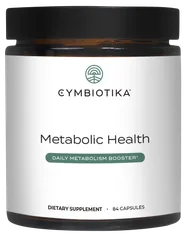
Cymbiotika Metabolic Health Review
Metabolic Health from Cymbiotika is presented on this page as a capsule formula that helps curb appetite. The product is sold as one size, in a jar of 84 capsules, at a price of $66.00. The page explains that the formula contains Dihydroberberine, sold under the name GlucoVantage, which the brand describes as a highly bioavailable form of berberine that supports blood sugar balance and helps the body burn fat for fuel. The brand says the newest version adds this ingredient together with Moringa Leaf Powder and Theobromine, which it describes as providing natural energy, cellular health support and improved detoxification. The page also states that Huperzine-A and Fountain Bush Extract were removed to ensure digestive ease. Two key ingredients are described in detail. EGCG, or epigallocatechin gallate, is described as a type of polyphenol flavonoid called a catechin that acts as an antioxidant to protect against cellular damage caused by oxidative stress. The page says studies have linked EGCG to support for weight loss through increased metabolism and improved blood circulation, and notes that studies also indicate it may reduce inflammation. OEA, or oleoylethanolamide, is described as a naturally occurring compound produced in the human gut. The page states that OEA is responsible for the feeling of satiety, or fullness, after a meal, and that research suggests it may contribute to the body's ability to burn fat. The directions say to take 3 capsules daily, about 30 minutes before the largest meal of the day. The FAQ section explains that the formula contains green tea extract, theobromine and coffee bean extract, which provide a modest amount of naturally occurring caffeine, so people sensitive to caffeine should take it earlier in the day. The page also says the formula is designed to support metabolic function as part of a balanced diet and lifestyle and is not meant to replace them. The page lists certifications including GMP Certified, Non-GMO, No Artificial Flavors, No Preservatives, Plant Based, Gluten Free, Soy Free, Keto, Third Party Tested and Made In USA. A certificate of analysis from a third-party lab is provided. The page notes that the statements have not been evaluated by the Food and Drug Administration and that the product is not intended to diagnose, treat, cure or prevent any disease. A 60-day money back guarantee is offered, and the page shows a SuppCo TrustScore of 10.0.
We don’t sell supplements. We help you make decisions and get the best price.
Lowest prices
Finding the lowest prices at the stores now. This takes a few seconds.
Study, Trial or Testing Result Summary
Members Only474 human studies · 264 improved
6 of these 474 human studies gave the ingredient by drip, not by mouth.
Several ingredients here are at doses used in studies. Chromium, at a full dose, lowered fasting and long-term blood sugar in people with type 2 diabetes in pooled trials [1][2], though it showed no effect in people without diabetes. Oleoylethanolamide, at a full dose, lowered blood sugar and insulin resistance in people with prediabetes [3], but one trial in obese people found no change [4]. Cinnamon, near a studied dose, lowered fasting and long-term blood sugar [5][6]. Alpha-lipoic acid, at the full three-capsule daily dose, helped in some trials [7], but a two-year trial found long-term blood sugar unchanged [8]. Green tea extract lowered blood sugar in pooled trials [9]. Ginseng studies used root or berry, not this leaf and stem extract [10]. Gymnema and moringa are below studied doses, and ginger, fenugreek and coffee bean are at trace amounts [11][12]. Thiamine did not lower blood sugar in pooled trials [13], theobromine did not either [14], and dihydroberberine has no human studies here. Animal and cell studies are never counted.
See all 474 studies →Hide the studies
- A pooled review of 884 trials with about 884,000 people found moderate- to high-quality evidence that alpha-lipoic acid, among many other micronutrients, reduced heart disease risk factors.Micronutrient Supplementation to Reduce Cardiovascular Risk.
- In 23 trials of 60,194 older adults, niacin did not reduce the need for revascularization, and blood sugar outcomes for niacin were not reported.Lipid-Lowering Agents in Older Individuals: A Systematic Review and Meta-Analysis of Randomized Clinical Trials.
- An umbrella review of 46 trials in women with polycystic ovary syndrome found benefits for several supplements, but green tea catechins were only reported to reduce body fat, with no blood sugar result stated for green tea.Efficacy of dietary supplements as an adjunctive therapy for polycystic ovary syndrome: an umbrella meta-analysis.
- In 11 trials of 26,340 people without diabetes followed for about 3.6 years, those given niacin were about 34% more likely to develop diabetes than controls (725 of 13,121 versus 646 of 13,219).Niacin therapy and the risk of new-onset diabetes: a meta-analysis of randomised controlled trials.
- In 170 trials of 14,223 people with type 2 diabetes, niacin ranked best for lowering triglycerides and raising HDL cholesterol, but chromium and vitamin K ranked best for blood sugar, and the evidence was low to very low certainty.Comparative effects of vitamin and mineral supplements in the management of type 2 diabetes in primary care: A systemati…
- A pooled analysis of 106 trials in 7,273 people with fatty liver disease found oleoylethanolamide improved antioxidant measures, while blood sugar and insulin gains were best with nutrient plus drug combinations rather than oleoylethanolamide itself.Efficacy of selected dietary supplements and pharmacological agents on metabolic and oxidative stress outcomes in metabo…
- In a pooled comparison of 79 trials with 5,501 women with polycystic ovary syndrome, chromium improved blood fat levels, antioxidant capacity and a reproductive hormone, but it was not singled out for blood sugar and several other markers did not differ from placebo.The effectiveness of nutritional supplements in improving polycystic ovary syndrome in women: a systematic review and ne…
- Across 145 trials with 5205 people, flavan-3-ol-rich foods and supplements (about 586 mg a day) lowered office blood pressure by about 2.8/2.0 mmHg and improved blood vessel function, with larger effects in people with high blood pressure.Impact of flavan-3-ols on blood pressure and endothelial function in diverse populations: a systematic review and meta-a…
- Across 28 trials of 3054 adults with type 2 diabetes taking cinnamon for about 4 to 17 weeks, fasting blood sugar, after-meal blood sugar, long-term blood sugar (HbA1c) and insulin resistance all dropped more than with placebo or control, especially with capsules at 2 grams a day or less.Effects of cinnamon supplementation on metabolic biomarkers in individuals with type 2 diabetes: a systematic review and…
- In a pooled comparison of 41 trials with 2,362 women with polycystic ovary syndrome, chromium lowered fasting insulin and insulin resistance versus placebo, and also lowered triglycerides and total cholesterol.Comparison of nutritional supplements in improving glycolipid metabolism and endocrine function in polycystic ovary synd…
- In 8 trials of 2,110 people with type 2 diabetes, niacin improved cholesterol and triglycerides but did not significantly change blood glucose or HbA1c (long-term blood sugar).Effectiveness of niacin supplementation for patients with type 2 diabetes: A meta-analysis of randomized controlled tria…
- Pooling 27 trials with 1898 people, green tea lowered fasting blood sugar by about 2.1 mg/dL compared with placebo or water, mainly in people under 55 or in Asian studies, while coffee and black tea did not.Effects of Coffee and Tea Consumption on Glucose Metabolism: A Systematic Review and Network Meta-Analysis.
- In nine trials of 1354 people with diabetic kidney disease, B vitamins including thiamine did not improve kidney function or blood pressure, though one study found thiamine lowered urinary albumin.Vitamin B and its derivatives for diabetic kidney disease.
- In 20 trials of 1,187 people with newly diagnosed type 1 diabetes, immunotherapies as a group modestly preserved insulin-producing cell function, but nicotinamide was only one of many agents and its separate effect was not reported.Immunotherapeutic agents in type 1 diabetes: a systematic review and meta-analysis of randomized trials.
- Across 14 trials with 894 people, fenugreek lowered long-term blood sugar (HbA1c) but did not clearly change fasting or after-meal blood sugar, and study quality was a concern.Effect of Fenugreek on Hyperglycemia: A Systematic Review and Meta-Analysis.
- Across 14 trials with 766 adults, green coffee extract lowered fasting blood sugar by about 2.4 mg/dL, insulin and total cholesterol compared with control groups.The effects of green coffee extract supplementation on glycemic indices and lipid profile in adults: a systematic review…
- Pooling 15 trials with 722 people with type 2 diabetes, green tea lowered fasting blood sugar, long-term blood sugar (HbA1c) and insulin resistance compared with controls.The effect of green tea on patients with type 2 diabetes mellitus: A meta-analysis.
- Across 10 randomized trials with 706 people with type 2 diabetes or prediabetes, fenugreek lowered fasting blood sugar, after-meal blood sugar and HbA1c, with only mild stomach side effects.The Effect of Fenugreek in Type 2 Diabetes and Prediabetes: A Systematic Review and Meta-Analysis of Randomized Controll…
- In 10 trials with 683 women with polycystic ovary syndrome, chromium lowered fasting insulin, cholesterol, triglycerides, inflammation and oxidative stress and raised insulin sensitivity versus placebo, and lowered insulin resistance more than a med.Therapeutic effects of chromium supplementation on women with polycystic ovarian syndrome: A systematic review and meta-…
- Across nine randomized trials with 649 adults, moringa had no significant effect on most heart and blood sugar measures, with only a small drop in diastolic blood pressure that did not hold up in sensitivity checks, and the certainty of evidence was very low.Effects of Moringa oleifera Lam. Supplementation on Cardiometabolic Outcomes: A Meta-Analysis of Randomized Controlled T…
- Across 15 studies with 637 people, green coffee bean extract lowered fasting blood sugar by about 2.2 mg/dL, along with total cholesterol, blood pressure and body weight, but had no significant effect on HbA1c or insulin resistance.The Effect of Green Coffee Bean Extract on Cardiovascular Risk Factors: A Systematic Review and Meta-analysis.
- In 15 trials with 618 people, chromium did not change blood sugar or insulin in people without diabetes, and results in people with diabetes were inconclusive, with only one Chinese study showing benefit.Glucose and insulin responses to dietary chromium supplements: a meta-analysis.
- Across 10 trials of 577 people with type 1 or type 2 diabetes taking about 2 grams of cinnamon daily for 4 to 16 weeks, fasting blood sugar results were inconclusive and there was no significant difference in HbA1c, insulin or after-meal blood sugar.Cinnamon for diabetes mellitus.
- Across 10 trials of 543 people with type 2 diabetes taking 120 mg to 6 g of cinnamon daily for 4 to 18 weeks, fasting blood sugar fell by about 25 mg/dL, but long-term blood sugar (HbA1c) did not change significantly.Cinnamon use in type 2 diabetes: an updated systematic review and meta-analysis.
- In 10 trials with 509 people with type 2 diabetes, chromium modestly lowered long-term blood sugar (HbA1c) but did not significantly change fasting blood sugar or blood fats versus placebo.Effect of Chromium Supplementation on Blood Glucose and Lipid Levels in Patients with Type 2 Diabetes Mellitus: a System…
- In a pooled analysis of placebo-controlled trials (487 people across several herbs, at least 8 weeks), fenugreek lowered HbA1c by about 1.13 percentage points in people with type 2 diabetes, though results varied widely between studies.Meta-analysis of the effect of herbal supplement on glycemic control in type 2 diabetes.
- Across 14 randomized trials with 473 overweight or obese people, ginger lowered fasting blood glucose and insulin resistance and raised HDL cholesterol, but did not change insulin, triglycerides, or total and LDL cholesterol.The effects of ginger intake on weight loss and metabolic profiles among overweight and obese subjects: A systematic rev…
- Across 6 trials of 435 people with type 2 diabetes taking 1 to 6 grams of cinnamon daily for 40 days to 4 months, long-term blood sugar (HbA1c) and fasting blood sugar were significantly lower.Cinnamon in glycaemic control: Systematic review and meta analysis.
- Pooling 10 studies of 419 people with type 2 diabetes, Gymnema lowered fasting blood sugar, after-meal blood sugar, long-term blood sugar (HbA1c), triglycerides and total cholesterol compared with their own baseline.The effect of Gymnema sylvestre supplementation on glycemic control in type 2 diabetes patients: A systematic review and…
- In six trials of 364 adults with type 2 diabetes, 100-900 mg a day of thiamine or benfotiamine for up to 3 months did not change HbA1c or blood sugar, though it raised HDL and benfotiamine lowered triglycerides at one dose.Effect of thiamine supplementation on glycaemic outcomes in adults with type 2 diabetes: a systematic review and meta-an…
- In 6 trials with 351 women with polycystic ovary syndrome, chromium lowered insulin resistance but did not change fasting blood sugar or fasting insulin, and testosterone levels rose.Chromium supplementation in women with polycystic ovary syndrome: Systematic review and meta-analysis.
- In 8 trials with 315 people with type 2 diabetes and gum disease, melatonin and propolis clearly improved gum health and blood sugar (HbA1c), while ginger showed only modest effects.The Impact of Antioxidant Adjuncts on Periodontal Health in Type 2 Diabetes Patients: A Meta-Analysis.
- Across 5 placebo-controlled trials of 282 people with type 1 or type 2 diabetes, cinnamon did not significantly change HbA1c, fasting blood sugar or blood fat levels.Effect of cinnamon on glucose control and lipid parameters.
- In 10 trials of 211 people with recent-onset type 1 diabetes given nicotinamide, C-peptide (a sign of insulin production) was higher after one year than in controls, but insulin dose and HbA1c (long-term blood sugar) did not differ.Meta-analysis of nicotinamide treatment in patients with recent-onset IDDM. The Nicotinamide Trialists.
- In 4 trials with 177 people with fatty liver disease, ginger lowered insulin resistance and a liver enzyme (ALT) compared with placebo, but did not change another liver enzyme (AST), cholesterol or body mass index.Ginger supplementation for the treatment of non-alcoholic fatty liver disease: a meta-analysis of randomized controlled …
- Four placebo-controlled trials in 169 women with polycystic ovary syndrome found green tea lowered body weight by about 2.8 kg (very low-quality evidence); the abstract gives no blood sugar result.Green tea promotes weight loss in women with polycystic ovary syndrome: Systematic review and meta-analysis.
- In a network analysis of 150 people with chronic heart failure, B vitamins slightly changed blood pressure and heart rate and raised heart pumping function; thiamine was described as a vasodilator, with no thiamine-specific numbers given.B Vitamins as Adjunctive Treatment for Chronic Heart Failure.
- Pooling three placebo-controlled trials of 76 people with type 2 diabetes, red ginseng taken for 12 weeks did not lower fasting blood sugar or fasting insulin more than placebo.Red ginseng for type 2 diabetes mellitus: a systematic review of randomized controlled trials.
- Across 20 studies, people with diabetes had lower blood levels of several forms of thiamine than people without diabetes, but this compared status and did not test supplements.Association between diabetes and thiamine status - A systematic review and meta-analysis.
- A safety analysis of medicines withdrawn from the market found new-onset diabetes with niacin-laropiprant became a significant harm after marketing, with about one extra case per 390 people treated.Testing the usefulness of the number needed to treat to be harmed (NNTH) in benefit-risk evaluations: case study with me…
- Pooling 13 trials in people with type 2 diabetes using 42 to 1,000 micrograms daily for 30 to 120 days, chromium lowered fasting glucose by about 29 mg/dL and total cholesterol by about 6.7 mg/dL.[Chromium supplementation in patients with type 2 diabetes and high risk of type 2 diabetes: a meta-analysis of randomiz…
- Pooling 7 trials in women with polycystic ovary syndrome, chromium lowered body mass index, free testosterone and fasting insulin (in larger studies), but did not change total testosterone, hormone levels or hair growth score.Chromium supplementation and polycystic ovary syndrome: A systematic review and meta-analysis.
- Pooling 28 trials in people with type 2 diabetes, chromium supplements lowered fasting blood glucose by 19 mg/dl, long-term blood sugar (HbA1c) by 0.71%, insulin and insulin resistance compared with controls.Effects of chromium supplementation on glycemic control in patients with type 2 diabetes: a systematic review and meta-a…
- In 15 trials of people with type 2 diabetes taking 200 to 1000 micrograms of chromium daily, diastolic blood pressure and an oxidative stress marker fell, but body weight index, systolic blood pressure and liver enzymes did not change.Effects of chromium supplementation on blood pressure, body mass index, liver function enzymes and malondialdehyde in pa…
- Pooling 13 trials, green tea lowered systolic blood pressure by about 2.1 mmHg, diastolic by about 1.7 mmHg, and total and LDL cholesterol, but blood glucose changes were not significant.Green tea catechins and blood pressure: a systematic review and meta-analysis of randomised controlled trials.
- Pooling four trials in people with fatty liver disease, green tea lowered liver enzymes, triglycerides, total and LDL cholesterol, but did not significantly change HDL cholesterol or insulin resistance.Green tea as a safe alternative approach for nonalcoholic fatty liver treatment: A systematic review and meta-analysis o…
- Across 8 placebo-controlled trials in people with type 2 diabetes or prediabetes, cinnamon or cinnamon extract lowered fasting blood glucose by about 0.49 mmol/L.Cinnamon intake lowers fasting blood glucose: meta-analysis.
- A pooled analysis of randomized trials in people with type 2 diabetes found cinnamon lowered triglycerides and LDL cholesterol and raised HDL cholesterol, but had no significant effect on fasting blood glucose or long-term blood sugar (HbA1c); doses of 1200 mg or less showed a blood sugar lowering effect in subgroup analysis.The Effect of Cinnamon on Glycolipid Metabolism: A Dose-Response Meta-Analysis of Randomized Controlled Trials.
- Across 24 trials in people with type 2 diabetes, cinnamon lowered fasting blood sugar, insulin resistance and long-term blood sugar (HbA1c) compared with control, but did not significantly change insulin levels.The effect of cinnamon supplementation on glycemic control in patients with type 2 diabetes mellitus: An updated systema…
- In a review of trials of herbs and spices in people with type 2 diabetes, cinnamon significantly lowered fasting glucose (by roughly 17 to 27 mg/dL for the top spices) and insulin, but not long-term blood sugar (HbA1c).Effect of Aromatic Herbs and Spices Present in the Mediterranean Diet on the Glycemic Profile in Type 2 Diabetes Subject…
- Pooling 6 randomized trials in adults, Gymnema lowered fasting blood sugar, triglycerides, total and LDL cholesterol and diastolic blood pressure, though study quality was low and results varied widely.The effects of Gymnema Sylvestre supplementation on lipid profile, glycemic control, blood pressure, and anthropometric …
- A pooled analysis of 17 animal experiments and 3 human trials on fatty liver found ginger lowered fasting blood sugar by 2.54 mg/dL along with blood fats and liver enzymes, but the pooled numbers came from animal studies and more human trials are needed.A systematic review and meta-analysis of preclinical and clinical studies on the efficacy of ginger for the treatment of…
- In 10 clinical trials lasting at least a week, fenugreek seeds lowered fasting blood sugar, after-meal blood sugar and HbA1c versus control, mainly in people with diabetes at medium or high doses, but most trials were of low quality.Effect of fenugreek (Trigonella foenum-graecum L.) intake on glycemia: a meta-analysis of clinical trials.
- Pooling 12 randomized studies in people with diabetes or prediabetes, fenugreek lowered fasting blood sugar, after-meal blood sugar and HbA1c, though some studies were of low quality.Effect of fenugreek on hyperglycaemia and hyperlipidemia in diabetes and prediabetes: A meta-analysis.
- In 12 controlled trials, fenugreek seed compared with placebo lowered fasting blood sugar by about 13 mg/dL and HbA1c by about 0.6 percentage points, but results varied widely and need cautious reading.The Effects of Fenugreek on Cardiometabolic Risk Factors in Adults: A Systematic Review and Meta-analysis.
- In a pooled analysis of 19 studies of saffron or fenugreek, fenugreek lowered fasting blood sugar, after-meal blood sugar and HbA1c, though results varied widely between studies.Effect of saffron and fenugreek on lowering blood glucose: A systematic review with meta-analysis.
- A review of long-term studies of coffee drinkers found that drinking more coffee, including decaffeinated, was linked to a much lower risk of developing type 2 diabetes (relative risk about 0.70 to 0.40).[Does coffee protect against type 2 diabetes?].
- Across 10 randomized trials, green coffee extract lowered fasting blood sugar by about 1.8 mg/dL but did not significantly change insulin overall, though doses of 400 mg or more per day did lower insulin.The influence of green coffee bean extract supplementation on blood glucose levels: A systematic review and dose-respons…
- In a review of randomized trials, green coffee extract improved waist size, triglycerides, HDL cholesterol and blood pressure, while the fasting blood sugar drop was seen only with decaffeinated coffee and was not statistically significant.Effects of Caffeinated and Decaffeinated Coffee Consumption on Metabolic Syndrome Parameters: A Systematic Review and Me…
- In a review of 199 trials of Ayurvedic medicines in type 2 diabetes (21,191 people), fenugreek lowered HbA1c by about 0.6 percentage points compared with control, though study methods were often poorly reported.Effectiveness and Safety of Ayurvedic Medicines in Type 2 Diabetes Mellitus Management: A Systematic Review and Meta-Ana…
- A review of 108 trials of herbs and supplements in 4,565 people with diabetes found Gymnema sylvestre had positive preliminary results for blood sugar control, but evidence was insufficient for firm conclusions.Systematic review of herbs and dietary supplements for glycemic control in diabetes.
- A review of seven clinical studies found conflicting results on thiamine for diabetes and heart problems, limited by small studies and short follow-up.A Systematic Review of Thiamine Supplementation in Improving Diabetes and Its Related Cardiovascular Dysfunction.
- A review of 21 studies on treating abnormal blood fats in people with diabetes covered nicotinic acid among several treatments, but the summary gives no results or numbers for niacin.Diabetes: managing dyslipidaemia.
- In a review of 14 studies, chromium reduced inflammatory markers in 12, but only three were human studies and their results were conflicting, so evidence in people with diabetes remains unclear.Potential roles of chromium on inflammatory biomarkers in diabetes: A Systematic.
- A review of randomized trials in people with type 2 diabetes using 50 to 1000 micrograms of chromium daily for 2 to 6 months found lower fasting glucose, insulin, long-term blood sugar and insulin resistance, mainly in longer studies.Chromium supplementation and type 2 diabetes mellitus: an extensive systematic review.
- A review of 33 animal and 8 human studies found encouraging blood sugar lowering, especially after meals, but human trials were few and varied in design, so more research is needed.Potential of Moringa oleifera to Improve Glucose Control for the Prevention of Diabetes and Related Metabolic Alteration…
- A review of trials in people with metabolic syndrome found green tea reduced body mass index and waist size and improved blood fats, but blood sugar benefits were reported for cocoa and cinnamon, not green tea.Effects of dietary polyphenols on metabolic syndrome features in humans: a systematic review.
- A review of four human studies in women with polycystic ovary syndrome (plus four animal studies) reported green tea extract improved weight, fasting blood sugar and insulin levels.A comprehensive insight into effects of green tea extract in polycystic ovary syndrome: a systematic review.
- Not a match for this entry: ignore.Polyphenol Intervention Ameliorates Non-Alcoholic Fatty Liver Disease: An Updated Comprehensive Systematic Review.
- A broad review of herbal remedies for polycystic ovary syndrome reported that cinnamon, among other herbs, lowered lipid and blood glucose levels, but gave no cinnamon-specific numbers.Polycystic ovaries and herbal remedies: A systematic review.
- A review found conflicting evidence on whether cinnamon improves blood sugar, with possibly modest effects in some adults and very few side effects.Sweetly Improving Sugars? Reviewing Cinnamon's Effects on Blood Glucose.
- A review of 45 studies found about 62% showed a significant benefit on at least one blood sugar measure (about 50% after quality ranking), suggesting a modest positive effect with very few side effects.A Systematic Review Evaluating Cinnamon's Effects on Glucose Utilizing a Ranking System to Assess Bias and Study Quality…
- A review of 25 publications, including five randomized trials and three open-label studies, found 600 mg daily for at least 3 weeks helped diabetic nerve damage and showed activity on weight and insulin sensitivity.A Case for Alpha-Lipoic Acid as an Alternative Treatment for Diabetic Polyneuropathy.
- A review of 17 randomized trials in adults taking alpha-lipoic acid for at least one month found blood fat changes varied widely and there was little consistent benefit; blood sugar was not assessed.Evaluating the Lipid-Lowering Effects of α-lipoic Acid Supplementation: A Systematic Review.
- A systematic review of Gymnema sylvestre for diabetes; the abstract gives no results or numbers.Gymnema sylvestre for diabetes mellitus: a systematic review.
- A review of animal and human studies of Gymnema extracts in obesity and diabetes; the abstract reports no specific human results.A systematic review of Gymnema sylvestre in obesity and diabetes management.
- A review of 57 randomized trials found strong evidence that ginseng has a positive effect on blood sugar metabolism, with few side effects.Systematic review of randomized controlled trials evaluating the efficacy and safety of ginseng.
- A review of 65 randomized trials found Panax ginseng showed promising results for improving blood sugar metabolism, though most studies had unclear risk of bias and more research is needed.Panax ginseng in randomised controlled trials: a systematic review.
- A review of controlled human trials of 17 so-called superfoods, including 10 ginger trials, found only limited and inconsistent evidence for effects on blood pressure, blood fats, glucose and body size.Effects of superfoods on risk factors of metabolic syndrome: a systematic review of human intervention trials.
- A review of nine trials in type 2 diabetes reported that supplements such as ginger were linked to consistent reductions in inflammation, but it did not measure blood sugar for ginger specifically.Inflammatory Activities in Type 2 Diabetes Patients With Co-morbid Angiopathies and Exploring Beneficial Interventions: …
- An umbrella review of plant supplement meta-analyses found ginger was linked to lower systolic blood pressure (about 6 mmHg), but the abstract does not report a ginger blood sugar result, and results varied widely.Phytonutrient supplements and metabolic biomarkers of cardiovascular disease: An umbrella review of meta-analyses of cli…
- A review of 51 clinical trials of plants in diabetes named ginger among the plants with the most trials, with lower insulin resistance, fasting blood sugar and long-term blood sugar (HbA1c) among the main reported effects.Clinical trials with plants in diabetes mellitus therapy: a systematic review.
- An umbrella review of 24 systematic reviews found ginger at 0.5 to 3 grams a day for up to 3 months helped blood sugar control and blood pressure, with evidence ranging from very low to moderate quality.Orally consumed ginger and human health: an umbrella review.
- In a review of polyphenol supplements for gum disease in people with diabetes, ginger reduced gum attachment loss and pocket depth but did not clearly improve inflammation, and the evidence overall is weak.The impact of systemic administration of polyphenols on periodontitis associated with diabetes mellitus: a systematic re…
- A review of meta-analyses found ginger, commonly at 1 to 3 grams daily, lowered long-term blood sugar (HbA1c) and fasting glucose in people with type 2 diabetes, and also lowered inflammation and oxidative stress markers.Pharmacological properties of ginger (Zingiber officinale): what do meta-analyses say? a systematic review.
- A review of randomized trials in adults with fatty liver disease reported that ginger supported blood pressure control and was beneficial for blood sugar regulation, though plant foods overall had mixed effects.Systematic Review of the Effects of Plant-Based Foods on Metabolic Outcomes in Adults with MASLD and Comorbidities Such …
- An umbrella review found ginger lowered HbA1c by about 0.47 percentage points compared with placebo in people with type 2 diabetes and improved insulin resistance, though confidence is limited by low-quality reviews.The efficacy and safety of herbal medicines for glycaemic control and insulin resistance in individuals with type 2 diab…
- A review of 62 studies of Ayurvedic diabetes treatments found evidence that fenugreek, among other herbs, lowers blood sugar, but the studies varied widely and more research is needed.Are Ayurvedic herbs for diabetes effective?
- A review of 23 randomized trials of Iranian herbs in people with type 2 diabetes found fenugreek among the plants with the best evidence for blood sugar control, though several plants need more study.Antidiabetic plants of Iran.
- A review of ten trials of food plants in people with impaired glucose tolerance found curcumin worked best, while fenugreek may also help but the studies were low quality and the results should be treated with caution.Effects of medicinal food plants on impaired glucose tolerance: A systematic review of randomized controlled trials.
- A review of 94 animal and human studies suggested chlorogenic acid from coffee may help regulate glucose and fat metabolism and lower risk of diabetes and heart disease, though no specific numbers were given.The potential effects of chlorogenic acid, the main phenolic components in coffee, on health: a comprehensive review of …
- A review of seven mostly animal and cell studies found coffee components had a neutral or positive effect on glucose and muscle glycogen handling, with only one human study, and chlorogenic acid showed no effect.Effects of Coffee Components on Muscle Glycogen Recovery: A Systematic Review.
- In 25,673 adults with vascular disease on meds, 2 g of extended-release niacin with laropiprant daily for about 3.9 years did not reduce major vascular events and increased serious problems with diabetes control by 3.7 percentage points and new diabetes diagnoses by 1.3 percentage points compared with placebo.Effects of extended-release niacin with laropiprant in high-risk patients.
- In a New Zealand population study of children with islet cell antibodies, nicotinamide treatment was linked to a lower rate of type 1 diabetes over an average of 7.1 years of follow-up, though the confidence interval was wide.A population based strategy to prevent insulin-dependent diabetes using nicotinamide.
- In 2340 adults with mixed high cholesterol, 1 gram of extended-release niacin with laropiprant plus a med for 12 weeks improved lipids more than a med, but caused more flushing and higher blood glucose.Read the study on PubMed (22305632) →
- In 796 people with type 2 diabetes, extended-release niacin with laropiprant for 12 weeks lowered LDL cholesterol by 17.9% and triglycerides by 23.1% and raised HDL cholesterol by 23.2%, shifting blood fat particles to a less harmful pattern than placebo.Extended-release niacin/laropiprant effects on lipoprotein subfractions in patients with type 2 diabetes mellitus.
- In 796 people with type 2 diabetes, 12 weeks of extended-release niacin with laropiprant strengthened the link between apolipoprotein B and LDL or non-HDL cholesterol, though many people who met cholesterol goals still stayed above the apolipoprotein B goal.Effects of extended-release niacin/laropiprant on correlations between apolipoprotein B, LDL-cholesterol and non-HDL-cho…
- In 467 people with type 2 diabetes, 600 mg of alpha-lipoic acid daily for 2 years did not prevent diabetic macular edema compared with placebo, and blood sugar (HbA1c) stayed constant.Alpha-lipoic acid for the prevention of diabetic macular edema.
- Over 18 months in 294 adults, the green-Mediterranean diet with green tea raised fasting ghrelin more than a standard healthy diet, and in men this rise tracked with better insulin sensitivity.Diet-induced Fasting Ghrelin Elevation Reflects the Recovery of Insulin Sensitivity and Visceral Adiposity Regression.
- Over 18 months in 294 adults with abdominal obesity, a green-Mediterranean diet including green tea lowered a stress hormone linked to blood sugar and heart risk more than a standard healthy diet did.Long-term green-Mediterranean diet may favor fasting morning cortisol stress hormone; the DIRECT-PLUS clinical trial.
- In 284 overweight adults over 18 months, a diet including 3-4 cups of green tea daily plus Mankai and walnuts slowed age-related brain shrinkage more than standard healthy eating advice, and better insulin sensitivity was linked to less shrinkage, but green tea's own effect on blood sugar was not tested separately.The effect of a high-polyphenol Mediterranean diet (Green-MED) combined with physical activity on age-related brain atro…
- In a post hoc analysis of an 18-month diet trial of 284 adults, improved HbA1c and fasting glucose were linked to a younger brain age, and greater green tea intake was associated with this benefit.Glycemic control contributes to the neuroprotective effects of Mediterranean and green-Mediterranean diets on brain age:…
- In 210 adults with type 2 diabetes, Ceylon cinnamon extract taken for about 4 months lowered fasting blood sugar and HbA1c compared with placebo and improved insulin resistance and insulin-producing cell function.Efficacy and Safety of Cinnamomum zeylanicum (Ceylon cinnamon) for diabetes mellitus: a randomized, double blind, placeb…
- In 204 adults with type 2 diabetes, 3 grams of cinnamon a day taken with tea for 8 weeks did not lower blood pressure more than tea alone, and cinnamon did not show a meaningful effect on the endothelial marker measured.Effect of cinnamon, cardamom, saffron and ginger consumption on blood pressure and a marker of endothelial function in p…
- In 195 people with prediabetes, 4 weeks of ginseng berry saponin capsules lowered 2-hour blood sugar by 0.98 mmol/l and improved insulin resistance compared with placebo, with no serious side effects.Effects of ginseng berry saponins from panax ginseng on glucose metabolism of patients with prediabetes: A randomized, d…
- In 180 adults with type 2 diabetes, taking 1000 mcg of chromium picolinate daily for 4 months lowered average blood sugar (HbA1c) and fasting and two-hour glucose compared with placebo, while also lowering insulin and total cholesterol.Elevated intakes of supplemental chromium improve glucose and insulin variables in individuals with type 2 diabetes.
- In 180 healthy volunteers, 6 weeks of black ginseng extract (1000 mg active component twice daily) did not change blood markers of sugar or fat metabolism compared with red ginseng or placebo.KGR-BG1, a Standardized Korean Black Ginseng Extract, Has No Significant Effects on Head or Face Temperature Compared wi…
- In 166 sedentary adults with risk factors for metabolic syndrome taking 400 or 800 mcg of chromium with plant extracts for 12 weeks alongside exercise and diet, some measures such as blood vessel function, insulin sensitivity and blood fats improved more than placebo, though evidence was modest and mostly seen at 6 weeks.Effects of 12 Weeks of Chromium, Phyllanthus emblica Fruit Extract, and Shilajit Supplementation on Markers of Cardiomet…
- In a six-month lifestyle program for adults with prediabetes, the share of recommended niacin intake from diet rose from 14.7% to 41.3%, and blood sugar improved in the structured counseling group; niacin itself was not given as a supplement, so this does not show that niacin lowers blood sugar.Improvements in Glycemic, Micronutrient, and Mineral Indices in Arab Adults with Pre-Diabetes Post-Lifestyle Modificatio…
- In 160 adults with type 2 diabetes taking their usual medicines, 3 grams a day of cinnamon capsules for 90 days lowered HbA1c by 0.2 percent and fasting blood sugar by 0.55 mmol/L compared with placebo.Efficacy of Cinnamon as an Adjuvant in Reducing the Glycemic Biomarkers of Type 2 Diabetes Mellitus: A Three-Month, Rand…
- In 155 postmenopausal women with metabolic syndrome on a low-calorie diet, six months of inositol plus alpha-lipoic acid cut insulin resistance by over 20% in 66.7% of the treated women and improved triglycerides and waist size versus placebo.Combination of inositol and alpha lipoic acid in metabolic syndrome-affected women: a randomized placebo-controlled tria…
- In 151 people with metabolic syndrome, one year of 600 mg alpha-lipoic acid daily modestly lowered blood fatty acids but did not change blood glucose, insulin, or insulin resistance compared with placebo.The effect of lipoic acid and vitamin E therapies in individuals with the metabolic syndrome.
- In 150 adults taking 1000 mg a day of Ceylon cinnamon extract for 12 weeks, fasting blood sugar fell more than with placebo, especially in people with type 2 diabetes, but LDL cholesterol did not drop significantly.Effects of Cinnamomum zeylanicum (Ceylon cinnamon) extract on lipid profile, glucose levels and its safety in adults: A …
- In 150 adults with type 2 diabetes on usual medicines, a seven-herb combination including fenugreek taken daily for three months lowered fasting blood sugar and HbA1c more than placebo, about as well as a med.Efficacy and Safety of a Traditional Herbal Combination in Patients with Type II Diabetes Mellitus: A Randomized Control…
- In a 3-month placebo-controlled trial of 140 adults with type 2 diabetes, 1,000 mg of cinnamon bark powder daily improved fasting glucose, insulin resistance and most lipid measures, with larger benefits in those with higher body mass index.Efficacy of cinnamon in patients with type II diabetes mellitus: A randomized controlled clinical trial.
- In a 90-day trial of 140 adults with type 2 diabetes, 3 g of cinnamon daily lowered LDL cholesterol and raised HDL cholesterol, but changes in total cholesterol and triglycerides were not significant.Effectiveness of cinnamon in the reduction of lipid levels in people with diabetes: a randomized clinical trial.
- In hypercholesterolemic children, low-dose chromium polynicotinate or policosanol lowered cholesterol only when combined with glucomannan fiber over eight weeks, while chromium with starch alone had no lipid-lowering effect.Low dose chromium-polynicotinate or policosanol is effective in hypercholesterolemic children only in combination with g…
- In 120 adults with or at risk of metabolic syndrome, 3 grams a day of cinnamon powder, among other spices, for 12 weeks improved blood sugar, HbA1c and total cholesterol compared with placebo.The Effect of Therapeutic Doses of Culinary Spices in Metabolic Syndrome: A Randomized Controlled Trial.
- In 118 hospitalized people with acute heart failure, 100 mg of thiamine on each of two days did not improve breathlessness, heart markers or blood glucose compared with placebo, apart from one breathlessness measure.Supplemental thiamine for the treatment of acute heart failure syndrome: a randomized controlled trial.
- Asian Indian adults with metabolic syndrome who took 3 g of cinnamon daily for 16 weeks had lower fasting blood sugar, average blood sugar over three months, waist size and body mass index than those on placebo.Effect of oral cinnamon intervention on metabolic profile and body composition of Asian Indians with metabolic syndrome:…
- In a double-blind placebo-controlled trial of 114 people with chronic heart disease, taking 10 g of a fiber blend containing fenugreek twice daily for six months lowered LDL cholesterol and raised apolipoprotein A-1 more than placebo, with no change in blood sugar.Is dietary fiber beneficial in chronic ischemic heart disease?
- In 114 newly diagnosed type 2 diabetes patients, 25 grams of fenugreek seed powder solution taken twice daily for one month lowered total cholesterol, triglycerides and LDL cholesterol and raised HDL cholesterol more than a med alone.Antidiabetic Effect of Fenugreek Seed Powder Solution (Trigonella foenum-graecum L.) on Hyperlipidemia in Diabetic Patie…
- In 109 adults with type 2 diabetes, 1 gram of cinnamon capsules daily for 90 days added to usual care lowered HbA1c by about 0.83% versus 0.37% with usual care alone.Effectiveness of cinnamon for lowering hemoglobin A1C in patients with type 2 diabetes: a randomized, controlled trial.
- In 105 adults with type 2 diabetes, 1 gram of cinnamon daily for 90 days did not change blood sugar, insulin sensitivity or cholesterol compared with placebo.Controlling type 2 diabetes mellitus with herbal medicines: A triple-blind randomized clinical trial of efficacy and saf…
- In 103 prediabetic adults, water-soluble cinnamon extract for 6 months did not change heart electrical tracings (ECG) compared with placebo, showing no heart rhythm side effects.Effect of water-soluble cinnamon extract on electrocardiographic parameters: An analysis of the CiNNaMON trial.
- In 103 adults with type 2 diabetes taking meds, 1.2 g of ginger daily for 90 days lowered blood sugar and total cholesterol more than placebo.Effectiveness of ginger in reducing metabolic levels in people with diabetes: a randomized clinical trial.
- In 102 women with central obesity, 856.8 mg of green tea extract daily for 12 weeks led to weight loss, smaller waist size, lower ghrelin and higher adiponectin than placebo, with a trend toward lower cholesterol; the abstract does not report a blood sugar result.Therapeutic effect of high-dose green tea extract on weight reduction: A randomized, double-blind, placebo-controlled cl…
- In 100 people with stable coronary artery disease, 12 weeks of ginseng berry saponin capsules improved exercise capacity more than placebo, with no serious side effects.Effects of ginseng berry saponins on cardiorespiratory fitness in patients with SCAD: a randomized, double-blinded, plac…
- In 97 overweight or obese women on a calorie-restricted diet for 10 weeks, 300 mg alpha-lipoic acid daily increased weight loss, but glucose and insulin improvements did not differ between groups.Effects of α-lipoic acid and eicosapentaenoic acid in overweight and obese women during weight loss.
- In 96 Japanese adults with visceral obesity, 400 mg of catechins plus 2.3 g of inulin daily for 12 weeks did not reduce visceral fat compared with placebo but improved insulin resistance.Green Tea Catechin Plus Inulin Improves Insulin Resistance Without Reducing Visceral Fat and Shows Exploratory Gut Micro…
- In 92 adults with type 2 diabetes, 500 mcg of chromium picolinate daily for 4 months kept insulin resistance from rising and lowered the inflammation marker TNF-alpha, but fasting blood sugar, average blood sugar, and cholesterol did not change significantly.The effects of chromium and vitamin D3 co-supplementation on insulin resistance and tumor necrosis factor-alpha in type …
- In 90 people with recent type 1 diabetes, nicotinamide for 1 year produced more clinical remission than insulin alone, with remission lasting longer than in the other groups.Randomized trial comparing nicotinamide and nicotinamide plus cyclosporin in recent onset insulin-dependent diabetes (IM…
- In 90 women with polycystic ovary syndrome, 125 mg a day of oleoylethanolamide for 8 weeks lowered blood sugar measures, oxidative damage and inflammation compared with placebo.Examining the oleoylethanolamide supplement effects on glycemic status, oxidative stress, inflammation, and anti-mulleri…
- In 90 adults on a weight-loss diet, a green-Mediterranean diet that included green tea and a green shake did not change blood sugar measures on its own, and the added autologous fecal transplant only reduced insulin rebound within that diet group over 14 months.Effects of Diet-Modulated Autologous Fecal Microbiota Transplantation on Weight Regain.
- In 90 older people with type 2 diabetes and a recent stroke, 3 weeks of alpha-lipoic acid lowered blood glucose, blood fats and insulin resistance and reduced oxidative stress compared with vitamin C.α-Lipoic acid treatment of aged type 2 diabetes mellitus complicated with acute cerebral infarction.
- In 89 adults with type 2 diabetes, 1000 mg per day of a polyherbal formula containing Gymnema sylvestre for 8 weeks lowered fasting and after-meal blood sugar and HbA1c, and improved cholesterol and triglycerides.Short-term effect of G-400, polyherbal formulation in the management of hyperglycemia and hyperlipidemia conditions in p…
- In 88 adults with type 2 diabetes, 3 one-gram ginger powder capsules daily for 8 weeks lowered fasting blood sugar and the 3-month blood sugar marker and improved insulin sensitivity compared with placebo.The effect of ginger powder supplementation on insulin resistance and glycemic indices in patients with type 2 diabetes:…
- In 88 adults with type 2 diabetes, 10 g per day of powdered whole fenugreek seeds for 8 weeks lowered fasting blood sugar, HbA1c, insulin, insulin resistance and cholesterol compared with a placebo wheat starch group.Effect of Fenugreek Seeds on Serum Metabolic Factors and Adiponectin Levels in Type 2 Diabetic Patients.
- In women with polycystic ovary syndrome, 1000 mcg of chromium picolinate daily for six months reduced insulin resistance and BMI and increased the chance of ovulation and regular periods compared with placebo.Chromium picolinate reduces insulin resistance in polycystic ovary syndrome: Randomized controlled trial.
- In 85 adults with high cholesterol, 3 grams of ginger powder daily for 45 days lowered triglycerides, total cholesterol, and bad cholesterol more than lactose placebo.Investigation of the effect of ginger on the lipid levels. A double blind controlled clinical trial.
- In 84 overweight or obese women with polycystic ovary syndrome, taking 1,500 mg of cinnamon daily for 8 weeks lowered fasting blood glucose, fasting insulin and insulin resistance compared with placebo.Cinnamon improves metabolic factors without detectable effects on adiponectin in women with polycystic ovary syndrome.
- In 82 people with type 2 diabetes and kidney disease, 900 mg a day of benfotiamine for 12 weeks raised thiamine status but did not reduce urinary albumin or kidney injury marker compared with placebo.A double-blind, randomized, placebo-controlled clinical trial on benfotiamine treatment in patients with diabetic nephro…
- In 82 obese people with type 2 diabetes, 8 weeks of a combined supplement (thiamine 1 mg/kg, alpha-lipoic acid, carnosine) lowered glucose, HbA1c and an oxidative stress marker, and raised insulin.Effects of α-Lipoic Acid, Carnosine, and Thiamine Supplementation in Obese Patients with Type 2 Diabetes Mellitus: A Ran…
- In 81 adults with slightly high fasting blood sugar, 3 months of a Gymnema, corn, zinc and chromium supplement lowered fasting blood sugar and HbA1c compared with placebo in the one-tablet group, with no signs of kidney or liver harm.Efficacy and Tolerability of a Food Supplement Based on Zea mays L., Gymnema sylvestre (Retz.) R.br.ex Sm, Zinc and Chro…
- In 80 overweight or obese adults with metabolic syndrome on a low-calorie diet, 450 mg of theobromine daily for 12 weeks reduced waist size and cholesterol ratios and raised HDL cholesterol compared with placebo, but did not change blood pressure, fasting blood sugar, insulin or insulin resistance.Theobromine supplementation in combination with a low-calorie diet improves cardiovascular risk factors in overweight an…
- In 80 critically ill patients, 900 mg of alpha-lipoic acid daily for 10 days lowered blood glucose and prevented a rise in insulin resistance compared with placebo, while other blood markers and clinical outcomes did not differ.The Beneficial Effects of α-Lipoic Acid in Critically Ill Patients: A Prospective, Randomized, Double-Blind, Placebo-Con…
- In 80 people with diabetes and nerve damage, 12 weeks of alpha-lipoic acid plus B vitamins did not change long-term blood sugar, fasting blood sugar or blood fats compared with placebo.Evaluation of Alpha-Lipoic Acid and B Vitamins on Quality of Life and Metabolic Parameters among Diabetic Patients with …
- In 80 people with type 2 diabetes and high blood pressure, 12 weeks of combined ginseng lowered central systolic blood pressure by about 4.7 mmHg versus control but did not change blood vessel function or stiffness.Vascular effects of combined enriched Korean Red ginseng (Panax Ginseng) and American ginseng (Panax Quinquefolius) admi…
- In 80 people with type 2 diabetes and high blood pressure, 2.25 g daily of combined ginseng for 12 weeks lowered 24-hour systolic blood pressure by about 4 mmHg, HbA1c by 0.35%, and cholesterol and triglycerides versus control.Effect of coadministration of enriched Korean Red Ginseng (Panax ginseng) and American ginseng (Panax quinquefolius L) o…
- In 80 obese women, 2 g of ginger powder daily for 12 weeks reduced body mass index, serum insulin and insulin resistance more than placebo.Changes of serum adipocytokines and body weight following Zingiber officinale supplementation in obese women: a RCT.
- In 79 adults with type 2 diabetes, an extract equal to 3 g of cinnamon powder daily for 4 months lowered fasting blood glucose more than placebo, though average blood sugar control measured over months did not change significantly.Effects of a cinnamon extract on plasma glucose, HbA, and serum lipids in diabetes mellitus type 2.
- In 76 obese people with fatty liver disease on calorie-restricted diets, 12 weeks of oleoylethanolamide improved blood sugar measures (except long-term HbA1c), triglycerides, HDL cholesterol and liver enzymes compared with placebo.Oleoylethanolamide supplementation in obese patients newly diagnosed with non-alcoholic fatty liver disease: Effects on …
- In 76 people with type 2 diabetes and fatty liver disease, 1000 mg of ginger powder twice daily for three months improved blood pressure, insulin levels and insulin resistance within the ginger group, but inflammation markers did not change significantly.The Effects of Ginger (Zingiber Officinale Roscoe) on Non-Alcoholic Fatty Liver Disease in Patients with Type 2 Diabetes…
- In 75 adults with type 2 diabetes, 4 months of a combined vitamin and mineral supplement including 10 mg of vitamin B1 did not change blood sugar control compared with placebo, though nerve symptom scores improved.Improving neuropathy scores in type 2 diabetic patients using micronutrients supplementation.
- In 75 adults with type 2 diabetes taking a combination containing Gymnema for up to 6 months, blood sugar measures did not differ from placebo, but total cholesterol and LDL cholesterol were lower.Combined Inositols, α-Lactalbumin, Gymnema Sylvestre and Zinc Improve the Lipid Metabolic Profile of Patients with Type …
- In 73 adults with type 2 diabetes taking 1000 mcg of chromium picolinate daily for 6 months, 63% responded with better insulin sensitivity compared with 30% on placebo; baseline insulin sensitivity was the main predictor of response.Phenotype of subjects with type 2 diabetes mellitus may determine clinical response to chromium supplementation.
- In 72 teenagers with type 1 diabetes, 1 gram of cinnamon daily for 90 days did not improve blood sugar control compared with placebo.The effect of cinnamon on A1C among adolescents with type 1 diabetes.
- In 71 adolescents with type 1 diabetes, an antioxidant diet with alpha-lipoic acid for 6 months improved blood vessel function more than the same diet with placebo, and reduced bolus insulin use.Alpha-Lipoic Acid and Antioxidant Diet Help to Improve Endothelial Dysfunction in Adolescents with Type 1 Diabetes: A Pi…
- In 70 overweight adolescents taking an anti-inflammatory supplement with green tea extract for 8 weeks versus placebo for 8 weeks, insulin resistance did not change overall but fell in 40% of teens, while healthy adiponectin levels were maintained.Personalized Cardio-Metabolic Responses to an Anti-Inflammatory Nutrition Intervention in Obese Adolescents: A Randomize…
- In 70 adults with type 2 diabetes, 1.6 grams of ginger daily for 12 weeks lowered fasting blood sugar, the 3-month blood sugar marker, insulin, blood fats, and inflammation markers compared with placebo.The effect of ginger consumption on glycemic status, lipid profile and some inflammatory markers in patients with type 2…
- In 70 pregnant women with gestational diabetes, a six-week course of ginger tablets lowered fasting blood sugar, fasting insulin and insulin resistance compared with placebo, though 2-hour post-meal blood sugar did not change significantly.Effect of ginger on the blood glucose level of women with gestational diabetes mellitus (GDM) with impaired glucose tole…
- In 69 people with type 2 diabetes not controlled by meds, adding fenugreek total saponins for 12 weeks lowered fasting and 2-hour blood sugar and HbA1c more than placebo, with no significant safety problems.Read the study on PubMed (18219452) →
- In 67 people with type 1 diabetes, 300 mg a day of benfotiamine for 24 months raised blood thiamine levels but did not change nerve function or inflammation markers compared with placebo.The effects of long-term oral benfotiamine supplementation on peripheral nerve function and inflammatory markers in pati…
- In 66 adults with borderline diabetes or diabetes, a daily packet containing 544 mg green tea polyphenols for 2 months did not clearly improve blood sugar, HbA1c, insulin resistance, or inflammation compared with controls.Randomized controlled trial for an effect of green tea consumption on insulin resistance and inflammation markers.
- In 66 Chinese adults with type 2 diabetes taking gliclazide, cinnamon extract at 120 or 360 mg daily for 3 months lowered HbA1c and fasting blood glucose, while placebo did not change them.Cinnamon extract improves fasting blood glucose and glycosylated hemoglobin level in Chinese patients with type 2 diabet…
- In 66 women with polycystic ovary syndrome, 1,500 mg of cinnamon powder daily for 12 weeks lowered fasting insulin and insulin resistance compared with placebo, with a drop in bad cholesterol compared with baseline.Insulin resistance improvement by cinnamon powder in polycystic ovary syndrome: A randomized double-blind placebo contro…
- In 65 people with prediabetes, 2400 mg a day of moringa leaf powder for 12 weeks lowered fasting blood glucose and HbA1c compared with placebo, where both rose.Moringa oleifera Leaf Supplementation as a Glycemic Control Strategy in Subjects with Prediabetes.
- In 65 people with prediabetes taking 2400 mg a day of moringa leaf powder for 12 weeks, there were no differences from placebo in inflammation markers, blood fats, antioxidant capacity or blood pressure.Effects of Moringa oleifera Lam. Supplementation on Inflammatory and Cardiometabolic Markers in Subjects with Prediabete…
- In 64 adults with type 2 diabetes, 2 grams of ginger daily for 2 months lowered insulin levels, insulin resistance, and bad cholesterol and blood fats compared with placebo, but did not change fasting blood sugar or the 3-month blood sugar marker.Effects of ginger (Zingiber officinale) on plasma glucose level, HbA1c and insulin sensitivity in type 2 diabetic patien…
- In 64 people with type 2 diabetes, two ginger tablets daily for two months lowered inflammation markers TNF-alpha and hs-CRP compared with the control group.Anti-inflammatory effects of zingiber officinale in type 2 diabetic patients.
- In 64 obese women on a calorie-restricted diet, 400 mg of green coffee bean extract for 8 weeks lowered total cholesterol, LDL cholesterol and leptin and raised adiponectin compared with placebo, with no blood sugar benefit reported.Energy restriction combined with green coffee bean extract affects serum adipocytokines and the body composition in obes…
- In obese adults with metabolic syndrome, 1000 mcg of chromium picolinate daily for 16 weeks did not improve insulin sensitivity, blood lipids or inflammation compared with placebo.Chromium picolinate does not improve key features of metabolic syndrome in obese nondiabetic adults.
- Adults who were overweight or obese with prediabetes and took a supplement containing cinnamon, chromium and carnosine for 4 months had a lower fasting blood sugar than those on placebo.A Dietary Supplement Containing Cinnamon, Chromium and Carnosine Decreases Fasting Plasma Glucose and Increases Lean Mas…
- In women with polycystic ovary syndrome taking a med, adding B-group vitamins including 250 mg thiamine twice daily for 12 weeks lowered homocysteine, a heart risk marker that rose by 26.5% on a med alone.Read the study on PubMed (15790610) →
- In 60 women with gestational diabetes, 100 mg a day of thiamin for 6 weeks lowered a blood inflammation marker (hs-CRP) and an oxidative stress marker (MDA) compared with placebo, but did not affect other markers.Anti-inflammatory and antioxidative effects of thiamin supplements in patients with gestational diabetes mellitus.
- Healthy adults eating only military Meal, Ready-to-Eat rations for 21 days had higher thiamin intake than usual diets, with no change in blood sugar or insulin, though triglycerides rose by about 19 percent.Randomized Trial Comparing Consumption of Military Rations to Usual Intake for 21 Consecutive Days: Nutrient Adequacy an…
- In adults with type 2 diabetes, 1000 mcg of chromium picolinate daily for three months shortened the QTc heart rhythm measure compared with placebo.Chromium supplementation shortens QTc interval duration in patients with type 2 diabetes mellitus.
- In 60 overweight adults without diabetes, a drink with 250 mcg of chromium picolinate and amino acids taken with a carbohydrate meal lowered the rise in blood sugar compared with placebo.A novel nutritional supplement containing amino acids and chromium decreases postprandial glucose response in a randomiz…
- In 60 obese people, 125 mg of oleoylethanolamide twice for 8 weeks lowered triglycerides versus placebo but did not significantly change fasting blood sugar or other cholesterol measures.The effect of Oleoylethanolamide supplementation on lipid profile, fasting blood sugar and dietary habits in obese peopl…
- In 60 adults with borderline blood sugar, 2 months of a daily green tea extract packet (544 mg polyphenols) significantly lowered average blood sugar over the past few months (HbA1c), while fasting glucose did not change significantly.Randomized controlled trial for an effect of green tea-extract powder supplementation on glucose abnormalities.
- In a 40-day placebo-controlled trial of 60 adults with type 2 diabetes, daily cinnamon at 1, 3 or 6 g lowered fasting blood glucose, triglycerides, LDL cholesterol and total cholesterol, while placebo showed no significant change.Cinnamon improves glucose and lipids of people with type 2 diabetes.
- In 60 adults with type 2 diabetes taking their usual medicine, 1.5 g per day of cinnamon cassia powder for 12 weeks did not lower fasting blood sugar or the 3-month sugar measure more than placebo.The effect of cinnamon cassia powder in type 2 diabetes mellitus.
- In 60 people with impaired fasting glucose, 600 mg of lipoic acid given by daily intravenous infusion for 3 weeks improved endothelium-dependent artery dilation and lowered a marker of oxidative stress compared with the untreated group.α-lipoic acid can improve endothelial dysfunction in subjects with impaired fasting glucose.
- In 60 pregnant women with gestational diabetes, 300 mg daily for 8 weeks improved blood sugar and several antioxidant defense measures compared with placebo.Alpha-lipoic acid supplementation effects on serum values of some oxidative stress biomarkers in women with gestational …
- In 60 people with diabetes on dialysis, 600 mg daily for 6 months, added to standard treatment, lowered inflammation and oxidative stress markers and blood sugar measures and improved anemia compared with standard treatment alone.Alpha-lipoic acid improved anemia, erythropoietin resistance, maintained glycemic control, and reduced cardiovascular ri…
- In 60 moderately obese adults over 8 weeks, a combination including 400 mg Gymnema extract reduced body weight, cholesterol and triglycerides compared with placebo; blood sugar was not reported.Effects of a natural extract of (-)-hydroxycitric acid (HCA-SX) and a combination of HCA-SX plus niacin-bound chromium a…
- In 60 adults with metabolic syndrome (48 finished), 4.5 g a day of Korean red ginseng for 12 weeks did not change blood pressure, fasting blood glucose, inflammation markers or artery stiffness compared with placebo.Effects of Korean Red Ginseng on Cardiovascular Risks in Subjects with Metabolic Syndrome: a Double-blind Randomized Con…
- In 60 overweight or obese adults taking green coffee bean extract (600 mg phenols daily) with oat beta-glucans for 6 weeks, cholesterol, triglycerides, haemoglobin A1c, insulin and systolic blood pressure improved, with no control group without treatment.Evaluation of novel nutraceuticals based on the combination of oat beta-glucans and a green coffee phenolic extract to c…
- In 59 adults with type 2 diabetes, 1,200 mg per day of cinnamon for 12 weeks did not lower systolic blood pressure beyond placebo once starting values were accounted for.Dietary cinnamon supplementation and changes in systolic blood pressure in subjects with type 2 diabetes.
- Adults with poorly controlled type 2 diabetes who took 2 g of cinnamon daily for 12 weeks had a lower average blood sugar measure than those on placebo, along with lower blood pressure, though fasting blood sugar changes were not significant versus placebo.Glycated haemoglobin and blood pressure-lowering effect of cinnamon in multi-ethnic Type 2 diabetic patients in the UK: …
- In type 2 diabetes patients with kidney disease, 250 mg thiamine plus pyridoxine daily for five months raised C-peptide and stopped further rises in AGE-peptides, while pyridoxine alone also lowered HbA1c.Plasma AGE-peptides and C-peptide in early-stage diabetic nephropathy patients on thiamine and pyridoxine therapy.
- In 56 non-obese adults, a daily mix of 10 supplements including 1.7 g of cinnamon bark extract for 24 weeks did not change artery stiffness, blood vessel function, blood sugar, or cardiovascular risk markers compared with controls.Multiple dietary supplements do not affect metabolic and cardio-vascular health.
- In 54 overweight women with polycystic ovary syndrome, 200 mcg of chromium picolinate plus 1000 mg of carnitine daily for 12 weeks lowered weight, fasting blood sugar, insulin, insulin resistance, and triglycerides and LDL cholesterol more than placebo.Effects of Chromium and Carnitine Co-supplementation on Body Weight and Metabolic Profiles in Overweight and Obese Women…
- In 54 overweight breast cancer survivors, 6 months of about 960 mL daily decaffeinated green tea, compared with placebo tea, raised HDL cholesterol significantly, while changes in weight and insulin resistance were not statistically significant.Green tea improves metabolic biomarkers, not weight or body composition: a pilot study in overweight breast cancer survi…
- In 51 adults with type 1 diabetes, 600 mg of alpha-lipoic acid taken daily for 5 weeks reduced measures of platelet reactivity compared with placebo.Effect of α-lipoic acid on platelet reactivity in type 1 diabetic patients.
- In a placebo-controlled trial of 50 overweight women, a supplement with 125 mg green tea extract plus capsaicin and ginger taken for 8 weeks lowered weight and insulin levels and improved insulin resistance compared with placebo.The Effect of Dietary Supplements Containing Green Tea, Capsaicin and Ginger Extracts on Weight Loss and Metabolic Profi…
- In a pilot trial of 50 Hispanic adults with obesity, drinking green tea daily for 8 weeks significantly raised fasting blood sugar, and it did not improve cholesterol or HbA1c.Feasibility and acceptability of a beverage intervention for Hispanic adults: results from a pilot randomized controlled…
- In 50 people with type 2 diabetes, 300 mg of EGCG daily for 2 months raised total antioxidant capacity and improved blood pressure and cholesterol compared with placebo.Effects of epigallocatechin-3-gallate of Camellia sinensis leaves on blood pressure, lipid profile, atherogenic index of…
- In 50 adults with fatty liver disease, 1500 mg of cinnamon daily for 12 weeks lowered insulin resistance, blood sugar, cholesterol, liver enzymes and C-reactive protein more than placebo.Cinnamon may have therapeutic benefits on lipid profile, liver enzymes, insulin resistance, and high-sensitivity C-react…
- In 50 adults with fatty liver disease, 1200 mg of alpha lipoic acid daily for 12 weeks lowered insulin and leptin and raised insulin sensitivity and adiponectin compared with placebo, though liver fat did not differ significantly between groups.Oral α-lipoic acid supplementation in patients with non-alcoholic fatty liver disease: effects on adipokines and liver h…
- In 50 type 2 diabetics with high cholesterol despite a med therapy, a polyherbal sachet containing 2.5 g fenugreek seed twice daily for 12 weeks improved triglycerides, total and LDL cholesterol and HbA1c, but not fasting blood glucose.A Randomized Controlled Trial of a Herbal Compound for Improving Metabolic Parameters in Diabetic Patients with Uncontro…
- In 50 adults with type 2 diabetes, 5 g of fenugreek seed powder three times a day for 8 weeks lowered fasting blood sugar compared with a control group, alongside their usual medicines.The effect of fenugreek seed supplementation on serum irisin levels, blood pressure, and liver and kidney function in pa…
- In 46 adults with fatty liver disease, 400 mcg of chromium picolinate daily for 3 months lowered triglycerides, insulin, insulin resistance, and inflammatory markers compared with placebo, without changing fasting blood sugar or HbA1c.A pilot study of the effects of chromium picolinate supplementation on serum fetuin-A, metabolic and inflammatory factor…
- In 46 people with prediabetes, 125 mg a day of oleoylethanolamide for 8 weeks reduced blood sugar, insulin, insulin resistance, HbA1c and inflammation, with no significant changes in the placebo group.Improved glycemic status, insulin resistance and inflammation after receiving oral oleoylethanolamide supplement in peop…
- In 46 women on a low-calorie diet for about 12 weeks, green tea extract did not change blood sugar, cholesterol or other blood measures compared with placebo.Metabolic effects of green tea and of phases of weight loss.
- In 46 people with type 2 diabetes and gum disease, ginger taken for eight weeks alongside gum treatment lowered inflammation markers and raised antioxidant enzymes more than placebo.The effects of ginger supplementation on inflammatory, antioxidant, and periodontal parameters in type 2 diabetes mellit…
- In 45 women with polycystic ovary syndrome, 1,500 mg of cinnamon daily for 6 months improved menstrual cycle frequency, but insulin resistance did not change compared with placebo.Preliminary evidence that cinnamon improves menstrual cyclicity in women with polycystic ovary syndrome: a randomized co…
- In 45 adults with type 2 diabetes, 2 g of ginger powder daily for 10 weeks lowered a blood marker of heart risk within the ginger group, but the change did not differ significantly from the wheat flour placebo group.Asymmetric dimethylarginine and soluble inter-cellular adhesion molecule-1 serum levels alteration following ginger supp…
- In 44 young men, 30 days of moringa leaf water extract improved push-up and treadmill performance and serum glucose, urea, and oxidative stress markers compared with placebo.Moringa oleifera leaf extracts improve exercise performance in young male adults: A pilot study.
- In 44 healthy adults with low HDL cholesterol, 500 mg of theobromine daily for 4 weeks lowered LDL cholesterol but raised an inflammation marker (hsCRP) and increased blood sugar and insulin after a meal, while fasting glucose and insulin were unchanged.Theobromine does not affect postprandial lipid metabolism and duodenal gene expression, but has unfavorable effects on p…
- In 44 adults with type 2 diabetes, 3 grams of cinnamon daily for 8 weeks did not change blood sugar, insulin, or antioxidant measures compared with placebo.Effects of Cinnamon Consumption on Glycemic Indicators, Advanced Glycation End Products, and Antioxidant Status in Type …
- In 44 adults with type 2 diabetes, 3 g of cinnamon per day for 8 weeks did not lower blood levels of two artery-wall adhesion molecules more than placebo.A randomized controlled trial to determining the effect of cinnamon on the plasma levels of soluble forms of vascular ad…
- In 44 adults with type 2 diabetes, 3 g of cinnamon per day for 8 weeks produced a between-group difference in one inflammation-related factor (NF-kB), but levels of other inflammation markers and SIRT1 did not improve, and the authors concluded no overall benefit.Effects of cinnamon supplementation on expression of systemic inflammation factors, NF-kB and Sirtuin-1 (SIRT1) in type …
- In 44 people with diabetes on dialysis, 2000 mg of ginger daily for eight weeks lowered fasting blood sugar and insulin resistance compared with placebo.The effect of zingiber officinale on prooxidant-antioxidant balance and glycemic control in diabetic patients with ESRD …
- In 43 people with type 2 diabetes not on insulin, 12 weeks of a beverage with about 583 mg catechins daily reduced waist size more than a low-catechin control, but overall blood sugar and HbA1c did not differ, with some benefit seen only in people on glucose-lowering drugs.A catechin-rich beverage improves obesity and blood glucose control in patients with type 2 diabetes.
- In 42 overweight older adults with raised HbA1c, an 8-week supplement blend containing oleoylethanolamide lowered fasting glucose, cholesterol and oxidized LDL compared with placebo.A novel fasting mimetic (Mimio) creates fasting-like benefits to hunger control, oxidative stress, and cardiometabolic h…
- In 42 people with diabetic kidney disease, 800 mg of epigallocatechin gallate daily for 12 weeks cut urine albumin by 41% while placebo rose 2%.The use of green tea polyphenols for treating residual albuminuria in diabetic nephropathy: A double-blind randomised cl…
- In 40 people with diabetic nerve damage, 200 mg of benfotiamine daily for 3 weeks improved nerve symptom scores more than placebo, with less pain and no side effects.Benfotiamine in the treatment of diabetic polyneuropathy--a three-week randomized, controlled pilot study (BEDIP study).
- In 40 people with type 2 diabetes and early kidney protein leakage, 300 mg of thiamine daily for 3 months reduced urinary albumin more than placebo, with no adverse effects.High-dose thiamine therapy for patients with type 2 diabetes and microalbuminuria: a randomised, double-blind placebo-co…
- In 40 adults with newly diagnosed type 2 diabetes, 3 months of chromium-enriched brewer's yeast lowered fasting blood sugar and long-term blood sugar control markers more than placebo yeast, and also reduced cholesterol and triglycerides.Beneficial effect of chromium supplementation on glucose, HbA1C and lipid variables in individuals with newly onset type…
- In 40 adults with type 2 diabetes eating 20, 40 or 60 g of moringa leaves daily for 14 days, fasting blood glucose did not differ between groups and after adjustment no measure differed significantly.Effects of Moringa oleifera leaves on the blood glucose, blood pressure, and lipid profile of type 2 diabetic subjects: …
- In 40 healthy adults and adults with metabolic syndrome, 4 weeks of a green tea extract confection with about 890 mg catechins daily lowered blood endotoxin and fasting blood sugar compared with placebo, without changing whole-body inflammation markers.A green tea extract confection decreases circulating endotoxin and fasting glucose by improving gut barrier function but…
- In 40 adults with type 2 diabetes, one week of Emulin lowered fasting and after-meal blood glucose by 1-5% while placebo rose 5-13%, and Emulin with a med lowered it by up to 20%.Effect of emulin on blood glucose in type 2 diabetics.
- In 40 overweight adults with mixed high blood fats, 8 weeks of a berberine, chlorogenic acid and tocotrienol combination lowered cholesterol, triglycerides, fasting insulin and insulin resistance more than placebo.Short-term effects of a combined nutraceutical of insulin-sensitivity, lipid level and indexes of liver steatosis: a dou…
- In 39 patients with type 2 diabetes and kidney disease, 400 mg of green tea extract taken every 12 hours for 3 months was linked to lower fasting blood sugar and triglycerides and better kidney filtration rate.Green Tea Extract Increases Soluble RAGE and Improves Renal Function in Patients with Diabetic Nephropathy.
- In 39 overweight men taking a fenugreek seed extract for six weeks, the insulin to glucose ratio fell compared with placebo, alongside a small but significant drop in dietary fat intake.A fenugreek seed extract selectively reduces spontaneous fat intake in overweight subjects.
- In 38 overweight postmenopausal women walking regularly, 300 mg daily of green tea catechin lowered resting heart rate and plasma glucose in those with impaired glucose tolerance over 12 weeks, though body fat fell equally with placebo.Can EGCG reduce abdominal fat in obese subjects?
- In 38 overweight adults, 282 mg EGCG plus 80 mg resveratrol daily for 12 weeks increased muscle mitochondrial capacity and fat burning compared with placebo but did not improve insulin sensitivity.Combined epigallocatechin-3-gallate and resveratrol supplementation for 12 wk increases mitochondrial capacity and fat o…
- In 37 adults with type 2 diabetes taking a med drug, 1000 mcg of chromium picolinate daily for 6 months improved insulin sensitivity and average blood sugar and reduced weight gain and belly fat compared with placebo.Chromium picolinate supplementation attenuates body weight gain and increases insulin sensitivity in subjects with type …
- In 37 overweight adults with high-normal blood pressure, 6 weeks of a combined olive leaf, green coffee bean and beetroot supplement had no effect on blood pressure, blood fats, blood glucose or insulin compared with placebo.Antihypertensive potential of combined extracts of olive leaf, green coffee bean and beetroot: a randomized, double-blin…
- In 36 people with recent type 1 diabetes, nicotinamide for 1 year with or without a short course of deflazacort gave similar HbA1c, and the deflazacort group had higher C-peptide, a marker of insulin-producing cell function.Read the study on PubMed (7956639) →
- In 36 adults, 4 weeks of a drink with 387 mg green tea catechins plus 165 mg monoglucosyl hesperidin lowered fasting triglycerides by about 30 mg/dl from baseline.Concomitant use of tea catechins affects absorption and serum triglyceride-lowering effects of monoglucosyl hesperidin.
- In 36 adults with type 2 diabetes, a single drink of aqueous cinnamon extract taken with a glucose drink did not change the blood sugar rise after the drink compared with the glucose drink alone.Effect of Aqueous Cinnamon Extract on the Postprandial Glycemia Levels in Patients with Type 2 Diabetes Mellitus: A Rand…
- In a placebo-controlled trial of 36 dialysis patients, 1000 mg of ginger daily for 10 weeks lowered fasting blood sugar by up to 20% compared with placebo, while inflammation and glycation markers did not change significantly.Effects of ginger on serum glucose, advanced glycation end products, and inflammation in peritoneal dialysis patients.
- In 35 obese adults with metabolic syndrome, 8 weeks of green tea drink or green tea extract capsules, compared with water controls, lowered body weight and BMI, and green tea drink also lowered lipid peroxidation markers, while LDL changes were only a trend.Green tea supplementation affects body weight, lipids, and lipid peroxidation in obese subjects with metabolic syndrome.
- In 32 adults with metabolic syndrome, 600 mcg of chromium with magnesium and zinc daily for 24 weeks did not change blood sugar, lipids, or blood pressure compared with placebo, though C-reactive protein fell more than with placebo.Effects of zinc, magnesium, and chromium supplementation on cardiometabolic risk in adults with metabolic syndrome: A do…
- In 32 people with newly diagnosed type 2 diabetes, 8 g a day of moringa leaf capsules for 4 weeks did not change fasting glucose or HbA1c versus placebo, and blood pressure fell by about 5 mmHg without statistical significance.Effect of Moringa oleifera Leaf Capsules on Glycemic Control in Therapy-Naïve Type 2 Diabetes Patients: A Randomized Pla…
- In 31 people with type 2 diabetes, 900 mg of benfotiamine daily for six weeks did not change blood vessel function or nerve function compared with placebo, either fasting or after a meal.A randomized, double-blind, crossover, placebo-controlled trial of 6 weeks benfotiamine treatment on postprandial vascul…
- In 30 obese adults, 150 mg of EGCG taken twice daily for 8 weeks lowered systolic, diastolic and mean blood pressure compared with placebo.Epigallocatechin gallate enhances sympathetic heart rate variability and decreases blood pressure in obese subjects: a r…
- In 30 young adults, adding 6 g of ground cinnamon to a farina cereal lowered blood sugar at several points and reduced the 2-hour blood sugar total, in both normal-weight and obese people.Effect of ground cinnamon on postprandial blood glucose concentration in normal-weight and obese adults.
- In 30 adults with type 2 diabetes, 21 days of intravenous 600 mg alpha lipoic acid improved endothelium-dependent blood vessel dilation compared with placebo, without changing vasomotor function in the forearm.Alpha-lipoic acid improves vascular endothelial function in patients with type 2 diabetes: a placebo-controlled randomiz…
- In 30 children and adolescents with type 1 diabetes, 300 mg taken twice daily for 4 months, added to insulin, lowered oxidative stress and inflammation markers and improved early heart pumping function compared with insulin alone.Alpha-lipoic acid improves subclinical left ventricular dysfunction in asymptomatic patients with type 1 diabetes.
- In 30 people with impaired glucose tolerance, 300 mg of Gymnema sylvestre twice daily lowered 2-hour glucose tolerance test results and long-term blood sugar (A1C), and raised insulin sensitivity; 46.7% reached normal A1C.Effect of Gymnema sylvestre Administration on Glycemic Control, Insulin Secretion, and Insulin Sensitivity in Patients w…
- In 30 healthy young adults, single doses of 200 mg or 400 mg ginseng significantly lowered blood glucose compared with placebo, and the 200 mg dose also improved a mental arithmetic task and reduced mental tiredness.Single doses of Panax ginseng (G115) reduce blood glucose levels and improve cognitive performance during sustained ment…
- In 30 adults with impaired glucose tolerance, taking 400 mg of chlorogenic acid three times daily for 12 weeks lowered fasting blood sugar and insulin release and improved insulin sensitivity compared with placebo.Effect of Chlorogenic Acid Administration on Glycemic Control, Insulin Secretion, and Insulin Sensitivity in Patients wi…
- In a placebo-controlled trial of 28 hemodialysis patients, extended-release nicotinic acid for 12 weeks lowered phosphorus within the treatment group but did not differ significantly from placebo, while HDL cholesterol rose 30% and blood sugar was unchanged.Effectiveness and safety of extended-release nicotinic acid for reducing serum phosphorus in hemodialysis patients.
- In 28 overweight postmenopausal women, 60 days of green tea leaf extract, compared with placebo, significantly lowered insulin, HOMA insulin resistance, and CRP inflammation marker levels.A 60-Day Green Tea Extract Supplementation Counteracts the Dysfunction of Adipose Tissue in Overweight Post-Menopausal a…
- In 17 people with diabetes and 10 healthy people, a meal with 20 g of moringa leaf powder lowered the blood sugar rise after eating in the diabetics, with no difference in healthy people.Effect of Moringa oleifera Leaf Powder on Postprandial Blood Glucose Response: In Vivo Study on Saharawi People Living i…
- In 27 adults, a milk rice meal with 4 g of cinnamon plus acetic acid lowered blood sugar at 15 minutes and increased early fullness, but total blood sugar over 2 hours did not differ from the plain meal.Additive postprandial blood glucose-attenuating and satiety-enhancing effect of cinnamon and acetic acid.
- In 27 healthy young adults, a single 200 mg dose of Panax ginseng extract G115 taken without glucose lowered blood glucose one hour later compared with placebo.Effects of Panax ginseng, consumed with and without glucose, on blood glucose levels and cognitive performance during su…
- In 26 healthy young adults, 220 mcg of chromium nicotinate daily for 90 days did not change fasting blood sugar, insulin, or cholesterol compared with placebo overall.Effects of chromium supplementation on fasting insulin levels and lipid parameters in healthy, non-obese young subjects.
- In 25 adults with newly diagnosed mild to moderate type 2 diabetes, taking 1 gram per day of fenugreek seed extract for two months, alongside usual diet and exercise, lowered overall blood sugar exposure and triglycerides and improved insulin sensitivity compared with placebo, though fasting and two-hour sugar levels did not differ from placebo.Effect of Trigonella foenum-graecum (fenugreek) seeds on glycaemic control and insulin resistance in type 2 diabetes mel…
- In 24 drug-naive people with type 2 diabetes, 150 mg of thiamine daily for one month significantly lowered fasting blood glucose, while most other blood fat and inflammation measures did not change.Effect of thiamine administration on metabolic profile, cytokines and inflammatory markers in drug-naïve patients with t…
- In 24 overweight adults with binge-eating disorder, 600 mcg of chromium picolinate daily for 6 months improved blood sugar control compared with placebo, but the higher 1000 mcg dose did not.A Double-Blind, Randomized Pilot Trial of Chromium Picolinate for Overweight Individuals with Binge-Eating Disorder: Eff…
- In 24 adults with metabolic syndrome, 600 mg a day of Gymnema sylvestre for 12 weeks lowered body weight, BMI and VLDL cholesterol but did not change insulin secretion, insulin sensitivity or the components of metabolic syndrome.Effect of Gymnema sylvestre Administration on Metabolic Syndrome, Insulin Sensitivity, and Insulin Secretion.
- In 23 healthy men, one day of green tea extract capsules before testing raised fat burning during moderate exercise by about 17% compared with placebo and improved insulin sensitivity during a glucose tolerance test.Green tea extract ingestion, fat oxidation, and glucose tolerance in healthy humans.
- In 22 people with type 2 diabetes, 900 mg of benfotiamine daily for six weeks did not significantly change skin autofluorescence, a measure of tissue sugar damage, compared with placebo.Variability of skin autofluorescence measurement over 6 and 12 weeks and the influence of benfotiamine treatment.
- In 22 obese men, 8 weeks of extended-release niacin reduced insulin sensitivity compared with placebo, and fat tissue showed a microRNA change linked to insulin resistance.Niacin induces miR-502-3p expression which impairs insulin sensitivity in human adipocytes.
- In 22 healthy women, a single 752 mg dose of EGCG slowed stomach emptying and increased fullness, but did not change blood glucose or insulin compared with placebo.Acute Epigallocatechin 3 Gallate (EGCG) Supplementation Delays Gastric Emptying in Healthy Women: A Randomized, Double-B…
- In 22 overweight or obese adults with impaired fasting glucose, 500 mg of a water-based cinnamon extract daily for 12 weeks increased antioxidant levels and lowered a marker of cell damage in the blood.Antioxidant effects of a cinnamon extract in people with impaired fasting glucose that are overweight or obese.
- In 22 obese adults with impaired glucose tolerance, two weeks of 600 mg daily intravenous alpha lipoic acid improved insulin sensitivity by 41 percent, lowered blood fats, and reduced inflammation and oxidative markers.Amelioration of lipid abnormalities by α-lipoic acid through antioxidative and anti-inflammatory effects.
- In two acute dose-escalation studies of 11 healthy adults each, Asian ginseng at 1 to 9 g showed no overall effect on blood glucose, but two-hour glucose was slightly higher than with placebo, and its ginsenoside content differed greatly from an earlier effective American ginseng batch.Null and opposing effects of Asian ginseng (Panax ginseng C.A. Meyer) on acute glycemia: results of two acute dose escal…
- In 22 healthy middle-aged adults, taking a 32 mg ginseng tablet 90 minutes before a carbohydrate meal lowered the blood sugar rise after the meal by 29% compared with placebo, and lowered the insulin rise by 24%; taking it right before the meal had no effect.Preload time-dependent effects of Panax ginseng on postprandial glucose tolerance. A randomized controlled study in heal…
- In 22 obese young men, a curcumin product made with fenugreek fiber for 12 weeks did not change blood sugar or insulin compared with fenugreek fiber alone, though it raised good cholesterol and lowered homocysteine; the fenugreek fiber itself was the control, so this does not isolate a fenugreek effect.Influence of enhanced bioavailable curcumin on obesity-associated cardiovascular disease risk factors and arterial funct…
- In a 12-week placebo-controlled trial of 21 adults with impaired glucose tolerance, 6 g of Cassia cinnamon twice daily did not change insulin sensitivity, fasting glucose, blood lipids or liver enzymes compared with placebo.Cassia cinnamon does not change the insulin sensitivity or the liver enzymes in subjects with impaired glucose tolerance…
- In a crossover study of 21 adults with type 2 diabetes (15 completed), 30 g per day of defatted fenugreek seed flakes for 14 days reduced 24-hour blood sugar swings and average glucose spikes compared with a control diet, and lowered fasting blood sugar and HbA1c during the test period.Effect of 'FenuflakesTM' on 24-hour glycemic variability in adults with type 2 diabetes: A randomized crossover continuo…
- In a placebo-controlled trial of 20 men with metabolic syndrome, 1,500 mg of niacin for 6 weeks raised high-molecular-weight adiponectin 88% but worsened insulin sensitivity.Preferential increase in high-molecular weight adiponectin after niacin.
- In 20 men with metabolic syndrome, 2 g per day of Niaspan for 8 weeks lowered triglycerides but caused liver insulin resistance compared with placebo.Nicotinic acid effects on insulin sensitivity and hepatic lipid metabolism: an in vivo to in vitro study.
- In college wrestlers, 200 mcg of chromium picolinate daily for 14 weeks did not change body composition or performance beyond training alone or placebo.Chromium picolinate effects on body composition and muscular performance in wrestlers.
- In 20 healthy adults, a breakfast of cookies made with 5% moringa leaf powder lowered blood sugar at 30 and 45 minutes and reduced hunger compared with plain cookies, though the overall blood sugar rise was not significantly lower.Effect of Incorporating Stevia and Moringa in Cookies on Postprandial Glycemia, Appetite, Palatability, and Gastrointest…
- In 20 people with type 2 diabetes, 400 mg of green tea extract daily for 12 weeks lowered arterial stiffness (central augmentation index) compared with placebo.Effect of green tea extract on arterial stiffness, lipid profile and sRAGE in patients with type 2 diabetes mellitus: a …
- In overweight adults eating a high-fat meal, a spice blend that included cinnamon lowered blood fats after the meal only when they were resting, not when stressed, and had no effect on blood sugar.Effects of culinary spices and psychological stress on postprandial lipemia and lipase activity: results of a randomized…
- In 20 healthy young men, a single dose of fenugreek leaf extract (40 mg per kg body weight) lowered blood glucose by 13.4 percent four hours later compared with a water placebo, with no significant change in cholesterol.Hypoglycaemic effect of aqueous extract of the leaves of Trigonella foenum-graecum in healthy volunteers.
- In 20 trained male soccer players, a single 300 mg dose of coffeeberry extract did not change blood glucose compared with placebo, although passing speed and accuracy improved.Influence of coffeeberry extract on soccer specific skill performance during simulated soccer match-play and following f…
- In 19 adults, one week of catechin-rich green tea taken with the evening meal, compared with placebo, reduced the blood sugar rise after eating at 30 and 60 minutes, while morning intake did not.Effects of Timing of Acute and Consecutive Catechin Ingestion on Postprandial Glucose Metabolism in Mice and Humans.
- In 19 adults with type 2 diabetes, a single dose of raw cinnamon stirred into water blunted the blood sugar spike after a meal, but the same cinnamon taken in capsules lost most of that effect.Suppression of the postprandial hyperglycemia in patients with type 2 diabetes by a raw medicinal herb powder is weakene…
- In 19 adults with well-controlled type 2 diabetes, 6 g per day of Korean red ginseng rootlets for 12 weeks lowered glucose and insulin levels after meals and improved insulin sensitivity compared with placebo, though HbA1c did not change.Korean red ginseng (Panax ginseng) improves glucose and insulin regulation in well-controlled, type 2 diabetes: results …
- In 18 healthy men given a single high-carbohydrate cookie meal, 540 mg of green tea catechins combined with 150 mg or more of coffee chlorogenic acids lowered blood sugar and insulin after the meal compared with placebo.Acute Dose-Response Effectiveness of Combined Catechins and Chlorogenic Acids on Postprandial Glycemic Responses in Heal…
- In 18 healthy young adults given a single breakfast of egg and fried dough, green tea lowered the rise in blood triglycerides and total cholesterol compared with black tea, though no dose was stated and effects were measured only over 3 hours.Effects of coffee and tea on postprandial cardiometabolic risk factors in healthy individuals: a randomized crossover tr…
- Healthy volunteers who took 1 g of a Ceylon cinnamon extract before a meal had a 21 percent lower blood sugar rise over the first hour compared with placebo, though the two-hour difference was not significant.Acute effect of Ceylon cinnamon extract on postprandial glycemia: alpha-amylase inhibition, starch tolerance test in rat…
- In a randomized crossover trial of 18 adults with prediabetes, 4 g of cinnamon spice daily for 4 weeks lowered 24-hour blood glucose and glucose peaks compared with placebo, as measured by continuous glucose monitoring.Effect of cinnamon spice on continuously monitored glycemic response in adults with prediabetes: a 4-week randomized con…
- In 18 male college students taking Korean red ginseng extract for about 11 days around a hard uphill treadmill run, plasma glucose and insulin responses were lower than with placebo, and IL-6 inflammation was reduced.Effects of Panax ginseng supplementation on muscle damage and inflammation after uphill treadmill running in humans.
- In a randomized crossover pilot of 18 healthy young adults, flatbread made with 7.5% sprouted fenugreek flour produced lower blood glucose and insulin responses after a meal than white flour bread.Sprouted Fenugreek-Enriched Wheat Flatbread Attenuates Postprandial Glycemic and Insulinemic Responses in Healthy Adults…
- In 17 people with diabetic kidney disease, taking vitamin B1 together with vitamin B6 for 5 months lowered sugar-damaged DNA in white blood cells, while vitamin B6 alone did not.Increased DNA-glycation in type 2 diabetic patients: the effect of thiamine and pyridoxine therapy.
- In 17 healthy young men, a single catechin-rich green tea drink taken in the morning raised blood sugar at 2 and 3 hours after a meal compared with placebo, while the same drink taken in the evening lowered blood sugar at 1 hour.Effects of timing of acute catechin-rich green tea ingestion on postprandial glucose metabolism in healthy men.
- In 16 male athletes, 100 mg thiamine daily for three days before cycling exercise reduced the rise in blood glucose in those with normal thiamine levels and lowered the number of fatigue complaints shortly after exercise.Effects of thiamine supplementation on exercise-induced fatigue.
- In 16 healthy adults, a dried fruit and green tea mix eaten with bread reduced the rise in blood sugar after a starch meal by 27 to 49 percent, compared with the bread-only control visits.Polyphenol- and fibre-rich dried fruits with green tea attenuate starch-derived postprandial blood glucose and insulin: …
- In 15 a med-treated people with type 2 diabetes, adding niacin up to 1,500 mg a day for 20 weeks improved small artery blood flow and compliance compared with no added treatment and cut triglycerides by 47%.Read the study on PubMed (20667937) →
- In a small 8-week trial of 15 women with polycystic ovary syndrome, daily cinnamon extract significantly reduced insulin resistance compared with their starting levels, while placebo did not.The effect of cinnamon extract on insulin resistance parameters in polycystic ovary syndrome: a pilot study.
- Healthy adults who ate 3 g of cinnamon in rice pudding had lower post-meal insulin and higher GLP-1 levels, but no change in blood sugar, satiety or stomach emptying.Effects of 1 and 3 g cinnamon on gastric emptying, satiety, and postprandial blood glucose, insulin, glucose-dependent i…
- In 15 healthy adults, rinsing the mouth with Gymnema sylvestre before sweet foods reduced sweet taste but did not change blood glucose, insulin, or stomach emptying compared with water.Suppression of Oral Sweet Sensations during Consumption of Sweet Food in Humans: Effects on Gastric Emptying Rate, Glyce…
- In 15 overweight men, 1 gram of chlorogenic acid lowered blood sugar and insulin 15 minutes after a sugar drink compared with placebo, but it did not change overall blood sugar levels across the two-hour test.Acute effects of decaffeinated coffee and the major coffee components chlorogenic acid and trigonelline on glucose toler…
- In 14 healthy young women, taking 800 mg of EGCG before a fast-food meal lowered the blood sugar rise and blood triglycerides afterward, but it also lowered HDL cholesterol compared with placebo.Acute Epigallocatechin-3-Gallate Supplementation Alters Postprandial Lipids after a Fast-Food Meal in Healthy Young Wome…
- In 13 adults with type 2 diabetes and high cholesterol, 1.5 g of nicotinic acid three times daily for 8 weeks improved cholesterol and triglycerides but raised blood glucose and HbA1c and increased uric acid.Nicotinic acid as therapy for dyslipidemia in non-insulin-dependent diabetes mellitus.
- In 13 healthy adults given one 3 g dose of Korean red ginseng body fraction 60 minutes before a test meal, blood sugar after the meal was lower than with placebo, with about a 27% smaller rise over two hours; the rootlet fraction had no significant effect.Korean red ginseng (Panax ginseng C.A. Meyer) root fractions: differential effects on postprandial glycemia in healthy i…
- In 13 healthy adults given a single 3 g dose before a sugar drink, ginseng extracts did not change blood sugar rise compared with placebo, but two extracts (Korean red ginseng 30% and American ginseng 50%) improved insulin sensitivity.Ethanol extraction preparation of American ginseng (Panax quinquefolius L) and Korean red ginseng (Panax ginseng C.A. Me…
- In 13 healthy men, a drink with coffee bean polyphenols taken before a high-fat meal improved the blood vessels' ability to widen after the meal compared with placebo, and lowered a urinary marker of oxidative stress.Coffee bean polyphenols ameliorate postprandial endothelial dysfunction in healthy male adults.
- In 12 adults with impaired glucose tolerance or new type 2 diabetes, 300 mg thiamine daily for six weeks lowered two-hour blood glucose compared with placebo and prevented rises in fasting glucose and insulin.High-dose thiamine supplementation improves glucose tolerance in hyperglycemic individuals: a randomized, double-blind c…
- In 12 people with high blood sugar or impaired glucose tolerance, 300 mg of thiamine daily for six weeks lowered diastolic blood pressure compared with baseline, while placebo caused no change.The impact of thiamine supplementation on blood pressure, serum lipids and C-reactive protein in individuals with hyperg…
- In 12 men with type 2 diabetes on a med, extended-release niacin for 12 weeks raised HDL cholesterol and apoA-I by slowing their breakdown, compared with a med alone.Read the study on PubMed (24285582) →
- In 12 healthy older adults, a single dose of about 500 mg green tea extract taken with a nutrition drink increased blood flow in leg muscle small vessels, but it did not change overall blood sugar handling.Green Tea Extract Concurrent with an Oral Nutritional Supplement Acutely Enhances Muscle Microvascular Blood Flow withou…
- In 12 prediabetic adults, 600 mg of alpha lipoic acid daily for 30 days lowered fasting insulin compared with placebo, with a trend toward lower insulin resistance (HOMA-IR, p=0.07), but blood lipids did not change.Metabolic effects of α-lipoic acid supplementation in pre-diabetics: a randomized, placebo-controlled pilot study.
- In 12 healthy adults given a single 3 g dose of one of eight ginseng types before a sugar drink, effects on blood sugar varied: American and Vietnamese ginseng showed a tendency to lower it, while Asian and Siberian ginseng raised it.Decreasing, null and increasing effects of eight popular types of ginseng on acute postprandial glycemic indices in heal…
- In 12 healthy men taking 1176 mg of fenugreek seed extract daily for two weeks, fat intake fell compared with placebo, but blood sugar, insulin and lipid levels did not change significantly.A fenugreek seed extract selectively reduces spontaneous fat consumption in healthy volunteers.
- In 12 patients with uncontrolled type 2 diabetes (9 finished), 2 grams of fenugreek daily for 12 weeks did not significantly lower fasting blood glucose, fasting insulin rose significantly, and the HDL to LDL ratio improved, compared with glibenclamide.A randomized controlled clinical trial evaluating the effect of Trigonella foenum-graecum (fenugreek) versus glibenclami…
- In 12 healthy volunteers, instant coffee enriched with chlorogenic acid reduced the absorption of glucose from a glucose drink by 6.9% compared with control, while normal or decaffeinated instant coffee did not.The effect of chlorogenic acid enriched coffee on glucose absorption in healthy volunteers and its effect on body mass w…
- In 12 healthy adults, caffeinated coffee containing about 300 mg of chlorogenic acid improved blood vessel function more than water, but it did not change blood sugar after a glucose drink.The acute effect of coffee on endothelial function and glucose metabolism following a glucose load in healthy human volu…
- In 11 a med-treated men with type 2 diabetes taking 1 to 2 grams of extended-release niacin daily for 12 weeks, lipoprotein(a) and other artery-clogging fat particles fell compared with control.Read the study on PubMed (26515419) →
- In 11 healthy men, 620 mg of green tea catechins plus coffee chlorogenic acids daily for 3 weeks improved blood sugar after meals and insulin sensitivity compared with placebo, without changing fasting glucose.Effects of Ingesting Both Catechins and Chlorogenic Acids on Glucose, Incretin, and Insulin Sensitivity in Healthy Men: …
- In 11 healthy adults, 4-week periods of supplemental cinnamon did not change fasting blood sugar or cholesterol, while turmeric raised urinary oxalate.Effect of cinnamon and turmeric on urinary oxalate excretion, plasma lipids, and plasma glucose in healthy subjects.
- In 10 children with long-standing type 1 diabetes, a fat-soluble thiamine form (BOM) was tested against placebo for 3 months; the abstract reports baseline thiamine levels but not the blood sugar results.Lipophilic thiamine treatment in long-standing insulin-dependent diabetes mellitus.
- In 10 women, green tea extract taken before exercise reduced the drop in fat burning seen in the luteal phase of the menstrual cycle, while placebo showed no such benefit.Effect of Green Tea Extract Ingestion on Fat Oxidation during Exercise in the Menstrual Cycle: A Pilot Study.
- In 10 people with impaired glucose tolerance, a single 6 g dose of Ceylon cinnamon taken with a sugar drink did not change blood sugar or insulin levels compared with placebo.Ceylon cinnamon does not affect postprandial plasma glucose or insulin in subjects with impaired glucose tolerance.
- Obese young women who took 5 g of Cassia cinnamon before a sugar drink had a lower peak blood sugar at 30 minutes, but overall blood sugar and insulin resistance did not improve compared with placebo.Cassia Cinnamon Supplementation Reduces Peak Blood Glucose Responses but Does Not Improve Insulin Resistance and Sensiti…
- In 10 overweight men, a breakfast with 2 grams of ginger increased calorie burn after the meal and reduced hunger compared with control, but did not change resting energy use, blood sugar, insulin, or blood fats.Ginger consumption enhances the thermic effect of food and promotes feelings of satiety without affecting metabolic and …
- In 10 healthy adults, buns and flatbreads made with 10% fenugreek seed powder produced a much smaller rise in blood sugar after eating than the same breads without it.Reduction of postprandial blood glucose in healthy subjects by buns and flatbreads incorporated with fenugreek seed powd…
- In 10 male cyclists, green coffee bean extract taken after exercise with a sugar drink did not change blood sugar or insulin levels compared with placebo.Effect of post-exercise caffeine and green coffee bean extract consumption on blood glucose and insulin concentrations.
- In 9 healthy men, a single meal with theobromine did not change the post-meal apoA-I (HDL protein) levels, though it slightly raised the insulin response.An acute intake of theobromine does not change postprandial lipid metabolism, whereas a high-fat meal lowers chylomicron…
- In 9 people, rinsing with a Gymnema solution before drinking glucose slowed stomach emptying and lowered the blood sugar and insulin rise after the glucose drink.Suppression of sweet sensing with glucose, but not aspartame, delays gastric emptying and glycemic response.
- In 9 heat-adapted runners, a single 200 mg dose of Panax ginseng taken one hour before exercise did not change running endurance, blood sugar, or insulin compared with placebo.Effects of acute supplementation of Panax ginseng on endurance running in a hot & humid environment.
- In 9 heat-adapted runners, a single dose of 200 mg Panax ginseng with caffeine taken before exercise did not change blood glucose or insulin compared with placebo, although endurance improved.Effects of acute supplementation of caffeine and Panax ginseng on endurance running performance in a hot and humid envir…
- In 9 healthy volunteers taking glucose, caffeinated coffee raised blood sugar and insulin early after the drink, while decaffeinated coffee changed gut hormone patterns in a way consistent with slower glucose absorption.Coffee acutely modifies gastrointestinal hormone secretion and glucose tolerance in humans: glycemic effects of chloroge…
- In 8 active men during intermittent high-intensity exercise, adding 400 mg of chromium picolinate to a carbohydrate drink did not improve running endurance beyond the carbohydrate drink alone.Effects of carbohydrate and chromium ingestion during intermittent high-intensity exercise to fatigue.
- In 8 male cyclists, a single 270 mg EGCG green tea extract dose taken before exercise, compared with placebo, did not improve fat burning or cycling performance, and blood glucose during exercise was not improved.The effects of EGCG on fat oxidation and endurance performance in male cyclists.
- In 8 healthy men, a single meal with 850 mg theobromine did not change duodenal apoA-I or lipid-related gene activity, though genes tied to glucose breakdown were turned down.The acute effects on duodenal gene expression in healthy men following consumption of a low-fat meal enriched with theob…
- In 8 healthy men, 3 grams of cinnamon daily for 14 days lowered the blood sugar response to a sugar drink and improved insulin sensitivity, but these effects reversed after stopping.Changes in glucose tolerance and insulin sensitivity following 2 weeks of daily cinnamon ingestion in healthy humans.
- In 8 people with diabetes, two slices of bread containing 5% fenugreek flour lowered the insulin response after eating compared with regular whole wheat bread, though the blood sugar reduction was not statistically significant.Fenugreek bread: a treatment for diabetes mellitus.
- In 7 healthy lean men, 5 g of cinnamon taken with a sugar drink reduced total blood sugar rise by about 13% and improved insulin sensitivity compared with placebo, with effects lasting up to 12 hours.Effects of short-term cinnamon ingestion on in vivo glucose tolerance.
- In 6 trained cyclists, 7 days of allithiamin plus pantethine did not change metabolism or performance in a 50 km ride and 2000 m time trial compared with placebo.Physiological and performance responses to supplementation with thiamin and pantothenic acid derivatives.
- In people with type 2 diabetes losing weight, a diet with 2.8 mg per day of thiamine kept red blood cell thiamine levels steady, while a 1.1 mg per day diet let them fall.Increased thiamine intake may be required to maintain thiamine status during weight loss in patients with type 2 diabete…
- In a double-blind randomized trial of early-onset insulin-dependent diabetes, nicotinamide did not induce remission or change beta-cell insulin secretion compared with placebo.Double-blind randomized trial of nicotinamide on early-onset diabetes.
- This placebo-controlled trial in children aged 3 to 12 who were at increased risk of type 1 diabetes gave sustained-release nicotinamide at 1.2 g per square meter of body surface; the abstract describes the trial design only and reports no results.Intervention with nicotinamide in pre-type 1 diabetes: the Deutsche Nikotinamid Interventionsstudie-DENIS.
- In a placebo-controlled trial of people with high cholesterol, extended-release niacin titrated up to 2,000 mg a day lowered LDL cholesterol by 16.7% and triglycerides by 34.5% and raised HDL cholesterol by 25.8%, while fasting blood sugar rose about 5%.Clinical trial experience with extended-release niacin (Niaspan): dose-escalation study.
- In Tunisian adults with type 2 diabetes, 400 mcg of chromium daily for 6 months reduced a marker of lipid oxidation by about 14%, but blood sugar and HbA1c did not change significantly.Potential antioxidant effects of zinc and chromium supplementation in people with type 2 diabetes mellitus.
- In adults with type 2 diabetes and higher blood sugar, 1000 mcg of chromium daily for 6 months lowered markers of oxidative stress compared with placebo, while in euglycemic adults the effect ran in the opposite direction.Antioxidant effects of chromium supplementation with type 2 diabetes mellitus and euglycemic subjects.
- In women with polycystic ovary syndrome, 200 mcg of chromium picolinate daily improved blood sugar control compared with placebo, but did not improve ovulation or hormone levels.Effect of chromium supplementation on insulin resistance and ovarian and menstrual cyclicity in women with polycystic ov…
- In people with pre-diabetes, a daily tablet containing chromium picolinate with Ilex paraguariensis and white mulberry for three months lowered fasting glucose and triglycerides and improved insulin resistance compared with placebo.Ilex paraguariensis, white mulberry and chromium picolinate in patients with pre-diabetes.
- In adults with type 2 diabetes on a med, adding a supplement containing chromium picolinate, berberine, and hesperidin for 12 weeks lowered HbA1c and fasting blood sugar more than a med alone, and reduced markers of lipid peroxidation.Read the study on PubMed (34371883) →
- In adults aged 40 to 60 with uncontrolled type 2 diabetes, 200 mcg of daily chromium added to regular medication over four months lowered average long-term blood sugar and fasting blood sugar more than medication alone.A comparative study to assess the use of chromium in type 2 diabetes mellitus.
- In prediabetic adults, 14 weeks of drinking 3 cups of green tea daily, compared with a water-only control group, prevented a rise in waist-hip ratio in women and a fall in blood pressure in men, but did not change fasting glucose or HbA1c.Effectiveness of green tea in a randomized human cohort: relevance to diabetes and its complications.
- In obese adults with elevated TMAO, short-term green tea or cocoa flavanol supplementation did not significantly change fasting TMAO levels, a marker linked to heart disease risk.Impact of short-term flavanol supplementation on fasting plasma trimethylamine N-oxide concentrations in obese adults.
- In obese adults, 8 weeks of EGCG, the main green tea compound, lowered fasting triglycerides and blood pressure from baseline, but did not reduce body weight or body fat.Epigallocatechin gallate decreases plasma triglyceride, blood pressure, and serum kisspeptin in obese human subjects.
- In a randomized trial of nondiabetic adults given a glucose drink with or without cinnamon tea, cinnamon tea slightly lowered postprandial blood glucose and significantly reduced the peak postprandial glucose concentration.Effect of Cinnamon Tea on Postprandial Glucose Concentration.
- In adults with type 2 diabetes, taking 600 mg of cinnamon with 1200 mg of berberine daily for 12 weeks lowered fasting blood sugar, HbA1c and LDL cholesterol compared with placebo.The efficacy and safety of berberine in combination with cinnamon supplementation in patients with type 2 diabetes: a ra…
- In adults with fatty liver disease (NASH), two weeks of a low-calorie diet with a specialized food containing alpha lipoic acid lowered weight, cholesterol and insulin resistance more than the diet alone.[Modification of dietary patterns in patients with non-alcoholic steatohepatitis].
- In people with diabetic nerve damage, adding alpha-lipoic acid to tanshinone IIA sulfonate sodium lowered fasting and after-meal blood sugar, blood fats, and oxidative stress more than tanshinone alone.Effect analysis of tanshinone IIA sulfonate sodium combined with a-lipoic acid in patients with diabetes peripheral neur…
- In two small crossover studies of healthy volunteers, long-term Panax ginseng had no effect on long-term blood sugar (HbA1c), fasting insulin, fasting glucose or blood glucose after breakfast.Panax ginseng has no effect on indices of glucose regulation following acute or chronic ingestion in healthy volunteers.
- In adults with type 2 diabetes not on insulin, 3 g of powdered ginger daily for 3 months improved blood sugar, HbA1c, insulin resistance, C-reactive protein (an inflammation marker) and malondialdehyde (an oxidative stress marker) compared with placebo.The effect of ginger (Zingiber officinale) on glycemic markers in patients with type 2 diabetes.
- In patients with coronary artery disease, 4 grams of powdered ginger daily for 3 months did not change blood fats or blood sugar compared with placebo.Effect of ginger (Zingiber officinale Rosc.) and fenugreek (Trigonella foenumgraecum L.) on blood lipids, blood sugar an…
- In people with type 1 diabetes, 100 g of fenugreek seed powder added to meals for 10 days lowered fasting blood sugar, improved glucose tolerance, and reduced total cholesterol, LDL and triglycerides compared with an isocaloric diet without it.Effect of fenugreek seeds on blood glucose and serum lipids in type I diabetes.
- In healthy volunteers, a fenugreek seed preparation taken by mouth improved insulin sensitivity and glucose tolerance, especially in people with impaired glucose responses.Insulin-Sensitizer Effects of Fenugreek Seeds in Parallel with Changes in Plasma MCH Levels in Healthy Volunteers.
- In healthy men, coffee polyphenols taken with a 75-gram glucose drink improved peripheral blood vessel function, which did not decline as it did with glucose alone, though blood sugar and insulin rises were similar.Coffee polyphenols improve peripheral endothelial function after glucose loading in healthy male adults.
- In adults with metabolic syndrome, 400 mg of decaffeinated green coffee bean extract taken twice daily for 8 weeks lowered fasting blood sugar and insulin resistance more than placebo, along with lower blood pressure and waist size.Effects of green coffee extract supplementation on anthropometric indices, glycaemic control, blood pressure, lipid prof…
- In adults with type 2 diabetes and fatty liver disease, 200 mg of chlorogenic acid or caffeine daily for 6 months did not reduce liver fat or stiffness better than placebo.Effects of supplementation with main coffee components including caffeine and/or chlorogenic acid on hepatic, metabolic,…
- In postmenopausal women, a single serving of yoghurt with curcumin and chlorogenic acid lowered blood levels of the inflammatory marker TNF-alpha after eating compared with placebo yoghurt, with no change in blood sugar or insulin.Bioactive Yoghurt Containing Curcumin and Chlorogenic Acid Reduces Inflammation in Postmenopausal Women.
- In 100 women with polycystic ovary syndrome over 6 months, adding gymnemic acid and L-methylfolate to myo-inositol improved blood sugar and insulin after a glucose test more than myo-inositol with folic acid alone.Effects of myo-inositol, gymnemic acid, and L-methylfolate in polycystic ovary syndrome patients.
- In 96 women with polycystic ovary syndrome, 6 months of an antioxidant combination including lipoic acid lowered insulin resistance by 0.92 points, a drop seen only in the group taking the antioxidants without the contraceptive pill.Evaluation of the efficacy of an antioxidant combination for the modulation of metabolic, endocrine, and clinical parame…
- In 80 adults with uncontrolled type 2 diabetes and gum disease, adding fenugreek powder to standard gum cleaning and a med for 1 month lowered fasting blood sugar, cholesterol and LDL compared with treatment without fenugreek.Fenugreek, diabetes, and periodontal disease: A cross-link of sorts!
- In 70 patients with metabolic syndrome and impaired glucose tolerance taking 300 mcg of chromium-enriched yeast daily in a placebo-controlled trial, resting heart rate fell, but blood sugar, blood fats and other lab markers did not change.Chromium Supplementation Reduces Resting Heart Rate in Patients with Metabolic Syndrome and Impaired Glucose Tolerance.
- In 65 people with abnormal blood sugar taking a seaweed extract with chromium picolinate for 6 months against placebo, fasting and after-meal blood sugar, HbA1c and insulin resistance improved, and markers of inflammation dropped.Ascophyllum nodosum and Fucus vesiculosus on glycemic status and on endothelial damage markers in dysglicemic patients.
- In 40 people with type 2 diabetes and 20 healthy controls who finished the trial, high dose thiamine lowered urinary albumin by 34% but did not significantly change other urine protein markers.Effect of high dose thiamine on the levels of urinary protein biomarkers in diabetes mellitus type 2.
- In 59 adults at high risk of type 2 diabetes taking chromium picolinate for 6 months against placebo, blood sugar, insulin levels, insulin resistance and other measures did not improve.Chromium effects on glucose tolerance and insulin sensitivity in persons at risk for diabetes mellitus.
- In 59 adults with polycystic kidney disease, 1,600 mg of lipoic acid daily for 6 months lowered blood sugar, insulin, insulin resistance, and C-reactive protein compared with controls, and improved blood vessel dilation and mood and cognitive scores.α-lipoic acid in patients with autosomal dominant polycystic kidney disease.
- In two crossover studies of healthy young volunteers (30 and 27 people), single doses of 200 or 400 mg ginseng lowered fasting blood glucose, but the effect differed when blood glucose was raised by a 25 g glucose drink, suggesting opposing effects.The glycaemic effects of single doses of Panax ginseng in young healthy volunteers.
- In 50 adults with obesity given Gymnema sylvestre or berberine for 3 months, Gymnema lowered fasting glucose and a gene marker linked to insulin resistance, while berberine did better on weight and blood pressure.Comparative Effects of Gymnema sylvestre and Berberine on Adipokines, Body Composition, and Metabolic Parameters in Obes…
- In 45 elderly adults with metabolic syndrome, drinking three cups of green tea daily for 60 days reduced weight and waist size but did not change blood sugar or cholesterol measures.Effect of green tea (Camellia sinensis) consumption on the components of metabolic syndrome in elderly.
- In 44 healthy adults taking 200 mg of chromium daily for 8 weeks in a double-blind crossover trial against placebo, blood sugar control and blood fat levels improved, with higher good cholesterol and lower triglycerides, though total cholesterol did not change.Effect of chromium supplementation on glucose tolerance and lipid profile.
- In 43 men with diabetes taking chromium supplements for 4 months each in a double-blind crossover trial, fasting blood sugar, blood fats and blood sugar response to a meal were not changed compared with placebo.Effects of chromium and yeast supplements on carbohydrate and lipid metabolism in diabetic men.
- In 37 adults with overweight or obesity, a single 300 mg dose of oleoylethanolamide raised gut hormones GLP-1 and GIP about 20-25% over placebo after meals, but the abstract reports no clear glucose change.Acute TRPTI™ (oleoylethanolamide) supplementation enhances incretin hormone responses: a fixed-sequence crossover study.
- In 36 people with recent-onset type 1 diabetes, 200 mg of nicotinamide daily alongside insulin over one year raised C-peptide (a measure of insulin-producing cell function) and gave lower HbA1c than insulin alone.Nicotinamide increases C-peptide secretion in patients with recent onset type 1 diabetes.
- In 30 people with normal glucose, impaired glucose tolerance, or type 2 diabetes, a single 100 mg intravenous dose of thiamine improved blood vessel dilation during high blood sugar but not when blood sugar was normal.Thiamine (vitamin B1) improves endothelium-dependent vasodilatation in the presence of hyperglycemia.
- In 30 men with metabolic syndrome, 6 weeks of 1500 mg extended-release niacin raised adiponectin, but the HOMA insulin-resistance index worsened by 42% versus placebo and endothelial function did not improve.Extended-release niacin raises adiponectin and leptin.
- Over 12 weeks, four cups of instant coffee daily produced no overall difference in blood sugar or fats versus a caffeine-free control group, but people with one gene variant had lower after-meal blood sugar while those with another had higher.Postprandial glycaemic and lipaemic responses to chronic coffee consumption may be modulated by CYP1A2 polymorphisms.
- In 26 relatives of type 1 diabetics randomized to nicotinamide or placebo, followed for about five years, nicotinamide kept insulin response normal and reduced diabetes onset, with no side effects reported.Nicotinamide protected first-phase insulin response (FPIR) and prevented clinical disease in first-degree relatives of t…
- In 25 postmenopausal women with type 2 diabetes, 1.5 grams of cinnamon daily for 6 weeks did not improve insulin sensitivity, glucose tolerance, or blood lipids compared with placebo.Cinnamon supplementation does not improve glycemic control in postmenopausal type 2 diabetes patients.
- In 23 adolescents with polycystic ovary syndrome, 6 months of myo-inositol plus alpha-lipoic acid lowered insulin and insulin resistance (HOMA-IR) and normalized the inflammatory marker HMGB1 compared with controls.HMGB1 is increased in adolescents with polycystic ovary syndrome (PCOS) and decreases after treatment with myo-inositol …
- In 20 people with diabetes on intensive insulin, adding thiamine to insulin lowered blood sugar and triglycerides more than insulin alone.Thiamine and METTL14 in Diabetes Management with Intensive Insulin Therapy.
- In 20 adults with type 2 diabetes and nerve damage, four months of alpha lipoic acid added to usual diabetes treatment reduced the number of negative nerve symptoms, though the study had no placebo group and did not clearly report blood sugar effects.Alpha lipoic acid and glycaemic control in diabetic neuropathies at type 2 diabetes treatment.
- In 18 obese adults, an 8 g fenugreek fiber breakfast increased fullness and reduced hunger and lunch intake compared with a control breakfast, but blood sugar did not change and insulin response rose.Effect of fenugreek fiber on satiety, blood glucose and insulin response and energy intake in obese subjects.
- In 16 healthy older adults over 28 days, chromium alone did not change blood sugar, but chromium taken with nicotinic acid lowered glucose tolerance and fasting glucose.Evidence for synergism between chromium and nicotinic acid in the control of glucose tolerance in elderly humans.
- In 15 people at risk for type 2 diabetes, a pudding containing fenugreek gum blunted the blood sugar and insulin peaks after a sugary meal compared with a pudding without it.Investigation of mechanisms involved in postprandial glycemia and insulinemia attenuation with dietary fibre consumption…
- In 14 overweight or obese adults, adding 5.5 g of fenugreek seeds to a single carbohydrate meal reduced the rise in blood sugar over 2 hours compared with the same meal without fenugreek, and also reduced satiety.Trigonella foenum-graecum seeds lowers postprandial blood glucose in overweight and obese individuals.
- In 13 healthy young men, a single meal with 400 or 800 mcg of chromium picolinate produced a lower blood sugar rise overall, which was only borderline significant, and a clear reduction in most responders.Effects of acute chromium supplementation on postprandial metabolism in healthy young men.
- In 12 normal-blood-sugar adults, bread made with chromium-enriched yeast produced a smaller rise in blood sugar after eating than white bread, though the study had no placebo group.Cr-enriched yeast: beyond fibers for the management of postprandial glycemic response to bread.
- In 10 adults with non-insulin-dependent diabetes, 200 mcg of trivalent chromium daily for 6 weeks did not significantly change glucose tolerance or fasting insulin compared with placebo.Effect of inorganic chromium supplementation on glucose tolerance, insulin response, and serum lipids in noninsulin-depe…
- In 10 healthy adults given single doses of 0, 1, 2 and 4 g of moringa leaf powder, blood sugar did not change but insulin release rose, with the 4 g dose raising the insulin-to-glucose measure by 74%.Moringa Oleifera Leaf Increases Insulin Secretion after Single Dose Administration: A Preliminary Study in Healthy Subje…
- In 10 healthy men, two weeks of chlorogenic acid-rich coffee reduced liver glucose output and attenuated liver insulin resistance caused by short-term fructose overfeeding, though it did not reduce liver fat.Coffee consumption attenuates short-term fructose-induced liver insulin resistance in healthy men.
- In 8 women with symptoms of low blood sugar, 200 mcg of chromium daily for three months eased symptoms and raised their lowest blood glucose readings after a glucose load in a double-blind crossover study.Effects of supplemental chromium on patients with symptoms of reactive hypoglycemia.
- In 8 healthy young men, 8 weeks of 500 mg daily green tea extract did not change blood glucose or insulin responses after exercise compared with placebo, though fat burning rose during recovery.Effect of green tea extract supplementation on glycogen replenishment in exercised human skeletal muscle.
- In a small pilot of 8 people with diabetic nerve damage, 1,200 mg of oral lipoic acid daily for 6 weeks improved blood flow in the small capillaries of the skin, while a single intravenous dose also produced a short-term improvement.Effects of alpha-lipoic acid on microcirculation in patients with peripheral diabetic neuropathy.
- In 7 men given oral nicotinic acid or placebo before cold water immersion, nicotinic acid lowered free fatty acids and altered fuel use, and blood glucose dropped more after immersion, but the study did not measure a heart or blood sugar health outcome.Free fatty acid availability and temperature regulation in cold water.
- In high-risk relatives of people with type 1 diabetes, nicotinamide lowered immune signaling molecules (interferon-gamma) but did not prevent the disease.Nicotinamide reduces high secretion of IFN-gamma in high-risk relatives even though it does not prevent type 1 diabetes.
- Theaflavin water made from green tea leaves reduced blood sugar in obese mice on a high-fat diet and significantly lowered blood sugar in healthy people, though the human sample size and dose were not stated.A Simple, Enzymatic Biotransformation Method Using Fresh Green Tea Leaves Efficiently Generates Theaflavin-Containing Fe…
- Regular intake of a fiber-rich cocoa drink raised HDL cholesterol and lowered glucose and an inflammatory marker, effects the authors partly attribute to theobromine.Effects of bioactive constituents in functional cocoa products on cardiovascular health in humans.
- In trained male cyclists, adding a fenugreek-derived compound, 4-hydroxyisoleucine, to a glucose drink after exhausting exercise increased muscle glycogen refilling by about 63% compared with glucose alone.The addition of fenugreek extract (Trigonella foenum-graecum) to glucose feeding increases muscle glycogen resynthesis a…
- In adults with type 2 diabetes, 15 grams of fenugreek seed powder soaked in water taken with a test meal significantly lowered blood sugar afterward, though insulin changes were not statistically significant.Glucose-lowering effect of fenugreek in non-insulin dependent diabetics.
- In a small pilot study, overweight adults who ate one biscuit containing up to 5 g of coffee grounds fiber felt fuller and ate less at one sitting, but blood sugar was not measured.Spent coffee (Coffea arabica L.) grounds promote satiety and attenuate energy intake: A pilot study.
- In 204 adults with type 2 diabetes, 500 mg of a fenugreek seed extract taken twice daily for 12 weeks alongside usual meds cut post-meal and fasting blood sugar more than medicines alone and lowered insulin and the HOMA insulin resistance index.A Placebo-Controlled, Double-Blind Clinical Investigation to Evaluate the Efficacy of a Patented Trigonella foenum-graec…
- In an open study without a control group, 119 adults with type 2 diabetes took a five-herb blend that included dandelion root for 12 weeks alongside their usual medicines; their average blood sugar marker fell from 9.0% to 7.1%, and 12% of participants did not respond.Study of the effect of the herbal composition SR2004 on hemoglobin A1c, fasting blood glucose, and lipids in patients wi…
- In 112 people with type 2 diabetes and a prior heart attack, taking alpha-lipoic acid for 4 months lowered C-reactive protein, IL-6 and TNF-alpha levels.Alpha-Lipoic Acid as a Means of Influence on Systemic Inflammation in Type 2 Diabetes Mellitus Patients with Prior Myoca…
- In a 6-month open-label trial of 82 adults with prediabetes, adding a Gymnema sylvestre mother tincture to homeopathic medicines improved fasting blood sugar, glucose tolerance test results and HbA1c more than homeopathic medicines alone, but the differences were not statistically significant.Plant Extracts as Add-On Therapeutics in Homeopathy: An Open-Label, Randomized Trial Using Mother Tinctures in Prediabet…
- In 46 people with type 1 diabetes and nerve damage affecting the heart and blood vessels, 600 mg daily of alpha lipoic acid for about 60 days improved nerve test scores and blood antioxidant levels, while 29 untreated controls did not improve.Alpha-lipoic acid in the treatment of autonomic diabetic neuropathy (controlled, randomized, open-label study).
- In 72 adults with painful diabetic nerve damage, 600 mg daily for 40 days reduced neuropathic symptoms and triglycerides and improved quality of life, with no control group.Effect of α-lipoic acid on symptoms and quality of life in patients with painful diabetic neuropathy.
- In an open-label trial of 70 children and teens with recent type 1 diabetes, nicotinamide for one year did not differ from calcitriol on residual insulin-producing function or HbA1c.The effects of calcitriol and nicotinamide on residual pancreatic beta-cell function in patients with recent-onset Type …
- In 54 adults with type 2 diabetes and nerve damage, 600 mg of lipoic acid daily for 6 months raised serum progranulin levels and improved nerve sensation scores, suggesting benefits for blood vessel and nerve function.Effects of alpha-lipoic acid treatment on serum progranulin levels and inflammatory markers in diabetic neuropathy.
- In 47 habitual coffee drinkers, drinking 8 cups of filtered coffee daily for a month lowered some inflammation and oxidative stress markers and raised good cholesterol, but did not change blood sugar responses.Effects of coffee consumption on subclinical inflammation and other risk factors for type 2 diabetes: a clinical trial.
- In 40 overweight or diabetic adults eating chapatis with 5.45 grams daily of Nigella sativa and fenugreek for 12 weeks, HbA1c, fasting and after-meal blood sugar, body weight and cholesterol all decreased without a control group.Nigella sativa and Trigonella foenum-graecum Supplemented Chapatis Safely Improve HbA1c, Body Weight, Waist Circumferenc…
- Healthy adults taking up to 500 mg of Ceylon cinnamon water extract daily for 3 months had lower total and LDL cholesterol and lower blood pressure, with no serious side effects and no uncontrolled control group.Evaluation of pharmacodynamic properties and safety of Cinnamomum zeylanicum (Ceylon cinnamon) in healthy adults: a phas…
- In 30 adults with type 2 diabetes, heart artery disease, and nerve damage, 600 mg of lipoic acid daily for 90 days raised blood vessel-growth factors and the anti-inflammatory marker IL-10 while lowering the inflammatory marker MCP-1.Alpha-lipoic acid modifies circulating angiogenic factors in patients with type 2 diabetes mellitus.
- In 30 adults with advanced type 2 diabetes, a polyherbal sachet containing fenugreek taken twice daily for 40 days lowered fasting blood sugar, HbA1c, LDL cholesterol and triglycerides, with no controlled comparison group.Safety and efficacy of a polyherbal formulation for the management of dyslipidemia and hyperglycemia in patients with ad…
- Adults with insulin-dependent diabetes taking 400 mg daily of a Gymnema leaf extract needed less insulin, and their fasting blood sugar and long-term blood sugar markers fell.Use of Gymnema sylvestre leaf extract in the control of blood glucose in insulin-dependent diabetes mellitus.
- In 24 healthy volunteers given single doses, 600 mg thioctic acid did not change blood sugar or insulin levels when taken with glibenclamide or a med, so no drug interaction was found.Read the study on PubMed (10594485) →
- Adults with type 2 diabetes taking 400 mg daily of a Gymnema leaf extract for 18 to 20 months, alongside their usual meds, had lower blood sugar and long-term blood sugar markers, and five of 22 could stop their drugs.Antidiabetic effect of a leaf extract from Gymnema sylvestre in non-insulin-dependent diabetes mellitus patients.
- In 21 adults with type 2 diabetes, controlled-release alpha lipoic acid was well tolerated over 12 weeks (900 mg daily for 6 weeks, then 1200 mg daily), and fructosamine, a marker of blood sugar control, fell from 313 to 283 in 15 patients who completed the study.Pharmacokinetics, tolerability, and fructosamine-lowering effect of a novel, controlled-release formulation of alpha-lip…
- In 21 adults with type 2 diabetes, 399 mg of ginger extract three times daily for 6 weeks, added to usual treatment, lowered average blood sugar (HbA1c) and triglycerides in a single-group trial without a control group.[Not Available].
- Adolescents with type 1 diabetes on a low-carbohydrate diet for six months had lower HbA1c, but their vitamin B1 intake fell below recommended levels; no thiamine supplement was given.The Impact of a Low-Carbohydrate Diet on Micronutrient Intake and Status in Adolescents with Type 1 Diabetes.
- In 18 adults with schizophrenia, 500 mg of alpha lipoic acid daily for 3 months raised plasma adiponectin and lowered fasting glucose, though the study had no placebo group.Effects of Alpha-Lipoic Acid Supplementation on Plasma Adiponectin Levels and Some Metabolic Risk Factors in Patients wi…
- In 18 adults with type 2 diabetes, 10 g per day of fenugreek seeds soaked in hot water for 8 weeks lowered fasting blood sugar, triglycerides and VLDL cholesterol, while mixing the seeds into yoghurt produced no significant change.Effect of fenugreek seeds on blood glucose and lipid profiles in type 2 diabetic patients.
- In 15 men with metabolic syndrome, 6 weeks of extended-release niacin raised total adiponectin by 46% and the active high-molecular-weight form, but serum insulin also rose by 20%.Increased total and high-molecular weight adiponectin after extended-release niacin.
- In 14 HIV-positive adults with high cholesterol taking up to 2000 mg of extended-release niacin daily for 14 weeks, triglycerides and cholesterol fell, but 7 of 11 became glucose intolerant, 3 of them for the first time.Niacin in HIV-infected individuals with hyperlipidemia receiving potent antiretroviral therapy.
- In a small open pilot, 6 people at high risk of type 1 diabetes who took nicotinamide improved their insulin secretion, while untreated people declined; no side effects were seen.Nicotinamide treatment in subjects at high risk of developing IDDM improves insulin secretion.
- In 12 adults with type 2 diabetes, 53.5 grams daily of honey formulated with cinnamon, chromium and magnesium for 40 days did not improve blood sugar compared with plain honey, though weight and cholesterol fell.The effect of a cinnamon-, chromium- and magnesium-formulated honey on glycaemic control, weight loss and lipid paramete…
- In 9 people with type 1 diabetes, 4 weeks of benfotiamine plus slow-release alpha-lipoic acid normalized increased advanced glycation end-product formation and restored reduced prostacyclin synthase activity, without changing blood sugar measures.Oral benfotiamine plus alpha-lipoic acid normalises complication-causing pathways in type 1 diabetes.
- In 8 people with human immunodeficiency virus on antiretroviral therapy, taking 1000 mcg of chromium picolinate daily for 8 weeks raised insulin sensitivity by about 25% on a clamp test, with some liver function abnormalities reported.Chromium picolinate for insulin resistance in subjects with HIV disease: a pilot study.
- In 6 obese adults with no control group, drinking kosen-cha green tea for 12 weeks lowered triglycerides and insulin resistance, and improved blood vessel function and heart wall thickness.Kosen-cha, a Polymerized Catechin-Rich Green Tea, as a Potential Functional Beverage for the Reduction of Body Weight an…
- Adults with type 2 diabetes taking 500 mg daily of Gymnema for 3 months had less fatigue and extra eating, lower fasting and after-meal blood sugar, lower long-term blood sugar markers, and better blood fats, in a non-randomized open-label study.An open label study on the supplementation of Gymnema sylvestre in type 2 diabetics.
- In a Korean cohort of 8,740 matched adults with diabetic neuropathy followed for a median of 8 years, lipoic acid users had lower rates of heart attack, cardiovascular death, and all-cause death, with lower risk at higher cumulative doses.Association between alpha-lipoic acid use and macrovascular complications in patients with diabetic neuropathy.
- In a large US survey, higher theobromine intake was linked to lower triglycerides, HbA1c, and inflammation marker levels, but also to higher insulin levels.Relationships between consumption of theobromine in cocoa products and cardiovascular risk factors in 2015-2020 National…
- In a large Dutch cohort followed about 12 years, people with type 2 diabetes who had low dietary niacin and a certain SIRT1 gene variant had higher death rates, and smoking increased the risk further.SIRT1 genetic variation and mortality in type 2 diabetes: interaction with smoking and dietary niacin.
- In a case-control study of 4,443 Chinese adults, people with the highest blood chromium levels had about 42% lower odds of having newly diagnosed type 2 diabetes than those with the lowest levels.Inverse Association of Plasma Chromium Levels with Newly Diagnosed Type 2 Diabetes: A Case-Control Study.
- In a 23-year study of 3,648 young American adults, those with the highest chromium levels in their toenails were 20% less likely to develop metabolic syndrome than those with the lowest levels.Chromium exposure and incidence of metabolic syndrome among American young adults over a 23-year follow-up: the CARDIA T…
- In a cohort of 3036 pregnant women, higher thiamine and riboflavin intake during pregnancy was linked to a lower risk of gestational diabetes, though this is an observational association.Pregnancy thiamine and riboflavin intake and the risk of gestational diabetes mellitus: A prospective cohort study.
- In 2257 older Chinese adults, tea drinking was linked to gut bacteria changes mainly in men, and one bacterium was associated with lower odds of hypertension; this is an association only and does not prove tea lowers blood pressure.Tea Consumption and Gut Microbiome in Older Chinese Adults.
- In 985 hospitalized adults with altered mental status, thiamine was not associated with better hospital, readmission, mortality, or mental status outcomes, and was associated with longer hospital stays.Thiamine supplementation in hospitalized patients with altered mental status: does it help?
- In 836 Swiss adults, urinary theobromine was not linked to blood pressure, while caffeine and two of its other breakdown products were linked to lower systolic pressure.Associations of ambulatory blood pressure with urinary caffeine and caffeine metabolite excretions.
- In a survey of 626 people in oriental Morocco, fenugreek was among the most commonly cited folk remedies for diabetes, but the survey did not measure whether it lowered blood sugar or blood pressure.Phytotherapy of hypertension and diabetes in oriental Morocco.
- In a case-control study of 450 people, a diet pattern high in plant protein, vitamin C and vitamin A was linked to lower type 2 diabetes risk, while thiamine was not singled out as a factor.Nutrient patterns and risk of diabetes mellitus type 2: a case-control study.
- In an interview survey of 250 diabetic patients in Ksar Elkebir, Morocco, fenugreek was one of the most frequently cited plants used for diabetes, but the study did not test whether it works.Medicinal plants used in the traditional treatment of diabetes in Ksar Elkebir Region (North-Western Morocco).
- In a survey of 220 patients at a teaching hospital in Dakar, Senegal, about 66 percent of people who used moringa for diabetes said plants in general seemed effective, but the survey measured no blood sugar or health outcomes.Medicinal plants and the treatment of diabetes in Senegal: survey with patients.
- People with type 2 diabetes had plasma chromium levels about 33% lower than healthy volunteers and urinary chromium almost double, suggesting chromium losses in diabetes.Chromium homeostasis in patients with type II (NIDDM) diabetes.
- In 100 people in a cross-sectional study, lower blood thiamine levels were linked to more severe diabetic eye damage, with levels dropping as the damage progressed.Blood thiamine pyrophosphate concentration and its correlation with the stage of diabetic retinopathy.
- Adults with depression had lower dietary thiamine intake and higher waist measurements than controls, but no thiamine supplement was tested.Evaluation of Nutritional Status of Patients with Depression.
- In a small feasibility study of 51 pregnant women, a concentrated ginger root extract taken as up to 2 tablets of 50 mg per day for stomach upset was not linked to mother or newborn complications, but the study did not measure blood sugar or heart and blood benefits, and gestational diabetes and hypertension did occur.Ginger (Zingiber officinale) Root Extract During Pregnancy: A Clinical Feasibility Study.
- In 20 young adults with type 2 diabetes, serum chromium was significantly lower than in 20 non-diabetic controls.Zinc, copper, iron, and chromium concentrations in young patients with type 2 diabetes mellitus.
- In 20 people having a gastric band removed, 80% had below-normal thiamine levels, showing that thiamine deficiency was common in this group.Vitamin C and Thiamin Deficiencies in Patients Undergoing Laparoscopic and Robotic Gastric Band Removal.
- In mice and a retrospective group of critically ill patients with kidney injury, thiamine was linked to better lactate clearance, improved glucose and lactate patterns, and lower mortality, though this was not a controlled trial.Altered proximal tubular cell glucose metabolism during acute kidney injury is associated with mortality.
- Urinary chromium excretion rose as pregnancy advanced, and in nine late-pregnancy women it usually fell after an intravenous glucose test, suggesting diet may not meet the higher chromium needs of pregnancy.Urinary chromium excretion during pregnancy and its relationship with intravenous glucose loading.
- In a cross-sectional survey of diabetic patients in Jeddah, 15.2% reported using fenugreek for diabetes, but the study did not measure its effect on blood sugar, and the reported improvements were self-reported for herbs in general.Knowledge, attitude, and beliefs toward traditional herbal medicine use among diabetics in Jeddah Saudi Arabia.
- In pooled safety data from 12 trials of 11,310 patients lasting 12 to 52 weeks, niacin treatments caused more increased blood glucose reports than a med or placebo, but no increase in serious diabetes-related adverse events.Safety and tolerability of extended-release niacin-laropiprant: Pooled analyses for 11,310 patients in 12 controlled cli…
- Pooled trial data from 4,747 people showed extended-release niacin with laropiprant caused small rises in fasting blood glucose of about 4 mg/dL after 24 weeks, with safety similar to standard niacin.Safety of extended-release niacin/laropiprant in patients with dyslipidemia.
- In an uncontrolled 1992 report of 2,365 people with age-related conditions, most who received chelation therapy with chromium and antioxidants had good results, but chromium could not be assessed alone.Antioxidant therapy in the aging process.
- In 105 overweight adults taking 500 mg of a green coffee bean extract twice daily for 12 weeks, fasting blood sugar fell by about 13% in 79% of participants, with no placebo group for comparison.Clinical Evaluation of a Novel, Patented Green Coffee Bean Extract (GCB70®), Enriched in 70% Chlorogenic Acid, in Overwe…
- In 32 adults with type 2 diabetes, Gymnema sylvestre capsules at 1 g per day for 30 days reduced blood glucose by 37 percent in the Gymnema group, with smaller effects on triglycerides and cholesterol.EFFECT OF-GYMNEMA SYLVESTRE, CITRULLUS COLOCYNTHIS AND ARTEMISIA ABSINTHIUM ON BLOOD GLUCOSE AND LIPID PROFILE IN DIABET…
- In 22 healthy volunteers, a 2.5% aqueous cinnamon tea extract had a glycemic index of 63 on a single occasion, lower than green tea or ginger alone, while a blend of green tea, cinnamon and ginger gave the lowest index of 60.Synergistic effect of green tea, cinnamon and ginger combination on enhancing postprandial blood glucose.
- Most of this study was done in rats, where moringa leaf extract reduced weight gain, blood sugar and insulin resistance; in 15 women aged 45 to 55 with overweight, eight weeks of 400 mg moringa capsules lowered BMI and total cholesterol compared with their starting values.Upregulation of MC4R and PPAR-α expression mediates the anti-obesity activity of Moringa oleifera Lam. in high-fat diet-…
- In 8 people, rinsing with a Gymnema sylvestre solution before drinking a glucose solution reduced sweet taste and delayed stomach emptying, and blood sugar and insulin rises were lower early after the drink.Suppression of Oral Sweet Taste Sensation with Gymnema sylvestre Affects Postprandial Gastrointestinal Blood Flow and Ga…
- In 6 healthy volunteers, a single oral dose of a stabilized lipoic acid complex was absorbed about 2.5 times better than plain lipoic acid, and it did not change blood glucose.Bioavailability of an R-α-Lipoic Acid/γ-Cyclodextrin Complex in Healthy Volunteers.
- In five obese women with polycystic ovary syndrome, 1000 mcg of chromium picolinate taken without diet or activity changes improved how well their bodies cleared glucose by about 38 percent.Chromium picolinate improves insulin sensitivity in obese subjects with polycystic ovary syndrome.
- In obese mice with heart failure, nicotinamide (a form of vitamin B3 that raises NAD+) restored protective cell-cleaning autophagy in the heart; the human part of the study was only a correlation with worse outcomes.NAD+ repletion restores cardioprotective autophagy and mitophagy in obesity-associated heart failure by suppressing exce…
- In mouse models of diarrhea-predominant irritable bowel syndrome, oral oleoylethanolamide reduced diarrhea and gut sensitivity; blood sugar and insulin resistance were not measured in the mice, and human data were only correlational.Gut bacteria that produce fatty acid ethanolamides alleviate diarrhea-predominant IBS with insulin resistance.
- In a mouse study, the green tea catechin epigallocatechin gallate improved insulin sensitivity and memory, reduced hippocampal shrinkage, and lowered inflammatory signaling in obese mice fed a high-fat diet; no human trial was reported.Green tea catechin EGCG attenuates hippocampal atrophy and cognitive impairment in obesity via autophagy signaling.
- Analysis of cocoa intervention studies suggests theobromine and its fiber-bound content may explain lower blood sugar and inflammation seen with a fiber-rich cocoa product.Cocoa colonic phenolic metabolites are related to HDL-cholesterol raising effects and methylxanthine metabolites and ins…
- In a small group of adults with type 2 diabetes taking 1 gram daily for 60 days, this Gymnema extract raised circulating insulin and C-peptide and lowered fasting and after-meal blood sugar.A novel Gymnema sylvestre extract stimulates insulin secretion from human islets in vivo and in vitro.
- In mice given dandelion extract by mouth for 42 days, blood glucose dropped more slowly during forced swimming and lactate and triglyceride rises were prevented. This was an animal study with 40 mice.The effects of Taraxacum officinale extracts (TOE) supplementation on physical fatigue in mice.
- In obese rats fed a normal-fat diet for 4 weeks, dandelion flower syrup raised good cholesterol (HDL) and lowered the cholesterol ratio linked to heart risk, but blood sugar did not change. This was an animal study with 8 rats.The composition and vascular/antioxidant properties of Taraxacum officinale flower water syrup in a normal-fat diet usin…
- In diabetic rats with high blood pressure, theobromine prevented rises in albuminuria and kidney scarring protein and helped restore Sirt-1 activity, suggesting possible protection against diabetic kidney disease.Theobromine increases NAD⁺/Sirt-1 activity and protects the kidney under diabetic conditions.
- In healthy rats, theobromine was identified as the main cocoa component driving changes in body weight gain, lipid and glucose metabolism, with effects on weight and lipids seen after 7 days and glucose effects needing longer.Role of Theobromine in Cocoa's Metabolic Properties in Healthy Rats.
- In mice fed a high-fat diet, cinnamaldehyde given at 40 mg per kilogram of body weight reduced weight gain, insulin resistance, and blood fats compared with untreated high-fat mice. Cell experiments also showed less fat buildup in fat cells. This was an animal and cell study, not a human trial.Cinnamaldehyde prevents adipocyte differentiation and adipogenesis via regulation of peroxisome proliferator-activated r…
- In rats with chemically induced high blood sugar, a cinnamon oil tablet formulation lowered blood glucose and HbA1c and raised insulin levels, and partly restored damaged insulin-producing cells. This was an animal study, not a human trial.Improvement of the bioavailability and glycaemic metabolism of cinnamon oil in rats by liquid loadable tablets.
- In diabetic mice, feeding a diet containing 0.02 percent cinnamaldehyde for 12 weeks reduced oxidative stress and improved blood vessel function and kidney function compared with mice on normal chow. This was an animal study, not a human trial.Cinnamaldehyde Ameliorates Vascular Dysfunction in Diabetic Mice by Activating Nrf2.
- In diabetic mice, an herbal blend that included dandelion root lowered serum glucose and fructosamine over 7 days. The dandelion-only effect was not tested, and this was an animal study.Effect of 'antidiabetis' herbal preparation on serum glucose and fructosamine in NOD mice.
- In mice, a dandelion extract given by mouth for 10 days shortened swimming immobility time in a forced swimming test and raised blood glucose, which is a sign of fatigue improvement. This was an animal study, so it does not show the same effect in people.Effects of Taraxacum officinale on fatigue and immunological parameters in mice.
- In normal and diabetic mice fed a dandelion preparation in the diet for 28 days, blood sugar, insulin, and glycated hemoglobin were not meaningfully changed. This was an animal study.Glycaemic effects of traditional European plant treatments for diabetes. Studies in normal and streptozotocin diabetic m…
- In diabetic rats, a combined dandelion and bitter melon extract lowered blood sugar at a level similar to the drugs glibenclamide and a med. The study used a combination rather than dandelion alone and was done in animals, not people.Synergistic antidiabetic activity of Taraxacum officinale (L.) Weber ex F.H.Wigg and Momordica charantia L. polyherbal c…
Review Totals and Summary
Members Only2,507 reviews · 95% positive
Cymbiotika Metabolic Health capsules are well liked, with about 2,507 ratings across the stores that sell them and a mostly positive tone. Buyers praise appetite control, energy and blood sugar, while weight loss is the least consistent result. **What buyers say it did for them:** The most common praise is for quieter appetite, which buyers call "food noise." One says it "takes care of food noise and my energy level." Another takes one or two capsules in the morning and says it "gives me extra energy and helps me feel eat less." Blood sugar comes up often too. One buyer reports "less bloating" and blood sugar "slowly coming down" in month two. Another says "I saw the effects on my glucose in just a couple days." One reviewer started it for sleep and says they "definitely notice a difference." One store's reviewers also mention fewer cravings, a calm energy lift with no jitters and a more balanced mood, and a couple report early weight loss of a few pounds. **What they complain about:** Weight loss is the main complaint. A three-star reviewer says it "has more energy but didn't loose weight." At one store, a critical reviewer says it did not reduce their appetite or help them lose weight, and calls it a waste of money. They also say another product from the brand did not work for them. Another buyer there says the capsules really work, so results are mixed. Several buyers admit they were inconsistent with use, which may affect how much they noticed. **Taste, smell, pill size or form:** The reviews say little about taste or smell. One store's reviewer calls the size and dosage acceptable at three capsules. Another buyer takes two before a meal and one during it, and recommends not spreading doses across the day. Others take one or two in the morning. Side effects are hardly discussed, apart from one reviewer noting no jitters. Reviews of other forms of the product were left out, as this summary covers the capsules only. **Value for money:** Price is rarely discussed. One buyer says "Worth it in my opinion." The one clear value complaint is the "waste of money" verdict from the reviewer who saw no effect. Beyond that, store pages say little about cost. **Who it seems to suit and who it did not:** It seems to suit people who want help with appetite, cravings, steady energy and blood sugar, especially as a start to a diet or daily routine. One buyer called it "a great start for a dieting journey." Some buyers say they love the brand and its quality. It suited people hoping for weight loss less reliably, and those who saw no change in appetite did not rate it well. Many positive reviews are short, such as "I absolutely love this," and some buyers are still early in use, so these results are early impressions rather than long trials.
Biohacker Summary
Members Only8 of 10 recommend it
Cinnamon is the main ingredient, and six of the ten panelists spoke about it: four recommend it, two use it in food, and one warns about it. Those who recommend it point to cutting blood sugar cravings, easing the load on the pancreas, and adding flavor to coffee without sugar, while the users stir it into puddings, drinks, popcorn and a keto mousse. Ceylon cinnamon is the form named by two of them, one of whom uses half a teaspoon in a pudding, and the one caution is that cinnamon is high in oxalate. Chromium and alpha-lipoic acid were also covered by the panel, with one recommending chromium for body composition and one recommending alpha-lipoic acid with a partner nutrient in four doses a day for nerve complaints. Green tea, ginger and niacin are smaller ingredients in this product, and the panel mostly likes ginger and green tea, though one person stopped taking niacin.
See all 10 biohackers →Hide the biohackers
Dr. Mark Hyman · Cinnamon · recommends
- Recommends adding cinnamon to coffee as a way to enjoy fall flavors without the high sugar content.
- Uses ginger in his chicken soup and a special drink because it is anti-inflammatory and helps with symptoms when feeling sick.
- Mentions that EGCG from green tea activates thermogenesis, contributing to calorie burning.
- Explains that pellagra, which killed 100,000 Americans, was a niacin deficiency, a B vitamin.
- Recommends ginger as an anti-inflammatory powerhouse.
- States he was using green tea to stimulate the NRF2 pathway and open up detox.
- Dr. Mark Hyman designed 'The World's Smartest Smoothie' using organic ingredients, including Organic Cinnamon.
- Dr. Mark Hyman designed 'The World's Smartest Smoothie' using organic ingredients, including Organic Ginger juice.
- Adds a little bit of cinnamon to his overnight oats, noting that it helps blood sugar.
- Mentions that Paleovalley's turmeric complex includes organic ginger.
- Mentions that green tea has super beneficial effects on Akkermansia muciniphila, a keystone species that protects the gut lining, prevents leaky gut, reduces inflammation, and helps metabolic health.
- Includes cinnamon in their smoothie to help with blood sugar balance.
- Includes ginger in their smoothie for anti-inflammatory support.
- Included ginger in their chicken dish as part of an anti-inflammatory power couple with turmeric.
Ben Greenfield · Chromium · neutral
- Mentions chromium as a secondary ingredient in blood sugar control products, along with vanadium and bittermelon extract.
- Advises patients to stop ginger before surgery because it can act as a med or antiplatelet agent.
- States that Nrf2 activators, when combined with something like niacin, may have a good effect on plaque progression.
- Drinks green tea in the morning as part of her quiet time.
- Was doing a lot of moringa, a whole tablespoon a day, but stopped because she thought it might be messing with her thyroid.
- Recommends cinnamon, noting it is a bark and not a seed, for use on the AIP diet.
- Recommends root spices like ginger for use on the AIP diet.
- Mentions nicotinamide as an ingredient found in many NAD products and notes that niacinamide and nicotinamide are structurally the same.
- States that Nuchido Time Plus includes green tea extract for its high level of EGCG, which inhibits the methylating enzyme NNMT, ensuring nicotinamide is recycled rather than excreted.
- Believes the niacinamide approach, along with the NAMPT/salvage pathway angle, is underrated and deserves more attention.
- Suggests that one could do a carnivore diet and still have a cup of green tea in the morning to introduce hormetic stressors.
- Now uses Ceylon cinnamon as a natural strategy instead of a med and as a natural insulin-sensitizer.
- Offers cinnamon as a natural alternative for better blood sugar control.
- Recommends Ceylon cinnamon at around 2g a day for modest fasting glucose improvements, suggesting its use in a morning smoothie, yogurt, or trail mix.
Dr. Eric Berg · Alpha-Lipoic Acid · recommends
- Recommends alpha-lipoic acid, usually taken with benfotiamine, to help with peripheral neuropathy, suggesting four doses through the day.
- Suggests that ginger is an easy addition to a daily routine that may support digestion, inflammation, and healthy blood sugar levels.
- States that expensive NAD+ supplements only turn into $5 niacin in the body and that research has shown niacin can actually raise NAD levels in the blood 5 to 8 times their baseline levels.
- Suggests pairing green tea with lemon for better absorption.
- Recommends consuming ginger every single day for its benefits on digestion, inflammation, skin, blood sugar stability, and potential fat loss.
- Recommends cheap flush niacin, stating that it outperforms expensive NAD supplements and even IV drips in raising NAD levels in the blood.
- Mentions ginger as a food that black cumin seed oil outperforms in reducing inflammation.
- States that cheap niacin, which creates a flush, ends up more in the blood than expensive NAD versions, suggesting it is more effective for unhealthy individuals.
- Niacin is linked to several areas of physical and mental health. Studies have looked at its effects on cholesterol, the heart, liver health, schizophrenia, depression, and bipolar disorder.
- Recommends taking alpha-lipoic acid to block the effects of grains.
- Recommends adding a pinch of cinnamon to water daily, stating that it mimics insulin and activates insulin receptors, making cells more sensitive to insulin to help regulate blood sugar.
- Recommends consuming cinnamon to block the effects of grains.
- Suggests incorporating anti-cancer foods like green tea to help prevent pancreatic cancer.
- Recommends taking a pinch of cinnamon with apple cider vinegar in a glass of water three times a day to stabilize blood sugar and reduce carbohydrate cravings.
Dr. Rhonda Patrick · Alpha-Lipoic Acid · neutral
- Describes alpha-lipoic acid as a short-chain fatty acid produced in mitochondria and found in various foods. They highlight its role as a cofactor in mitochondrial energy production and biogenesis, its strong antioxidant capabilities, and its ability to regenerate vitamins C and E and glutathione. They also mention its anti-inflammatory effects, its role in chelating metal ions like iron and copper, and its ability to reduce advanced glycation end products, which is beneficial for people with diabetes.
- Likes adding ginger to bone broth for flavor, warmth, and its anti-inflammatory compounds.
- Notes that people with higher blood levels of theobromine, a cocoa-derived alkaloid, showed signs of slower biological aging and longer telomeres according to a study.
- States that Fenugreek, along with tribulus and D-aspartic acid, has been disproven for its effects on testosterone.
- Discusses ideal dosing for alpha-lipoic acid.
- Discusses whether moringa, as a greens powder, is high in heavy metals.
- Rhonda's current supplement routine includes Alpha-lipoic acid.
- Takes a ginger capsule, which seems to improve his digestion.
- Includes 1 tbsp of moringa powder in her smoothie recipe, which she describes as packed with micronutrients.
- States that NAD can be synthesized from the three forms of niacin, also known as vitamin B3, found in foods like lean meats, legumes, and veggies.
- Mentions moringa as a tropical tree that grows everywhere and is full of an isothiocyanate that may be as effective as sulforaphane in many situations. He has been involved in promoting moringa for nutritional reasons and is fascinated by its pharmaceutical potential.
- Dr. Patrick mentions that catechins and polyphenols are found in things like green tea, dark chocolate, turmeric, blueberries, and other purple pigmented fruits and vegetables, as well as red wine.
- Dr. Patrick takes alpha-lipoic acid by Pure Encapsulations.
- And then with breakfast, I take about 1 gram of fish oil, alpha-lipoic acid.
Thomas DeLauer · Cinnamon · recommends
- Recommends Ceylon cinnamon for pancreas health, describing it as an insulin mimetic that eases beta cell load.
- Now rotates green tea with coffee, having green tea for two days, then coffee for two days, to maintain energy and benefit from different antioxidant profiles. He previously focused too much on green tea and neglected coffee.
- Combines MCT oil with matcha green tea in a cognitive cocktail, finding that green tea provides more mental benefits than coffee for focus and calm energy.
- Explains that green tea's catechin benefits often diminish in the intestines, with less than 20% surviving digestion, but adding citrus can reclaim these benefits by about 5x.
- Recommends adding citrus, specifically lemon, to green tea to reclaim the benefits of catechins, as it can leave 80% of them intact.
- Mentions that Dose Daily contains organic ginger root powder.
- Uses ginger oil, an ingredient in Curcumin Gold, stating it helps modulate inflammation within the gut.
- Mentions that more fenugreek could be beneficial for testosterone, but it's not working on the axis that most people need help with.
- Recommends sipping green tea while walking fasted in the morning to help extend the fat oxidation window.
- Uses niacin as part of their detoxification protocol, taking enough to flush about half an hour before a sauna session.
- Recommends one to three small cups of green tea, ideally in the morning, as consistent consumption over two to three weeks increases BDNF due to EGCG.
- Recommends adding cinnamon to morning coffee to improve insulin sensitivity and stop insulin resistance from progressing.
- Recommends switching to a good quality green tea first thing in the morning because it is lower in caffeine and contains theanine, which has a cortisol-blunting effect, balancing out the stimulation.
- Recommends green tea, mentioning its EGCG content.
Siim Land · Chromium · recommends
- Recommends chromium as a mineral that can lead to better body composition.
- States that green tea is very effective for visceral fat loss due to its polyphenol content.
- Personally drinks 2 cups of green tea a day and made it one of the small changes while reducing his visceral fat.
- Mentions that green tea's EGCG has stimulated autophagy in cultured liver cells and mouse experiments by increasing AMPK.
- Consumed more polyphenol-rich foods, including green tea, to reduce visceral fat.
- Mentions that he drank green tea, which targets visceral fat, as one of the things he did to reduce visceral fat.
- Drinks 1-3 cups of green tea a day, noting that there are multiple lines of evidence suggesting it improves various health markers and may have longevity benefits.
- States that green tea is one of the healthiest beverages in the world, improving cardiovascular disease risk factors, heart health, metabolic health markers, targeting all hallmarks of aging, reducing visceral fat, and being associated with lower mortality.
- When dropping his visceral fat, Siim Land drank around one to three cups of green tea per day, usually in the morning and before exercise, and believes it contributed to visceral fat loss.
- Mentions ginger as a compound that can increase autophagy, but notes it doesn't come close to exercise in effectiveness.
- Drank 2–3 cups of green tea per day to reduce visceral fat.
- Reduced visceral fat by adding 2 cups of green tea per day.
- Includes cinnamon powder in their supplement stack.
- Would take chromium for pre-diabetes.
Andrew Huberman · Cinnamon · recommends
- Recommends cinnamon as a tool to reduce blood sugar cravings.
- Drinks green tea and believes it has very positive cognitive benefits in terms of focus.
- Discusses a study where people who had taken powdered ginger were less judgmental because their stomachs were calmed, noting that ginger calms the stomach.
- Uses Athletic Greens AG1 in the morning for gut health.
- Asks if ginger can increase metabolism and states that apparently, it can.
- Conducted a study on ginger powder dissolved in warm water, which significantly elevated the thermic effect of food over a 6-hour period, suggesting it could boost energy expenditure.
- Warns that cinnamon contains a med, which can be toxic at high levels, so one should not ingest more than about a teaspoon to a teaspoon and a half per day to avoid exceeding the problematic threshold.
- Mentions that their mentor's lab studied the combination of L-carnitine and alpha-lipoic acid for improving mitochondrial health, leading to a supplement called Juvenon.
- Has shifted to supplementing with moringa powder, which is a cousin to sulfurophane and activates the NRF2 pathway similarly, adding Koolie Moringa powder to smoothies.
- States that there are good, unbiased peer-reviewed studies showing that 1 to 3 grams of ginger can cause a notable reduction in nausea.
- Takes a couple of green tea capsules in the morning.
- Reviews data on ingesting or topically applying niacinamide to improve skin's youthfulness and appearance, including reducing wrinkles, sagging, and pore size.
- Recommends niacinamide supplementation, a form of Vitamin B3, at 500 milligrams twice per day for a total of 1 gram daily, to increase ceramide production, improve skin moisture, reduce inflammation, balance oil production, and reduce the appearance of clogged pores and hyperpigmented spots.
- Includes green tea in his diet because its EGCG compound has been shown to stimulate GLP-1.
Dave Asprey · Cinnamon · warns
- Warns that cinnamon is high in oxalate.
- Warns that very high doses of EGCG or green tea extract could cause harm to the liver.
- Recommends niacin, a form of vitamin B3, as one of the two most important raw materials for NAD+ production, found in foods like beef liver, chicken, turkey, and fish, or from supplements.
- Recommends ginger as a midwife remedy to help with nausea during pregnancy.
- Dave Asprey recommends niacin, a form of vitamin B3, as one of the two most important raw materials for NAD+ production, found in foods like beef liver, chicken, turkey, and fish.
- Notes that niacin has been a standard longevity ingredient since the 1990s.
- Mentions green tea as a source of EGCG but notes it also contains oxalates.
- Recommends soaking fenugreek seeds overnight and consuming them before meals to reduce fasting glucose and post-meal glucose spikes by 5 to 20 percent, citing multiple small human trials.
- Warns that green tea depletes folic acid and may not be advisable during pregnancy, or at least should be taken with folic acid.
- Dave discusses how niacinamide compares as an NAD precursor.
- Dave explains that niacinamide is an old-school way to mildly elevate NAD levels, and it was the only way to raise NAD in the very early days.
- Used niacin for a while to address plaque in his arteries and high LP(a), but stopped because it caused high liver values and made him feel unwell, despite dropping his LP(a).
- Mentions that green tea contains oxalate, though it is lower than black tea and matcha.
- Dave breaks down new research suggesting that theobromine, found in cocoa, is associated with epigenetic markers of slower biological aging, and how this adds credibility to cocoa’s cardiometabolic benefits.
Peter Attia · Cinnamon · uses
- Uses cinnamon in his keto mousse in the evening.
- Peter Attia's AVIA Skincare vitamin C serum also contains niacinamide, which is useful to apply to the skin right after washing.
- Puts a little bit of cinnamon on air-popped popcorn.
- Used to prescribe niacin to many patients, primarily to raise HDL, lower APO B, triglycerides, LDL, and LP(a), but stopped after clinical trials showed minimal or disappointing effects on reducing cardiovascular events.
- Notes that niacin lowers LP little a but was not shown to have clinical benefit in outcome studies, and they are not currently using it.
- Recalls that a flush from niacin typically occurred with doses of a few grams.
- Explains that niacin does reduce Lp(a) levels, increase HDL, and lower triglycerides, but two large cardiovascular outcome trials have shown no cardiovascular benefits and many side effects, such as flushing. He concludes that the cost-to-benefit ratio does not support its use.
- He dives into data on the possible treatments for lowering Lp(a) such niacin, meds, and PCSK9 inhibitors.
- Explains that green tea extract was tested due to popular reputation and traditional medicine claims, but it did not extend the lifespan of animals in their studies.
- States that niacin is a dead drug and is not recommended by any guidelines, though some still selectively use it for Lp(a).
- Warns against taking high doses of nicotinamide (a form of niacin/vitamin B3) because it is an effective inhibitor of sirtuins, which are enzymes one wants to keep active for the purpose of raising NAD.
- Peter Atia notes that some people still argue niacin makes sense because it lowers LP little-a, but he advises against it, stating that it has a weak lowering effect of about 20% and that he knows many lipidologists who would not use it.
- Warns against niacin, stating that it causes acanthosis nigricans, worsens insulin resistance, and has numerous other side effects, despite lowering apoB. He recounts a patient who experienced a severe pruritic reaction, thinking he was going to die.
- Used to take Alpha-lipoic acid for longevity but stopped because he didn't see enough evidence.
Bryan Johnson · Cinnamon · uses
- Uses half a teaspoon of Ceylon cinnamon in his Nutty Pudding for blood sugar, liver, and pancreas health.
- Takes Athletic Greens AG1 in the morning for gut health.
- Includes three capsules of Ginger in his Blueprint stack.
- Includes 3g of ginger in his Super Veggie for a variety of benefits including liver, pancreas, artery health, and digestion.
- Includes cinnamon in his Green Giant drink, which he consumes first thing in the morning.
- Includes ginger in his Super Veggie meal, which he eats at 7 AM.
- Includes ginger in his daily 'Super Veggie' breakfast for its nutrient density.
- Bryan Johnson uses ½ tsp of ceylon cinnamon in his Nutty Pudding.
- Uses ginger in his Super Veggies.
- Recommends Niacinamide as a supplement for skin health, noting it is in the Blueprint stack.
- He uses Niacinamide, found in serums or moisturizers, morning and night, and takes 15 mg in Blueprint Essential Capsules.
RAL Summary
Members OnlyTier 2 for Blood Sugar
Tier 2 is supported because full-dose chromium, oleoylethanolamide and cinnamon each improved blood sugar in human trials [1][3][5], and 95% of 2515 reviews are positive.
Take 3 servings a day to match the dose that worked in the studies.
Where the evidence disagrees: 104 of the 474 human studies found no effect.
More Details
Members OnlyBody systems · Combine with · Possible side effects
Body systems: Endocrine system, Metabolic system, Cardiovascular system, Digestive system
Combine with: For blood sugar and metabolic support, berberine and alpha-lipoic acid pair well with chromium picolinate, magnesium glycinate, cinnamon extract, and omega-3 fish oil. Taking them with meals improves tolerance and effectiveness. If the user's real goal is regularity, they should use a separate, purpose-built approach: magnesium citrate or oxide (osmotic effect), psyllium husk or partially hydrolyzed guar gum (fiber), adequate water, and probiotics such as Bifidobacterium lactis BB-12 or Lactobacillus reuteri. Other options are prunes or kiwifruit extract and, for long-term relief, consistent fiber and hydration. Anyone with persistent constipation should consult a clinician, especially when taking berberine, which can interact with medications and may aggravate constipation.
Possible side effects: Fenugreek caused mild stomach upset in studies, and theobromine at higher doses raised blood sugar after meals in one trial. High-dose niacin worsened blood sugar, far above the amount in this product.
Supplement Facts
Thiamine 40 mg · Niacin 15 mg NE · Chromium 250 mcg
| Thiamine | 40 mg | |
| Niacin | 15 mg NE | |
| Chromium | 250 mcg | |
| Oleoylethanolamide | 300 mg | † |
| Horseradish tree (Moringa oleifera) leaf powder | 250 mg | † |
| GlucoVantage | 150 mg | † |
| Green Tea Leaf Extract | 150 mg | † |
| Theobromine | 100 mg | † |
| Cinnamon bark powder | 100 mg | † |
| Alpha-Lipoic Acid | 100 mg | † |
| Gymnema Leaf Extract | 75 mg | † |
| Asian Ginseng Leaf, Stem Extract | 20 mg | † |
| Ginger Root Extract | 20 mg | † |
| Fenugreek Seed Extract | 20 mg | † |
| Dandelion Root Extract | 20 mg | † |
| Coffee Bean Extract | 20 mg | † |
Other ingredients: Hypromellose, L-Leucine, Bamboo Leaf Extract.
Label source: NIH label database · Report a label change
Show entire label

More blood sugar products
Members OnlyThe highest ranked for the same goal
Read more
Our articles on this subject
- How to Lower Blood Sugar Naturally: A Comprehensive GuideArticle · Sep 9, 2026
- Intermittent Fasting: What the Human Trials Show for Weight, Blood Sugar and AgingArticle · Oct 29, 2026
Graded November 4, 2026 by the Reverse Age Lab evidence engine, from human studies, real reviews and our biohacker panel. How we grade. Is this medical advice? No. Rala organizes the published evidence; go over any change with your doctor, especially if you take meds.
Privacy policyConsumer health dataTermsDo Not Sell or Share My Personal InformationCookie settings