
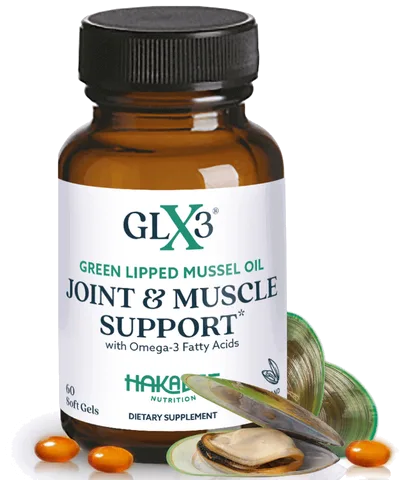
Glx3 Green Lipped Mussel Oil Review
Hakalife GLX3 offers an all-natural New Zealand super-oil designed to support healthy joints, flexibility, and overall comfort, distinguishing itself from standard fish oil. This premium supplement is formulated with 30 different omega-3 fatty acids, including the rare and potent ETA (Eicosatetraenoic Acid), which is exclusively found in Green Lipped Mussels. These mussels are sourced from the pristine, clean waters of New Zealand, ensuring they are mercury-free and sustainably farmed. A significant advantage of GLX3 is its ability to deliver these comprehensive benefits without the common issue of fish burps often associated with other omega-3 supplements. Beyond joint health, GLX3 provides a spectrum of benefits for various bodily functions. It is highlighted for its positive impact on mood, heart health, energy levels, and brain function. Furthermore, it contributes to maintaining healthy blood pressure, balancing hormones, and managing cholesterol. The product prides itself on its minimalist yet effective formulation, containing only three high-quality, natural ingredients, with a commitment to full transparency and no mystery "proprietary formulas." Each batch undergoes rigorous third-party testing by Light Labs, ensuring purity and quality. The entire production process, from the mussels to the olive oil and gel capsules, is proudly conducted in New Zealand, guaranteeing traceability and adherence to high standards. Hakalife stands behind GLX3 with a robust 90-day empty bottle money-back guarantee, allowing customers to try the product risk-free. The supplement is also HSA/FSA eligible, making it accessible for health savings and flexible spending accounts. For convenience, Hakalife offers free shipping within the USA from its Dallas, TX facility, with most orders arriving within 2-6 business days. Each bottle contains 60 capsules, providing a month's supply when taken at the recommended dosage of two capsules daily with food. For those seeking faster results, an initial two-week period of four capsules daily (two in the morning, two in the evening) is suggested. GLX3's omega-3s are specifically noted for supporting a healthy inflammatory response, which is crucial for easing joint discomfort and promoting vitality. The unique ETA in Green Lipped Mussels plays a key role in balancing the body’s inflammatory processes, contributing to sustained activity as individuals age. Additionally, the supplement is said to increase energy and endurance, promote mental sharpness, rejuvenate skin by enhancing hydration and radiance, boost respiratory health, and support robust cardiovascular health through improved circulation. This comprehensive approach aims to simplify supplement routines by delivering multiple benefits in one easy-to-swallow capsule, helping users rediscover the joy of moving freely and feeling better overall.
We don’t sell supplements. We help you make decisions and get the best price.
Lowest prices
We may earn a commission from some store links. How we choose.
We hold no current store prices for it yet: check the store.
- AmazonPrice at AmazonCheck price at Amazon (opens in a new tab)
Also at: Hakalife. Some links earn us a commission; price comes first, and a commission only decides the order of prices within 2%. As an Amazon Associate we earn from qualifying purchases.
Study, Trial or Testing Result Summary
Members Only31 human studies · 17 improved
No ingredient in this product is at the dose used in the studies. The mussel oil is 100 mg a day, part of a 300 mg blend with olive oil, well below the 600 mg studied. At the studied doses, a 2021 review pooling five trials in people with osteoarthritis found a moderate, meaningful drop in joint pain, though the studies were few and of lower quality [1]. An earlier review found the two stronger of four trials favored mussel over placebo [2], while another found only two of five trials helped [3]. In a placebo-controlled trial of 80 people with hip or knee osteoarthritis, 600 mg daily for 12 weeks did not ease pain more than placebo, though stiffness improved [4]. Small studies without a placebo group using 3,000 mg daily reported better pain, stiffness and mobility [5][6]. Vitamin E is present only in a trace amount, far below studied doses, and the longest trials found it did not ease arthritis symptoms or protect cartilage [7][8]. Animal and cell studies are never counted.
See all 31 studies →Hide the studies
- Pooling nine trials of 39,845 people with rheumatoid arthritis, the authors reported vitamin E eased tender and swollen joints compared with controls, though the reported confidence intervals were wide and crossed zero.Effect of vitamin E supplementation in rheumatoid arthritis: a systematic review and meta-analysis.
- Pooling five trials of people with osteoarthritis, green-lipped mussel extracts gave a moderate, clinically meaningful reduction in pain, though the evidence is limited by few and lower-quality studies.Green-lipped (greenshell™) mussel (Perna canaliculus) extract supplementation in treatment of osteoarthritis: a systemat…
- This gene study of Kashin-Beck disease cartilage identified vitamin E and selenium as environmental factors linked to the disease, and suggested they may contribute to cartilage cell death, rather than testing a benefit.Identified molecular mechanism of interaction between environmental risk factors and differential expression genes in ca…
- In a pooled analysis of nutrient supplements for osteoarthritis, vitamin E caused no changes in pain, stiffness or function.A Meta-Analysis of the Impact of Nutritional Supplementation on Osteoarthritis Symptoms.
- Only two of five randomized trials of mussel powder showed benefit in rheumatoid or osteoarthritis, so the evidence was inconsistent and not compelling.Systematic review of a marine nutriceutical supplement in clinical trials for arthritis: the effectiveness of the New Ze…
- In four trials in mild to moderate osteoarthritis, the two more rigorous ones suggested green-lipped mussel may work better than placebo, but more research is needed on effectiveness and dose.Systematic review of the nutritional supplement Perna Canaliculus (green-lipped mussel) in the treatment of osteoarthrit…
- A review of 20 mostly poor-quality trials found vitamin E results in arthritis were contradictory: shorter osteoarthritis trials were positive, longer ones were negative, and it matched diclofenac in some trials.The antioxidant vitamins A, C, E and selenium in the treatment of arthritis: a systematic review of randomized clinical …
- In a review of placebo-controlled trials lasting a year or more in knee osteoarthritis, vitamin E showed no benefit in protecting joint cartilage or slowing progression.Chondroprotection and the prevention of osteoarthritis progression of the knee: a systematic review of treatment agents.
- In a review of 27 observational studies, high vitamin E levels in women were linked to a higher risk of knee osteoarthritis.A systematic review of the sex differences in risk factors for knee osteoarthritis.
- In 136 people with knee osteoarthritis, 500 IU of vitamin E daily for 2 years did not reduce cartilage loss or improve symptoms compared with placebo.Supplementary vitamin E does not affect the loss of cartilage volume in knee osteoarthritis: a 2 year double blind rando…
- In 108 people with knee osteoarthritis, vitamin E plus diclofenac for 3 weeks reduced pain like diclofenac alone, while the B vitamin group improved more.Comparative effectiveness of B and e vitamins with diclofenac in reducing pain due to osteoarthritis of the knee.
- In 88 postmenopausal women with knee osteoarthritis doing home exercises, adding vitamin E for 24 weeks gave no extra benefit on symptoms, strength or walking over exercise alone, though inflammation markers fell within the vitamin E group.Additive effects of active vitamin D3 or vitamin E administration on therapeutic lower-limb home exercise for knee osteo…
- In 85 hospitalized people with rheumatoid arthritis, 1,200 mg of vitamin E daily for 3 weeks reduced morning stiffness, joint tenderness and pain, with effects judged similar to the meds diclofenac, which worked somewhat better on some measures.[Effectiveness of vitamin E in comparison with diclofenac sodium in treatment of patients with chronic polyarthritis].
- In 81 people with knee or hip osteoarthritis, a combination supplement containing vitamin E, fish oil and nettle taken for 3 months reduced pain, stiffness and the need for painkillers compared with placebo.Phytalgic, a food supplement, vs placebo in patients with osteoarthritis of the knee or hip: a randomised double-blind p…
- In 80 people with moderate to severe hip or knee osteoarthritis, 600 mg daily for 12 weeks did not reduce pain more than placebo, though stiffness improved and paracetamol use differed.A randomized double-blind placebo-controlled trial to investigate the effectiveness and safety of a novel green-lipped m…
- In 77 people with knee osteoarthritis, 500 IU of vitamin E daily for 6 months did not reduce pain or stiffness or improve function compared with placebo.Vitamin E is ineffective for symptomatic relief of knee osteoarthritis: a six month double blind, randomised, placebo co…
- In 72 people with severe knee osteoarthritis, 400 IU of vitamin E daily for two months lowered oxidative stress in the blood and joint fluid and improved pain and function compared with placebo.Effect of vitamin E on oxidative stress level in blood, synovial fluid, and synovial tissue in severe knee osteoarthriti…
- In a placebo-controlled trial of 66 people with active rheumatoid arthritis, a nutrient supplement with omega-3 fats and micronutrients for 4 months raised blood vitamin E levels but did not improve tender joint count or other clinical measures compared with placebo.Nutrient supplementation with polyunsaturated fatty acids and micronutrients in rheumatoid arthritis: clinical and bioch…
- In a 1990 double-blind randomized study of 53 people with hip or knee osteoarthritis, 400 mg of vitamin E taken three times daily for three weeks reduced pain at rest in 77% of patients and worked about as well as 50 mg diclofenac three times daily.[High dosage vitamin E therapy in patients with activated arthrosis].
- In 50 people with osteoarthritis, 400 IU of vitamin E daily for six weeks relieved pain better than placebo and reduced the need for other meds, with similar side effects.[Clinical effectiveness of Spondyvit (vitamin E) in activated arthroses. A multicenter placebo-controlled double-blind s…
- In 42 people with localized scleroderma, both groups took vitamin E alongside other treatment for 6 months, so this study does not isolate any effect of vitamin E on joint pain or skin.[Efficacy observation on acupuncture and moxibustion combined with hot compress of TCM herbs for scleroderma].
- In 42 people with rheumatoid arthritis taking their usual medicines, 1200 mg of vitamin E daily for 12 weeks reduced pain compared with placebo, though joint swelling, stiffness and blood markers of inflammation did not change.Putative analgesic activity of repeated oral doses of vitamin E in the treatment of rheumatoid arthritis. Results of a p…
- In 38 people with knee osteoarthritis, 3,000 mg daily of mussel extract or glucosamine sulphate for 12 weeks both improved symptoms, with no placebo group.Green-lipped mussel extract (Perna canaliculus) and glucosamine sulphate in patients with knee osteoarthritis: therapeut…
- In 32 untrained men, 1,200 mg daily for 26 days before and 96 hours after damaging exercise reduced soreness, inflammation and joint range of motion loss compared with placebo.The effects PCSO-524®, a patented marine oil lipid and omega-3 PUFA blend derived from the New Zealand green lipped muss…
- In a 1978 randomized crossover pilot of 32 people with osteoarthritis, 600 mg per day of tocopherol (vitamin E) for 10 days gave a good analgesic effect in 52% of the 29 who completed the study, compared with 4% on placebo.Tocopherol in Osteoarthritis: a controlled pilot study.
- In osteoarthritis patients, the mussel lipid extract improved pain significantly more than fish oil, with an 89% decrease in pain symptoms reported, without a placebo group.Perna canaliculus lipid complex PCSO-524™ demonstrated pain relief for osteoarthritis patients benchmarked against fish …
- In 51 untrained men taking 600 mg daily for 26 days before a downhill run, both oils reduced muscle soreness and protected joint range of motion compared with placebo.Effectiveness of a combined New Zealand green-lipped mussel and Antarctic krill oil supplement on markers of exercise-in…
- In a single-group open-label pilot of 21 adults with knee osteoarthritis, 3,000 mg per day of green-lipped mussel extract for 8 weeks significantly improved knee pain, stiffness and mobility scores, and gut symptom scores also improved.Green-lipped mussel (Perna canaliculus) extract efficacy in knee osteoarthritis and improvement in gastrointestinal dysf…
- In a small pilot study of five people with osteoarthritis, a topical ointment made from unripe olive fruit extract, which contains vitamin E, applied three times daily for three weeks reduced hand and knee joint inflammation with no side effects.Unsaponifiable Fraction of Unripe Fruits of Olea europaea: An Interesting Source of Anti-inflammatory Constituents.
- In 175 adults with musculoskeletal pain, eating a more energy-dense diet was linked to more pain intensity; vitamin E was only one nutrient that was eaten more by that group, and vitamin E was not given as a treatment.The Association Between Dietary Energy Density and Musculoskeletal Pain in Adult Men and Women.
- In a multicenter trial of 60 people with knee or hip osteoarthritis taking Lyprinol (2 capsules twice a day), 80% reported significant pain relief after 8 weeks, with no adverse effects reported; the trial had no placebo control, and the dose was not given in milligrams.Clinical efficacy and safety of Lyprinol, a patented extract from New Zealand green-lipped mussel (Perna Canaliculus) in…
Review Totals and Summary
Members Only151,071 reviews · 100% positive
Customer feedback for Hakalife GLX3 consistently highlights significant improvements in joint health and overall physical comfort, with many users expressing profound satisfaction. A recurring theme is the effective relief from various forms of joint pain, stiffness, and aches. For instance, individuals suffering from conditions like psoriatic arthritis reported a dramatic reduction in pain and swelling, regaining functionality in their hands. Similarly, those with arthritic knees experienced substantial relief, with some even noting the disappearance of long-standing knee clicking within a couple of weeks of starting the supplement. This rapid onset of benefits for some users underscores the product's efficacy in addressing chronic joint discomfort. Beyond direct pain relief, customers frequently praise GLX3 for enhancing mobility and flexibility, enabling them to move more freely and engage in activities they previously found challenging, such as squatting or participating in sports like pickleball. The product is often described as a vital component of their daily routine, with some users, like a husband who experienced renewed aches after forgetting to reorder, realizing its essential role only when they stopped taking it. This indicates a sustained and noticeable positive impact on their quality of life, leading to strong loyalty and a commitment to continued use. Another qualitative theme emerging from the reviews is the absence of common side effects associated with other omega-3 supplements. Users specifically mentioned "no smelly burps" and "no issues with digestion," which is a significant advantage for those sensitive to fish oil products. Some customers also reported unexpected benefits, such as improved nail growth, alongside the primary joint support. The sentiment is overwhelmingly positive, with many users feeling "better than I've felt in quite a few years" and expressing gratitude for the product's ability to make a tangible difference in their daily well-being. The reviews collectively paint a picture of a highly effective supplement that delivers on its promises, fostering a sense of renewed vitality and comfort for a diverse range of individuals, including older adults and active athletes.
Biohacker Summary
Members Only0 of 10 recommend it
The panel is split on vitamin E, the main ingredient here, and no one gives a simple endorsement. Three of the ten take it or recommend it: one takes a multivitamin daily for longevity, one gives his kids a little each day to steady the bad oils from restaurant meals, and one recommends it for hair health. Others like it for skin cell protection, cell protection and anti-aging, and slowing dry macular degeneration, and two prefer mixed tocopherols or tocotrienols and whole food forms over plain synthetic vitamin E. Several pair it with other vitamins, such as vitamin C, selenium or the fat soluble vitamins D, A and K2, or take it in a multivitamin. Cautions are common: about four of them warn about long-term or high-dose use, citing prostate cancer, heart risk and worse outcomes in lung cancer patients, and others say to skip it for a week before surgery because it can thin the blood, or avoid it right after workouts because it can dull the body's training response, while one says a balanced diet makes it unnecessary.
See all 10 biohackers →Hide the biohackers
Dave Asprey · Vitamin E · uses
- Takes D3 with K2 through Vitamin DAKE from Suppgrade Labs.
- Dave Asprey's kids get a little bit of vitamin E every day, which helps to stabilize the bad oils they get when eating at restaurants.
- Recommends Vitamin E as one of the most important supplements for overall health.
- Takes Vitamin DAKE from Suppgrade Labs because D3, A, K2, and E work together.
- Includes vitamin K2 as a critical ingredient in Vitamin DAKE, stating that the body needs the right fat soluble vitamins for thousands of reactions.
- Mentions Vitamin DAKE from Suppgrade Labs as a product that combines fat-soluble vitamins D, A, K, and E to work together.
- Would have added natural forms of vitamin E after hitting his head.
- Recommends stacking glutathione with vitamin E to help revive oxidized glutathione back to its reduced form.
- Warns against taking 400 IU of synthetic vitamin A (alpha tocopherol) a day, stating it's one of the worst things you can do unless taken with a full spectrum of other tocopherols and tocotrienols.
- Describes a patient whose pain was resolved by taking Vitamin E and ubiquinol.
Dr. Eric Berg · Vitamin E · neutral
- Dr. Berg states that Vitamin E helps maintain healthy skin, support cell repair, and protect against oxidative damage.
- Warns against generic multivitamins, stating they are often full of fillers and synthetics.
- Mentions that grass-fed liver has vitamin E.
- Dr. Berg states that synthetic vitamin E may be acceptable for short-term use, but long-term use can contribute to oxidative stress.
- Warns against synthetic vitamin E (dl-alpha-tocopherol) for ongoing maintenance, citing a trial where it increased prostate cancer risk and explaining that it can become a free radical and starve out necessary protective forms of vitamin E.
- Recommends taking vitamin E to block the effects of grains.
- Mentions that castor oil contains vitamin E, which is crucial for maintaining skin barrier function.
- Discusses why tocotrienols are better than regular vitamin E.
- Dr. Berg mentions that eggs contain Vitamin E.
- Fat-soluble vitamins like vitamins A, D, E, and K2 are best taken with a meal, making lunchtime an ideal choice.
Ben Greenfield · Vitamin E · neutral
- Mentions a recent study showing no significant increase in bleeding for patients on Vitamin E supplementation during open heart surgery, which was interesting for him to learn.
- Notes a new study indicating that vitamin E is a core dietary antioxidant closely associated with a reduced risk of accelerated biological aging.
- Recommends Xtendlife's Tocotrienols Vitamin E for cardiovascular, brain, and healthy aging support, noting that research points to tocotrienols over alpha-tocopherol.
- Recommends whole food vitamin E, explaining that typical supplements only provide alpha-tocopherol, while the whole food complex includes four tocopherols and four tocotrienols, often with selenium at the core.
- Warns against taking 335 mg of vitamin E immediately after a workout for individuals under 50, as it can dull the body's natural adaptation signal.
- Warns that taking a whole bunch of antioxidants like vitamin E after a workout can suppress the body's inflammatory response, which is necessary for benefits like mitochondrial proliferation and satellite cell generation for new muscle.
- Recommends Hiya's best-selling children's vitamin for kids to get the full-body nourishment they need.
- Recommends vitamin E as a powerful antioxidant for pollution, and has tripled his antioxidant intake since arriving in India.
- Explains that vitamin E requires carrier fats for absorption, which is why it's often recommended to take fat-soluble vitamins with food, and 10X Health's microtransporters release vitamin E upon contact with dietary fats.
- Ben Greenfield recommends the tocotrienol form of vitamin E for lung health and air pollution exposure, as it is more effective than tocopherol and difficult to get sufficient levels from food.
Dr. Mark Hyman · Vitamin E · neutral
- Notes that patients who were very malnourished had extremely low vitamin E.
- Lists Vitamin E as important for cell protection and anti-aging.
- Recommends avoiding Vitamin E for at least a week before surgery because it can thin the blood.
- Notes that Vitamin E levels are low in Parkinson's patients.
- Mentions that people are not getting enough vitamin E, which is found in foods like avocados, nuts, and whole grains.
- Mentions that vitamin E itself is anti-cancer.
- Dr. Hyman reports that 84% of the population is deficient in vitamin E, attributing this to a lack of whole grains in the diet.
- Notes that traditional medicine might give patients with fatty liver disease vitamin E, but often the wrong kind, and many will advise against it.
- States that Vitamin E is important as an antioxidant, helping with skin healing, repair, and moisturization, and his favorite is Metagenics E Complex, which contains a mixture of tocopherols.
- Recommends vitamin E, found in almonds, spinach, olive oil, sunflower seeds, hazelnuts, and avocados, as a great antioxidant.
Dr. Rhonda Patrick · Vitamin E · neutral
- Lutein and zeaxanthin can also be obtained from certain multivitamins.
- Choosing a multivitamin that includes lutein and zeaxanthin ensures you get meaningful amounts every day.
- Notes that ~60% of Americans are low in vitamin E.
- Suggests avoiding a multivitamin if it contains biotin before a testosterone blood test to prevent confounding results.
- Multiple randomized controlled trials show older adults taking a standard multivitamin (like Centrum Silver) had measurable improvements in processing speed, cognition, and episodic memory.
- Currently takes the Pure Encapsulations O.N.E Multivitamin.
- Natural sources of linoleic acid (like nuts, meat, etc.) usually include protective antioxidants (vitamin E) that limit harmful effects.
- Warns that more than 80% of people have low vitamin E levels, unknowingly increasing their risk of heart disease, and even slightly low intake raises oxidized LDL by 8% or more, elevating cardiovascular disease risk.
- Rarely recommends or doses vitamin E due to concerns about its potential to blunt exercise adaptations, especially when combined with vitamin C.
- Reports that alcohol use disorder is associated with a 14-58% greater prevalence of deficiencies in vitamin E.
Thomas DeLauer · Vitamin E · neutral
- Mentions a causal link found between vitamin E and waking up in the middle of the night.
- Recommends using a multivitamin to ensure adequate micronutrient intake, especially when wholesome food is less available.
- Advises checking multivitamins because many contain 100, 200, or 300% of the daily value of selenium, which can contribute to excessive intake.
- Recommends vitamin E for protecting skin cell membranes, reducing oxidative stress, and preventing lipid damage, especially for those with high stress and low dietary intake.
- Recommends taking a multivitamin to ensure adequate intake of important cofactors like B vitamins, magnesium, iron, and zinc, which are essential for the signaling system to be operational.
- Recommends Vitamin E for hair graying, as part of a nutrient-dense diet to combat oxidative stress.
- Mentions vitamin E to a certain degree as a cofactor to support the reversal of hair graying.
- Recommends a multivitamin stack, specifically Fyhealth, for those who are fasting, as it helps ensure adequate nutrition when calorie and food intake are reduced.
- Warns against synthetic multivitamins, arguing that they are an attempt to be smarter than nature by combining isolated nutrients in proportions not found naturally, and that a whole food approach is superior.
- Recommends Hiya multivitamins for kids, describing them as monk fruit sweetened chewable vitamins that provide essential vitamins and minerals children might miss in their diet.
Siim Land · Vitamin E · neutral
- Notes that oral vitamin E and C supplementation has been noted to increase the dose of UVB radiation from the sun needed to cause redness of the skin, suggesting increased resilience against sun damage. He also mentions a trial where a combination of slow-release vitamin C and vitamin E decreased the progression of carotid atherosclerosis in men.
- Mentions vitamin E in comparison to topical melatonin for oxidative defense, stating that melatonin would compete but is not as broadly validated clinically.
- States that the biggest evidence for multivitamin is that it improves cognition and enhances episodic memory in elderly people, who tend to have worse diets and are more likely to be deficient.
- Created Microvitamin, a supplement that bundled all the supplements he was taking, to help fund his a med trial.
- Recommends Vitamin E from vegetables, fruits, nuts, and seeds for skin protection.
- Mentions that years back, a European study revealed risk factors of vitamin E that only showed up with a sufficiently large study.
- Places multivitamins in the 'good' tier, noting that while formulations vary and they don't reduce mortality risk, clinical trials show they can help with cognitive function in elderly people, though generally healthy individuals may not gain much.
- Warns against taking vitamin E around training because it can interfere with muscle growth.
- Warns that taking vitamin E and vitamin C together can eliminate the adaptive benefits of exercise, especially in sedentary individuals doing exercise training, because it blunts the upregulation of mitochondrial biogenesis.
- Mentions that Vitamin E technically lengthens telomeres, but also notes that low vitamin D is linked to cancers, highlighting the complexity of health optimization.
Andrew Huberman · Vitamin E · uses
- Takes a multivitamin every day for longevity.
- Warns that high-dose supplementation of Vitamin E, when given to lung cancer patients, led to worse outcomes than control subjects, highlighting that it's not the same as ingesting it in food.
- Recommends Vitamin E as part of the AREDS2 supplementation for slowing the progression of dry macular degeneration.
- Mentions evidence suggesting that a combination of vitamin C and vitamin E can blunt hypertrophic adaptations because they are anti-inflammatory antioxidants.
- Recommends Vitamin E, especially mixed tocopherols, to help with high prolactin levels.
- Andrew Huberman does not take vitamin E because it spiked his prostate-specific antigen, which he was told is a known effect among urologists.
- Takes a foundational supplement as a source of vitamin A, in addition to food sources.
Peter Attia · Vitamin E · warns
- Notes that there are some downsides to Vitamin E, including cardiovascular longitudinal risk and prostate cancer, and that discussions are needed with patients, especially those with diabetes or cirrhosis, due to studies indicating increased all-cause mortality depending on the dose.
- Peter Attia, involved in the American Urological Association Peyronie's guidelines, stated that vitamin E is not indicated for Peyronie's disease and should not be given.
- States that American Urological Association guidelines advise against giving vitamin E for Peyronie's disease as it is not indicated.
- Suggests that taking vitamin E would almost assuredly not be required if one eats a balanced diet.
- Notes that Vitamin E acetate, generally regarded as safe for ingestion, is not safe when heated to a vapor or steam, linking it to the dangers of vaping.
- Mentions a lung cancer trial where patients taking vitamin E did worse, and this can be recapitulated in mice.
- Notes that vitamin C works better for collagen synthesis when combined with vitamin E.
- Discusses that while observational studies link vitamin E to cognitive health, clinical trials show no effect on dementia risk, suggesting it might act synergistically with other dietary components.
Bryan Johnson · Vitamin E · recommends
- Recommends adequate Vitamin E for hair health, noting it is in the Blueprint stack.
- Uses Vitamin E at 10 IU/ML in his custom topical hair formulation.
RAL Summary
Members OnlyTier 3 for Joints and Mobility
Placed in the reviews tier because customer reviews are overwhelmingly positive, while the mussel oil is at about one sixth of the 600 mg dose studied, and even at that dose a placebo-controlled trial found no extra pain relief [4].
- Green Lipped Mussel Oil: below the dose that worked in studies
Where the evidence disagrees: 10 of the 31 human studies found no effect.
More Details
Members OnlyBody systems · Combine with · Possible side effects
Body systems: Musculoskeletal system
Combine with: To enhance the benefits of Green Lipped Mussel Oil for joint health, consider combining it with supplements like Glucosamine and Chondroitin, which are building blocks for cartilage and can help support joint structure. MSM (Methylsulfonylmethane) can also be beneficial for reducing joint pain and inflammation. Additionally, Turmeric or Curcumin supplements are powerful anti-inflammatory agents that can work synergistically with the mussel oil to further alleviate joint discomfort. Collagen, particularly type II, can also support cartilage health and overall joint function.
Possible side effects: No major side effects reported.
Supplement Facts
GLX3 PROPRIETARY BLEND 300 mg · Green Lipped Mussel Oil Oil Extract containing Omega Fatty Acids, 100 mg · Cold-Pressed Olive Oil, 200 mg
| GLX3 PROPRIETARY BLEND | 300 mg | † |
| Green Lipped Mussel Oil (Perna canaliculus) Oil Extract containing Omega Fatty Acids, | 100 mg | † |
| Cold-Pressed Olive Oil, | 200 mg | † |
| Vitamin E (as natural d-alpha-tocopherol) | 450 mcg | 3% |
Directions: 2 tiny gel caps per day
Label source: Amazon · Report a label change
Show entire label
More joint health products
Members OnlyThe highest ranked for the same goal
Read more
Our articles on this subject
- Natural Remedies for Joint Pain and Inflammation: What the Evidence SupportsArticle · Oct 23, 2026
- Collagen vs Protein Powder: What the Human Studies ShowArticle · Nov 21, 2026
Graded October 23, 2026 by the Reverse Age Lab evidence engine, from human studies, real reviews and our biohacker panel. How we grade. Is this medical advice? No. Rala organizes the published evidence; go over any change with your doctor, especially if you take meds.
Privacy policyConsumer health dataAffiliate disclosureTermsBrand and legal noticesDo Not Sell or Share My Personal InformationCookie settings