
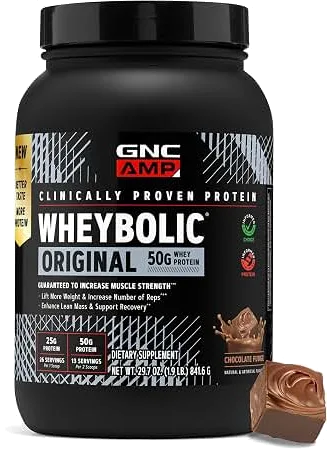
GNC Pro Performance AMP Amplified Wheybolic Extreme 60 Original Natural Chocolate Review
GNC Pro Performance AMP Amplified Whey-Bolic Extreme 60 Original is listed on this Amazon page as a powder in Chocolate, 3 pounds, sold by GNC. The product description states it is a dietary supplement and a premier whey plus leucine formula, with a claimed 30 percent increase in muscle strength and rapid-absorbing whey isolates and hydrolysates. The About this item section lists rapid absorbing whey isolates and hydrolysates, 7.7 grams of leucine plus 8.5 grams of muscle-fueling amino acids, and states that it increases strength and stamina with half the sets. The ingredients listed are Protein Blend (Whey Protein Isolate, Hydrolyzed Whey), Cocoa (Processed with Alkali), Natural and Artificial Flavors, Polydextrose, Lecithin, Sucralose and Acesulfame Potassium. The product details table lists the brand as GNC, the flavor as Chocolate Fudge, the item weight as 3 pounds, the unit count as 48 ounces, and the recommended use as Hormone Balance. The item model number is listed as Chocolate, the manufacturer as GNC, and the manufacturer part number as 351142. The date first available is listed as November 10, 2011. The item dimensions are 10 x 8 x 10 inches, and the number of items is 1. The page's legal disclaimer says no returns and that statements regarding dietary supplements have not been evaluated by the FDA and are not intended to diagnose, treat, cure, or prevent any disease or health condition. The Amazon disclaimer advises readers to read labels, warnings and directions before using or consuming a product, and to contact the manufacturer for more information. The listing shows the item as currently unavailable, with no featured offer and a note that Amazon does not know when or if it will return to stock. The page includes a 3.9 out of 5 star rating from 181 global ratings. The Amazon listing also shows a Global Trade Identification Number of 00048107087081 and UPC values 048107087081 and 048107167370.
We don’t sell supplements. We help you make decisions and get the best price.
Lowest prices
Finding the lowest prices at the stores now. This takes a few seconds.
Study, Trial or Testing Result Summary
Members Only124 human studies · 65 improved
4 of these 124 human studies gave the ingredient by drip or injection, not by mouth.
The main muscle ingredients in this whey shake are its amino acids, leucine and L-carnitine, all at or above the studied doses. Across 96 studies of 7,596 people with age-related muscle loss, training plus protein-based supplements gave the biggest gains in strength, walking speed and muscle mass [1]. In 130 older adults who exercised, whey protein with amino acids added 1.7 kg more lean mass than placebo [2]. Not every review agrees: in 763 women, supplements added no muscle beyond exercise alone [3]. Leucine-rich protein supplements improved strength and muscle mass in 699 older adults [4], but leucine taken on its own mostly did not help [5][6]. L-carnitine raised muscle mass in elderly people with fatigue [7] but did not change strength or body makeup in healthy women aged 65 to 70 [8]. Calcium did not build muscle in trials of children and teenage girls [9][10]. Potassium did not raise muscle mass or power in older adults [11][12]. The enzyme blend is below the dose studied, and enzymes did not change lean mass over 90 days [13]. Animal and cell studies are never counted.
See all 124 studies →Hide the studies
- In 52 trials of 11,926 people after stroke, nutritional therapy including protein and amino acids did not clearly reduce disability, though daily-living scores and body weight rose in a few small, very low-certainty trials.Nutritional therapy for reducing disability and improving activities of daily living in people after stroke.
- Across 96 studies of 7,596 people with sarcopenia, resistance and balance training plus protein-based supplements gave the biggest gains in grip strength, walking speed and muscle mass index.Comparative Effectiveness of Exercise and Protein-Based Interventions on Muscle Strength, Mass, and Function in Sarcopen…
- Across 49 trials of 1863 healthy adults doing resistance training for at least 6 weeks, protein supplements modestly increased strength, lean mass and muscle size compared with control; this was about protein generally, not leucine alone.A systematic review, meta-analysis and meta-regression of the effect of protein supplementation on resistance training-i…
- Across ten randomized trials and one prospective study of 1133 older adults with sarcopenia, leucine improved handgrip, limb muscle mass and walking speed compared with placebo, though the authors rated the evidence as low quality.Effects of Leucine Supplementation in Older Adults with Sarcopenia: A Meta-Analysis.
- In 14 trials of 763 women, supplements plus exercise did not increase muscle mass or bone health beyond exercise alone, but bench press and handgrip strength improved a little.Nutritional Supplementation Combined with Exercise for Musculoskeletal Health in Women: A Systematic Review and Meta-Ana…
- Across six randomized trials of 699 older adults with sarcopenia, leucine-rich protein supplements improved muscle strength, mass and performance compared with control groups.Effects of leucine-rich protein supplements in older adults with sarcopenia: A systematic review and meta-analysis of ra…
- In three trials of 637 patients with sarcopenia, a whey protein, leucine and vitamin D combination increased limb muscle mass, but strength and function improved only when combined with an exercise program.Effects of Whey Protein, Leucine, and Vitamin D Supplementation in Patients with Sarcopenia: A Systematic Review and Met…
- Across seven trials of 349 older people with weak bones and low muscle, strength training raised muscle mass, grip strength and protein intake, but calcium intake did not change significantly.Effects of Strength Training on Body Composition, Physical Performance, and Protein or Calcium Intake in Older People wi…
- In nine trials of 192 resistance-trained adults over at least 6 weeks, whey protein supplements gave small extra gains in lean mass and strength compared with equal-calorie controls.Effects of Whey Protein Alone or as Part of a Multi-ingredient Formulation on Strength, Fat-Free Mass, or Lean Body Mass…
- Across seven randomized trials, L-carnitine reduced muscle soreness and short-term muscle damage markers (24 hours) after exercise compared with placebo, with benefits mainly in resistance training and untrained people.The Effect of L-Carnitine Supplementation on Exercise-Induced Muscle Damage: A Systematic Review and Meta-Analysis of Ra…
- In a review of trials in people with end-stage kidney disease, L-carnitine increased muscle quantity in dialysis patients, though most trials were low quality.The Effect of Non-Pharmacological and Pharmacological Interventions on Measures Associated with Sarcopenia in End-Stage …
- In a review of nine reviews covering 128 studies, calcium supplements had only modest effects on bone mineral content and no muscle benefit was reported for calcium itself, though cheese and yogurt were linked to better grip strength.Nutrients and food supplements for the prevention of musculoskeletal diseases: an umbrella review.
- In 34 studies of 1,541 postmenopausal women, strength training improved body composition and strength, but evidence that extra supplements including amino acids add benefit was inconclusive.Analysis of the Additive Effects of Nutritional Strategies in Strength Training Interventions on Body Composition, Muscl…
- In a review of 45 mostly cross-sectional studies in older adults, no link was found between calcium and muscle mass, strength, physical performance or sarcopenia.Minerals and Sarcopenia in Older Adults: An Updated Systematic Review.
- In 37 trials of adults aged 60 and over, exercise increased muscle mass and strength, but supplements including essential amino acids added extra benefit in only about a quarter of studies.Nutrition and physical activity in the prevention and treatment of sarcopenia: systematic review.
- A review of eight randomized trials and two cohort studies in older stroke patients concluded that amino acid supplementation or anabolic meds helped prevent muscle loss, though evidence on nutrition was limited.How to Prevent Loss of Muscle Mass and Strength among Older People in Neuro-Rehabilitation?
- This review of 15 reviews in older adults found leucine increased muscle mass in people with sarcopenia, and protein on top of resistance training raised muscle mass and strength, with low to moderate evidence quality.Nutritional interventions to improve muscle mass, muscle strength, and physical performance in older people: an umbrella…
- In 15 studies of people with cancer, HMB mostly combined with amino acids, usually 3 g a day, was linked to better muscle mass in four of four higher-quality studies and better muscle function in two of two.Effects of β-hydroxy β-methylbutyrate (HMB) supplementation on muscle mass, function, and other outcomes in patients wit…
- A systematic review of studies in adults aged 50 and over with sarcopenia found that essential amino acid supplements containing about 2.5 g of leucine showed some improvement in muscle mass and function, though nutrition study results overall were inconsistent and few in number.Prevalence of and interventions for sarcopenia in ageing adults: a systematic review. Report of the International Sarcop…
- A review of 23 studies found leucine or leucine-enriched protein (1.2 to 6 grams of leucine daily) was well tolerated and improved lean muscle mass in older people with sarcopenia, while strength results were mixed.Beneficial Effects of Leucine Supplementation on Criteria for Sarcopenia: A Systematic Review.
- In a review of nine trials in healthy adults aged 50 and older, beef nutrients had an overall positive effect on wellbeing, but leucine specifically showed no effect.The potential role of beef and nutrients found in beef on outcomes of wellbeing in healthy adults 50 years of age and ol…
- A review of intervention studies in older adults with sarcopenia found leucine alone without exercise did not improve sarcopenia markers, but leucine paired with protein supplements was effective.Effect of supplementation with leucine alone, with other nutrients or with physical exercise in older people with sarcop…
- In a review of cancer cachexia supplements, L-carnitine increased body mass index and survival in advanced pancreatic cancer patients, but overall evidence was limited.A systematic review on the role of vitamins, minerals, proteins, and other supplements for the treatment of cachexia in …
- In 11 studies of healthy people taking 1 to 4 g daily for 12 to 24 weeks, L-carnitine raised muscle carnitine and increased muscle mass in centenarians but did not change muscle strength in older women, and it raised a blood compound linked to artery disease.The bright and the dark sides of L-carnitine supplementation: a systematic review.
- In 1434 children aged 6 to 9, two years of an after-school program with 380 mg daily calcium-rich snacks and exercise raised bone stiffness in one group but did not change muscle strength or vertical jump.Beat osteoporosis - nourish and exercise skeletons (BONES): a group randomized controlled trial in children.
- In 400 adults after surgery for fractures, taking essential amino acids twice daily for 2 weeks preserved lean body mass at 6 weeks (-0.33 kg vs -0.9 kg with standard nutrition) and lowered complications (30.5% vs 43.8%), though the muscle benefit was gone by 12 weeks.Conditionally Essential Amino Acid Supplementation Reduces Postoperative Complications and Muscle Wasting After Fracture…
- In 380 older adults with sarcopenia, a vitamin D and leucine-enriched whey protein supplement taken twice daily for 13 weeks did not improve handgrip strength more than control, but increased muscle mass by 0.17 kg more and improved the chair-stand test.Effects of a vitamin D and leucine-enriched whey protein nutritional supplement on measures of sarcopenia in older adult…
- In 332 cancer cachexia patients over 4 months, L-carnitine alone at 4 g daily did not clearly raise lean body mass (only the combination of all treatments did), though it improved Glasgow Prognostic Score and performance status.Randomized phase III clinical trial of five different arms of treatment in 332 patients with cancer cachexia.
- In 332 cancer cachexia patients over 4 months, L-carnitine alone at 4 g daily did not clearly raise lean body mass (only the combination did), though it improved prognostic score and performance status.Randomised phase III clinical trial of 5 different arms of treatment on 332 patients with cancer cachexia.
- In 244 men and women aged 50 and older, 3 months of potassium bicarbonate lowered bone turnover and calcium loss in urine but had no significant effect on muscle strength or function compared with placebo.Potassium Bicarbonate Supplementation Lowers Bone Turnover and Calcium Excretion in Older Men and Women: A Randomized Do…
- In 200 pre-frail and frail older adults doing resistance training for 16 weeks, leucine supplementation did not improve muscle mass or function compared with placebo.Supplement-based nutritional strategies to tackle frailty: A multifactorial, double-blind, randomized placebo-controlled…
- In 156 older women with low muscle mass, 1500 mg daily of calcium-HMB for 12 weeks did not add to the effects of resistance training on muscle quality compared with placebo.β-Hydroxy-β-Methylbutyrate Supplementation May Not Enhance Additional Effects of Exercise on Muscle Quality in Older Wom…
- In 150 people with cirrhosis over 12 months, 30 g daily of branched-chain amino acids did not improve grip strength, muscle mass, or physical performance compared with an equal-calorie whey protein drink.Branched-chain amino acid supplementation does not improve measures of sarcopenia in cirrhosis: results of a randomised …
- In 148 men aged 70 and over with low testosterone, 20 weeks of calcium, vitamin D and protein with resistance training and testosterone improved chair stand performance versus no intervention, but calcium's own effect could not be separated.Beneficial effects of exercise, testosterone, vitamin D, calcium and protein in older men-A randomized clinical trial.
- In 140 older hospitalized adults with sarcopenia, a leucine and vitamin D enriched whey protein formula twice daily for 4 to 8 weeks during rehabilitation improved gait speed, muscle mass, and physical performance more than a control formula.Improving rehabilitation in sarcopenia: a randomized-controlled trial utilizing a muscle-targeted food for special medic…
- In 130 elderly people with age-related muscle loss who also exercised, 12 weeks of whey protein, essential amino acids and vitamin D added 1.7 kg more lean mass and improved handgrip strength and lowered C-reactive protein compared with placebo.Whey protein, amino acids, and vitamin D supplementation with physical activity increases fat-free mass and strength, fu…
- In 128 healthy adults aged 65 and older, 24 weeks of potassium bicarbonate did not improve muscle power, physical performance or muscle mass compared with placebo, though blood levels of a growth hormone marker (IGF-1) were higher.Independent effects of whey protein and alkali supplementation on muscle health in healthy older adults: factorial rando…
- In an interim analysis of 125 cancer cachexia patients over 4 months, L-carnitine improved at least one main outcome and did better than the omega-3 supplement arm on lean body mass, energy expenditure and fatigue.Randomized phase III clinical trial of five different arms of treatment for patients with cancer cachexia: interim resul…
- In 105 older outpatients at risk of malnutrition, a nutrient-rich drink for 12 weeks raised calcium intake and increased muscle mass in women, but muscle strength and physical performance did not differ from standard care.The effect of 12-weeks Nutritional supplementation on Nutritional Intake and Status among Indonesian Older Outpatients w…
- In 104 women with advanced gynecological cancer, 4 months of l-carnitine combined with megestrol acetate, a med and antioxidants improved lean body mass, fatigue and quality of life more than megestrol acetate alone, and lowered inflammation markers.A randomized phase III clinical trial of a combined treatment for cachexia in patients with gynecological cancers: evalu…
- In 100 inactive elderly people, 12 g a day of amino acids for 3 months increased handgrip strength (20.2 vs 14 kg) and 6-minute walk distance compared with placebo.Oral amino acids in elderly subjects: effect on myocardial function and walking capacity.
- In 96 women aged 65 and older, resistance exercise plus 5.5 g essential amino acids twice daily for 12 weeks increased muscle mass and lowered inflammation markers more than either approach alone.Combined resistance exercise and essential amino acid intake enhance follistatin/myostatin ratio and muscle fitness in o…
- In 96 people with Duchenne muscular dystrophy followed for one year, oral leucine at 0.2 grams per kilogram daily produced no lasting therapeutic benefit compared with placebo, and early differences were attributed to a drop in the placebo group.Clinical investigation in Duchenne muscular dystrophy: IV. Double-blind controlled trial of leucine.
- Patients with severe COPD who took essential amino acids for 12 weeks improved daily steps, quality of life, fat-free mass and muscle strength compared with placebo, and their cognitive dysfunction improved.Essential amino acid supplementation in patients with severe COPD: a step towards home rehabilitation.
- In 84 elderly people with rapid muscle fatigue, 4 g a day of levocarnitine for 30 days increased total muscle mass by 2.1 kg versus 0.2 kg with placebo, reduced fat mass, and reduced fatigue.Levocarnitine administration in elderly subjects with rapid muscle fatigue: effect on body composition, lipid profile an…
- In 84 hemodialysis patients with carnitine deficiency, 1,000 mg L-carnitine injections three times a week for 12 months maintained lean body mass, arm muscle area and grip strength, which all fell in the untreated group.Efficacy of L-carnitine supplementation for improving lean body mass and physical function in patients on hemodialysis: …
- Older adults at risk of undernutrition who took a novel protein and amino acid supplement for 12 weeks improved walking over short and long distances more than those on a standard supplement.A novel oral nutritional supplement improves gait speed and mitochondrial functioning compared to standard care in older…
- In older adults with sarcopenia, whey and leucine supplementation after resistance training did not differ from training alone at the end of 24 weeks, but after a further 24 weeks without training, muscle mass and grip strength stayed higher in the supplement group.De-Training Effects Following Leucine-Enriched Whey Protein Supplementation and Resistance Training in Older Adults with…
- In 80 men and women aged 21 to 65, 5 weeks of L-carnitine tartrate improved perceived recovery and soreness, lowered creatine kinase, and reduced the drop in strength and power after a hard exercise challenge compared with placebo.L-Carnitine Tartrate Supplementation for 5 Weeks Improves Exercise Recovery in Men and Women: A Randomized, Double-Blind…
- In overweight or obese adults over 8 weeks, 3.6 g of essential amino acids twice daily increased protein turnover, but thigh lean mass and muscle size gains were seen with exercise, with or without the amino acids, and not clearly with amino acids alone.High-intensity interval training and essential amino acid supplementation: Effects on muscle characteristics and whole-b…
- In 66 centenarians with fatigue, 2 grams of levocarnitine daily beat placebo on fatigue, total muscle mass and memory test scores, while reducing body fat.L-Carnitine treatment reduces severity of physical and mental fatigue and increases cognitive functions in centenarians:…
- Frail older patients with gastrointestinal cancer who did 14 days of resistance exercise and ate amino acid jelly before surgery had no fewer complications, but kept more knee strength at discharge than controls.Pre-Operative Resistance Training and Amino Acid Supplementation in Frail Patients With Gastrointestinal Cancer: A Rando…
- In 60 patients with COPD over 4 weeks of pulmonary rehabilitation, adding branched-chain amino acids did not improve outcomes beyond rehabilitation with placebo.Does branched-chain amino acid supplementation improve pulmonary rehabilitation effect in COPD?
- In 60 adults aged about 80 with sarcopenia, a 2-month medical food containing 2.5 grams of leucine, omega-3 fats and a probiotic increased lean limb mass, balance, walking and grip strength compared with placebo.Effectiveness of a Novel Food Composed of Leucine, Omega-3 Fatty Acids and Probiotic Lactobacillus paracasei PS23 for th…
- In 60 patients with cancer-related wasting, 4 grams of L-carnitine daily with a med over about 4 months increased lean body mass and walking performance within both groups, but adding megestrol made no significant difference.Read the study on PubMed (22047681) →
- In 55 older adults with chronic kidney disease, 7.5 grams per day of leucine-enriched branched-chain amino acids for 12 weeks increased lean muscle mass by 0.4 kg compared with a loss of 0.2 kg on placebo, but did not change grip strength or walking performance.Anti-sarcopenic effect of leucine-enriched branched-chain amino acid supplementation among elderly chronic kidney diseas…
- In an open-label trial of 53 people with cirrhosis and muscle wasting awaiting liver transplant, L-carnitine given to those with sarcopenia was linked over 6 months after transplant to greater muscle mass gains and lower death rates (16.7% vs 55.6%) than no supplement; the dose was not stated.Impact of L-carnitine supplementation on post-transplant outcomes in liver transplant candidates with sarcopenia: A rand…
- In 47 adults with polymyositis or dermatomyositis, branched chain amino acids for 12 weeks did not improve manual muscle strength scores compared with placebo, but shoulder movement endurance scores improved more.Branched chain amino acids in the treatment of polymyositis and dermatomyositis: a phase II/III, multi-centre, randomize…
- In 46 healthy adults taking a digestive enzyme liquid twice daily for 90 days, body composition including lean mass did not change significantly compared with placebo, though quality of life and sleep scores improved slightly.Safety and Efficacy of N-SORB®, a Proprietary KD120 MEC Metabolically Activated Enzyme Formulation: A Randomized, Double…
- In 43 malnourished people with liver cirrhosis, 3 g a day of calcium HMB for 12 weeks did not change fat-free mass compared with the supplement without it, though handgrip strength trended upward.Randomized Clinical Trial: Effects of β-Hydroxy-β-Methylbutyrate (HMB)-Enriched vs. HMB-Free Oral Nutritional Supplement…
- In 40 young men doing 8 weeks of resistance training, calcium HMB did not improve muscle thickness, strength or power more than placebo.Leucine Metabolites Do Not Enhance Training-induced Performance or Muscle Thickness.
- In 40 resistance-trained young men over 8 weeks of training, calcium HMB did not reduce training-related inflammation or change muscle thickness or strength compared with placebo.Leucine metabolites do not attenuate training-induced inflammation in young resistance trained men.
- In 36 malnourished dialysis patients, 14 g per day of branched-chain amino acids for 4 months did not raise lean body mass and lowered fat-free mass index compared with glycine.Glycine increases fat-free mass in malnourished haemodialysis patients: a randomized double-blind crossover trial.
- In 36 untrained midlife women over 10 weeks of resistance training, 5 grams of daily leucine added no benefit to fat-free mass, strength or hormone levels compared with placebo.Efficacy of L-leucine Supplementation Coupled With Resistance Training in Untrained Midlife Women.
- In 35 patients after surgery, five days of branched-chain amino acid infusion kept patients in nitrogen balance and limited weight loss, compared with a dextrose-only group that lost muscle protein and weight.Infusion of the branched chain amino acids in postoperative patients. Anticatabolic properties.
- In 30 postmenopausal women doing 8 weeks of resistance training, 9 g daily of branched-chain amino acids did not add to the gains in muscle mass and strength seen with training plus placebo.Effects of branched-chain amino acid supplementation and resistance training in postmenopausal women.
- In 30 older adults on hemodialysis over three months, 5.4 g of a tailored amino acid mixture taken after dialysis on non-dialysis days increased protein intake compared with no supplement, and did not clearly improve muscle mass.Replacement of the massive amino acid losses induced by hemodialysis: A new treatment option proposal for a largely unde…
- In 30 children with autism taking liquid L-carnitine for three months in a placebo-controlled trial, autism symptoms and cognitive scores improved, and hand muscle strength was linked to blood carnitine levels.A prospective double-blind, randomized clinical trial of levocarnitine to treat autism spectrum disorders.
- In 30 middle-aged and older adults given a single mixed meal with enzymes or placebo, blood amino acid levels did not differ overall, but leucine peaked sooner with enzymes, and glucose and fatty acids were higher.Oral Multienzyme Supplementation Alters Postprandial Plasma Nutrient Concentrations after a Mixed Meal in Healthy Middle…
- Healthy elderly people who did a six-month resistance program with 6 grams per day of essential amino acids improved their 6-minute walk, and those taking 3 or 6 grams improved their 10-meter walks, while exercise alone did not.Resistance exercise combined with essential amino acid supplementation improved walking ability in elderly people.
- In 29 young men taking 5.83 g daily of a protease blend for 21 days, leg muscle force dropped less after downhill running than with placebo, alongside lower inflammation markers.Protease supplementation improves muscle function after eccentric exercise.
- In 28 older adults having knee replacement, 20 g of essential amino acids twice daily from one week before surgery to six weeks after reduced thigh muscle loss compared with placebo and improved mobility.Essential amino acid supplementation in patients following total knee arthroplasty.
- In 26 healthy young adults doing 10 weeks of resistance training, a supplement with whey protein, leucine, creatine, calcium citrate and vitamin D twice daily increased lean body mass more than placebo (+4.1 vs +2.8 kg), but calcium's own effect cannot be separated.The Effect of a Multi-ingredient Supplement on Resistance Training-induced Adaptations.
- Over 10 weeks of resistance training, a multi-ingredient supplement containing calcium citrate increased the size of fast muscle fibers more than a collagen control, though calcium's effect could not be separated from the other ingredients.The Effect of Multi-Ingredient Protein versus Collagen Supplementation on Satellite Cell Properties in Males and Females…
- In 26 resistance-trained young men over 12 weeks, adding 1.5 grams of leucine twice daily to whey protein produced muscle and strength gains no different from adding HMB, and HMB was no more effective than leucine.Equivalent Hypertrophy and Strength Gains in β-Hydroxy-β-Methylbutyrate- or Leucine-supplemented Men.
- In 24 older adults, a single dose of 3 g calcium beta-hydroxy-beta-methylbutyrate added to 40 g whey boosted muscle protein synthesis in older women and reduced muscle protein breakdown, but the effect was not seen in men.The Effect of β-Hydroxy-β-Methyl Butyrate (HMB) upon Acute Fed-State Muscle Protein Turnover in Older Men and Women: A R…
- In 24 people on hemodialysis, 10 g per day of a branched-chain amino acid formula for 12 weeks increased thigh muscle thickness and fat-free mass percentage and lowered inflammation and oxidative stress markers compared with placebo.The Combined Use of Hydroxymethylbutyrate and Branched-Chain Amino Acids to Counteract Uremic Sarcopenia.
- In 23 healthy volunteers, a 20 gram drink of casein or whey protein taken after a single leg workout turned muscle protein balance positive, while placebo did not.Ingestion of casein and whey proteins result in muscle anabolism after resistance exercise.
- In 20 resistance-trained adults, adding leucine to carbohydrate drinks before and after leg squats did not reduce muscle damage markers or soreness over 72 hours and did not change squat performance compared with placebo.The effects of adding leucine to pre and postexercise carbohydrate beverages on acute muscle recovery from resistance tr…
- In a 3-month randomized trial of 20 hemodialysis patients, L-carnitine increased muscle mass, reduced fat mass and sped up walking and chair-standing times, outperforming cycle exercise; the dose was not stated.l-carnitine supplementation vs cycle ergometer exercise for physical activity and muscle status in hemodialysis patients…
- In 18 people with rheumatic disease taking prednisolone, extra branched-chain amino acids for 12 weeks helped slow muscle loss, though responses varied between individuals.Amino Acid Profile in 18 Patients with Rheumatic Diseases Treated with Glucocorticoids and BCAAs.
- In 17 resistance-trained men during four weeks of intense training, amino acid supplementation reduced the drop in squat and bench press strength and power seen with placebo.The effects of amino acid supplementation on muscular performance during resistance training overreaching.
- In 17 healthy men doing 12 weeks of resistance training, an essential amino acid formula with HMB produced greater gains in lean body mass, strength, and power than placebo, and reduced muscle damage markers.Effects of amino acids supplement on physiological adaptations to resistance training.
- In 16 older adults with chronic obstructive pulmonary disease, 2 grams of L-carnitine daily for 6 weeks alongside exercise training gave bigger gains in inspiratory muscle strength and walking distance than placebo.L-carnitine as an ergogenic aid for patients with chronic obstructive pulmonary disease submitted to whole-body and resp…
- In 12 male weight trainers, a single dose of potassium-magnesium aspartate taken before a resistance workout did not lower blood ammonia or improve bench press performance to failure compared with vitamin C.Effect of acute potassium-magnesium aspartate supplementation on ammonia concentrations during and after resistance trai…
- In 12 older men, amino acid feeding increased muscle protein synthesis with and without testosterone, but six months of testosterone did not add to that effect.Differential anabolic effects of testosterone and amino acid feeding in older men.
- In 12 people with mitochondrial myopathy taking 3 grams of L-carnitine daily for about two months in a crossover placebo trial, exercise time to exhaustion and oxygen use during exercise improved.Effect of L-carnitine on exercise performance in patients with mitochondrial myopathy.
- In 8 trained men during a month of intense resistance training, branched-chain amino acids raised testosterone, lowered cortisol, and lowered muscle damage marker creatine kinase compared with placebo.Amino acid supplements and recovery from high-intensity resistance training.
- In a small feasibility study of 8 mechanically ventilated trauma patients, 25 g per day of leucine-enriched essential amino acids for up to 2 weeks was practical to give, but did not change function scores, and muscle measures could not be reliably assessed.Leucine-enriched essential amino acid supplementation in mechanically ventilated trauma patients: a feasibility study.
- In seven men, branched-chain amino acids taken during and after a single resistance workout further boosted a muscle growth signaling protein compared with placebo.Branched-chain amino acids increase p70S6k phosphorylation in human skeletal muscle after resistance exercise.
- During 28 days of bed rest, adding essential amino acids and carbohydrate kept leg lean mass stable, while the control group lost muscle, and limited the strength loss to 8.8 kg versus 17.8 kg.Essential amino acid and carbohydrate supplementation ameliorates muscle protein loss in humans during 28 days bedrest.
- Adults on a three-week very-low-calorie ketogenic diet with half their protein replaced by synthetic amino acids lost weight and fat without a clear gain in muscle compared with the placebo diet, and their nutritional status was not impaired.Efficacy and safety of very-low-calorie ketogenic diet: a double blind randomized crossover study.
- In sarcopenic older adults given a supplement plus diet and exercise for 30 days, blood fat profiles shifted and an antioxidant enzyme activity rose in red blood cells, but the study did not report a clear gain in muscle.Fatty Acid Profile and Antioxidant Status Fingerprint in Sarcopenic Elderly Patients: Role of Diet and Exercise.
- In a 24-week placebo-controlled pilot in women aged 65 to 70, 1500 mg daily of carnitine tartrate raised blood carnitine levels but did not change muscle strength, body composition or inflammatory markers compared with placebo.l-Carnitine Supplementation in Older Women. A Pilot Study on Aging Skeletal Muscle Mass and Function.
- In a post hoc analysis of 114 people, sarcopenic adults had lower blood serotonin, adrenaline, and noradrenaline than non-sarcopenic adults; a 12-week program of resistance exercise with amino acids, calcium, and vitamin D3 raised noradrenaline but did not report a muscle gain.Plasma levels of adrenaline, noradrenaline, dopamine, serotonin, and cortisol in sarcopenia: comparison with non-sarcope…
- In 66 adolescent girls, about 1300 mg daily calcium from milk for 12 weeks did not change body composition or muscle performance, though resistance training did improve them and milk with training improved bone density.Resistance Training and Milk-Substitution Enhance Body Composition and Bone Health in Adolescent Girls.
- In 54 people recovering from stroke, adding a branched-chain amino acid powder for 1 month along with intensive rehabilitation led to greater gains in muscle mass index than rehabilitation alone, with a comparison group taken from medical records.The Effect of Branched Chain Amino Acid Supplementation on Stroke-Related Sarcopenia.
- In 48 untrained adults doing supervised resistance training three times a week for 12 weeks, 2 grams of leucine from either whey or soy protein increased body weight, lean mass and leg strength, with no difference between the two protein sources.No Significant Differences in Muscle Growth and Strength Development When Consuming Soy and Whey Protein Supplements Mat…
- Over six months, overnight amino acids in dialysis solution did not change total lean body mass in 18 dialysis patients compared with glucose dialysis, though they reduced body fat.Six-month overnight administration of intraperitoneal amino acids does not improve lean mass.
- In 16 healthy women on 60 days of bed rest, a high-protein diet enriched with branched-chain amino acids prevented insulin resistance, but lean body mass fell by about the same amount as on a conventional diet.High-protein diet with excess leucine prevents inactivity-induced insulin resistance in women.
- In 14 patients on dialysis, 2 grams of intravenous L-carnitine three times weekly for 6 months improved muscle strength in 4 of 7 treated patients versus none of 7 on placebo.Evaluation of the effect of intravenous L-carnitine therapy on function, structure and fatty acid metabolism of skeletal…
- In 14 junior elite cyclists, 2 grams of L-carnitine daily plus extra protein for 6 weeks improved strength and lean body mass versus placebo, though the protein supplement makes the carnitine effect hard to separate.Studies concerning the ergogenic value of protein supply and 1-carnitine in elite junior cyclists.
- In 12 young adults after a single resistance exercise session, a dileucine-containing essential amino acid drink increased whole-body leucine retention as much as branched-chain amino acids and more than a collagen control drink.Dileucine-supplemented essential amino acids support whole-body anabolism after resistance exercise and serum-stimulated…
- In 7 people with leg pain from poor circulation, 2 grams daily of propionyl-L-carnitine for 4 weeks raised calf muscle strength, but the overall gain in walking time was not statistically significant.Effect of propionyl-L-carnitine on exercise performance in peripheral arterial disease.
- In 56 sarcopenic older adults, a whey and leucine supplement for 12 weeks did not change muscle mass or grip strength more than counselled protein intake, but it improved walking speed, especially in those under 75.Effects of adequate dietary protein with whey protein, leucine, and vitamin D supplementation on sarcopenia in older adu…
- In a single-group feasibility study of 30 adults aged 70 or older with advanced cancer, a branched-chain amino acid supplement with exercise over 8 weeks was well taken and safe, but muscle outcomes were not measured as efficacy results.Feasibility of early multimodal interventions for elderly patients with advanced pancreatic and non-small-cell lung canc…
- In a 12-week open-label trial of six children aged 8 to 12 with neurofibromatosis type 1, 1000 mg daily of levocarnitine tartrate was safe and was followed by gains in muscle strength and walking distance, though the study had no placebo group.L-carnitine supplementation for muscle weakness and fatigue in children with neurofibromatosis type 1: A Phase 2a clinic…
- In 4,336 older Chinese adults, higher dietary intake of branched-chain amino acids was linked to stronger grip, faster walking, and better chair rises, and to lower odds of low muscle strength.Association between Branched-Chain Amino Acid Intake and Physical Function among Chinese Community-Dwelling Elderly Resi…
- In 392 adults with knee osteoarthritis, higher dietary potassium intake was linked to greater lower limb muscle strength over 24 months.Associations of Dietary Macroelements with Knee Joint Structures, Symptoms, Quality of Life, and Comorbid Conditions in …
- In 142 malnourished patients followed for 3 months, those taking a leucine-enriched supplement improved phase angle and rectus femoris muscle thickness more than those taking a standard supplement, though the study was observational and groups differed.Nutritional impact of leucine-enriched supplements: Evaluating protein type through artificial intelligence (AI)-augment…
- In 104 people on dialysis followed for one year, those given intravenous levocarnitine gained more knee leg strength than those not given it.Association between Levocarnitine Treatment and the Change in Knee Extensor Strength in Patients Undergoing Hemodialysis…
- In 88 people with chronic liver disease, those given levocarnitine kept more skeletal muscle mass and bone density over time than matched patients who did not take it.Effect of levocarnitine administration in patients with chronic liver disease.
- In 70 people with cirrhosis matched by propensity score, those given levocarnitine for over 6 months lost significantly less skeletal muscle mass than controls.L-Carnitine Suppresses Loss of Skeletal Muscle Mass in Patients With Liver Cirrhosis.
- In 53 Chinese men and women aged 18 to 35, calcium intake was similar across age and sex groups, and the study found only correlations between bone, body composition, and muscle strength, with no intervention tested.Muscle-Bone Interactions in Chinese Men and Women Aged 18-35 Years.
- In 52 people with cirrhosis treated with levocarnitine for over 3 months, higher doses were linked to increased muscle mass, and ammonia levels fell.Levocarnitine Use Is Associated With Improvement in Sarcopenia in Patients With Liver Cirrhosis.
- In 51 people with cirrhosis taking levocarnitine, progressive loss of psoas muscle volume predicted shorter survival, and longer levocarnitine use was linked to less muscle loss.Skeletal muscle volume loss among liver cirrhosis patients receiving levocarnitine predicts poor prognosis.
- In 34 liver cancer patients taking lenvatinib, those given levocarnitine lost less skeletal muscle over 12 weeks than matched patients who did not take it.Levocarnitine Supplementation Suppresses Lenvatinib-Related Sarcopenia in Hepatocellular Carcinoma Patients: Results of …
- In 553 advanced cancer patients given a combination treatment including L-carnitine, leptin changes predicted gains in lean body mass, muscle index and grip strength, but the study had no group taking L-carnitine alone.Leptin as a surrogate immune-metabolic marker to predict impact of anti-cachectic therapy: results of a prospective rand…
- In mice and cell studies, carnitine supplementation improved muscle mitochondrial structure and reduced muscle loss; 66 people were also compared, showing lower carnitine levels in people with sarcopenia.Mechanical Stimulation Induces Yap Mediated OCTN2 Transcription to Enhance Carnitine Metabolism in Sarcopenia.
- In 33 adults with pre-sarcopenia or sarcopenia, 3.6 g of branched-chain amino acids twice daily for 5 weeks improved skeletal muscle index, gait speed, and grip strength, but these gains declined after 12 weeks off supplement.Effects of enriched branched-chain amino acid supplementation on sarcopenia.
- In 8 obese men with type 2 diabetes and 12 controls, a single 20-gram essential amino acid dose raised muscle protein synthesis similarly in both groups, but the diabetes group showed a blunted cell-signaling response, so the study does not show muscle loss is explained by impaired feeding response.Anabolic resistance does not explain sarcopenia in patients with type 2 diabetes mellitus, compared with healthy control…
- In nine men given testosterone for 12 weeks, muscle mass rose and muscle protein synthesis increased; this study tested testosterone, not leucine supplementation.Effect of testosterone on muscle mass and muscle protein synthesis.
- Six volunteers training intensely in a hot climate on a daily potassium intake of 100 mEq ended up with a mean potassium deficit of 517 mEq, mostly from sweating, while lean body mass rose.Pathophysiology of intense physical conditioning in a hot climate. I. Mechanisms of potassium depletion.
- A daily amino acid mixture of branched-chain amino acids, arginine and glutamine at up to 7.2 grams per day, given for 10 to 90 days, sped recovery from exercise fatigue and improved blood oxygen-carrying capacity in athletes.Amino acid mixture improves training efficiency in athletes.
Review Totals and Summary
Members Only1,479 reviews · 68% positive
Buyers mostly like this chocolate powder, mainly for its taste, how well it mixes and its protein per scoop, though some find it pricey. It carries about 181 ratings across the stores. The reviews all come from one store page, and I found no reviews of other product forms to leave out. **What buyers say it did for them:** Several describe good workout results and recovery. One says it "delivers great post-workout recovery!" Another reports going "from 135 to 205 on bench in a month and a half," though they had also just returned to lifting. One says it "seems to boost my pump." Others call it a good pre- or post-workout shake. **What they complain about:** Price is the main complaint. One buyer says it is "too expensive for the amount you receive vs other manufacturers," and another says "there is better protien out there that is less expensive." One reviewer warned "DO NOT BUY. TASTED CONTAMINATED." Another says they will not order again. One reviewer wanted more calories for weight gain, and one says it can upset the stomach if you go several hours without eating anything else. **Taste, mixing and form:** Taste is the most praised feature. Reviewers say "Great flavor" and "tastes better than any other supplement I've tried." The store summary says the chocolate is compared to chocolate milk, with no metallic aftertaste noted. It goes well with milk or soy milk. Buyers say it mixes well in a blender or shaker cup and cleans up easily. One says three scoops "easily fits in one glass without being too thick." A scoop gives 20g of protein. **Digestion and calories:** Reviewers call it easy on the stomach. One says it is "easier on the stomach," and another had "No digestion isues." One says it "doesn't fill me up, so it's easy to eat a real meal." Others like that it is low in calories, fat and sugar. One says it has "a good ratio of calories to protein content." **Value for money:** Opinion is split. Some call the price fair for the quality, one saying "a pretty good price for quality protein." Another bought again because of "a really good buy one get one deal." Others accept that it is expensive, with one saying "it's expensive, but comes with a lot more protein." Others think cheaper powders do as well or better. Several reviewers say they will buy it again, and one has used it for years. **Who it suits and who it did not:** It seems to suit lifters who want a high-protein, lower-calorie shake that tastes good, mixes easily and sits well in the stomach. It is also suited to people who want to eat a normal meal soon after. It suited less well people watching the budget, since cheaper brands were said to work as well. It also suited less well anyone wanting a calorie-dense gainer, and the buyer who found a bottle that tasted contaminated. Repurchase intentions are mixed but lean positive.
Biohacker Summary
Members Only10 of 10 recommend it
Amino acids, the main ingredient, get a mostly positive response: four of the ten panelists recommend them, two use them, three are neutral and one warns. Those who recommend them stress getting all nine essential amino acids each day, with one citing 7.6 grams of aminos in a morning drink, and another using them as a faster-absorbing alternative to whey when they want something that isn't milky. Several tie them to muscle building, and one says leucine acts as the trigger, with a sufficient dose needed and the other essential amino acids to keep the signal going. The one caution is that amino acids should not be taken during a fast because the leucine insulin response can shut down ketosis. Leucine, potassium, calcium and L-carnitine are smaller ingredients in this product, and the panel mostly talks about them as separate nutrients for muscle, hydration, bones and fertility.
See all 10 biohackers →Hide the biohackers
Ben Greenfield · Amino Acids · uses
- For longer operations, Ben Greenfield runs intraoperative IV bags of amino acids to mitigate muscle protein breakdown during surgery.
- Describes leucine as the 'ignition' that turns on the signal for muscle protein synthesis, and that a sufficient dose is needed to hit the dose response and then have other essential amino acids to maintain the signal.
- Gives a nod to amino acids, suggesting they would fit into the same category as collagen peptides for improving skin elasticity, even though studies have focused on collagen peptides.
- Says he is drinking LMNT, which contains sodium, potassium, and magnesium, and states that he actually drinks this stuff.
- Recommends L-carnitine for male fertility, explaining that it helps shuttle fatty acids into mitochondria, assisting with beta-oxidation, and its concentration in sperm correlates with sperm motility.
- He mentions L-carnitine as a supplement with real human data behind it for male fertility.
- Recommends L-carnitine at 1-3 grams per day for at least 30 days pre-conception to improve mitochondrial function tied to sperm quality.
- Recommends Celtic Sea Salt's new electrolyte drink 'Hydrate' for replenishing electrolytes and trace minerals lost through sweat, noting it contains 70 naturally occurring trace minerals, magnesium, taurine, and potassium, with no added sugar, artificial colors, or synthetic ingredients.
- States that amino acid intake can help fight age-related muscle loss.
- States that leucine is the primary trigger for muscle protein synthesis and recommends an essential amino acid blend with about 40% leucine for maximum stimulation.
- Is considering whether he needs a calcium supplement because lead can displace calcium in bones, affecting bone strength.
- Mentions calcium as a common deficiency.
- Recommends pulsing with compounds like leucine for maintaining and building muscle and maximizing muscle protein synthesis.
- Recommends adequate intake of calcium for bone strength.
Dr. Eric Berg · Amino Acids · neutral
- Mentions that grass-fed liver is loaded with high-quality amino acids.
- States that people need more potassium than any other mineral, yet most people aren’t getting enough.
- Explains that potassium is essential for peristalsis, the pumping action through the colon, and without it, things can sit there, leading to constipation.
- Explains that the normal requirements for potassium are 4,700 mg every single day, and that very few people get half of that amount. They describe potassium's role in the sodium potassium pump, which is essential for cellular electricity, muscle contraction, and heart function. Deficiency can lead to tiredness, muscle cramps, heart palpitations, or rising blood pressure.
- Recommends increasing potassium to restore balance and support healthy blood pressure.
- Warns that bone loss cannot be fixed with just calcium, as bone is primarily collagen with other essential minerals.
- States that potassium is the most important electrolyte and that most people are not getting enough of it, needing around 4,700 mg daily, or even more, to avoid issues like fatigue, muscle cramps, heart palpitations, high blood pressure, and fluid retention.
- Dr. Eric Berg states that potassium is essential for health, supporting healthy muscles, nerves, and heart function, but warns that getting too much, especially from supplements, can be dangerous.
- Dr. Eric Berg states that most people are getting nowhere near enough potassium to balance the amount of sodium they’re already eating, implying a recommendation for increased potassium intake.
- The amino acid leucine is important for muscle growth, but getting sufficient protein is just as essential for maintaining muscle mass.
- Explains that potassium relaxes blood vessels, keeps elasticity in arteries, lowers adrenaline, supports the sympathetic nervous system, protects the endothelial layer of arteries, increases nitric oxide, and keeps insulin receptors sensitive.
- Was very successful in practice using potassium for hypertension, noting that bodies need 4700 mg of potassium every single day.
- States that low potassium can lead to constipation because potassium controls the smooth muscles of the body, affecting the contraction and relaxation of muscles in the colon.
- Mentions that animal protein provides leucine, an amino acid beneficial for muscle building.
Thomas DeLauer · Amino Acids · warns
- States that amino acids, including essential amino acids and BCAAs, cannot be consumed during a fast as they can shut down ketosis due to the leucine insulin response.
- Uses Element's cans which contain 100 milligram potassium, finding that electrolytes help his workout performance.
- Uses Element's 100 mg potassium cans first thing in the morning to prime his day and help with workout performance.
- Identifies leucine as the primary trigger for the mtorc1 pathway, which is the master switch for muscle protein synthesis, and recommends 2 to 3 grams per meal for those under 40, and 3 to 4 grams for those over 40.
- Explains that leucine is important for muscle, with beef, whey, milk, and sardines clearing the 2-3g leucine threshold per meal, and that the threshold increases with age.
- States that leucine is what flips the switch for muscle protein synthesis, and that adding leucine and essential amino acids to a small dose of whey can match the effect of a full 25-gram dose of protein.
- Notes that milk contains 120mg of calcium, while sardines contain 351mg, highlighting a 3x difference.
- Recommends Element's ready-to-drink sparkling electrolyte drinks as a low or zero-calorie soda replacement that provides 1,000 milligrams of sodium, 200 milligrams of potassium, and 60 milligrams of magnesium.
- Uses Element Electrolytes for about eight years, noting they contain 1000 mg sodium, 200 mg potassium, and 60 mg magnesium, and help curb appetite without adding many calories.
- Recommends getting calcium, along with vitamin D, zinc, and magnesium, from foods like sardines, as they are important for inflammatory pathways in the gut.
- Personally drinks Element's pink lemonade or sparkling drinks, which contain 1,000 mg sodium, 200 potassium, and 60 magnesium, to hydrate and feel satiated, curbing hunger without stopping the ghrelin response.
- Sometimes pivots to straight potassium supplementation when generally depleted.
- Uses Element ready-to-drinks as a perfect electrolyte blend to start his day, noting that they contain 500 mg of sodium, 100 mg of potassium, and 30 mg of magnesium, and are slightly carbonated.
- Mentions potassium as an important electrolyte but suggests there's another layer to performance beyond just focusing on it.
Dave Asprey · Amino Acids · neutral
- States that amino acids build muscle and that missing one of the 9 essential amino acids means the signal doesn't fire.
- Confirms that the Ignitrons are dissolved into powdered amino acids that are then dissolved into water.
- Notes that when energy intake is too low for training demand, nutrient intake often falls short, especially for calcium, which is associated with reduced bone health.
- Explains that calcium provides the raw material for bones, but it isn't a standalone input and needs a whole system to be effective.
- Notes that people take calcium for their bones.
- Warns that taking calcium without vitamin D, A, and K2 can lead to calcium going into tissues, causing bone spurs and other issues, and recommends a two-to-one ratio of calcium to magnesium.
- Recommends having more potassium during a fast to increase mineral intake.
- Dave Asprey discusses how amino acids influence mTOR, IGF-1, and aging.
- States that very low levels of leucine are probably promoting high levels of protection against aging and diseases, but also promoting frailty, and high levels of this amino acid could be a risk for developing a number of diseases.
- States that people who are salt-sensitive hypertensives usually need more potassium.
- Explains why electrolytes, especially sodium, potassium, and magnesium, are foundational for recovery.
- States that potassium is a really important electrolyte for everyone, but the demand is significantly higher for people with nervous system, immune system, and endocrine system dysregulation.
- Recommends taking calcium citrate during a high oxalate meal to bind the oxalate in the gut.
- Recommends using potassium citrate, if tolerated, to raise urinary citrate and block crystal formation.
Siim Land · Amino Acids · neutral
- States that amino acids are among many other nutrients needed for glutathione.
- Lists potatoes and fruit as sources of Potassium.
- Lists dairy and sardines as sources of Calcium.
- Notes that Boron reduces calcium/magnesium loss.
- Notes that bananas have potassium but there are at least 8 other foods with more potassium than bananas.
- States that potassium is the most abundant intracellular cation that helps to maintain intracellular fluid volume and that without it, one greatly increases the risk of hypertension, cardiovascular disease, diabetes, and stroke.
- Recommends a high calcium intake for bone health.
- Mentions that amino acids like proline help to expedite results from micro needling and collagen intake for collagen synthesis.
- Places calcium supplementation in the 'bad tier' due to its association with increased cardiovascular events, recommending dairy or bones as easier ways to get calcium, though it can be useful for postmenopausal women with low bone density.
- Mentions that eating enough calcium matters for bone density, but states that it alone won't transform bone density.
- Warns that calcium is linked to a higher risk of heart disease, though people with low calcium status and intake can take it safely.
- Warns that calcium supplements increase the risk of heart disease by raising blood calcium levels too high, leading to hypercalcemia and more calcium being stored in the arteries, and also increase the risk of arrhythmias.
- States that potassium lowers blood pressure.
- Discusses Amino acids as a supplement.
Dr. Mark Hyman · Amino Acids · recommends
- Believes that if functional testing is done to replete deficiencies like amino acids before someone stops their medication, withdrawal symptoms can be completely eliminated.
- Warns that potassium bromate, a dough conditioner banned in the EU, UK, and Canada, is still allowed in U.S. bread.
- States that potassium plays a critical role in nerve signaling and muscle contraction, especially in the heart, and low levels can lead to dangerous irregular heart rhythms.
- Notes that calcium is in bones but is also essential for nerves, muscles, and the heart, and low levels can affect muscle function and heart rhythm.
- Dr. Mark Hyman, agreeing with the guest, highlights leucine as a primary amino acid important for muscle protein synthesis.
- Notes that meds flush out potassium.
- States that with potassium, water can fully cross the cell membrane and get inside where it's needed for intracellular hydration.
- States that green leafy vegetables are great sources of calcium.
- Recommends using targeted electrolyte support, advising to look for products with meaningful amounts of sodium, potassium, and magnesium, low sugar content, and avoidance of artificial colors, flavors, and sweeteners.
- Warns that potassium bromate, a chemical dough conditioner, has been linked to cancer, oxidative stress, DNA damage, and reproductive harm in animal studies.
- Warns that electrolyte drinks, while marketed for hydration, are loaded with high-glycemic sugars, synthetic potassium salts, and artificial dyes that can trigger insulin resistance, blood sugar crashes, and inflammation.
- States that leucine is important for muscle health and is the rate-limiting amino acid for turning on the switch that starts muscle building.
- Notes that calcium needs are lower than advertised and that stress, soda, and excess sugar can drive calcium loss.
- Recommends promoting potassium enriched low sodium salts as a great life hack, stating that changing the brand of salt used at home can reduce the risk of heart attack, stroke, or early death.
Peter Attia · Amino Acids · uses
- Uses amino acids, noting they are absorbed faster than whey protein and are a good alternative when she doesn't want a milky substance.
- States there is some evidence that increasing dietary potassium through potassium-rich foods like bananas and potatoes, rather than supplements, can lower blood pressure.
- States that leucine is critical for muscle protein synthesis and recommends around 8 or 9 grams a day for optimal muscle health.
- Recommends two to three grams of leucine a day for muscle health, with optimal health probably around eight or nine grams.
- Recommends calcium as one of the 'big three' micronutrients for bone health, suggesting a daily intake of 1,000 to 1,200 milligrams, which can be supplemented with calcium carbonate or calcium citrate.
- Explains that bone is 50 to 70% mineral, predominantly calcium, and that virtually all of the body's calcium is contained within bone, making bone important for calcium homeostasis.
- States that no protein or amino acids should be consumed throughout a race because it would divert oxygen away from pure propulsion.
- Recommends calcium for bone health, stating that teenagers probably need about 1000 milligrams a day.
- Discusses bone acting as a reservoir for calcium and how resorption and formation release calcium into the blood when needed.
- Recounts a story where a vegan doctor chastised him for suggesting ingesting five grams of leucine during a workout due to its negative effect on mTOR and potential link to cancer, which Peter Attia found amusing.
- Warns that there is no benefit to supplementing leucine specifically if one is already consuming enough high-quality protein, and notes that leucine tastes horrible.
- Mentions that estimations suggest two to three grams of Leucine in a meal will induce a rapid increase in circulating Leucine, stimulating muscle protein synthesis.
- Explains that amino acids are not just building blocks but also signaling molecules that directly stimulate muscle protein synthesis by activating the mTOR pathway.
- Highlights that leucine content is an important factor in the anabolic response, and adding free leucine to casein can increase its anabolic effect.
Andrew Huberman · Amino Acids · recommends
- Suggests that replacing foods that cause sugar cravings with foods high in omega-3s or amino acids can reduce those cravings.
- Uses Element, an electrolyte drink with sodium, magnesium, and potassium in correct ratios and no sugar, to ensure adequate hydration and electrolytes, especially when starting days fast or during physical exercise.
- Andrew Huberman, based on discussions with fertility doctors, recommends L-carnitine for patients trying to increase fertility, egg quality, or sperm quality, noting it can be taken orally in higher dosages like 500 or 750 milligrams a day, or via injectable form.
- Suggests that adding free leucine, perhaps one gram in a capsule with a normal meal, can significantly boost protein synthetic response, especially for plant-based individuals.
- Uses Element, which contains potassium in the correct ratios, to ensure proper hydration and electrolyte intake for brain and body function.
- He shares science-based tools for modulating aggression, including supplementation with acetyl-L-carnitine.
- Discusses a study showing that acetyl-L-carnitine supplementation significantly improved symptoms of ADHD, including reductions in aggressive behavior, attentional problems, and delinquency.
- Recommends L-carnitine for sperm health.
- Mentions potassium as an electrolyte.
- Has started experimenting with L-carnitine in an injectable form, taking a much lower milligram count than oral doses, to avoid absorption issues and concerns about increased TMAO from oral intake. They acknowledge its benefits for mitochondrial health.
- Uses Element, an electrolyte drink with sodium, magnesium, and potassium in correct ratios and no sugar, to ensure adequate hydration and electrolytes, drinking it first thing in the morning and during physical exercise.
- Uses Element, an electrolyte drink with sodium, magnesium, and potassium in correct ratios and no sugar, to ensure he is hydrated and has sufficient electrolytes. He drinks it first thing in the morning and during physical exercise, especially on hot days.
- Uses Element, an electrolyte drink with sodium, magnesium, and potassium but no sugar, to ensure adequate hydration and electrolytes, especially when waking up and during exercise.
- Suggests that leucine, because it triggers cellular growth by activating the mTOR pathway, is actually pro-aging, similar to growth hormone and testosterone, offering immediate benefits at the expense of long-term health.
Bryan Johnson · Amino Acids · recommends
- Emphasizes the importance of getting a complete amino acid profile every day for every fundamental element of the body, as nine essential amino acids can only be obtained through food.
- Recommends calcium as a mineral that, along with phosphorus, magnesium, and boron, is deposited to fortify the bone structure after the collagen scaffold is in place.
- Agrees that a little extra calcium is probably okay, especially for women, to really hit home for bone mineral density.
- Includes 7.6 grams of aminos in his Green Giant drink, which he consumes first thing in the morning.
- Recommends prioritizing calcium intake for postmenopausal women to help maintain bone density and reduce the risk of osteoporosis.
- Bryan Johnson takes Calcium daily as part of his Longevity Mix, which supports healthy bones and teeth.
- Recommends potassium during the luteal phase to help reduce water retention and bloating.
Dr. Rhonda Patrick · Amino Acids · recommends
- Recommends dietary intake of essential amino acids, especially leucine found in animal products, during the refeeding phase of a prolonged fast to activate IGF-1 for stem cell regeneration.
- Notes that foods high in leucine are going to really support muscle protein synthesis.
- Discusses L-carnitine's role as a transporter for fatty acids into mitochondria for energy, its role in detoxifying metabolites, and its involvement in stabilizing cell membranes and ketone production. They mention studies showing it helps increase muscle mass and improve cognitive function in women, and meta-analyses showing reductions in body weight, waist size, and body fat in overweight and obese individuals.
- Mentions that kale delivers calcium, a micronutrient many diets fall short on.
- Recommends getting enough potassium, noting that most people get too much sodium and not enough potassium.
- Notes additional gaps in calcium.
- Explains that Leucine is the critical signal driving robust activation of mTOR, which plays key roles in skeletal muscle growth by driving muscle protein synthesis and recovery, but also notes a study suggesting Leucine might activate mTOR in the vascular system, promoting plaque buildup.
- Highlights that leucine is an amino acid with strong signaling properties, stimulating the mTOR pathway and setting off the anabolic cascade for muscle protein synthesis.
- Reports that alcohol use disorder is associated with a 20-50% greater prevalence of Calcium deficiency.
- States that maintaining a high potassium intake is important for hypertension.
- Mentions that leucine, a branched-chain amino acid, and other essential amino acids may be partially protective against declines in muscle mass, but not entirely effective against strength declines.
- Discusses leucine as an amino acid that kick-starts the muscle-growth process, noting that 2 to 3 grams may be important for older individuals to kick-start that process, but does not recommend it as a supplement if consuming high-quality animal-based protein sources.
- Warns that leucine is extraordinarily bitter and requires food science to mask its taste. He also states that leucine supplementation should be a last resort, advocating for a food-first approach.
- Takes acetyl-L-carnitine in the morning, believing it is beneficial with the ketogenic diet and can help boost ketosis, as people on a ketogenic diet can be deficient in carnitine.
RAL Summary
Members OnlyTier 4 for Muscle and Strength
The 1479 counted reviews do not fit the review summary, which found only about 181 ratings for this chocolate powder on one store page, so the count likely includes other products. Its reviews are set aside, so it is graded on its studies alone. Human studies support Amino Acids (29 of 48 human studies showed an improvement), but there are not yet enough reviews to confirm it (0).
- Emerging: not enough evidence to rank higher yet.
Where the evidence disagrees: 35 of the 124 human studies found no effect.
More Details
Members OnlyBody systems · Combine with · Possible side effects
Body systems: Muscular system, Digestive system
Combine with: For muscle building, pair this whey protein with creatine monohydrate (3-5 g daily) to support strength and lean mass, and with beta-alanine or citrulline malate for training performance and endurance. Vitamin D3 with K2 and magnesium glycinate support muscle function, recovery, bone health, and sleep. Omega-3 fish oil (EPA/DHA) helps manage exercise-related inflammation and also supports cardiovascular health. If blood pressure is a concern, discuss with a clinician about dedicated options such as magnesium, potassium-rich foods, CoQ10, or beetroot nitrate, as these are not provided by this product.
Possible side effects: Studies reported no major side effects. One buyer said it can upset the stomach if taken several hours after eating anything else, and another said one container tasted contaminated.
Supplement Facts
Total Carbohydrates 8 g · Calcium 260 mg · Potassium 400 mg
| Calories | 290 | |
| Total Fat | 2 g | |
| Cholesterol | 15 mg | |
| Total Carbohydrates | 8 g | |
| Protein | 60 g | |
| Calcium | 260 mg | |
| Sodium | 200 mg | |
| Potassium | 400 mg | |
| Amino Acids | 13 g | † |
| Leucine | 7.7 g | † |
| L-Carnitine | 500 mg | † |
| Digestive Enzyme Blend | 239 mg | † |
Other ingredients: Protein Blend, Natural Flavors, natural Cocoa powder, Lecithin, Polydextrose, Cane Sugar, Xanthan Gum, Salt, Reb A, Monk Fruit extract.
Directions: Directions: As a dietary supplement, consume 1-3 scoops of GNC Pro Performance AMP Amplified Wheybolic Extreme 60 Original in 4, 2 or 12 fl oz of cold water respectively, before and/or after exercise. This product can also be consumed first thing in the morning and/or between meals. For extreme results, consume the full 3 scoop serving twice per day in conjunction with your exercise program.
Barcode (UPC) 048107170073 · Label source: NIH label database · Report a label change
Show entire label

More muscle and strength products
Members OnlyThe highest ranked for the same goal
Read more
Our articles on this subject
Graded November 5, 2026 by the Reverse Age Lab evidence engine, from human studies, real reviews and our biohacker panel. How we grade. Is this medical advice? No. Rala organizes the published evidence; go over any change with your doctor, especially if you take meds.
Privacy policyConsumer health dataTermsDo Not Sell or Share My Personal InformationCookie settings