
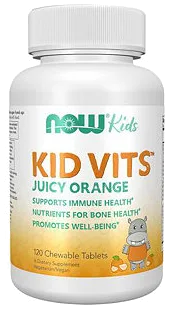
now foods Kid Vits\u2122 Juicy Orange Chewable Tablets Review
Kid Vits Juicy Orange Chewable Tablets from NOW Foods are a children's multivitamin and mineral in chewable tablet form with an orange flavor. A serving is 2 chewable tablets, and each container holds 30 servings. Each serving has 10 calories, 2 g total carbohydrate and 1 g total sugars. The label lists Vitamin A 750 mcg, Vitamin C 60 mg, Vitamin D 10 mcg, Vitamin E 10 mg, Thiamin 1.5 mg, Riboflavin 1.7 mg, Niacin 10 mg, Vitamin B6 2 mg, Folate 200 mcg DFE, Vitamin B12 6 mcg, Biotin 150 mcg, Pantothenic Acid 5 mg, Calcium 65 mg, Iron 5 mg, Iodine 70 mcg, Magnesium 20 mg and Zinc 3 mg. Other ingredients include organic cane sugar, microcrystalline cellulose, sorbitol, natural orange fruit juice powder and stevia leaf extract, among others. The printed directions say children ages 4 and up take 2 chewable tablets daily with food. Buyers most often say their kids like the orange taste and ask for the tablets each day. A few mention the tablet is a little large to chew, while others call the size just right.
We don’t sell supplements. We help you make decisions and get the best price.
Lowest prices
We may earn a commission from some store links. How we choose.
We hold no current store prices for it yet: check the store.
- AmazonPrice at AmazonCheck price at Amazon (opens in a new tab)
Also at: Walmart · Vitacost. Some links earn us a commission; price comes first, and a commission only decides the order of prices within 2%. As an Amazon Associate we earn from qualifying purchases.
Products with nearly the same formula (Matched on the main ingredients)
Study, Trial or Testing Result Summary
Members Only275 human studies · 100 improved
7 of these 275 human studies gave the ingredient by drip or injection, not by mouth.
This is a children's chewable multivitamin, and most of its ingredients are at small daily amounts. Vitamin C reaches about the studied amount only at three tablets a day. Pooled trials of at least 200 mg daily found colds were not less common in the general public but were somewhat shorter, 8% in adults and 14% in children [1]. Another review concluded vitamin C does not prevent catching colds [2]. Zinc also reaches a studied amount only at three tablets a day. A large review found it made little or no difference to catching a cold, though it may shorten colds once they start [3]. In preschool children, 10 mg daily cut infection days by 12%, which was not significant [4]. Vitamin D here is below the studied dose, and large trials found no fewer respiratory infections [5][6]. Vitamin E is also below the studied dose [7]. Vitamin A did not reduce illness in a large pooled review of mothers and babies [8]. Folate on its own did not change infection rates in infants [9]. Vitamin B12 did not reduce infections in infants and young children [10]. In some trials, iron raised infection risk [11]. The other vitamins and minerals have little or no direct evidence for immune support. Animal and cell studies are never counted.
See all 275 studies →Hide the studies
- Across 199,055 children and adults in many trials of nutrient supplements including vitamin B12, supplementation in healthy people had no or very limited effect on preventing viral respiratory infections; only zinc (children in Asia) and vitamin D (adults in North America) showed protection, not B12.Nutrient supplementation for prevention of viral respiratory tract infections in healthy subjects: A systematic review a…
- In six trials of 27,351 children up to seven years old, vitamin A (with vitamin E added in two trials) did not clearly change how many upper respiratory infections they had; the evidence was low certainty and this was mainly a vitamin A review.Oral vitamin A supplements to prevent acute upper respiratory tract infections in children up to seven years of age.
- In 14 trials of 25,758 mother and infant pairs, high-dose vitamin A given after birth raised breast milk vitamin A but did not reduce illness or death in mothers or infants compared with placebo or no treatment.Vitamin A supplementation for postpartum women.
- Across 25 trials with 11,321 people of all ages, vitamin D supplements lowered the odds of a sudden respiratory infection by about 12%, with the biggest benefit in very deficient people and those taking daily or weekly doses rather than large single doses.Vitamin D supplementation to prevent acute respiratory infections: individual participant data meta-analysis.
- Across 29 placebo-controlled trials with 11,306 people taking at least 0.2 g of vitamin C daily, colds were not less common in the general public but were about half as common in marathon runners, skiers and soldiers, and colds lasted 8% shorter in adults and 14% shorter in children.Vitamin C for preventing and treating the common cold.
- Across 34 trials with 8526 children and adults, zinc made little or no difference to catching a cold but may have shortened colds by about 2.4 days when used as treatment, with more mild side effects.Zinc for prevention and treatment of the common cold.
- Across 56 trials of 5807 people with burns, iodine-based dressings made little difference to infection compared with a burn ointment, and povidone iodine may have healed burns slightly faster than chlorhexidine, but most evidence was low certainty.Antiseptics for burns.
- In six trials of 5031 surgery patients, povidone-iodine skin cleansing led to more surgical site infections than chlorhexidine (chlorhexidine odds ratio 0.68).Systematic review and meta-analysis of preoperative antisepsis with chlorhexidine versus povidone-iodine in clean-contam…
- In 24 trials of 5004 surgery patients, rinsing the surgical site with povidone-iodine cut surgical site infections to 8.0% from 13.4% with no antiseptic.Meta-analysis of intraoperative povidone-iodine application to prevent surgical-site infection.
- In 37 trials of 4,905 critically ill adults, vitamin E alone and combined with selenium, zinc and copper showed no clear reduction in deaths or infections compared with placebo, and the evidence was very low certainty.Antioxidant micronutrient supplements for adult critically ill patients: A bayesian multiple treatment comparisons meta-…
- In 35 trials of 3494 critically ill patients, intravenous thiamine did not clearly change death rates or infection outcomes listed, shortened shock and lowered lactate and organ failure scores, but slightly lengthened intensive care stay.Effect of intravenous thiamine administration on critically ill patients: A systematic review and meta-analysis of rando…
- Across nine studies of 2,367 people, vitamin D deficiency was not overall linked to the immune response to flu vaccination, though protection rates for two strains were lower in deficient people.Does Vitamin D Deficiency Affect the Immunogenic Responses to Influenza Vaccination? A Systematic Review and Meta-Analys…
- In six trials of 1804 spinal surgery patients, povidone-iodine irrigation lowered surgical site infection to 0.77% from 6.0% with saline or no irrigation, without harming bone fusion.RCT-based meta-analysis of povidone-iodine irrigation in spinal surgery: clarifying efficacy and safety.
- A review of eight systematic reviews covering 31 randomized trials concluded that taking vitamin C does not prevent people from catching a common cold.Does vitamin C prevent the common cold?
- In a pooled analysis of randomized trials in adults, vitamin C slightly lowered the risk of respiratory infections by 4% and shortened symptoms by 9%, with a stronger prevention effect in men and in middle-income countries.Effect of micronutrient supplements on influenza and other respiratory tract infections among adults: a systematic revie…
- In 10 placebo-controlled trials of healthy people taking at least 1 g of vitamin C daily, cold severity was 15% lower than with placebo, with a clear benefit on severe symptoms but not on mild ones.Vitamin C reduces the severity of common colds: a meta-analysis.
- Across 22 supplementation studies in people with multiple sclerosis, vitamin D3 did not clearly reduce relapses or disability overall, but high doses did lower the yearly relapse rate while low doses did not.Vitamin D status, supplementation, and multiple sclerosis: a systematic review and meta-analysis.
- In 30 studies of intensive care patients, vitamin E alone did not change deaths, ventilator time or side effects, but shortened intensive care stay by about 1.3 days after excluding highly varying studies; combining it with selenium showed no benefit.Efficacy and safety of selenium or vitamin E administration alone or in combination in ICU patients: A systematic review…
- In nine trials of older adults, micronutrient supplements improved immune function overall, and vitamin E had the largest effect on cellular immunity.Effects of micronutrient supplementation on immune function in older adults: a meta-analysis.
- A pooled analysis of 28 genetic-based studies found no causal link between blood levels of vitamin D or other micronutrients (including vitamin B6) and COVID-19 outcomes, though a few individual studies reported associations.Micronutrients, Vitamin D, and Inflammatory Biomarkers in COVID-19: A Systematic Review and Meta-analysis of Causal Infe…
- This meta-analysis was retracted and reports no usable results.RETRACTED: Preoperative chlorhexidine versus povidone-iodine antisepsis for preventing surgical site infection: A meta-a…
- Across 18 studies, cleaning with antiseptics such as povidone-iodine or chlorhexidine before urinary catheter use may modestly lower catheter-related urinary infections, but the overall effect on bacteriuria was not clearly significant.Effectiveness of meatal cleaning in the prevention of catheter-associated urinary tract infections and bacteriuria: an u…
- Pooling 6 trials of adults with colds, zinc lozenges did not significantly reduce the chance of having cold symptoms at 7 days.A meta-analysis of zinc salts lozenges and the common cold.
- Five small, low-quality trials with 2,655 children and adults gave vitamin C at 125 mg to 2 g daily, and the evidence was too weak to tell whether it prevents or treats pneumonia.Vitamin C supplementation for prevention and treatment of pneumonia.
- In four trials of 875 people with simple traumatic wounds, two showed povidone-iodine reduced wound infection compared with non-antiseptic solutions, but the evidence was very low quality.Antiseptic versus non-antiseptic solutions for preventing infection in acute traumatic wounds: a systematic review.
- A review of 39 randomized trials of eight supplements, including vitamin C, in healthy people under stress found some signs of benefit but too many gaps to draw firm conclusions about immune protection.Select Dietary Supplement Ingredients for Preserving and Protecting the Immune System in Healthy Individuals: A Systemat…
- A review of 13 studies in healthy adults found alternative vitamin C forms often raised white blood cell vitamin C and were better tolerated, with one study showing fewer colds, but more research is needed to confirm immune benefits.Enhanced Vitamin C Delivery: A Systematic Literature Review Assessing the Efficacy and Safety of Alternative Supplement …
- A review of 20 trials in healthy adults (8 on vitamin D) found micronutrients other than vitamin C, including vitamin D, may not prevent colds or reduce symptom severity.Zinc Supplementation Reduces Common Cold Duration among Healthy Adults: A Systematic Review of Randomized Controlled Tri…
- A review of 9 reviews found low vitamin D levels linked to higher risk of COVID-19 infection, but trials are still needed to confirm whether supplements help with severity or death.The role of vitamin D in prevention OF COVID-19 and its severity: an umbrella review.
- A review of the literature suggests vitamin D plays a role in innate immunity and that supplementation may help prevent or treat COVID-19, though this is a hypothesis.Vitamin D in SARS-CoV-2 infection.
- In a review of 14 diet trials in people with lupus, vitamin D was linked to better inflammation markers in most studies but not to better disease activity scores.Diet and Systemic Lupus Erythematosus (SLE): From Supplementation to Intervention.
- A review of 28 systematic reviews on diet and lupus looked at vitamin D among other nutrients but the abstract gives no clear result for vitamin D, and no specific dietary recommendations were established.The Interconnection Between Systemic Lupus Erythematosus and Diet: Unmet Needs, Available Evidence, and Guidance-A Patie…
- A guideline review of evidence made a conditional recommendation against vitamin D supplements for preventing eczema in children.Guidelines of care for the primary prevention of atopic dermatitis and awareness of comorbid conditions in pediatric ato…
- This review of vitamin E and genes in aging found contradictory results in older people, with some trials even suggesting harm to survival, possibly due to dose, form and genetic differences.Vitamin E-gene interactions in aging and inflammatory age-related diseases: implications for treatment. A systematic rev…
- A review of the research on nutrients and viral infections including coronavirus concluded that vitamin E, along with other nutrients, helps the immune system work properly, but few trials tested it directly and more trials are needed.Nutrients in prevention, treatment, and management of viral infections; special focus on Coronavirus.
- A review of 53 articles found that low levels of nutrients including vitamin E were linked to changes in immune measures, but only omega-3 fats, zinc and vitamin A had intervention studies confirming benefit.[Influence of nutrients on human immunity].
- In 50 studies of children with acute respiratory infections, results for vitamin E were mixed and no single supplement, including vitamin E, could be recommended for routine treatment.A systematic review and meta-analysis on nutritional and dietary interventions for the treatment of acute respiratory in…
- In one trial among 11 in a review of gastrointestinal surgery patients, wound dressings containing vitamin E and silicone reduced surgical site infection, pain, inflammation and hospital stay.Does micronutrient supplementation improve outcomes in adult gastrointestinal surgery patients? A systematic review.
- A review of 105 mostly preclinical studies on sepsis found thiamine restores energy enzyme activity and improves lactate clearance, but human data are limited to small trials and no large trial shows a survival benefit.Mitochondrial dysfunction in sepsis: nutritional strategies for restoring bioenergetic homeostasis.
- A review of the literature says folic acid is important for immune function and may matter in COVID-19, but it reports no pooled numbers or trial results on immune outcomes.Folic acid - importance for human health and its role in COVID-19 therapy.
- In a systematic review of trials in patients with pernicious anemia, vitamin B12 (methylcobalamin or cyanocobalamin) raised levels of several immune cells toward normal and improved natural killer cell activity, though the number of people and dose were not stated in the abstract.The Immunomodulatory Effect of Vitamin B12 in Pernicious Anemia: A Systematic Review.
- This review of human trials in healthy adults found that inulin-type fibers helped gut bacteria and calcium absorption, but it did not test calcium supplements for immune support.The Prebiotic Potential of Inulin-Type Fructans: A Systematic Review.
- A review of 49 studies on vitamins and minerals in atopic dermatitis found the evidence on iron too limited to say whether it affects the condition.Micronutrients in Atopic Dermatitis: A Systematic Review.
- In a review of 27 randomised trials, iodine on wounds worked as well as other antiseptics, neither slowing nor speeding healing, and caused no more side effects.Benefit and harm of iodine in wound care: a systematic review.
- A review of 20 studies on breast-feeding mothers linked iodine and other nutrient intake to better infant brain development and fewer allergic conditions, but it did not test iodine for immune support directly.Maternal Lifestyle Factors Affecting Breast Milk Composition and Infant Health: A Systematic Review.
- This review of common cold treatments covered zinc gel and lozenges among other options, but the abstract gives no results for zinc.Common cold.
- This review of common cold treatments covered zinc gel and lozenges among other options, but the abstract gives no results for zinc.Common cold.
- In 29,133 male smokers aged 50 to 69 given 50 mg of vitamin E daily for about 6 years, vitamin E did not change overall pneumonia risk, though those who started smoking at 21 or older had a 35% lower risk.Vitamin E and beta-carotene supplementation and hospital-treated pneumonia incidence in male smokers.
- In 15,804 older adults, 2,000 IU of vitamin D3 daily did not significantly lower the risk of upper respiratory infection at 1 year compared with placebo.Effect of Daily Vitamin D Supplementation on Risk of Upper Respiratory Infection in Older Adults: A Randomized Controlle…
- In 8,851 schoolchildren in Mongolia, 14,000 IU of vitamin D3 weekly for 3 years did not lower tuberculosis infection (3.6% vs 3.3% with placebo), tuberculosis disease, or respiratory infection.Vitamin D Supplements for Prevention of Tuberculosis Infection and Disease.
- In 7,469 male smokers who started smoking at 21 or older, 50 mg of vitamin E daily for 5 to 8 years reduced pneumonia by 69% in lighter smokers who exercised, and by 14% (not significant) in heavier smokers or non-exercisers.Vitamin E administration may decrease the incidence of pneumonia in elderly males.
- In 4436 pregnant women in rural Bangladesh given iron and folic acid or multiple micronutrients, their children's rates of fever, diarrhoea and lung infections up to 24 months did not differ.Prenatal early food and multiple micronutrient supplementation trial reduced infant mortality in Bangladesh, but did not…
- In 4,048 healthy adults, a flu vaccine containing the vitamin E based adjuvant AS03 produced higher antibody levels than the same vaccine without it, and protection persisted to month 6 in adults aged 18 to 64.Long-term immunogenicity of an AS03-adjuvanted influenza A(H1N1)pdm09 vaccine in young and elderly adults: an observer-b…
- In 2157 adults aged 70 or older, 2000 IU of vitamin D3 daily for 3 years did not significantly reduce infection rates or improve blood pressure, physical performance, cognition, or fractures compared with placebo.Effect of Vitamin D Supplementation, Omega-3 Fatty Acid Supplementation, or a Strength-Training Exercise Program on Clin…
- In 2141 adults on hemodialysis followed for about 2 years, high-dose intravenous iron did not change infection rates compared with low-dose iron.Intravenous Iron in Patients Undergoing Maintenance Hemodialysis.
- In 2004 newborns in a region with high rates of trachoma, iodine eye drops worked about as well as chloramphenicol for the first 2 days, were 6% less effective from day 3 to 15, and nearly doubled the risk of chlamydia eye infection.Randomised equivalency trial comparing 2.5% povidone-iodine eye drops and ophthalmic chloramphenicol for preventing neon…
- In about 1977 Cambodian schoolchildren eating micronutrient-fortified rice for seven months, the risk of new hookworm infection increased compared with placebo rice, especially where infection was common.Micronutrient-Fortified Rice Can Increase Hookworm Infection Risk: A Cluster Randomized Trial.
- In 1815 malnourished African adults with HIV starting antiretroviral therapy, an iron-fortified supplement for about 6 weeks did not change blood iron markers or inflammation (CRP) compared with the control.Minimal impact of an iron-fortified lipid-based nutrient supplement on Hb and iron status: a randomised controlled trial…
- In 1,444 army recruits taking 6,000 mg of vitamin C daily for 30 days, the risk of getting a common cold was 0.80 times that of those taking placebo.Vitamin C supplementation reduces the odds of developing a common cold in Republic of Korea Army recruits: randomised co…
- In Ghanaian mothers and their children, supplements including 6 mg iron daily for the children did not increase illness rates compared with the other groups.Supplementation with Small-Quantity Lipid-Based Nutrient Supplements Does Not Increase Child Morbidity in a Semiurban Se…
- In 1000 Indian children aged 6-30 months given vitamin B12 and/or folic acid for 6 months, neither reduced diarrhea or lower respiratory infections, and folic acid raised the risk of persistent diarrhea.Folic acid and vitamin B-12 supplementation and common infections in 6-30-mo-old children in India: a randomized placebo…
- In 977 Kenyan schoolchildren over about 11 months, a daily multivitamin and mineral tablet containing 8 mg of vitamin E lowered the intensity of schistosome worm reinfection compared with placebo, but had no significant effect on hookworm, roundworm or whipworm reinfection.Effects of multimicronutrient supplementation on helminth reinfection: a randomized, controlled trial in Kenyan schoolch…
- In 881 pregnant women, 4,400 IU daily of vitamin D started at 10-18 weeks of pregnancy did not lower preeclampsia compared with 400 IU (8.08% vs 8.33%), though women with higher vitamin D blood levels had lower risk.Early pregnancy vitamin D status and risk of preeclampsia.
- In 875 pregnant Gambian women, all given folic acid and iron, maternal supplement type did not change infant thymus size, but infants given extra micronutrients in the second half of infancy had an 8% larger thymus at 1 year.Thymic size is increased by infancy, but not pregnancy, nutritional supplementation in rural Gambian children: a randomi…
- In 868 Navajo schoolchildren given vitamin C or placebo, there was no difference in how many got ill (133 vs 129), number of illness episodes, or illness length, though blood vitamin C levels were higher.Vitamin C and acute illness in Navajo schoolchildren.
- In 826 Indonesian preschool children given 10 mg zinc daily for 4 months, days with upper respiratory infection fell 12 percent (not significant), and 20 percent after vitamin A was given.Zinc combined with vitamin A reduces upper respiratory tract infection morbidity in a randomised trial in preschool chil…
- In 796 children aged 0-6 with food allergies, a probiotic, zinc and B vitamin product plus hydrolyzed formula for 6 months lowered allergy skin-test size, total IgE and food allergy prevalence compared with formula alone, with benefits lasting 6 months after.Products of compound probiotics combined with zinc and vitamin B ameliorate the risk of food allergy.
- In 740 pregnant women in rural Nepal, a multiple micronutrient supplement reduced vitamin deficiencies including riboflavin but had no effect on subclinical infection.Antenatal supplementation with micronutrients and biochemical indicators of status and subclinical infection in rural Ne…
- In a randomized trial of 688 adult women, 1 gram of vitamin C daily produced a small reduction in chest colds but no effect on simple colds.A randomized controlled trial of vitamin C in the prevention and amelioration of the common cold.
- In 674 marine recruits given 2 grams of vitamin C or placebo daily for eight weeks, colds were no less common or shorter, though the vitamin C group rated their colds as less severe.Vitamin C prophylaxis in marine recruits.
- In 633 Gambian children aged 7-37 months given iron supplements, children who stayed infection-free had more of a gut bacterium called Prevotella stercorea; the iron form IHAT led to fewer moderate-to-severe diarrhoea episodes than ferrous sulphate, but the analysis mainly linked gut bacteria rather than iron to infection.Gut Prevotella stercorea associates with protection against infection in rural African children.
- In 617 nursing home residents aged 65 or older, taking 200 IU of vitamin E daily for one year did not significantly reduce overall respiratory infections, but fewer people on vitamin E caught at least one upper respiratory infection or common cold than on placebo.Vitamin E and respiratory tract infections in elderly nursing home residents: a randomized controlled trial.
- In 600 Nepali infants aged 6-11 months given 2 mcg vitamin B12 daily for 1 year, there was no difference from placebo in common infections or clinic visits.The Effect of Daily Vitamin B-12 Supplementation on the Incidence of Common Childhood Infections in Nepal: Secondary Out…
- In 597 Chinese infants revaccinated against tuberculosis, 3 months of daily vitamin A plus 500 IU vitamin D raised positive skin test response to 96.1% versus 89.7% in the control group.Enhancement of vitamin A combined vitamin D supplementation on immune response to Bacille Calmette-Guérin vaccine revacc…
- In 595 critically ill surgical patients, early antioxidant supplementation with vitamin C and vitamin E did not significantly reduce lung complications compared with standard care, but it reduced multiple organ failure and shortened time on the ventilator and in intensive care.Randomized, prospective trial of antioxidant supplementation in critically ill surgical patients.
- In 420 healthy adults, bird flu vaccines containing a vitamin E based adjuvant (11.86 mg of alpha-tocopherol in the AS03A version) met immune response targets, with lower vaccine doses needed when adjuvanted, and no vaccine-related serious side effects.Evaluation of a primary course of H9N2 vaccine with or without AS03 adjuvant in adults: A phase I/II randomized trial.
- In 408 adults with mild to moderate asthma, vitamin D for 28 weeks did not reduce cold severity or frequency compared with placebo, and African American participants had more colds on vitamin D.Vitamin D Supplementation and the Risk of Colds in Patients with Asthma.
- In 399 preschoolers in India, adding 25 g of guava to a daily meal for 140 days improved iron status and lowered acute respiratory infection compared with banana or cucumber, though this was a food-based approach rather than an iron supplement.Guava with an institutional supplementary meal improves iron status of preschoolers: a cluster-randomized controlled tri…
- In 374 people with stomach inflammation from H. pylori, calcium carbonate alone for 16 weeks did not reduce inflammation or tissue damage compared with placebo, while tetracycline and triple therapy did.Anti-inflammatory and tissue-protectant drug effects: results from a randomized placebo-controlled trial of gastritis pa…
- In 328 anemic Kenyan children given iron or placebo, the study looked at how malaria affects red blood cell production and found it adequate for the degree of anemia, without testing an immune benefit of iron.Malarial anemia leads to adequately increased erythropoiesis in asymptomatic Kenyan children.
- In a 5-year double-blind trial of older Japanese adults, 500 mg of vitamin C daily cut the number of people with three or more colds, compared with 50 mg daily, but did not shorten or lessen the colds.Effect of vitamin C on common cold: randomized controlled trial.
- In 300 women having cancer surgery, rinsing the wound with povidone iodine did not change the rate of wound infection over 30 days compared with saline rinsing.Subcutaneous rifampicin versus povidone-iodine for the prevention of incisional surgical site infections following gynec…
- In 275 people with early COVID-19, a 10-day combination therapy including vitamin C was safe and well tolerated, but the study did not test whether it improved immune health.Read the study on PubMed (41693032) →
- In 254 older adults with COVID-19, a single high dose of 400,000 IU vitamin D3 lowered deaths at 14 days compared with 50,000 IU (6% vs 11%), but the benefit was gone by 28 days.High-dose versus standard-dose vitamin D supplementation in older adults with COVID-19 (COVIT-TRIAL): A multicenter, ope…
- In 247 high school students, 2000 IU of vitamin D3 daily for 2 months did not lower overall influenza A (13.5% vs 12.1% on placebo), though a post hoc look showed fewer cases in the first month only.Effects of vitamin D supplements on influenza A illness during the 2009 H1N1 pandemic: a randomized controlled trial.
- In 245 breastfeeding mothers given 600 IU vitamin D2 plus 1800 IU vitamin A daily for 2 months, infant fever, respiratory infection, diarrhoea and eczema were not lower than with placebo; the effect of vitamin D alone cannot be separated.Impact of Maternal Daily Oral Low-Dose Vitamin A Supplementation on the Mother-Infant Pair: A Randomised Placebo-Control…
- In 243 people having gallbladder or bile duct surgery, spraying povidone-iodine into the wound led to more wound infections (9%) than a single dose of intravenous ceftriaxone (1%).Ceftriaxone versus povidone iodine in preventing wound infections following biliary surgery.
- In 228 health care workers, vitamin D2 raised blood vitamin D levels but did not change COVID-19 infection rates (50.5% vs 52.4%), symptoms, or inflammation markers compared with no treatment.Randomized trial of influence of vitamin D on the prevention and improvement of symptomatic COVID-19.
- In 226 preschool children, a seasoning powder with thiamine and other micronutrients for 6 months lowered respiratory and diarrhea illness and shortened respiratory illness compared with vitamin A alone or with iron.Effect of vitamin A, vitamin A plus iron and multiple micronutrient-fortified seasoning powder on infectious morbidity o…
- In 209 people having eye surgery, a 5% povidone-iodine rinse before surgery eliminated surface bacteria in all groups, but the study was not designed to compare it against a control, and levofloxacin duration made no difference to infection.Optimal Duration for the Use of 0.5% LevofloxacinEye Drops Before Vitreoretinal Surgery.
- In 202 dialysis patients given a multinutrient drink including thiamine for 12 weeks, fatigue did not change but herpesvirus 7 levels in saliva fell and heart rate variability improved versus placebo.Effects of nutritional supplementation on fatigue, and autonomic and immune dysfunction in patients with end-stage renal…
- In 311 National Institutes of Health employees taking 3 g of ascorbic acid daily for nine months (with extra doses at cold onset), the vitamin had at best a minor effect on the duration and severity of colds, and the results could be explained by a break in blinding.Ascorbic acid for the common cold. A prophylactic and therapeutic trial.
- In a double-blind study of 95 identical twin pairs over 100 days, vitamin C shortened cold episodes by about 19% but had no other significant effect compared with placebo.Vitamin C and the common cold: using identical twins as controls.
- In 185 children aged 6 to 35 months, vaccines with different amounts of a vitamin E-containing adjuvant all produced strong immune responses; the study did not test vitamin E on its own against a placebo, and the vitamin E amount was not stated.Immunogenicity and Safety of AS03-adjuvanted H5N1 Influenza Vaccine in Children 6-35 Months of Age: Results From a Phase…
- In 164 older nursing home residents, an 8-week multivitamin and mineral supplement raised blood folate but did not improve antibody response to flu vaccine compared with placebo.Can a short period of micronutrient supplementation in older institutionalized people improve response to influenza vacc…
- In 157 people with recurrent viral skin infections (warts, herpes), a nutrient blend containing vitamin E plus coenzyme Q10, selenium and methionine, added to standard treatment, healed lesions faster and reduced relapses compared with control groups.Coenzyme Q(10), vitamin E, selenium, and methionine in the treatment of chronic recurrent viral mucocutaneous infections…
- In 152 girls aged 5 to 12 with a first kidney infection, adding vitamin E to meds for 14 days lowered fever, urinary frequency, urgency, dribbling and incontinence compared with meds alone, though urine cultures and scan results did not differ.Vitamin E as adjuvant treatment for urinary tract infection in girls with acute pyelonephritis.
- In 130 low birthweight infants given folic acid or placebo from 2 weeks to 6 months, there was no difference in infection or blood measures (only 62 completed follow-up).Folic acid in low birthweight infants.
- In 127 Mexican children aged 5 to 15 months, vitamin A lowered norovirus GII infections and norovirus-linked diarrhea compared with placebo, but lengthened how long the virus was shed.Vitamin A supplementation has divergent effects on norovirus infections and clinical symptoms among Mexican children.
- In the first 127 people with HIV, the report covers only baseline deficiencies (20% had low folate) and adherence, with no results yet on immune outcomes.Micronutrient deficiency and treatment adherence in a randomized controlled trial of micronutrient supplementation in AR…
- In 120 stroke patients with swallowing difficulty, vitamin C stimulation added to routine swallowing training improved swallowing tests, nutrition markers and antibody levels compared with routine training alone.Effects of vitamin C stimulation on rehabilitation of dysphagia after stroke: a randomized trial.
- In 120 children with acute Kawasaki disease, adding vitamin D to standard treatment brought fever down faster (27 vs 50 hours) and lowered inflammatory markers compared with standard treatment alone.Read the study on PubMed (40996174) →
- In 117 children with sickle cell disease, a year of folic acid did not change the proportion with infections compared with placebo, though fewer had repeated dactylitis.A trial of folate supplementation in children with homozygous sickle cell disease.
- In 113 people having abdominal surgery, povidone-iodine instilled into the wound did not lower wound infections (39.5%) compared with no treatment (42.1%), while meds lowered them to 8.1%.Read the study on PubMed (72953) →
- In 112 women with repeated implantation failure, vitamin D alone gave a 17.8% pregnancy rate versus 10.7% for control, and only the combination with vaginal probiotics (46.4%) significantly changed immune markers.The effect of vitamin D supplementation and vaginal probiotics on fertility in women with recurrent implantation failure…
- In 104 patients with Helicobacter pylori, adding 200 mg vitamin E and vitamin C to triple a med therapy lowered eradication of metronidazole-susceptible infections to 53% from 80% without the vitamins, and did not reduce stomach inflammation.Vitamin C and E supplements to lansoprazole-amoxicillin-metronidazole triple therapy may reduce the eradication rate of …
- In 104 hip and knee replacement patients, adding a very dilute povidone-iodine solution to the sterile water basin stopped contamination in the iodine group (0 of samples positive) compared with 47.9% contaminated in the plain water group.Dilute Povidone-Iodine Solution Prevents Intraoperative Contamination of Sterile Water Basins During Total Joint Arthrop…
- In 103 healthy volunteers, a povidone-iodine alcohol skin preparation reduced skin bacteria by more than 2 to 3 log levels and kept this effect for up to 96 hours, while a chlorhexidine alcohol product lasted 7 days; both were well tolerated.Antimicrobial persistence of two alcoholic preoperative skin preparation solutions.
- In 101 patients having laparoscopic colorectal cancer surgery, applying vitamin E ointment under the incision lowered wound infections to 4% from 17.6% in the untreated group, with less pain, shorter hospital stays, and lower C-reactive protein and white blood cell counts.Effect of Subcutaneous Sterile Vitamin E Ointment on Incisional Surgical Site Infection after Elective Laparoscopic Colo…
- In 100 healthy older Dutch adults, 200 mg of vitamin E daily for 15 months did not change blood levels of the immune markers DHEA-S or neopterin compared with placebo, and did not reduce respiratory infection days.The effect of vitamin E supplementation on serum DHEA and neopterin levels in elderly subjects.
- In 100 adults with type 2 diabetes, 90 days of B vitamins and antioxidants raised blood folate but did not significantly reduce infections compared with placebo.Effect of antioxidants and B-group vitamins on risk of infections in patients with type 2 diabetes mellitus.
- In 100 patients after gastrointestinal cancer surgery, an immune-supporting tube-feeding formula gave fewer complications, more lymphocytes and lower inflammation markers than standard feeding, but vitamin B12's own effect is unclear.Immunomodulatory enteral nutrition in post-surgical gastrointestinal cancer: Clinical, biochemical and nutritional impac…
- In 100 gastrointestinal cancer surgery patients, a tube feed rich in arginine, vitamin B12 and other nutrients led to higher immune complement proteins, fewer complications and better albumin to globulin ratios than standard feed, but B12's own effect cannot be separated.Plasma proteomic profiles reveal immune modulation by immunonutrition in GI cancer.
- In 100 people with chronic hives, both groups took calcium gluconate and other drugs for 4 weeks, and adding proteoglycan gave better results and raised interferon gamma, so the benefit was not from calcium.Effects of combination of mizolastine and proteoglycan on chronic urticaria: a randomized controlled trial.
- In 98 adults with mild to moderate coronavirus illness, 1000 mg of vitamin C daily for 14 days had no effect on symptom progression or quality of life compared with placebo.A Pilot of a Randomized Control Trial of Melatonin and Vitamin C for Mild-to-Moderate COVID-19.
- In 96 children with epidural catheters, skin preparation with povidone-iodine led to more catheter colonization than chlorhexidine (5 of 44 catheters vs 1 of 52).Chlorhexidine versus povidone iodine in preventing colonization of continuous epidural catheters in children: a randomiz…
- In 93 healthy adults given single doses, 500 mg of calcium ascorbate increased some immune measures such as neutrophil function and natural killer cells compared with ascorbic acid, but 250 mg showed no differences.Comparative Effectiveness of Ascorbic Acid vs. Calcium Ascorbate Ingestion on Pharmacokinetic Profiles and Immune Biomar…
- In 91 adults with cystic fibrosis given a large vitamin D3 dose during a lung flare-up then every other week for a year, there was no difference from placebo in time to next flare-up or death, lung function, or an infection-fighting protein.Vitamin D for the Immune System in Cystic Fibrosis (DISC): a double-blind, multicenter, randomized, placebo-controlled c…
- In 91 health care workers given 5000 or 2000 IU of vitamin D3 daily for 3 months, vitamin D intake was not linked to lower COVID-19 illness, though the higher dose group had only asymptomatic cases.Vitamin D Intake May Reduce SARS-CoV-2 Infection Morbidity in Health Care Workers.
- In 91 power plant workers exposed to magnetic fields, 400 IU of vitamin E daily for 3 months lowered the inflammatory marker IL-6 compared with the control group, though it also raised good cholesterol.The Effects of Antioxidant Vitamins on Proinflammatory Cytokines and Some Biochemical Parameters of Power Plant Workers:…
- In 88 healthy adults aged 65 and older, taking 200 mg of vitamin E daily for about 4 months improved some measures of T-cell immunity, including skin test reactions and antibody responses to hepatitis B and tetanus vaccines, compared with placebo. Other doses showed smaller effects.Vitamin E supplementation and in vivo immune response in healthy elderly subjects. A randomized controlled trial.
- In 87 lung transplant recipients, 100,000 IU of vitamin D monthly for 2 years did not change chronic lung rejection, inflammation or other outcomes compared with placebo.High-dose vitamin D after lung transplantation: A randomized trial.
- In 82 adolescent swimmers, 12 weeks of vitamin D3 versus placebo did not change thymus activity markers, and these were not linked to respiratory infection severity or duration.Thymus Activity, Vitamin D, and Respiratory Infections in Adolescent Swimmers.
- In 80 healthy older adults, an 8-week multivitamin raised several vitamin levels but not thiamin, and did not change immune-related signals interleukin-2, -6, -10 or prostaglandin E2.The effects of a multivitamin/mineral supplement on micronutrient status, antioxidant capacity and cytokine production i…
- In 80 healthy adults with a new common cold, zinc gluconate nasal gel used four times daily until symptoms resolved (up to 10 days) shortened cold duration to a median of 4.3 days versus 6 days with placebo.Effect of zincum gluconicum nasal gel on the duration and symptom severity of the common cold in otherwise healthy adult…
- In 65 healthy children aged 7 to 13 who ate breakfast cereal fortified with vitamins including vitamin E for two months, immune function measures and upper respiratory infection rates did not differ between fortification groups.Ingestion of micronutrient fortified breakfast cereal has no influence on immune function in healthy children: a randomi…
- In 69 adults with obesity, eating 57 g of almonds daily for 6 weeks lowered blood levels of three inflammation-related proteins compared with a cookie, but immune cell counts did not differ; this tested almonds as a whole food, not magnesium alone.Almond Consumption Improves Inflammatory Profiles Independent of Weight Change: A 6-Week Randomized Controlled Trial in …
- In 68 pregnant Bangladeshi women given 250 mcg of vitamin B12 daily through pregnancy and 3 months after birth, flu vaccine antibody (IgA) responses rose in the mothers and fewer infants had raised inflammation markers than with placebo, though infants showed no vaccine response gain.Vitamin B12 supplementation during pregnancy and postpartum improves B12 status of both mothers and infants but vaccine …
- In 68 people having liver cancer surgery, implanting iodine-125 seeds raised immune signaling levels after surgery and kept some immune cell counts stable, while the control group's counts fell.[Immunological influence of iodine-125 implantation in patients with hepatocellular carcinoma resection].
- In 65 intermediate-risk older adults given a daily capsule with 100 mcg vitamin B12 plus garlic extract and other nutrients for 1 year, artery calcium progressed less and oxidation markers changed, but immune outcomes were not the focus and the effect of B12 alone is unclear.Aged garlic extract supplemented with B vitamins, folic acid and L-arginine retards the progression of subclinical ather…
- In 60 children prone to recurrent respiratory infections, a daily orange juice providing 70 mg of vitamin C was associated with a drop in infection episodes from about 6.75 to 2.62 per child.Beneficial therapeutic effects of vitamin C on recurrent respiratory tract infections in children: preliminary data.
- In 60 healthy elderly Chileans given a multi-nutrient formula including 3.8 mcg vitamin B12 for 4 months, natural killer cell activity rose and infections were less frequent (13% vs 22% of visits) than in non-supplemented people, though B12's own effect is unclear.Effects of a nutritional supplement on the immune response and cytokine production in free-living Chilean elderly.
- In 58 children with immunotolerant chronic hepatitis B, 100 mg of vitamin E daily for 3 months did not change liver enzymes or viral load compared with children who took no supplement.Efficacy of vitamin E in children with immunotolerant-phase chronic hepatitis B infection.
- In 56 children with shigellosis, both groups got a thiamine-containing multivitamin for 2 weeks and the added zinc, not thiamine, raised the lymphocyte response, so thiamine's own effect was not tested.Effect of zinc supplementation on immune and inflammatory responses in pediatric patients with shigellosis.
- In 56 children with shigellosis, adding zinc to multivitamins plus calcium for 14 days improved antibody response and B cell levels versus multivitamins plus calcium alone, so the effect was from zinc and not calcium.Effects of zinc supplementation as adjunct therapy on the systemic immune responses in shigellosis.
- In 53 people with multiple sclerosis, 48 weeks of vitamin D3 did not change immune cell CD25 or IL2RA gene activity compared with placebo, though some CD25 measures fell only in the placebo group.Vitamin D3 supplementation and the IL-2/IL-2R pathway in multiple sclerosis: Attenuation of progressive disturbances?
- In 50 women with inactive lupus given 2000 mcg vitamin B12 plus folic acid daily for 12 weeks, fat tissue DNA methylation of immune and inflammation-related genes changed in normal-weight women but not in women with excess weight.Nutritional status-dependent DNA methylation modifications on adipose tissue in systemic lupus erythematosus women follo…
- In 49 HIV-positive adults, 800 IU of vitamin E plus 1000 mg of vitamin C daily for 3 months reduced markers of oxidative stress compared with placebo, but the viral load reduction was not statistically significant and infection counts were similar (9 vs 7).Effects of vitamin E and C supplementation on oxidative stress and viral load in HIV-infected subjects.
- In 48 people having wisdom teeth removed, povidone-iodine irrigation was linked to more pain, dry socket, swelling and jaw stiffness than chlorhexidine, with results similar to saline.The Efficiency of Three Irrigating Solutions after Surgical Removal of Impacted Mandibular Third Molars: A Cross-section…
- In 44 people with tuberculosis, a multivitamin and trace element supplement reduced sputum-positive cases at two months (2 of 22 vs 7 of 22) compared with a calcium placebo, so calcium was the control and not the treatment.Nutrient supplementation as adjunct therapy in pulmonary tuberculosis.
- In 40 adults with active rheumatoid arthritis, adding vitamin D to standard drugs for 3 months raised regulatory immune cell levels more than standard drugs alone, alongside lower disease activity scores.Vitamin D: does it help Tregs in active rheumatoid arthritis patients.
- In 40 postmenopausal women, 2 mcg a day of active vitamin D3 for 2 weeks slightly raised CD3 and CD8 T cell counts while 1 mcg a day changed nothing and CD4 cells were unchanged.The effect of 1,25(OH)2 vitamin D3 on CD4+/CD8+ subsets of T lymphocytes in postmenopausal women.
- In 40 Air Force Academy cadets taking 15 mg of zinc gluconate daily for seven months, self-reported symptom-free episodes were significantly higher than with placebo, but doctor-diagnosed upper respiratory infections did not differ.Use of zinc supplements to reduce upper respiratory infections in United States Air Force Academy cadets.
- In 39 women with early rheumatoid arthritis, a single 300,000 IU dose of vitamin D3 added to standard treatment improved general health over 3 months, but did not change immune cell subtypes or bone-cell precursors.Vitamin D and immunomodulation in early rheumatoid arthritis: A randomized double-blind placebo-controlled study.
- In 38 hemodialysis patients, 12 weeks of vitamin D3 normalized blood vitamin D levels but did not change monocyte counts, T helper cell frequencies, or inflammation markers compared with placebo.Influence of cholecalciferol supplementation in hemodialysis patients on monocyte subsets: a randomized, double-blind, p…
- In 38 people with relapsing multiple sclerosis, high-dose vitamin D3 (20,400 IU every other day) reduced sugar-chain branching on T and natural killer cells but mostly did not change immune cell numbers compared with low-dose.Effect of vitamin D supplementation on N-glycan branching and cellular immunophenotypes in MS.
- In 38 triathletes, taking 800 IU of vitamin E daily for 2 months before the Kona Triathlon increased lipid peroxidation and post-race inflammation markers compared with placebo.Vitamin E and immunity after the Kona Triathlon World Championship.
- In 35 patients with rheumatoid arthritis, all took 5 mg folic acid daily and half also took vitamin B6 for 12 weeks; the inflammation drop was linked to the added B6, and folic acid alone was only the control, with no immune changes except lymphocyte percentage in the B6 group.Vitamin B(6) supplementation improves pro-inflammatory responses in patients with rheumatoid arthritis.
- In 35 healthy men over 67, a multivitamin/multimineral taken for at least six months did not change blood magnesium levels, though it improved vitamin levels and prevented a decline in the oxygen use of immune cells called monocytes.Multivitamin/Multimineral Supplementation Prevents or Reverses Decline in Vitamin Biomarkers and Cellular Energy Metabol…
- In 34 healthy young adults eating three eggs a day for 3 weeks, eggs enriched with omega-3 fats, selenium, vitamin E and lutein lowered a pro-inflammatory marker (IL-17A) compared with regular eggs.Consumption of Hen Eggs Enriched with n-3 Polyunsaturated Fatty Acids, Selenium, Vitamin E and Lutein Incites Anti-Infla…
- In 32 people given 2,000 IU of vitamin D daily for 10 weeks before a tetanus booster shot, antibody response was slightly higher than with placebo, while other immune measures were similar.Efficient tetanus toxoid immunization on vitamin D supplementation.
- In 32 healthy older adults, 800 mg of vitamin E daily for 30 days improved some immune responses and reduced lipid peroxidation compared with placebo.Vitamin E supplementation enhances cell-mediated immunity in healthy elderly subjects.
- In 32 older adults, eating four gold kiwifruit daily for 4 weeks raised blood folate and vitamin C and shortened some cold symptoms like head congestion and sore throat, but did not reduce overall infections or change immune cell activity; folate's own effect cannot be separated.Consumption of gold kiwifruit reduces severity and duration of selected upper respiratory tract infection symptoms and i…
- In 32 patients having ostomy closure, a silver dressing left in place for 5 days produced no wound infections over 30 days, while the control group that received povidone-iodine cleansing had infections in 4 of 16 patients.Applying a Silver-containing Dressing to the Incision Site and Its Effect on the Development of Surgical Site Infection …
- In 28 people recovering from COVID-19, a single 1000 mg dose of vitamin C reduced one type of immune-related reactive oxygen species by 45% but did not raise nitric oxide levels.A Plant-Based Dietary Supplement Exhibits Significant Effects on Markers of Oxidative Stress, Inflammation, and Immune R…
- In 28 healthy adults with an induced chemical skin rash, a single 200,000 IU dose of vitamin D3 reduced skin inflammation in all participants, with effects lasting 6 weeks.Vitamin D3 and deconvoluting a rash.
- In 28 hemodialysis patients given intravenous iron plus erythropoietin for 12 weeks, the inflammatory marker TNF-alpha fell and the anti-inflammatory IL-4 rose versus erythropoietin alone, which the authors considered detrimental to host defense against pathogens.Effect of iron treatment on circulating cytokine levels in ESRD patients receiving recombinant human erythropoietin.
- In 24 patients receiving stem cell transplants for myeloma or lymphoma, high-dose vitamin C (20 g daily for 10 days, then 500 mg twice daily until day 100) was linked to rising natural killer and CD3 immune cell counts from day 30 to day 100 and fewer infections, compared with standard care alone.Effect of vitamin C on immune reconstitution after bone marrow transplantation.
- In 22 hospitalized people with mild COVID-19 and heart disease, 10,000 IU of vitamin D3 daily reduced inflammatory markers and was linked to less severe illness, fewer hospital days, and lower death rate than placebo.Vitamin D3 supplementation in COVID-19 patients with cardiovascular disease and gut dysbiosis.
- In 20 children having surgery, ascorbate before premedication did not change neutrophil mobility during anaesthesia or surgery, and no infections occurred.Neutrophil mobility during anaesthesia in children. A trial of ascorbate premedication.
- In 20 runners, a single dose of chews containing 40 mg niacinamide plus quercetin, vitamin C and fish oils taken 15 minutes before a 2-hour run did not change exercise-related inflammation or immune changes compared with placebo.The acute effect of ingesting a quercetin-based supplement on exercise-induced inflammation and immune changes in runner…
- In 15 healthy men given a single 1000 mg dose, calcium ascorbate with vitamin C metabolites gave higher white blood cell vitamin C at 24 hours than plain vitamin C, with no plasma difference.Vitamin C metabolites, independent of smoking status, significantly enhance leukocyte, but not plasma ascorbate concentr…
- In 12 adults who exercised for about two hours in heat, 1500 mg of vitamin C daily for 12 days lowered the stress hormone cortisol after exercise, but did not change salivary antibody levels or cold-like symptoms compared with placebo.Vitamin C supplementation and salivary immune function following exercise-heat stress.
- In adults with type 2 diabetes and low magnesium, a daily magnesium supplement (15 mmol) lowered some T-cell inflammatory signals compared with placebo, but did not change immune cell counts or circulating inflammatory proteins significantly.Magnesium Supplementation Modulates T-cell Function in People with Type 2 Diabetes and Low Serum Magnesium Levels.
- In a small crossover trial of people with XMEN disease, 12 weeks of magnesium L-threonate did not change EBV levels or NKG2D immune receptor status, and the trial was stopped.A Double-Blind, Placebo-Controlled, Crossover Study of Magnesium Supplementation in Patients with XMEN Disease.
- In healthy adults aged 55 and older, a 12-week multivitamin and mineral supplement raised blood vitamin C and zinc levels but did not change measured immune function compared with placebo.The Effect of a Multivitamin and Mineral Supplement on Immune Function in Healthy Older Adults: A Double-Blind, Randomiz…
- In older adults, a 30-day course of a multi-ingredient supplement that also contained vitamin C lowered inflammatory blood markers and improved lymphocyte levels, though they did not reach the levels seen in younger people; the vitamin C dose was not stated.Use of Nutraceuticals in Elderly to Fight Inflammation and Immuno-Senescence: A Randomized Case-Control Study.
- In a randomized trial of ultramarathon runners and sedentary controls, taking 600 mg of vitamin C daily was linked to fewer upper airway infection symptoms in the two weeks after a race than placebo, with 33% of supplement takers developing symptoms versus 68% of placebo takers among runners.Vitamin C supplementation reduces the incidence of postrace symptoms of upper-respiratory-tract infection in ultramarath…
- In HIV-infected adults in a flu vaccine trial, taking vitamin D supplements did not improve the immune response to the vaccine.Vitamin D supplementation does not increase immunogenicity of seasonal influenza vaccine in HIV-infected adults.
- In a 3-month supplementation study of breastfeeding mothers and infants, higher maternal vitamin D status was linked to lower infant TNF levels and stronger infant immune cell responses to challenge, with some responses tied to the infant's own vitamin D.Maternal Vitamin D Status Correlates to Leukocyte Antigenic Responses in Breastfeeding Infants.
- Over 2 years in institutionalized elders, a low-dose micronutrient supplement containing vitamin E, vitamin C and beta-carotene did not significantly reduce infections, while the trace mineral part did.Micronutrient supplementation and infection in institutionalized elders.
- In people with mild-to-moderate psoriasis, 500 mg of nicotinamide riboside twice daily for 4 weeks reduced Th17 immune responsiveness and raised circulating SLIT2 compared with placebo.NAD+ augmentation by nicotinamide riboside engages SLIT2/ROBO1 signaling to attenuate Th17 inflammation in psoriasis.
- In children with recurrent pus-forming infections, calcium gluconate was used as the placebo for 6 months; 39% of that group improved versus 68% on the immune drugs, so calcium was not the treatment being tested.[Controlled randomized clinical trials of immunomodulators diucifon and sodium nucleinate in children with recurrent sup…
- In heart failure patients with iron deficiency, intravenous iron did not increase hospitalization or death from infection and was linked to fewer infection hospitalizations, mainly when transferrin saturation was below 20%, though the composite result was not statistically significant.Effect of correcting iron deficiency on the risk of serious infection in heart failure: Insights from the IRONMAN trial.
- In 481 evaluable central venous catheters, povidone-iodine skin disinfection led to about twice the catheter colonization rate of a chlorhexidine-based solution (22.2% vs 11.6%).Chlorhexidine-based antiseptic solution vs alcohol-based povidone-iodine for central venous catheter care.
- A single nasal application of 10% povidone-iodine temporarily reduced methicillin-resistant Staphylococcus aureus at 1 and 6 hours compared with placebo, but the effect did not last to 12 or 24 hours, and twice-daily use for 5 days did not reduce it at 12 hours.Efficacy of a povidone iodine preparation in reducing nasal methicillin-resistant Staphylococcus aureus in colonized pat…
- In a small randomized trial, 2% iodine applied to the fingers blocked experimental rhinovirus (common cold virus) transmission: none of 8 volunteers became infected right after treatment, versus all 7 placebo-treated volunteers.Interruption of experimental rhinovirus transmission.
- Two months of magnesium supplementation did not prevent the immune changes caused by exhaustive exercise in athletes whose magnesium levels were already normal.Effect of magnesium on granulocyte function and on the exercise induced inflammatory response.
- Giving lidocaine, magnesium and amino acids together around abdominal surgery lowered inflammation markers and pain scores, but the effect of magnesium alone cannot be separated out.Impact of Perioperatively Administered Amino Acids, Lidocaine, and Magnesium on Inflammatory Response and Pain Associate…
- In 1053 people with superficial burns, povidone iodine plus neosporin led to fewer infections and faster healing than silver sulphadiazine used in 1089 people, with similar death rates.Povidone iodine plus neosporin in superficial burns--a continuing study.
- In 613 patients with deep burns up to 50% of body surface, adding povidone-iodine solution under the burn crust led to significantly fewer infections on days 7 and 8 than crust treatment alone in 595 matched patients.Subeschar clysis in deep burns.
- In two trials of 8-9 year old children (172 and 642) given 1000 mg vitamin C daily, cold duration and severity seemed lower but cold incidence stayed the same or rose, and the total sick days were fewer only in the smaller pilot study.Vitamin C as a preventive medicine against common colds in children.
- In 628 people with minor wounds treated in an emergency unit, a povidone-iodine powder spray significantly reduced wound infections in forearm and hand injuries.Prophylactic povidone iodine in minor wounds.
- In about 210 students (three groups of about 70) taking 1 gram daily for 15 weeks, the D-isoascorbic acid group had 34% fewer colds than the other two groups, which included the L-ascorbic acid group, so regular vitamin C showed no clear benefit.L-Ascorbic acid and D-isoascorbic acid in a common cold survey.
- Among 180 COVID-19 patients, those with vitamin D deficiency were hospitalized more often (41.3% vs 12.5%), and those given vitamin D3 recovered from hospital about 5 days sooner than deficient patients.Importance of Vitamin D3 in COVID-19 Patients.
- In 137 iron-deficient Somali nomads, those given iron had 36 infection episodes versus 7 in the placebo group, including flare-ups of malaria, brucellosis and tuberculosis.The adverse effect of iron repletion on the course of certain infections.
- In a randomized trial of 127 peritoneal dialysis patients, cleaning the catheter exit site with povidone-iodine and protective dressings led to fewer exit-site infections than cleaning with soap and water alone (0.27 vs 0.71 episodes per patient-year). This was an infection-prevention outcome, not an immune measure.Exit-site care and exit-site infection in continuous ambulatory peritoneal dialysis (CAPD): results of a randomized mult…
- In 100 patients undergoing eye surgery, applying 5% povidone-iodine before saline rinsing left 30% of eyes with positive conjunctival cultures, compared with 66% after saline rinsing alone.Preoperative ocular disinfection by the use of povidone-iodine 5%.
- In 80 patients with pulmonary tuberculosis, adding vitamin E to standard anti-TB treatment significantly raised immunoglobulin levels and T-cell counts compared with the control group receiving standard treatment alone.Immune boosting role of vitamin E against pulmonary tuberculosis.
- In 70 children with cancer or blood diseases, transfusions of red cells treated with riboflavin and UV light worked as well as standard cells and did not cause an excessive immune response.The pathogen-reduced red blood cell suspension: single centre study of clinical safety and efficacy in children with onc…
- In 62 pregnant women with high blood pressure, a combined treatment that included vitamin E, alongside meds, delayed pregnancy complications and was linked to better outcomes than the control group, though the vitamin E dose was not stated and the study was not randomized.[Basic and metabolic therapy of hypertensive disease in pregnant women].
- In 60 pregnant women, 30 took magnesium citrate with 40 mg of vitamin B6 daily and were compared with 30 who did not; the treated group had fewer cases of respiratory viral infection symptoms and other complications, but the effect of vitamin B6 alone cannot be separated.EFFECTIVENESS OF THE MAGNESIUM APPLICATION IN OBSTETRICAL PRACTICE.
- In a randomized, triple-blinded trial of 41 people with symptoms, rinsing for 60 seconds with 0.5% povidone-iodine lowered coronavirus viral load in saliva by 70% to 97% at 45 minutes. This is an antiviral effect measured in saliva, not a measure of immune function.Estimating salivary carriage of severe acute respiratory syndrome coronavirus 2 in nonsymptomatic people and efficacy of…
- In 18 hemodialysis patients, dialysis using vitamin E-loaded dialyzers lowered an inflammation-linked enzyme activity and nitric oxide levels compared with standard low-flux dialysis and hemodiafiltration.Vitamin e-loaded membrane dialyzers reduce hemodialysis inflammaging.
- In 16 people with cystic fibrosis, 3 months of vitamin D2 or D3 was linked to lower T cell activation markers in a dose-dependent way compared with controls.Vitamin D treatment modulates immune activation in cystic fibrosis.
- In 14 hemodialysis patients, using a vitamin E-coated dialyzer membrane reduced monocyte activation markers and increased T cell proliferation compared with standard membranes.Vitamin E-coated dialyzer membranes downregulate expression of monocyte adhesion and co-stimulatory molecules.
- In 8 healthy men, a 10-week low-zinc diet (4.6 mg a day) reduced immune cell proliferation, which stayed reduced after 5 weeks of 9.1 mg zinc a day, while immune cell numbers and several other immune measures did not change.Immune functions are maintained in healthy men with low zinc intake.
- In 5 growth-retarded children with sickle-cell disease, zinc, iron, folate and vitamin E supplements did not change growth rate or clinical course.Growth retardation in sickle-cell disease treated by nutritional support.
- In a large double-blind trial, 1 g of vitamin C daily gave a small, non-significant reduction in colds, but more people stayed illness-free and vitamin takers had about 30% fewer days of disability from illness than placebo takers.Vitamin C and the common cold: a double-blind trial.
- In older adults, 500 mg of vitamin C injected daily for one month improved T-lymphocyte response and skin test reaction compared with placebo, but did not change antibody levels.Effect of vitamin C supplements on cell-mediated immunity in old people.
- Applying riboflavin solution to the skin before ultraviolet light exposure reduced the immune suppression caused by UVA and UVB in healthy volunteers.Topical riboflavin attenuates ultraviolet B- and ultraviolet A-induced immunosuppression in humans.
- In infants given 1 mg folic acid daily from 2 months of age compared with placebo, red cell folate doubled but the rate of infection was no different between the groups.Folate nutrition and growth in infancy.
- In people with Alzheimer disease and psychosis, adding vitamin B12 to antipsychotic drugs lowered the inflammatory markers IL-8 and TNF-alpha and raised the anti-inflammatory marker TGF-beta, with the number of people and the dose not stated.Vitamin B12 in Association with Antipsychotic Drugs Can Modulate the Expression of Pro-/Anti-Inflammatory Cytokines in A…
- Among Maasai pastoralists, giving iron to correct iron deficiency sharply increased their susceptibility to amoebic infection.The salutary effect of milk on amoebiasis and its reversal by iron.
- In patients with perforated or gangrenous appendicitis, meds given before surgery plus povidone-iodine applied to the wound during surgery reduced wound infections from 36% to 5% compared with untreated controls; povidone-iodine alone had little effect.Read the study on PubMed (6378144) →
- Skin disinfection at injection sites with povidone-iodine or chlorhexidine in ethanol reduced skin bacteria by similar amounts, with no significant difference in germ-killing effect between them.Antiseptic effects at injection sites.
- In patients with acute intestinal infections caused by gram-negative bacteria, a combination that included magnesium sulfate with unithiol and vitamin E shortened illness and diarrhea, reduced repeat infections, and restored immune function more quickly; magnesium was not tested alone.[The antioxidant treatment of patients with acute intestinal infections due to gram-negative microorganisms].
- In infertile women with low vitamin D, supplementation (23 tested before and after) lowered the ratio of Th1 to Th2 immune cells, and 11 of 23 (47.8%) reached sufficient vitamin D levels.Vitamin D Regulates Maternal T-Helper Cytokine Production in Infertile Women.
- In 58 people with dementia or mild memory impairment, one month of a B vitamin combination lowered homocysteine but did not change neopterin, a marker of immune activation.Homocysteine but not neopterin declines in demented patients on B vitamins.
- In 50 older Japanese adults given one H1N1 flu vaccine containing an adjuvant based on alpha-tocopherol (vitamin E), antibody responses met regulatory criteria at 21 days but fell by 6 months; this was a vaccine study, not a vitamin E supplement trial.Evaluation of immune response following one dose of an AS03A-adjuvanted H1N1 2009 pandemic influenza vaccine in Japanese…
- In a small feasibility study of people with a new common cold, 250 mg of vitamin C daily for 5 days was used only as the comparison arm against a warm humidified air treatment, and the abstract reports no benefit from vitamin C itself.Randomised controlled trial of rhinothermy for treatment of the common cold: a feasibility study.
- In 30 healthy Brazilian adults taking 5 mg folic acid daily for 90 days in an uncontrolled trial, the number and killing activity of natural killer immune cells fell, while inflammatory signals rose.A Daily Dose of 5 mg Folic Acid for 90 Days Is Associated with Increased Serum Unmetabolized Folic Acid and Reduced Natu…
- In 28 patients receiving hip implants coated with povidone-iodine, no infections were seen over an average follow-up of 33 months, and no thyroid problems were detected.Iodine-Supported Hip Implants: Short Term Clinical Results.
- In 23 adults with pernicious anemia given vitamin B12 injections, lab tests of white blood cell function showed no change, but a skin tuberculosis test turned positive in 5 of 7 people tested.Immune functions in pernicious anaemia before and during treatment with vitamin B12.
- In 20 healthy volunteers, 1 mg of folic acid daily for 8 weeks raised immune and inflammation-related gene activity in the colon, while a low-folate diet lowered it, and the authors suggest excess folate may promote pro-inflammatory activity.Altered folate availability modifies the molecular environment of the human colorectum: implications for colorectal carc…
- In 18 older adults low in vitamin D, taking 6,400 IU of vitamin D3 daily for 14 weeks strengthened the skin immune response to a chickenpox virus antigen and reduced inflammatory cell build-up.Vitamin D3 replacement enhances antigen-specific immunity in older adults.
- In 13 healthy adults taking a colostrum-containing multivitamin for 12 weeks without a control group, saliva immune antibody (IgA) levels rose, but the effect of vitamin B12 alone cannot be separated.Safety and Efficacy of a Multivitamin, Multimineral, Bovine Colostrum-Containing Supplement: An Open-label Pilot Interve…
- In healthy young adults in Cape Town given high-dose vitamin D3 in winter, HIV-1 replication in blood cells fell, circulating white blood cells rose, and winter-associated anemia reversed.High-dose vitamin D3 reduces deficiency caused by low UVB exposure and limits HIV-1 replication in urban Southern Africa…
- In people with inflammatory bowel disease, 12 weeks of vitamin D was linked to lower disease activity and inflammation markers and shifts in immune responses to gut bacteria, with no control group.Multi-omics reveal vitamin D regulation of immune-gut microbiome interactions and tolerogenic pathways in inflammatory b…
- In 6651 mother-child pairs in Japan, higher maternal folate in pregnancy was linked to higher odds of wheezing at age 2 but not at ages 1, 4 or 7, and folate levels were not linked to changes in DNA methylation at age 7.Prevalence of childhood wheeze and modified DNA methylation at 7 years of age according to maternal folate levels during…
- In a large Finnish birth cohort, higher maternal dietary magnesium during pregnancy was linked to lower risk of eczema in 5-year-old children, while other antioxidants showed no link to asthma, rhinitis or eczema.Intake of antioxidants during pregnancy and the risk of allergies and asthma in the offspring.
- In 594 adults aged 19 to 75 in Germany, higher blood folate was linked to some immune cell subsets in opposite directions, with some increases and some decreases, and these links were not statistically significant after correcting for multiple testing.Association between serum folate and T cell subsets in a population-based study.
- In 250 Nigerian children under five with respiratory infections compared with 250 without, blood vitamin D was slightly lower in those with infections and lowest in those with lower respiratory infections.Vitamin D and Acute Respiratory Infections in Children.
- In a study of 433 women followed for a year, those with the highest dietary vitamin C intake were less likely to have a persistent human papillomavirus infection than those with the lowest intake.Dietary intake and risk of persistent human papillomavirus (HPV) infection: the Ludwig-McGill HPV Natural History Study.
- In 414 severely ill COVID-19 patients, lower vitamin D3 blood levels on admission were linked to higher inflammation markers, longer stays, more ventilator days and death.Cholecalciferol level and its impact on COVID-19 patients.
- In 248 nursing home residents and health care workers given flu vaccine, higher blood vitamin E levels were linked to an intact antibody response, especially among the elderly.Immune response to influenza vaccine in healthy adults and the elderly: association with nutritional status.
- In 207 Nigerian children with fever, eating red palm oil, a source of vitamin A precursors, had little effect on malaria severity.Lack of influence of red palm oil on severity of malaria infection in pre-school Nigerian children.
- In 198 older adults after hip fracture surgery, intravenous iron did not change the rate of infection within 30 days compared with patients who did not receive it.Impact of postoperative intravenous iron therapy on postoperative infections in older patients with severe anaemia after…
- In a case-control study of 165 children with malaria, blood alpha-tocopherol (vitamin E) levels did not differ across malaria severity groups or healthy controls.Immunological and anti-oxidant profiles of malarial children in Abuja, Nigeria.
- In 95 patients with septic shock treated with a combined protocol of vitamin C, hydrocortisone and thiamine, two immune response patterns emerged, and the group with higher early inflammation had lower ICU mortality; thiamine's own effect could not be separated from the other treatments.Patterns of inflammatory immune responses in patients with septic shock receiving vitamin C, hydrocortisone, and thiamin…
- After measles, preschool children had low vitamin A levels, frequent infections for about six months, and slower weight gain, although vitamin A therapy improved their eye lesions.Effect of measles on the nutritional status of preschool children.
- In 80 adults with dengue, lower blood vitamin D levels were linked to more severe disease, but no supplement was given.Association of systemic vitamin D on the course of dengue virus infection in adults: a single-centre dengue cohort study…
- In 68 people with beta-thalassemia major, serum folate levels were not correlated with regulatory T cell gene expression or the immune marker GDF-15.Evaluation of regulatory T cells frequency and FoxP3/GDF-15 gene expression in β-thalassemia major patients with and wit…
- In 39 adults with eosinophilic esophagitis, higher folate intake from food was linked to lower peak eosinophil counts at baseline, though this food-diary association does not prove folate caused the change.Dietary composition of adult eosinophilic esophagitis patients is related to disease severity.
- In 37 patients with skin infections called phlegmons, those given zinc tablets after low serum zinc was found had no further lesions for more than 10 months, though the study was uncontrolled.Serum zinc levels in patients with phlegmons as a marker of the severity of infection and the potential of zinc suppleme…
- In 16 children with vitamin D deficient rickets compared with 15 healthy children, low vitamin D went along with fewer T cells and more frequent infections; no supplement was tested.Lymphocyte subpopulations in children with vitamin D deficient rickets.
- In a small survey of 30 people with HIV, 37% had above-normal blood folate, and this was a measurement only, with no treatment tested.Micronutrient status and human immunodeficiency virus (HIV) infection.
- In 28 children with infantile tremor syndrome caused by low vitamin B12, immune abnormalities were more common before treatment than at 6 weeks after treatment, but not all of the abnormal immune changes reverted by 6 weeks.Immunoglobulins and Lymphocyte Subsets in Children with Infantile Tremor Syndrome.
- In 28 people with adenoviral conjunctivitis followed for 21 days, higher virus levels in the eye tracked with more severe symptoms and slower virus clearance. The abstract does not report an iodine effect on immune function.Correlation of Adenoviral Titers with Severity of Adenoviral Conjunctivitis and Time to Viral Clearance for 21 Days.
- In 27 people with Graves' disease, radioactive iodine treatment was followed within 30 days by altered immune regulatory cell levels and reduced suppressive function, and pretreatment with methimazole partly prevented these changes.Impaired immune regulation after radioiodine therapy for Graves' disease and the protective effect of Methimazole.
- In 23 institutionalized elderly people, those who did not respond to flu vaccination had lower vitamin E levels, along with lower cellular immune response, than responders.Relationship between the response to influenza vaccination and the nutritional status in institutionalized elderly subje…
- In six children with transcobalamin II deficiency, low blood counts and low lymphocytes and antibodies improved after parenteral vitamin B12 treatment, though two children had lasting speech and walking problems.Different Presentations of Patients with Transcobalamin II Deficiency: A Single-Center Experience from Turkey.
- Five people with dengue fever who took calcium carbonate plus vitamin D3 by mouth improved overall and had shorter symptoms, with no comparison group.Clinical response in patients with dengue fever to oral calcium plus vitamin D administration: study of 5 cases.
- Three Chinese infants with methylmalonic acidaemia had low lymphocyte counts and severe infections, and none responded to vitamin B12 treatment.Immunodeficiency in methylmalonic acidaemia.
- In hospital records of patients with upper respiratory tract infection, adding vitamin C injection to Xiyanping injection did not improve cure rates compared with Xiyanping alone.[Analysis of actual effects of combining xiyanping injection with vitamin C injection in treatment of upper respiratory …
- In a large population study of adults in Catalonia, cholecalciferol was linked to slightly lower COVID-19 infection risk (4.0% vs 4.2%), and both forms were linked to better outcomes only in people reaching blood levels of 30 ng/ml or higher, while calcifediol overall did not reduce infection or death.Vitamin D supplementation and COVID-19 risk: a population-based, cohort study.
- In healthy German adults followed for 24 weeks after COVID-19 vaccination, antibody response did not differ by vitamin D blood level.Relationship between Vitamin D Status and Antibody Response to COVID-19 mRNA Vaccination in Healthy Adults.
- Children with kwashiorkor, a severe form of protein-energy malnutrition, had significantly lower plasma vitamin E levels alongside higher inflammatory markers than healthy children.Inflammatory mediators in children with protein-energy malnutrition.
- In this study of patients, blood and lymphocyte thiamine levels were higher in those with normal cellular immunity than in those with deficient cellular immunity, but no supplementation was tested.[Effect of some vitamins on activity of immunocompetent cells].
- In a retrospective before-and-after study of septic shock patients with intra-abdominal infection, adding intravenous hydrocortisone, vitamin C and thiamine was linked to better recovery of organ function by day 7 than the control group.Combined hydrocortisone, ascorbic acid, and thiamine therapy for septic shock with complicated intraabdominal infection:…
- Giving iron to nursing mothers did not change the level or saturation of lactoferrin, an antibacterial protein, in their breast milk, and milk antibacterial factors did not differ by maternal nutrition status.Antimicrobial factors in human milk.
- Young vegetarians and vegans had more zinc deficiency than omnivores, and this deficiency was linked to lower interleukin-2 production and weaker immune function.Reduced interleukin-2 production and increased CREMα protein expression in vegetarians and vegans due to zinc deficiency…
- In body-contouring surgery patients, a nutritional supplement that included vitamin B12 raised nutrient levels in 13 ulcer patients and obese and post-weight-loss patients taking it had complication rates similar to normal-weight patients, with no separate B12 effect shown.Enhanced recovery after body-contouring surgery: reducing surgical complication rates by optimizing nutrition.
- Before liver surgery, magnesium citrate bowel preparation led to lower C-reactive protein after surgery than polyethylene glycol preparation, with no surgical site infections in either group.[Effect of Preoperative Bowel Preparation on Surgical Site Infection in Liver Surgery].
- In 35 adults with chronic immune thrombocytopenia who had failed meds or splenectomy, the meds all-trans retinoic acid raised platelet counts in 54% of patients, and this drug is not a standard vitamin A supplement.Efficacy of immunomodulatory therapy with all-trans retinoid acid in adult patients with chronic immune thrombocytopenia…
- In 19 hemodialysis patients given influenza vaccine, 4 weeks of zinc acetate (60 mg elemental zinc daily) did not increase antibody responsiveness to the vaccine.Influenza vaccination in chronic hemodialysis patients. The effect of zinc supplementation.
- In 19 healthy older adults, moderate zinc supplementation reduced spontaneous inflammatory cytokine release and improved T cell response to stimulation.Zinc supplementation in the elderly reduces spontaneous inflammatory cytokine release and restores T cell functions.
- In 12 healthy volunteers, a nasal dose of 400 IU cholecalciferol did not produce detectable levels of the antimicrobial peptide hBD-2, while bacterial lysates did.Human β-defensin-2 induction in nasal mucosa after administration of bacterial lysates.
- In 10 iron-deficient toddlers, iron replacement raised the share of T-cells and improved their immune response to Candida and tetanus antigens, though the study had no control group.Immune function in pure iron deficiency.
- In 6 patients with acrodermatitis enteropathica, low zinc levels were linked to weaker T and B cell responses, and these normalized when zinc levels recovered with supplementation.Abnormal immune responses during hypozincaemia in acrodermatitis enteropathica.
- In 5 patients with tropical sprue and low vitamin E, correcting the deficiency improved depressed T cell immune function and neuropathy.Vitamin E in intestinal fat malabsorption.
- In people with Sjogren's syndrome, 100,000 units of vitamin A daily for two weeks increased some immune cell killing activity but also raised a marker of fat damage in the blood.Effect of vitamin A treatment on immune reactivity and lipid peroxidation in patients with Sjögren's syndrome.
- In laboratory dishes, vitamin D changed activation markers on immune T-cells, but in 10 healthy people blood vitamin D levels were not significantly linked to those markers.Vitamin D modulates the expression of HLA-DR and CD38 after in vitro activation of T-cells.
- In patients with recurrent infections, six weeks of 200 to 300 mg daily vitamin E improved clinical status and normalized blood vitamin E, while granulocyte bacteria-killing activity rose only slightly and metabolic activity changed inconsistently.The effect of vitamin E on granulocyte function in patients with recurrent infections.
- Stressed mice had lower serum thiamine and faster tumor growth, and thiamine boosted the activation and tumor-killing ability of CD8 immune cells in lab tests and in patient blood cells after thiamine supplementation.Post-traumatic stress disorder impairs CD8+ T cell-dependent anti-tumor immune responses by downregulating thiamine.
- In patients with pernicious anemia, cyanocobalamin treatment raised lymphocyte counts, restored natural killer cell activity and the CD4/CD8 ratio, and raised complement and immunoglobulin levels compared with before treatment.Effects of cyanocobalamin on immunity in patients with pernicious anemia.
- In mice, pantothenic acid boosted the effect of an immune checkpoint antibody against tumors, and in melanoma patients higher pantothenic acid levels in the blood before treatment were linked to a better response to checkpoint antibody therapy.Coenzyme A fuels T cell anti-tumor immunity.
- In mice and in patients with brain tumors (glioblastoma), a vitamin B5 calcium compound improved response to radiotherapy and immune checkpoint treatment; the abstract does not give the number of patients or the dose.Targeting GOLPH3L improves glioblastoma radiotherapy by regulating STING-NLRP3-mediated tumor immune microenvironment re…
- After oral ferrous sulfate, or after chemotherapy in leukemia patients, raised iron saturation in the blood was linked to faster growth of E. coli and S. aureus in lab samples, and to infection-prone periods with low white cells in leukemia patients.Hyperferremia in immunosuppressed patients with acute nonlymphocytic leukemia and the risk of infection.
- Magnesium did not restore NKG2D immune receptor levels in lab-engineered cells or in one XMEN patient, as the defect was caused by faulty sugar attachment to the protein.Lack of NKG2D in MAGT1-deficient patients is caused by hypoglycosylation.
- In volunteers with experimentally produced colds, zinc gluconate removed the drop in choice reaction time seen during the cold.Effects of zinc gluconate and nedocromil sodium on performance deficits produced by the common cold.
- In a rat study, giving 100 international units of vitamin E over 3 days increased thymus mass, boosted lymphocyte activity, and raised antibody levels and lysosomal enzyme activity in the blood compared with vitamin E-deficient rats.[Specific and nonspecific immunity indices in a varying vitamin E allowance in rats].
- In a mouse study of influenza, a mixed preparation containing sodium pantothenate increased immune cell counts in the spleen, but this was an animal experiment and the effect of pantothenic acid alone was not separated out.[Effect of a number of preparations on the function of the immune system in experimental influenza in mice].
- In a mouse study of cerebral malaria, iron dextran given to mice lowered the rate of cerebral malaria, but it also reduced immune T cell activity and migration to the brain, so the effect was immune-dampening rather than immune-boosting.Iron prevents the development of experimental cerebral malaria by attenuating CXCR3-mediated T cell chemotaxis.
- In a mouse study of lung infection with Staphylococcus aureus bacteria, giving mice iron beforehand did not change how long the bacteria survived or how well they multiplied in the lungs.Pulmonary infection of mice with Staphylococcus aureus.
Review Totals and Summary
Members Only9 reviews · 72% positive
Buyers rate this chewable orange multivitamin highly. It carries about 9 ratings across the stores that sell it, and every review with stars gives 4 or 5. Many of the written reviews say they were collected as part of a promotion, and a few say the product was given in exchange for an honest review. **What buyers say it did for them:** Most describe it as an easy way to get kids to take a daily vitamin. Parents say their children take them "without any complaints" and look forward to them. One mother says her daughter "asks for them each morning with her breakfast." Several parents say they like that the label points to immune health, growth and overall well being, though these comments repeat what the product promises rather than anything they measured. **What they complain about:** Complaints are rare. One parent of four writes, "I just wish they were a bit smaller to chew." Another says the tablets are "Light Brown w/Speckles," which made her daughter doubtful until she tasted one. Another rates the size only as "ok" for a 5 year old. No one reports a problem with taste. **Taste, smell, size and form:** Taste is the most praised point. Buyers call the orange flavor vibrant, sweet and citrusy, and one says "the orange flavor isn’t too sweet." Another says "this one is my kid’s favourite!" after trying other multivitamins. The chewable form is described as fun and easy to chew. Opinions on size differ, from "a perfect size" to a little too big. **Value for money:** Few reviews talk about price. One calls it "budget friendly" with good ingredients, and another says it is "a good size for the price." One reviewer says the container holds 60 chewable tablets. **Who it seems to suit and who it did not:** Reviewers are mostly parents of children around 5 years old, including a kindergartner, plus one older sibling buying for a little sister. A parent writes, "If your child is picky with tastes..this is for them!" Some parents of several children say the whole family likes it. The only group it seemed to suit less is children who find the tablets too large to chew comfortably, and one reviewer mentions a grape flavor as a favorite too.
Biohacker Summary
Members Only9 of 10 recommend it
This product is a multi-ingredient formula with no single main ingredient, so the panel's views are spread across several smaller ingredients in this product. Magnesium drew the most support: most of the panel recommend or use it, mainly at night for sleep, with glycinate and threonate the preferred forms, and one panelist takes 400 mg of threonate before bed. Vitamin D is also widely used, usually taken in the morning, with one panelist taking 5000 IU and another advising to take it with fat for better absorption. Zinc is recommended or used by several panelists, including one taking 15 mg in the morning, while vitamin C is backed for collagen and tissue repair and often paired with collagen. For caution, one panelist warns that too much iron is harmful, one warns about high iodine, and one warns that guessing vitamin D levels from sun exposure is unreliable.
See all 10 biohackers →Hide the biohackers
Dave Asprey · Vitamin E · uses
- Takes D3 with K2 through Vitamin DAKE from Suppgrade Labs.
- Takes D3 with K2 through Vitamin DAKE from Suppgrade Labs.
- Warns that guessing one's vitamin D levels from sun exposure is a bad bet, as even after six weeks in Hawaii, their 25(OH)D levels were still low.
- Looks at magnesium alongside protein to keep muscle for the long run.
- Suggests adding magnesium to help keep potassium in the system longer, as they work hand in hand.
- Mentions that most places put in extra biotin for hair growth, suggesting it's not always necessary or beneficial.
- Recounts a doctor telling him in his 20s that vitamin C would kill him.
- Takes Vitamin DAKE from Suppgrade Labs.
- Mentions magnesium in the context of sleep but states that it doesn't address the core issue of waking up during the night.
- Suggests that vitamin D supports brain health, muscle function, and focus.
- Suggests that magnesium may help slow aging, support cellular repair, and improve sleep.
- Recommends taking vitamin C for better skin health.
- States that magnesium can affect how the body responds to a supplement.
- States that folate can affect how the body responds to a supplement.
Dr. Eric Berg · Iodine · neutral
- Lists iodine as something that can help with hypothyroidism, which is indicated by losing outer eyebrows.
- Lists zinc as something that can help with balding, which is a sign of high DHT.
- Dr. Berg states that Vitamin E helps maintain healthy skin, support cell repair, and protect against oxidative damage.
- Dr. Berg states that Vitamin D helps maintain healthy skin, support cell repair, and protect against oxidative damage.
- Dr. Berg states that Vitamin A helps maintain healthy skin, support cell repair, and protect against oxidative damage.
- Iodine is essential for producing thyroid hormones that help regulate metabolism, energy use, and many important processes throughout the body. Getting enough iodine matters, but too much can also interfere with thyroid function.
- Warns against taking iodine with Hashimoto's, explaining that it's an immune situation with a lot of inflammation, and adding more iodine can create more problems.
- States that zinc carnosine can greatly help with ulcerative colitis.
- Recommends Vitamin D3, especially, for reducing plaque in arteries.
- States that Vitamin A is essential for healthy vision, especially when eyes need to adjust to darkness, and a deficiency can cause night blindness.
- Notes that Italian pasta isn't enriched with iron, suggesting that enrichment with iron might be a negative factor.
- Recommends supplementing magnesium during prolonged fasting to prevent feeling unwell, especially since many individuals are already deficient.
- Recommends taking magnesium glycinate to fix intense leg cramps, stating that this form absorbs better and helps relax muscles.
- Recommends zinc, noting it is part of building bone, and suggests it would be included in a trace mineral supplement.
Thomas DeLauer · Vitamin C · recommends
- Recommends considering vitamin C as a mast cell stabilizer.
- Recommends pre-bed magnesium glycinate to lower evening cortisol through GABA-A support and to drop core temperature for sleep onset.
- Recommends whole food vitamin C, found in kiwi fruit, citrus, and bell peppers, to help clear uric acid by competing at kidney transporters, preventing reabsorption.
- Recommends taking magnesium glycinate and threonate at night to act as a brake on the nervous system, block excitatory signaling, help wind down, and support serotonin and melatonin production for better sleep.
- Recommends taking Vitamin D3 in the morning, between 6:00 and 10:00 a.m., to align with the body's natural metabolic activation phase and sunlight-triggered vitamin D production.
- Mentions that magnesium glycinate also helps a lot with sleep.
- Mentions that restless leg syndrome is often treated with magnesium, but states that the sensation is actually coming from three other issues.
- Recommends giving any iron intervention a couple of months before deciding if it works, and suggests increasing heme iron through red meat or liver intake.
- Uses Element's cans which contain 30 milligram magnesium, finding that electrolytes help his workout performance.
- Recommends taking vitamin C along with collagen about an hour before a workout for connective tissue benefits.
- Uses Element's 30 mg magnesium cans first thing in the morning to prime his day and help with workout performance.
- Uses vitamin C as part of their immunity duo, stating it is important for boosting the immune system, especially during cold and flu season.
- Recommends magnesium around the time one would normally break a fast to calm the brain and dull feelings of conditioned hunger.
- Uses vitamin D3 in the fall and winter months when getting less sun, as it's important to supplement it then.
Andrew Huberman · Zinc · uses
- Zinc carnosine to support and improve the lining of your gut.
- States that AG1 Pro contains zinc carnosine to support and improve the lining of the gut.
- Notes that AG1 Pro contains zinc carnosine to support and improve the lining of the gut.
- Notes that Les Spellman's team includes 'Magnesium timed right' as part of their game plan to optimize recovery in unfavorable conditions.
- Zinc carnosine to support and improve the lining of your gut.
- Notes that AG1 Pro contains zinc carnosine to support and improve the lining of the gut.
- Discusses Magnesium Threonate as a tool for falling asleep.
- States that AG1 Pro contains zinc carnosine to support and improve the lining of the gut.
- Uses AG1 Pro, which contains zinc carnosine to support and improve the lining of the gut.
- States that AG1 Pro contains zinc carnosine to support and improve the lining of the gut, and he was already taking some of these ingredients separately.
- States that AG1 Pro includes zinc carnosine, which he was already taking separately, to support and improve the lining of the gut.
- Notes that most people are probably deficient in vitamin D and benefit from supplementing, but there's no point in doing it unless you're deficient for most things.
- Personally takes zinc carnosine, which is included in AG1 Pro to support and improve the lining of the gut.
- Takes 400 mg of Magnesium Threonate before bed for sleep.
Dr. Mark Hyman · Zinc · recommends
- Suggests that if kids' brains are malnourished and they don't have omega-3s, B vitamins, magnesium, or zinc, they won't be able to engage or function properly.
- Recommends Magnesium Breakthrough Advanced 10 from Biooptimizers, stating it has 10 bioavailable forms and 550 milligrams of elemental magnesium, designed to support restful sleep, restorative sleep, muscle recovery, stress resilience, and metabolic health.
- Recommends magnesium breakthrough advanced ten from Biooptimizers, which is their most complete magnesium formula with 10 bioavailable forms and 550 milligrams of elemental magnesium, designed to support restful restorative sleep, muscle recovery, stress resilience, and metabolic health.
- Consumes Zetopia's Atlantic salmon to get Vitamin D, particularly in the winter months, as it is one of the few foods that provides both Omega-3s and Vitamin D.
- Recommends considering magnesium glycinate before bed for nervous system support, deeper sleep quality, and to help the body transition into rest, and states that they take it every night.
- Explains that zinc is important for the body's repair crew, helping to heal damaged tissue, and a deficiency can lead to cuts and wounds taking longer to heal.
- Explains that a lack of magnesium can cause muscles and nerves to malfunction, resulting in muscle weakness, twitching, and cramps.
- Mentions that the body makes vitamin D from sunlight exposure, and a deficiency can hinder calcium absorption, which is crucial for strong bones.
- States that iron helps red blood cells carry oxygen, and a deficiency can make one feel like they are running on low power mode.
- Recommends Vitamin D for health, stating that amazing things happen when patients' vitamin D statuses reach optimal levels.
- Recommends Magnesium Breakthrough Advanced 10 from Bioptimizers for restful sleep, muscle recovery, stress resilience, and metabolic health, especially during stressful times of the year.
- Mentions vitamin D as an existing biomarker that plays a role in mental health, which Function Health includes in their measurements.
- Mentions iron as an existing biomarker that plays a role in mental health, which Function Health includes in their measurements.
- Notes that taking folate can lower homocysteine levels, which has shown health benefits and physical improvements in brain scans in clinical trials.
Dr. Rhonda Patrick · Iron · warns
- Explains that while heme iron is essential at low levels, too much is very pro-inflammatory and pro-oxidant, damaging the pancreas and beta cells that produce insulin, and is linked to type 2 diabetes.
- Notes that scientists discovered vitamin C as the nutrient for scurvy.
- Mentions that scientists figured out that niacin was the nutrient for pelagra.
- States that people taking vitamin D supplements have a 40% lower risk of dementia, and those with lower vitamin D levels have a 50 to 80% higher risk of dementia.
- Notes that vitamin D from sunlight, food, or supplements needs to undergo conversions in the liver and kidneys to become its active hormone form, calcitriol.
- Explains that magnesium helps the body activate and metabolize vitamin D, and that magnesium intake has been associated with lower odds of vitamin D deficiency and insufficiency.
- Mentions that getting too little magnesium may play a role in declining testosterone levels.
- Mentions that getting too little zinc may play a role in declining testosterone levels, and that zinc helps the body make testosterone.
- States that Vitamin D supplementation has been associated with a 40% lower dementia risk, and low levels are linked to a 50 to 80% higher risk.
- Recommends getting enough magnesium, around 300–400 mg daily from diet and supplements, as it is an essential cofactor for vitamin D metabolism. Magnesium glycinate is a good form.
- Notes that magnesium is very important for preventing damage to DNA and cancer, and that half the US population doesn't get enough of it.
- Mentions magnesium as one of the micronutrients found in multivitamins that people often don't get enough of from their diets.
- Mentions folate as one of the micronutrients found in multivitamins that people often don't get enough of from their diets.
- Explains that magnesium helps control blood pressure by boosting the production of substances that relax blood vessels and improve cardiovascular health, citing a meta-analysis that found magnesium supplementation at an average dose of 368 mg per day notably lowers both systolic and diastolic blood pressure.
Bryan Johnson · Zinc · uses
- Takes 15 mg of Zinc in the morning for longevity.
- Takes 5000 IU of Vitamin D3 in the morning for longevity.
- Takes 400 mg of Magnesium Threonate before bed for sleep.
- Takes 5000 IU of Vitamin D3 in the morning for general health.
- Takes 400 mg of Magnesium Threonate before bed for sleep.
- Takes 5000 IU of Vitamin D3 in the morning for general health.
- Takes 400 mg of Magnesium L-Threonate before bed for sleep.
- Has had low iron for 11 years and despite eating meat and trying all forms of iron supplementation at different times and sequences, none of it worked to raise his iron or ferritin levels.
- Had low iron for 11 years, with ferritin averaging 38 ng/mL, and has finally boosted it back to healthy levels.
- Mentions that the sunlight assessment claims low vitamin D levels cause the immune system to misfire, and notes that their vitamin D has been measured.
- Takes 15 mg of Zinc in the morning for longevity.
- Takes 5000 IU of Vitamin D3 in the morning for longevity.
- Takes 400 mg of Magnesium Threonate before bed for sleep.
- He takes 5000 IU of Vitamin D3 in the morning for general health.
Siim Land · Vitamin C · neutral
- Discusses Vitamin C as one of the most important vitamins for staying healthy and aging well, supporting collagen synthesis, skin health, immunity, antioxidant defense, and tissue repair. They also mention that a deficiency could contribute to atherosclerosis and scarring of blood vessels.
- Advises against taking vitamin D in the morning with other supplements because it is fat soluble and requires dietary fat for better absorption.
- Recommends taking vitamin C with collagen to support joint collagen synthesis.
- Recommends taking Vitamin D with fat for better absorption.
- States that Magnesium can be a useful addition for some people for sleep.
- States that Vitamin D connects biology to light and that UVB reaching the skin enables its production.
- States that vitamin C is needed for initiating collagen synthesis and that higher vitamin C intake appears to increase vitamin C content in the skin.
- Mentions that iron is a mineral necessary for making collagen.
- Recommends magnesium for sleep, especially deep sleep, and suggests trying better types like Threonate, Biscinate, or Torate, referencing a study where magnesium supplementation improved deep sleep.
- Recommends Magnesium for blood pressure, migraines and deficiency, based primarily on human research, especially randomized controlled trials showing measurable benefits.
- Lists Magnesium as one of 15 supplements backed by human studies.
- Lists sauerkraut and fruit as sources of Vitamin C.
- States that magnesium is a fundamental mineral governing over 600 enzymes and metabolic reactions, and recommends that most people need at least 400-500 mg/d for health, with some needing up to 600 mg/d.
- Lists seafood and pumpkin seeds as sources of Magnesium.
Ben Greenfield · Magnesium · uses
- Uses magnesium during surgery because it is neuroprotective.
- Ben Greenfield's formulation includes 30 grams of zinc a day, taken for one week before surgery and two weeks after, as it is an important cofactor for wound healing.
- Mentions a recent study showing no significant increase in bleeding for patients on Vitamin E supplementation during open heart surgery, which was interesting for him to learn.
- States that vitamin C is extremely important for collagen turnover and cites orthopedic data showing that 500 mg to 1 g of vitamin C can reduce the rate of complex regional pain in total knee replacements and wrist fractures.
- Notes that Vitamin D is actually a hormone and recommends patients aim for levels around 40 to 50, or even 60 for fracture healing, for optimal healing, as opposed to just above 20 which is considered normal.
- Says he is drinking LMNT, which contains sodium, potassium, and magnesium, and states that he actually drinks this stuff.
- Notes that Vitamin A is a fat-soluble vitamin that supports healthy skin cell turnover.
- Mentions magnesium as part of a bare-minimum protocol.
- Advises getting red blood cell magnesium levels to the high end of the range as a minimum step for overall health and to slow down heart disease.
- Mentions vitamin C as part of a bare-minimum protocol.
- Mentions vitamin D as part of a bare-minimum protocol.
- Advises getting vitamin D levels between 60 and 100 nanograms per milliliter as a minimum step for overall health and to slow down heart disease.
- Recommends taking sufficient iodine to ensure free T3 levels are right, which is important for the reverse calcium transport system.
- Recommends methylfolate as an active form of folate that the body can use directly without conversion.
Peter Attia · Magnesium · neutral
- Peter reviews the evidence for select off-label medications and supplements commonly used for sleep, including glycine, magnesium, ashwagandha, and phosphatidylserine.
- Suggests that zinc and magnesium could potentially help with vasodilation and sleep, particularly for women experiencing severe symptoms in the luteal phase.
- Lists vitamin D as one of her staple supplements.
- Suggests that zinc and magnesium could potentially help with vasodilation and sleep, particularly for women experiencing severe symptoms in the luteal phase.
- Discusses the dangers of supplementing with high levels of iodine.
- Notes that several studies show patients taking vitamin D can reduce TPO levels and prolong the honeymoon period of Hashimoto's disease.
- Warns that high-dose iodine supplementation carries a risk of autoimmune thyroid disease, citing increased incidence in Japan due to higher dietary iodine intake.
- Peter discusses electrolytes and fiber and the ketogenic diet, specifically preventing magnesium loss.
- States that in mouse studies, there was a combined effect of alpha ketoglutarate with vitamin D for both sexes.
- Notes that in mouse studies, there was a combined effect of alpha ketoglutarate with vitamin A for male mice.
- Uses vitamin D as an example of how people might dismiss its efficacy due to failed clinical trials that didn't adjust the dose or measure levels.
- In mouse studies, Peter Attia's team found a combined effect of AKG with Vitamin D for both sexes.
- In mouse studies, Peter Attia's team found a combined effect of AKG with Vitamin A for male mice.
- Suggests that supplementing with lots of vitamin D might help overcome the negative effects of phenytoin on bone health by improving calcium absorption, though he is unaware of studies on this.
RAL Summary
Members OnlyTier 4 for Immune Health
Vitamin C has some study support for shorter colds, but only 58% of the 19 counted reviews are positive, which is below the two thirds needed for a higher tier. Most other ingredients are at low doses or have studies showing no benefit.
Take 3 servings a day to match the dose that worked in the studies.
- Emerging: not enough evidence to rank higher yet.
Where the evidence disagrees: 110 of the 275 human studies found no effect.
More Details
Members OnlyBody systems · Combine with · Possible side effects
Body systems: Immune system
Combine with: For immune support, zinc, vitamin C and vitamin E are often paired with a few other ingredients. Quercetin is often paired with zinc because it helps carry zinc into cells. Citrus bioflavonoids are often paired with vitamin C because they occur alongside it in fruit and aid its uptake. Selenium is often paired with vitamin E because both work on the same antioxidant pathway.
Possible side effects: Zinc caused more mild side effects in cold trials, and in some studies iron was linked to more infections. Reviewers mention no side effects, only that the tablets can be a bit large to chew.
Supplement Facts
Includes 1g Added Sugars 0 · Vitamin A 750 mcg · Vitamin C 60 mg
| Calories | 10 | |
| Total Carbohydrate | 2 g | |
| Total Sugars | 1 g | |
| Includes 1g Added Sugars | ||
| Vitamin A | 750 mcg | |
| Vitamin C | 60 mg | |
| Vitamin D | 10 mcg | |
| Vitamin E | 10 mg | |
| Thiamin (Vitamin B-1) | 1.5 mg | |
| Riboflavin (Vitamin B-2) | 1.7 mg | |
| Niacin (Vitamin B-3) | 10 mg | |
| Vitamin B-6 | 2 mg | † |
| Folate | 200 mcg DFE | |
| Vitamin B-12 | 6 mcg | † |
| Biotin | 150 mcg | |
| Pantothenic Acid | 5 mg | |
| Calcium | 65 mg | |
| Iron | 5 mg | |
| Iodine | 70 mcg | |
| Magnesium | 20 mg | |
| Zinc | 3 mg |
Other ingredients: Organic Cane Sugar, Microcrystalline Cellulose, Sorbitol, Natural Orange Fruit Juice Powder, Stearic Acid (vegetable source), L-Malic Acid, Natural Flavors, Maltodextrin (non-GMO), Silicon Dioxide, Modified Tapioca Starch, Gum Acacia, Alginate, Rice Hull Concentrate, Pea Starch, Citric Acid, Stevia Leaf Extract (Rebaudioside A), Ethyl Cellulose, Glycerin, Hypromellose, Mixed Tocopherols (sunflower) and Medium-Chain Triglycerides.
Directions: Children ages 4 and up: Take 2 chewable tablets daily with food.
Barcode (UPC) 733739038845 · Label source: Reverseagelab · Report a label change
Other sizes and barcodes: 120 Chewable Tablet(s), UPC 7 33739 03883 8 (not checked yet)
Show entire label

More immune health products
Members OnlyThe highest ranked for the same goal
Read more
Our articles on this subject
- What Supplements and Vitamins Should Not Be Taken TogetherArticle · Sep 7, 2026
- When Is the Best Time to Take Vitamins and Supplements?Article · Jun 15, 2026
Graded November 20, 2026 by the Reverse Age Lab evidence engine, from human studies, real reviews and our biohacker panel. How we grade. Is this medical advice? No. Rala organizes the published evidence; go over any change with your doctor, especially if you take meds.
Privacy policyConsumer health dataAffiliate disclosureTermsBrand and legal noticesDo Not Sell or Share My Personal InformationCookie settings