PEScience Smart Mass Amazing Gourmet Chocolate Review
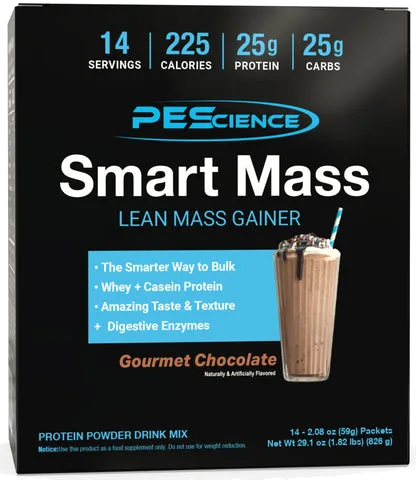
Smart Mass is presented by PEScience as a lean mass gainer and meal replacement, also called the Clean Weight Gainer. The page says most mass gainers are mostly sugar and maltodextrin, while Smart Mass is built around real macros, slow-digesting carbohydrates, and a whey and casein protein blend. Each serving is listed at 225 calories with 25 grams of protein, 25 grams of carbohydrate, and 5 grams of fat, and the page says it is maltodextrin free. The product is offered in Gourmet Chocolate and Gourmet Vanilla flavors, with 14 servings per bag, and is listed as gluten free and third-party tested. The Nutrition Facts panel gives a serving size of one scoop (58 g), with 7 grams of sugar, 6 grams of which come from added Palatinose sugar, and 1 gram of fiber. The page explains that the protein blend combines fast-digesting whey and slow-digesting casein, which it says suits post-workout use, bedtime, or meals. Its carbohydrates come from pea starch, isomaltulose (Palatinose) and whole oat bran, which the page presents as a slower alternative to simple sugars and maltodextrin. The formula includes a digestive enzyme blend that the page says supports digestion of protein, fats and carbohydrates, including lactose. The page states that the product contains lactose in an amount that may be tolerable for some people with lactose intolerance, and it lists milk, coconut and soy as allergens. Suggested use is one scoop mixed with 16 ounces of cold water, or with milk or a dairy-free alternative for more calories and protein. The page notes that the product contains no added fats, so users may blend in ingredients such as frozen fruit, quick oats, Greek yogurt, avocado, nut or seed butters, or olive oil. The product page describes Smart Mass as suited to people who struggle to gain weight, bodybuilders in the off season, and older adults with unintentional weight loss. It also says the product can serve as a meal replacement, and that its per serving cost is low relative to its protein content. The page includes a technical write-up by registered dietitian Gavin Van De Walle, who discusses the differences between whey and casein, the role of carbohydrate sources, and the purpose of digestive enzymes in mass gainers. The write-up cites published research on these topics. The page also notes that a packet format is used for the first batches and that tubs may come later.
We don’t sell supplements. We help you make decisions and get the best price.
Lowest prices
We may earn a commission from some store links. How we choose.
Finding the lowest prices at the stores now. This takes a few seconds.
Products with nearly the same formula (Matched on the main ingredients)
Study, Trial or Testing Result Summary
Members Only70 human studies · 18 improved
4 of these 70 human studies gave the ingredient by drip, not by mouth.
This mass gainer is mainly a milk and whey protein blend with starch and other carbohydrates, but no studies on those main ingredients were provided, so this summary covers only the added vitamins and minerals. Their amounts are not shown on the label, so it is unknown whether any reaches a studied dose. Vitamin A alone was not shown to build muscle in a review of 16 trials [1]. One small trial saw a muscle gain with a mix that included vitamin A [2]. Calcium showed no link to muscle mass or strength in a review of 45 studies [3], and did not change muscle performance in teenage girls [4]. Vitamin C, alone or with vitamin E, neither helped nor hurt lean mass or strength gains from training [5]. In some trials, vitamin C with vitamin E blunted training gains [6]. Iron helped strength in one small trial of volleyball players [7], but a larger placebo trial found no gain in muscle mass or strength [8]. Animal and cell studies are never counted.
See all 70 studies →Hide the studies
- In 16 trials of 4398 people being treated for tuberculosis, zinc raised muscle mass index and weight, and zinc plus vitamin A raised weight, but vitamin A alone was not shown to build muscle.Effectiveness of micronutrients supplement in patients with active tuberculosis on treatment: Systematic review/Meta-ana…
- Across seven trials of 349 older people with weak bones and low muscle, strength training raised muscle mass, grip strength and protein intake, but calcium intake did not change significantly.Effects of Strength Training on Body Composition, Physical Performance, and Protein or Calcium Intake in Older People wi…
- Across 18 placebo-controlled trials with 322 people, vitamins C and E together before a single exercise session lowered fat oxidation damage, interleukin-6, cortisol and creatine kinase, but did not change muscle soreness or muscle strength.Effects of the combination of vitamins C and E supplementation on oxidative stress, inflammation, muscle soreness, and m…
- Across 18 placebo-controlled trials with 313 healthy people, vitamin C lowered fat oxidation damage and interleukin-6 after a single exercise session but did not change muscle damage, soreness or strength.Effects of vitamin C on oxidative stress, inflammation, muscle soreness, and strength following acute exercise: meta-ana…
- In nine resistance training trials lasting at least 4 weeks, vitamin C and/or E neither helped nor hurt gains in lean mass or muscle strength.The effects of vitamin C and E on exercise-induced physiological adaptations: a systematic review and Meta-analysis of r…
- In a review of nine reviews covering 128 studies, calcium supplements had only modest effects on bone mineral content and no muscle benefit was reported for calcium itself, though cheese and yogurt were linked to better grip strength.Nutrients and food supplements for the prevention of musculoskeletal diseases: an umbrella review.
- In 16 studies of 1573 stem cell transplant patients, results on vitamin D or calcium and sarcopenia were mixed and vitamin A gave no clear muscle benefit.Micronutrient requirements for stem cell transplantation patients > 100 days after transplant and during graft versus ho…
- In a review of 45 mostly cross-sectional studies in older adults, no link was found between calcium and muscle mass, strength, physical performance or sarcopenia.Minerals and Sarcopenia in Older Adults: An Updated Systematic Review.
- In a review of supplements for cancer-related muscle wasting, vitamin C improved some quality of life measures but no muscle benefit was shown, and evidence overall was not solid enough to recommend it.A systematic review on the role of vitamins, minerals, proteins, and other supplements for the treatment of cachexia in …
- In a review of ten studies in people after knee ligament surgery, vitamin supplements showed no benefit for muscle loss, and vitamins C and E may have increased local muscle inflammation.Supplement Use in Patients Undergoing Anterior Cruciate Ligament Reconstruction: A Systematic Review.
- This broad review of nutrients for healthy aging in older adults mentions vitamin C among helpful nutrients but gives no specific muscle-building results and calls for more clinical studies.Nutraceuticals and their role in promoting musculo-skeletal healthy aging.
- A review of 10 mostly observational studies in older adults found one study linking higher iron intake with better physical performance, with no trial evidence for iron on muscle.Minerals and Sarcopenia; The Role of Calcium, Iron, Magnesium, Phosphorus, Potassium, Selenium, Sodium, and Zinc on Musc…
- In 1434 children aged 6 to 9, two years of an after-school program with 380 mg daily calcium-rich snacks and exercise raised bone stiffness in one group but did not change muscle strength or vertical jump.Beat osteoporosis - nourish and exercise skeletons (BONES): a group randomized controlled trial in children.
- In 158 people with fibromyalgia and chronic fatigue, a diet and lifestyle program raised dietary iron and protein intake and improved muscle mass index, but iron was not given on its own.Effectiveness of the SYNCHRONIZE + Brief Intervention in Improving Mediterranean Diet Adherence, Nutritional Quality and…
- In 156 older women with low muscle mass, 1500 mg daily of calcium-HMB for 12 weeks did not add to the effects of resistance training on muscle quality compared with placebo.β-Hydroxy-β-Methylbutyrate Supplementation May Not Enhance Additional Effects of Exercise on Muscle Quality in Older Wom…
- In 148 men aged 70 and over with low testosterone, 20 weeks of calcium, vitamin D and protein with resistance training and testosterone improved chair stand performance versus no intervention, but calcium's own effect could not be separated.Beneficial effects of exercise, testosterone, vitamin D, calcium and protein in older men-A randomized clinical trial.
- In 148 iron-deficient kidney transplant recipients, four intravenous doses of 500 mg ferric carboxymaltose over 24 weeks did not improve walking distance, muscle mass or strength compared with placebo.Intravenous ferric carboxymaltose and exercise capacity in iron-deficient kidney transplant recipients: a randomised, pl…
- In 117 elderly care residents, six months of resistance training with or without protein and vitamin supplements did not change blood levels of fat-soluble vitamins including retinol.Fat Soluble Vitamins in Institutionalized Elderly and the Effect of Exercise, Nutrition and Cognitive Training on Their …
- In 105 older outpatients at risk of malnutrition, a nutrient-rich drink for 12 weeks raised calcium intake and increased muscle mass in women, but muscle strength and physical performance did not differ from standard care.The effect of 12-weeks Nutritional supplementation on Nutritional Intake and Status among Indonesian Older Outpatients w…
- In 92 iron-deficient surgery patients who all received intravenous iron, adding oral phosphate for 30 days made no difference to core muscle strength.Ferric carboxymaltose with or without phosphate substitution in iron deficiency or iron deficiency anemia before electiv…
- In 80 resistance-trained men taking a pre-workout blend including 500 mg vitamin C for 8 weeks, body composition and most strength measures did not differ from placebo, and early strength gains at 4 weeks were similar to placebo by 8 weeks.Effects of ingesting a pre-workout dietary supplement with and without synephrine for 8 weeks on training adaptations in…
- In 80 older women at risk of sarcopenia doing 32 weeks of training, lower dietary iron was linked with poorer sit-to-stand performance in the high-speed resistance group only, but iron was not given as a supplement.Nutritional intake as a determinant of high-speed resistance and multicomponent training efficacy on strength in older w…
- In 66 older adults with low muscle mass, yogurt fortified with 500 mg vitamin C plus HMB and vitamin D for 12 weeks improved handgrip strength and walking speed more than plain yogurt, and also lowered inflammation and oxidative stress.A Novel Fortified Dairy Product and Sarcopenia Measures in Sarcopenic Older Adults: A Double-Blind Randomized Controlled…
- In 64 adults with chronic lung disease doing rehabilitation, 4 weeks of 180 mg vitamin C in an antioxidant mix did not improve muscle endurance beyond placebo but raised muscle strength by 11% and cut the rate of muscle weakness from 30% to 10.7%.Additional Effects of Nutritional Antioxidant Supplementation on Peripheral Muscle during Pulmonary Rehabilitation in CO…
- In 60 older women with age-related muscle loss doing resistance training, 12 weeks of 1000 mg vitamin C plus vitamin E gave larger gains in arm lean mass, muscle mass index, grip strength and knee strength than placebo.Effects of vitamins C and E supplementation combined with 12-week resistance training in older women with sarcopenia: A …
- In 57 older men and women, six months of vitamin C and E with or without resistance training changed body composition but did not change strength gains or pro-oxidant markers.Combined effect of antioxidant supplementation and resistance training on oxidative stress markers, muscle and body comp…
- In a randomized trial of 50 burn patients, a tube feeding formula containing vitamin A showed a trend toward better muscle mass preservation that was not statistically significant.Differential effects of three enteral dietary regimens on selected outcome variables in burn patients.
- In 46 adults with long COVID fatigue, taking 500 mg of liposomal vitamin C with l-arginine twice daily for 28 days improved walking distance and grip strength more than placebo.Effects of l-Arginine Plus Vitamin C Supplementation on Physical Performance, Endothelial Function, and Persistent Fatig…
- In a randomized trial of 45 people with tennis elbow, a 30-day supplement containing 250 mg of vitamin C, collagen and hyaluronic acid, given with exercise and shock wave therapy, increased grip strength more than the other treatment groups, though vitamin C was not tested alone.Efficacy of extracorporeal shock wave therapy and nutraceutical supplementation in the treatment of lateral epicondyliti…
- In 44 people with moderate to severe chronic obstructive pulmonary disease, drinking a whey beverage fortified with vitamin C and magnesium daily for 8 weeks lowered inflammatory markers and increased lean body mass and grip strength compared with the control group.Fortified whey beverage for improving muscle mass in chronic obstructive pulmonary disease: a single-blind, randomized c…
- In 43 malnourished people with liver cirrhosis, 3 g a day of calcium HMB for 12 weeks did not change fat-free mass compared with the supplement without it, though handgrip strength trended upward.Randomized Clinical Trial: Effects of β-Hydroxy-β-Methylbutyrate (HMB)-Enriched vs. HMB-Free Oral Nutritional Supplement…
- In 42 young women doing strength training for 10 weeks, taking 1 g of vitamin C a day with vitamin E blunted gains in peak muscle torque and total work compared with placebo, although muscle thickness rose similarly in both groups.Effect of strength training combined with antioxidant supplementation on muscular performance.
- In 40 young men doing 8 weeks of resistance training, calcium HMB did not improve muscle thickness, strength or power more than placebo.Leucine Metabolites Do Not Enhance Training-induced Performance or Muscle Thickness.
- In 40 resistance-trained young men over 8 weeks of training, calcium HMB did not reduce training-related inflammation or change muscle thickness or strength compared with placebo.Leucine metabolites do not attenuate training-induced inflammation in young resistance trained men.
- In 36 patients having aortic aneurysm surgery, about 3-4 weeks of antioxidant micronutrients including beta-carotene did not change the drop in handgrip or leg strength compared with placebo, though self-rated physical function was preserved.Limited effects of micronutrient supplementation on strength and physical function after abdominal aortic aneurysmectomy…
- In 34 men aged 60 to 81 doing 12 weeks of strength training, 500 mg vitamin C plus vitamin E daily led to smaller gains in total lean mass and leg muscle thickness than placebo, though strength gains were similar in both groups.Vitamin C and E supplementation blunts increases in total lean body mass in elderly men after strength training.
- In healthy older men doing 12 weeks of strength training, taking 1000 mg vitamin C plus 235 mg vitamin E daily blunted the bone density gains seen with placebo.High doses of vitamin C plus E reduce strength training-induced improvements in areal bone mineral density in elderly me…
- In 29 people recovering from anterior cruciate ligament surgery, 1000 mg vitamin C plus high-dose vitamin E for about 16 weeks did not change muscle strength compared with placebo.Serum cytokines and muscle strength after anterior cruciate ligament surgery are not modulated by high-doses of vitamins…
- In 26 healthy young adults doing 10 weeks of resistance training, a supplement with whey protein, leucine, creatine, calcium citrate and vitamin D twice daily increased lean body mass more than placebo (+4.1 vs +2.8 kg), but calcium's own effect cannot be separated.The Effect of a Multi-ingredient Supplement on Resistance Training-induced Adaptations.
- Over 10 weeks of resistance training, a multi-ingredient supplement containing calcium citrate increased the size of fast muscle fibers more than a collagen control, though calcium's effect could not be separated from the other ingredients.The Effect of Multi-Ingredient Protein versus Collagen Supplementation on Satellite Cell Properties in Males and Females…
- In 24 older adults, a single dose of 3 g calcium beta-hydroxy-beta-methylbutyrate added to 40 g whey boosted muscle protein synthesis in older women and reduced muscle protein breakdown, but the effect was not seen in men.The Effect of β-Hydroxy-β-Methyl Butyrate (HMB) upon Acute Fed-State Muscle Protein Turnover in Older Men and Women: A R…
- In 23 trained men doing resistance training for 10 weeks, taking vitamin C with vitamin E produced similar leg and bench press strength gains to placebo but appeared to blunt upper body muscle gains and grip strength improvement.Antioxidant vitamin supplementation on muscle adaptations to resistance training: A double-blind, randomized controlled …
- In 22 runners taking 1000 mg vitamin C and 300 mg vitamin E for 6 weeks before a 50-km ultramarathon, supplements did not reduce muscle damage or speed recovery of muscle strength compared with placebo.Antioxidants did not prevent muscle damage in response to an ultramarathon run.
- In 22 elite female volleyball players, 325 mg of ferrous sulphate daily for 11 weeks prevented a drop in iron levels and gave greater strength gains than no iron (total mean strength +26.2% vs +10.9%).Iron supplementation prevents a decline in iron stores and enhances strength performance in elite female volleyball play…
- In 21 children with kidney disease and mild anemia, 12 weeks of iron sulfate made no significant difference in muscle mass or grip strength compared with no iron.Pilot pragmatic clinical trial of iron therapy in children with anemia of chronic kidney disease (FeTCh-CKD).
- In 19 healthy young adults doing 8 weeks of functional training, a daily supplement with vitamin A, omega fatty acids and vitamin E raised muscle mass by 1.7% while placebo lost 1.2%, with similar strength gains in both groups.Effects of Supplementation with Omega-3 and Omega-6 Polyunsaturated Fatty Acids and Antioxidant Vitamins, Combined with …
- In people with sarcopenia given iron (sodium ferrous citrate, 29 or 57 mg) plus 5-aminolevulinic acid for 12 weeks, muscle mass index did not differ from placebo, but hand grip strength increased or tended to increase, with no consistent changes in other measures.Efficacy and Safety of 5-Aminolevulinic Acid Combined with Iron on Skeletal Muscle Mass Index and Physical Performance o…
- In a case-control study of 130 adults, people with epilepsy ate less vitamin C than healthy controls and had higher body fat, but the study did not test vitamin C effects on muscle.Dietary and lifestyle behavior in adults with epilepsy needs improvement: a case-control study from northeastern Poland.
- In 66 adolescent girls, about 1300 mg daily calcium from milk for 12 weeks did not change body composition or muscle performance, though resistance training did improve them and milk with training improved bone density.Resistance Training and Milk-Substitution Enhance Body Composition and Bone Health in Adolescent Girls.
- In 26 healthy men doing resistance training for 10 weeks, eating foods rich in astaxanthin, beta-carotene and resveratrol increased leg strength and resting oxygen use, while muscle mass rose in both groups.Astaxanthin-, β-Carotene-, and Resveratrol-Rich Foods Support Resistance Training-Induced Adaptation.
- In 10 patients with COPD, a single 2 g intravenous vitamin C infusion, compared with saline, reduced quadriceps fatigue during exercise and lowered malondialdehyde, a marker of oxidative stress.Ascorbate infusion increases skeletal muscle fatigue resistance in patients with chronic obstructive pulmonary disease.
- In an open study of 39 advanced cancer patients with weight loss, a four-month regimen including 30,000 IU per day of vitamin A along with other antioxidants, diet, and drugs significantly increased lean body mass, though without a placebo group.A phase II study with antioxidants, both in the diet and supplemented, pharmaconutritional support, progestagen, and ant…
- In 30 people with rheumatoid arthritis and anemia, treatment with erythropoietin plus intravenous iron sucrose (given weekly when iron was low) raised hemoglobin and muscle strength and lowered fatigue, though there was no control group.Effect of recombinant human erythropoietin and intravenous iron on anemia and disease activity in rheumatoid arthritis.
- In a single-group study of 25 evaluable patients with advanced cancer, 16 weeks of a multi-ingredient antioxidant plan containing 30,000 IU daily of vitamin A was followed by higher lean body mass and lower inflammation and oxidative stress markers, though vitamin A could not be assessed on its own.Cancer-related anorexia/cachexia syndrome and oxidative stress: an innovative approach beyond current treatment.
- In 23 young women with iron deficiency anemia, 8 weeks of 160 mg daily iron as ferrous sulfate improved muscle endurance but not muscle strength or aerobic fitness, in an uncontrolled study without a placebo group.Efficacy of 8-week oral iron supplementation on fatigue and physical capacity in young women with iron deficiency anemia…
- In a cross-sectional study of 68,002 UK adults, higher dietary retinol intake was associated with stronger handgrip in both men and women, though this association does not show cause and effect.Associations between diet and handgrip strength: a cross-sectional study from UK Biobank.
- In a large Korean sample of adults 65 and older, retinol intake was among the top-ranked predictors of sarcopenia in women, but the abstract does not report that vitamin A improved muscle.Sarcopenia feature selection and risk prediction using machine learning: A cross-sectional study.
- In 1420 Korean postmenopausal women, those eating the most fruit, which is rich in vitamin C and potassium, had lower odds of having multiple body composition problems, including low muscle mass, though this cross-sectional study cannot prove cause.Fruit intake and osteosarcopenic obesity in Korean postmenopausal women aged 50-64 years.
- In a large study of 1172 adults aged 50 to 85, higher blood levels of alpha-carotene were linked to greater knee muscle strength, while retinol (vitamin A) levels were not linked to strength.Serum α-Carotene, but Not Other Antioxidants, Is Positively Associated with Muscle Strength in Older Adults: NHANES 2001…
- In 584 community-dwelling older adults, vitamin C intake was higher in those with sarcopenia (low muscle), though this cross-sectional study cannot show cause and effect.Dietary intake and its association with sarcopenia in older adults: a cross-sectional analysis.
- In 498 middle-aged black South African women, a diet pattern high in vitamin C, sugar and potassium was not reported to be linked with muscle or body composition, while an animal-based diet pattern was linked with higher lean mass.Nutrient Patterns and Body Composition Parameters of Black South African Women.
- In a cross-sectional survey of 493 Korean cancer survivors, sarcopenia (low muscle mass) was more common among those with inadequate vitamin A intake, but vitamin A was not a significant factor in the multivariable analysis.Prevalence of and Factors Associated with Sarcopenia in Korean Cancer Survivors: Based on Data Obtained by the Korea Nat…
- In a cross-sectional study of 425 adults eating omnivore, lacto-ovo vegetarian or vegan diets, those taking iron supplements had a lower percentage of muscle mass and higher C-reactive protein, an inflammation marker. This is an association and does not prove iron caused the difference.The Relevance of Plant-Based Diets and Micronutrient Supplementation for Body Composition: Data from the VeggieNutri Cro…
- In 300 older Iranian adults, vitamin A was one part of a broader nutrient pattern; the abstract links only a different pattern, the anti-inflammatory one, to lower odds of sarcopenia, and does not report a vitamin A effect on muscle.Patterns of Nutrient Intake in Relation to Sarcopenia and Its Components.
- In 233 Vietnamese women who had immigrated to South Korea, iron intake and skeletal muscle mass both decreased between baseline and follow-up. The study did not isolate iron's effect on muscle.Dietary changes in Vietnamese marriage immigrant women: The KoGES follow-up study.
- In a prospective cohort of 197 older adults with type 2 diabetes followed for about 14 months, vitamin C intake was not related to loss of muscle mass.Vitamin Intake and Loss of Muscle Mass in Older People with Type 2 Diabetes: A Prospective Study of the KAMOGAWA-DM Coho…
- In 53 Chinese men and women aged 18 to 35, calcium intake was similar across age and sex groups, and the study found only correlations between bone, body composition, and muscle strength, with no intervention tested.Muscle-Bone Interactions in Chinese Men and Women Aged 18-35 Years.
- In 40 young men, higher vitamin A intake was linked to lower cortisol levels, but the study did not measure muscle building outcomes.Effects of Lifestyle, Diet, and Body Composition on Free Testosterone and Cortisol Levels in Young Men.
- In young women three years after anorexia treatment, serum vitamin A levels were on average adequate, while about a quarter had subnormal skeletal muscle mass; the study did not test vitamin A for muscle gain.Dietary intake and nutritional status in adolescents and young adults with anorexia nervosa: A 3-year follow-up study.
- In a cross-sectional study of older adults in nursing homes, vitamin C intake adequacy differed by frailty status, but the study did not show that vitamin C improved muscle.Associations Between Frailty, Sarcopenia, and Nutritional Status in Older Adults Living in Nursing Homes.
Review Totals and Summary
Members Only1,736 reviews · 82% positive
Buyers rate this powder very highly: about 1,736 ratings across the stores, and the written feedback is almost all praise. The written comments are few, so treat the themes below as a small sample. **What buyers say it did for them:** Several people describe real progress with weight and muscle. One says "I've felt muscle being built and seen weight being gained." Another calls it "Helping me get to my goal weight!" and has bought it four or five times. One reviewer bought it for her mother after knee replacement surgery, when the mother was struggling to eat enough to keep her weight up and support recovery. **What they complain about:** There is almost nothing. The one criticism is package size: a buyer wishes it "would come in a 10lb bag again like it used too." Another reviewer notes that other brands have more calories, though she still found this one had the best macro and nutrient profile. No written review complains about taste, texture, mixing or side effects. Reviewers also don't discuss digestive problems, aftertaste or lactose, so those points are simply not covered. **Taste, mixing and feel:** Taste is the most common theme. One reviewer says "Great taste not like the chalky mass gainers other companies have." The mother in the knee-surgery story loves the taste, and the formula "mixes well." One buyer says it is "so clean, doesnt leave me bloated." The chocolate flavor gets a direct mention from a reviewer who "really enjoyed the chocolate taste." Her husband, who normally only drinks vanilla shakes, also loved it. Some people drink it as a shake, and one stirs it into oats for breakfast. The store Q&A adds that the digestive enzymes are plant-derived and that it is gluten free. **Value for money:** Reviewers do not discuss price or cost per serving, so there is nothing to report on value. The only related points are the wish for the larger 10lb bag and the remark that competitors offer more calories. One buyer also liked the free samples added to her box. **Who it seems to suit:** It suits people who want to gain weight without a heavy or chalky shake. Reviewers include a competitive bodybuilder's mother who needed calories during recovery, people working toward a goal weight, and repeat buyers who call it "By far greatest mass gainer ive ever had." The balance of protein, carbohydrate and fat is praised, and the page summaries say it fits people who want calories without a dirty bulk. **Who it may not suit:** Anyone who wants the highest calorie count per serving may find other brands offer more. Anyone who wants a large bulk bag may be disappointed that the 10lb size is no longer sold. Beyond those two points, no group of buyers reported being let down. Only the powder is covered here. No reviews of other forms such as gummies or capsules were included.
Biohacker Summary
Members Only9 of 10 recommend it
The product has no main ingredient with panel statements, so the panel's comments are all about smaller ingredients in this product. Vitamin C drew the most attention: most of the panel recommend it, mainly to support collagen for skin, joints and connective tissue, with one suggesting it be taken with collagen about an hour before a workout and another naming 500 mg to 1 g as a dose, while one cautioned that high doses might blunt the benefits of exercise. Calcium was backed by two of them for bone health, one giving 1,000 to 1,200 milligrams a day, though another warned that calcium alone cannot fix bone loss. Iron got mixed views: one said it is among the best supported nutrients for thinking and memory, another warned that too much raises harmful aging cells, and one said he stopped after years of supplements failed to raise his levels. Vitamin A was mostly mentioned neutrally, with one recommending the real animal form for people who cannot convert plant sources.
See all 10 biohackers →Hide the biohackers
Dr. Eric Berg · Iron · neutral
- Identifies iron as the Achilles' heel of cancer, as it is needed for its DNA to replicate.
- Mentions that lemon is loaded with vitamin C, and when combined with coffee, vitamin C significantly increases the bioavailability of antioxidants in the coffee.
- Dr. Berg states that Vitamin C helps fight biofilms and is essential for making collagen in gums, teeth, and capillaries.
- Warns that bone loss cannot be fixed with just calcium, as bone is primarily collagen with other essential minerals.
- Recommends Vitamin C as a cofactor, especially for collagen.
- Notes that low vitamin A can lead to dry eyes, dry mouth, and night vision issues.
- States that high doses of vitamin C, like 2 to 4 grams, can greatly reduce inflammation and support the immune system.
- Mentions that grass-fed liver has heme iron, the most bioavailable form of iron that prevents anemia.
- Mentions that grass-fed liver has the active form of vitamin A, called retinol, which is important for eyes, thyroid, immune system, and skin.
- Highly recommends taking natural food vitamin C, about 500 mg, at the first sign of a cold.
- Dr. Berg warns that too much iron can be damaging to the body and advises focusing on food sources to avoid overconsumption.
- Dr. Berg includes calcium carbonate among the synthetic supplements to avoid.
- Dr. Berg warns that synthetic vitamin A can cause problems, including competing with vitamin D, increasing the risk of birth defects during pregnancy, and increasing the risk of bone fractures, recommending food sources like egg yolks and cod liver oil instead.
- Warns that too much iron, especially the ferrous sulfate or fumarate type found in many supplements, is corrosive and oxidizing, can mess with the liver, and create inflammation, noting that males have no natural way to excrete excess iron.
Ben Greenfield · Vitamin C · recommends
- States that vitamin C is extremely important for collagen turnover and cites orthopedic data showing that 500 mg to 1 g of vitamin C can reduce the rate of complex regional pain in total knee replacements and wrist fractures.
- Notes that Vitamin A is a fat-soluble vitamin that supports healthy skin cell turnover.
- Mentions vitamin C as part of a bare-minimum protocol.
- Notes that while vitamin C has significant value, the optimal dose is a vexed question, and high doses might not always be beneficial, potentially blunting the hormetic effects of exercise.
- Notes that IV vitamin C has been used for decades for cancer patients with almost no standardization and that he receives many questions about its effectiveness and combination with chemo.
- Recommends Vitamin C for skin repair post-tattoo.
- Recommends testing for and replenishing iron if levels are low, as it can affect the ability to maintain or preserve muscle, especially for those on GLP-1s.
- Notes that one can eat iron-rich foods or supplement with iron, but still feel exhausted if iron is not the missing piece, emphasizing that focusing on a single mineral in isolation can support a number on a lab test rather than the system itself.
- Is considering whether he needs a calcium supplement because lead can displace calcium in bones, affecting bone strength.
- Mentions iron as a common deficiency.
- Mentions calcium as a common deficiency.
- Recommends a nutritious diet including iron, as it is critical for brain development.
- Recommends adequate intake of calcium for bone strength.
- Recommends vitamin A derivatives like retinol for targeting wrinkles and laxity, as they work deeper without aggravating the surface.
Siim Land · Vitamin C · recommends
- Recommends taking vitamin C with collagen to support joint collagen synthesis.
- States that vitamin C is needed for initiating collagen synthesis and that higher vitamin C intake appears to increase vitamin C content in the skin.
- Mentions that iron is a mineral necessary for making collagen.
- Lists sauerkraut and fruit as sources of Vitamin C.
- Lists dairy and sardines as sources of Calcium.
- Lists liver and carrots as sources of Vitamin A.
- Notes that Vitamin C is one of several supplements with human evidence.
- States that excess iron promotes oxidative stress and inflammation, which increases heart disease risk.
- Notes that Boron reduces calcium/magnesium loss.
- Notes that researchers found vitamin C alleviates ferro-aging, a process of iron overload and lipid peroxidation that drives aging, and that it directly inhibited ACSL4, a protein driving ferro-aging.
- States that Vitamin C has a central role in aging and longevity, and that in monkeys, oral vitamin C slowed ovarian aging during a 3.3-year study.
- States that vitamin C is one of the most important vitamins for staying healthy and aging well, and that intakes of 200 to 400 mg a day from food or supplements largely saturates plasma and neutrophils in most healthy adults. He also recommends spreading out the vitamin C across the day to avoid oversaturation.
- Mentions vitamin C in comparison to topical melatonin for oxidative defense, stating that melatonin would compete but is not as broadly validated clinically.
- Was found to be vitamin C deficient by True Health and Mayo Clinic tests, and now addresses this by eating one extra kiwi fruit daily.
Thomas DeLauer · Vitamin C · recommends
- Recommends taking vitamin C along with collagen about an hour before a workout for connective tissue benefits.
- Uses vitamin C as part of their immunity duo, stating it is important for boosting the immune system, especially during cold and flu season.
- Recommends consuming vitamin C to aid in NADPH recycling, which is necessary for glutathione to be reused after neutralizing oxidative stress.
- Takes Purity's liquid liposomal vitamin C for immune support and overall wellness, finding it easy to add to water, juice, or take straight up due to its good taste.
- Compares the Vitamin C content of oranges (53mg) to guava (228mg), noting guava has 4x more.
- Compares iron content in spinach (2.7mg) and beef (2.6mg), but emphasizes that beef's heme iron absorbs at about 25%, while spinach's non-heme iron absorbs at 2-8%.
- Notes that milk contains 120mg of calcium, while sardines contain 351mg, highlighting a 3x difference.
- States that collagen synthesis is vitamin C dependent, in the context of glowing skin.
- Recommends Vitamin C for sleep, noting that intake in the range of 125 to 200 mg per day is associated with a lower risk of sleep disorders and sleep apnea, with the benefit plateauing beyond this range.
- Recommends iron from meat, specifically red meat and beef liver, stating that it is a crucial part of the mechanistic triad for thyroid hormone function and is iron-dependent for iodine incorporation into thyroid hormone.
- Recommends consuming a little bit of vitamin C, such as a couple of berries or kiwi, along with flavanol-rich cocoa to help the delicate flavanols hold up and prevent oxidation in the gut.
- Recommends getting calcium, along with vitamin D, zinc, and magnesium, from foods like sardines, as they are important for inflammatory pathways in the gut.
- Recommends vitamin A, obtainable from eggs, dairy, and liver, as a raw material for goblet cells to produce mucus.
- Explains that vitamin C improves the ability of neutrophils to engulf bacterial infections, and that they have a greater ability to engulf larger infections.
Dave Asprey · Vitamin C · recommends
- Recommends taking vitamin C for better skin health.
- States that currently, he is only taking vitamin C and vitamin D.
- Recommends real vitamin A for people on the spectrum, noting that many cannot convert plant vitamin A and need the good stuff he includes in his Vitam DAKNE product.
- Dave Asprey reflects on how new research clarifies the mechanism behind IV vitamin C's anti-cancer effect, vindicating a decades-old idea that was dismissed for the wrong reasons.
- Takes Vitamin DAKE from Suppgrade Labs because D3, A, K2, and E work together.
- Notes that plain Vitamin C isn't enough and that most people never think to check for a specific ingredient that makes it work.
- Includes vitamin K2 as a critical ingredient in Vitamin DAKE, stating that the body needs the right fat soluble vitamins for thousands of reactions.
- Dave Asprey recommends taking maybe a gram of vitamin C a day in divided doses, noting that plasma levels peak around 250 milligrams twice a day.
- Recommends Qualia Vitamin C Plus, highlighting its combination of seven forms of vitamin C with 250 mg of citrus bioflavonoids, which helps with absorption and use for building collagen and a strong immune system.
- Warns that taking too much vitamin C can raise oxalate levels, emphasizing that everything has risk and reward.
- Warns that if a doctor diagnoses anemia, one should not assume they just need more iron, as low hemoglobin doesn't always mean low iron and the issue can sometimes be how well the body is using iron.
- Notes that when energy intake is too low for training demand, nutrient intake often falls short, especially for iron, which is associated with impaired recovery.
- Notes that when energy intake is too low for training demand, nutrient intake often falls short, especially for calcium, which is associated with reduced bone health.
- Recommends Vitamin C as the real biological fix for deep focus issues, explaining how the brain hoards it at levels 100 times higher than blood and how to bypass the blood-brain barrier.
Dr. Mark Hyman · Iron · neutral
- Mentions iron as an existing biomarker that plays a role in mental health, which Function Health includes in their measurements.
- Mentions that vitamin A levels can be looked at to get a deep sense of what's happening with nutrient levels.
- Recommends vitamin C as a basic supplement during detoxification to help with inflammation and detoxification.
- Dr. Hyman mentions vitamin C as an advanced therapy for skin repair.
- Mentions topical vitamin C as an antioxidant that can help skin with aging.
- Mentions that what they do when a cold comes on is not just vitamin C.
- Recommends taking 50,000 units of vitamin A for three to five days right at the onset of symptoms if one feels they might be getting sick.
- Recommends ensuring adequate vitamin C intake on a regular basis for immune support, stating it's important for healthy immune function despite mixed data on its effectiveness for colds.
- Notes that night blindness is caused by vitamin A deficiency.
- Mentions that vitamin C was the very first vitamin discovered, isolated, and synthesized in 1932, and its deficiency caused scurvy.
- Recommends nutrient-dense foods rich in vitamin C, such as guavas and parsley, to reduce inflammation.
- Used intravenous vitamin C cocktails to help him detoxify and recover from chronic fatigue.
- Mentions vitamin A as something that might be helpful for gut repair.
- Notes that a woman patient had very low iron.
Dr. Rhonda Patrick · Vitamin C · neutral
- Lutein and zeaxanthin can also be obtained from certain multivitamins.
- Lutein and zeaxanthin can also be obtained from certain multivitamins.
- Mentions that kale delivers calcium, a micronutrient many diets fall short on.
- Recommends nutrients like vitamin C for men to prioritize sperm mitochondrial health.
- Dr. Rhonda Patrick's daughter chugs an Emergency fizzy drink in the morning to ensure she gets some vitamin C and micronutrients before school.
- Recently found out he needed to get on an iron supplement and noticed he gets less sore in his training after taking it.
- Choosing a multivitamin that includes lutein and zeaxanthin ensures you get meaningful amounts every day.
- Choosing a multivitamin that includes lutein and zeaxanthin ensures you get meaningful amounts every day.
- Advises that menstruating women should ensure they are getting enough iron.
- Notes that ~35% of Americans are low in vitamin C.
- Notes additional gaps in calcium.
- Recommends increasing vitamin C intake if concerned about skin aging, noting it is an essential cofactor for collagen synthesis.
- Suggests avoiding a multivitamin if it contains biotin before a testosterone blood test to prevent confounding results.
- Suggests avoiding a multivitamin if it contains biotin before a testosterone blood test to prevent confounding results.
Andrew Huberman · Iron · recommends
- States that Iron is one of the critical nutrients with the best evidence for cognitive function and reducing the risk of dementia.
- Takes a multivitamin every day for longevity.
- Takes a multivitamin every day for longevity.
- Recommends AG1, a vitamin, mineral, and probiotic drink, and notes that for a limited time, a subscription comes with additional supplements.
- Warns that excess iron will increase the number of senescent cells in the body, which accumulate as people get older and cause inflammation and cancer. He notes that people who are healthy and have a fairly vegetarian diet often have slightly low iron levels but super amounts of energy.
- Takes an extra gram of vitamin C a day for its effects on immunity and potential synergy with collagen.
- Found the Met RX Big 100 Bar to be 'magic' on the trail because it's a hunk of calories with protein and fortified with vitamins and minerals, despite being something they would never eat in normal life.
- Found the Met RX Big 100 Bar to be 'magic' on the trail because it's a hunk of calories with protein and fortified with vitamins and minerals, despite being something they would never eat in normal life.
- Started taking AG1 in 2012 and still takes it every single day to ensure he meets his quota for daily vitamins and minerals and to support gut health, which is critical for proper brain function, immune system, and neurotransmitter production.
- Highlights Vitamin A as essential for vision and recommends it for supporting vision.
- Mentions that the process of converting light into electrical signals in the retina requires vitamin A, a fat-soluble vitamin, and carotenoids, which is why carrots are said to help vision.
- Notes that about 50% of the population is iron deficient.
- Mentions that the podcast will review the role of iron in treating depression.
- States that B12, folate, and iron are essential to mitochondrial function and if deficient, mitochondria will not function properly, which is consistent with the mitochondrial theory of neuropsychiatric disorders.
Bryan Johnson · Iron · stopped
- Has had low iron for 11 years and despite eating meat and trying all forms of iron supplementation at different times and sequences, none of it worked to raise his iron or ferritin levels.
- Had low iron for 11 years, with ferritin averaging 38 ng/mL, and has finally boosted it back to healthy levels.
- Recommends calcium as a mineral that, along with phosphorus, magnesium, and boron, is deposited to fortify the bone structure after the collagen scaffold is in place.
- Agrees that a little extra calcium is probably okay, especially for women, to really hit home for bone mineral density.
- Uses Vitamin C as an example of how it would be great if people knew that when they took it, it had a measurable amount and wasn't polluted, which is what Brian ensures with his products.
- Applies vitamin C after showering.
- Takes 10 milligrams of heme iron to get his iron levels up, as they are borderline.
- Takes 250 milligrams of Vitamin C.
- Recommends adequate Iron for hair health, noting it is in the Blueprint stack.
- Recommends supplementing with iron for brain health for both the mother and the baby during pregnancy.
- Recommends prioritizing calcium intake for postmenopausal women to help maintain bone density and reduce the risk of osteoporosis.
- Bryan Johnson takes Calcium daily as part of his Longevity Mix, which supports healthy bones and teeth.
- Recommends continuing with calcium to support bone health during the follicular phase.
- Recommends Vitamin C for skin health, noting it's good to pair with collagen peptides and is included in the Blueprint stack.
Peter Attia · Vitamin A · neutral
- Notes that in mouse studies, there was a combined effect of alpha ketoglutarate with vitamin A for male mice.
- In mouse studies, Peter Attia's team found a combined effect of AKG with Vitamin A for male mice.
- Recommends calcium as one of the 'big three' micronutrients for bone health, suggesting a daily intake of 1,000 to 1,200 milligrams, which can be supplemented with calcium carbonate or calcium citrate.
- Explains that bone is 50 to 70% mineral, predominantly calcium, and that virtually all of the body's calcium is contained within bone, making bone important for calcium homeostasis.
- Recommends vitamin C as an important molecule for skin, noting its role as a precursor for collagen synthesis, a powerful antioxidant, and a regulator of complexion for even skin tone.
- Tried a vitamin C serum mixed with ferulic acid but stopped using it because she hated the smell. She notes that topical application of vitamin C far exceeds the levels achievable by ingestion for skin benefits.
- Recommends iron supplements for women of reproductive age who are iron deficient.
- Mentions that a lot of the profound transformation of a cell into a sperm, specifically the making of a tail, is vitamin A driven.
- Recommends calcium for bone health, stating that teenagers probably need about 1000 milligrams a day.
- Discusses bone acting as a reservoir for calcium and how resorption and formation release calcium into the blood when needed.
- Notes that deficiencies in certain vitamins and minerals, such as iron, can be a cause of hair loss in women.
- Notes that antioxidants like vitamins A, C, and E have been looked at for cataract formation but have shown no effect.
- States that vitamin C deficiency is associated with an elevated risk of cataract, but supplementation to supranormal levels has not been shown to protect against cataract formation.
- Mentions the elimination of scurvy through the work of James Lind and the eventual understanding that it was due to vitamin C, initially thought to be just citrus.
RAL Summary
Members OnlyTier 4 for Muscle and Strength
The study support behind this grade comes only from trace vitamins and minerals with hidden amounts, not from the protein and carbohydrate that make up this mass gainer, and those trace nutrient studies mostly show no muscle benefit. So it is graded Tier 4, lower than the rules alone gave.
- Emerging: not enough evidence to rank higher yet.
- Vitamin A: amount hidden in a blend
Where the evidence disagrees: 38 of the 70 human studies found no effect.
More Details
Members OnlyBody systems · Combine with · Possible side effects
Body systems: Muscular system, Digestive system
Combine with: Smart Mass is a mass-gainer style product that pairs whey protein with maltodextrin carbohydrates to supply protein and calories for muscle growth. Creatine monohydrate (3-5 g daily) is the best-supported addition for strength and lean mass gains. Add a source of leucine or EAAs around workouts to strengthen muscle protein synthesis, especially if total daily protein is low. Vitamin D3 with K2 and magnesium support muscle function, recovery, and hormonal health. Omega-3 fish oil helps manage exercise-related inflammation, and a digestive enzyme or probiotic may help if the high-calorie shake causes bloating. Pair the product with progressive resistance training, adequate sleep, and a total daily protein intake of roughly 1.6-2.2 g/kg of body weight for best results.
Possible side effects: No major side effects reported. One buyer said it did not cause bloating.
Supplement Facts
Total Carbohydrates 60 g · Vitamin A 0 · Calcium 0
| Calories | 440 | |
| Total Fat | 3 g | |
| Cholesterol | 50 mg | |
| Sodium | 460 mg | |
| Total Carbohydrates | 60 g | |
| Protein | 40 g | |
| Vitamin A | 0 | |
| Calcium | 0 | |
| Vitamin C | 0 | |
| Iron | 0 |
Other ingredients: Carb10, Milk Protein isolate, Whey Protein concentrate, whole Oat bran, Palatinose, Natural and Artificial flavor, Alkalized Cocoa powder, Salt, Guar Gum, Sucralose, Acesulfame Potassium, Amylase, Protease, Protease, Alpha Galactosidase, Glucoamylase, Lactase, Protease, Invertase, Lipase, Acid Maltase, Peptidase.
Directions: Directions: Mix one scoop of Smart Mass with 16 oz cold water. Amount of water can be adjusted to meet your taste preference. To increase your protein intake per serving or to achieve a richer taste, use non-fat or low fat milk, or a milk substitute. Consume enough protein to meet your daily protein requirement through a combination of high protein foods and protein supplements.
Barcode (UPC) 040232661136 · Label source: NIH label database · Report a label change
Show entire label

More muscle and strength products
Members OnlyThe highest ranked for the same goal
Read more
Our articles on this subject
Graded November 6, 2026 by the Reverse Age Lab evidence engine, from human studies, real reviews and our biohacker panel. How we grade. Is this medical advice? No. Rala organizes the published evidence; go over any change with your doctor, especially if you take meds.
Privacy policyConsumer health dataAffiliate disclosureTermsDo Not Sell or Share My Personal InformationCookie settings