
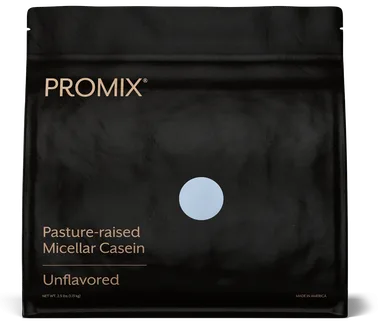
ProMix Nutrition Unflavored Casein Protein Powder Review
We don’t sell supplements. We help you make decisions and get the best price.
Lowest prices
We may earn a commission from some store links. How we choose.
Finding the lowest prices at the stores now. This takes a few seconds.
Products with nearly the same formula (Matched on the main ingredients)
Study, Trial or Testing Result Summary
Members Only167 human studies · 43 improved
14 of these 167 human studies gave the ingredient by drip or injection, not by mouth.
This product is mostly casein protein, and no studies on casein and blood pressure were provided, so the evidence below covers only small nutrients on the label, with no amounts stated. Calcium has modest support. In people with normal blood pressure, it lowered blood pressure by about 1 to 1.5 points [1][2]. In pregnant women, it lowered the risk of pregnancy high blood pressure [3][4], although one large trial found no benefit [5]. Potassium, mainly as potassium-enriched salt, lowered blood pressure by a few points, most in people with high blood pressure [6][7]. The benefit weakened at higher doses [8]. Vitamin D did not lower blood pressure in large trials of older adults and people with prediabetes [9][10][11], and results in pregnancy were mixed [4][12]. Iron did not change blood pressure [13][14]. The amounts of these nutrients in a protein powder are not given and are unlikely to match the studied doses. Animal and cell studies are never counted.
See all 167 studies →Hide the studies
- Across 130 trials with about 112,900 pregnant women, vitamin D supplementation lowered the risk of preeclampsia or pregnancy-related high blood pressure compared with controls, though the evidence was moderate to very low certainty and varied by population and dose.Comparative effectiveness of prophylactic strategies for preeclampsia: a network meta-analysis of randomized controlled …
- In 50 trials with about 57,800 pregnant women, calcium cut the risk of gestational high blood pressure versus placebo (odds ratio 0.55), and calcium plus a med cut it further (odds ratio 0.12).The preventive effects of different interventions on gestational hypertension: incidence and network meta-analysis.
- In 26 trials with about 35,000 adults, replacing regular salt with low-sodium, potassium-enriched salt lowered systolic blood pressure by about 4.8 mmHg and diastolic by about 2.4 mmHg, with little change in high blood potassium.Replacing salt with low-sodium salt substitutes (LSSS) for cardiovascular health in adults, children and pregnant women.
- In a pooled analysis of 120 trials with about 14,900 adults with raised blood pressure, low-sodium high-potassium salt lowered blood pressure compared with usual care, though the DASH diet worked best.Nonpharmacologic Interventions for Reducing Blood Pressure in Adults With Prehypertension to Established Hypertension.
- In 18 trials with 3,140 people with normal blood pressure, calcium supplements lowered systolic blood pressure by about 1.4 mmHg and diastolic by about 1.5 mmHg versus placebo or control, with larger effects in people under 35.Calcium supplementation for prevention of primary hypertension.
- In 18 trials with 3,140 people with normal blood pressure, calcium supplements lowered systolic blood pressure by about 1.4 mmHg and diastolic by about 1.5 mmHg versus placebo or control, with larger effects in people under 35.Calcium supplementation for prevention of primary hypertension.
- In 16 trials with 3,048 people with normal blood pressure, calcium supplements lowered systolic blood pressure by about 1.4 mmHg and diastolic by about 1 mmHg, with the largest effect at more than 1,500 mg a day.Calcium supplementation for prevention of primary hypertension.
- In 20 trials of 1961 women with polycystic ovary syndrome, vitamin D did not significantly change the rate of high blood pressure in pregnancy compared with controls, although it improved pregnancy and ovulation rates.Effects of vitamin D supplementation on ovulation and pregnancy in women with polycystic ovary syndrome: a systematic re…
- In 22 trials with 1,606 adults, higher potassium intake lowered systolic blood pressure by about 3.5 mmHg and diastolic by about 2 mmHg, an effect seen in people with hypertension but not those without.Effect of increased potassium intake on cardiovascular risk factors and disease: systematic review and meta-analyses.
- In 10 trials of 1,404 heart failure patients with iron deficiency, iron treatment reduced heart failure hospitalizations, improved heart function and exercise capacity, and lowered inflammation and heart strain markers; blood pressure was not reported.Iron Supplementation Improves Cardiovascular Outcomes in Patients with Heart Failure.
- In 839 iron-deficient heart failure patients across four trials, intravenous iron reduced heart-related hospital stays but blood pressure was not reported as an outcome.Effects of ferric carboxymaltose on hospitalisations and mortality rates in iron-deficient heart failure patients: an in…
- In 13 trials with 485 adults with high blood pressure followed 8 to 15 weeks, calcium lowered systolic pressure by 2.5 mmHg but not diastolic pressure, and the authors judged the evidence weak because of poor trial quality.Calcium supplementation for the management of primary hypertension in adults.
- In four trials with 429 people, oral vitamin D lowered systolic blood pressure by about 2.4 mm Hg but did not change diastolic blood pressure compared with placebo or calcium.Effects of vitamin D supplementation on blood pressure.
- In 32 trials lasting at least 4 weeks, potassium lowered blood pressure most in people with hypertension and high salt intake, but the benefit weakened at higher doses and blood pressure rose at very high intakes.Potassium Intake and Blood Pressure: A Dose-Response Meta-Analysis of Randomized Controlled Trials.
- Across 17 trials of 24,023 pregnant women, iron supplements did not significantly change rates of hypertensive disorders of pregnancy compared with placebo or no supplement.Screening and Supplementation for Iron Deficiency and Iron Deficiency Anemia During Pregnancy: Updated Evidence Report a…
- In five small studies of iron-deficient people with pulmonary hypertension, iron replacement improved walking distance, exercise capacity and iron levels; lung blood pressure itself was not reported in the summary.Efficacy of iron replacement in pulmonary hypertension: A systematic review.
- A review of calcium-rich mineral water noted that some studies showed lower blood pressure, but gave no numbers and said more research is needed.Exploring the Potential Benefits of Natural Calcium-Rich Mineral Waters for Health and Wellness: A Systematic Review.
- A review of 34 studies in pregnant women found calcium supplements were linked to less and milder gestational high blood pressure and preeclampsia, with the strongest benefit at 1.5 to 2 grams a day.Calcium Supplementation in Pregnancy: A Systematic Review of Clinical Studies.
- In 18,775 first-time pregnant women in China, the timing of starting iron-folic acid was not linked to the rate of pregnancy-induced high blood pressure, unlike the multiple micronutrient group where starting early helped.Effects of prenatal micronutrients supplementation timing on pregnancy-induced hypertension: Secondary analysis of a dou…
- In about 17,770 pregnant Chinese women, 30 mg iron plus folic acid did not significantly lower pregnancy-related high blood pressure overall compared with folic acid alone (6.3% vs 7.1%), though it did in women aged 20-24.Micronutrient supplementation during pregnancy and the risk of pregnancy-induced hypertension: A randomized clinical tri…
- In 4589 healthy first-time pregnant women, 2 g of calcium daily from mid-pregnancy to delivery did not reduce preeclampsia (6.9% vs 7.3% with placebo) or change average blood pressure.Trial of calcium to prevent preeclampsia.
- In 3,524 Nepali children whose mothers took folic acid plus iron during pregnancy, blood pressure at ages 6 to 8 did not differ from the control group.Antenatal micronutrient supplementation reduces metabolic syndrome in 6- to 8-year-old children in rural Nepal.
- In 2,584 people with anemia and kidney disease, two 750 mg iron infusions raised hemoglobin more than iron sucrose, but caused more temporary high blood pressure episodes, with no difference in major heart events.Ferric carboxymaltose in patients with iron-deficiency anemia and impaired renal function: the REPAIR-IDA trial.
- In 2423 adults with prediabetes given 4000 IU of vitamin D3 daily for about 3 years, blood pressure and other individual heart risk factors did not differ from placebo, though the overall heart risk score improved slightly.The effect of vitamin D supplementation on cardiovascular risk in patients with prediabetes: A secondary analysis of the…
- In 2,376 villagers in Peru, a salt substitute with 25% potassium chloride lowered systolic blood pressure by 1.3 mmHg and cut the risk of new hypertension by 51% in those without it.Effect of salt substitution on community-wide blood pressure and hypertension incidence.
- In 2157 adults aged 70 or older, 2000 IU of vitamin D3 daily for 3 years did not significantly change systolic or diastolic blood pressure compared with no vitamin D.Effect of Vitamin D Supplementation, Omega-3 Fatty Acid Supplementation, or a Strength-Training Exercise Program on Clin…
- In 2157 adults aged 70 or older, 2000 IU of vitamin D3 daily for 3 years did not reduce the risk of new high blood pressure or major heart events compared with placebo.Effects of vitamin D, omega-3 and a simple strength exercise programme in cardiovascular disease prevention: The DO-HEAL…
- In 1,320 pregnant Ghanaian women, blood pressure at 36 weeks did not differ between iron and folic acid, multiple micronutrients, or lipid-based supplements.Maternal Blood Pressure in Relation to Prenatal Lipid-Based Nutrient Supplementation and Adverse Birth Outcomes in a Gha…
- In 1194 first-time pregnant women, 2 g of calcium daily from week 20 of pregnancy lowered high blood pressure disorders of pregnancy (9.8% vs 14.8% with placebo).Calcium supplementation to prevent hypertensive disorders of pregnancy.
- In 1,105 heart failure patients with iron deficiency, intravenous iron lowered heart death or hospital stays in men but not women; blood pressure was not an outcome.Intravenous ferric carboxymaltose in heart failure with iron deficiency (FAIR-HF2 DZHK05 trial): Sex-specific outcomes.
- In 1,105 heart failure patients with iron deficiency, intravenous iron showed a significant reduction in cardiovascular death or heart failure hospitalization in non-ischemic but not ischemic heart failure; blood pressure was not reported.Intravenous Ferric Carboxymaltose in Ischemic vs Nonischemic Heart Failure and Iron Deficiency: Insights From FAIR-HF2.
- In 1025 adults aged 50 or older, 2000 IU of vitamin D3 daily for 2 years did not significantly change heart size or heart function compared with placebo.Impact of Vitamin D3 Versus Placebo on Cardiac Structure and Function: A Randomized Clinical Trial.
- In 966 children aged 9-11 years whose mothers took supplements in pregnancy, child blood pressure did not differ between the lipid-based supplement group and the iron-containing control groups.Sustained effects of small-quantity lipid-based nutrient supplements provided during the first 1000 days on child growth…
- In 734 pregnant women, 1000 IU of vitamin D daily from about 14-17 weeks of pregnancy until delivery did not lower blood pressure or reduce pregnancy high blood pressure or preeclampsia compared with placebo.The effect of pregnancy vitamin D supplementation on maternal blood pressure: real-world data analysis within the MAVIDO…
- In 698 healthy adults with high-normal blood pressure, 1 g of calcium daily for 6 months did not significantly change blood pressure compared with placebo, though white women might have benefited.Lack of blood pressure effect with calcium and magnesium supplementation in adults with high-normal blood pressure. Resu…
- In 688 adults aged 70 and older with low vitamin D, taking 1,000 to 4,000 IU of vitamin D3 daily for up to 2 years did not change blood pressure or lower the risk of blood pressure drops on standing compared with 200 IU daily.Effects of Vitamin D Supplementation on Orthostatic Hypotension: Results From the STURDY Trial.
- In 608 people, potassium-enriched salt lowered systolic blood pressure by 2.2 to 7.2 mmHg over 12 months versus regular salt, and those who responded early did not differ from others in later response.Consistency of Blood Pressure Response to Potassium-Enriched Salt in the China Salt Substitute Study.
- In adults aged 18 to 50 with low vitamin D and prehypertension or stage 1 hypertension, 4000 IU daily of vitamin D3 for 6 months did not lower 24-hour systolic blood pressure compared with 400 IU daily.Vitamin D therapy in individuals with prehypertension or hypertension: the DAYLIGHT trial.
- In 524 healthy first-time pregnant women, 2 g of calcium daily lowered preeclampsia (4.0% vs 12.0% with placebo) and blood pressure at the end of the study, though this paper was later retracted.Calcium supplementation for the prevention of pre-eclampsia.
- In 400 pregnant women, calcium plus 1,200 IU vitamin D daily from mid-pregnancy lowered blood pressure in non-toxaemic women but did not significantly reduce the rate of toxaemia.Effect of calcium and vitamin D supplementation on toxaemia of pregnancy.
- In 340 adults at risk of type 2 diabetes, 100,000 IU of vitamin D2 or D3 once a month for 4 months did not change blood pressure or blood sugar control, but did modestly reduce artery stiffness compared with placebo.Effects of vitamin D2 or D3 supplementation on glycaemic control and cardiometabolic risk among people at risk of type 2…
- In 289 adults with low vitamin D taking 4,000 IU daily or 400 IU daily for six months, high-dose vitamin D did not improve blood sugar, inflammation, heart stress hormone or cholesterol markers, though triglycerides rose slightly.Effects of Vitamin D Supplementation on Cardiovascular and Glycemic Biomarkers.
- In 283 Black adults, 3 months of vitamin D3 at 1000 to 4000 IU daily modestly lowered the top blood pressure number (about 1.4 mm Hg per extra 1000 IU) versus placebo, with no effect on the bottom number.Effect of vitamin D supplementation on blood pressure in blacks.
- In 260 pregnant teenagers with low calcium intake, 2000 mg of calcium daily from 20 weeks of pregnancy until delivery cut preeclampsia to 3.2% versus 15.5% on placebo and lowered systolic blood pressure by 9.1 and diastolic by 6.0 mmHg.Calcium supplementation and the risk of preeclampsia in Ecuadorian pregnant teenagers.
- In 252 hypertensive patients with low potassium from a water pill, adding potassium (20 or 40 mmol a day) restored potassium levels and blood pressure stayed controlled, but there was no placebo group to show a blood pressure benefit.Potassium restoration in hypertensive patients made hypokalemic by hydrochlorothiazide.
- In 231 people with raised blood pressure, 5 weeks of 300 mg daily potassium nitrate raised blood nitrate but left blood pressure unchanged.Renal handling of nitrate in women and men with elevated blood pressure.
- In 201 first-time pregnant women, 2 g of calcium daily from 20 weeks until delivery lowered pregnancy-induced high blood pressure to 8.24% versus 29.03% on placebo.Calcium supplementation and prevention of pregnancy induced hypertension.
- In 200 people with high blood pressure and low vitamin D, 2800 IU of vitamin D3 daily for 8 weeks did not change blood markers of blood vessel function compared with placebo, though those with levels under 20 ng/mL showed some improvement in one ratio.Effects of Vitamin D3 on asymmetric- and symmetric dimethylarginine in arterial hypertension.
- In adults over 50 with type 2 diabetes doing resistance training, adding daily vitamin D3 (2000 IU) and whey protein for 24 weeks did not produce significant changes in blood pressure compared with training alone.Effects of whey protein plus vitamin D supplementation combined with progressive resistance training on glycaemic contro…
- In 163 adults with hypertension taking 2,800 IU of vitamin D daily for eight weeks, total cholesterol, triglycerides and apolipoprotein B rose compared with placebo, suggesting unfavorable effects on lipid metabolism.Vitamin D supplementation and lipoprotein metabolism: A randomized controlled trial.
- In 125 adults with mild untreated high blood pressure, 6 months of calcium (1000 mg daily), alone or combined with potassium or magnesium, did not lower blood pressure more than placebo.Combinations of potassium, calcium, and magnesium supplements in hypertension.
- In adults with advanced kidney disease, 6 months of calcifediol (5000 IU thrice weekly) reduced arterial stiffness compared with placebo, which rose, though the effect weakened after adjustment for baseline stiffness.Randomized Controlled Trial for the Effect of Vitamin D Supplementation on Vascular Stiffness in CKD.
- In 101 fifth-grade children, 600 mg of calcium daily for 12 weeks lowered systolic blood pressure by 1.8 mm Hg versus placebo, though this was not statistically significant overall; the effect was larger in children with low calcium intake and diastolic pressure barely changed.Effect of calcium supplementation on blood pressure in children.
- In 95 adults with overweight or obesity taking 1000 IU of vitamin D3 three times daily for 12 weeks, with or without magnesium, systolic blood pressure fell by about 7.5 mmHg only in those with higher starting pressure who took the combination with magnesium.The effect of combined magnesium and vitamin D supplementation on vitamin D status, systemic inflammation, and blood pre…
- In 93 adults with kidney disease anemia who all took 50 mg of iron daily for 6 weeks, blood pressure did not change significantly with vadadustat versus placebo.Clinical Trial of Vadadustat in Patients with Anemia Secondary to Stage 3 or 4 Chronic Kidney Disease.
- In 85 mostly young healthy adults with normal blood pressure, 6 weeks of 30 mmol a day of potassium citrate or potassium chloride lowered average blood pressure by about 5 mmHg compared with placebo.The effect of a dietary supplement of potassium chloride or potassium citrate on blood pressure in predominantly normote…
- In 84 Kenyan adults with mild to moderate high blood pressure, 64 mmol a day of potassium for 28 weeks lowered diastolic pressure from 108 to 88 mmHg, similar to the water pill bendrofluazide, with no placebo group.Potassium supplementation versus bendrofluazide in mildly to moderately hypertensive Kenyans.
- In 75 heart failure patients with iron deficiency, 3 months of intravenous iron improved right heart function, but lung artery pressure was only numerically lower and not significantly different from placebo.The effect of intravenous ferric carboxymaltose on right ventricular function - insights from the IRON-CRT trial.
- In 70 people with heart failure and low iron, intravenous iron for 12 weeks improved peak oxygen use, walking distance and symptoms versus usual care, but did not improve the heart's pumping fraction.Effect of ferric-carboxy maltose on oxygen kinetics and functional status in heart failure patients with iron deficiency…
- In a randomized, placebo-controlled crossover trial of 70 adults (43 with hypertension, 27 without), 1000 mg of elemental calcium daily for 8 weeks did not significantly change blood lipids in the hypertensive group, and the abstract reports no blood pressure result; normotensive adults with mildly high cholesterol had a small drop in total cholesterol.Plasma lipids and hypertension: response to calcium supplementation.
- In 64 dialysis patients, 3000 international units of vitamin D daily for six months did not lower 24-hour blood pressure compared with placebo.Cardiovascular effects of cholecalciferol treatment in dialysis patients--a randomized controlled trial.
- In 61 adults with type 2 diabetes and high blood pressure, a low-sodium diet based on the DASH diet lowered blood pressure about as much as a regular-salt diet over 8 weeks, with no significant difference between the groups; potassium intake rose in the low-sodium group.Effect of sodium reduction based on the DASH diet on blood pressure in hypertensive patients with type 2 diabetes.
- In adults with type 2 diabetes and kidney disease, 1 mcg of paricalcitol daily for 3 months did not improve blood vessel dilation or inflammation markers compared with placebo.Effect of paricalcitol on endothelial function and inflammation in type 2 diabetes and chronic kidney disease.
- In 60 women over three months, single high-dose vitamin D3 boluses of 50,000 to 500,000 IU did not change postural blood pressure or aldosterone-to-renin ratio compared with controls.Effects of High Dose Bolus Cholecalciferol on Free Vitamin D Metabolites, Bone Turnover Markers and Physical Function.
- In 58 black teenagers with normal blood pressure, 3 weeks of a high potassium diet (80 mmol a day) left daytime blood pressure unchanged but lowered nighttime diastolic pressure in the salt-sensitive teens, so all of them regained the normal nighttime dip.Effects of potassium on blood pressure in salt-sensitive and salt-resistant black adolescents.
- In 57 young adults, 1 g of calcium daily for 22 weeks lowered diastolic blood pressure by 5.6% in women and 9% in men compared with placebo.Reduction of blood pressure with calcium supplementation in young adults.
- In 56 people with pulmonary arterial hypertension and low iron, a single iron infusion was well tolerated and raised iron levels but did not change exercise capacity, heart and lung pressures or heart strain markers after 12 weeks.Supplementation with Iron in Pulmonary Arterial Hypertension. Two Randomized Crossover Trials.
- In 53 heart failure patients with iron deficiency, intravenous ferric carboxymaltose improved left atrial strain at 30 days compared with placebo; blood pressure was not measured.Improvement in left atrial strain following ferric carboxymaltose in heart failure: an analysis of the Myocardial-IRON t…
- In 52 kidney disease patients with low vitamin D, 8 weeks of weekly cholecalciferol (40,000 IU) raised vitamin D levels but did not produce significant changes in blood pressure or other heart-related markers compared with placebo.Randomized controlled trial of cholecalciferol supplementation in chronic kidney disease patients with hypovitaminosis D…
- Women with iron deficiency who took a 32 mg iron supplement with daily beef or plant-based meat for 8 weeks showed no difference in blood pressure between the two groups.Daily Consumption of Beef, Compared to Plant-Based Meat, for Eight Weeks Has No Effects on Cardiometabolic Risk Factors …
- In 51 adults with mild essential hypertension, 1 gram of daily oral calcium for 8 weeks lowered systolic blood pressure by up to 6 mm Hg and diastolic by up to 3 mm Hg compared with placebo.[Effect of an oral calcium supplement in the treatment of slight-to- moderate essential arterial hypertension].
- In 49 women with chronic high blood pressure, taking 2 g of calcium plus low-dose a med from mid-pregnancy until delivery did not significantly reduce preeclampsia compared with placebo.Read the study on PubMed (24728212) →
- In 45 people with heart failure and low iron, platelet counts fell 30 days after iron infusion, and a bigger fall went with a smaller gain in heart iron and heart pumping function; blood pressure was not reported.Changes in platelet count as a marker of myocardial iron uptake after administration of ferric carboxymaltose in patient…
- In 40 postmenopausal women, a single 1 g calcium citrate dose made the systolic blood pressure drop after breakfast smaller than placebo, by 6 to 9 points over 4 to 6 hours.Acute effects of calcium supplements on blood pressure: randomised, crossover trial in postmenopausal women.
- In 39 children aged 7 to 15, one week of potassium citrate supplementation did not reduce blood pressure reactivity to stress compared with placebo.Potassium intake and cardiovascular reactivity in children with risk factors for essential hypertension.
- In 38 healthy adults over 40, drinking potassium-enriched high-calcium skim milk twice daily for 4 weeks lowered systolic blood pressure more than plain skim milk, with a small effect on daytime blood pressure.Blood pressure responses to high-calcium skim milk and potassium-enriched high-calcium skim milk.
- In 30 people with early inflammatory arthritis, a brief individualized diet and exercise counselling program over 6 months produced no significant change in blood pressure or other heart-related measures compared with standard care, though iron intake showed a non-significant trend upward.Personalized diet and exercise recommendations in early rheumatoid arthritis: A feasibility trial.
- In 30 high-risk pregnant women, 2 grams of daily calcium from 28 to 32 weeks of pregnancy reduced pre-eclampsia cases from 7 to 1 compared with placebo, but did not meaningfully change pregnancy-related high blood pressure, which was only delayed by about 3 weeks.Supplementary calcium in prevention of pre-eclampsia.
- In 24 normotensive men given 75 mmol per day of potassium chloride (about 2933 mg) or potassium citrate, neither salt changed blood pressure compared with placebo, even though urine tests confirmed the potassium was taken.Potassium effects on blood pressure: is the conjugate anion important?
- In 24 hypertensive adults with low blood potassium from a water pill, amiloride with hydrochlorothiazide and hydrochlorothiazide alone controlled blood pressure about equally over 14 weeks, while potassium chloride was given first to restore potassium levels.Potassium conservation with amiloride/hydrochlorothiazide ("Moduret') in thiazide-induced hypokalaemia in hypertension.
- In 23 adults with mild to moderate high blood pressure, 4 weeks of slow release potassium tablets (about 2502 mg per day) lowered supine blood pressure by about 4% compared with placebo, without changing diet.Does increasing potassium intake lower blood pressure in essential hypertension?
- In 22 hospitalized COVID-19 patients with heart disease, 10,000 IU of vitamin D3 daily lowered inflammatory cytokines, and blood pressure showed only a non-significant trend toward lower values in hypertensive patients.Vitamin D3 supplementation in COVID-19 patients with cardiovascular disease and gut dysbiosis.
- In 20 adults with untreated mild to moderate high blood pressure, 2 grams of daily calcium for 12 weeks did not lower blood pressure compared with placebo.Effect of oral calcium supplementation on blood pressure in patients with previously untreated hypertension: a randomise…
- In 18 healthy men, 1.5 micrograms of calcitriol per day for 7 days did not change 24-hour mean arterial blood pressure compared with placebo.No effect of calcitriol on insulin-mediated glucose uptake in healthy subjects.
- In an 18-person double-blind crossover trial, 1600 mg of elemental calcium daily for one month did not lower blood pressure in adults with mild to moderate untreated hypertension compared with placebo.Does oral calcium supplementation lower high blood pressure? A double blind study.
- In 16 hypertensive patients with low potassium from meds, taking 60 mmol of potassium chloride daily for six weeks lowered mean blood pressure by about 5.5 mm Hg compared with placebo.Read the study on PubMed (3883170) →
- In 12 hemodialysis patients treated for 18 months with erythropoietin under the skin, average blood pressure did not change, but 2 normotensive patients became hypertensive and 2 others needed meds changes.[Correction of anemia in chronic kidney failure with lyophilized recombinant human erythropoietin using a subcutaneous a…
- In 12 adults with high blood pressure, 120 mmol of potassium citrate and bicarbonate daily for 8 weeks did not lower blood pressure compared with placebo.The influence of oral potassium citrate/bicarbonate on blood pressure in essential hypertension during unrestricted salt…
- In 11 hypertensive older women, a single megadose of 200,000 IU of vitamin D did not lower resting blood pressure and only partly reduced the systolic blood pressure rise after exercise, compared with placebo.200.000 IU of vitamin D does not reduce resting Blood Pressure and Inhibit Post-Exercise Hypotension in elderly women: a…
- In 10 healthy normotensive men, a nine-day low-potassium diet raised mean arterial blood pressure from 90.9 to 95.0 mm Hg, while a normal-potassium diet did not change it significantly.Increased blood pressure during potassium depletion in normotensive men.
- In 7 healthy adults, a single 300 mg dose of ferrous sulphate taken with captopril lowered captopril absorption but did not change blood pressure compared with placebo.Ferrous sulphate interacts with captopril.
- In older heart failure patients with low vitamin D, 100,000 IU of vitamin D2 given at baseline and 10 weeks raised vitamin D levels and lowered B-type natriuretic peptide compared with placebo, but did not improve walking or quality of life, which got slightly worse.The effects of vitamin D supplementation on physical function and quality of life in older patients with heart failure: …
- In adults aged 70 or older without major health problems, vitamin D3, omega-3 fatty acids, or a strength training program did not produce clinically significant changes in blood pressure.Dietary Supplements, Strength Training Offer no Significant Effects in Older Adults.
- In hypertensive adults with low vitamin D, cholecalciferol lowered cholesterol and parathyroid hormone, but the abstract reports no blood pressure improvement.Vitamin D Status, Cardiovascular Risk Profile, and miRNA-21 Levels in Hypertensive Patients: Results of the HYPODD Study…
- In a placebo-controlled crossover study of prehypertensive and hypertensive adults, 4 weeks of potassium chloride lowered night-time systolic blood pressure, while potassium magnesium citrate lowered a urine marker of oxidative stress but did not lower blood pressure.Effects of Potassium Magnesium Citrate Supplementation on 24-Hour Ambulatory Blood Pressure and Oxidative Stress Marker …
- In hypertensive African patients already taking furosemide, potassium chloride tablets (600 mg three times daily) raised plasma potassium slightly but did not lower blood pressure more than a med alone.Plasma potassium in hypertensive Africans on frusemide.
- In people with mild hypertension, bendrofluazide with potassium chloride lowered blood pressure over eight weeks, but the study did not isolate the effect of potassium chloride alone.Mild hypertension: a clinical trial conducted in hospital general practice.
- In 67 people with type 1 diabetes, 12 weeks of high-dose vitamin D lowered morning systolic blood pressure in those with nerve damage affecting the heart and blood vessels.High dose cholecalciferol supplementation causing morning blood pressure reduction in patients with type 1 diabetes mell…
- In 50 free-living volunteers, 1,150 mg of daily dietary calcium from dairy for 6 months lowered systolic blood pressure compared with an orange juice control, though the result was not strongly significant and diastolic blood pressure did not change.Dietary calcium. A method of lowering blood pressure.
- In 32 Black women with mild to moderate high blood pressure, 65 mmol of potassium chloride daily for 6 weeks lowered blood pressure more than placebo, from 153/104 to 146/101 mmHg.Potassium supplementation in blacks with mild to moderate essential hypertension.
- A single injection of active vitamin D caused a brief rise in blood pressure and a drop in heart output in 8 men with high blood pressure, while healthy men given it or a placebo showed no change.Acute cardiovascular effect of 1,25-dihydroxycholecalciferol in essential hypertension.
- In 22 healthy volunteers, one 1 g iron infusion cut the rise in lung artery pressure during 6 hours of low oxygen by about half, and the effect lasted at least 43 days.Elevation of iron storage in humans attenuates the pulmonary vascular response to hypoxia.
- In 19 hypertensive postmenopausal women, a single 35 mmol potassium chloride dose increased sodium loss only when salt intake was high, and blood pressure effects were not reported.Characterization of Potassium-Induced Natriuresis in Hypertensive Postmenopausal Women During Both Low and High Sodium I…
- In 11 hypertensive patients, 10 days on a low-potassium diet raised systolic blood pressure by about 5 mm Hg and lowered serum potassium, compared with a higher-potassium diet.Potassium depletion and salt sensitivity in essential hypertension.
- In 179 vitamin D deficient pregnant women, taking 4,000 IU of vitamin D3 daily instead of 400 IU led to fewer cases of pre-eclampsia (a pregnancy blood pressure disorder), 1.2% versus 8.6%.Effect of vitamin D3 supplementation in pregnancy on risk of pre-eclampsia - Randomized controlled trial.
- Among 142 dialysis patients on erythropoietin, 56 had hypertensive episodes, most of them in the first three months, and the rate fell to 4% after one year.Treatment of transfusion-dependent anaemia of chronic renal failure with recombinant human erythropoietin. A European mu…
- In 35 normotensive adults with type 1 diabetes given 4,000 or 10,000 IU of vitamin D per day for 12 weeks, morning systolic and diastolic blood pressure fell, with no placebo group for comparison.High-dose Cholecalciferol Supplementation Reducing Morning Blood Pressure in Normotensive DM1 Patients.
- In 13 hospitalized heart failure patients with iron deficiency, an accelerated IV iron course raised hemoglobin and ferritin, but blood pressure and heart rate did not change.Effects of an accelerated intravenous iron regimen in hospitalized patients with advanced heart failure and iron deficie…
- In 11 children with pre-dialysis kidney failure treated for about 13 months with erythropoietin under the skin, hypertension occurred in about half and five patients needed additional meds.Treatment of renal anemia by subcutaneous erythropoietin in children with preterminal chronic renal failure.
- In this large cohort of older adults, the lower atrial fibrillation risk seen in women was explained largely by body size rather than sex, and the analysis did not test a vitamin D effect on heart rhythm.Sex Differences in Atrial Fibrillation Risk: The VITAL Rhythm Study.
- Over a median of about 6 years in 12,245 Chinese adults, dietary iron showed a U-shaped link with new high blood pressure, while higher heme iron intake was linked to lower risk.Dietary Iron Intake and New-Onset Hypertension: A Nationwide Cohort Study from China.
- In 9,501 Chinese adults with hypertension, a higher sodium to potassium ratio in urine went with higher blood pressure.Survey on sodium and potassium intake in patients with hypertension in China.
- In 4,716 US adolescents, potassium intake below 700 mg a day was linked to higher odds of high systolic blood pressure.Dietary sodium, dietary potassium, and systolic blood pressure in US adolescents.
- In 2,942 Chinese adults followed for 5 years, higher dietary heme iron combined with high animal-sourced nitrate was linked to a rise in diastolic blood pressure.Dietary Intakes of Plant and Animal Nitrate and 5-Year Blood Pressure Changes.
- In 2740 Scunthorpe adolescents, urinary potassium showed no meaningful link to blood pressure, and blood pressure did not differ by drinking water sodium content.Water sodium, urinary electrolytes, and blood pressure of adolescents.
- In 2,653 Korean adults eating a high-salt diet, a higher sodium-to-potassium ratio in urine was linked to higher blood pressure, though the abstract reports the sodium measure rather than potassium alone.Urinary Sodium and Potassium Levels and Blood Pressure in Population with High Sodium Intake.
- In a survey of 2,381 Polish adults, higher vitamin D intake from diet and supplements was linked to lower systolic blood pressure in women and in obese men and women, but to higher triglycerides in women.Vitamin D - dietary intake, supplementation and metabolic status of Polish adults.
- In pregnant women, higher vitamin D blood levels were linked to higher odds of gestational hypertension, while no link was found with preeclampsia.Vitamin D status and hypertensive disorders in pregnancy.
- In a survey of 1514 people over 40, dietary vitamin D intake did not differ meaningfully between people with and without hypertension.Hypertension and the fat-soluble vitamins A, D and E.
- In 1,513 Chinese adults, a higher urinary potassium-to-creatinine ratio was linked to lower blood pressure, and men with lower potassium excretion had higher pressure.Blood pressure and urinary cations in a Chinese population.
- In a cohort of 1141 low-income pregnant women, higher vitamin D levels were linked to lower blood pressure, and low vitamin D with raised parathyroid hormone was tied to a higher risk of preeclampsia.Vitamin D, secondary hyperparathyroidism, and preeclampsia.
- In 1098 older adults, dietary calcium was linked to better bone density, and this study did not report a calcium link to blood pressure.Dietary intake, blood pressure and osteoporosis.
- In a representative German adult survey of 1070 people, higher serum ferritin was linked to high blood pressure and the number of metabolic risk criteria present, with the link stronger as criteria increased.Association between serum ferritin and the insulin resistance syndrome in a representative population.
- In 1015 Moroccan adults with high blood pressure, about 71% had low vitamin D, and low vitamin D was associated with hypertension; this study did not give vitamin D.Impact evidence of the vitamin D status in hypertensive patients in Morocco.
- In a random sample of 976 people in Cape Peninsula, hypertensive adults had lower calcium intakes than normotensive adults, but this cross-sectional survey did not test calcium supplementation and so cannot show that calcium lowers blood pressure.Hypertension in the coloured population of the Cape Peninsula.
- In a large group of 70-year-olds, higher vitamin D levels were linked to better endothelium-independent blood vessel dilation only in women, and not to other blood vessel function measures in either sex.Vitamin D and endothelial vasodilation in older individuals: data from the PIVUS study.
- In a sample of 666 urban adults and youths in Zaire, higher 24-hour urinary potassium was linked to lower systolic blood pressure, after adjusting for age, sex, and body weight.Blood pressure and urinary cations in urban Bantu of Zaire.
- In 662 children with high cholesterol, higher dietary calcium intake was linked to lower blood pressure over 3 years, but this observational study cannot prove cause.Nutrient intake and blood pressure in the Dietary Intervention Study in Children.
- In 496 Qatari adults, higher vitamin D2 levels were associated with hypertension in people with diabetes, while vitamin D3 levels were not related to blood pressure.Association of vitamin D2 and D3 with type 2 diabetes complications.
- In 480 people in India, very low vitamin D was linked to higher stroke risk, and high blood pressure largely explained this link; this study did not give vitamin D.Vitamin D status, hypertension and ischemic stroke: a clinical perspective.
- In 398 young adults, vitamin D levels did not explain hypertension risk, while having two parents with hypertension was strongly linked to it.Vitamin D and family history of hypertension in relation to hypertension status among college students.
- In a survey of school children, those with high blood pressure had lower potassium inside their red blood cells and lower night-time urinary potassium than children with normal blood pressure, and higher red-cell potassium went with lower diastolic pressure.Sodium and potassium levels in hypertensive children.
- In 324 dialysis patients followed for 12 months on Epoetin alfa, there was no relationship between blood pressure and either hematocrit level or dose.National Cooperative rHu Erythropoietin Study in patients with chronic renal failure--an interim report. The National Co…
- In 256 children with obesity, higher vitamin D levels were linked to lower systolic blood pressure, mainly in boys; this study did not give vitamin D.Serum 25-Hydroxyvitamin D correlates with systolic blood pressure in obese male schoolchildren.
- Over about seven years in 233 Dutch children, those with higher potassium intake had a slower rise in systolic blood pressure, about 1 mm Hg lower across the intake range.Sodium and potassium intake and blood pressure change in childhood.
- In a review of 225 children with sickle cell disease, 54% had signs of raised heart filling pressure, but ferritin (a marker of body iron) did not correlate with these measures.Tissue Doppler Imaging-derived Diastolic Function Assessment in Children With Sickle Cell Disease and Its Relation With …
- Unexplained iron deficiency was common in people with idiopathic pulmonary arterial hypertension, especially premenopausal women (50 percent) and men (28 percent), and was linked to higher interleukin-6 levels.Unexplained iron deficiency in idiopathic and heritable pulmonary arterial hypertension.
- In 199 adults, hypertensive patients had a higher urinary sodium-to-potassium ratio than people with normal pressure, but the study's main focus was salt taste and potassium alone was not reported as a separate result.The salt-taste threshold in untreated hypertensive patients.
- In this study of 175 children, vitamin D levels were lower in children with high blood pressure than in healthy children, and lower vitamin D went with higher systolic and diastolic blood pressure, though this does not show that vitamin D causes the change.Vitamin D in pediatric patients with obesity and arterial hypertension.
- In 172 pregnant women, lower vitamin D levels were linked to higher blood pressure and a much higher share of preeclampsia, though this study did not give vitamin D.Association of vitamin D levels with preeclampsia.
- A descriptive survey of 167 free-living elderly Greeks found high blood pressure to be common and calcium intake above half of the US recommended allowance, but it did not test any calcium supplement or report a blood pressure effect of calcium.Nutrition status of the elderly in Anogia, Crete, Greece.
- In 150 people with beta-thalassemia major, heart iron levels did not correlate with heart volume or pumping measures, so pumping strength alone was not a reliable sign of heart iron overload.Correlation study between magnetic resonance imaging-quantitated cardiac iron deposition and left ventricular function i…
- In 138 people with chronic heart failure but no anaemia, those with low iron stores walked less far and had lower oxygen use during exercise, though survival did not differ.Absolute iron deficiency without anaemia in patients with chronic systolic heart failure is associated with poorer funct…
- In a study of 125 adults, those with both obesity and high blood pressure had lower vitamin D levels than non-obese adults without high blood pressure, and vitamin D levels were not linked to blood sugar or cholesterol.Evaluation of Vitamin D Fractions in Obese Hypertensive Patients.
- In 124 older adults, low vitamin D with high inflammation was linked to higher blood pressure and a higher chance of high heart disease risk; this study did not give vitamin D.25-hydroxyvitamin D insufficiency and inflammation increase cardiovascular risk in older people.
- In 121 low-risk adults with elevated blood pressure, magnesium taurate-potassium citrate (180 mg elemental potassium daily) plus lifestyle advice lowered blood pressure over three months in a single-arm study without a control group.Effects of magnesium taurate-potassium citrate on blood pressure and vascular stiffness in low-risk adults with elevated…
- In 107 children with heart failure, 56 percent were iron deficient, and iron deficiency was linked to a higher risk of heart pump implantation, heart transplant, or death within 3 to 6 months.Iron Deficiency Is Associated with Adverse Outcomes in Pediatric Heart Failure.
- In a pilot study of 57 first-time pregnant women, dietary intake did not differ between those who later developed gestational hypertension and those who did not, though lower serum iron was seen in the hypertension group.First trimester dietary intake, biochemical measures, and subsequent gestational hypertension among nulliparous women.
- Pregnant women with pregnancy-induced hypertension had higher serum iron (111 vs 69 micrograms/ml) than normal pregnant women, likely from silent red blood cell breakdown.The origin of increased serum iron in pregnancy-induced hypertension.
- In 50 heart failure patients receiving cardiac resynchronization therapy, those with sufficient vitamin D responded better at six months (8% non-responders) than those with insufficient vitamin D (36% non-responders).Vitamin D deficiency and functional response to CRT in heart failure patients.
- Children after stem cell transplant for severe aplastic anemia showed subclinical heart pumping dysfunction compared with 40 healthy controls, and higher serum ferritin was weakly linked to worse heart function.Subclinical left ventricular dysfunction in children after hematopoietic stem cell transplantation for severe aplastic a…
- In 44 youths referred for high blood pressure, higher aldosterone was linked to lower urinary sodium and sodium-to-potassium ratios, but the study did not measure blood pressure changes from potassium intake.Correlation between kidney sodium and potassium handling and the renin-angiotensin-aldosterone system in children with h…
- In 36 adults with iron overload, heart abnormalities rose with iron levels, and in 10 patients iron removal by blood-letting reduced thickness of the heart wall and heart muscle mass.Cardiac alterations in 36 consecutive patients with idiopathic haemochromatosis: polygraphic and echocardiographic evalu…
- In 28 people with iron deficiency anemia, half developed heart failure affecting both pumping and filling, which reduced exercise tolerance.[Clinical and hemodynamic characteristics of heart dysfunction in patients with iron deficiency anemia].
- Among 24 adults with idiopathic hemochromatosis (iron overload), 7 of 19 patients without other heart disease had heart chamber enlargement and weakened pumping, and 4 of these died of heart failure despite blood removal therapy.Echocardiographic features of idiopathic hemochromatosis.
- In 22 hemodialysis patients followed for four years, blood pressure followed a seasonal pattern and was linked to vitamin D levels, though this does not show that vitamin D causes the change.Blood pressure is correlated with vitamin d(3) serum levels in dialysis patients.
- In 16 adults with beta-thalassemia major and heart failure, most had preserved left ventricle pumping with diastolic dysfunction, and 30 percent had iron-related heart risk on cardiac MRI.Left Ventricular Diastolic Dysfunction in β-Thalassemia Major with Heart Failure.
- In this study of 14 professional tennis players, serum iron was below the recommended lower limit in 5 of them, but iron was not given as a supplement and blood pressure was not measured, so the study says nothing about iron for heart or blood pressure goals.[Metabolic and cardiovascular adaptation and the performance of professional tennis players].
- In a study of women, vitamin D levels were not significantly related to systolic or diastolic blood pressure or other metabolic syndrome measures.Relationships between Vitamin D₃ and Metabolic Syndrome.
- Among women in Bangladesh who had repeated health checkups, mean blood pressure improved after the first examination; the study notes a strong effect in women prescribed iron supplements, but blood pressure was not reported separately for them.Improvement of Hemoglobin with Repeated Health Checks Among Women in Bangladesh.
- In Indian adolescents, each 10 µg/L rise in serum ferritin was linked to slightly higher odds of high blood pressure (odds ratio 1.02), along with higher odds of high fasting glucose and high cholesterol.Is iron status associated with markers of non-communicable disease in adolescent Indian children?
- In a Belgian village sample, men who excreted more potassium in their 24-hour urine had lower systolic blood pressure after accounting for age, body weight and pulse rate.Salt and blood pressure in Belgium.
- This report only described starting characteristics of 1,105 heart failure patients with iron deficiency and did not assess any effect of iron on blood pressure.Ferric carboxymaltose assessment of morbidity and mortality in patients with iron deficiency and chronic heart failure (…
- In 666 adults from two studies, a potassium-rich diet alone did not change short-term blood pressure variability, while a higher sodium-to-potassium ratio in urine was linked to greater diastolic variability.Impact of dietary intake of sodium and potassium on short-term blood pressure variability.
- A single injection of an iron-based MRI contrast agent in 30 people with liver tumors caused no significant change in heart rate or blood pressure through 72 hours.[New super-paramagnetic iron particles for MRI. Phase II study of malignant liver tumors].
- In 6 children on peritoneal dialysis given erythropoietin under the skin once weekly for 12 weeks, one hypertensive child had a small asymptomatic rise in blood pressure, and none of the 5 normotensive children developed hypertension.Once weekly subcutaneous administration of recombinant erythropoietin in children treated with CAPD.
- A review of 19 calcium supplement trials found most showed no significant blood pressure effect, and pooled estimates suggested only a small reduction of about 1.8 mmHg in systolic pressure, so the authors called the evidence suggestive but not conclusive.Calcium and blood pressure. An epidemiologic perspective.
Review Totals and Summary
Members Only3 reviews · 100% positive
Extensive customer reviews and qualitative feedback are currently being aggregated for this product. Check back soon for a detailed sentiment analysis.
Biohacker Summary
Members Only0 of 10 recommend it
Vitamin D is the main ingredient, and nearly the whole panel speaks well of it: most of them recommend it or take it themselves, and the rest are neutral. They take it for general health, brain and muscle function, bone health, and to fix low blood levels. Several favor the D3 form, three take 5000 IU in the morning, and one has taken D3 with K2 for over a decade. Two of them say to take it with dietary fat for better absorption, one suggests the morning, and one says it is not worth taking unless you are low. Blood level targets vary, from 40 to 50 up to 60 to 100 nanograms per milliliter, and nobody on the panel said they stopped taking it.
See all 10 biohackers →Hide the biohackers
Dr. Eric Berg · Vitamin D · neutral
- Lists Vitamin D as an ingredient found in sardines.
- States that one can of sardines contains 382 mg of calcium.
- Recommends Vitamin D3 because it's nearly impossible to get enough from food and most people don't get enough sun, advising to aim for blood levels of at least 50 to 80 ng/mL.
- Dr. Berg states that when nutrients like vitamin D are too low, fatigue and weakness can follow.
- Warns against calcium supplements, citing studies that link them to a higher risk of heart attack, especially in postmenopausal women, and suggests getting calcium from dairy instead.
- Warns against iron supplements, suggesting instead to get iron from red meat or liver.
- Dr. Berg states that when nutrients like iron are too low, fatigue and weakness can follow.
- Recommends potassium as an important electrolyte, noting that most people get less than half of the 4700 mg RDA.
- Recommends focusing on vitamin D3 to support stronger bones if a neck hump is associated with osteoporosis.
- Recommends a minimum of 10,000 IU of vitamin D per day to support natural killer cells.
- Recommends focusing on calcium to support stronger bones if a neck hump is associated with osteoporosis.
- Suggests that increasing vitamin D3 may help address the underlying problem of bruxism.
- Does not recommend taking iron supplements or cooking in iron skillets because the body has no mechanism of getting rid of iron unless one donates blood or is a menstruating female.
- Dr. Berg warns that the recommended daily intake for vitamin D is based on a massive error and that the actual necessary amount is closer to 8,895 IU, with millions remaining deficient.
Dr. Rhonda Patrick · Vitamin D · neutral
- Notes that vitamin D from sunlight, food, or supplements needs to undergo conversions in the liver and kidneys to become its active hormone form, calcitriol.
- States that Vitamin D supplementation has been associated with a 40% lower dementia risk, and low levels are linked to a 50 to 80% higher risk.
- Recommends getting adequate vitamin D, noting that people taking vitamin D supplements have a 40% lower risk of dementia, while those with lower vitamin D have a 50-80% higher risk.
- Vitamin D supplementation was linked to a 40% lower risk of dementia in an observational study of more than 12,000 older adults.
- Mentions that vitamin D also plays a role in maintaining muscle mass.
- Recommends ensuring adequate vitamin D intake for men's sperm health.
- Vitamin D and strength training alone did not, but adding them strengthened the effect on one clock, with the full combination slowing that measure by ~3.8 months.
- Lutein and zeaxanthin can also be obtained from certain multivitamins.
- Recommends Vitamin D, noting it regulates over 5% of the genome, including genes involved in immune defense, neurotransmitter synthesis, and longevity, and correcting deficiency may slow epigenetic aging.
- Uses Vitamin D3 as an example of a supplement that an AI model could track to see its impact on other metrics like glucose levels.
- Mentions that kale delivers calcium, a micronutrient many diets fall short on.
- Recommends getting enough potassium, noting that most people get too much sodium and not enough potassium.
- Recently found out he needed to get on an iron supplement and noticed he gets less sore in his training after taking it.
- Advises that menstruating women should ensure they are getting enough iron.
Thomas DeLauer · Vitamin D · recommends
- Recommends taking Vitamin D3 in the morning, between 6:00 and 10:00 a.m., to align with the body's natural metabolic activation phase and sunlight-triggered vitamin D production.
- Recommends Element electrolytes, noting they are focused on sodium first, then potassium, then magnesium, helping with sending signals and hydrating tissue.
- Recommends giving any iron intervention a couple of months before deciding if it works, and suggests increasing heme iron through red meat or liver intake.
- Uses Element's cans which contain 100 milligram potassium, finding that electrolytes help his workout performance.
- Uses Element's 100 mg potassium cans first thing in the morning to prime his day and help with workout performance.
- Uses vitamin D3 in the fall and winter months when getting less sun, as it's important to supplement it then.
- Recommends taking a massive amount of vitamin D simultaneously with an early morning massive breakfast to help reset circadian rhythms and address hyperphagia.
- Recommends Vitamin D, stating that it has receptors throughout the brain and deficiency can quickly impact brain and mood.
- Takes supplemental vitamin D because he is skin sensitive and from northern latitudes, limiting his UV exposure.
- Recommends taking vitamin D on non-liver days to ensure both nutrients get proper receptor access.
- Takes Purity's liquid vitamin D3 with K2 because she is constantly inside during the day; D3 is for overall wellness and K2 helps the body absorb calcium properly.
- Compares iron content in spinach (2.7mg) and beef (2.6mg), but emphasizes that beef's heme iron absorbs at about 25%, while spinach's non-heme iron absorbs at 2-8%.
- Notes that milk contains 120mg of calcium, while sardines contain 351mg, highlighting a 3x difference.
- Recommends getting vitamin D, suggesting it can be obtained while walking.
Dr. Mark Hyman · Vitamin D · uses
- Consumes Zetopia's Atlantic salmon to get Vitamin D, particularly in the winter months, as it is one of the few foods that provides both Omega-3s and Vitamin D.
- Mentions that the body makes vitamin D from sunlight exposure, and a deficiency can hinder calcium absorption, which is crucial for strong bones.
- States that iron helps red blood cells carry oxygen, and a deficiency can make one feel like they are running on low power mode.
- Recommends Vitamin D for health, stating that amazing things happen when patients' vitamin D statuses reach optimal levels.
- Mentions vitamin D as an existing biomarker that plays a role in mental health, which Function Health includes in their measurements.
- Mentions iron as an existing biomarker that plays a role in mental health, which Function Health includes in their measurements.
- Notes that vitamin D plays a role in immune function.
- Warns that potassium bromate, a dough conditioner banned in the EU, UK, and Canada, is still allowed in U.S. bread.
- Recommends checking vitamin D levels and states that if they had to pick one single intervention for immune health, vitamin D would be it.
- Dr. Hyman discusses vitamin D in relation to sun exposure patterns.
- States that vitamin D supplementation can help with oxidative stress.
- Mentions vitamin D as a key nutrient for supporting immune function.
- States that vitamin D is probably the single most important intervention for immune health, recommending levels of 45 to 70 and emphasizing testing to determine the right dose.
- Notes that a woman patient had very low iron.
Dave Asprey · Potassium · recommends
- Explains that potassium helps open a gate, allowing creatine to slip through and cross the blood-brain barrier more effectively.
- Takes Vitamin DAKE from Suppgrade Labs.
- Suggests that vitamin D supports brain health, muscle function, and focus.
- Host Dave Asprey explains why correcting a vitamin D deficiency still makes sense for male fertility, even though supplementation did not improve overall semen parameters in a randomized trial.
- States that currently, he is only taking vitamin C and vitamin D.
- Recommends vitamin D, noting it's actually a hormone and that most people are deficient, even those who take it, because they don't take enough.
- States that most people on the spectrum are low in vitamin D and need more of it, mentioning his own product, Vitam DAKNE, which contains real vitamin A.
- Dave Asprey recommends Vitamin D3 with K2, explaining D3 is a hormone made from sunlight and K2 directs calcium into bones, not arteries, highlighting its low cost, widespread deficiency, and the ability to test its effectiveness.
- Recommends Vitamin D as one of the most important supplements for overall health.
- Takes Vitamin DAKE from Suppgrade Labs because D3, A, K2, and E work together.
- Mentions taking vitamin D in the morning, comparing it to the daily dosing of testosterone.
- Warns that if a doctor diagnoses anemia, one should not assume they just need more iron, as low hemoglobin doesn't always mean low iron and the issue can sometimes be how well the body is using iron.
- Notes that when energy intake is too low for training demand, nutrient intake often falls short, especially for iron, which is associated with impaired recovery.
- Notes that when energy intake is too low for training demand, nutrient intake often falls short, especially for calcium, which is associated with reduced bone health.
Siim Land · Vitamin D · recommends
- Advises against taking vitamin D in the morning with other supplements because it is fat soluble and requires dietary fat for better absorption.
- Recommends taking Vitamin D with fat for better absorption.
- States that Vitamin D connects biology to light and that UVB reaching the skin enables its production.
- Mentions that iron is a mineral necessary for making collagen.
- Lists potatoes and fruit as sources of Potassium.
- Lists dairy and sardines as sources of Calcium.
- Thinks vitamin D has some of the strongest evidence and is worth considering.
- Notes that Vitamin K2 pairs well with vitamin D by regulating calcium and bone mineralization.
- States that excess iron promotes oxidative stress and inflammation, which increases heart disease risk.
- Recommends taking vitamin D supplements with some fat to maximize its absorption, suggesting with food or a teaspoon of olive oil.
- Notes that taking vitamin D3 with a fat-containing meal resulted in 32% higher peak blood vitamin D levels.
- Recommends taking Vitamin D in the morning or at lunch with fat.
- Notes that Boron improves vitamin D.
- Notes that Boron reduces calcium/magnesium loss.
Ben Greenfield · Vitamin D · recommends
- Notes that Vitamin D is actually a hormone and recommends patients aim for levels around 40 to 50, or even 60 for fracture healing, for optimal healing, as opposed to just above 20 which is considered normal.
- Says he is drinking LMNT, which contains sodium, potassium, and magnesium, and states that he actually drinks this stuff.
- Mentions vitamin D as part of a bare-minimum protocol.
- Advises getting vitamin D levels between 60 and 100 nanograms per milliliter as a minimum step for overall health and to slow down heart disease.
- Has been taking Vitamin D3 K2 for over a decade.
- Recommends Celtic Sea Salt's new electrolyte drink 'Hydrate' for replenishing electrolytes and trace minerals lost through sweat, noting it contains 70 naturally occurring trace minerals, magnesium, taurine, and potassium, with no added sugar, artificial colors, or synthetic ingredients.
- Notes that sunlight influences more than just vitamin D production.
- Recommends keeping vitamin D levels high, suggesting that a supplement is probably not a bad idea, especially given that many people are deficient due to spending most of their time indoors.
- Recommends getting enough vitamin D for blood pressure management.
- Recommends optimizing vitamin D levels to a serum score of around 50 to 80 nanograms per milliliter, as deficiency is linked to tinnitus volume and can assist with it.
- Recommends testing for and replenishing iron if levels are low, as it can affect the ability to maintain or preserve muscle, especially for those on GLP-1s.
- Recommends using hormone building blocks like vitamin D for hormone optimization.
- Notes that one can eat iron-rich foods or supplement with iron, but still feel exhausted if iron is not the missing piece, emphasizing that focusing on a single mineral in isolation can support a number on a lab test rather than the system itself.
- Is considering whether he needs a calcium supplement because lead can displace calcium in bones, affecting bone strength.
Bryan Johnson · Vitamin D · uses
- Takes 5000 IU of Vitamin D3 in the morning for general health.
- Takes 5000 IU of Vitamin D3 in the morning for general health.
- Has had low iron for 11 years and despite eating meat and trying all forms of iron supplementation at different times and sequences, none of it worked to raise his iron or ferritin levels.
- Had low iron for 11 years, with ferritin averaging 38 ng/mL, and has finally boosted it back to healthy levels.
- Mentions that the sunlight assessment claims low vitamin D levels cause the immune system to misfire, and notes that their vitamin D has been measured.
- Takes 5000 IU of Vitamin D3 in the morning for longevity.
- He takes 5000 IU of Vitamin D3 in the morning for general health.
- Takes 5000 IU of Vitamin D3 in the morning for general health.
- Takes 5,000 IU of Vitamin D3 in the morning for longevity.
- Takes 5,000 IU of Vitamin D3 in the morning.
- Takes 5,000 IU of Vitamin D3 in the morning.
- He takes 5000 IU of Vitamin D3 in the morning for general health.
- Recommends calcium as a mineral that, along with phosphorus, magnesium, and boron, is deposited to fortify the bone structure after the collagen scaffold is in place.
- Agrees that a little extra calcium is probably okay, especially for women, to really hit home for bone mineral density.
Andrew Huberman · Vitamin D · neutral
- Notes that most people are probably deficient in vitamin D and benefit from supplementing, but there's no point in doing it unless you're deficient for most things.
- Takes 5,000 IU of Vitamin D3 in the morning for longevity.
- Uses Element, an electrolyte drink with sodium, magnesium, and potassium in correct ratios and no sugar, to ensure adequate hydration and electrolytes, especially when starting days fast or during physical exercise.
- Takes 5000 IU of Vitamin D3 in the morning for general health.
- States that Vitamin D is one of the critical nutrients with the best evidence for cognitive function and reducing the risk of dementia.
- States that Iron is one of the critical nutrients with the best evidence for cognitive function and reducing the risk of dementia.
- Takes 5000 IU of Vitamin D3 in the morning.
- He takes 5,000 IU of Vitamin D3 in the morning for overall health.
- Takes 5000 IU of Vitamin D3 in the morning.
- Takes 5,000 IU of Vitamin D3 in the morning for general health.
- Takes 5000 IU of Vitamin D3 every day for longevity.
- Takes 5,000 IU of Vitamin D3 in the morning.
- Uses Element, which contains potassium in the correct ratios, to ensure proper hydration and electrolyte intake for brain and body function.
- Mentions potassium as an electrolyte.
Peter Attia · Potassium · recommends
- States there is some evidence that increasing dietary potassium through potassium-rich foods like bananas and potatoes, rather than supplements, can lower blood pressure.
- Lists vitamin D as one of her staple supplements.
- Notes that several studies show patients taking vitamin D can reduce TPO levels and prolong the honeymoon period of Hashimoto's disease.
- States that in mouse studies, there was a combined effect of alpha ketoglutarate with vitamin D for both sexes.
- Uses vitamin D as an example of how people might dismiss its efficacy due to failed clinical trials that didn't adjust the dose or measure levels.
- In mouse studies, Peter Attia's team found a combined effect of AKG with Vitamin D for both sexes.
- Suggests that supplementing with lots of vitamin D might help overcome the negative effects of phenytoin on bone health by improving calcium absorption, though he is unaware of studies on this.
- Recommends Vitamin D3 as one of the 'big three' micronutrients for bone health, suggesting a daily intake of 800 to 1,000 IU, which can be obtained through sunlight or supplementation.
- Recommends calcium as one of the 'big three' micronutrients for bone health, suggesting a daily intake of 1,000 to 1,200 milligrams, which can be supplemented with calcium carbonate or calcium citrate.
- Suggests that supplementing with lots of vitamin D might overcome the negative effects of phenytoin on bone health by counteracting increased catabolism of vitamin D and subsequent decreased calcium absorption.
- Explains that bone is 50 to 70% mineral, predominantly calcium, and that virtually all of the body's calcium is contained within bone, making bone important for calcium homeostasis.
- Recommends vitamin D for people who tend to be vitamin D deficient, such as those living in Portland, Oregon.
- Recommends iron supplements for women of reproductive age who are iron deficient.
- Discusses evaluating vitamin D, understanding deficiency, and optimal levels.
RAL Summary
Members OnlyTier 4 for Blood Pressure
Its studied ingredients are not at the doses that worked in studies, and reviews are not strong enough on their own. The final check notes: The grade rests on vitamin D, iron, calcium and potassium, which are trace nutrients from the nutrition facts panel, while the main ingredient, casein protein, has no blood pressure studies given.
- Emerging: not enough evidence to rank higher yet.
- Calcium: amount hidden in a blend
- Potassium: amount hidden in a blend
Where the evidence disagrees: 94 of the 167 human studies found no effect.
More Details
Members OnlyBody systems · Combine with · Possible side effects
Body systems: Cardiovascular system
Combine with: Combine with a healthy diet and lifestyle.
Possible side effects: In one study of people with kidney disease, high-dose iron infusions caused more temporary episodes of high blood pressure. Very high potassium intakes raised blood pressure in one review. The reviews report no side effects.
Supplement Facts
Total Carbohydrates 0 g · Includes 0g Added Sugars 0 g · Vitamin D 0
| Total Fat | 0 g | |
| Saturated Fat | 0 g | |
| Trans Fat | 0 g | |
| Cholesterol | 18 mg | |
| Sodium | 45 mg | |
| Total Carbohydrates | 0 g | |
| Dietary Fiber | 0 g | |
| Total Sugars | 0 g | |
| Includes 0g Added Sugars | 0 g | |
| Protein | 25 g | |
| Vitamin D | 0 | |
| Iron | 0 | |
| Calcium | 0 | |
| Potassium | 0 |
Other ingredients: Ingredients: Micellar Casein, Sunflower Lecithin.
Barcode (UPC) 728120571452 · Label source: Reverseagelab · Report a label change
Show entire label

More blood pressure products
Members OnlyThe highest ranked for the same goal
Read more
Our articles on this subject
- How to Lower Diastolic Blood Pressure for LongevityArticle · Sep 17, 2026
- DASH Diet for High Blood Pressure: What It Lowers, What to Eat, and How to StartArticle · Sep 19, 2026
Graded November 14, 2026 by the Reverse Age Lab evidence engine, from human studies, real reviews and our biohacker panel. How we grade. Is this medical advice? No. Rala organizes the published evidence; go over any change with your doctor, especially if you take meds.
Privacy policyConsumer health dataAffiliate disclosureTermsDo Not Sell or Share My Personal InformationCookie settings