
S4L Slim4Life Slim EFAs Review
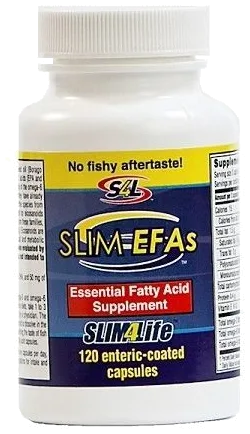
S4L Slim4Life Slim EFAs is an essential fatty acid supplement in capsule form. The serving size is 1 to 3 capsules, and each container holds 40 servings. Per serving, the label lists 15 calories, 1.5 g total fat, 0.2 g total carbohydrates, 0.4 g protein and 9 IU vitamin E. It also lists 0.5 g total omega-3 fatty acids, 0.2 g total omega-6 fatty acids and 0.4 g total omega-9 fatty acids. Other ingredients listed are marine oil, borage seed oil, gelatin, methacrylic acid copolymers, glycerin, water, hydroxypropylmethylcellulose and D-alpha-tocopherol. The printed directions say to take 1 to 3 capsules up to 3 times per day, or as recommended by a physician. The capsules are meant to be swallowed whole. The label says they are designed to dissolve in the upper part of the small intestine, which it states reduces or prevents the taste of fish sometimes noted with standard essential fatty acid capsules. The label also states that at 4 or more capsules per day, the product complies with FAO and WHO recommendations for intake and balance of omega-6 and omega-3 essential fatty acids.
We don’t sell supplements. We help you make decisions and get the best price.
Lowest prices
We found no store selling it right now.
Study, Trial or Testing Result Summary
Members Only163 human studies · 38 improved
3 of these 163 human studies gave the ingredient by drip, not by mouth.
This product supplies omega-3, omega-6 and omega-9 fats plus a little vitamin E. At three servings a day it gives about 1.5 grams of omega-3. Studies of omega-3 mostly found no weight benefit: a review of 20 trials in people with diabetes saw no change in weight [1], and a review of ten trials found no weight change, with body mass index possibly rising in women over 50 [2]. In overweight women after menopause, 16 weeks of omega-3 worked no better than placebo for weight or fat [3]. Trials lasting six months and one year found no change in body fat [4][5]. The one review showing weight gain was in cancer patients, where the aim was gaining weight [6]. Vitamin E is at a low dose, and reviews found it does not change weight or waist size [7]. The omega-6 benefit seen in studies came from a modified fat, conjugated linoleic acid, not the ordinary omega-6 here; eating more ordinary omega-6 made little or no difference. The omega-9 amount is far below studied amounts, and oleic acid rich diets did not change weight or body fat [8]. Animal and cell studies are never counted.
See all 163 studies →Hide the studies
- Across 16 studies of 20,043 Mexican children and teens, low vitamin E levels were seen in those with obesity but did not differ significantly from those of normal-weight peers.Obesity and Its Association With Micronutrient Deficiency Among Mexican Children and Adolescents: A Systematic Review an…
- In 19 trials with 6461 adults followed for 1 to 8 years, eating more omega-6 fats made little or no difference to body mass index (one trial, 371 people), though it lowered total cholesterol a little.Omega-6 fats for the primary and secondary prevention of cardiovascular disease.
- In 70 trials with 4159 adults, conjugated linoleic acid slightly lowered body weight (0.35 kg), body fat and waist size and raised lean mass, but high-quality studies showed no loss of body fat and the effects were small.The effects of conjugated linoleic acid supplementation on anthropometrics and body composition indices in adults: a sys…
- In 21 trials of about 1950 adults with metabolic syndrome, marine omega-3 lowered triglycerides, but there was too little data to assess waist circumference or BMI.Marine-Based Omega-3 Fatty Acids and Metabolic Syndrome: A Systematic Review and Meta-Analysis of Randomized Controlled …
- In 26 trials of 1892 cancer patients, combined DHA and EPA improved body weight and BMI versus control, but not lean body mass.Comparison of EPA and DHA&EPA on body weight, BMI, and lean body mass in cancer patients: a network meta-analysis.
- Across 23 trials in 1291 women with polycystic ovary syndrome, vitamin E lowered testosterone and raised sex hormone binding globulin, but only inositols were linked to better body mass index; vitamin E did not show a body weight benefit.The effectiveness of coenzyme Q10, vitamin E, inositols, and vitamin D in improving the endocrine and metabolic profiles…
- In 19 trials with 1045 adults, conjugated linoleic acid did not significantly change the hunger-regulating hormone leptin overall, but lowered it in obese adults and in trials shorter than 24 weeks.Effect of Conjugated Linoleic Acid on Leptin Level: A Systematic Review and Meta-Analysis of Randomized Controlled Trial…
- Across 20 randomized trials with 1009 adults, diets rich in oleic acid did not change body weight, BMI, body fat or inflammation compared with low-oleic diets, and waist size rose very slightly (0.63 cm).The effect of diets enriched with high-oleic sources on anthropometric, inflammatory, and blood pressure outcomes: a sys…
- Across ten trials with 558 people taking 400 IU of vitamin E plus omega-3 for 6 to 16 weeks, there was no significant change in body weight or body mass index, though body mass index may have risen in women over 50 and with longer use.Can omega-3 fatty acids and vitamin E co-supplementation affect obesity indices?
- In 6 placebo-controlled trials of 378 children with fatty liver, omega-3 reduced BMI along with improving liver enzymes and fat on ultrasound.Can omega-3 fatty acids be beneficial in pediatric NAFLD? A systematic review and meta-analysis.
- In 6 trials of 362 people with fatty liver, plant-based omega-3 improved body mass index, waist circumference and weight when combined with diet and exercise.A systematic review and meta-analysis of randomized controlled trials to evaluate plant-based omega-3 polyunsaturated fa…
- In children with fatty liver disease, vitamin E lowered bad and total cholesterol but did not significantly change body mass index; this study was in children, not women.Vitamin E in paediatric non-alcoholic fatty liver disease: a meta-analysis.
- Across 24 trials, vitamin E had no significant effect on weight, body mass index or waist size, with a possible BMI increase in people of normal weight.Can vitamin E supplementation affect obesity indices? A systematic review and meta-analysis of twenty-four randomized co…
- In 12 trials of women with polycystic ovary syndrome, vitamin E improved triglycerides, bad cholesterol, waist size and insulin resistance.Effect of vitamin E supplementation on cardiometabolic risk factors, inflammatory and oxidative markers and hormonal fun…
- In 10 trials of adults, vitamin E did not significantly change the fat hormones adiponectin or leptin overall, though supplementation beyond 12 weeks raised adiponectin and lowered leptin in people with fatty liver disease.Effect of Vitamin E on Serum Adiponectin and Leptin in Adults: A Systematic Review and Meta-analysis.
- In 12 trials of adults with fatty liver disease, vitamin E lowered triglycerides but did not significantly change body mass index.Efficacy of Vitamin E on Lipid Profile in Patients With Metabolic Dysfunction-Associated Steatotic Liver Disease (MASLD)…
- In 20 trials of people with type 2 diabetes, omega-3 lowered triglycerides but did not noticeably change BMI or body weight.Effects of Omega-3 Fatty Acid Supplementation on Glucose Control and Lipid Levels in Type 2 Diabetes: A Meta-Analysis.
- In 11 studies of cancer patients on chemotherapy, high-protein omega-3-enriched supplements led to about 1.9 kg more body weight than equal-calorie controls.Systematic review and meta-analysis of the evidence for oral nutritional intervention on nutritional and clinical outcom…
- In 32 trials of healthy adults, conjugated linoleic acid as a supplement or in enriched foods did not significantly change waist size or fasting blood sugar.Effect of Conjugated Linoleic Acid as a Supplement or Enrichment in Foods on Blood Glucose and Waist Circumference in Hu…
- In 11 trials of adults, conjugated linoleic acid did not lower leptin overall, but it did in men, overweight people and trials shorter than 8 weeks.Effect of Conjugated Linoleic Acid Supplementation on Serum Leptin Concentration: A Systematic Review and Meta-Analysis.
- In 13 placebo-controlled trials of overweight and obese adults, conjugated linoleic acid slightly cut body weight (0.52 kg) and fat mass and raised lean mass, with no change in waist size and effects too small to be clinically important.The effects of supplementation with conjugated linoleic acid on anthropometric indices and body composition in overweigh…
- In 11 studies of people with eating disorders, omega-6 levels were lower than in healthy people, and fatty acid supplements were linked to better body weight outcomes but not to disease severity or mood.Relationship between polyunsaturated fatty acid and eating disorders: Systematic review and meta-analysis.
- Across 20 trials, conjugated linoleic acid combined with exercise lowered body fat and insulin resistance more than exercise alone (stronger in women), but did not reduce body weight, improve exercise performance, or improve blood fats.Effects of conjugated linoleic acid and exercise on body composition and obesity: a systematic review and meta-analysis.
- In 14 trials of people at risk of heart disease, conjugated linoleic acid slightly lowered body weight (0.72 kg), body mass index and body fat percentage, with no change in cholesterol or blood pressure; effects were small.The effects of conjugated linoleic acid supplementation on cardiovascular risk factors in patients at risk of cardiovasc…
- Across 67 trials in people with metabolic syndrome, oleic acid had no significant benefit on the syndrome overall, with only a borderline improvement in blood fats, and was about as good as other management strategies.Beneficial effects of dietary supplementation with olive oil, oleic acid, or hydroxytyrosol in metabolic syndrome: Syste…
- Across 15 studies of people with metabolic problems, oleic acid-enriched oils did not improve cholesterol, blood sugar control, obesity measures or blood pressure.Do oleic acid-enriched oil formulations improve health outcomes in metabolic disorders? A GRADE-assessed meta-analysis.
- In 19 trials with 6461 adults followed for 1 to 8 years, eating more omega-6 fats probably had little or no effect on body mass index, though it lowered total cholesterol a little.Omega-6 fats for the primary and secondary prevention of cardiovascular disease.
- A review of 31 observational studies found lower blood vitamin E levels tended to go with obesity and body fat, though findings were inconsistent and no supplement was tested.Association Between Antioxidant Intake/Status and Obesity: a Systematic Review of Observational Studies.
- An umbrella review of meta-analyses found vitamin E intake was linked to lower risk of obesity and metabolic syndrome, with moderate quality evidence for obesity, though most evidence overall was low quality.Vitamin E intake and multiple health outcomes: an umbrella review.
- A review of 10 randomized trials in cancer patients having chemotherapy or radiotherapy, using 600 mg to 3.6 g of omega-3 daily, found benefits, with preservation of body composition the most evident.Omega-3 supplements for patients in chemotherapy and/or radiotherapy: A systematic review.
- A review of 20 studies in people with venous leg ulcers found that omega-3 was only noted as a low dietary intake, with no tested weight effect, and evidence that weight management helps wound healing was lacking.Effects and associations of nutrition in patients with venous leg ulcers: A systematic review.
- In six studies of people with cancer cachexia, omega-3 did not change inflammation markers, and only two studies measured body weight, so no firm conclusion was possible.Omega-3 Fatty Acid Supplementation and Its Impact on Systemic Inflammation and Body Weight in Patients With Cancer Cache…
- In a review of 21 studies in women with polycystic ovary syndrome, omega-3 supplements gave indirect benefits for blood sugar and lipids and lowered C-reactive protein at some doses over 12 weeks, but anthropometric results were scarce and mostly not significant.Omega-3 supplementation in the treatment of polycystic ovary syndrome (PCOS) - a review of clinical trials and cohort.
- In a systematic review of nutrition interventions for cancer weight loss, four trials of eicosapentaenoic acid and other supplements showed significant weight gain, while many other trials, including some omega-3 trials, were negative.Nutritional Interventions to Improve Cachexia Outcomes in Cancer-A Systematic Review.
- A review of 8 studies in pancreatic cancer patients found that omega-3 supplements helped stabilize or increase body weight in six of the studies that looked at weight, and also lowered inflammation markers.Omega-3 Supplementation and Nutritional Status in Patients with Pancreatic Neoplasms: A Systematic Review.
- A review of 16 studies in overweight or obese women found that a diet high in omega-3 was linked to better fertility, but evidence on weight loss benefits was inconsistent and omega-3 weight effects were not isolated.Do dietary interventions aimed at enhancing fertility improve nutritional status in overweight or obese women?
- A review of 28 clinical trials found oleic acid-rich diets may influence fat balance and body weight and can reduce belly fat, supporting not restricting oleic acid-rich meals for healthy weight.The Effects of Diets Enriched in Monounsaturated Oleic Acid on the Management and Prevention of Obesity: a Systematic Re…
- In 300 adults with type 2 diabetes, 30 g of cashew nuts daily for 12 weeks did not change body weight or BMI compared with controls, though blood pressure fell and HDL cholesterol rose.Cashew Nut Consumption Increases HDL Cholesterol and Reduces Systolic Blood Pressure in Asian Indians with Type 2 Diabet…
- In 178 people with migraine, diets raising omega-3 with or without cutting omega-6 linoleic acid for 16 weeks changed intake as intended but did not change body mass index compared with the control diet.Methodology for altering omega-3 EPA+DHA and omega-6 linoleic acid as controlled variables in a dietary trial.
- In 176 colon cancer patients, a week of preoperative nutrition drink with arginine and omega-3 fatty acids did not reduce infections or change overall body weight, though only that group regained weight after discharge.Impact of Preoperative Immunonutrition on the Outcomes of Colon Cancer Surgery: Results from a Randomized Controlled Tri…
- In 150 adults with fatty liver disease (about half women), 400 IU a day of vitamin E for 3 months improved liver enzymes, and waist circumference and body mass index improved in all groups including placebo.Treatment options for nonalcoholic fatty liver disease: a double-blinded randomized placebo-controlled trial.
- In 139 people with coronary artery disease on meds, 3.36 g of EPA and DHA daily for 30 months did not reduce epicardial fat volume more than no supplement, and waist circumference was the factor that predicted fat volume.Higher epicardial adipose tissue volume is associated with higher coronary fatty plaque volume and is regulated by waist…
- In 136 non-obese habitual snackers, eating almonds daily for one year did not change body weight compared with eating biscuits, though vitamin E intake rose.Comparing the Effects of Consuming Almonds or Biscuits on Body Weight in Habitual Snackers: A 1-Year Randomized Controll…
- In 130 adults with abdominal obesity on weight-maintaining diets, 4 weeks of each oil including high-oleic canola oil was tested; the study reported cholesterol, triglyceride and blood pressure results, not weight loss.DHA-enriched high-oleic acid canola oil improves lipid profile and lowers predicted cardiovascular disease risk in the c…
- In hemodialysis patients taking 3 g omega-3 daily for 2 months, body mass index, fat mass and muscle did not change more than with the medium-chain triglyceride placebo, and visceral fat fell only near significance.Effect of omega-3 fatty acids supplementation on muscle mass, fat mass, and visceral fat of hemodialysis patients; A ran…
- In 110 adults on a reduced-fat diet for 12 months, weight fell about 3 kg more than usual diet, but blood vitamin E (alpha-tocopherol) levels did not differ; vitamin E was not a tested supplement.Effects of reduced-fat diets consumed ad libitum on intake of nutrients, particularly antioxidant vitamins.
- In 108 obese adolescents with fatty liver disease, 1,000 mg of omega-3 fats daily for 12 months lowered body mass index, but the placebo group with diet and lifestyle changes also lowered it, so the omega-3 effect on weight was not distinguishable.Long-Term Treatment with n-3 Polyunsaturated Fatty Acids as a Monotherapy in Children with Nonalcoholic Fatty Liver Dise…
- In 101 adults with central obesity, 4 weeks of canola or high-oleic canola oil diets reduced abdominal fat mass compared with the flax/safflower oil diet, particularly in men.Effects of canola and high-oleic-acid canola oils on abdominal fat mass in individuals with central obesity.
- In 100 adults with fatty liver disease, alpha-tocopherol for 48 weeks improved liver fat, insulin resistance and oxidative stress, but delta-tocotrienol reduced body weight and inflammation more than alpha-tocopherol.Comparison of delta-tocotrienol and alpha-tocopherol effects on hepatic steatosis and inflammatory biomarkers in patient…
- In 100 people with type 2 diabetes and abdominal obesity, 2.4 g of fish oil omega-3 fats daily for 6 months, compared with corn oil placebo, did not change body composition, though triglycerides fell and good cholesterol rose.Treatment for 6 months with fish oil-derived n-3 polyunsaturated fatty acids has neutral effects on glycemic control but…
- In 97 children with obesity and insulin resistance, 1.8 g daily of omega-9 for 3 months lowered insulin resistance and inflammation within groups, but there were no significant differences between groups, and benefits tracked BMI reduction.Effects of Omega-3 and Omega-9 Fatty Acid Supplementation on HOMA-IR and Inflammatory Markers in Children with Obesity a…
- In 96 postmenopausal women with high blood pressure, vitamin E alone was the control; borage oil with vitamin E improved blood pressure and waist-hip ratio over 6 months, so vitamin E itself showed no benefit.Is there a beneficial effect of gamma-linolenic acid supplementation on body fat in postmenopausal hypertensive women? A…
- In 95 children aged 7 to 14 with mood disorders, 2 g of omega-3 per day for 12 weeks raised blood EPA levels substantially, and the mood and weight findings were mixed and not clearly positive.Omega-3 Fatty Acid Plasma Levels Before and After Supplementation: Correlations with Mood and Clinical Outcomes in the O…
- In 95 overweight adults eating 1.5 oz of mixed tree nuts or pretzels daily for 24 weeks, both groups lost similar weight, though only the nut group felt fuller at 24 weeks and had higher blood oleic acid.Mixed Tree Nut Snacks Compared to Refined Carbohydrate Snacks Resulted in Weight Loss and Increased Satiety during Both …
- In 93 patients with chronic lung disease, 3.2 g daily of conjugated linoleic acid for 6 weeks raised appetite and calorie intake and lowered an inflammation marker, but the body mass index difference was not significant.The effect of conjugated linoleic acid supplementation on the nutritional status of COPD patients.
- In 84 overweight or obese Korean adults (mostly women), eating 56 g of almonds daily for 4 weeks raised vitamin E intake but did not change body weight, waist size or body composition compared with cookies.The effect of almonds on vitamin E status and cardiovascular risk factors in Korean adults: a randomized clinical trial.
- In 84 young adults at risk for metabolic syndrome, eating tree nuts as snacks for 16 weeks improved blood fatty acid profiles, including more oleic acid, and changed the activity of 13 fat tissue genes compared with high-carbohydrate snacks.Consumption of tree nuts as snacks stimulates changes in plasma fatty acid profiles and adipose tissue gene expression i…
- In 82 adults with metabolic syndrome, taking delta-tocotrienol with resveratrol twice daily for 24 weeks reduced waist size, blood pressure, blood sugar, triglycerides and inflammation and oxidative stress markers compared with placebo.δ-Tocotrienol in Combination with Resveratrol Improves the Cardiometabolic Risk Factors and Biomarkers in Patients with …
- In 82 adults with metabolic syndrome, 24 weeks of delta-tocotrienol with resveratrol twice daily changed the activity of several genetic regulators linked to central obesity, inflammation and insulin resistance compared with placebo.Role of δ-tocotrienol and resveratrol supplementation in the regulation of micro RNAs in patients with metabolic syndrom…
- In 80 overweight adults (60 women), 800 to 1200 IU a day of vitamin E for 6 months lowered an oxidative stress marker by 11% but did not change adiponectin; weight was not reported as an outcome.Vitamin E supplementation and plasma 8-isoprostane and adiponectin in overweight subjects.
- In 77 adults with prediabetes, 300 mg of delta-tocotrienol daily for 12 weeks lowered blood sugar, insulin and insulin resistance more than placebo; the abstract does not report a weight result.Effects of delta-tocotrienol supplementation on glycaemic control in individuals with prediabetes: A randomized controll…
- In 77 adults with metabolic syndrome, eating 2 ounces of almonds daily for 12 weeks raised vitamin E status and lowered cholesterol but did not change total body weight.Beneficial changes in total cholesterol, LDL-C, biomarkers of intestinal inflammation, and vitamin E status in adults wi…
- In 74 overweight or obese women, 3 grams a day of conjugated linoleic acid for 12 weeks reduced hip circumference compared with placebo but did not change body weight, body mass index, or waist circumference.Twelve weeks CLA supplementation decreases the hip circumference in overweight and obese women. A double-blind, randomiz…
- In 74 overweight or obese women, 3 grams a day of conjugated linoleic acid for 12 weeks reduced total body fat, belly fat, and hip-area fat more than placebo, and was well tolerated with no liver harm.Body Fat Changes and Liver Safety in Obese and Overweight Women Supplemented with Conjugated Linoleic Acid: A 12-Week Ra…
- In 74 overweight women, about 3 grams of conjugated linoleic acid daily for 3 months did not improve bone density compared with placebo.The Effect of Conjugated Linoleic Acid Supplementation on Densitometric Parameters in Overweight and Obese Women-A Rando…
- In 70 women who had survived breast cancer, a personalized Mediterranean-style diet for 6 months led to lower body weight and body fat compared with a control group that gained weight; no vitamin E was given, and blood vitamin E levels differed between groups at the end.Serum antioxidant capacity, biochemical profile and body composition of breast cancer survivors in a randomized Mediterr…
- In 69 adults with fatty liver inflammation on a strict diet, vitamin E alone for 12 months was compared with vitamin E plus pentoxifylline; both groups had similar reductions in body mass index and waist circumference.Efficacy of combining pentoxiphylline and vitamin E versus vitamin E alone in non-alcoholic steatohepatitis- A randomize…
- In 68 overweight or obese adults with fatty liver on a Mediterranean low-calorie diet, a supplement blend containing vitamin E for 3 months improved liver fat more than diet alone, and both groups improved in nutritional measures.The Synergic Effect of a Nutraceutical Supplementation Associated to a Mediterranean Hypocaloric Diet in a Population of…
- In obese adolescents, 400 IU of vitamin E daily for 2 months did not change lipid profiles or adiponectin levels compared with placebo.The Effect of Vitamin E Supplementation on Lipid Profiles and Adiponectin Levels in Obese Adolescents: A Randomized Cont…
- In 66 Chinese adults with high body fat, 3.2 grams a day of conjugated linoleic acid for 12 weeks preserved muscle mass, especially in the trunk, compared with placebo oil.Conjugated linoleic acid supplements preserve muscle in high-body-fat adults: A double-blind, randomized, placebo trial.
- In 65 adults over 12 weeks, 3.2 grams daily of conjugated linoleic acid changed many blood fat-related metabolites compared with sunflower oil, and baseline metabolite patterns helped predict who gained body composition benefits.Metabolomic Changes Upon Conjugated Linoleic Acid Supplementation and Predictions of Body Composition Responsiveness.
- In youth with mood disorders taking 2000 mg omega-3 daily for 12 weeks, higher body weight was linked to less EPA and DHA building up in the blood, so weight-based dosing may be needed; this analysis did not measure weight loss.Body weight affects ω-3 polyunsaturated fatty acid (PUFA) accumulation in youth following supplementation in post-hoc an…
- In 63 adults with obesity and fatty liver, three energy-restricted Mediterranean diets over 8 weeks were linked to better liver markers, with oleic acid intake correlating with liver measures in the low-carbohydrate group, but oleic acid was not tested on its own.Efficacy of the Mediterranean Diet Containing Different Macronutrients on Non-Alcoholic Fatty Liver Disease.
- In 61 patients receiving chemotherapy for esophageal cancer, 900 mg of omega-3 fats daily for 15 days through feeding support did not change body weight compared with a low omega-3 feeding group.Randomized study of the clinical effects of ω-3 fatty acid-containing enteral nutrition support during neoadjuvant chemo…
- In 61 overweight or obese adults (mostly women) on an energy-restricted diet for 6 weeks, eating 200 g of avocado daily in place of other fats raised plasma oleic acid, and weight loss was similar to the control group.Substitution of high monounsaturated fatty acid avocado for mixed dietary fats during an energy-restricted diet: effects…
- In a six-month randomized pilot of 60 adults with fatty liver disease, vitamin E was compared with ketotifen, and body weight did not differ significantly between the two groups.Immunomodulatory and Anti-Inflammatory Effects of Ketotifen Versus Vitamin E in Patients with Non-Alcoholic Fatty Liver …
- In 60 overweight or obese adults, conjugated linoleic acid doses of 1.7 to 6.8 grams a day for 12 weeks reduced body fat mass more than placebo, with no added benefit above 3.4 grams a day.Conjugated linoleic acid reduces body fat mass in overweight and obese humans.
- In 57 sedentary older adults, 900 IU of vitamin E daily for six months added no benefit to walking exercise for body weight or physical performance; weight loss came from the exercise.Vitamin E and aerobic exercise: effects on physical performance in older adults.
- Among obese middle-aged adults at high heart failure risk, 1.6 g daily omega-3 for one year did not change body fat or other outcomes beyond the placebo olive oil group.1 Year HIIT and Omega-3 Fatty Acids to Improve Cardiometabolic Risk in Stage-A Heart Failure.
- In 55 overweight or obese adults, a 12-week multi-ingredient supplement containing 200 IU of vitamin E led to lower weight and fat mass than placebo, though the effect cannot be attributed to vitamin E alone.Novel Multi-Ingredient Supplement Facilitates Weight Loss and Improves Body Composition in Overweight and Obese Individu…
- In 54 obese adults, 3000 mg daily of conjugated linoleic acid for 12 weeks reduced body fat and leptin within the treatment group, but body weight and BMI did not significantly change.The Effect of Conjugated Linoleic Acid Supplementation on Body Composition, Serum Insulin and Leptin in Obese Adults.
- In 50 overweight people with fatty liver disease, all took a diet plus 800 IU of vitamin E daily for 36 weeks; adding orlistat did not increase weight loss (8.3% vs 6.0%), so this does not test vitamin E's own effect on weight.Orlistat for overweight subjects with nonalcoholic steatohepatitis: A randomized, prospective trial.
- In 49 adults with fatty liver inflammation, 1000 IU vitamin E plus 1000 mg vitamin C daily for 6 months improved liver scarring compared with placebo, but the abstract reports no weight outcome.Vitamin E and vitamin C treatment improves fibrosis in patients with nonalcoholic steatohepatitis.
- In 49 children and adolescents with obesity over 16 weeks, a Mediterranean-style diet lowered BMI, fat mass, and blood lipids more than a standard diet.Mediterranean-style diet reduces metabolic syndrome components in obese children and adolescents with obesity.
- In 48 adults across four lunch sessions, high-fat meals increased energy intake by 60% compared with low-fat meals, and adding salt also raised overall food intake by 11%.Salt Promotes Passive Overconsumption of Dietary Fat in Humans.
- In 46 adults with fatty liver disease, Camelina sativa oil rich in omega-3 for 12 weeks, alongside a weight loss diet, reduced weight, BMI and waist size compared with placebo.Efficacy of omega-3-rich Camelina sativa on the metabolic and clinical markers in nonalcoholic fatty liver disease: a ra…
- In 45 adults with overweight or obesity, one avocado per day for 5 weeks reduced blood oxidation markers and increased plasma lutein more than a lower-fat diet, while body weight was not reported as an outcome.A Moderate-Fat Diet with One Avocado per Day Increases Plasma Antioxidants and Decreases the Oxidation of Small, Dense L…
- In 44 patients after abdominal cancer surgery, adding fish oil to intravenous feeding for 5 days prevented the weight loss seen with soybean oil alone, though the study was not designed to measure weight as a main outcome.Omega-3 fatty acids improve liver and pancreas function in postoperative cancer patients.
- In 43 healthy young adults over 4 weeks, a diet high in oleic acid raised fat burning and daily energy expenditure compared with a diet high in palmitic acid.Increasing dietary palmitic acid decreases fat oxidation and daily energy expenditure.
- In adults with overweight taking krill oil capsules during alternate-day fasting for 8 weeks, body weight loss was similar to the vegetable oil placebo group, though krill oil kept fat-free mass and grip strength from falling as much.Benefits of Krill Oil Supplementation During Alternate-Day Fasting in Adults With Overweight and Obesity: A Randomized T…
- Adults having gastric bypass surgery who took an omega-3 enriched formula during the 10 days before surgery lost more excess weight (14.1% vs 10.6%) than those on the standard formula, and had lower C-reactive protein afterward.Preoperative administration of Omega-3 fatty acids on postoperative pain and acute-phase reactants in patients undergoin…
- In 36 adults with fatty liver disease, 3 months of two tablets daily of silymarin plus vitamin E, combined with a low-calorie diet and exercise, was followed by lower body weight and waist size, but the diet-only group also lost weight, so the added effect of the supplement on weight is unclear.Effect of silymarin plus vitamin E in patients with non-alcoholic fatty liver disease. A randomized clinical pilot study…
- Adults with metabolic syndrome who did high-intensity interval training for 24 weeks and drank milk with 275 mg omega-3 and 7.5 g oleate daily had similar fat loss and waist reduction to the placebo milk group, but their C-reactive protein dropped more.Dietary supplementation with omega-3 fatty acids and oleate enhances exercise training effects in patients with metaboli…
- In 36 adults with high cholesterol over 4 weeks, a diet where 70% of fat came from high-oleic canola oil raised blood levels of a satiety-linked lipid, which was linked to lower body fat in the correlation analysis.Modulation of plasma N-acylethanolamine levels and physiological parameters by dietary fatty acid composition in humans.
- Overweight men on a ketogenic Mediterranean diet for 4 weeks lost similar weight with or without omega-3 supplements, but those taking omega-3 had larger drops in inflammatory markers IL-1β, IL-6 and TNF-α.Effects of n-3 polyunsaturated fatty acids (ω-3) supplementation on some cardiovascular risk factors with a ketogenic Me…
- Over 4-week high-fat and low-fat diets in 31 adults, a low-fat diet increased sensitivity to the taste of oleic acid in lean and overweight people, while a high-fat diet reduced it in lean people only.Recent fat intake modulates fat taste sensitivity in lean and overweight subjects.
- In 31 healthy adults, rinsing the mouth with oleic acid before a low-fat breakfast reduced hunger and increased fullness compared with a control rinse, with the strongest effect in people sensitive to fat taste.A Fatty Acid Mouth Rinse Decreases Self-Reported Hunger and Increases Self-Reported Fullness in Healthy Australian Adult…
- In 30 overweight adults, 4 weeks of hemp products raised blood omega-6 and omega-3 fat levels but did not change body composition compared with control products.The effect of hemp product consumption on blood fatty acid profiles and cardiovascular disease risk factors: results of …
- In 28 children with obesity-related liver problems on a low-calorie diet, vitamin E (400 mg daily for 2 months, then 100 mg for 3 months) did not improve liver enzymes more than placebo, and weight loss was linked to the diet rather than vitamin E.Vitamin E treatment in pediatric obesity-related liver disease: a randomized study.
- In 28 overweight adults with mild asthma, 4.5 g per day of conjugated linoleic acid for 12 weeks produced a larger drop in weight and body mass index than placebo.Conjugated linoleic acid improves airway hyper-reactivity in overweight mild asthmatics.
- In 28 obese young women doing an 8-week aerobic exercise program, 3.2 grams a day of conjugated linoleic acid did not reduce body fat more than placebo oil did.Effect of Conjugated Linoleic Acid Associated With Aerobic Exercise on Body Fat and Lipid Profile in Obese Women: A Rand…
- In 25 healthy adults with body weight held constant, a diet with 9% of energy from oleic acid for 4 weeks produced the least fat burning and did not change insulin sensitivity compared with saturated or trans fat diets.Effects of diets enriched in saturated (palmitic), monounsaturated (oleic), or trans (elaidic) fatty acids on insulin se…
- In 24 adults, those who could not detect oleic acid by taste ate about 2.1 more megajoules at a later lunch after a high-fat breakfast than others did. This study examined taste sensitivity to fat, not omega-9 supplementation, and did not measure weight change.Impaired oral fatty acid chemoreception is associated with acute excess energy consumption.
- In 23 trained men doing 10 weeks of resistance training with an energy surplus, taking vitamin C and vitamin E limited the rise in visceral belly fat seen with placebo but blunted some strength and muscle gains.Antioxidant vitamin supplementation on muscle adaptations to resistance training: A double-blind, randomized controlled …
- In 23 overweight adults, 4 g per day of mixed conjugated linoleic acid for 6 months increased fat burning during sleep compared with safflower oil placebo.Conjugated linoleic acid supplementation alters the 6-mo change in fat oxidation during sleep.
- In 22 moderately overweight adults, 3 grams per day of oleic acid for 24 weeks gave fat burning after a meal similar to a trans-10 CLA fat, and lower than a different CLA form.Comparison of postprandial oleic acid, 9c,11t CLA and 10t,12c CLA oxidation in healthy moderately overweight subjects.
- In 20 healthy normal-weight adults who exercised in a gym three times a week, 1.8 grams a day of conjugated linoleic acid for 12 weeks reduced body fat compared with placebo, though body weight did not change.Conjugated linoleic acid reduces body fat in healthy exercising humans.
- Overweight adults on a 7-day high-fat, low-carbohydrate diet lost about 3% of body weight, but taking 800 IU vitamin E with 1 g vitamin C did not change weight loss compared with placebo.Inflammatory response to a high-fat, low-carbohydrate weight loss diet: effect of antioxidants.
- Young adults doing 8 weeks of high-intensity training who took a daily omega-3, omega-6 and antioxidant vitamin supplement gained a small amount of muscle mass and lost some fat, while body weight did not change.Effects of Supplementation with Omega-3 and Omega-6 Polyunsaturated Fatty Acids and Antioxidant Vitamins, Combined with …
- In 19 men, intestinal infusion of oleic acid over 90 minutes reduced later food intake and raised satiety hormones in both lean and overweight men, but the gut contraction response occurred only in lean men.Marked differences in gustatory and gastrointestinal sensitivity to oleic acid between lean and obese men.
- In 18 people with high triglycerides, taking about 1,680 mg of fish-derived omega-3 fats daily for 5 weeks, compared with placebo, significantly reduced body mass index and waist circumference.Eicosapentaenoic and Docosahexaenoic Acid Supplementation Increases HDL Content in n-3 Fatty Acids and Improves Endothel…
- In 16 overweight adults, using a linoleic acid-rich oil for 2 weeks led to less fat eaten at dinner than an oleic acid oil, but people felt less full, and 24-hour energy intake did not differ.Fat-specific satiety in humans for fat high in linoleic acid vs fat high in oleic acid.
- In 11 moderately obese men, 6 weeks of fish oil did not improve inflammation or blood vessel markers compared with an oleic acid control, while about 9 kg of weight loss did improve them.Weight loss, but not fish oil consumption, improves fasting and postprandial serum lipids, markers of endothelial functi…
- In 11 healthy men, one week of pharmacologically lowered sex hormones did not change whole-body energy use or blood sugar, insulin, or fat responses after a meal containing labeled oleic acid, though more of that dietary fat was stored in thigh fat tissue. This study tested hormone suppression, not omega-9 supplementation, and did not involve women.Read the study on PubMed (29380951) →
- In 10 adults with overweight or obesity, eating foods with 30 g per day of soybean oil for 4 weeks raised blood linoleic acid levels but did not change body weight compared with palm oil foods.Feasibility Study of Soybean Oil-Fortified Foods to Alter Blood Content of Linoleic Acid and Body Weight: A Randomized D…
- In 8 overweight or obese adults, a single meal high in linoleic acid raised the hunger hormone ghrelin and the insulin-impairing hormone resistin compared with a high-carbohydrate meal, suggesting it may promote extra eating.The Acute Effect of Oleic- or Linoleic Acid-Containing Meals on Appetite and Metabolic Markers; A Pilot Study in Overwei…
- Reanalysis of a placebo-controlled vitamin E trial in adults with fatty liver found vitamin E improved liver enzyme levels and liver scores with or without weight loss, and the abstract reports no direct effect on weight.Vitamin E and changes in serum alanine aminotransferase levels in patients with non-alcoholic steatohepatitis.
- Adults with metabolic syndrome who ate tocotrienol-enriched oat twice daily for 12 weeks had a small drop in body fat and a small rise in muscle mass compared with a group receiving no intervention.Effects of tocotrienol-enriched oat supplementation on metabolic profile, nutritional status and health-related quality …
- In people having head and neck cancer surgery, 28 days of an EPA-enriched supplement did not prevent weight loss or change inflammation markers compared with no intervention.Prospective randomized investigation implementing immunonutritional therapy using a nutritional supplement with a high b…
- In overweight or obese postmenopausal women over 16 weeks, a DHA-rich omega-3 supplement produced body weight and fat mass reductions similar to placebo, though it lowered diastolic blood pressure and triglycerides.Effects of DHA-Rich n-3 Fatty Acid Supplementation and/or Resistance Training on Body Composition and Cardiometabolic Bi…
- In a randomized crossover trial of adults with abdominal obesity, 60 g per day of high oleic canola oil for 30 days changed blood levels of fat-derived signaling molecules, with effects depending on genetic variants, and one molecule was linked to more fat around the hips.Interactions between dietary oil treatments and genetic variants modulate fatty acid ethanolamides in plasma and body we…
- In a six-month randomized semi-controlled trial of 76 healthy adults, eating reduced-fat products lowered energy and vitamin E intake compared with full-fat products, but body weight did not change.Consumption of reduced-fat products: effects on parameters of anti-oxidative capacity.
- In 45 obese children with fatty liver, 600 mg daily vitamin E with lifestyle changes for 6 months lowered a urinary oxidative stress marker compared with lifestyle changes alone, while the abstract reports no weight change.Improved oxidative stress and cardio-metabolic status in obese prepubertal children with liver steatosis treated with li…
- In 25 adults with or without obesity, a single 90-minute infusion of 10 grams of oleic acid into the upper intestine raised gut satiety hormones in lean people but this response was blunted in people with obesity.Intraduodenal nutrient infusion differentially alters intestinal nutrient sensing, appetite, and satiety responses in le…
- In 110 adults with fatty liver disease, 800 IU daily of vitamin E for 12 months improved liver enzymes along with weight loss, but was less effective than a med and did not show a separate weight benefit over a prescriptive diet.Read the study on PubMed (15842582) →
- In 88 newly diagnosed women with breast cancer, taking 600 mg of omega-3 fatty acids daily for 9 weeks, alone or with vitamin D, was linked to a significant rise in body weight and body mass index compared with the other groups, while nutrition risk scores also rose.The Effects of Omega-3 Fatty Acids and Vitamin D Supplementation on the Nutritional Status of Women with Breast Cancer i…
- Women with severe obesity taking 2 g omega-3 daily for 4 weeks before gastric bypass surgery had reduced liver and visceral fat, but the low-calorie diet produced a larger liver reduction and muscle loss.Four Weeks of Preoperative Omega-3 Fatty Acids Reduce Liver Volume: a Randomised Controlled Trial.
- In 60 overweight or obese adults on a 6-week weight loss program, body weight and fat fell, but blood vitamin E levels dropped, and most participants ended with low levels.Weight loss program is associated with decrease α-tocopherol status in obese adults.
- In 60 obese children given a daily pill with omega-3 fatty acids and 2.5 mg vitamin E for three months, mineral levels and insulin sensitivity improved, but the abstract does not report any change in body weight.EFFECTS OF OMEGA-3 FATTY ACIDS ASSOCIATED WITH ANTIOXIDANT VITAMINS IN OVERWEIGHT AND OBESE CHILDREN.
- Adults with HIV and fatty liver disease who took 800 IU vitamin E daily for 24 weeks had improved liver measures, but body mass index did not change.Vitamin E is an effective treatment for nonalcoholic steatohepatitis in HIV mono-infected patients.
- Adults with atopic dermatitis on a low-energy diet for 8 weeks lost weight and lowered their BMI, and oxidative DNA damage fell in 11 patients with severe disease; vitamin E was part of the diet, not given alone.Low-energy diet in atopic dermatitis patients: clinical findings and DNA damage.
- In an eight-week open-label pilot of 10 children with bipolar spectrum disorder taking a multinutrient supplement, blood vitamin E rose, but body weight index and waist-hip ratio did not change.Nutritional and safety outcomes from an open-label micronutrient intervention for pediatric bipolar spectrum disorders.
- In over 272,000 UK adults, higher blood linoleic acid was linked to lower waist size, weight and body fat, and this held over time, while other omega-6 fats showed the opposite pattern.Omega-6 polyunsaturated fatty acids and adiposity in the UK Biobank Cohort: a cross-sectional and longitudinal prospecti…
- In a 2015 national survey of 72,231 Chinese adults, average vitamin E intake was about 28 mg a day, and about 21% fell short; people with normal weight were more likely than those with overweight or obesity to fall short.[Distribution of usual vitamin intake and prevalence of inadequate intake among Chinese adults in 2015].
- Over about 7 years of follow-up in 8,742 Chinese adults, higher intake of linoleic acid and n-6 fats was linked to a modestly higher risk of becoming overweight or obese.Associations of specific dietary unsaturated fatty acids with risk of overweight/obesity: population-based cohort study.
- In 3,350 obese Chinese adults, combining omega-3 supplements with the DASH diet was associated with greater weight reduction and better lipids and blood pressure, with stronger benefits seen in women.Retrospective analysis of omega-3 fatty acids and the DASH diet in hyperlipidemia and hypertension management among obes…
- In three French population samples of about 3,000 people, a gene variant was linked to lower waist size and BMI only in people with lower dietary linoleic acid intake.Dietary linoleic acid interacts with FADS1 genetic variability to modulate HDL-cholesterol and obesity-related traits.
- In 1047 postmenopausal women, higher body mass index was linked to higher gamma-tocopherol blood levels, and supplement use was the main predictor of vitamin E blood levels; the study did not test weight change.Correlates of serum alpha- and gamma-tocopherol in the Women's Health Initiative.
- In a survey of 921 adults in Guangdong, China, vitamin E intake from food was higher in people with more education and higher family income, and body mass index was positively linked to antioxidant vitamin intake except in people with obesity; the study did not measure weight management outcomes.[Dietary intake of antioxidant vitamins and personal demographic characteristics of Guangdong residents].
- In 511 middle-aged adults, higher abdominal fat was linked to lower levels of oxidized vitamin E breakdown products in urine, while blood vitamin E levels were not linked to body fat, and no vitamin E was given.Association of measures of body fat with serum alpha-tocopherol and its metabolites in middle-aged individuals.
- In 273 children with obesity compared with 226 children of normal weight, blood vitamin E levels were higher, and within the obese group higher vitamin E was linked to greater waist-to-height ratio, especially abdominal obesity.[Levels of fat-soluble vitamins A, D, and E and their influencing factors in children with obesity].
- In 363 adults with heart disease risk, lower vitamin E levels went with higher weight, waist size and cholesterol, but no vitamin E was given.Serum vitamin E as a significant prognostic factor in patients with dyslipidemia disorders.
- In 238 pregnant Saudi women, higher body weight and excessive weight gain were linked to higher levels of omega-6 fats such as linoleic acid after birth.Obesity, gestational weight gain, and polyunsaturated fatty acids profile in pregnant Saudi women.
- In a cross-sectional study of 208 children, vitamin D deficiency was linked to childhood obesity, but the abstract reports no specific association between vitamin E levels and obesity or weight management.The relationships between fat-soluble vitamin deficiency and childhood obesity risk.
- In 195 healthy men and women, circulating fat-derived signaling molecules rose with body fat mass and with intake of oleic acid and fish fats, and a 2-day Mediterranean diet raised them, but the study did not measure weight loss.Dietary fatty acid intake and gut microbiota determine circulating endocannabinoidome signaling beyond the effect of bod…
- In 184 people with psychotic disorders, most of whom were overweight or obese, vitamin E intake was lower than in the general population.Psychosis and cardiovascular disease: is diet the missing link?
- Morbidly obese patients, including 76 women, had lower vitamin E levels after adjusting for lipids than healthy controls, and inadequate vitamin E status was found in a substantial share of the patients.Vitamin status in morbidly obese patients: a cross-sectional study.
- In a cross-sectional study of 64 Spanish adults with celiac disease and 74 without, celiac adults had intake of vitamin E below two-thirds of the recommended amount, and celiac disease had no influence on body weight, though body fat tended to be higher.Nutritional Status in Spanish Adults with Celiac Disease Following a Long-Term Gluten-Free Diet Is Similar to Non-Celiac…
- In 127 adults, higher body fat was linked to lower vitamin E levels in the blood, and the authors suggest adults with excess body fat may have inadequate vitamin E status.Nutritional Status of Vitamin E and Its Association with Metabolic Health in Adults.
- This preprint reports the same analysis of 126 obese adults with metabolic syndrome, finding alpha-tocopherol (a form of vitamin E) linked to LDL cholesterol in blood samples; it did not test vitamin E supplementation or weight outcomes.Metabolomic Signatures in Adults with Metabolic Syndrome Indicate Preclinical Disruptions in Pathways Associated with Hi…
- In 126 obese adults with metabolic syndrome, alpha-tocopherol (a form of vitamin E) was linked to LDL cholesterol in blood samples, but this study did not test vitamin E supplementation and did not measure weight management outcomes.Metabolomic signatures in adults with metabolic syndrome indicate preclinical disruptions in pathways associated with hi…
- In a cross-sectional study of 92 adults, people with higher blood levels of vitamin E had lower inflammation markers but higher total and LDL cholesterol, and the study did not test weight loss as an outcome.Alpha-tocopherol serum concentrations and its relationship with anthropometric, biochemical, dietary and cardiovascular …
- In 50 obese adults and 32 healthy-weight adults, the protein afamin was higher in obese people, but it was not linked to vitamin E levels, and no vitamin E was given.Afamin Levels and Their Correlation with Oxidative and Lipid Parameters in Non-diabetic, Obese Patients.
- In a cross-sectional study of 68 children and teenagers with Down syndrome and heart defects, vitamin E intake was linked to polyunsaturated fat intake, but the study did not measure vitamin E effects on weight in women.Growth curves in Down syndrome with congenital heart disease.
- In 62 CrossFit athletes, women's vitamin E intake from a 3-day food record was inadequate, alongside low energy and iron and calcium intake.Assessment of Dietary Intake and Nutritional Status in CrossFit-Trained Individuals: A Descriptive Study.
- In 49 volunteers, blood vitamin E was one of several molecules that differed in people with obesity and metabolic syndrome, but no vitamin E was given.Proteomic and Metabolomic Interplay in the Regulation of Energy Metabolism During Obesity and Metabolic Syndrome.
- In 37 patients with fatty liver disease, those with higher body weight reported lower vitamin E intake from food records, but no vitamin E was given.Characterization of Nutrient Intake in Biopsy-Confirmed NAFLD Patients.
- In 25 healthy young Japanese adults, the ability to taste fat (from oleic acid, an omega-9 fat, in milk) was linked to body weight and eating habits, but no omega-9 supplement was given and no weight outcome was tested.Association of Oral Fat Sensitivity with Body Mass Index, Taste Preference, and Eating Habits in Healthy Japanese Young …
- In a survey of Brazilian adolescents, most had low vitamin E intake and low blood vitamin E levels, and girls and overweight teens were more likely to have low levels, but no vitamin E was given.Prevalence and factors associated with fat-soluble vitamin deficiency in adolescents.
- Obese boys had lower blood levels of vitamin E (alpha-tocopherol) and beta-carotene than non-obese boys, but no vitamin E was given, so this shows an association only.Reduced plasma concentrations of alpha-tocopherol and beta-carotene in obese boys.
- In 59 healthy men in a prison, eating omega-3 enriched foods for 12 weeks did not change weight, body mass index, or waist circumference.Effect of ALA-enriched food supply on cardiovascular risk factors in males.
- In 26 healthy young adults, greater saliva production in response to oleic acid taste was associated with higher body mass index, but this was a measurement study and not a weight intervention.Gustatory Salivation Is Associated with Body Mass Index, Daytime Sleepiness, and Snoring in Healthy Young Adults.
- In mouse and human cell studies, oleic acid increased fat-cell formation and was linked to higher blood monounsaturated fat levels in people with obesity, suggesting high oleic acid intake may promote weight gain.Dietary oleic acid drives obesogenic adipogenesis via modulation of LXRα signaling.
Review Totals and Summary
Members OnlyWhat buyers say
No written reviews read yet.
Biohacker Summary
Members Only9 of 10 recommend it
On vitamin E, the main ingredient, the panel is mostly neutral and not enthusiastic: two of the ten use it, one warns, and the rest only comment on it. One panelist gives his kids a little vitamin E every day to help offset the bad oils in restaurant food, and another takes a daily multivitamin for longevity. One panelist warns against generic multivitamins as often full of fillers and synthetics, and another cautions about downsides including long-term cardiovascular risk and prostate cancer, saying dose matters and people with diabetes or cirrhosis need a talk first. Other comments are mixed: it helps maintain skin and protect cells, it may raise sun resilience when paired with vitamin C, one panelist links it to waking in the night, and another found no extra bleeding in a heart surgery study. No one gave a dose or a preferred form. Omega-3 fatty acids are a smaller ingredient in this product, and most of the panel recommends them from fatty fish or fish oil.
See all 10 biohackers →Hide the biohackers
Dave Asprey · Vitamin E · uses
- Takes D3 with K2 through Vitamin DAKE from Suppgrade Labs.
- Suggests that omega-3s may help slow aging and support cellular repair.
- Dave Asprey's kids get a little bit of vitamin E every day, which helps to stabilize the bad oils they get when eating at restaurants.
- Recommends omega-3s, noting that 1 gram a day slowed epigenetic aging by up to 4 months in a randomized trial of people over 70.
- Warns against omega-6 oils, stating he hasn't intentionally had any in 20 years and attributes a significant positive difference in his health to avoiding them.
- Dave Asprey recommends Omega-3, citing a randomized trial showing 1g a day slowed epigenetic aging in older adults, but warns that most people underdose due to low EPA and DHA content in standard capsules.
- Recommends Vitamin E as one of the most important supplements for overall health.
- Takes Vitamin DAKE from Suppgrade Labs because D3, A, K2, and E work together.
- A review of 41 human studies testing interventions against newer-generation epigenetic clocks found favorable changes for exercise, caloric restriction, omega-3s, plant-rich diets, multivitamins, a med, pitavastatin, and ketamine.
- Includes vitamin K2 as a critical ingredient in Vitamin DAKE, stating that the body needs the right fat soluble vitamins for thousands of reactions.
- Recommends getting nutrients like omega-3s from real food or Vision 101 for eyesight.
- Dave Asprey mentions that a few studies associate high levels of omega-6 oils with increased susceptibility to oxidation and sunburn.
- Warns that omega-6 linoleic acid, found in seed oils, is converted into arachidonic acid in cells, which drives inflammation.
- Mentions Vitamin DAKE from Suppgrade Labs as a product that combines fat-soluble vitamins D, A, K, and E to work together.
Dr. Eric Berg · Vitamin E · neutral
- Dr. Berg states that Vitamin E helps maintain healthy skin, support cell repair, and protect against oxidative damage.
- Recommends fatty fish as one of the best foods for liver health.
- Lists omega-3 fatty acids as a natural cancer remedy.
- Notes that one can of sardines contains 900 mg of omega-3s (EPA and DHA).
- Warns against generic multivitamins, stating they are often full of fillers and synthetics.
- Recommends Omega-3s from fish oil or cod liver oil to improve the omega-6 to omega-3 ratio, which should be around 2:1 or 1:1 but is often 10:1 or 20:1 for most people.
- Notes that the meal is loaded with omega-3 fatty acids, which are super anti-inflammatory.
- Suggests that taking cod liver oil can help with flaky skin around the nose or forehead, which usually means too much omega-6 fat relative to omega-3 fat.
- Recommends fatty fish like salmon, sardines, and mackerel, which are high in omega-3 fatty acids (EPA and DHA) that reduce liver inflammation and prevent scarring.
- Recommends wild-caught salmon as a healthy food to eat every day, noting it contains about 2000 mg of omega-3s in just 3 ounces.
- Recommends wild salmon as it is rich in omega-3 fatty acids, which help reduce inflammation and support brain health and cognitive function, especially important as one ages.
- Recommends DHA, an omega-3 fatty acid, as a natural remedy that, along with sweet wormwood, can trigger iron into an explosion to hit cancer.
- Mentions that grass-fed liver has vitamin E.
- Dr. Berg states that synthetic vitamin E may be acceptable for short-term use, but long-term use can contribute to oxidative stress.
Ben Greenfield · Vitamin E · neutral
- Mentions a recent study showing no significant increase in bleeding for patients on Vitamin E supplementation during open heart surgery, which was interesting for him to learn.
- Notes that omega-3s have solid research behind them for fertility.
- Recommends omega-3 fatty acids, specifically EPA and DHA, at 1 to 3 grams per day for better sperm morphology and motility, noting that sperm membranes are rich in polyunsaturated fatty acids.
- Recommends getting Omega-3 from oily fish such as sardines, anchovies, mackerel, herring, and salmon with skin.
- Discusses why fatty fish or fish oil may matter more than plant-based omega-3s if seed oils are in one's diet.
- Says that omega-3 fatty acids are a great way to feed the system and help with stress.
- Recommends testing for and replenishing omega-3 fatty acids if levels are low, as they can affect the ability to maintain or preserve muscle, especially for those on GLP-1s.
- Recommends including EPA from fatty fish or fish oil in one's diet, especially if seed oils are present in the diet.
- Notes a new study indicating that vitamin E is a core dietary antioxidant closely associated with a reduced risk of accelerated biological aging.
- Recommends Xtendlife's Tocotrienols Vitamin E for cardiovascular, brain, and healthy aging support, noting that research points to tocotrienols over alpha-tocopherol.
- Notes that B vitamins and Omega-3s work as a pair to support the brain, but not independently.
- Notes that the DO-Health study showed omega-3 had good effects, and it's a supplement people commonly take.
- Mentions that omega-3, vitamin D, and exercise all had good effects in the DO-Health study.
- Warns that high intake of omega-6 fatty acids or vegetable-based fatty acids can negatively impact mitochondrial membrane structure.
Dr. Mark Hyman · Vitamin E · neutral
- Notes that patients who were very malnourished had extremely low vitamin E.
- Recommends eating fatty fish like salmon or sardines twice a week for brain-building omega-3s.
- Suggests that if kids' brains are malnourished and they don't have omega-3s, B vitamins, magnesium, or zinc, they won't be able to engage or function properly.
- States that 95% of Americans don't have an omega-3 index over 8%, and lower omega-3 index is a very high risk for cardiovascular disease and other issues like dementia, depression, ADHD, and bipolar disease.
- Explains why omega-3s are important for brain, mood, and healthy aging.
- Clarifies that omega-6 fats from seed oils are not inherently bad, but the ratio to omega-3s matters, and an excess of omega-6s can lead to damaged membranes.
- Eats Zetopia's Atlantic salmon for Omega-3s and Vitamin D, especially in winter, noting that one serving provides as much EPA and DHA as two standard fish oil capsules.
- Mentions omega-3 fats as existing biomarkers that play a role in mental health, which Function Health includes in their measurements.
- Mentions that omega-3s are anti-inflammatory and helpful.
- Tries to supplement with omega-3s for psoriasis and considers them the one clearly clinically effective skin nutrient for skin, hair, and nails.
- Emphasizes the importance of focusing on omega-3s, noting that a national crisis of omega-3 deficiency exists and that low omega-3 levels are a significant problem, more so than omega-6s.
- Clarifies that the concept of omega-6 polyunsaturated fatty acids being pro-inflammatory, derived from molecular theories and animal research, does not hold true in humans.
- Consumes omega-3 fats through salmon at dinner.
- Explains that they compare omega-3s to omega-6 fats (arachidonic acid and linoleic acid) to calculate the omega-6 to omega-3 ratio, as an imbalance can shift the body toward a more inflammatory state and raise long-term disease risk.
Dr. Rhonda Patrick · Vitamin E · neutral
- Lutein and zeaxanthin can also be obtained from certain multivitamins.
- Says omega-6 fatty acids are overwhelmingly beneficial, improving insulin resistance, lowering HbA1c and raising HDL, and that they are not pro-inflammatory. Omega-3s and omega-6s are described as really good for us and as nutrients people need more of.
- Notes that randomized controlled trials show omega-6 fats can improve insulin sensitivity, blood sugar control, and lower LDL cholesterol, and that human trials haven’t shown these fats to increase inflammation.
- States that omega-6 fatty acids, found in nuts, seeds, soybean, and canola oils, are essential and overwhelmingly beneficial, improving insulin resistance, lowering hemoglobin A1C, improving insulin production, lowering LDL cholesterol and triglycerides, raising HDL, and are not pro-inflammatory.
- States that omega-3 polyunsaturated fats, especially longer chain ones from seafood, have the strongest evidence for health benefits, including for heart attacks, and are overwhelmingly beneficial.
- Says EPA, an omega-3 fatty acid, blunts the inflammatory response and prevented the depressive mood seen in people injected with lipopolysaccharide.
- Notes that Omega-3 fatty acids are an important part of cell membranes, neurons, and supporting cells around the brain, and also help regulate and resolve inflammation, which can contribute to memory problems.
- Mentions that if people eat a lot of sugar and saturated fat and then take in omega-3 fatty acids, it blunts the lipopolysaccharide response.
- Notes that Omega-3s (EPA and DHA) are important for neuronal membranes, brain function, and resolving inflammation, and higher levels are associated with lower dementia risk.
- Values salmon for its high content of omega-3 fatty acids.
- Highlights omega-3 fatty acids as important for cell membranes, neurons, supporting brain cells, the blood-brain barrier, and regulating inflammation, which can contribute to memory problems.
- Mentions that EPA is an omega-3 examined in mortality analysis and found primarily in seafood.
- States that Omega-3 fatty acids are very important for sperm health.
- Omega-3s may help slow biological aging, with added benefits when combined with vitamin D and strength training. In a 3-year randomized trial of healthy, mostly active older adults, omega-3 alone slowed several DNA-based aging clocks.
Thomas DeLauer · Vitamin E · neutral
- Mentions a causal link found between vitamin E and waking up in the middle of the night.
- Speaker would include fatty fish, or at least omega-3s, because they significantly ameliorate exercise-induced inflammation over a few days, aiding recovery.
- Recommends eating more omega-3s to turn over cell membranes more quickly.
- Recommends fish oil supplements as an omega-3 source for gut health, as they help reduce inflammatory signaling while tissue repairs.
- Recommends high-dose omega-3s, specifically 2 to four grams of combined EPA and DHA daily, to lower hepatic fat output and improve chylomicron clearance, which helps with non-fasting triglycerides.
- Recommends omega-3s, specifically 4 grams a day, to boost the muscle building response by making muscle cell membranes work better for the mTor switch to fire, and specifically mentions Pury for their clean, third-party tested omega-3s.
- Recommends consuming more omega-3s to help balance the mitochondrial membrane, as it will absorb more omega-3s instead of omega-6s.
- Recommends consuming more omega-3s to drive down inflammation.
- Recommends omega-3s, stating that a meta-analysis found 1,000 mg significantly reduced liver fat by shutting down inflammatory signals that promote fat storage, and advises looking for a triglycerol form for better absorption and to avoid oxidation.
- Recommends fatty fish like salmon and sardines, aiming for two to three servings per week, especially around a workout, because their omega-3s, particularly DHA, increase BDNF expression.
- Considers omega-3s a fundamental for brain protection, recommending both dietary sources and supplementation for EPA and DHA, as they produce pro-resolving mediators to limit inflammation.
- Recommends using a multivitamin to ensure adequate micronutrient intake, especially when wholesome food is less available.
- Advises checking multivitamins because many contain 100, 200, or 300% of the daily value of selenium, which can contribute to excessive intake.
- Recommends vitamin E for protecting skin cell membranes, reducing oxidative stress, and preventing lipid damage, especially for those with high stress and low dietary intake.
Siim Land · Vitamin E · neutral
- Notes that oral vitamin E and C supplementation has been noted to increase the dose of UVB radiation from the sun needed to cause redness of the skin, suggesting increased resilience against sun damage. He also mentions a trial where a combination of slow-release vitamin C and vitamin E decreased the progression of carotid atherosclerosis in men.
- Aims for around 3 g of omega-3s (DHA and EPA combined) per day and says increasing omega-3 index was one of the biggest dietary changes that improved biomarkers.
- Recommends taking omega-3s, including EPA and DHA, with a fat-containing meal to increase absorption.
- Increased his omega-3 intake to achieve a higher omega-3 index, which is associated with greater insulin sensitivity and better metabolic health markers.
- Increased his omega-3 index to 9.5% and notes that omega-3s have strong evidence for reducing elevated triglycerides.
- Mentions that EPA and DHA Omega-3s support heart and brain function and can lower triglycerides, with a higher omega-3 index associated with lower heart disease, Alzheimer's and mortality risk.
- Recommends Omega-3s for triglycerides and cardiovascular health, based primarily on human research, especially randomized controlled trials showing measurable benefits.
- Recommends choosing an omega-3 supplement from a brand that uses independent third-party testing and publishes a recent certificate of analysis, verifying EPA and DHA amounts, and testing for heavy metals, contaminants, and oxidation markers.
- Lists Omega-3s as one of 15 supplements backed by human studies.
- Explains that omega-3s can alter mitochondrial membranes and have broader cardiometabolic effects, making mitochondria more responsive to cellular signaling and oxidative stress from exercise, but they don't increase maximal mitochondrial respiration.
- Notes that 75% of people aren't meeting the daily recommendation for omega-3s and that Japanese people eat 2-3x more omega-3s per day than Americans or Europeans, which reflects in their higher omega-3 index.
- Mentions vitamin E in comparison to topical melatonin for oxidative defense, stating that melatonin would compete but is not as broadly validated clinically.
- States that the biggest evidence for multivitamin is that it improves cognition and enhances episodic memory in elderly people, who tend to have worse diets and are more likely to be deficient.
- Created Microvitamin, a supplement that bundled all the supplements he was taking, to help fund his a med trial.
Andrew Huberman · Vitamin E · uses
- Takes a multivitamin every day for longevity.
- Mentions that AG1 is offering a free bottle of omega-3 co-enzyme Q10 with the first subscription to AG1 Pro.
- Mentions that AG1 is giving away a free bottle of omega-3 co-enzyme Q10 with the first subscription to AG1 Pro.
- AG1 is giving away a free bottle of omega-3 coenzyme Q10 with your first subscription.
- Mentions that AG1 is giving away a free bottle of Omega-3 co-enzyme Q10 with the first subscription to AG1 Pro.
- Discusses Omega-3 Fatty Acids and EPA.
- Mentions that AG1 is offering a free bottle of Omega-3 co-enzyme Q10 with a first subscription to AG1 Pro.
- Recommends a free bottle of Omega-3 co-enzyme Q10 with the first AG1 Pro subscription.
- Mentions Omega-3s in the context of the microbiome and processed foods.
- Recommends Omega-3 co-enzyme Q10, which is offered as a free bottle with the first AG1 Pro subscription.
- States that getting 1 to 3 grams of EPA essential fatty acid per day can improve mood and cognitive function, supporting focus and concentration.
- Warns that high-dose supplementation of Vitamin E, when given to lung cancer patients, led to worse outcomes than control subjects, highlighting that it's not the same as ingesting it in food.
- Recommends Vitamin E as part of the AREDS2 supplementation for slowing the progression of dry macular degeneration.
- Mentions evidence suggesting that a combination of vitamin C and vitamin E can blunt hypertrophic adaptations because they are anti-inflammatory antioxidants.
Peter Attia · Vitamin E · warns
- Notes that there are some downsides to Vitamin E, including cardiovascular longitudinal risk and prostate cancer, and that discussions are needed with patients, especially those with diabetes or cirrhosis, due to studies indicating increased all-cause mortality depending on the dose.
- Peter and Michael explore the benefits of omega-3 fatty acids for cardiovascular trials and the challenge of delivering DHA to the brain.
- Mentions that some trials showing a benefit to PUFA were confounded by the inclusion of omega-3s, and argues that the literature on omega-3s is not super strong for decreasing hard cardiovascular disease endpoints.
- Took big doses of omega-3 postpartum to help maintain when she wasn't sitting down to eat full meals.
- Mentions consuming fatty fish, specifically sardines, as part of their diet, noting their high fat and protein content.
- Peter discusses how omega-3s from fish oil impact inflammation, heart health, and brain function, as well as the strengths and limitations of current research.
- Mentions the importance of DHA omega-3 fatty acids for neuronal membranes, which are concentrated in synapses and crucial for communication between neurons.
- Peter Attia, involved in the American Urological Association Peyronie's guidelines, stated that vitamin E is not indicated for Peyronie's disease and should not be given.
- States that American Urological Association guidelines advise against giving vitamin E for Peyronie's disease as it is not indicated.
- Highlights the importance of DHA omega-3 fatty acids for neuronal membranes and communication between neurons, as they are concentrated in synapses.
- Discusses the mfsd2a transporter, which is specific to DHA in phospholipid form, and its role in blood-brain barrier integrity, noting that animal studies show disruption of this transporter causes significant breakdown of the blood-brain barrier and loss of omega-3 in the brain.
- Is unsure whether omega-6 polyunsaturated fats are inherently healthy or harmful, citing conflicting evidence from studies like the Minnesota coronary experiment.
- States that there is a very strong clinical impression that high doses of omega-3s help with dry eye, primarily from an anti-inflammatory standpoint.
- Notes that gamma linoleic acid, a type of omega-6 found in black currant seed oil, borage oil, or evening primrose oil, is very helpful in dry eye.
Bryan Johnson · Omega-3 Fatty Acids · uses
- Says high-quality omega-3s are a staple in their protocol to support tear quality.
RAL Summary
Members OnlyTier 5 for Weight and Metabolism for Women
Good human studies of omega-3, vitamin E, ordinary omega-6 and omega-9 fats found no meaningful effect on body weight, body mass index or body fat, and the one positive omega-3 review was about cancer patients gaining weight, not weight management. So it is graded Tier 5, lower than the rules alone gave.
- Not endorsed.
Where the evidence disagrees: 90 of the 163 human studies found no effect.
More Details
Members OnlyBody systems · Combine with · Possible side effects
Body systems: Metabolic system, Cardiovascular system
Combine with: For women focused on weight management, omega fatty acids are often paired with vitamin D, because fats eaten with it help the body absorb this fat soluble vitamin. They are often paired with conjugated linoleic acid, another fatty acid that acts on the same fat handling pathway. They are also often paired with choline, because the liver uses it up when it processes fats. Green tea extract is often paired with them for its role in the same energy use pathway.
Possible side effects: No major side effects reported.
Supplement Facts
Total Carbohydrates 0.2 g · Vitamin E 9 IU · Total Omega-3 Fatty Acids 0.5 g
| Calories | 15 | |
| Total Fat | 1.5 g | |
| Total Carbohydrates | 0.2 g | |
| Protein | 0.4 g | |
| Vitamin E | 9 IU | |
| Total Omega-3 Fatty Acids | 0.5 g | † |
| Total Omega-6 Fatty Acids | 0.2 g | † |
| Total Omega-9 Fatty Acids | 0.4 g | † |
Other ingredients: Marine Oil, Borage seed Oil, Gelatin, Methacrylic Acid Copolymers, Glycerin, Water, Hydroxypropylmethylcellulose, D-Alpha-Tocopherol.
Directions: Suggested Use: As a dietary supplement of omega-3 and omega-6 essential fatty acids, particularly for adults on low calorie diets, take 1 to 3 capsules up to 3 times per day, or as recommended by a physician. The capsules are intended to be swallowed whole, and designed to dissolve in the upper part of the small intestine, thus reducing or preventing the taste of fish that sometimes occurs after use of standard essential fatty acid capsules. When used according to directions at levels of 4 or more capsules per day, this product complies with FAO and WHO recommendations for intake and balance of omega-6 and omega-3 essential fatty acids.
Label source: NIH label database · Report a label change
Show entire label
More weight and metabolism for women products
Members OnlyThe highest ranked for the same goal
Read more
Our articles on this subject
- Fish Oil vs Krill Oil: Which Omega-3 Is Worth It?Article · Nov 10, 2026
- How to Build a Personalized Supplement Plan That Actually Fits YouArticle · Jun 27, 2026
Graded November 26, 2026 by the Reverse Age Lab evidence engine, from human studies, real reviews and our biohacker panel. How we grade. Is this medical advice? No. Rala organizes the published evidence; go over any change with your doctor, especially if you take meds.
Privacy policyConsumer health dataAffiliate disclosureTermsBrand and legal noticesDo Not Sell or Share My Personal InformationCookie settings