
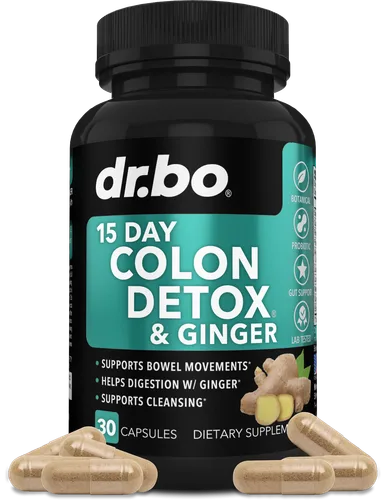
dr.bo 15 Day Colon Detox Review
We don’t sell supplements. We help you make decisions and get the best price.
Lowest prices
We may earn a commission from some store links. How we choose.
Finding the lowest prices at the stores now. This takes a few seconds.
Products with nearly the same formula (Matched on the main ingredients)
Study, Trial or Testing Result Summary
Members Only150 human studies · 79 improved
This colon cleanse mainly combines two stimulant laxative herbs, senna and cascara sagrada, with smaller amounts of fiber, aloe, a probiotic, licorice and oil. Reviews of 41 trials found good evidence that senna works as a first-line laxative for long-term constipation, but bloating, cramping and belly pain were common [1][2]. In 82 people with constipation after chemotherapy, senna relieved constipation in about 93 percent [3]. It is unclear whether this product's senna dose matches the studied amounts. Cascara sagrada has only been tested inside a fiber blend, which improved bowel movements but could cause stomach pain [4]. The probiotic Lactobacillus acidophilus is roughly at a studied amount, and one strain eased pain and bloating in people with irritable bowel syndrome [5]. The strain here is not named, and another strain showed no benefit [6]. Psyllium is present only in a trace amount, far below the 7.5 to 10 grams that helped constipation in studies [7]. Flaxseed, aloe and licorice have weak or mixed evidence [8][9][10]. Medium chain fats often cause belly pain or diarrhea, though the amount here is very small [11]. Animal and cell studies are never counted.
See all 150 studies →Hide the studies
- In a pooled analysis of 40 trials with 13,064 adults having colonoscopy preparation, senna regimens were more likely to cause abdominal pain, with no clear difference in bloating, nausea or vomiting.Cleaning effect and tolerance of 16 bowel preparation regimens on adult patients before colonoscopy: a network meta-anal…
- Across 81 trials in 9,253 adults with irritable bowel syndrome, Lactobacillus acidophilus DDS-1 ranked first among probiotics for improving overall symptom severity compared with placebo.Outcome-Specific Efficacy of Different Probiotic Strains and Mixtures in Irritable Bowel Syndrome: A Systematic Review a…
- Pooling 60 studies of plant-based treatments for irritable bowel syndrome (6329 patients), the 3 aloe vera studies showed no clear symptom benefit over placebo, while peppermint oil and Chinese herbal medicine did help.Systematic Review and Meta-Analysis: Plant-Based Therapy for Irritable Bowel Syndrome.
- In 43 trials with 5,531 irritable bowel syndrome patients, Bacillus coagulans ranked best for symptoms, while people taking Lactobacillus acidophilus had the fewest side effects.Efficacy of Probiotics for Irritable Bowel Syndrome: A Systematic Review and Network Meta-Analysis.
- In 51 trials with 4644 adults with irritable bowel syndrome, soluble fibre such as ispaghula was not shown to be significantly better than other active treatments over 4-12 weeks, while peppermint oil ranked first.Efficacy of soluble fibre, antispasmodic drugs, and gut-brain neuromodulators in irritable bowel syndrome: a systematic …
- In 3,154 people with irritable bowel syndrome, Lactobacillus acidophilus ranked among the best for easing anxiety, but only Bifidobacterium longum and probiotic combinations were significantly better than placebo overall.Comparative effectiveness and safety of probiotics with psychotropic potential in mental health benefits in irritable bo…
- In 3,122 children treated for Helicobacter pylori, probiotic-added therapy raised eradication and cut side effects; multi-strain mixtures containing Lactobacillus acidophilus were among the best for reducing diarrhea, but this does not isolate the effect of Lactobacillus acidophilus alone.Efficacy and safety of probiotic-supplemented triple therapy for eradication of Helicobacter pylori in children: a syste…
- In 30 trials with 1904 adults with irritable bowel syndrome, fibre supplements gave more clinical responders than placebo (52% vs 44%), with a clearer benefit for psyllium (6 trials), though overall symptom scores did not significantly improve.Fiber Supplementation in Irritable Bowel Syndrome: A Systematic Review and Meta-Analysis of Randomized Controlled Trials…
- In 16 trials with 1251 adults with chronic constipation, 66% responded to fibre versus 41% on control, with psyllium having significant effects on response and stool frequency, best at over 10 g a day for at least 4 weeks, though flatulence was higher.The Effect of Fiber Supplementation on Chronic Constipation in Adults: An Updated Systematic Review and Meta-Analysis of…
- In 12 trials with 591 people with irritable bowel syndrome, fibre slightly reduced persistent symptoms, and the benefit was limited to ispaghula (psyllium) with a relative risk of persistent symptoms of 0.78.Effect of fibre, antispasmodics, and peppermint oil in the treatment of irritable bowel syndrome: systematic review and …
- In a review of 20 trials of a med-induced constipation in cancer patients, one trial found polyethylene glycol significantly more effective than sennosides.Read the study on PubMed (38452708) →
- In a review of prebiotics for inflammatory bowel disease, Plantago ovata (psyllium) did not prevent relapse of ulcerative colitis compared with controls.Prebiotics for Induction and Maintenance of Remission in Inflammatory Bowel Disease: Systematic Review and Meta-Analysis…
- In a review of 33 placebo-controlled trials of Western herbal medicines for irritable bowel syndrome, pooled results found aloe vera reduced overall symptoms, though the evidence was limited.Western herbal medicines in the treatment of irritable bowel syndrome: A systematic review and meta-analysis.
- Pooling trials across eight gut conditions, probiotics helped overall, but Lactobacillus acidophilus alone did not show a significant effect.A meta-analysis of probiotic efficacy for gastrointestinal diseases.
- In a pooled analysis of 10 trials in irritable bowel syndrome, probiotics containing Lactobacillus acidophilus reduced pain and flatulence scores compared with placebo.Effect of probiotic species on irritable bowel syndrome symptoms: A bring up to date meta-analysis.
- A review of 33 studies with 1,100 people found that medium-chain triglycerides most often caused digestive side effects such as diarrhea, abdominal pain, discomfort and nausea, mostly mild but sometimes moderate to severe and causing dropouts at higher doses.Gastrointestinal issues predominate among side effects of medium-chain triglyceride consumption in humans.
- Across seven trials with 616 palliative care patients, studies comparing laxatives including senna gave inconclusive results for constipation.Laxatives or methylnaltrexone for the management of constipation in palliative care patients.
- A review of ten placebo-controlled trials with 367 elderly people with long-term constipation covered several laxatives including cascara, but the abstract shown does not give cascara-specific results.Systematic review of the effectiveness of laxatives in the elderly.
- A review of 41 trials of at least 4 weeks found good evidence that senna works as a first-line over-the-counter laxative for chronic constipation, though bloating and abdominal pain were common side effects.Efficacy and Safety of Over-the-Counter Therapies for Chronic Constipation: An Updated Systematic Review.
- A review of 41 trials of at least 4 weeks found good evidence supporting senna as a first-line laxative for chronic constipation, with abdominal pain, cramping and bloating as common side effects.Evidence-based treatment recommendations for OTC management of chronic constipation.
- In 17 trials in people with irritable bowel syndrome, soluble fibre including psyllium improved overall symptoms (relative risk 1.55), while insoluble fibre did not, and fibre did not relieve abdominal pain.Systematic review: the role of different types of fibre in the treatment of irritable bowel syndrome.
- A broad review of treatments for diverticular disease covered ispaghula husk (psyllium) among many options, but the abstract gives no results specific to psyllium.Colonic diverticular disease.
- A review of 12 mostly weak-quality studies in people with irritable bowel syndrome found psyllium improved overall symptoms in six of nine studies, but pain results were mixed and gas and quality of life did not improve.The role of psyllium fibre supplementation in treating irritable bowel syndrome.
- In a review of ten trials of fibre in adults with functional bowel disorders lasting 1-8 weeks, psyllium improved stool consistency, and fibre overall may help symptoms though results varied and some types worsened symptoms.Fibre manipulation to manage symptom severity and quality of life in patients with functional bowel disorders: A systema…
- An umbrella review of 58 meta-analyses found aloe vera improved irritable bowel symptoms, but the effects were small and the certainty of evidence was low to very low.Nutritional Interventions in Adult Patients With Irritable Bowel Syndrome: An Umbrella Review of Systematic Reviews and …
- A review of 104 clinical studies in irritable bowel syndrome found formulations with Lactobacillus acidophilus and Lactobacillus rhamnosus scored highest, especially for quality of life, bloating and abdominal pain.Evaluating the Efficacy of Probiotics in IBS Treatment Using a Systematic Review of Clinical Trials and Multi-Criteria D…
- In 391 adults with irritable bowel syndrome given Lactobacillus acidophilus NCFM or placebo for 12 weeks, symptom severity improved equally in all groups, though those with moderate to severe pain at the start had a greater drop in pain on the probiotic.Irritable bowel syndrome symptom severity improves equally with probiotic and placebo.
- In 382 adults preparing for colonoscopy, low volume polyethylene glycol plus senna cleaned the bowel as well as high volume polyethylene glycol (72% vs 69% adequate) with significantly less nausea and bloating.Low volume polyethylene glycol combined with senna versus high volume polyethylene glycol, which regimen is better for b…
- In 330 adults with irritable bowel syndrome, 10 billion CFU a day of L. acidophilus DDS-1 for 6 weeks reduced abdominal pain, bloating and symptom scores and normalized stool consistency better than placebo, with 52.3% having a significant pain response.Lactobacillus acidophilus DDS-1 and Bifidobacterium lactis UABla-12 Improve Abdominal Pain Severity and Symptomology in …
- In 322 adults preparing for colonoscopy, a single high dose of senna cleaned the bowel as well as polyethylene glycol, but caused more severe abdominal pain and less nausea and vomiting.High dose Senna or Poly Ethylene Glycol (PEG) for elective colonoscopy preparation: a prospective randomized investigato…
- In 275 adults with irritable bowel syndrome, 10 g of psyllium daily for 12 weeks gave more people adequate symptom relief than placebo in months one and two (57% vs 35%, 59% vs 41%) and cut symptom severity by 90 points versus 49 with placebo, though quality of life did not differ.Soluble or insoluble fibre in irritable bowel syndrome in primary care? Randomised placebo controlled trial.
- In 259 patients analysed after colonoscopy, a probiotic blend shortened days with abdominal pain (1.99 vs 2.78 days) compared with placebo but did not significantly change bloating or return to normal bowel habit.Randomized controlled trial of probiotics after colonoscopy.
- In 250 adults with constipation over 4 weeks, fibre formulas with psyllium husk softened stools (stool form score rose about 1 point, versus no significant change with placebo), but bowel movement frequency and straining did not differ from placebo.Effects of dietary fibers or probiotics on functional constipation symptoms and roles of gut microbiota: a double-blinde…
- In 229 pelvic cancer patients having radiation, a probiotic blend did not significantly reduce overall moderate-to-severe diarrhea, though at 60 days the standard dose group had more patients free of it (35% vs 17% on placebo).A randomized double-blind controlled trial: impact of probiotics on diarrhea in patients treated with pelvic radiation.
- In a combined analysis of two trials with 213 people with irritable bowel syndrome, 4 weeks of aloe extract eased symptoms in those with diarrhoea-type (58% responded vs 30% on control) but not in other types.Aloe barbadensis Mill. extract improves symptoms in IBS patients with diarrhoea: post hoc analysis of two randomized dou…
- In 200 adults with non-constipated irritable bowel syndrome, a probiotic blend taken for 84 days improved overall response, abdominal pain, bloating and quality of life more than placebo, with response at day 28 of 19.3% vs 8.9%.Probiotic Blend of Lactobacillus acidophilus LA-5 and Bifidobacterium animalis ssp. Lactis BB-12 in Non-constipated Irri…
- In 189 adults with fecal incontinence taking 16 g of fiber per day for about 7 weeks, psyllium caused more fullness than placebo, while symptoms overall stayed minimal and supplements were well tolerated.Symptoms associated with dietary fiber supplementation over time in individuals with fecal incontinence.
- In 188 postmenopausal women, one flaxseed bar a day (410 mg of lignans) for 6 weeks did not reduce hot flashes more than a placebo bar, and both groups reported bloating, gas, diarrhea and nausea.A phase III, randomized, placebo-controlled, double-blind trial of flaxseed for the treatment of hot flashes: North Cent…
- In a crossover trial of 184 people with constipation or healthy controls, 7.5 g of psyllium daily for 4 weeks was a comparator to two green kiwifruits daily, and the abstract does not report the psyllium-specific results.Consumption of 2 Green Kiwifruits Daily Improves Constipation and Abdominal Comfort-Results of an International Multicen…
- In 160 people with irritable bowel syndrome, 4 weeks of aloe extract reduced symptoms but no more than the control (inulin); 39% responded on aloe vs 45% on control.Randomized clinical trial: Effects of Aloe barbadensis Mill. extract on symptoms, fecal microbiota and fecal metabolite …
- In 156 constipated adults with bloating, a two-week double-blind trial of a blend containing Lactobacillus acidophilus NCFM did not beat placebo for bloating, though a post-hoc analysis found less flatulence with the probiotic.The effect of a probiotic blend on gastrointestinal symptoms in constipated patients: a double blind, randomised, placeb…
- In 137 people with chronic diarrhea over 4 weeks, heat-killed Lactobacillus acidophilus LB capsules lowered stool frequency more than living lactobacilli tablets, with symptoms markedly improved by the end.Multicenter, randomized, controlled trial of heat-killed Lactobacillus acidophilus LB in patients with chronic diarrhea.
- In 131 adults with irritable bowel syndrome in primary care, a probiotic mixture containing Lactobacillus acidophilus La5 for 6 months gave adequate relief in 52% of users versus 41% on placebo, a difference that was not statistically significant.Long-term treatment with probiotics in primary care patients with irritable bowel syndrome--a randomised, double-blind, …
- In 120 adults with irritable bowel syndrome, a probiotic mix with butyrate and fructooligosaccharides gave more adequate symptom relief than placebo at 4 weeks and less symptom worsening at 12 weeks, but quality of life and symptom severity did not differ.Efficacy and Safety of a Mixture of Microencapsulated Sodium Butyrate, Probiotics, and Short Chain Fructooligosaccharide…
- In 113 adults with irritable bowel syndrome taking two capsules daily for 12 weeks, this three-strain probiotic improved several symptoms and quality of life more than placebo, especially in diarrhoea-predominant patients, but not abdominal pain or adequate relief.Lactobacillus acidophilus CL1285, Lactobacillus casei LBC80R and Lactobacillus rhamnosus CLR2 improve quality-of-life an…
- In 110 people with irritable bowel syndrome (only 47 finished both treatment periods), aloe vera taken at 60 ml twice daily did not improve quality of life more than placebo.A Randomised, Cross-Over, Placebo-Controlled Study of Aloe vera in Patients with Irritable Bowel Syndrome: Effects on Pa…
- In 110 adults with irritable bowel syndrome, a 12-week cultured milk drink with Lactobacillus acidophilus LA-5 lowered depression scores, but placebo also lowered them, so the added benefit is unclear.A randomized, double-blinded, placebo-controlled clinical trial on Lactobacillus-containing cultured milk drink as adjuv…
- In children aged 5 to 18 with functional abdominal pain, 12 weeks of psyllium fiber reduced pain more than placebo, with 86% of children on psyllium responding by at least a 50% reduction in pain.Randomized Placebo-Controlled Trial of Psyllium Fiber in Functional Abdominal Pain Disorders in Children.
- In 109 adults with irritable bowel syndrome, a quadruple-coated probiotic taken for 4 weeks relieved overall symptoms more than placebo, especially in women and people with constipation-predominant type.Efficacy of Quadruple-coated Probiotics in Patients With Irritable Bowel Syndrome: A Randomized, Double-blind, Placebo-c…
- In a double-blind trial of 103 children with irritable bowel syndrome, psyllium fiber taken for 6 weeks reduced the number of abdominal pain episodes more than placebo did, though pain intensity did not differ and stool patterns were similar between groups.Psyllium Fiber Reduces Abdominal Pain in Children With Irritable Bowel Syndrome in a Randomized, Double-Blind Trial.
- In 100 adults with diarrhea-predominant irritable bowel syndrome, adding a two-strain Lactobacillus probiotic to standard treatment for 12 weeks cut symptom scores more than standard treatment alone, and all patients in the probiotic group reached complete remission or mild symptoms.Two Lactobacilli strains as adjuvant therapy in the management of irritable bowel syndrome: a randomized control trial.
- In a double-blind trial of 96 adults with irritable bowel syndrome over three months, ispaghula husk was the only treatment that gave a statistically significant symptom improvement over dummy tablets.Treatment of irritable bowel syndrome with lorazepam, hyoscine butylbromide, and ispaghula husk.
- In 88 adults with constipation from pelvic floor dyssynergia, adding psyllium to biofeedback for two to three months gave no significant extra benefit over biofeedback alone.Biofeedback, biofeedback plus fiber laxative, and biofeedback plus osmotic laxative regimens to treat constipation in pa…
- In children with irritable bowel syndrome, 4 weeks of psyllium husk reduced symptom severity more than placebo, with 43.9% of children on psyllium reaching symptom remission compared with 9.7% on placebo.Efficacy of Oral Psyllium in Pediatric Irritable Bowel Syndrome: A Double-Blind Randomized Control Trial.
- In 80 adults with irritable bowel syndrome, a 2-strain L. acidophilus mixture (10 billion CFU daily) for 8 weeks did not beat placebo on abdominal pain but significantly reduced flatus and the composite symptom score.A 2-strain mixture of Lactobacillus acidophilus in the treatment of irritable bowel syndrome: A placebo-controlled rando…
- In 80 adults with diarrhea-predominant irritable bowel syndrome, a synbiotic taken for 8 weeks improved overall symptom scores, bloating, and bowel habits more than placebo, with no difference in side effects.The Effectiveness of Synbiotic Preparation Containing Lactobacillus and Bifidobacterium Probiotic Strains and Short Chai…
- In 79 adults with chronic constipation, 12 g of psyllium daily for 4 weeks significantly increased weekly complete bowel movements and improved straining, though it was no better than kiwifruit or prunes.Exploratory Comparative Effectiveness Trial of Green Kiwifruit, Psyllium, or Prunes in US Patients With Chronic Constipa…
- In 79 people with acid reflux, 10 ml daily of aloe vera syrup for 4 weeks reduced the frequency of all assessed symptoms including flatulence and belching, compared against a med and ranitidine.Efficacy and safety of Aloe vera syrup for the treatment of gastroesophageal reflux disease: a pilot randomized positive…
- In 74 adults with irritable bowel syndrome, 400 ml of daily probiotic fermented milk for 8 weeks did not give significantly more symptom relief than control milk, although a early benefit appeared in the first two weeks.Clinical trial: the effects of a fermented milk containing three probiotic bacteria in patients with irritable bowel syn…
- In 73 people after gastric bypass surgery, a probiotic tablet with L. acidophilus and B. lactis for 90 days reduced bloating compared with starch placebo, but overall gut symptom scores did not differ and small intestine bacterial overgrowth was not prevented.Effects of Probiotics Supplementation on Gastrointestinal Symptoms and SIBO after Roux-en-Y Gastric Bypass: a Prospectiv…
- In 72 adults with chronic constipation, 5 g of psyllium twice daily for 4 weeks increased complete bowel movements and reduced bloating and straining, with results equal to a plum-derived mixed fibre; 75% of the psyllium group were responders, but psyllium was less effective than the mixed fibre for gas (flatulence).Randomised clinical trial: mixed soluble/insoluble fibre vs. psyllium for chronic constipation.
- In 72 children taking meds, a probiotic yogurt containing L. acidophilus (plus two other strains) given for the length of a med course produced far less diarrhoea than pasteurised yogurt.Read the study on PubMed (25588782) →
- In 70 people with irritable bowel syndrome, 4 weeks of a powder containing L. plantarum and L. acidophilus LA 02 reduced abdominal pain and symptom severity far more than starch placebo.Probiotics in the treatment of irritable bowel syndrome.
- In 70 children taking a med for 4 weeks, a daily probiotic containing Lactobacillus acidophilus did not reduce the rate of small bowel bacterial overgrowth compared with placebo.Read the study on PubMed (23796359) →
- In 68 adults with irritable bowel syndrome, 4 weeks of aloe extract led to 55% responders vs 31% on placebo, but the difference was not statistically significant and the main goal was not met.A Pilot Study of the Effect of Aloe barbadensis Mill. Extract (AVH200®) in Patients with Irritable Bowel Syndrome: a Ran…
- In 66 healthy adults, 3 weeks of fermented milk with L. acidophilus 145 increased gut lactobacilli and bifidobacteria, but adding inulin caused more flatulence and other gut symptoms.The effect of probiotic fermented milk and inulin on the functions and microecology of the intestine.
- In 64 adults with a med-related constipation after orthopedic surgery, two senna capsules daily for six days improved constipation symptoms and quality of life about as much as lubiprostone, with senna showing somewhat better bowel completeness and less abdominal pain.Read the study on PubMed (25473191) →
- In 64 adults with irritable bowel syndrome, 500 ml of daily probiotic fermented milk for 8 weeks improved symptoms, but it was no better than acidified milk without the bacteria.Effects of probiotic fermented milk on symptoms and intestinal flora in patients with irritable bowel syndrome: a random…
- In 61 people with irritable bowel syndrome symptoms and inflammatory bowel disease, a four-strain probiotic including Lactobacillus acidophilus for 3 months did not beat placebo, with 45% of active-group participants reaching a 100-point symptom drop versus 33% on placebo.Four-strain probiotic exerts a positive effect on irritable bowel syndrome symptoms occurring in inflammatory bowel dise…
- In 60 adults with painful irritable bowel syndrome, a psyllium preparation given for eight weeks improved stool pattern and pain no more than placebo did, and the authors concluded the benefit was mainly a placebo effect.Psyllium therapy in the irritable bowel syndrome. A double-blind trial.
- In 60 adults with functional bowel disorders, taking two daily doses of a probiotic containing two bacterial strains for 8 weeks reduced abdominal bloating more than placebo.Probiotic bacteria Lactobacillus acidophilus NCFM and Bifidobacterium lactis Bi-07 versus placebo for the symptoms of bl…
- In 58 hospital patients with irritable bowel syndrome, a month of aloe vera helped 35% (11 of 31) versus 22% (6 of 27) on placebo, a difference that was not statistically significant, though people with diarrhoea-predominant symptoms showed a possible trend.Randomised double-blind placebo-controlled trial of aloe vera for irritable bowel syndrome.
- In 56 adults with constipation, 7.5 g of psyllium daily for four weeks reduced constipation scores and increased complete bowel movements, and it worked about as well as two gold kiwifruit daily.Two Gold Kiwifruit Daily for Effective Treatment of Constipation in Adults-A Randomized Clinical Trial.
- In 56 healthy adults, a kefir-derived probiotic containing Lactobacillus acidophilus for 3 weeks reduced abdominal pain and bloating in men compared with placebo, while women showed no symptom benefit.Putative Probiotic Strains Isolated from Kefir Improve Gastrointestinal Health Parameters in Adults: a Randomized, Singl…
- In 54 cervical cancer patients on pelvic radiotherapy, a double-blind placebo-controlled trial found that three daily capsules of Lactobacillus acidophilus LA-5 and Bifidobacterium BB-12 (1.75 billion bacteria each) lowered the rate of radiation-induced diarrhoea from 82% to 54%.Effect of Probiotics for the Prevention of Acute Radiation-Induced Diarrhoea Among Cervical Cancer Patients: a Randomize…
- In 52 adults with irritable bowel syndrome, a multistrain probiotic containing two L. acidophilus strains (25 billion CFU per capsule) taken for 8 weeks significantly improved symptom severity, quality of life and days with pain compared with placebo.Clinical trial: a multistrain probiotic preparation significantly reduces symptoms of irritable bowel syndrome in a doub…
- In 51 adults with irritable bowel syndrome, a probiotic supplement of L. acidophilus and L. bulgaricus taken with pinaverium for 3 weeks improved abdominal pain and overall symptom scores more than placebo.[Probiotic supplement (Lactobacillus acidophilus and bulgaricus) utility in the treatment of irritable bowel syndrome].
- In people with functional dyspepsia and constipation, 3.5 grams of psyllium daily for 4 weeks did not reduce postprandial fullness or anal gas evacuations, while biofeedback did.Correction of Dyssynergic Defecation, but Not Fiber Supplementation, Reduces Symptoms of Functional Dyspepsia in Patient…
- In 50 adults with diarrhea-dominant irritable bowel syndrome, a multispecies probiotic containing L. acidophilus for 8 weeks gave adequate overall symptom relief in 48% of users versus 12% on placebo.The effect of a multispecies probiotic mixture on the symptoms and fecal microbiota in diarrhea-dominant irritable bowel…
- In 49 people with irritable bowel syndrome, a double-blind trial of a multispecies probiotic twice daily for 4 weeks substantially relieved symptoms in 68% of users versus 37.5% on placebo, with better abdominal pain and bloating.Effect of multispecies probiotics on irritable bowel syndrome: a randomized, double-blind, placebo-controlled trial.
- In people with high cholesterol, 6 grams of psyllium daily for 16 weeks did not significantly lower total or LDL cholesterol, and it caused abdominal distention, gas and discomfort.Hypercholesterolemia: a look at low-cost treatment and treatment adherence.
- In 40 adults with irritable bowel syndrome, a Lactobacillus acidophilus strain taken for 4 weeks reduced abdominal pain or discomfort more than placebo (about 24% versus 0% reduction).Therapeutic effect of Lactobacillus acidophilus-SDC 2012, 2013 in patients with irritable bowel syndrome.
- In 40 adults with Parkinson's disease and gut complaints, a probiotic tablet with Lactobacillus acidophilus and Bifidobacterium infantis for 3 months eased abdominal pain and bloating about as well as trimebutine, but helped less with constipation.Nonmotor gastrointestinal disorders in older patients with Parkinson's disease: is there hope?
- In 39 healthy men taking 1 billion CFU twice daily for 4 weeks, Lactobacillus acidophilus did not reduce symptoms after a controlled bacterial challenge compared with placebo, and it was linked to slightly stronger stool and fever responses.Lactobacillus acidophilus supplementation in human subjects and their resistance to enterotoxigenic Escherichia coli inf…
- In a 39-day pilot of adults with obesity, adding psyllium-based fiber to EMP16 did not significantly reduce the composite of gut side effects, though total events were lower and weight loss was greater than with orlistat plus placebo.Effect of dietary counseling and dietary fiber on tolerability during weight management with EMP16 and conventional orli…
- In 36 healthy adults, 6 weeks of a synbiotic tablet containing L. acidophilus La5 (2.4 billion CFU per day) significantly improved self-reported stomach well-being and bowel habits compared with placebo.Beneficial effects of a synbiotic supplement on self-perceived gastrointestinal well-being and immunoinflammatory status…
- In 35 adults with chronic constipation, a capsule combining celandin, aloe vera and psyllium over 28 days made bowel movements more frequent and stools softer compared with placebo, while abdominal pain did not improve.A double-blind trial of a celandin, aloevera and psyllium laxative preparation in adult patients with constipation.
- In 34 adults with long-term constipation, an ear mushroom fiber supplement, with or without additives including cascara sagrada, improved bowel movements, straining, stool consistency and relief compared with placebo, though the version with additives worked better but could cause abdominal discomfort or pain.[Effect of ear mushroom (Auricularia) on functional constipation].
- In 34 adults with chronic kidney disease taking a synbiotic daily for 12 weeks, blood levels of a gut-derived toxin and a inflammation marker fell more than with placebo, and kidney filtration improved slightly, with two people reporting more gas.The Impact of Synbiotic Treatment on the Levels of Gut-Derived Uremic Toxins, Inflammation, and Gut Microbiome of Chroni…
- In 30 healthy adults, psyllium taken with inulin produced less early breath hydrogen, a sign of gut gas, than placebo.A randomised, placebo-controlled trial in healthy humans of modified cellulose or psyllium evaluating the role of gelati…
- In 30 people with diarrhea-predominant irritable bowel syndrome, 4 weeks of fermented milk containing L. acidophilus and other bacteria lowered small bowel permeability and reduced global IBS symptom scores, while the milk control did not improve permeability.Clinical trial: effect of active lactic acid bacteria on mucosal barrier function in patients with diarrhoea-predominant…
- In 18 adults with lactase deficiency, a 480 ml serving of fermented milk produced less hydrogen on a breath test and fewer bloating, cramping and diarrhea symptoms than regular milk.[Lactose digestion by milk fermented with Lactobacillus acidophilus and Lactobacillus casei of human origin].
- In 29 adults with collagenous colitis and diarrhea, a 12-week probiotic capsule of two bacterial strains did not significantly reduce bowel frequency compared with placebo; the probiotic group had fewer liquid stools in a post hoc analysis.Probiotic treatment of collagenous colitis: a randomized, double-blind, placebo-controlled trial with Lactobacillus acid…
- In 28 adults with irritable bowel syndrome who had recovered on ispaghula husk plus propantheline, continuing treatment for 6 months led to a 46 percent relapse rate versus 82 percent when switched to placebo.Long-term treatment of irritable bowel syndrome: results of a randomized controlled trial.
- In 28 healthy adults on a ketogenic diet for 20 days, 90 ml per day of medium chain triglyceride oil caused abdominal pain more often and more severely than sunflower oil, although other keto-induction symptoms were greater in the control group.The Effect of Medium Chain Triglycerides on Time to Nutritional Ketosis and Symptoms of Keto-Induction in Healthy Adults…
- In 25 healthy adults over one week, psyllium did not increase gas passing or breath hydrogen, but it did increase reported abdominal bloating compared with placebo.The relation of passage of gas an abdominal bloating to colonic gas production.
- In 24 women receiving pelvic radiotherapy, a daily fermented milk with live Lactobacillus acidophilus appeared to prevent radiation-related diarrhea, but it increased gas, likely from the added lactulose.Preservation of intestinal integrity during radiotherapy using live Lactobacillus acidophilus cultures.
- In 22 healthy adults, 15 g of psyllium with 15 g of inulin reduced colon gas only after the gel reached the colon and lowered breath hydrogen in the first 6 hours, but showed no difference over 24 hours compared with placebo.Clinical Trial: Randomised Placebo-Controlled Trial of Methylcellulose and Psyllium Gels on Inulin-Induced Colonic Gas.
- In a double-blind trial of 20 adults with chronic constipation, all 10 people taking Plantago ovata (psyllium) improved versus only one of 10 on placebo, with stool frequency rising and colon transit time falling over one month.[The efficacy of Plantago ovata as a regulator of intestinal transit. A double-blind study compared to placebo].
- In a double-blind, placebo-controlled crossover trial of 20 adults with irritable bowel syndrome, ispaghula husk improved overall well-being and satisfying bowel movements but did not change abdominal pain or gas; the benefit tracked with bowel satisfaction.Ispaghula therapy in irritable bowel syndrome: improvement in overall well-being is related to reduction in bowel dissat…
- In 20 women with mild to moderate abdominal pain, L. acidophilus NCFM for 3 weeks changed colon a med receptor expression, but symptom improvement was not statistically meaningful given the small study size.Read the study on PubMed (24853043) →
- In 19 adults with irritable bowel syndrome, taking 20 g of psyllium with 20 g of inulin cut colon gas production to near placebo levels, while psyllium alone did not raise breath hydrogen.Psyllium reduces inulin-induced colonic gas production in IBS: MRI and in vitro fermentation studies.
- In 14 lactase-deficient adults given single test meals, lactose was digested about equally well from an L. acidophilus fermented milk, a yoghurt and a lactase-enriched fermented milk, with no significant differences between the fermented products.Digestion and tolerance of lactose from yoghurt and different semi-solid fermented dairy products containing Lactobacill…
- In 8 people taking lactulose, 3.5 g of psyllium three times daily slowed stomach emptying and delayed the rise in breath hydrogen, a sign of gas fermentation, compared with lactulose alone.Moderation of lactulose-induced diarrhea by psyllium: effects on motility and fermentation.
- In people who believed fibre caused their gas, one week of psyllium (3.4 grams per dose, given twice daily) did not cause more gas or bloating than placebo.Absence of gaseous symptoms during ingestion of commercial fibre preparations.
- In volunteers with stress, a daily sachet containing Lactobacillus acidophilus Rosell-52 and Bifidobacterium longum for 3 weeks significantly reduced stress-related abdominal pain and nausea or vomiting compared with placebo.Probiotic food supplement reduces stress-induced gastrointestinal symptoms in volunteers: a double-blind, placebo-contro…
- In a crossover trial of adults with lactose intolerance, four weeks of a DDS-1 Lactobacillus acidophilus product reduced diarrhea, cramping and vomiting during a lactose challenge compared with placebo, with no adverse events reported.The effects of the DDS-1 strain of lactobacillus on symptomatic relief for lactose intolerance - a randomized, double-bl…
- In a post hoc analysis of a trial in people with diarrhea-predominant irritable bowel syndrome, an 8-week multi-strain probiotic shifted gut bacteria, and certain bacteria distinguished people who did and did not respond.Compositional Changes in the Gut Microbiota of Responders and Non-responders to Probiotic Treatment Among Patients With …
- In adults with functional constipation taking one probiotic sachet daily for 30 days, stool frequency and stool quality improved, but the two probiotic formulations did not differ significantly from each other and there was no placebo group.The effect of probiotics on functional constipation in adults: A randomized, double-blind controlled trial.
- In 342 adults preparing for colonoscopy, adding senna to magnesium citrate improved bowel cleansing and did not change bloating, but abdominal cramps were more common (29% vs 10%).Addition of senna improves quality of colonoscopy preparation with magnesium citrate.
- In 100 people with Blastocystis infection, 7 days of L. acidophilus capsules reduced abdominal pain and lowered fecal calprotectin and TNF-alpha, markers of gut inflammation, and this was best among the groups studied.Anti-inflammatory effect of probiotics in patients with Blastocystis spp. infection.
- In 96 adults with irritable bowel syndrome, ispaghula husk gave significantly more symptom relief than bran, though the study had no placebo group and ispaghula was given in combination with other drugs.Comparison of various treatments for irritable bowel syndrome.
- In 84 people with uncomplicated diverticulitis, adding a probiotic mix containing Lactobacillus acidophilus to standard meds for 10 days reduced abdominal pain and C-reactive protein more than meds alone and shortened hospital stays.The efficacy of a mix of three probiotic strains in reducing abdominal pain and inflammatory biomarkers in acute uncompl…
- In 82 patients with constipation after chemotherapy, senna extract relieved constipation in about 93% compared with about 11% on a crude fiber diet, with no more serious side effects and abdominal pain over degree II in about 9%.[A crossover control study of prophylactic treatment of chemotherapy-induced constipation by senna extract].
- In 80 adults with irritable bowel syndrome, ispaghula husk improved overall well-being and constipation and shortened transit time more than placebo, with 82% of people on ispaghula rating their global assessment as satisfactory compared with 53% on placebo.Double blind study of ispaghula in irritable bowel syndrome.
- In a blind crossover test with 45 healthy adults, yogurt containing 10 mg/mL coffee-cascara extract with 3% inulin caused gut tolerance similar to yogurt without inulin, while 7% and 13% inulin caused more bloating and gas; the study did not report a constipation or regularity benefit from the cascara itself.Sensory Acceptance, Appetite Control and Gastrointestinal Tolerance of Yogurts Containing Coffee-Cascara Extract and Inu…
- In healthy volunteers made constipated with loperamide (ten took senna), senna maintained normal bowel function but caused significantly more side effects, mainly abdominal pain, than lactulose or a combination laxative.Read the study on PubMed (8935140) →
- In 12 women, crackers containing psyllium gum increased bloating and flatulence over 2-week periods, and the gum cracker also caused more abdominal pain.Effect of psyllium gum and wheat bran on spontaneous energy intake.
- In 10 healthy adults, a medium-chain triglyceride infusion into the upper small intestine sped up small-bowel transit, and three of six people with faster transit had abdominal symptoms, while the long-chain fat did not change transit.Effect of equimolar amounts of long-chain triglycerides and medium-chain triglycerides on small-bowel transit time in hu…
- In an uncontrolled study of 899 people with bowel symptoms taking a multi-ingredient supplement containing licorice twice a day for 2 months, symptom severity fell significantly, with no side effects documented; the study had no control group, so the licorice contribution cannot be separated out.Efficacy of a new nutraceutical formulation: L-tryptophan, probiotics, charcoal, chamomile, mint, and licorice (COLONIR®…
- In 381 adults with simple constipation in general practice, ispaghula husk over four weeks gave more normal stools and fewer hard stools than lactulose or other laxatives, with fewer side effects, as judged by doctors.A multi-centre, general practice comparison of ispaghula husk with lactulose and other laxatives in the treatment of sim…
- In 111 adults with irritable bowel syndrome over 8 weeks, adding 3.5 g of ispaghula husk to mebeverine did not beat high-fibre dietary advice plus mebeverine for pain or bowel symptoms, and up to 28 percent found the ispaghula mixture unpalatable.A comparison of mebeverine with high-fibre dietary advice and mebeverine plus ispaghula in the treatment of irritable bo…
- In 77 people with constipation-predominant irritable bowel syndrome drinking a cultured milk containing Lactobacillus acidophilus LA-5 daily for 30 days, 97.4% had better constipation symptoms, and inflammatory cytokines fell, though there was no placebo group.Clinical assessment and cytokines level in constipation-predominant irritable bowel syndrome participants treated with L…
- In 75 adults with chronic constipation, 4 weeks of an ispaghula husk preparation improved stool frequency, consistency, and abdominal pain, with no important side effects reported.Treatment of chronic constipation by a bulk-forming laxative (Fibrolax).
- In 54 adults with irritable bowel syndrome with diarrhea or a med-associated diarrhea, one multi-strain capsule daily for 21 days reduced diarrhea, abdominal pain and dyspepsia scores and normalized gut bacteria.Read the study on PubMed (37801459) →
- In 48 people with constipation, 4 weeks of ispaghula husk shortened colon transit time and lowered methane levels in those who produce methane, and about half to three-fifths of patients responded to treatment.Breath methane in functional constipation: response to treatment with Ispaghula husk.
- In 46 adults with diverticular disease taking 10 ml of a symbiotic mixture three times daily for 6 months without a control group, 68 percent stayed symptom free, with the greatest benefit in those whose main problem was constipation.Probiotics in diverticular disease of the colon: an open label study.
- In 43 adults with digestive disorders, a 16-week gut formula containing aloe vera improved bloating, constipation or diarrhea, abdominal pain and gas, with no separate placebo group.Herbal formula improves upper and lower gastrointestinal symptoms and gut health in Australian adults with digestive dis…
- In 40 women taking flaxseed and pumpkin seed capsules across two menstrual cycles in an open-label single-arm trial, bloating and digestive upset decreased significantly, though there was no control group.Symptoms of Premenstrual Syndrome in Women Receiving Seed Cycling Capsules With Chasteberry: A Single-Arm Clinical Trial…
- In 30 adults with irritable bowel syndrome and constipation, 9.75 grams of psyllium seeds daily for two weeks at a time improved stool frequency and consistency and reduced abdominal distension more than wheat bran did over 6 weeks.[Effectiveness of plantago seed husks in comparison with wheat brain on stool frequency and manifestations of irritable …
- In 30 people with dyspepsia from gut dysbiosis, one daily capsule of Lactobacillus acidophilus with 2 billion live bacteria reduced bloating, flatulence and pain within one to two weeks, with the strongest effect after meds.[Lactobacilli in the treatment of dyspepsia due to dysmicrobia of various causes].
- In 28 women taking 40 g of crushed flaxseed daily for 6 weeks, half had mild or moderate abdominal bloating and 29% had mild diarrhea.Pilot evaluation of flaxseed for the management of hot flashes.
- In 26 people with irritable bowel syndrome taking a four-strain probiotic capsule twice daily for 30 days without a placebo group, symptom scores fell by 71% in those who also had bowel bacterial overgrowth and by 11% in those without it.Effect of a Preparation of Four Probiotics on Symptoms of Patients with Irritable Bowel Syndrome: Association with Intes…
- In 19 lung cancer patients given 40 g of ground flaxseed daily during chemoradiation, half reported trouble taking it due to nausea, constipation, or poor taste, and a bowel-related effect could not be determined.Phase II Trial of Flaxseed to Prevent Acute Complications After Chemoradiation for Lung Cancer.
- In 16 women with catamenial seizures on a modified Atkins diet, adding a medium-chain triglyceride emulsion for 10 days per cycle for five cycles led to abdominal pain, diarrhea, and nausea, although adherence was high.The Feasibility and Tolerability of Medium Chain Triglycerides in Women with a Catamenial Seizure Pattern on the Modifie…
- In 15 community tube-fed adults over 28 days, a feed containing medium-chain triglycerides kept gut tolerance stable and significantly reduced diarrhea, while constipation, nausea, abdominal pain, and bloating did not change.Complex Enterally Tube-Fed Community Patients Display Stable Tolerance, Improved Compliance and Better Achieve Energy an…
- In an open-label pilot with no control group, a 10-person constipation-predominant irritable bowel group taking a blend that included licorice root had more regular bowel movements, less straining, less abdominal pain and less bloating, and this blend was well tolerated; the study did not report how long it was taken.Effects of two natural medicine formulations on irritable bowel syndrome symptoms: a pilot study.
- In 10 people with malignant glioma on a modified ketogenic diet with at least 50 mL of MCT oil daily, the diet was feasible, and one person stopped because of moderate abdominal pain.Ketogenic diet therapy for high-grade gliomas combined with standard treatment using an angiogenesis inhibitor: An explo…
- In 1000 adults with constipation taking a herbal product containing calcium sennosides for 14 days, symptom severity fell by about 80%, with no adverse events reported, though there was no comparison group.Efficacy of Natural Formulation Containing Activated Charcoal, Calcium Sennosides, Peppermint Oil, Fennel Oil, Rhubarb E…
- In 912 people with duodenal ulcer and H. pylori treated with triple a med therapy in a real-world program, adding probiotics alongside was reported with reduced abdominal pain scores, though the acidophilus effect cannot be separated from the other treatments.[Efficacy and safety of H. pylori eradication therapy in real-world clinical practice: results of the «PAMIR» observatio…
- In a retrospective study of 599 adults who had a colonoscopy, those taking a combination nutraceutical with probiotics had fewer gut symptoms over 4 weeks than controls.Management of Post-Colonoscopy Syndrome with a Nutraceutical Intervention Based on Hericium erinaceus: A Retrospective T…
- In a cross-sectional survey of 386 people in Pakistan, 59.4 percent of those using a senna-based laxative candy reported constipation relief lasting 3 to 4 days, while 19.9 percent reported abdominal pain and cramps.Evaluation of senna-based laxatives' candies: A cross-sectional study on constipation management.
- In 123 people with drug-resistant epilepsy on a modified medium-chain triglyceride ketogenic diet, about 21% had side effects, mostly abdominal pain, diarrhea, vomiting, and constipation, and only 3.3% quit because of side effects over 6 months.Efficacy and safety of modified medium-chain triglyceride ketogenic diet in patients with drug-resistant epilepsy.
- In 43 people with ulcerative colitis in remission who still had bowel symptoms, a Lactobacillus acidophilus capsule three times daily for 4 weeks improved bowel symptoms and quality of life.Clinical Efficacy of Probiotic Therapy on Bowel-Related Symptoms in Patients with Ulcerative Colitis during Endoscopic R…
- Seven women who secretly took laxatives, three of them senna preparations, developed severe diarrhoea, vomiting, low potassium, abdominal pain and weight loss, and rectal biopsies were abnormal only in the three who took senna.Laxative-induced diarrhoea: a continuing clinical problem.
- In 86 women taking a flax-containing blend for 12 weeks, 4.1% reported flatulence and 3% reported stomach discomfort, with most reporting no side effects.Clinical study of effectiveness and safety of CELcomplex® containing Cucurbita Pepo Seed extract and Flax and Casuarina …
- In 14 men with irritable bowel syndrome, ispaghula husk at 10, 20 or 30 g per day for about 17 days each improved symptoms, with 20 g and 30 g working better than 10 g; 20 g per day was judged the optimum dose, and whole gut transit time did not change.Optimum dosage of ispaghula husk in patients with irritable bowel syndrome: correlation of symptom relief with whole gut…
- In 10 adults with left-sided diverticular disease, ispaghula husk sped colon transit and increased right-colon activity, and most patients with abdominal pain or altered bowel habits responded.Does ispaghula husk stimulate the entire colon in diverticular disease?
- In patients with uncomplicated diverticular disease and high cholesterol, 12 weeks of psyllium monotherapy was reported to ease pain and gas, normalize bowel movements, and lower cholesterol, with no side effects noted; the abstract gives no control group or number of participants.[Multipurpose psyllium monotherapy in patients with diverticular disease].
- In healthy volunteers, 7 grams of ispaghula husk daily for 10 days increased stool mass and caused flatulence and gas-related problems, though less flatulence than polydextrose at 30 grams daily.A comparative study of the effects on colon function caused by feeding ispaghula husk and polydextrose.
Review Totals and Summary
Members OnlyWhat buyers say
Extensive customer reviews and qualitative feedback are currently being aggregated for this product. Check back soon for a detailed sentiment analysis.
Biohacker Summary
Members Only0 of 10 recommend it
Only four of the ten panelists spoke about Lactobacillus acidophilus, the main ingredient, and they split: two recommend it, one is neutral, and one warns against it. The two who recommend it point to foods like yogurt, kefir, sauerkraut and buttermilk, and cite its ability to degrade microplastics and its support of vaginal and urinary health. The neutral comment only noted it as a probiotic in a meal replacement, while the one who warns says it grows fast, crowds out other good bacteria, can make weight loss and digestion harder, and is pro-inflammatory. Nobody gave a dose or a preferred form beyond food sources, and no one said they stopped taking it. Psyllium, flaxseed, licorice and aloe vera are smaller ingredients in this product, and licorice drew the most caution because it can raise cortisol and blood pressure and should be used carefully with meds.
See all 10 biohackers →Hide the biohackers
Siim Land · Lactobacillus acidophilus · recommends
- Lists Lactobacillus acidophilus as a researched probiotic strain that can degrade microplastics, found in yogurt, kefir, sauerkraut, and kombucha.
- Suggests trying psyllium husk to improve lipids and blood sugar.
- Recommends Psyllium husk for LDL, blood sugar and gut health, based primarily on human research, especially randomized controlled trials showing measurable benefits.
- Lists Psyllium husk as one of 15 supplements backed by human studies.
- Notes that kiwis were as effective as psyllium matched for fiber in improving constipation symptoms.
- Takes 10 grams of psyllium husk mixed with yogurt.
- Considers psyllium husk 'god tier' as a high source of fiber that helps with cholesterol and digestion, calling it one of the easiest ways to lower cholesterol.
- Mentions aloe vera as a natural agent with an SPF of 7, which can be used as a complementary ingredient in sunscreens but is insufficient as a primary sunscreen.
- Includes 1 tbsp of psyllium husk in their first meal of the day.
- Recommends Psyllium Husk as a food powder that is a high source of fiber, helps with cholesterol, and aids digestion.
- Suggests consuming ground flaxseed as it contains lignans and polyphenols, which are beneficial for liver health, and are a better alternative than milk thistle.
- Warns that licorice root, often found in thyroid supplements, can raise adrenaline levels, leading to overstimulation and anxiety.
- Gives Apollo psyllium husk mixed with his food to support daily bowel movements.
- Adds psyllium husk to his protein shake to make it thicker.
Thomas DeLauer · Lactobacillus acidophilus · warns
- Warns against Lactobacillus acidophilus, stating that its rapid growth crowds out other good bacteria, creates a monopoly, and can make it harder to lose weight, digest food, and go to the bathroom, while also being pro-inflammatory.
- Recommends psyllium husk as a powerful source of soluble fiber to aid in detoxification by binding to bile acids and speeding up gut transit time.
- Recommends psyllium fiber as one of the things that support the gut.
- Suggests using psyllium as an alternative to oatmeal for lowering cholesterol, implying it works through the same mechanism of binding to bile salts.
- Uses 5g of psyllium husk pre meals because the viscous gel it forms slows gastric emptying.
- Recommends Psyllium, stating that it can help move ingested microplastics through the gut, as studies show microplastics in feces.
- Recommends adding psyllium husk to carbs to slow down how fast they hit the bloodstream, thereby preventing visceral fat accumulation.
- Recommends psyllium as a good fiber supplement choice, noting it has a strong research track record, forms a gel to slow glucose, curbs appetite, and shifts gut bacteria to increase butyrate producers.
- Recommends taking 5 to 10 grams of psyllium husk mixed with water, allowing it to form a gel, 5 to 10 minutes before a carb-heavy meal to create a physical barrier in the gut that slows glucose absorption.
- Suggests using psyllium husk as a prebiotic fiber to pair with collagen.
- If someone needs to bring on fiber, Thomas DeLauer recommends starting with a small amount of psyllium and gradually increasing it.
- Recommends drinking organic aloe vera juice without added sugars or preservatives to coat the esophagus and provide relief from heartburn.
- Recommends DGL (deglycyrrhizinated licorice), especially when combined with aloe vera gel and slippery elm, to be taken any time for symptoms of acid reflux.
- Has been taking aloe vera juice for the first time ever as of this morning, hoping it starts working for digestion.
Ben Greenfield · Lactobacillus acidophilus · neutral
- Ben Greenfield mentions lactobacillus acidophilus as a probiotic included in Ample meal replacement.
- Notes that psyllium husk has been shown to slow glucose absorption and improve hemoglobin A1c at 10g a day, but he doesn't like it because it can irritate the digestive tract and cause gastric inflammation at those doses.
- Recommends topical aloe vera for hair growth, noting that dermarolling can enhance its absorption.
- Recommends using aloe vera after sun exposure to maintain overall skin health.
- Mentions that his teachers never taught him what to do if constipated beyond just taking a bunch of psyllium husk.
- Ben Greenfield mentions psyllium husk extract as a potential solution for constipation.
- Warns that taking psyllium powder or fiber without water could result in an intestinal obstruction and constipation.
- Mentions that a report for a client with high gut inflammation suggested using DGL, a form of licorice acid.
- Recommends aloe vera for H. pylori issues in the gut.
- Recommends some forms of DGL licorice for H. pylori issues in the gut.
- Recommends licorice root to delay the conversion of cortisol to cortisone, but warns against high doses found in many supplements, suggesting a very low dose of about 20 milligrams.
- Notes that psyllium fiber showed decent certainty of evidence for weight loss in a meta-analysis, attributing its effect to being fiber-based and promoting fullness.
- Mentions YumEarth licorice as a healthier alternative to Twizzlers.
- Recommends flaxseeds for wound healing by stimulating collagen synthesis and for their anti-inflammatory properties, noting their effect on epithelial tissues and potential for cancer inhibition.
Dr. Eric Berg · Lactobacillus acidophilus · recommends
- Dr. Berg states that Lactobacillus acidophilus, found in yogurt, sauerkraut, aged cheeses, and buttermilk, supports vaginal health by maintaining a balanced microbiome within the urinary tract and may help reduce the risk of infections.
- Recommends using psyllium husk powder as an ingredient for making healthy bread.
- Recommends Licorice root, noting it has traditionally been used to soothe the throat and respiratory tract.
- Recommends Licorice root, noting its traditional use to soothe the throat and respiratory tract during chest infections.
- Recommends licorice root as an ancient remedy that is great for sore throats, viral-related issues, lung infections, coughing, and asthma attacks, suggesting it be taken orally as a supplement.
- Advises avoiding flaxseed due to its estrogenic effects.
- Suggests psyllium husk as a fiber that can bind to bile salt to help with excess bile and prevent diarrhea.
- Uses ¼ cup of psyllium husk powder in their healthy bread recipe.
- Dr. Berg uses ¼ cup of psyllium husk powder as an ingredient in his healthy bread recipe.
- Includes psyllium husk powder as an ingredient in their recommended healthy bread recipe.
- Lists flaxseed as a type of fiber that can help increase short-chain fatty acids and activate GLP-1, suggesting it can be put in a shake with kefir.
- Dr. Berg warns that consuming too much licorice, even chronic low doses like 100 mg of licorice candy daily for 2 weeks or two cups of licorice tea per day, can cause sodium retention, potassium flushing, muscle cramps, and heart arrhythmias, especially for older individuals, those with high blood pressure, or those on certain medications.
- Dr. Berg used to recommend flaxseed as superfoods for the heart, but now he advises against them because they don't provide essential nutrients like protein and can lead to bloating and low energy. He also notes that flaxseed has ALA, a precursor to DHA and EPA, but the conversion is not great.
- Recommends aloe vera juice because it potently affects the cells that make insulin.
Dr. Mark Hyman · Flaxseed · recommends
- Recommends ground flaxseed as a wonderful fiber that helps with binding toxins and is rich in omega-3 fats.
- Recommends flaxseeds as particularly good for binding excess estrogen in the gut to help with estrogen dominance.
- States that psyllium is good if used strategically and if it's tolerated.
- Recommends licorice to help repair the gut lining.
- Includes 1/4 cup ground golden flaxseeds in a bread recipe.
- Recommends licorice root, marshmallow root, and slippery elm bark as herbs that can help soothe the gut lining, reduce inflammation, and promote healing, especially when taken in powdered form or as a tea before or after meals or before bed.
- Includes licorice in herbal antimicrobial regimens.
- Mentions psyllium as helpful for gut health.
- Recommends licorice root as a gut-healing nutrient.
- Recommends flaxseed as a great source of healthy fats.
- Uses aloe vera for increased intestinal permeability, which they commonly observe in patients, including professional athletes.
- Uses 1 tablespoon of whole flaxseed or chia seed in their cold brew shake.
- Recommends DGL (deglycerized licorice) as a supplement for reflux, suggesting chewing two or three tablets before eating and before bed.
- Recommends adding ground flaxseed to the diet as it is a great source of fiber and omega-3 fats that can improve cholesterol profile.
Andrew Huberman · Psyllium · uses
- Mentions that he recently started supplementing with powdered psyllium husk and found that it made post-meal sensations feel good, which he did not expect.
- Mentions that some family members take a small amount of psyllium husk to increase fiber, which is inexpensive and can benefit colon health and reduce inflammation for most people.
- Mentions that doctors are now telling many people to take a little bit of psyllium husk for supplemental fiber, noting it's ground into a powder.
- Mentions that a component of licorice root can significantly increase cortisol but warns that it can be contraindicated with many medications.
- Warns that licorice root potently increases cortisol and should be avoided at night and approached with caution, as it can raise blood pressure and is contraindicated with some medications.
- States that licorice root is a potent elevator of cortisol and can be used early in the day, but advises caution due to potential medication interactions, and mentions personally using it in the morning.
- Recommends black licorice as a nutritional strategy to increase morning cortisol.
- Mentions evidence that licorice root can be of benefit for rosacea, typically found in a topical ointment.
- States that flaxseeds are a high plant source of ALA.
- Warns that licorice increases cortisol and blood pressure, and reduces testosterone due to glycyrrhizin.
- Licorice, specifically black licorice, contains glycyrrhizin, which increases cortisol and can decrease estrogen and testosterone, and also increases blood pressure, making it a bad idea if you're trying to optimize testosterone and estrogen or during periods of chronic stress.
Dr. Rhonda Patrick · Psyllium · uses
- If Dr. Rhonda Patrick needs fuel before training, they will have a homemade muffin made with psyllium husk.
- Rhonda's current diet includes a homemade blueberry, whey protein, and psyllium husk muffin as a pre-workout.
- Recommends soluble fibers like psyllium husk, stating they form a viscous gel that can limit microplastic absorption.
- States that arabinoxylan, which is found in psyllium husk, will actually drop cholesterol.
- Dr. Patrick adds about one tall shot glass full of flaxseed to her smoothie, noting it's a great source of soluble fiber and alpha-linoleic acid, a plant omega-3 fatty acid.
- Dr. Rhonda Patrick discusses beta-glucan versus psyllium for lowering LDL.
Dave Asprey · Psyllium · warns
- States that psyllium husk does not have a prebiotic effect and can cause rapid fermentation and bloating, which is counterintuitive to gut health. He also mentions that in high doses, it can be abrasive and not nourishing to the microbiome.
- Recommends licorice root extract (not DGL) as an effective way to increase cortisol, especially for those with chronic fatigue syndrome, but advises caution for individuals with high blood pressure.
- States that a lot of natural foods, such as flaxseed, are not good for you.
- Recommends aloe vera juice or liquids to strengthen the entire digestive tract.
- Says he takes herbs like licorice root to support his body's ability to have a healthy stress response during global public speaking trips.
- Started using licorice root to support adrenal function and recovery from adrenal fatigue.
- Mentions that flaxseed feeds the beta line, which is the good estrogen you want in your breast.
- Mentions licorice root as a way to keep blood pressure up if needed.
- Mentions taking licorice root extract as part of a protocol for adrenal fatigue.
- Uses aloe vera as a beautiful ingredient in their products.
- Dave Asprey highlights activated psyllium as the star ingredient in Uprising Food, detailing its benefits as a prebiotic fiber and bio-active polysaccharide.
- Recommends deglycerated licorice (DGL) to help protect the gut, emphasizing that it must be deglycerinated to avoid raising blood pressure.
- Mentions licorice root as a way to keep blood pressure up if needed.
Bryan Johnson · Flaxseed · uses
- Uses ground flaxseed as an ingredient in Nutty Pudding.
- Includes flaxseed in his Nutty Pudding, which he consumes an hour after his Super Veggie.
- Bryan Johnson uses 1 tsp of ground flaxseeds in his Nutty Pudding.
Peter Attia · Psyllium · neutral
- Identifies psyllium husk as a common soluble fiber supplement.
- Says that patients can use an aloe vera plant if they have it for skin reactions from radiation.
- Recommends licorice root as a potent ingredient in adrenal support supplements to help increase cortisol levels in patients with low free cortisol, citing an anecdote about its strong effect.
- States that psyllium husk is soluble fiber, and while the food industry adds it to products like Fiber One bars, it doesn't make a difference because both soluble and insoluble fiber are needed for functional fiber.
- Takes 30 grams of psyllium fiber twice a day for cholesterol.
RAL Summary
Members OnlyTier 4 for Digestion and Bloating
Senna and a probiotic have human support for regularity and bowel symptoms, but there are no counted reviews, and the stimulant laxatives often cause cramping and bloating, so the evidence stays emerging [1][5].
- Emerging: not enough evidence to rank higher yet.
Where the evidence disagrees: 40 of the 150 human studies found no effect.
More Details
Members OnlyBody systems · Combine with · Possible side effects
Body systems: Digestive system
Combine with: Combine with a healthy diet and lifestyle.
Possible side effects: Studies of senna and cascara sagrada report cramping, belly pain and bloating, and flaxseed and medium chain fats were linked to bloating, diarrhea and nausea at higher doses.
Supplement Facts
Senna Leaf Extract 285 mg · Cascara Sagrada bark extract 300 mg · Psyllium, Powder 300 mg
| Senna Leaf Extract | 285 mg | † |
| Cascara Sagrada bark extract | 300 mg | † |
| Psyllium, Powder | 300 mg | † |
| Flaxseed, Powder | 100 mg | † |
| Aloe vera Leaf Gel Concentrate | 80 mg | † |
| Lactobacillus acidophilus | 50 mg | † |
| Licorice Root Extract | 50 mg | † |
| Medium Chain Triglycerides Oil | 14 mg | † |
Other ingredients: Bovine Gelatin, Magnesium Stearate, Silicon Dioxide, Rice Flour.
Directions: Suggested use: For occasional use only: 1 to 2 capsules taken at bedtime with 10 ounces of water or as directed by your healthcare professional.
Label source: NIH label database · Report a label change
Show entire label
More digestion and bloating products
Members OnlyThe highest ranked for the same goal
Read more
Our articles on this subject
- How to Improve Gut Health Naturally: Fiber, Foods and the Probiotic Strains With Human TrialsArticle · Sep 15, 2026
- Best Probiotic for Bloating: The Strains With Human Trials, and How to Choose OneArticle · Oct 27, 2026
Graded November 14, 2026 by the Reverse Age Lab evidence engine, from human studies, real reviews and our biohacker panel. How we grade. Is this medical advice? No. Rala organizes the published evidence; go over any change with your doctor, especially if you take meds.
Privacy policyConsumer health dataAffiliate disclosureTermsDo Not Sell or Share My Personal InformationCookie settings