
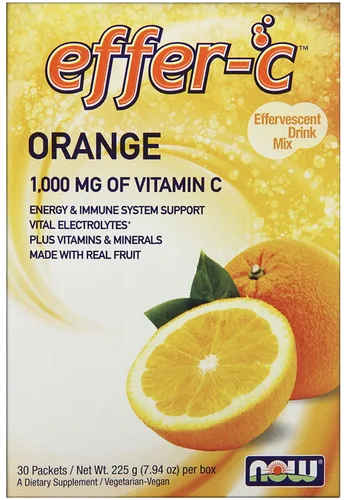
NOW Foods Effer-C Orange Review
NOW Foods Effer-C Orange is an effervescent vitamin C drink mix sold in single-serve packets. One serving is 7.5 grams, which is one packet, and the directions printed on the label say to empty 1 packet daily into 4 to 6 oz. of water. The label does not state how many packets come in a container. Per serving the label lists 1 g of vitamin C, 230 mg of Transport C-PLUS, 600 mg of natural orange juice powder, 60 mg of magnesium, 180 mg of potassium, 50 mg of sodium, 5 mg of zinc, 10 mg of niacin, 10 mg of vitamin B6, 30 mcg of vitamin B12, 5 mg of alpha lipoic acid and 5 mg of CoQ10. It also carries 400 IU of vitamin A, 20 mg of calcium, 1 mg of manganese and 20 mcg of chromium. Each serving has 15 calories, 4 g of carbohydrates and 4 g of sugar. Other ingredients are turbinado sugar, citric acid, L-tartaric acid, silica, malic acid, natural orange flavor, L-aspartic acid and BetterStevia. Buyers most often mention the sweet, tangy orange taste and the small, easy-to-carry packets. Some also say the flavor is mild and they like the price.
We don’t sell supplements. We help you make decisions and get the best price.
Lowest prices
We may earn a commission from some store links. How we choose.
Products with nearly the same formula (Matched on the main ingredients)
Study, Trial or Testing Result Summary
Members Only161 human studies · 66 improved
3 of these 161 human studies gave the ingredient by drip or injection, not by mouth.
The main ingredient, vitamin C, is at a full 1 gram dose. Across 29 placebo-controlled trials with 11,306 people, vitamin C did not make colds less common in the general public, but colds were about half as common in marathon runners, skiers and soldiers, and colds were 8% shorter in adults and 14% shorter in children [1]. With at least 1 gram daily, cold severity was 15% lower than with placebo [2]. A pooled analysis found a 4% lower risk of breathing infections and 9% shorter symptoms [3]. Army recruits taking a much higher dose had a 20% lower cold risk [4]. However, a review of eight reviews concluded vitamin C does not prevent catching colds [5]. Zinc reaches a full dose at two servings a day. It made little or no difference to catching a cold, but may have shortened colds by about 2.4 days [6]. Niacin, alpha lipoic acid and coenzyme Q10 are present only in trace amounts, well below the doses studied [7][8][9]. Transport C-PLUS has no human studies. Most other vitamins and minerals here show no clear immune benefit on their own [10][11]. Animal and cell studies are never counted.
See all 161 studies →Hide the studies
- Across 199,055 children and adults in many trials of nutrient supplements including vitamin B12, supplementation in healthy people had no or very limited effect on preventing viral respiratory infections; only zinc (children in Asia) and vitamin D (adults in North America) showed protection, not B12.Nutrient supplementation for prevention of viral respiratory tract infections in healthy subjects: A systematic review a…
- In 14 trials of 25,758 mother and infant pairs, high-dose vitamin A given after birth raised breast milk vitamin A but did not reduce illness or death in mothers or infants compared with placebo or no treatment.Vitamin A supplementation for postpartum women.
- Across 29 placebo-controlled trials with 11,306 people taking at least 0.2 g of vitamin C daily, colds were not less common in the general public but were about half as common in marathon runners, skiers and soldiers, and colds lasted 8% shorter in adults and 14% shorter in children.Vitamin C for preventing and treating the common cold.
- Across 34 trials with 8526 children and adults, zinc made little or no difference to catching a cold but may have shortened colds by about 2.4 days when used as treatment, with more mild side effects.Zinc for prevention and treatment of the common cold.
- In a pooled analysis of 37 trials with 4905 critically ill adults, antioxidant combinations including selenium, zinc and manganese ranked best for fewer ventilator days, but the differences were not statistically clear and the evidence was low confidence, so it does not support use.Antioxidant micronutrient supplements for adult critically ill patients: A bayesian multiple treatment comparisons meta-…
- In 35 trials of 3494 critically ill patients, intravenous thiamine made little to no difference to death rates and slightly lengthened intensive care stay, but may have shortened shock and lowered lactate and organ failure scores.Effect of intravenous thiamine administration on critically ill patients: A systematic review and meta-analysis of rando…
- In eight trials with 3486 people taking antifolate malaria drugs, folic acid made people less likely to clear malaria parasites by day 3 and raised the risk of treatment failure, while prevention trials showed no clear difference in parasites in the blood.Folic acid supplementation and malaria susceptibility and severity among people taking antifolate antimalarial drugs in …
- A review of eight systematic reviews covering 31 randomized trials concluded that taking vitamin C does not prevent people from catching a common cold.Does vitamin C prevent the common cold?
- In a pooled analysis of randomized trials in adults, vitamin C slightly lowered the risk of respiratory infections by 4% and shortened symptoms by 9%, with a stronger prevention effect in men and in middle-income countries.Effect of micronutrient supplements on influenza and other respiratory tract infections among adults: a systematic revie…
- In 10 placebo-controlled trials of healthy people taking at least 1 g of vitamin C daily, cold severity was 15% lower than with placebo, with a clear benefit on severe symptoms but not on mild ones.Vitamin C reduces the severity of common colds: a meta-analysis.
- A pooled analysis of 28 genetic-based studies found no causal link between blood levels of vitamin D or other micronutrients (including vitamin B6) and COVID-19 outcomes, though a few individual studies reported associations.Micronutrients, Vitamin D, and Inflammatory Biomarkers in COVID-19: A Systematic Review and Meta-analysis of Causal Infe…
- In children with pneumonia, zinc may have slightly shortened hospital stays but did not speed recovery time, and no nutritional supplement could be recommended for routine treatment.A systematic review and meta-analysis on nutritional and dietary interventions for the treatment of acute respiratory in…
- Pooling 6 trials of adults with colds, zinc lozenges did not significantly reduce the chance of having cold symptoms at 7 days.A meta-analysis of zinc salts lozenges and the common cold.
- Five small, low-quality trials with 2,655 children and adults gave vitamin C at 125 mg to 2 g daily, and the evidence was too weak to tell whether it prevents or treats pneumonia.Vitamin C supplementation for prevention and treatment of pneumonia.
- A review of 39 randomized trials of eight supplements, including vitamin C, in healthy people under stress found some signs of benefit but too many gaps to draw firm conclusions about immune protection.Select Dietary Supplement Ingredients for Preserving and Protecting the Immune System in Healthy Individuals: A Systemat…
- A review of 13 studies in healthy adults found alternative vitamin C forms often raised white blood cell vitamin C and were better tolerated, with one study showing fewer colds, but more research is needed to confirm immune benefits.Enhanced Vitamin C Delivery: A Systematic Literature Review Assessing the Efficacy and Safety of Alternative Supplement …
- A narrative review of the literature says folic acid is important for immune function, including during COVID-19, but it does not report pooled trial results.Folic acid - importance for human health and its role in COVID-19 therapy.
- In a systematic review of trials in patients with pernicious anemia, vitamin B12 (methylcobalamin or cyanocobalamin) raised levels of several immune cells toward normal and improved natural killer cell activity, though the number of people and dose were not stated in the abstract.The Immunomodulatory Effect of Vitamin B12 in Pernicious Anemia: A Systematic Review.
- This review of human trials in healthy adults found that inulin-type fibers helped gut bacteria and calcium absorption, but it did not test calcium supplements for immune support.The Prebiotic Potential of Inulin-Type Fructans: A Systematic Review.
- This review of common cold treatments covered zinc gel and lozenges among other options, but the abstract gives no results for zinc.Common cold.
- This review of common cold treatments covered zinc gel and lozenges among other options, but the abstract gives no results for zinc.Common cold.
- In healthy adults, zinc did not prevent colds but may have shortened colds by about 2.25 days when given alone.Zinc Supplementation Reduces Common Cold Duration among Healthy Adults: A Systematic Review of Randomized Controlled Tri…
- A review of 14 laboratory, animal and human studies found chromium lowered inflammation markers in 12 of them, but the three human studies gave conflicting results, so more trials are needed.Potential roles of chromium on inflammatory biomarkers in diabetes: A Systematic.
- A review of 20 cell and mouse studies and 12 studies in people with multiple sclerosis found lipoic acid reduced immune cell activity and inflammation in the lab and animals, and people had stable disability scores, better walking and few side effects.Role of lipoic acid in multiple sclerosis.
- A review of nutritional supplements including coenzyme Q10 in rheumatoid arthritis discussed their potential to modulate gut bacteria and inflammation, but the abstract gives no numbers for coenzyme Q10 specifically.Modulating inflammation and oxidative stress in rheumatoid arthritis: a systematic review of nutraceutical interventions…
- A review of 105 mostly preclinical studies on sepsis noted small trials where coenzyme Q10 shortened vasopressor use and improved organ failure scores, but no large trial has shown a survival benefit.Mitochondrial dysfunction in sepsis: nutritional strategies for restoring bioenergetic homeostasis.
- In 4011 pregnant women in Bangladesh, iron and folic acid was the comparison for nutrient supplements, and child illness rates such as lower respiratory infection and fever were generally not different between groups.Provision of Pre- and Postnatal Nutritional Supplements Generally Did Not Increase or Decrease Common Childhood Illnesse…
- In 1525 infants in Niger, the type of prenatal supplement, including iron-folic acid, did not change the immune response to rotavirus vaccine (38.8% seroconverted with iron-folic acid versus 41.1% with lipid-based supplement).Immunogenicity of an oral rotavirus vaccine administered with prenatal nutritional support in Niger: A cluster randomize…
- In 1,444 army recruits taking 6,000 mg of vitamin C daily for 30 days, the risk of getting a common cold was 0.80 times that of those taking placebo.Vitamin C supplementation reduces the odds of developing a common cold in Republic of Korea Army recruits: randomised co…
- In 1009 pregnant women in Malawi, the type of supplement, including iron and folic acid, did not change antibody levels against malaria.The impact of lipid-based nutrient supplementation on anti-malarial antibodies in pregnant women in a randomized control…
- In 1000 Indian children aged 6-30 months given vitamin B12 and/or folic acid for 6 months, neither reduced diarrhea or lower respiratory infections, and folic acid raised the risk of persistent diarrhea.Folic acid and vitamin B-12 supplementation and common infections in 6-30-mo-old children in India: a randomized placebo…
- In 977 Kenyan schoolchildren given a multi-nutrient tablet including 150 mcg folate for 11 months, reinfection with schistosome worms was lower in intensity, but there was no difference for hookworm, roundworm or whipworm.Effects of multimicronutrient supplementation on helminth reinfection: a randomized, controlled trial in Kenyan schoolch…
- In 868 Navajo schoolchildren given vitamin C or placebo, there was no difference in how many got ill (133 vs 129), number of illness episodes, or illness length, though blood vitamin C levels were higher.Vitamin C and acute illness in Navajo schoolchildren.
- In 826 Indonesian preschool children given 10 mg zinc daily for 4 months, days with upper respiratory infection fell 12 percent (not significant), and 20 percent after vitamin A was given.Zinc combined with vitamin A reduces upper respiratory tract infection morbidity in a randomised trial in preschool chil…
- In 796 children aged 0-6 with food allergies, a probiotic, zinc and B vitamin product plus hydrolyzed formula for 6 months lowered allergy skin-test size, total IgE and food allergy prevalence compared with formula alone, with benefits lasting 6 months after.Products of compound probiotics combined with zinc and vitamin B ameliorate the risk of food allergy.
- In 740 pregnant women in rural Nepal, a multiple micronutrient supplement reduced vitamin deficiencies including riboflavin but had no effect on subclinical infection.Antenatal supplementation with micronutrients and biochemical indicators of status and subclinical infection in rural Ne…
- In a randomized trial of 688 adult women, 1 gram of vitamin C daily produced a small reduction in chest colds but no effect on simple colds.A randomized controlled trial of vitamin C in the prevention and amelioration of the common cold.
- In 674 marine recruits given 2 grams of vitamin C or placebo daily for eight weeks, colds were no less common or shorter, though the vitamin C group rated their colds as less severe.Vitamin C prophylaxis in marine recruits.
- In 600 Nepali infants aged 6-11 months given 2 mcg vitamin B12 daily for 1 year, there was no difference from placebo in common infections or clinic visits.The Effect of Daily Vitamin B-12 Supplementation on the Incidence of Common Childhood Infections in Nepal: Secondary Out…
- In 595 critically ill surgical patients, early antioxidant supplementation with vitamin C and vitamin E did not significantly reduce lung complications compared with standard care, but it reduced multiple organ failure and shortened time on the ventilator and in intensive care.Randomized, prospective trial of antioxidant supplementation in critically ill surgical patients.
- In 374 people with stomach inflammation from H. pylori, calcium carbonate alone for 16 weeks did not reduce inflammation or tissue damage compared with placebo, while tetracycline and triple therapy did.Anti-inflammatory and tissue-protectant drug effects: results from a randomized placebo-controlled trial of gastritis pa…
- In a 5-year double-blind trial of older Japanese adults, 500 mg of vitamin C daily cut the number of people with three or more colds, compared with 50 mg daily, but did not shorten or lessen the colds.Effect of vitamin C on common cold: randomized controlled trial.
- In 275 people with early COVID-19, a 10-day combination therapy including vitamin C was safe and well tolerated, but the study did not test whether it improved immune health.Read the study on PubMed (41693032) →
- In 266 anemic children aged 6 to 43 months, four months of iron plus folic acid (among five treatments compared) did not change the number of diarrhea or respiratory infection episodes compared with the other treatments.Efficacy of different strategies to treat anemia in children: a randomized clinical trial.
- In 226 preschool children, 6 months of a seasoning powder with thiamine and other micronutrients was linked to fewer respiratory and diarrhea illnesses than vitamin A alone or vitamin A plus iron.Effect of vitamin A, vitamin A plus iron and multiple micronutrient-fortified seasoning powder on infectious morbidity o…
- In 202 dialysis patients, a 12-week multinutrient supplement containing thiamine did not change fatigue or quality of life but lowered herpesvirus 7 DNA copies and improved heart rate variability versus placebo.Effects of nutritional supplementation on fatigue, and autonomic and immune dysfunction in patients with end-stage renal…
- In 199 heart bypass surgery patients, intensive blood sugar control with a glucose-insulin-potassium solution during surgery did not clearly change infection rates (17% vs 13%) and raised the risk of low blood sugar (23% vs 3%).Safety and efficacy of intensive intraoperative glycaemic control in cardiopulmonary bypass surgery: a randomised trial.
- In 196 adults with type 2 diabetes, a multi-nutrient tablet for 6 months raised CD4 immune cell counts and lowered the rates of upper respiratory and other common infections compared with placebo.Micronutrients decrease incidence of common infections in type 2 diabetic outpatients.
- In 311 National Institutes of Health employees taking 3 g of ascorbic acid daily for nine months (with extra doses at cold onset), the vitamin had at best a minor effect on the duration and severity of colds, and the results could be explained by a break in blinding.Ascorbic acid for the common cold. A prophylactic and therapeutic trial.
- In a double-blind study of 95 identical twin pairs over 100 days, vitamin C shortened cold episodes by about 19% but had no other significant effect compared with placebo.Vitamin C and the common cold: using identical twins as controls.
- In 176 adults with treated HIV, folic acid was given only alongside the placebo, so this trial does not test folic acid itself; a med comparison showed no change in inflammation markers over 24 weeks.Read the study on PubMed (30219823) →
- In 130 low birthweight infants given 50 micrograms of folic acid or placebo from 2 weeks to 6 months of age, there was no difference in evidence of infection, weight or blood measures (only 62 finished follow-up).Folic acid in low birthweight infants.
- In 127 Mexican children aged 5 to 15 months, vitamin A lowered norovirus GII infections and norovirus-linked diarrhea compared with placebo, but lengthened how long the virus was shed.Vitamin A supplementation has divergent effects on norovirus infections and clinical symptoms among Mexican children.
- In 120 stroke patients with swallowing difficulty, vitamin C stimulation added to routine swallowing training improved swallowing tests, nutrition markers and antibody levels compared with routine training alone.Effects of vitamin C stimulation on rehabilitation of dysphagia after stroke: a randomized trial.
- In 120 heart attack patients randomized to coenzyme Q10 or no supplement, heart function recovered significantly better at 1 and 3 months, and mouse experiments showed less inflammatory macrophage activity.Coenzyme Q10 mitigates macrophage mediated inflammation in heart following myocardial infarction via the NLRP3/IL1β path…
- In 117 children aged 6 months to 4 years with sickle cell disease, one year of folic acid made no difference to the proportion with infections compared with placebo, though fewer children had repeated episodes of finger and toe swelling.A trial of folate supplementation in children with homozygous sickle cell disease.
- In 100 patients after gastrointestinal cancer surgery, an immune-supporting tube-feeding formula gave fewer complications, more lymphocytes and lower inflammation markers than standard feeding, but vitamin B12's own effect is unclear.Immunomodulatory enteral nutrition in post-surgical gastrointestinal cancer: Clinical, biochemical and nutritional impac…
- In 100 gastrointestinal cancer surgery patients, a tube feed rich in arginine, vitamin B12 and other nutrients led to higher immune complement proteins, fewer complications and better albumin to globulin ratios than standard feed, but B12's own effect cannot be separated.Plasma proteomic profiles reveal immune modulation by immunonutrition in GI cancer.
- In 100 people with chronic hives, both groups took calcium gluconate and other drugs for 4 weeks, and adding proteoglycan gave better results and raised interferon gamma, so the benefit was not from calcium.Effects of combination of mizolastine and proteoglycan on chronic urticaria: a randomized controlled trial.
- In 98 adults with mild to moderate coronavirus illness, 1000 mg of vitamin C daily for 14 days had no effect on symptom progression or quality of life compared with placebo.A Pilot of a Randomized Control Trial of Melatonin and Vitamin C for Mild-to-Moderate COVID-19.
- In 93 healthy adults given single doses, 500 mg of calcium ascorbate increased some immune measures such as neutrophil function and natural killer cells compared with ascorbic acid, but 250 mg showed no differences.Comparative Effectiveness of Ascorbic Acid vs. Calcium Ascorbate Ingestion on Pharmacokinetic Profiles and Immune Biomar…
- In 92 children with recurrent respiratory infections, 21 days of a probiotic tablet containing thiamine raised IgA, lowered IgE and IL-17, and cut respiratory infections about threefold over 6 months versus no treatment.[The effectiveness of BIFIFORM KIDS in the prevention of the incidence of acute respiratory infections in children].
- In 88 people with mild-to-moderate ulcerative colitis, 200 mg of coenzyme Q10 daily for 8 weeks lowered IL-17 and NF-kB activity and raised IL-10 and the antimicrobial peptide LL-37 compared with placebo (this publication was later retracted).A randomized controlled trial on the coloprotective effect of coenzyme Q10 on immune-inflammatory cytokines, oxidative s…
- In 80 healthy older adults, 8 weeks of a multivitamin raised several vitamin levels but not thiamin, and did not change immune signaling molecules interleukin-2, -6 or -10.The effects of a multivitamin/mineral supplement on micronutrient status, antioxidant capacity and cytokine production i…
- In 80 healthy adults with a new common cold, zinc gluconate nasal gel used four times daily until symptoms resolved (up to 10 days) shortened cold duration to a median of 4.3 days versus 6 days with placebo.Effect of zincum gluconicum nasal gel on the duration and symptom severity of the common cold in otherwise healthy adult…
- In 69 adults with obesity, eating 57 g of almonds daily for 6 weeks lowered blood levels of three inflammation-related proteins compared with a cookie, but immune cell counts did not differ; this tested almonds as a whole food, not magnesium alone.Almond Consumption Improves Inflammatory Profiles Independent of Weight Change: A 6-Week Randomized Controlled Trial in …
- In 68 pregnant Bangladeshi women given 250 mcg of vitamin B12 daily through pregnancy and 3 months after birth, flu vaccine antibody (IgA) responses rose in the mothers and fewer infants had raised inflammation markers than with placebo, though infants showed no vaccine response gain.Vitamin B12 supplementation during pregnancy and postpartum improves B12 status of both mothers and infants but vaccine …
- In 65 intermediate-risk older adults given a daily capsule with 100 mcg vitamin B12 plus garlic extract and other nutrients for 1 year, artery calcium progressed less and oxidation markers changed, but immune outcomes were not the focus and the effect of B12 alone is unclear.Aged garlic extract supplemented with B vitamins, folic acid and L-arginine retards the progression of subclinical ather…
- In 60 children prone to recurrent respiratory infections, a daily orange juice providing 70 mg of vitamin C was associated with a drop in infection episodes from about 6.75 to 2.62 per child.Beneficial therapeutic effects of vitamin C on recurrent respiratory tract infections in children: preliminary data.
- In 60 healthy elderly Chileans given a multi-nutrient formula including 3.8 mcg vitamin B12 for 4 months, natural killer cell activity rose and infections were less frequent (13% vs 22% of visits) than in non-supplemented people, though B12's own effect is unclear.Effects of a nutritional supplement on the immune response and cytokine production in free-living Chilean elderly.
- In 60 burn patients, 300 mg of coenzyme Q10 daily for 10 days did not change inflammation or oxidative stress markers versus placebo, though albumin rose.Coenzyme Q10 supplementation in burn patients: a double-blind placebo-controlled randomized clinical trial.
- In 56 children with shigellosis, 2 weeks of zinc added to a thiamine-containing multivitamin increased lymphocyte growth response and one antibody response versus multivitamin alone; thiamine itself was not tested separately.Effect of zinc supplementation on immune and inflammatory responses in pediatric patients with shigellosis.
- In 56 children with shigellosis, 2 weeks of zinc added to a thiamine-containing multivitamin improved antibody response and raised B cell counts versus multivitamin alone; thiamine itself was not tested separately.Effects of zinc supplementation as adjunct therapy on the systemic immune responses in shigellosis.
- In 50 women with lupus, 400 mcg daily folic acid plus 2000 mcg vitamin B12 for 12 weeks changed fat-tissue DNA methylation in normal-weight women only, and no immune benefit was shown.Nutritional status-dependent DNA methylation modifications on adipose tissue in systemic lupus erythematosus women follo…
- In 48 people with relapsing multiple sclerosis, 500 mg of coenzyme Q10 daily for 12 weeks lowered TNF-alpha, IL-6 and MMP-9 compared with placebo, without changing IL-4 or TGF-beta.Coenzyme Q10 supplementation ameliorates inflammatory markers in patients with multiple sclerosis: a double blind, place…
- In 44 people with tuberculosis, a multivitamin and trace element supplement reduced sputum-positive cases at two months (2 of 22 vs 7 of 22) compared with a calcium placebo, so calcium was the control and not the treatment.Nutrient supplementation as adjunct therapy in pulmonary tuberculosis.
- In 40 Air Force Academy cadets taking 15 mg of zinc gluconate daily for seven months, self-reported symptom-free episodes were significantly higher than with placebo, but doctor-diagnosed upper respiratory infections did not differ.Use of zinc supplements to reduce upper respiratory infections in United States Air Force Academy cadets.
- In 40 postmenopausal women with high cholesterol, 200 micrograms of chromium daily for 12 weeks did not clearly change immune cell growth by itself, and adding copper lowered the response.The effects of chromium and copper supplementation on mitogen-stimulated T cell proliferation in hypercholesterolaemic p…
- In 35 adults with rheumatoid arthritis, taking 100 mg a day of vitamin B6 for 12 weeks, on top of folic acid, lowered blood levels of two inflammatory signals (IL-6 and TNF-alpha) compared with folic acid alone.Vitamin B(6) supplementation improves pro-inflammatory responses in patients with rheumatoid arthritis.
- In 35 healthy men over 67, a multivitamin/multimineral taken for at least six months did not change blood magnesium levels, though it improved vitamin levels and prevented a decline in the oxygen use of immune cells called monocytes.Multivitamin/Multimineral Supplementation Prevents or Reverses Decline in Vitamin Biomarkers and Cellular Energy Metabol…
- In 33 people with HIV not responding to standard treatment, 900 mg a day of alpha-lipoic acid for 6 months raised blood glutathione and improved white blood cell response to stimulation compared with placebo, but did not change viral load or CD4 count.Restoration of blood total glutathione status and lymphocyte function following alpha-lipoic acid supplementation in pat…
- In 30 male volleyball players, 120 mg of coenzyme Q10 daily with Phlebodium decumanum for 4 weeks gave the most favorable immune and stress profile (lower interleukin 6 and cortisol) compared with placebo.[Effect of phlebodium decumanum and coenzyme Q10 on sports performance in professional volleyball players].
- In 28 people recovering from COVID-19, a single 1000 mg dose of vitamin C reduced one type of immune-related reactive oxygen species by 45% but did not raise nitric oxide levels.A Plant-Based Dietary Supplement Exhibits Significant Effects on Markers of Oxidative Stress, Inflammation, and Immune R…
- In 24 patients receiving stem cell transplants for myeloma or lymphoma, high-dose vitamin C (20 g daily for 10 days, then 500 mg twice daily until day 100) was linked to rising natural killer and CD3 immune cell counts from day 30 to day 100 and fewer infections, compared with standard care alone.Effect of vitamin C on immune reconstitution after bone marrow transplantation.
- In 24 adolescent male soccer players, 300 mg of coenzyme Q10 daily for 14 days preserved CD4 immune cell counts (790 vs 680 per microliter on placebo) and immunoglobulin levels, and lowered oxidative stress and interleukin 6 during intensive training.Practical Nutritional Strategies to Attenuate Physiological Stress in Adolescent Soccer Players: A Comparative Trial of …
- In 20 children having surgery, ascorbate before premedication did not change neutrophil mobility during anaesthesia or surgery, and no infections occurred.Neutrophil mobility during anaesthesia in children. A trial of ascorbate premedication.
- In 20 runners, a single dose of chews containing 40 mg niacinamide plus quercetin, vitamin C and fish oils taken 15 minutes before a 2-hour run did not change exercise-related inflammation or immune changes compared with placebo.The acute effect of ingesting a quercetin-based supplement on exercise-induced inflammation and immune changes in runner…
- In 18 elite kendo athletes, 300 mg of coenzyme Q10 daily for 20 days might limit the rise in inflammation-related monocytes during hard training, but the difference between groups was not significant and no lymphocyte differences were seen.Coenzyme Q10 supplementation downregulates the increase of monocytes expressing toll-like receptor 4 in response to 6-da…
- In 15 healthy men given a single 1000 mg dose, calcium ascorbate with vitamin C metabolites gave higher white blood cell vitamin C at 24 hours than plain vitamin C, with no plasma difference.Vitamin C metabolites, independent of smoking status, significantly enhance leukocyte, but not plasma ascorbate concentr…
- In 12 adults who exercised for about two hours in heat, 1500 mg of vitamin C daily for 12 days lowered the stress hormone cortisol after exercise, but did not change salivary antibody levels or cold-like symptoms compared with placebo.Vitamin C supplementation and salivary immune function following exercise-heat stress.
- In adults with type 2 diabetes and low magnesium, a daily magnesium supplement (15 mmol) lowered some T-cell inflammatory signals compared with placebo, but did not change immune cell counts or circulating inflammatory proteins significantly.Magnesium Supplementation Modulates T-cell Function in People with Type 2 Diabetes and Low Serum Magnesium Levels.
- In a small crossover trial of people with XMEN disease, 12 weeks of magnesium L-threonate did not change EBV levels or NKG2D immune receptor status, and the trial was stopped.A Double-Blind, Placebo-Controlled, Crossover Study of Magnesium Supplementation in Patients with XMEN Disease.
- In healthy adults aged 55 and older, a 12-week multivitamin and mineral supplement raised blood vitamin C and zinc levels but did not change measured immune function compared with placebo.The Effect of a Multivitamin and Mineral Supplement on Immune Function in Healthy Older Adults: A Double-Blind, Randomiz…
- In older adults, a 30-day course of a multi-ingredient supplement that also contained vitamin C lowered inflammatory blood markers and improved lymphocyte levels, though they did not reach the levels seen in younger people; the vitamin C dose was not stated.Use of Nutraceuticals in Elderly to Fight Inflammation and Immuno-Senescence: A Randomized Case-Control Study.
- In a randomized trial of ultramarathon runners and sedentary controls, taking 600 mg of vitamin C daily was linked to fewer upper airway infection symptoms in the two weeks after a race than placebo, with 33% of supplement takers developing symptoms versus 68% of placebo takers among runners.Vitamin C supplementation reduces the incidence of postrace symptoms of upper-respiratory-tract infection in ultramarath…
- In people with mild-to-moderate psoriasis, 500 mg of nicotinamide riboside twice daily for 4 weeks reduced Th17 immune responsiveness and raised circulating SLIT2 compared with placebo.NAD+ augmentation by nicotinamide riboside engages SLIT2/ROBO1 signaling to attenuate Th17 inflammation in psoriasis.
- In pregnant women taking 100 mg a day of vitamin C for 3 months alongside iron and folic acid, urinary infections were lower (12.7%) than in women taking iron and folic acid alone (29.1%).Daily intake of 100 mg ascorbic acid as urinary tract infection prophylactic agent during pregnancy.
- In children with recurrent pus-forming infections, calcium gluconate was used as the placebo for 6 months; 39% of that group improved versus 68% on the immune drugs, so calcium was not the treatment being tested.[Controlled randomized clinical trials of immunomodulators diucifon and sodium nucleinate in children with recurrent sup…
- Two months of magnesium supplementation did not prevent the immune changes caused by exhaustive exercise in athletes whose magnesium levels were already normal.Effect of magnesium on granulocyte function and on the exercise induced inflammatory response.
- Giving lidocaine, magnesium and amino acids together around abdominal surgery lowered inflammation markers and pain scores, but the effect of magnesium alone cannot be separated out.Impact of Perioperatively Administered Amino Acids, Lidocaine, and Magnesium on Inflammatory Response and Pain Associate…
- In patients having major upper gastrointestinal surgery, a feed containing chromium with other nutrients did not change inflammation or nutrition markers or shorten hospital stay compared with a standard feed, possibly because the study was too small.Immunonutrition in patients undergoing major upper gastrointestinal surgery: a prospective double-blind randomised contr…
- In people with rheumatoid arthritis, trivalent chromium for 12 weeks improved disease activity scores by about 26 percent compared with about 12 percent for the drug baricitinib, with fewer side effects.Trivalent chromium versus baricitinib for rheumatoid arthritis treatment: first phase 2/3 randomized controlled trial, i…
- In two trials of 8-9 year old children (172 and 642) given 1000 mg vitamin C daily, cold duration and severity seemed lower but cold incidence stayed the same or rose, and the total sick days were fewer only in the smaller pilot study.Vitamin C as a preventive medicine against common colds in children.
- In about 210 students (three groups of about 70) taking 1 gram daily for 15 weeks, the D-isoascorbic acid group had 34% fewer colds than the other two groups, which included the L-ascorbic acid group, so regular vitamin C showed no clear benefit.L-Ascorbic acid and D-isoascorbic acid in a common cold survey.
- In 70 children with cancer or blood diseases, transfusions of red cells treated with riboflavin and UV light worked as well as standard cells and did not cause an excessive immune response.The pathogen-reduced red blood cell suspension: single centre study of clinical safety and efficacy in children with onc…
- In 60 pregnant women, 30 took magnesium citrate with 40 mg of vitamin B6 daily and were compared with 30 who did not; the treated group had fewer cases of respiratory viral infection symptoms and other complications, but the effect of vitamin B6 alone cannot be separated.EFFECTIVENESS OF THE MAGNESIUM APPLICATION IN OBSTETRICAL PRACTICE.
- In 49 students with gum inflammation, a 17-day salt room therapy containing potassium chloride added to standard dental care was reported to improve gum condition and local mouth immunity compared with standard care alone.[Complex treatment of generalized gingivitis with mineral therapy].
- In 36 elite male swimmers, 14 days of coenzyme Q10 prevented the rise in inflammatory markers seen after heavy training in the control and pre-cooling groups.The Impact of Pre-Cooling and CoQ10 Supplementation on Mediators of Inflammatory Cytokines in Elite Swimmers.
- In 30 junior swimmers, 60 mg of coenzyme Q10 daily for 4 weeks lowered basophil white blood cell levels (0.66% to 0.50%) and the authors reported immune-regulating effects compared with diet alone.[Immunomodulating effects of using L-carnitine and coenzyme Q10 in the nutrition of junior athletes].
- In 8 healthy men, a 10-week low-zinc diet (4.6 mg a day) reduced immune cell proliferation, which stayed reduced after 5 weeks of 9.1 mg zinc a day, while immune cell numbers and several other immune measures did not change.Immune functions are maintained in healthy men with low zinc intake.
- In 5 growth-delayed children with sickle cell disease, giving folate with zinc, iron and vitamin E did not change growth or illness course, while tube feeding reduced pain crises and infections.Growth retardation in sickle-cell disease treated by nutritional support.
- In a large double-blind trial, 1 g of vitamin C daily gave a small, non-significant reduction in colds, but more people stayed illness-free and vitamin takers had about 30% fewer days of disability from illness than placebo takers.Vitamin C and the common cold: a double-blind trial.
- In older adults, 500 mg of vitamin C injected daily for one month improved T-lymphocyte response and skin test reaction compared with placebo, but did not change antibody levels.Effect of vitamin C supplements on cell-mediated immunity in old people.
- Applying riboflavin solution to the skin before ultraviolet light exposure reduced the immune suppression caused by UVA and UVB in healthy volunteers.Topical riboflavin attenuates ultraviolet B- and ultraviolet A-induced immunosuppression in humans.
- In infants fed cow's milk, 1 mg daily folic acid raised red cell folate but did not change infection rates compared with placebo during the first year.Folate nutrition and growth in infancy.
- In people with Alzheimer disease and psychosis, adding vitamin B12 to antipsychotic drugs lowered the inflammatory markers IL-8 and TNF-alpha and raised the anti-inflammatory marker TGF-beta, with the number of people and the dose not stated.Vitamin B12 in Association with Antipsychotic Drugs Can Modulate the Expression of Pro-/Anti-Inflammatory Cytokines in A…
- In patients with acute intestinal infections caused by gram-negative bacteria, a combination that included magnesium sulfate with unithiol and vitamin E shortened illness and diarrhea, reduced repeat infections, and restored immune function more quickly; magnesium was not tested alone.[The antioxidant treatment of patients with acute intestinal infections due to gram-negative microorganisms].
- In a human trial of three groups given coenzyme Q10, vitamin B6, or both, blood levels of IgG antibodies and T4 helper immune cells rose, but the abstract gives no sample size, dose, or duration.The activities of coenzyme Q10 and vitamin B6 for immune responses.
- In an open-label study of 58 people with dementia or mild cognitive impairment, one month of B vitamin supplementation lowered homocysteine but did not change neopterin, a marker of immune activation and inflammation.Homocysteine but not neopterin declines in demented patients on B vitamins.
- In 50 people with chronic hepatitis C taking a multi-antioxidant combination that included lipoic acid for 20 weeks, about 48% improved on at least one measure such as liver enzymes, viral load or liver biopsy. There was no control group.Treatment of chronic hepatitis C virus infection via antioxidants: results of a phase I clinical trial.
- In 40 people with psoriasis and metabolic syndrome, adding a multi-ingredient supplement that contains lipoic acid to etanercept for 3 months improved HDL cholesterol and triglycerides. The abstract did not report any immune measure.Efficacy of food supplement to improve metabolic syndrome parameters in patients affected by moderate to severe psoriasi…
- In a small feasibility study of people with a new common cold, 250 mg of vitamin C daily for 5 days was used only as the comparison arm against a warm humidified air treatment, and the abstract reports no benefit from vitamin C itself.Randomised controlled trial of rhinothermy for treatment of the common cold: a feasibility study.
- In 23 adults with pernicious anemia given vitamin B12 injections, lab tests of white blood cell function showed no change, but a skin tuberculosis test turned positive in 5 of 7 people tested.Immune functions in pernicious anaemia before and during treatment with vitamin B12.
- In 13 healthy adults taking a colostrum-containing multivitamin for 12 weeks without a control group, saliva immune antibody (IgA) levels rose, but the effect of vitamin B12 alone cannot be separated.Safety and Efficacy of a Multivitamin, Multimineral, Bovine Colostrum-Containing Supplement: An Open-label Pilot Interve…
- In a large Finnish birth cohort, higher maternal dietary magnesium during pregnancy was linked to lower risk of eczema in 5-year-old children, while other antioxidants showed no link to asthma, rhinitis or eczema.Intake of antioxidants during pregnancy and the risk of allergies and asthma in the offspring.
- In 651 Canadian women, the MTHFD1 1958AA gene variant was linked with higher inflammation (CRP) and body weight (BMI) among those with low folate, with no link to prematurity.The MTHFD1 1958G>A variant is associated with elevated C-reactive protein and body mass index in Canadian women from a p…
- In a study of 433 women followed for a year, those with the highest dietary vitamin C intake were less likely to have a persistent human papillomavirus infection than those with the lowest intake.Dietary intake and risk of persistent human papillomavirus (HPV) infection: the Ludwig-McGill HPV Natural History Study.
- In 248 adults and nursing home residents given flu vaccine, higher blood folate was linked with a better antibody response overall, but this link disappeared among the elderly after age adjustment.Immune response to influenza vaccine in healthy adults and the elderly: association with nutritional status.
- In 207 Nigerian children with fever, eating red palm oil, a source of vitamin A precursors, had little effect on malaria severity.Lack of influence of red palm oil on severity of malaria infection in pre-school Nigerian children.
- In a post-hoc analysis of 95 patients with septic shock given a vitamin C, hydrocortisone, and thiamine protocol, patients with a particular early immune pattern had lower ICU deaths and larger drops in vasopressor dose and organ failure score by day 4, but there was no untreated comparison group.Patterns of inflammatory immune responses in patients with septic shock receiving vitamin C, hydrocortisone, and thiamin…
- In 59 people with oral leukoplakia and 30 healthy controls, measured serum manganese was reported in the abstract alongside abnormal immune function, including lower CD3+ T cells and CD8+ T cells in patients. The study shows an association only and does not test manganese supplementation.The potential contribution of metal dyshomeostasis to the occurrence of oral leukoplakia-through abnormal immune functio…
- After measles, preschool children had low vitamin A levels, frequent infections for about six months, and slower weight gain, although vitamin A therapy improved their eye lesions.Effect of measles on the nutritional status of preschool children.
- In a cross-sectional study of 82 Brazilian schoolchildren, those who ate the most ultra-processed foods had higher thiamine intake, but the study did not test thiamine's effect on immune function.The influence of ultra-processed foods on gut microbiome and inflammatory markers in schoolchildren from Northeastern Br…
- In 21 welders exposed to manganese fume compared with 21 factory controls, higher blood manganese was linked to lower counts of CD8+ T cells, CD4+ naive T cells and B cells, which are key immune cells. This was workplace exposure, not supplementation.Decreases in CD8+ T, naive (CD4+CD45RA+) T, and B (CD19+) lymphocytes by exposure to manganese fume.
- In 39 adults with eosinophilic esophagitis, higher folate intake from food was linked to a lower peak eosinophil count, a favorable sign, though this was an association from diet records rather than a supplement trial.Dietary composition of adult eosinophilic esophagitis patients is related to disease severity.
- In HIV-positive men taking zidovudine, red cell folate rose, and lymphocyte response to mitogens improved only in those with adequate zinc, so folate itself was not shown to help immunity.Zidovudine-associated adverse reactions in a longitudinal study of asymptomatic HIV-1-infected homosexual males.
- In 37 patients with skin infections called phlegmons, those given zinc tablets after low serum zinc was found had no further lesions for more than 10 months, though the study was uncontrolled.Serum zinc levels in patients with phlegmons as a marker of the severity of infection and the potential of zinc suppleme…
- In 28 children with infantile tremor syndrome caused by low vitamin B12, immune abnormalities were more common before treatment than at 6 weeks after treatment, but not all of the abnormal immune changes reverted by 6 weeks.Immunoglobulins and Lymphocyte Subsets in Children with Infantile Tremor Syndrome.
- In six children with transcobalamin II deficiency, low blood counts and low lymphocytes and antibodies improved after parenteral vitamin B12 treatment, though two children had lasting speech and walking problems.Different Presentations of Patients with Transcobalamin II Deficiency: A Single-Center Experience from Turkey.
- Five people with dengue fever who took calcium carbonate plus vitamin D3 by mouth improved overall and had shorter symptoms, with no comparison group.Clinical response in patients with dengue fever to oral calcium plus vitamin D administration: study of 5 cases.
- Three Chinese infants with methylmalonic acidaemia had low lymphocyte counts and severe infections, and none responded to vitamin B12 treatment.Immunodeficiency in methylmalonic acidaemia.
- In hospital records of patients with upper respiratory tract infection, adding vitamin C injection to Xiyanping injection did not improve cure rates compared with Xiyanping alone.[Analysis of actual effects of combining xiyanping injection with vitamin C injection in treatment of upper respiratory …
- People with normal cellular immunity had higher thiamine levels in blood serum and lymphocytes than people with weak cellular immunity, but this was a measurement comparison and no supplement was given.[Effect of some vitamins on activity of immunocompetent cells].
- In a retrospective before-and-after study of patients with septic shock from a belly infection, a combination of intravenous hydrocortisone, vitamin C, and thiamine was linked to faster recovery of organ function by day 7 than the earlier control period, though thiamine was not tested alone.Combined hydrocortisone, ascorbic acid, and thiamine therapy for septic shock with complicated intraabdominal infection:…
- Young vegetarians and vegans had more zinc deficiency than omnivores, and this deficiency was linked to lower interleukin-2 production and weaker immune function.Reduced interleukin-2 production and increased CREMα protein expression in vegetarians and vegans due to zinc deficiency…
- This follow-up analysis of 4010 kidney transplant recipients mainly compared diabetic and nondiabetic patients and found infection risk was higher with diabetes, with no immune effect of folic acid reported.Infection and Malignancy Outweigh Cardiovascular Mortality in Kidney Transplant Recipients: Post Hoc Analysis of the FAV…
- In body-contouring surgery patients, a nutritional supplement that included vitamin B12 raised nutrient levels in 13 ulcer patients and obese and post-weight-loss patients taking it had complication rates similar to normal-weight patients, with no separate B12 effect shown.Enhanced recovery after body-contouring surgery: reducing surgical complication rates by optimizing nutrition.
- Before liver surgery, magnesium citrate bowel preparation led to lower C-reactive protein after surgery than polyethylene glycol preparation, with no surgical site infections in either group.[Effect of Preoperative Bowel Preparation on Surgical Site Infection in Liver Surgery].
- In 35 adults with chronic immune thrombocytopenia who had failed meds or splenectomy, the meds all-trans retinoic acid raised platelet counts in 54% of patients, and this drug is not a standard vitamin A supplement.Efficacy of immunomodulatory therapy with all-trans retinoid acid in adult patients with chronic immune thrombocytopenia…
- In 19 hemodialysis patients given influenza vaccine, 4 weeks of zinc acetate (60 mg elemental zinc daily) did not increase antibody responsiveness to the vaccine.Influenza vaccination in chronic hemodialysis patients. The effect of zinc supplementation.
- In 19 healthy older adults, moderate zinc supplementation reduced spontaneous inflammatory cytokine release and improved T cell response to stimulation.Zinc supplementation in the elderly reduces spontaneous inflammatory cytokine release and restores T cell functions.
- In 6 patients with acrodermatitis enteropathica, low zinc levels were linked to weaker T and B cell responses, and these normalized when zinc levels recovered with supplementation.Abnormal immune responses during hypozincaemia in acrodermatitis enteropathica.
- In people with Sjogren's syndrome, 100,000 units of vitamin A daily for two weeks increased some immune cell killing activity but also raised a marker of fat damage in the blood.Effect of vitamin A treatment on immune reactivity and lipid peroxidation in patients with Sjögren's syndrome.
- In mice and in a small clinical sample, thiamine improved the energy function and killing activity of immune T cells, but the abstract does not give the human sample size, dose, or a placebo comparison.Post-traumatic stress disorder impairs CD8+ T cell-dependent anti-tumor immune responses by downregulating thiamine.
- In patients with pernicious anemia, cyanocobalamin treatment raised lymphocyte counts, restored natural killer cell activity and the CD4/CD8 ratio, and raised complement and immunoglobulin levels compared with before treatment.Effects of cyanocobalamin on immunity in patients with pernicious anemia.
- In mice, pantothenic acid boosted the effect of an immune checkpoint antibody against tumors, and in melanoma patients higher pantothenic acid levels in the blood before treatment were linked to a better response to checkpoint antibody therapy.Coenzyme A fuels T cell anti-tumor immunity.
- In mice and in patients with brain tumors (glioblastoma), a vitamin B5 calcium compound improved response to radiotherapy and immune checkpoint treatment; the abstract does not give the number of patients or the dose.Targeting GOLPH3L improves glioblastoma radiotherapy by regulating STING-NLRP3-mediated tumor immune microenvironment re…
- Magnesium did not restore NKG2D immune receptor levels in lab-engineered cells or in one XMEN patient, as the defect was caused by faulty sugar attachment to the protein.Lack of NKG2D in MAGT1-deficient patients is caused by hypoglycosylation.
- In volunteers with experimentally produced colds, zinc gluconate removed the drop in choice reaction time seen during the cold.Effects of zinc gluconate and nedocromil sodium on performance deficits produced by the common cold.
- In mice, manganese supported antitumor immune responses, and combining manganese with an anti-PD-1 antibody boosted tumor control. A phase 1 trial of the combination reportedly revived responses to immunotherapy in most patients with advanced solid tumors, but the abstract gives no patient numbers, manganese dose, or percentages.Manganese is critical for antitumor immune responses via cGAS-STING and improves the efficacy of clinical immunotherapy.
- In a mouse study of influenza, a mixed preparation containing sodium pantothenate increased immune cell counts in the spleen, but this was an animal experiment and the effect of pantothenic acid alone was not separated out.[Effect of a number of preparations on the function of the immune system in experimental influenza in mice].
Review Totals and Summary
Members Only287 reviews · 90% positive
No written reviews read yet.
Biohacker Summary
Members Only10 of 10 recommend it
This product has no single main ingredient in the panel's comments, so the paragraph follows the ingredients they spoke about most. Magnesium came up with nearly everyone, and most of the panel recommends or uses it, mainly for sleep, with some also citing recovery, stress and vitamin D use in the body; they favor glycinate and threonate forms, and one gave a dose of 400 mg of threonate before bed. Zinc was next, taken for gut lining, wound healing, testosterone and longevity, with one panelist taking 15 mg each morning and another using a much larger short course around surgery, which he flagged as a caution. Vitamin C was recommended by a few for collagen, skin and tissue repair, with one favoring whole food sources and another pairing it with collagen. Potassium, vitamin A, coenzyme Q10, manganese and niacin are smaller ingredients in this product, and no panelist said they stopped taking any of them.
See all 10 biohackers →Hide the biohackers
Dave Asprey · Vitamin A · uses
- Takes D3 with K2 through Vitamin DAKE from Suppgrade Labs.
- Mentions that algae provides manganese.
- Looks at magnesium alongside protein to keep muscle for the long run.
- Suggests adding magnesium to help keep potassium in the system longer, as they work hand in hand.
- Explains that potassium helps open a gate, allowing creatine to slip through and cross the blood-brain barrier more effectively.
- Recounts a doctor telling him in his 20s that vitamin C would kill him.
- Mentions magnesium in the context of sleep but states that it doesn't address the core issue of waking up during the night.
- Suggests that magnesium may help slow aging, support cellular repair, and improve sleep.
- Recommends taking vitamin C for better skin health.
- States that magnesium can affect how the body responds to a supplement.
- States that currently, he is only taking vitamin C and vitamin D.
- Developed a nonnano zinc sunscreen over five years, stating her skin is probably better now than it's ever been.
- Recommends fixing sleep with 300mg of Magnesium 101 before bed if diet and exercise aren't melting stubborn belly fat.
- Dave Asprey says his daily routine includes magnesium as part of a carefully developed combination for longevity.
Dr. Eric Berg · Zinc · neutral
- Lists zinc as something that can help with balding, which is a sign of high DHT.
- Dr. Berg states that Vitamin A helps maintain healthy skin, support cell repair, and protect against oxidative damage.
- States that zinc carnosine can greatly help with ulcerative colitis.
- States that Vitamin A is essential for healthy vision, especially when eyes need to adjust to darkness, and a deficiency can cause night blindness.
- Criticizes the mainstream limit of 99 milligrams for potassium supplements, stating it's based on a weak 1972 study that incorrectly attributed problems to potassium chloride instead of a med.
- Recommends supplementing magnesium during prolonged fasting to prevent feeling unwell, especially since many individuals are already deficient.
- Recommends taking magnesium glycinate to fix intense leg cramps, stating that this form absorbs better and helps relax muscles.
- Recommends zinc, noting it is part of building bone, and suggests it would be included in a trace mineral supplement.
- Recommends magnesium, specifically magnesium glycinate, for blood pressure control, sleep, stress reduction, prevention of muscle cramps, and energy support.
- Discusses zinc and its connection to prostate health.
- Mentions that the body relies on healthy fats to absorb essential vitamins like A, D, E, and K, which help support skin health, moisture, and normal cell function.
- Mentions that one can of sardines provides 348% of the daily Vitamin B12.
- States that one can of sardines contains 382 mg of calcium.
- Lists several signs that indicate a zinc deficiency, including red, dry, flaky skin, white spots on nails, diarrhea, acne, prolonged infection recovery, mouth ulcers, and difficulty seeing in the dark.
Ben Greenfield · Coenzyme Q10 · neutral
- Mentions that coenzyme Q10 can nurture mitochondria.
- Uses magnesium during surgery because it is neuroprotective.
- Ben Greenfield's formulation includes 30 grams of zinc a day, taken for one week before surgery and two weeks after, as it is an important cofactor for wound healing.
- States that vitamin C is extremely important for collagen turnover and cites orthopedic data showing that 500 mg to 1 g of vitamin C can reduce the rate of complex regional pain in total knee replacements and wrist fractures.
- Says he is drinking LMNT, which contains sodium, potassium, and magnesium, and states that he actually drinks this stuff.
- Says he is drinking LMNT, which contains sodium, potassium, and magnesium, and states that he actually drinks this stuff.
- Notes that Vitamin A is a fat-soluble vitamin that supports healthy skin cell turnover.
- Mentions magnesium as part of a bare-minimum protocol.
- Advises getting red blood cell magnesium levels to the high end of the range as a minimum step for overall health and to slow down heart disease.
- Mentions vitamin C as part of a bare-minimum protocol.
- Mentions chromium as a secondary ingredient in blood sugar control products, along with vanadium and bittermelon extract.
- Warns that folic acid is an inactive form of folate that the body cannot efficiently convert, meaning one won't get the full benefit.
- Emphasizes that zinc sufficiency is crucial for immunity because the thymus-derived peptide thymulin, which trains lymphocytes, requires zinc to be active.
- Notes that while vitamin C has significant value, the optimal dose is a vexed question, and high doses might not always be beneficial, potentially blunting the hormetic effects of exercise.
Thomas DeLauer · Vitamin C · recommends
- Recommends considering vitamin C as a mast cell stabilizer.
- Recommends pre-bed magnesium glycinate to lower evening cortisol through GABA-A support and to drop core temperature for sleep onset.
- Recommends whole food vitamin C, found in kiwi fruit, citrus, and bell peppers, to help clear uric acid by competing at kidney transporters, preventing reabsorption.
- Recommends taking magnesium glycinate and threonate at night to act as a brake on the nervous system, block excitatory signaling, help wind down, and support serotonin and melatonin production for better sleep.
- Mentions that magnesium glycinate also helps a lot with sleep.
- Mentions that restless leg syndrome is often treated with magnesium, but states that the sensation is actually coming from three other issues.
- Recommends Element electrolytes, noting they are focused on sodium first, then potassium, then magnesium, helping with sending signals and hydrating tissue.
- Uses Element's cans which contain 30 milligram magnesium, finding that electrolytes help his workout performance.
- Uses Element's cans which contain 100 milligram potassium, finding that electrolytes help his workout performance.
- Recommends taking vitamin C along with collagen about an hour before a workout for connective tissue benefits.
- Uses Element's 30 mg magnesium cans first thing in the morning to prime his day and help with workout performance.
- Uses Element's 100 mg potassium cans first thing in the morning to prime his day and help with workout performance.
- Uses vitamin C as part of their immunity duo, stating it is important for boosting the immune system, especially during cold and flu season.
- Recommends magnesium around the time one would normally break a fast to calm the brain and dull feelings of conditioned hunger.
Andrew Huberman · Zinc · uses
- Zinc carnosine to support and improve the lining of your gut.
- States that AG1 Pro contains zinc carnosine to support and improve the lining of the gut.
- Notes that AG1 Pro contains zinc carnosine to support and improve the lining of the gut.
- Notes that Les Spellman's team includes 'Magnesium timed right' as part of their game plan to optimize recovery in unfavorable conditions.
- Zinc carnosine to support and improve the lining of your gut.
- Notes that AG1 Pro contains zinc carnosine to support and improve the lining of the gut.
- Discusses Magnesium Threonate as a tool for falling asleep.
- States that AG1 Pro contains zinc carnosine to support and improve the lining of the gut.
- Uses AG1 Pro, which contains zinc carnosine to support and improve the lining of the gut.
- States that AG1 Pro contains zinc carnosine to support and improve the lining of the gut, and he was already taking some of these ingredients separately.
- States that AG1 Pro includes zinc carnosine, which he was already taking separately, to support and improve the lining of the gut.
- Personally takes zinc carnosine, which is included in AG1 Pro to support and improve the lining of the gut.
- Takes 400 mg of Magnesium Threonate before bed for sleep.
- Uses Element, an electrolyte drink with sodium, magnesium, and potassium in correct ratios and no sugar, to ensure adequate hydration and electrolytes, especially when starting days fast or during physical exercise.
Dr. Mark Hyman · Zinc · recommends
- Suggests that if kids' brains are malnourished and they don't have omega-3s, B vitamins, magnesium, or zinc, they won't be able to engage or function properly.
- Recommends Magnesium Breakthrough Advanced 10 from Biooptimizers, stating it has 10 bioavailable forms and 550 milligrams of elemental magnesium, designed to support restful sleep, restorative sleep, muscle recovery, stress resilience, and metabolic health.
- Recommends magnesium breakthrough advanced ten from Biooptimizers, which is their most complete magnesium formula with 10 bioavailable forms and 550 milligrams of elemental magnesium, designed to support restful restorative sleep, muscle recovery, stress resilience, and metabolic health.
- Recommends considering magnesium glycinate before bed for nervous system support, deeper sleep quality, and to help the body transition into rest, and states that they take it every night.
- Explains that zinc is important for the body's repair crew, helping to heal damaged tissue, and a deficiency can lead to cuts and wounds taking longer to heal.
- Explains that a lack of magnesium can cause muscles and nerves to malfunction, resulting in muscle weakness, twitching, and cramps.
- Recommends Magnesium Breakthrough Advanced 10 from Bioptimizers for restful sleep, muscle recovery, stress resilience, and metabolic health, especially during stressful times of the year.
- Mentions that vitamin A levels can be looked at to get a deep sense of what's happening with nutrient levels.
- Warns that potassium bromate, a dough conditioner banned in the EU, UK, and Canada, is still allowed in U.S. bread.
- Recommends magnesium because it is involved in over 600 reactions in the body and up to 80% of people may have low levels that never get flagged on a standard blood test.
- Recommends magnesium as a basic supplement during detoxification to support pathways, help with constipation, and provide electrolytes.
- Recommends vitamin C as a basic supplement during detoxification to help with inflammation and detoxification.
- Gave a patient with psoriatic arthritis a little zinc, which contributed to significant improvement in her condition.
- Recommends Magnesium Breakthrough Advanced 10 from Biooptimizers, which contains 10 bioavailable forms and 550 mg of elemental magnesium, to support restful sleep, restorative sleep, muscle recovery, stress resilience, and metabolic health.
Dr. Rhonda Patrick · Vitamin C · neutral
- Notes that scientists discovered vitamin C as the nutrient for scurvy.
- Mentions that scientists figured out that niacin was the nutrient for pelagra.
- Explains that magnesium helps the body activate and metabolize vitamin D, and that magnesium intake has been associated with lower odds of vitamin D deficiency and insufficiency.
- Mentions that getting too little magnesium may play a role in declining testosterone levels.
- Mentions that getting too little zinc may play a role in declining testosterone levels, and that zinc helps the body make testosterone.
- Recommends getting enough magnesium, around 300–400 mg daily from diet and supplements, as it is an essential cofactor for vitamin D metabolism. Magnesium glycinate is a good form.
- Notes that magnesium is very important for preventing damage to DNA and cancer, and that half the US population doesn't get enough of it.
- Mentions magnesium as one of the micronutrients found in multivitamins that people often don't get enough of from their diets.
- Explains that magnesium helps control blood pressure by boosting the production of substances that relax blood vessels and improve cardiovascular health, citing a meta-analysis that found magnesium supplementation at an average dose of 368 mg per day notably lowers both systolic and diastolic blood pressure.
- Magnesium supplementation has lowered blood pressure in randomized controlled trials. An analysis of 34 trials involving over 2,000 participants found modest reductions in both systolic and diastolic pressure, with a median dose of 368 mg/day.
- Warns that some magnesium supplements make the dose look much larger than it really is and that labels can fool people.
- Mentions magnesium as an important nutrient component for testosterone.
- Notes that not getting enough zinc can affect testosterone, as zinc is very important for testosterone synthesis.
- Warns that some supplement companies mislead consumers by listing the total compound weight of magnesium citrate as the elemental magnesium dose, when the actual elemental magnesium content is much lower, potentially around 44-66 milligrams.
Bryan Johnson · Zinc · uses
- Takes 15 mg of Zinc in the morning for longevity.
- Takes 400 mg of Magnesium Threonate before bed for sleep.
- Takes 400 mg of Magnesium Threonate before bed for sleep.
- Takes 400 mg of Magnesium L-Threonate before bed for sleep.
- Takes 15 mg of Zinc in the morning for longevity.
- Takes 400 mg of Magnesium Threonate before bed for sleep.
- He takes 400 mg of Double Wood Magnesium L-Threonate before bed for sleep.
- Takes 400 mg of Magnesium L-Threonate before bed for sleep.
- Takes 400 mg of Magnesium Threonate before bed for sleep.
- Takes 15 mg of Zinc in the morning.
- Takes 400 mg of Magnesium L-Threonate before bed for sleep.
- Takes 400 mg of magnesium L-threonate before bed for sleep.
- He takes 400 mg of Magnesium L-Threonate before bed for sleep.
- Takes 15 mg of Zinc in the morning for longevity.
Siim Land · Vitamin C · neutral
- Discusses Vitamin C as one of the most important vitamins for staying healthy and aging well, supporting collagen synthesis, skin health, immunity, antioxidant defense, and tissue repair. They also mention that a deficiency could contribute to atherosclerosis and scarring of blood vessels.
- Recommends taking vitamin C with collagen to support joint collagen synthesis.
- States that Magnesium can be a useful addition for some people for sleep.
- States that vitamin C is needed for initiating collagen synthesis and that higher vitamin C intake appears to increase vitamin C content in the skin.
- Recommends magnesium for sleep, especially deep sleep, and suggests trying better types like Threonate, Biscinate, or Torate, referencing a study where magnesium supplementation improved deep sleep.
- Recommends Magnesium for blood pressure, migraines and deficiency, based primarily on human research, especially randomized controlled trials showing measurable benefits.
- Lists Magnesium as one of 15 supplements backed by human studies.
- Lists sauerkraut and fruit as sources of Vitamin C.
- States that magnesium is a fundamental mineral governing over 600 enzymes and metabolic reactions, and recommends that most people need at least 400-500 mg/d for health, with some needing up to 600 mg/d.
- Lists seafood and pumpkin seeds as sources of Magnesium.
- Lists potatoes and fruit as sources of Potassium.
- Lists dairy and sardines as sources of Calcium.
- Lists liver and carrots as sources of Vitamin A.
- Notes that Vitamin C is one of several supplements with human evidence.
Peter Attia · Potassium · recommends
- States there is some evidence that increasing dietary potassium through potassium-rich foods like bananas and potatoes, rather than supplements, can lower blood pressure.
- Peter reviews the evidence for select off-label medications and supplements commonly used for sleep, including glycine, magnesium, ashwagandha, and phosphatidylserine.
- Suggests that zinc and magnesium could potentially help with vasodilation and sleep, particularly for women experiencing severe symptoms in the luteal phase.
- Suggests that zinc and magnesium could potentially help with vasodilation and sleep, particularly for women experiencing severe symptoms in the luteal phase.
- Peter discusses electrolytes and fiber and the ketogenic diet, specifically preventing magnesium loss.
- Notes that in mouse studies, there was a combined effect of alpha ketoglutarate with vitamin A for male mice.
- In mouse studies, Peter Attia's team found a combined effect of AKG with Vitamin A for male mice.
- Recommends magnesium as one of the 'big three' micronutrients for bone health, suggesting a daily intake of 300 to 500 milligrams as a minimum, and personally aims for about a gram of supplemental magnesium.
- Recommends calcium as one of the 'big three' micronutrients for bone health, suggesting a daily intake of 1,000 to 1,200 milligrams, which can be supplemented with calcium carbonate or calcium citrate.
- Recommends magnesium for optimizing bone mineral density, suggesting a daily intake of 300 to 500 milligrams as a minimum, but personally aims for about a gram.
- Explains that bone is 50 to 70% mineral, predominantly calcium, and that virtually all of the body's calcium is contained within bone, making bone important for calcium homeostasis.
- Recommends vitamin C as an important molecule for skin, noting its role as a precursor for collagen synthesis, a powerful antioxidant, and a regulator of complexion for even skin tone.
- Tried a vitamin C serum mixed with ferulic acid but stopped using it because she hated the smell. She notes that topical application of vitamin C far exceeds the levels achievable by ingestion for skin benefits.
- Peter Attia's AVIA Skincare vitamin C serum also contains niacinamide, which is useful to apply to the skin right after washing.
RAL Summary
Members OnlyTier 2 for Immune Health
More Details
Members OnlyBody systems · Combine with · Possible side effects
Body systems: Immune system, Respiratory system
Combine with: Members often see vitamin C paired with a few other ingredients. Quercetin is often paired with it because the two work on the same antioxidant pathway and quercetin is thought to help recycle vitamin C. Elderberry is often paired with it for overlapping immune activity. Vitamin D is often paired with it because both support immune cells through different routes. Bioflavonoids are often paired with it because they sit alongside vitamin C in citrus and may aid its uptake.
Possible side effects: Zinc caused more mild side effects than placebo in cold studies. No other major side effects were reported at these doses.
Supplement Facts
Total Carbohydrates 4 g · Sugar 4 g · Vitamin A 400 IU
| Calories | 15 | |
| Total Carbohydrates | 4 g | |
| Sugar | 4 g | † |
| Vitamin A | 400 IU | |
| Vitamin C | 1 g | |
| Thiamine | 0.76 mg | |
| Riboflavin | 0.5 mg | |
| Niacin | 10 mg | |
| Vitamin B6 | 10 mg | |
| Folic Acid | 15 mcg | |
| Vitamin B12 | 30 mcg | |
| Pantothenic Acid | 2.5 mg | |
| Calcium | 20 mg | |
| Magnesium | 60 mg | |
| Zinc | 5 mg | |
| Manganese | 1 mg | |
| Chromium | 20 mcg | |
| Sodium | 50 mg | |
| Potassium | 180 mg | |
| Transport C-PLUS | 230 mg | † |
| Alpha Lipoic Acid | 5 mg | † |
| CoQ10 | 5 mg | † |
| Natural Orange Juice Powder | 600 mg | † |
Other ingredients: Sugar, Turbinado, Citric Acid, L-Tartaric Acid, Silica, Malic Acid, natural Orange flavor, L-Aspartic Acid, BetterStevia(TM).
Directions: SUGGESTED USAGE: As a dietary supplement, empty 1 packet daily into 4 to 6 oz. of water.
Barcode (UPC) 733739006110 · Label source: NIH label database · Report a label change
Show entire label
More immune health products
Members OnlyThe highest ranked for the same goal
Read more
Our articles on this subject
- What Supplements and Vitamins Should Not Be Taken TogetherArticle · Sep 7, 2026
- When Is the Best Time to Take Vitamins and Supplements?Article · Jun 15, 2026
Graded November 20, 2026 by the Reverse Age Lab evidence engine, from human studies, real reviews and our biohacker panel. How we grade. Is this medical advice? No. Rala organizes the published evidence; go over any change with your doctor, especially if you take meds.
Privacy policyConsumer health dataAffiliate disclosureTermsBrand and legal noticesDo Not Sell or Share My Personal InformationCookie settings