
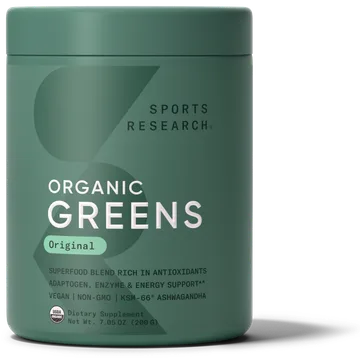
Sports Research Organic Greens Review
Sports Research Organic Greens is a super green powder that the page describes as a way to bring the benefits of super greens into a wellness routine. The page states the formula is Certified USDA Organic and contains over 20 natural ingredients and superfoods, including spirulina, ashwagandha, matcha caffeine, and all 8 B-vitamins derived from organically cultivated quinoa sprouts. The description says it is designed to support immunity and antioxidant benefits. A separate section lists adaptogen and mood support, natural energy source, and support for digestion. The product is described as suitable for all generations, with only organic ingredients, and is said to mix easily with 10 to 12 ounces of water. The page labels it Vegan Friendly and Non-GMO Verified and says it contains PANMOL B-Complex. Certifications listed include USDA Organic, Non-GMO Verified, Vegan Friendly, Informed Sport Tested, Third Party Tested, and cGMP Compliant. The page also notes a satisfaction guarantee and that the product is third party tested certified. The brand describes its approach as sourcing high quality ingredients worldwide and partnering with trusted manufacturers. Flavours offered are original and pineapple coconut, with sizes from 7.05 oz to 11.64 oz. A California Proposition 65 warning and suggested use section appear on the page.
We don’t sell supplements. We help you make decisions and get the best price.
Lowest prices
Finding the lowest prices at the stores now. This takes a few seconds.
Study, Trial or Testing Result Summary
Members Only222 human studies · 105 improved
35 of these 222 human studies gave the ingredient by drip or injection, not by mouth.
The main energy ingredient here is ashwagandha root at 600 mg, a full studied dose. In 120 adults with low energy, 600 mg a day for 8 weeks improved vigor and mental fatigue more than placebo [1]. In 50 active adults, the same dose improved aerobic fitness and reduced lack of energy [2]. A review of 18 trials in 2062 breast cancer patients ranked it the most effective of 15 plant substances for fatigue [3]. Not every trial agreed. The greens blend contains spirulina and chlorella, which in a review of 22 trials improved time to exhaustion [4], and 3 grams of spirulina a day eased fatigue [5]. Here spirulina is hidden in a blend led by 2.5 grams of wheat grass, so it is likely below the studied dose. Vitamin C reaches a full dose at three servings and mainly helps people who are low in it [6]. Thiamine, vitamin B6, calcium and iron are at trace amounts, well below studied doses [7][8]. Coconut water did not reduce fatigue in studies [9], and a similar enzyme mix did not help tiredness [10]. Animal and cell studies are never counted.
See all 222 studies →Hide the studies
- A review of 32 studies of phone apps for osteoporosis self-management found no clear effect on fatigue or on calcium intake; this was not a test of calcium supplements.Digital Health Technologies for Long-term Self-management of Osteoporosis: Systematic Review and Meta-analysis.
- Across 16 trials with 6276 people, B12 with or without folic acid and B6 did not improve thinking or depression, and only one trial looked at fatigue so it could not be analyzed.Effects of Vitamin B12 Supplementation on Cognitive Function, Depressive Symptoms, and Fatigue: A Systematic Review, Met…
- Across 33 trials of 4558 women with anaemia after childbirth, intravenous iron probably reduced fatigue slightly within 8 to 28 days compared with oral iron, though most evidence was low or very low certainty.Treatment for women with postpartum iron deficiency anaemia.
- In 20 trials of 4196 women with anaemia after childbirth, intravenous iron reduced fatigue more than oral iron, and also raised haemoglobin and ferritin, with low to moderate quality evidence.Intravenous iron versus blood transfusion for postpartum anemia: a systematic review and meta-analysis.
- Across 18 trials of 2062 breast cancer patients, ashwagandha ranked as the most effective of 15 plant substances for reducing fatigue and improving quality of life and physical functioning compared with standard treatment.Systematic review and network meta-analysis of the effects of plant active substance on quality of life in breast cancer…
- Across 27 studies of 1,599 adults, NAD+ precursors did not improve perceived fatigue or sleep, but nicotinamide mononucleotide improved endurance and NADH improved cognitive performance.Domain-specific effects of NAD+ precursors on fatigue and functional performance: a systematic review and network meta-a…
- In 18 studies of 1408 children, teens and menstruating adults without anaemia, iron supplementation reduced fatigue and improved anxiety, well-being and memory in placebo-controlled trials, but the effects were absent when people without iron deficiency were included.Psychiatric and cognitive outcomes of iron supplementation in non-anemic children, adolescents, and menstruating adults:…
- In 16 studies of 616 people with multiple sclerosis and 655 healthy people, folate and B12 blood levels did not differ, suggesting they are not drivers of worse physical function; this was not a supplement trial.The Relationship of Cobalamin and/or Folate to the Patient-Centred Outcomes in Multiple Sclerosis: A Systematic Review a…
- In 18 trials of 1170 iron-deficient adults without anaemia, iron reduced self-reported fatigue but did not improve measured physical capacity such as oxygen uptake.Efficacy of iron supplementation on fatigue and physical capacity in non-anaemic iron-deficient adults: a systematic rev…
- In 11 trials of 1074 adults with iron deficiency but no anaemia, intravenous iron slightly raised haemoglobin, but the evidence for fatigue and oxygen uptake was very low quality and too uncertain to show benefit.Intravenous iron therapy for non-anaemic, iron-deficient adults.
- Across 22 randomized trials of 822 healthy and athletic adults, algae supplements improved time to exhaustion and muscle damage markers and modestly improved maximal power, but did not improve time-trial performance.The Effects of Seaweed and Microalgae Supplementation on Exercise Performance and Recovery: A Systematic Review and Meta…
- In two placebo-controlled trials of 404 adults with Charcot-Marie-Tooth disease type 1A, ascorbic acid at two doses over 12 to 24 months had little meaningful effect on fatigue.Interventions for fatigue in peripheral neuropathy.
- In four placebo-controlled trials of people with iron deficiency anaemia, intravenous ferumoxytol improved fatigue scores and haemoglobin without raising adverse events.The Efficacy of Ferumoxytol for Iron Deficiency Anemia: A Meta-Analysis of Randomized Controlled Trials.
- Across nine studies of 720 people, three of four controlled trials found intravenous vitamin C lowered fatigue scores more than control, and four of five uncontrolled studies saw fatigue fall.Feasibility of Vitamin C in the Treatment of Post Viral Fatigue with Focus on Long COVID, Based on a Systematic Review o…
- In 10 trials of 489 people, NADH was well tolerated and linked to better quality of life, less anxiety and lower heart rate after stress, but fatigue results were not clearly shown.Evaluation of safety and effectiveness of NAD in different clinical conditions: a systematic review.
- In a review of 13 small trials with 85 people with McArdle disease, vitamin B6 gave no benefit for exercise performance.Pharmacological and nutritional treatment for McArdle disease (Glycogen Storage Disease type V).
- A review of 37 studies in cancer patients found intravenous vitamin C may ease fatigue and other symptoms, but the evidence is preliminary and mostly uncontrolled.Intravenous Vitamin C and Cancer: A Systematic Review.
- A review of supplements for football players said vitamin C may improve performance by lowering oxidative stress, but gave no numbers and called for more research.The efficacy of dietary supplements on health status and performance of football players: a systematic review.
- A review of 14 reviews found oral niacin and nicotinamide can cause side effects including fatigue, stomach upset, flushing and liver problems, more often at higher doses and with niacin than nicotinamide.The adverse effects of oral niacin/nicotinamide - an overview of reviews.
- In a review of four diet trials in people with multiple sclerosis lasting 3 to 12 months, two diets supplying enough folate and magnesium reported improved fatigue, but firm conclusions were not possible.Is there an effect of dietary intake on MS-related fatigue? - A systematic literature review.
- In a review of 24 studies of supplements in wrestlers, iron supplementation improved recovery and may improve exercise performance, though effects were often small and results mixed across supplements.Evidence-Based Supplementation Strategies for Wrestlers: A Systematic Review.
- In 8112 healthy French adults, a daily antioxidant capsule containing 120 mg vitamin C for about 6 years did not change quality of life scores, including vitality, compared with placebo.Long-term antioxidant supplementation has no effect on health-related quality of life: the randomized, double-blind, pla…
- In 2501 heart disease or stroke survivors given low-dose B vitamins including 3 mg B6 for about 3 years, quality of life was not improved, and activity limits due to emotional problems were slightly worse.B vitamin and/or n-3 fatty acid supplementation and health-related quality of life: ancillary findings from the SU.FOL.O…
- In 812 adults with iron deficiency anaemia who could not use oral iron, intravenous ferumoxytol over 5 weeks improved fatigue scores more than placebo, and 81.1% reached the haemoglobin target versus 5.5% on placebo.Efficacy and safety of IV ferumoxytol for adults with iron deficiency anemia previously unresponsive to or unable to tol…
- In 405 non-anemic blood donors with low iron stores, a single 800 mg iron infusion raised ferritin and hemoglobin but did not change fatigue scores compared with placebo at 6 to 8 weeks.The effects of intravenous iron supplementation on fatigue and general health in non-anemic blood donors with iron defic…
- In 399 anemic patients after a long intensive care stay, hepcidin-guided intravenous iron (1 g) did not shorten later hospital stay and the abstract reports no fatigue result, though 90-day deaths were lower (8% vs 16.6%).Impact of treating iron deficiency, diagnosed according to hepcidin quantification, on outcomes after a prolonged ICU st…
- In an open-label randomized trial of 338 adults with iron deficiency anemia, high-dose intravenous iron raised hemoglobin faster than oral iron and improved fatigue scores more by 4 weeks, with similar side effect rates.[Comparison of the efficacy and safety between high-dose intravenous iron and oral iron in treating iron deficiency anem…
- In 326 people with long-lasting fatigue after an infection, 4 weeks of sulbutiamine (400 or 600 mg a day, a thiamine-related compound) did not reduce fatigue more than placebo overall; women on 600 mg had less fatigue at day 7 only, and it did not last.[Treatment of chronic postinfectious fatigue: randomized double-blind study of two doses of sulbutiamine (400-600 mg/day…
- In 311 people receiving a med agonist therapy, a daily fruit smoothie for 16 weeks did not change fatigue, fitness, or folate levels compared with standard treatment alone.Read the study on PubMed (40877839) →
- In 304 iron-deficient heart failure patients, intravenous iron for 52 weeks improved walking distance by 33 m at 24 weeks and improved fatigue score and quality of life compared with placebo.Beneficial effects of long-term intravenous iron therapy with ferric carboxymaltose in patients with symptomatic heart f…
- In 290 fatigued, iron-deficient women, a single 1000 mg iron infusion reduced fatigue in 65.3% versus 52.7% with placebo at 8 weeks, and improved mental quality of life and cognitive function.Evaluation of a single dose of ferric carboxymaltose in fatigued, iron-deficient women--PREFER a randomized, placebo-con…
- In 275 adults with early COVID-19 given a 10-day combination that included vitamin C, less fatigue at day 14 was seen only when famotidine was added, not with the vitamin C combination alone.Read the study on PubMed (41693032) →
- In 271 adults with Charcot-Marie-Tooth disease type 1A, 1.5 g of ascorbic acid daily for 2 years did not differ from placebo on neuropathy or on secondary outcomes including fatigue.Ascorbic acid in Charcot-Marie-Tooth disease type 1A (CMT-TRIAAL and CMT-TRAUK): a double-blind randomised trial.
- In 215 working men aged 30 to 55, a high-dose B vitamin, vitamin C and mineral supplement for 33 days improved vigour, stress and mental health ratings and made them feel less mentally tired than placebo.Effects of high-dose B vitamin complex with vitamin C and minerals on subjective mood and performance in healthy males.
- In 202 hemodialysis patients, a multinutrient supplement containing vitamin C for 12 weeks did not reduce fatigue compared with placebo, though some heart rate variability measures improved.Effects of nutritional supplementation on fatigue, and autonomic and immune dysfunction in patients with end-stage renal…
- In 198 nonanemic menstruating women with low ferritin and fatigue, 80 milligrams of elemental iron daily for 12 weeks reduced fatigue more than placebo, though quality of life did not change.Effect of iron supplementation on fatigue in nonanemic menstruating women with low ferritin: a randomized controlled tri…
- In 186 stressed adults over 60 days, a full-spectrum ashwagandha extract reduced stress and improved sleep and anxiety compared with placebo, and the authors report reduced fatigue, but mental alertness did not differ.Effects of multi-herb and ashwagandha root formulas on stress modulation: a randomized, double-blind, placebo-controlled…
- In 176 iron-deficient blood donors, intravenous or oral iron over 8 to 12 weeks significantly reduced fatigue and improved sleep, with no difference between the two forms.The Effect of Parenteral or Oral Iron Supplementation on Fatigue, Sleep, Quality of Life and Restless Legs Syndrome in I…
- In 171 young adults, two extra daily servings of fresh fruit and vegetables for 14 days improved vitality and motivation, but blood vitamin C did not explain these benefits.Let them eat fruit! The effect of fruit and vegetable consumption on psychological well-being in young adults: A randomi…
- In 171 adults with mild insomnia, a blend including vitamin B6 for 2 weeks did not differ from placebo on sleep or physical fatigue, as both groups improved similarly.Exploring the Effect of Lactium™ and Zizyphus Complex on Sleep Quality: A Double-Blind, Randomized Placebo-Controlled Tr…
- In 167 young adults with low vitamin C, a 250 mg vitamin C tablet daily for 4 weeks improved well-being after two weeks, and also mood and fatigue in those with consistently low vitamin C, while placebo showed no change; kiwifruit gave somewhat stronger effects.KiwiC for Vitality: Results of a Randomized Placebo-Controlled Trial Testing the Effects of Kiwifruit or Vitamin C Table…
- In 162 adults on a weight loss meal replacement program, folate levels improved in both groups, and energy and fatigue improved slightly more with daily calorie restriction alone than with added alternate day fasting; folate was not tested alone.Randomized Trial of a High Protein, Partial Meal Replacement Program with or without Alternate Day Fasting: Similar Effe…
- In 160 heart bypass surgery patients, vitamin C plus omega-3 fatty acids given from the day before surgery through the first 5 days after reduced post-operative fatigue more than placebo.The combined effect of vitamin C and omega-3 polyunsaturated fatty acids on fatigue following coronary artery bypass gra…
- In 160 heart disease patients over about 38 months, niacin plus a med caused fatigue, nausea or muscle aches in 9% versus 5% on placebo, not a significant difference.Read the study on PubMed (14759379) →
- In 148 men aged 70 and older, 20 weeks of calcium, vitamin D and protein with strength training and testosterone reduced tiredness and improved chair-stand performance compared with no intervention, but calcium's own effect cannot be separated.Beneficial effects of exercise, testosterone, vitamin D, calcium and protein in older men-A randomized clinical trial.
- In a double-blind placebo-controlled trial of 144 non-anemic women with unexplained fatigue, 80 mg daily of oral iron for 4 weeks reduced fatigue more than placebo, with the benefit seen mainly in women with low or borderline ferritin.Iron supplementation for unexplained fatigue in non-anaemic women: double blind randomised placebo controlled trial.
- In 141 healthy office workers, a single 10 gram intravenous vitamin C dose lowered fatigue scores for up to one day compared with saline placebo, especially in those with low starting vitamin C, and also lowered oxidative stress.Intravenous vitamin C administration reduces fatigue in office workers: a double-blind randomized controlled trial.
- In 135 women over 8 weeks, Shatavari combined with ashwagandha improved sexual function and lowered fatigue and other mood scores compared with placebo.Effects of Shatavari (Asparagus racemosus) Root Extract on Sexual Wellness in Women: Findings from a Prospective, Random…
- In 120 adults with self-reported cognitive and energy problems, 600 mg a day of ashwagandha root extract for 8 weeks improved memory, attention, mood, vigor and mental fatigue more than placebo.Safety and Efficacy of Ashwagandha Root Extract on Cognition, Energy and Mood Problems in Adults: Prospective, Randomize…
- In 112 women with anemia after childbirth, adding 1 mg a day of folic acid to iron for 4 weeks did not change fatigue scores, hemoglobin or health status compared with iron alone.A randomized controlled trial examining the addition of folic acid to iron supplementation in the treatment of postpartu…
- In 110 premenopausal women with iron-deficiency anemia from fibroids, both groups took 325 mg iron three times daily for 12 weeks, and adding a goserelin injection raised blood hemoglobin more than a sham injection did; the abstract does not test iron alone against no iron and reports no energy or fatigue result.Goserelin acetate 10.8 mg plus iron versus iron monotherapy prior to surgery in premenopausal women with iron-deficiency…
- In 100 pregnant women with iron deficiency anemia over 12 weeks, intravenous ferric carboxymaltose gave greater fatigue improvement than iron sucrose and needed fewer visits.Comparison of ferric Carboxymaltose and iron sucrose complex for treatment of iron deficiency anemia in pregnancy- rando…
- In a 3-month double-blind trial of 99 people with severe kidney failure taking 250 mg vitamin C three times weekly, symptoms including fatigue were similar to placebo, and nausea trended worse with vitamin C.Vitamin C supplementation in kidney failure: effect on uraemic symptoms.
- In 97 people with inflammatory bowel disease and iron deficiency anemia, fatigue scores improved over 5 weeks after intravenous iron with both products, but improvement was slower and smaller with ferric carboxymaltose.Hypophosphataemia following ferric derisomaltose and ferric carboxymaltose in patients with iron deficiency anaemia due …
- In 97 people with inflammatory bowel disease and iron deficiency anemia, intravenous iron over about 10 weeks improved vitality scores, a measure of energy, with larger gains after ferric derisomaltose than ferric carboxymaltose.Hypophosphatemia attenuates improvements in vitality after intravenous iron treatment in patients with inflammatory bowe…
- In 94 adults, a 4-week high-calcium diet was compared with a DASH-type diet and the abstract reports mood benefits only for the low-sodium, high-potassium diet, not for the high-calcium diet.Dietary electrolytes are related to mood.
- In 90 premenopausal women with fatigue and low ferritin, one 800 mg intravenous iron dose cut fatigue more than placebo only in women with ferritin of 15 or lower, where 82% of iron-treated women reported improvement; the overall difference was not significant.Intravenous iron for the treatment of fatigue in nonanemic, premenopausal women with low serum ferritin concentration.
- In 85 female blood donors, one 1000 mg intravenous iron isomaltoside dose raised hemoglobin more than placebo, but fatigue differences were only numerical and the trial was not powered for symptoms.Intravenous iron isomaltoside improves hemoglobin concentration and iron stores in female iron-deficient blood donors: a…
- In 81 anxious employees over 12 weeks, naturopathic care including ashwagandha 600 mg a day improved fatigue, vitality and anxiety more than psychotherapy, though the effect of ashwagandha alone cannot be separated.Naturopathic care for anxiety: a randomized controlled trial ISRCTN78958974.
- In 80 healthy elderly Irish women with marginal thiamin deficiency, 10 mg of thiamin daily for 6 weeks increased appetite, energy intake and general well-being and decreased fatigue compared with placebo.Influence of thiamin supplementation on the health and general well-being of an elderly Irish population with marginal t…
- In 80 people with advanced chronic kidney disease followed for 6 months, adding folic acid (alone or with pentoxifylline) to usual care reduced fatigue scores and improved kidney blood tests compared with usual care alone.The potential adding therapeutic effect of pentoxifylline and/or folic acid for chronic kidney disease patients: randomi…
- In 80 people with ulcerative colitis, 1 gram a day of spirulina for 8 weeks improved sleep disturbances, stress and quality of life compared with placebo, but did not change fatigue, anxiety or depression scores.The effects of spirulina (Arthrospira platensis) supplementation on anthropometric indices, blood pressure, sleep qualit…
- In 80 healthy adults doing resistance training, 600 mg a day of ashwagandha root extract for 8 weeks improved endurance, strength and muscle size more than placebo.Effects of Ashwagandha ( Withania somnifera) standardized root extract on physical endurance and VO 2max in healthy adul…
- In 68 people with chronic fatigue syndrome, vitamin B1 with oryzanol for 4 weeks reduced fatigue scores, but adding acupuncture worked better; the study did not test thiamine against placebo.[Acupuncture in the treatment of chronic fatigue syndrome based on "interaction of brain and kidney" in TCM: a randomize…
- In 65 people with chronic fatigue syndrome, a daily combination with 1.05 mg B6, beta-glucan, vitamin D3 and zinc for 36 weeks improved cognitive fatigue compared with their own baseline.Yeast Beta-Glucan Supplementation with Multivitamins Attenuates Cognitive Impairments in Individuals with Myalgic Enceph…
- In 63 women with premenstrual symptoms (32 completed), 50 mg of vitamin B6 daily for 3 months in a crossover design improved emotional symptoms including depression, irritability and tiredness compared with placebo.Pyridoxine (vitamin B6) and the premenstrual syndrome: a randomized crossover trial.
- In 60 older adults with frailty taking a prebiotic of inulin and fructooligosaccharides for 13 weeks, overall frailty did not change, but exhaustion and handgrip strength improved more than with placebo.Effect of a Prebiotic Formulation on Frailty Syndrome: A Randomized, Double-Blind Clinical Trial.
- In 60 college students over 30 days, 700 mg a day of ashwagandha root extract led participants to report more sustained energy, mental clarity and better sleep in interviews and daily check-ins.The Perceived Impact of Ashwagandha on Stress, Sleep Quality, Energy, and Mental Clarity for College Students: Qualitati…
- In 60 patients with stress, anxiety and high blood pressure, 600 mg a day of ashwagandha extract for 60 days lowered anxiety, stress and cortisol compared with placebo; fatigue was measured but no result was reported.Safety and efficacy of ashwagen (a standardized withania somnifera extract) in stress and anxiety with hypertension and …
- In 60 stressed adults, 30 mg a day of ashwagandha extract for 4 weeks reduced self-reported stress and cortisol reactivity more than placebo, but no significant differences were found for other secondary outcomes.An Examination into the Anti-stress and Anti-fatigue Effects of an Ashwagandha Extract (Ashwa.30™) in Stressed Adults: A…
- In 59 healthy young adults, 225 mg a day of liposomal ashwagandha, taken as a single dose and then daily for 30 days, improved several memory and attention measures and lowered feelings of tension and fatigue.Acute and Repeated Ashwagandha Supplementation Improves Markers of Cognitive Function and Mood.
- In 58 healthy adults with mild prolonged tiredness, a supplement combining pomegranate extract with B vitamins and vitamin C reduced fatigue scores over 8 weeks compared with placebo, though vitamin C was not tested alone and biochemical markers did not change.Combination of Chemically Characterized Pomegranate Extract and Hydrophilic Vitamins against Prolonged Fatigue: A Monoce…
- In 58 people with long-COVID, 2000 mg of nicotinamide riboside daily raised blood NAD+ about 3-fold but did not significantly improve fatigue, cognition, or sleep versus placebo.Effects of nicotinamide riboside on NAD+ levels, cognition, and symptom recovery in long-COVID: a randomized controlled …
- In 57 overweight men aged 40-70 with mild fatigue, 8 weeks of ashwagandha extract raised DHEA-S and testosterone more than placebo, but fatigue and vigor did not differ significantly between groups.A Randomized, Double-Blind, Placebo-Controlled, Crossover Study Examining the Hormonal and Vitality Effects of Ashwagand…
- In 56 team sport athletes, 600 mg a day of ashwagandha for 42 days improved perceived fatigue and recovery in women and jump performance in men compared with placebo, while stress hormones stayed more stable.Ashwagandha Root Extract Stabilises Physiological Stress Responses in Male and Female Team Sports Athletes During Pre-Se…
- In 56 patients having pelvic radiotherapy, taking enzyme capsules (papain, trypsin, chymotrypsin) during treatment did not reduce fatigue or other side effects compared with placebo; moderate or severe fatigue was 18% with enzymes versus 7% with placebo, a difference that was not statistically significant.Does prophylactic treatment with proteolytic enzymes reduce acute toxicity of adjuvant pelvic irradiation? Results of a …
- In 54 cancer patients with hand-foot skin reactions from chemotherapy, topical pyridoxine for 6 weeks did not improve the skin reaction grade, but patients reported lower fatigue, better physical function and better quality of life than the placebo group.A pilot randomized double-blind, placebo-controlled study on the effects of the topical application of pyridoxine on pal…
- In 53 female athletes with low iron stores, 20 mg iron plus a probiotic raised ferritin more than iron alone but not significantly, and increased vigor at 12 weeks, with no clear effect on physical performance.The Effect of Lactobacillus plantarum 299v on Iron Status and Physical Performance in Female Iron-Deficient Athletes: A …
- In 52 overweight or obese sedentary men, 4.5 grams a day of spirulina for 6 weeks improved time to fatigue, oxygen uptake and body fat compared with the control group.Effect of Arthrospira (Spirulina) maxima Supplementation and a Systematic Physical Exercise Program on the Body Composit…
- In 50 people recovering from COVID-19, one month of 1-methylnicotinamide improved 6-minute walk distance in 92% versus 60% without it, and severe fatigue was 20% versus 56%.Use of 1-MNA to Improve Exercise Tolerance and Fatigue in Patients after COVID-19.
- In 50 patients having gallbladder surgery, a recovery program that included tender coconut water before surgery reduced fatigue, hunger, thirst and anxiety compared with the traditional approach, but coconut water was only one part of the program.Comparison of perioperative patient comfort with 'enhanced recovery after surgery (ERAS) approach' versus 'traditional a…
- In an 8-week placebo-controlled trial of 50 healthy athletic adults, 600 mg daily of ashwagandha root extract improved maximum aerobic capacity and reduced reported lack of energy more than placebo.A double-blind, randomized, placebo-controlled trial on the effect of Ashwagandha (Withania somnifera dunal.) root extra…
- In healthy young adults with low vitamin C levels, 500 mg twice a day for 4 weeks improved attention and work absorption compared with placebo, with a trend toward less fatigue.Vitamin C supplementation promotes mental vitality in healthy young adults: results from a cross-sectional analysis and …
- In a 28-day placebo-controlled trial of 46 adults with long COVID, twice-daily liposomal vitamin C (500 mg) with l-arginine reduced persistent fatigue (2 of 23 still fatigued vs 21 of 23 on placebo) and improved walking distance and handgrip strength.Effects of l-Arginine Plus Vitamin C Supplementation on Physical Performance, Endothelial Function, and Persistent Fatig…
- In 43 adults with sleep complaints, a blend containing a small amount of vitamin B3 taken with the evening meal for 14 days shortened sleep onset time and improved next-morning mood and vigor, but had no effect on cognitive performance.Mulberry leaf extract combined with tryptophan improves sleep and post wake mood in adults with sleep complaints - A ran…
- In 42 healthy adults aged 40-76, a glycine, glutamine and niacin mixture taken for 3 weeks raised growth hormone by about 70% compared with placebo, but did not change IGF-I, mood or memory.Effects of an oral mixture containing glycine, glutamine and niacin on memory, GH and IGF-I secretion in middle-aged and…
- In 41 trained male cyclists, 4 weeks of a combination supplement including 1.1 mg vitamin B1 did not improve aerobic or anaerobic performance or fatigue measures versus placebo, though it lowered blood lactate after hard exercise.l-Carnitine and Alpha-Lipoic Acid Fail to Improve Anaerobic and Aerobic Performance in Trained Cyclists Despite a Reduct…
- In 40 young adults with low vitamin C, 1000 mg daily for 4 weeks improved mental vitality and reduced inflammation compared with placebo, with gut bacteria changes linked to the gains.Gut microbiota links vitamin C supplementation to enhanced mental vitality in healthy young adults with suboptimal vitam…
- In 40 people with quiescent inflammatory bowel disease and severe fatigue, 4 weeks of high-dose thiamine (600-1800 mg a day) reduced fatigue by 4.5 points versus a 0.75-point increase on placebo, with 55% and 75% of the two groups improving on thiamine.Randomised clinical trial: high-dose oral thiamine versus placebo for chronic fatigue in patients with quiescent inflamm…
- In 36 volunteers, 1 g of vitamin C daily for 30 days improved maximal oxygen uptake and lowered oxidative stress only in those with the lowest vitamin C levels, and it did not reduce fatigue index.Antioxidant supplementation, redox deficiencies and exercise performance: A falsification design.
- In 36 people with primary biliary cholangitis and severe fatigue, 4 weeks of high-dose thiamine (600-1800 mg a day) was safe but not better than placebo at reducing fatigue.High-dose oral thiamine versus placebo for chronic fatigue in patients with primary biliary cholangitis: A crossover ran…
- In 33 soldiers during a 12-day tropical training exercise, folate status declined in all groups and those eating combat rations reported more fatigue than those eating fresh food; folate was not given as a separate supplement.The physiological and psychological effects of combat ration feeding during a 12-day training exercise in the tropics.
- In 32 healthy young adults, 28 days of a daily B vitamin complex including B1 increased running time to exhaustion 1.26-fold and lowered blood lactate and ammonia during exercise compared with placebo.A functional evaluation of anti-fatigue and exercise performance improvement following vitamin B complex supplementation…
- In 32 Gulf War veterans with illness, a 4-6 week program of exercise, sauna and nicotinic acid plus other supplements improved physical quality of life by 6.9 points versus waitlist, and 11 of 16 quality of life, pain and fatigue measures improved.A Detoxification Intervention for Gulf War Illness: A Pilot Randomized Controlled Trial.
- In 31 male handball players, 600 milligrams of ashwagandha daily for 8 days did not produce a meaningful difference from placebo in fatigue, though handgrip strength improved.Effects of 8 days of Ashwagandha supplementation on strength, fatigue, soreness, and recovery in amateur handball player…
- In 30 young women with premenstrual syndrome, both groups took vitamin B6 and calcium for 3 months; the group that also did treadmill exercise improved fatigue and other symptoms, so the effect is from exercise rather than vitamin B6.Effect of aerobic exercise on premenstrual symptoms, haematological and hormonal parameters in young women.
- In 30 women with gynecological disease and anemia before surgery, 100 mg daily iron for at least 10 days raised hemoglobin but did not significantly reduce fatigue; adding Ninjin'yoeito reduced fatigue.Safety and efficacy of Ninjin'yoeito along with iron supplementation therapy for preoperative anemia, fatigue, and anxie…
- In 30 healthy adults given 25 g of inulin in a single challenge, adding a fructanase enzyme capsule reduced fatigue and some digestive symptoms compared with placebo; the enzyme, not the fiber, was the tested treatment.Oral Fructanase Administration Reduces Gastrointestinal Symptom Severity after Acute Inulin Challenge in Healthy Adults.
- In 28 men with marginal vitamin C status, 1000 mg daily for 8 weeks produced a physical activity rise that was not statistically significant compared with placebo, though cold episodes were fewer.Vitamin C supplementation slightly improves physical activity levels and reduces cold incidence in men with marginal vit…
- In 26 overweight middle-aged women doing aerobic training for 3 months, drinking 500 mL of orange juice daily was linked with lower blood lactate, suggesting less muscle fatigue than training alone.Orange juice improved lipid profile and blood lactate of overweight middle-aged women subjected to aerobic training.
- Eating two SunGold kiwifruit daily for 4 weeks improved mood disturbance, wellbeing and vitality compared with usual diet in 26 adults with mild to moderate mood disturbance.SunGold Kiwifruit and Psychological Health (GoKiPH): A Randomised Controlled Crossover Trial.
- In 26 recreationally active women with iron deficiency but no anemia, one intravenous iron treatment compared with placebo improved fatigue scores at 4 weeks.Effect of intravenous iron therapy on exercise performance, fatigue scores and mood states in iron-deficient recreationa…
- In 26 people with post-COVID chronic fatigue taking a synbiotic for 3 months, general fatigue fell in both synbiotic and placebo groups, but the synbiotic did better for post-exercise malaise and some brain chemistry measures.The effects of 3-month supplementation with synbiotic on patient-reported outcomes, exercise tolerance, and brain and mu…
- In 25 healthy young adults, a single dose of a pre-workout drink containing 500 mg vitamin C along with other ingredients raised self-rated energy and vigour compared with placebo, though adding synephrine gave no extra benefit.Effects of acute ingestion of a pre-workout dietary supplement with and without p-synephrine on resting energy expenditu…
- In 25 breast cancer survivors, 500 mg vitamin C plus vitamin E daily for 10 weeks alongside strength training did not reduce fatigue more than placebo.Effect of strength training and antioxidant supplementation on perceived and performance fatigability in breast cancer s…
- In a double-blind crossover trial of 25 resistance-trained adults, 7 days of a pre-workout drink containing 65 mg niacin (plus caffeine and other ingredients) improved some lower-body strength and endurance measures compared with placebo, but not cycling time-trial performance, with no differences in side effects.Short-Term Effects of a Ready-to-Drink Pre-Workout Beverage on Exercise Performance and Recovery.
- In 25 untrained men, a single 1000 mg dose of niacin before cycling raised the respiratory exchange ratio and shortened time to exhaustion compared with caffeine, suggesting impaired exercise performance.Niacin supplementation impairs exercise performance.
- In 24 adults with low parathyroid function, one month each of calcium citrate and calcium carbonate showed no difference in quality of life scores; the abstract does not report a fatigue difference.Calcium Citrate Versus Calcium Carbonate in the Management of Chronic Hypoparathyroidism: A Randomized, Double-Blind, Cr…
- In 21 untrained men, a caffeine supplement containing 40 mg of niacin taken once did not improve bench press strength, leg extension strength, or time to exhaustion on a bike compared with placebo.Acute effects of a caffeine-containing supplement on bench press and leg extension strength and time to exhaustion durin…
- In 20 obese adults on a calorie-restricted diet, 500 mg of vitamin C daily for 4 weeks lowered self-reported fatigue and reduced heart rate and perceived exertion during exercise compared with placebo.Vitamin C status and perception of effort during exercise in obese adults adhering to a calorie-reduced diet.
- In 20 singers with mild vocal symptoms, a single 1000 mcg B12 injection did not improve voice fatigue or singing measures more than a placebo injection.Effect of Vitamin B12 Injection on the Vocal Performance of Professional Singers: A Randomized, Double-blind, Placebo-Co…
- In 20 iron-depleted women without anemia, 6 weeks of iron supplements, compared with placebo, reduced muscle fatigue during repeated knee-extension exercise and raised muscle strength later in the test.Iron supplementation improves progressive fatigue resistance during dynamic knee extensor exercise in iron-depleted, non…
- In 20 active women with low iron stores, 100 mg of daily iron for 8 weeks raised maximal oxygen uptake above the placebo group and lowered blood lactate after exercise, though the rise in endurance time was not statistically significant.Effects of iron repletion on VO2max, endurance, and blood lactate in women.
- In 18 healthy volunteers, 1000 mg a day of ascorbic acid for 8 days did not reduce physical fatigue during a long cycling task, while a different product did.Effects of Applephenon and ascorbic acid on physical fatigue.
- In 18 trained adults, three days of hydrogen-rich calcium powder lowered breathing rate and blood pH during exercise but did not change oxygen uptake compared with placebo.Application of Molecular Hydrogen as an Antioxidant in Responses to Ventilatory and Ergogenic Adjustments during Increme…
- In 18 iron-depleted female runners, 8 weeks of oral iron raised iron stores but did not improve endurance time to exhaustion compared with placebo.Effect of iron supplementation on endurance capacity in iron-depleted female runners.
- In 17 people doing hard cycling at high altitude, a 3-week broad antioxidant capsule that included vitamin C did not improve performance; a different supplement combination did better than both this capsule and placebo.Effects of antioxidant supplementation on exercise performance in acute normobaric hypoxia.
- In 17 recreationally active cyclists, 6 grams a day of spirulina for 14 days raised hemoglobin by 3.4% but did not improve maximal power, time to fatigue or oxygen uptake compared with placebo.Fourteen-Days Spirulina Supplementation Increases Hemoglobin, but Does Not Provide Ergogenic Benefit in Recreationally A…
- In 16 male athletes, 100 mg of thiamine daily for 3 days before cycling exercise reduced the rise in blood glucose in those with normal thiamine levels and lowered the number of fatigue complaints after exercise compared with placebo.Effects of thiamine supplementation on exercise-induced fatigue.
- In a placebo-controlled trial of 16 iron-depleted female athletes, intramuscular iron injections raised serum ferritin but did not improve submaximal or maximal aerobic exercise performance compared with placebo over about 4 weeks.Effect of iron injections on aerobic-exercise performance of iron-depleted female athletes.
- In 16 students, 3 weeks of spirulina lowered a muscle oxidative damage marker and extended time to exhaustion during all-out treadmill exercise.Preventive effects of Spirulina platensis on skeletal muscle damage under exercise-induced oxidative stress.
- In 15 people with chronic fatigue syndrome, injected liver extract with folic acid and vitamin B12 did not improve fatigue-related function more than placebo, and the placebo response was strong.Liver extract-folic acid-cyanocobalamin vs placebo for chronic fatigue syndrome.
- In 15 iron-deficient elite runners, a single 500 milligram intravenous iron injection improved iron levels for 4 weeks but did not improve time to exhaustion compared with placebo.Effect of Intravenous Iron on Aerobic Capacity and Iron Metabolism in Elite Athletes.
- In 15 trained male cyclists, 6 grams a day of spirulina for 21 days lowered heart rate and lactate during submaximal cycling, raised hemoglobin and sprint power, but did not change the time trial or oxygen consumption.Twenty-one days of spirulina supplementation lowers heart rate during submaximal cycling and augments power output durin…
- In 14 healthy volunteers, 3000 mg a day of ascorbic acid for 8 days did not change physical fatigue during a long cycling task compared with placebo.Daily oral administration of crocetin attenuates physical fatigue in human subjects.
- In 14 people given 1 gram a day of a thiamine derivative or placebo for 4 days in a crossover design, there was no difference in oxygen uptake, lactate or 2000-metre cycling time.The effect of a thiamin derivative on exercise performance.
- In a placebo-controlled trial of 14 distance runners without clinical iron deficiency, three 100 mg intravenous iron injections over 4 weeks reduced perceived fatigue and mood disturbance by week 6, without improving running performance.Four weeks of IV iron supplementation reduces perceived fatigue and mood disturbance in distance runners.
- In a small double-blind crossover trial of 13 healthy volunteers, a single 400 mg dose of ashwagandha extract improved working memory and sustained attention and reduced mental fatigue on cognitive tests compared with placebo over 6 hours.Effects of Acute Ashwagandha Ingestion on Cognitive Function.
- In 12 middle-aged triathletes during a 90-minute cycling session, taking vitamin C with glutathione improved energy-related metabolic and heart measures and lowered an oxidative stress marker compared with placebo, though vitamin C was not tested alone and this was a single acute session.Enhancing Supplemental Effects of Acute Natural Antioxidant Derived from Yeast Fermentation and Vitamin C on Sports Perf…
- In 12 people exercising in the heat, coconut water did not change fatigue, thermal strain or performance compared with water or a sodium-potassium drink.Comparing the Effects of Water, Sodium-Potassium, and Potassium-Rich Solutions on Fluid Balance and Thermal Strain Follo…
- In 11 men, 6 grams a day of spirulina for 7 days raised hemoglobin and lowered oxygen use and heart rate during arm cycling, and raised oxygen uptake at fatigue, but did not change time to fatigue.Spirulina supplementation improves oxygen uptake in arm cycling exercise.
- In 9 moderately trained men, 6 grams a day of spirulina for 4 weeks lengthened time to fatigue after a 2-hour run, increased fat burning and lowered exercise-related oxidative damage compared with placebo.Ergogenic and antioxidant effects of spirulina supplementation in humans.
- In 8 healthy young men, one week of 1.5 grams each of pantothenic acid and cysteine daily did not change muscle coenzyme A, fuel use during exercise, or work output compared with placebo.Acute pantothenic acid and cysteine supplementation does not affect muscle coenzyme A content, fuel selection, or exerci…
- In eight men doing calf contractions to exhaustion, calcium carbonate used as the control had no effect on time to fatigue, which was similar to the acid and alkaline trials, showing that changing muscle pH did not alter fatigue.The effect of pH on fatigue during submaximal isometric contractions of the human calf muscle.
- In 7 well-trained male cyclists, a multinutrient supplement containing pyridoxine-alpha-ketoglutarate for 3 weeks did not extend time to exhaustion during cycling or speed recovery compared with placebo.Tricarboxylic-acid-cycle intermediates and cycle endurance capacity.
- In four physicians with long-term unexplained fatigue, 3 grams a day of spirulina alternated with placebo in 4-week periods (three pairs each) did not reduce fatigue more than placebo in any of them.Spirulina did not ameliorate idiopathic chronic fatigue in four N-of-1 randomized controlled trials.
- In people with quiescent inflammatory bowel disease and chronic fatigue given high dose oral thiamine for 4 weeks, blood levels of other B vitamins were not linked to the fatigue response, and only lower riboflavin was seen in those reporting benefit.B-vitamins, related vitamers, and metabolites in patients with quiescent inflammatory bowel disease and chronic fatigue …
- In a placebo-controlled crossover pilot in healthy middle-aged adults, 7 days of RiaGev (1520 mg twice daily) raised blood NAD+ metabolites and reduced fatigue and improved concentration and motivation compared with baseline, with no clinically relevant side effects.A Combination of Nicotinamide and D-Ribose (RiaGev) Is Safe and Effective to Increase NAD+ Metabolome in Healthy Middle-…
- In young women with premenstrual syndrome, 500 mg of calcium carbonate twice daily for 3 months reduced early tiredness compared with placebo.Effects of calcium supplement therapy in women with premenstrual syndrome.
- In a randomized trial of pregnant people in their second trimester with iron deficiency anemia, a 27 mg iron tablet over 4 weeks raised hemoglobin as much as 100 mg ferrous ascorbate, improved dizziness, fatigue and palpitations more, and caused no side effects.Efficacy and safety of emulsified microsomal ferric pyrophosphate vs. Ferrous Ascorbate in pregnancy with iron-deficienc…
- In men taking 3 grams a day of spirulina for 8 weeks, exercise output rose slightly after 1 week, and mental fatigue test performance and self-reported fatigue improved within 4 hours and again at 8 weeks, compared with placebo.A randomized, double blind, placebo controlled study of spirulina supplementation on indices of mental and physical fati…
- In a randomized study of women with sensitive skin, taking an oral botanical blend with ashwagandha for 8 weeks did not clearly lift energy on its own, while the group using both oral and topical products reported less fatigue, though overall mood disturbance rose in all groups.Combining Topical and Oral Botanicals for Skin Redness, Pigmentation, Sleep, and Mood: A Randomized Controlled Study.
- In a 12-week placebo-controlled trial of overweight or mildly obese adults with high stress and fatigue, 200 mg of ashwagandha root extract taken twice daily significantly reduced fatigue compared with placebo, though it did not reduce perceived stress more than placebo.Exploring the efficacy and safety of a novel standardized ashwagandha (Withania somnifera) root extract (Witholytin®) in…
- In adults with mild hay fever, a turmeric and ashwagandha combination taken twice daily for 4 weeks produced higher energy levels and less fatigue than placebo or standard curcumin.Short-term influence of Immufen™ on mild allergic rhinitis: a randomized, double-blind, placebo-controlled study.
- In a randomized, placebo-controlled trial, healthy adults taking 30 mg per day of a low-dose root ashwagandha extract for 8 weeks had higher measured maximal oxygen uptake (VO2max) and better fatigue and exertion scores than those taking placebo.Efficacy and Safety of Low-Dose Ashwagandha Supplementation on Exercise Endurance: A Randomized, Placebo-Controlled, Dou…
- In an open-label quasi-randomized trial of 1066 women with postpartum anemia, the herbal formula Ninjin'yoeito reduced fatigue over 4 weeks, while oral iron did not, although both raised hemoglobin by similar amounts.A quasi-randomized controlled trial of Ninjin'yoeito for the treatment of postpartum anemia and the prevention of postpa…
- In 155 young adults with low vitamin C, a 250 mg vitamin C tablet daily for 4 weeks only marginally improved mood until day 12, with effects weaker than kiwifruit, though mood improved in those with low starting vitamin C.Smartphone survey data reveal the timecourse of changes in mood outcomes following vitamin C or kiwifruit intervention i…
- In 134 patients after cerebral aneurysm embolization, adding glycerol fructose to routine vitamin B6 gave better neurological fatigue scores than B6 alone, so the benefit is from glycerol fructose rather than B6.Glycerol fructose combined with vitamin B6 is beneficial to postoperative recovery of patients with cerebral aneurysm.
- In 73 children and young people with mild thalassemia, 3 months of carnitine with or without 1 mg a day of folic acid reduced bone pain and muscle weakness, but the benefit was attributed to carnitine and fatigue was not reported separately.Determining and surveying the role of carnitine and folic acid to decrease fatigue in β-thalassemia minor subjects.
- In 70 diabetic fatty liver patients, 1000 mg of nicotinamide daily for 12 weeks improved quality of life including the activity and fatigue scores versus no supplement, in an open-label trial.Nicotinamide supplementation in diabetic nonalcoholic fatty liver disease patients: randomized controlled trial.
- In 61 hemodialysis patients, 100 mg of intravenous vitamin C after each session for 6 months did not improve energy-related quality of life or red blood cell production compared with no vitamin C.Effects of intravenous ascorbic acid on erythropoiesis and quality of life in unselected hemodialysis patients.
- In 14 trained male cyclists, 6 grams of pantothenic acid daily for 16 weeks did not change muscle coenzyme A levels or cycling performance compared with the control group.Chronic pantothenic acid supplementation does not affect muscle coenzyme A content or cycling performance.
- In 12 healthy volunteers breathing low-oxygen air, one intravenous iron sucrose dose or saline placebo before 8 hours of low oxygen did not change maximal exercise capacity overall.Hypoxic pulmonary vasoconstriction does not limit maximal exercise capacity in healthy volunteers breathing 12% oxygen a…
- In 12 exercise-trained men after dehydrating exercise, coconut water gave no difference in time to exhaustion compared with water or a sport drink, and more people felt bloated or had stomach upset.Comparison of coconut water and a carbohydrate-electrolyte sport drink on measures of hydration and physical performance…
- In 11 male runners, 4 days of calcium phosphate loading did not improve maximal aerobic capacity or time to exhaustion compared with placebo.Phosphate supplementation, cardiovascular function, and exercise performance in humans.
- In 9 students in a crossover trial, 4 weeks of thiamine tetrahydrofurfuryl disulfide at 10 mg per kg body weight daily lowered blood lactate and ammonia during exercise and reduced perceived exertion compared with placebo.The effects of endurance training and thiamine supplementation on anti-fatigue during exercise.
- In 8 people with COPD, a single 2 g IV vitamin C dose compared with saline reduced quadriceps neuromuscular fatigue and lowered inflammatory C-reactive protein during exercise, but did not improve breathlessness or exercise tolerance.Ascorbate attenuates cycling exercise-induced neuromuscular fatigue but fails to improve exertional dyspnea and exercise…
- In 7 male triathletes, 6 weeks of a daily antioxidant capsule containing 600 mg ascorbic acid did not change maximal oxygen uptake or muscle fatigue compared with placebo.No effect of antioxidant supplementation in triathletes on maximal oxygen uptake, 31P-NMRS detected muscle energy metabo…
- Construction workers who drank riboflavin-fortified apple juice daily for 28 days reported less fatigue on fatigue questionnaires, along with improved antioxidant markers.Physicochemical properties of and volatile compounds in riboflavin fortified cloudy apple juice; study of its effect on …
- In a Sri Lankan tea plantation, anemic workers given iron picked significantly more tea over one month than those given placebo, and their daily activity levels also rose.Iron-deficiency anaemia and its effect on worker productivity and activity patterns.
- In 214 outpatients with COVID-19, 8000 mg ascorbic acid for 10 days did not shorten symptoms, including fatigue, compared with usual care.Effect of High-Dose Zinc and Ascorbic Acid Supplementation vs Usual Care on Symptom Length and Reduction Among Ambulator…
- In 201 pregnant women with persistent iron deficiency, a single 1000 mg intravenous iron dose improved fatigue more than daily oral iron at weeks 3 and 6, and the women stayed non-anemic for longer.Intravenous ferric derisomaltose versus oral iron for persistent iron deficient pregnant women: a randomised controlled …
- In a non-randomized open-label comparison of 100 breast cancer patients, those taking 2 g of ashwagandha root extract every 8 hours during chemotherapy reported less fatigue than those on chemotherapy alone.Effect of Withania somnifera (Ashwagandha) on the development of chemotherapy-induced fatigue and quality of life in bre…
- In 85 women with severe fatigue after postpartum hemorrhage, a single 1200 milligram intravenous iron isomaltoside dose reduced physical fatigue more than oral iron over 12 weeks.Intravenous iron isomaltoside treatment of women suffering from severe fatigue after postpartum hemorrhage.
- In a single-arm study of 78 pregnant people with iron deficiency anemia, one 1000 mg intravenous dose of ferric derisomaltose raised mean hemoglobin by 1.3 g/dL by delivery and improved self-reported fatigue, with no major infusion reactions.Efficacy of Single-Dose Intravenous Ferric Derisomaltose for Iron Deficiency Anemia in Pregnancy.
- In an open-label pilot of 50 people with Parkinson disease, thiamine injections of 100 mg twice a week were followed by better motor and non-motor symptom scores over a mean follow-up of about 42 weeks, but without a placebo group.Long-Term Treatment with High-Dose Thiamine in Parkinson Disease: An Open-Label Pilot Study.
- In an open-label trial of 40 head and neck cancer survivors, 100 mg vitamin C tablets daily for 8 weeks gave less fatigue relief than Tualang honey.Effects of Tualang Honey on Cancer Related Fatigue: A Multicenter Open-label Trial of H&N Cancer Patients.
- In 39 advanced cancer patients with cachexia, a 4-month combined treatment including 500 mg daily vitamin C improved fatigue scores and lowered inflammatory markers, but the study had no placebo group.A phase II study with antioxidants, both in the diet and supplemented, pharmaconutritional support, progestagen, and ant…
- In 37 adults with relapsing multiple sclerosis, 6 weeks of an oligofructose-enriched inulin prebiotic was well tolerated but did not improve symptom scores, and the study did not show a fatigue benefit.A randomized cross-over trial of prebiotics and probiotics in multiple sclerosis: Trial feasibility, supplement tolerabi…
- In 26 people with multiple sclerosis, taking 400 mg of sulbutiamine (a fat-soluble form of thiamine) once daily for two months significantly reduced fatigue scores, with the benefit seen mainly in those also taking disease-modifying treatment; the study had no placebo group.Sulbutiamine shows promising results in reducing fatigue in patients with multiple sclerosis.
- In a small uncontrolled pilot of 23 iron-deficient women, a daily food-derived supplement that also contained vitamin C was taken for 8 weeks, and self-reported energy improved, though vitamin C alone was not tested and there was no placebo group.A Food-Derived Dietary Supplement Containing a Low Dose of Iron Improved Markers of Iron Status Among Nonanemic Iron-Def…
- In an uncontrolled pilot study of 23 young women with iron deficiency anemia, 160 mg daily of ferrous sulfate for 8 weeks lowered fatigue scores and improved muscle endurance, but did not improve aerobic fitness or muscle strength.Efficacy of 8-week oral iron supplementation on fatigue and physical capacity in young women with iron deficiency anemia…
- In 20 adolescent girls with iron deficiency and fatigue, intravenous iron sucrose led to clinically meaningful fatigue improvement in 19 of 20 at 6 weeks, with no control group.Intravenous iron therapy in non-anemic iron-deficient menstruating adolescent females with fatigue.
- In an open-label pilot of 12 people with ulcerative colitis or Crohn's disease, high-dose oral thiamine (600 to 1500 mg daily, based on body weight) led to complete fatigue relief in 10 patients and nearly complete relief in the other 2 after about 20 days.Thiamine and fatigue in inflammatory bowel diseases: an open-label pilot study.
- In a small uncontrolled pilot of 10 homeless women taking alternate iron supplements for three months with nurse home visits, fatigue decreased and blood hematocrit rose, with few side effects.Side effects of alternative iron supplementation: a pilot study.
- In patients with inflammatory bowel disease, 300 mg of thiamine daily for 12 weeks did not significantly change fatigue compared with no thiamine, and fatigue rose over the study period for both groups.Long-term maintenance treatment with 300 mg thiamine for fatigue in patients with inflammatory bowel disease: results fr…
- In a survey of complementary medicine practitioners giving IV vitamin C (average 28 g every 4 days), 59 of 9,328 patients with data had lethargy or fatigue as a side effect, and most side effects were minor.Vitamin C: intravenous use by complementary and alternative medicine practitioners and adverse effects.
- In a chart review of 2142 people with fibromyalgia, 42.4% had vitamin B12 deficiency, and deficiency was linked to higher odds of fatigue (odds ratio 1.39) after adjusting for vitamin D.Association of Vitamin B12, Vitamin D, and Thyroid-Stimulating Hormone With Fatigue and Neurologic Symptoms in Patients …
- In 1676 people with colorectal cancer, higher blood levels of active vitamin B6 were linked with less fatigue and better quality of life six months after diagnosis, though this was not a supplement trial.Circulating B-vitamin biomarkers and B-vitamin supplement use in relation to quality of life in patients with colorectal…
- In 1,643 Spanish adults aged 65 and over followed for about 3.5 years, low dietary vitamin C intake was linked to a higher risk of frailty, which includes exhaustion, but this link was not statistically significant on its own.Low vitamin intake is associated with risk of frailty in older adults.
- In a 90-day follow-up of 923 Indonesian COVID-19 survivors, vitamin C combined with other micronutrients and favipiravir did not significantly change post-COVID symptoms, including fatigue, which was the most common symptom.Vaccination status, favipiravir, and micronutrient supplementation roles in post-COVID symptoms: A longitudinal study.
- In a retrospective study of 689 children without complaints, 23.2% had vitamin B12 deficiency and it was linked to vitamin D deficiency, but no supplement was tested for energy.Is There An Association Between Vitamin B12 Level and Vitamin D Status in Children?
- In a survey of 576 people in Syria who had COVID-19, 76.4% reported using vitamin C, but the survey did not measure whether vitamin C improved energy or fatigue, and fatigue was the most reported symptom.COVID-19 infected patients' experiences in Syria, and the role of the pharmacists during their infection.
- In a survey of 499 postpartum women in Saudi Arabia, fatigue was linked to lower physical activity, but thiamine intake was only a statistical adjustment factor and was not tested as a treatment for energy.Physical activity patterns among women during the postpartum period: an insight into the potential impact of perceived f…
- Older adults with fatigue had higher blood folic acid than those without fatigue, and lower vitamin D tracked with more fatigue; this study did not test folate supplements.Decrease in Serum Vitamin D Level of Older Patients with Fatigue.
- In 411 dentists and their wives, people who took little vitamin C reported about double the number of fatigue symptoms compared with those who took more.Daily vitamin C consumption and fatigability.
- In 335 older adults, vitamin B12 levels were not associated with frailty, and no supplement was tested.Association between serum vitamin B12 level and frailty in older adults.
- In 186 cancer patients with iron deficiency, intravenous iron was followed by better quality of life, fatigue scores, and physical function, though there was no control group.Impact of Iron-Deficiency Management on Quality of Life in Patients with Cancer: A Prospective Cohort Study (CAMARA Stud…
- In a prospective study of 146 people with fatigue after COVID-19 who took Astenor Energy, a product containing arginine aspartate, vitamin B6, biotin and magnesium, fatigue scores fell over three months of treatment, but there was no placebo group and biotin's effect could not be separated from the other ingredients.The Effects of Arginine-Based Supplements on Fatigue Levels following COVID-19 Infection: A Prospective Study in Romania…
- In a retrospective German cohort of 125 breast cancer patients, adding intravenous vitamin C of 7.5 g for at least 4 weeks was associated with fewer treatment side effects, including fatigue, than no added vitamin C.Intravenous vitamin C administration improves quality of life in breast cancer patients during chemo-/radiotherapy and a…
- Women with fibromyalgia had lower vitamin B12 levels than 58 healthy women, and lower levels were linked to more tender points, though this study did not test supplements.Could ferritin, vitamin B12, and vitamin D play a role in the etiopathogenesis of fibromyalgia syndrome?
- In people with irritable bowel syndrome, lower vitamin B6 intake was linked with more fatigue, but this was an observational association within a diet study and not a test of vitamin B6 supplements.Poor intake of vitamins and minerals is associated with symptoms among patients with irritable bowel syndrome.
- In 101 people with relapsing multiple sclerosis, lower dietary folate intake was linked to higher fatigue scores, but this cross-sectional study cannot show cause.Dietary intake of nutrients and its correlation with fatigue in multiple sclerosis patients.
- In a retrospective chart review of 86 cancer patients given high-dose IV vitamin C (50 to 150 g per infusion), patients overall reported improved fatigue, pain, and mood, with temporary nausea and injection-site discomfort as the most common side effects.Retrospective Evaluation of Clinical Experience With Intravenous Ascorbic Acid in Patients With Cancer.
- In 67 adults with shingles, about 2 weeks of intravenous vitamin C alongside standard treatment was followed by reduced pain and less general fatigue, but the study had no placebo group.Intravenous vitamin C in the treatment of shingles: results of a multicenter prospective cohort study.
- In COVID-19 survivors with lingering fatigue, a multi-ingredient supplement containing vitamin B6 improved strength and walking performance over 8 weeks compared with a control group, but vitamin B6 was not tested alone.Effects of a New Multicomponent Nutritional Supplement on Muscle Mass and Physical Performance in Adult and Old Patients…
- In 65 adults with self-reported gluten sensitivity on a gluten-free diet, average calcium intake from food was 695 mg a day, below recommendations, and energy was not studied.Dietary and symptom assessment in adults with self-reported non-coeliac gluten sensitivity.
- Half of 60 people with chronic fatigue syndrome had low serum folate levels, but this survey did not test whether folate supplements improve energy.Serum folate and chronic fatigue syndrome.
- Vitamin B12 levels were normal in 55 people with primary fibromyalgia, who reported muscle fatigue as one of their most disabling symptoms.Primary fibromyalgia. A clinical and laboratory study of 55 patients.
- In a Swedish registry of 40 adults with a med-associated multiple acyl-CoA dehydrogenase deficiency, 38 of 39 treated with riboflavin clinically improved, including reduced fatigue and muscle symptoms.Read the study on PubMed (41808636) →
- In a 7-day diary study of 20 adults with hypophosphatasia and 20 matched controls, vitamin B6 intake did not differ significantly between groups, and the study did not measure energy levels directly.Mineral Intake and Clinical Symptoms in Adult Patients with Hypophosphatasia.
- In a survey of 38 people with chronic fatigue syndrome or fibromyalgia, those who rated themselves much improved had taken more vitamin B12 injections and higher daily folic acid for longer, though this was not a controlled test.Response to vitamin B12 and folic acid in myalgic encephalomyelitis and fibromyalgia.
- In a retrospective review of 38 children with neurological symptoms of vitamin B12 deficiency, all recovered within one month of B12 supplementation; fatigue was among the symptoms but was not reported separately.Neurological symptoms of vitamin B12 deficiency: analysis of pediatric patients.
- In a study of 37 adults with pulmonary arterial hypertension, 29% had a functional vitamin B12 deficiency, but no supplement was tested, so the study does not show whether B12 improves energy.Nutritional status in pulmonary arterial hypertension.
- In 25 patients with multiple acyl-CoA dehydrogenase deficiency, those whose condition responded to riboflavin had favorable outcomes, while non-responders had more severe early illness.Determinants of Riboflavin Responsiveness in Multiple Acyl-CoA Dehydrogenase Deficiency.
- In a small case series of 20 infants with vitamin B12 deficiency, who were treated with cyanocobalamin, clinical and lab findings improved overall, though energy was not separately reported and the dose and duration were not stated.Vitamin B12 Deficiency in Infants.
- In 20 male water polo players, a twice-daily spirulina and copper liquid for eight weeks improved self-rated performance compared with a group that took no supplement, though the study was small and not randomized.Effects of a Dietary Microalgae (Arthrospira platensis) Supplement on Stress, Well-Being, and Performance in Water Polo …
- In 19 people with multiple sclerosis, those on a less inflammatory diet, which had higher vitamin B6 intake, reported more energy and fewer symptoms than those on a more inflammatory diet.Assessment of Functional Status in Patients with Multiple Sclerosis Based on the Inflammatory Potential of Their Diet.
- In 10 patients with late-onset multiple acyl-CoA dehydrogenase deficiency, high-dose riboflavin at 400 mg daily produced rapid muscle strength improvement, though neuropathic symptoms did not improve.Diagnostic Challenges in Late Onset Multiple Acyl-CoA Dehydrogenase Deficiency: Clinical, Morphological, and Genetic Asp…
- All 5 people with ALS who received methylcobalamin injections reported more energy and less fatigue, based on interviews; the dose was not stated.Patients' experiences with methylcobalamin injections in amyotrophic lateral sclerosis.
- In a case series of 19 adults with a rare bone disorder, four patients given empirical pyridoxine (vitamin B6) did not get symptom relief, including fatigue.Hypophosphatasia in Adults: Clinical Spectrum and Its Association With Genetics and Metabolic Substrates.
- In lymphoma survivors, a higher vitamin B6 breakdown marker was associated with a greater risk of chronic cancer-related fatigue, pointing to low-grade inflammation as a possible cause.Metabolic analysis of amino acids and vitamin B6 pathways in lymphoma survivors with cancer related chronic fatigue.
- A survey of U.S. adults found that drinkers had higher energy intake than non-drinkers, but their diets were less nutrient dense, including for calcium; the survey did not test calcium for energy.Alcohol consumption and nutrient density of diets in the Nationwide Food Consumption Survey.
- This survey of hypothetical scenarios found people kept taking B12 for fatigue after a small symptom improvement, showing post hoc bias rather than any real effect of B12 on energy.Post Hoc Bias in Treatment Decisions.
- In 40 octogenarians with anemia and resistant heart failure, a combined treatment of erythropoietin and intravenous iron sucrose improved heart function, shortness of breath, and fatigue, though iron was not tested alone.Effect of correction of anemia with erythropoietin and intravenous iron in resistant heart failure in octogenarians.
- In 21 patients with inflammatory bowel disease who finished 8 weeks of oral liposomal iron, fatigue scores fell by an average of 9.2 points in an uncontrolled pilot study.Treatment of iron deficiency anemia with liposomal iron in inflammatory bowel disease: efficacy and impact on quality of…
- In a large family with an inherited mitochondrial muscle mutation, riboflavin given to two affected members did not improve their exercise intolerance or fatigue.Benign mitochondrial myopathy with exercise intolerance in a large multigeneration family due to a homoplasmic m.3250T>C…
- In hypertensive patients, a nicotinamide mononucleotide supplement lowered blood pressure and improved vascular function, but energy was not measured.NAD+ exhaustion by CD38 upregulation contributes to blood pressure elevation and vascular damage in hypertension.
- In this mostly lab and animal study, nicotinamide with pyridoxine helped muscle stem cells regenerate muscle and improved strength in animals, but energy was not measured.Nicotinamide and pyridoxine stimulate muscle stem cell expansion and enhance regenerative capacity during aging.
- In mice, biotin deficiency shortened swimming time in a forced-swim test, suggesting fatigue or low mood, and a single biotin injection quickly restored swimming time; this was an animal study with no human data.Experimental study of fatigue provoked by biotin deficiency in mice.
- In exhausted rats, a daily mix of ten nutrients including a small biotin dose (0.1 mg per kg) let them run longer, reduced oxidative damage, and increased mitochondrial proteins in muscle compared with rats given no supplement; this was an animal study and biotin's effect alone was not isolated.Mitochondrial nutrients stimulate performance and mitochondrial biogenesis in exhaustively exercised rats.
- In mice, pantothenate deficiency lowered tissue levels of coenzyme A and glycogen stores and shortened running time to exhaustion compared with supplemented mice.The effect of pantothenate deficiency in mice on their metabolic response to fast and exercise.
Review Totals and Summary
Members Only215 reviews · 87% positive
Buyers lean positive on this greens powder, mostly for an energy lift, a clean organic ingredient list and easy mixing, though taste divides people. Across the stores it carries about 215 ratings. Reviews of other forms (gummies, capsules) were left out; this covers the powder only. **What buyers say it did for them:** Energy is the most common benefit. Some felt it quickly, others over a few weeks. One buyer says "Felt a difference in days," and another says it makes them "energized and alert." A reviewer using it in smoothies and another who feels energetic "all day" both back this up. Others describe a milder effect, "a bit of a boost in energy," along with a sense of getting more vegetables into the day without much effort. Amazon's summary also notes positive feedback on effectiveness, with one customer mentioning visible health benefits. **What they complain about:** Taste is the main complaint, and it is the only real drawback in the written feedback. One iHerb reviewer found the taste and smell unbearable, said it made them gag, and planned to switch to capsules or gummies. Separately, one reviewer says the order "Never received my order !", which is a delivery problem and not a comment on the powder. Amazon's repurchase tag is mixed. Beyond that, the written feedback is thin and often repeats label wording. **Taste, smell and mixing:** Opinions split. Some find it mild and easy to drink. One says it "doesn't have that super chalky taste" and mixes "pretty well" in water or a smoothie. Another notes it tastes "a little on the grassy side." The unhappy iHerb reviewer found the grassy, earthy flavor overwhelming even in water or a smoothie. Amazon's summary calls taste mixed, with some finding it pleasant and others terrible. One reviewer reports good results with a battery-operated blender. Taste is clearly a matter of sensitivity, and smoothies seem to be the most common way people take it. **Value for money:** Reviewers did not discuss price, and no complaints about cost appear. The closest thing to a value point is the trust people place in the organic certification and short ingredient list, along with one returning customer who reordered because it works for them. **Who it seems to suit and who it did not:** It seems to suit people who want an easy daily add-in for smoothies or water, value organic and simple ingredients, and want some extra energy. One reviewer says they switched from AG1 and prefers the consistency and organic ingredients. Another likes that it includes probiotics. It suits people less if they are sensitive to earthy or grassy flavors or smells, since the one strongly negative reviewer could not finish a single scoop and warned others like them. Written feedback is limited and many reviews are short, but star ratings are mostly high, with Vitacost showing 4.9 stars on seven ratings.
Biohacker Summary
Members Only9 of 10 recommend it
Ashwagandha is the main ingredient here, and the panel leans toward it: six of the ten recommend it, three are neutral, and one uses it. They take it mainly for stress, lower cortisol, sleep, mood and anxiety, and a couple also mention testosterone or performance. Doses and forms came from a few of them: 250 milligrams a day over time, 120 to 1,000 milligrams for at least six weeks with most studies at 400 to 600 milligrams, and standardized extracts. One said it is only a little bit helpful for sleep and may not suit everyone, and one cautioned that using it longer than two weeks can disrupt other hormone and brain chemical pathways, so he takes a two week break after two weeks of use. Vitamin C was the most discussed smaller ingredient in this product, usually paired with collagen.
See all 10 biohackers →Hide the biohackers
Dr. Mark Hyman · Ashwagandha · recommends
- Lists ashwagandha as an herb that can help lower anxiety or depression symptoms.
- Mentions iron as an existing biomarker that plays a role in mental health, which Function Health includes in their measurements.
- Notes that taking folate can lower homocysteine levels, which has shown health benefits and physical improvements in brain scans in clinical trials.
- Notes that some people may need a little bit extra folate with a supplement.
- Recommends vitamin C as a basic supplement during detoxification to help with inflammation and detoxification.
- Dr. Hyman mentions vitamin C as an advanced therapy for skin repair.
- Mentions topical vitamin C as an antioxidant that can help skin with aging.
- Mentions that what they do when a cold comes on is not just vitamin C.
- Recommends ensuring adequate vitamin C intake on a regular basis for immune support, stating it's important for healthy immune function despite mixed data on its effectiveness for colds.
- Mentions that vitamin C was the very first vitamin discovered, isolated, and synthesized in 1932, and its deficiency caused scurvy.
- Explains that pellagra, which killed 100,000 Americans, was a niacin deficiency, a B vitamin.
- Recommends nutrient-dense foods rich in vitamin C, such as guavas and parsley, to reduce inflammation.
- Used intravenous vitamin C cocktails to help him detoxify and recover from chronic fatigue.
- Notes that a woman patient had very low iron.
Dr. Eric Berg · Ashwagandha · recommends
- Recommends ashwagandha, suggesting 250 milligrams per day over time to increase stress tolerance and help the cortisol receptor.
- Identifies iron as the Achilles' heel of cancer, as it is needed for its DNA to replicate.
- Mentions that lemon is loaded with vitamin C, and when combined with coffee, vitamin C significantly increases the bioavailability of antioxidants in the coffee.
- Dr. Berg states that Vitamin C helps fight biofilms and is essential for making collagen in gums, teeth, and capillaries.
- Warns that bone loss cannot be fixed with just calcium, as bone is primarily collagen with other essential minerals.
- Recommends Vitamin C as a cofactor, especially for collagen.
- States that high doses of vitamin C, like 2 to 4 grams, can greatly reduce inflammation and support the immune system.
- States that taking Vitamin B1 might help with swollen legs and ankles.
- Notes that birth control pills deplete the body of folate, which is needed for the brain to make serotonin.
- States that expensive NAD+ supplements only turn into $5 niacin in the body and that research has shown niacin can actually raise NAD levels in the blood 5 to 8 times their baseline levels.
- Mentions that grass-fed liver has heme iron, the most bioavailable form of iron that prevents anemia.
- Dr. Eric Berg states that vitamin B1 supports the nerve function and energy production involved in the brain's response to changes in hearing, which plays a major role in tinnitus.
- Highly recommends taking natural food vitamin C, about 500 mg, at the first sign of a cold.
- Dr. Berg suggests that supporting vitamin B1 intake may help address the stress behind bloating.
Siim Land · Ashwagandha · recommends
- Recommends Ashwagandha for stress, sleep and performance, based primarily on human research, especially randomized controlled trials showing measurable benefits.
- Recommends taking vitamin C with collagen to support joint collagen synthesis.
- States that vitamin C is needed for initiating collagen synthesis and that higher vitamin C intake appears to increase vitamin C content in the skin.
- Mentions that iron is a mineral necessary for making collagen.
- Lists Ashwagandha as one of 15 supplements backed by human studies.
- Lists sauerkraut and fruit as sources of Vitamin C.
- Has nearly doubled his fiber intake to 50-60g per day over the last 5 years, which has improved his body composition, digestion, gut health, blood work, and gut microbiome diversity.
- Lists dairy and sardines as sources of Calcium.
- Notes that Ashwagandha is one of several supplements with human evidence.
- Notes that Vitamin C is one of several supplements with human evidence.
- States that excess iron promotes oxidative stress and inflammation, which increases heart disease risk.
- Notes that Boron reduces calcium/magnesium loss.
- Notes that researchers found vitamin C alleviates ferro-aging, a process of iron overload and lipid peroxidation that drives aging, and that it directly inhibited ACSL4, a protein driving ferro-aging.
- States that Vitamin C has a central role in aging and longevity, and that in monkeys, oral vitamin C slowed ovarian aging during a 3.3-year study.
Thomas DeLauer · Ashwagandha · recommends
- Recommends ashwagandha extract, noting a study where 57 overweight men over 40 saw a 14.7% increase in testosterone and an 18% increase in DHEA over 16 weeks, suggesting it removes the cortisol block suppressing the entire hormonal cascade.
- Recommends taking vitamin C along with collagen about an hour before a workout for connective tissue benefits.
- Uses vitamin C as part of their immunity duo, stating it is important for boosting the immune system, especially during cold and flu season.
- Recommends Vitamin B12 for mental health and mood, explaining its role in myelination and neurotransmitter production. They specifically recommend a liposomal and micellar form of methylcobalamin B12 for better absorption and to avoid toxicity.
- Recommends consuming vitamin C to aid in NADPH recycling, which is necessary for glutathione to be reused after neutralizing oxidative stress.
- Takes Purity's liquid liposomal vitamin C for immune support and overall wellness, finding it easy to add to water, juice, or take straight up due to its good taste.
- Compares the Vitamin C content of oranges (53mg) to guava (228mg), noting guava has 4x more.
- Compares iron content in spinach (2.7mg) and beef (2.6mg), but emphasizes that beef's heme iron absorbs at about 25%, while spinach's non-heme iron absorbs at 2-8%.
- Notes that milk contains 120mg of calcium, while sardines contain 351mg, highlighting a 3x difference.
- Uses niacin as part of their detoxification protocol, taking enough to flush about half an hour before a sauna session.
- Mentions ashwagandha as part of a full testosterone protocol, supporting production through different pathways.
- States that collagen synthesis is vitamin C dependent, in the context of glowing skin.
- Recommends Vitamin C for sleep, noting that intake in the range of 125 to 200 mg per day is associated with a lower risk of sleep disorders and sleep apnea, with the benefit plateauing beyond this range.
- Recommends iron from meat, specifically red meat and beef liver, stating that it is a crucial part of the mechanistic triad for thyroid hormone function and is iron-dependent for iodine incorporation into thyroid hormone.
Ben Greenfield · Ashwagandha · neutral
- Ashwagandha, taken as 120–1,000 mg for at least 6 weeks, with most studies providing a dose of 400–600 mg/d, can lower cortisol levels, improve sleep quality, and enhance cognitive resilience for athletes during challenging phases consisting of high-volume resistance training.
- States that vitamin C is extremely important for collagen turnover and cites orthopedic data showing that 500 mg to 1 g of vitamin C can reduce the rate of complex regional pain in total knee replacements and wrist fractures.
- Mentions vitamin C as part of a bare-minimum protocol.
- Recommends methylfolate as an active form of folate that the body can use directly without conversion.
- Notes that while vitamin C has significant value, the optimal dose is a vexed question, and high doses might not always be beneficial, potentially blunting the hormetic effects of exercise.
- States that Nrf2 activators, when combined with something like niacin, may have a good effect on plaque progression.
- Notes that IV vitamin C has been used for decades for cancer patients with almost no standardization and that he receives many questions about its effectiveness and combination with chemo.
- Recommends Vitamin C for skin repair post-tattoo.
- Recommends bioavailable folate, not synthetic folic acid, as folate deficiencies seem to impact hearing health in older individuals.
- Recommends testing for and replenishing iron if levels are low, as it can affect the ability to maintain or preserve muscle, especially for those on GLP-1s.
- Recommends getting vitamin B12 tested and supplementing if deficient, as B12 deficiency can cause damage to the myelin coating around nerves, including cochlear nerves, and improve tinnitus severity scores.
- Notes that ashwagandha is an ingredient in MTE.
- Mentions Ashwagandha as a supplement people cycle through when still sleeping poorly, suggesting it might not be addressing the true sleep problem.
- Notes that one can eat iron-rich foods or supplement with iron, but still feel exhausted if iron is not the missing piece, emphasizing that focusing on a single mineral in isolation can support a number on a lab test rather than the system itself.
Dave Asprey · Ashwagandha · neutral
- Dave Asprey notes that ashwagandha, when taken as a real standardized extract at a real dose, genuinely lowers cortisol and shows effects on stress and sleep quality in randomized trials, but lacks polysomnography data.
- Recommends taking vitamin C for better skin health.
- States that folate can affect how the body responds to a supplement.
- States that currently, he is only taking vitamin C and vitamin D.
- Dave Asprey reflects on how new research clarifies the mechanism behind IV vitamin C's anti-cancer effect, vindicating a decades-old idea that was dismissed for the wrong reasons.
- Recommends methylfolate as a better option than folic acid.
- Notes that plain Vitamin C isn't enough and that most people never think to check for a specific ingredient that makes it work.
- Recommends niacin, a form of vitamin B3, as one of the two most important raw materials for NAD+ production, found in foods like beef liver, chicken, turkey, and fish, or from supplements.
- Dave Asprey recommends taking maybe a gram of vitamin C a day in divided doses, noting that plasma levels peak around 250 milligrams twice a day.
- Recommends Qualia Vitamin C Plus, highlighting its combination of seven forms of vitamin C with 250 mg of citrus bioflavonoids, which helps with absorption and use for building collagen and a strong immune system.
- Warns that taking too much vitamin C can raise oxalate levels, emphasizing that everything has risk and reward.
- States that dietary fiber is a carbohydrate and that there is value to complex carbohydrates as a source of dietary fiber.
- States that Vitamin B12 is extremely important for every kind of brain function and recommends ensuring B12 levels are optimal, around 500, not just barely above normal.
- Dave Asprey discusses ashwagandha as part of an adaptogen trio that works together for stress response and human performance.
Peter Attia · Ashwagandha · neutral
- Peter reviews the evidence for select off-label medications and supplements commonly used for sleep, including glycine, magnesium, ashwagandha, and phosphatidylserine.
- States that dietary fiber's effect on cardiovascular disease, cancer, and mortality is very consistent in research, showing a dose response and benefit in almost every study.
- Peter explains how different types of fiber affect digestion, satiety, weight management, and glycemic control, and compares their impact to other, more potent metabolic tools.
- Finds ashwagandha a little bit helpful for sleep, though notes it may not be for everyone.
- Finds ashwagandha "a little bit helpful" for sleep, but notes that it may not be for everyone.
- Recommends calcium as one of the 'big three' micronutrients for bone health, suggesting a daily intake of 1,000 to 1,200 milligrams, which can be supplemented with calcium carbonate or calcium citrate.
- Explains that bone is 50 to 70% mineral, predominantly calcium, and that virtually all of the body's calcium is contained within bone, making bone important for calcium homeostasis.
- Recommends vitamin C as an important molecule for skin, noting its role as a precursor for collagen synthesis, a powerful antioxidant, and a regulator of complexion for even skin tone.
- Tried a vitamin C serum mixed with ferulic acid but stopped using it because she hated the smell. She notes that topical application of vitamin C far exceeds the levels achievable by ingestion for skin benefits.
- Peter Attia's AVIA Skincare vitamin C serum also contains niacinamide, which is useful to apply to the skin right after washing.
- Recommends iron supplements for women of reproductive age who are iron deficient.
- Warns that biotin, found in many supplements, can completely obscure findings and render a non-LCMS test for estradiol and testosterone irrelevant due to interference with ELISA-based assays.
- Finds ashwagandha a little bit helpful for sleep, but notes it may not be for everyone.
- States that the data for ashwagandha are weak.
Andrew Huberman · Ashwagandha · recommends
- He shares science-based tools for modulating aggression, including supplementation with ashwagandha.
- Notes that dietary fiber seems to have some benefits for cognitive function.
- States that Iron is one of the critical nutrients with the best evidence for cognitive function and reducing the risk of dementia.
- Takes a multivitamin every day for longevity.
- Warns that while ashwagandha is a potent inhibitor of cortisol, chronic supplementation for longer than two weeks can disrupt other hormone and neurotransmitter pathways, so it should be used with a two-week break after two weeks of use.
- Mentions biotin.
- Recommends AG1, a vitamin, mineral, and probiotic drink, and notes that for a limited time, a subscription comes with additional supplements.
- States that a deficiency in vitamin B12 can be terrible and lead to chronic fatigue-like syndromes, as many parts of mitochondria require B vitamins.
- Notes that if you start with a diverse microbiota, you're more likely to respond positively to dietary fiber, but if your gut microbiome is depleted, you may not be able to respond as well.
- Warns that excess iron will increase the number of senescent cells in the body, which accumulate as people get older and cause inflammation and cancer. He notes that people who are healthy and have a fairly vegetarian diet often have slightly low iron levels but super amounts of energy.
- Recommends Ashwagandha as a supplement to reduce cortisol.
- Takes an extra gram of vitamin C a day for its effects on immunity and potential synergy with collagen.
- Found the Met RX Big 100 Bar to be 'magic' on the trail because it's a hunk of calories with protein and fortified with vitamins and minerals, despite being something they would never eat in normal life.
- Started taking AG1 in 2012 and still takes it every single day to ensure he meets his quota for daily vitamins and minerals and to support gut health, which is critical for proper brain function, immune system, and neurotransmitter production.
Dr. Rhonda Patrick · Ashwagandha · recommends
- Recommends Ashwagandha supplementation, specifically standardized for withanolides (KSM-66 at 5% or Sensoril at 10%), to indirectly boost testosterone by reducing cortisol levels, and also to improve anxiety, stress resilience, and sleep quality.
- Recommends ensuring adequate methyl folate intake, ideally through a prenatal vitamin, for women preparing for IVF.
- Lutein and zeaxanthin can also be obtained from certain multivitamins.
- Mentions that kale delivers calcium, a micronutrient many diets fall short on.
- Recommends nutrients like vitamin C for men to prioritize sperm mitochondrial health.
- Dr. Rhonda Patrick's daughter chugs an Emergency fizzy drink in the morning to ensure she gets some vitamin C and micronutrients before school.
- Recently found out he needed to get on an iron supplement and noticed he gets less sore in his training after taking it.
- Rhonda recommends increasing dietary fiber intake as the best defense against microplastics.
- Choosing a multivitamin that includes lutein and zeaxanthin ensures you get meaningful amounts every day.
- Advises that menstruating women should ensure they are getting enough iron.
- Notes that ~35% of Americans are low in vitamin C.
- Notes additional gaps in calcium.
- Recommends increasing vitamin C intake if concerned about skin aging, noting it is an essential cofactor for collagen synthesis.
- Rhonda states that increasing dietary fiber intake could be one of the simplest and most effective ways to limit microplastic absorption.
Bryan Johnson · Ashwagandha · uses
- Drinks his Blueprint longevity mix with additional morning supplements, including ashwagandha.
- Has had low iron for 11 years and despite eating meat and trying all forms of iron supplementation at different times and sequences, none of it worked to raise his iron or ferritin levels.
- Had low iron for 11 years, with ferritin averaging 38 ng/mL, and has finally boosted it back to healthy levels.
- States that Blueprint Ashwagandha can be used to stabilize mood.
- States that Blueprint essential capsules and soft gels are packed with key vitamins and minerals needed for strong bone health.
- Recommends calcium as a mineral that, along with phosphorus, magnesium, and boron, is deposited to fortify the bone structure after the collagen scaffold is in place.
- Agrees that a little extra calcium is probably okay, especially for women, to really hit home for bone mineral density.
- Uses Vitamin C as an example of how it would be great if people knew that when they took it, it had a measurable amount and wasn't polluted, which is what Brian ensures with his products.
- Recommends having a lot of dietary fiber as part of a balanced diet to improve heart rate recovery.
- Applies vitamin C after showering.
- Mentions biotin as an example of an ingredient that AG1 lists with a specific dose, but then contrasts it with other ingredients in proprietary blends where doses are not disclosed.
- Mentions that Ashwagandha is included in the LA Longevity Mix, which condenses his 100 daily pills into a drink.
- Mentions ashwagandha as a potential therapy that could positively influence sperm health.
- Takes 10 milligrams of heme iron to get his iron levels up, as they are borderline.
RAL Summary
Members OnlyTier 2 for Energy
Ashwagandha at a full 600 mg dose improved vigor and fatigue in several placebo-controlled trials and a large review, and 87% of 215 reviews are positive, which meets the tier 2 rule.
Where the evidence disagrees: 86 of the 222 human studies found no effect.
More Details
Members OnlyBody systems · Combine with · Possible side effects
Body systems: Nervous system, Muscular system, Digestive system, Endocrine system
Combine with: If blood sugar support is the goal, pair greens with ingredients that have clinical evidence: berberine (500 mg, 2-3 times daily with meals) for glucose and lipid support, chromium picolinate (200-1000 mcg) for insulin sensitivity, Ceylon cinnamon extract, alpha-lipoic acid (300-600 mg), and magnesium glycinate (200-400 mg), since low magnesium is linked to insulin resistance. Soluble fiber such as psyllium or glucomannan before meals can blunt post-meal glucose spikes. Omega-3 fish oil supports triglycerides and cardiovascular health. For general wellness, greens work well with a probiotic and vitamin D3/K2. People on meds should consult a clinician before adding glucose-lowering supplements to avoid hypoglycemia.
Possible side effects: Some buyers find the grassy, earthy taste and smell hard to tolerate, and one reported gagging; in a study, coconut water caused more bloating and stomach upset than water.
Supplement Facts
Vitamin C 90 mg · Vitamin B1 0.9 mg · Vitamin B2 1 mg
| Calories | 30 | |
| Total Carbohydrate | 6 g | |
| Dietary Fiber | 1 g | |
| Total Sugars | 1 g | |
| Protein | 1 g | |
| Vitamin C | 90 mg | |
| Vitamin B1 | 0.9 mg | |
| Vitamin B2 | 1 mg | |
| Niacin | 12 mg | |
| Vitamin B6 | 1.3 mg | |
| Vitamin B9 | 300 mcg DFE | |
| Vitamin B12 | 1.8 mcg | |
| Biotin | 22.5 mcg | |
| Vitamin B5 | 3.8 mg | |
| Calcium | 39 mg | |
| Iron | 1.5 mg | |
| Super Greens Blend | 4,150 mg | † |
| Antioxidant Defense Blend | 2,075 mg | † |
| Prebiotic Fiber Blend | 1,080 mg | † |
| Organic Coconut Fruit Water Powder | 1,000 mg | † |
| Organic Ashwagandha Root (KSM-66®) | 600 mg | † |
| Digestive Enzyme Blend | 250 mg | † |
Other ingredients: Natural flavors, citric acid, stevia leaf extract (as rebaudioside M).
Label source: Reverseagelab · Report a label change
Show entire label

More energy products
Members OnlyThe highest ranked for the same goal
Read more
Our articles on this subject
- Best Vitamins for Fatigue and the Habits That Matter MoreArticle · Jun 15, 2026
- Supplements for Stress and Anxiety Relief: What the Evidence SupportsArticle · Oct 26, 2026
Graded November 4, 2026 by the Reverse Age Lab evidence engine, from human studies, real reviews and our biohacker panel. How we grade. Is this medical advice? No. Rala organizes the published evidence; go over any change with your doctor, especially if you take meds.
Privacy policyConsumer health dataTermsDo Not Sell or Share My Personal InformationCookie settings