
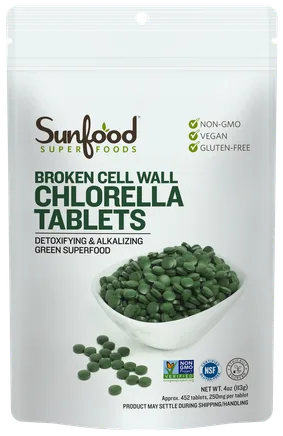
Sunfood Superfoods Nutrient-Rich Chlorella Tablets Review
This Sunfood Superfoods listing is for Broken Cell Wall Chlorella Tablets, sold in a 2 oz bag and marketed as a daily chlorella supplement. The page says the tablets are rich in chlorophyll to support the body's natural elimination process, along with antioxidants and Vitamin D to promote overall immune health. It states the chlorella has a broken cell wall for increased absorption, cracked using a cold pressed, hexane free method. The listing describes the chlorophyll as rich in antioxidants that may protect cells from free radicals and promote healthy immune function. Suggested use given is 3-4 tablets three times daily for daily antioxidant and immune support, with the bag kept sealed and stored in a cool, dry place. The item details list Brand Sunfood Superfoods, item form tablets, recommended use Immune Support, diet type Gluten Free and Vegan, and a Genetically Modified Organism (GMO) Free feature. The brand describes itself as a family-owned company based in San Diego that creates supplements and nutritious snacks using ethically sourced natural ingredients. The page notes the product is sold by TheNewMall and Finalfy at a price of $16.49.
We don’t sell supplements. We help you make decisions and get the best price.
Lowest prices
We hold no current store prices for it yet: check the store.
- AmazonPrice at AmazonCheck price at Amazon (opens in a new tab)
Some links earn us a commission; price comes first, and a commission only decides the order of prices within 2%. As an Amazon Associate we earn from qualifying purchases.
Study, Trial or Testing Result Summary
Members Only303 human studies · 136 improved
17 of these 303 human studies gave the ingredient by drip or injection, not by mouth.
No study of chlorella itself for liver health was provided, so the evidence comes only from nutrients that chlorella naturally contains. Vitamin B12 is the one nutrient above the studied dose. When given alone at 1000 micrograms a day for 12 weeks to people with fatty liver, it lowered homocysteine but did not change liver enzymes or liver fat [1]. Its only benefit came from a multi-nutrient mix, where its own effect cannot be separated [2]. The riboflavin trial behind the original grade had people eat oranges and did not test riboflavin alone [3]. Vitamin E, zinc, magnesium, vitamin C and folic acid have some liver trial support, but this product holds only trace amounts, far below the doses studied, for example vitamin E at 300 milligrams [4] and zinc at 30 milligrams [5]. Fiber and amino acids are present in unstated amounts. Newer, larger fiber studies found no liver benefit [6][7]. Beta-carotene did not reduce liver disease deaths in a large trial [8]. Overall, there is no direct evidence that these tablets help the liver. Animal and cell studies are never counted.
See all 303 studies →Hide the studies
- Across 14 randomised trials with 170,525 people, antioxidant supplements including beta-carotene did not reduce liver or other digestive cancers compared with placebo, and some combinations increased death rates.Antioxidant supplements for prevention of gastrointestinal cancers: a systematic review and meta-analysis.
- In two large groups of 137,481 people followed about 16 years plus a pooled analysis of 7 cohort studies, each extra 10 grams a day of dietary fiber was linked to a 17% lower risk of liver cancer.Fiber and whole grain intakes in relation to liver cancer risk: An analysis in 2 prospective cohorts and systematic revi…
- Across 60 studies with 100,621 people, daily fiber intake did not significantly differ between people with fatty liver disease and healthy controls.Systematic Review and Meta-analysis: The Role of Diet in the Development of Nonalcoholic Fatty Liver Disease.
- Across 22 observational studies of 30,368 people, higher blood folate was linked to a 25% lower chance of fatty liver disease, and genetic analysis hinted at lower liver enzyme levels, though this did not show folic acid supplements work.Homocysteine, folate, and nonalcoholic fatty liver disease: a systematic review with meta-analysis and Mendelian randomi…
- In 202 trials of 14,200 people with non-alcohol-related fatty liver disease, the evidence was too uncertain to say whether nutritional supplements, including vitamin E, change clinical outcomes.Nutritional supplementation for nonalcohol-related fatty liver disease: a network meta-analysis.
- Across 29 trials of 9,324 adults with biopsy-proven fatty liver inflammation (MASH), vitamin E combined with pioglitazone was significantly better than placebo for resolving MASH without worsening scarring.Comparison of pharmacological therapies in metabolic dysfunction-associated steatohepatitis for fibrosis regression and …
- In 54 studies of about 5,200 people with chronic liver disease, taking branched-chain amino acids for at least 6 months improved event-free survival in cirrhosis, but showed no convincing benefit for liver function, nutrition or quality of life.Systematic review with meta-analysis: Branched-chain amino acid supplementation in liver disease.
- A pooled analysis of 25 case-control studies of autoimmune liver disease found only one study measured vitamin B12, and it showed higher B12 levels in people with primary biliary cholangitis than in healthy people; no supplementation was tested.Serum vitamins and homocysteine levels in autoimmune liver disease: A systematic review and meta-analysis.
- Across 24 trials of 1,825 people with advanced digestive cancers, adding sodium cantharidinate and vitamin B6 injection to standard treatment improved response rates and reduced chemotherapy side effects, including liver toxicity and abnormal liver enzymes.Efficacy and safety of sodium cantharidinate and vitamin B6 injection for the treatment of digestive system neoplasms: a…
- Across 25 trials with 1744 people lasting 3 to 52 weeks, soluble fiber supplements did not significantly change liver enzymes, bilirubin or albumin compared with controls.No benefit of soluble fiber on liver function.
- Across 20 randomised trials of 1,225 people with liver disease (3 tested beta-carotene), antioxidant supplements did not change death rates and may have raised a liver enzyme.Meta-analysis: antioxidant supplements for liver diseases - the Cochrane Hepato-Biliary Group.
- In 20 randomised trials of 1,225 people with liver disease (3 tested beta-carotene), antioxidant supplements had no clear effect on death rates and may have increased liver enzyme activity.Antioxidant supplements for liver diseases.
- In 16 trials of 1066 people with fatty liver, vitamin E alone slightly lowered liver enzymes, but vitamin E combined with vitamin C (2 trials) had very uncertain effects on liver enzymes.Vitamin E for people with non-alcoholic fatty liver disease.
- Across 16 trials of 827 people with liver-related brain dysfunction, branched-chain amino acids improved the condition (risk ratio 0.73) but did not change death rates, and may raise nausea and vomiting.Branched-chain amino acids for people with hepatic encephalopathy.
- Across 16 trials of 827 people with liver-related brain dysfunction, branched-chain amino acids improved the condition (risk ratio 0.73) but did not change death rates, and may raise nausea and vomiting.Branched-chain amino acids for people with hepatic encephalopathy.
- Across 16 trials of 827 people with liver-related brain dysfunction (hepatic encephalopathy), branched-chain amino acids improved the condition (risk ratio 0.73) but did not change death rates, and may raise nausea and vomiting.Branched-chain amino acids for people with hepatic encephalopathy.
- Across seven trials of 709 people with rheumatoid arthritis taking a med, those given folate were much less likely to have raised liver enzymes than those given placebo.Read the study on PubMed (29975207) →
- Six placebo-controlled trials of 624 people with rheumatoid arthritis on a med found folic or folinic acid lowered the risk of raised liver enzymes by about 77% relative to placebo.Read the study on PubMed (23728635) →
- In six placebo-controlled trials of 624 people with rheumatoid arthritis on a med, low-dose folic or folinic acid cut the risk of raised liver enzymes by about 77% compared with placebo.Read the study on PubMed (24737913) →
- In seven trials with 338 people with cirrhosis, zinc supplements slightly raised albumin, lowered the liver enzyme ALT and blood ammonia, and improved a mental function test compared with controls.Zinc supplementation in liver cirrhosis: meta-analysis of its effect on biochemical and clinical outcomes.
- In four trials with 247 people with cirrhosis and brain impairment, zinc plus lactulose over 3 to 6 months improved the number connection test but did not significantly change the digit symbol test or blood ammonia compared with lactulose alone.Zinc supplementation in patients with cirrhosis and hepatic encephalopathy: a systematic review and meta-analysis.
- Across six trials with 242 people with fatty liver disease taking 10 to 16 grams of fiber a day for 10 to 12 weeks, fiber lowered the liver enzymes ALT and AST, along with body mass index and insulin resistance, compared with controls.The Relationship between Prebiotic Supplementation and Anthropometric and Biochemical Parameters in Patients with NAFLD-…
- In a pooled analysis of observational studies, people with the highest fiber intake had about 35% lower odds of chronic liver disease than those with the lowest intake.Effect of whole grain and fiber consumption on chronic liver diseases: a systematic review and meta-analysis.
- Across 21 studies of people with fatty liver disease and healthy people, overall dietary iron intake did not differ between the groups, though people with fatty liver in Asia ate slightly more iron.Dietary iron and zinc intakes and nonalcoholic fatty liver disease: A meta-analysis.
- Across 78 randomized trials, magnesium supplementation (most trials used 300 mg or more daily) did not significantly change the liver enzymes ALT or AST, though it modestly improved blood sugar, cholesterol, blood pressure and interleukin-6.Comprehensive Effects of Magnesium Supplementation on Cardiometabolic Risk Factors: A Systematic Review and Dose-Respons…
- A review of observational studies found beta-carotene intake and blood levels had inconclusive links to liver cancer risk.A systematic review and meta-analysis of the association between vitamin A intake, serum vitamin A, and risk of liver ca…
- Observational studies showed people with metabolic diseases including fatty liver disease had lower blood carotenoids than healthy people, but dietary intake did not differ significantly.Reduced plasma carotenoids in individuals suffering from metabolic diseases with disturbances in lipid metabolism: a sys…
- Pooling eight studies of people with fatty liver disease, vitamin B12 blood levels did not differ from healthy people, though homocysteine was higher; no supplement was given.VITAMIN B12 AND HOMOCYSTEINE LEVELS IN PATIENTS WITH NAFLD: A SYSTEMATIC REVIEW AND METANALYSIS.
- In a pooled analysis of trials in children with fatty liver disease, vitamin E improved cholesterol but did not clearly change liver enzymes, fibrosis or ballooning, and raised fasting glucose in treatment of 12 months or less.Vitamin E in paediatric non-alcoholic fatty liver disease: a meta-analysis.
- In 26 trials of people with biopsy-proven fatty liver inflammation (NASH), vitamin E alone was better than placebo for improving scarring by at least one stage, and vitamin E plus pioglitazone was better than placebo for resolving NASH.Systematic review with network meta-analysis: comparative efficacy of pharmacologic therapies for fibrosis improvement a…
- In a pooled analysis of placebo-controlled trials in adults with fatty liver disease, vitamin E plus pioglitazone ranked among the top treatments for resolving liver inflammation (NASH) without worsening scarring.Comparative Efficacy of Drug Interventions on NAFLD Over 24 Weeks: A Traditional and Network Meta-Analysis of Randomized…
- A review of studies on myo-inositol and D-chiro-inositol found they may help insulin resistance in polycystic ovary syndrome and metabolic syndrome, but it did not measure liver health directly and the studies varied too much to be sure.Inositol's and other nutraceuticals' synergistic actions counteract insulin resistance in polycystic ovarian syndrome an…
- In 75 trials, zinc supplements lowered blood fats, blood sugar and inflammation markers but had no noticeable effect on the liver enzymes AST and ALT.Zinc supplementation and cardiovascular disease risk factors: A GRADE-assessed systematic review and dose-response meta-…
- Combining 30 trials in people with cirrhosis, branched-chain amino acids might improve liver-related brain dysfunction but probably have little or no effect on death.Do branched chain amino acids improve hepatic encephalopathy in cirrhosis?
- In 10 trials of 816 people with type 2 diabetes testing probiotics, prebiotics and synbiotics (one used inulin with beta carotene), liver markers generally improved though some changes were not significant.Can probiotic, prebiotic, and synbiotic supplementation modulate the gut-liver axis in type 2 diabetes? A narrative and …
- In 11 small trials of 556 patients with liver-related brain dysfunction, branched-chain amino acids helped more people improve overall, but this benefit disappeared in the higher-quality trials, so the evidence was not convincing.Branched-chain amino acids for hepatic encephalopathy.
- In 49 patients with a rare inherited B6-related seizure disorder, active vitamin B6 controlled seizures in about 78%, but liver toxicity occurred in about 20%, so regular liver screening is recommended.Effectiveness of Pyridoxal-5'-Phosphate in PNPO Deficiency: A Systematic Review.
- A review of trials in adults with fatty liver disease found plant foods such as whole grains and high-fiber buns reduced liver fat and some liver enzymes, but effects across foods were mixed and not specific to fiber.Systematic Review of the Effects of Plant-Based Foods on Metabolic Outcomes in Adults with MASLD and Comorbidities Such …
- A review of thirty observational studies found that higher dietary potassium intake, among other nutrients and food patterns, was linked to a lower risk of liver cancer.The Association between Diet and Hepatocellular Carcinoma: A Systematic Review.
- A review of 8 magnesium studies found that magnesium deficiency may raise the risk of alcohol-related liver injury, but there is not enough evidence to support magnesium supplements except in people who are truly deficient.The Role of Micronutrients in the Pathogenesis of Alcohol-Related Liver Disease.
- In a review of 30 mostly observational studies, lower blood and dietary beta-carotene were linked to higher liver disease risk, but carotenoid supplements showed no significant effect on liver cancer.A systematic review of dietary and circulating carotenoids and liver disease.
- In a review of 16 clinical trials, metadoxine (a combination containing vitamin B6) improved liver function after chronic alcoholism in 4 of 5 studies and rarely caused side effects.Pharmacology, Systematic Review and Recent Clinical Trials of Metadoxine.
- In a review of 59 observational studies, evidence linking vitamin B6 (pyridoxine) to fatty liver disease was inconsistent, though it often suggested lower risk, and overall certainty was very low.B vitamins and metabolic dysfunction-associated steatotic liver disease (MASLD): a systematic review of observational st…
- In a review of four studies on detecting liver disease caused by intestinal failure, blood vitamin B12 levels did not correlate with liver injury; no supplement was given.Systematic Review: Noninvasive Assessments of Intestinal Failure-Associated Liver Disease in the Adult Population.
- In a review of 15 fatty liver trials, a vitamin E and C combination showed no difference from ursodeoxycholic acid, and limited data prevented firm conclusions.Pharmacological interventions for nonalcoholic fatty liver disease in adults and in children: a systematic review.
- A review of 12 studies (4 in humans) found that tocotrienol, a form of vitamin E, improved fatty liver outcomes, though results depended on severity and study length and more human research is needed.Tocotrienol in the Management of Nonalcoholic Fatty Liver Disease: A Systematic Review.
- A review of 40 meta-analyses found vitamin E had positive effects on some liver enzymes in adults, though the evidence quality was generally weak.Natural products and dietary interventions on liver enzymes: an umbrella review and evidence map.
- A review of 23 studies of a med in psoriasis noted that folic acid may improve tolerability but may reduce a med's effectiveness, and it gave no clear data on folic acid protecting the liver.Read the study on PubMed (21388454) →
- A review of 10 animal studies and one human trial found inositol lowered liver fat in animals, and in the one human trial pinitol reduced liver fat, after-meal triglycerides and a liver enzyme, though more large trials are needed.Inositol and Non-Alcoholic Fatty Liver Disease: A Systematic Review on Deficiencies and Supplementation.
- A review of 18 publications on muscle cramps in cirrhosis found some reported improvement with zinc and other treatments, but the evidence mostly came from case reports with few randomized trials.Systematic review: the treatment of muscle cramps in patients with cirrhosis.
- A review of eight studies on severe alcoholic hepatitis included two testing anakinra plus zinc for 90-day survival, but no clear conclusion on zinc was given and meds remain first-line.Read the study on PubMed (41024761) →
- In 29,450 healthy adults in China, taking beta-carotene with vitamin E and selenium daily for about 5 years did not lower deaths from liver cancer compared with placebo.Chemoprevention of primary liver cancer: a randomized, double-blind trial in Linxian, China.
- In 29,105 Finnish male smokers, 20 mg of beta-carotene daily for 5-8 years did not reduce liver cancer or chronic liver disease deaths over 24 years of follow-up.Effects of α-tocopherol and β-carotene supplementation on liver cancer incidence and chronic liver disease mortality in …
- This trial in 18,314 people at high risk of lung cancer did not study liver health; beta-carotene plus vitamin A gave no cancer-prevention benefit and increased lung cancer.Risk factors for lung cancer and for intervention effects in CARET, the Beta-Carotene and Retinol Efficacy Trial.
- In 1005 adults aged 50-70 given vitamin C 1 g with vitamin E and a med for about 3.6 years, fatty liver was less likely at the end than with placebo (70% vs 34%).Read the study on PubMed (20842109) →
- In 802 people with prediabetes, six months of a dietary fiber intervention did not significantly change liver function or other measures compared with usual care.Gut microbiome predicts personalized responses to dietary fiber in prediabetes: a randomized, open-label trial.
- In 502 older adults on a high-fiber, plant-protein, unsaturated-fat diet or standard recommendations, thyroid hormone changes did not differ between groups, and the study did not isolate a fiber effect on liver fat.Impact of peripheral thyroid hormone balance on liver fat: insights from the NutriAct trial.
- In 387 Indonesian infants given 10 mg iron 5 days a week for 6 months, blood vitamin A levels fell and vitamin A deficiency rose, while a test of liver vitamin A stores suggested greater liver stores.Redistribution of vitamin A after iron supplementation in Indonesian infants.
- In older adults at risk of unhealthy aging, a diet high in fiber, protein and unsaturated fat for 12 months lowered liver fat by 33% versus 22% on usual care (not significant), but the difference was significant among those who followed the diet closely (42% versus 22%).Effect of unsaturated fat and protein intake on liver fat in people at risk of unhealthy aging: 1-year results of a rand…
- In 303 people with high cholesterol, beta-carotene was not given as a supplement and liver health was not studied; the drugs probucol and cholestyramine lowered blood levels of beta-carotene by 30-40%.Probucol treatment decreases serum concentrations of diet-derived antioxidants.
- In 247 adults with fatty liver inflammation and no diabetes, 800 IU of vitamin E daily for 96 weeks improved liver tissue in 43% versus 19% on placebo and lowered liver enzymes, but did not improve scarring.Pioglitazone, vitamin E, or placebo for nonalcoholic steatohepatitis.
- In 226 preschool children given fortified seasoning for 6 months, the multi-nutrient group (including riboflavin) improved vitamin A levels and iron mobilization from liver stores, but riboflavin was not tested alone and there was no placebo group.Effects of vitamin A, vitamin A plus iron and multiple micronutrient-fortified seasoning powder on preschool children in…
- In 216 patients starting chemotherapy for stomach or bowel cancer, magnesium isoglycyrrhizinate cut liver abnormalities to 10.5% versus 27.3% with glutathione.[Magnesium isoglycyrrhizinate prevention of chemotherapy-induced liver damage during initial treatment of patients with …
- In 191 people with fatty liver inflammation, 8 weeks of a combination product including nicotinamide ascorbate cut liver fat by 25% and lowered liver enzymes, while placebo did not.Efficacy and safety of oral betaine glucuronate in non-alcoholic steatohepatitis. A double-blind, randomized, parallel-g…
- In 180 adults with impaired glucose tolerance given insoluble cereal fibre or placebo for 2 years, liver fat showed only a non-significant trend toward reduction in the 19 people with fatty liver disease, and differences between groups vanished after adjusting for weight loss.Effects of Insoluble Cereal Fibre on Body Fat Distribution in the Optimal Fibre Trial.
- In 180 primary school children aged 5 to 10, eating 125 g of orange sweet potato daily for 53 school days improved vitamin A liver stores more than the white sweet potato control.Beta-carotene-rich orange-fleshed sweet potato improves the vitamin A status of primary school children assessed with th…
- In 180 young people with thalassemia and low vitamin C, 100 mg daily vitamin C for 1 year alongside iron-removing drugs lowered liver iron concentration and other iron measures versus no vitamin C.Role of vitamin C as an adjuvant therapy to different iron chelators in young β-thalassemia major patients: efficacy and…
- In 174 people with advanced cirrhosis, one year of branched-chain amino acid supplements reduced death or worsening and hospital admissions compared with milk protein or maltodextrin, though many people struggled to keep taking them.Nutritional supplementation with branched-chain amino acids in advanced cirrhosis: a double-blind, randomized trial.
- In 173 cirrhosis patients with brain complications from liver disease, neomycin plus magnesium sulfate worked about as well as lactulose.Comparison between neomycin and lactulose in 173 patients with hepatic encephalopathy: a randomized clinical study.
- In 155 adults with obesity and metabolic syndrome, a three-month multi-nutrient mix including vitamin B12 reduced liver fat score by 4% and liver stiffness by 7.8% compared with placebo, so B12's own effect cannot be separated.Use of a Micronutrient Cocktail to Improve Metabolic Dysfunction-Associated Steatotic Liver Disease (MASLD) in Adults wi…
- In 150 adults with fatty liver disease, 400 IU of vitamin E daily for 3 months significantly lowered liver enzymes (ALT and AST), while the lifestyle-plus-placebo group showed no significant change.Treatment options for nonalcoholic fatty liver disease: a double-blinded randomized placebo-controlled trial.
- In 133 Zambian children over 90 days, orange maize raised total body vitamin A reserves compared with white maize, matching a vitamin A supplement.Biofortified orange maize is as efficacious as a vitamin A supplement in Zambian children even in the presence of high l…
- In 133 Zambian preschool children, biomarkers suggested high vitamin A liver stores, with elevated carotenoids and some retinyl esters, indicating possible excess rather than deficiency.High provitamin A carotenoid serum concentrations, elevated retinyl esters, and saturated retinol-binding protein in Zam…
- In 131 people with prediabetes on a one-year lifestyle program with fiber or placebo, liver fat indices did not differ between those who did and did not return to normal blood sugar.Predicting Factors for Metabolic Non-Response to a Complex Lifestyle Intervention-A Replication Analysis to a Randomized…
- In 131 people with pre-high blood pressure, a multi-ingredient supplement including folic acid taken for 3 months did not change liver enzymes (AST and ALT) compared with diet alone.The Effects of a New Generation of Nutraceutical Compounds on Lipid Profile and Glycaemia in Subjects with Pre-hypertens…
- In 124 non-diabetic adults with fatty liver inflammation (MASH), 300 mg of vitamin E daily improved liver biopsy results in 29.3% of people, compared with 14.1% on placebo. Fat, inflammation, and scarring scores all improved.Vitamin E (300 mg) in the treatment of MASH: A multi-center, randomized, double-blind, placebo-controlled study.
- In 118 alcoholic patients given 500 mg magnesium or placebo for 8 weeks, liver enzymes (GGT, AST, ALT) did not differ significantly overall, though AST was lower in magnesium takers who stuck with treatment.Magnesium treatment in alcoholics: a randomized clinical trial.
- In Filipino schoolchildren aged 9 to 12, 9 weeks of carotene-rich vegetables eaten with little fat doubled liver vitamin A and cut the share with low liver vitamin A from 35% to 7%.Carotene-rich plant foods ingested with minimal dietary fat enhance the total-body vitamin A pool size in Filipino schoo…
- In 115 pre-diabetic adults with fatty liver, a fibre-enriched diet (12 g/day) for about 8.6 months cut liver fat by 23% while the no-intervention group rose 21%, and combining it with aerobic exercise cut liver fat by 48%.Effect of aerobic exercise and diet on liver fat in pre-diabetic patients with non-alcoholic-fatty-liver-disease: A rand…
- In 113 adults with fatty liver disease, a supplement mixture containing d-alpha-tocopherol for 3 months was safe but did not improve liver enzymes, metabolic markers or inflammation compared with placebo.Randomised trial of chronic supplementation with a nutraceutical mixture in subjects with non-alcoholic fatty liver dise…
- In 106 alcohol-dependent patients given 6 mg beta-carotene with other micronutrients for 21 days, blood levels improved, but liver health was not measured.Changes in serum retinol, alpha-tocopherol, vitamin C, carotenoids, xinc and selenium after micronutrient supplementatio…
- In 105 adults with type 2 diabetes and fatty liver disease, 800 IU of vitamin E daily for 18 months did not significantly improve the main liver biopsy score compared with placebo, although it improved liver fat and resolved the disease more often than placebo.Role of Vitamin E for Nonalcoholic Steatohepatitis in Patients With Type 2 Diabetes: A Randomized Controlled Trial.
- In 104 people with severe alcohol-related liver inflammation, a combination of anakinra, pentoxifylline and zinc for 180 days gave survival similar to meds (67.9% vs 56% at 180 days, not a significant difference).IL-1 receptor antagonist plus pentoxifylline and zinc for severe alcohol-associated hepatitis.
- In 102 Egyptian adults with fatty liver disease, 800 mg of vitamin E daily for three months lowered liver enzymes by about half and reduced inflammatory markers, with a larger effect than ursodeoxycholic acid or pentoxifylline.A randomized controlled trial comparing the effects of Vitamin E, Ursodeoxycholic acid and Pentoxifylline on Egyptian no…
- In 101 overweight or obese adults given 15 or 30 grams of arginine daily for 90 days, liver and other safety measures raised no concerns and no adverse events were reported.Safety of dietary supplementation with arginine in adult humans.
- In a 16-week trial in obese African American and Latino teens, a nutrition program to cut sugar and add fiber improved insulin sensitivity but did not reduce liver fat, whereas adding strength training with nutrition cut liver fat by about 27 percent.Randomized controlled trial to improve adiposity, inflammation, and insulin resistance in obese African-American and Lat…
- In 100 adults with fatty liver disease, 268 mg of alpha-tocopherol (a form of vitamin E) twice daily for 48 weeks improved liver fat, insulin resistance and markers of fat-damage oxidation, though it was no better than delta-tocotrienol.Comparison of delta-tocotrienol and alpha-tocopherol effects on hepatic steatosis and inflammatory biomarkers in patient…
- In 100 adults with fatty liver disease, 268 mg of alpha-tocopherol twice daily for 48 weeks lowered circulating microRNAs linked to liver fat, insulin resistance and inflammation, though delta-tocotrienol lowered two of them more strongly.Hepato-Protective Effects of Delta-Tocotrienol and Alpha-Tocopherol in Patients with Non-Alcoholic Fatty Liver Disease: …
- In 95 adults with high cholesterol and healthy adults, 300 mg of beta-carotene daily for 30 days did not change liver enzyme levels, though HDL cholesterol rose temporarily by day 14 and returned to baseline by day 30.Read the study on PubMed (8010332) →
- In 92 obese adults with fatty liver disease followed for 8 weeks, myo-inositol with weight-loss advice improved blood fats and liver fat grade more than the control group, though differences in liver enzymes and blood sugar between groups were not significant.Clinical effectiveness of α-lipoic acid, myo-inositol and propolis supplementation on metabolic profiles and liver funct…
- In 90 people with acid reflux, adding magnesium-containing mineral water to standard treatment for about a month improved symptoms and normalized liver function.Application of mineral waters in the complex treatment of patients with gastroesophageal reflux disease.
- In 90 children with fatty liver disease, 500 mg of vitamin C plus 600 IU of vitamin E daily for 12 months did not change liver enzyme levels or insulin resistance compared with placebo, while diet and exercise helped both groups.Effect of vitamin E on aminotransferase levels and insulin resistance in children with non-alcoholic fatty liver disease…
- In 90 people with fatty liver inflammation, 800 IU of vitamin E daily for 6 months significantly reduced liver fat and a marker of oxidative stress. A combination of N-acetylcysteine and a med produced larger improvements.New Approach Combination-Dosed Therapy for Nonalcoholic Steatohepatitis Versus Vitamin E: A Randomized Controlled Trial.
- In 90 people with cirrhosis and recurrent brain complications from liver disease, 600 mg of zinc acetate daily for six months on top of standard care normalized blood zinc, but test results were not significantly better than standard care alone (88.6% vs 86% had no episodes).Management of hepatic encephalopathy with oral zinc supplementation: a long-term treatment.
- In 88 Chinese women with fatty liver disease, a 12-week fiber-rich Mediterranean-style diet reduced liver fat by about 30 percent and improved liver enzymes more than habitual diet, though the diet was not tested as fiber alone.Effect of an Asian-adapted Mediterranean diet and pentadecanoic acid on fatty liver disease: the TANGO randomized contro…
- In 87 people with fatty liver disease, drinking 400 ml of magnesium-containing mineral water daily for 12 months improved liver fat, gut barrier, inflammation and oxidative stress compared with diet alone.Beneficial Effects of Long-Lasting Bicarbonate-Sulfate-Calcium-Magnesium Water Intake on Metabolic Dysfunction-Associate…
- In 86 adults with obesity or type 2 diabetes, a 12-week low-salt, high-fibre diet with a special rice regimen reduced liver fat by 2.6% compared with a 0.4% rise in people who kept their usual diet.Impact of diet intervention on visceral adipose tissue and hepatic fat in patients with obesity or type 2 diabetes: a ra…
- In 81 adults with mildly raised fasting blood sugar, a multi-ingredient supplement with zinc taken for 3 months lowered blood sugar and showed no signs of liver or kidney toxicity, but liver health itself was not improved.Efficacy and Tolerability of a Food Supplement Based on Zea mays L., Gymnema sylvestre (Retz.) R.br.ex Sm, Zinc and Chro…
- In 80 overweight adults, vitamin E (800 IU per day, raised to 1,200 IU after 3 months) for 6 months lowered blood markers of oxidative stress and liver enzyme levels compared with placebo, while the improvement in insulin sensitivity was temporary.Effect of high-dose vitamin E on insulin resistance and associated parameters in overweight subjects.
- In 79 people with cirrhosis and brain complications from liver disease, 225 mg of polaprezinc daily for 6 months on top of standard care lowered encephalopathy grade and blood ammonia and improved liver severity score and physical quality of life compared with standard care alone.Clinical trial: oral zinc in hepatic encephalopathy.
- In 75 people with worsening alcoholic cirrhosis and brain symptoms, an intravenous amino acid mix rich in branched-chain amino acids improved brain symptoms, survival and hospital discharge more than a med neomycin.Disease-specific amino acid infusion (F080) in hepatic encephalopathy: a prospective, randomized, double-blind, controll…
- In 70 obese adults on a 6-month calorie-restricted diet, those eating at least 7.5 grams of insoluble fiber per day improved fatty liver scores, and fruit fiber intake improved liver enzymes.Fruit Fiber Consumption Specifically Improves Liver Health Status in Obese Subjects under Energy Restriction.
- In 70 patients with severe alcoholic hepatitis, a multi-nutrient antioxidant mix including magnesium for 6 months did not improve survival versus placebo (52.8% vs 55.8%).Read the study on PubMed (17532088) →
- In a 5-week double-blind trial of 69 obese adults, konjac flour (a fiber-rich flour) lowered liver enzymes AST and ALT more than placebo, along with body weight and blood lipids.Effects of Konjaku Flour on the Gut Microbiota of Obese Patients.
- In 69 people with fatty liver disease, 800 IU of vitamin E daily for one year lowered liver enzyme levels, but adding pentoxifylline gave greater fibrosis regression and better insulin measures than vitamin E alone.Efficacy of combining pentoxiphylline and vitamin E versus vitamin E alone in non-alcoholic steatohepatitis- A randomize…
- In 69 cirrhosis patients with minimal hepatic encephalopathy, 45 mg of elemental zinc daily for 12 weeks improved psychomotor performance and quality of life compared with placebo.Efficacy of Zinc Supplement in Minimal hepatic Encephalopathy: A prospective, Randomized Controlled Study (Zinc-MHE Tria…
- In 67 people with alcohol-related cirrhosis, taking 500 mg of vitamin E daily for one year raised blood vitamin E levels but did not change liver lab tests, deaths, or hospital stays compared with placebo.Effects of long-term vitamin E supplementation in alcoholic cirrhotics.
- In 66 patients with anemia before surgery, folic acid 5 mg daily plus iron for 3 weeks, with or without sorghum extract, kept liver and kidney test results within normal ranges.An open-label, randomized, parallel-group comparative study of the efficacy of sorghum bicolor extract in preoperative a…
- In 64 people with moderate coronary artery disease, 300 mg of magnesium sulfate daily for 6 months lowered liver enzyme levels (SGOT and SGPT) compared with placebo, and liver tests suggested it was safe.Magnesium Sulfate Administration in Moderate Coronary Artery Disease Patients Improves Atherosclerotic Risk Factors: A D…
- In 62 adults with fatty liver disease, eating 400 g of whole oranges daily for 4 weeks lowered the share with liver fat to 70.9% versus 100% in the comparison group, though thiamine was not given on its own and only rose as part of the diet.Daily Orange Consumption Reduces Hepatic Steatosis Prevalence in Patients with Metabolic Dysfunction-Associated Steatoti…
- In 61 people with liver cirrhosis, 50 mg of pyridoxine daily for 12 weeks, alone or with glutathione, did not significantly change markers of oxidative stress or antioxidant capacity compared with placebo.Impact of Glutathione and Vitamin B-6 in Cirrhosis Patients: A Randomized Controlled Trial and Follow-Up Study.
- In 60 adults with high blood pressure taking a med, 16 weeks of potassium magnesium citrate compared with potassium chloride showed no significant difference in liver fat, though it did reduce the rise in blood sugar.Potassium Magnesium Citrate Is Superior to Potassium Chloride in Reversing Metabolic Side Effects of Chlorthalidone.
- In 60 women with severe preeclampsia given magnesium sulfate, adding Danshen injection for 7 days lowered liver enzymes (ALT and AST) more than magnesium sulfate alone, but the effect of magnesium itself was not tested.Effect of Compound Danshen Injection Combined with Magnesium Sulfate on Oxidative Stress, TNF-α, NO, and Therapeutic Eff…
- In 60 people with type 2 diabetes, vitamin C 500 mg plus chromium 200 mcg lowered liver enzymes (ALT and AST) more than placebo, along with better blood fats, blood sugar and BMI.Synchronizing positive effect of vitamin C and chromium on hyper lipidemia, hyperglycemia, liver enzymes and BMI of diab…
- In 60 people with cirrhosis, adding 5-MTHF to propranolol for 90 days lowered liver portal vein pressure more than placebo plus propranolol (20% vs 12.5% decrease).5-MTHF enhances the portal pressure reduction achieved with propranolol in patients with cirrhosis: A randomized placebo…
- In 60 healthy adults with high cholesterol, a daily pill containing zinc with bergamot, artichoke, and Q10 for 8 weeks reduced fatty liver indexes and waist size compared with placebo, and lowered inflammation (hs-CRP) compared with baseline.Effect of Dietary Supplementation with Eufortyn® Colesterolo Plus on Serum Lipids, Endothelial Reactivity, Indexes of No…
- In 60 overweight children with fatty liver inflammation, 30 mg of zinc daily for 16 weeks lowered ALT and hs-CRP compared with placebo, but did not change liver fat on ultrasound.Effects of Zinc Supplementation on Inflammatory Status and Nonalcoholic Steatohepatitis in Overweight or Obese Children:…
- In 58 people with metabolic syndrome taking a med, a 4 g daily blend containing D-chiro-inositol for 16 weeks lowered body weight, insulin, cholesterol and triglycerides, and the authors said liver measures also improved.Effectiveness of a Food Supplement Based on Glucomannan, D-Chiro-Inositol, Cinnamomum zeylanicum Blume and Inulin in Pat…
- In 57 adults with type 2 diabetes, 500 mg of vitamin C daily for 8 weeks did not change liver enzymes (AST, ALT) or C-reactive protein compared with placebo, though leptin rose.Eight Weeks of Vitamin C Supplementation Restores the Lost Correlation between Serum Leptin and C-reactive Protein (CRP)…
- In 57 healthy adults fed a very low choline diet for up to 6 weeks, adding 400 micrograms of folic acid daily did not change who developed fatty liver or muscle damage.Sex and menopausal status influence human dietary requirements for the nutrient choline.
- In 56 people with severe alcohol-related hepatitis, adding 600 mg of vitamin E per day, together with selenium and zinc, lowered a marker of oxidative stress and bilirubin faster and cut deaths from 40% to 6.5% compared with standard care alone. The selenium and zinc were given at the same time, so the vitamin E effect cannot be separated out.[Alcohol-induced toxic hepatitis--a "free radical" associated disease. Lowering fatality by adjuvant antioxidant therapy…
- In 56 overweight adults with fatty liver, 30 mg of zinc daily for 12 weeks with a calorie-restricted diet lowered liver enzymes ALT and GGT and waist size compared with placebo, but did not significantly change liver fat.The Effect of Zinc Supplementation on Steatosis Severity and Liver Function Enzymes in Overweight/Obese Patients with Mi…
- In 56 overweight adults with fatty liver, 30 mg of zinc daily for 12 weeks with a weight-loss diet improved insulin resistance and oxidative stress markers (SOD1, MDA) but did not improve lipid profiles beyond diet alone.The effects of zinc supplementation on metabolic profile and oxidative stress in overweight/obese patients with non-alco…
- In 55 overweight adults, a 12-week multi-ingredient supplement containing 200 IU of vitamin E, plus other ingredients, lowered liver enzyme readings (AST and ALT) compared with placebo, alongside weight loss.Novel Multi-Ingredient Supplement Facilitates Weight Loss and Improves Body Composition in Overweight and Obese Individu…
- In 55 children with epilepsy and drug-related liver injury, 1 mg of folic acid daily for one month lowered liver enzymes more than silymarin, with more children reaching normal levels.Comparison of efficacy of folic acid and silymarin in the management of antiepileptic drug induced liver injury: a rando…
- In an 8-week placebo-controlled trial, 4 grams of glucomannan daily taken before meals was safe and well tolerated, including liver enzyme tests, but did not reduce weight or change other measures compared with placebo.Safety and efficacy of glucomannan for weight loss in overweight and moderately obese adults.
- In 53 children with fatty liver disease, 500 mg of vitamin C plus 600 IU of vitamin E daily for 24 months added no benefit to diet and exercise, which improved liver tissue and blood tests in both groups.Lifestyle intervention and antioxidant therapy in children with nonalcoholic fatty liver disease: a randomized, controll…
- In 51 patients with minimal hepatic encephalopathy from cirrhosis, 4 weeks of a potassium-iron-phosphate-citrate complex moved 72% to normal test scores versus 26.9% on placebo, with better quality of life.Treatment with a potassium-iron-phosphate-citrate complex improves PSE scores and quality of life in patients with minim…
- In 51 adults with mild to moderate alcoholic hepatitis, 1000 IU of vitamin E daily for 3 months did not improve liver function tests compared with placebo, though it lowered a fibrosis marker, serum hyaluronic acid.A randomized placebo controlled trial of vitamin E for alcoholic hepatitis.
- In 51 cirrhotic patients after radiofrequency ablation for liver cancer, oral branched-chain amino acids over a median of 3.9 years lowered complications and intrahepatic recurrence and improved mental health scores compared with diet alone.Effects of branched-chain amino acid supplementation after radiofrequency ablation for hepatocellular carcinoma: A rando…
- In a 17-day placebo-controlled trial in people withdrawing from alcohol, inulin changed gut and blood metabolites, and some of these changes were linked to liver function, but no improvement in liver function was reported.Effect of inulin supplementation on fecal and blood metabolome in alcohol use disorder patients: A randomised, controlle…
- In 50 patients undergoing major liver resection, an intraoperative infusion containing vitamin C and vitamin E reduced the rise in a lipid peroxidation marker after blood flow was restored, compared with controls.Normothermic liver ischemia and antioxidant treatment during hepatic resections.
- In 50 overweight adults with fatty liver disease, all participants received a calorie-restricted diet plus 800 IU of vitamin E daily for 36 weeks, and both groups improved liver enzymes and liver biopsy scores, with or without the drug orlistat added.Orlistat for overweight subjects with nonalcoholic steatohepatitis: A randomized, prospective trial.
- In 50 adults with fatty liver and metabolic syndrome, a daily tablet with butyrate, 5 mg zinc, and vitamin D for 3 months improved the fatty liver index compared with placebo and lowered GGT compared with baseline.Effect of Supplementation of a Butyrate-Based Formula in Individuals with Liver Steatosis and Metabolic Syndrome: A Rand…
- In 49 adults with type 2 diabetes, an 8-week isocaloric multifactorial diet rich in fibre and other beneficial components reduced liver fat from 9.2% to 5.2%, a greater reduction than a healthy-fat diet produced.Effects of a multifactorial ecosustainable isocaloric diet on liver fat in patients with type 2 diabetes: randomized cli…
- In 49 long-term heavy drinkers, 6 weeks of oral magnesium lowered the liver enzymes ASAT, ALAT and GGT, while placebo produced no change.Oral magnesium supplementation improves metabolic variables and muscle strength in alcoholics.
- In 49 adults with fatty liver inflammation (NASH), taking 1000 mg of vitamin C plus 1000 IU of vitamin E daily for 6 months improved liver scarring compared with placebo, though inflammation and liver enzymes did not change.Vitamin E and vitamin C treatment improves fibrosis in patients with nonalcoholic steatohepatitis.
- In a placebo-controlled pilot of 49 people with hepatic encephalopathy over 8 weeks, combined branched-chain amino acids and synbiotics improved thinking tests compared with placebo, without a significant change in ammonia levels.Supplementation with Synbiotics and/or Branched Chain Amino Acids in Hepatic Encephalopathy: A Pilot Randomised Placebo-…
- In 48 adults with fatty liver disease, 11.7 g per day of fiber from oat or spelt bran for 12 weeks gave no benefit beyond dietary counseling or placebo on liver fat or gut microbes.Fiber enrichment is not superior to dietary monitoring in MASLD: A dual-center, double-blind, placebo-controlled trial.
- In 45 adults with type 2 diabetes over 8 weeks, a diet high in low-glycaemic carbohydrates and fibre raised after-meal adiponectin more than a monounsaturated fat diet, but liver fat was not reported as improved.Dietary influence on adiponectin in patients with type 2 diabetes.
- In 44 adults with fatty liver disease over 2 months, a low-carbohydrate and high-fiber diet with education lowered liver enzymes, weight, and blood sugar more than education alone.Impact of a low-carbohydrate and high-fiber diet on nonalcoholic fatty liver disease.
- In a placebo-controlled trial of 44 overweight children, a daily combination of 500 mg vitamin C, 400 IU vitamin E and selenium for 4 months modestly lowered a liver enzyme (ALT) and reduced oxidative stress, but did not reduce inflammation.Antioxidant supplements reduced oxidative stress and stabilized liver function tests but did not reduce inflammation in …
- In 43 people with prediabetes, a 12-week fiber-rich diet did not lower liver fat compared with a standard diet, while a diet high in olive oil fat did.Randomized Controlled Trial of a MUFA or Fiber-Rich Diet on Hepatic Fat in Prediabetes.
- In 43 malnourished people with cirrhosis, 12 weeks of an HMB-enriched supplement twice daily raised branched-chain amino acid levels and the Fischer ratio more than a high-protein supplement, a profile that may help prevent minimal hepatic encephalopathy.Amino Acid Profile in Malnourished Patients with Liver Cirrhosis and Its Modification with Oral Nutritional Supplements:…
- In 43 people on intravenous feeding for at least 2 weeks, a lipid-based energy mix with the same amino acid level kept liver blood tests closer to normal than a dextrose-based mix, so the amino acid content itself was not shown to change liver function.Liver dysfunction and energy source: results of a randomized clinical trial.
- In 42 adults with fatty liver disease, 16 g per day of prebiotic fibre for 24 weeks alongside weight loss counseling did not change liver fat more than a placebo drink did.Effects of combined prebiotic fiber supplementation and weight loss counseling in adults with metabolic dysfunction-asso…
- In 41 children with attention deficit disorders given high-dose vitamins including up to 0.6 g of pyridoxine daily, 42% had liver enzyme levels above the normal upper limit, and the authors warned of possible liver toxicity.Effects of megavitamin therapy on children with attention deficit disorders.
- In 41 adults aged 70 and older with high LDL cholesterol, taking 400 IU of vitamin E daily for 6 months (alone or with pravastatin, over 12 months total) did not change liver function tests compared with placebo.Health-related quality of life and long-term therapy with pravastatin and tocopherol (vitamin E) in older adults.
- In 40 people having a living donor liver transplant, magnesium given beforehand shortened the post-reperfusion syndrome and shifted immune signaling toward a Th2 pattern compared with saline.Effects of magnesium pretreatment on the levels of T helper cytokines and on the severity of reperfusion syndrome in pat…
- In 40 adults taking one to three packets daily of a vitamin and amino acid hydration drink for 4 weeks, liver and other safety measures showed no meaningful adverse changes compared with placebo.Randomized Trial to Assess the Safety and Tolerability of Daily Intake of an Allulose Amino Acid-Based Hydration Beverag…
- In 40 people with fatty liver disease, 1000 micrograms of vitamin B12 daily for 12 weeks lowered homocysteine versus placebo, but liver enzymes, liver fat, blood sugar and oxidative stress did not differ significantly from placebo.The effects of vitamin B12 supplementation on metabolic profile of patients with non-alcoholic fatty liver disease: a ra…
- In 40 brain-dead organ donors, ascorbic acid infusion before organ removal was followed by lower liver enzyme levels in recipients by day 3 after transplant compared with day 1.Evaluation of the Effect of Ascorbic Acid Administration on Gene Expression Level of IL-6 and TNF-α Cytokines in Decease…
- In a placebo-controlled trial of 40 children with fatty liver disease, a combination containing vitamin E, along with omega-3 fat and choline, significantly reduced severe fat buildup in the liver and lowered liver enzyme and blood sugar levels compared with placebo.Efficacy of docosahexaenoic acid-choline-vitamin E in paediatric NASH: a randomized controlled clinical trial.
- In 40 adults with impaired fasting glucose, an 8-week multi-ingredient product including folic acid improved triglycerides, HDL cholesterol and insulin resistance versus placebo, but the abstract does not report a clear liver result.Nutraceutical Effects on Glucose and Lipid Metabolism in Patients with Impaired Fasting Glucose: A Pilot, Double-Blind, …
- In 40 people with rheumatoid arthritis taking a med, 5 mg versus 0.8 mg of folic acid weekly for 24 weeks made no significant difference in disease activity or a med side effects.Read the study on PubMed (30001258) →
- In 40 healthy adults, four weeks of different oral zinc regimens reduced liver copper content, with the standard zinc acetate and 50 mg zinc gluconate three times daily working best, while 150 mg once daily was less effective and effects varied widely between people.Effect of oral zinc regimens on human hepatic copper content: a randomized intervention study.
- In 39 adults having liver transplant surgery, one 1500 mg intravenous dose of vitamin C during the operation showed a non-significant trend toward fewer blood pressure drops after the new liver was connected, but more patients developed kidney failure afterward (68% vs 35%).A randomized trial of ascorbic acid for the prevention of post-reperfusion syndrome during liver transplantation.
- In 37 adults with type 2 diabetes, an 8-week multifactorial diet rich in fibre, healthy fats, polyphenols and vitamins reduced liver fat more than a diet rich only in healthy fats, partly by lowering fat production in the liver.Reduction of De Novo Lipogenesis Mediates Beneficial Effects of Isoenergetic Diets on Fatty Liver: Mechanistic Insights …
- In 37 people with cirrhosis, a single 3 g intravenous dose of ascorbic acid lowered a lipid peroxidation marker and blunted the post-meal rise in portal pressure compared with placebo.Ascorbic acid improves the intrahepatic endothelial dysfunction of patients with cirrhosis and portal hypertension.
- In 36 adults with type 2 diabetes, an 8-week multifactorial diet that included fibre lowered a blood fat protein (ApoC-III) more than a monounsaturated fat diet, and within both groups, lower ApoC-III tracked with less liver and pancreas fat, though the abstract does not report a direct liver fat comparison between diets.ApoC-III and ectopic fat accumulation in individuals with type 2 diabetes: an exploratory analysis from the MEDEA random…
- In 36 overweight men, a 5-week dietary supplement mix containing vitamin C increased fat burning in the liver and improved blood vessel function, while inflammation marker CRP did not change compared with placebo.An antiinflammatory dietary mix modulates inflammation and oxidative and metabolic stress in overweight men: a nutrigeno…
- In 34 adults with plaque psoriasis, 12 weeks of Dunaliella algae capsules improved skin scores, but liver function tests did not change.9-cis-rich β-carotene powder of the alga Dunaliella reduces the severity of chronic plaque psoriasis: a randomized, doub…
- In 32 healthy adults over 60, taking 800 mg of vitamin E daily for 30 days compared with placebo did not change liver or kidney function tests and caused no side effects.Assessment of the safety of high-dose, short-term supplementation with vitamin E in healthy older adults.
- In 32 older adults doing resistance training for 12 weeks, chromium picolinate did not change inositol levels in urine or blood tests of liver and kidney function, which were normal at the start.Resistive training and chromium picolinate: effects on inositols and liver and kidney functions in older adults.
- In 32 outpatients with cirrhosis who were frail or prefrail, a year of home exercise, branched-chain amino acid supplements and a multistrain probiotic improved frailty scores compared with standard care and was linked to fewer falls and emergency room visits.Home exercise, branched-chain amino acids, and probiotics improve frailty in cirrhosis: A randomized clinical trial.
- In 30 people with hepatitis C, 8 weeks of daily ascorbate 1000 mg with black cumin added to antiviral drugs lowered liver enzymes and improved antioxidant markers more than antivirals alone.Enhanced Efficacy of Direct-Acting Antivirals in Hepatitis C Patients by Coadministration of Black Cumin and Ascorbate a…
- In 29 overweight adults with elevated liver enzymes, 400 IU of vitamin E twice daily for 8 weeks lowered ALT and AST liver enzymes, while lipid profiles and insulin sensitivity did not change significantly.Pharmacokinetics and Pharmacodynamics of Ursodeoxycholic Acid in an Overweight Population With Abnormal Liver Function.
- In 30 people with stable alcoholic cirrhosis, 600 mg zinc sulfate daily for six weeks, compared with placebo, improved taste and some liver blood markers such as bilirubin and prothrombin.Zinc supplementation in alcoholic cirrhosis. A double-blind clinical trial.
- In 29 people with cirrhosis, low magnesium levels were linked to poorer thinking and attention test scores, but the abstract does not report the effect of magnesium treatment itself.Magnesium Deficiency and Minimal Hepatic Encephalopathy among Patients with Compensated Liver Cirrhosis.
- In 29 patients with cirrhosis from a trial of exercise, branched-chain amino acids and probiotics, frailty improved over a year alongside shifts in gut bacteria, including fewer Akkermansia and more Bifidobacterium.A Metagenomics Approach to Frailty in Patients With Cirrhosis Undergoing a Multifactorial Intervention.
- In 28 adults with fatty liver disease, eating 12 grams of added fiber per day from rolls for 8 weeks significantly reduced liver fat, and 24 grams per day showed only a trend.Fatty Acids and Eicosanoids Change during High-Fiber Diet in NAFLD Patients-Randomized Control Trials (RCT).
- In 28 children with obesity-related liver dysfunction, vitamin E (400 mg daily for 2 months, then 100 mg daily) lowered liver enzymes no more than placebo with diet; the liver brightening on ultrasound cleared only in children who lost weight.Vitamin E treatment in pediatric obesity-related liver disease: a randomized study.
- In a randomized, double-blind trial of 28 children on home intravenous feeding, a lipid emulsion containing vitamin E and fish oil lowered blood bilirubin over 29 days more than a soybean oil emulsion did, and liver enzymes did not differ between the groups.A new intravenous fat emulsion containing soybean oil, medium-chain triglycerides, olive oil, and fish oil: a single-cen…
- In 28 patients after liver transplant, seven days of parenteral nutrition with standard or branched-chain amino acids did not change jaundice resolution, though it produced positive nitrogen balance and shortened intensive care stays.Nutritional support after liver transplantation: a randomized prospective study.
- In 26 overweight adults on an energy-restricted diet, 25 grams of yacon flour daily for 6 weeks reduced body fat and waist size more than a control drink, but the abstract does not report any improvement in liver function markers.Consumption of yacon flour improves body composition and intestinal function in overweight adults: A randomized, double-…
- In 24 people with chronic hepatitis C, adding 544 IU of vitamin E daily to interferon, N-acetylcysteine and selenium for 24 weeks gave 6 of 8 complete responses versus 3 of 8 on interferon alone, but liver tissue did not significantly improve and relapses were common.Interferon/antioxidant combination therapy for chronic hepatitis C--a controlled pilot trial.
- In a crossover trial of 24 low-risk adults, a 14-day diet high in antioxidants (not a vitamin E supplement) improved blood vessel function compared with a low-antioxidant diet, and alpha-tocopherol (vitamin E) levels rose, while CRP (an inflammation marker) and liver enzyme GGT fell.Food selection based on high total antioxidant capacity improves endothelial function in a low cardiovascular risk popul…
- In 22 people with fatty liver disease, 16 weeks of L-carnitine with 150 mg magnesium lowered liver enzymes AST and ALT by about 20 to 25 percent, but these changes were not statistically significant.Hepatoprotective effect of combination of L-carnitine and magnesium-hydroxide in nonalcoholic fatty liver disease patien…
- In 22 cirrhosis patients with chronic confusion, 600 mg per day of zinc acetate for 7 days improved hepatic encephalopathy on a trail-making test compared with placebo.Oral zinc supplementation improves hepatic encephalopathy. Results of a randomised controlled trial.
- In 20 intensive care patients fed intravenously for at least five days, a fat emulsion enriched with vitamin E raised liver enzymes less than a standard soybean emulsion, suggesting better liver function.Liver function and plasma antioxidant status in intensive care unit patients requiring total parenteral nutrition: compa…
- In a pilot trial of 20 non-diabetic adults with fatty liver disease, 400 IU of vitamin E daily alone did not significantly change liver histology, insulin sensitivity, or fasting fats, while adding pioglitazone did.A pilot study of vitamin E versus vitamin E and pioglitazone for the treatment of nonalcoholic steatohepatitis.
- In 20 trained men who cut their daily steps for 20 days and overate fructose, a nutrient cocktail containing vitamin E, omega-3s, polyphenols and selenium prevented the rise in liver fat production (de novo lipogenesis) and the blood fat changes seen in the control group, though insulin sensitivity still declined.A nutrient cocktail prevents lipid metabolism alterations induced by 20 days of daily steps reduction and fructose overf…
- In a small pilot of 25 adults with mild to moderate alcohol use disorder, 4 weeks of a high dose of essential amino acids (13 g twice daily) reduced liver fat by 23%, while the low dose (8 g twice daily) did not change it.Essential Amino Acid Supplement Lowers Intrahepatic Lipid despite Excess Alcohol Consumption.
- In 19 people with obesity and liver dysfunction, 400 IU of vitamin E twice daily for eight weeks improved liver dysfunction and lowered some uremic toxins, though it did not produce the metabolic changes seen with ursodeoxycholic acid.Ursodeoxycholic acid improves liver function via phenylalanine/tyrosine pathway and microbiome remodelling in patients w…
- In 18 ovarian cancer patients on paclitaxel and cisplatin, 100 mg of magnesium isoglycyrrhizinate given for 4 days shortened how long paclitaxel stayed in the blood, but the improvement in liver function was not statistically significant.Increased elimination of paclitaxel by magnesium isoglycyrrhizinate in epithelial ovarian cancer patients treated with p…
- In 15 people with metabolic syndrome at risk of fatty liver, a multi-ingredient supplement with vitamin B6 for 3 months improved blood fats and glucose, but liver enzyme decreases were not statistically significant.Effect of MetioNac® in patients with metabolic syndrome who are at risk of metabolic dysfunction associated fatty liver …
- In 15 people with alcoholic hepatitis, a one-month amino acid and glucose drip improved nitrogen balance more than glucose alone, but did not improve muscle, protein, or vitamin levels more, and liver markers improved in both groups; only fatty infiltration of the liver resolved more with amino acids.Effect of parenteral amino acid supplementation in alcoholic hepatitis.
- In 12 people with mild high blood pressure, six months of a med bumetanide did not lower body potassium, and minor abnormalities in liver function tests were noted.Lack of effect of bumetanide on body potassium content in hypertension.
- In 12 analyzed cirrhosis patients with high blood ammonia and low zinc, 150 mg per day of zinc acetate for about 3 months lowered blood ammonia compared with placebo, in a small preliminary trial.Effect of zinc on liver cirrhosis with hyperammonemia: a preliminary randomized, placebo-controlled double-blind trial.
- In 8 healthy men given a six-day course of prednisolone, blood amino acids and urea loss rose, whereas budesonide left them unchanged, during an alanine infusion test.Effects of budesonide and prednisolone on hepatic kinetics for urea synthesis.
- In 8 surgical patients and 6 rats fed glutamine and arginine enriched diets for 3 days, liver cell transport of these amino acids increased compared with a regular diet, with the enriched diet working best.Dietary modulation of amino acid transport in rat and human liver.
- In 7 patients with cirrhosis and chronic brain dysfunction, 30 grams of branched-chain amino acids daily for two 14-day periods did not improve encephalopathy compared with placebo, though they were well tolerated.Branched-chain amino acids in the treatment of chronic hepatic encephalopathy.
- In a small crossover trial of 4 patients with an inherited immune disorder, magnesium L-threonate for 12 weeks compared with placebo did not change the immune measures studied, and one patient on high-dose intravenous magnesium sulfate developed asymptomatic liver enzyme elevation that led to their removal from the study.A Double-Blind, Placebo-Controlled, Crossover Study of Magnesium Supplementation in Patients with XMEN Disease.
- In patients with a severe form of fatty liver disease, a 14-day low-calorie diet plus a specialized food containing soluble fiber among other ingredients lowered weight, cholesterol, liver enzymes and insulin resistance more than the diet alone.[Modification of dietary patterns in patients with non-alcoholic steatohepatitis].
- In a 12-week open trial in people with type 2 diabetes and fatty liver, taking 24 grams of fiber daily lowered blood sugar markers more than diabetes education alone and reduced a liver fibrosis score, while 12 grams daily also reduced the fibrosis score.Impact of a high dietary fiber cereal meal intervention on the progression of liver fibrosis in T2DM with MASLD.
- In adults with fatty liver disease (not caused by alcohol), taking vitamin E plus 500 mg vitamin C daily for 12 months reduced liver enzyme levels, liver fat and scarring scores more than ursodeoxycholic acid did.COMPARATIVE ANALYSIS OF EFFICIENCY OF URSODEOXYCHOLIC ACID AND COMBINATION OF VITAMIN E AND VITAMIN C IN TREATMENT OF NO…
- In adults with fatty liver inflammation, 48% of those taking vitamin E had a clear drop in liver enzyme (ALT) levels, compared with 16% on placebo, and the drop was linked to less liver inflammation on biopsy.Vitamin E and changes in serum alanine aminotransferase levels in patients with non-alcoholic steatohepatitis.
- In adults with fatty liver disease, 52 weeks of 400 IU vitamin E daily, alone or with spironolactone, raised blood noggin levels similarly in both groups, with no difference between the two treatments.Noggin levels in nonalcoholic fatty liver disease: the effect of vitamin E treatment.
- In children with fatty liver disease, four months of hydroxytyrosol plus vitamin E lowered markers of DNA damage and oxidative stress and raised the anti-inflammatory marker IL-10, with a drop in IL-6, more than placebo.Antioxidant activity of Hydroxytyrosol and Vitamin E reduces systemic inflammation in children with paediatric NAFLD.
- In a 52-week trial comparing leflunomide with a med in rheumatoid arthritis, a med given without folate was linked to more clinically significant liver enzyme elevations than when folate was given.Read the study on PubMed (10668525) →
- In a placebo-controlled trial of 1 mg daily folic acid with a med for rheumatoid arthritis, high starting homocysteine predicted liver enzyme elevations in the placebo group but not in the folic acid group.Read the study on PubMed (1934868) →
- A combination of carotenoids and myo-inositol was found to prevent liver cancer development in patients with chronic viral hepatitis and cirrhosis.Phytochemicals in hepatocellular cancer prevention.
- In people with liver cancer treated for 60 months with 12 g daily of branched-chain amino acids, cancer recurrence was markedly reduced in those with high insulin resistance but not in those with lower insulin resistance.Branched-chain amino acids suppress the cumulative recurrence of hepatocellular carcinoma under conditions of insulin-re…
- In a crossover trial, three weeks of a very-low-calorie ketogenic diet with synthetic amino acids raised the liver enzyme AST by 25.5 percent, while the authors reported no overall negative changes in liver, kidney, or lipid profiles.Efficacy and safety of very-low-calorie ketogenic diet: a double blind randomized crossover study.
- In 541 thalassemia patients treated for 1 year with iron-removing drugs, reductions in liver iron correlated with how much iron they received from transfusions, with success at 20 mg/kg per day in 46% of those with the highest and 75% of those with the lowest transfusion iron intake.Effect of transfusional iron intake on response to chelation therapy in beta-thalassemia major.
- In 144 men with liver cirrhosis or liver cancer, 60 days of mineral supplements raised their low blood zinc and selenium levels, though this study did not measure liver outcomes.Effects of mineral supplementation on liver cirrhotic/cancer male patients.
- In 62 acne patients on a med and 62 healthy controls, vitamin B12 and liver function tests did not change significantly over about 45 days; no B12 was given.Read the study on PubMed (26338739) →
- In 84 people with cirrhosis, a drink mimicking the amino acid makeup of blood was used to raise ammonia on purpose, and it worsened thinking test results in 73% of those given it, more so in those with greater inflammation.Role of ammonia and inflammation in minimal hepatic encephalopathy.
- In 75 people with chronic hepatitis C receiving interferon, adding 150 mg per day of polaprezinc (zinc) for 24 weeks raised complete response to 40.7 percent in those with moderate virus levels, compared with 18.2 percent with interferon alone; overall outcomes did not differ between groups.Zinc supplementation enhances the response to interferon therapy in patients with chronic hepatitis C.
- In 67 people with newly diagnosed Wilson's disease, zinc sulphate and D-penicillamine had similar long-term effectiveness over 12 years, and zinc was better tolerated with fewer discontinuations.Effects of long-term treatment in Wilson's disease with D-penicillamine and zinc sulphate.
- In 57 people after liver transplant or major liver surgery, a branched-chain amino acid-rich diet for 14 days improved food intake and satisfaction but did not change liver function tests compared with standard meals.Assessment of the Clinical Impact of a Liver-Specific, BCAA-Enriched Diet in Major Liver Surgery.
- In 38 obese women, those with low magnesium who took 450 mg of magnesium daily for 4 months had lower ALT liver enzyme levels than the control group, while the CRP inflammation marker only showed a trend down.Oral magnesium supplementation decreases alanine aminotransferase levels in obese women.
- In 30 healthy non-obese adults, adding extra calories as fruit or as nuts for two months did not change liver fat, although vitamin C levels rose in both groups.A Randomized Study of the Effects of Additional Fruit and Nuts Consumption on Hepatic Fat Content, Cardiovascular Risk F…
- In 30 people with cirrhosis, 600 mg per day of vitamin E for 30 days lowered markers of fat-damage oxidation and blood clotting activity, while patients on standard therapy alone showed no such change.Vitamin E reduces monocyte tissue factor expression in cirrhotic patients.
- In 21 healthy adults on low-choline diets, folate repletion with pteroylglutamic acid did not change liver enzyme (transaminase) levels, and no functional choline deficiency appeared.Folate nutriture alters choline status of women and men fed low choline diets.
- In 11 people with cirrhosis, blocking amino acid conversion to glucose with somatostatin did not change the ammonia rise after a protein meal, so this pathway does not appear to drive ammonia levels after eating.Role of gluconeogenesis from amino acids in determining fasting and absorptive levels of plasma ammonia in cirrhosis.
- After a single 1 gram vitamin C dose, 5 people with compensated liver cirrhosis excreted less urinary glucaric acid than 5 people with normal liver function, suggesting reduced liver reserve.Estimation of the functional reserve of the human liver by urinary D-glucaric acid excretion after vitamin C administrat…
- Children with mild to moderate chronic cholestatic liver disease broke down leucine faster than healthy children after fasting, which helps explain why they need more dietary branched-chain amino acids.Mild-to-moderate chronic cholestatic liver disease increases leucine oxidation in children.
- In 8 healthy young women, a 6-day diet with 360 g of bamboo shoots lowered total and bad cholesterol compared with a no-fiber diet and increased bowel movements, but the abstract does not report any change in liver enzymes.Effects of bamboo shoot consumption on lipid profiles and bowel function in healthy young women.
- In patients with acute viral hepatitis, coenzyme-B12 brought liver enzyme levels back to normal faster than cyanocobalamin, though the abstract gives no group sizes or doses.Coenzyme-B12 therapy in acute viral hepatitis.
- In hospitalized women, a single small IV dose of labeled vitamin E was taken up by the liver, but women with fatty liver released it more slowly than healthy women, suggesting excess liver fat holds onto vitamin E; no treatment benefit was tested.Vitamin E sequestration by liver fat in humans.
- In 141 people with Wilson's disease, a copper-liver disorder, long-term maintenance zinc therapy (follow-up up to 10 years) was effective as sole treatment and had low toxicity.Treatment of Wilson's disease with zinc: XV long-term follow-up studies.
- In 57 people with fatty liver disease, six months of daily vitamin C 500 mg plus vitamin E normalized ALT in 63 percent of the 27 patients in that group, a result comparable to ursodeoxycholic acid.Management of fatty liver disease with vitamin E and C compared to ursodeoxycholic acid treatment.
- In a small uncontrolled trial, 50 adults with chronic hepatitis C took a combination of seven oral antioxidants and four intravenous preparations, including ascorbic acid, for 20 weeks; 48% improved on at least one liver measure, but there was no control group and ascorbic acid was not tested alone.Treatment of chronic hepatitis C virus infection via antioxidants: results of a phase I clinical trial.
- In a small uncontrolled pilot of 39 liver transplant patients with returning hepatitis C, all received 1 mg daily folic acid alongside interferon and ribavirin; side effects forced 43.6% to stop treatment, and 30.8% cleared the virus on an intention-to-treat basis, so liver benefit cannot be attributed to folic acid.Pilot study of pegylated interferon alfa-2b and ribavirin for recurrent hepatitis C after liver transplantation.
- In 39 women of reproductive age, 800 mg of green tea extract compound EGCG daily, alone or with fertility drugs for 5 days, caused no liver injury and no abnormal folate levels; folic acid was not given in this study.Assessing the Hepatic Safety of Epigallocatechin Gallate (EGCG) in Reproductive-Aged Women.
- In 34 children with Wilson's disease, zinc acetate doses by age kept liver function maintained and controlled copper, but it lowered the HDL-to-total cholesterol ratio.Treatment of Wilson's disease with zinc XVI: treatment during the pediatric years.
- In an open study with no control group, 30 women with fatty liver took Essentiale forte capsules, which contain a phospholipid mix plus 6 mg of vitamin B1 each, for six months. Liver size, liver enzymes and fat on ultrasound improved, but the vitamin B1 dose cannot be separated from the other ingredients.[The effect of polyene phosphatidylcholine (Essentiale forte) in the treatment of liver steatosis and ultrasound finding…
- In 28 children with infant spasms given high-dose pyridoxal phosphate with low-dose ACTH, half had temporary rises in liver enzymes, though no serious side effects occurred.ACTH therapy for infantile spasms: a combination therapy with high-dose pyridoxal phosphate and low-dose ACTH.
- In 27 people with HIV and fatty liver disease, 800 IU of vitamin E daily for 24 weeks lowered liver enzyme ALT, fat content, and a marker of liver cell death. There was no placebo group, so the results are less certain.Vitamin E is an effective treatment for nonalcoholic steatohepatitis in HIV mono-infected patients.
- In 26 patients with autoimmune hepatitis in remission, taking 150 mg per day of polaprezinc raised blood zinc and improved the worry subscale of their quality of life score, with no serious side effects.Zinc Supplementation and an Improved Quality of Life in Patients with Autoimmune Hepatitis.
- In 20 children with beta-thalassemia, three months of low-dose vitamin C plus vitamin E raised blood vitamin levels, while bilirubin fell only slightly and not significantly.The benefits of vitamin C and vitamin E in children with beta-thalassemia with high oxidative stress.
- In a small early-stage trial of 17 people with pancreatic cancer receiving high-dose intravenous vitamin C with chemotherapy, liver fat decreased in 3 of the 4 patients who had fatty liver at the start.Phase IB trial of high dose ascorbic acid + nab-paclitaxel + cisplatin + gemcitabine in patients with untreated metastat…
- In 13 adults taking a bovine colostrum multivitamin for 12 weeks in an open-label pilot, liver enzymes did not change significantly, while blood vitamin B12 rose about 21% but did not reach statistical significance.Safety and Efficacy of a Multivitamin, Multimineral, Bovine Colostrum-Containing Supplement: An Open-label Pilot Interve…
- In a UK Biobank study of 415,713 adults, higher stages of cardiovascular, kidney and metabolic disease were linked to much higher risk of fatty liver hospitalization, liver disease hospitalization and liver-related death, with tyrosine explaining only a small part of this link.Cardiovascular-kidney-metabolic progression associated with major adverse liver outcomes: mediating roles of plasma meta…
- In a large UK cohort followed for a median of 12 years, people with lower dietary fiber intake had a higher risk of fatty liver disease, cirrhosis, and liver cancer.Diet and Risk of Non-Alcoholic Fatty Liver Disease, Cirrhosis, and Liver Cancer: A Large Prospective Cohort Study in UK …
- In over 50,000 adults from US and UK databases, higher dietary intake of amino acids, especially lysine (found mainly in red meat), was linked to higher risk of fatty liver disease, so this observational link does not show that amino acid supplements help the liver.Association between dietary amino acid intake and the risk of metabolic dysfunction-associated steatotic liver disease.
- In a Japanese biobank of 23,036 people, most blood amino acids rose with cardiometabolic problems such as insulin resistance, while glycine, serine and threonine fell as fatty liver grew more severe; in mice, a diet high in these three amino acids eased fatty liver.Comprehensive analysis of peripheral blood free amino acids in MASLD: the impact of glycine-serine-threonine metabolism.
- In nearly 10,000 Iranian adults aged 35 to 70, those eating more beta-carotene had lower odds of an elevated liver enzyme called ALP.Dietary antioxidants and liver enzymes in Rafsanjan, a Region in Southeast Iran.
- In US adults, the highest intake of total, cereal, fruit, or vegetable fiber was linked to much lower odds of fatty liver disease than the lowest intake.Association Between Dietary Fiber Intake and Non-alcoholic Fatty Liver Disease in Adults.
- In a survey of 6,613 American adults, those with the highest intake of plant-derived beta-carotene had lower odds of fatty liver disease (odds ratio 0.75) than those with the lowest intake.An Artificial Neural Network Model Combined with Dietary Retinol Intake from Different Sources to Predict the Risk of No…
- In a large US survey of 6,603 adults, those with the highest dietary folate intake had lower odds of fatty liver disease than those with the lowest intake (odds ratio 0.77), but this does not show that folate causes the benefit.Folate intake and non-alcoholic fatty liver disease in US adults.
- In a large national survey of 3974 adults, those eating the most dietary fiber had lower odds of fatty liver disease than those eating the least, and body weight partly explained this link.Dietary fiber intake and non-alcoholic fatty liver disease: The mediating role of obesity.
- In a cross-sectional study of 1682 older adults from five ethnic groups, higher usual dietary fiber intake was linked to less fat in the liver, though this does not prove cause and effect.Diet and Liver Adiposity in Older Adults: The Multiethnic Cohort Adiposity Phenotype Study.
- In a national survey of teenagers aged 12 to 19, higher serum zinc was linked to higher ALT liver enzyme levels in boys but not in girls.Association Between Serum Trace Heavy Metals and Liver Function Among Adolescents.
- In a questionnaire of 923 Slovak liver outpatients, 87% reported insufficient fiber intake, and 75% were at risk for fatty liver disease.Questionnaire for risk factors of alcoholic and nonalcoholic fatty liver disease.
- Among 877 liver cancer patients, those with the highest prediagnosis dietary beta-carotene intake had about 28 percent lower risk of death than those with the lowest intake.Prediagnostic dietary intakes of vitamin A and β-carotene are associated with hepatocellular-carcinoma survival.
- In 846 people with fatty liver disease, the metabolic type was linked to excess amino acids and other nutrients in the blood, while the genetic type showed no such excess but had weaker liver energy processing.Distinct contributions of metabolic dysfunction and genetic risk factors in the pathogenesis of non-alcoholic fatty live…
- In 502 Japanese rheumatoid arthritis patients, taking more than 5 mg per week of folic acid with low-dose a med (8 mg per week or less) was linked to more abnormal liver enzyme (ALT) results than taking 5 mg per week or less.Read the study on PubMed (28898908) →
- In 450 mother-newborn pairs, higher zinc in umbilical cord blood was linked to lower newborn liver enzyme levels, while mixed metal exposure overall was linked to higher liver enzymes.Maternal and cord blood levels of metals and fetal liver function.
- In a retrospective study of 386 people starting a med, stricter blood monitoring by dermatologists found more abnormal liver tests and led to earlier stopping of a med, while folic acid dosing was not reported as a liver-protective factor.Read the study on PubMed (29570708) →
- In 382 men with alcohol-related liver or pancreas disease, serum zinc was lower than in controls, and zinc absorption was reduced in those with liver cirrhosis or chronic pancreatitis, linked to weaker pancreatic digestive function.Evaluation of pancreatic exocrine function and zinc absorption in alcoholism.
- In a German population study of 303 adults, higher fiber intake was linked to lower liver iron content in women only.Association of Habitual Dietary Intake with Liver Iron-A Population-Based Imaging Study.
- In 300 people with fatty liver disease from a national health survey, lower blood zinc was linked to more liver scarring, and levels below 140 µg/dL were an independent risk factor for significant fibrosis.Serum zinc level and hepatic fibrosis in patients with nonalcoholic fatty liver disease.
- In 267 people with chronic liver disease, long-term zinc supplementation was linked to stable liver function, while liver function worsened in those not given zinc, with fewer liver cancer cases over 3 years, especially when blood zinc was above 70 µg/dL.Long-Term Zinc Supplementation Improves Liver Function and Decreases the Risk of Developing Hepatocellular Carcinoma.
- In 229 hypertensive older adults, fatty liver disease was linked to excess weight and a diet low in fiber and vegetables.NUTRITIONAL STATUS, DIET AND NON-ALCOHOLIC FATTY LIVER DISEASE IN ELDERS.
- People with chronic cholestatic liver disease had lower plasma beta-carotene and other antioxidant levels than matched healthy people, and in primary biliary cirrhosis, higher carotenoid levels were linked to lower liver enzyme markers.Plasma antioxidant levels in chronic cholestatic liver diseases.
- In a retrospective review of women with primary biliary cirrhosis, calcium and vitamin D supplementation did not improve bone mineral density in the spine, even in those with vitamin D deficiency. This study did not measure liver health directly.Hepatic osteodystrophy in primary biliary cirrhosis: effects of medical treatment.
- In 179 patients who had liver cancer surgery, the 17.8% with zinc deficiency had poorer liver function, more liver scarring, more complications and lower long-term survival as zinc levels fell.Significance of zinc deficiency in patients with hepatocellular carcinoma undergoing hepatic resection.
- Patients with fatty liver inflammation (NASH) had lower serum zinc than matched controls, and lower zinc was associated with more severe liver inflammation.The Correlation between Serum Zinc Level and Liver Histology in Non-Alcoholic Steatohepatitis.
- In 158 young women, vegetarians and omnivores had similar vitamin B2 status, though vegetarians had lower liver enzyme (ALT) levels.A Vegetarian Diet Significantly Changes Plasma Kynurenine Concentrations.
- In a retrospective study of 157 patients with cirrhosis and hepatic encephalopathy, adding oral zinc to lactulose and rifaximin did not change 30-day or 1-year readmission rates.Clinical Outcomes of Oral Zinc Therapy in Hepatic Encephalopathy Treatment.
- In a review of 143 patients with decompensated cirrhosis, 75% of the 73 patients with hepatic encephalopathy who were tested were low in thiamine. The study did not test any treatment.Nutritional Deficiencies and Clinical Practices in Decompensated Cirrhotics With Hepatic Encephalopathy.
- People with fatty liver disease with steatohepatitis (NASH) ate less riboflavin than healthy controls, based on dietary records, though this study did not test riboflavin supplementation.Qualitative and Quantitative Evaluation of Dietary Intake in Patients with Non-Alcoholic Steatohepatitis.
- In 121 people with cirrhosis followed for about 4 years, those eating the most soluble or insoluble fiber had a lower risk of dying from cirrhosis than those eating the least.Dietary fiber intake and mortality among survivors of liver cirrhosis: A prospective cohort study.
- In a retrospective cohort of 116 matched adults with fatty liver disease and metabolic syndrome, vitamin E for 6 months lowered ALT, a liver enzyme, compared with matched controls, while weight, lipids and glucose did not change.Effect of vitamin E in nonalcoholic fatty liver disease with metabolic syndrome: A propensity score-matched cohort study…
- In 80 hospitalized male alcohol abusers, adding vitamin C to standard treatment was associated with lower liver enzymes and lower oxidative stress markers than in those without it, with the dose not stated.Vitamin C as a potential ameliorating agent against hepatotoxicity among alcoholic abusers.
- In 94 people, higher blood branched-chain amino acids were linked to insulin resistance, and in mice with fatty liver, raising these amino acids failed to switch on normal liver energy processing, suggesting this may contribute to fatty liver dysfunction.Cross-talk between branched-chain amino acids and hepatic mitochondria is compromised in nonalcoholic fatty liver diseas…
- In 86 people, those with fatty liver disease had lower blood beta-carotene than controls, and levels fell further as liver damage became more severe.Low Levels of Serum β-Carotene and β-Carotene/Retinol Ratio Are Associated with Histological Severity in Nonalcoholic Fa…
- Adults with fatty liver ate more iron but less zinc and vitamin E than healthy adults, and had higher inflammation markers such as C-reactive protein.Association between Inflammatory Biomarkers and Nutritional Status in Fatty Liver.
- In a cross-sectional study of 78 children and adolescents with chronic diseases, phosphorus, calcium and vitamin D levels were linked to body measures, diet and liver and kidney function, but the study did not test any supplement or report a liver health improvement.Calcium, Phosphate, and Vitamin D in Children and Adolescents with Chronic Diseases: A Cross-Sectional Study.
- In a cross-sectional study of 74 overweight teens, higher daily fiber intake was linked to lower odds of visceral fat but not to liver fat, which was linked instead to higher fat and fried food intake.Dietary determinants of hepatic steatosis and visceral adiposity in overweight and obese youth at risk of type 2 diabete…
- In 66 healthy Chilean men, higher serum ferritin was linked with metabolic syndrome, liver damage markers, and red meat intake.Serum Ferritin Is Associated with Metabolic Syndrome and Red Meat Consumption.
- In 44 people with fatty liver and 20 controls, blood amino acid levels were mostly raised in those with obesity and fatty liver, and a serine-glycine-based index tracked liver scarring severity independent of body weight.Altered amino acid concentrations in NAFLD: Impact of obesity and insulin resistance.
- People with inherited iron overload (hemochromatosis) had about five times more zinc in their liver tissue than normal livers, which suggests zinc builds up alongside iron in this condition.Hepatic zinc in hemochromatosis.
- In 51 adults having heart bypass surgery with a heart-lung machine, blood zinc, copper and selenium fell after surgery and returned to normal by day five, and the drops were linked to more liver injury, but zinc was not given as a supplement.Trace Element Status and Postoperative Morbidity After On-pump Coronary Artery Bypass Surgery.
- In 37 adults with biopsy-confirmed fatty liver disease, dietary fiber intake was lower than in healthy controls, and lower still in men.Characterization of Nutrient Intake in Biopsy-Confirmed NAFLD Patients.
- In liver biopsies from 24 people with Wilson's disease, those treated with zinc had higher reduced glutathione and lower lipid peroxidation than those treated with penicillamine.Zinc treatment prevents lipid peroxidation and increases glutathione availability in Wilson's disease.
- In 24 healthy adults, the liver's ability to make urea after a protein-rich meal declined with age, suggesting reduced liver function in older people.Synthesis of urea after a protein-rich meal in normal man in relation to ageing.
- Across 195 countries, sugary drinks, red meat, and low nut and milk intake were linked to more liver deaths from fatty liver disease, while fiber was not singled out as a significant risk.Dietary Risks for Liver Mortality in NAFLD: Global Burden of Disease Data.
- In a national US survey, adults with the highest dietary and blood levels of carotenoids, including beta-carotene, had lower odds of fatty liver disease.Dietary Carotenoids and Non-Alcoholic Fatty Liver Disease among US Adults, NHANES 2003⁻2014.
- Genetically predicted higher circulating vitamin C was not associated with liver cancer risk in the combined analysis.Circulating vitamin C and digestive system cancers: Mendelian randomization study.
- Factory workers with higher blood zinc had about 30% higher liver enzyme (ALT) levels than workers with lower blood zinc, suggesting long-term high zinc exposure may stress the liver.Zinc-associated phospholipid metabolic alterations and their impacts on ALT levels in workers.
- In mice, a high fiber diet protected against drug-induced liver injury, and in a clinical intervention of 330 people with prediabetes, a fiber diet raised gut L. acidophilus and blood levels of indole-3-lactic acid and improved liver function.Dietary modulation of gut microbiota affects susceptibility to drug-induced liver injury.
- In 166 children with fatty liver disease from a vitamin E or a med trial, a drop in a blood fibrosis score over 96 weeks was linked to improved liver tissue but not to improved scarring; the analysis did not compare vitamin E with placebo.Read the study on PubMed (34400208) →
- In 153 people with chronic hepatitis, drinking mineral water at a spa with liver galvanization led to earlier relief of symptoms and lower liver enzyme levels, and the liver took up magnesium along with other mineral ions, though magnesium's effect was not tested on its own.[The combined treatment of patients with chronic persisting hepatitis at a health resort in Morshin].
- In 38 people with autoimmune hepatitis taking polaprezinc (zinc) for more than 24 months, serum markers of liver scarring improved, with the study reporting increases in gelatinase enzymes and a higher ratio of MMP-9 to TIMP-1.Zinc Administration and Improved Serum Markers of Hepatic Fibrosis in Patients with Autoimmune Hepatitis.
- In 11 HIV-positive adults with oral candidiasis, 60 to 120 mg of beta-carotene daily for 3 to 7 months did not affect liver enzymes, and it did not improve the yeast infection.Clinical and lymphocyte responses to beta-carotene supplementation in 11 HIV-positive patients with chronic oral candidi…
- A single patient with sclerosing cholangitis who had liver toxicity from oral metabisulfite was given cobalamin along with a low-sulfite diet, meds and meds, and had a benign course for 19 years, though cobalamin's separate effect cannot be determined.Hepatic metabisulfite sensitivity in a patient with sclerosing cholangitis.
- In healthy and insulin-resistant adults, arabinoxylan lowered LDL cholesterol and the highest dose of long-chain inulin raised inflammation and a liver enzyme (ALT).Global, distinctive, and personal changes in molecular and microbial profiles by specific fibers in humans.
- In mice fed extra iron, liver immune cells shifted toward an inflammatory state, causing fatty liver inflammation and scarring; iron-overloaded liver immune cells were also found in fatty liver patients.Iron alters macrophage polarization status and leads to steatohepatitis and fibrogenesis.
- In mice and cell experiments, a protein called Caveolin-1 helped liver cells store iron and reduced harmful oxidative stress in fatty liver; iron supplements were not tested.Caveolin-1 is critical for hepatic iron storage capacity in the development of nonalcoholic fatty liver disease.
- A genetic analysis found no significant link between higher genetically predicted blood beta-carotene and risk of digestive system cancers, including liver cancer.Diet-Derived Circulating Antioxidants and Risk of Digestive System Tumors: A Mendelian Randomization Study.
- Genetic analysis suggested higher beta-carotene levels were weakly linked to lower fatty liver risk, but this link did not hold after correcting for multiple comparisons.Genetically determined circulating micronutrients and the risk of nonalcoholic fatty liver disease.
- During a deep saturation dive, divers taking 150 mg of alpha-tocopherol daily along with vitamin C and tea catechins had less liver disturbance than expected from the dive alone.Supplementation of antioxidants prevents oxidative stress during a deep saturation dive.
- In infants who carried one alpha 1-antitrypsin deficiency gene, vitamin E reduced liver dysfunction at two months of age but not at five months.Vitamin E and liver damage in MZ heterozygous infants with alpha 1-antitrypsin deficiency.
- A single preoperative dose of 1 ml of 10% alpha-tocopherol improved the lipid peroxidation shifts seen in patients with liver hydatid disease undergoing surgery.[The effect of alpha-tocopherol on blood lipid peroxidation in patients with hepatic echinococcosis].
- In mice with fatty liver disease, dietary vitamin B12 and folate reduced liver inflammation and fibrosis and restored autophagy; the human data were correlational.Vitamin B12 and folate decrease inflammation and fibrosis in NASH by preventing syntaxin 17 homocysteinylation.
- In mice and a human trial, zinc supplementation shifted gut bacteria to produce p-coumaric acid, which reduced reactive oxygen species in liver cells and protected against cholestatic liver injury; human liver injury markers were inversely linked to this acid.Zinc promotes microbial p-coumaric acid production that protects against cholestatic liver injury.
- In mice and in patients with hepatitis C-related scarring of the liver, branched-chain amino acids reduced liver oxidative stress and iron buildup; in patients, after 48 weeks, antioxidant status improved and serum ferritin decreased.Branched-chain amino acids reduce hepatic iron accumulation and oxidative stress in hepatitis C virus polyprotein-expres…
- In several animal models, histidine supplementation improved fatty liver and reduced fat production in the liver, and in human cohorts higher blood histidine was linked to less liver fat.Potential therapeutic implications of histidine catabolism by the gut microbiota in NAFLD patients with morbid obesity.
- In mice, serine supplementation alleviated fatty liver disease, and lower serum serine relative to glutamate was seen in patients and mouse models, suggesting it may serve as a marker of disease.Essentiality of SLC7A11-mediated nonessential amino acids in MASLD.
- Dietary protein was linked to fatty liver disease in humans, and in mice amino acids fueled liver fat production more than glucose, while low-protein diets reduced liver fat and damage.Amino acid is a major carbon source for hepatic lipogenesis.
Review Totals and Summary
Members Only2,147 reviews · 91% positive
Overall, shoppers are mostly happy with Sunfood chlorella tablets, though the sample of feedback is small. The product carries about 1,868 ratings across the stores that sell it, and the comments here lean positive, with one clear complaint about shipping. **What buyers say it did for them:** Those who describe results mention energy, hair, weight and detox. One buyer takes the tablets every other day and reports "Have a lot of energy all day" and "Hair is growing better than ever before!" The same person is moving to plant-based protein and says that is "working so far." Another says it "Keeps my weight under control." A store summary adds that customers like it especially for eliminating heavy metals, but no buyer quote backs that up. Two other buyers say only that the product helps or that they are excited to see results, so those are early impressions rather than reported outcomes. **What they complain about:** The one complaint is about packaging. A buyer who ordered three times says the tablets come in a padded envelope instead of a box, and "The tablets break up and leave a powdery mess." That reviewer gave one star. It is a single report, so it may not affect every order, but it is the only criticism in the feedback. **Taste, smell, pill size or form:** The reviews say nothing about taste, smell or how large the tablets are to swallow. The only comment on form is the crushing in transit described above, which suggests the tablets are fragile. **Value for money:** No one comments on price or value. Anyone weighing cost will need to look elsewhere. **Who it seems to suit and who it did not:** The product appeals to people building a plant-based routine, such as the buyer who combines it with a move to plant-based protein, and to people who want an energy or weight-management aid. One buyer calls it "The best chlorella and spirulina tablets on the Web," and a store summary says customers like it and recommend it. Repeat buyers seem to keep ordering, since one has bought three times despite the damage. Nobody reports that the tablets failed to work for them. The only person who was unhappy was let down by the condition of the delivery, not the product itself. **Scope note:** These comments cover the tablets only. Reviews of any other forms of this product, such as gummies, capsules or powder, were left out. **Bottom line:** The feedback is encouraging but thin. Buyers cite energy, hair growth and weight control, and a store summary mentions heavy-metal removal. The main risk is that tablets may arrive crushed if they are shipped in a padded envelope.
Biohacker Summary
Members Only10 of 10 recommend it
The statements give no panel comments on chlorella itself, so the panel's views here come only from the smaller ingredients in this product. Magnesium drew the most attention: most of the panel use or recommend it, mainly for sleep, with forms like glycinate or threonate taken before bed, one panelist giving 400 mg of threonate, and others using it in electrolyte drinks for workouts. A few were neutral, with one saying it does not fix waking in the night and another warning that supplement labels can make the dose look larger than it is. Fiber was recommended by several for blood sugar, appetite and gut health, though one panelist cautioned it does little to repair the gut lining, and zinc was backed for testosterone and gut lining support, with one panelist describing a high short course before surgery. Iron was discussed by a few, and one panelist said years of trying iron supplements failed to raise his levels before he finally got them back to healthy.
See all 10 biohackers →Hide the biohackers
Dr. Mark Hyman · Magnesium · uses
- Recommends considering magnesium glycinate before bed for nervous system support, deeper sleep quality, and to help the body transition into rest, and states that they take it every night.
- Recommends having fiber as part of improving meal composition for insulin resistance.
- Emphasizes that fiber greatly modifies the rate of glucose absorption, giving an example of glucomannan preventing a Coca-Cola from raising blood sugar.
- Lists inositol as a supplement that helps balance neurotransmitters and can help lower anxiety or depression symptoms.
- Recommends Magnesium Breakthrough Advanced 10 from Bioptimizers for restful sleep, muscle recovery, stress resilience, and metabolic health, especially during stressful times of the year.
- Mentions iron as an existing biomarker that plays a role in mental health, which Function Health includes in their measurements.
- Notes that butyrate is produced when healthy gut bacteria digest fiber.
- Recommends eating fiber as it is satiating and helps prevent feeling hungry at night.
- Warns that potassium bromate, a dough conditioner banned in the EU, UK, and Canada, is still allowed in U.S. bread.
- Recommends magnesium because it is involved in over 600 reactions in the body and up to 80% of people may have low levels that never get flagged on a standard blood test.
- Recommends magnesium as a basic supplement during detoxification to support pathways, help with constipation, and provide electrolytes.
- Includes prebiotic fiber in their smoothie for gut repair.
- Recommends Magnesium Breakthrough Advanced 10 from Biooptimizers, which contains 10 bioavailable forms and 550 mg of elemental magnesium, to support restful sleep, restorative sleep, muscle recovery, stress resilience, and metabolic health.
- Dr. Hyman discusses fiber as part of a healthy skin diet.
Dave Asprey · Magnesium · neutral
- Mentions magnesium in the context of sleep but states that it doesn't address the core issue of waking up during the night.
- Suggests that magnesium may help slow aging, support cellular repair, and improve sleep.
- Suggests that fiber can improve longevity without expensive supplements.
- States that magnesium can affect how the body responds to a supplement.
- Dave Asprey's kids get a little bit of vitamin E every day, which helps to stabilize the bad oils they get when eating at restaurants.
- Developed a nonnano zinc sunscreen over five years, stating her skin is probably better now than it's ever been.
- Recommends fixing sleep with 300mg of Magnesium 101 before bed if diet and exercise aren't melting stubborn belly fat.
- Adds fiber to their black coffee at the start of their day as part of a habit stack.
- Is a fan of soluble fibers, stating that they are important for gut health.
- Warns that generic advice like "eat more fiber" often misses the mark because it isn't built around a specific microbiome.
- Dave Asprey says his daily routine includes magnesium as part of a carefully developed combination for longevity.
- Recommends magnesium glycinate for sleep, stating that trials show it helps people fall asleep about 17 minutes faster and that he finds it incredibly effective.
- Recommends consuming 25 to 30 grams of fiber a day, citing extensive research showing that people eating the most fiber had significantly lower all-cause mortality.
- Mentions magnesium glycinate as one of the five gut-friendly, extensively researched ingredients in Kill Switch that helps with natural sleep.
Dr. Eric Berg · Zinc · recommends
- Recommends ensuring sufficient zinc intake because the prostate needs enough zinc for the conversion from testosterone to DHT to be smooth and optimized.
- Dr. Eric Berg states that magnesium supports energy, muscle function, and sleep, and that most of it is stored inside cells, making deficiencies harder to detect with a standard blood test.
- Identifies iron as the Achilles' heel of cancer, as it is needed for its DNA to replicate.
- States that people need more potassium than any other mineral, yet most people aren’t getting enough.
- Notes that magnesium could also be a factor in preventing muscle cramps.
- Explains that potassium is essential for peristalsis, the pumping action through the colon, and without it, things can sit there, leading to constipation.
- Recommends magnesium, specifically magnesium glycinate, stating it is key for D3 and K2 to work and is probably more important than calcium for building bone.
- Recommends increasing magnesium to restore balance and support healthy blood pressure.
- Explains that the normal requirements for potassium are 4,700 mg every single day, and that very few people get half of that amount. They describe potassium's role in the sodium potassium pump, which is essential for cellular electricity, muscle contraction, and heart function. Deficiency can lead to tiredness, muscle cramps, heart palpitations, or rising blood pressure.
- Recommends increasing potassium to restore balance and support healthy blood pressure.
- Warns that bone loss cannot be fixed with just calcium, as bone is primarily collagen with other essential minerals.
- Recommends taking zinc carnosine for an ulcer or some type of gastric problem.
- Dr. Eric Berg suggests that magnesium could help support deeper, more restful sleep.
- Recommends Magnesium Glycinate, noting that the combination of magnesium and glycine is helpful for connective tissue, sleep, and reducing stress.
Andrew Huberman · Zinc · uses
- Zinc carnosine to support and improve the lining of your gut.
- Notes that AG1 Pro contains zinc carnosine to support and improve the lining of the gut.
- Discusses Magnesium Threonate as a tool for falling asleep.
- Discusses Myo-Inositol as a tool for middle-of-the-night waking.
- States that AG1 Pro contains zinc carnosine to support and improve the lining of the gut.
- Uses AG1 Pro, which contains zinc carnosine to support and improve the lining of the gut.
- Recommends getting enough fiber to support the gut microbiome.
- States that AG1 Pro contains zinc carnosine to support and improve the lining of the gut, and he was already taking some of these ingredients separately.
- States that fiber is what allows beneficial gut bacteria to thrive, promoting gut and brain health, but notes that people vary in their tolerance of specific fibrous foods.
- States that AG1 Pro includes zinc carnosine, which he was already taking separately, to support and improve the lining of the gut.
- Emphasizes that the vast majority of the population, especially in Western countries, does not get enough fiber, which causes many long-term issues. He states that fiber is important for feeding microbes and maintaining a healthy microbiome, and that constipation can be an early sign of insufficient fiber intake.
- Personally takes zinc carnosine, which is included in AG1 Pro to support and improve the lining of the gut.
- AG1 Pro has zinc carnosine to support and improve the lining of your gut. Some of these ingredients I personally was already taking separate from the AG1 formula.
- States that AG1 Pro contains zinc carnosine to support and improve the lining of your gut.
Ben Greenfield · Magnesium · uses
- Uses magnesium during surgery because it is neuroprotective.
- For longer operations, Ben Greenfield runs intraoperative IV bags of amino acids to mitigate muscle protein breakdown during surgery.
- Ben Greenfield's formulation includes 30 grams of zinc a day, taken for one week before surgery and two weeks after, as it is an important cofactor for wound healing.
- Mentions a recent study showing no significant increase in bleeding for patients on Vitamin E supplementation during open heart surgery, which was interesting for him to learn.
- Says he is drinking LMNT, which contains sodium, potassium, and magnesium, and states that he actually drinks this stuff.
- Gives a nod to amino acids, suggesting they would fit into the same category as collagen peptides for improving skin elasticity, even though studies have focused on collagen peptides.
- Says he is drinking LMNT, which contains sodium, potassium, and magnesium, and states that he actually drinks this stuff.
- Mentions magnesium as part of a bare-minimum protocol.
- Advises getting red blood cell magnesium levels to the high end of the range as a minimum step for overall health and to slow down heart disease.
- Warns that folic acid is an inactive form of folate that the body cannot efficiently convert, meaning one won't get the full benefit.
- Emphasizes that zinc sufficiency is crucial for immunity because the thymus-derived peptide thymulin, which trains lymphocytes, requires zinc to be active.
- Notes that inositol has solid research behind it for fertility.
- Recommends adding zinc into one's stack because it is a co-factor for enzymes involved in testosterone synthesis and sperm maturation, and zinc deficiency is a reproducible cause of low sperm count.
- He mentions zinc as a supplement with real human data behind it for male fertility.
Dr. Rhonda Patrick · Magnesium · neutral
- Magnesium supplementation has lowered blood pressure in randomized controlled trials. An analysis of 34 trials involving over 2,000 participants found modest reductions in both systolic and diastolic pressure, with a median dose of 368 mg/day.
- Recommends a combination of soluble and insoluble fiber as the best way to excrete microplastics, as insoluble fiber moves them through faster and soluble fiber coats them to prevent absorption.
- Warns that some magnesium supplements make the dose look much larger than it really is and that labels can fool people.
- Mentions magnesium as an important nutrient component for testosterone.
- Notes that not getting enough zinc can affect testosterone, as zinc is very important for testosterone synthesis.
- Warns that some supplement companies mislead consumers by listing the total compound weight of magnesium citrate as the elemental magnesium dose, when the actual elemental magnesium content is much lower, potentially around 44-66 milligrams.
- Recommends men take a 30 milligram zinc supplement for sperm health when preparing for IVF.
- Recommends a combination of methyl folate and folic acid, as folic acid has been shown to reduce neural tube defects.
- Fiber shows the opposite pattern, with every additional 10 grams of daily fiber associated with roughly a 10% lower relative risk of colorectal cancer.
- Focuses on fiber in their daily diet.
- Notes that higher-fiber days resulted in more deep sleep, more REM sleep, less light sleep, and a lower sleeping heart rate.
- States there is not yet strong, consistent evidence that magnesium supplementation reliably improves sleep, noting that while some meta-analyses suggest it can improve sleep quality scores, sleep efficiency, and sleep duration, individual studies are inconsistent and several have found no meaningful effect.
- Lutein and zeaxanthin can also be obtained from certain multivitamins.
- Discusses findings from a meta-analysis on zinc supplementation, noting it improved insulin resistance, inflammation, and oxidative stress in people with diabetes or prediabetes, and explains its biological role in the pancreas.
Thomas DeLauer · Fiber · recommends
- States that soluble fiber is super important for appetite.
- Uses Element's cans which contain 30 milligram magnesium, finding that electrolytes help his workout performance.
- Uses Element's cans which contain 100 milligram potassium, finding that electrolytes help his workout performance.
- Warns that while fiber feeds gut bacteria, it does almost nothing to repair the actual lining of the gut and might even damage weakened intestinal cells.
- Uses Element's 30 mg magnesium cans first thing in the morning to prime his day and help with workout performance.
- Uses Element's 100 mg potassium cans first thing in the morning to prime his day and help with workout performance.
- Recommends magnesium around the time one would normally break a fast to calm the brain and dull feelings of conditioned hunger.
- Adds zinc to their immunity duo because it helps them absorb vitamin C, considering the two together a fantastic combination for fall and winter.
- Recommends consuming a bunch of fermentable fiber at the same time as the massive breakfast and vitamin D to help manage hyperphagia.
- Recommends Vitamin B12 for mental health and mood, explaining its role in myelination and neurotransmitter production. They specifically recommend a liposomal and micellar form of methylcobalamin B12 for better absorption and to avoid toxicity.
- Recommends consuming soluble fiber from vegetables, flaxseed, and psyllium to slow absorption of starches and support gut health.
- Recommends soluble fiber, such as psyllium husk, chia seeds, or flax seeds, to bind to bile acids and toxins in the gut, carrying them out of the body and preventing reabsorption.
- Recommends magnesium, noting it is a cofactor for enzymes that build neurotransmitters, and deficiency can affect mood, happiness, and motivation.
- Recommends zinc, noting it is a cofactor for enzymes that build neurotransmitters, and deficiency can affect mood, happiness, and motivation.
Siim Land · Magnesium · recommends
- States that Magnesium can be a useful addition for some people for sleep.
- Increased his fiber intake from around 30 to 50-60 g/day, which he believes contributed to improvements in visceral fat, LDL, ApoB, HbA1c, microbiome diversity, and made staying lean and digesting larger meals easier.
- Increased his fiber intake, getting carbohydrates from whole food sources with dietary fiber, which improved his metabolic health markers.
- Mentions that iron is a mineral necessary for making collagen.
- Increased his intake of fiber-rich foods like vegetables, berries, and potatoes to support glucose regulation, cholesterol, and gut health.
- Recommends magnesium for sleep, especially deep sleep, and suggests trying better types like Threonate, Biscinate, or Torate, referencing a study where magnesium supplementation improved deep sleep.
- Recommends Magnesium for blood pressure, migraines and deficiency, based primarily on human research, especially randomized controlled trials showing measurable benefits.
- Lists Magnesium as one of 15 supplements backed by human studies.
- Recommends aiming for at least 30g, and potentially up to 40-50g, of fiber from various whole healthy foods to feed the gut environment and reduce colon cancer risk.
- States that magnesium is a fundamental mineral governing over 600 enzymes and metabolic reactions, and recommends that most people need at least 400-500 mg/d for health, with some needing up to 600 mg/d.
- Lists seafood and pumpkin seeds as sources of Magnesium.
- States that soluble fiber increases GLP-1 levels by acting as a prebiotic, forming a gel in the gut that stimulates beneficial bacteria to produce short-chain fatty acids, which then trigger GLP-1 release.
- Lists potatoes and fruit as sources of Potassium.
- Lists dairy and sardines as sources of Calcium.
Bryan Johnson · Magnesium · uses
- Takes 400 mg of Magnesium Threonate before bed for sleep.
- Takes 400 mg of Magnesium L-Threonate before bed for sleep.
- Has had low iron for 11 years and despite eating meat and trying all forms of iron supplementation at different times and sequences, none of it worked to raise his iron or ferritin levels.
- Had low iron for 11 years, with ferritin averaging 38 ng/mL, and has finally boosted it back to healthy levels.
- Takes 400 mg of Magnesium Threonate before bed for sleep.
- Takes 15 mg of Zinc in the morning for longevity.
- Takes 900 mg of Inositol before bed for sleep.
- He takes 400 mg of Double Wood Magnesium L-Threonate before bed for sleep.
- Takes 400 mg of Magnesium L-Threonate before bed for sleep.
- Takes 400 mg of Magnesium Threonate before bed for sleep.
- Takes 900 mg of Inositol before bed for sleep.
- Takes 400 mg of Magnesium L-Threonate before bed for sleep.
- Takes 15 mg of Zinc in the morning.
- Takes 400 mg of magnesium L-threonate before bed for sleep.
Peter Attia · Potassium · recommends
- States there is some evidence that increasing dietary potassium through potassium-rich foods like bananas and potatoes, rather than supplements, can lower blood pressure.
- Peter reviews the evidence for select off-label medications and supplements commonly used for sleep, including glycine, magnesium, ashwagandha, and phosphatidylserine.
- Recommends eating enough fiber as a bigger lever for health than worrying about seed oils.
- Recommends eating enough fiber.
- Suggests that zinc and magnesium could potentially help with vasodilation and sleep, particularly for women experiencing severe symptoms in the luteal phase.
- Emphasizes that it's not just about taking out food, but also adding in foods like fiber to help with satiety, especially for women in midlife.
- Uses amino acids, noting they are absorbed faster than whey protein and are a good alternative when she doesn't want a milky substance.
- Suggests that zinc and magnesium could potentially help with vasodilation and sleep, particularly for women experiencing severe symptoms in the luteal phase.
- Peter Attia covers the true effect sizes for fiber on glycemic control.
- Discusses fiber, noting that the general consensus is that more is better, but he questions this dogma because the recommended daily allowance is based almost entirely on epidemiologic studies, which can be misleading.
- Takes a fiber supplement all the time and puts fiber in his shakes, emphasizing that people are more fiber deficient than protein deficient.
- Recommends eating more fiber, noting that people are more fiber deficient than protein deficient, and that digestive health is a neglected area of health.
- Peter discusses electrolytes and fiber and the ketogenic diet, specifically preventing magnesium loss.
- Recommends magnesium as one of the 'big three' micronutrients for bone health, suggesting a daily intake of 300 to 500 milligrams as a minimum, and personally aims for about a gram of supplemental magnesium.
RAL Summary
Members OnlyTier 4 for Liver Health
The tier rests on riboflavin, a trace nutrient in this chlorella product, and on an orange-eating trial that never tested riboflavin, so the grade has no real study support. So it is graded Tier 4, lower than the rules alone gave.
- Emerging: not enough evidence to rank higher yet.
Where the evidence disagrees: 117 of the 303 human studies found no effect.
More Details
Members OnlyBody systems · Combine with · Possible side effects
Body systems: Digestive system, Liver
Combine with: If blood sugar support is the goal, pair chlorella with ingredients that have stronger clinical evidence: berberine (improves insulin sensitivity and lowers fasting glucose), chromium picolinate, alpha-lipoic acid, magnesium glycinate, and Ceylon cinnamon extract. Soluble fiber such as psyllium or glucomannan can blunt post-meal glucose spikes. For liver and detox support, chlorella works well with milk thistle (silymarin), NAC, and vitamin C. Omega-3 fish oil can add cardiovascular benefit. Anyone on meds, meds (chlorella is high in vitamin K), or immunosuppressants should consult a clinician first.
Possible side effects: No major side effects reported in the studies at these doses; the only complaint described was tablets arriving crushed in shipping.
Supplement Facts
Moisture 0 · Fat 0 · Fiber 0
| Moisture | 0 | † |
| Protein | 0 | |
| Fat | 0 | † |
| Fiber | 0 | † |
| Ash | 0 | † |
| Carbohydrates | 0 | † |
| Phosphorus | 0 | |
| Iron | 6.2 mg | |
| Calcium | 10.4 mg | |
| Potassium | 29.7 mg | |
| Magnesium | 9.93 mg | |
| Beta-Carotene | 960 mcg | † |
| Thiamine | 468 mcg | |
| Riboflavin | 135 mcg | |
| Pyridoxine | 101 mcg | † |
| Vitamin B12 | 114 mcg | |
| Ascorbic Acid | 117 mcg | † |
| Vitamin E | 171 mcg | |
| Folic Acid | 1.5 mcg | |
| Inositol | 11 mcg | † |
| Zinc | 32 mcg | |
| Amino Acids | 0 | † |
| Chlorophyllase | 0 | † |
Other ingredients: Chlorella.
Directions: Suggested Use: 6 tablets once or twice a day, with or without a meal. DOSAGES 4 tablets per gram 1 teaspoon = 2 grams Maintenance Dosage: 12 - 20 tabs/day Significant Part of the Diet: 24 - 40 tabs/day Immune System Builder: 44 - 56 tabs/day Primary Source of Protein: 48 - 76 tabs/day Heavy Metal Detoxification: 80 - 120 tabs/day Best before a meal to aid digestion. Serving Size: 3 grams
Label source: NIH label database · Report a label change
Show entire label

More liver health products
Members OnlyThe highest ranked for the same goal
Read more
Our articles on this subject
- Supplements for Stress and Anxiety Relief: What the Evidence SupportsArticle · Oct 26, 2026
- Supplement Safe Upper Limits: How Much Is Too Much, Nutrient by Nutrient, and How to Check Your StackArticle · Oct 16, 2026
Graded November 5, 2026 by the Reverse Age Lab evidence engine, from human studies, real reviews and our biohacker panel. How we grade. Is this medical advice? No. Rala organizes the published evidence; go over any change with your doctor, especially if you take meds.
Privacy policyConsumer health dataTermsDo Not Sell or Share My Personal InformationCookie settings