OTC Pharmaceutical Products Megaviton HEPA Review
That's the brain product. Search for HEPA.Results are a string apparently; parse.I couldn't find enough reliable information about this product, so I haven't written the two sections. I ran several searches. None returned a product page, ingredient list or customer review for a "Megaviton HEPA" from OTC Pharmaceutical Products. I then hit the search tool's usage limit. The Megaviton listings I did find are different products: - **Megaviton Brain Health Complete 3-in-1** is made by OTC Pharmaceutical. It comes as 10 liquid vials plus 20 softgels, and it is built around phosphatidylserine and vitamin B12. - **Megaviton B12 Forte** is a liquid B-complex sold in drinkable vials. The Amazon listing I saw shows a different brand name. - **"Hepa Plus"** results were unrelated liver supplements from other brands, such as Pathway, USANA and a veterinary product. They aren't Megaviton. If I filled in the description and review summary now, I'd be guessing at the formula and inventing customer feedback. Writing a liver-support mechanism from the name alone would be fabrication. If you can give me a product link, the ingredient panel or the exact listing name, I can write both sections once I have it. I can also write them for the Megaviton Brain Health or B12 Forte product if one of those is what you meant.
We don’t sell supplements. We help you make decisions and get the best price.
Lowest prices
Finding the lowest prices at the stores now. This takes a few seconds.
Products with nearly the same formula (Matched on the main ingredients)
Study, Trial or Testing Result Summary
Members Only23 human studies · 5 improved
The only ingredient on this label with liver research is vitamin A, and its amount is hidden in a blend, so we cannot tell whether it matches the doses that were studied. The strongest human evidence shows vitamin A does not help the liver. A review of 14 trials in about 170,000 people found that antioxidant supplements including vitamin A did not lower liver or other digestive cancers, and beta-carotene with vitamin A raised overall death risk [1]. Two reviews of 20 trials in 1,225 people with liver disease found no effect on deaths and a possible rise in liver enzymes [2][3]. A five-year trial in 29,450 Chinese adults given retinol with zinc found no overall difference in liver cancer deaths, though deaths were lower in people under 55 [4]. In a small trial of 30 men with alcoholism, 10,000 units daily for four months was linked to liver abnormalities in 5 of 15 treated men versus 1 of 15 on placebo [5]. Another long trial of 15,000 units daily in 295 adults with an eye disease found no signs of liver harm [6]. The other vitamins in the store listing have no liver findings here. Animal and cell studies are never counted.
See all 23 studies →Hide the studies
- Across 14 trials of about 170,000 people, antioxidant supplements including vitamin A did not lower the rate of liver or other digestive cancers, and beta-carotene with vitamin A raised overall death risk.Antioxidant supplements for prevention of gastrointestinal cancers: a systematic review and meta-analysis.
- In 20 trials of 1,225 people with liver disease, antioxidant supplements including vitamin A had no effect on deaths and may have raised liver enzymes.Meta-analysis: antioxidant supplements for liver diseases - the Cochrane Hepato-Biliary Group.
- In 20 trials of 1,225 people with liver disease, antioxidant supplements including vitamin A did not change deaths and raised a liver enzyme (gamma glutamyl transpeptidase), so benefit was neither shown nor ruled out.Antioxidant supplements for liver diseases.
- A review of tests for vitamin A status found they detect deficiency reasonably well compared with liver vitamin A levels, but it did not test vitamin A for liver health.Systematic Review and Meta-Analysis of the Relative Dose-Response Tests to Assess Vitamin A Status.
- A review of 30 observational studies linked diets rich in vitamin E, folate and beta-carotene to lower liver cancer risk, but did not report an effect for vitamin A itself.The Association between Diet and Hepatocellular Carcinoma: A Systematic Review.
- A review of 30 studies found lower blood alpha-carotene, beta-carotene and lycopene linked to more liver disease, but carotenoid supplements did not show clear effects on liver cancer and vitamin A itself was not tested.A systematic review of dietary and circulating carotenoids and liver disease.
- In 29,450 healthy adults in China given vitamin and mineral combinations including retinol with zinc for about 5 years, liver cancer deaths did not differ overall, though retinol plus zinc lowered deaths in people under 55.Chemoprevention of primary liver cancer: a randomized, double-blind trial in Linxian, China.
- In 295 adults with an eye disease, taking 15,000 IU of vitamin A daily for up to 12 years caused no signs of liver toxicity compared with a trace-dose group.Safety of <7500 RE (<25000 IU) vitamin A daily in adults with retinitis pigmentosa.
- In 95 adults (59 with high blood fats and 36 healthy), 300 mg of beta-carotene daily for 30 days caused no changes in liver enzymes (transaminases), retinol levels or lasting blood fat levels compared with wheat germ oil.Read the study on PubMed (8010332) →
- In 30 male alcoholics, 10000 IU of vitamin A daily for four months did not help sexual function and was linked to liver abnormalities in 5 of 15 treated men versus 1 of 15 on placebo.Vitamin A treatment of sexual dysfunction in male alcoholics.
- In 27 healthy adults, a drink containing only retinol did not change the liver hormone FGF21 after a meal.Protein intake counteracts alcohol intake in the regulation of postprandial FGF21 secretion in humans.
- In children with bile-flow blockage, a retinyl palmitate injection corrected low liver vitamin A stores and was well tolerated over one year of follow-up.Short- and long-term vitamin A treatment in children with cholestasis.
- In 49 women with advanced breast cancer, a combination of retinyl palmitate, interferon-beta and tamoxifen caused moderate toxicity that was mainly liver-related, and it was not studied for liver health.Interferon-beta, retinoids, and tamoxifen in the treatment of metastatic breast cancer: a phase II study.
- In about 29,000 men, higher blood retinol was linked to a lower risk of liver cancer, but also to a higher risk of prostate cancer.Serum Retinol and Risk of Overall and Site-Specific Cancer in the ATBC Study.
- In a large US national survey, people with the lowest blood retinol levels had higher rates of liver scarring and a higher risk of dying from liver disease than those with the highest levels, though this was observational.Low vitamin A levels are associated with liver-related mortality: a nationally representative cohort study.
- In nearly 10,000 adults in Iran, higher dietary vitamin A and provitamin A carotenoids were linked to lower odds of elevated alkaline phosphatase, a liver enzyme, though this was an observational association.Dietary antioxidants and liver enzymes in Rafsanjan, a Region in Southeast Iran.
- About 62% of 178 people with chronic liver disease had low vitamin A, and blood vitamin A and retinol-binding protein dropped as liver disease got worse, so the authors suggest supplementing may be harmful in these patients.Vitamin A and retinol-binding protein deficiency among chronic liver disease patients.
- Adults with fatty liver disease ate more vitamin A than healthy adults in this 80-person study, and their inflammation markers were higher, but the study did not show that vitamin A itself caused the difference.Association between Inflammatory Biomarkers and Nutritional Status in Fatty Liver.
- Children with severe bile flow problems had very low liver vitamin A stores, and most infants under six months with this condition were deficient, while blood vitamin A readings above 10 micrograms per deciliter were not reliable indicators of liver stores.Biochemical indicators of vitamin A depletion in children with cholestasis.
- In 37 patients with biopsy-confirmed fatty liver disease, vitamin A intake was lower in those with advanced liver scarring than in those with early scarring.Characterization of Nutrient Intake in Biopsy-Confirmed NAFLD Patients.
- In a large US national survey, adults who ate more carotenoids, or had higher blood levels of them, had lower odds of fatty liver disease, though this was an observational association.Dietary Carotenoids and Non-Alcoholic Fatty Liver Disease among US Adults, NHANES 2003⁻2014.
- Genetic analysis found no significant link between higher circulating vitamin A or beta-carotene and risk of digestive system cancers, including liver cancer.Diet-Derived Circulating Antioxidants and Risk of Digestive System Tumors: A Mendelian Randomization Study.
- In laboratory and animal work, retinoic acid, an active form of vitamin A, reduced fat buildup in the liver, and lower dietary vitamin A was linked to less severe fatty liver disease in people.Liver endothelial zonation orchestrates hepatic steatosis onset through retinoic acid-regulated FGF1.
Review Totals and Summary
Members OnlyWhat buyers say
If you can give me a product link, the ingredient panel or the exact listing name, I can write both sections once I have it. I can also write them for the Megaviton Brain Health or B12 Forte product if one of those is what you meant.
Biohacker Summary
Members Only8 of 10 recommend it
Vitamin D, the main ingredient, drew comments from all ten panelists, and most of them recommend it or take it themselves. People take it for general health, immune support, brain and mood, muscle, and male fertility, and several use it mainly in fall and winter when sun is scarce. Three panelists take 5000 IU of vitamin D3 in the morning, one suggests at least 10,000 IU a day in winter, and others urge testing blood levels, with targets ranging from about 40 up to 100. One advises taking it with dietary fat for better absorption rather than with other supplements in the morning, and another says there is little point taking it for most goals unless you are deficient. Vitamin C also came up often, with panelists pairing it with collagen for joints and connective tissue, and vitamins A and E got only passing mentions, with no one reporting that they stopped.
See all 10 biohackers →Hide the biohackers
Dr. Eric Berg · Vitamin D · warns
- Dr. Berg warns that the recommended daily intake for vitamin D is based on a massive error and that the actual necessary amount is closer to 8,895 IU, with millions remaining deficient.
- Recommends getting vitamin D levels tested to ensure they are between 50 and 70, as vitamin D is intimately involved in regulating prostate size.
- Recommends taking at least 10,000 IUs of vitamin D3 every single day in the winter, stating it is the most important vitamin to lower cancer risk.
- Recommends vitamin D to support the immune system, aiming for blood levels between 80 to 100 ng per ml.
- Mentions that lemon is loaded with vitamin C, and when combined with coffee, vitamin C significantly increases the bioavailability of antioxidants in the coffee.
- Recommends taking no less than 10,000 IU's of vitamin D3 for osteoporosis, alongside magnesium and K2.
- Recommends increasing vitamin D to restore balance and support healthy blood pressure.
- Dr. Berg states that Vitamin C helps fight biofilms and is essential for making collagen in gums, teeth, and capillaries.
- States that a lack of vitamin D can potentially cause achy bones or crashing mood.
- Recommends Vitamin C as a cofactor, especially for collagen.
- Notes that low vitamin A can lead to dry eyes, dry mouth, and night vision issues.
- States that vitamin D is intimately involved in the immune system and recommends taking at least 10,000 IUs each day.
- States that high doses of vitamin C, like 2 to 4 grams, can greatly reduce inflammation and support the immune system.
- States that taking high doses of vitamin D3 for 14 days can improve mood, sleep, low back pain, skin issues, and blood pressure, as well as act as a natural anti-inflammatory and reduce susceptibility to sickness.
Dave Asprey · Vitamin D · uses
- Takes Vitamin DAKE from Suppgrade Labs.
- Suggests that vitamin D supports brain health, muscle function, and focus.
- Recommends taking vitamin C for better skin health.
- Host Dave Asprey explains why correcting a vitamin D deficiency still makes sense for male fertility, even though supplementation did not improve overall semen parameters in a randomized trial.
- States that currently, he is only taking vitamin C and vitamin D.
- States that currently, he is only taking vitamin C and vitamin D.
- Dave Asprey's kids get a little bit of vitamin E every day, which helps to stabilize the bad oils they get when eating at restaurants.
- Recommends vitamin D, noting it's actually a hormone and that most people are deficient, even those who take it, because they don't take enough.
- States that most people on the spectrum are low in vitamin D and need more of it, mentioning his own product, Vitam DAKNE, which contains real vitamin A.
- Recommends real vitamin A for people on the spectrum, noting that many cannot convert plant vitamin A and need the good stuff he includes in his Vitam DAKNE product.
- Dave Asprey recommends Vitamin D3 with K2, explaining D3 is a hormone made from sunlight and K2 directs calcium into bones, not arteries, highlighting its low cost, widespread deficiency, and the ability to test its effectiveness.
- Recommends Vitamin D as one of the most important supplements for overall health.
- Recommends Vitamin E as one of the most important supplements for overall health.
- Dave Asprey reflects on how new research clarifies the mechanism behind IV vitamin C's anti-cancer effect, vindicating a decades-old idea that was dismissed for the wrong reasons.
Siim Land · Vitamin D · recommends
- Advises against taking vitamin D in the morning with other supplements because it is fat soluble and requires dietary fat for better absorption.
- Recommends taking Vitamin D with fat for better absorption.
- Recommends taking vitamin C with collagen to support joint collagen synthesis.
- States that Vitamin D connects biology to light and that UVB reaching the skin enables its production.
- States that vitamin C is needed for initiating collagen synthesis and that higher vitamin C intake appears to increase vitamin C content in the skin.
- Lists sauerkraut and fruit as sources of Vitamin C.
- Lists liver and carrots as sources of Vitamin A.
- Thinks vitamin D has some of the strongest evidence and is worth considering.
- Notes that Vitamin K2 pairs well with vitamin D by regulating calcium and bone mineralization.
- Notes that Vitamin C is one of several supplements with human evidence.
- Recommends taking vitamin D supplements with some fat to maximize its absorption, suggesting with food or a teaspoon of olive oil.
- Notes that taking vitamin D3 with a fat-containing meal resulted in 32% higher peak blood vitamin D levels.
- Recommends taking Vitamin D in the morning or at lunch with fat.
- Notes that Boron improves vitamin D.
Ben Greenfield · Vitamin E · neutral
- Mentions a recent study showing no significant increase in bleeding for patients on Vitamin E supplementation during open heart surgery, which was interesting for him to learn.
- States that vitamin C is extremely important for collagen turnover and cites orthopedic data showing that 500 mg to 1 g of vitamin C can reduce the rate of complex regional pain in total knee replacements and wrist fractures.
- Notes that Vitamin D is actually a hormone and recommends patients aim for levels around 40 to 50, or even 60 for fracture healing, for optimal healing, as opposed to just above 20 which is considered normal.
- Notes that Vitamin A is a fat-soluble vitamin that supports healthy skin cell turnover.
- Mentions vitamin C as part of a bare-minimum protocol.
- Mentions vitamin D as part of a bare-minimum protocol.
- Advises getting vitamin D levels between 60 and 100 nanograms per milliliter as a minimum step for overall health and to slow down heart disease.
- Notes that while vitamin C has significant value, the optimal dose is a vexed question, and high doses might not always be beneficial, potentially blunting the hormetic effects of exercise.
- Notes that IV vitamin C has been used for decades for cancer patients with almost no standardization and that he receives many questions about its effectiveness and combination with chemo.
- Has been taking Vitamin D3 K2 for over a decade.
- Notes that sunlight influences more than just vitamin D production.
- Recommends keeping vitamin D levels high, suggesting that a supplement is probably not a bad idea, especially given that many people are deficient due to spending most of their time indoors.
- Recommends getting enough vitamin D for blood pressure management.
- Recommends Vitamin C for skin repair post-tattoo.
Dr. Mark Hyman · Vitamin D · recommends
- Recommends Vitamin D for health, stating that amazing things happen when patients' vitamin D statuses reach optimal levels.
- Mentions vitamin D as an existing biomarker that plays a role in mental health, which Function Health includes in their measurements.
- Notes that vitamin D plays a role in immune function.
- Mentions that vitamin A levels can be looked at to get a deep sense of what's happening with nutrient levels.
- Recommends vitamin C as a basic supplement during detoxification to help with inflammation and detoxification.
- Recommends checking vitamin D levels and states that if they had to pick one single intervention for immune health, vitamin D would be it.
- Dr. Hyman discusses vitamin D in relation to sun exposure patterns.
- States that vitamin D supplementation can help with oxidative stress.
- Dr. Hyman mentions vitamin C as an advanced therapy for skin repair.
- Mentions topical vitamin C as an antioxidant that can help skin with aging.
- Mentions that what they do when a cold comes on is not just vitamin C.
- Mentions vitamin D as a key nutrient for supporting immune function.
- States that vitamin D is probably the single most important intervention for immune health, recommending levels of 45 to 70 and emphasizing testing to determine the right dose.
- Recommends taking 50,000 units of vitamin A for three to five days right at the onset of symptoms if one feels they might be getting sick.
Thomas DeLauer · Vitamin C · recommends
- Recommends taking vitamin C along with collagen about an hour before a workout for connective tissue benefits.
- Uses vitamin C as part of their immunity duo, stating it is important for boosting the immune system, especially during cold and flu season.
- Uses vitamin D3 in the fall and winter months when getting less sun, as it's important to supplement it then.
- Recommends taking a massive amount of vitamin D simultaneously with an early morning massive breakfast to help reset circadian rhythms and address hyperphagia.
- Recommends Vitamin D, stating that it has receptors throughout the brain and deficiency can quickly impact brain and mood.
- Takes supplemental vitamin D because he is skin sensitive and from northern latitudes, limiting his UV exposure.
- Recommends taking vitamin D on non-liver days to ensure both nutrients get proper receptor access.
- Recommends consuming vitamin C to aid in NADPH recycling, which is necessary for glutathione to be reused after neutralizing oxidative stress.
- Takes Purity's liquid liposomal vitamin C for immune support and overall wellness, finding it easy to add to water, juice, or take straight up due to its good taste.
- Takes Purity's liquid vitamin D3 with K2 because she is constantly inside during the day; D3 is for overall wellness and K2 helps the body absorb calcium properly.
- Compares the Vitamin C content of oranges (53mg) to guava (228mg), noting guava has 4x more.
- Recommends getting vitamin D, suggesting it can be obtained while walking.
- States that vitamin D is best obtained from the sun, but getting it from food definitely helps, and notes its role as a hormone influencing many cells.
- Recommends D3, suggesting a dose of 2000-4000 IU, and notes that MK-7 slowed bone loss over three years.
Bryan Johnson · Vitamin D · uses
- Takes 5000 IU of Vitamin D3 in the morning for general health.
- Takes 5000 IU of Vitamin D3 in the morning for general health.
- Mentions that the sunlight assessment claims low vitamin D levels cause the immune system to misfire, and notes that their vitamin D has been measured.
- Takes 5000 IU of Vitamin D3 in the morning for longevity.
- He takes 5000 IU of Vitamin D3 in the morning for general health.
- Takes 5000 IU of Vitamin D3 in the morning for general health.
- Takes 5,000 IU of Vitamin D3 in the morning for longevity.
- Takes 5,000 IU of Vitamin D3 in the morning.
- Takes 5,000 IU of Vitamin D3 in the morning.
- He takes 5000 IU of Vitamin D3 in the morning for general health.
- Uses Vitamin C as an example of how it would be great if people knew that when they took it, it had a measurable amount and wasn't polluted, which is what Brian ensures with his products.
- Applies vitamin C after showering.
- Takes 250 milligrams of Vitamin C.
Dr. Rhonda Patrick · Vitamin D · neutral
- Vitamin D supplementation was linked to a 40% lower risk of dementia in an observational study of more than 12,000 older adults.
- Mentions that vitamin D also plays a role in maintaining muscle mass.
- Recommends ensuring adequate vitamin D intake for men's sperm health.
- Vitamin D and strength training alone did not, but adding them strengthened the effect on one clock, with the full combination slowing that measure by ~3.8 months.
- Lutein and zeaxanthin can also be obtained from certain multivitamins.
- Lutein and zeaxanthin can also be obtained from certain multivitamins.
- Lutein and zeaxanthin can also be obtained from certain multivitamins.
- Lutein and zeaxanthin can also be obtained from certain multivitamins.
- Recommends Vitamin D, noting it regulates over 5% of the genome, including genes involved in immune defense, neurotransmitter synthesis, and longevity, and correcting deficiency may slow epigenetic aging.
- Uses Vitamin D3 as an example of a supplement that an AI model could track to see its impact on other metrics like glucose levels.
- Recommends Vitamin D, explaining that it regulates over 5% of the genome, including genes involved in immune defense, neurotransmitter synthesis, and longevity.
- Combining omega-3s with vitamin D and exercise has an additive effect, translating to ~3 months of slowed biological aging.
- The effect got stronger when omega-3 was combined with vitamin D and resistance training, with the full stack delaying phenotypic aging by about 3.8 months.
- Recommends nutrients like vitamin C for men to prioritize sperm mitochondrial health.
Andrew Huberman · Vitamin D · neutral
- Notes that most people are probably deficient in vitamin D and benefit from supplementing, but there's no point in doing it unless you're deficient for most things.
- Takes 5,000 IU of Vitamin D3 in the morning for longevity.
- Takes 5000 IU of Vitamin D3 in the morning for general health.
- States that Vitamin D is one of the critical nutrients with the best evidence for cognitive function and reducing the risk of dementia.
- Takes 5000 IU of Vitamin D3 in the morning.
- He takes 5,000 IU of Vitamin D3 in the morning for overall health.
- Takes 5000 IU of Vitamin D3 in the morning.
- Takes 5,000 IU of Vitamin D3 in the morning for general health.
- Takes 5000 IU of Vitamin D3 every day for longevity.
- Takes a multivitamin every day for longevity.
- Takes a multivitamin every day for longevity.
- Takes a multivitamin every day for longevity.
- Takes 5,000 IU of Vitamin D3 in the morning.
- Recommends AG1, a vitamin, mineral, and probiotic drink, and notes that for a limited time, a subscription comes with additional supplements.
Peter Attia · Vitamin D · uses
- Lists vitamin D as one of her staple supplements.
- Notes that several studies show patients taking vitamin D can reduce TPO levels and prolong the honeymoon period of Hashimoto's disease.
- States that in mouse studies, there was a combined effect of alpha ketoglutarate with vitamin D for both sexes.
- Notes that in mouse studies, there was a combined effect of alpha ketoglutarate with vitamin A for male mice.
- Uses vitamin D as an example of how people might dismiss its efficacy due to failed clinical trials that didn't adjust the dose or measure levels.
- In mouse studies, Peter Attia's team found a combined effect of AKG with Vitamin D for both sexes.
- In mouse studies, Peter Attia's team found a combined effect of AKG with Vitamin A for male mice.
- Suggests that supplementing with lots of vitamin D might help overcome the negative effects of phenytoin on bone health by improving calcium absorption, though he is unaware of studies on this.
- Recommends Vitamin D3 as one of the 'big three' micronutrients for bone health, suggesting a daily intake of 800 to 1,000 IU, which can be obtained through sunlight or supplementation.
- Suggests that supplementing with lots of vitamin D might overcome the negative effects of phenytoin on bone health by counteracting increased catabolism of vitamin D and subsequent decreased calcium absorption.
- Recommends vitamin C as an important molecule for skin, noting its role as a precursor for collagen synthesis, a powerful antioxidant, and a regulator of complexion for even skin tone.
- Tried a vitamin C serum mixed with ferulic acid but stopped using it because she hated the smell. She notes that topical application of vitamin C far exceeds the levels achievable by ingestion for skin benefits.
- Recommends vitamin D for people who tend to be vitamin D deficient, such as those living in Portland, Oregon.
- Mentions that a lot of the profound transformation of a cell into a sperm, specifically the making of a tail, is vitamin A driven.
RAL Summary
Members OnlyTier 5 for Liver Health
More Details
Members OnlyBody systems · Combine with · Possible side effects
Body systems: Liver, Digestive system
Combine with: For liver support, pair it with milk thistle (silymarin), N-acetylcysteine (NAC) or glutathione for antioxidant and detox support, alpha-lipoic acid, and choline or phosphatidylcholine for fat metabolism in the liver. Taurine and artichoke leaf extract can add bile flow support. If the user's real goal is mood balance, consider separate evidence-based options such as omega-3 fish oil (EPA-dominant), vitamin D, methylated B-complex (folate, B12), magnesium glycinate, saffron extract, or SAMe, after consulting a healthcare provider, especially if taking meds or other medications.
Possible side effects: In studies vitamin A was linked to raised liver enzymes and, in men with alcoholism, liver abnormalities; with beta-carotene it raised overall death risk. No reviews were available.
Supplement Facts
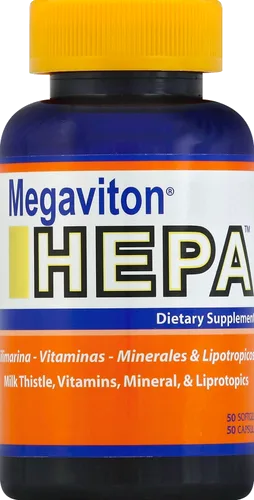
Vitamin A 2500 IU · Vitamin D 200 IU · Vitamin E 10 IU
| Calories | 7 | |
| Calories from Fat | 5 | |
| Total Fat | 0.61 g | |
| Vitamin A | 2,500 IU | |
| Vitamin D | 200 IU | |
| Vitamin E | 10 IU | |
| Vitamin C | 50 mg | |
| Vitamin B1 | 5 mg | |
| Vitamin B2 | 5 mg | |
| Vitamin B3 | 15 mg | |
| Vitamin B6 | 5 mg | |
| Vitamin B12 | 3 mcg | |
| Pantothenic Acid | 5 mg | |
| Calcium | 10 mg | |
| Phosphorus | 5 mg | |
| Iodine | 100 mcg | |
| Magnesium | 1 mg | |
| Copper | 1 mg | |
| Zinc | 1 mg | |
| Potassium | 5 mg | |
| Manganese | 1 mg | |
| Choline | 50 mg | |
| L-Lysine Hydrochloride | 25 mg | † |
| Inositol | 50 mg | † |
| L-Methionine | 100 mg | † |
| Silymarin | 100 mg | † |
Other ingredients: Bee's Wax, Soy Lecithin, Soybean Oil, Gelatin, Glycerin, Titanium Dioxide, FD&C Red #40, FD&C Yellow #6, FD&C Blue #1.
Directions: Suggested use: One or two softgels daily as dietary supplement.
Label source: NIH label database · Report a label change
Show entire label

More liver health products
Members OnlyThe highest ranked for the same goal
Read more
Our articles on this subject
- Supplements for Stress and Anxiety Relief: What the Evidence SupportsArticle · Oct 26, 2026
- Supplement Safe Upper Limits: How Much Is Too Much, Nutrient by Nutrient, and How to Check Your StackArticle · Oct 16, 2026
Graded November 4, 2026 by the Reverse Age Lab evidence engine, from human studies, real reviews and our biohacker panel. How we grade. Is this medical advice? No. Rala organizes the published evidence; go over any change with your doctor, especially if you take meds.
Privacy policyConsumer health dataTermsDo Not Sell or Share My Personal InformationCookie settings