
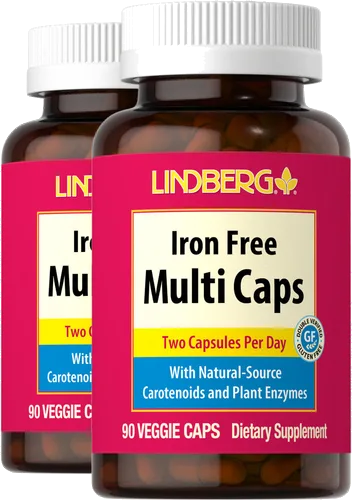
Vitamer Laboratories Iron Free Multi Caps Review
Vitamer Laboratories Iron Free Multi Caps is a dietary supplement sold as 90 vegetarian capsules, with a suggested use of two capsules daily with food and 45 servings per container. The label lists a multivitamin and mineral formula with Vitamin A as beta-carotene at 5,000 IU, Vitamin C at 125 mg, Vitamin D3 at 400 IU, Vitamin E at 100 IU as D-alpha tocopheryl succinate, and B vitamins including thiamine, riboflavin, niacin as niacinamide, vitamin B6, folic acid 400 mcg, vitamin B12 as cyanocobalamin, biotin, and pantothenic acid as calcium pantothenate. Minerals listed include calcium carbonate, iodine from potassium iodide and kelp, magnesium citrate, zinc from OptiZinc, selenium as L-selenomethionine, copper gluconate, manganese, chromium from ChromeMate polynicotinate, molybdenum, and potassium citrate. The label also lists choline, inositol, bioflavonoid complex from lemon, betaine HCl, enzymes including papain and bromelain, and boron and vanadium amino acid chelates. The formula is described as containing natural carotenoids and plant enzymes. The label states it contains no artificial colors, flavors or preservatives, and no wheat, gluten, milk, eggs, peanuts, tree nuts, crustacean shellfish or fish. It is marked Double Verified Gluten Free and carries a Gluten Free, Dairy Free intended target group note for adults 18 to 50 years. The label notes that the brand guarantees its supplements for potency and purity. Keep out of reach of children. Statements on the label have not been evaluated by the Food and Drug Administration, and the product is not intended to diagnose, treat, cure or prevent any disease. The page records that the label was entered into the database on 23 December 2016, with product version code VVL 501-90K, and lists market status as on market.
We don’t sell supplements. We help you make decisions and get the best price.
Lowest prices
We may earn a commission from some store links. How we choose.
Finding the lowest prices at the stores now. This takes a few seconds.
Products with nearly the same formula (Matched on the main ingredients)
Study, Trial or Testing Result Summary
Members Only353 human studies · 141 improved
6 of these 353 human studies gave the ingredient by drip, injection or inhaler, not by mouth.
This multivitamin contains several nutrients studied for immune support, and the evidence is modest. Vitamin C gives the clearest signal. In pooled trials at 200 mg or more a day, colds were not less common in the general public, but they lasted 8% shorter in adults and 14% shorter in children, and were about half as common in people under heavy physical stress [1]. Another review found no prevention of colds [2]. Zinc did little to prevent colds, but it may shorten them when taken once a cold starts [3]. Vitamin E improved some immune responses in older adults [4], but it did not reduce overall respiratory infections in nursing home residents [5]. Selenium did not meaningfully change most immune measures in healthy people [6]. Vitamin D here is 400 units a day, below the 2,000 units used in trials, and even that higher dose did not lower infections in a large trial of older adults [7]. Bioflavonoids are present at only 30 mg, far below the amounts linked to fewer respiratory infections [8]. Niacin, inositol and betaine are also present only in trace amounts compared with the studied doses. Animal and cell studies are never counted.
See all 353 studies →Hide the studies
- Across 199,055 children and adults in many trials of nutrient supplements including vitamin B12, supplementation in healthy people had no or very limited effect on preventing viral respiratory infections; only zinc (children in Asia) and vitamin D (adults in North America) showed protection, not B12.Nutrient supplementation for prevention of viral respiratory tract infections in healthy subjects: A systematic review a…
- In six trials of 27,351 children up to seven years old, vitamin A (with vitamin E added in two trials) did not clearly change how many upper respiratory infections they had; the evidence was low certainty and this was mainly a vitamin A review.Oral vitamin A supplements to prevent acute upper respiratory tract infections in children up to seven years of age.
- In 14 trials of 25,758 mother and infant pairs, high-dose vitamin A given after birth raised breast milk vitamin A but did not reduce illness or death in mothers or infants compared with placebo or no treatment.Vitamin A supplementation for postpartum women.
- Across 25 trials with 11,321 people of all ages, vitamin D supplements lowered the odds of a sudden respiratory infection by about 12%, with the biggest benefit in very deficient people and those taking daily or weekly doses rather than large single doses.Vitamin D supplementation to prevent acute respiratory infections: individual participant data meta-analysis.
- Across 29 placebo-controlled trials with 11,306 people taking at least 0.2 g of vitamin C daily, colds were not less common in the general public but were about half as common in marathon runners, skiers and soldiers, and colds lasted 8% shorter in adults and 14% shorter in children.Vitamin C for preventing and treating the common cold.
- Across 34 trials with 8526 children and adults, zinc made little or no difference to catching a cold but may have shortened colds by about 2.4 days when used as treatment, with more mild side effects.Zinc for prevention and treatment of the common cold.
- Across 56 trials of 5807 people with burns, iodine-based dressings made little difference to infection compared with a burn ointment, and povidone iodine may have healed burns slightly faster than chlorhexidine, but most evidence was low certainty.Antiseptics for burns.
- In six trials of 5031 surgery patients, povidone-iodine skin cleansing led to more surgical site infections than chlorhexidine (chlorhexidine odds ratio 0.68).Systematic review and meta-analysis of preoperative antisepsis with chlorhexidine versus povidone-iodine in clean-contam…
- In 24 trials of 5004 surgery patients, rinsing the surgical site with povidone-iodine cut surgical site infections to 8.0% from 13.4% with no antiseptic.Meta-analysis of intraoperative povidone-iodine application to prevent surgical-site infection.
- In 37 trials of 4,905 critically ill adults, vitamin E alone and combined with selenium, zinc and copper showed no clear reduction in deaths or infections compared with placebo, and the evidence was very low certainty.Antioxidant micronutrient supplements for adult critically ill patients: A bayesian multiple treatment comparisons meta-…
- In 35 trials of 3494 critically ill patients, intravenous thiamine made little to no difference to death rates and slightly lengthened intensive care stay, but may have shortened shock and lowered lactate and organ failure scores.Effect of intravenous thiamine administration on critically ill patients: A systematic review and meta-analysis of rando…
- In eight trials with 3486 people taking antifolate malaria drugs, folic acid made people less likely to clear malaria parasites by day 3 and raised the risk of treatment failure, while prevention trials showed no clear difference in parasites in the blood.Folic acid supplementation and malaria susceptibility and severity among people taking antifolate antimalarial drugs in …
- Across nine studies of 2,367 people, vitamin D deficiency was not overall linked to the immune response to flu vaccination, though protection rates for two strains were lower in deficient people.Does Vitamin D Deficiency Affect the Immunogenic Responses to Influenza Vaccination? A Systematic Review and Meta-Analys…
- In a pooled analysis of 35 trials in people with Hashimoto thyroiditis, selenium lowered thyroid antibodies, thyroid-stimulating hormone and an oxidative stress marker, with side effects similar to placebo, but showed no change in interleukin-2 or interleukin-10.Selenium Supplementation in Patients with Hashimoto Thyroiditis: A Systematic Review and Meta-Analysis of Randomized Cli…
- In six trials of 1804 spinal surgery patients, povidone-iodine irrigation lowered surgical site infection to 0.77% from 6.0% with saline or no irrigation, without harming bone fusion.RCT-based meta-analysis of povidone-iodine irrigation in spinal surgery: clarifying efficacy and safety.
- A review of eight systematic reviews covering 31 randomized trials concluded that taking vitamin C does not prevent people from catching a common cold.Does vitamin C prevent the common cold?
- In a pooled analysis of randomized trials in adults, vitamin C slightly lowered the risk of respiratory infections by 4% and shortened symptoms by 9%, with a stronger prevention effect in men and in middle-income countries.Effect of micronutrient supplements on influenza and other respiratory tract infections among adults: a systematic revie…
- In 10 placebo-controlled trials of healthy people taking at least 1 g of vitamin C daily, cold severity was 15% lower than with placebo, with a clear benefit on severe symptoms but not on mild ones.Vitamin C reduces the severity of common colds: a meta-analysis.
- Across 22 supplementation studies in people with multiple sclerosis, vitamin D3 did not clearly reduce relapses or disability overall, but high doses did lower the yearly relapse rate while low doses did not.Vitamin D status, supplementation, and multiple sclerosis: a systematic review and meta-analysis.
- In 30 studies of intensive care patients, vitamin E alone did not change deaths, ventilator time or side effects, but shortened intensive care stay by about 1.3 days after excluding highly varying studies; combining it with selenium showed no benefit.Efficacy and safety of selenium or vitamin E administration alone or in combination in ICU patients: A systematic review…
- In nine trials of older adults, micronutrient supplements improved immune function overall, and vitamin E had the largest effect on cellular immunity.Effects of micronutrient supplementation on immune function in older adults: a meta-analysis.
- A pooled analysis of 28 genetic-based studies found no causal link between blood levels of vitamin D or other micronutrients (including vitamin B6) and COVID-19 outcomes, though a few individual studies reported associations.Micronutrients, Vitamin D, and Inflammatory Biomarkers in COVID-19: A Systematic Review and Meta-analysis of Causal Infe…
- This meta-analysis was retracted and reports no usable results.RETRACTED: Preoperative chlorhexidine versus povidone-iodine antisepsis for preventing surgical site infection: A meta-a…
- Across 18 studies, cleaning with antiseptics such as povidone-iodine or chlorhexidine before urinary catheter use may modestly lower catheter-related urinary infections, but the overall effect on bacteriuria was not clearly significant.Effectiveness of meatal cleaning in the prevention of catheter-associated urinary tract infections and bacteriuria: an u…
- Pooling 6 trials of adults with colds, zinc lozenges did not significantly reduce the chance of having cold symptoms at 7 days.A meta-analysis of zinc salts lozenges and the common cold.
- In 13 placebo-controlled trials in sepsis patients, intravenous selenium did not reduce deaths, kidney failure or secondary infection, but shortened vasopressor use and ICU and hospital stays and lowered ventilator-associated pneumonia.A meta-analysis of randomized controlled trials: Efficacy of selenium treatment for sepsis.
- In nine trials in healthy people lasting 8 to 48 weeks, selenium did not substantially change antibodies, white blood cells or cytokines; the only benefit was higher natural killer cell activity, and results were inconsistent.Selenium and immune function: a systematic review and meta-analysis of experimental human studies.
- In seven trials of cardiac surgery patients, selenium lowered kidney injury, hospital stay and C-reactive protein, but did not change ICU days, deaths or hospital-acquired infections.Efficacy of selenium on patients undergoing cardiac surgery: a meta-analysis of randomized controlled trials.
- Across 14 trials in healthy adults, taking 0.2 to 1.2 g of flavonoids a day cut upper respiratory infection incidence by 33% compared with control, while immune blood markers differed only trivially.Effect of Flavonoids on Upper Respiratory Tract Infections and Immune Function: A Systematic Review and Meta-Analysis.
- Five small, low-quality trials with 2,655 children and adults gave vitamin C at 125 mg to 2 g daily, and the evidence was too weak to tell whether it prevents or treats pneumonia.Vitamin C supplementation for prevention and treatment of pneumonia.
- In multiple sclerosis, about 14% of patients used selenium supplements, and three trials of selenium-containing supplements reported safety with improved inflammation and oxidative stress, but there is no evidence for selenium alone.Shining a Light on Selenium: a Meta-analysis of Supplementation in Multiple Sclerosis.
- In four trials of 875 people with simple traumatic wounds, two showed povidone-iodine reduced wound infection compared with non-antiseptic solutions, but the evidence was very low quality.Antiseptic versus non-antiseptic solutions for preventing infection in acute traumatic wounds: a systematic review.
- In four trials of 463 people with Hashimoto's thyroiditis, 200 mcg selenium lowered thyroid antibodies in three studies but not in one, with evidence at unclear to high risk of bias.Selenium supplementation for Hashimoto's thyroiditis.
- A review of 39 randomized trials of eight supplements, including vitamin C, in healthy people under stress found some signs of benefit but too many gaps to draw firm conclusions about immune protection.Select Dietary Supplement Ingredients for Preserving and Protecting the Immune System in Healthy Individuals: A Systemat…
- A review of 13 studies in healthy adults found alternative vitamin C forms often raised white blood cell vitamin C and were better tolerated, with one study showing fewer colds, but more research is needed to confirm immune benefits.Enhanced Vitamin C Delivery: A Systematic Literature Review Assessing the Efficacy and Safety of Alternative Supplement …
- A review of 20 trials in healthy adults (8 on vitamin D) found micronutrients other than vitamin C, including vitamin D, may not prevent colds or reduce symptom severity.Zinc Supplementation Reduces Common Cold Duration among Healthy Adults: A Systematic Review of Randomized Controlled Tri…
- A review of 9 reviews found low vitamin D levels linked to higher risk of COVID-19 infection, but trials are still needed to confirm whether supplements help with severity or death.The role of vitamin D in prevention OF COVID-19 and its severity: an umbrella review.
- A review of the literature suggests vitamin D plays a role in innate immunity and that supplementation may help prevent or treat COVID-19, though this is a hypothesis.Vitamin D in SARS-CoV-2 infection.
- In a review of 14 diet trials in people with lupus, vitamin D was linked to better inflammation markers in most studies but not to better disease activity scores.Diet and Systemic Lupus Erythematosus (SLE): From Supplementation to Intervention.
- A review of 28 systematic reviews on diet and lupus looked at vitamin D among other nutrients but the abstract gives no clear result for vitamin D, and no specific dietary recommendations were established.The Interconnection Between Systemic Lupus Erythematosus and Diet: Unmet Needs, Available Evidence, and Guidance-A Patie…
- A guideline review of evidence made a conditional recommendation against vitamin D supplements for preventing eczema in children.Guidelines of care for the primary prevention of atopic dermatitis and awareness of comorbid conditions in pediatric ato…
- This review of vitamin E and genes in aging found contradictory results in older people, with some trials even suggesting harm to survival, possibly due to dose, form and genetic differences.Vitamin E-gene interactions in aging and inflammatory age-related diseases: implications for treatment. A systematic rev…
- A review of the research on nutrients and viral infections including coronavirus concluded that vitamin E, along with other nutrients, helps the immune system work properly, but few trials tested it directly and more trials are needed.Nutrients in prevention, treatment, and management of viral infections; special focus on Coronavirus.
- A review of 53 articles found that low levels of nutrients including vitamin E were linked to changes in immune measures, but only omega-3 fats, zinc and vitamin A had intervention studies confirming benefit.[Influence of nutrients on human immunity].
- In 50 studies of children with acute respiratory infections, results for vitamin E were mixed and no single supplement, including vitamin E, could be recommended for routine treatment.A systematic review and meta-analysis on nutritional and dietary interventions for the treatment of acute respiratory in…
- In one trial among 11 in a review of gastrointestinal surgery patients, wound dressings containing vitamin E and silicone reduced surgical site infection, pain, inflammation and hospital stay.Does micronutrient supplementation improve outcomes in adult gastrointestinal surgery patients? A systematic review.
- A narrative review of the literature says folic acid is important for immune function, including during COVID-19, but it does not report pooled trial results.Folic acid - importance for human health and its role in COVID-19 therapy.
- In a systematic review of trials in patients with pernicious anemia, vitamin B12 (methylcobalamin or cyanocobalamin) raised levels of several immune cells toward normal and improved natural killer cell activity, though the number of people and dose were not stated in the abstract.The Immunomodulatory Effect of Vitamin B12 in Pernicious Anemia: A Systematic Review.
- This review of human trials in healthy adults found that inulin-type fibers helped gut bacteria and calcium absorption, but it did not test calcium supplements for immune support.The Prebiotic Potential of Inulin-Type Fructans: A Systematic Review.
- In a review of 27 randomised trials, iodine on wounds worked as well as other antiseptics, neither slowing nor speeding healing, and caused no more side effects.Benefit and harm of iodine in wound care: a systematic review.
- A review of 20 studies on breast-feeding mothers linked iodine and other nutrient intake to better infant brain development and fewer allergic conditions, but it did not test iodine for immune support directly.Maternal Lifestyle Factors Affecting Breast Milk Composition and Infant Health: A Systematic Review.
- This review of common cold treatments covered zinc gel and lozenges among other options, but the abstract gives no results for zinc.Common cold.
- This review of common cold treatments covered zinc gel and lozenges among other options, but the abstract gives no results for zinc.Common cold.
- This review of controlled trials on nutrition and viral infections found selenium and zinc showed favourable immune-modulating effects in viral respiratory infections.Enhancing immunity in viral infections, with special emphasis on COVID-19: A review.
- Across nine randomised trials, selenium affected T and natural killer cells depending on dose and form, but had little effect on antibody-based immunity.Selenium status and immunity.
- A review of five systematic reviews found that four reported selenium at 200 micrograms a day helped delay the drop in CD4 immune cell counts in people with HIV, with study lengths ranging from 2 weeks to 18 months.Selenium and zinc supplementation in HIV-infected patients.
- This review of 49 studies on atopic dermatitis found the evidence too limited to say what role copper plays, with benefit shown only for vitamin D and links to selenium and zinc.Micronutrients in Atopic Dermatitis: A Systematic Review.
- This review of 29 articles on leishmaniasis found higher copper levels in patients, and only zinc supplementation was shown to help wound healing, so copper supplementation was not shown to help.Leishmaniasis and Trace Element Alterations: a Systematic Review.
- A review of 14 laboratory, animal and human studies found chromium lowered inflammation markers in 12 of them, but the three human studies gave conflicting results, so more trials are needed.Potential roles of chromium on inflammatory biomarkers in diabetes: A Systematic.
- A review of 49 articles on nutrition found that choline, among many other nutrients, can lower blood markers of inflammation and oxidative stress, but choline was not studied on its own for immune support.[Effect of nutrition on human inflammatory and oxidative stress markers].
- A review of 58 human studies found limited evidence on flavonoids and immune function, with only quercetin studied among supplements, so more research is needed.Flavonoids and immune function in human: a systematic review.
- In 29,133 male smokers aged 50 to 69 given 50 mg of vitamin E daily for about 6 years, vitamin E did not change overall pneumonia risk, though those who started smoking at 21 or older had a 35% lower risk.Vitamin E and beta-carotene supplementation and hospital-treated pneumonia incidence in male smokers.
- In 15,804 older adults, 2,000 IU of vitamin D3 daily did not significantly lower the risk of upper respiratory infection at 1 year compared with placebo.Effect of Daily Vitamin D Supplementation on Risk of Upper Respiratory Infection in Older Adults: A Randomized Controlle…
- In 8,851 schoolchildren in Mongolia, 14,000 IU of vitamin D3 weekly for 3 years did not lower tuberculosis infection (3.6% vs 3.3% with placebo), tuberculosis disease, or respiratory infection.Vitamin D Supplements for Prevention of Tuberculosis Infection and Disease.
- In 7,469 male smokers who started smoking at 21 or older, 50 mg of vitamin E daily for 5 to 8 years reduced pneumonia by 69% in lighter smokers who exercised, and by 14% (not significant) in heavier smokers or non-exercisers.Vitamin E administration may decrease the incidence of pneumonia in elderly males.
- In 4,048 healthy adults, a flu vaccine containing the vitamin E based adjuvant AS03 produced higher antibody levels than the same vaccine without it, and protection persisted to month 6 in adults aged 18 to 64.Long-term immunogenicity of an AS03-adjuvanted influenza A(H1N1)pdm09 vaccine in young and elderly adults: an observer-b…
- In 4011 pregnant women in Bangladesh, iron and folic acid was the comparison for nutrient supplements, and child illness rates such as lower respiratory infection and fever were generally not different between groups.Provision of Pre- and Postnatal Nutritional Supplements Generally Did Not Increase or Decrease Common Childhood Illnesse…
- In 2157 adults aged 70 or older, 2000 IU of vitamin D3 daily for 3 years did not significantly reduce infection rates or improve blood pressure, physical performance, cognition, or fractures compared with placebo.Effect of Vitamin D Supplementation, Omega-3 Fatty Acid Supplementation, or a Strength-Training Exercise Program on Clin…
- In 2004 newborns in a region with high rates of trachoma, iodine eye drops worked about as well as chloramphenicol for the first 2 days, were 6% less effective from day 3 to 15, and nearly doubled the risk of chlamydia eye infection.Randomised equivalency trial comparing 2.5% povidone-iodine eye drops and ophthalmic chloramphenicol for preventing neon…
- In 1525 infants in Niger, the type of prenatal supplement, including iron-folic acid, did not change the immune response to rotavirus vaccine (38.8% seroconverted with iron-folic acid versus 41.1% with lipid-based supplement).Immunogenicity of an oral rotavirus vaccine administered with prenatal nutritional support in Niger: A cluster randomize…
- In 1,444 army recruits taking 6,000 mg of vitamin C daily for 30 days, the risk of getting a common cold was 0.80 times that of those taking placebo.Vitamin C supplementation reduces the odds of developing a common cold in Republic of Korea Army recruits: randomised co…
- In 1009 pregnant women in Malawi, the type of supplement, including iron and folic acid, did not change antibody levels against malaria.The impact of lipid-based nutrient supplementation on anti-malarial antibodies in pregnant women in a randomized control…
- In 1002 adults aged 18 to 85 taking quercetin for 12 weeks, there was no overall difference in respiratory infections versus placebo, though fit people aged 40 and over on 1000 mg had 36% lower severity and 31% fewer sick days.Quercetin supplementation and upper respiratory tract infection: A randomized community clinical trial.
- In 1000 Indian children aged 6-30 months given vitamin B12 and/or folic acid for 6 months, neither reduced diarrhea or lower respiratory infections, and folic acid raised the risk of persistent diarrhea.Folic acid and vitamin B-12 supplementation and common infections in 6-30-mo-old children in India: a randomized placebo…
- In 977 Kenyan schoolchildren over about 11 months, a daily multivitamin and mineral tablet containing 8 mg of vitamin E lowered the intensity of schistosome worm reinfection compared with placebo, but had no significant effect on hookworm, roundworm or whipworm reinfection.Effects of multimicronutrient supplementation on helminth reinfection: a randomized, controlled trial in Kenyan schoolch…
- In 881 pregnant women, 4,400 IU daily of vitamin D started at 10-18 weeks of pregnancy did not lower preeclampsia compared with 400 IU (8.08% vs 8.33%), though women with higher vitamin D blood levels had lower risk.Early pregnancy vitamin D status and risk of preeclampsia.
- In 868 Navajo schoolchildren given vitamin C or placebo, there was no difference in how many got ill (133 vs 129), number of illness episodes, or illness length, though blood vitamin C levels were higher.Vitamin C and acute illness in Navajo schoolchildren.
- In 826 Indonesian preschool children given 10 mg zinc daily for 4 months, days with upper respiratory infection fell 12 percent (not significant), and 20 percent after vitamin A was given.Zinc combined with vitamin A reduces upper respiratory tract infection morbidity in a randomised trial in preschool chil…
- In 796 children aged 0-6 with food allergies, a probiotic, zinc and B vitamin product plus hydrolyzed formula for 6 months lowered allergy skin-test size, total IgE and food allergy prevalence compared with formula alone, with benefits lasting 6 months after.Products of compound probiotics combined with zinc and vitamin B ameliorate the risk of food allergy.
- In 740 pregnant women in rural Nepal, a multiple micronutrient supplement reduced vitamin deficiencies including riboflavin but had no effect on subclinical infection.Antenatal supplementation with micronutrients and biochemical indicators of status and subclinical infection in rural Ne…
- In a randomized trial of 688 adult women, 1 gram of vitamin C daily produced a small reduction in chest colds but no effect on simple colds.A randomized controlled trial of vitamin C in the prevention and amelioration of the common cold.
- In 674 marine recruits given 2 grams of vitamin C or placebo daily for eight weeks, colds were no less common or shorter, though the vitamin C group rated their colds as less severe.Vitamin C prophylaxis in marine recruits.
- In 617 nursing home residents aged 65 or older, taking 200 IU of vitamin E daily for one year did not significantly reduce overall respiratory infections, but fewer people on vitamin E caught at least one upper respiratory infection or common cold than on placebo.Vitamin E and respiratory tract infections in elderly nursing home residents: a randomized controlled trial.
- In 600 Nepali infants aged 6-11 months given 2 mcg vitamin B12 daily for 1 year, there was no difference from placebo in common infections or clinic visits.The Effect of Daily Vitamin B-12 Supplementation on the Incidence of Common Childhood Infections in Nepal: Secondary Out…
- In 597 Chinese infants revaccinated against tuberculosis, 3 months of daily vitamin A plus 500 IU vitamin D raised positive skin test response to 96.1% versus 89.7% in the control group.Enhancement of vitamin A combined vitamin D supplementation on immune response to Bacille Calmette-Guérin vaccine revacc…
- In 595 critically ill surgical patients, early antioxidant supplementation with vitamin C and vitamin E did not significantly reduce lung complications compared with standard care, but it reduced multiple organ failure and shortened time on the ventilator and in intensive care.Randomized, prospective trial of antioxidant supplementation in critically ill surgical patients.
- In 502 critically ill adults given 500 micrograms of selenium a day by intravenous feeding for up to 7 days, new infections were not significantly reduced overall, but were reduced in those who received it for at least 5 days.Randomised trial of glutamine, selenium, or both, to supplement parenteral nutrition for critically ill patients.
- In 423 Tanzanian adults with tuberculosis given a daily multivitamin with selenium, there was no overall effect on immune cell proliferation responses compared with placebo.Micronutrient supplementation and T cell-mediated immune responses in patients with tuberculosis in Tanzania.
- In 420 healthy adults, bird flu vaccines containing a vitamin E based adjuvant (11.86 mg of alpha-tocopherol in the AS03A version) met immune response targets, with lower vaccine doses needed when adjuvanted, and no vaccine-related serious side effects.Evaluation of a primary course of H9N2 vaccine with or without AS03 adjuvant in adults: A phase I/II randomized trial.
- In 408 adults with mild to moderate asthma, vitamin D for 28 weeks did not reduce cold severity or frequency compared with placebo, and African American participants had more colds on vitamin D.Vitamin D Supplementation and the Risk of Colds in Patients with Asthma.
- In 374 people with stomach inflammation from H. pylori, calcium carbonate alone for 16 weeks did not reduce inflammation or tissue damage compared with placebo, while tetracycline and triple therapy did.Anti-inflammatory and tissue-protectant drug effects: results from a randomized placebo-controlled trial of gastritis pa…
- In a 5-year double-blind trial of older Japanese adults, 500 mg of vitamin C daily cut the number of people with three or more colds, compared with 50 mg daily, but did not shorten or lessen the colds.Effect of vitamin C on common cold: randomized controlled trial.
- In 301 mechanically ventilated intensive care patients given up to 28 days of tube feeding enriched with selenium and other immune nutrients, new infections were no less common than with standard tube feeding, and 6-month mortality was higher in the medical subgroup.High-protein enteral nutrition enriched with immune-modulating nutrients vs standard high-protein enteral nutrition and …
- In 300 women having cancer surgery, rinsing the wound with povidone iodine did not change the rate of wound infection over 30 days compared with saline rinsing.Subcutaneous rifampicin versus povidone-iodine for the prevention of incisional surgical site infections following gynec…
- In 275 people with early COVID-19, a 10-day combination therapy including vitamin C was safe and well tolerated, but the study did not test whether it improved immune health.Read the study on PubMed (41693032) →
- In 266 anemic children aged 6 to 43 months, four months of iron plus folic acid (among five treatments compared) did not change the number of diarrhea or respiratory infection episodes compared with the other treatments.Efficacy of different strategies to treat anemia in children: a randomized clinical trial.
- In 254 older adults with COVID-19, a single high dose of 400,000 IU vitamin D3 lowered deaths at 14 days compared with 50,000 IU (6% vs 11%), but the benefit was gone by 28 days.High-dose versus standard-dose vitamin D supplementation in older adults with COVID-19 (COVIT-TRIAL): A multicenter, ope…
- In 247 high school students, 2000 IU of vitamin D3 daily for 2 months did not lower overall influenza A (13.5% vs 12.1% on placebo), though a post hoc look showed fewer cases in the first month only.Effects of vitamin D supplements on influenza A illness during the 2009 H1N1 pandemic: a randomized controlled trial.
- In 245 breastfeeding mothers given 600 IU vitamin D2 plus 1800 IU vitamin A daily for 2 months, infant fever, respiratory infection, diarrhoea and eczema were not lower than with placebo; the effect of vitamin D alone cannot be separated.Impact of Maternal Daily Oral Low-Dose Vitamin A Supplementation on the Mother-Infant Pair: A Randomised Placebo-Control…
- In 243 people having gallbladder or bile duct surgery, spraying povidone-iodine into the wound led to more wound infections (9%) than a single dose of intravenous ceftriaxone (1%).Ceftriaxone versus povidone iodine in preventing wound infections following biliary surgery.
- In a post hoc analysis of 240 critically ill children, zinc, selenium, glutamine and metoclopramide protected those who were immunocompromised from nosocomial infection and sepsis, while whey protein was better for immune-competent children without lymphopenia.Interaction Between 2 Nutraceutical Treatments and Host Immune Status in the Pediatric Critical Illness Stress-Induced I…
- In a placebo-controlled trial of pregnant women with mild to moderate iodine deficiency, 60 mcg of selenium daily did not lower thyroid antibodies compared with placebo, though it shifted some thyroid hormone levels in women who had thyroid antibodies.Effect of low-dose selenium on thyroid autoimmunity and thyroid function in UK pregnant women with mild-to-moderate iodi…
- In 228 health care workers, vitamin D2 raised blood vitamin D levels but did not change COVID-19 infection rates (50.5% vs 52.4%), symptoms, or inflammation markers compared with no treatment.Randomized trial of influence of vitamin D on the prevention and improvement of symptomatic COVID-19.
- In 226 preschool children, 6 months of a seasoning powder with thiamine and other micronutrients was linked to fewer respiratory and diarrhea illnesses than vitamin A alone or vitamin A plus iron.Effect of vitamin A, vitamin A plus iron and multiple micronutrient-fortified seasoning powder on infectious morbidity o…
- Among 226 people with hepatitis B surface antigen, taking 200 micrograms of selenium daily as selenized yeast for 4 years led to no liver cancer cases in the selenium group versus 7 of 113 in the placebo group.Protective role of selenium against hepatitis B virus and primary liver cancer in Qidong.
- In 209 people having eye surgery, a 5% povidone-iodine rinse before surgery eliminated surface bacteria in all groups, but the study was not designed to compare it against a control, and levofloxacin duration made no difference to infection.Optimal Duration for the Use of 0.5% LevofloxacinEye Drops Before Vitreoretinal Surgery.
- In 202 dialysis patients, a 12-week multinutrient supplement containing thiamine did not change fatigue or quality of life but lowered herpesvirus 7 DNA copies and improved heart rate variability versus placebo.Effects of nutritional supplementation on fatigue, and autonomic and immune dysfunction in patients with end-stage renal…
- In 199 heart bypass surgery patients, intensive blood sugar control with a glucose-insulin-potassium solution during surgery did not clearly change infection rates (17% vs 13%) and raised the risk of low blood sugar (23% vs 3%).Safety and efficacy of intensive intraoperative glycaemic control in cardiopulmonary bypass surgery: a randomised trial.
- In 196 adults with type 2 diabetes, a multi-nutrient tablet for 6 months raised CD4 immune cell counts and lowered the rates of upper respiratory and other common infections compared with placebo.Micronutrients decrease incidence of common infections in type 2 diabetic outpatients.
- In 311 National Institutes of Health employees taking 3 g of ascorbic acid daily for nine months (with extra doses at cold onset), the vitamin had at best a minor effect on the duration and severity of colds, and the results could be explained by a break in blinding.Ascorbic acid for the common cold. A prophylactic and therapeutic trial.
- In a double-blind study of 95 identical twin pairs over 100 days, vitamin C shortened cold episodes by about 19% but had no other significant effect compared with placebo.Vitamin C and the common cold: using identical twins as controls.
- In a placebo-controlled trial of 186 HIV-positive adults, 200 mcg of selenium daily over about 2 years was linked to fewer hospital admissions and lower hospital costs than placebo.Impact of a selenium chemoprevention clinical trial on hospital admissions of HIV-infected participants.
- In 185 children aged 6 to 35 months, vaccines with different amounts of a vitamin E-containing adjuvant all produced strong immune responses; the study did not test vitamin E on its own against a placebo, and the vitamin E amount was not stated.Immunogenicity and Safety of AS03-adjuvanted H5N1 Influenza Vaccine in Children 6-35 Months of Age: Results From a Phase…
- In 176 adults with treated HIV, folic acid was given only alongside the placebo, so this trial does not test folic acid itself; a med comparison showed no change in inflammation markers over 24 weeks.Read the study on PubMed (30219823) →
- In 157 people with recurrent viral skin infections (warts, herpes), a nutrient blend containing vitamin E plus coenzyme Q10, selenium and methionine, added to standard treatment, healed lesions faster and reduced relapses compared with control groups.Coenzyme Q(10), vitamin E, selenium, and methionine in the treatment of chronic recurrent viral mucocutaneous infections…
- In 152 girls aged 5 to 12 with a first kidney infection, adding vitamin E to meds for 14 days lowered fever, urinary frequency, urgency, dribbling and incontinence compared with meds alone, though urine cultures and scan results did not differ.Vitamin E as adjuvant treatment for urinary tract infection in girls with acute pyelonephritis.
- In 146 people with HIV, 200 micrograms of selenium daily for 6 months did not significantly raise CD4 immune cell counts compared with placebo.The effect of selenium and zinc on CD4(+) count and opportunistic infections in HIV/AIDS patients: a randomized double b…
- In 138 healthy male marathon runners, taking rutoside plus bromelain and trypsin enzymes for 1 week before and 2 weeks after a marathon did not reduce inflammation markers or upper respiratory illness (50.0% with enzymes vs 51.5% with placebo).Rutoside and Hydrolytic Enzymes Do Not Attenuate Marathon-Induced Inflammation.
- In 130 low birthweight infants given 50 micrograms of folic acid or placebo from 2 weeks to 6 months of age, there was no difference in evidence of infection, weight or blood measures (only 62 finished follow-up).Folic acid in low birthweight infants.
- In 127 Mexican children aged 5 to 15 months, vitamin A lowered norovirus GII infections and norovirus-linked diarrhea compared with placebo, but lengthened how long the virus was shed.Vitamin A supplementation has divergent effects on norovirus infections and clinical symptoms among Mexican children.
- In 120 stroke patients with swallowing difficulty, vitamin C stimulation added to routine swallowing training improved swallowing tests, nutrition markers and antibody levels compared with routine training alone.Effects of vitamin C stimulation on rehabilitation of dysphagia after stroke: a randomized trial.
- In 120 children with acute Kawasaki disease, adding vitamin D to standard treatment brought fever down faster (27 vs 50 hours) and lowered inflammatory markers compared with standard treatment alone.Read the study on PubMed (40996174) →
- In 120 women aged 30 to 79, 12 weeks of quercetin raised blood quercetin but did not change natural killer cell activity, immune cell function, or inflammation markers compared with placebo.A 12-week supplementation with quercetin does not affect natural killer cell activity, granulocyte oxidative burst activ…
- In 117 children aged 6 months to 4 years with sickle cell disease, one year of folic acid made no difference to the proportion with infections compared with placebo, though fewer children had repeated episodes of finger and toe swelling.A trial of folate supplementation in children with homozygous sickle cell disease.
- In 117 healthy adults aged 50 to 64 with low selenium, supplementation for 12 weeks boosted some flu-related immune cell responses and suppressed others, with no change in mucosal flu antibodies.Selenium supplementation has beneficial and detrimental effects on immunity to influenza vaccine in older adults.
- In 113 people having abdominal surgery, povidone-iodine instilled into the wound did not lower wound infections (39.5%) compared with no treatment (42.1%), while meds lowered them to 8.1%.Read the study on PubMed (72953) →
- In 112 women with repeated implantation failure, vitamin D alone gave a 17.8% pregnancy rate versus 10.7% for control, and only the combination with vaginal probiotics (46.4%) significantly changed immune markers.The effect of vitamin D supplementation and vaginal probiotics on fertility in women with recurrent implantation failure…
- In 104 patients with Helicobacter pylori, adding 200 mg vitamin E and vitamin C to triple a med therapy lowered eradication of metronidazole-susceptible infections to 53% from 80% without the vitamins, and did not reduce stomach inflammation.Vitamin C and E supplements to lansoprazole-amoxicillin-metronidazole triple therapy may reduce the eradication rate of …
- In 104 hip and knee replacement patients, adding a very dilute povidone-iodine solution to the sterile water basin stopped contamination in the iodine group (0 of samples positive) compared with 47.9% contaminated in the plain water group.Dilute Povidone-Iodine Solution Prevents Intraoperative Contamination of Sterile Water Basins During Total Joint Arthrop…
- In 103 healthy volunteers, a povidone-iodine alcohol skin preparation reduced skin bacteria by more than 2 to 3 log levels and kept this effect for up to 96 hours, while a chlorhexidine alcohol product lasted 7 days; both were well tolerated.Antimicrobial persistence of two alcoholic preoperative skin preparation solutions.
- In people with autoimmune thyroiditis, 200 mcg of selenite daily for three months lowered thyroid antibody levels within the group, but the change was not significantly different from placebo or from vitamin C.Effects of selenium and vitamin C on the serum level of antithyroid peroxidase antibody in patients with autoimmune thyr…
- In 101 patients having laparoscopic colorectal cancer surgery, applying vitamin E ointment under the incision lowered wound infections to 4% from 17.6% in the untreated group, with less pain, shorter hospital stays, and lower C-reactive protein and white blood cell counts.Effect of Subcutaneous Sterile Vitamin E Ointment on Incisional Surgical Site Infection after Elective Laparoscopic Colo…
- In 100 healthy older Dutch adults, 200 mg of vitamin E daily for 15 months did not change blood levels of the immune markers DHEA-S or neopterin compared with placebo, and did not reduce respiratory infection days.The effect of vitamin E supplementation on serum DHEA and neopterin levels in elderly subjects.
- In 100 patients after gastrointestinal cancer surgery, an immune-supporting tube-feeding formula gave fewer complications, more lymphocytes and lower inflammation markers than standard feeding, but vitamin B12's own effect is unclear.Immunomodulatory enteral nutrition in post-surgical gastrointestinal cancer: Clinical, biochemical and nutritional impac…
- In 100 gastrointestinal cancer surgery patients, a tube feed rich in arginine, vitamin B12 and other nutrients led to higher immune complement proteins, fewer complications and better albumin to globulin ratios than standard feed, but B12's own effect cannot be separated.Plasma proteomic profiles reveal immune modulation by immunonutrition in GI cancer.
- In 100 people with chronic hives, both groups took calcium gluconate and other drugs for 4 weeks, and adding proteoglycan gave better results and raised interferon gamma, so the benefit was not from calcium.Effects of combination of mizolastine and proteoglycan on chronic urticaria: a randomized controlled trial.
- In a placebo-controlled trial of 100 people with mild to moderate ulcerative colitis, 200 mcg of selenomethionine daily for 10 weeks raised a gene called SIRT1 in blood cells compared with placebo, but a second gene (PGC-1 alpha) did not change significantly.Effect of Selenium Supplementation on Expression of SIRT1 and PGC-1α Genes in Ulcerative Colitis Patients: a Double Blin…
- In 98 adults with mild to moderate coronavirus illness, 1000 mg of vitamin C daily for 14 days had no effect on symptom progression or quality of life compared with placebo.A Pilot of a Randomized Control Trial of Melatonin and Vitamin C for Mild-to-Moderate COVID-19.
- In 97 healthy older adults taking a ginkgo plus choline formula for 6 months, one immune-related marker (epidermal growth factor) dropped and a few memory test scores improved, but the effects were isolated and modest.A double-blind, randomized clinical trial of dietary supplementation on cognitive and immune functioning in healthy olde…
- In 96 children with epidural catheters, skin preparation with povidone-iodine led to more catheter colonization than chlorhexidine (5 of 44 catheters vs 1 of 52).Chlorhexidine versus povidone iodine in preventing colonization of continuous epidural catheters in children: a randomiz…
- In 93 healthy adults given single doses, 500 mg of calcium ascorbate increased some immune measures such as neutrophil function and natural killer cells compared with ascorbic acid, but 250 mg showed no differences.Comparative Effectiveness of Ascorbic Acid vs. Calcium Ascorbate Ingestion on Pharmacokinetic Profiles and Immune Biomar…
- In 92 children with recurrent respiratory infections, 21 days of a probiotic tablet containing thiamine raised IgA, lowered IgE and IL-17, and cut respiratory infections about threefold over 6 months versus no treatment.[The effectiveness of BIFIFORM KIDS in the prevention of the incidence of acute respiratory infections in children].
- In 91 adults with cystic fibrosis given a large vitamin D3 dose during a lung flare-up then every other week for a year, there was no difference from placebo in time to next flare-up or death, lung function, or an infection-fighting protein.Vitamin D for the Immune System in Cystic Fibrosis (DISC): a double-blind, multicenter, randomized, placebo-controlled c…
- In 91 health care workers given 5000 or 2000 IU of vitamin D3 daily for 3 months, vitamin D intake was not linked to lower COVID-19 illness, though the higher dose group had only asymptomatic cases.Vitamin D Intake May Reduce SARS-CoV-2 Infection Morbidity in Health Care Workers.
- In 91 power plant workers exposed to magnetic fields, 400 IU of vitamin E daily for 3 months lowered the inflammatory marker IL-6 compared with the control group, though it also raised good cholesterol.The Effects of Antioxidant Vitamins on Proinflammatory Cytokines and Some Biochemical Parameters of Power Plant Workers:…
- In 88 healthy adults aged 65 and older, taking 200 mg of vitamin E daily for about 4 months improved some measures of T-cell immunity, including skin test reactions and antibody responses to hepatitis B and tetanus vaccines, compared with placebo. Other doses showed smaller effects.Vitamin E supplementation and in vivo immune response in healthy elderly subjects. A randomized controlled trial.
- In 87 lung transplant recipients, 100,000 IU of vitamin D monthly for 2 years did not change chronic lung rejection, inflammation or other outcomes compared with placebo.High-dose vitamin D after lung transplantation: A randomized trial.
- In 82 adolescent swimmers, 12 weeks of vitamin D3 versus placebo did not change thymus activity markers, and these were not linked to respiratory infection severity or duration.Thymus Activity, Vitamin D, and Respiratory Infections in Adolescent Swimmers.
- In 80 healthy older adults, 8 weeks of a multivitamin raised several vitamin levels but not thiamin, and did not change immune signaling molecules interleukin-2, -6 or -10.The effects of a multivitamin/mineral supplement on micronutrient status, antioxidant capacity and cytokine production i…
- In 80 healthy adults with a new common cold, zinc gluconate nasal gel used four times daily until symptoms resolved (up to 10 days) shortened cold duration to a median of 4.3 days versus 6 days with placebo.Effect of zincum gluconicum nasal gel on the duration and symptom severity of the common cold in otherwise healthy adult…
- In adults on hemodialysis, 200 mcg of selenium daily for 12 weeks improved nutritional status scores and lowered a marker of oxidative stress compared with placebo, and slowed a rise in the inflammation marker interleukin-6.Selenium supplementation improves the nutritional status of hemodialysis patients: a randomized, double-blind, placebo-c…
- In 76 sepsis patients, sodium selenite did not improve immune cytokine release compared with placebo over three weeks.Immune function testing in sepsis patients receiving sodium selenite.
- In 75 hospitalized infants under one year with respiratory syncytial virus infection, adding 1 mg of oral sodium selenite to routine care shortened the time to symptom relief compared with routine care alone and improved some cell immune measures.[Effects of selenium supplement on acute lower respiratory tract infection caused by respiratory syncytial virus].
- In 65 healthy children aged 7 to 13 who ate breakfast cereal fortified with vitamins including vitamin E for two months, immune function measures and upper respiratory infection rates did not differ between fortification groups.Ingestion of micronutrient fortified breakfast cereal has no influence on immune function in healthy children: a randomi…
- In 70 women with autoimmune thyroiditis, 200 micrograms of selenium daily for 3 months reduced thyroid peroxidase antibodies to about 64% of starting levels, compared with 88% in the placebo group.Selenium supplementation in patients with autoimmune thyroiditis decreases thyroid peroxidase antibodies concentrations.
- In 69 adults with obesity, eating 57 g of almonds daily for 6 weeks lowered blood levels of three inflammation-related proteins compared with a cookie, but immune cell counts did not differ; this tested almonds as a whole food, not magnesium alone.Almond Consumption Improves Inflammatory Profiles Independent of Weight Change: A 6-Week Randomized Controlled Trial in …
- In 68 pregnant Bangladeshi women given 250 mcg of vitamin B12 daily through pregnancy and 3 months after birth, flu vaccine antibody (IgA) responses rose in the mothers and fewer infants had raised inflammation markers than with placebo, though infants showed no vaccine response gain.Vitamin B12 supplementation during pregnancy and postpartum improves B12 status of both mothers and infants but vaccine …
- In 68 people having liver cancer surgery, implanting iodine-125 seeds raised immune signaling levels after surgery and kept some immune cell counts stable, while the control group's counts fell.[Immunological influence of iodine-125 implantation in patients with hepatocellular carcinoma resection].
- In a pilot trial of 68 sepsis patients, 400 mcg of selenium nanoparticles daily raised T cell counts and lowered inflammatory markers IL-6 and HMGB1 compared with standard care alone.Selenium nanoparticles as adjunctive therapy in sepsis: A pilot randomized clinical trial.
- In 65 intermediate-risk older adults given a daily capsule with 100 mcg vitamin B12 plus garlic extract and other nutrients for 1 year, artery calcium progressed less and oxidation markers changed, but immune outcomes were not the focus and the effect of B12 alone is unclear.Aged garlic extract supplemented with B vitamins, folic acid and L-arginine retards the progression of subclinical ather…
- In 63 adults with overweight or obesity, eating 750 g per week of cod for 8 weeks lowered a blood marker of immune activation compared with a no-fish control group, while salmon had no such effect; cod also raised blood selenium levels, but no selenium supplement was given.Effect of high intake of cod or salmon on serum total neopterin concentration: a randomised clinical trial.
- In 63 ultramarathon runners given 1000 mg quercetin daily for about 6 weeks around a 160 km race, illness rates and immune declines after the race did not differ from placebo.Post-160-km race illness rates and decreases in granulocyte respiratory burst and salivary IgA output are not countered …
- In 62 healthy older men over 24 weeks, eating selenium-enriched wheat raised blood selenium but did not change markers of cancer risk, oxidative stress, inflammation or immune function compared with placebo.Increased consumption of wheat biofortified with selenium does not modify biomarkers of cancer risk, oxidative stress, o…
- In 60 children prone to recurrent respiratory infections, a daily orange juice providing 70 mg of vitamin C was associated with a drop in infection episodes from about 6.75 to 2.62 per child.Beneficial therapeutic effects of vitamin C on recurrent respiratory tract infections in children: preliminary data.
- In 60 healthy elderly Chileans given a multi-nutrient formula including 3.8 mcg vitamin B12 for 4 months, natural killer cell activity rose and infections were less frequent (13% vs 22% of visits) than in non-supplemented people, though B12's own effect is unclear.Effects of a nutritional supplement on the immune response and cytokine production in free-living Chilean elderly.
- In cancer patients with swelling from lymphedema, sodium selenite given with physical therapy for three weeks prevented skin infections (erysipelas) during treatment and over three months of follow-up, while half of the placebo group developed erysipelas in follow-up.Sodium selenite as prophylaxis against erysipelas in secondary lymphedema.
- In 59 healthy adults, a personalized supplement with selenium, zinc and vitamin D did not reduce how often or how severely upper respiratory infections occurred compared with placebo, although one intention-to-treat analysis showed a higher symptom score in the treatment arm.Individualized Supplementation of Immunoactive Micronutrients and Severity of Upper Respiratory Infection Symptoms-A Ran…
- In 58 children with immunotolerant chronic hepatitis B, 100 mg of vitamin E daily for 3 months did not change liver enzymes or viral load compared with children who took no supplement.Efficacy of vitamin E in children with immunotolerant-phase chronic hepatitis B infection.
- In 56 children with shigellosis, 2 weeks of zinc added to a thiamine-containing multivitamin increased lymphocyte growth response and one antibody response versus multivitamin alone; thiamine itself was not tested separately.Effect of zinc supplementation on immune and inflammatory responses in pediatric patients with shigellosis.
- In 56 children with shigellosis, 2 weeks of zinc added to a thiamine-containing multivitamin improved antibody response and raised B cell counts versus multivitamin alone; thiamine itself was not tested separately.Effects of zinc supplementation as adjunct therapy on the systemic immune responses in shigellosis.
- In 53 people with multiple sclerosis, 48 weeks of vitamin D3 did not change immune cell CD25 or IL2RA gene activity compared with placebo, though some CD25 measures fell only in the placebo group.Vitamin D3 supplementation and the IL-2/IL-2R pathway in multiple sclerosis: Attenuation of progressive disturbances?
- In 50 women with lupus, 400 mcg daily folic acid plus 2000 mcg vitamin B12 for 12 weeks changed fat-tissue DNA methylation in normal-weight women only, and no immune benefit was shown.Nutritional status-dependent DNA methylation modifications on adipose tissue in systemic lupus erythematosus women follo…
- In 50 older or metabolically at-risk adults, 560 mg a day of quercetin glycoside for 4 weeks before a COVID-19 booster did not change antibody or T-cell responses compared with placebo.Immune Preconditioning with Oral Quercetin Supplement and COVID-19 mRNA Vaccine Responses: A Randomized, Double-Blind, P…
- In 49 HIV-positive adults, 800 IU of vitamin E plus 1000 mg of vitamin C daily for 3 months reduced markers of oxidative stress compared with placebo, but the viral load reduction was not statistically significant and infection counts were similar (9 vs 7).Effects of vitamin E and C supplementation on oxidative stress and viral load in HIV-infected subjects.
- In 48 people having wisdom teeth removed, povidone-iodine irrigation was linked to more pain, dry socket, swelling and jaw stiffness than chlorhexidine, with results similar to saline.The Efficiency of Three Irrigating Solutions after Surgical Removal of Impacted Mandibular Third Molars: A Cross-section…
- In 48 overweight women, 10 weeks of a mixed flavonoid and fish oil supplement did not change inflammation markers or cytokines but did boost antiviral gene activity in blood compared with placebo.A Mixed Flavonoid-Fish Oil Supplement Induces Immune-Enhancing and Anti-Inflammatory Transcriptomic Changes in Adult Obe…
- In 26 pregnant and 21 non-pregnant women fed 480 or 930 mg of choline daily for 12 weeks, choline intake did not change immune gene activity or DNA damage in blood cells; pregnancy itself raised these.Pregnancy induces transcriptional activation of the peripheral innate immune system and increases oxidative DNA damage a…
- In 44 people with tuberculosis, a multivitamin and trace element supplement reduced sputum-positive cases at two months (2 of 22 vs 7 of 22) compared with a calcium placebo, so calcium was the control and not the treatment.Nutrient supplementation as adjunct therapy in pulmonary tuberculosis.
- In 44 patients with large bowel cancer, selenium supplementation raised serum selenium and increased several cell-mediated immune measures compared with a control group.[The relationship between selenium and immunity in large bowel cancer].
- In 40 adults with active rheumatoid arthritis, adding vitamin D to standard drugs for 3 months raised regulatory immune cell levels more than standard drugs alone, alongside lower disease activity scores.Vitamin D: does it help Tregs in active rheumatoid arthritis patients.
- In 40 postmenopausal women, 2 mcg a day of active vitamin D3 for 2 weeks slightly raised CD3 and CD8 T cell counts while 1 mcg a day changed nothing and CD4 cells were unchanged.The effect of 1,25(OH)2 vitamin D3 on CD4+/CD8+ subsets of T lymphocytes in postmenopausal women.
- In 40 Air Force Academy cadets taking 15 mg of zinc gluconate daily for seven months, self-reported symptom-free episodes were significantly higher than with placebo, but doctor-diagnosed upper respiratory infections did not differ.Use of zinc supplements to reduce upper respiratory infections in United States Air Force Academy cadets.
- In 40 volunteers with low selenium, supplementing for 11 weeks produced little change in immune function, though granulocytes killed slightly more Staphylococcus aureus than with placebo.Selenium and immune functions in humans.
- In 40 postmenopausal women with high cholesterol, 200 micrograms of chromium daily for 12 weeks did not clearly change immune cell growth by itself, and adding copper lowered the response.The effects of chromium and copper supplementation on mitogen-stimulated T cell proliferation in hypercholesterolaemic p…
- In 40 trained cyclists, 1000 mg of quercetin daily for about 8 weeks around hard exercise cut respiratory infections in the next 2 weeks to 1 of 20 versus 9 of 20 on placebo, without changing immune measures.Quercetin reduces illness but not immune perturbations after intensive exercise.
- In 40 children aged 5-12 with allergic asthma and rhinitis, six months of a daily multi-ingredient supplement containing quercetin improved asthma and nasal symptom control more than placebo, and blood cell tests showed a shift toward immune tolerance.Exploratory pilot trial of a multicomponent immunonutritional supplement in children with allergic asthma and rhinitis: …
- In 39 women with early rheumatoid arthritis, a single 300,000 IU dose of vitamin D3 added to standard treatment improved general health over 3 months, but did not change immune cell subtypes or bone-cell precursors.Vitamin D and immunomodulation in early rheumatoid arthritis: A randomized double-blind placebo-controlled study.
- In 39 trained cyclists, two weeks of quercetin plus green tea extract and fish oil raised immune cell activity and lowered inflammation markers after three days of heavy cycling compared with placebo, with no change in muscle energy-gene markers.Effects of quercetin and EGCG on mitochondrial biogenesis and immunity.
- In 38 hemodialysis patients, 12 weeks of vitamin D3 normalized blood vitamin D levels but did not change monocyte counts, T helper cell frequencies, or inflammation markers compared with placebo.Influence of cholecalciferol supplementation in hemodialysis patients on monocyte subsets: a randomized, double-blind, p…
- In 38 people with relapsing multiple sclerosis, high-dose vitamin D3 (20,400 IU every other day) reduced sugar-chain branching on T and natural killer cells but mostly did not change immune cell numbers compared with low-dose.Effect of vitamin D supplementation on N-glycan branching and cellular immunophenotypes in MS.
- In 38 triathletes, taking 800 IU of vitamin E daily for 2 months before the Kona Triathlon increased lipid peroxidation and post-race inflammation markers compared with placebo.Vitamin E and immunity after the Kona Triathlon World Championship.
- In cancer patients having pancreas surgery, a preoperative oral supplement containing antioxidants raised blood selenium and vitamin C and improved total antioxidant capacity after surgery compared with placebo, but did not reduce oxidative stress or inflammation markers.Oral preoperative antioxidants in pancreatic surgery: a double-blind, randomized, clinical trial.
- In 36 childhood cancer patients given selenium and placebo in a crossover design (30 days each), selenium reduced neutropenia cases and raised neutrophils in solid tumor patients, while antibody effects differed between patient groups.Impact of Selenium Supplementation in Neutropenia and Immunoglobulin Production in Childhood Cancer Patients.
- In 35 adults with rheumatoid arthritis, taking 100 mg a day of vitamin B6 for 12 weeks, on top of folic acid, lowered blood levels of two inflammatory signals (IL-6 and TNF-alpha) compared with folic acid alone.Vitamin B(6) supplementation improves pro-inflammatory responses in patients with rheumatoid arthritis.
- In 35 healthy men over 67, a multivitamin/multimineral taken for at least six months did not change blood magnesium levels, though it improved vitamin levels and prevented a decline in the oxygen use of immune cells called monocytes.Multivitamin/Multimineral Supplementation Prevents or Reverses Decline in Vitamin Biomarkers and Cellular Energy Metabol…
- In 34 healthy young adults eating three eggs a day for 3 weeks, eggs enriched with omega-3 fats, selenium, vitamin E and lutein lowered a pro-inflammatory marker (IL-17A) compared with regular eggs.Consumption of Hen Eggs Enriched with n-3 Polyunsaturated Fatty Acids, Selenium, Vitamin E and Lutein Incites Anti-Infla…
- In 32 people given 2,000 IU of vitamin D daily for 10 weeks before a tetanus booster shot, antibody response was slightly higher than with placebo, while other immune measures were similar.Efficient tetanus toxoid immunization on vitamin D supplementation.
- In 32 healthy older adults, 800 mg of vitamin E daily for 30 days improved some immune responses and reduced lipid peroxidation compared with placebo.Vitamin E supplementation enhances cell-mediated immunity in healthy elderly subjects.
- In 32 patients having ostomy closure, a silver dressing left in place for 5 days produced no wound infections over 30 days, while the control group that received povidone-iodine cleansing had infections in 4 of 16 patients.Applying a Silver-containing Dressing to the Incision Site and Its Effect on the Development of Surgical Site Infection …
- In 32 elderly tube-fed patients, a probiotic enriched with zinc and selenium for 60 days did not significantly change infection rates or inflammation markers compared with placebo.Safety and Efficacy of Probiotic Supplementation in Reducing the Incidence of Infections and Modulating Inflammation in …
- In 30 young children with cow's milk allergy, six months of a multi-ingredient supplement containing quercetin improved growth and vitamin D and DHA levels versus placebo, and blood cell tests showed reduced allergic immune signals and a shift toward immune tolerance.Immunonutritional effects elicited by a novel multicomponent food supplement in children with cow's milk allergy: result…
- In 29 professional youth soccer players, 2 grams of betaine daily for 14 weeks kept inflammatory signals (TNF-alpha, IL-1 beta, IL-6) lower and prevented a rise in white blood cell counts compared with placebo over a competitive season.Effects of 14-weeks betaine supplementation on pro-inflammatory cytokines and hematology status in professional youth so…
- In 28 people recovering from COVID-19, a single 1000 mg dose of vitamin C reduced one type of immune-related reactive oxygen species by 45% but did not raise nitric oxide levels.A Plant-Based Dietary Supplement Exhibits Significant Effects on Markers of Oxidative Stress, Inflammation, and Immune R…
- In 28 healthy adults with an induced chemical skin rash, a single 200,000 IU dose of vitamin D3 reduced skin inflammation in all participants, with effects lasting 6 weeks.Vitamin D3 and deconvoluting a rash.
- In 26 healthy young adults eating three whole eggs daily for 4 weeks, choline intake and blood choline rose, but inflammation markers did not change and immune cell changes were limited to a subgroup of women on oral contraceptives.Consumption of Different Egg-Based Diets Alters Clinical Metabolic and Hematological Parameters in Young, Healthy Men an…
- In 24 patients receiving stem cell transplants for myeloma or lymphoma, high-dose vitamin C (20 g daily for 10 days, then 500 mg twice daily until day 100) was linked to rising natural killer and CD3 immune cell counts from day 30 to day 100 and fewer infections, compared with standard care alone.Effect of vitamin C on immune reconstitution after bone marrow transplantation.
- In a small exploratory trial of 24 children with fetal alcohol spectrum disorder, choline was linked to a smaller rise in the inflammatory marker MCP-1 in blood plasma than placebo over about nine months, though this did not survive correction for multiple comparisons.Plasma and Brain-Derived Extracellular Vesicle Biomarkers Following a Randomized Controlled Trial of Choline for Neurode…
- In 24 healthy men, four weeks of daily orange juice or 292 mg of hesperidin did not change immune cell counts, natural killer cell activity, or cytokine production compared with placebo.Orange juice and its major polyphenol hesperidin consumption do not induce immunomodulation in healthy well-nourished hu…
- In 22 hospitalized people with mild COVID-19 and heart disease, 10,000 IU of vitamin D3 daily reduced inflammatory markers and was linked to less severe illness, fewer hospital days, and lower death rate than placebo.Vitamin D3 supplementation in COVID-19 patients with cardiovascular disease and gut dysbiosis.
- In 22 adults with low selenium, taking 50 or 100 micrograms of selenium daily for 15 weeks increased interferon gamma, T helper cells and T cell proliferation and cleared a poliovirus faster than placebo.An increase in selenium intake improves immune function and poliovirus handling in adults with marginal selenium status.
- In 21 patients with major burns, 14 to 21 days of intravenous copper, selenium and zinc led to fewer infections (median 2 versus 4) and fewer lung infections than placebo, with better antioxidant status and wound healing.Trace element supplementation after major burns modulates antioxidant status and clinical course by way of increased tis…
- In 20 children having surgery, ascorbate before premedication did not change neutrophil mobility during anaesthesia or surgery, and no infections occurred.Neutrophil mobility during anaesthesia in children. A trial of ascorbate premedication.
- In 20 runners, a single dose of chews containing 40 mg niacinamide plus quercetin, vitamin C and fish oils taken 15 minutes before a 2-hour run did not change exercise-related inflammation or immune changes compared with placebo.The acute effect of ingesting a quercetin-based supplement on exercise-induced inflammation and immune changes in runner…
- Adults with a cardiovascular risk profile taking 150 mg per day of quercetin for 6 weeks showed no meaningful change in monocyte gene expression compared with placebo.Quercetin supplementation and its effect on human monocyte gene expression profiles in vivo.
- In 15 healthy men given a single 1000 mg dose, calcium ascorbate with vitamin C metabolites gave higher white blood cell vitamin C at 24 hours than plain vitamin C, with no plasma difference.Vitamin C metabolites, independent of smoking status, significantly enhance leukocyte, but not plasma ascorbate concentr…
- In 12 adults who exercised for about two hours in heat, 1500 mg of vitamin C daily for 12 days lowered the stress hormone cortisol after exercise, but did not change salivary antibody levels or cold-like symptoms compared with placebo.Vitamin C supplementation and salivary immune function following exercise-heat stress.
- In adults with type 2 diabetes and low magnesium, a daily magnesium supplement (15 mmol) lowered some T-cell inflammatory signals compared with placebo, but did not change immune cell counts or circulating inflammatory proteins significantly.Magnesium Supplementation Modulates T-cell Function in People with Type 2 Diabetes and Low Serum Magnesium Levels.
- In 5 male runners, 6 days of a zinc and copper supplement blocked the exercise-induced rise in neutrophil reactive oxygen species but did not prevent the drop in immune cell growth after a long run.Exercise-induced changes in immune function: effects of zinc supplementation.
- In a small crossover trial of people with XMEN disease, 12 weeks of magnesium L-threonate did not change EBV levels or NKG2D immune receptor status, and the trial was stopped.A Double-Blind, Placebo-Controlled, Crossover Study of Magnesium Supplementation in Patients with XMEN Disease.
- In healthy adults aged 55 and older, a 12-week multivitamin and mineral supplement raised blood vitamin C and zinc levels but did not change measured immune function compared with placebo.The Effect of a Multivitamin and Mineral Supplement on Immune Function in Healthy Older Adults: A Double-Blind, Randomiz…
- In older adults, a 30-day course of a multi-ingredient supplement that also contained vitamin C lowered inflammatory blood markers and improved lymphocyte levels, though they did not reach the levels seen in younger people; the vitamin C dose was not stated.Use of Nutraceuticals in Elderly to Fight Inflammation and Immuno-Senescence: A Randomized Case-Control Study.
- In a randomized trial of ultramarathon runners and sedentary controls, taking 600 mg of vitamin C daily was linked to fewer upper airway infection symptoms in the two weeks after a race than placebo, with 33% of supplement takers developing symptoms versus 68% of placebo takers among runners.Vitamin C supplementation reduces the incidence of postrace symptoms of upper-respiratory-tract infection in ultramarath…
- In HIV-infected adults in a flu vaccine trial, taking vitamin D supplements did not improve the immune response to the vaccine.Vitamin D supplementation does not increase immunogenicity of seasonal influenza vaccine in HIV-infected adults.
- In a 3-month supplementation study of breastfeeding mothers and infants, higher maternal vitamin D status was linked to lower infant TNF levels and stronger infant immune cell responses to challenge, with some responses tied to the infant's own vitamin D.Maternal Vitamin D Status Correlates to Leukocyte Antigenic Responses in Breastfeeding Infants.
- Over 2 years in institutionalized elders, a low-dose micronutrient supplement containing vitamin E, vitamin C and beta-carotene did not significantly reduce infections, while the trace mineral part did.Micronutrient supplementation and infection in institutionalized elders.
- In people with mild-to-moderate psoriasis, 500 mg of nicotinamide riboside twice daily for 4 weeks reduced Th17 immune responsiveness and raised circulating SLIT2 compared with placebo.NAD+ augmentation by nicotinamide riboside engages SLIT2/ROBO1 signaling to attenuate Th17 inflammation in psoriasis.
- In pregnant women taking 100 mg a day of vitamin C for 3 months alongside iron and folic acid, urinary infections were lower (12.7%) than in women taking iron and folic acid alone (29.1%).Daily intake of 100 mg ascorbic acid as urinary tract infection prophylactic agent during pregnancy.
- In children with recurrent pus-forming infections, calcium gluconate was used as the placebo for 6 months; 39% of that group improved versus 68% on the immune drugs, so calcium was not the treatment being tested.[Controlled randomized clinical trials of immunomodulators diucifon and sodium nucleinate in children with recurrent sup…
- In 481 evaluable central venous catheters, povidone-iodine skin disinfection led to about twice the catheter colonization rate of a chlorhexidine-based solution (22.2% vs 11.6%).Chlorhexidine-based antiseptic solution vs alcohol-based povidone-iodine for central venous catheter care.
- A single nasal application of 10% povidone-iodine temporarily reduced methicillin-resistant Staphylococcus aureus at 1 and 6 hours compared with placebo, but the effect did not last to 12 or 24 hours, and twice-daily use for 5 days did not reduce it at 12 hours.Efficacy of a povidone iodine preparation in reducing nasal methicillin-resistant Staphylococcus aureus in colonized pat…
- In a small randomized trial, 2% iodine applied to the fingers blocked experimental rhinovirus (common cold virus) transmission: none of 8 volunteers became infected right after treatment, versus all 7 placebo-treated volunteers.Interruption of experimental rhinovirus transmission.
- Two months of magnesium supplementation did not prevent the immune changes caused by exhaustive exercise in athletes whose magnesium levels were already normal.Effect of magnesium on granulocyte function and on the exercise induced inflammatory response.
- Giving lidocaine, magnesium and amino acids together around abdominal surgery lowered inflammation markers and pain scores, but the effect of magnesium alone cannot be separated out.Impact of Perioperatively Administered Amino Acids, Lidocaine, and Magnesium on Inflammatory Response and Pain Associate…
- In head and neck cancer patients receiving treatment, 200 mcg of selenium daily for 8 weeks enhanced cell-mediated immune responses, while the placebo group's responses declined.Selenium and immunocompetence in patients with head and neck cancer.
- In patients undergoing major upper gastrointestinal surgery, a feed enriched with zinc, selenium and other immune nutrients did not change inflammation or nutrition markers or shorten hospital stay compared with a standard feed.Immunonutrition in patients undergoing major upper gastrointestinal surgery: a prospective double-blind randomised contr…
- In healthy people taking 200 mcg of selenium daily as sodium selenite for 8 weeks, immune cells responded more strongly to stimulation and expressed more interleukin 2 receptor.Supplementation with selenium and human immune cell functions. I. Effect on lymphocyte proliferation and interleukin 2 r…
- In people with adequate selenium levels, 200 mcg per day of selenite for eight weeks increased the killing activity of immune cells against tumor cells and increased natural killer cell activity compared with baseline.Supplementation with selenium and human immune cell functions. II. Effect on cytotoxic lymphocytes and natural killer ce…
- In people with rheumatoid arthritis, trivalent chromium for 12 weeks improved disease activity scores by about 26 percent compared with about 12 percent for the drug baricitinib, with fewer side effects.Trivalent chromium versus baricitinib for rheumatoid arthritis treatment: first phase 2/3 randomized controlled trial, i…
- Thalassemia patients taking 420 mg per day of silymarin for 6 months had lower serum IL-10 than at baseline, while placebo patients showed no change; the study did not report a clear clinical benefit.Serum levels of TGFβ, IL-10, IL-17, and IL-23 cytokines in β-thalassemia major patients: the impact of silymarin therapy…
- In 1053 people with superficial burns, povidone iodine plus neosporin led to fewer infections and faster healing than silver sulphadiazine used in 1089 people, with similar death rates.Povidone iodine plus neosporin in superficial burns--a continuing study.
- In 613 patients with deep burns up to 50% of body surface, adding povidone-iodine solution under the burn crust led to significantly fewer infections on days 7 and 8 than crust treatment alone in 595 matched patients.Subeschar clysis in deep burns.
- In two trials of 8-9 year old children (172 and 642) given 1000 mg vitamin C daily, cold duration and severity seemed lower but cold incidence stayed the same or rose, and the total sick days were fewer only in the smaller pilot study.Vitamin C as a preventive medicine against common colds in children.
- In 628 people with minor wounds treated in an emergency unit, a povidone-iodine powder spray significantly reduced wound infections in forearm and hand injuries.Prophylactic povidone iodine in minor wounds.
- In about 210 students (three groups of about 70) taking 1 gram daily for 15 weeks, the D-isoascorbic acid group had 34% fewer colds than the other two groups, which included the L-ascorbic acid group, so regular vitamin C showed no clear benefit.L-Ascorbic acid and D-isoascorbic acid in a common cold survey.
- Among 180 COVID-19 patients, those with vitamin D deficiency were hospitalized more often (41.3% vs 12.5%), and those given vitamin D3 recovered from hospital about 5 days sooner than deficient patients.Importance of Vitamin D3 in COVID-19 Patients.
- In a randomized trial of 127 peritoneal dialysis patients, cleaning the catheter exit site with povidone-iodine and protective dressings led to fewer exit-site infections than cleaning with soap and water alone (0.27 vs 0.71 episodes per patient-year). This was an infection-prevention outcome, not an immune measure.Exit-site care and exit-site infection in continuous ambulatory peritoneal dialysis (CAPD): results of a randomized mult…
- In 100 patients undergoing eye surgery, applying 5% povidone-iodine before saline rinsing left 30% of eyes with positive conjunctival cultures, compared with 66% after saline rinsing alone.Preoperative ocular disinfection by the use of povidone-iodine 5%.
- In 80 patients with pulmonary tuberculosis, adding vitamin E to standard anti-TB treatment significantly raised immunoglobulin levels and T-cell counts compared with the control group receiving standard treatment alone.Immune boosting role of vitamin E against pulmonary tuberculosis.
- In 80 people with pulmonary tuberculosis, adding selenium to anti-tuberculosis drugs raised immunoglobulin and white blood cell counts and lowered lipid peroxidation compared with drugs alone.Immune modulatory and anti-oxidative effect of selenium against pulmonary tuberculosis.
- In 70 children with cancer or blood diseases, transfusions of red cells treated with riboflavin and UV light worked as well as standard cells and did not cause an excessive immune response.The pathogen-reduced red blood cell suspension: single centre study of clinical safety and efficacy in children with onc…
- In 62 pregnant women with high blood pressure, a combined treatment that included vitamin E, alongside meds, delayed pregnancy complications and was linked to better outcomes than the control group, though the vitamin E dose was not stated and the study was not randomized.[Basic and metabolic therapy of hypertensive disease in pregnant women].
- In 60 pregnant women, 30 took magnesium citrate with 40 mg of vitamin B6 daily and were compared with 30 who did not; the treated group had fewer cases of respiratory viral infection symptoms and other complications, but the effect of vitamin B6 alone cannot be separated.EFFECTIVENESS OF THE MAGNESIUM APPLICATION IN OBSTETRICAL PRACTICE.
- In 60 older adults drinking selenium and vitamin E enriched milk for 12 weeks, some immune measures stayed stable and certain cytokines changed, while TNF-alpha rose in all groups, so the overall immune effect was mixed.Effects of the Consumption of Milk Biofortified with Selenium, Vitamin E, and Different Fatty Acid Profile on Immune Res…
- In 49 students with gum inflammation, a 17-day salt room therapy containing potassium chloride added to standard dental care was reported to improve gum condition and local mouth immunity compared with standard care alone.[Complex treatment of generalized gingivitis with mineral therapy].
- In a randomized, triple-blinded trial of 41 people with symptoms, rinsing for 60 seconds with 0.5% povidone-iodine lowered coronavirus viral load in saliva by 70% to 97% at 45 minutes. This is an antiviral effect measured in saliva, not a measure of immune function.Estimating salivary carriage of severe acute respiratory syndrome coronavirus 2 in nonsymptomatic people and efficacy of…
- In 27 infants recovering from severe malnutrition, copper sulphate at 80 mcg per kg daily raised blood copper, and the placebo group had significantly more severe lower respiratory infections.Controlled trial of copper supplementation during the recovery from marasmus.
- In 18 hemodialysis patients, dialysis using vitamin E-loaded dialyzers lowered an inflammation-linked enzyme activity and nitric oxide levels compared with standard low-flux dialysis and hemodiafiltration.Vitamin e-loaded membrane dialyzers reduce hemodialysis inflammaging.
- In 16 people with cystic fibrosis, 3 months of vitamin D2 or D3 was linked to lower T cell activation markers in a dose-dependent way compared with controls.Vitamin D treatment modulates immune activation in cystic fibrosis.
- In 14 hemodialysis patients, using a vitamin E-coated dialyzer membrane reduced monocyte activation markers and increased T cell proliferation compared with standard membranes.Vitamin E-coated dialyzer membranes downregulate expression of monocyte adhesion and co-stimulatory molecules.
- In 8 healthy men, a 10-week low-zinc diet (4.6 mg a day) reduced immune cell proliferation, which stayed reduced after 5 weeks of 9.1 mg zinc a day, while immune cell numbers and several other immune measures did not change.Immune functions are maintained in healthy men with low zinc intake.
- In 5 growth-retarded children with sickle-cell disease, zinc, iron, folate and vitamin E supplements did not change growth rate or clinical course.Growth retardation in sickle-cell disease treated by nutritional support.
- In a large double-blind trial, 1 g of vitamin C daily gave a small, non-significant reduction in colds, but more people stayed illness-free and vitamin takers had about 30% fewer days of disability from illness than placebo takers.Vitamin C and the common cold: a double-blind trial.
- In older adults, 500 mg of vitamin C injected daily for one month improved T-lymphocyte response and skin test reaction compared with placebo, but did not change antibody levels.Effect of vitamin C supplements on cell-mediated immunity in old people.
- Applying riboflavin solution to the skin before ultraviolet light exposure reduced the immune suppression caused by UVA and UVB in healthy volunteers.Topical riboflavin attenuates ultraviolet B- and ultraviolet A-induced immunosuppression in humans.
- In infants fed cow's milk, 1 mg daily folic acid raised red cell folate but did not change infection rates compared with placebo during the first year.Folate nutrition and growth in infancy.
- In people with Alzheimer disease and psychosis, adding vitamin B12 to antipsychotic drugs lowered the inflammatory markers IL-8 and TNF-alpha and raised the anti-inflammatory marker TGF-beta, with the number of people and the dose not stated.Vitamin B12 in Association with Antipsychotic Drugs Can Modulate the Expression of Pro-/Anti-Inflammatory Cytokines in A…
- In patients with perforated or gangrenous appendicitis, meds given before surgery plus povidone-iodine applied to the wound during surgery reduced wound infections from 36% to 5% compared with untreated controls; povidone-iodine alone had little effect.Read the study on PubMed (6378144) →
- Skin disinfection at injection sites with povidone-iodine or chlorhexidine in ethanol reduced skin bacteria by similar amounts, with no significant difference in germ-killing effect between them.Antiseptic effects at injection sites.
- In patients with acute intestinal infections caused by gram-negative bacteria, a combination that included magnesium sulfate with unithiol and vitamin E shortened illness and diarrhea, reduced repeat infections, and restored immune function more quickly; magnesium was not tested alone.[The antioxidant treatment of patients with acute intestinal infections due to gram-negative microorganisms].
- In cancer patients, a selenium and zinc combination strengthened the skin immune reaction to a test chemical compared with the comparison group, and raised interferon levels.Study of immune function of cancer patients influenced by supplemental zinc or selenium-zinc combination.
- In infertile women with low vitamin D, supplementation (23 tested before and after) lowered the ratio of Th1 to Th2 immune cells, and 11 of 23 (47.8%) reached sufficient vitamin D levels.Vitamin D Regulates Maternal T-Helper Cytokine Production in Infertile Women.
- In 67 people with allergic rhinitis, vanadium applied inside the nose by electrophoresis was reported to strengthen T-cell immunity, reduce allergic reactivity and normalize humoral immunity, with larger effects in the intermittent form; no control group or numbers were given.[Impact off treatment with intranasal electrophoresis of vanadium on the allergic reactivity and immunological indices o…
- In 65 adults aged 25 to 64 with prolonged pneumonia, vanadium electrophoresis was reported to reduce lung inflammation, strengthen cellular immunity and nonspecific resistance, and raise blood vanadium, with greater effects in focal pneumonia; no control group or numbers were given.[Influence of treatment of vanadium electrophoresis on certainbio-chemical and immunological indicators in patients with…
- In an open-label study of 58 people with dementia or mild cognitive impairment, one month of B vitamin supplementation lowered homocysteine but did not change neopterin, a marker of immune activation and inflammation.Homocysteine but not neopterin declines in demented patients on B vitamins.
- In 50 older Japanese adults given one H1N1 flu vaccine containing an adjuvant based on alpha-tocopherol (vitamin E), antibody responses met regulatory criteria at 21 days but fell by 6 months; this was a vaccine study, not a vitamin E supplement trial.Evaluation of immune response following one dose of an AS03A-adjuvanted H1N1 2009 pandemic influenza vaccine in Japanese…
- In intensive care patients with severe infection-related inflammation, selenium replacement for nine days lowered illness scores and the need for dialysis for kidney failure compared with usual low-dose selenium, though the death difference was not statistically significant.Selenium replacement in patients with severe systemic inflammatory response syndrome improves clinical outcome.
- In a small feasibility study of people with a new common cold, 250 mg of vitamin C daily for 5 days was used only as the comparison arm against a warm humidified air treatment, and the abstract reports no benefit from vitamin C itself.Randomised controlled trial of rhinothermy for treatment of the common cold: a feasibility study.
- In 28 patients receiving hip implants coated with povidone-iodine, no infections were seen over an average follow-up of 33 months, and no thyroid problems were detected.Iodine-Supported Hip Implants: Short Term Clinical Results.
- In 23 adults with pernicious anemia given vitamin B12 injections, lab tests of white blood cell function showed no change, but a skin tuberculosis test turned positive in 5 of 7 people tested.Immune functions in pernicious anaemia before and during treatment with vitamin B12.
- In 20 asthma patients, 200 mcg of selenium daily for 6 months lowered several inflammation-related adhesion molecules on immune cells and blood vessel cells compared with before treatment.Effects of selenium supplementation on expression of adhesion molecules in corticoid-dependent asthmatics.
- In 18 older adults low in vitamin D, taking 6,400 IU of vitamin D3 daily for 14 weeks strengthened the skin immune response to a chickenpox virus antigen and reduced inflammatory cell build-up.Vitamin D3 replacement enhances antigen-specific immunity in older adults.
- In 17 a med-dependent asthma patients with low selenium, 200 mcg daily for 96 weeks was followed by changes in several immune measures, including more T cells and higher IgG and IgA, without a control group.The influence of selenium supplementation on the immunity of corticoid-dependent asthmatics.
- In 13 healthy adults taking a colostrum-containing multivitamin for 12 weeks without a control group, saliva immune antibody (IgA) levels rose, but the effect of vitamin B12 alone cannot be separated.Safety and Efficacy of a Multivitamin, Multimineral, Bovine Colostrum-Containing Supplement: An Open-label Pilot Interve…
- In 11 healthy men, a diet with 0.38 mg copper daily for 42 days reduced immune cell growth responses, and 2.49 mg daily for 24 days stopped further decline but did not restore them.Effects of low-copper diets on human immune response.
- In healthy young adults in Cape Town given high-dose vitamin D3 in winter, HIV-1 replication in blood cells fell, circulating white blood cells rose, and winter-associated anemia reversed.High-dose vitamin D3 reduces deficiency caused by low UVB exposure and limits HIV-1 replication in urban Southern Africa…
- In people with inflammatory bowel disease, 12 weeks of vitamin D was linked to lower disease activity and inflammation markers and shifts in immune responses to gut bacteria, with no control group.Multi-omics reveal vitamin D regulation of immune-gut microbiome interactions and tolerogenic pathways in inflammatory b…
- Cancer patients on a personalized diet with added functional foods for at least 3 weeks had lower oxidative stress markers in the remission group and higher albumin in the treatment group, with no placebo comparison.Read the study on PubMed (26333154) →
- In a large Finnish birth cohort, higher maternal dietary magnesium during pregnancy was linked to lower risk of eczema in 5-year-old children, while other antioxidants showed no link to asthma, rhinitis or eczema.Intake of antioxidants during pregnancy and the risk of allergies and asthma in the offspring.
- In a cohort of 1975 middle-aged and older Finnish men followed for about 19 years, higher serum copper was linked to a higher risk of hospitalization for infection.Serum copper-to-zinc-ratio and risk of incident infection in men: the Kuopio Ischaemic Heart Disease Risk Factor Study.
- In 651 Canadian women, the MTHFD1 1958AA gene variant was linked with higher inflammation (CRP) and body weight (BMI) among those with low folate, with no link to prematurity.The MTHFD1 1958G>A variant is associated with elevated C-reactive protein and body mass index in Canadian women from a p…
- In 250 Nigerian children under five with respiratory infections compared with 250 without, blood vitamin D was slightly lower in those with infections and lowest in those with lower respiratory infections.Vitamin D and Acute Respiratory Infections in Children.
- In a study of 433 women followed for a year, those with the highest dietary vitamin C intake were less likely to have a persistent human papillomavirus infection than those with the lowest intake.Dietary intake and risk of persistent human papillomavirus (HPV) infection: the Ludwig-McGill HPV Natural History Study.
- In 414 severely ill COVID-19 patients, lower vitamin D3 blood levels on admission were linked to higher inflammation markers, longer stays, more ventilator days and death.Cholecalciferol level and its impact on COVID-19 patients.
- In 248 nursing home residents and health care workers given flu vaccine, higher blood vitamin E levels were linked to an intact antibody response, especially among the elderly.Immune response to influenza vaccine in healthy adults and the elderly: association with nutritional status.
- In 207 Nigerian children with fever, eating red palm oil, a source of vitamin A precursors, had little effect on malaria severity.Lack of influence of red palm oil on severity of malaria infection in pre-school Nigerian children.
- In a case-control study of 165 children with malaria, blood alpha-tocopherol (vitamin E) levels did not differ across malaria severity groups or healthy controls.Immunological and anti-oxidant profiles of malarial children in Abuja, Nigeria.
- In 147 HIV-infected adults, plasma selenium was within the normal range and was not linked to inflammation or vascular disease, and a med therapy did not change selenium levels differently from placebo.Plasma Selenium Concentrations Are Sufficient and Associated with Protease Inhibitor Use in Treated HIV-Infected Adults.
- In a post-hoc analysis of 95 patients with septic shock given a vitamin C, hydrocortisone, and thiamine protocol, patients with a particular early immune pattern had lower ICU deaths and larger drops in vasopressor dose and organ failure score by day 4, but there was no untreated comparison group.Patterns of inflammatory immune responses in patients with septic shock receiving vitamin C, hydrocortisone, and thiamin…
- In 59 people with oral leukoplakia and 30 healthy controls, measured serum manganese was reported in the abstract alongside abnormal immune function, including lower CD3+ T cells and CD8+ T cells in patients. The study shows an association only and does not test manganese supplementation.The potential contribution of metal dyshomeostasis to the occurrence of oral leukoplakia-through abnormal immune functio…
- After measles, preschool children had low vitamin A levels, frequent infections for about six months, and slower weight gain, although vitamin A therapy improved their eye lesions.Effect of measles on the nutritional status of preschool children.
- In a cross-sectional study of 82 Brazilian schoolchildren, those who ate the most ultra-processed foods had higher thiamine intake, but the study did not test thiamine's effect on immune function.The influence of ultra-processed foods on gut microbiome and inflammatory markers in schoolchildren from Northeastern Br…
- In 80 adults with dengue, lower blood vitamin D levels were linked to more severe disease, but no supplement was given.Association of systemic vitamin D on the course of dengue virus infection in adults: a single-centre dengue cohort study…
- In 21 welders exposed to manganese fume compared with 21 factory controls, higher blood manganese was linked to lower counts of CD8+ T cells, CD4+ naive T cells and B cells, which are key immune cells. This was workplace exposure, not supplementation.Decreases in CD8+ T, naive (CD4+CD45RA+) T, and B (CD19+) lymphocytes by exposure to manganese fume.
- In 39 adults with eosinophilic esophagitis, higher folate intake from food was linked to a lower peak eosinophil count, a favorable sign, though this was an association from diet records rather than a supplement trial.Dietary composition of adult eosinophilic esophagitis patients is related to disease severity.
- In HIV-positive men taking zidovudine, red cell folate rose, and lymphocyte response to mitogens improved only in those with adequate zinc, so folate itself was not shown to help immunity.Zidovudine-associated adverse reactions in a longitudinal study of asymptomatic HIV-1-infected homosexual males.
- In 37 patients with skin infections called phlegmons, those given zinc tablets after low serum zinc was found had no further lesions for more than 10 months, though the study was uncontrolled.Serum zinc levels in patients with phlegmons as a marker of the severity of infection and the potential of zinc suppleme…
- In 35 hospitalized COVID-19 patients, low selenium-related protein levels combined with low zinc were more common in those who did not survive, and this combined status predicted survival, though no supplement was given.Prediction of survival odds in COVID-19 by zinc, age and selenoprotein P as composite biomarker.
- In 16 children with vitamin D deficient rickets compared with 15 healthy children, low vitamin D went along with fewer T cells and more frequent infections; no supplement was tested.Lymphocyte subpopulations in children with vitamin D deficient rickets.
- In 28 children with infantile tremor syndrome caused by low vitamin B12, immune abnormalities were more common before treatment than at 6 weeks after treatment, but not all of the abnormal immune changes reverted by 6 weeks.Immunoglobulins and Lymphocyte Subsets in Children with Infantile Tremor Syndrome.
- In 28 people with adenoviral conjunctivitis followed for 21 days, higher virus levels in the eye tracked with more severe symptoms and slower virus clearance. The abstract does not report an iodine effect on immune function.Correlation of Adenoviral Titers with Severity of Adenoviral Conjunctivitis and Time to Viral Clearance for 21 Days.
- In 27 people with Graves' disease, radioactive iodine treatment was followed within 30 days by altered immune regulatory cell levels and reduced suppressive function, and pretreatment with methimazole partly prevented these changes.Impaired immune regulation after radioiodine therapy for Graves' disease and the protective effect of Methimazole.
- In 23 institutionalized elderly people, those who did not respond to flu vaccination had lower vitamin E levels, along with lower cellular immune response, than responders.Relationship between the response to influenza vaccination and the nutritional status in institutionalized elderly subje…
- In 22 people newly diagnosed with pulmonary tuberculosis, blood selenium levels did not change over two months of a med treatment, while zinc rose and the copper-to-zinc ratio fell.Changes in serum selenium, copper, zinc levels and cu/zn ratio in patients with pulmonary tuberculosis during therapy.
- In six children with transcobalamin II deficiency, low blood counts and low lymphocytes and antibodies improved after parenteral vitamin B12 treatment, though two children had lasting speech and walking problems.Different Presentations of Patients with Transcobalamin II Deficiency: A Single-Center Experience from Turkey.
- Five people with dengue fever who took calcium carbonate plus vitamin D3 by mouth improved overall and had shorter symptoms, with no comparison group.Clinical response in patients with dengue fever to oral calcium plus vitamin D administration: study of 5 cases.
- Three Chinese infants with methylmalonic acidaemia had low lymphocyte counts and severe infections, and none responded to vitamin B12 treatment.Immunodeficiency in methylmalonic acidaemia.
- In hospital records of patients with upper respiratory tract infection, adding vitamin C injection to Xiyanping injection did not improve cure rates compared with Xiyanping alone.[Analysis of actual effects of combining xiyanping injection with vitamin C injection in treatment of upper respiratory …
- In a large population study of adults in Catalonia, cholecalciferol was linked to slightly lower COVID-19 infection risk (4.0% vs 4.2%), and both forms were linked to better outcomes only in people reaching blood levels of 30 ng/ml or higher, while calcifediol overall did not reduce infection or death.Vitamin D supplementation and COVID-19 risk: a population-based, cohort study.
- In healthy German adults followed for 24 weeks after COVID-19 vaccination, antibody response did not differ by vitamin D blood level.Relationship between Vitamin D Status and Antibody Response to COVID-19 mRNA Vaccination in Healthy Adults.
- Children with kwashiorkor, a severe form of protein-energy malnutrition, had significantly lower plasma vitamin E levels alongside higher inflammatory markers than healthy children.Inflammatory mediators in children with protein-energy malnutrition.
- People with normal cellular immunity had higher thiamine levels in blood serum and lymphocytes than people with weak cellular immunity, but this was a measurement comparison and no supplement was given.[Effect of some vitamins on activity of immunocompetent cells].
- In a retrospective before-and-after study of patients with septic shock from a belly infection, a combination of intravenous hydrocortisone, vitamin C, and thiamine was linked to faster recovery of organ function by day 7 than the earlier control period, though thiamine was not tested alone.Combined hydrocortisone, ascorbic acid, and thiamine therapy for septic shock with complicated intraabdominal infection:…
- Young vegetarians and vegans had more zinc deficiency than omnivores, and this deficiency was linked to lower interleukin-2 production and weaker immune function.Reduced interleukin-2 production and increased CREMα protein expression in vegetarians and vegans due to zinc deficiency…
- In COVID-19 patients, survivors had higher serum copper and ceruloplasmin than non-survivors, and copper with selenoprotein P and age predicted survival well, but selenium supplementation was not tested.Relation of Serum Copper Status to Survival in COVID-19.
- In cancer patients in Hungary, higher betaine intake from food was linked to higher levels of the inflammatory marker IL-8 in colorectal cancer patients, and the study did not test betaine supplements.The Effect of Dietary Methyl-Donor Intake and Other Lifestyle Factors on Cancer Patients in Hungary.
- This follow-up analysis of 4010 kidney transplant recipients mainly compared diabetic and nondiabetic patients and found infection risk was higher with diabetes, with no immune effect of folic acid reported.Infection and Malignancy Outweigh Cardiovascular Mortality in Kidney Transplant Recipients: Post Hoc Analysis of the FAV…
- In body-contouring surgery patients, a nutritional supplement that included vitamin B12 raised nutrient levels in 13 ulcer patients and obese and post-weight-loss patients taking it had complication rates similar to normal-weight patients, with no separate B12 effect shown.Enhanced recovery after body-contouring surgery: reducing surgical complication rates by optimizing nutrition.
- Before liver surgery, magnesium citrate bowel preparation led to lower C-reactive protein after surgery than polyethylene glycol preparation, with no surgical site infections in either group.[Effect of Preoperative Bowel Preparation on Surgical Site Infection in Liver Surgery].
- In 35 adults with chronic immune thrombocytopenia who had failed meds or splenectomy, the meds all-trans retinoic acid raised platelet counts in 54% of patients, and this drug is not a standard vitamin A supplement.Efficacy of immunomodulatory therapy with all-trans retinoid acid in adult patients with chronic immune thrombocytopenia…
- In 21 adults with early autoimmune thyroiditis, taking myo-inositol with selenium twice daily for six months lowered TSH and thyroid antibody levels and reduced the immune signaling chemical CXCL10.Myo-inositol and selenium reduce the risk of developing overt hypothyroidism in patients with autoimmune thyroiditis.
- In 19 hemodialysis patients given influenza vaccine, 4 weeks of zinc acetate (60 mg elemental zinc daily) did not increase antibody responsiveness to the vaccine.Influenza vaccination in chronic hemodialysis patients. The effect of zinc supplementation.
- In 19 healthy older adults, moderate zinc supplementation reduced spontaneous inflammatory cytokine release and improved T cell response to stimulation.Zinc supplementation in the elderly reduces spontaneous inflammatory cytokine release and restores T cell functions.
- In 12 healthy volunteers, a nasal dose of 400 IU cholecalciferol did not produce detectable levels of the antimicrobial peptide hBD-2, while bacterial lysates did.Human β-defensin-2 induction in nasal mucosa after administration of bacterial lysates.
- In 6 patients with acrodermatitis enteropathica, low zinc levels were linked to weaker T and B cell responses, and these normalized when zinc levels recovered with supplementation.Abnormal immune responses during hypozincaemia in acrodermatitis enteropathica.
- In 5 patients with tropical sprue and low vitamin E, correcting the deficiency improved depressed T cell immune function and neuropathy.Vitamin E in intestinal fat malabsorption.
- In people with Sjogren's syndrome, 100,000 units of vitamin A daily for two weeks increased some immune cell killing activity but also raised a marker of fat damage in the blood.Effect of vitamin A treatment on immune reactivity and lipid peroxidation in patients with Sjögren's syndrome.
- In laboratory dishes, vitamin D changed activation markers on immune T-cells, but in 10 healthy people blood vitamin D levels were not significantly linked to those markers.Vitamin D modulates the expression of HLA-DR and CD38 after in vitro activation of T-cells.
- In patients with recurrent infections, six weeks of 200 to 300 mg daily vitamin E improved clinical status and normalized blood vitamin E, while granulocyte bacteria-killing activity rose only slightly and metabolic activity changed inconsistently.The effect of vitamin E on granulocyte function in patients with recurrent infections.
- In mice and in a small clinical sample, thiamine improved the energy function and killing activity of immune T cells, but the abstract does not give the human sample size, dose, or a placebo comparison.Post-traumatic stress disorder impairs CD8+ T cell-dependent anti-tumor immune responses by downregulating thiamine.
- In patients with pernicious anemia, cyanocobalamin treatment raised lymphocyte counts, restored natural killer cell activity and the CD4/CD8 ratio, and raised complement and immunoglobulin levels compared with before treatment.Effects of cyanocobalamin on immunity in patients with pernicious anemia.
- In mice, pantothenic acid boosted the effect of an immune checkpoint antibody against tumors, and in melanoma patients higher pantothenic acid levels in the blood before treatment were linked to a better response to checkpoint antibody therapy.Coenzyme A fuels T cell anti-tumor immunity.
- In mice and in patients with brain tumors (glioblastoma), a vitamin B5 calcium compound improved response to radiotherapy and immune checkpoint treatment; the abstract does not give the number of patients or the dose.Targeting GOLPH3L improves glioblastoma radiotherapy by regulating STING-NLRP3-mediated tumor immune microenvironment re…
- Magnesium did not restore NKG2D immune receptor levels in lab-engineered cells or in one XMEN patient, as the defect was caused by faulty sugar attachment to the protein.Lack of NKG2D in MAGT1-deficient patients is caused by hypoglycosylation.
- In volunteers with experimentally produced colds, zinc gluconate removed the drop in choice reaction time seen during the cold.Effects of zinc gluconate and nedocromil sodium on performance deficits produced by the common cold.
- In an early clinical trial of patients with advanced lung cancer, selenium nanoparticles added to standard chemotherapy and bevacizumab gave an objective tumor response rate of 83.3%, though the abstract does not give the number of people or the dose.Translational Selenium Nanoparticles Promotes Clinical Non-small-cell Lung Cancer Chemotherapy via Activating Selenoprot…
- In a first-in-human phase I trial in healthy men, sodium copper chlorophyllin was well tolerated up to 3000 mg and reached blood levels above 5 μM, and it caused biphasic immune changes, with no clear immune benefit shown in people.First-in-human clinical trial of high-dose sodium copper chlorophyllin: Pharmacology and efficacy as a dual immunomodula…
- In mice, manganese supported antitumor immune responses, and combining manganese with an anti-PD-1 antibody boosted tumor control. A phase 1 trial of the combination reportedly revived responses to immunotherapy in most patients with advanced solid tumors, but the abstract gives no patient numbers, manganese dose, or percentages.Manganese is critical for antitumor immune responses via cGAS-STING and improves the efficacy of clinical immunotherapy.
- In a study of children with fluorosis-stained teeth, sodium molybdate given for 3 months lowered hair fluoride and raised hair molybdenum, and the share of children with a positive skin test response for immune function rose from 33.3% to 69.2%; the abstract gives no group size, dose, or control group.[Microelement-molybdenum and its use for the treatment of children's fluorine-stained teeth].
- In 112 mice breathing vanadium pentoxide for 12 weeks, spleens showed structural damage and the antibody response to a hepatitis B vaccine was weaker than in controls. This was an animal study, not a human study.Vanadium pentoxide inhalation provokes germinal center hyperplasia and suppressed humoral immune responses.
- In a rat study, giving 100 international units of vitamin E over 3 days increased thymus mass, boosted lymphocyte activity, and raised antibody levels and lysosomal enzyme activity in the blood compared with vitamin E-deficient rats.[Specific and nonspecific immunity indices in a varying vitamin E allowance in rats].
- In a mouse study of influenza, a mixed preparation containing sodium pantothenate increased immune cell counts in the spleen, but this was an animal experiment and the effect of pantothenic acid alone was not separated out.[Effect of a number of preparations on the function of the immune system in experimental influenza in mice].
- In mice given vanadate after subchronic exposure, resistance to a bacterial infection got worse, because their immune cells took up and killed the bacteria less effectively.Decreased resistance to Listeria monocytogenes in mice following vanadate exposure: effects upon the function of macroph…
- Long-term low-dose vanadium in drinking water given to mice and rats reduced immune cell phagocytosis, enlarged and damaged the spleen, and affected bone growth, with stronger effects in young animals.Effects of orally administered vanadium on the immune system and bone metabolism in experimental animals.
Review Totals and Summary
Members Only478 reviews
- I can also run more searches under other names. These could include the product's retailer or distributor listings, or the exact label wording.
Biohacker Summary
Members Only8 of 10 recommend it
All ten panelists spoke about zinc, the main ingredient, and most of them recommend it or use it, with one giving a caution. Their reasons vary: four tie it to hormone health in men or to the prostate, three to immune support, one to gut lining, one to wound healing around surgery, one to skin as a sunscreen, one to a patient with psoriatic arthritis, and one to longevity. The only dose given for daily use is 15 mg in the morning, while one panelist takes it in a formula for a week before surgery and two weeks after, and warns that overshooting zinc can lead to a copper deficiency. Forms named include zinc carnosine for the gut and a nonnano zinc sunscreen for skin, and one panelist pairs zinc with vitamin C for fall and winter, while another pairs it with magnesium for sleep. Vitamin D is a smaller ingredient in this product and was discussed by most of the panel, who mostly recommend it.
See all 10 biohackers →Hide the biohackers
Dr. Eric Berg · Zinc · recommends
- Recommends ensuring sufficient zinc intake because the prostate needs enough zinc for the conversion from testosterone to DHT to be smooth and optimized.
- Dr. Berg warns that the recommended daily intake for vitamin D is based on a massive error and that the actual necessary amount is closer to 8,895 IU, with millions remaining deficient.
- Recommends getting vitamin D levels tested to ensure they are between 50 and 70, as vitamin D is intimately involved in regulating prostate size.
- Recommends taking at least 10,000 IUs of vitamin D3 every single day in the winter, stating it is the most important vitamin to lower cancer risk.
- Recommends vitamin D to support the immune system, aiming for blood levels between 80 to 100 ng per ml.
- Dr. Eric Berg states that magnesium supports energy, muscle function, and sleep, and that most of it is stored inside cells, making deficiencies harder to detect with a standard blood test.
- States that people need more potassium than any other mineral, yet most people aren’t getting enough.
- Notes that magnesium could also be a factor in preventing muscle cramps.
- Explains that potassium is essential for peristalsis, the pumping action through the colon, and without it, things can sit there, leading to constipation.
- Mentions that lemon is loaded with vitamin C, and when combined with coffee, vitamin C significantly increases the bioavailability of antioxidants in the coffee.
- Recommends taking no less than 10,000 IU's of vitamin D3 for osteoporosis, alongside magnesium and K2.
- Recommends increasing vitamin D to restore balance and support healthy blood pressure.
- Recommends magnesium, specifically magnesium glycinate, stating it is key for D3 and K2 to work and is probably more important than calcium for building bone.
- Recommends increasing magnesium to restore balance and support healthy blood pressure.
Andrew Huberman · Zinc · uses
- Zinc carnosine to support and improve the lining of your gut.
- Notes that AG1 Pro contains zinc carnosine to support and improve the lining of the gut.
- Discusses Magnesium Threonate as a tool for falling asleep.
- Discusses Myo-Inositol as a tool for middle-of-the-night waking.
- States that AG1 Pro contains zinc carnosine to support and improve the lining of the gut.
- Uses AG1 Pro, which contains zinc carnosine to support and improve the lining of the gut.
- States that AG1 Pro contains zinc carnosine to support and improve the lining of the gut, and he was already taking some of these ingredients separately.
- States that AG1 Pro includes zinc carnosine, which he was already taking separately, to support and improve the lining of the gut.
- Notes that most people are probably deficient in vitamin D and benefit from supplementing, but there's no point in doing it unless you're deficient for most things.
- Personally takes zinc carnosine, which is included in AG1 Pro to support and improve the lining of the gut.
- AG1 Pro has zinc carnosine to support and improve the lining of your gut. Some of these ingredients I personally was already taking separate from the AG1 formula.
- States that AG1 Pro contains zinc carnosine to support and improve the lining of your gut.
- Uses AG1 Pro, which contains zinc carnosine to support and improve the lining of the gut.
- Takes 400 mg of Magnesium Threonate before bed for sleep.
Ben Greenfield · Zinc · warns
- Ben Greenfield's formulation includes 30 grams of zinc a day, taken for one week before surgery and two weeks after, as it is an important cofactor for wound healing.
- Mentions that overshooting zinc can lead to a copper deficiency, highlighting the interplay between these elements.
- Uses magnesium during surgery because it is neuroprotective.
- Mentions a recent study showing no significant increase in bleeding for patients on Vitamin E supplementation during open heart surgery, which was interesting for him to learn.
- States that vitamin C is extremely important for collagen turnover and cites orthopedic data showing that 500 mg to 1 g of vitamin C can reduce the rate of complex regional pain in total knee replacements and wrist fractures.
- Notes that Vitamin D is actually a hormone and recommends patients aim for levels around 40 to 50, or even 60 for fracture healing, for optimal healing, as opposed to just above 20 which is considered normal.
- Says he is drinking LMNT, which contains sodium, potassium, and magnesium, and states that he actually drinks this stuff.
- Says he is drinking LMNT, which contains sodium, potassium, and magnesium, and states that he actually drinks this stuff.
- Notes that Vitamin A is a fat-soluble vitamin that supports healthy skin cell turnover.
- Mentions magnesium as part of a bare-minimum protocol.
- Advises getting red blood cell magnesium levels to the high end of the range as a minimum step for overall health and to slow down heart disease.
- Mentions vitamin C as part of a bare-minimum protocol.
- Mentions vitamin D as part of a bare-minimum protocol.
- Advises getting vitamin D levels between 60 and 100 nanograms per milliliter as a minimum step for overall health and to slow down heart disease.
Thomas DeLauer · Zinc · uses
- Adds zinc to their immunity duo because it helps them absorb vitamin C, considering the two together a fantastic combination for fall and winter.
- Uses Element's cans which contain 30 milligram magnesium, finding that electrolytes help his workout performance.
- Uses Element's cans which contain 100 milligram potassium, finding that electrolytes help his workout performance.
- Recommends taking vitamin C along with collagen about an hour before a workout for connective tissue benefits.
- Uses Element's 30 mg magnesium cans first thing in the morning to prime his day and help with workout performance.
- Uses Element's 100 mg potassium cans first thing in the morning to prime his day and help with workout performance.
- Recommends magnesium around the time one would normally break a fast to calm the brain and dull feelings of conditioned hunger.
- Uses vitamin C as part of their immunity duo, stating it is important for boosting the immune system, especially during cold and flu season.
- Uses vitamin D3 in the fall and winter months when getting less sun, as it's important to supplement it then.
- Recommends taking a massive amount of vitamin D simultaneously with an early morning massive breakfast to help reset circadian rhythms and address hyperphagia.
- Recommends Vitamin B12 for mental health and mood, explaining its role in myelination and neurotransmitter production. They specifically recommend a liposomal and micellar form of methylcobalamin B12 for better absorption and to avoid toxicity.
- Recommends zinc, noting it is a cofactor for enzymes that build neurotransmitters, and deficiency can affect mood, happiness, and motivation.
- Recommends magnesium, noting it is a cofactor for enzymes that build neurotransmitters, and deficiency can affect mood, happiness, and motivation.
- Recommends Vitamin D, stating that it has receptors throughout the brain and deficiency can quickly impact brain and mood.
Dave Asprey · Zinc · uses
- Developed a nonnano zinc sunscreen over five years, stating her skin is probably better now than it's ever been.
- Takes Vitamin DAKE from Suppgrade Labs.
- Mentions magnesium in the context of sleep but states that it doesn't address the core issue of waking up during the night.
- Suggests that vitamin D supports brain health, muscle function, and focus.
- Suggests that magnesium may help slow aging, support cellular repair, and improve sleep.
- Recommends taking vitamin C for better skin health.
- States that magnesium can affect how the body responds to a supplement.
- Host Dave Asprey explains why correcting a vitamin D deficiency still makes sense for male fertility, even though supplementation did not improve overall semen parameters in a randomized trial.
- States that currently, he is only taking vitamin C and vitamin D.
- States that currently, he is only taking vitamin C and vitamin D.
- Dave Asprey's kids get a little bit of vitamin E every day, which helps to stabilize the bad oils they get when eating at restaurants.
- Recommends increasing choline intake, noting that it is missing in most people's diets and is important for cell membranes and liver function. He switched to a new American-made, plant-based choline called Vitacoline, which has prenatal clinical studies.
- Recommends fixing sleep with 300mg of Magnesium 101 before bed if diet and exercise aren't melting stubborn belly fat.
- Dave Asprey recommends eating eggs or taking a supplement that raises acetylcholine when taking racetams, as racetams can burn through choline, which the brain needs for focus.
Dr. Mark Hyman · Zinc · uses
- Gave a patient with psoriatic arthritis a little zinc, which contributed to significant improvement in her condition.
- Recommends considering magnesium glycinate before bed for nervous system support, deeper sleep quality, and to help the body transition into rest, and states that they take it every night.
- Recommends Vitamin D for health, stating that amazing things happen when patients' vitamin D statuses reach optimal levels.
- Lists inositol as a supplement that helps balance neurotransmitters and can help lower anxiety or depression symptoms.
- Recommends Magnesium Breakthrough Advanced 10 from Bioptimizers for restful sleep, muscle recovery, stress resilience, and metabolic health, especially during stressful times of the year.
- Mentions vitamin D as an existing biomarker that plays a role in mental health, which Function Health includes in their measurements.
- Notes that vitamin D plays a role in immune function.
- Mentions that vitamin A levels can be looked at to get a deep sense of what's happening with nutrient levels.
- Warns that potassium bromate, a dough conditioner banned in the EU, UK, and Canada, is still allowed in U.S. bread.
- Recommends magnesium because it is involved in over 600 reactions in the body and up to 80% of people may have low levels that never get flagged on a standard blood test.
- Recommends magnesium as a basic supplement during detoxification to support pathways, help with constipation, and provide electrolytes.
- Recommends vitamin C as a basic supplement during detoxification to help with inflammation and detoxification.
- Recommends checking vitamin D levels and states that if they had to pick one single intervention for immune health, vitamin D would be it.
- Recommends Magnesium Breakthrough Advanced 10 from Biooptimizers, which contains 10 bioavailable forms and 550 mg of elemental magnesium, to support restful sleep, restorative sleep, muscle recovery, stress resilience, and metabolic health.
Dr. Rhonda Patrick · Zinc · recommends
- Notes that not getting enough zinc can affect testosterone, as zinc is very important for testosterone synthesis.
- Magnesium supplementation has lowered blood pressure in randomized controlled trials. An analysis of 34 trials involving over 2,000 participants found modest reductions in both systolic and diastolic pressure, with a median dose of 368 mg/day.
- Warns that some magnesium supplements make the dose look much larger than it really is and that labels can fool people.
- Vitamin D supplementation was linked to a 40% lower risk of dementia in an observational study of more than 12,000 older adults.
- Mentions that vitamin D also plays a role in maintaining muscle mass.
- Mentions magnesium as an important nutrient component for testosterone.
- Recommends men take a 30 milligram zinc supplement for sperm health when preparing for IVF.
- Warns that some supplement companies mislead consumers by listing the total compound weight of magnesium citrate as the elemental magnesium dose, when the actual elemental magnesium content is much lower, potentially around 44-66 milligrams.
- Recommends ensuring adequate vitamin D intake for men's sperm health.
- Recommends a combination of methyl folate and folic acid, as folic acid has been shown to reduce neural tube defects.
- Vitamin D and strength training alone did not, but adding them strengthened the effect on one clock, with the full combination slowing that measure by ~3.8 months.
- States there is not yet strong, consistent evidence that magnesium supplementation reliably improves sleep, noting that while some meta-analyses suggest it can improve sleep quality scores, sleep efficiency, and sleep duration, individual studies are inconsistent and several have found no meaningful effect.
- Lutein and zeaxanthin can also be obtained from certain multivitamins.
- Lutein and zeaxanthin can also be obtained from certain multivitamins.
Siim Land · Zinc · recommends
- States that deficiencies in nutrients such as zinc can impair normal immune regulation.
- Advises against taking vitamin D in the morning with other supplements because it is fat soluble and requires dietary fat for better absorption.
- Recommends taking Vitamin D with fat for better absorption.
- Recommends taking vitamin C with collagen to support joint collagen synthesis.
- States that Magnesium can be a useful addition for some people for sleep.
- States that Vitamin D connects biology to light and that UVB reaching the skin enables its production.
- States that vitamin C is needed for initiating collagen synthesis and that higher vitamin C intake appears to increase vitamin C content in the skin.
- Mentions that copper is a mineral necessary for making collagen.
- Recommends magnesium for sleep, especially deep sleep, and suggests trying better types like Threonate, Biscinate, or Torate, referencing a study where magnesium supplementation improved deep sleep.
- Boron is a mineral that helps with bone density and vitamin D utilization, and also helps to increase free testosterone by reducing SHBG.
- Recommends Magnesium for blood pressure, migraines and deficiency, based primarily on human research, especially randomized controlled trials showing measurable benefits.
- Lists Magnesium as one of 15 supplements backed by human studies.
- States that boron is a superstar when it comes to hormone and bone optimization.
- Lists sauerkraut and fruit as sources of Vitamin C.
Bryan Johnson · Zinc · uses
- Takes 15 mg of Zinc in the morning for longevity.
- Takes 5000 IU of Vitamin D3 in the morning for general health.
- Takes 400 mg of Magnesium Threonate before bed for sleep.
- Takes 5000 IU of Vitamin D3 in the morning for general health.
- Takes 400 mg of Magnesium L-Threonate before bed for sleep.
- Mentions that the sunlight assessment claims low vitamin D levels cause the immune system to misfire, and notes that their vitamin D has been measured.
- Takes 5000 IU of Vitamin D3 in the morning for longevity.
- Takes 400 mg of Magnesium Threonate before bed for sleep.
- Takes 2 mg of Boron in the morning for longevity.
- Takes 900 mg of Inositol before bed for sleep.
- He takes 5000 IU of Vitamin D3 in the morning for general health.
- He takes 400 mg of Double Wood Magnesium L-Threonate before bed for sleep.
- Takes 5000 IU of Vitamin D3 in the morning for general health.
- Takes 400 mg of Magnesium L-Threonate before bed for sleep.
Peter Attia · Zinc · recommends
- Suggests that zinc and magnesium could potentially help with vasodilation and sleep, particularly for women experiencing severe symptoms in the luteal phase.
- States there is some evidence that increasing dietary potassium through potassium-rich foods like bananas and potatoes, rather than supplements, can lower blood pressure.
- Peter reviews the evidence for select off-label medications and supplements commonly used for sleep, including glycine, magnesium, ashwagandha, and phosphatidylserine.
- Suggests that zinc and magnesium could potentially help with vasodilation and sleep, particularly for women experiencing severe symptoms in the luteal phase.
- Lists vitamin D as one of her staple supplements.
- Discusses the dangers of supplementing with high levels of iodine.
- Notes that several studies show patients taking vitamin D can reduce TPO levels and prolong the honeymoon period of Hashimoto's disease.
- Warns that high-dose iodine supplementation carries a risk of autoimmune thyroid disease, citing increased incidence in Japan due to higher dietary iodine intake.
- Notes that several studies show patients taking selenium can reduce TPO levels and prolong the honeymoon period of Hashimoto's disease.
- Peter discusses electrolytes and fiber and the ketogenic diet, specifically preventing magnesium loss.
- States that in mouse studies, there was a combined effect of alpha ketoglutarate with vitamin D for both sexes.
- Notes that in mouse studies, there was a combined effect of alpha ketoglutarate with vitamin A for male mice.
- Uses vitamin D as an example of how people might dismiss its efficacy due to failed clinical trials that didn't adjust the dose or measure levels.
- In mouse studies, Peter Attia's team found a combined effect of AKG with Vitamin D for both sexes.
RAL Summary
Members OnlyTier 4 for Immune Health
Vitamin C has some human study support for shorter colds [1], and zinc for shorter colds [3], but with only 10 reviews there are too few to rank this product higher, so it stays emerging.
Take 2 servings a day (4 capsules) to match the dose that worked in the studies.
- Emerging: not enough evidence to rank higher yet.
Where the evidence disagrees: 131 of the 353 human studies found no effect.
More Details
Members OnlyBody systems · Combine with · Possible side effects
Body systems: Immune system, Respiratory system
Combine with: For thyroid support, pair this multi with selenium (about 100-200 mcg daily as selenomethionine), which is needed for conversion of T4 to active T3 and for protecting the thyroid from oxidative stress. Iodine (150 mcg daily from kelp or potassium iodide) may help if intake is low, but avoid excess, especially with autoimmune thyroid conditions. Add vitamin D3 with K2, since deficiency is common in thyroid disorders, and B-complex including B12, as levels are often low in hypothyroidism. Magnesium and L-tyrosine may offer additional support, and ashwagandha may help some people with mild subclinical hypothyroidism. Iron is deliberately excluded in this multi, so check ferritin and add iron only if tested low, separating it from meds by at least 4 hours. Always consult a healthcare provider and have TSH, free T4, and antibodies monitored, particularly if taking a med, as minerals like zinc can interfere with its absorption and should be taken 4 hours apart.
Possible side effects: Zinc taken for colds caused more mild side effects in studies, and high-dose vitamin A raised a blood marker of fat damage in one small study. No reviews described side effects.
Supplement Facts
Vitamin A 5000 IU · Vitamin C 125 mg · Vitamin D3 400 IU
| Vitamin A | 5,000 IU | |
| Vitamin C | 125 mg | |
| Vitamin D3 | 400 IU | |
| Vitamin E | 100 IU | |
| Thiamine | 50 mg | |
| Riboflavin | 50 mg | |
| Niacin | 50 mg | |
| Vitamin B6 | 50 mg | |
| Folic Acid | 400 mcg | |
| Vitamin B12 | 50 mcg | |
| Biotin | 200 mcg | |
| Pantothenic Acid | 50 mg | |
| Calcium | 150 mg | |
| Iodine | 100 mcg | |
| Magnesium | 75 mg | |
| Zinc | 15 mg | |
| Selenium | 50 mcg | |
| Copper | 2 mg | |
| Manganese | 2 mg | |
| Chromium | 50 mcg | |
| Molybdenum | 10 mcg | |
| Potassium | 15 mg | |
| Choline | 50 mg | |
| Inositol | 50 mg | † |
| Bioflavonoid Complex | 30 mg | † |
| Betaine | 20 mg | † |
| Enzymes | 20 mg | † |
| Boron | 200 mcg | † |
| Vanadium | 2 mcg | † |
Other ingredients: Vegetarian Capsule, Magnesium Stearate, Silica, Rice Bran.
Directions: Suggested Use: Take two capsules daily with food.
Barcode (UPC) 719985501340 · Label source: NIH label database · Report a label change
Show entire label
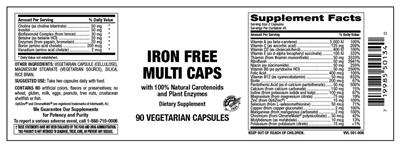

More immune health products
Members OnlyThe highest ranked for the same goal
Read more
Our articles on this subject
- What Supplements and Vitamins Should Not Be Taken TogetherArticle · Sep 7, 2026
- When Is the Best Time to Take Vitamins and Supplements?Article · Jun 15, 2026
Graded November 7, 2026 by the Reverse Age Lab evidence engine, from human studies, real reviews and our biohacker panel. How we grade. Is this medical advice? No. Rala organizes the published evidence; go over any change with your doctor, especially if you take meds.
Privacy policyConsumer health dataAffiliate disclosureTermsDo Not Sell or Share My Personal InformationCookie settings