
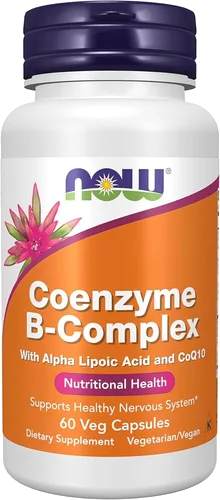
now foods NOW Foods, Coenzyme B-Complex With Alpha Lipoic Acid and CoQ10, Veg Capsules Review
This is a B-complex supplement in vegetarian capsule form, made by NOW Foods and sold with alpha lipoic acid and CoQ10. A serving is 2 veg capsules, and each container holds 60 servings. The label lists these amounts per serving: Vitamin C 60 mg, Thiamin 50 mg, Riboflavin 50 mg, Niacin 100 mg, Vitamin B-6 50 mg, Folate 680 mcg DFE, Vitamin B-12 250 mcg, Biotin 1000 mcg, Pantothenic Acid 50 mg, Choline 25 mg, Betaine Anhydrous 50 mg, Alpha Lipoic Acid 50 mg, PABA 25 mg, Inositol 30 mg, CoQ10 10 mg and Pantethine 10 mg. Other ingredients are hypromellose (cellulose capsule), microcrystalline cellulose, stearic acid from a vegetable source, silicon dioxide and calcium silicate. No directions are printed in the label text provided. Buyers most often say they feel more energy after taking it, and many also mention good quality and capsules that are easy to swallow.
We don’t sell supplements. We help you make decisions and get the best price.
Lowest prices
We may earn a commission from some store links. How we choose.
We hold no current store prices for it yet: check the store.
- AmazonPrice at AmazonCheck price at Amazon (opens in a new tab)
Also at: iHerb · Walmart · Vitacost. Some links earn us a commission; price comes first, and a commission only decides the order of prices within 2%. As an Amazon Associate we earn from qualifying purchases.
Products with nearly the same formula (Matched on the main ingredients)
Study, Trial or Testing Result Summary
Members Only203 human studies · 81 improved
15 of these 203 human studies gave the ingredient by drip or injection, not by mouth.
Most ingredients at full dose have mixed evidence for energy. Thiamin at 10 mg a day lowered fatigue in older women who were low in it [1], but it did not help in other groups [2]. Vitamin B6 at 50 mg a day eased tiredness in women with premenstrual symptoms [3], while larger trials of blends with B6 found no benefit [4]. Riboflavin helped fatigue in people with a rare metabolic disorder [5], but a nutrient mix with it did not help dialysis patients [6]. Vitamin B12 did not boost energy in people who were not deficient [7]. Niacin related compounds did not improve tiredness in a large review [8]. Coenzyme Q10 reduced fatigue in a review of 13 trials [9], but this product has 10 mg, below the 60 mg that worked. Alpha lipoic acid is also below the studied dose and mostly showed no benefit [10]. Vitamin C is below the studied dose and helped mainly people who were low in it [11]. Betaine and choline are present only in small amounts compared with the doses studied [12][13]. Animal and cell studies are never counted.
See all 203 studies →Hide the studies
- Across 16 trials with 6276 people, B12 with or without folic acid and B6 did not improve thinking or depression, and only one trial looked at fatigue so it could not be analyzed.Effects of Vitamin B12 Supplementation on Cognitive Function, Depressive Symptoms, and Fatigue: A Systematic Review, Met…
- Across 27 studies of 1,599 adults, NAD+ precursors did not improve perceived fatigue or sleep, but nicotinamide mononucleotide improved endurance and NADH improved cognitive performance.Domain-specific effects of NAD+ precursors on fatigue and functional performance: a systematic review and network meta-a…
- In 16 studies of 616 people with multiple sclerosis and 655 healthy people, folate and B12 blood levels did not differ, suggesting they are not drivers of worse physical function; this was not a supplement trial.The Relationship of Cobalamin and/or Folate to the Patient-Centred Outcomes in Multiple Sclerosis: A Systematic Review a…
- Across 13 placebo-controlled trials with 1,126 people, coenzyme Q10 reduced fatigue scores more than placebo, with larger doses and longer use linked to bigger reductions.Effectiveness of Coenzyme Q10 Supplementation for Reducing Fatigue: A Systematic Review and Meta-Analysis of Randomized …
- In 12 placebo-controlled trials with 575 a med users, coenzyme Q10 reduced muscle pain, weakness, cramps and tiredness compared with placebo, but did not change blood creatine kinase.Read the study on PubMed (30371340) →
- In two placebo-controlled trials of 404 adults with Charcot-Marie-Tooth disease type 1A, ascorbic acid at two doses over 12 to 24 months had little meaningful effect on fatigue.Interventions for fatigue in peripheral neuropathy.
- In a review of 55 trials of chronic fatigue syndrome with 6,316 people, a coenzyme Q10 plus NADH combination was one of eight treatments with a significant effect, but no treatment was clearly effective and reproducible.Systematic review of randomized controlled trials for chronic fatigue syndrome/myalgic encephalomyelitis (CFS/ME).
- In 14 mostly small, high-risk-of-bias studies of 809 people with chronic fatigue syndrome, coenzyme Q10 combinations with selenium or NADH reduced fatigue, but weaknesses in the studies prevent firm conclusions.Dietary Supplementation for Fatigue Symptoms in Myalgic Encephalomyelitis/Chronic Fatigue Syndrome (ME/CFS)-A Systematic…
- Across nine studies of 720 people, three of four controlled trials found intravenous vitamin C lowered fatigue scores more than control, and four of five uncontrolled studies saw fatigue fall.Feasibility of Vitamin C in the Treatment of Post Viral Fatigue with Focus on Long COVID, Based on a Systematic Review o…
- In 10 trials of 489 people, NADH was well tolerated and linked to better quality of life, less anxiety and lower heart rate after stress, but fatigue results were not clearly shown.Evaluation of safety and effectiveness of NAD in different clinical conditions: a systematic review.
- In 20 studies of 483 people with rheumatic diseases, most fibromyalgia patients taking coenzyme Q10 had less pain and fatigue and better sleep and mood, and it was well tolerated.Coenzyme Q10 supplementation in rheumatic diseases: A systematic review.
- A review of 13 trials with 466 esports players found some supplements, including an inositol-enhanced arginine silicate product, were linked to better attention, more vitality and less fatigue, but the evidence is preliminary and mostly not specific to inositol.Nutritional supplements to improve esports player performance: a systematic review of randomized controlled trials.
- In six studies of 195 people with multiple sclerosis, 200 mg a day over 2-3 months gave unclear results, while 500 mg a day improved oxidative stress, inflammation, depression and fatigue.Coenzyme Q10 supplementation in multiple sclerosis; A systematic review.
- In a review of 13 small trials with 85 people with McArdle disease, vitamin B6 gave no benefit for exercise performance.Pharmacological and nutritional treatment for McArdle disease (Glycogen Storage Disease type V).
- A review of 37 studies in cancer patients found intravenous vitamin C may ease fatigue and other symptoms, but the evidence is preliminary and mostly uncontrolled.Intravenous Vitamin C and Cancer: A Systematic Review.
- A review of supplements for football players said vitamin C may improve performance by lowering oxidative stress, but gave no numbers and called for more research.The efficacy of dietary supplements on health status and performance of football players: a systematic review.
- A review of 14 reviews found oral niacin and nicotinamide can cause side effects including fatigue, stomach upset, flushing and liver problems, more often at higher doses and with niacin than nicotinamide.The adverse effects of oral niacin/nicotinamide - an overview of reviews.
- In a review of four diet trials in people with multiple sclerosis lasting 3 to 12 months, two diets supplying enough folate and magnesium reported improved fatigue, but firm conclusions were not possible.Is there an effect of dietary intake on MS-related fatigue? - A systematic literature review.
- A review of 37 trials in people with multiple sclerosis found that 4 of 6 alpha lipoic acid trials reported better clinical or biological outcomes such as fatigue, but trials were small and results need confirming.The effect of emerging nutraceutical interventions for clinical and biological outcomes in multiple sclerosis: A systema…
- A review of 17 nutrition studies in chronic fatigue syndrome found fatigue improved with a combination of NADH and coenzyme Q10, but overall evidence for supplements was insufficient.Dietary and nutrition interventions for the therapeutic treatment of chronic fatigue syndrome/myalgic encephalomyelitis:…
- A review of 16 studies found that 10 showed less fatigue with coenzyme Q10, with the best results in people with a med-related fatigue and fibromyalgia, but more large, long trials are needed.Effect of coenzyme Q10 supplementation on fatigue: A systematic review of interventional studies.
- A review of therapies for cancer-related fatigue did not recommend coenzyme Q10 during active cancer treatment.Integrative Therapies for Cancer-Related Fatigue.
- A review of coenzyme Q10 and exercise performance found inconclusive data, though it may be useful for recovery and sports performance in people without a deficiency.Coenzyme Q10 Supplementation and Its Impact on Exercise and Sport Performance in Humans: A Recovery or a Performance-Enh…
- In 16 studies of athletes aged 17 and older, 30-300 mg of coenzyme Q10 improved antioxidant activity and anaerobic performance and lowered oxidative stress, liver damage and fatigue markers such as creatine kinase.Coenzyme Q10 Supplementation in Athletes: A Systematic Review.
- In 8112 healthy French adults, a daily antioxidant capsule containing 120 mg vitamin C for about 6 years did not change quality of life scores, including vitality, compared with placebo.Long-term antioxidant supplementation has no effect on health-related quality of life: the randomized, double-blind, pla…
- In 2501 heart disease or stroke survivors given low-dose B vitamins including 3 mg B6 for about 3 years, quality of life was not improved, and activity limits due to emotional problems were slightly worse.B vitamin and/or n-3 fatty acid supplementation and health-related quality of life: ancillary findings from the SU.FOL.O…
- Over 48 months in 443 older adults, coenzyme Q10 with selenium showed no overall change in quality of life, but a matched sub-analysis found more days out of hospital and less decline in several quality of life domains.Improved Health-Related Quality of Life, and More Days out of Hospital with Supplementation with Selenium and Coenzyme Q…
- In 326 adults with fatigue after an infection, 4 weeks of sulbutiamine (400 or 600 mg a day) did not reduce fatigue more than placebo overall, though women on 600 mg had less fatigue at day 7 only.[Treatment of chronic postinfectious fatigue: randomized double-blind study of two doses of sulbutiamine (400-600 mg/day…
- In 311 people receiving a med agonist therapy, a daily fruit smoothie for 16 weeks did not change fatigue, fitness, or folate levels compared with standard treatment alone.Read the study on PubMed (40877839) →
- In 275 adults with early COVID-19 given a 10-day combination that included vitamin C, less fatigue at day 14 was seen only when famotidine was added, not with the vitamin C combination alone.Read the study on PubMed (41693032) →
- In 271 adults with Charcot-Marie-Tooth disease type 1A, 1.5 g of ascorbic acid daily for 2 years did not differ from placebo on neuropathy or on secondary outcomes including fatigue.Ascorbic acid in Charcot-Marie-Tooth disease type 1A (CMT-TRIAAL and CMT-TRAUK): a double-blind randomised trial.
- In 236 women with newly diagnosed breast cancer, 300 mg of coenzyme Q10 daily for 24 weeks raised blood levels but did not reduce fatigue compared with placebo.A randomized, double-blind, placebo-controlled study of oral coenzyme Q10 to relieve self-reported treatment-related fat…
- In 215 working men aged 30 to 55, a high-dose B vitamin, vitamin C and mineral supplement for 33 days improved vigour, stress and mental health ratings and made them feel less mentally tired than placebo.Effects of high-dose B vitamin complex with vitamin C and minerals on subjective mood and performance in healthy males.
- In 207 adults with myalgic encephalomyelitis (chronic fatigue syndrome), 200 mg of coenzyme Q10 plus 20 mg of NADH daily for 12 weeks reduced cognitive fatigue and improved quality of life compared with baseline, in a placebo-controlled trial.Effect of Dietary Coenzyme Q10 Plus NADH Supplementation on Fatigue Perception and Health-Related Quality of Life in Ind…
- In 204 adults with fatty liver disease, a Chinese herbal recipe eased fatigue more than a phosphatidylcholine capsule over 3 months, but this study tested phosphatidylcholine only as the comparison drug, so it says nothing about choline improving energy.[Treatment of nonalcoholic steatohepatitis by Jianpi Shugan Recipe: a multi-center, randomized, controlled clinical tria…
- In 202 hemodialysis patients, a multinutrient supplement containing vitamin C for 12 weeks did not reduce fatigue compared with placebo, though some heart rate variability measures improved.Effects of nutritional supplementation on fatigue, and autonomic and immune dysfunction in patients with end-stage renal…
- In 171 young adults, two extra daily servings of fresh fruit and vegetables for 14 days improved vitality and motivation, but blood vitamin C did not explain these benefits.Let them eat fruit! The effect of fruit and vegetable consumption on psychological well-being in young adults: A randomi…
- In 171 adults with mild insomnia, a blend including vitamin B6 for 2 weeks did not differ from placebo on sleep or physical fatigue, as both groups improved similarly.Exploring the Effect of Lactium™ and Zizyphus Complex on Sleep Quality: A Double-Blind, Randomized Placebo-Controlled Tr…
- In 167 young adults with low vitamin C, a 250 mg vitamin C tablet daily for 4 weeks improved well-being after two weeks, and also mood and fatigue in those with consistently low vitamin C, while placebo showed no change; kiwifruit gave somewhat stronger effects.KiwiC for Vitality: Results of a Randomized Placebo-Controlled Trial Testing the Effects of Kiwifruit or Vitamin C Table…
- In 162 adults on a weight loss meal replacement program, folate levels improved in both groups, and energy and fatigue improved slightly more with daily calorie restriction alone than with added alternate day fasting; folate was not tested alone.Randomized Trial of a High Protein, Partial Meal Replacement Program with or without Alternate Day Fasting: Similar Effe…
- In 160 heart bypass surgery patients, vitamin C plus omega-3 fatty acids given from the day before surgery through the first 5 days after reduced post-operative fatigue more than placebo.The combined effect of vitamin C and omega-3 polyunsaturated fatty acids on fatigue following coronary artery bypass gra…
- In 160 heart disease patients over about 38 months, niacin plus a med caused fatigue, nausea or muscle aches in 9% versus 5% on placebo, not a significant difference.Read the study on PubMed (14759379) →
- In 141 healthy office workers, a single 10 gram intravenous vitamin C dose lowered fatigue scores for up to one day compared with saline placebo, especially in those with low starting vitamin C, and also lowered oxidative stress.Intravenous vitamin C administration reduces fatigue in office workers: a double-blind randomized controlled trial.
- In 125 cancer patients with wasting who all took alpha-lipoic acid plus other antioxidants, four months of added treatments gave mixed results on fatigue and energy use, and the effect of alpha-lipoic acid alone was not tested.Randomized phase III clinical trial of five different arms of treatment for patients with cancer cachexia: interim resul…
- In 112 women with anemia after childbirth, adding 1 mg a day of folic acid to iron for 4 weeks did not change fatigue scores, hemoglobin or health status compared with iron alone.A randomized controlled trial examining the addition of folic acid to iron supplementation in the treatment of postpartu…
- In 103 polio survivors with fatigue, 100 mg of coenzyme Q10 daily for 60 days did not reduce fatigue more than placebo.A randomized controlled trial of coenzyme Q10 for fatigue in the late-onset sequelae of poliomyelitis.
- In a 3-month double-blind trial of 99 people with severe kidney failure taking 250 mg vitamin C three times weekly, symptoms including fatigue were similar to placebo, and nausea trended worse with vitamin C.Vitamin C supplementation in kidney failure: effect on uraemic symptoms.
- In 89 fibromyalgia patients who finished a crossover trial with 3-month periods, a combined coenzyme Q10, tryptophan and magnesium supplement did not significantly reduce fatigue compared with placebo, though it improved pain, sleep quality and total symptom score.Effects of Coenzyme Q10, Tryptophan, and Magnesium Supplementation on Fatigue in Patients with Fibromyalgia - A Randomiz…
- In 80 elderly Irish women with marginal thiamin deficiency, 10 mg of thiamin daily for 6 weeks increased appetite and well-being and decreased fatigue compared with placebo.Influence of thiamin supplementation on the health and general well-being of an elderly Irish population with marginal t…
- In 80 people with advanced chronic kidney disease followed for 6 months, adding folic acid (alone or with pentoxifylline) to usual care reduced fatigue scores and improved kidney blood tests compared with usual care alone.The potential adding therapeutic effect of pentoxifylline and/or folic acid for chronic kidney disease patients: randomi…
- In an 8-week placebo-controlled trial of 80 people with chronic fatigue syndrome, coenzyme Q10 combined with nicotinamide adenine dinucleotide reduced self-reported fatigue compared with placebo, though the trial's primary heart rate outcome was not clearly improved.Effect of coenzyme Q10 plus nicotinamide adenine dinucleotide supplementation on maximum heart rate after exercise testi…
- In 73 patients with chronic fatigue syndrome taking 200 mg coenzyme Q10 plus 20 mg NADH daily for 8 weeks, fatigue scores fell more than placebo and cellular energy and mitochondrial markers improved.Does oral coenzyme Q10 plus NADH supplementation improve fatigue and biochemical parameters in chronic fatigue syndrome?
- In 69 adults with moderate or severe depression taking 200 mg coenzyme Q10 daily for 8 weeks alongside standard treatment, depression and fatigue scores improved while placebo showed no change.Discovering the Potential Value of Coenzyme Q10 as an Adjuvant Treatment in Patients With Depression.
- In 65 people with chronic fatigue syndrome, a daily combination with 1.05 mg B6, beta-glucan, vitamin D3 and zinc for 36 weeks improved cognitive fatigue compared with their own baseline.Yeast Beta-Glucan Supplementation with Multivitamins Attenuates Cognitive Impairments in Individuals with Myalgic Enceph…
- In 63 women with premenstrual symptoms (32 completed), 50 mg of vitamin B6 daily for 3 months in a crossover design improved emotional symptoms including depression, irritability and tiredness compared with placebo.Pyridoxine (vitamin B6) and the premenstrual syndrome: a randomized crossover trial.
- In 62 heart failure patients taking 270 mg ubiquinol with 2250 mg L-carnitine daily for 12 weeks, walking distance and fatigue improved more than placebo and inflammatory markers fell.Effect of carni Q-gel (ubiquinol and carnitine) on cytokines in patients with heart failure in the Tishcon study.
- In 61 patients with fatigue from primary biliary cirrhosis, a 12-week antioxidant blend containing ubiquinone did not reduce fatigue compared with placebo.Oral antioxidant supplementation for fatigue associated with primary biliary cirrhosis: results of a multicentre, random…
- In 60 healthy video gamers, 7 days of an inositol-enhanced arginine silicate supplement raised self-reported energy and reduced anger and some test errors compared with placebo.A Prospective Study Evaluating the Effects of a Nutritional Supplement Intervention on Cognition, Mood States, and Menta…
- In 60 patients with a med-associated muscle problems, coenzyme Q10 for 3 months reduced tiredness and muscle symptoms, while the placebo group showed no significant change.Read the study on PubMed (23458201) →
- In 60 women with breast cancer on weekly paclitaxel, taking coenzyme Q10 was linked to less fatigue and less insomnia from week 9 onward compared with the paclitaxel-only group, though the study was open label.Coenzyme Q10 as an adjunctive strategy to reduce paclitaxel-induced toxicities in breast cancer: a randomized controlled…
- In 58 healthy adults with mild prolonged tiredness, a supplement combining pomegranate extract with B vitamins and vitamin C reduced fatigue scores over 8 weeks compared with placebo, though vitamin C was not tested alone and biochemical markers did not change.Combination of Chemically Characterized Pomegranate Extract and Hydrophilic Vitamins against Prolonged Fatigue: A Monoce…
- In 58 people with long-COVID, 2000 mg of nicotinamide riboside daily raised blood NAD+ about 3-fold but did not significantly improve fatigue, cognition, or sleep versus placebo.Effects of nicotinamide riboside on NAD+ levels, cognition, and symptom recovery in long-COVID: a randomized controlled …
- In 57 breast cancer patients receiving chemotherapy, a daily amino acid jelly containing coenzyme Q10 and L-carnitine for 21 days reduced their worst fatigue more than regular care alone did.Efficacy and safety of an amino acid jelly containing coenzyme Q10 and L-carnitine in controlling fatigue in breast canc…
- In 54 cancer patients with hand-foot skin reactions from chemotherapy, topical pyridoxine for 6 weeks did not improve the skin reaction grade, but patients reported lower fatigue, better physical function and better quality of life than the placebo group.A pilot randomized double-blind, placebo-controlled study on the effects of the topical application of pyridoxine on pal…
- In 54 healthy active men, 300 mg of ubiquinol daily for 6 weeks improved muscle mitochondrial energy efficiency but did not change time to exhaustion during severe cycling compared with placebo.Effect of six weeks ubiquinol supplementation on mitochondrial respiratory function and exercise capacity in healthy mal…
- In 51 obese adults, 200 mg per day of coenzyme Q10 for 12 weeks lowered fatigue scores within the group, but the change did not differ significantly from placebo.Effects of coenzyme Q10 on arterial stiffness, metabolic parameters, and fatigue in obese subjects: a double-blind rando…
- In 50 people recovering from COVID-19, one month of 1-methylnicotinamide improved 6-minute walk distance in 92% versus 60% without it, and severe fatigue was 20% versus 56%.Use of 1-MNA to Improve Exercise Tolerance and Fatigue in Patients after COVID-19.
- In healthy young adults with low vitamin C levels, 500 mg twice a day for 4 weeks improved attention and work absorption compared with placebo, with a trend toward less fatigue.Vitamin C supplementation promotes mental vitality in healthy young adults: results from a cross-sectional analysis and …
- In a 28-day placebo-controlled trial of 46 adults with long COVID, twice-daily liposomal vitamin C (500 mg) with l-arginine reduced persistent fatigue (2 of 23 still fatigued vs 21 of 23 on placebo) and improved walking distance and handgrip strength.Effects of l-Arginine Plus Vitamin C Supplementation on Physical Performance, Endothelial Function, and Persistent Fatig…
- In 43 adults with sleep complaints, a blend containing a small amount of vitamin B3 taken with the evening meal for 14 days shortened sleep onset time and improved next-morning mood and vigor, but had no effect on cognitive performance.Mulberry leaf extract combined with tryptophan improves sleep and post wake mood in adults with sleep complaints - A ran…
- In 43 healthy adults taking a creatine, betaine and dendrobium pre-workout blend for six weeks, self-rated energy and concentration were higher than with a comparator, but body composition and exercise performance did not improve.Effects of a pre-workout supplement on lean mass, muscular performance, subjective workout experience and biomarkers of …
- In 43 people with chronic fatigue syndrome, 150 mg of ubiquinol-10 daily for 12 weeks improved several symptoms, including autonomic and cognitive function, compared with placebo.Ubiquinol-10 supplementation improves autonomic nervous function and cognitive function in chronic fatigue syndrome.
- In 42 healthy adults aged 40-76, a glycine, glutamine and niacin mixture taken for 3 weeks raised growth hormone by about 70% compared with placebo, but did not change IGF-I, mood or memory.Effects of an oral mixture containing glycine, glutamine and niacin on memory, GH and IGF-I secretion in middle-aged and…
- In 41 trained cyclists, 4 weeks of a carnitine and alpha-lipoic acid supplement with a small amount of vitamin B1 did not improve performance or fatigue measures compared with placebo.l-Carnitine and Alpha-Lipoic Acid Fail to Improve Anaerobic and Aerobic Performance in Trained Cyclists Despite a Reduct…
- In 40 young adults with low vitamin C, 1000 mg daily for 4 weeks improved mental vitality and reduced inflammation compared with placebo, with gut bacteria changes linked to the gains.Gut microbiota links vitamin C supplementation to enhanced mental vitality in healthy young adults with suboptimal vitam…
- In 40 people with quiescent bowel disease and severe fatigue, 4 weeks of high-dose thiamine (600-1800 mg a day) reduced fatigue by 4.5 points versus a 0.75 point increase on placebo, with 55% and 75% of the two groups improving.Randomised clinical trial: high-dose oral thiamine versus placebo for chronic fatigue in patients with quiescent inflamm…
- In 38 adults aged 65 to 75 doing 8 weeks of high-intensity interval training, coenzyme Q10 improved chair-stand strength and power more than placebo, but did not change grip strength, balance, walking, or endurance.Effects of Coenzyme Q10 Supplementation on Physical Function Adaptations to High-Intensity Interval Training in Older Ad…
- In 36 volunteers, 1 g of vitamin C daily for 30 days improved maximal oxygen uptake and lowered oxidative stress only in those with the lowest vitamin C levels, and it did not reduce fatigue index.Antioxidant supplementation, redox deficiencies and exercise performance: A falsification design.
- In 36 patients with primary biliary cholangitis, 4 weeks of high-dose thiamine (600-1800 mg a day) was safe but no better than placebo at reducing fatigue.High-dose oral thiamine versus placebo for chronic fatigue in patients with primary biliary cholangitis: A crossover ran…
- In 33 soldiers during a 12-day tropical training exercise, folate status declined in all groups and those eating combat rations reported more fatigue than those eating fresh food; folate was not given as a separate supplement.The physiological and psychological effects of combat ration feeding during a 12-day training exercise in the tropics.
- In 32 healthy young adults, 28 days of a B vitamin complex including B1 increased running time to exhaustion 1.26-fold and lowered blood lactate and ammonia compared with placebo.A functional evaluation of anti-fatigue and exercise performance improvement following vitamin B complex supplementation…
- In 32 Gulf War veterans with illness, a 4-6 week program of exercise, sauna and nicotinic acid plus other supplements improved physical quality of life by 6.9 points versus waitlist, and 11 of 16 quality of life, pain and fatigue measures improved.A Detoxification Intervention for Gulf War Illness: A Pilot Randomized Controlled Trial.
- In 32 people with end-stage heart failure awaiting transplant, 60 mg of coenzyme Q10 daily for 3 months improved walking distance, fatigue and quality of life compared with placebo, though heart measures did not change.Coenzyme Q10 in patients with end-stage heart failure awaiting cardiac transplantation: a randomized, placebo-controlled…
- In 30 young women with premenstrual syndrome, both groups took vitamin B6 and calcium for 3 months; the group that also did treadmill exercise improved fatigue and other symptoms, so the effect is from exercise rather than vitamin B6.Effect of aerobic exercise on premenstrual symptoms, haematological and hormonal parameters in young women.
- In 30 male volleyball players, 120 mg of coenzyme Q10 plus Phlebodium decumanum daily for 4 weeks produced more favorable post-training blood markers of stress and inflammation than placebo.[Effect of phlebodium decumanum and coenzyme Q10 on sports performance in professional volleyball players].
- In 28 men with marginal vitamin C status, 1000 mg daily for 8 weeks produced a physical activity rise that was not statistically significant compared with placebo, though cold episodes were fewer.Vitamin C supplementation slightly improves physical activity levels and reduces cold incidence in men with marginal vit…
- In 28 middle-aged trained male cyclists, 8 weeks of oral coenzyme Q10 did not improve aerobic power compared with placebo, though some reached exhaustion at higher workloads.Effect of ubidecarenone oral treatment on aerobic power in middle-aged trained subjects.
- In 26 overweight middle-aged women doing aerobic training for 3 months, drinking 500 mL of orange juice daily was linked with lower blood lactate, suggesting less muscle fatigue than training alone.Orange juice improved lipid profile and blood lactate of overweight middle-aged women subjected to aerobic training.
- Eating two SunGold kiwifruit daily for 4 weeks improved mood disturbance, wellbeing and vitality compared with usual diet in 26 adults with mild to moderate mood disturbance.SunGold Kiwifruit and Psychological Health (GoKiPH): A Randomised Controlled Crossover Trial.
- In 25 healthy young adults, a single dose of a pre-workout drink containing 500 mg vitamin C along with other ingredients raised self-rated energy and vigour compared with placebo, though adding synephrine gave no extra benefit.Effects of acute ingestion of a pre-workout dietary supplement with and without p-synephrine on resting energy expenditu…
- In 25 breast cancer survivors, 500 mg vitamin C plus vitamin E daily for 10 weeks alongside strength training did not reduce fatigue more than placebo.Effect of strength training and antioxidant supplementation on perceived and performance fatigability in breast cancer s…
- In a double-blind crossover trial of 25 resistance-trained adults, 7 days of a pre-workout drink containing 65 mg niacin (plus caffeine and other ingredients) improved some lower-body strength and endurance measures compared with placebo, but not cycling time-trial performance, with no differences in side effects.Short-Term Effects of a Ready-to-Drink Pre-Workout Beverage on Exercise Performance and Recovery.
- In 25 untrained men, a single 1000 mg dose of niacin before cycling raised the respiratory exchange ratio and shortened time to exhaustion compared with caffeine, suggesting impaired exercise performance.Niacin supplementation impairs exercise performance.
- In 24 active college men taking betaine for about two weeks, squat endurance and repetition quality improved versus placebo, but no power test (jump, bench throw, cycling sprint) differed.Effect of betaine supplementation on power performance and fatigue.
- In 23 moderately trained healthy men, 90 mg of coenzyme Q10 daily for 8 weeks did not improve maximal oxygen uptake, workload at lactate threshold, or exercise-related oxidative stress compared with placebo.Coenzyme Q10 supplementation and exercise-induced oxidative stress in humans.
- In 21 untrained men, a caffeine supplement containing 40 mg of niacin taken once did not improve bench press strength, leg extension strength, or time to exhaustion on a bike compared with placebo.Acute effects of a caffeine-containing supplement on bench press and leg extension strength and time to exhaustion durin…
- In 20 obese adults on a calorie-restricted diet, 500 mg of vitamin C daily for 4 weeks lowered self-reported fatigue and reduced heart rate and perceived exertion during exercise compared with placebo.Vitamin C status and perception of effort during exercise in obese adults adhering to a calorie-reduced diet.
- In 20 singers with mild vocal symptoms, a single 1000 mcg B12 injection did not improve voice fatigue or singing measures more than a placebo injection.Effect of Vitamin B12 Injection on the Vocal Performance of Professional Singers: A Randomized, Double-blind, Placebo-Co…
- In 20 trained male cyclists, a single 2.43 g dose of choline bitartrate raised blood choline but did not delay fatigue or change work performed in brief or prolonged cycling compared with placebo.Effect of choline supplementation on fatigue in trained cyclists.
- In 20 people with panic disorder, up to 18 g a day of inositol for one month worked similarly to fluvoxamine for anxiety and caused less tiredness than fluvoxamine; energy itself was not measured as a benefit.Double-blind, controlled, crossover trial of inositol versus fluvoxamine for the treatment of panic disorder.
- In 20 fibromyalgia patients, 300 mg of coenzyme Q10 daily for 40 days reduced fatigue and morning tiredness scores more than placebo, along with pain and tender points.Can coenzyme q10 improve clinical and molecular parameters in fibromyalgia?
- In 20 high-level swimmers taking 60 mg coenzyme Q10 with royal jelly daily for 10 days, high-intensity interval swimming performance improved more than placebo and exercise-induced oxidative stress and muscle damage markers were reduced.Royal jelly plus coenzyme Q10 supplementation improves high-intensity interval exercise performance via changes in plasm…
- In 19 trained men aged 22 to 74, 120 mg of ubiquinone daily for 6 weeks did not raise maximal oxygen uptake and shortened time to exhaustion in a prolonged test compared with placebo.Ubiquinone supplementation and exercise capacity in trained young and older men.
- In 18 healthy volunteers, 1000 mg a day of ascorbic acid for 8 days did not reduce physical fatigue during a long cycling task, while a different product did.Effects of Applephenon and ascorbic acid on physical fatigue.
- In 18 endurance athletes, 28 days of coenzyme Q10 raised blood levels but did not change aerobic capacity or fatigue during cycling compared with placebo.Does exogenous coenzyme Q10 affect aerobic capacity in endurance athletes?
- In 17 people doing hard cycling at high altitude, a 3-week broad antioxidant capsule that included vitamin C did not improve performance; a different supplement combination did better than both this capsule and placebo.Effects of antioxidant supplementation on exercise performance in acute normobaric hypoxia.
- In 17 healthy volunteers, 300 mg of coenzyme Q10 daily for 8 days reduced subjective fatigue and improved late-session physical performance during prolonged cycling compared with placebo.Antifatigue effects of coenzyme Q10 during physical fatigue.
- In 16 male athletes, 100 mg of thiamine daily for 3 days before cycling reduced complaints of fatigue shortly after exercise compared with placebo.Effects of thiamine supplementation on exercise-induced fatigue.
- In 16 professional soccer players, 30 days of coenzyme Q10 improved time to fatigue during exhaustive cycling compared with placebo, which showed no change.Short-term CoQ10 supplementation reduces markers of cardiac stress in soccer players following heavy exercise: A randomi…
- In 15 people with chronic fatigue syndrome, injected liver extract with folic acid and vitamin B12 did not improve fatigue-related function more than placebo, and the placebo response was strong.Liver extract-folic acid-cyanocobalamin vs placebo for chronic fatigue syndrome.
- In 15 sedentary men taking 100 mg coenzyme Q10 daily for 8 weeks, mean power improved only in the fifth repeated sprint test, while peak power and fatigue index did not clearly differ from placebo.The effects of coenzyme Q10 supplementation on performance during repeated bouts of supramaximal exercise in sedentary m…
- In 14 healthy volunteers, 3000 mg a day of ascorbic acid for 8 days did not change physical fatigue during a long cycling task compared with placebo.Daily oral administration of crocetin attenuates physical fatigue in human subjects.
- In 14 people given 1 gram a day of a thiamin derivative or placebo for 4 days in a crossover design, there were no differences in oxygen use, lactate, or 2000-meter cycling time.The effect of a thiamin derivative on exercise performance.
- In 14 male college football players, a single dose of a choline-based multi-ingredient supplement taken 60 minutes before testing led to higher rate of torque development and impulse during fatiguing leg contractions than placebo, though baseline strength and jump height did not differ.Choline-Based Multi-Ingredient Supplementation Can Improve Explosive Strength during a Fatiguing Task.
- In 12 middle-aged triathletes during a 90-minute cycling session, taking vitamin C with glutathione improved energy-related metabolic and heart measures and lowered an oxidative stress marker compared with placebo, though vitamin C was not tested alone and this was a single acute session.Enhancing Supplemental Effects of Acute Natural Antioxidant Derived from Yeast Fermentation and Vitamin C on Sports Perf…
- In 11 active college men taking betaine for 15 days in a crossover design, peak force did not increase and soreness did not differ, but the rise in fatigue after exercise was smaller than with placebo.Effect of 15 days of betaine ingestion on concentric and eccentric force outputs during isokinetic exercise.
- In 10 male runners drinking 1 liter of fluid with betaine after dehydration, sprint time to exhaustion in the heat did not significantly improve, though there were non-significant trends toward longer sprints and changes in plasma volume, oxygen use and lactate.Influence of betaine consumption on strenuous running and sprinting in a hot environment.
- In 10 healthy men, 2 weeks of betaine at 2.5 grams per day did not change aerobic capacity or time to exhaustion after exhaustive endurance exercise compared with placebo, although it reduced exercise-related lymphocyte cell death.Effects of Two-Week Betaine Supplementation on Apoptosis, Oxidative Stress, and Aerobic Capacity after Exhaustive Endura…
- In 10 teenage handball players taking 2.5 g of betaine daily for 14 days in a crossover design, they did more leg press and bench press repetitions, with lower lactate and cortisol and higher testosterone after hard exercise than with placebo.Effects of short-term betaine supplementation on muscle endurance and indices of endocrine function following acute high…
- In 10 people with juvenile fibromyalgia, 100 mg per day of ubiquinol-10 for 12 weeks improved chronic fatigue scores on the Chalder Fatigue Scale.Increased oxidative stress and coenzyme Q10 deficiency in juvenile fibromyalgia: amelioration of hypercholesterolemia an…
- In 8 healthy young men, one week of 1.5 grams each of pantothenic acid and cysteine daily did not change muscle coenzyme A, fuel use during exercise, or work output compared with placebo.Acute pantothenic acid and cysteine supplementation does not affect muscle coenzyme A content, fuel selection, or exerci…
- In 8 men with G6PD deficiency, 600 mg a day of alpha-lipoic acid for 4 weeks raised antioxidant status but did not change exercise performance compared with placebo.Exercise and Redox Status Responses Following Alpha-Lipoic Acid Supplementation in G6PD Deficient Individuals.
- In 7 well-trained male cyclists, a multinutrient supplement containing pyridoxine-alpha-ketoglutarate for 3 weeks did not extend time to exhaustion during cycling or speed recovery compared with placebo.Tricarboxylic-acid-cycle intermediates and cycle endurance capacity.
- In a blood analysis of people with quiescent inflammatory bowel disease and chronic fatigue, 4 weeks of high-dose oral thiamine did not change most B vitamin levels, though those who reported less fatigue had lower riboflavin afterward.B-vitamins, related vitamers, and metabolites in patients with quiescent inflammatory bowel disease and chronic fatigue …
- In a placebo-controlled crossover pilot in healthy middle-aged adults, 7 days of RiaGev (1520 mg twice daily) raised blood NAD+ metabolites and reduced fatigue and improved concentration and motivation compared with baseline, with no clinically relevant side effects.A Combination of Nicotinamide and D-Ribose (RiaGev) Is Safe and Effective to Increase NAD+ Metabolome in Healthy Middle-…
- In diabetic patients, two weeks of intravenous alpha-lipoic acid (600 mg daily) lowered blood sugar, reduced guilt feelings and improved attention, but the vitality gain on the quality-of-life questionnaire was seen only with the comparison drug mexidol.[Comparative study of alpha-lipoic acid and mexidol effects on affective status, cognitive functions and quality of life…
- In a placebo-controlled trial of people with multiple sclerosis, 500 mg per day of coenzyme Q10 for 12 weeks reduced fatigue compared with placebo.Coenzyme Q10 as a treatment for fatigue and depression in multiple sclerosis patients: A double blind randomized clinica…
- In 155 young adults with low vitamin C, a 250 mg vitamin C tablet daily for 4 weeks only marginally improved mood until day 12, with effects weaker than kiwifruit, though mood improved in those with low starting vitamin C.Smartphone survey data reveal the timecourse of changes in mood outcomes following vitamin C or kiwifruit intervention i…
- In 134 patients after cerebral aneurysm embolization, adding glycerol fructose to routine vitamin B6 gave better neurological fatigue scores than B6 alone, so the benefit is from glycerol fructose rather than B6.Glycerol fructose combined with vitamin B6 is beneficial to postoperative recovery of patients with cerebral aneurysm.
- In 73 children and young people with mild thalassemia, 3 months of carnitine with or without 1 mg a day of folic acid reduced bone pain and muscle weakness, but the benefit was attributed to carnitine and fatigue was not reported separately.Determining and surveying the role of carnitine and folic acid to decrease fatigue in β-thalassemia minor subjects.
- In 70 diabetic fatty liver patients, 1000 mg of nicotinamide daily for 12 weeks improved quality of life including the activity and fatigue scores versus no supplement, in an open-label trial.Nicotinamide supplementation in diabetic nonalcoholic fatty liver disease patients: randomized controlled trial.
- In 61 hemodialysis patients, 100 mg of intravenous vitamin C after each session for 6 months did not improve energy-related quality of life or red blood cell production compared with no vitamin C.Effects of intravenous ascorbic acid on erythropoiesis and quality of life in unselected hemodialysis patients.
- In 15 middle-aged untrained men, 150 mg of coenzyme Q10 daily for 2 months raised blood levels and self-rated vigor but did not improve maximal oxygen consumption or lactate threshold.The effect of oral coenzyme Q10 on the exercise tolerance of middle-aged, untrained men.
- In 14 trained male cyclists, 6 grams of pantothenic acid daily for 16 weeks did not change muscle coenzyme A levels or cycling performance compared with the control group.Chronic pantothenic acid supplementation does not affect muscle coenzyme A content or cycling performance.
- In 14 conditioned volunteers doing 4 hours of heavy-load treadmill walking, 8.425 g of choline citrate raised blood choline but did not improve run time to exhaustion, squat performance or perceived exertion compared with placebo.The effects of choline supplementation on physical performance.
- In 11 trained male triathletes taking a blend containing 100 mg coenzyme Q10 daily for 4 weeks, time to exhaustion during running and cycling was not different from placebo.Effects of coenzyme athletic performance system as an ergogenic aid on endurance performance to exhaustion.
- In 10 people with chronic lung disease, a single dose of an antioxidant mix including alpha-lipoic acid lowered free radicals but did not change exercise endurance time or muscle fatigue.Oxidative stress and COPD: the effect of oral antioxidants on skeletal muscle fatigue.
- In 9 young women in a crossover study, 4 weeks of thiamine tetrahydrofurfuryl disulfide during exercise lowered blood lactate and ammonia compared with placebo and was linked to less exertion-related fatigue.The effects of endurance training and thiamine supplementation on anti-fatigue during exercise.
- In 8 people with COPD, a single 2 g IV vitamin C dose compared with saline reduced quadriceps neuromuscular fatigue and lowered inflammatory C-reactive protein during exercise, but did not improve breathlessness or exercise tolerance.Ascorbate attenuates cycling exercise-induced neuromuscular fatigue but fails to improve exertional dyspnea and exercise…
- In 7 male triathletes, 6 weeks of a daily antioxidant capsule containing 600 mg ascorbic acid did not change maximal oxygen uptake or muscle fatigue compared with placebo.No effect of antioxidant supplementation in triathletes on maximal oxygen uptake, 31P-NMRS detected muscle energy metabo…
- In 6 healthy active men, 150 mg of coenzyme Q10 daily for 4 weeks raised blood levels but did not change oxygen use, aerobic capacity, or exercise economy compared with placebo.Muscle and plasma coenzyme Q10 concentration, aerobic power and exercise economy of healthy men in response to four week…
- Construction workers who drank riboflavin-fortified apple juice daily for 28 days reported less fatigue on fatigue questionnaires, along with improved antioxidant markers.Physicochemical properties of and volatile compounds in riboflavin fortified cloudy apple juice; study of its effect on …
- In healthy young men, a pre-exercise antioxidant mix including alpha-lipoic acid lowered power output, slowed 5 km cycling time and increased perceived fatigue compared with placebo.Exercise performance and physiological responses: the potential role of redox imbalance.
- In 214 outpatients with COVID-19, 8000 mg ascorbic acid for 10 days did not shorten symptoms, including fatigue, compared with usual care.Effect of High-Dose Zinc and Ascorbic Acid Supplementation vs Usual Care on Symptom Length and Reduction Among Ambulator…
- In 60 people with relapsing multiple sclerosis on interferon beta-1a, 3 months of added coenzyme Q10 lowered oxidative damage and inflammation markers and reduced fatigue severity in an open-label crossover design.Coenzyme Q10 supplementation reduces peripheral oxidative stress and inflammation in interferon-β1a-treated multiple scl…
- In an open-label pilot of 50 people with Parkinson disease, 100 mg thiamine injections twice weekly were followed by improved motor and non-motor symptoms and less fatigue in six patients who had fatigue, with no placebo group to compare against.Long-Term Treatment with High-Dose Thiamine in Parkinson Disease: An Open-Label Pilot Study.
- In an open-label trial of 40 head and neck cancer survivors, 100 mg vitamin C tablets daily for 8 weeks gave less fatigue relief than Tualang honey.Effects of Tualang Honey on Cancer Related Fatigue: A Multicenter Open-label Trial of H&N Cancer Patients.
- In 39 advanced cancer patients with cachexia, a 4-month combined treatment including 500 mg daily vitamin C improved fatigue scores and lowered inflammatory markers, but the study had no placebo group.A phase II study with antioxidants, both in the diet and supplemented, pharmaconutritional support, progestagen, and ant…
- In 36 men with low sperm counts and poor sperm movement, a daily multi-ingredient supplement containing coenzyme Q10 for 3 months improved sperm measures; energy was not measured.Positive Effect of a New Combination of Antioxidants and Natural Hormone Stimulants for the Treatment of Oligoasthenoter…
- In 26 people with multiple sclerosis, 400 mg of sulbutiamine daily for about 2 months significantly reduced fatigue scores, with the clearest benefit in those also taking disease-modifying treatment, and no serious side effects; there was no control group.Sulbutiamine shows promising results in reducing fatigue in patients with multiple sclerosis.
- In a small uncontrolled pilot of 23 iron-deficient women, a daily food-derived supplement that also contained vitamin C was taken for 8 weeks, and self-reported energy improved, though vitamin C alone was not tested and there was no placebo group.A Food-Derived Dietary Supplement Containing a Low Dose of Iron Improved Markers of Iron Status Among Nonanemic Iron-Def…
- In 22 women with fibromyalgia taking 200 mg coenzyme Q10 twice daily in an open-label crossover study, fatigue dropped by about 22 percent compared with the control period.Role for a water-soluble form of CoQ10 in female subjects affected by fibromyalgia. A preliminary study.
- In 12 people with ulcerative colitis or Crohn's disease, high-dose oral thiamine (600 to 1500 mg daily by body weight) for 20 days led to complete fatigue relief in 10 people and nearly complete relief in 2 others, with no control group.Thiamine and fatigue in inflammatory bowel diseases: an open-label pilot study.
- In 10 adults with mitochondrial disease taking 250 to 500 mg coenzyme Q10 daily for 30 days, fatigue scores and five-times sit-to-stand test results did not change significantly.Evaluating a Coenzyme Q10-Based Food for Special Medical Purpose, for Mitochondrial Diseases Management: An Open-Label, …
- In 10 people with Huntington's disease taking 600 to 1,200 mg a day of coenzyme Q10 for 6 months, the supplement was well tolerated but did not significantly change clinical ratings.Assessment of coenzyme Q10 tolerability in Huntington's disease.
- In seven people with hypertrophic cardiomyopathy taking about 200 mg a day of coenzyme Q10 for at least 3 months, all reported less fatigue and shortness of breath, though the study had no placebo group.Treatment of hypertrophic cardiomyopathy with coenzyme Q10.
- In an open-label extension in inflammatory bowel disease, 300 mg per day of oral thiamine for 12 weeks did not reduce fatigue compared with no thiamine, though 66 percent of patients reached normal fatigue levels after six months of unrestricted follow-up.Long-term maintenance treatment with 300 mg thiamine for fatigue in patients with inflammatory bowel disease: results fr…
- In a survey of complementary medicine practitioners giving IV vitamin C (average 28 g every 4 days), 59 of 9,328 patients with data had lethargy or fatigue as a side effect, and most side effects were minor.Vitamin C: intravenous use by complementary and alternative medicine practitioners and adverse effects.
- In a drug surveillance study of 2817 mostly older adults with brain circulation problems, taking about 6 ml a day of oral citicoline for 15 days to 2 months was followed by reduced dizziness, headache, insomnia, and memory complaints, with fatigue also among the improved symptoms; 5% reported side effects, mostly digestive.Efficacy and safety of oral CDP-choline. Drug surveillance study in 2817 cases.
- In a chart review of 2142 people with fibromyalgia, 42.4% had vitamin B12 deficiency, and deficiency was linked to higher odds of fatigue (odds ratio 1.39) after adjusting for vitamin D.Association of Vitamin B12, Vitamin D, and Thyroid-Stimulating Hormone With Fatigue and Neurologic Symptoms in Patients …
- In 1676 people with colorectal cancer, higher blood levels of active vitamin B6 were linked with less fatigue and better quality of life six months after diagnosis, though this was not a supplement trial.Circulating B-vitamin biomarkers and B-vitamin supplement use in relation to quality of life in patients with colorectal…
- In 1,643 Spanish adults aged 65 and over followed for about 3.5 years, low dietary vitamin C intake was linked to a higher risk of frailty, which includes exhaustion, but this link was not statistically significant on its own.Low vitamin intake is associated with risk of frailty in older adults.
- In a 90-day follow-up of 923 Indonesian COVID-19 survivors, vitamin C combined with other micronutrients and favipiravir did not significantly change post-COVID symptoms, including fatigue, which was the most common symptom.Vaccination status, favipiravir, and micronutrient supplementation roles in post-COVID symptoms: A longitudinal study.
- In a retrospective study of 689 children without complaints, 23.2% had vitamin B12 deficiency and it was linked to vitamin D deficiency, but no supplement was tested for energy.Is There An Association Between Vitamin B12 Level and Vitamin D Status in Children?
- In a survey of 576 people in Syria who had COVID-19, 76.4% reported using vitamin C, but the survey did not measure whether vitamin C improved energy or fatigue, and fatigue was the most reported symptom.COVID-19 infected patients' experiences in Syria, and the role of the pharmacists during their infection.
- Older adults with fatigue had higher blood folic acid than those without fatigue, and lower vitamin D tracked with more fatigue; this study did not test folate supplements.Decrease in Serum Vitamin D Level of Older Patients with Fatigue.
- In 411 dentists and their wives, people who took little vitamin C reported about double the number of fatigue symptoms compared with those who took more.Daily vitamin C consumption and fatigability.
- In 335 older adults, vitamin B12 levels were not associated with frailty, and no supplement was tested.Association between serum vitamin B12 level and frailty in older adults.
- In a prospective study of 146 people with fatigue after COVID-19 who took Astenor Energy, a product containing arginine aspartate, vitamin B6, biotin and magnesium, fatigue scores fell over three months of treatment, but there was no placebo group and biotin's effect could not be separated from the other ingredients.The Effects of Arginine-Based Supplements on Fatigue Levels following COVID-19 Infection: A Prospective Study in Romania…
- In 142 people with heart failure who had taken meds long term, stopping a med and taking about 300 mg a day of coenzyme Q10 over an average of 2.8 years was followed by improved symptoms, including fatigue, though the study had no placebo group.Read the study on PubMed (31496499) →
- In a retrospective German cohort of 125 breast cancer patients, adding intravenous vitamin C of 7.5 g for at least 4 weeks was associated with fewer treatment side effects, including fatigue, than no added vitamin C.Intravenous vitamin C administration improves quality of life in breast cancer patients during chemo-/radiotherapy and a…
- Women with fibromyalgia had lower vitamin B12 levels than 58 healthy women, and lower levels were linked to more tender points, though this study did not test supplements.Could ferritin, vitamin B12, and vitamin D play a role in the etiopathogenesis of fibromyalgia syndrome?
- In people with irritable bowel syndrome, lower vitamin B6 intake was linked with more fatigue, but this was an observational association within a diet study and not a test of vitamin B6 supplements.Poor intake of vitamins and minerals is associated with symptoms among patients with irritable bowel syndrome.
- In 101 people with relapsing multiple sclerosis, lower dietary folate intake was linked to higher fatigue scores, but this cross-sectional study cannot show cause.Dietary intake of nutrients and its correlation with fatigue in multiple sclerosis patients.
- In a retrospective chart review of 86 cancer patients given high-dose IV vitamin C (50 to 150 g per infusion), patients overall reported improved fatigue, pain, and mood, with temporary nausea and injection-site discomfort as the most common side effects.Retrospective Evaluation of Clinical Experience With Intravenous Ascorbic Acid in Patients With Cancer.
- In 67 adults with shingles, about 2 weeks of intravenous vitamin C alongside standard treatment was followed by reduced pain and less general fatigue, but the study had no placebo group.Intravenous vitamin C in the treatment of shingles: results of a multicenter prospective cohort study.
- In COVID-19 survivors with lingering fatigue, a multi-ingredient supplement containing vitamin B6 improved strength and walking performance over 8 weeks compared with a control group, but vitamin B6 was not tested alone.Effects of a New Multicomponent Nutritional Supplement on Muscle Mass and Physical Performance in Adult and Old Patients…
- Half of 60 people with chronic fatigue syndrome had low serum folate levels, but this survey did not test whether folate supplements improve energy.Serum folate and chronic fatigue syndrome.
- In a clinical observation of 60 spandex factory workers exposed to a industrial solvent, a combination of Chinese medicines that included polyene phosphatidylcholine was linked to lower liver enzymes and bilirubin and to recovery of most abnormal blood ammonia levels. The abstract does not report an energy or fatigue outcome after treatment.Dimethylacetamide-induced toxic hepatitis in spandex workers: clinical presentation and treatment outcomes.
- Vitamin B12 levels were normal in 55 people with primary fibromyalgia, who reported muscle fatigue as one of their most disabling symptoms.Primary fibromyalgia. A clinical and laboratory study of 55 patients.
- In a Swedish registry of 40 adults with a med-associated multiple acyl-CoA dehydrogenase deficiency, 38 of 39 treated with riboflavin clinically improved, including reduced fatigue and muscle symptoms.Read the study on PubMed (41808636) →
- In a 7-day diary study of 20 adults with hypophosphatasia and 20 matched controls, vitamin B6 intake did not differ significantly between groups, and the study did not measure energy levels directly.Mineral Intake and Clinical Symptoms in Adult Patients with Hypophosphatasia.
- In a survey of 38 people with chronic fatigue syndrome or fibromyalgia, those who rated themselves much improved had taken more vitamin B12 injections and higher daily folic acid for longer, though this was not a controlled test.Response to vitamin B12 and folic acid in myalgic encephalomyelitis and fibromyalgia.
- In a retrospective review of 38 children with neurological symptoms of vitamin B12 deficiency, all recovered within one month of B12 supplementation; fatigue was among the symptoms but was not reported separately.Neurological symptoms of vitamin B12 deficiency: analysis of pediatric patients.
- In a study of 37 adults with pulmonary arterial hypertension, 29% had a functional vitamin B12 deficiency, but no supplement was tested, so the study does not show whether B12 improves energy.Nutritional status in pulmonary arterial hypertension.
- In 25 patients with multiple acyl-CoA dehydrogenase deficiency, those whose condition responded to riboflavin had favorable outcomes, while non-responders had more severe early illness.Determinants of Riboflavin Responsiveness in Multiple Acyl-CoA Dehydrogenase Deficiency.
- In a small case series of 20 infants with vitamin B12 deficiency, who were treated with cyanocobalamin, clinical and lab findings improved overall, though energy was not separately reported and the dose and duration were not stated.Vitamin B12 Deficiency in Infants.
- In 19 people with multiple sclerosis, those on a less inflammatory diet, which had higher vitamin B6 intake, reported more energy and fewer symptoms than those on a more inflammatory diet.Assessment of Functional Status in Patients with Multiple Sclerosis Based on the Inflammatory Potential of Their Diet.
- In 10 patients with late-onset multiple acyl-CoA dehydrogenase deficiency, high-dose riboflavin at 400 mg daily produced rapid muscle strength improvement, though neuropathic symptoms did not improve.Diagnostic Challenges in Late Onset Multiple Acyl-CoA Dehydrogenase Deficiency: Clinical, Morphological, and Genetic Asp…
- All 5 people with ALS who received methylcobalamin injections reported more energy and less fatigue, based on interviews; the dose was not stated.Patients' experiences with methylcobalamin injections in amyotrophic lateral sclerosis.
- In a case series of 19 adults with a rare bone disorder, four patients given empirical pyridoxine (vitamin B6) did not get symptom relief, including fatigue.Hypophosphatasia in Adults: Clinical Spectrum and Its Association With Genetics and Metabolic Substrates.
- In 2 patients with COQ8A-related ataxia, coenzyme Q10 raised brain energy levels and improved speech and leg coordination in one patient, while energy levels fell without clinical benefit in the other.The cerebellar bioenergetic state predicts treatment response in COQ8A-related ataxia.
- In lymphoma survivors, a higher vitamin B6 breakdown marker was associated with a greater risk of chronic cancer-related fatigue, pointing to low-grade inflammation as a possible cause.Metabolic analysis of amino acids and vitamin B6 pathways in lymphoma survivors with cancer related chronic fatigue.
- This survey of hypothetical scenarios found people kept taking B12 for fatigue after a small symptom improvement, showing post hoc bias rather than any real effect of B12 on energy.Post Hoc Bias in Treatment Decisions.
- In a large family with an inherited mitochondrial muscle mutation, riboflavin given to two affected members did not improve their exercise intolerance or fatigue.Benign mitochondrial myopathy with exercise intolerance in a large multigeneration family due to a homoplasmic m.3250T>C…
- In hypertensive patients, a nicotinamide mononucleotide supplement lowered blood pressure and improved vascular function, but energy was not measured.NAD+ exhaustion by CD38 upregulation contributes to blood pressure elevation and vascular damage in hypertension.
- In this mostly lab and animal study, nicotinamide with pyridoxine helped muscle stem cells regenerate muscle and improved strength in animals, but energy was not measured.Nicotinamide and pyridoxine stimulate muscle stem cell expansion and enhance regenerative capacity during aging.
- In mice, biotin deficiency shortened swimming time in a forced-swim test, suggesting fatigue or low mood, and a single biotin injection quickly restored swimming time; this was an animal study with no human data.Experimental study of fatigue provoked by biotin deficiency in mice.
- In exhausted rats, a daily mix of ten nutrients including a small biotin dose (0.1 mg per kg) let them run longer, reduced oxidative damage, and increased mitochondrial proteins in muscle compared with rats given no supplement; this was an animal study and biotin's effect alone was not isolated.Mitochondrial nutrients stimulate performance and mitochondrial biogenesis in exhaustively exercised rats.
- In mice, pantothenate deficiency lowered tissue levels of coenzyme A and glycogen stores and shortened running time to exhaustion compared with supplemented mice.The effect of pantothenate deficiency in mice on their metabolic response to fast and exercise.
- In rats (animal study, not human), eight weeks of a diet with added vitamin E and alpha-lipoic acid lowered force production in unfatigued leg muscle compared with a control diet, while fatigue resistance did not differ.Effects of vitamin E and alpha-lipoic acid on skeletal muscle contractile properties.
- In rats (animal study, not human), 14 weeks of vitamin E and alpha-lipoic acid supplementation reduced markers of muscle mitochondrial biogenesis in both sedentary and exercise-trained animals.Antioxidant supplementation reduces skeletal muscle mitochondrial biogenesis.
- In rats (animal study, not human) with chemically induced demyelination, two weeks of oral alpha-lipoic acid at 20 mg per kg per day after the toxin was stopped reduced oxidative stress and inflammation and improved muscle fatigue.Remyelinating activities of Carvedilol or alpha lipoic acid in the Cuprizone-Induced rat model of demyelination.
Review Totals and Summary
Members Only1,168 reviews · 92% positive
No written reviews read yet.
Biohacker Summary
Members Only10 of 10 recommend it
Nine of the ten panelists spoke about choline, and most of them lean toward recommending or using it. Four recommend it outright, two use it, and three are neutral. They take it for liver health and keeping fat from building up there, cell membranes, and focus and thinking through acetylcholine. Most prefer getting it from food such as eggs, liver, fish, soy, nuts and seeds, though some also use choline supplements, including one who picked a plant-based form and one who takes it in place of high doses of methylfolate because of a gene variant. One panelist, who is neutral, knows of no downsides to choline supplements but cautions that it is hard to tell how much is actually in them, and no one gave a dose or said they stopped. Inositol, a smaller ingredient in this product, is used by two panelists at 900 mg before bed for sleep.
See all 10 biohackers →Hide the biohackers
Dr. Mark Hyman · Choline · recommends
- Recommends getting choline from sources like liver, soy, eggs, and fish, or taking choline supplements on a regular basis for membrane health.
- Lists inositol as a supplement that helps balance neurotransmitters and can help lower anxiety or depression symptoms.
- Notes that taking folate can lower homocysteine levels, which has shown health benefits and physical improvements in brain scans in clinical trials.
- Notes that some people may need a little bit extra folate with a supplement.
- Recommends vitamin C as a basic supplement during detoxification to help with inflammation and detoxification.
- Dr. Hyman mentions vitamin C as an advanced therapy for skin repair.
- Mentions topical vitamin C as an antioxidant that can help skin with aging.
- Mentions that what they do when a cold comes on is not just vitamin C.
- Recommends ensuring adequate vitamin C intake on a regular basis for immune support, stating it's important for healthy immune function despite mixed data on its effectiveness for colds.
- Mentions that vitamin C was the very first vitamin discovered, isolated, and synthesized in 1932, and its deficiency caused scurvy.
- Explains that pellagra, which killed 100,000 Americans, was a niacin deficiency, a B vitamin.
- Recommends nutrient-dense foods rich in vitamin C, such as guavas and parsley, to reduce inflammation.
- Used intravenous vitamin C cocktails to help him detoxify and recover from chronic fatigue.
- Optimized a child's nutrient status with folate, as the child had low folate levels and was not eating greens.
Dr. Eric Berg · Choline · recommends
- Recommends ensuring adequate choline intake, as a deficiency can make one susceptible to liver fat, and it's important for preventing fat accumulation in the liver.
- Recommends betaine hydrochloride as building blocks to help build stomach acid for those who don't have enough, noting amazing results in practice for issues like GERD and acid reflux by correcting stomach pH.
- Mentions that one can of sardines provides 348% of the daily Vitamin B12.
- Dr. Berg states that when nutrients like vitamin B12 are too low, fatigue and weakness can follow.
- Warns against generic multivitamins, stating they are often full of fillers and synthetics.
- Mentions that bleeding or swollen gums point to vitamin C deficiency, and sugar competes with it directly, reducing absorption.
- Notes that irritability, overthinking, and nightmares can point to low vitamin B1, which is depleted by refined grains and sugar.
- Explains that vitamin B1 is needed to support the autonomic nervous system and metabolize glucose.
- States that cracked corners on the mouth are often a B2 vitamin issue, which is also behind cracked heels and chapped lips.
- Recommends coenzyme Q10 at 200 mg a day to support energy.
- Suggests that increasing vitamin B1 may help address the underlying problem of bruxism.
- Notes that one cup of raw organic sauerkraut contains 700 mg of vitamin C, which is 10 times the RDA and good for collagen.
- Recommends Coenzyme Q10, which the body makes and can be obtained from foods, for muscle function, as mitochondria in muscles cannot work without it.
- Recommends Hydroxocobalamin (vitamin B12) for shingles pain relief.
Dave Asprey · Choline · recommends
- Recommends increasing choline intake, noting that it is missing in most people's diets and is important for cell membranes and liver function. He switched to a new American-made, plant-based choline called Vitacoline, which has prenatal clinical studies.
- Mentions that most places put in extra biotin for hair growth, suggesting it's not always necessary or beneficial.
- Suggests trying inositol for PCOS before going on a med, to see if it helps with sex binding globulin and anorobes.
- Recounts a doctor telling him in his 20s that vitamin C would kill him.
- Recommends taking vitamin C for better skin health.
- States that folate can affect how the body responds to a supplement.
- States that currently, he is only taking vitamin C and vitamin D.
- Dave Asprey recommends eating eggs or taking a supplement that raises acetylcholine when taking racetams, as racetams can burn through choline, which the brain needs for focus.
- States he takes 300 mg of Coenzyme Q10 every day for 20 years because it is necessary for mitochondria to function and is important for longevity, noting that meds lower it.
- Dave Asprey reflects on how new research clarifies the mechanism behind IV vitamin C's anti-cancer effect, vindicating a decades-old idea that was dismissed for the wrong reasons.
- Dave explains how to stack racetams with choline for smarter cognitive enhancement.
- Recommends taking choline donors, especially if over 35, to prevent headaches and muscle tension that can occur when taking racetams due to increased demand on the acetylcholine system.
- Recommends methylfolate as a better option than folic acid.
- Notes that plain Vitamin C isn't enough and that most people never think to check for a specific ingredient that makes it work.
Thomas DeLauer · Choline · neutral
- Mentions that choline from avocado (and eggs) contributes to the liver's ability to tag and process toxins, focusing on phase II detox.
- Recommends considering vitamin C as a mast cell stabilizer.
- Recommends whole food vitamin C, found in kiwi fruit, citrus, and bell peppers, to help clear uric acid by competing at kidney transporters, preventing reabsorption.
- Recommends taking vitamin C along with collagen about an hour before a workout for connective tissue benefits.
- Uses vitamin C as part of their immunity duo, stating it is important for boosting the immune system, especially during cold and flu season.
- Recommends Vitamin B12 for mental health and mood, explaining its role in myelination and neurotransmitter production. They specifically recommend a liposomal and micellar form of methylcobalamin B12 for better absorption and to avoid toxicity.
- Recommends consuming vitamin C to aid in NADPH recycling, which is necessary for glutathione to be reused after neutralizing oxidative stress.
- Takes Purity's liquid liposomal vitamin C for immune support and overall wellness, finding it easy to add to water, juice, or take straight up due to its good taste.
- Compares the Vitamin C content of oranges (53mg) to guava (228mg), noting guava has 4x more.
- Uses niacin as part of their detoxification protocol, taking enough to flush about half an hour before a sauna session.
- States that collagen synthesis is vitamin C dependent, in the context of glowing skin.
- Recommends Vitamin C for sleep, noting that intake in the range of 125 to 200 mg per day is associated with a lower risk of sleep disorders and sleep apnea, with the benefit plateauing beyond this range.
- Recommends consuming a little bit of vitamin C, such as a couple of berries or kiwi, along with flavanol-rich cocoa to help the delicate flavanols hold up and prevent oxidation in the gut.
- Warns against conventional cereal, describing it as extruded, sugared, and then sprayed with vitamins that were destroyed during its making.
Ben Greenfield · Choline · uses
- Addresses her MTHFR gene by taking choline rather than high doses of methylolate.
- Mentions that coenzyme Q10 can nurture mitochondria.
- States that vitamin C is extremely important for collagen turnover and cites orthopedic data showing that 500 mg to 1 g of vitamin C can reduce the rate of complex regional pain in total knee replacements and wrist fractures.
- Mentions vitamin C as part of a bare-minimum protocol.
- Recommends methylfolate as an active form of folate that the body can use directly without conversion.
- Notes that while vitamin C has significant value, the optimal dose is a vexed question, and high doses might not always be beneficial, potentially blunting the hormetic effects of exercise.
- Notes that inositol has solid research behind it for fertility.
- Recommends Inositol at 1 to 5 grams per day for women, noting its involvement in FSH signaling and citing trials showing fewer immature oocytes and more high-quality embryos in women undergoing IVF.
- He discusses inositol for female fertility.
- Myo-inositol has the same insulin-sensitivity mechanism as in men and is tied to egg quality.
- Mentions Inositol with a dose of 1-5 grams/day.
- States that Nrf2 activators, when combined with something like niacin, may have a good effect on plaque progression.
- Notes that IV vitamin C has been used for decades for cancer patients with almost no standardization and that he receives many questions about its effectiveness and combination with chemo.
- Recommends Vitamin C for skin repair post-tattoo.
Andrew Huberman · Choline · recommends
- Recommends choline-rich foods to enhance focus and acetylcholine.
- Discusses Myo-Inositol as a tool for middle-of-the-night waking.
- Discusses Myo-inositol as a supplement that can impact serotonin.
- Has been taking 900 mg of myo-inositol every third night or so to test its ability to improve sleep, finding the depth and quality of sleep to be remarkable.
- Mentions choline as a structural lipid component, obtainable from nuts, seeds, or eggs, that seems related to cognitive function, though with slightly less evidence for brain changes over time and dementia risk.
- Takes 900 mg of Inositol before bed for sleep.
- Mentions inositol as a nutraceutical that can be used for bipolar disorder.
- Personally takes 900 mg of myo-inositol every third night or so to improve sleep and for its anti-anxiety effect during the day, but not for bipolar disorder.
- Mentions Inositol as a nutraceutical for OCD.
- Highlights myoinositol, stating that 900 milligrams or higher dosages can improve sleep and reduce anxiety, and suggests more systematic exploration of nutraceuticals like inositol for OCD treatment, especially in combination with behavioral therapies.
- Takes 900 mg of Inositol before bed for sleep.
- Personally takes Omega-3 and Coenzyme Q10 every day, noting they are known to support cardiovascular health, cellular health and energy, and brain health.
- Takes a multivitamin every day for longevity.
- Personally takes coenzyme Q10 every day, noting it supports cardiovascular health, cellular health, energy, and brain health.
Dr. Rhonda Patrick · Choline · neutral
- States that choline helps make acetylcholine for cognition and phosphatidylcholine for cell membranes, and can be converted into betaine to help clear homocysteine.
- Notes that scientists discovered vitamin C as the nutrient for scurvy.
- Mentions that scientists figured out that niacin was the nutrient for pelagra.
- Mentions folate as one of the micronutrients found in multivitamins that people often don't get enough of from their diets.
- Recommends ensuring adequate methyl folate intake, ideally through a prenatal vitamin, for women preparing for IVF.
- Lutein and zeaxanthin can also be obtained from certain multivitamins.
- Recommends nutrients like vitamin C for men to prioritize sperm mitochondrial health.
- Dr. Rhonda Patrick's daughter chugs an Emergency fizzy drink in the morning to ensure she gets some vitamin C and micronutrients before school.
- Choosing a multivitamin that includes lutein and zeaxanthin ensures you get meaningful amounts every day.
- Notes that ~35% of Americans are low in vitamin C.
- Choline plays a critical role in fetal brain development, and the form and dose matter. Pregnant women who supplemented with twice the RDA for choline (900 mg/day) had children with higher intelligence scores than women taking 450 mg/day.
- Recommends increasing vitamin C intake if concerned about skin aging, noting it is an essential cofactor for collagen synthesis.
- Recommends that pregnant women supplement with choline, specifically phosphatidylcholine, to potentially have smarter babies, citing a randomized controlled trial where mothers who nearly doubled their choline intake had children who scored higher on IQ and cognitive tests.
- Warns that Vitamin B12 enhances light's melatonin-suppressing effects and should be avoided too close to bedtime.
Siim Land · Choline · uses
- Is a big fan of consuming lots of choline through eggs, eating two to four eggs a day minimum, and also supplements with nootropics that contain choline.
- Discusses Vitamin C as one of the most important vitamins for staying healthy and aging well, supporting collagen synthesis, skin health, immunity, antioxidant defense, and tissue repair. They also mention that a deficiency could contribute to atherosclerosis and scarring of blood vessels.
- Recommends taking vitamin C with collagen to support joint collagen synthesis.
- States that vitamin C is needed for initiating collagen synthesis and that higher vitamin C intake appears to increase vitamin C content in the skin.
- Lists sauerkraut and fruit as sources of Vitamin C.
- Notes that Vitamin C is one of several supplements with human evidence.
- States that Inositol has been shown to improve blood sugar and insulin sensitivity.
- States that Inositol has a key role in glucose metabolism and that grapefruit is one of the richest sources of it.
- Notes that researchers found vitamin C alleviates ferro-aging, a process of iron overload and lipid peroxidation that drives aging, and that it directly inhibited ACSL4, a protein driving ferro-aging.
- States that Vitamin C has a central role in aging and longevity, and that in monkeys, oral vitamin C slowed ovarian aging during a 3.3-year study.
- States that vitamin C is one of the most important vitamins for staying healthy and aging well, and that intakes of 200 to 400 mg a day from food or supplements largely saturates plasma and neutrophils in most healthy adults. He also recommends spreading out the vitamin C across the day to avoid oversaturation.
- He takes 900 mg of Inositol before bed for sleep.
- Mentions vitamin C in comparison to topical melatonin for oxidative defense, stating that melatonin would compete but is not as broadly validated clinically.
- Was found to be vitamin C deficient by True Health and Mayo Clinic tests, and now addresses this by eating one extra kiwi fruit daily.
Peter Attia · Choline · neutral
- States that for choline deficiencies, which are sometimes measurable and seen in people post-bariatric surgery, they are not terribly aware of any downsides to taking choline supplements, but cautions about quantifying what's in supplements.
- Recommends vitamin C as an important molecule for skin, noting its role as a precursor for collagen synthesis, a powerful antioxidant, and a regulator of complexion for even skin tone.
- Tried a vitamin C serum mixed with ferulic acid but stopped using it because she hated the smell. She notes that topical application of vitamin C far exceeds the levels achievable by ingestion for skin benefits.
- Peter Attia's AVIA Skincare vitamin C serum also contains niacinamide, which is useful to apply to the skin right after washing.
- Warns that biotin, found in many supplements, can completely obscure findings and render a non-LCMS test for estradiol and testosterone irrelevant due to interference with ELISA-based assays.
- Notes that deficiencies in certain vitamins and minerals, such as B12, can be a cause of hair loss in women.
- States that vitamin C deficiency is associated with an elevated risk of cataract, but supplementation to supranormal levels has not been shown to protect against cataract formation.
- Mentions the elimination of scurvy through the work of James Lind and the eventual understanding that it was due to vitamin C, initially thought to be just citrus.
- Highlights folate supplementation as a significant practical progress in nutrition science, which has radically reduced spinabifida.
- Advises that if taking a biotin supplement, one should discontinue it for at least a few days, if not a week, before a blood test, as it can dramatically skew thyroid values.
- Takes Jarrow methylfolate to keep homocysteine levels below nine, taking the lower of two available strengths once a day.
- Takes Jarrow methylfolate, a methylated version, once a day at the lower of two strengths, to keep homocysteine levels below nine.
- Warns that certain things, like biotin, should not be taken before a blood test because they can mess up readings.
- Mentions that in a mouse model for obesity, the amount of folate given to the mother mouse during pregnancy affects the epigenetics of her offspring, leading to changes in coat color and obesity.
Bryan Johnson · Inositol · uses
- Takes 900 mg of Inositol before bed for sleep.
- Takes 900 mg of Inositol before bed for sleep.
- Takes 900 mg of Inositol before bed for sleep.
- Takes 900 mg of inositol before bed for sleep.
- Takes 900 mg of Inositol before bed for sleep.
- Takes 900 mg of Inositol before bed for sleep.
- Takes 900 mg of Inositol before bed for sleep.
- Takes 900 mg of Inositol before bed for sleep.
- States that Blueprint essential capsules and soft gels are packed with key vitamins and minerals needed for strong bone health.
- Uses Vitamin C as an example of how it would be great if people knew that when they took it, it had a measurable amount and wasn't polluted, which is what Brian ensures with his products.
- Applies vitamin C after showering.
- Mentions biotin as an example of an ingredient that AG1 lists with a specific dose, but then contrasts it with other ingredients in proprietary blends where doses are not disclosed.
- Takes 250 milligrams of Vitamin C.
RAL Summary
Members OnlyTier 3 for Energy
The tier rests on an uncontrolled study of about 6 ml a day of citicoline, a different form of choline at a far higher dose than the 25 mg of choline in this product, so it cannot show a clear improvement for this product. So it is graded Tier 3, lower than the rules alone gave.
Where the evidence disagrees: 86 of the 203 human studies found no effect.
More Details
Members OnlyBody systems · Combine with · Possible side effects
Body systems: Nervous system, Muscular system, Metabolic system
Combine with: Magnesium is often paired with B vitamins because it helps the enzymes that put several B vitamins to work in making cellular energy. Iron is often paired with them because both are used in the same energy-making steps. L-carnitine is often paired with them because it carries fats into the cell where B vitamins help turn them into fuel. Creatine is often paired with them because it supports the same energy supply in muscle.
Possible side effects: Niacin can cause flushing, stomach upset and sometimes fatigue, mainly at higher doses than in this product; the citicoline study reported mostly digestive complaints.
Supplement Facts
Vitamin C 60 mg · Thiamin 50 mg · Riboflavin 50 mg
| Vitamin C | 60 mg | |
| Thiamin (Vit. B-1) | 50 mg | |
| Riboflavin | 50 mg | |
| Niacin (Vit. B-3) | 100 mg | |
| Vitamin B-6 | 50 mg | † |
| Folate | 680 mcg DFE [400 mcg | |
| Vitamin B-12 | 250 mcg | † |
| Biotin | 1,000 mcg | |
| Pantothenic Acid (Vitamin B-5) | 50 mg | |
| Choline | 25 mg | |
| Betaine Anhydrous | 50 mg | † |
| Alpha Lipoic Acid | 50 mg | † |
| PABA (Para-Aminobenzoic Acid) | 25 mg | † |
| Inositol | 30 mg | † |
| CoQ10 (Coenzyme Q10) | 10 mg | † |
| Pantethine | 10 mg | † |
Other ingredients: Hypromellose (cellulose capsule), Microcrystalline Cellulose, Stearic Acid (vegetable source), Silicon Dioxide, Hypromellose (cellulose) and Calcium Silicate.
Barcode (UPC) 733739004079 · Label source: Reverseagelab · Report a label change
Other sizes and barcodes: 60 Tablet(s), UPC 7 33739 00405 5 (replaced by a newer label)
Show entire label

More energy products
Members OnlyThe highest ranked for the same goal
Read more
Our articles on this subject
- Best Vitamins for Fatigue and the Habits That Matter MoreArticle · Jun 15, 2026
- Ashwagandha vs Rhodiola: What the Human Studies Show About EachArticle · Nov 18, 2026
Graded November 20, 2026 by the Reverse Age Lab evidence engine, from human studies, real reviews and our biohacker panel. How we grade. Is this medical advice? No. Rala organizes the published evidence; go over any change with your doctor, especially if you take meds.
Privacy policyConsumer health dataAffiliate disclosureTermsBrand and legal noticesDo Not Sell or Share My Personal InformationCookie settings