
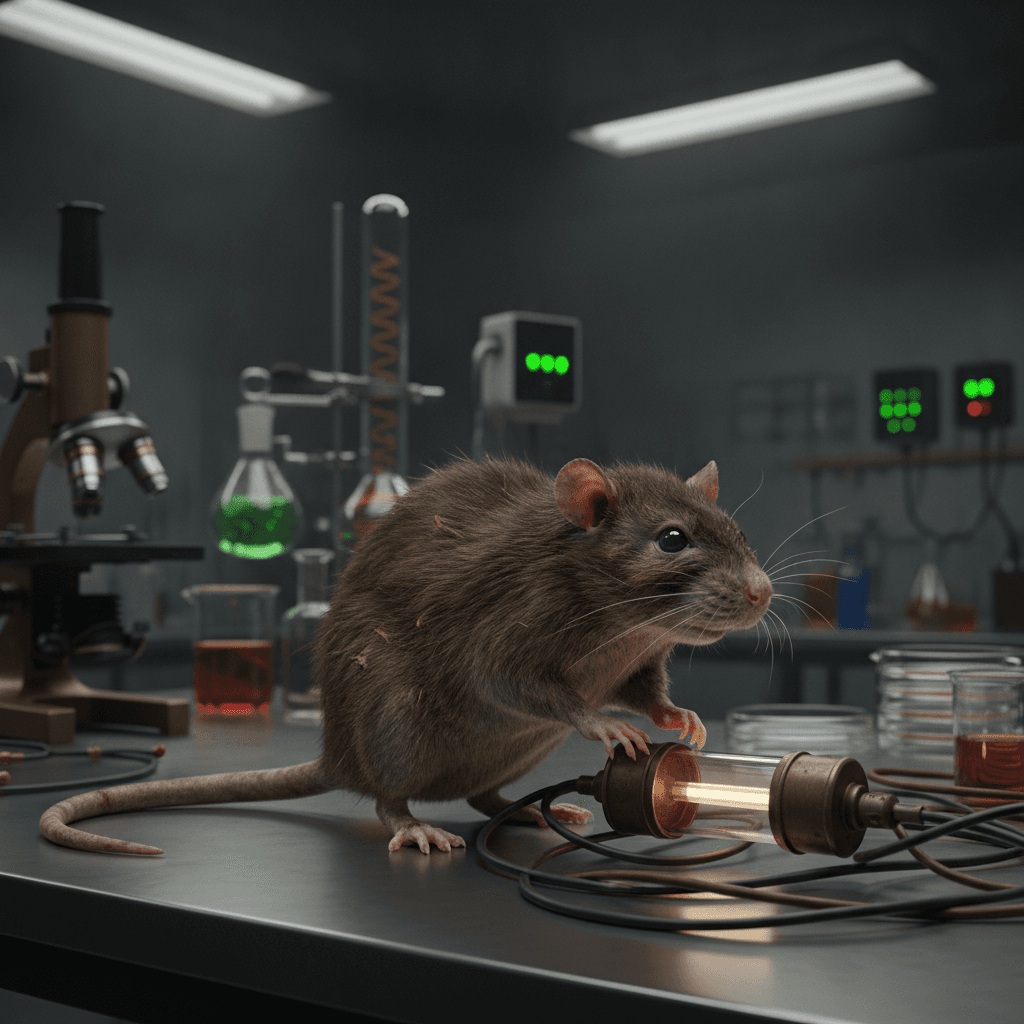
In a study, researchers found that the experimental drug cinaciguat restored aging liver cells in rats. This led to a halving of circulating amyloid-beta 40 levels and a reversal of age-related increases in LDL.
Source: Animal study, Aged rats. The result is in animals. Many animal results do not hold up in people, so this is early evidence.
What was found
In aged rats, two weeks of the soluble guanylate cyclase activator cinaciguat restored fenestration in liver sinusoidal endothelial cells (LSECs).
Circulating amyloid-beta 40 levels halved, returning to levels found in young rats.
Cinaciguat also reversed age-related increases in LDL.
The treatment restored aged LSECs' paracrine signaling and secretion of heparin-binding epidermal growth factor-like growth factor (HB-EGF), which mediates LSEC-hepatocyte interaction.
Treatment also reversed age-associated loss of LDLR and low-density lipoprotein receptor-related protein-1 surface expression in rat hepatocytes.
How it was done
Researchers hypothesized that restoring aged LSECs' fenestration would enhance the passage of large-diameter triglyceride-rich lipoproteins, to which amyloid-beta is bound, into the space of Disse, permitting hepatocyte uptake of amyloid-beta.
They treated aged rats with cinaciguat for two weeks and measured amyloid-beta 40 and LDL levels.
The researchers also investigated additional mechanisms by which LSECs promote hepatocyte clearance, studying primary hepatocytes and hepatocytes cultured in LSEC conditioned medium from young and aged rats.
They identified HB-EGF as mediating LSEC-hepatocyte interaction and found that cinaciguat restored HB-EGF secretion by aged LSECs.
What it does not show
This was an animal study conducted in rats, and the results may not apply to humans.
The study used an experimental drug, cinaciguat, which is not approved for human use.
Who was talking about it
- ScienceDaily: Healthy Aging on the news (2026-11-03): ScienceDaily reported that USC researchers found an experimental drug restored aging liver cells in rats. See the post
The source
This is news, reported from the source above. It is not medical advice and not a recommendation. Talk to your doctor or pharmacist before you change any medicine or supplement.