
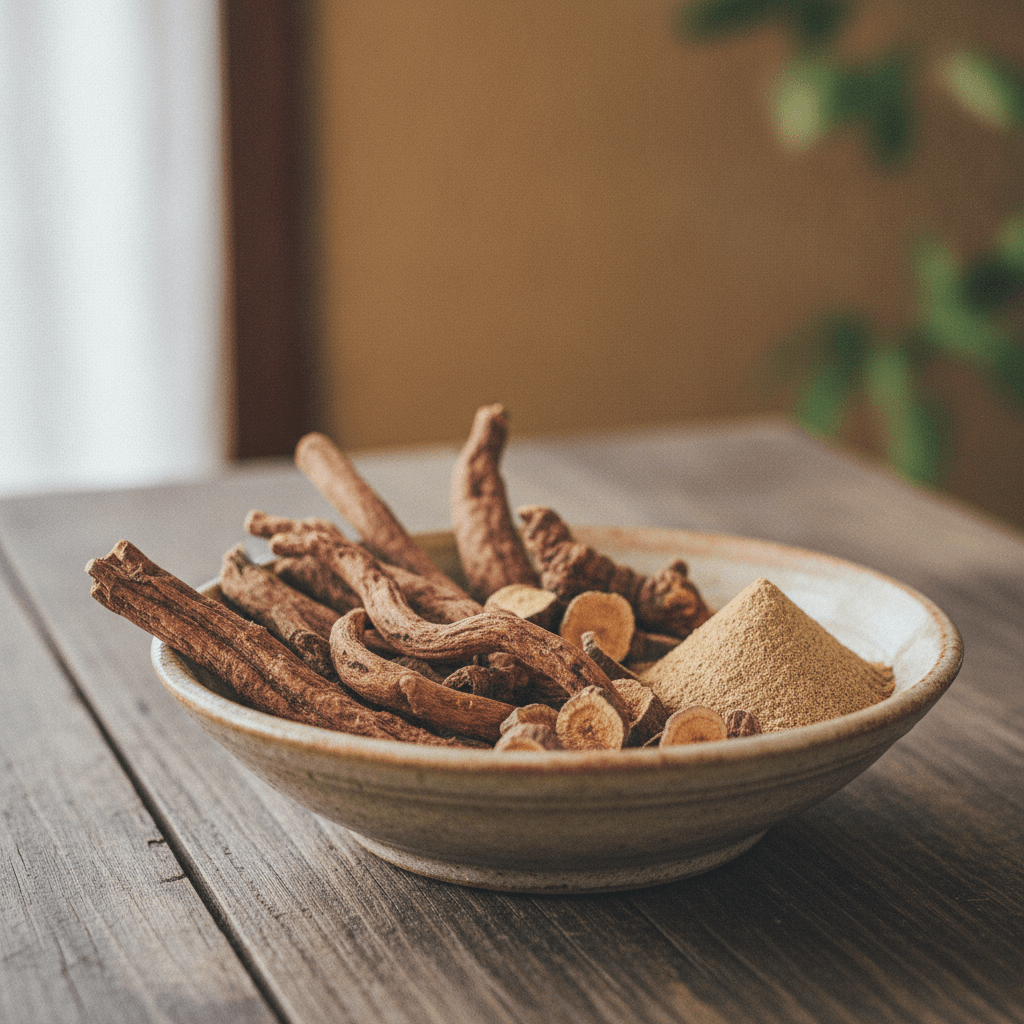
In a 12-week randomized trial of 120 adults with alcohol use disorder who binge drink, those given kudzu extract on days they expected to drink had fewer binge-drinking days than those given placebo. The researchers report the effect was modest and based on self-reported drinking.
Source: Human randomized trial, 120 adults with alcohol use disorder who binge drink. People were assigned at random to take it or not: the strongest single kind of study for showing cause and effect.
What was found
The researchers report that people assigned to kudzu had fewer binge-drinking days in the past week than those given placebo. This was the trial's primary outcome. The incidence rate ratio was 0.73 (95% confidence interval 0.54 to 0.99), which is about a 27% lower rate. The interval's upper end sits just under 1, so the result was only just statistically significant.
Among people who took the medication at least 2.7 days per week, the estimated effect was larger (ratio 0.58, interval 0.38 to 0.89). The researchers also report fewer binge-drinking weeks in the main analysis (relative risk 0.79, interval 0.62 to 0.99).
In the as-treated analysis, the share of people with a positive blood test for phosphatidylethanol, a marker of alcohol use, was also lower (relative risk 0.82, interval 0.67 to 0.99). Binge-drinking days were still lower at the visit three months after treatment ended (relative risk 0.68, interval 0.47 to 0.97).
Retention was high: 88% completed the trial. Adverse events were similar between groups, and the researchers report no serious adverse events related to kudzu.
How it was done
This was a double-blind, placebo-controlled phase 2b trial. Adults with alcohol use disorder who binge drink were randomly assigned 1:1 to kudzu extract or matching placebo. They took 2 grams of oral extract as needed, on days when binge drinking was expected. Everyone also had weekly counseling for 12 weeks.
The primary outcome was the number of binge-drinking days in the past week. Secondary outcomes included binge-drinking weeks, number of drinks, and alcohol biomarkers including ethyl glucuronide and phosphatidylethanol.
What it does not show
The trial was small, with 120 people, and ran for 12 weeks plus a follow-up visit. The main result was close to the edge of statistical significance.
The researchers' conclusions rest on self-reported binge drinking. The as-treated analyses, which showed larger effects, compare people by how often they took the product, and such comparisons can be affected by other differences between groups.
The authors say kudzu may be a helpful treatment, and that is their interpretation. A phase 2b trial is not enough on its own to establish that.
Where this fits
The result applies to adults diagnosed with alcohol use disorder who binge drink and who also had weekly counseling; it says nothing about people without that condition. Kudzu has been studied in people for drinking before, but trials have been small and results mixed. A reader can check how an over-the-counter kudzu product's labeled extract amount compares with the 2 grams studied, and check any supplement against their medicines.
Read more: Supplement and medication interactions
Who was talking about it
- StudyFinds on the news (2026-11-09): StudyFinds reported that kudzu cut binge-drinking days by 27% in a new trial. See the post
- Bioengineer.org on the news (2026-11-06): Bioengineer.org reported that a kudzu extract taken before drinking curbed binge drinking in a trial. See the post
- Vinetur on the news (2026-11-05): Vinetur reported that a UCSF trial suggests kudzu extract reduced heavy drinking days. See the post
The source
This is news, reported from the source above. It is not medical advice and not a recommendation. Talk to your doctor or pharmacist before you change any medicine or supplement.